The week before my oldest son, Reid, was born I penned him a letter entitled, “A letter to my unborn son, from your mom with Crohn’s disease.” When I wrote that article, I was 38 weeks pregnant. As a first-time mom, living with Crohn’s disease, I had a mix of excitement, anxiety, and fear about taking the plunge into parenting. Tomorrow (March 29th) Reid turns five. Now as I reflect on my experience of living as an IBD mom for half a decade, I want to share what I’ve learned along the way with you and write him another letter to mark this milestone.
Dear Reid,
Where do I begin? Five years ago, you changed my life in the most beautiful, exciting, challenging, and everchanging way possible. You made me a mom. After more than 11 years of fighting Crohn’s disease and constantly feeling at war with my body, I was able to nurture you, help you grow full-term with a flawless pregnancy, and bring you safely into this world. I feel like I blinked, but I also feel like I’ve known you my whole life.
We’ve been through a lot together, little buddy. As a stay-at-home mom I’ve been by your side through everything. I’ve witnessed every moment of you growing up and I feel eternally grateful for that opportunity. Before you were born, I used to pray that I wouldn’t be hospitalized with a flare up until you could walk. I imagined you as a toddler walking into my hospital room. I feared what it would be like to spend countless days away from you, Facetiming with a smile through the tears or trying to recover from surgery with a little one depending on me at home.
But those fears never became realized. We’ve made it five years, flare up free, baby boy. That’s not to say I haven’t had painful days, procedures, and worries along the way. But you’ve been my greatest motivation since you came into this world. You’ve patiently sat day after day on the bathroom floor when mommy’s tummy wasn’t feeling well. You’ve comforted me on the couch when I don’t have the energy to go outside. You’ve cheered me on as I drank colonoscopy prep each year. You’ve handed me candy and told me it was medicine to make me feel better. You’ve attended countless doctor appointments and lab draws. You’ve snuggled me when you know I’m unwell. You’ve sat next to me with a toy pretending to do an injection alongside me on Monday nights, staring at my face to see if I was hurting. You’ve taken your own shots at the pediatrician like a champ because you’re so desensitized.
You constantly see me through a lens I’ve never been seen through before. I catch you watching my facial expressions. I know when you’re worried about me. I melt when you randomly ask me how my tummy is feeling and if I’m feeling happy, but also feel a sense of sadness that you even need to have that thought cross your mind. You are an empath with a heart of gold. While I wish you didn’t need to witness and experience these difficult moments and I try my best to shield you from my struggles, I know in my heart, and I’ve witnessed firsthand how my disease has shaped and continues to shape our family in positive ways.
As you gear up for kindergarten this fall, I will miss our days…even the long ones! You’ve been a constant in my life since the moment I held you for the first time. Your personality as a baby seemed quiet and shy, boy did you have me and everyone else fooled! You’re so silly, so smart, so thoughtful, so outgoing. You’ve given me a run for my money more times than I can count, but I love that you are so steadfast in knowing what you want and sharing that openly with me.
As an IBD mom I find myself looking at you, and at your sister and brother, on the daily wondering and worrying deep down if one day you’ll get my disease. Every night we say our same prayer, the same prayer I’ve said to you all your life, hugging and rocking back and forth.
“Dear God, keep my baby healthy, safe, and strong. Guide him and protect him. Let him continue to be a light for everyone he meets. I love you forever and ever and ever, I love you forever and ever. I love you forever and ever and ever, I love you forever and ever.”
When I pray for *healthy*, I mean no IBD…but you don’t know that yet. You are a picture of health in every sense of the word. Someday when you’re older you’ll know what I’ve been up against my entire adult life, but my hope is that it will inspire and empower you to be strong through the unpredictable peaks and valleys life will throw your way.
I still haven’t explained fully to you that I have Crohn’s disease. I’m not sure it’s necessary to even say “disease” to you. As you grow up, I’ll tell you more. But for now, I don’t want you to worry or wonder. I hope we get another five years hospital visit-free.
Thank you for showing me all that’s possible and for making me a mom. Five years of loving you, guiding you, and watching you thrive has been magical. When I was pregnant with you there was a Florida Georgia Line song called “H.O.L.Y.” that always made me cry thinking of you—because of the line, “you’re the healing hands where it used to hurt.” The other day I was driving home from the grocery store and that song came on the radio. I hadn’t heard it in years. Instant tears. Instant gratitude.
I love you, Reid Robert. I wish I could bottle up your laughter and littleness. I find myself really staring at you lately in awe that we’re at this point already. You are everything I ever dreamed of and more than I ever hoped for. Thank you for being the sweetest motivation and distraction and for being wise beyond your years. I am so so proud of you. I appreciate you reminding me without knowing it that I am so much more than my disease.
Did you know that at least one third of patients with Crohn’s disease experience a fistula during their patient journey? For those who don’t know, this complication happens when an abnormal passage develops between the bowel and nearby organs, such as the bladder, vagina, rectum, or skin. Fistulizing disease is complicated and unfortunately remains somewhat of a taboo topic of discussion.
This week on Lights, Camera, Crohn’s we hear from 36-year-old Lisa Mason who transparently shares her experience living with multiple abscesses and fistulas through the years. Diagnosed with ulcerative colitis at only 5 years old, and later diagnosed with Crohn’s disease, she has more than three decades of experience facing IBD head on. Lisa is passionate about showing others this topic is not off limits and something that needs to be discussed more often. My hope is this article will serve as a resource to educate, comfort, and inspire.
Dealing with IBD as a pediatric patient
“By the time I was 10, my only option was to have surgery to remove my entire large intestine. Having my colon removed entailed three surgeries, four hospital stays, a temporary ileostomy, doing school from the hospital, and re-learning how to use the bathroom after the ileostomy was reversed. I thought my disease was gone, but it turns out having your colon removed is NOT a cure.”
For nearly 20 years Lisa felt she functioned as a healthy person who went to the bathroom 10-15 times a day. She had pain and abdominal discomfort off and on and was used to getting up to use the bathroom three times during the night. She attributed all this to the fact she didn’t have a colon. Then, in 2013, her symptoms took a turn for the worse.
“I noticed a “bump” near my vagina. Soon there was a second bump. I started with my primary care doctor who diagnosed it as a Bartholin cyst. I went to an OBGYN, who said they couldn’t do anything. After a second OBGYN opinion, I was prescribed antibiotics, which didn’t do anything.”
Lisa met with eight doctors to try and find someone to help her. Lisa saw a GI doctor who ordered an MRI but couldn’t see a direct tunnel to her GI tract and told her the issue was not IBD-related. For almost four years she had pus and blood constantly draining from the new “holes” by her vagina and no matter how hard she tried, she couldn’t find a medical professional to diagnose her correctly.
“Between 2013 and 2016, I had these abscesses/fistulas with no diagnosis. I was very fortunate that the abscesses made their way to the surface of my skin.”
“In sickness and in health”
Lisa got married in August 2016 and the week after her wedding, her fistula “blew up” to a huge abscess.
“Finally, a new OBGYN doctor suggested I see a surgeon who specializes in OBGYN oncology. I had three abscesses removed through surgery. Within one week of the surgery, the abscesses came back. The surgeon said, “this has to be IBD-related.”
So, Lisa went to a new colorectal surgeon. Between 2016 and 2018, she continued to have abscesses and drainage and would take antibiotics as needed.
“Luckily, they mostly drained on their own. When they couldn’t drain, I would be at home in excruciating pain for a few days until they made their way to the surface of my skin. During this time, both my GI doctor and Colon and Rectal Specialist (CRS) thought “things aren’t bad enough” to start biologics. Surgery wasn’t really an option since the fistulas were so close to my vagina. And since they continued to drain, the risk of infection was lower.”
The battle to get started on a biologic
In late 2018, Lisa’s GI doctor began the steps to get her started on Remicade. After doing all the medical testing for the insurance company, her GI decided her symptoms weren’t significant enough to start biologics. A year later, the fistula grew to an abscess the size of a large marble, again.
“For about four days, I couldn’t move without being in a lot of pain. The GI doctor and insurance finally agreed it was time to start Remicade.”
In August 2020, Lisa developed an entirely new fistula (this time the fistula was on her butt cheek). After several rounds of Flagyl and Cipro, the infection wouldn’t subside. All the antibiotics caused a C. diff infection, creating even more challenging symptoms.
“Finally, when the fistula moved closer to the skin’s surface, my CRS opened the fistula during an office visit so it would drain. I am lucky that I avoided surgery to install a seton.”
When antibiotics don’t get the job done, the next step is often seton surgery. A seton is a procedure that involves a thin rubber surgical-grade drain that goes through the fistula tract so that the cord creates a loop that joins up outside the fistula. The hope is to prevent the formation of an abscess.
At this point the game plan was to start Humira, which failed her as well.
Onto the next…biologic
Lisa then started Stelara in October 2021 and so far, it is doing the trick.
“My latest fistula has never been better! It still gets a little inflamed, and I still wear gauze every day, but it has come a long way! My other fistulas are not active. I still have one fistula that is a direct open tunnel that stool leaks out of. That fistula will always be there, but it is not irritated or inflamed. I am still working with my doctor on symptom remission. I am currently on Budesonide to help with my symptoms, and that’s working. I hope to wean off Budesonide in the next month or so.”
As Lisa comes to grips with these struggles, she says past medical trauma haunts her. Every doctor’s appointment and every procedure takes her to an unhappy place. She brings her husband or her mom to every appointment and seeks help from a therapist, but still has a tough time coping.
As a scientist, Lisa has used her career expertise to improve her communication with her care team. She has a system for tracking her symptoms, sharing the trends, and writing down her questions.
“Advocating for yourself to your doctors takes practice. Over the years, I’ve learned to track all my symptoms from number of bowel movements, diet, menstrual cycle, stress levels, etc. I created a system that works for me. Before I go to the doctor, I write down a timeline showing trends in my symptoms. I write down all the details to show the big picture. I think this has helped me communicate more effectively with my doctors and has helped create a treatment plan that works for me.
For ideas on how to communicate with your doctor to better advocate for yourself, the Crohn’s and Colitis Foundation has a great resource page on “Partnering with Your Doctor.”
Worries and wants for the future
Despite having IBD for as long as she can remember, as she tries different biologics and forges ahead Lisa says she’s “re-learning” what it means to have a chronic illness.
“The hardest part is knowing that it’s possible I may not get to be a mom. I may not be able to have a baby because of possible scar tissues blocking fallopian tubes, having active Crohn’s, higher risks of miscarrying, a low AMH score (a fertility test that measures a woman’s ovarian reserve), past medical trauma, and my age. And if I can have a baby, I don’t know if I should. My body has been through so much already physically and mentally. Should I have a baby if I am going to be sick off and on my entire life? The thought of passing this disease on to my child is heart wrenching.”
While IBD has put a halt on Lisa’s family plans it hasn’t stopped her from completing seven half marathons and raising more than $30,000 for the Crohn’s and Colitis Foundation through Team Challenge!
“Besides meeting other people with similar issues, I learned to talk about this disease openly. For most of my life, I would only talk about IBD on a “need-to-know” basis. I am forever grateful for Team Challenge, but in all my experiences with the IBD community, fistulas are commonly experienced by patients, but aren’t talked about enough.”
For anyone struggling with fistulas or IBD, Lisa recommends connecting with others who may going through the same thing.
“With social media, we have more opportunities than ever before to connect with people with similar struggles. I also recommend connecting with IBD non-profits. For me, The Crohn’s and Colitis Foundation (CCF) has been an extremely valuable resource. Between Team Challenge, Take Steps, support groups, and educational seminars and resources, there is something for all patients and caregivers. Currently, I am serving on the Patient Advisory Taskforce for CCF, and it gives me hope for future treatments and a cure someday.”
When you are struggling with your IBD, be sure to rely on your support system, like your family, and know that things will get better. Look for the little things that bring you joy even when you are feeling sick. My go-to list includes sitting outside, spending time with my family and my pets, and writing down a gratitude list.
Despite the unexpected setbacks and flares through the years, Lisa is grateful for the full life she has been able to live. She has an amazing husband, a supportive family, a career she loves, and has had opportunities to camp, hike, and travel abroad multiple times. She’s even been to Africa on multiple occasions. Ironically, her husband had to have half of his colon removed from Hodgkin’s Lymphoma (he’s healthy now!), so between the two of them, they don’t have a full large intestine. Lisa says they take ‘No Colon, Still Rollin’ very seriously!
Lisa advises people to lean on their support system and know that things will get better. When she’s feeling unwell, she tries to do activities that bring her joy such as sitting outside, spending time with her family and pets, and writing a gratitude list.
Connect with Lisa
Lisa is part of a private Facebook group “Abscess/Fistula Support for Women” which she finds to be extremely helpful.
When you think about IBD and motherhood, you may instantly imagine a woman who has dealt with her disease for years before getting pregnant. But that’s not always the case. This week on Light’s, Camera, Crohn’s we hear from IBD mom, Angela Knott. She was diagnosed with ulcerative colitis when she was 17 weeks pregnant with her second child in December 2020. While a circumstance like this is rare, it is possible and complicated.
Between navigating the pandemic and a chronic illness, this diagnosis rocked her world. Angela was living in Australia (away from all family and friends) because her husband is a U.S. Navy pilot. They were on orders for a pilot exchange program in Adelaide, South Australia. Angela and her family now live in Texas.
She reflects on her journey as a woman and mother with ulcerative colitis and how it felt to receive a chronic illness diagnosis while trying to bring a baby safely into this world. Prior to being diagnosed with IBD, Angela was in perfect health. She never had a cavity or even broke a bone. She grew up being extremely active and is in excellent shape. Her first pregnancy in 2018 was flawless and uneventful. She carried her daughter to term and had no issues. But everything started to change when she was 15 weeks pregnant with her son.
“During this time, I experienced severe fatigue, anemia, stomach pain, stomach cramps, and weight loss (I lost 15 pounds over two weeks). After a few days of symptoms, I went to my doctor, and I told him all about my symptoms and how I was concerned something might be off with my pregnancy. He told me I was lactose intolerant and that I needed to limit my dairy intake. I did this for three days and then I went back to the doctor because my symptoms were getting worse.”
Angela was then tested for salmonella poisoning and two days later, the test result was negative. By this time, she had already lost 10 pounds and she was becoming scared that something was wrong with her baby. She got a second opinion and was told she likely had irritable bowel syndrome (IBS). That doctor wrote a referral for a gastroenterologist.
“That same evening, I ended up in the hospital due to my symptoms worsening and I was scared my baby’s health was declining since I was so ill. I was told to immediately go to the Women and Children’s Hospital to have the baby monitored (in Australia, this is a hospital for pregnant women, children, teens, and babies). I was more concerned about my baby’s health rather than my own which, is why I went to a hospital that assisted pregnant women.”
While at the hospital, Angela’s baby was monitored and doing well. She was given IV fluids to help with dehydration and she started to feel better. She went home and rested, again being told she likely had IBS.
“Shortly after getting home, I started vomiting and this continued for the next two hours. After speaking with my husband, we decided I needed to go to the ER because something was seriously wrong, and I needed treatment.”
Seeking emergency care during Covid
Due to Covid restrictions in December 2020, Angela’s husband had to drop her off at the emergency room and could not go in, only adding to an already stressful and worrisome situation.
“After reviewing my blood work and hearing about my symptoms, a gastroenterologist at the hospital stated I may have colon cancer, ulcerative colitis, or Crohn’s disease. I knew what IBS was, but I had never heard of UC or Crohn’s before. On top of being told I may have an autoimmune disease or cancer, he told me I needed to have an endoscopy to check for potential inflammation in my colon and that this procedure could result in me miscarrying since I was going to be put under. I had never been so scared in my life.”
Angela underwent the endoscopy in the morning and sure enough, she was diagnosed with ulcerative colitis. She was close to having a toxic mega colon.
“It was a blessing that I went to the ER when I did because if I had waited a day longer, my colon would have become toxic, and my organs would have potentially shut down thus impacting my baby’s life. Later that afternoon, I met with another gastroenterologist, and he gave a thorough explanation of UC and my treatment options. He explained to me I would need Remicade infusions every 6 weeks throughout my pregnancy until I was 36 weeks pregnant. Within the next hour, I received the Remicade infusion.”
She stayed in the hospital for one week and was released on December 23, 2020. Angela received another infusion on Christmas Eve and stayed on a special diet for the next week. Within two weeks, her symptoms had drastically decreased, and miraculously remission seemed to be on the horizon.
“When I started the biologic, I was extremely nervous about how it would affect my baby’s health as well as mine. I was told it was safe for pregnancy, but it was scary knowing that my baby would be exposed to an immunosuppressant drug. I was very cautious during my first pregnancy as well as the first few months of Henry’s pregnancy, so it went against everything I had prepared for and wanted. On the flip side, I also was concerned about how malnourished I was from being so sick. I didn’t want to cause any more issues to my body or cause something to go wrong with my pregnancy.”
Initiating Remicade while pregnant
When Angela was 28 weeks pregnant remission became a distant thought, as her body was rejecting the infusion and she started flaring, again. She had a flexible sigmoidoscopy which showed she had severe amounts of inflammation in my colon.
“At 30 weeks pregnant, my bloodwork showed that my colon was nearing toxic levels and that I needed to have my baby early to ensure my organs didn’t shut down. A few days later, I was admitted to the hospital and my baby, and I were monitored for a week. I was given fluids and steroids to assist with the inflammation (a steroid shot was also given to me for my baby’s lungs). At this point, I had to switch OBs and delivery hospitals since I was admitted to a hospital that dealt with high-risk patients. This was the best decision possible since I was given an amazing team of doctors and specialists.”
Angela and her son were monitored closely. Four medical teams were on board to do all they could to ensure a healthy delivery—NICU, colorectal team, OB, and gastroenterology.
Her miracle baby, Henry, arrived 8 weeks early via an elective c-section April 1, 2021. Angela had a classical c-section (vertical incision on her abdomen) because after she delivered the colorectal team had to check her colon for inflammation.
Luckily, the inflammation was “only” considered mild to moderate. Angela’s bloodwork the day before had showed her colon was near toxic levels. She had been prepped for a possible ostomy. Fortunately, she still has her colon.
How Henry was after birth
Angela’s son was born extremely healthy and came out breathing on his own. He spent the first six weeks in the NICU to assist with growing and feeding and remained in the hospital for an additional week.
“I received another Remicade infusion a few hours after delivering as well as an additional infusion a few days later. Within 24 hours of delivering Henry, I felt like my old self again (pre-UC diagnosis) and I was almost immediately in remission. It was determined my UC was most likely dormant for years and my pregnancy triggered it. Additionally, my initial pregnancy flare started shortly after my second trimester and the Remicade failed when I started my third trimester. My medical team thinks my pregnancy hormones caused a lot of my issues.”
Postpartum as a newly diagnosed IBD mom
In the months following Henry’s birth, Angela was relieved to be feeling more like herself. The fear of a looming flare worried her as a stay-at-home mom. She ended up losing 30 pounds during her pregnancy and was recovering from a very painful c-section.
“Fortunately, I did receive counselling services throughout my pregnancy (after I was diagnosed) and postpartum which helped.”
Due to being on so many different medications and having a stressful birth, Angela had a low milk supply and therefore breastfed, pumped, and supplemented with formula the first few months.”
“I was grateful my baby and I are alive; every day I rejoice thinking of how far we have come, and I am extremely grateful he is healthy and happy. I now have a deep understanding of how short life is and I no longer stress about life’s minor hiccups. I constantly count my blessings and greatly appreciate my health which I took advantage of before my chronic condition. I am a mentally strong person now and I have amazing coping skills because of my diagnosis.”
Angela still receives Remicade infusions every 6 weeks and is extra mindful of her health. She works out a few times a week, eats healthy, watches her stress levels, and makes sleep and rest a priority.
“I am doing everything I can to stay in remission and have been flare-free for almost a year. Every three months, I see my gastroenterologist and have bloodwork taken to ensure my health is on track. Prior to staying home with my kids, I was a teacher and I plan to return to the classroom soon. I am blessed to know I have biologic options to help me stay in remission so I can be successful in the classroom.”
Despite only being diagnosed with ulcerative for 15 months, some days Angela feels like it has been years.
Here’s Angela’s advice for other women dealing with an IBD diagnosis prior to getting pregnant, while pregnant, or after delivering:
Seek out mental health assistance during challenging times and find a support group either locally or through social media to connect with others who live with IBD and understand your reality. Angela’s favorite Facebook group is: Ulcerative Colitis Support Group, which has 36,000 members.
Ask all the questions. Don’t hesitate to reach out to your care team whenever you’re unsure about something or want clarity. Do all you can do educate yourself on your condition.
Get a second opinion. Don’t feel bad about seeking care from multiple specialists to ensure you are making the best decisions for yourself.
If you’re a faithful person, lean heavily on prayer and trust that God will watch over you through the highs and the lows of your illness.
Communicate as best you can with family and friends. Angela is grateful for the love and support of her husband.
With mask mandates ending for most states across the country and the CDC once again changing its guidance about masking, it’s a cause for concern for many who are immunocompromised or considered higher risk for Covid-19. As an immunocompromised mom of three kids under age 5, I feel a bit uneasy about the shift in measures, even though I had Covid-19 in January. I contacted my GI this week to ask her opinion on the mask mandates lifting and navigating this time as an IBD mom. She didn’t hesitate for a second and told me to keep masking—not only for myself but because of my kids. She herself hasn’t stopped masking in public and doesn’t plan to anytime soon.
I polled my followers on Twitter and Instagram by asking: “Do you still wear a mask in public, indoor spaces?” Nearly 500 people responded. On Instagram, 69% responded “yes” to still wearing masks and 31% responded “no”. On Twitter, 88% responded “yes” and 12% responded “no”.
This led me to dig a bit deeper and hear what several top gastroenterologists who specialize in inflammatory bowel disease had to say on this controversial and politicized issue.
Dr. Aline Charabaty, MD, Assistant Clinical Director of the GI Division at Johns Hopkins School of Medicine, and the Director of the Inflammatory Bowel Diseases Center at Johns Hopkins-Sibley Memorial Hospital, offered several fantastic analogies for the IBD community. The one that really hit home to me was talking about family planning and remission in Crohn’s and ulcerative colitis. If you are flaring and want to start a family, the rule of thumb is to be off steroids for at least six months to ensure disease activity is calm. We JUST got through the rampant spike in omicron cases last month. In her opinion, going maskless this soon after that highly contagious variant is premature. She believes we need to wait longer to make sure we are out of the woods and that conditions need to be more stable for a longer period of time. Until then, she recommends those who are more susceptible in the IBD community continue to mask as an extra safety net.
“We are not out of the pandemic. Sure, there are less deaths and fewer severe cases, but people are still getting sick. We saw this happen when we let our guard down and delta hit…then omicron. When you are driving, you wear a seatbelt, follow the speed limit, try not to tailgate, and follow the rules of the road. These are all precautions to drive safely to your destination and avoid an accident. You don’t just do one thing to prevent a car accident. With Covid, we got the vaccines, we’re wearing masks, we’re limiting exposure to large crowds, and measuring risk versus benefit for each of our decisions. It’s not a pick and choose situation of how to keep ourselves and others out of harm’s way.”
Dr. Charabaty went on to say why get sick with something when we really don’t know the long-term effects. We already see Covid can cause a higher risk of depression, heart disease, and autoimmune issues.
“Wearing a mask is such a simple measure. If it adds a benefit, I don’t see why people are saying no to this. This virus can really change your body. Why not add another layer of protection to prevent illness? There are no downsides to wearing a mask, so why not wear it? When you are out and about there are people with weakened immune systems, cancer patients, organ transplant recipients, people on multiple IBD medications…why put these people at risk of infection? The more Covid is transmitted, the higher the risk of mutation, which will cause yet another spike. Each variant has been a result of people letting their guard down to soon with their decision making.”
Dr. Neilanjan Nandi, MD, FACP, Associate Professor of Clinical Medicine, Gastroenterology, Penn Medicine, agrees that while case numbers going down is reassuring, that we are not out of the woods yet. To him, a mask is a sign of empathy for others.
“It’s not about us…whether it’s a caregiver or a family member or friend, this shouldn’t be looked at as an encroachment on our freedom, but rather about showing respect for those around us. The best thing we can do is mask up. Wearing a mask in public, indoor spaces is a smart move because you don’t know the immunization status or exposures of people you don’t know. If you are planning to see family or friends and know people’s vaccination status or if they’ve recently had Covid, you might feel more comfortable not wearing a mask.”
Pre-pandemic photo-May 2019 with Dr. Nandi at Digestive Disease Week in San Diego.
Dr. Nandi reiterated the fact that we’ve learned over the course of the last two years that most of our IBD medications don’t cause an increased risk and may even be protective. While this is reassuring, if you are on 20 mg of prednisone or higher, he highly recommends you mask up as you are more susceptible to illness.
Dr. Uma Mahadevan, MD, Professor of Medicine, and Director of the UCSF Colitis and Crohn’s Disease Center, says every region of the country is different and that your location should be taken into account.
“In the Bay Area we have a high vaccination rate and a low hospitalization rate. You also have to consider the patient’s personal risk and risk aversion.”
Here’s what Dr. Mahadevan tells her patients.
Follow local guidelines for masking
If you are vaccinated and boosted and are in a low-risk area with no mask mandate, its ok to not mask, particularly outdoors. Indoors in crowded shopping areas, etc., I would still consider masking. However, again, low risk patient in a low-risk region, it’s ok not to mask.
For high-risk patients on steroids, double biologics, severely active disease, etc. I still recommend masking.
Dr. Miguel Regueiro, MD, Chair, Digestive Disease and Surgery Institute, Chair, Department of Gastroenterology, Hepatology & Nutrition, Cleveland Clinic, is hopeful we’re headed to what we see with influenza. While of course flu can still be serious and deadly, with enough people vaccinated and exposed to Covid, we can have herd immunity.
“We’re all learning as we go and there’s a lot of “grey” with nothing very “black or white.” For now, I am recommending IBD patients continue to mask. For those who are immunocompromised, wear a mask in indoor spaces, especially crowded spaces such as airports. In outdoor spaces, it is less clear, but masks are probably a good idea when social distancing is not possible.”
Pre-pandemic photo-May 2019 with Dr. Regueiro at Digestive Disease Week in San Diego
Dr. Peter Higgins, MD, Ph.D., M.Sc., Director of the IBD Program at the University of Michigan, says if a person is unvaccinated, masks are a must. He encourages you to talk with your doctor about Evusheld, a monoclonal antibody against Covid-19 for immunocompromised people and those who cannot be vaccinated for medical reasons.
“If the county you live in is below 10 cases per 100,000 people (CDC is saying 200/100,000 for the non-immunosuppressed), then you can consider not wearing a mask. But admittedly, this is an arbitrary number and 200 cases for every 100,000 people seems too high for the immunocompromised population. Especially if you are around kids, the elderly, or those who have not been able to be vaccinated, showing solidarity and wearing a mask is highly recommended.”
He explained that eating indoors with good ventilation is OK, but that is it hard to prove unless you have a CO2 monitor that can show a consistent CO2 ppm (parts per million) < 650. To give you an idea, Las Vegas casinos have good ventilation systems in place to keep restaurants free of smoke and those measure between 400-450 ppm. Dr. Higgins still recommends people do a rapid test within 12 hours of gathering with friends and family. He adds that as we learn more about long Covid and new variants guidance may once again shift.
Dr. Harry J. Thomas, MD,Austin Gastroenterology in Texas, also recommends patient who are immunocompromised (especially those on anti-TNF’s, prednisone, and other immunosuppressants) to mask up.
“I empathize with people who are worried about being judged by others and I recommend that they share — if they feel comfortable — that they (or their family member) have a chronic disease that places them at higher risk. I do feel that abandoning masks right now is premature, especially here in Texas as well as in other parts of the country with lower vaccination rates. I’m not sure if/when there will be another spike, but we still have about 2,000 COVID deaths each day which is really tragic and indicates that the pandemic is far from over.
My personal take
Personally, my husband and I still wear masks in public, indoor spaces. Our children who are in preschool are one of the few who are still wearing masks at their school. While I understand each person has the right to make their own personal decision for themselves and for their families, it’s disheartening and honestly disappointing to see the lack of care for others who are not fortunate to have the luxury of being healthy. I can’t tell you when I’ll feel safe enough to go into a grocery store or the mall without a mask on, it’s going to take time and assurance from my care team that I’m not making a rash decision that could put myself, my family, or even strangers at risk. It’s complicated. I get it.
My daughter at preschool this week. Still masked up.
When you’ve lived with a chronic illness like Crohn’s disease for nearly 17 years and been on immunosuppressive drugs ever since, your perspective shifts. You quickly realize you are not invincible. You recognize and empathize with those who have health struggles and depend on the greater good to make sound decisions. It’s a small act of kindness for the sake of health and safety. Talk with your care team about navigating this new normal. Don’t base your judgements on social media, the news, or your political beliefs. This is an ever-evolving discussion. It’s been a long two years. We’re all tired. But that doesn’t mean apathy is the answer. You may not care, but you are making a statement to those who are vulnerable when you go maskless indoors.
It’s ok to be unsure. It’s normal not to want to be judged or feel your kids will be outcasts if they’re the only ones at school masking. It’s understandable to feel a bit lost about what is best. But if a mask makes you feel comfortable, safer, healthier, you do you. Know that the medical community and so many others stand in solidarity with you.
When Marquis Ellison met and began dating his wife, Tasheia, in 1999, they were juniors in high school. The couple tied the knot 13 years ago. One year into marriage, Marquis started to experience weight loss, fatigue, anemia, abdominal pain, stomach cramps, and loss of appetite. He dropped to 100 pounds! They were on an anniversary trip to Los Angeles when his symptoms started to become unbearable. After the trip, Marquis was diagnosed with Crohn’s disease. He was 26 years old.
“Upon being diagnosed, I felt a sigh of relief in knowing what the condition was and starting on the right medications. I owned it and decided to beat it by how I live, educate and inspire others.”
Tasheia has been by Marquis’ side every step of the way. Every colonoscopy. Every flare. Every doctor appointment. He thanks God every day for a wife who truly exemplifies what it means to be a partner in sickness and in health.
Focusing on faith and family
Marquis keeps busy as a husband, father, and personal trainer. He gives all the credit to God.
“Faith is the cornerstone of who I am and why I have the outlook I have with Crohn’s. If God wants to completely heal me, I know He can. But if not, I know He’ll give me the strength to endure and I’m at ease with that. There’s always a greater good for what we go through and if my journey living with Crohn’s disease can inspire and encourage others, all praise to the Most High!”
Since becoming a father three years ago, Marquis says his faith and his son are his “why” …why he’s so enthusiastic about doing all he can to take care of his body and controlling what he can.
“Being a dad is the greatest gift and blessing. Knowing this little person is your responsibility. I want my son to see that while I have IBD, I don’t let it stop me and set the example he can follow when faced with life’s unpredictability. My son witnessed me running the marathon cheering me on at mile 22 and the finish line. When we got back home, he wanted to wear my medal. I asked him if he wanted to run a marathon in which he replied, ‘yes’. That was a great feeling knowing I’ve inspired my son despite my condition.”
Shout out to IBD men
When you hear about people’s IBD journeys, it’s more common to hear from women, even though Crohn’s disease and ulcerative colitis impact genders equally. Marquis wants men to recognize they are not alone and to speak up and tell their stories.
“Your story matters. Your voice matters. Speaking about your health and opening up doesn’t make you any less of a man, it only enhances it.”
As a Black man, the lack of representation, and health disparities, span far and wide. Marquis wants you to know you are not alone in your struggles.
“Our voices matter. The more we advocate, the more we’ll show that Black and Brown communities are affected with IBD and should be represented more often. I’m proud to be an ambassador with Color of Crohn’s and Chronic Illness (COCCI), where we’re working to bridge the gap and lack of representation.”
Running for a reason
Marquis recently completed the New York City Marathon in November. He says it was the toughest and most victorious accomplishment he’s ever experienced. His race shirt read, “Mr. Crohn’s Fighter” to represent all IBD warriors and show that you can still do remarkable things, despite your disease. Life with IBD is a marathon, not a sprint. That mentality prepared Marquis for the race.
“Living with IBD is unpredictable. The unpredictability of a flare up or foods not agreeing with you always feels like something is looming. When running, you never know how the course or weather will be. You can train hills or in the rain, but you may still face adversity you didn’t prepare for. With running and with Crohn’s disease, it’s all about mindset and the ability to adapt and repeatedly overcome. Focus on your current reality and not on what hasn’t happened or what could happen.”
He’s currently training to run the New York City Half March 20th, 2022.
Focusing on what you can control
Marquis manages his IBD through fitness, nutrition, mindset, and by taking Cimzia, a monthly self-injection. He’s all about controlling what you can and not succumbing to your circumstances.
“Life is 20% of what happens to you and 80% of how you respond to it. I choose to focus on the 80% by controlling what I can. I always say, I have Crohn’s disease, it doesn’t have me. IBD may try and take me down, but it will never knock me out.”
Pregnancy and motherhood look differently for women who have an ostomy. And not just physically. But also, emotionally, and mentally. The path to motherhood is unique for those of us in the IBD community and we’re living at a time when more research about pregnancy and breastfeeding is right at our fingertips, all of which sets IBD moms and moms-to-be up for success.
Whether you’re on the brink of needing an ostomy and fearful of what this means for your future. Whether you’re a mom of a young girl and worry about whether your daughter will ever be able to be a mom. Whether you’re newly diagnosed and can’t imagine your damaged body bringing a life into this world. Whether you just took a pregnancy test after a bag change and can’t believe it’s positive and don’t know what to do next. These transparent and real-life patient stories will bring you hope and help empower you in coping, preparing yourself, and working with your care team, if carrying a baby is something you hope to do one day.
This week we hear from several ostomates—some who are moms, others who are pregnant right now, and two women who got pregnant after having a proctocolectomy (removal of rectum and colon).
Krista Deveau was diagnosed with ulcerative colitis as a child. After having two bowel resection surgeries and her ostomy surgery over the course of 10 years, she was worried about whether being a mom would ever be an option.
“The reason for getting a temporary ileostomy and avoiding even more scar tissue, was because of I wanted to start a family with my husband in the years to come. To my surprise and my GI’s surprise, we got pregnant much easier than expected, truly a blessing because this isn’t always the outcome for everyone.”
She’s now 24 weeks pregnant and expecting her first baby in June! Krista says this is the best she’s ever felt. Her symptoms have been silent aside from having phantom rectum/poop and passing mucus more frequently lately.
Krista is on a dual biologic treatment plan (Stelara and Entyvio) every 4 weeks. She plans to stop her Entyvio treatment at 32 weeks and resume her infusion in the hospital after she delivers. She’s still in the process for determining her game plan with Stelara. She also takes prenatal vitamins, vitamin D, and b12 shots. She expects she’ll need iron infusions before baby arrives.
As of now, she plans to do a vaginal birth. Due to not having perianal disease and already having significant scar tissue and adhesions from previous surgeries, her care team determined this plan with her. Like any IBD mom-to-be, she worries about the ever-present threat of a postpartum flare, having to be hospitalized and be away from her baby, and possibly passing her disease onto offspring.
Katie Cuozzo was diagnosed with Crohn’s disease when she was 5 years old. She’s had concerns about not being able to get pregnant for as long as she can remember. Now, she’s 34-years-old and a mom of three girls. Her oldest daughter was 18 months old when she received her ostomy, so she’s been pregnant with and without a bag.
“The only difference that I noticed between pregnancy with an ostomy versus without was how to dress. As my stomach was getting bigger, it was a little harder to disguise my bag. I would mostly wear baggy clothing. With my first pregnancy, I was able to deliver vaginally, I had c-sections with my younger two.”
Katie’s perianal disease got significantly worse after delivering her firstborn. Originally, she was planning to have a temporary colostomy, but her symptoms didn’t improve so she decided to get a total colectomy. Despite her IBD causing her so many issues, Katie was able to conceive on her own without any problems.
She remained on her medications during all three pregnancies. She took Cimzia during her first pregnancy and Stelara during her other two pregnancies. Katie also continued to take her prenatal vitamin, vitamin D, vitamin b12, and calcium supplements. She also breastfed all her children.
“As I was planning for ostomy surgery, my surgeon told me that if he did a total proctectomy- removal of my rectum, my chance of fertility would decrease significantly. I made the choice to keep my rectum in place until I was done trying for more kids. I am now at a place in my life where I am beyond blessed with my three daughters and am ready to have my final surgery to remove my rectum, knowing that I will likely never be able to have more kids.”
Katie says she was amazed at how great she felt while pregnant. It was the first time in a while she was having regular, normal bowel movements and was able to eat anything and everything without having abdominal pains and needing to run to the bathroom.
Katie Nichol was diagnosed with ulcerative colitis in 2018 when she was 30 years old. She went through an emergency subtotal colectomy surgery in October 2019 to remove her diseased large bowel/colon and an ileostomy was created.
“I was told that I would keep my rectal stump to further my chances of being able to have children in the future, but my doctors told me to seriously think about having my family before my next operation, either a total proctectomy or j pouch surgery. Personally, I never thought I would ever be able to get pregnant after surgery as it was such a big life change and a lot of trauma had happened in my abdomen with surgery.”
Katie and her husband had been trying to conceive since before her IBD diagnosis. She didn’t know anyone in real life with a stoma. It made her anxious as she was unsure how her body would respond if she got pregnant and how it would affect her stoma, intestines, and overall health.
“After receiving my ileostomy, I felt so much healthier, happier, and started to think that my body would be able to conceive and start our family. My IBD team and surgeon kept saying at appointments post op that if I wanted a family I would need to start trying in the next couple of years before my next operation.”
Katie says her surgeon wanted to ‘preserve her pipes’ and advised her that a vaginal birth may cause some damage from pushing. Her care team warned her about the possibility of her rectal stump or stoma having the chance to prolapse, so she went ahead and scheduled a c-section.
“One surprise I used to get was when the baby was lying to my stoma side (right hand side) it would sometimes look like I had a hernia around my stoma sight, but the baby was underneath my stoma, this freaked me out a good few times, but it was amazing to see the baby move and my stoma still standing strong on my stomach.”
Katie took prenatal vitamins, iron, and was on a rectal foam for her rectal stump while she was pregnant. Since her stoma surgery, she is no longer on medication. Now she takes suppositories for her rectal stump before bed.
Receiving a Total Colectomy as a mom of two
Kimberly Hooks was diagnosed with ulcerative colitis in 2011. She was 28 years old. Her oldest daughter, Briana, was five years old when Kimberly received her IBD diagnosis. After nine years she was able to reach remission and became pregnant with her second child. Kimberly had a three-stage J-pouch procedure between the fall and spring of 2020. She was an IBD mom of two while all of this was going down.
“I honestly did not want to accept that I had to have three surgeries. I was utterly devastated when I found out that I had to have a total colectomy. My surgeries were scheduled during the height of the pandemic in 2020. Mentally, I could not wrap my head around the fact that I would not be there for my family, especially during this critical time in our lives. I felt hopeless; I felt defeated as a mother and wife.”
Kimberly’s colectomy was unexpected. She did not have time to process anything.
“We often put ourselves last; however, I was not given a choice in this case. The reality was I had two more surgeries to undergo, and I understood that I have a family that loves and supports me. I realized this was my time to ensure that I did what I had to do to heal, recover, and finally be the best mom and wife I could be.”
The experience impacted Kimberly and her family in the most positive way. Her husband and daughters rose to the occasion day after day to offer love and support and saw Kimberly as their hero. She was discharged from the hospital after getting her ostomy on Mother’s Day and her daughters made her signs and gave her flowers.
“All the while, it was me who had to accept that living with an ostomy is something to be proud of. At first, mentally, it was a hard pill to swallow, but after awhile I realized that my ostomy bag saved my life; I will be forever thankful!”
Pregnancy after a Proctocolectomy
Kayla Lewis was diagnosed with Crohn’s disease at age 10. When she was 24, Katie had surgery and received her ileostomy. She says that’s the first-time fertility and her future as a mother crossed her mind. Then, in 2017 she became incredibly sick. She tried what she thought was a temporary ostomy for six months. Then in a follow up scope her GI perforated her bowel.
“When I woke up, I was informed that my entire colon was scar tissue so much that the camera could barely go into the bowel before perforating it. At that point, I was told my options were to leave the colon and rectum or schedule to have both removed, but either way, the ostomy was suddenly permanent. I did not want to resort to that initial surgery till I knew I had exercised all other options available to me including meds, treatments, and diet. Being that surgery was my only hope at gaining life back, I never fully questioned how it would affect my fertility. I did briefly ask the surgeon if I can still have kids one day. He responded with a simple ‘yes’ and I left it at that.”
Even though Kayla says she still would have continued with her proctocolectomy regardless, she wishes she would have thought to ask more questions. Thanks to her ostomy, Kayla has been in remission for 5 years. She felt like family planning could be on her own terms.
“Being 12 weeks pregnant with an ostomy has been much smoother than I had envisioned for myself. I work as a nurse in an operating room, so feeling nauseous and vomiting was my biggest concern early on. I have a small body frame, so maybe once the bump starts to show, I will experience stoma changes. Hopefully, nothing more than just cutting the wafer a bit smaller or larger.”
Currently, Kayla takes Imuran and Allopurinol daily and injects Stelara every 8 weeks. She also takes a prenatal vitamin.
“I was always told that when the time comes for me to become a mom, it would have to be via c-section and not vaginally. I knew this well before my ostomy, because I was warned how difficult it could be for me to heal from tearing as well as could trigger a flare. After my proctocolectomy, I knew without a doubt, I would need to schedule a c-section to play it safe.”
Lori Plung was diagnosed with Crohn’s Colitis in 1980. She was 16 years old. Two years after her diagnosis her disease became severe. As she reflects, she remembers being very worried about ever being healthy enough to be a mom.
“My mom was told by my GI at the time that he didn’t have a good feeling about me being able to have children. This was not shared with me at the time, and this was well before surgery was mentioned to us.”
In 1988, Lori had a proctocolectomy. She remembers lying in the hospital bed before her surgery and a local IBD mom and her toddler coming to visit and show her all that’s possible with an ostomy.
“I believe what was missing, was a conversation with my doctors about how my anatomy would change after surgery and the possibility of scar tissue building up near my ovaries, fallopian tubes, and uterus. Therefore, making it harder to conceive. When it was time for us to try for a family, we couldn’t conceive on our own. In the back of my mind, I knew my insides were shifted around and I had a strong suspicion that mechanically things were not working correctly. We tried for about 6 months and started investigating fertility options. We didn’t wait the full year as often recommended because I was feeling well —and as we know with IBD, when the disease is under control, It’s the optimal time to be pregnant.”
Lori went through many fertility treatments and said no one blamed her proctocolectomy as the culprit. She ended up having scar tissue on one of her fallopian tubes. She got pregnant with her first child through IUI (Intrauterine insemination) and her second through IVF.
She remembers telling her husband she didn’t want their kids to have memories of growing up with a “sick mom.” She had three more IBD-related surgeries, numerous hospital stays, and says her energy was drained, but she prided herself on her inner strength and determination to always push through no matter what.
Lori says if she could talk to her former self, she would tell herself not to feel guilty about needing to stay home and do quiet activities because she was having a hard Crohn’s day.
“Not to be hard on myself when we sat and watched Barney (my daughter Dani’s favorite) or Teletubbies (my son Jesse’s favorite) because I was too exhausted to move. Not to feel guilty when everything fell on my husband, especially through each surgery and recovery. It’s ok to ask for help and not feel guilty.”
Lori’s kids are now 23 and 26. She still can’t believe she’s been able to be a mom and be there every step of the way as her kids thrived through each stage and season of life.
Advice for fellow ostomates about pregnancy
If you have an ostomy, you can have a baby. Don’t let your ostomy hold you back. Work with your care team to know when the right time is and if there would be any issues with getting pregnant.
The body has a way of coping no matter what. Your past trauma prepares you to handle the unknown and celebrate every win—big or small, along the way.
Keep the faith. You may run into roadblocks but exhaust all options before you throw in the towel. Miracles happen every day, stay hopeful.
Find a care team well-versed on IBD. A medical team who understands your complexities and who is supportive will make your experience with pregnancy and an ostomy a positive one. Have all hands-on deck and connect with your IBD team, surgeon, ostomy nurse, and Maternal Fetal Medicine (MFM) group. It will give you a sense of security as you embark on this wonderful and exciting adventure. Your ostomy nurse will be a huge resource—as your belly grows, so will your stoma.
Be mindful of ultrasound gel. Be prepared at OB-GYN and MFM appointments by bringing extra bags and wafers. Try and make sure your ostomy is empty prior to ultrasounds and then fold it up or hold it up to keep it out of the way. Ultrasound gel can make the adhesive come off. Many of the IBD moms I spoke to said they change their bag after every ultrasound to make sure all the gel is off their stomachs, so the new bag can stick on properly.
Stoma size and output. Don’t be alarmed if the size of your stoma changes as your baby bump grows. Stomas go back to their pre-pregnancy size after babies are born. For some, output can get thicker, and you can have more gas, but that’s likely due to being able to tolerate more fruits and veggies. As your belly grows, your bag may dangle rather than being tucked away and become a bit uncomfortable.
Remember everyone’s journey is unique. While each of these amazing women are sharing positive pregnancy experiences, don’t forget all the roadblocks, flares, and health issues they had to overcome to get to this point.
Ostomies gave you life and enable you to bring life into this world. For many IBD moms it’s surreal to experience your body go from attacking itself to nurturing and creating a life. Pregnancy provides a renewed love and appreciation for all that our bodies are capable of, despite our IBD.
Connect with other ostomates over social media and through support groups. Don’t hesitate to reach out to women who are living your same reality on social media. We’re all a family. Peer to peer support is amazing, reach out to fellow IBD moms. Here are the Instagram handles for the women featured in this article. Give them a follow!
Living with an unpredictable and often debilitating chronic illness like IBD can be overwhelming. Being confident in the care team who leads the charge in managing your disease is incredibly important. Life with IBD is a marathon, not a sprint. The variables and challenges change with each year. You need a team of doctors who listen, advocate for you, see you as more than just a number, and guide you with personalized care.
This week on Lights, Camera, Crohn’s, we look at the steps you can take to ensure you’re in good hands and feel comfortable with the specialists in your arsenal. Much like a support system, having a care team of medical professionals who genuinely care for the IBD community makes all the difference in how you’re able to cope and make the best decisions for your health through all the peaks, valleys, and lows.
When you meet your GI by chance
Since I was diagnosed with Crohn’s disease in July 2005, I’ve had two chance encounters in the hospital with gastroenterologists (GIs) who ended up being my doctors for years after our initial meetings. The first time—when I was diagnosed in my hometown (Chicago suburbs), I hit it off immediately with the GI who was given my case. He ended up being my doctor for a decade.
Prior to moving to St. Louis in 2014, I was hospitalized with a bowel obstruction. My GI was 5 hours away, so I had to rely on a stranger to guide my care locally. The GI who looked after me in the hospital had a wonderful bedside manner and as much as I didn’t want to switch medical providers, I knew I would need to find a GI in Missouri. That GI looked after me for about three years, until I had my third bowel obstruction in 15 months, even after switching to weekly Humira injections.
At that point, one of his partners called my hospital room and spoke to the fact that I kept having hospitalizations for the same issue, but no changes were being made. He ordered an MRE (Magnetic resonance enterography) to find the underlying cause of the issue and see if bowel resection surgery was on the table. When the results came through, this doctor CALLED my hospital room, and casually told me I needed at least 10 inches of my small intestine removed. My actual GI never followed up. Never reached out. Never followed up with me after my surgery that ended up involving the removal of 18 inches of my small intestine, my appendix, and my Meckel’s diverticulum.
I knew after that surgery it was time for me to advocate for my care and get a different GI. I desperately needed to make a change. While it’s not easy to break-up with a doctor and it can be hard to navigate the medical provider landscape in a new city, I knew it was necessary. You must stop worrying about hurting someone else’s feelings and put your health—both physical and mental, first.
How I switched to a different GI
Whether you’ve recently moved to a new state or know in your heart it’s time to make a change. It’s important you feel empowered as you switch your specialists. When I had my post-op appointment with the colorectal surgeon, I asked him which GIs he would recommend. He gave me two names. I then reached out to my local Crohn’s and Colitis Chapter and while they couldn’t give me names of specific providers, they connected me with fellow patients who could offer up advice. I went to lunch with a few ladies with IBD and I was given the same name. That GI has been my doctor ever since (November 2015).
Since that time, I’ve been in deep remission. My GI is extremely proactive and aggressive with her approach. She leaves no stones unturned. She calls me directly if I write her and the nurses a question on the Patient Portal. I’ve had three healthy pregnancies and three healthy babies. She’s helped me navigate so much of the unknown and listens to my questions. She knows I’m a patient advocate who follows the research and stays on top of my health and rather than talk down to me, she takes what I have to say into consideration, always.
Discovering what matters most to you
Everyone has a different preference when it comes to the personality and approach of their doctors. Some prefer a gentle bedside manner. Others want no fluff and a direct, business-like approach. Some like a little mix of both. Think about what matters most to you. I’m a bit of a softie and bedside manner matters a lot to me.
Try and think of it this way—at your worst, when you’re hospitalized, what kind of doctor do you want leading the charge, walking into your hospital room, and guiding your care? If your GI is intimidating, lacks empathy, and is cold, it could add insult to injury and make your already dreadful experience that much worse. On the flipside, having a straight shooter who tells you like it is and doesn’t sugarcoat what’s going on can also be beneficial. Envision who you want by your bedside as you fight a flare and go from there.
There are GIs who do not specialize in IBD, so when you are seeking a new one, try and make sure their focus and expertise is Crohn’s disease/ulcerative colitis.
Navigating Medical PTSD with new care providers
Medical PTSD is real. Oftentimes due to the nature of IBD we are put into vulnerable positions because of where our disease presents. You may be asked at a research hospital if medical students can watch. You may feel uncomfortable or uneasy starting fresh with someone new. This is all normal and justified. Each time you have to re-tell your medical history you are forced to re-live your trauma. A friend of mine in the IBD community recently told me that her therapist advises her to write out your medical history.
This way you simply hand over a document to your care team that lays out your full story without any key details missing and without having to talk about memories and experiences that can be harmful to your mental health and well-being. Along with bringing a printout version, it can be helpful to upload the document to the Patient Portal. This takes the pressure off you to give a high-level explanation of your IBD journey and allows you to focus on the right now. The right now being the questions you have presently and what issues you want to tackle. Say goodbye to the elevator speech that tends not to include the nitty gritty.
Do your homework prior to the appointment by writing down your questions ahead of time. You can either have pen and paper handy to write down notes, ask the doctor if you can voice record the appointment so you have the details, or type the notes right into your phone.
Building your dream team
With IBD we all know a care team is made up of more than gastroenterologist. It can be helpful to ask your GI who they recommend within their hospital system so that all the records are readily available. By following up with a recommendation from your GI, you know the other specialist is someone they respect and someone who they would have effective means of communication with.
Trust word of mouth—but also trust your gut. If a medical provider feels dismissive, rushed, or like they aren’t listening to you, move on to the next. You are in the driver’s seat to build your team. Depending on where you live—I know it can be tricky and complicated to find accessible care and leading IBDologists. It may mean you have to drive a couple of hours every few months to receive the type of care your IBD demands. Ideally, your GI will be local so that when a flare up requires hospitalization you can go to the hospital and know who will lead your care. But not everyone is afforded that luxury. While I was finding my GI in St. Louis, I would contact my GI in the Chicago suburbs and keep him aware of what was happening. He provided me advice every step of the way and I’ll always remember how he called me from his cell phone the night before my bowel resection and assured me the surgery would be a “fresh start”. He was right.
While IBD is often out of our control, building your care team and finding specialists who do all they can to help improve your quality of life, understand your individual disease process, and constantly look to do more than status-quo, will give you the confidence you need when symptoms start to go awry or when you need to make major medical decisions about medication, surgery, and beyond.
IBD and motherhood can be beautiful, but it can also be extremely complex and complicated. Especially for those who deal with infertility on top of their Crohn’s disease or ulcerative colitis. As someone who did not have any struggles getting pregnant, I feel it’s extremely important to shed light on the fact that my story, my experience is just that—there are SO many other journeys that need to be shared and heard when it comes to infertility as it relates to IBD.
This week on Lights, Camera, Crohn’s we hear from several women with IBD who juggled their chronic illness while enduring In vitro fertilization (IVF).
Ashley Miller was diagnosed with Crohn’s disease in 2013 when she was 26 years old. As part of her family planning, she discussed her desire to be a mother with her OBGYN. Her doctor told her to give it a go for 6 months and if she didn’t get pregnant, they would start additional testing. Six months passed without a positive pregnancy test. Ashley followed up with her doctor and was diagnosed with bilateral hydrosalpinx (blocked fallopian tubes), because of her Crohn’s.
“Although this diagnosis was upsetting, I was happy to hear that the doctor found a cause for my infertility and that IVF would be a good option for me. I was so lucky to have success with my egg retrieval and subsequent embryo transfers.”
Ashley says IBD prepared her for infertility.
“I’m the type of person who does not like to dwell on issues, I like to take action right away. I am grateful that my IBD was in remission during this time, otherwise, I would not have been able to pursue IVF immediately. I needed clearance from my GI, maternal fetal medicine (MFM) physician, and the reproductive endocrinologist (RE) before starting IVF.”
Ashley is on Stelara and had bowel resection surgery in August 2021. She has a 3-year-old son and a 15-month-old daughter. She intentionally had her children close together thanks to IVF to capitalize on her IBD being in remission.
Jenn Carmichael was diagnosed with Crohn’s disease in 2006 when she was 21 years old. She got married in 2016 but was forced to wait to have kids because she was flaring. She manages her IBD with Stelara and azathioprine. Since her diagnosis she’s underwent an ileocolic resection, a revision, and several incision and drainage procedures (I&D) with setons for perirectal abscesses. Fast forward a few years and she was finally in remission.
Jenn and her husband started trying to conceive. After 6 months she followed up with her GI and consulted with a MFM doctor who specialized in IBD pregnancies.
“My MFM doctor was well versed on all the medications and complications of Crohn’s. He told me that due to my past surgeries if I were to get pregnant, I would need to have it confirmed via ultrasound right away. He explained that due to all the surgeries I’ve had in the abdominal region, that I was at a higher risk of having my fallopian tubes blocked and having an ectopic pregnancy. He also recommended I have a consultation with an RE since we had been trying with no success.”
Jenn underwent a full workup to investigate her hormone levels and had an ultrasound to look at her fallopian tubes. At this point, she was 36 years old. And while her tubes weren’t blocked, she had diminished ovarian reserve. She was told by her care team this was most likely a direct result of all the Crohn’s-related inflammation she had endured.
“Our infertility doctor recommended we start IVF right away. It was a difficult ovary stimulation that lasted much longer than normal (I was on stims for about 28 days vs. the normal 12 days). I wasn’t responding to the stim medications, but I was finally able to make it to the egg retrieval. Unfortunately, when I went in for my egg retrieval, I woke up to devastating news. They were not able to retrieve any eggs. I was heartbroken to say the least. We regrouped with our IVF doctor a week or so later and came up with a new plan.”
Jenn was put on a different medication protocol for the egg stimulation and was even told she should consider donor eggs. She started her second IVF cycle shortly after.
“Just as we started the stimulation phase of the cycle, I got sick with pneumonia and had to cancel the cycle. Then COVID hit about a month later, so all IVF cycles were canceled in my state for the time being. Around July 2020, we were able to try that IVF cycle again, but had to cancel once again due to no response to the stimulation medications.”
At this point Jenn told her RE that she would start to explore the egg donor option, but she wasn’t ready to give up with her own eggs just yet. She tried one last IVF cycle with yet another protocol. One egg was retrieved. The next morning her phone rang, and her heart dropped. Her doctor called to let them know the egg did not fertilize overnight and was abnormal.
Jenn once again re-grouped with her care team. Donor eggs were discussed. A specialized ultrasound showed her fallopian tubes were blocked. She left that appointment with information about an egg donor program, but she wanted to try another cycle with yet another protocol.
“Around the same time, I started to experience pain in my lower right abdominal area. I was admitted to the hospital and was diagnosed with bilateral tubo-ovarian abscesses. The one on the right started to tunnel (create a fistula) towards my sigmoid colon. I was brought to the OR shortly after not knowing if I was going to wake up with one or both fallopian tubes, either ovary or my sigmoid colon. Luckily, I have an amazing colorectal surgeon who’s been part of my team since I was diagnosed with Crohn’s. They did have to remove both fallopian tubes and my right ovary, but my left ovary and sigmoid colon were spared.”
The surgery took a toll on Jenn. Losing both her fallopian tubes, she knew without IVF, she would never be able to get pregnant on her own. During that time, she did a lot of thinking and research about IVF, Crohn’s, and what their future looked like. She also met with a social worker who specialized in infertility to help work through everything she was feeling.
“Once I was healed from surgery and mentally ready, my husband and I decided to pursue IVF using donor eggs. We worked with an egg donor agency to find an egg donor that we liked. After going through the process with all the administrative/legal paperwork and having our donor medically worked up, our donor was able to start the IVF cycle for egg retrieval. The egg retrieval was successful, and we had our first embryo transfer in August 2021. Our first transfer was successful, and I am currently 25 weeks pregnant expecting our first child, our sweet baby boy in May 2022.”
Christina LaDue was diagnosed with Crohn’s disease in 2010 when she was 20. She had a bowel resection at age 23 to remove a fistula and her mom had the foresight to ask that an OB/GYN surgeon be present to ensure there was no damage to her reproductive organs.
“The OB/GYN noted that the inflammation in my pelvis was so great that he could not make a determination about my fertility at that time. When I shared the post-op reports with my PCP, he indicated that because of the noted inflammation I should only wait 6 months (as opposed to the one year that you’re supposed to wait) before pursuing assistance. After getting married and trying for six months I sought a referral to a RE who ran tests and concluded that my tubes were blocked due to scarring from my abdominal surgeries. She had us go right to IVF (as opposed to IUI first).”
Christina started her first round of IVF in November 2018. None of the fertilized embryos made it. She did another round in February 2019 and did a fresh transfer on Day 3, which was also unsuccessful. She did her first frozen embryo transfer (FET) in April 2019 and her son was born in December 2019. When he was 18 months old, she returned to the RE and did another FET in November 2020, which was unsuccessful. With one embryo left, they did an FET in February 2021 and recently welcomed a son to the world in October.
“The most triggering for me is during the initial routine testing via ultrasound my RE found fluid in my abdomen. This was extremely upsetting to me having undergone multiple treatments for recurrent abscesses because of a fistula. I freaked out and paged my GI who ordered a stat MRI. The MRI showed I have endometriosis and hydrosphix (fluid in my tubes) but nothing was wrong with my Crohn’s disease. That said, I was a huge emotional mess waiting for the MRI results and I thought for sure I was rocking another fistula.”
Christina recently started Inflectra (a biosimilar), she was previously on Remicade from September 2013-October 2021.
Megan Picucci was diagnosed with Crohn’s disease in April 2017 when she was 30 years old. After being cleared by her GI and MFM she started trying and got pregnant. Unfortunately, shortly after finding out the news she started bleeding and had an ectopic pregnancy.
“Once I finally got my period in February 2020, I had an hysterosalpingogram (HSG) to check if my tubes were being blocked. It was inconclusive. Luckily, because of my prior abdominal surgery with my IBD and the ectopic pregnancy, I could switch right to IVF. All the bloodwork, shots, etc. was rough but I felt like my Crohn’s journey helped prepare me. I was used to bloodwork, I was used to injections, I had a PICC line at one point, so I was used to mixing meds.”
The first round was promising for Megan and her husband. There were several embryos and her first FET stuck.
“I waited with bated breath. I was sure it was another ectopic for no reason other than I’m not lucky when it comes to health issues. Well, she (though we didn’t know that until delivery) stuck and though I had moments of panic of something bad happening, it didn’t.”
The emotional toll of IBD weighed heavily on her as she prepared to bring a life into this world. She is on Remicade and had emergency bowel resection surgery in April 2017 and the reconnection surgery in July 2017.
“I had a lot of… ‘should I being doing this?’ thoughts. Even though my IBD was under control prior to trying I also knew that could change at any moment. How could I raise a kid with a flare or surgeries and what if I pass my IBD on? But having a great support system made me confident I’d have help if those things occurre. Happy to say my daughter is now 11 months old.”
Jade Fiedler was diagnosed with Crohn’s disease in 2012 at age 22. Jade is on Humira and had an ileocolic resection in July 2015. Her and her husband tried for a baby for one year, but around 7-8 months in she felt something wasn’t right.
“We saw an OB who specialized in RE. We took an aggressive route for treatment. I had an HSG (right tube was blocked and could not flush), Hysteroscopy (which found polyps) and an ultrasound which found a heart shaped uterus. We immediately jumped into 3 back-to-back IUI cycles due to those findings and my husband’s sperm sample being mostly normal with a tiny morphology issue. After those failed, we did a laparoscopy which found more polyps in my uterus (endometriosis), and they found the tube was blocked and covered in scar tissue due to Crohn’s surgery in 2015.”
Jade then had two more failed IUIs but didn’t stop there.
“I advocated for insurance coverage at work, and they covered our first cycle of IVF three months later. We got two genetically normal embryos and one was transferred on October 4th. I am currently 19 weeks pregnant!!!”
She is happy to share what she sent to her employer for a reference if you need it.
Jade says living with IBD and going through IVF is “terrifying” since you must be in remission with your Crohn’s to even try IVF.
“I was going through an emotional toll of finding out that not only are we not able to get pregnant right now, but there’s a very good chance we never will, and most signs point to me as the problem. It’s all encompassing and overwhelming.”
Much like IBD, Infertility is a full-time job.
“Balancing appointments and results and medications and insurance coverage and time off work — all while trying to stay NOT stressed to cause a flare. It’s an added issue when you have scar tissue and scars, which creates more of a puzzle for doctors. It’s really hard to have two diagnoses that are totally out of your control and leave you hating your own body.”
Even though Jade is due with a baby boy in June she still experiences a gamut of emotions. Everything from joy and anxiety to guilt, happiness, and fear. Her and her husband are leaning into their faith and praying their son will continue to grow at a healthy rate and arrive safely.
Katie Ferriss was diagnosed with Crohn’s disease in 2012 when she was 26 years old. After six months with no luck and a series of tests, she learned her right fallopian tube was a hydrosalpinx (Dilated fallopian tube). Unfortunately, the tube needed to be removed, which put her at another disadvantage for getting pregnant.
“We moved forward with 3 medicated IUIs back-to-back-to-back since I had a dominant follicle on the left side each time. Unfortunately, all the IUIs failed. Our next step was IVF. I was so hopeful; I just knew this would work for us. My first retrieval only yielded 4 eggs, 3 of which were mature, 2 fertilized, and 1 made it to the blastocyst stage. We tried a fresh transfer, but ultimately did not end with a pregnancy.”
Katie and her husband were devastated. They had gone through IVF and had nothing to show for it—not even additional embryos to try again. Through the process, Katie learned she was a ‘poor responder’ to medication and had poor egg quality, which is common with autoimmune disease.
“After a couple of months, we moved forward with another retrieval. This time our RE changed to a much more aggressive protocol with higher doses of stims right out of the gate. I responded much better overall and produced several more mature follicles.
During our second retrieval, the RE was able to retrieve 10 eggs with 9 being mature, and at the end we were able to freeze 2 high grade embryos. We thought we would be able to move right into a frozen transfer cycle, but Crohn’s had other plans for us.”
Because of the massive amounts of infertility medication and the unbelievable stress levels, her body almost forced her to rest—she had a Crohn’s flare.
“My GI was adamant I stop fertility treatments until my Crohn’s was in remission. I would do a colonoscopy in 6 months to learn where I was at. Again, completely devastated that our plans for a baby were put on hold due to my body not cooperating. My GI doctor started me on a different medication, Cimzia, that was very pregnancy friendly as it does not cross through the placenta to the baby if I was finally able to get pregnant. Thankfully 6 months later during my follow-up colonoscopy, my Crohn’s had been put in remission, and I was able to be put back in fertility treatments.”
Katie and her husband were hopeful that the stars were finally aligning for their family. But shortly thereafter they had a failed transfer. They only had one frozen embryo left.
“My RE then tried another test called an Endometrial Receptivity Analysis (ERA) to make sure we were transferring at the optimal time. That test led to another discovery that we were transferring too soon, and I needed 24 more hours of progesterone. We started another transfer cycle using a different medication protocol and transfer timing and found out 10 days later it worked. I went on to have a very uneventful pregnancy, and our miracle baby was born 9 months later in March 2019.”
Katie now manages her Crohn’s with Stelara. She developed a stricture and had bowel resection surgery in August 2020. She credits the surgery as giving her life-changing relief. Her and her husband now have two children—their biological son is two. They are in the process of adopting their 3-year-old daughter from foster care.
COVID and IVF
On top of these challenges, going through infertility and oftentimes being immunocompromised from IBD medications through the pandemic has added extra challenges for everyone involved.
“Every procedure, appointment, surgery, getting sad news, even “getting knocked up” was alone. Alone in a cold room, where you are undressed in front of strangers and probed and in pain. I did it all alone. I found a strength in myself that I never knew existed and for that, I have changed. In some ways I am stronger; in others I am damaged. Trauma and infertility go hand in hand. This is something I will have to work through, which I will, but this chapter of my life will never be just a dull memory,” said Jade.
Advice for IBD mamas in waiting from those who have lived it
Allow yourself time to grieve your infertility diagnosis and find support with friends and family. Try to stay positive and keep your “end goal” of having a baby in mind.
Be patient, sometimes your expectations of procedures and embryo transfers may change due to situations out of your control.
Stay hopeful. It may seem like there is no end in sight at times, but always have hope.
You are strong and will get through this.
This is true for any woman struggling to get pregnant: it sucks. Just acknowledging how painful it is to want something so badly and feel like it is unobtainable. It’s OK to feel those big feelings.
Use your knowledge, expertise, and experience as an IBD patient to your advantage. You know how to navigate medical coverage and insurance, don’t hesitate to advocate for yourself. You’re in a much better place to deal with all this medical stuff than someone who does not have a chronic illness.
The IVF process is long. The first appointment for the first positive pregnancy test took 10 months. And the second time, from the time we resumed working with our RE to the positive pregnancy test took 5 months.
Trust your medical team. And if you don’t trust your medical team, it’s OK to find a different doctor or a different clinic. There are no guarantees in IVF and it’s hard for folks, especially after going through all the treatment to have a failed cycle or failed transfer.
Give yourself grace you did nothing to cause your IBD and you also did nothing to cause your infertility. However, it is also ok to be mad, have low moments, and be sad. All those emotions are valid, allow to yourself to have them.
Get the colonoscopy and upper endoscopy done before you start actively trying. Make sure you have records shared for BOTH clinics. Don’t let people pressure you into taking medication for fertility that may offset or flare up your IBD. Don’t forget to remind your providers every time – they may forget.
Find support groups. There are more women than you think going through this. My Facebook community that is an IVF/IUI due date group for women who were due winter/spring of 2021 was the best community I could ask for.
Talk about it. if you feel comfortable. Share your story, share your pain, more people go through this than we realize.
You are more capable than you think. You are stronger than you will ever know. This is going to suck and it’s going to challenge your mental health, friendships, relationship with your husband, your connection to family, you work life, etc. it’s going to change you in ways you could ever imagine and it’s going to rip your heart out of your chest because you can’t know this pain unless you’ve lived it. But I promise you will come out stronger and you will be changed in the most incredible ways. Hang in there.
I can see your fear and it’s big. But I can see your courage and it’s bigger.
Don’t give up hope. You are so much stronger than you give yourself credit for; IVF is incredibly difficult, but you CAN DO IT!!
Do your own research. Find your tribe – IBD and IVF warriors are incredible and there are plenty of us out there in both camps. Get a therapist. Get a support group. Read books. Bake. Find your coping skills and don’t give up. You’re a badass. Having IBD is hard. Going through infertility is hard. But you can do hard things.
Many of us in the chronic illness community rely on our four-legged friends for comfort, support, and unconditional love. Animals are members of the family. February marks two years since my dog, Hamilton James, crossed the rainbow bridge, and the void and pain of his loss remains. As I write this, I’m facing the bookcases in my family room—an entire shelf is dedicated to him, and I wouldn’t have it any other way.
My dear friend and former college roommate, Lindsay, and her husband, Kevin, ironically had a dog with IBD. Yes, that is possible. This week on Light’s Camera, Crohn’s, we look at how IBD presents in animals and learn firsthand how my friends went above and beyond to bestow the same love, patience, and affection that they had been lucky enough to experience from their Foster Brown.
Love at first sight
One day Lindsay was perusing social media and came across a post on Facebook. The post featured a photo of a darling dog in Chicago and stated he had been re-homed five times and was only five months old. In that moment, Lindsay’s life changed. She knew she had to rescue that dog. And she did. One of my favorite traits about Lindsay is her sense of humor and genuine empathy for others. She decided to name him Foster Brown as a cheeky reference to his past. His gotcha day was January 5, 2012.
From that moment on, “Fost” and Lindsay became inseparable. Her love for Foster always reminded me so much how of I felt about my Hami. They were both Chihuahua-Terrier rescue pups who were with us before we met our husbands and before we had our children. They were part of our past and were with us through all of life’s major milestones. Heartbreaks, career changes, moves, marriage, pregnancy, motherhood, you name it.
Lindsay even found out Foster’s entire genetic make-up. Here was the breakdown:
62.5% Chihuahua
12.5% Miniature Pinscher
25% Breed Group(s): Terrier, Sporting, Sighthound
According to Fetch by WebMD, there is no one cause of IBD in dogs and the condition is not clearly understood by veterinarians. “IBD is a condition in which your dog’s intestine or digestive tract becomes inflamed consistently. The continuing inflammation damages the lining of their digestive tract in a way that prevents food from being properly digested. It can also lead to other health problems if nutrients are not absorbed as they should be.”
It’s suspected that IBD may be the body’s response to underlying conditions. Causes may include: genetic markers, food allergies, parasites, bacteria, or a weak immune system.
Certain dog breeds have a greater likelihood for getting IBD:
Weimaraner
Basenji
Soft-coated wheaten terriers
Irish setters
Yorkshire terriers
Rottweiler
German shepherd
Norweigian lundehund
Border collie
Boxer
IBD symptoms in canines
As a pet owner, you may wonder how IBD presents. According to AnimalBiome, dogs with IBD often deal with the following symptoms:
Chronic intermittent vomiting
Diarrhea
Loss of appetite
Picky eater or “not wanting to eat what they used to eat”
Nausea
Frequent lip licking
Increase in drooling especially when they’re presented with food, but they don’t eat it
Burping, extended neck
Heartburn, acid reflux
Flatulence
Gut grumbling, rumbly in the tummy
Bloating
When Foster’s health took a turn
Foster had always been healthy and energetic prior to these issues… aside from a few dental problems here and there which is common for small dogs. He used to be able to run 5 miles alongside Lindsay! Much like IBD symptoms in humans, Foster’s symptoms were gradual. Everything started going downhill the summer of 2020. His veterinarian noticed abnormalities in his blood work before symptoms began. Foster’s symptoms included weight loss, extreme hunger, restlessness, pica, and loose stools.
“During the last three months of his life, he started having rectal prolapses which typically resulted in a trip to the emergency room. There was once or twice that I was able to reverse the prolapse by putting sugar on it per vet recommendation.”
After several panels of labs and tracking medication, food, and triggers, Lindsey’s vet diagnosed Foster with IBD with lymphangectasia after he underwent an x-ray and ultrasound.
“I could tell that he wasn’t feeling well when he had loose and inconsistent stools. The other behavioral symptoms were trickier to identify because there had been so many changes- several moves (2016, 2017, 2020) and two babies (October 2019, July 2021). Looking back, it’s easier to tell that he was very sick. He was much pushier with seeking out food (hunger) and I didn’t realize until after he passed that I NEVER swept the floor- he ate everything that hit the floor including dust, hair, dirt (pica). I was very cognizant, however, that his need for affection changed. During his last couple years, he wasn’t nearly as cuddly and stopped sleeping under the covers.”
Treating IBD in Dogs
Foster had a morning and night pill box. Yes, you read that correctly. His vet was constantly adjusting his medications to reduce his symptoms and to attempt to stay ahead of other health-related problems. Much like we struggle to gain access to medication through specialty pharmacies, the same is the case with canines. In true IBD fashion, Lindsay would go through Walgreens, 1-800-PetMeds, a specialty online pharmacy, and the vet office to ensure Foster’s disease management was possible.
Some of his medications required refrigerator storage and another pill needed to be frozen because it upset his stomach otherwise. There was also a powder that was sprinkled on Foster’s food once daily. He ate a prescription low-fat food to avoid flare ups and it broke their hearts to deny him tasty treats like cheese and whipped cream that he was accustomed to.
The importance of caregiving for IBD carries over to canines, even moreso than adults since animals are completely reliant on their owners to ensure their health, safety, and well-being. Since each dog and their case of IBD is unique, it can be a game of trial-and-error to find the right treatment plan.
“My husband, Kevin, was diligent in administering his medications twice daily, while I focused on tracking symptoms, communicating with our vet, and ensuring that Foster’s medications were stocked and placed in his pill box. My dad (a former paramedic) administered his weekly b12 injections; he also took Foster to the doctor/ER when I was tied up with my young children. Luckily, my parents were living with us during Foster’s final months and they both were critical in managing his wellbeing and health- helping with the kids so I could take Fost to appointments, pick up medications, administer medications, etc. Foster and I were beyond lucky to have lots of wonderful support.”
The final days
In the last months of Foster’s life, there were nights that he had to stay in the bathroom for “the time being” … don’t worry, he had a comfortable dog bed. He would cry and cry and cry because he wanted to come to bed, but it wouldn’t have been sanitary with the issues he was having.
“This was absolutely heartbreaking and sparked high levels of sadness and anxiety for me as well. After several emergency visits for problems that had no medical solution, I decided that Foster would never spend another night in the bathroom. On his final night, he slept in our bed thanks to some old towels and the creative use of one of my son’s diapers.”
Advice for fellow fur mamas/dads whose dogs have health issues
In addition to caring for Foster and her two children, Lindsay is a practicing clinical psychologist in Indiana. She offers the following advice for caregivers of pets with chronic health conditions:
Check out Lap of Love. It’s a wonderful resource for navigating and coping with a pet’s chronic health problems. It has tools to evaluate quality of life and supportive information that helped prepare Lindsay for the loss of her fur baby.
“I wish I would have recognized that the level of disruption to our family’s routine was related to the severity of Foster’s medical condition. Lap of Love was so helpful in finally recognizing that his suffering had become too much for him to bear and for us to stand witness. We didn’t fully recognize how sick he was until he was gone. You just get into this routine of caring for them and doing whatever it takes and almost forget that keeping them here might be prolonging their suffering. It’s hard because they can’t tell you with concrete words.”
Be open and specific about the support you need. It is immensely emotional and stressful to care for a chronically sick pet and have their life in your hands, be sure to lean on others and openly communicate during the difficult moments.
Be honest with yourself about your pet’s quality of life. Lindsay and her husband were grateful Foster didn’t go during an emergency. On his last morning, they were able to stop for a tasty meal that would surely have triggered a flareup. Even though he was only 11 pounds, Foster scarfed up every bit of his warm Egg McMuffin.
Discuss the financial aspect of your pet’s care with your vet. Since medical bills add up quickly. Most people don’t have insurance for their pets and even when they do, reimbursement is often spotty. Be open and check in as needed so you can work collaboratively with your vet to create a treatment plan that fits your financial situation.
Foster passed away peacefully in a fleecy blanket while being loved on and hearing what a good boy he was and how lucky Lindsay and Kevin were to have him.
“I hated to hold his life in my hands, but I would never take back the amazing years Foster and I had together. It was just me and Foster before I met my husband and had kids and I could never thank him enough for his unwavering love and friendship. You’re a good boy, Foster, and momma misses you more than you could ever know.”
Imagine having a laundry list of medical conditions, along with your IBD. For many, it’s a stark reality. In a poll I recently conducted on Instagram, 64% of our patient community responded that they live with multiple chronic illnesses. This week—we hear from several women about what it’s like to juggle IBD and more.
As someone with Crohn’s disease I learned a lot by interviewing others and hearing about their personal struggles and triumphs as they face the unknown. Whether it’s trying to pinpoint which symptoms pertain to which illness a person is living with to coordinating a care team and living through a nearly 2-year pandemic that has shed light on how the world perceives our community—it’s heavy. It can be discouraging and it’s a lot. At the same time, finally getting answers gives some people hope and a feeling of relief.
As Brooke Abbott so eloquently puts it—it can be a domino effect. She started experiencing IBD symptoms when she was 18, she was diagnosed with ulcerative colitis in 2008 at age 24. Brooke also has IBS-D, Psoriasis, Ankylosing Spondylitis, trigeminal neuralgia, erythema nodosum, and asthma. Being a mom of color with multiple conditions in a world where patients are also “othered” has not been an easy journey. Finding a care team was a challenge for Brooke. She experienced unconscious bias, sexism, and racism when she was newly diagnosed. Not to mention irregular healthcare coverage.
“It reminds me of babysitting multiple children. The one screaming and crying got my initial attention. Once they were settled, I’d move on to the next child that needed my immediate attention. It’s a balancing act and I try to be as flexible with myself and give myself as much grace as possible. A breakthrough flare of one can ignite the flare of the another. Being diagnosed wasn’t the gut punch. It’s the days when my life is paused to cater to another illness after I just finished catering to another.”
Natasha Weinstein was diagnosed with Crohn’s disease in 2004 when she was only 11. Since then, she’s been diagnosed with IBS, Fibromyalgia, Arthritis, Migraines, Asthma, Carpal Tunnel syndrome, Tarsal Tunnel syndrome, Dermatagraphism, Vertigo, Ehlers Danlos Syndrome, Endometriosis, Pelvic Floor Dysfunction, Depression, Anxiety, OCD, and multiple vitamin deficiencies. She says juggling all these health conditions feels like a full-time job that she can never escape.
“It feels like my body is constantly falling apart. I feel like I live at the doctor, but I am grateful to be where I am today. I have an incredible job, a supportive family and understanding friends. My medically complex health has taught me resilience and strength, despite the frustrating and emotionally breaking days. Being chronically ill gives you a unique perspective on life. Add in MULTIPLE conditions and it’s a whole new ball game.”
Rocio Castrillon has been living with Crohn’s disease for 18 years. She also has Anemia, Asthma, Cataracts, Fibromyalgia, Glaucoma, Hypothyroidism, Uterine Fibroids, and Uveitis.
“Having multiple conditions is complicated particularly if one affects the other. I have learned to manage my conditions as best as possible, but my greatest fear is the flare of one of them at any given time, so I feel like I’m always waiting for something to happen. It’s extremely challenging to manage multiple providers, conditions, and medications. And they are all invisible illnesses. So, no one can “see” what I’m going through even though I may be suffering tremendously. That’s one of the hardest things for me…living a life full of chronic disease(s) in silence.”
Sarah Holleman was diagnosed with Crohn’s disease and Antiphospholipid Antibody Syndrome (APS) in 2018. It is also called Lupus Anticoagulant, but you don’t have to have Lupus to get it (although many people with Lupus get APS). Sarah went from being a healthy 28-year-old to having two chronic illnesses and seeing four specialists on a regular basis.
“It is utterly exhausting. Dealing with insurance, waiting rooms and doctors’ appointments is all-consuming. I had a healthy baby boy in May 2021, but going through a pregnancy with two chronic illnesses was challenging. My GI monitored my IBD symptoms, which fortunately stayed in remission. For APS, I had to switch from my oral medications to twice daily self-injections until the last few weeks when it went to three times a day.”
Trying to find balance
Laura Steiner was diagnosed with ulcerative colitis in 2012, she also has IBS, Asthma, hidradenitis suppurativa, IBS, and a few other inflammatory skin conditions.
“It can be confusing and frustrating balancing all of the different symptoms and having all doctors on board with everything. It also sometimes limits the available treatment options because for example, Inflectra that I am on for my UC is also used to treat HS, but since I’m already on it there is not much more the dermatologist can offer me for relief. UC is the only condition that tends to really interfere with work, so that is my #1 priority to manage, the rest I can deal with and manage.”
Meredith Ditty was diagnosed with Crohn’s disease at age 20 in 2011, she later found out she also has Primary Schlerosing Cholangitis (PSC), a liver disease that people with IBD develop. She also has Anemia, Gilbert’s Syndrome, Psoriasis, and Ovarian Cysts.
“I was so young, other people were living a normal life and I was stuck dealing with all of this. Thankfully, I had a great support system and had emotional, physical, and financial help, to get me where I am today.”
Emily Adams has Crohn’s disease and Lupus. She became symptomatic with both in 2020 at 26 years old. Her IBD has been flaring since July 2020. As you can imagine, being diagnosed during the pandemic made the process extra stressful and worrisome. Emily has been hospitalized five times in the last two years without visitors.
“Before I was diagnosed with Crohn’s and Lupus, I was very healthy. I was training to run my third half marathon and I was in my third year of teaching 5th grade science. Since getting sick I have had to stop working and I’m now on disability and I had to move in with my sister, as living alone was too difficult for me. My life went from complete independence to needing my family every day for help. Honestly, getting sick has made me more patient, empathetic, and kind. I’ve had a lot of time to think and reflect because my life is a lot slower these days. I appreciate the small things because now the small things are the big things.”
Alyssa Pinkham was diagnosed with Crohn’s disease in 2020 and was recently diagnosed with Gastroparesis and GERD. She’s dealt with anxiety issues and learning disabilities for more than a decade. She often struggles with knowing which condition is causing her abdominal pain. Alyssa credits coming to the realization that she was experiencing additional health issues to the friends she’s made through the online chronic illness community.
“It is difficult to navigate multiple chronic illnesses of the digestive system. They oftentimes have overlapping symptoms and if one condition is doing poorly, usually the others are doing poorly as well. It is also difficult having multiple gastroenterologists for the different conditions. In my case, they are on opposite sides of the state. It’s a challenge for the gastroenterologists to communicate their specific treatment plans with one another and with me so that they can provide an effective treatment plan that will put my Crohn’s and gastroparesis in remission. The lack of communication is frustrating and exacerbates my anxiety. When my anxiety isn’t being controlled it sets off my Crohn’s and gastroparesis conditions, which leads to more anxiety. It’s a vicious cycle.”
Katie S. was diagnosed with Crohn’s disease in 2011, she was 21. Then, in 2015, she was diagnosed with nodular scleritis, an inflammatory condition that impacts the white outer coating of the eye. If left untreated, it can cause vision loss.
“It’s hard having two chronic health conditions and continues to be a challenge. I started therapy about a year ago. I wish I started sooner. Talking with someone has helped me. I struggle with feeling like my body is broken. I feel like I’m letting myself (and others) down because I’m sick more times than not. The book, “This Too Shall Last: Finding Grace When Suffering Lingers” by K. J. Ramsey was helpful to me. She writes about how our culture treats suffering like a problem to fix and the shame that comes with that all through a Christian point of view. It brought me comfort, understanding, and even some more acceptance for what I’m living right now. I would highly recommend checking it out.”
Feeling unsupported through the pandemic
Ableism existed long before the pandemic, but it seems that unfortunate mentality and attitude has been exacerbated since the start of these unsettling times.
Rocio explained, “While there have been many accommodations that have been made during the pandemic for the general public (i.e., curbside pickup, free delivery, etc.) I wish this had been the option for us long ago. Working from home is yet another dynamic that has allowed everyone to have the flexibility that many of us with chronic diseases need on a daily basis. It has become acceptable and more of a norm now, yet any previous requests for similar accommodations for us have always been denied or frowned upon. I’ve truly seen who supports and cares about others and who is selfish and out for themselves.”
Mo Lynn was diagnosed with Crohn’s disease in October 2019, when she was 23 years old. She also has Polycystic ovarian syndrome (PCOS), endometriosis, and non-alcoholic fatty liver disease (NAFLD).
“The world, the workplace, and the US health care system are not built for people like me. Throughout the pandemic, it’s been made clear to me that a lot of people find the deaths of people like me with chronic illnesses or disabilities as inevitable and meaningless. Never mind the value I bring to my family, my friends, and society. There will always be people who think that the lives of the chronically ill /disabled are meaningless.”
Katie says, “I choose to believe that most people are good and kind, doing the best they know how to do at the time. But it’s hard, really hard–especially for the chronically ill right now. I don’t want covid. I don’t want mild covid. I don’t want severe covid. I don’t want to give covid to someone else. I don’t want long covid. I know what it’s like to be sick for days, months, and years. When I personally know people who are choosing not to get vaccinated, it hurts. It makes me feel like they don’t care about me. When I see people not wearing a mask, or their nose hanging out, it makes me feel like they don’t care about me or the health of their community. So, my perspective on the world around me: we need to do better. We need to be better.”
Brooke says looking through social media at peoples’ selfishness and carelessness has made her sad and frustrated with the evolution of humanity.
“We talk a lot about community and inclusivity on our platforms, but when it’s time to perform action to ensure that all are safe and healthy, we fail to do so if it feels inconvenient for us. Watching people fail their neighbors by simply wearing a mask, stopping the spread of this highly contagious virus is just heartbreaking. It’s also frustrating to watch people waste their health by risking it for a party, or a concert or a bar night.”
Rapid Fire Chronic Illness Tips
Having chronic illness equates to a lot of trial and error. From finding your care team to what works best to manage your health—be patient as you find what helps you get your disease(s) under control and recognize that what works for one person won’t necessarily work for you.
Seek therapy and don’t look back. When you are constantly at battle with your body and worrying about the what if, it can be overwhelming and all-consuming. Give yourself permission to take time to put your mental well-being first.
Keep your GI as the team lead or quarterback of your care. Let them guide the decision-making and set the stage for your care plan. Build your care team around your GI.
Rather than focusing on remission, focus on the thing that is ailing you the most and heal that. Once that is settled, move on to the next thing.
Try to let go of the guilt and shift your mindset about how your caregivers are sacrificing for you. Instead, think about their genuine care and concern for you despite your illness. They show up day after day because of their unconditional love for you.
See all your doctors in the same network so they’re able to share reports and test results easily. Making information accessible to your care team takes the burden off your shoulders to play telephone and relay information back and forth.
If you’re being dismissed or feeling unheard by your care team, remember you aren’t married to them. Find a new team. The time and effort are worth it. Ask for referrals.
If friendships and relationships feel toxic to you, let them go. Use your medical misfortunes to your advantage. You have an innate superpower to see peoples’ true colors—if they genuinely care, if it’s a relationship of convenience or actual care, and you see who shows up and who disappears to the background.
If you’re tired of being sick and tired, please know you are not alone in feeling this way. There will be days when managing multiple health conditions are extra tough. Anger, frustration, and sadness are all normal and justified. When you live with multiple health conditions—or even *just* IBD it’s like a daily game of Jenga. One wrong move, one decision, can inadvertently cause the tower to come crashing down. It’s a fragile balancing act that comes with its fair share of setbacks and challenges but also provides a unique perspective and appreciation for life and taking on each day without taking anything for granted.

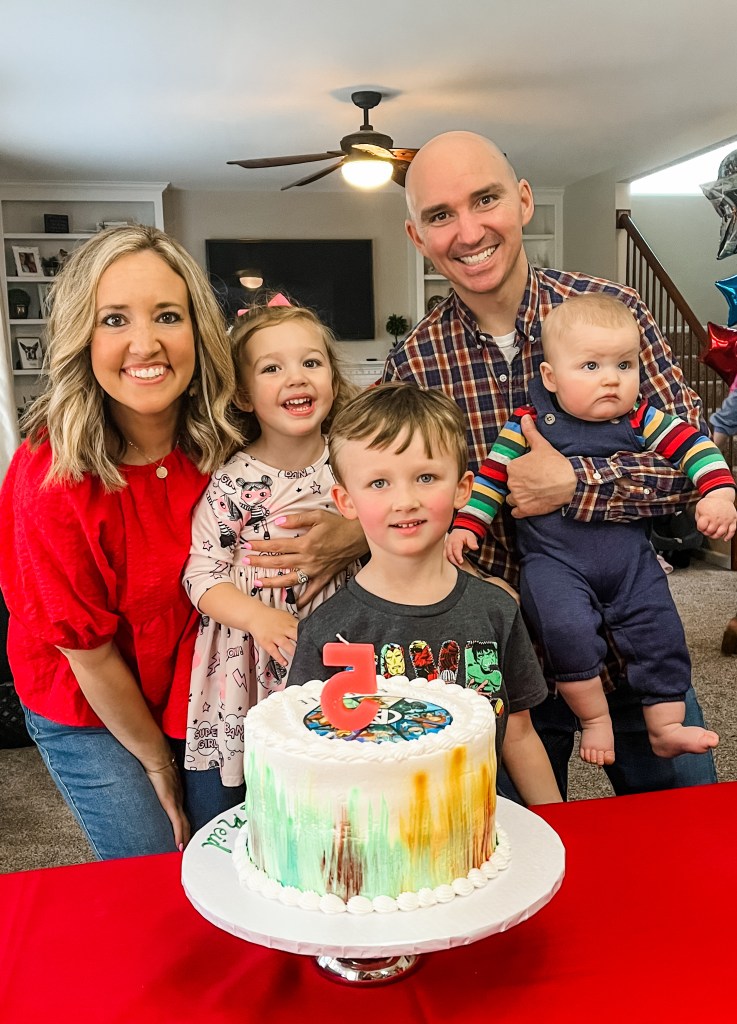
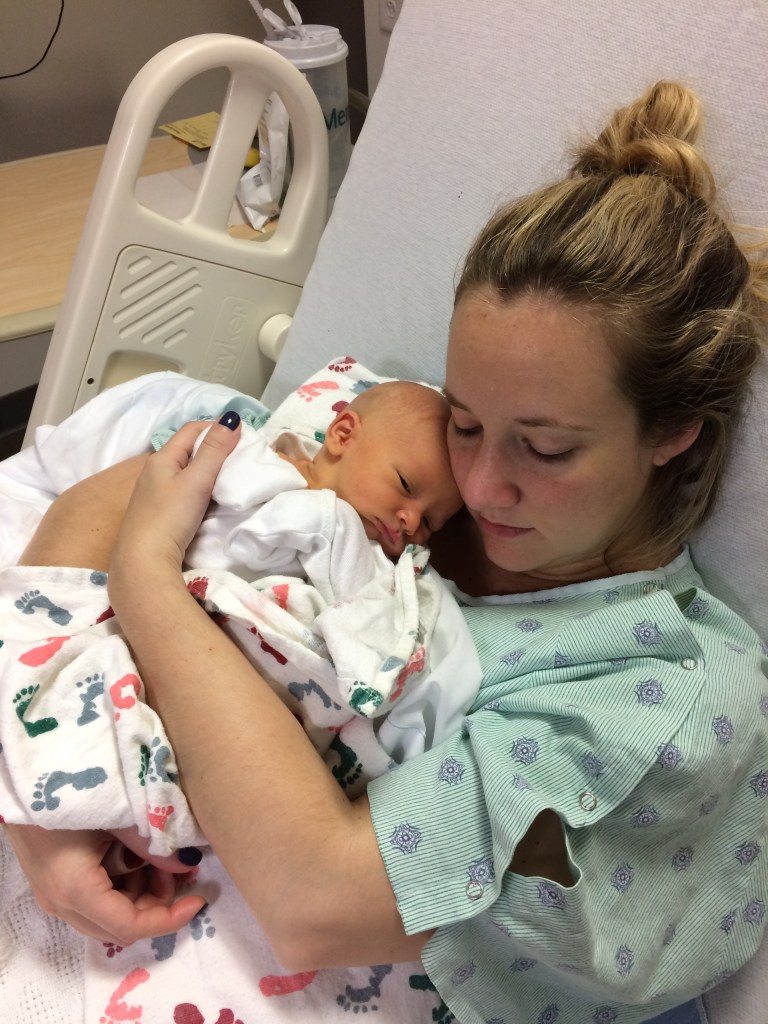
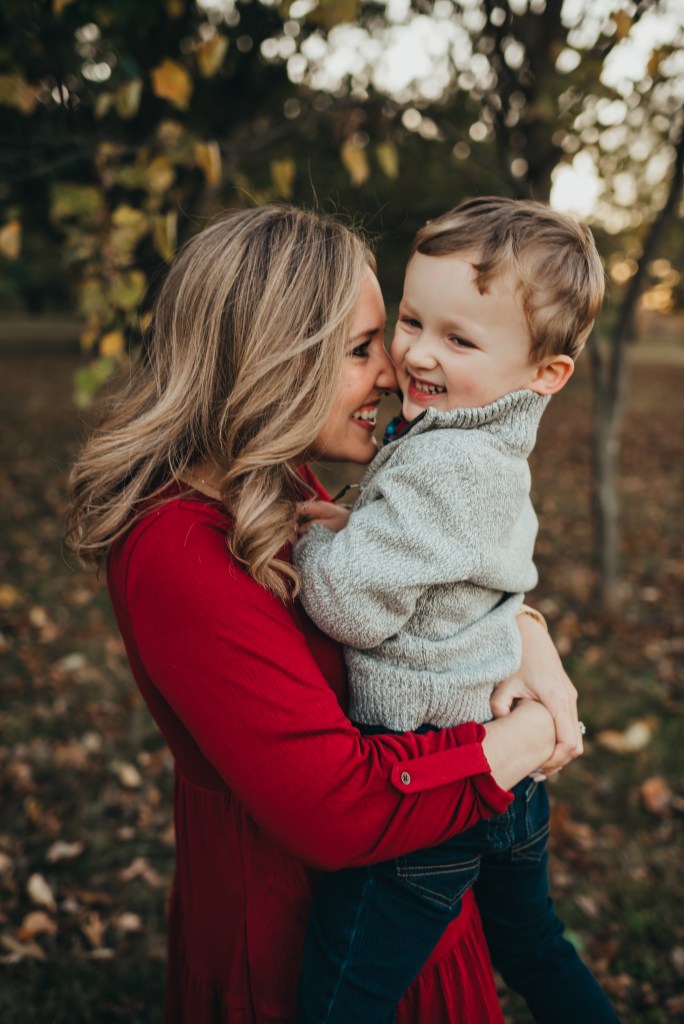




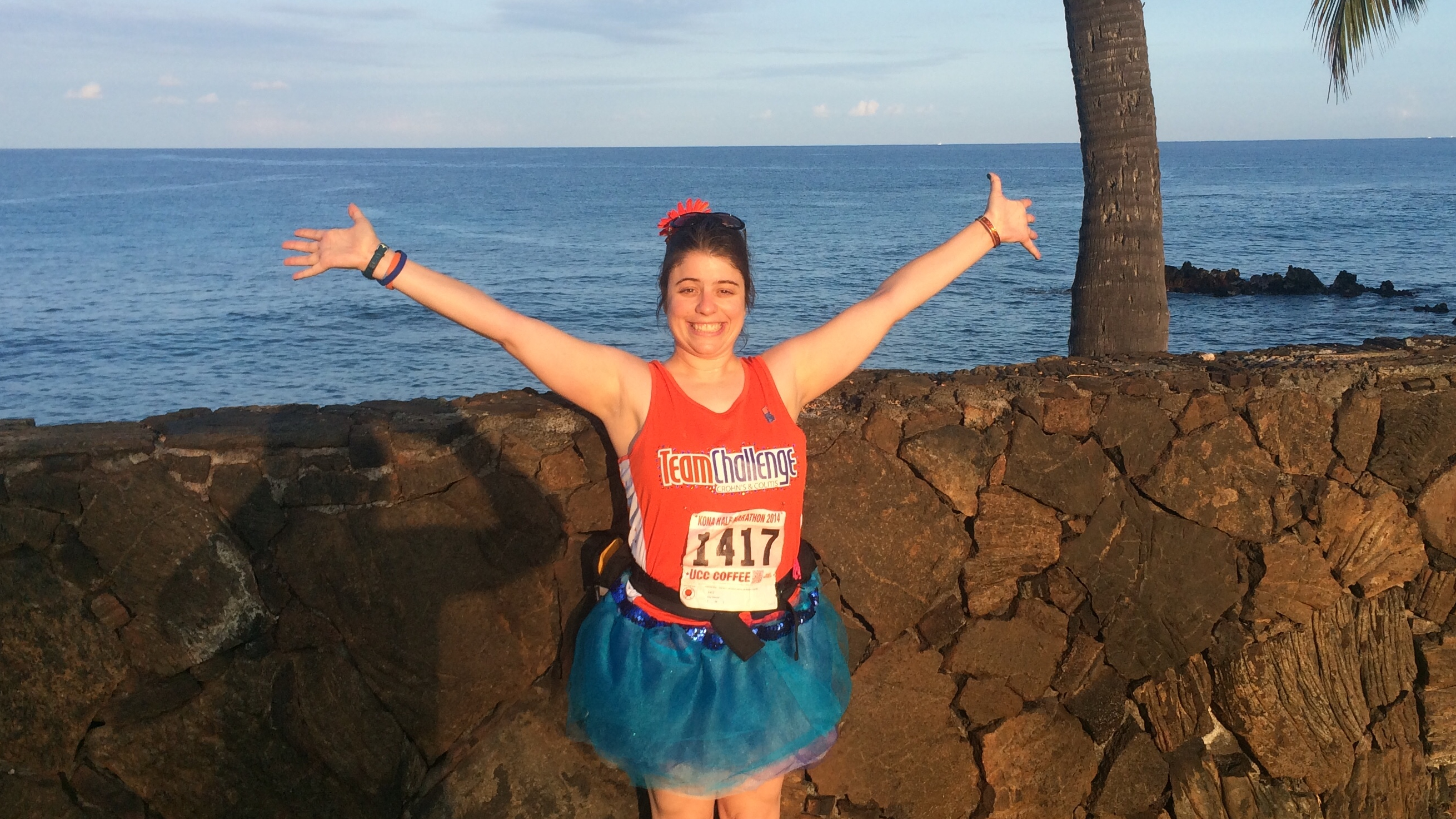


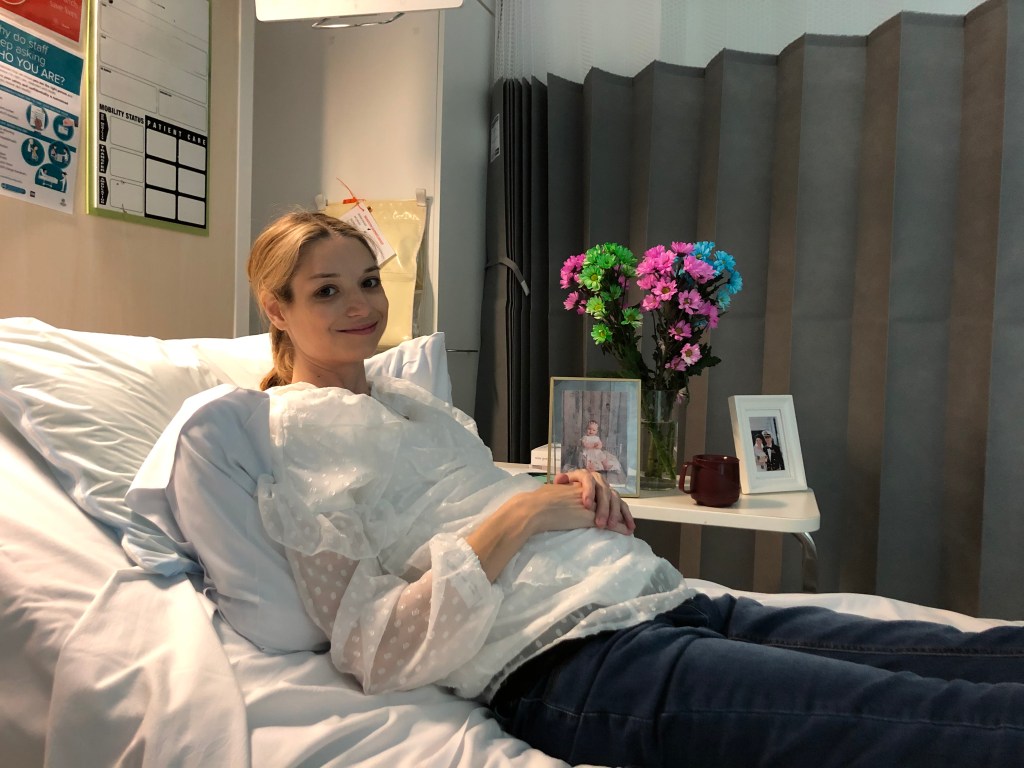
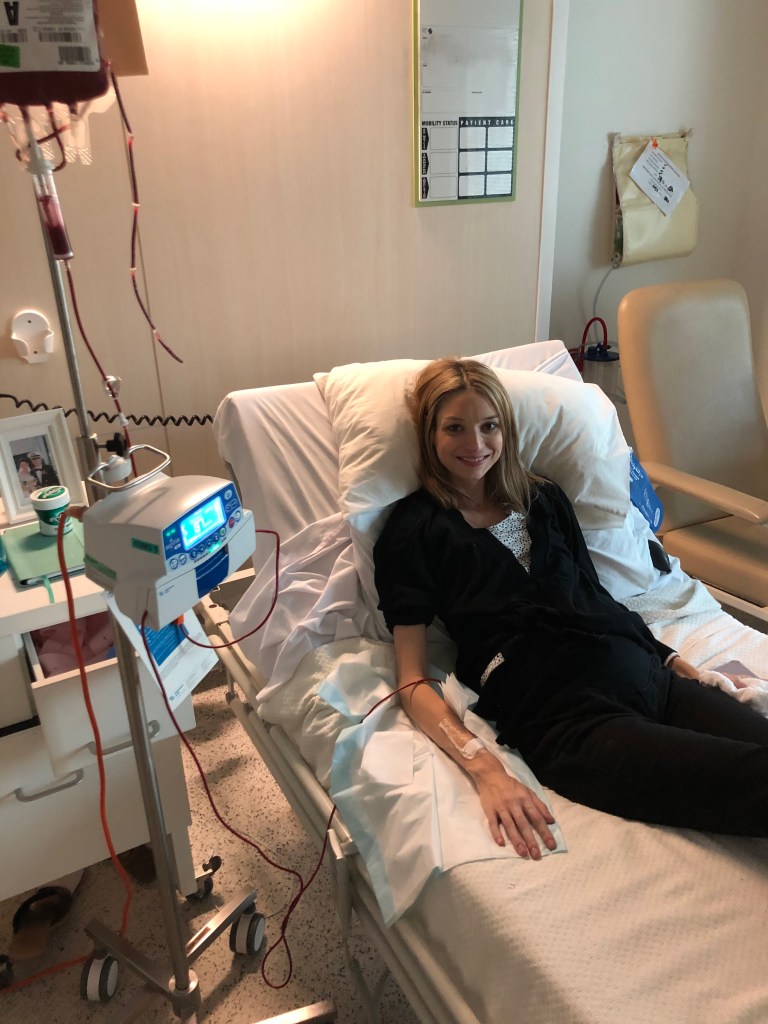
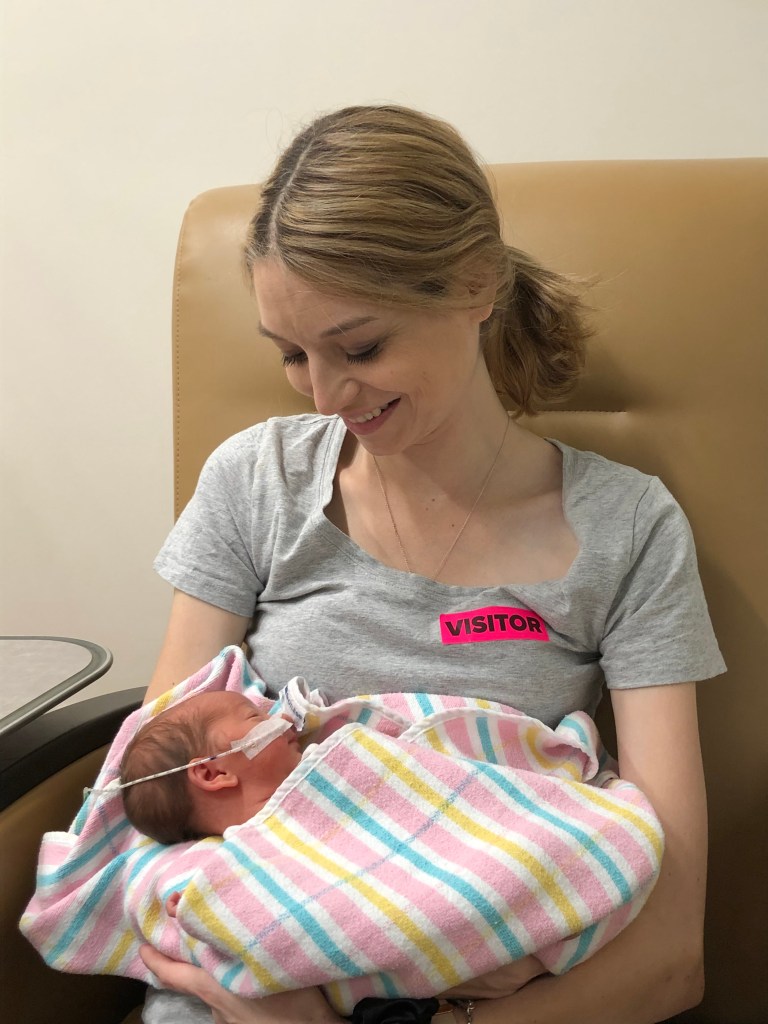
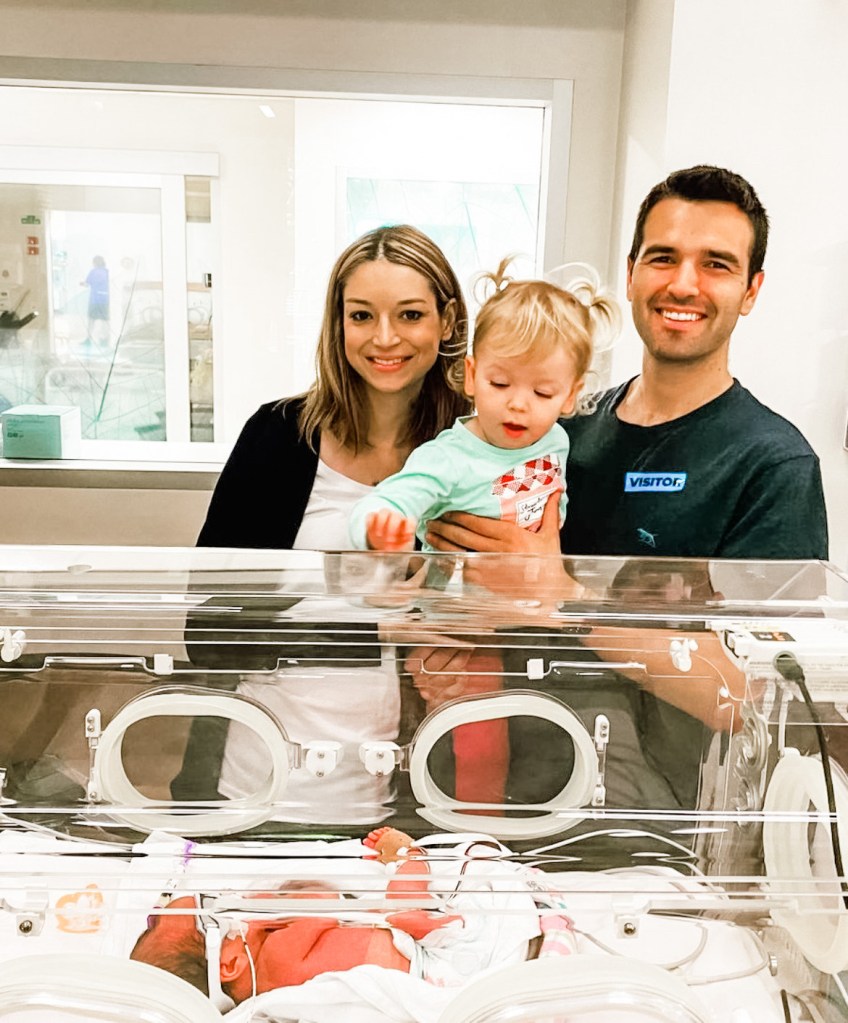
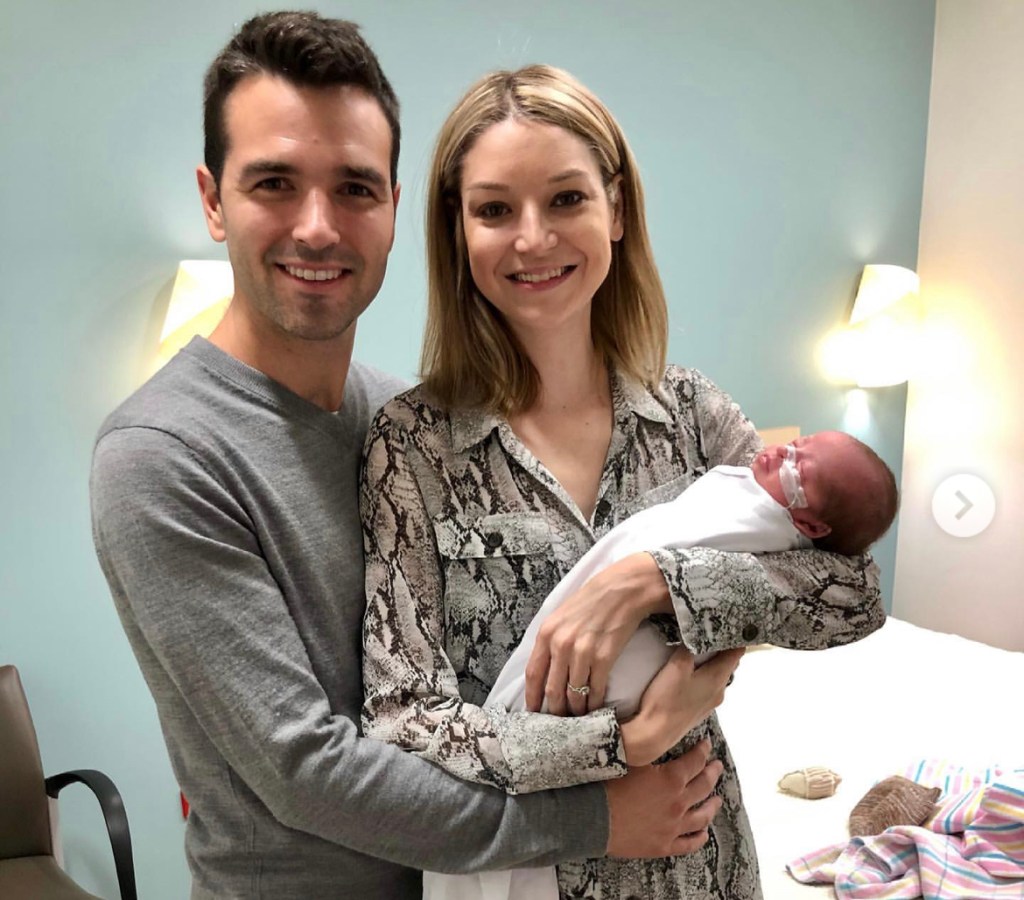
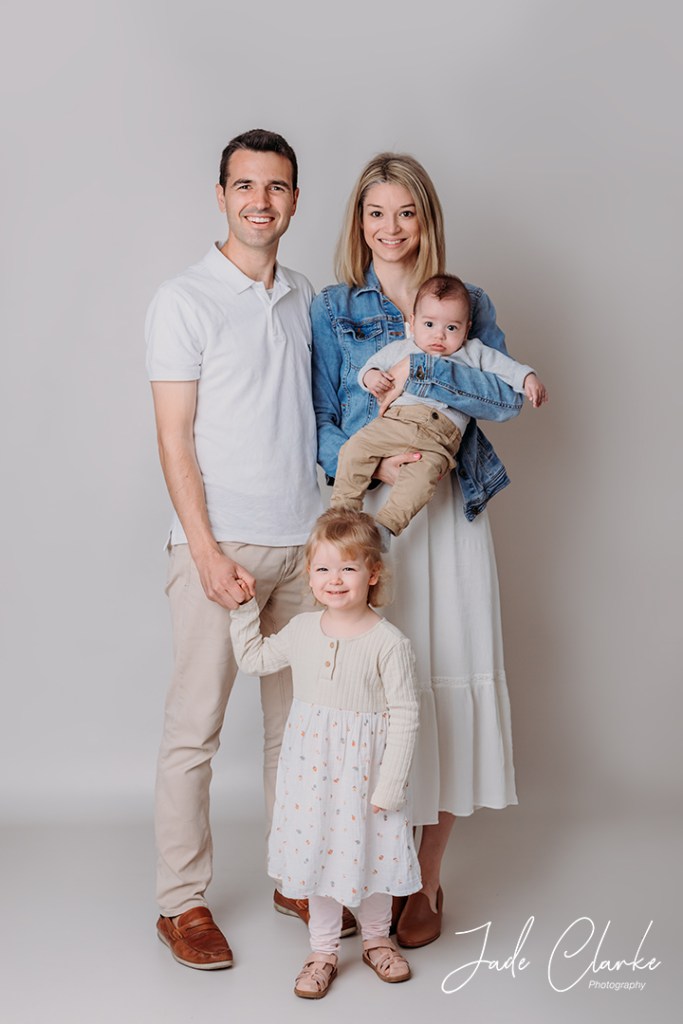



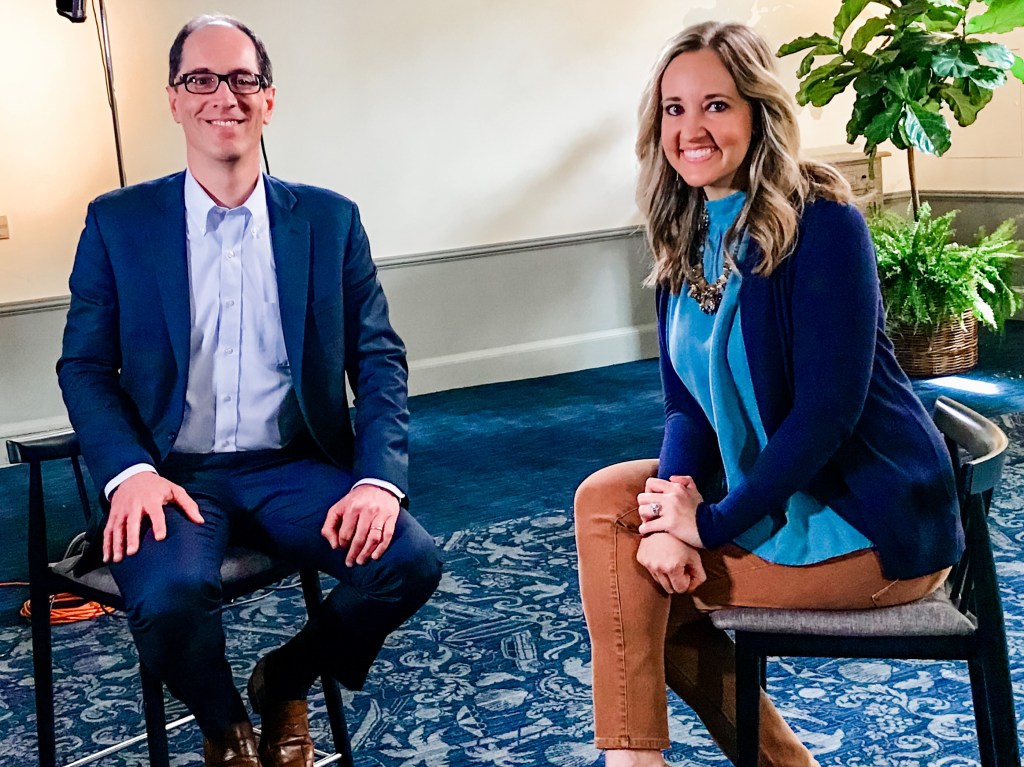
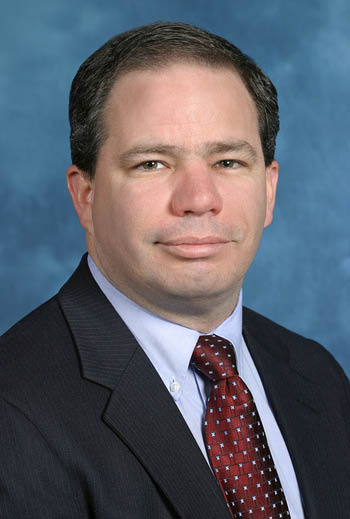
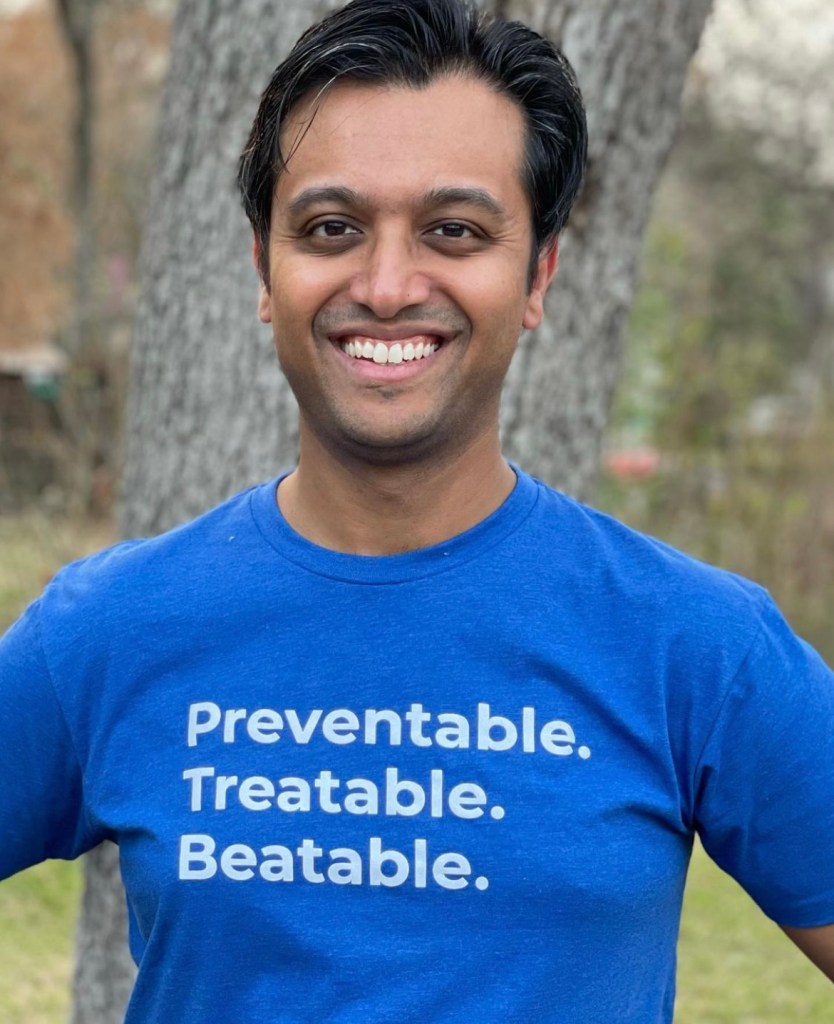





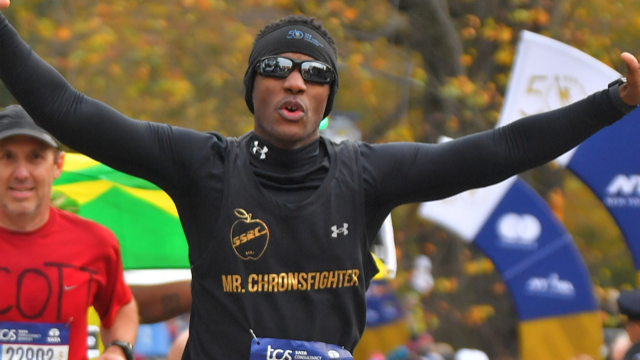


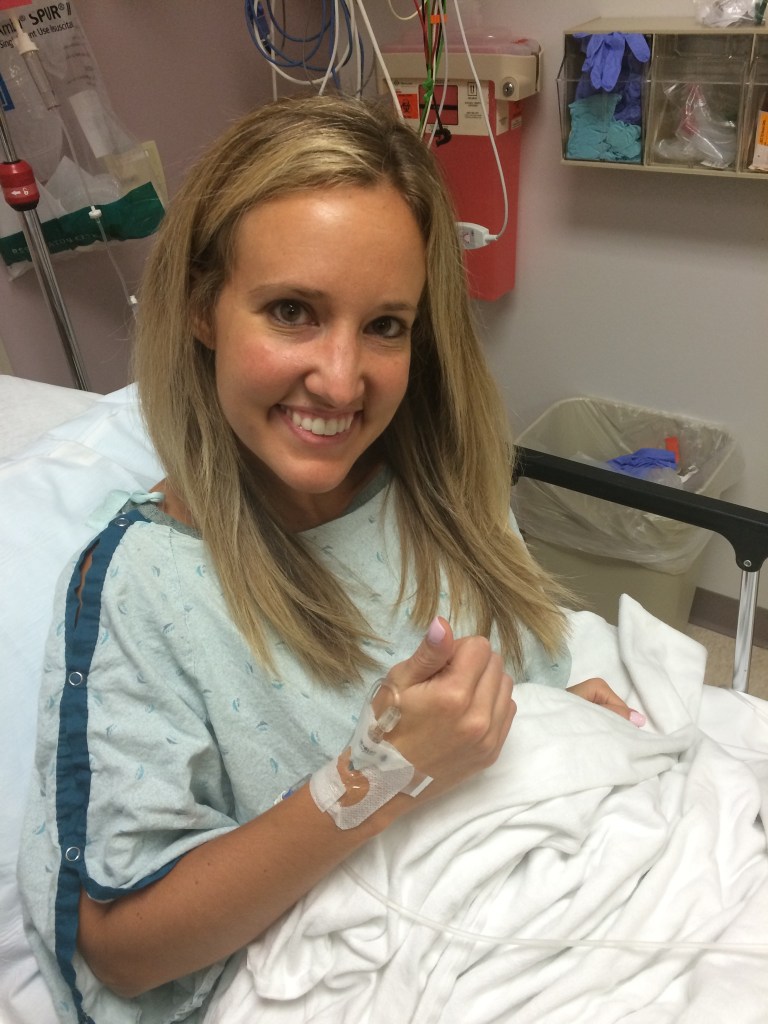



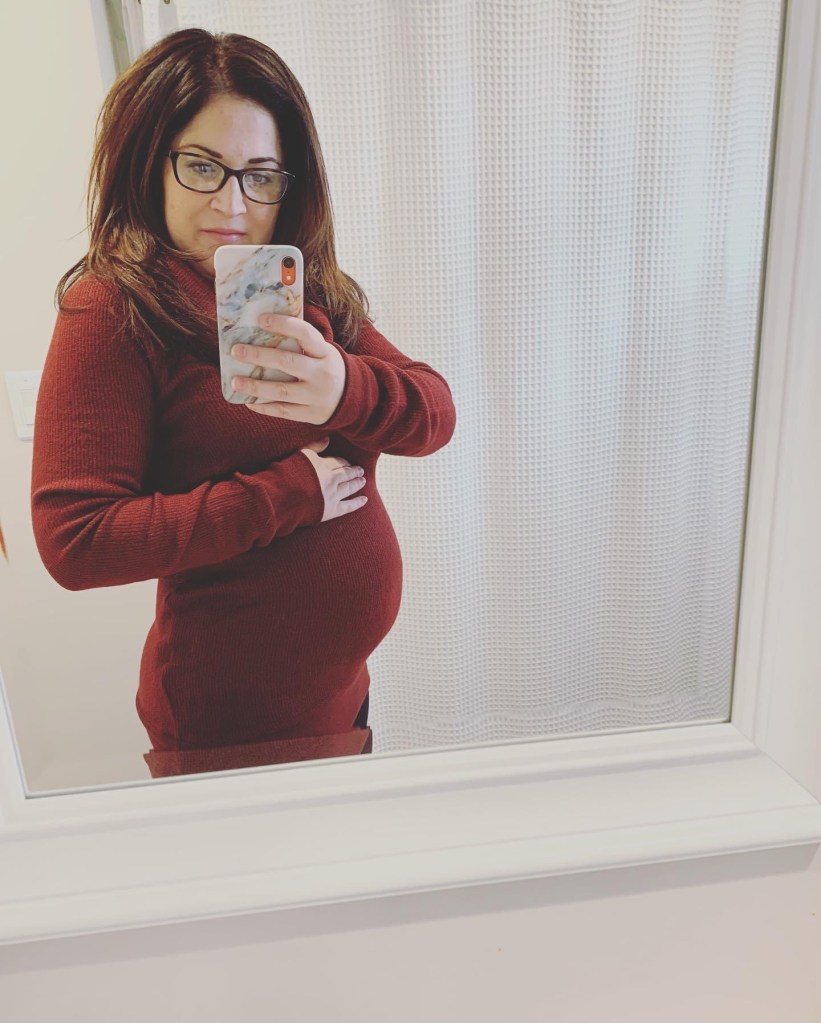
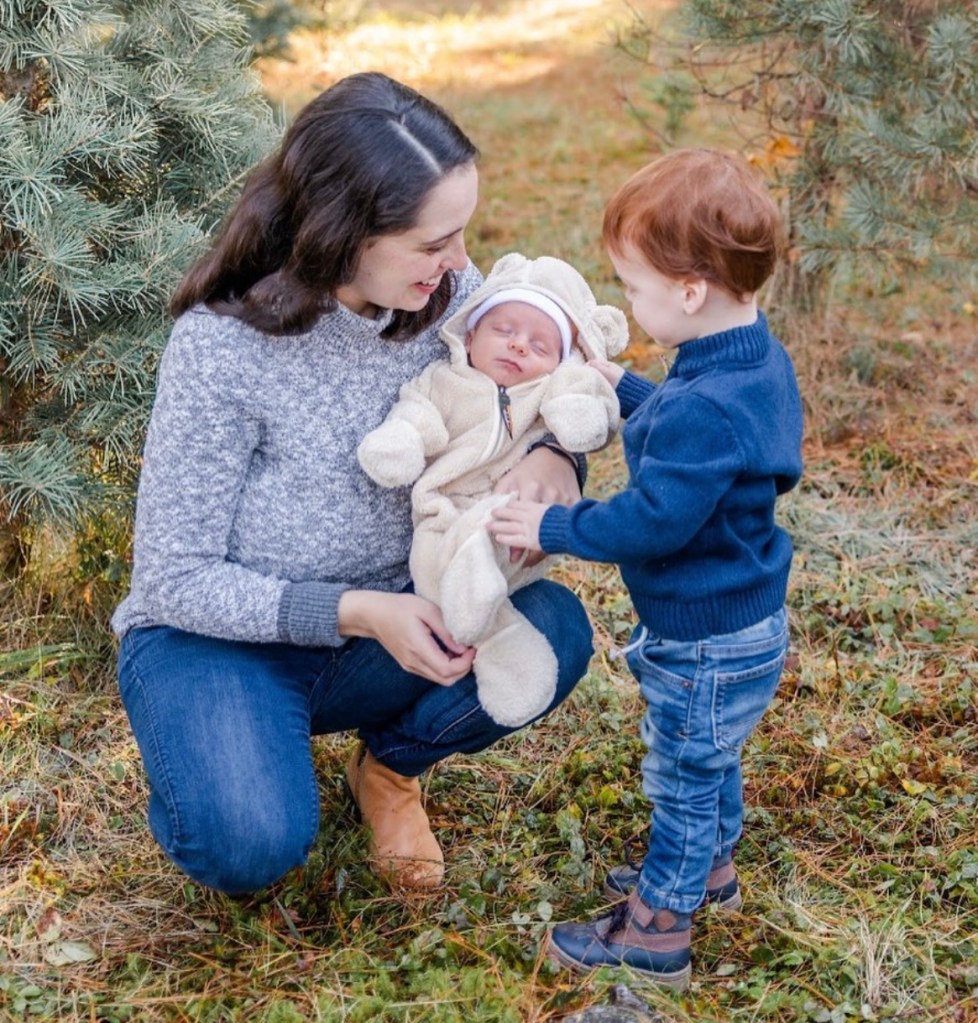












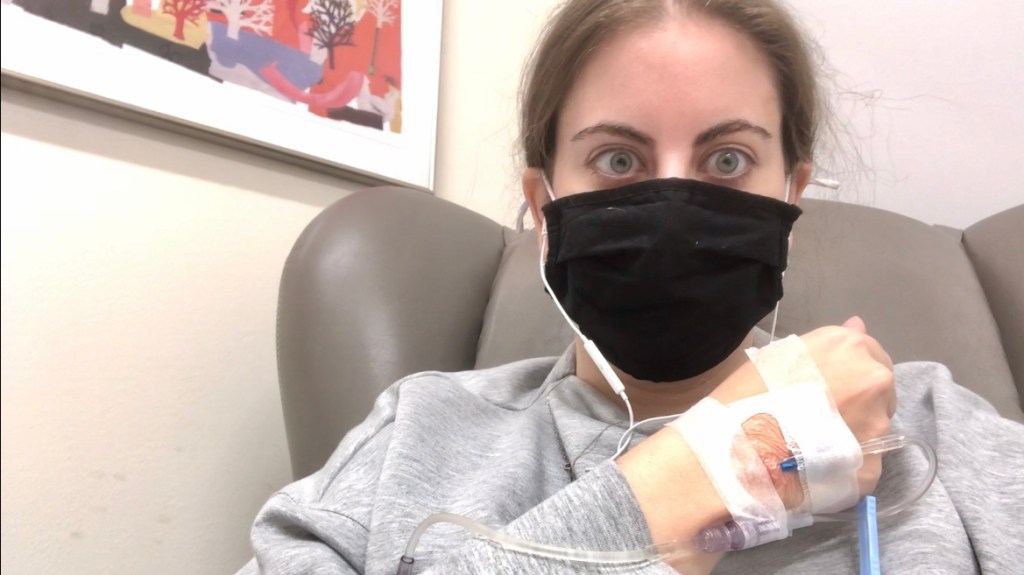

 lights camera crohn's