Nine years since my life split into a clear before and after. Before motherhood. Before learning how much my heart could stretch. Before realizing I could love someone so fiercely while still carrying a body that has never felt predictable or safe since my Crohn’s diagnosis in 2005.
I entered motherhood already shaped by chronic illness. Crohn’s disease had been part of my identity for years before I ever held a positive pregnancy test in my hands. I knew what it meant to live with uncertainty. I knew how to navigate flares, fatigue, medications, and fear. What I didn’t know was how those experiences would transform me into an entirely new version of myself—an IBD mom. When I got pregnant, I only knew of one woman, my cousin’s wife, who has Crohn’s, and stayed on her biologic throughout her four pregnancies.
This week on Lights, Camera, Crohn’s a reflection on my patient journey and what it felt like to go through family planning, pregnancy, and motherhood as a woman with IBD and what I want others to know.
When I Was “Just” the Patient
For a long time, my world revolved around survival. Appointments. Side effects. Lab work. Scopes. Injections. Recovery days. Canceled plans. Hospitalizations. Weaning off steroids. Learning how to read my body’s subtle warning signs. Learning when to push and when to rest.
Crohn’s taught me resilience long before I knew I would need it in motherhood. But it also taught me hyper-awareness. A constant scanning of my body for what might go wrong next. A relationship with fear that felt both protective and exhausting. As time passed, I learned to listen to how my body was speaking to me through symptoms.
When I imagined becoming a mom, that fear came with me. I had bowel resection surgery two months after getting engaged, I was planning a wedding, and for the first time after a decade of living with Crohn’s I had FINALLY heard the word “remission” for the first time. My fiancé (now husband) and I knew once we got married 10 months later, that we would need to capitalize on that remission and hopefully start our family while we knew I was well enough to do so. Despite being in remission, I still had many questions and thoughts racing through my mind:
Would I be healthy enough? Would my medication be safe? Would I flare during pregnancy or postpartum? Would my disease rob me of moments I dreamed about? Would I be hospitalized and away from my child?
…the list went on. If you’re an IBD mom or one day aspire to become one, you know the questions we all face.
I wanted to become a mom more than anything, but I carried quiet doubts about whether my body was capable of sustaining not just a pregnancy, but a lifetime of caregiving.
Becoming a Mom with Crohn’s
The day I became a mom everything shifted. Not because my Crohn’s disappeared. Not because my health suddenly became perfect. But because my why expanded.
Suddenly, my body was no longer just something I endured. It was the home my child lived in. The vehicle through which I would show up, nurture, protect, and love. That realization changed the way I approached my overall health as a mom with IBD. My pregnancy with Reid gave me a renewed sense of love and appreciation for my body.
Taking my medication wasn’t just about me anymore. Advocating at appointments wasn’t just self-preservation. Resting wasn’t weakness. Prioritizing sleep wasn’t indulgent.
It was parenting. I began to see caring for myself as an extension of caring for my child. That mental shift — from “patient” to “patient who is also a mother” — was subtle but seismic. Rather than waiting until I was too weak to even walk through the emergency doors by myself, I started to alert my care team within days of recognizing that my Crohn’s seemed a bit “off” so that we could nip any issue that arose in the bud.
Learning to Mother Through Difficult Days
Motherhood with Crohn’s is not picture-perfect. But regardless of your health status, there is no such thing as perfect when it comes to being a mom. You must remind yourself of this and give yourself grace.
There are days I have shown up with heating pads tucked under sweatshirts. Days I’ve read stories from the bathroom floor. Days I’ve powered through school drop-offs on pure adrenaline and grit. Days I’ve shown up to PTO meetings and coached soccer on pain medication. Days I’ve cried because I felt like I was failing at both having a chronic illness and being a mom.
I’ve been in “remission” since 2015, the entire time I’ve been a mom, which I’m eternally grateful for, but just because I’ve been in remission does not mean I don’t face countless struggles with this disease. That’s something I wish people would understand. IBD is a chronic illness, just because someone is in remission doesn’t mean they are free of pain, stress, and more.
I’ve had to learn that good motherhood doesn’t require constant physical perfection. Some seasons look like big adventures and energy. Others look like quiet cuddles, movie days, and choosing rest over outings.
Both count.
My children are being raised by someone who understands empathy, flexibility, and listening to their body. That matters. You’ll notice as a parent with chronic illness how quickly your little ones develop empathy. It’s next level. And so beautiful. You don’t even have to teach it, it’s innate in them because of their daily reality.
Raising a Child Who Understands Illness and Compassion
One of the unexpected gifts of being an IBD mom is watching compassion take root early.
My three children know that bodies work differently. That medicine helps people live. That rest is sometimes necessary. That we don’t judge what we can’t see. They’ve learned that strength isn’t always loud.
Sometimes strength looks like getting up anyway. Sometimes it looks like asking for help. Sometimes it looks like choosing yourself.
Those lessons feel just as important as anything in a textbook.
How Motherhood Changed My Relationship with My Body
Before becoming a mom, there were times my body felt like the enemy.
The source of pain. The reason plans fell apart. The thing holding me back.
Motherhood complicated that narrative.
This body carried three children. This body nourished three children. This body continues to show up, even when it’s tired, inflamed, or aching.
It isn’t perfect. But it is more than capable.
I still have hard days. But honestly, I have a lot more amazing days. I never take a feel-good day for granted. Even after more than two decades of living with Crohn’s, there are still moments where I fantasize about what it would be like to just be a healthy person and not have the burden of my disease.
But I also hold more gratitude now. A grounded, honest one. My three children are my greatest motivation to push through and be my healthiest self.
From Surviving to Advocating
Becoming a mom didn’t quiet my voice.
It amplified it. Ironically, this blog, Lights, Camera, Crohn’s, launched July 23rd, 2016… I found out TWO days later I was pregnant with my oldest son, Reid. So, this blog truly captures every moment of pregnancy, family planning, and motherhood from the perspective of someone who learned as I went.
I advocate not only for myself now, but for a future where my children grow up in a world that understands chronic illness better than the one I grew up in.
I speak out because I want fewer people to feel dismissed. I share stories because I want fewer people to feel alone. I push for better care because I want better options for the current and the next generation.
I want couples to feel empowered by their decision to have a family, however that may look for them.
I hope women feel comforted by all the constant research going on to address what’s safe and effective as they bring life into this world. I participated in IBD pregnancy studies with all three of my kids, my youngest who turns five in July will be followed through the PIANO study until age 18!
Motherhood turned my survival into purpose.
Nine Years In: Who I Am Now
I am still a patient. I am still navigating Crohn’s. I still face uncertainty at times, but through a much different lens.
I am also a mom of nearly a decade.
A mom who has learned how to hold fear and hope at the same time. A mom who knows that love is not measured in energy levels. A mom who shows up imperfectly, consistently, and wholeheartedly.
I didn’t become a mother despite Crohn’s.
I became a mother with Crohn’s.
And over the past nine years, I’ve learned that those two identities can coexist, not in conflict, but in strength. I swear I blinked and somehow my sweet Reid, my baby, is nearly double digits. I don’t think there will ever be a time in my lifetime that I don’t stare at all of my children in awe of their existence, I’m sure if you’re a parent you feel the same way. It’s a miracle they are here, healthy, and thriving. So much of why I share my family so openly is to show how my children, who were all exposed in utero to Humira, are doing so beautifully in school, sports, and socially.
To the IBD Moms (and Future Moms) Reading This
You are not broken. You are not behind. You are not failing.
You are doing one of the hardest jobs in the world while managing one of the hardest diseases. That deserves recognition.
Later this month, my Reid is nine.
Nine years of learning. Nine years of adapting. Nine years of loving fiercely in a body that isn’t always kind.
It is an exciting and transformative time for the IBD community when it comes to family planning and pregnancy. For years, patients and providers faced uncertainty and conflicting guidance about everything from fertility to medication safety. Now, with the publication of the Global Consensus on IBD and Pregnancy, we finally have a unified, evidence-based roadmap created by leading experts worldwide.
This groundbreaking research, jointly published across multiple top journals, is more than just a collection of data—it’s a lifeline for patients, caregivers, and clinicians seeking clarity and confidence. And for the first time, that guidance comes to life through a series of 12 videos now available online. As the sole U.S. Patient Ambassador and Group Lead for patient advocates worldwide, I was honored to contribute not only to this historic project, but also to share my own journey in the video series—bringing the patient perspective directly into the global conversation.
Grateful for Dr. Uma Mahadevan and the entire team for their incredible work on the Global Consensus.
Check out the video series
Following the release of the research from the 2025 Global Consensus Conference on IBD, a series of 12 videos were also published on the PIANO (Pregnancy in IBD and Neonatal Outcomes website), featuring experts speaking on best practices, emerging data, and consensus statements.
Among those 12, my Patient Perspective video is unique. It’s the only video in the lineup where you hear firsthand experience from an IBD mom. During my unscripted 18-minute video, I share openly about the tough decisions I faced personally, the hopes and worries I encountered while bringing babies into this world, and what I want fellow patients and doctors to know. As an IBD mom of three kids (now ages 8, 6, and 4) who were all exposed in utero to Humira, I have a unique perspective to share.
I know what it’s like when you’re 32 weeks pregnant and have to do a biologic injection while you see your baby’s foot kicking at your belly. I know how stressful it is when you don’t know if you’re going to flare while pregnant or shortly thereafter. I know how complicated and overwhelming it can feel when you’re juggling a chronic illness along with pregnancy and motherhood.
Having a patient video placed alongside expert commentaries is a statement: our lived experience is essential to understanding how guidelines work in the real world. I hope my words leave you feeling seen and empowered.
Preconception Counseling and Contraception for Patients with IBD
The Patient Perspective
Why These Videos Matter
Each video is a piece of a bigger puzzle. Together they tell a story about where we are now, where we need to go, and how patients can be—and must be—central to that journey.
Bridging gaps between patient, clinician, and researcher. These videos are designed not just for patients, but for caregivers, physicians, policy makers, and anyone interested in improving IBD care. Seeing things through the patient lens can spark better communication, more empathic care, and guidelines that address what matters most.
Empowerment through shared experience. Whether it’s coping with symptoms, navigating treatment decisions, or facing uncertainty, this research will make you feel more confident in every decision you make along the way. Rather than feeling like there’s an overwhelming amount of gray area, you can see the roadmap of decision-making created from the Consensus that will help you each step of the way.
How to Watch & What To Do Next
Watch the videos: Listen firsthand and educate yourself. An educated patient is an empowered patient. It’s one thing to read a published medical study, it’s especially helpful to see these videos and watch the research come to life.
Join the conversation: Use these videos as conversation starters, take what you learned into clinic visits, have conversations with your partner/family/friends, or on social media. When you’re talking about family planning, make sure your GI and Maternal Fetal Medicine doctors are aware of the Global Consensus on IBD and Pregnancy to ensure they are up-to-date on the very latest research.
Join the PIANO study. This is a great way to become a citizen scientist and use your journey to motherhood as a way to pave the way for others. I participated in PIANO with my youngest child, and he will continue to be “followed” until age 18. It does my heart good to know we’re helping bridge the gaps in understanding so women with IBD now and in the future can feel more comfortable about staying on medication in pregnancy and during breastfeeding.
Too often, patient voices are an afterthought or an add-on. Being featured as an integral voice, not a sidebar, is a powerful shift. The fact the Global Consensus Conference team made such a point to incorporate patients like myself who are IBD moms, from around the world, goes to show just how inclusive and comprehensive this research is.
Final Thoughts
Living with IBD means navigating uncertainty, physical challenges, and emotional strength, but it also means being part of a community that continues to push boundaries in care. These videos highlight not only the science and data, but the lived realities that bring those numbers to life. Patient voices don’t just complement medical expertise, they help shape the future of care. By placing my perspective alongside global experts, the Consensus reminds us that guidelines are most powerful when they reflect both evidence and experience.
As an IBD mom, I think about what this progress means for my three children and for the next generation of families impacted by this disease. I volunteer my time and energy for these projects because they are at the heart of my patient advocacy and genuinely matter so much to me. The inclusion of patient voices today paves the way for a future where no one feels alone in their decisions about pregnancy and IBD. Together—patients, clinicians, and researchers are building a roadmap that will make the journey clearer, safer, and more hopeful for those who come after us.
When you live with Inflammatory Bowel Disease (IBD), you become an expert in knowing life can throw you curveballs at any given moment. Those curveballs are especially worrisome and scary during pregnancy and after you become a mom.
For one IBD mom who wishes to remain anonymous, that curveball came in the form of a rare and dangerous vitamin K deficiency that caused life-threatening complications for both her and her newborn son after delivery. Now, two years later, a published medical case study based on their experience is helping raise awareness of this rare issue, offering hope that future pregnancies in the IBD community might benefit from earlier detection and intervention.
Diagnosed Young, Navigating the Unknown
This mom was diagnosed with Crohn’s disease at age 13, and now at 34, she’s lived with IBD for more than 20 years. Her journey has included numerous medications, including a long stretch on Humira, which she remained on during her pregnancy, and four partial small bowel resections. She’s also undergone several exams under anesthesia due to complications like abscesses and fistulas.
Thankfully, during her pregnancy, her Crohn’s was well-controlled with no active disease, making the post-delivery complications much more shocking.
A Sudden Turn After Delivery
After giving birth to her son (we’ll call him “B”), what should have been a joyful moment quickly turned traumatic.
She spent 16 days in the hospital, including three in the ICU, while her newborn faced a 23-day NICU stay. The cause? A severe, undiagnosed vitamin K deficiency, which led to hemorrhaging in both mom and baby. The medical team was blindsided—none of them expected this.
Understanding Vitamin K Deficiency & IBD
Let’s get one important thing straight first. This situation is not about skipping the vitamin K shot that newborns typically receive. The mom explains:
“It’s imperative that newborns receive a vitamin K shot after they are born to prevent vitamin K deficiency bleeding. The American Academy of Pediatrics recommends that all newborns receive a single dose of vitamin K, because babies are naturally born with very little in their bodies. In our case, my son did get the shot—but because I was unknowingly severely deficient in vitamin K during pregnancy, his vitamin K levels in utero were dangerously low, leading to a brain hemorrhage before he was even born. The bleeding he experienced was similar to what some babies experience when they don’t receive the shot, but in our case, it happened earlier—and was not caused by withholding care. In fact, he needed far more vitamin K after birth to restore safe blood clotting levels.”
This vital distinction can prevent confusion and reinforce just how important that standard vitamin K shot is for all newborns.
What She Wants Other IBD Moms to Know
“Knowing what I know now,” she says, “I want fellow IBD women to understand a few key things about vitamin K deficiency during pregnancy:”
This is rare. Most pregnant people with IBD will never encounter this issue. “I hope that offers peace of mind. But as we all know, knowledge is power—especially when you live with IBD.”
If you’ve had bowel resections or are deficient in other fat-soluble vitamins (like A, D, or E), consider bringing this case study to your GI and OB/Maternal Fetal Medicine (MFM) doctors. Ask about checking vitamin K levels, as well as PT/INR and PTT, which monitor blood clotting.
You can develop a deficiency during pregnancy even if you’ve never had one before. “Outside of pregnancy, I had no clotting issues. But between my history of resections and my baby’s increasing demand for nutrients, my levels dropped—and no one knew.”
Looking Back: What She Wishes Had Been Done
“If we had been monitoring my vitamin K levels, PT/INR, and PTT throughout my pregnancy, we likely would have seen early warning signs,” she says. “These aren’t standard tests, but I hope someday they will be for IBD moms with similar risk factors.”
A Silver Lining in the Study
Despite the trauma, having their experience turned into a published medical case study brought a sense of closure.
“When they told us they wanted to publish it, I felt incredibly validated. This wasn’t just something we lived through—it’s now out in the world to potentially save lives. That’s the best-case scenario for us.”
The comprehensive care team—consisting of her OB, MFM, GI, hematologist, and PCP—remained closely connected throughout the experience. After both mother and baby were stabilized, Ohio State’s hematology team and Nationwide Children’s Hospital worked together to identify the deficiency as the root cause for both patients.
“They didn’t miss anything—they acted on the knowledge they had at the time, and when things went south, they sprang into action. I’ll always be grateful for that.”
“B” Today: A Story of Resilience
Despite a traumatic start, B is now a thriving, happy, and a miraculously healthy two-year-old.
“We were so worried about long-term impacts due to the hemorrhage in his brain, but he is now meeting and exceeding all his developmental milestones. He doesn’t need any additional support. It’s truly a miracle.”
His early care included close monitoring from neurology and the Early Development Clinic at Nationwide Children’s Hospital, along with early intervention specialists. Today, all those appointments are in the rearview mirror.
What About Future Pregnancies?
The reality is that this situation may recur if she decides to grow her family.
“My doctors believe I’d face similar risks, so we would monitor everything very closely: vitamin K levels, PT/INR, PTT and I’d likely receive IV vitamin K infusions throughout pregnancy to stay ahead of any deficiencies.”
Lifting the Tide for Others
After two decades of managing Crohn’s, she knows how isolating chronic illness can be.
“It’s hard. It’s lonely. It’s easy to feel invisible. But finding others who share their stories and who get it has been a game-changer for me. That’s why I’m sharing this now. Even if this specific challenge never affects you (and I truly hope it doesn’t), I hope you feel a sense of solidarity. A rising tide lifts all ships and if sharing our story lifts someone else’s experience just a little, it’s worth every word.”
If you’d like to contact this IBD Mom don’t hesitate to reach out to me, and I will connect you. It’s stories like this that help to pave the way for future families.
If you’re a young girl or woman diagnosed with a chronic illness, prior or during your “childbearing” years, chances are you or your parents may wonder what this means for your future family. When I was diagnosed with Crohn’s disease at age 21 in 2005, the thought of settling down and having kids was not on the radar but ever since I was a little girl I always aspired to be a mom. Fast forward to 2008, I was hospitalized for an abscess and taken off Mesalamine and put on a biologic injection (Humira). I can still picture the discussion with my GI. My mom sitting on the couch alongside the hospital window, looking at me wide-eyed, and us wondering if I’d ever be able to have children on my new medication. A medication I was told I’d be on for the rest of my life. I was 24. Back then there was nowhere near the research or guidance available like we have today.
August 2008-One month after starting Humira and on heavy duty steroids.
It was the first time I really began to question and worry about whether I’d physically be able to be a mom. As the flare ups, ER visits, hospitalizations, and tests persisted for years, I honestly didn’t have the energy to think about what my life would look like down the road, I only had the energy to focus on what was going on in that moment. I was not a patient advocate and looking back I was a bit naïve and uneducated about what it meant to have not reached remission.
When I met my husband in 2013, little did we know that for the next two years I would be at my sickest. What we did know—is that we both wanted kids one day. After my third bowel obstruction hospitalization in 15 months, I needed bowel resection surgery in August 2015, which FINALLY put me into surgical remission. Ironically, I was engaged to be married. Babies were on the brain. Since I lived a decade without remission, we knew we were going to have to try for a baby as soon as we got married, as remission can be fleeting. At 32 years old, I didn’t want to take any chances.
A lot has happened since we got married. We got pregnant a month after getting married. Lost our second baby around 7 weeks. And then had our rainbow baby in 2019 and our caboose of the family in 2021. If you’ve followed my advocacy and blog, you know I’m passionate about showing all that’s possible despite your IBD. I know each of our journeys is incredibly intricate and unique, each of us deals with our own set of challenges. But I also know that my younger self would have benefited immensely from seeing and hearing fellow women who’ve been there and done it and have families to show for it despite their chronic illness.
This week on Lights, Camera, Crohn’s we hear from several IBD moms—with kids ranging from newborn age to now adults—who offer amazing perspective that I hope will make you feel comfort in what the future could hold for you.
What IBD moms want you to know
Jennifer: “It’s 100000000 percent worth it! And be honest with your kids and spouse about how you are feeling and what you are going through. Of course, make it age appropriate, but they need to know the struggle.”
Liz: “Your kids will learn their limits and love on you when you need rest. It’s ok to go slow. Even if you flare after birth, you will come out of it.”
Amber: “I would tell a younger me that my body WAS capable of carrying and delivering healthy BIG (lol) babies. After struggling with fertility and then conceiving twins and carrying them full-term, I realized my body hadn’t failed me (how I think so many of us with IBD feel. Motherhood is possible for us and thank you Natalie for reminding us of that.”
“Find your people and be honest with them about how you are doing. Don’t ever feel bad asking for help. It truly takes a village to help.”
Brooke: “One day, you will be better. One day, you will coach little league and make the playoffs. One day, you will work on Capitol Hill. One day, you will live in another country. One day, you will be the best mom and you will thrive through IBD. You’re almost there!”
Jaime: “I would tell my younger self that fertility is not something you take for granted especially with a chronic inflammatory disease that can leave you prone to developing scar tissue. I’d also tell her that IBD may make life hard for awhile but with the right doctors, life will improve and the family you dreamed of having will happen.”
Jessica: “Motherhood is hard. It’s ever harder when you have an illness. It’s ok to rest when needed without feeling guilty.”
Kaitlyn: “Your kiddos are more resilient and adaptable than you think they are. I had a major flare about 7 months after my son was born. I put off being admitted to the hospital for weeks because I was so scared and felt guilty for leaving my baby and thinking he would feel abandoned without any way to explain to him that I was gone. He ended up having a blast with my husband for a week and I finally was able to achieve some sense of relief (slowly coming out of that flare, but there is a light at the end of the tunnel). Also, you’re not a bad mom for not being able to do the things you think you should be able to do (Spoiler Alert: Your baby doesn’t know other moms take their babies on long walks around the park and don’t have to drag you into every public bathroom you pass while running errands).”
Patti: “You only get one chance to raise your babies, so don’t sweat the small stuff. And frequently remind yourself (on the roughest days) that you really ARE doing the absolute best you can…and that is OKAY.”
Alyssa: “Sometimes you’ll be holding your baby on the toilet, but you’ll be okay, and your baby will be okay. The road will be tough, but so worth it. Some days the kids will watch more TV than you want, but you must take care of yourself too so you can be present for them. They’re resilient and will love you no matter what.”
Ally: “Rest when you can! Your body will most likely go into remission once pregnant so not need to get scared or nervous about it.”
Liv: “Make yourself and your health a priority. I went into a huge flare after having my first baby because I was SO focused on her and not eating properly or showering or taking care of me. Meal prep to make the mental load of eating easier! And ask for help!”
Patra: “Don’t be so hard on yourself when you feel the need to rest.”
Phoebe: “I would tell her to follow Natalie Hayden’s blog and IG account (haha)…seriously though, when I see you and other people share about their pregnancies and family life, it gave me hope to have my child. I would also tell my younger self it’s ok if you’re a mom with chronic illness! My younger self assumed I had to have a perfectly healthy body to have babies and raise babies.”
“Take care of yourself, even if it means asking your loved ones to look for signs of your anxiety and exhaustion that you may just be trying to push through or ignore.”
Jenni: “I would tell myself not to be so hard on myself. I would say don’t take on all the sick mom guilt. To let them watch movies and eat cereal without stressing about it when I wasn’t feeling well. I would also say…you don’t have to pretend to be brave all the time. It’s ok for them to see you cry or feel frustrated or be sick. They can handle it, and it is creating such strong, caring, empathetic humans!”
Courtney: “I would tell my younger self that I am enough for my kids and that they will be better people because of what they learn and see.”
Mallory: “Your children are strong, and they understand that it’s not your fault.”
Meg: “You did the right thing by staying on your meds through pregnancy and your baby is perfect.”
Kelly: “You are enough. Don’t feel like you’re not able to be as great of a mom as a healthy mom is.”
Ryann: “All you need is love. While I’m sure my son loves the active days when we’re doing lots of activities, he’ll be fine on the days that I’m laying down on the couch as long as I show him love.”
Rachel: “You’re stronger than you know, and everything will work out no matter what happens.”
Amanda: “Not to let fear of the “whatifs” cripple you.”
Brenda: “You will do great and be sure to find a selfless hands-on partner.”
Kristin: “Give yourself some grace. I didn’t get diagnosed or have any Crohn’s issues until my son was 15 months old. The symptoms came on like wildfire and it took a village to help until I figured it all out.”
Anna: “I want to jump in this convo as a 50 year old who wanted to be a mom, but due to the severity of my disease (diagnosed at 18), was told at 29 to have children by 35 due to being high risk and at 34, I was told not to carry due to complications and unfortunately adoption was not in my future as a single woman with severe illness no another option (freezing eggs, etc.) at that point in time. I feel like that is the MAIN thing Crohn’s stole from me! After many years of therapy, I cope with it very well now; however, I still from time to time mourn not being able to have children that aren’t four-legged…#dogmama!”
Courtney: “I would tell my younger self not to worry about having to use the bathroom urgently so much and that you’ll be carrying around diapers, wipes, and a little potty in your car for years. Your kids will also be able to relate to having accidents. I would all tell her that fertility declines a lot faster for people with chronic inflammation and to get your AMH levels checked early. Or think about freezing embryos if you want a big family in your mid to late thirties. Lastly, that breastfeeding won’t stop your kid from having IBD, so don’t worry about giving them formula.”
Ashley: “So, one time I posted on Reddit about how I have ulcerative colitis and didn’t know if I should have kids…I got a lot of responses. I got 56 that told me not to do it. How they were miserable. Or how their mom had it and they suffered as a kid. It was honestly traumatizing. And int that moment, I made the decision not to have kids.”
Tricia: “There will be some really tough days with your illness, and trying to take care of your kids, but you’ll get through this, and better days are ahead.”
Shannon: “Nap when the baby naps is legit. But also, when the baby is 12, you’re still going to need to take a nap. And that’s okay. It doesn’t make you less than because your body requires rest and reset. It is productive to take a nap if it’s necessary.”
Chanel: “That this chronic illness has a direct effect on pregnancy. Having this disease since 7 years old, no doctors ever thought it would be helpful to mention how important being in remission was before getting pregnant or trying for a baby until I was 26 years old and happened to nonchalantly mention to my doctor at the time that we were going to start trying.”
Jennifer: “Don’t worry! You will be blessed with two beautiful children and IBD will not define who you are and will not hold you back from anything!”
Stephanie: “Be easy on yourself and don’t put high expectations on yourself. It will all be worth it. Take it a day at a time and do what you need to do to feel better. Your kids will learn and be more empathetic and compassionate people for it.”
Bhavna: “It’s going to be hard. More emotionally than physically. You will even doubt whether you should have kids for fear of passing it on. I know eventually I did. My daughter now has an autoimmune condition. But despite all of this, you will make it through. Stronger. Resilient. Sometimes a tad sadder.”
Rosanne: “Kids are more resilient than you think. Motherhood is worth having to potentially miss a few things because of a flare or a difficult day. Your kids will understand and be stronger because of it.”
Pie: “Mum guilt will chew you up on the days that you can’t get out of bed. It’s okay, your little one will grow up to be empathetic and understanding of others.”
Amy: “I was completely well for the 8 years I was pregnant and breastfeeding my three boys. Almost a year after finishing feeding my youngest, I immediately went into a massive flare and have not managed to recover yet (10 months now). I felt betrayed all over again by my body, just at the time when I needed it to be strong. I would tell her that the most important thing is that you’re well, so that you can be the best version of yourself. Children are beautiful, they will take you exactly as you. Try to follow their lead. You are enough. They will forget at times you were absent due to resting, appointments, etc. But they will remember how hard you fought for your health. My middle school boy now seems to be suffering with gastro issues and it’s essential to me that I show him that I have the disease, it does not have me (enough though some days that doesn’t quite work out).”
Megan: “Some days are hard, but you can do it! You will be shocked at how much compassion it gives your children. They understand “mommy doesn’t feel well” at such an early age and really want to help take care of us. Vivi asks me daily, “Mommy, does your belly hurt today?” and says, “I’ll take care of you, Mommy.”
Kara: “Don’t forget to take care of you before it’s too late! You are doing your best and your children will only remember that later. My kids are 8 & 10 now, but when I was pregnant with my youngest, I went into a flare and refused to tell anyone or acknowledge it, thinking it would make me a bad/weak mom…so dumb right? By the time my youngest was 1, I was making an appointment for a temporary ileostomy bag. But my kids only remember the sweet stuff.”
Stephanie: “Simply, it’s possible! It was worried for so long that it wasn’t possible, especially once on a biologic and your Instagram page, Natalie, gave me so much hope! Now, less than 2 weeks from delivering my second baby (but my first pregnancy on a biologic).”
Marnie: “I would tell my kids your disease becomes part of your everyday routine, but it doesn’t define you.”
Crystal: “Make sure your baby learns to take a bottle in case you end up in the hospital with a flare.”
Leslie: “Don’t be scared to be on all the medication you need. You’ll get pregnant one day like you always dreamed.”
Keyla: “This journey will be hard but no matter what your little one becomes stronger through it with you.”
Christine: “Here I am celebrating my 47th birthday with my teenagers! One of the first questions I asked my doctor, according to my mom, was will I be able to have kids? That was when I was 23 years old. Here I am at 47, and they have seen me at my best, and unfortunately, my worst. They are truly the reason why I keep going and want to keep fighting at the worst of times.”
Amy: “Your journey might look different than others, but you can still have a family. Also, accept help when you need it.”
Robin: “My kiddos are 27 and 25 now and I was diagnosed when the 27-year-old was 2.5 and the 25-year-old was a baby. She turned one and took her first steps in the family visiting room at the hospital. So, I have the benefit of living with the fruits of my parenting labor. My IBD has taught me that life is precious. Each moment is precious. Because of this, I really tried to take advantage of life when I was feeling well. AND ALSO, I tended to push through when I wasn’t feeling well if something was important to my family, specifically my children. Your first instinct as a parent will be to protect your children from what you are going through – but it’s ok to be open about what you are experiencing in age-appropriate ways. There is no one perfect way to be a parent, much less be a parent with a chronic illness. Give yourself some GRACE.
If dads, or aunts, or family friends, or grandparents are jumping in to chauffeur your kiddos and/or take them to do fun things that you can’t do – IT STILL COUNTS! Your kids are still getting to do the thing. Your kiddos will benefit from having other adults they know and trust in their lives.
Parenting isn’t for the faint of heart. Connect with people that can share the burden. It’s ok to ask for help. I write this while remembering my mantra was “suck it up and figure it out” when they were little. Granted – I was a single parent for a lot of their young life, and I was fortunate to have a strong support system. Even with the support it was difficult to ask for help. SO, ASK FOR AND ACCEPT HELP.
I don’t know what kind of mom I would have been without IBD, but based on who my girls are now, I’m ok with the mom I was and am with IBD.”
Final Thoughts
Hearing this firsthand perspective from all these incredible IBD moms is so inspiring and comforting. It’s a reminder we are not alone in our struggles or our fears—and let’s face it, motherhood isn’t all sunshine and rainbows. But the beauty motherhood brings to our lives and the unbelievable love you feel for your children is the sunshine and the rainbows that makes it all worth it. When you’re an IBD mom, yes there’s a lot of internalized pain and worry. But there’s also so much motivation and joy found in looking into the eyes of your children and knowing that you are enough and will always be enough for them because you’re you.
There are times when their diapers and bathroom habits may set off alarm signals in your head. Don’t think I haven’t brought one of my kids to the ER because I was fearful, they had IBD…wasn’t that. There have been moments where I’ve been bent over making school lunches. There are times I’m on the couch with a heating pad during bedtime stories or in the bathroom mapping out my game plan of how life will go on if I’m hospitalized, and all the moving places I have to orchestrate if I’m out of commission. But SO much overshadows those moments.
As an IBD mom of three, my kids give me such purpose to celebrate each day and soak in each experience I’m blessed to share with them. They provide me with renewed faith in my body and all that I’m capable of. They remind me to laugh and not take life so seriously. When I’m in pain or going through prep for a scope or an uncomfortable procedure my thoughts float to their sweet faces and the incredible memories we’ve shared and it’s the best reprieve from my painful current reality.
When you’re a mom with chronic illness, sure the days can feel long and the years short…but you have a different level of gratitude for what may seem mundane to others. You will second guess yourself more than your children ever will. They are sponges, watching and soaking up their lived experience with you and without even doing anything you’re raising a children with innate empathy and compassion that you’ll see play out as they grow up—I’ve seen it for YEARS with my kids—and while I wish they weren’t the way they are because of my health, I also wouldn’t have it any other way. IBD is a family disease, it impacts way more than just the patient and know that if you choose to carry children, adopt children, or have babies through surrogacy, you are never a burden to your family. You are enough and always will be to your beautiful babies.
My family planning advice for you
My advice family planning
Have the discussion about your future 3-5 years out (if possible) so you can get a game plan in place. Something as simple as letting your provider know…”someday I hope to be a mom”…is sufficient. This sets the stage for what makes the most sense medication wise, targeting and tracking remission, planning scopes so you can get the ‘green light’ before conception, etc.
Do not try and conceive if you haven’t been in remission for at least 3-6 months. Sure, pregnancies are not always planned and can be a surprise but try not to get pregnant while you’re flaring or have active disease as that increases the likelihood of flaring during pregnancy and after delivery.
Once you find out you’re pregnant, alert your GI the same day as your OBGYN and get the ball rolling on finding a maternal fetal medicine (high risk OB) to be part of your care team.
Do not try and go rogue and go off all medications for pregnancy. Talk with your care team. Do the research so you can see firsthand about the safety and efficacy of most IBD meds in pregnancy and breastfeeding and be confident that by keeping yourself well and your disease controlled in pregnancy, you are helping you and your baby.
Check out the PIANO study and MotherToBaby research opportunities so you can help pave the way for future IBD moms and contribute to research. It’s so rewarding, and your voice and input makes a world of difference. My older two were part of MotherToBaby studies and my youngest is part of PIANO, he’s being “followed” until age 18!
Never hesitate to reach out to fellow women with IBD on social media who are moms and receive firsthand advice about their journey so you can feel a bit more at ease about yours.
Summer is officially here and while the sun and break from school and a routine is welcomed by many, the shift in schedules can be a struggle for parents with chronic illness. As a mom with Crohn’s disease with kids ages 7, 5, and almost 3, some days are easier than others on me. Even though I’ve been a stay-at-home mom and freelancer since my first child was born in March 2017, it’s a lot to juggle when every day can feel like Groundhog Day and when you get little to no breaks from mom or dad life. This week on Lights, Camera, Crohn’s some tips for navigating the summer months, when school is out and everyone is home, looking to be entertained and fed snacks around the clock.
Dealing with the unique challenges
Mom and Dad guilt can feel like it’s reaching epic proportions when you go on social media as a chronic illness parent and see all the daily adventures and trips other families are posting about. When fighting fatigue and coping with pain, making those efforts with kids can feel like an uphill battle. You want to be present and do all the things and make all the core memories, but it can be extremely difficult and exhausting physically and emotionally when you aren’t feeling well and trying to do it all in the heat of summer. The combination of managing a chronic illness and the increased demands of having children home from school can be overwhelming. However, with some careful planning and strategies, IBD parents can navigate the summer months more smoothly.
I try and remind myself that whether we have an adventure-filled day or a day at home playing in the backyard and having popsicles, my kids are having fun. It’s ok to have an “old-fashioned” summer, hanging out with the neighborhood kids and playing outside. Now that my youngest is about to turn 3 in July, I feel like I’m in a sweet spot this summer where I don’t need to lug the stroller and a diaper bag everywhere we go.
Tips for Managing IBD During Summer
Plan Ahead:
Summer Camps: Prior to summer and even during, I try and sign up my older two for camps and activities that I think they’ll enjoy. So far this summer, my kids have done soccer camps, volleyball camp, dance camp, and Vacation Bible School. Most of the camps are only 2-4 hours, but even having one child entertained helps ease the dynamic back at home. At the same time, I try not to overschedule camps, because it can be stressful to try and get everyone out of the house by 8 am and all the drop-offs and pick-ups can make some days stressful and overbooked. There’s a delicate balance!
Activities: Choose activities that align with your energy levels. Opt for outings that require less physical exertion or allow for breaks. Having a game plan ahead of time, and keeping it to yourself rather than getting your kids excited and then not being able to deliver on the promise is key.
Backup Plans: Have a backup plan for days when your symptoms are more severe. This could include indoor activities, quiet time, or arranging for help from friends or family.
Communicate with Your Children:
Honesty: Age-appropriate honesty about your condition can help children understand your limitations. Explain why you may need to rest or take breaks.
Involvement: Involve older children in planning activities and chores. This can lighten your load and teach them responsibility.
Create a Support System:
Family and Friends: Don’t hesitate to ask for help. Whether it’s babysitting, meal preparation, or just lending an ear, a support system is crucial. I find it a lot easier when I go on playdates with other moms and my kids can be entertained with their kids. Having downtime to talk with adults (or even be out of the house and in the same vicinity as other moms and dads) is a breath of fresh air. I’ve even see moms post about simply going for a drive to get everyone out of the house.
IBD Community: Connect with other IBD parents through support groups or online forums. There’s solidarity and understanding on social media and so many people living your reality. While summer is fun, it’s also a lot to get acclimated to when you are used to having children in school.
Utilize Resources:
Apps and Tools: Use health management apps to track symptoms, medication, and appointments. Parenting apps can help organize activities and chores. Chances are there are people in your town or city with accounts that highlight the best parks, pools, and activities to check out in the summer months. I follow a bunch of St. Louis parenting accounts and save or screenshot reels or posts so I have ideas of places I can take my kids that are “mom-approved”.
Professional Help: Don’t hesitate to consult your healthcare provider for advice on managing IBD during the summer. They may suggest adjustments to your treatment plan.
Prioritize Self-Care:
Rest: Make time for rest even amidst the chaos of summer activities. Create a schedule that includes downtime to help manage fatigue and reduce stress.
Diet: Stick to a diet that works for you. Avoid foods that trigger flare-ups, and keep healthy snacks readily available.
Hydration: Summer heat can exacerbate IBD symptoms. Drink plenty of water to stay hydrated. I never leave home without water for myself and my kids.
Stay on top of your health: Summer is not a break from doctor appointments, lab work, scans and scopes. Make sure you don’t let your IBD management go by the wayside. Unfortunately, we can never take a break or vacation from keeping tabs on our disease.
Activities and Coping Strategies
Indoor Activities:
Crafts and Games: Keep a stash of craft supplies and board games for days when going out isn’t feasible. Some days it’s just too hot to go outside. Hitting up the DollarStore or Hobby Lobby can be helpful for picking up easy crafts when you’re in a pinch.
Reading and Movies: Create a cozy reading nook or have a movie marathon with your kids. It’s ok to have slow, snuggle days. I try not to beat myself up about screen time when I’m feeling overwhelmed or need a chance to breathe. A trip to the library with the kids is always a nice reprieve from the heat and then you can return home, snuggle and read together.
Outdoor Fun:
Parks and Beaches: Choose locations with amenities like bathrooms and shaded areas. Bring a comfortable chair or blanket to rest. I love packing lunches or picking up food on the way to the park and having a picnic with my kids. I also brought one of those trendy snack containers off Amazon with the different dividers for snacks, and that’s a great way to save on having to buy food while you’re out and about. Splash pads are also great so that kids can burn off energy and get refreshed, without you having to keep a close eye with them in a pool or having to get in yourself.
Mindfulness and Relaxation:
Yoga, Meditation, and walks: Incorporate gentle yoga or meditation into your routine. These practices can help manage stress and improve overall well-being. After dinner, when the temperatures begin to drop, it’s a great time to take a solo walk outside, if your partner can stay back with the kids or ask friends to join you. It’s nice to decompress and get steps in, without having to deal with the sweltering sun.
Quiet Time: Speaking of quiet time for you, establish a daily quiet time where everyone in the household engages in calm activities, giving you a chance to recharge. It’s difficult for me to find quiet time these days, but I try and decompress after bedtime at least.
Final thoughts
Managing IBD while parenting during the summer requires a blend of planning, self-care, and support. By prioritizing your health and setting realistic expectations, you can create a summer that is enjoyable for both you and your children. Remember, taking care of yourself is not only beneficial for you but also sets a positive example for your kids. In moments of high stress, where my kids are not getting along, I try and remind myself that someday I’ll look back on these times as the good old days.
When you live with a disease like Crohn’s or ulcerative colitis, family planning takes thought and special consideration. The first-ever Global Consensus Conference on Pregnancy and IBD was held during Digestive Disease Week (May 2024) and part of the discussion focused on the latest recommendations for pre-conception counseling and family planning. This week on Lights, Camera, Crohn’s hear from Dr. Uma Mahadevan who co-chaired the conference, along with Dr. Christopher Robinson, a maternal fetal medicine specialist. As an IBD mom of three kids and the patient lead for the United States on this initiative, I’m excited to start sharing the latest guidance for our community.
The latest recommendations for IBD women
Couples should get pre-conception counseling.
Remission prior to conception for at least 3-6 months with objective evidence of remission.
All women with IBD should be followed as high-risk pregnancies (however that monitoring works in each country)
Pregnant women should take low dose aspirin daily by 12-16 weeks gestation to avoid preterm pre-eclampsia.
These recommendations were voted on and determined by more than 50 medical providers and IBD patient advocates from around the world. They are the gold standard, and the hope is that the recommendations help clear up the gray area and bring clarity to couples who are planning to grow their family and wanting to conceive.
“Our goal was to have a universal guideline that was the same worldwide. This would reduce confusion and avoid the default of just not giving women appropriate therapy. The Consensus really tried to advise what we, as pregnancy in IBD experts, do with our patients, so that women everywhere can have the same high level of care,” said Dr. Mahadevan.
Considerations for women prior to conception
Dr. Mahadevan says when a woman starts medication, she generally tells her whether it is a compatible with pregnancy or not.
“I also tell them when they are ready to consider conception to meet with me first. So generally – the education and family planning discussions should start before you are even ready to consider pregnancy. For couples, they should give their GI a 6-month window ideally to make sure there is remission, a chance to optimize medication, and get any testing done that is needed.”
Personally, I had bowel resection surgery in August 2015 while I was engaged. We knew our wedding was in June 2016, and following the surgery I reached remission for the first time in a decade, so timing was of the essence. I told my GI at a post-op appointment in November 2015 that we were planning to start trying for a baby right after our wedding. Knowing that, she put me on a prescription prenatal and folic acid to start prepping my body for pregnancy, I also had a colonoscopy the month prior to my wedding to confirm I was in remission.
Recovering in the hospital after my bowel resection surgery, with hopes of one day being a mom.
Dr. Mahadevan recommends patients start 1 mg of folic acid daily when she learns they are considering conception.
“The prenatal with iron can be bothersome to some patients so I wait for the OB to start that. I check Vitamin D, B12, and iron labs to make sure those are all good.”
Dr. Christopher Robinson, MD, MSCR, Charleston Maternal Fetal Medicine says preconception care is an excellent way to plan out a pregnancy path.
He went on to say, “We recognize that the best outcomes are achieved when preconception care is employed prior to conception for optimization of disease management. This is especially true of IBD where there can be a number of misconceptions about safety of medications and goals for nutrition and surveillance of the pregnancy. Thus, I would recommend preconception counseling and establishing a care plan with Maternal Fetal Medicine early in pregnancy (first trimester).”
What does pre-conception counseling entail
Preconception counseling can be extensive. You should expect to go through an entire healthcare maintenance checklist of the following:
Checking labs—vitamin levels, sometimes drug levels
Updating vaccines
Cancer screenings—pap smear, colonoscopy if appropriate
Ensuring the patient is in remission which may require a colonoscopy, intestinal ultrasound or other imaging
Making sure medications are compatible with pregnancy
Reviewing prior pregnancy and if there were complications
Discussing mode of delivery, referring to a Maternal Fetal Medicine doctor prior to pregnancy if prior complications or if a woman is extremely high risk (for example, prior blood clots), has an ostomy, or if there is evidence of malnutrition or difficulty with weight gain.
Discuss starting aspirin at week 12 and set up a visit schedule with your GI, as you’ll generally see them once per trimester.
I had four pregnancies—three healthy, full-term babies and one miscarriage. As soon as I found out I was pregnant I alerted my GI. From there I set up an appointment with my “regular” OB for the initial ultrasound at 8-10 weeks, and then moving forward I had monthly ultrasounds with a maternal fetal medicine doctor, appointments with my GI each trimester, and the regularly scheduled in-office visits with my OB. Even though I had flawless pregnancies each time (aside from the baby I lost around 7 weeks), I was considered “high risk” because of my history of Crohn’s disease and prior surgery.
I had three scheduled c-sections, not because I had perianal Crohn’s, but because my care team allowed me to decide what I felt most comfortable given my health history. If I could do it all over again, I’d do it all the same. I appreciated the extra surveillance for my children and for me, healed beautifully after each abdominal surgery, and was grateful that by staying on Humira until 39 weeks with my first child and 37 weeks with my younger children, I maintained my remission throughout pregnancy and after.
Dr. Robinson said while each pregnancy has specific needs, in general he also follows pregnancy with serial growth checks every 4 weeks across pregnancy (following the targeted anatomic scan).
“It is possible, if a patient has longstanding, well controlled disease, and an optimum prior pregnancy outcome history, to check a 32- and 36-week ultrasound for growth. However, in the first pregnancy, I agree with serial growth scans.”
What remission before pregnancy really looks like
Remission is often a difficult word to define when it comes to living with IBD. As Dr. Mahadevan tells me, “Not everyone can achieve complete remission.” So, what are doctors looking for and what should your target be?
“We are looking to give moms-to-be the best chance at conceiving, keeping the pregnancy, and having a health pregnancy. I like to see normal labs, normal calprotectin, normal colonoscopy, and imaging without visible inflammation. Not everyone can achieve this, but that is the ideal three to six months prior to conception,” explained Dr. Mahadevan.
“IBD has both genetic and autoimmune underlying components that can interfere with development of the placenta and affect maternal nutrition across pregnancy. In these cases, optimization of disease management can improve care and reduce risk for both mother and fetus. The goal of interventions is to reduce the risk for mother and infant through coordinated care with GI, MFM and OB/Gyn in pregnancy,” said Dr. Robinson.
Stay tuned to Lights, Camera, Crohn’s next week when the latest recommendations for IBD medication in pregnancy and lactation is disclosed. A full manuscript with all the recommendations and guidance is in the works, with hopes of the information being publicly available by the end of this year. I’ll be working on the companion piece for the manuscript dedicated specifically to the patient community.
Kids are more intuitive than we tend to give them credit for. They are always watching us and even before they’re able to speak in sentences they have an innate sense of empathy and understanding. As an IBD mom of three, whose kids are almost 7, 5, and 2.5, I’ve started to think more lately about how to explain my Crohn’s disease to them in a way that will educate them, without scaring them. It can be a difficult balance.
I know my older two know mama gives herself shots, often needs to run to the bathroom, and gets “tummy aches” but I haven’t yet dropped the term “Crohn’s” or “disease” to them quite yet. It can be hard to explain and sometimes when I start trying to share more, I feel like it’s still going over their heads. Their concerned eyes when I’m in pain and how they watch me do my Humira injections is a reminder to me that they are aware something is going on. As we potty train my youngest, he commends himself for going on the potty by saying he’s “just like mama” …ah, what a great analogy!
This week on Lights, Camera, Crohn’s hear from several IBD parents about how they transparently communicate their experiences with Crohn’s disease and ulcerative colitis. It can be a fine line educating and being open, while also trying not to overwhelm and scare kids. I’ve found it extremely helpful tapping into the community and gaining input from others and I hope you do, too!
Helpful Guidelines for Navigating the conversation with your kids
Choose the right time. Pick a time when you won’t be interrupted and can focus on the conversation. Ensure it’s a moment when you and your children are feeling calm, at ease, and open to discussion. My recommendation as an IBD mom would be to have this conversation on a “feel good” day—rather than when you’re flaring or in the hospital.
Prepare yourself. Decide in advance how much detail you want to share based on your child’s age and maturity level. IBD is complicated, be ready for a range of emotions including sadness, fear, and even anger.
Use age-appropriate language. Explain your IBD in a way that is understandable to your child. Avoid using confusing or technical terms. For younger kids, it might be helpful to compare your illness to something they already understand.
Be honest but reassuring. You can be transparent and truthful, but also reassure them about all you do to manage and control your IBD. Empathize with the aspects of your daily life that won’t change, to provide them with a sense of stability and comfort.
Focus on practical impacts. Explain how your IBD might affect your daily routine or activities with them in a straightforward way. Use examples such as—“Mommy’s Crohn’s can be unpredictable, I may say we’re going to the park, but then I don’t feel well so we have a movie date and snuggle instead and plan to go to the park another day.”
Encourage questions. Allow your children to ask questions and express their feelings and know this will be an ongoing conversation throughout life. Go into the conversation without expectations. It’s ok to admit if you don’t have all the answers. You can explore some of the questions together.
Provide continuous support. Let your kids know that it’s okay to have and express their feelings about your IBD. Offer them ongoing support and reassurance. Let them know they can always come to you with questions or concerns at any time.
Seek support when needed. Consider enlisting the help of a therapist or a counselor, especially if you or your children are struggling to cope. Joining support groups and tapping into the online patient community and connecting with fellow IBD families in similar situations can be beneficial.
Keep the conversation going. Check in with your children regularly about your IBD and how you’re feeling. Be casual about it. Share when you see an opportunity to teach or calm fears that your kids may be internalizing.
Highlight the positives. While acknowledging the challenges, also focus on the positive aspects, such as the strength of your family unit or the support you have from friends and community. I always tell my kids when I’m doing my injection that mommy is strong, and we can all do hard things.
By approaching the conversation with honesty, sensitivity, and openness, you can help your children understand and cope with your chronic illness in a healthy way.
My 2-year-old trying to make me smile during a rough day in the bathroom.
IBD as a family disease
There’s a common saying in our community that IBD is a family disease, in that whether you have Crohn’s or ulcerative colitis or not, if someone in your nuclear family has it, the disease impacts your living experience in some way.
Emily and her husband have IBD and so do their three daughters, so discussions about IBD are frequent in their home since it’s a living reality for all five of them. She tells me the conversations tend to fall in one of the following categories:
1) Explanations of IBD details, procedures, surgeries, or diet needs for a member (or members) of the family.
2) Discussions to calm anxieties in one child about the presentation of IBD in themselves or in another family member.
She says the second category tends to be the more challenging conversations, by far.
“In the first category, we tend to stick to factual, age-appropriate explanations. For example, when our five-year-old needed to know about scopes and surgeries, we explained that a specific family member has “belly problems” and the doctor is helping by taking pictures of their belly and fixing the parts that were causing trouble,” explained Emily.
As the girls have gotten older, Emily says they add details about how the doctors do different procedures – always led by their child’s level of interest and desire for the knowledge.
“We are always honest about pain or discomfort related to medical procedures. Many things are NOT painful, and we want them to trust us that something does not hurt if we tell them. This has served us well. When surgery was needed for one daughter, we discussed how she would be sore afterwards, but we had ways to help the pain until it would subside. This was undoubtedly a challenging time for us, but our daughter did amazing,” Emily said.
As Emily’s girls have gotten older, as a preteen and teen, they understand more about their parents,’ and their own, IBD. They have lived through surgeries and many medical procedures in their family. Emily says now the more challenging conversations have started, related to knowing the possibilities around IBD.
“For example, I had a colon perforation following a routine monitoring scope for my IBD. It was a rare event that we are all warned about prior to a colonoscopy. It resulted in a more significant repair surgery and several days in the hospital. My daughters are old enough to realize that they also have scopes regularly and we had to have some discussions about the chance that the same thing could happen to them. It was challenging for our family for a few rounds of scopes!”
Emily says they addressed this topic mostly by focusing on the “helpers” as the iconic Mr. Rogers would! Yes, bad things can happen, but she reminded her daughters that they are so lucky to have doctors and medical professionals to “fix” these problems. She reminds them that they are lucky to have family and friends to help when they are not feeling well. She also talks about how they are lucky to have each other – who understand the ups and downs of this disease.
“This narrative has gotten our family through many challenges! I talk with my oldest daughter much more now about the details of her IBD. She is a teen and has had more than her fair share of IBD troubles. She has watched me deal with my challenges too. We are open with each other about the negative parts, and our frustrations having to deal with IBD. It is a double-edged sword to have her growing up! On the one hand – I hate that she is old enough to really understand the negatives. But she is also turning into an amazing young woman who is one of my closest confidants with this disease. We understand each other’s highs and lows like most cannot. We supported each other in challenging times and celebrate together for each win!”
Sari says she bought a couple of children’s books that feature a caregiver with chronic illness.
“One of them is titled ‘Some days’…it’s about a mom with multiple sclerosis, but it works for IBD, too. It goes over how some days are more exciting and others are simpler more restful days. If there are other kids’ books people have found, I’d love to hear about them!”
Kate also has a book by someone with Crohn’s, but says they’ve also always been very honest and open about it with her son.
“I always worried he would tell people too much, but I’ve found he’s incredibly respectful and it has made me feel less shame in my body because I talk to him so positively about it. Especially the perianal disease, which has been really hard to talk about with people. My son is six and understands my immune system attacks my digestive tract. We also have a puzzle of the body we have played with for years and he knows the colon, intestines, rectum, etc. because of that.”
Becca says one of her favorite memories as an IBD mom is when her daughter was learning body parts and said, “Mommy and I have vulvas, Daddy has a penis, Daddy and I have butts, and mommy has a bag!” She also often asks to see her “cut” on my belly (c-section scar), but I constantly remind her that she shares her “cut” with a lot of intestine.”
Becca also says for the longest time her daughter thought that EVERY mom gets an ostomy bag when they’ve had a baby.
“She didn’t realize I had mine for four years before she was born!”
As an IBD Dad, Brandon said he stumbled upon a video series when his son was around age five that provided a solid explanation. At the time his son had a broken arm.
“The video explained people have booboos you can’t see. I explained that I had what the girl in the video has. Nowadays, I show both my boys’ photos from my colonoscopies.”
You can watch the video Brandon showed his son here.
Here are additional books about chronic illness that others have recommended:
I remember the first phone call when I was pregnant with my oldest as a soon-to-be IBD mom. A researcher from Mother to Baby called me when I was newly pregnant and leaving work—I sat in my car in a parking lot, as she asked me several questions about my health, well-being, medication, and pregnancy thus far. That was Fall of 2016. Fast forward to now—and my oldest, Reid, just graduated from kindergarten. When I was diagnosed with Crohn’s disease at age 21 in 2005, one of my biggest fears was whether my chronic illness was going to rob me of motherhood. Back then, I was nowhere near ready to settle down, but the worry was always in the back of my mind.
When my husband and I got married in June 2016 and I was 10 months into surgical remission, we knew we needed to capitalize on my IBD finally being under control. Luckily, we got pregnant one month after getting married. Shortly thereafter, I started researching pregnancy studies for IBD moms. Lights, Camera, Crohn’s launched two days before I received a positive pregnancy test. I was fresh into my advocacy and had never been pregnant before. I didn’t have a community of IBD moms to lean on for questions or support as I navigated the unknown.
I came across information about Mother to Baby online and ended up being a part of their pregnancy studies for my first two children. The studies were different, but I had such a positive experience with Reid, that I decided to participate again with my daughter, Sophia. Reid’s study was a 5-year look at how Humira impacts babies in utero through kindergarten. When I was initially pregnant with him, this felt light years away. And here we are. Over the course of his pregnancy and until November 2022, I completed surveys, did phone interviews, had an in-person meeting with a doctor who came to my home and looked him over in front of me for any health anomalies, and most recently did an in-person cognitive neurobehavioral assessment at a nearby hotel with researchers.
We just got the results. While it’s rewarding to participate in IBD studies and interesting to learn, there’s always a part of you that worries about the findings and if mom guilt will ensue. It’s been reassuring and comforting to see my healthy kids, who were exposed to Humira in utero through the 3rd trimester, thrive and excel with milestones and in school.
The findings of the study
In November 2022, Reid and I met up at a nearby hotel with two researchers who provided neurodevelopmental behavioral evaluations for both of us. Reid’s assessment used a series of questions, games, and puzzles to help researchers determine his development of language ability, memory skills, and problem-solving abilities. The tests were selected to provide an evaluation of general mental ability and to describe specific abilities in areas of verbal knowledge and reasoning and visual-perceptual reasoning and organization. The tests were intense, I was proud of him for how he handled himself during the process.
Reid and I waiting to do our assessmentwith research administrators
According to Mother To Baby, “this battery of tests is best suited to examine the similarities and differences among groups of children. While it was not adapted for Reid’s individual characteristics, it can highlight general strengths and weaknesses in a child’s cognitive profile and indicate potential concerns when present.”
Behavioral Observations: “Reid was personable and interacted with both administrators on his arrival. He had a very positive attitude toward testing and quickly became comfortable with administration. He was engaged and attentive to the materials, listened attentively to the examiner and provided effortful responses even as questions became more difficult. Reid demonstrated good cooperation and attitude by following instructions and requiring minimal to no redirection from the administrators of his mother. He was focused and friendly for the full duration of testing.”
Summary of Assessment Results: “Tests were administered in a single testing session with one short break. The Wechsler Preschool and Primary Scale of Intelligence (WPPSI-IV) was selected to provide an evaluation of Reid’s general mental ability and to describe specific abilities in areas of verbal knowledge and reasoning and visual-perceptual reasoning and organization. This battery of tests is best suited to examine the similarities and differences in ability among similarly aged groups of children. While it was not adapted for Reid’s individual characteristics, it can highlight general strengths and weaknesses as well as potential concerns when present.”
The intelligence test was comprised of 10 subtests which measured a variety of verbal and nonverbal skills. Reid achieved a composite score in the average range. In the working memory category and spatial working memory, Reid performed in the high average range, which required him to remember and identify pictures that had previously been shown to him. On tasks that measured visual-spatial abilities, Reid scored below average. These tasks required him to synthesize visual stimuli to recreate block design.
“Reid was highly focused while processing visual stimuli. Overall, Reid is a bright and enthusiastic child. He was a pleasure to work with.”
Along with Reid’s assessment, I was also interviewed and performed tasks with an examiner on the other side of the room. I was assessed in the adjustment and life context. Tests included the Center for Epidemiological Studies Depression Scale and Parent Stress Index. My scores were within normal limits and my general mental ability also scored in the average range. Not gonna lie, the testing was challenging!
Reflecting on my experience
As an IBD mom of a 6-year-old, 4-year-old, and 22-month-old, who participated in pregnancy research during each of my pregnancies, I can’t begin to tell you how incredibly rewarding it is to know that your personal experience is helping to drive the future of care for women in our community who have hopes of one day being a mother. Sure, it takes a little bit of time and effort, but the data and research to show the safety and efficacy of medications while pregnant and breastfeeding is so needed. It’s comforting to know Reid is right where he needs to be cognitively and healthy physically, despite my high-risk pregnancy and exposure to Humira until 39 weeks gestation. We need more women to willingly step up to the plate and share their journeys to help guide the future of IBD motherhood and show all that’s possible despite our disease.
Opportunities to participate in research
Many people need to take medication during pregnancy to manage and treat their IBD. Yet, according to the Mother To Baby website, fewer than 10% of medications have enough information to determine their safety for use in pregnancy.
Do you have Crohn’s disease? Are you currently pregnant? If you answered “yes” to both questions, you may be able to help Mother To Baby advance the knowledge of how managing IBD in pregnancy impacts a developing baby. Click here to learn about how you can impact the health of future families by joining the Crohn’s Disease and Pregnancy Study.
Managing a chronic health condition often means receiving medication through an infusion or a self-injection. If the thought of getting or even giving a shot brings on tears and fears, you are not alone. It’s no surprise, two-thirds of children and one-fourth of adults have apprehension and anxiety around needles. So, what do you do when your child needs to take self-injections to manage their IBD? It’s a complicated and emotional process for everyone involved.
This week on Lights, Camera, Crohn’s we hear from a certified Child Life Specialist, a former pediatric patient who experienced self-injections, and two mothers whose children were diagnosed with IBD at a young age.
Phylicia Petit is a Certified Child Life Specialist at a Children’s Hospital in Minneapolis, Minnesota. She says being truthful with your child about the self-injection helps to build trust.
“Prepare your child for what they may experience in an age-appropriate manner. Use soft language. For instance, instead of saying “don’t move,” say “hold still.” Avoid phrases like “you’re almost done” and “it’ll just take 3 seconds”. Instead, praise your child for what was done well. Say, “you did a great job holding your arm still” or “thank you for telling me how you felt during that.”
Phylicia also says if you are calm and relaxed, your child will be calmer and more relaxed.
“Children often feed off their parent’s emotions. Use gentle and helpful words such as, “do the best work that you can do,” “you did it!” and “your job was to hold still like a statue, and you did that so well.”
Setting a routine
By giving the injections at the same time of day and in the same place, children cope best when they know what to expect. Children’s bedrooms are a place of comfort, so use a different space.
Phylicia says that by offering choices, it gives your child a sense of control. You can achieve this by saying “do you want the injection in your right leg or left leg?” and “do you want me to count to three?”
Reduce the pain
No matter your age, most people don’t enjoy needles. You can help reduce the pain for your child by using numbing cream. Contact your local pharmacist or GI to discuss topical anesthetics.
Buzzy uses vibration and ice to distract the brain from feeling pain.
Shot Blocker uses several blunt contact points to saturate the sensory signals around an injectionsite to distract from pain signals
“Don’t forget, you are a comfort to your child. Comfort positioning can be used by parents and caregivers during injections to reduce stress and anxiety in your child and help safely immobilize an arm or leg,” said Phylicia.
Comfort and distraction items:
Pacifier
Blanket/stuffed animal
Favorite TV show
Blowing bubbles
Squeezing a squish ball
Have your child sit up. Children are often more scared when they are lying flat. If you need help holding your child still, try holding them in your lap in a firm, but comforting position.
Practice deep breathing. Take a big breath through your nose, then blow out through your mouth. Have your child do this 3 to 5 times. To make this more visual for a little one, you can use a paper flower, pinwheel, or bubbles, and practice this before, during, and after the shot.
“As a former pediatric patient there were a couple of things that helped. Finding ways to numb the spot prior, whether it was ice or a numbing cream. Using a room, I could distract myself in (typically with a TV). If I was able to do it myself, I would set up the space, so I was comfortable. If my mom helped this still applied, but we talked through the entire injection to occupy my mind. It came down to comfort and finding ways to manage my anxiety around the shot. Over the years, it got easier, especially when we switched from the auto-injector to the manual shot,” said Natasha.
Stacy Dylan’s son was diagnosed with Crohn’s when he was only 2 years old. She co-founded the nonprofit Connecting to Cure Crohn’s and Colitis to help families cope and conquer IBD.
Here are Stacy’s tips for caregivers when it comes to injections:
Acknowledge that as a mama this is going to be hard. “You are going to feel sad and wonder why you and your child have to go through this. It’s going to be hard to watch them have anxiety about the shot and to feel pain. Get support for yourself for this.”
Try not to let your child see your pain. “Even though you are feeling this way, you know that giving them their meds is going to (hopefully, although it might take a few different meds to find the one that works) make them feel better and happy and more like themselves so approach your child with compassion and assurance about the potential of the meds to make them feel better.”
Try to have a calendar that shows when the shot is due but don’t talk about it too much if they are not bringing it up. “Remind them the day before or the morning of the shot and set a time to do it.”
There are practical things that may work to ease the pain of the shot. “Ice before and after. Rubbing the site after it goes in. Emla cream is a great numbing cream. My son is 22 and has been getting infusions, injections, and blood tests since he was 2 and numbing cream is our friend. We also used the Buzzy. It’s held on the skin before and after the shot and it stimulates the skin to reduce pain.”
Offer a reward. “At times I offered something post shot that motivated him when he was younger. Perhaps being able to watch a little more TV that day. Or a small new toy. Or a food treat that they can have, and it could be special for the shot day.”
Look into having a home nurse, if needed. “My son has been on so many of these meds since he was 7. When he was on Humira from age 9-10, it was before the citrate free (pain free) version and the Humira shot was very painful. It became too hard for me to do it and was too difficult for our relationship. It is rare that you can get insurance to cover a home nurse to do this, or to bring the child to get the GI office nurse to do it. We were able to pay a nurse to do his Humira shot for a brief period of time until he adjusted to it. It helped a lot.”
Cindy’s 12-year-old daughter was diagnosed with Crohn’s disease four years ago. She helps her daughter with weekly Humira injections and also offers helpful advice from a caregiver’s perspective about what it’s like to give your child an injection and cope with the difficult experience.
Don’t let your nerves show. “When I became responsible for giving the injections at home, I was nervous about doing it and it was important to me that I not transfer my own personal anxiety to my daughter. To this end, I really wanted to practice giving shots on anything other than her, so that when I had to inject her, I felt comfortable with what I was doing. Unfortunately, I only came upon the advice later, so it didn’t help me at the time…but I heard to use an already used syringe on a naval orange for practice.”
Do the injection in a neutral space. “A psychiatrist advised us to do injections in a neutral place. I had been giving my daughter her injections in bed because to me, this was the place where she was most comfortable. Unfortunately, she developed sleep problems, and our psychiatrist helped me understand that a negative association with the injection is not something that you want to combine with a happy place. In the summer, we inject it on our back porch and in the colder months we usually do it in our guest bedroom.”
Syringe instead of auto-injector. “We also find the syringe to be so much better than the pen. The pen made us feel tense and the lock was Pavlovian. The syringe allows for more control. No sounds. Go fast or go slow. My daughter takes a lot of comfort in her Buzzy.”
It gets easier. “Not better…but easier. For the first couple months, we had to physically restrain my daughter when injection day rolled around. It was soul shattering. However, we all did become used to what needed to happen and now (while not fun at all, it is a non-event). We do the injection now and move on with our day. We are thankful for the ease and convenience of injecting at home, and always thankful this medication is preserving my kid’s quality of life.”
When the Pregnancy Inflammatory Bowel Disease and Neonatal Outcomes (PIANO) study first launched in 2007 the main goal was to understand the safety of anti-TNF biologics like Humira and Remicade, and thiopurines for women throughout pregnancy and postpartum. As an IBD mom of three, I was able to participate with my youngest who is nearly 16 months old. The experience was something I am extremely grateful for. This incredible research for our community that is going on daily, helps guide decision making for treatment, while easing our fears as we embark on motherhood while managing IBD.
PIANO 2.0 is now underway and this week on Lights, Camera, Crohn’s I share everything you need to know about the updates to the ongoing research project, how you can participate, what the findings have shown thus far, and the goals for the future. Esteemed gastroenterologist, Dr. Uma Mahadevan, continues to lead the charge and help pave the way by sharing discoveries and findings.
“With new funding from the Helmsley Charitable Trust, we are really able to transform PIANO and try to reach a broader group of patients and answer more challenging questions. These questions include the safety of small molecules (tofacitinib, upadacitinib, ozanimod) and the newer biologics (ustekinumab, vedolizumab, risankizumab) as well as expand into studying the placenta and the impact of IBD, the response to COVID vaccine in pregnant IBD patients, and following children out to 18 years of age to look at long term safety and outcomes. The more you know, the more questions that come up.”
What’s new with PIANO
All women with IBD who are pregnant in the United States are invited to enroll. Specific interest in enrolling women on newer biologics (Stelara, Skyrizi, Entyvio, biosimilars) and small molecules (Xeljanz, Rinvoq, Zeposia) even if it was within 3 months of your last menstrual period but not during pregnancy. PIANO 2.0 is also expanding to look at the safety of aspirin in pregnancy (to reduce the pre-eclampsia rate) and well as how IBD women heal after a c-section and vaginal delivery.
There are new and improved patient and site interaction updates as well. There’s now a patient portal that enables women to enter their data directly, a Twitter page (@PIANOIBD) for research findings and updates, and a website with outcome data right at your fingertips.
The medical sites participating have also expanded to include USC, University of Miami, and the University of Maryland. Dr. Mahadevan says they realized most patients in PIANO were Caucasian and of higher socioeconomic status.
“We know pregnancy outcomes differ by race and socioeconomic status and we need to understand if that also applied to IBD pregnancies – does it make those differences more extreme or is there no impact? By expanding to sites with a far more diverse population, we will be able to better answer those questions.”
As far as the Patient Portal, rather than filling out paperwork and participating in phone interviews, now women simply answer questionnaires on the portal when they enter the study, every trimester, after delivery, at months 4, 9, and 12 of baby’s life and then once a year thereafter. Thanks to the Patient Portal, women can enroll remotely across the United States and don’t have to be at an IBD Center to participate.
Pushing the research further
The overarching goal with PIANO 2.0 is to gather data points from newer biologics and biosimilars and look at the safety of small molecules. So far, 2,012 women with IBD have participated in PIANO. The hope is to have at least 150 newly pregnant women participate each year.
So grateful I was able to participate in the PIANO study during this pregnancy, with my youngest child, who is nearly 16 months.
“With biologics we generally feel they are all low risk as they won’t cross the placenta in the first trimester when the baby’s organs are forming. Small molecules, however, are more concerning as they will cross during that key period of organogenesis. However, for some women that is the only therapy that works, and they must make difficult decisions,” explained Dr. Mahadevan.
Once the baby is born, the research will look at if the child develops any infection issues, malignancies, neurological issues, and immune diseases like IBD. There are some questions about basic diet as well. Having long-term data and a fuller picture of the future for IBD moms is priceless. By participating we’re truly paving the way for IBD moms now and in the future.
Dr. Rishika Chugh recently shared a presentation at the American College of Gastroenterology conference that Dr. Mahadevan co-authored that looked at data on 47 women on Stelara (ustekinumab) and 66 on Entyvio (vedolizumab). Those women were compared to moms not on biologics/thiopurines and those on anti-TNF therapies.
“There was no increase in harm from being on Stelara or Entyvio compared to those groups. Interestingly, those on Stelara had lower rates of preterm birth and C section. Numerically, there were also less infections on Stelara though that was not statistically significant.”
Participate in a Townhall Discussion with Dr. Mahadevan: Starting a Family with IBD: What Men and Women with IBD Should Know about Conception and Pregnancy
Save the date for a discussion taking place Thursday, December 15 at 6:30 pm Pacific Time. Click here to register for the free event.
I’m excited to be serving as one of the IBD patient advisors on the project, alongside fellow IBD moms Jessica Caron, Brooke Abbott and Amber Tresca (from IBD moms). We’re looking forward to providing the patient perspective and helping to guide the conversation. Jess and I were on biologics in pregnancy and have previously participated in PIANO. I had the opportunity to participate in IBD research studies with all three of my kids and it’s extremely empowering to know you are helping to change the future of care for women in our community and providing women with the added support we need while navigating pregnancy and motherhood with a chronic illness.

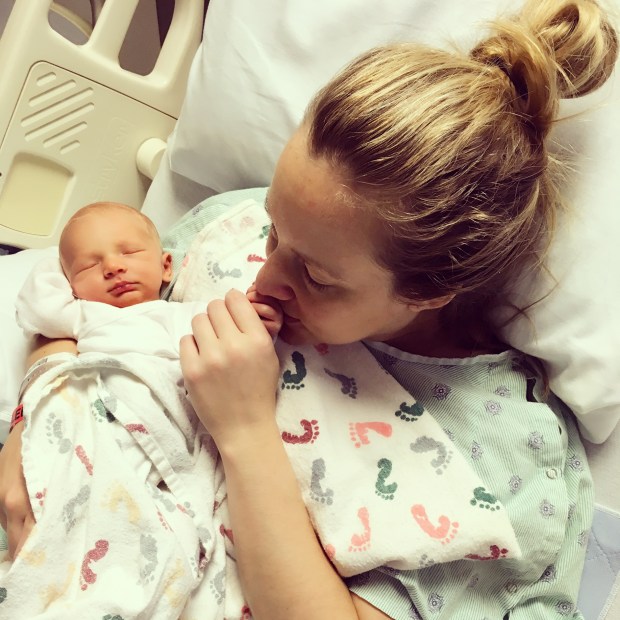

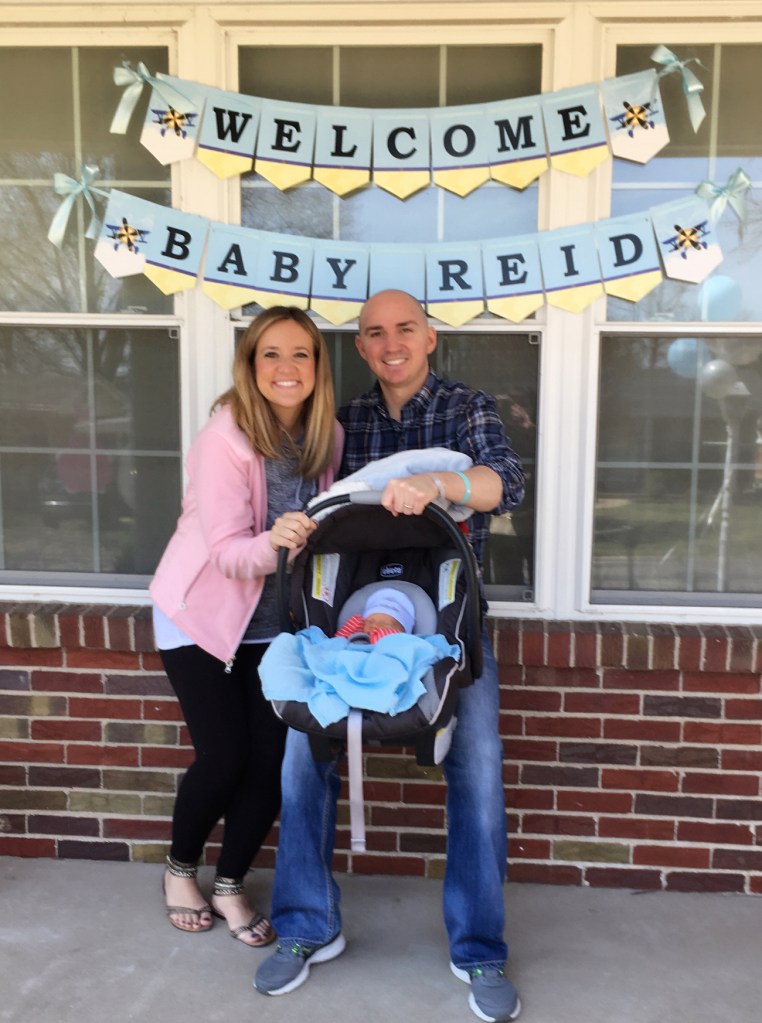
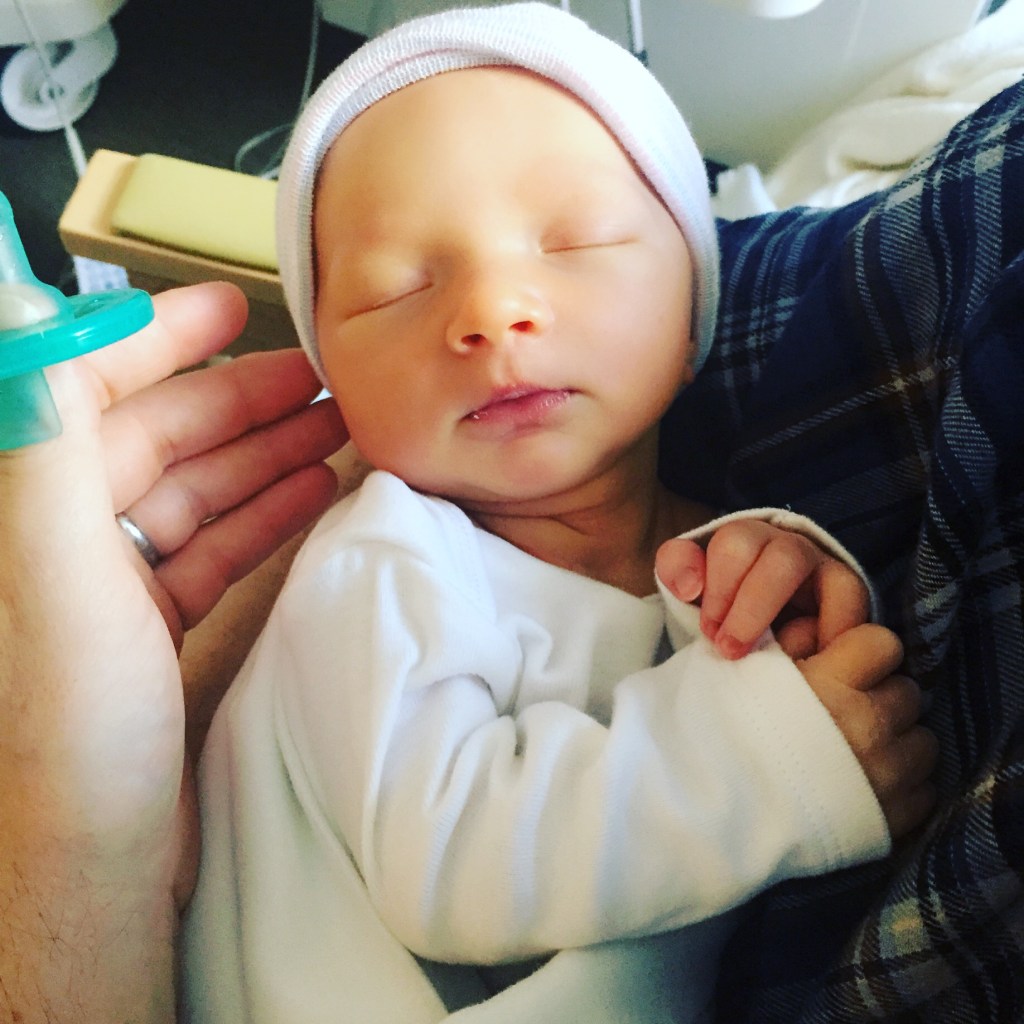
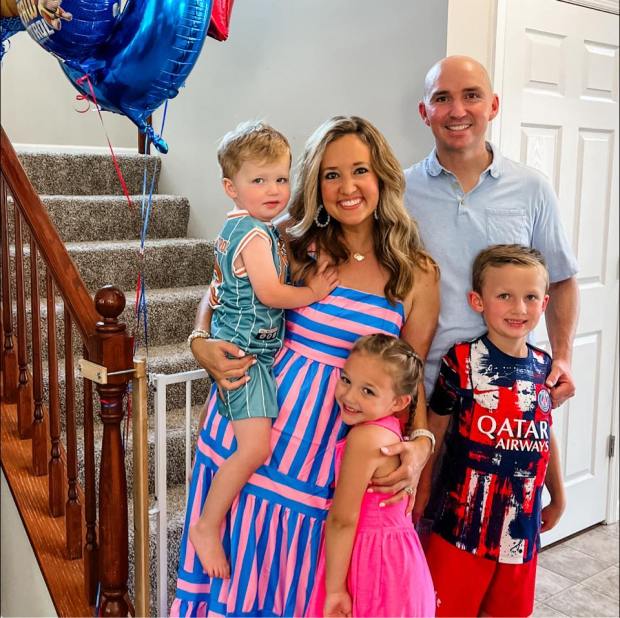
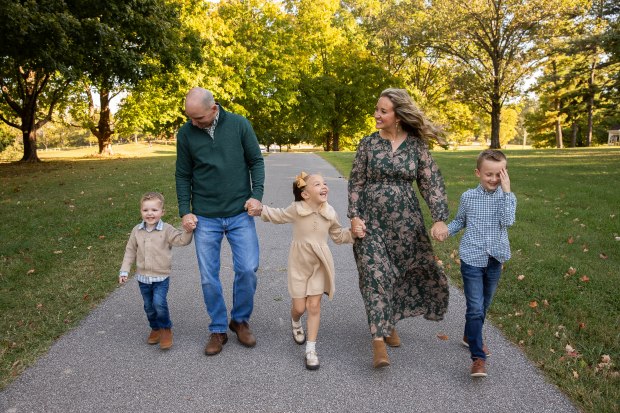
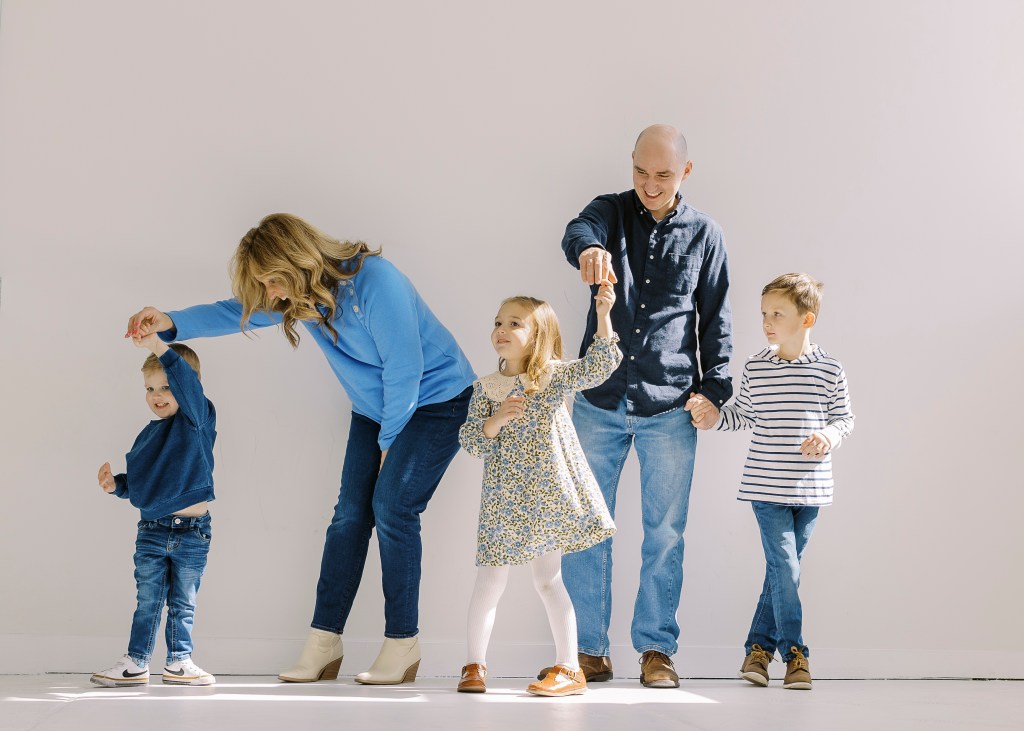
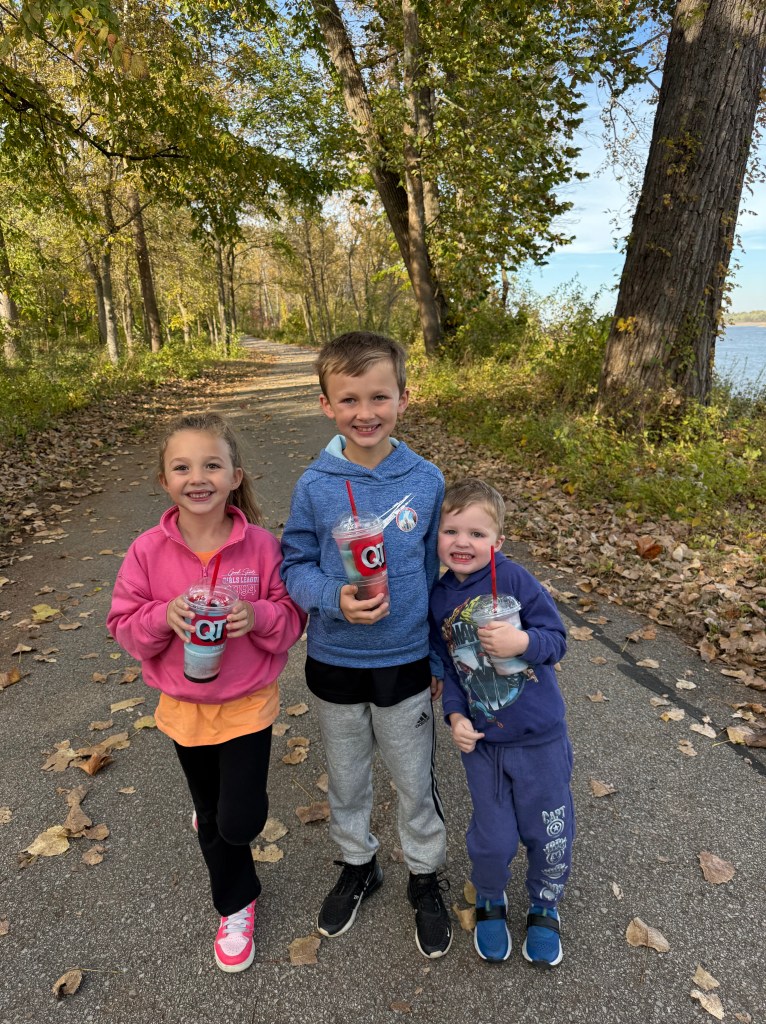
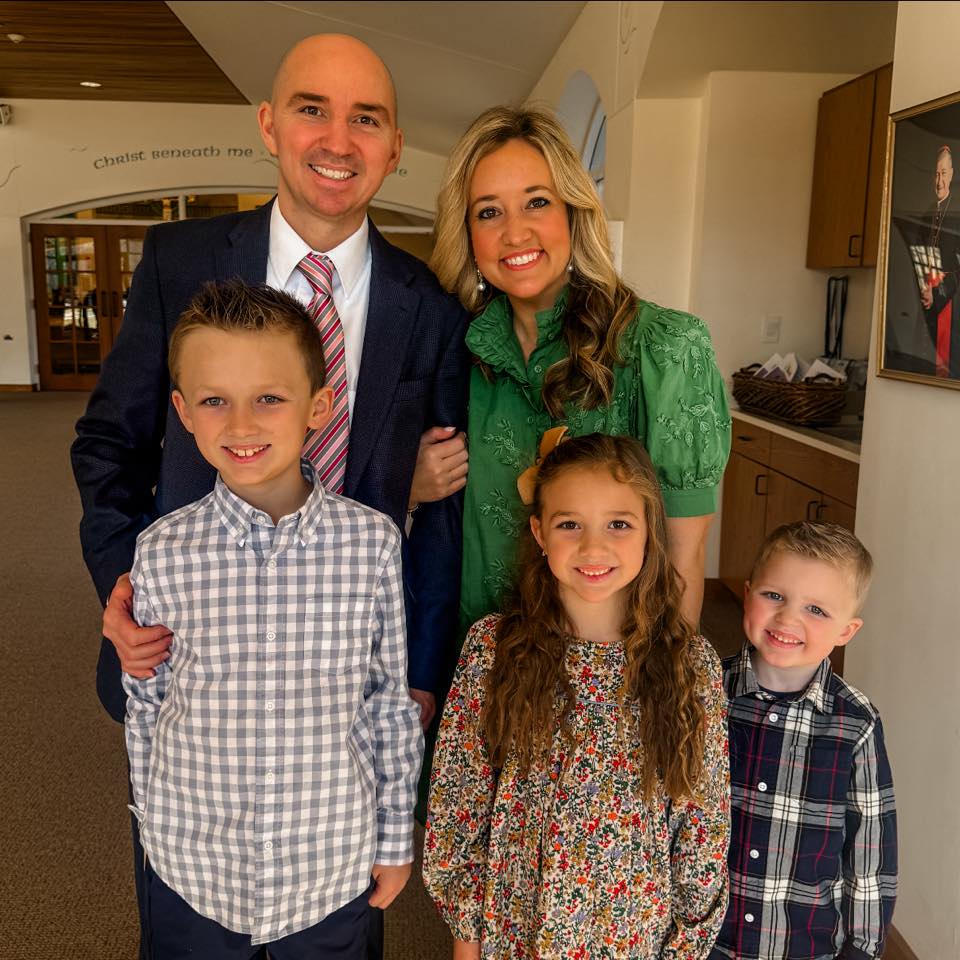
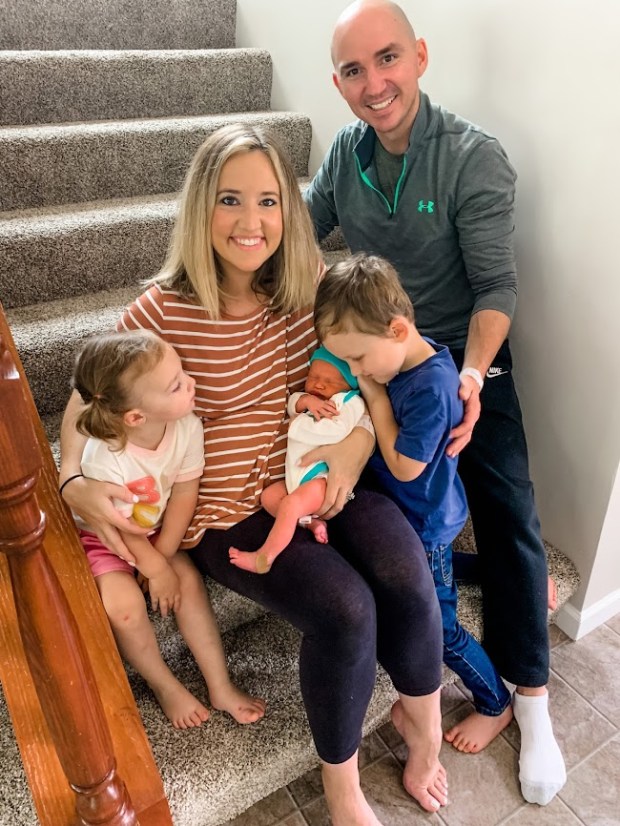












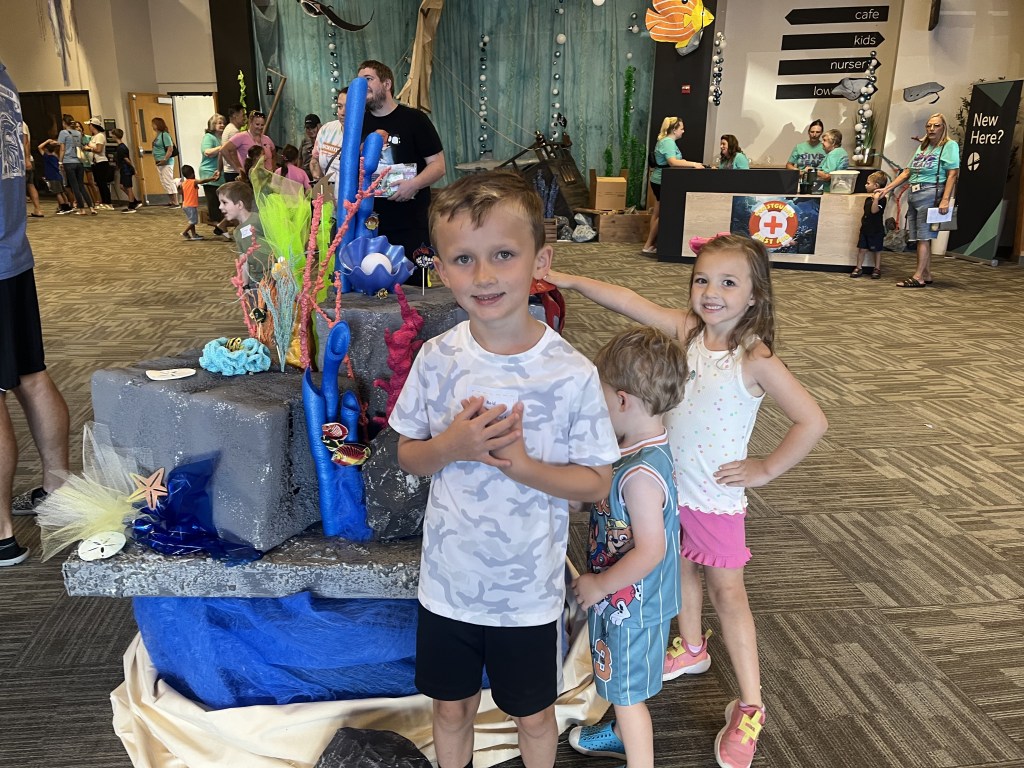

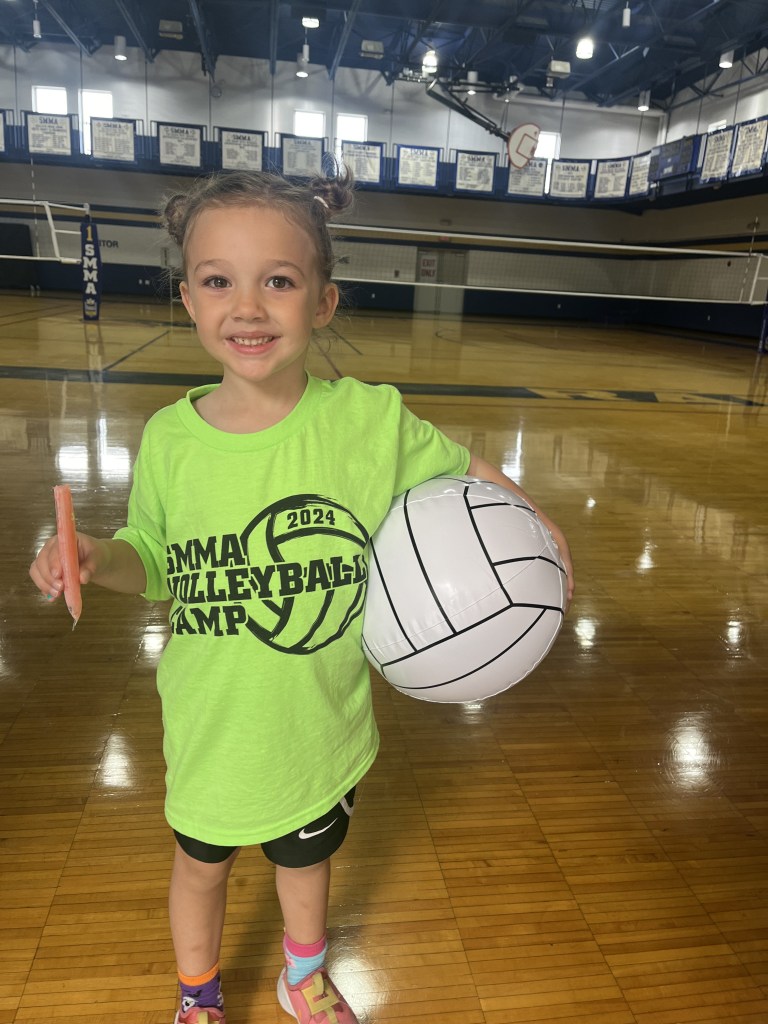






 lights camera crohn's