
You can think of us as ‘bosom buddies’—IBD moms trying to navigate life with chronic illness as we take care of our families. Both of us battle Crohn’s. Both of us are on Humira. Both of us are bloggers and passionate chronic illness advocates. For Gutsy Girl blogger, Stacy Ransom, one of her main missions was to breastfeed her son. As a mom who chose to formula feed my son and who is currently breastfeeding my 12-week-old daughter, trust me—I get the guilt, I get the struggles, I am completely of the mindset that ‘fed is best’. The same can be said for our guest blogger, Stacy. This week she shares her insight on breastfeeding with IBD and offers up five helpful tips for navigating nursing. 
Breastfeeding is a touchy subject. I’ve purposefully avoided discussing my experience for fear of offending others, because it seems that regardless of the stance you take, someone always gets upset. I’d like to start with abundant clarity that above all, fed is best and there is zero shaming here for mothers, regardless of the path they choose.
I was diagnosed with Crohn’s Disease in 2015 and spent years doubting my body’s ability to do anything right. When I became pregnant with my son in 2017, I wanted to do everything possible to prevent future gut issues for him.
We don’t know the cause of Inflammatory Bowel Disease, but some studies suggest it may start with a bacterial imbalance in the gut, and several studies have shown that people with IBD were less likely to have been breastfed as infants. Furthermore, a study in Denmark showed that breastfed babies developed certain types of healthy bacteria in their digestive tract, which non-breastfed babies were lacking. A healthy amount of beneficial gut bacteria can promote a healthy immune system which fends off different diseases.
When I became pregnant with my son, I opted to deliver via cesarean due to my IBD, but I knew this would shift his first gut community. I read all the studies and learned all the digestive benefits of breastfeeding, so I wanted to do everything I could to set us up for breastfeeding success. My Crohn’s specialist also said she had noticed a decrease in postpartum flares among her patients who breastfed. I was really committed to giving this my best effort.
 It wasn’t easy, but I’m so glad I stuck with it. We lasted 16-months until he self-weaned and he has a very healthy immune system so far, despite the cesarean and me being on Humira. Best of all? I didn’t have a postpartum flare, which my doctor attributed to the combination of staying on my medications, following my diet plan and breastfeeding.
I know not everyone has a positive nursing experience, but I’ve received countless messages from new mothers with issues that can easily be either resolved or prevented entirely. If you’re an expectant mother with IBD and think you want to try breastfeeding, here are some of my best tips for getting started:
- Gather your supplies early. I stocked our fridge with easy, healthy, nursing-friendly snacks. I also made “nursing stations” in key areas around the house including a water bottle, snacks and lanolin cream. I bought a few very loose, button-down shirts to allow for easy nursing access and air flow throughout the day. I also got a few soft nursing bras in a full cup size bigger than my normal size (depending on your “normal” you may opt for two cup sizes bigger), and machine-washable, cotton nursing pads. They stick less than the disposable ones and cause less irritation, in my experience.
- Find a Lactation Consultant. I can’t stress this enough. No matter how many YouTube videos you watch, nothing can compare to a real expert standing with you and guiding you through. Most hospitals will provide at least one consult before you are discharged. If yours does not, contact your local La Leche Foundation for support. Don’t listen to people who tell you it will just “come naturally,” because you BOTH are learning and the right latch from the beginning makes a world of difference! Some pain is normal in the beginning, but if it’s unbearable or if you start to bleed, something is wrong, and you should have a professional adjust your latch or check your baby for a lip or tongue tie.
- Start off strong. Allow your newborn to latch as much
 as possible, especially in the first 24 hours, and provide plenty of skin-to-skin. After a c-section, the last thing I wanted to do was constantly get in and out of bed to pick up a newborn. Instead, I just spent my days with my son nestled on my chest so we could both sleep, heal, bond and get my milk flowing.
 - Stay positive. Stress won’t help either one of you (and it certainly don’t help your IBD). Relax and take deep breaths as your infant latches. Your milk may take a few days to fully come in, and it may take several weeks to get in a good rhythm. If you feel your supply is “low,” don’t panic. You are likely still producing enough to sustain your infant, as they don’t need much in the beginning. Continue to latch as much as possible (at least every two hours), and don’t supplement with formula unless your doctor advises you to. With that being said…
- Trust your doctor. You and your baby will have regular check-ups to ensure he/she is gaining the appropriate weight. If they’re not despite your best efforts, it’s 100% okay to supplement. Fed is best and no one wins if your baby is hungry and you’re stressed. Trust your doctor in terms of gauging when to keep trying and when to supplement.
Above all, try to remember that while this is a totally natural experience, sometimes (especially for those with chronic illness) things don’t work like they’re “naturally” supposed to.  Cut yourself some slack. Becoming a mother is stressful, but if you are feeling overwhelmed, talk to someone. Postpartum depression and anxiety are very real and as a mother with chronic illness, you may be more prone to those feelings. Seek out help from your spouse/partner, enlist nearby family/friends for support, and keep in close contact with your doctor to manage your symptoms.
And if nursing doesn’t work out for you, be kind to yourself. Your baby will still grow up to be healthy and loved, and that’s all that really matters.
Check out Stacy’s blog: https://gutsy-girlblog.com/
Connect with her on Instagram: @gutsygirlblog

 My daughter is 4 weeks old today and has been exclusively breastfed. I’m by no means writing this as an expert or to point any fingers. I am completely of the mindset that ‘fed is best’. No judgement here, ladies.
 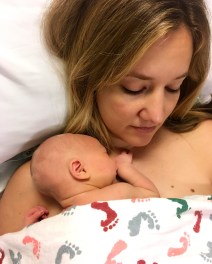 I was worried about the lack of long-term studies on my biologic drug (Humira) and I was concerned about the risk of having a postpartum flare that would land me in the hospital and interrupt my ability to feed him. Being a new mom, I was worried the stress that comes along with breastfeeding could cause me to flare. I ended up breastfeeding him the first three days in the hospital, so that he could receive the colostrum. After that—he was given formula until he turned one. It’s a decision I was confident in, but that tugs at my heartstrings at times, especially now as I breastfeed his sister.
 According to
 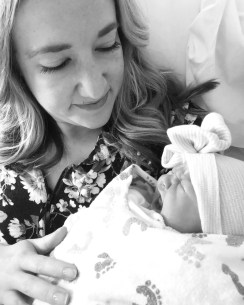 That way—the baby did not receive a burst of the immune-suppressant drug through the placenta, the day she was entering the world and I would be at lower risk of developing an infection as well. Timing your biologic medication is key and a conversation you’ll want to have with your care team so it can be tailored to your pregnancy and your personal journey.


 When it comes to breastfeeding as IBD moms, whether a child is going to latch or if our milk supply is going to be sufficient, tends to be the least of our worries. Our chronic health condition, plus the medications so many of us are dependent on to treat them—adds another layer of stress. In the end, you need to do what you feel comfortable with, what works for your body and for your family. Always know you are not alone in your struggles. Celebrate the parenting wins and accomplishments along the way—no matter how big or small. Lean on your support system—especially fellow breastfeeding mamas who can answer your questions and calm your fears. I can’t tell you how long I’ll continue my breastfeeding journey. For now—all I can do is take it one day at a time. What I can tell you—is how rewarding it is to see what my body is capable of, despite my disease and how amazing it feels to know I’m nourishing my little girl and providing her with a healthy start.


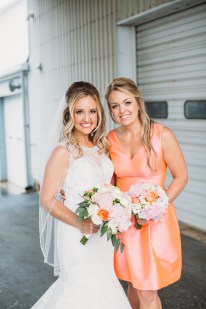 We ended up living together throughout our entire college experience, stood up in each other’s weddings and have managed to stay very close, despite thousands of miles between us since graduation.
 I teared up. I was so fearful of the unknown, as far as what this is going to mean for me for the rest of my life. There is such a variation in the way patients with IBD can experience the disease… my mind immediately went to worst case scenario for myself.”
 She used to ride out the symptoms much longer before admitting there was a change that needed to be addressed, mostly because she was fearful of having to go back on steroids. I can attest to being the same way. Prior to becoming a mom, I waited until going to the emergency room was the only option. Now, I am more mindful of listening to my body and nipping flares in the bud, because my family needs me.
 it makes you feel just a little bit stronger and gives you the confidence that you can handle the curveballs life is bound to throw at you over and over!”
 lights camera crohn's