
When I asked 34-year-old Amanda Osowski how she’s juggling Crohn’s disease, motherhood, and IVF during the pandemic, she said “with caution.” And rightfully so! These times are complicated and overwhelming for everyone. Add some chronic illnesses and trying to maintain your health, sanity, and emotions while doing all that and trying to get pregnant with a second child through IVF, and I’m amazed she found the time and energy to write this guest post! I’ll let her take it away.

Here we are, more than 7 months into a global pandemic, still wondering if and when life may “resume as normal”. To be honest, in my house, life has in some ways paused and in other ways accelerated since the March quarantines began. As an IBD patient on Remicade (an immunosuppressant medication to manage my Crohn’s disease), I have chosen from the beginning to adhere strictly to social distancing, mask wearing, unnecessary exposure and other risk reducing options.
This also meant that my job, my income, and my ability to support others has transitioned from mainly in-person to entirely virtual. The silver lining of this is that I’m able to work with clients all over the world. Balancing that alongside parenthood, and IBD during a pandemic requires a good bit of patience, strategic thinking, and deliberate planning.
Gearing up for Baby #2 Through IVF
My husband and I were diagnosed with Unexplained Infertility in 2017 while trying to conceive our first child. After several failed treatments, we had one successful round of IVF in which I became pregnant with our daughter in the fall of 2018. As soon as she was born, we knew we wanted to have another baby close in age – both for our family planning goals and in hopes that I would be able to maintain my Crohn’s remission status long enough to complete another pregnancy.
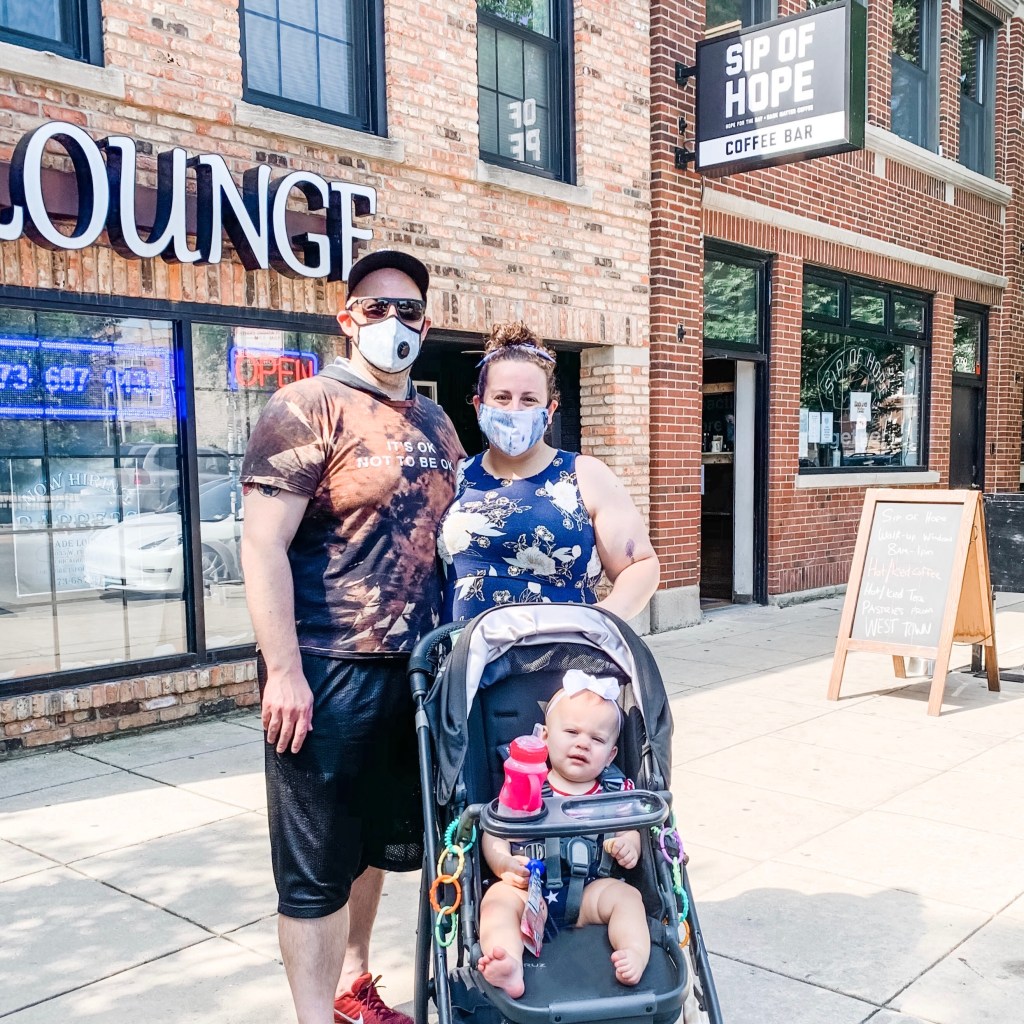
While we began trying naturally as soon as we were ready, we knew that the recommendation for fertility treatment was to wait until 12 months passed after delivering our daughter. I desperately hoped that we’d get lucky before then, and that we’d end up with natural conception, rather than going through the physical, emotional, and financial journey of another cycle of IVF. I also knew that I wanted another baby, and that would happen however it was meant to.
How the pandemic has impacted fertility treatments
We were scheduled to begin fertility testing in March 2020, with treatment starting in April. As I’m sure you guessed, that was immediately halted with the closing of most fertility offices and the pausing of all new treatment cycles with the influx of COVID-19 cases and concerns. Having my treatment (and my timeline) be paused indefinitely with the continuing anxiety and stress of the pandemic caused my IBD symptoms to increase – something that then caused me more anxiety and stress about its impact on my IVF plan if and when I was able to reschedule treatment.
After an exceptionally long few months, my doctor’s office re-connected with me about getting my appointments scheduled. My IBD while not flaring, was not perfectly calm either, and that’s such an important part to me about preparing for pregnancy, so we gave it a little more time. FINALLY, this month (September), I began the treatment protocol I should’ve started five months earlier. Our daughter Brooklyn just turned 16 months old.
Today you’ll find me managing IVF medication injections around business calls, my Remicade infusion schedule, chasing a toddler and being stuck inside my home around the clock. It’s HARD, and exhausting, but it’s the only way I know how to make my hopes come true.

Tips for handling IBD + IVF
- Communication with your partner is critical. From parenting responsibilities to COVID-19 precautions to childcare to work stressors to fertility treatment planning and execution – there is an entire machine full of decisions and emotions that are part of every single day, and not being on the same page as your partner can have devastating effects. My recommendation: schedule time once a week on your calendar after bedtime to talk. Keep a list running during the week of things to add to the conversation. Ask all your questions to each other then, when you can focus and talk and connect. You’re a team, and it’s important in this season to work together.
- Mental health is just as important as physical health. When managing IBD + ANYTHING, let alone motherhood, and a pandemic, and fertility treatment, taking time to check in with your mental health and care for yourself is imperative. Each of these things come with so many feelings, and burying them all will only make it harder to deal (& keep your IBD in check!) I personally recommend working with a counselor, taking time to journal or meditate or center yourself, and ensure you’re checking in with your own needs regularly.
- Social Media Strategy – During the pandemic, I think we’ve all admitted to more screen time than usual. I know firsthand that the amount of pregnancy announcements, gender reveals, new baby births & seeing families with multiple kiddos can cause feelings of guilt, frustration, jealousy, anger, etc. Social media can make things feel extra difficult for those struggling to get pregnant, undergoing fertility treatments AND managing something like IBD. Here’s what I recommend. The beauty of social media is that we can choose what we do and don’t see while we scroll. This is a perfect time to click “hide” or “unfollow” on any hashtags or accounts that make you feel sad or icky. That’s not to say you don’t love your neighbor/friend/co-worker, but in my opinion you also don’t have to constantly watch their highlight reel. On the flipside, utilize social media to connect with your TRIBE. Whether that’s other IBD and IVF warriors, others struggling with infertility, etc – there’s so much more space for online communities now than there ever has been before. If you’re having difficulty finding and connecting with others, please DM me and I’m happy to make some suggestions! Also, please know that whatever you’re feeling during this experience and this season is so valid, and you’re not alone!
- Give yourself grace. There will be days when you feel inadequate – as a parent, as a spouse, as a patient – these moments don’t define you. You’re juggling so much, it’s so important to know that you’re doing the best you can, even if that looks different than it used to or different than you’d like it to.
If my story resonated with you, or you’d like to connect, please reach out! You can find me on Instagram personally as @amanda.osowski and professionally as @heartfeltbeginnings.

 Right before COVID-19 started wreaking havoc in the States. Before Guy was born, Suzy’s biggest fear was a postpartum flare. After the birth of her second oldest daughter, Alice, she had the worst Crohn’s flare of her life and was hospitalized.
 Unfortunately, when I was put on prednisone last summer, I developed extremely high eye pressures. I was diagnosed as “Glaucoma suspect” at 40 years old, meaning I have some risk of the disease, but no proven damage (yet), so my eyes are monitored often.
 As a woman and a mom of three who has battled Crohn’s since 2008, I believe if it’s your dream to have children, or a family, you should most definitely pursue that. Consult with your GI and OB doctors prior to getting pregnant, and make sure you’re in remission. Pregnancy can be challenging, but if you’re also flaring, it’s that much harder.

 I developed a new manifestation of the disease I never had before: Perianal Crohn’s. Not a pleasant situation and one that is very difficult to treat/manage while pregnant. Things got so bad at one point, I had to have surgery to drain an abscess and place a seton to help a fistula heal. No one wants to have surgery pregnant. It was one of the scariest moments of my life. The first trimester was spent hoping and praying the baby would make it with all the turmoil going on in my abdomen. The second trimester was spent hoping and praying we could keep her in there long enough to be viable outside of the womb. The third trimester was spent in an unbearable amount of pain fighting the urge to take the prescribed pain pills and being so scared about how the increased biologics, steroids and other new drugs being introduced into my system might affect her.”
 With the newly manifested, aggressive, perianal disease, a vaginal birth was out of the question. I held on until 36 weeks and on New Year’s Eve of 2018 we welcomed our baby girl. We were so incredibly relieved she was ok, and the focus quickly shifted to how not ok mom was.”
 After talking to many medical professionals, we decided it was not safe for me to carry another child. We still don’t know if it was the IVF drugs/hormones that caused the flare going into pregnancy, or if hormones in general and my Crohn’s disease just don’t mix, but we’re not willing to put myself, or another baby at risk like that again.”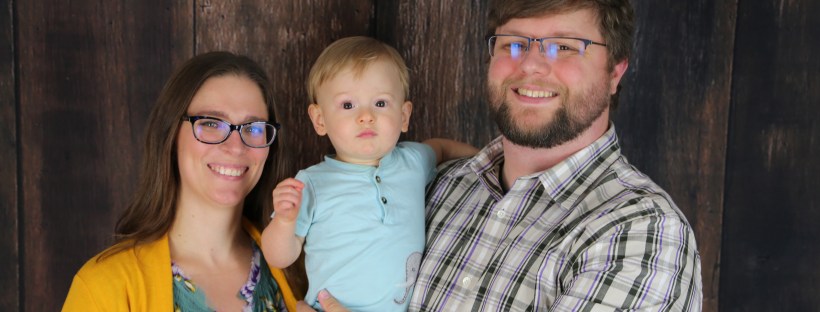
 Addy’s son, William, is now 13 months old. This week—she shares a guest post about her journey to bring him into this world and the challenges and victories she’s experienced as a new mom with IBD. I’ll let her take it away.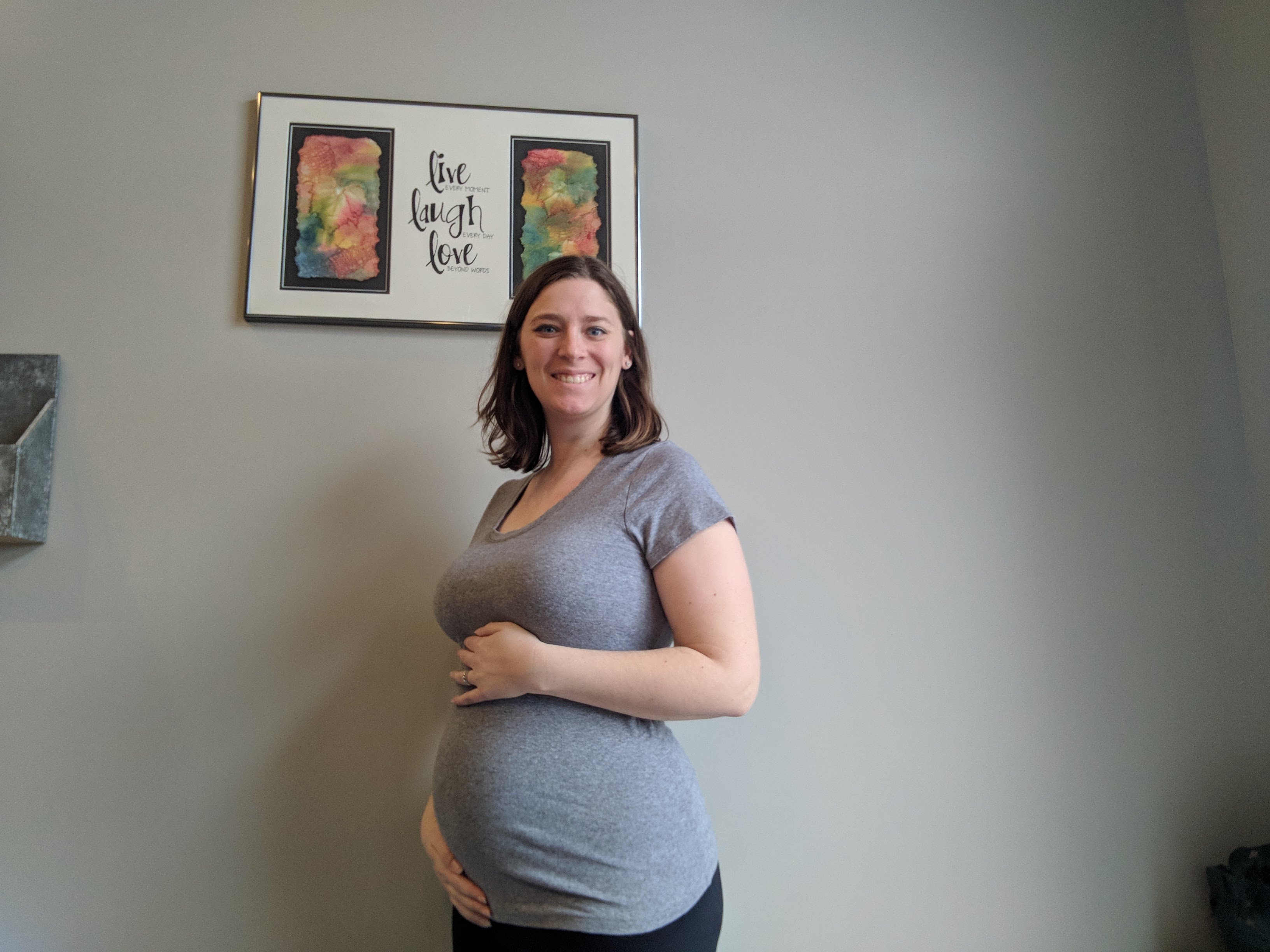
 After my second-high blood pressure reading that week, a nurse advised me to come into labor and delivery. When I arrived, I was diagnosed with gestational hypertension and started the induction process the next morning at 37 weeks.
 When William was born, I was thrilled, and so fortunate, to have a successful early breastfeeding relationship with him. When I started flaring again, breastfeeding became a significant challenge. I’d be with William during a late-night feeding, get a few minutes in, then have to wake my husband to keep William safe while I quickly ran to the bathroom. Obviously, this made William more than a little upset to start eating only to be pulled away. I also became increasingly worried that he wasn’t getting the nutrition he needed from me because I wasn’t absorbing nutrients the way I needed to. I upped my supplements and kept close tabs on his weight but continued breastfeeding. At this point, I knew I needed to do something different with my medications. What I was doing clearly wasn’t working.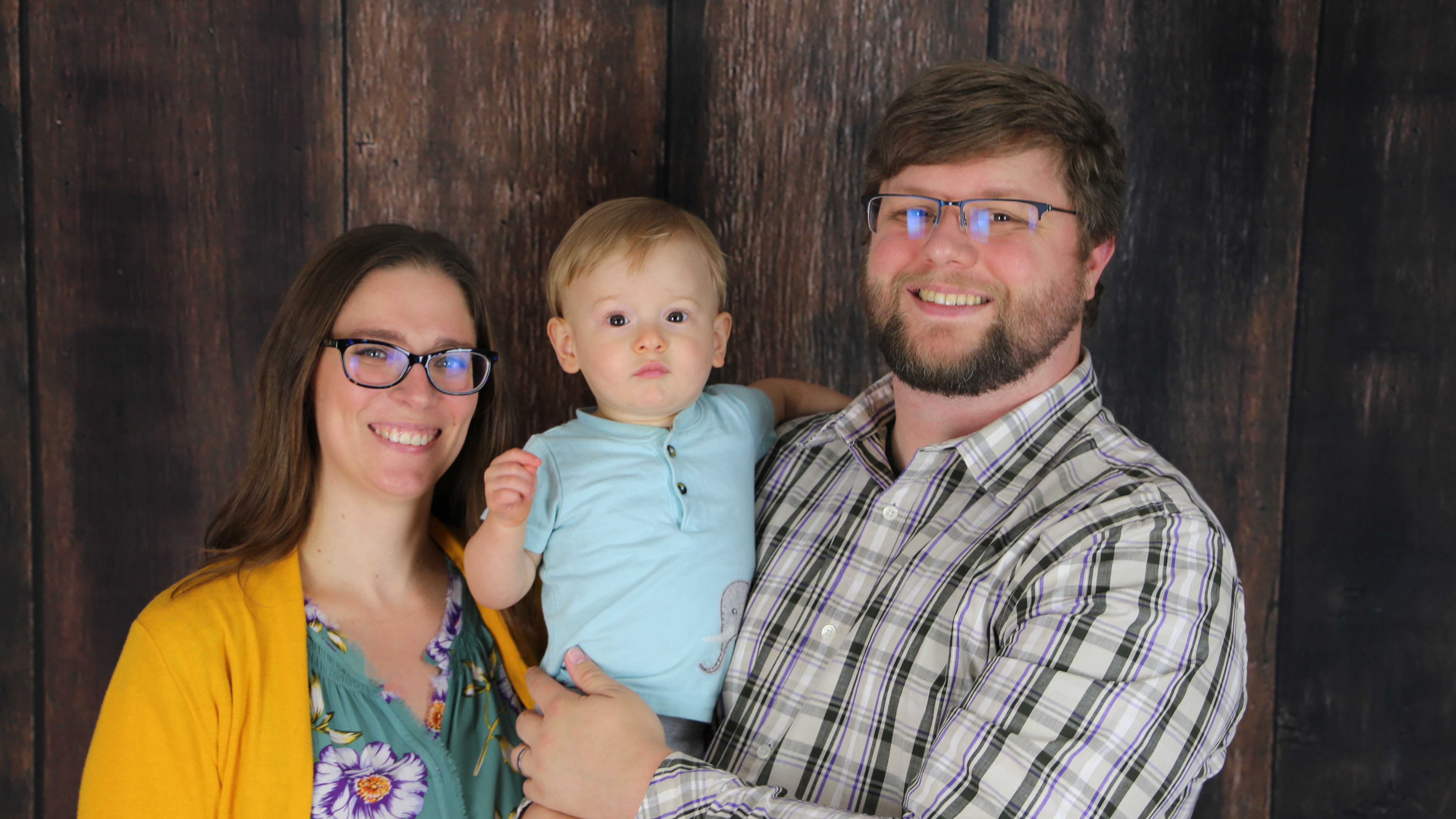

 Whether you’re a chronic illness mom or not, one of the first questions you often get asked is “are you breastfeeding?” It’s such a personal choice and decision, that really isn’t anybody’s business. Yet, men and women alike act as though it’s just casual conversation.
 Before I ever became pregnant with him and up until the moment he was born, I was adamant on feeding him formula. I personally felt there were too many gray areas with the medication I am on and didn’t want to find out down the road that I put him at risk for dangerous long-term side effects. I ended up nursing the first three days in the hospital so that he could get the colostrum. Even though I was confident in my decision at that time, I sobbed when he got his first formula bottle in the hospital, because once again my Crohn’s prevented me from feeling like a “normal” person. Each time someone questioned my decision to formula feed or assumed I was breastfeeding, it pulled at my heartstrings and made me feel a bit embarrassed and less than.
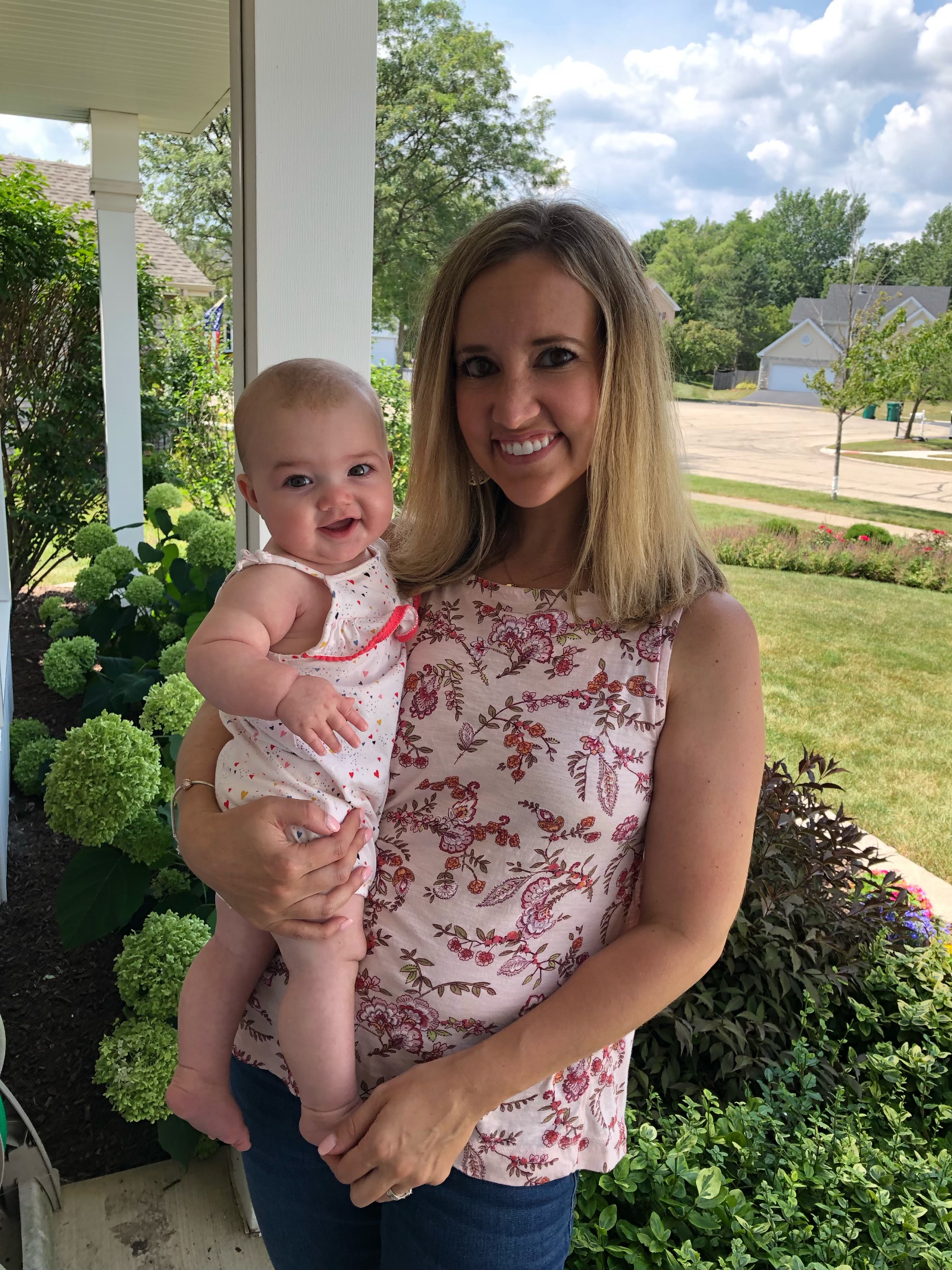 I learned about how breast milk would benefit her microbiome, lower her chance of one day developing IBD, improve her immune system, and that Humira was considered safe for nursing, among other remarkable benefits. Many friends and family members offered invaluable advice and support to prepare me for what was to come once she entered the world. No matter how much I thought I was ready, it was still overwhelming and emotional.
 I wanted to do all I could to protect her and felt guilt for not doing the same for my son. I remember lying in bed with her on my chest that first night, my husband sleeping, and texting a bunch of fellow breastfeeding moms for advice in the middle of the night. They all responded in minutes and comforted me. Initially, I had been told not to use my breast pump the first few weeks. I ended up using my pump the first week and it was the best decision I made. If I hadn’t done that, chances are I would have never made it through that initial week without changing my mind and formula feeding. If nursing is painful or difficult, don’t hesitate to break out the pump and relieve your engorged chest. Whether a baby is nursing or receiving breast milk in a bottle, it’s all the same at the end of the day.
 We gave Sophia a bottle the first week home, since I needed to pump. For the past seven months she’s gone back and forth from breast to bottle beautifully. It eased up the pressure on me and helped make it easier on both of us! We still got to bond and be close, but others are able to feed her as well.

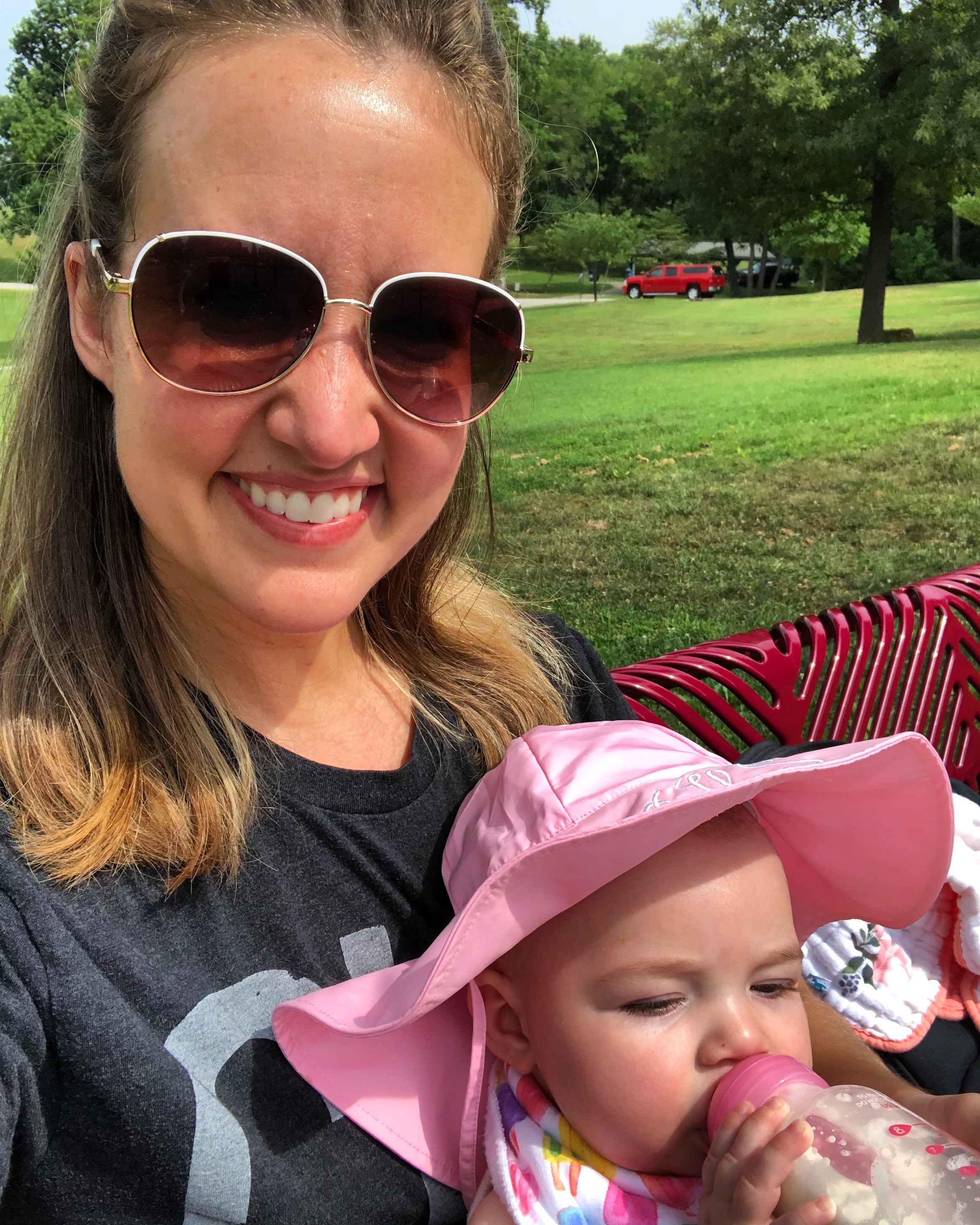 As a mom, it’s easy to beat ourselves up about how we choose to feed our babies. There is SO much background noise. Everyone has an opinion. As a mom who has formula fed and breastfed, I’ve had the opportunity to witness both sides. I’ve witnessed a shift within myself. Saying I breastfed felt and still feels like a bit of a badge of honor. Now that I’ve done it, I’m proud, because it was such a labor of love for me. Breastfeeding was blood, sweat and tears and so much effort. While traveling to San Diego I had no choice but to pump in a public bathroom at the airport, right at the sink, while a line of women stood staring at me. I had no choice. I think back to how drained and emotional I was on Sophia’s first night home and can’t believe we made it this far on our journey.

 Family planning is exciting, nerve-wracking, and daunting. Couple those emotions with battling inflammatory bowel disease (IBD) and the experience can be downright overwhelming. The tide is changing though when it comes to pregnancy and IBD, thanks to the
  With two sons, ages six and three, she felt even more in the dark during her preconception discussions and pregnancies.
 “The IBD Parenthood Project is a huge win for the IBD community. This resource is paving the way for how we work together with our clinical team. This is a proud moment for the IBD family. We’re showing the health community how to work collaboratively with patients,” explained Jessica. “I never want women to feel alone in the process. This initiative empowers IBD women and their support systems, and makes the experience of bringing a life into this world a whole lot more enjoyable and a lot less worrisome.”
 Upon delivering both of my babies, I felt symptoms start to creep back into my life less than a week after they were born. I too would include an MFM specialist in the future, if I were to have another child.
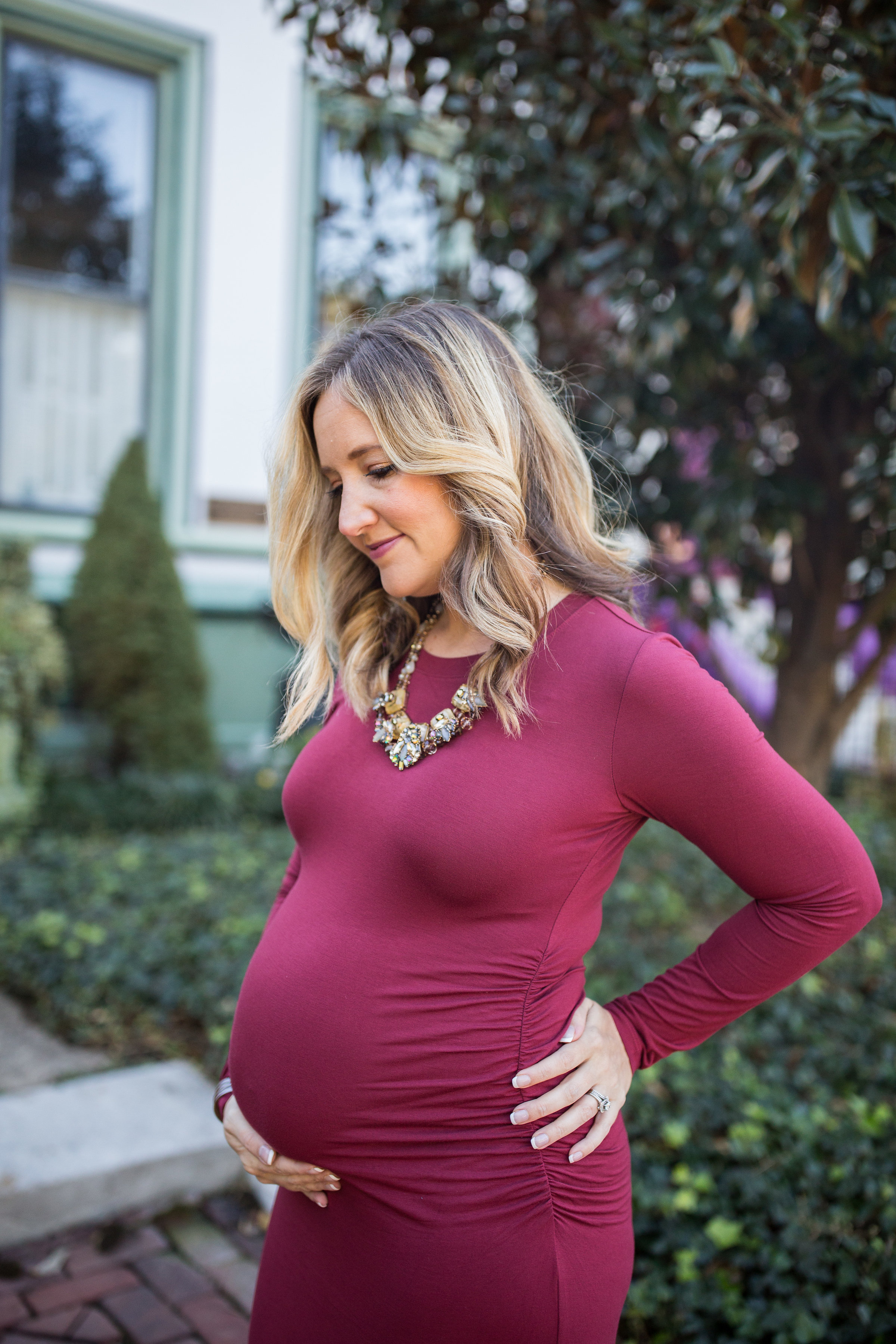 You’ve reminded me of what is possible and what I’m capable of. You’re already an inspiration to me and you don’t even know it.
 You and your brother serve as my greatest motivation to push through the pain and be strong. You’ll see how your dad loves and nurtures unconditionally and rises to every challenge that comes my way.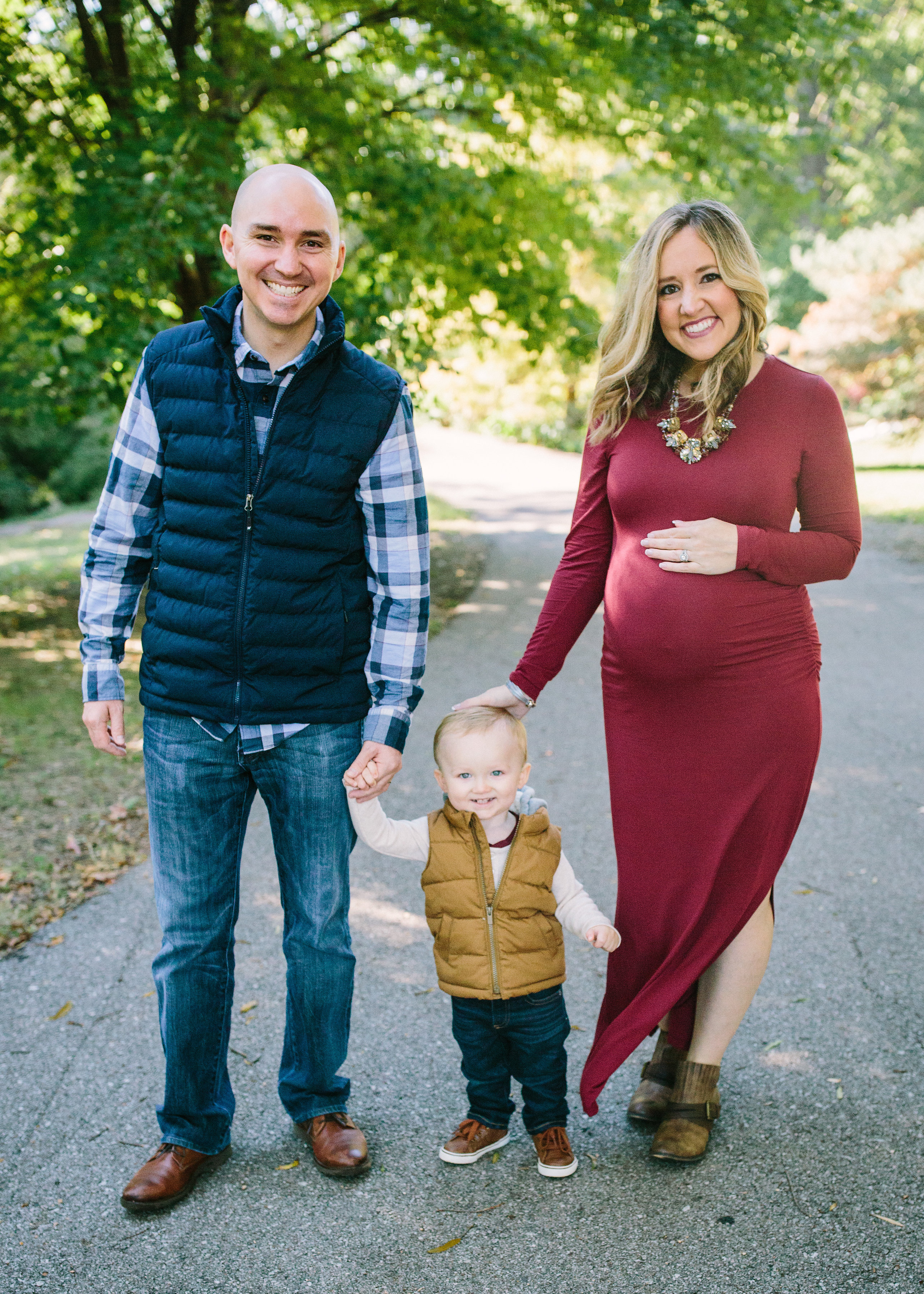


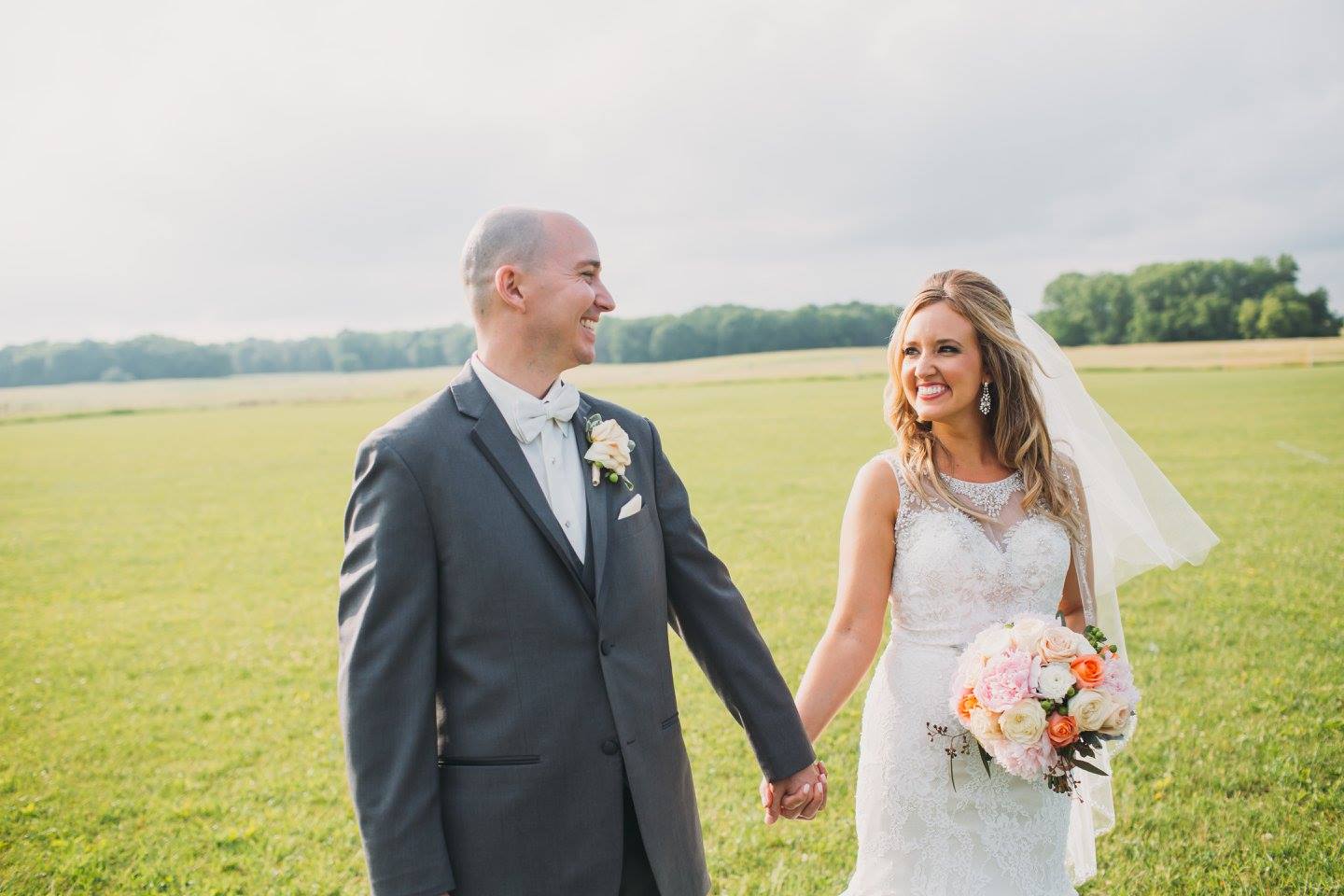 Chronic illness, while physically, mentally and emotionally taxing, also has the ability to show us the beauty of the world around us and all that we’re capable of. Instead of thinking how my Crohn’s holds me back—I think about how I’ve lived despite its restraints.
 My disease has helped me take on motherhood. It’s made me soak in the feel-good moments, take mental snapshots of the happy days and celebrate the beauty of life. My disease has forced me to press pause when I’m doing too much, it’s reminded me of the importance of self-care and taking time for me. It’s shown me which people are meant to be in my life and which are meant to be in the backstory.
 Sickness and health truly take on a whole different meaning when you live with a chronic illness. Katy witnessed her husband Vince’s compassion and character while they were dating.
 “Operation: Good Health.” She made it a priority to get a minimum of eight hours of sleep a night, as lack of rest tends to be a trigger for her. She was on a mission to hydrate, hydrate and hydrate some more. To set herself up for success and limit any surprise flares, she planned out her meals the entire wedding weekend. For example, she does well with bland foods, like noodles, rice, chicken and (big one) avoiding alcohol. And finally, she delegated responsibilities (aka stress) to friends and family. Katy admits she’s pretty Type A and would much rather do things herself than hand them off. However, she wanted to enjoy her wedding and because of her proactive planning, she was able to do just that!
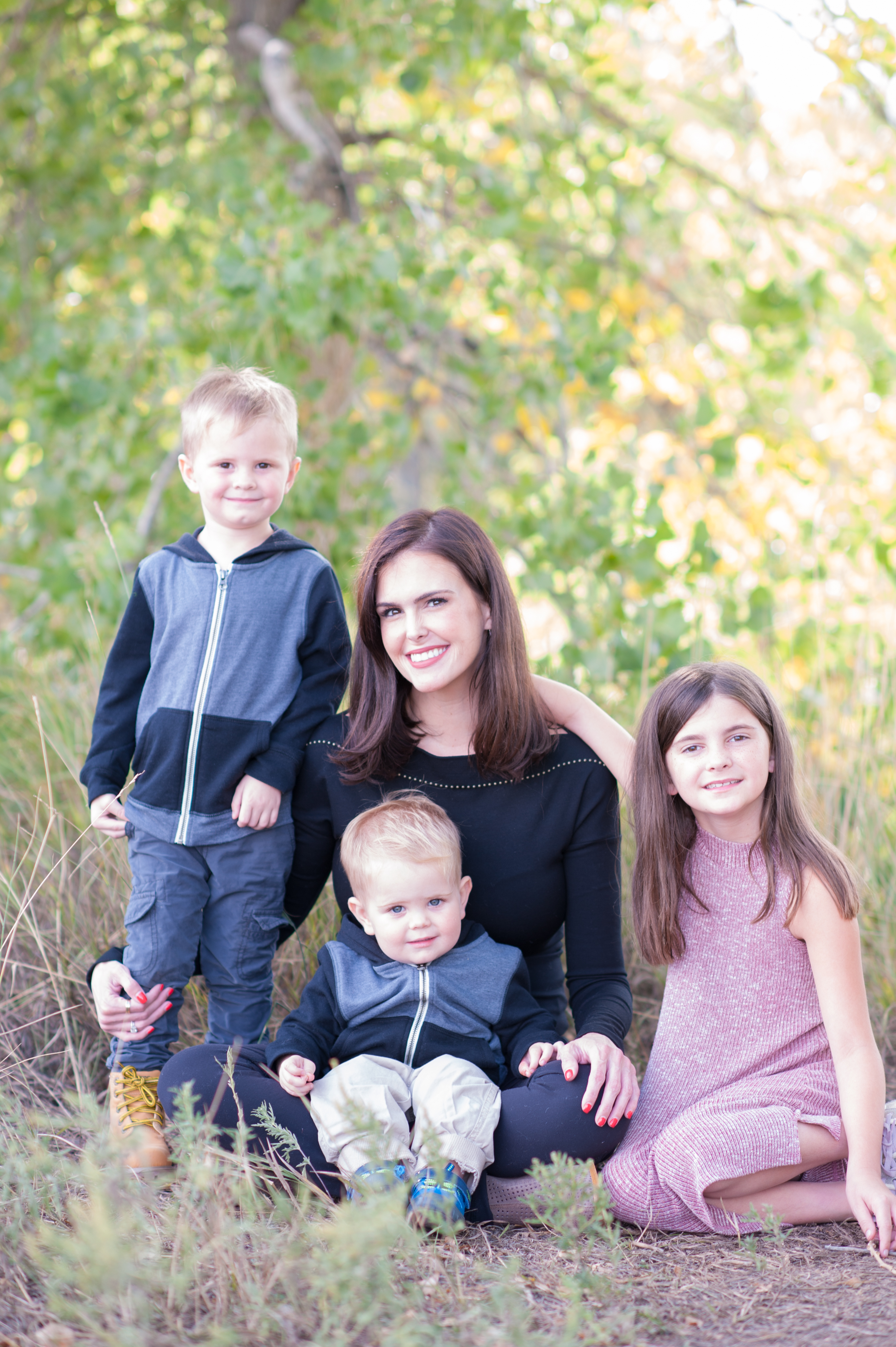 Reagan, Grayson and Carter may not understand why their mommy is in bed or why she needs to pull over on the side of the road when she gets sick, but Katy’s Crohn’s has taught her children a great deal of empathy at a young age. A few weeks ago, she was in debilitating pain and her nine-year-old offered to make dinner for her brothers. She poured them each a bowl of cereal and that was everything.

 While I feel incredibly blessed to be in this position, it comes with its own unique set of worries.
 They will live within a home that talks about chronic illness and experiences it each day. Your little ones will learn compassion and perspective before they are even able to truly communicate. If you have a child and chronic illness, you know what I mean.
 Whether it’s with motherhood or with living life with Crohn’s, it’s important to remind yourself that everything goes through stages. There are highs and lows, but each moment is fleeting.
 lights camera crohn's