Nine years since my life split into a clear before and after. Before motherhood. Before learning how much my heart could stretch. Before realizing I could love someone so fiercely while still carrying a body that has never felt predictable or safe since my Crohn’s diagnosis in 2005.
I entered motherhood already shaped by chronic illness. Crohn’s disease had been part of my identity for years before I ever held a positive pregnancy test in my hands. I knew what it meant to live with uncertainty. I knew how to navigate flares, fatigue, medications, and fear. What I didn’t know was how those experiences would transform me into an entirely new version of myself—an IBD mom. When I got pregnant, I only knew of one woman, my cousin’s wife, who has Crohn’s, and stayed on her biologic throughout her four pregnancies.
This week on Lights, Camera, Crohn’s a reflection on my patient journey and what it felt like to go through family planning, pregnancy, and motherhood as a woman with IBD and what I want others to know.
When I Was “Just” the Patient
For a long time, my world revolved around survival. Appointments. Side effects. Lab work. Scopes. Injections. Recovery days. Canceled plans. Hospitalizations. Weaning off steroids. Learning how to read my body’s subtle warning signs. Learning when to push and when to rest.
Crohn’s taught me resilience long before I knew I would need it in motherhood. But it also taught me hyper-awareness. A constant scanning of my body for what might go wrong next. A relationship with fear that felt both protective and exhausting. As time passed, I learned to listen to how my body was speaking to me through symptoms.
When I imagined becoming a mom, that fear came with me. I had bowel resection surgery two months after getting engaged, I was planning a wedding, and for the first time after a decade of living with Crohn’s I had FINALLY heard the word “remission” for the first time. My fiancé (now husband) and I knew once we got married 10 months later, that we would need to capitalize on that remission and hopefully start our family while we knew I was well enough to do so. Despite being in remission, I still had many questions and thoughts racing through my mind:
Would I be healthy enough? Would my medication be safe? Would I flare during pregnancy or postpartum? Would my disease rob me of moments I dreamed about? Would I be hospitalized and away from my child?
…the list went on. If you’re an IBD mom or one day aspire to become one, you know the questions we all face.
I wanted to become a mom more than anything, but I carried quiet doubts about whether my body was capable of sustaining not just a pregnancy, but a lifetime of caregiving.
Becoming a Mom with Crohn’s
The day I became a mom everything shifted. Not because my Crohn’s disappeared. Not because my health suddenly became perfect. But because my why expanded.
Suddenly, my body was no longer just something I endured. It was the home my child lived in. The vehicle through which I would show up, nurture, protect, and love. That realization changed the way I approached my overall health as a mom with IBD. My pregnancy with Reid gave me a renewed sense of love and appreciation for my body.
Taking my medication wasn’t just about me anymore. Advocating at appointments wasn’t just self-preservation. Resting wasn’t weakness. Prioritizing sleep wasn’t indulgent.
It was parenting. I began to see caring for myself as an extension of caring for my child. That mental shift — from “patient” to “patient who is also a mother” — was subtle but seismic. Rather than waiting until I was too weak to even walk through the emergency doors by myself, I started to alert my care team within days of recognizing that my Crohn’s seemed a bit “off” so that we could nip any issue that arose in the bud.
Learning to Mother Through Difficult Days
Motherhood with Crohn’s is not picture-perfect. But regardless of your health status, there is no such thing as perfect when it comes to being a mom. You must remind yourself of this and give yourself grace.
There are days I have shown up with heating pads tucked under sweatshirts. Days I’ve read stories from the bathroom floor. Days I’ve powered through school drop-offs on pure adrenaline and grit. Days I’ve shown up to PTO meetings and coached soccer on pain medication. Days I’ve cried because I felt like I was failing at both having a chronic illness and being a mom.
I’ve been in “remission” since 2015, the entire time I’ve been a mom, which I’m eternally grateful for, but just because I’ve been in remission does not mean I don’t face countless struggles with this disease. That’s something I wish people would understand. IBD is a chronic illness, just because someone is in remission doesn’t mean they are free of pain, stress, and more.
I’ve had to learn that good motherhood doesn’t require constant physical perfection. Some seasons look like big adventures and energy. Others look like quiet cuddles, movie days, and choosing rest over outings.
Both count.
My children are being raised by someone who understands empathy, flexibility, and listening to their body. That matters. You’ll notice as a parent with chronic illness how quickly your little ones develop empathy. It’s next level. And so beautiful. You don’t even have to teach it, it’s innate in them because of their daily reality.
Raising a Child Who Understands Illness and Compassion
One of the unexpected gifts of being an IBD mom is watching compassion take root early.
My three children know that bodies work differently. That medicine helps people live. That rest is sometimes necessary. That we don’t judge what we can’t see. They’ve learned that strength isn’t always loud.
Sometimes strength looks like getting up anyway. Sometimes it looks like asking for help. Sometimes it looks like choosing yourself.
Those lessons feel just as important as anything in a textbook.
How Motherhood Changed My Relationship with My Body
Before becoming a mom, there were times my body felt like the enemy.
The source of pain. The reason plans fell apart. The thing holding me back.
Motherhood complicated that narrative.
This body carried three children. This body nourished three children. This body continues to show up, even when it’s tired, inflamed, or aching.
It isn’t perfect. But it is more than capable.
I still have hard days. But honestly, I have a lot more amazing days. I never take a feel-good day for granted. Even after more than two decades of living with Crohn’s, there are still moments where I fantasize about what it would be like to just be a healthy person and not have the burden of my disease.
But I also hold more gratitude now. A grounded, honest one. My three children are my greatest motivation to push through and be my healthiest self.
From Surviving to Advocating
Becoming a mom didn’t quiet my voice.
It amplified it. Ironically, this blog, Lights, Camera, Crohn’s, launched July 23rd, 2016… I found out TWO days later I was pregnant with my oldest son, Reid. So, this blog truly captures every moment of pregnancy, family planning, and motherhood from the perspective of someone who learned as I went.
I advocate not only for myself now, but for a future where my children grow up in a world that understands chronic illness better than the one I grew up in.
I speak out because I want fewer people to feel dismissed. I share stories because I want fewer people to feel alone. I push for better care because I want better options for the current and the next generation.
I want couples to feel empowered by their decision to have a family, however that may look for them.
I hope women feel comforted by all the constant research going on to address what’s safe and effective as they bring life into this world. I participated in IBD pregnancy studies with all three of my kids, my youngest who turns five in July will be followed through the PIANO study until age 18!
Motherhood turned my survival into purpose.
Nine Years In: Who I Am Now
I am still a patient. I am still navigating Crohn’s. I still face uncertainty at times, but through a much different lens.
I am also a mom of nearly a decade.
A mom who has learned how to hold fear and hope at the same time. A mom who knows that love is not measured in energy levels. A mom who shows up imperfectly, consistently, and wholeheartedly.
I didn’t become a mother despite Crohn’s.
I became a mother with Crohn’s.
And over the past nine years, I’ve learned that those two identities can coexist, not in conflict, but in strength. I swear I blinked and somehow my sweet Reid, my baby, is nearly double digits. I don’t think there will ever be a time in my lifetime that I don’t stare at all of my children in awe of their existence, I’m sure if you’re a parent you feel the same way. It’s a miracle they are here, healthy, and thriving. So much of why I share my family so openly is to show how my children, who were all exposed in utero to Humira, are doing so beautifully in school, sports, and socially.
To the IBD Moms (and Future Moms) Reading This
You are not broken. You are not behind. You are not failing.
You are doing one of the hardest jobs in the world while managing one of the hardest diseases. That deserves recognition.
Later this month, my Reid is nine.
Nine years of learning. Nine years of adapting. Nine years of loving fiercely in a body that isn’t always kind.
In 2016, Nick Zecchino was living the dream. After years of relentless dedication, he signed a Division I football scholarship to the University of Connecticut. For a young athlete who had poured his heart, body, and soul into the sport he loved, it was validation that every sacrifice had been worth it.
“I was on top of the world,” Nick recalls. “It was the proudest day of my life to that point. Then, one month later my health started to decline out of nowhere. It was scary, there were a lot of questions and uncertainties with what my future was going to hold.”
This week on Lights, Camera, Crohn’s a look at Nick’s remarkable journey and his comeback story both on and off the football field that left me in awe.
When a Dream Collides with a Diagnosis
Like many of us, Nick’s health issues blindsided him out of nowhere. He lost his appetite. Crushing fatigue set in. Blood appeared consistently in his stool, and his bowel movements increased dramatically. In March 2016, a colonoscopy confirmed what he had never even heard of before: ulcerative colitis.
At first, Nick assumed it would be manageable. Get it under control. Heal up. Be ready for UConn by June.
“I didn’t know the long road ahead,” he says.
Weeks turned into months, and instead of improving, his symptoms worsened. During his senior year of high school, Nick missed most of his baseball season due to a constant flare. Maintaining weight and building muscle, which are essential for a college football player, became nearly impossible. By April, the fear crept in: What if this costs me football?
Playing Through the Unthinkable at UConn
Nick arrived on campus determined to push through. But ulcerative colitis never truly loosened its grip.
From the first game of his freshman season to the last, his health declined sharply. Between September and November alone, during his first college football season, Nick lost more than 50 pounds! By the final game, he weighed just 145 pounds and looked visibly ill. He used the bathroom 20 to 25 times a day, often passing only blood and mucus.
“There really wasn’t any managing it at that point,” Nick says. “I just had to deal with it and the consequences.”
He tried to hide his illness from coaches and teammates, unwilling to show vulnerability or weakness. He timed bathroom breaks to the last possible minute before kickoff, rushed off at halftime, and avoided eating on game days altogether. Even then, the urgency never stopped.
Years of Medications and No Relief
Nick’s treatment history reads like a roadmap of severe disease. After initially trying mesalamine and Lialda, his doctors escalated to stronger therapies as his condition worsened. Over time, he was on Remicade, Humira, Entyvio, 6-MP, prednisone, and antibiotics like Cipro. He even tried multiple biologics still in clinical trials for ulcerative colitis.
Nothing worked to wrangle his IBD under control.
At one point, doctors administered the maximum dose of Remicade possible, at the shortest interval allowed. It still wasn’t enough.
A Turning Point
Eventually, Nick’s dad made the hardest call of his life.
“My dad picked me up from UConn because I couldn’t go on like that anymore.”
A few days later, they were sitting in a doctor office at Mount Sinai in New York with Dr. Arthur Kornbluth, an IBD specialist who would change the course of Nick’s life.
“Going to Mount Sinai saved my life,” Nick says simply.
Dr. Kornbluth tried everything. Every possible medical “trick in the book” to try and get Nick into clinical remission. But despite his efforts, Nick couldn’t achieve lasting remission. Finally, they faced the reality neither wanted to confront: surgery.
“It was terrifying,” Nick admits. “But it was the only way I could get my life back and maybe still have a chance to play football again after my future was put on hold for over two years. Making the decision to go to Mount Sinai and get surgery completely changed the trajectory of my life. It will always be one of the best decisions I’ve ever made.”
Three Surgeries. One Unbreakable Goal.
Nick had a total colectomy (which removed his entire colon and gave him a temporary colostomy bag, followed by Takedown surgery and a J-pouch). After the three surgeries in six months, Nick finally began to feel like himself again. In January 2019, he returned to the gym for the first time.
He was weak. Deconditioned. A shell of the athlete he once was. But his motivation never wavered.
“Football was my one and only motivation,” he says. “I spent nights in the hospital bed thinking about how I could get back on the field.”
By June 2019, Nick arrived at Purdue University. At this point, he was not just healthier, but also confident that his dream was no longer out of reach.
A Second Chance at Everything
Walking onto Purdue’s campus felt surreal. Nick felt like a freshman again, even though he wasn’t. In many ways, it was a new life.
“I was just so grateful,” he says. “I had a completely different outlook than anyone else my age.”
When game day arrived, the nerves hit harder than they ever had before. But the moment he took his first snap, they vanished.
“I felt like myself again,” Nick says. “It was one of the best feelings in the world.”
From that point forward, confidence replaced fear. He had already survived more than most people ever would.
Life After UC—and Living Medication-Free
During his four years at Purdue, Nick dealt with recurring pouchitis every couple of months. Antibiotics like Cipro helped, but he grew tired of relying on medication.
Determined to find another way, Nick dove into research on gut health, inflammation, and natural support. Supplements like L-glutamine made a noticeable difference. Eventually, the pouchitis stopped coming back.
One day, his dad noticed the growing lineup of supplements on the kitchen counter.
“If this works so well for you,” his dad asked, “why not create something that could help other people too?”
That conversation sparked the creation of Carna Nutrition and its flagship product, GUT R3BU1LD—a gut health formula inspired by Nick’s own journey.
The name Carna comes from Roman mythology: the goddess of health, vitality, and protection of the internal organs, while helping with digestion.
“I created the full spectrum formula of our product with the help of a health & wellness professional that has been in the industry for 25+ years,” explains Nick. “We also used the access to the manufacturers’ scientists that they have in-house to help us understand the way that the pharmaceutical grade and clinically studied dosages of the ingredients that we have in the product all work together synergistically in a beneficial way for every major gut healing pathway during digestive stress.”
“He Was on His Death Bed. It’s Incredible What He Did.”
Nick’s comeback left a lasting impression on everyone who witnessed it, including his football coaches.
Former UConn head coach and Purdue defensive coordinator and linebackers coach, Bob Diaco, recalls:
“I remember watching him and trying to figure out how to stop it. My wife hadn’t seen him for a few months, and she was distraught. He was on his death bed for real. It was bad. It’s incredible what he did.”
“He’s the kind of kid that makes you better,” Diaco continued. “He’s been the underdog at every turn. He always comes out on top. He’s always making an impact on the people around him in a positive way.”
A Message to His Younger Self and to Young Athletes Today
If Nick could speak to his 2016 self, he knows exactly what he’d say:
“Your journey isn’t going to look anything like you imagine, but it’s going to be the most rewarding path for you. Trust it.”
And for young athletes with IBD who are scared their diagnosis might end their dreams?
“Your diagnosis is not the end of your story,” Nick says. “You’re allowed to struggle. You’re allowed to take time to heal. But don’t lose hope. Most of the battle is mental. Stay strong, stay supported, and keep chasing your dreams.”
Nick’s story is a reminder that even when IBD takes everything, it doesn’t get the final word. Sometimes, it forges something stronger than before. Whether you’re a young person living with IBD or a caregiver worried about what the future will hold for your child, I hope Nick’s incredible story of resilience serves as inspiration to show all that’s possible despite the difficult diagnosis of IBD. I found it interesting that Nick wouldn’t trade all he’s endured to be where he is today, as I always say the same. As time passes and hindsight is 20/20 so many of us experience a transformation that shapes who we are today, all because of the struggles that took us to get here.
When most kids were running around their middle schools full of energy and excitement, Taylor Gautney was quietly fighting an invisible battle. In sixth grade, while his classmates joined extracurriculars and laughed through lunch breaks, Taylor was barely making it through the day. Many afternoons were spent passed out on the couch after going the entire day without eating. One day, after skipping lunch again, he collapsed on his way back to class. That moment changed everything.
At first, doctors suspected celiac disease. He was placed on a gluten-free diet after an initial endoscopy, but nothing improved. For years, the mystery lingered—until a more thorough examination revealed the real culprit: Crohn’s disease. A new diagnosis, a new treatment—Humira—and a new outlook on life began to take shape.
Now in remission and attending Arizona State University (ASU), Taylor has transformed his story from one of struggles to one of strength. But it wasn’t always easy. This week on Lights, Camera, Crohn’s a firsthand look at what it was like to be diagnosed with IBD at such a young age and how his first year of college went living across the country from his family.
“Just Keep Fighting”
Looking back, Taylor wishes he could tell his younger self one thing: “Just keep fighting and enjoying the positives in life.” Being diagnosed with a chronic illness at age 11 felt like a devastating detour. He admits that it changed the way he viewed the world and himself. “I started to think of every aspect of life as negative,” he recalls. But over time, Taylor learned to embrace small joys, and most importantly, to appreciate the unwavering support of his family.
Taylor’s mom, Anna, says, “It’s crucial to advocate for your child and speak up for them if medications are not working. It is also important to showcase to your child that you are in this with them, help them find a community, such as the Crohn’s and Colitis Foundation. This way, they can meet people who have what they have and formulate a sense of belonging.”
Holding On Through the Hard Days
Taylor wants young people diagnosed with IBD to know that while the patient experience is incredibly challenging—often filled with procedures and surgery, flare days, and quiet battles with your own body, it doesn’t define who you are. “People can’t see the diagnosis from the outside, they see your personality and exterior self,” he says. “Just be yourself, let people come to you and support you, especially during a rough time like an IBD diagnosis.”
The Power of Family
Taylor credits his parents for being the steady foundation beneath his feet throughout the rollercoaster of diagnoses and treatments. “My mom has been my rock,” he says. She’s been by his side at almost every appointment and has researched tirelessly to understand Crohn’s. Taylor’s dad always makes time to show Taylor the world with family trips and unshakable support. “They have given everything to me and made my life so much easier after the diagnosis.”
Life at ASU with IBD
Taylor’s transition to college life came with its own set of hurdles, including logistical nightmares like getting his medication delivered to campus. But he’s found his rhythm. “It’s definitely not as hard as I thought it would be,” he says. One surprising blessing? His roommate. “He also had a medical condition that required shots, pills, and daily maintenance,” Taylor says. Their shared experiences helped them form an instant bond, even leading to grocery trips for IBD-friendly dorm snacks.
Taylor’s professors and friends have also shown deep compassion. He remembers an English professor who read about his condition in a personal essay and went out of her way to learn more about Crohn’s. “She made me feel really special and seen,” he says. His friends check in on him, make sure he’s got his injections, and understand when he needs to sit out from social events. “I thank my friends at ASU for their understanding and empathy.”
A Voice for the Voiceless
Studying sports journalism, Taylor dreams of becoming a play-by-play broadcaster for Major League Baseball—ideally for the Atlanta Braves. But his passion extends beyond sports. He wants to use his voice to make an impact and tell meaningful stories. One of the most pivotal moments in his life came when he was asked to be the Pediatric Honored Hero for the Crohn’s & Colitis Foundation’s Birmingham walk. “That one event gave me confidence to speak in public and really sparked my love for communication,” he says.
Now connected with the Arizona-New Mexico chapter of the Foundation, Taylor is committed to giving back. His mission? To reach kids and teens who are newly diagnosed and remind them they are not alone.
Final thoughts
Taylor and I connected after he was doing research for a college project and reached out to interview me about my patient experience and advocacy work. During our initial Zoom interview, I was so blown away by his positive attitude and how he takes on life with IBD. I asked him during the call if I could have the honor of sharing his story. While there are male patient advocates—we need more who are willing to share their story.
Taylor is wise beyond his years, so articulate, genuine, and kind. The sky is truly the limit when it comes to his future. If anything, living with Crohn’s disease since age 11 has helped show him all he’s capable of despite his disease.
You can connect with Taylor by following him on Instagram: @t.gautney or by emailing him: tgautney@asu.edu.
**This article has also been published on Tina’s blog: Own Your Crohn’s**
As two bloggers and patient thought leaders in the IBD community, we were thrilled and honored to attend and speak at the Advances in IBD conference in December 2024 in Orlando, Florida. In the article below, we come together to summarize key learnings for our IBD patient and caregiver community.
Management of Crohn’s Disease
Crohn’s can be a very progressive disease, meaning it can worsen over time and cause complications, often leading to fistulae, strictures, and therefore surgery and bowel loss. In a debate between two of the co-chairs, Dr. Miguel Regueiro and Dr. Corey Siegel, as well as throughout AIBD, a key theme was to understand if all Crohn’s patients need advanced therapies (biologics or small molecules) to prevent complications. A good suggestion was to identify those few patients who could be closely monitored but not necessarily put on an advanced therapy. The doctors agreed that almost all patients do need an advanced therapy to prevent progression of the disease. Dr. Siegel brought up an interesting point about risk-stratifying patients via a new blood test called CD-PATH, which allows physicians to better understand if a patient might be low-, medium-, or high-risk for progression of Crohn’s disease.
The conclusion at the conference was that early intervention has made a big difference in terms of improving long-term outcomes for patients. It was shown that there is an optimal time for treatment and missing that window can lead to progression of disease and potentially complications.
From stem cells for perianal Crohn’s to more options for fibrostenotic Crohn’s, many patients are waiting for more therapeutics to gain better quality of life. Patients, however, are also clamoring for more therapies for mild Crohn’s disease. There is a real void in treatment options for mild Crohn’s outside of dietary therapies and occasional use of steroids (< 1-2x a year). As patients ourselves, we advocate for more options whether that’s looking at S1Ps or new therapeutics that can help patients feel safe & comfortable that their disease is being treated.
Management of Ulcerative Colitis
In Dr. Millie Long’s talk on Defining Disease Severity in UC, she shared many pearls. Primary indicators of severity include appearance severity of disease on endoscopy and frequency of use of steroids (more often means another long-term therapy may be needed to quell inflammation). She said to also consider biomarkers (fecal calprotectin, C-reactive protein, etc.) and to keep in mind what prior therapies have been used. Dr. Long emphasized that UC can also progress like Crohn’s, and it is important to use treat to target strategies, including initiating therapy early, monitoring for disease activity using biomarkers and intestinal ultrasound, and aim for mucosal healing.
In Dr. Maia Kayal’s talk on what meds to consider if Mesalamine doesn’t cut it in UC, her key take-home message was, “Your first shot is your best shot.” She said it was important to plan wisely if you have mild to moderate UC and work carefully with your gastroenterologist to identify medication options. Dr. Kayal emphasized that certain biologics may be more effective as a first-line therapy rather than being used after one or two biologics haven’t worked, so to choose carefully. Even if mesalamine doesn’t work, there are multiple biologic options from anti-TNF agents to anti-IL-23 medications, and S1P receptors.
CurQD & IBD
Throughout the conference, CurQD received many notable mentions, which in randomized clinical trials showed efficacy in mild to moderate UC when mesalamine hasn’t cut it. CurQD is a naturally sourced formula. Cura is gut-directed form of curcumin that has been found to reduce inflammatory cytokines, restore barrier function, and positively alter the composition of the gut microbiome. QD (Qing Dai) is an extract of Indigo plants found in clinical trials to relieve bleeding, inhibit inflammation, and promote mucosal regeneration (Naganuma et al, Gastroenterology 2018, Ben-Horin et al, CCFA 2023). Dr. Kayal shared this placebo-controlled trial, that found CurQD was effective for inducing response and remission in active UC patients and has the ability to significantly decrease urgency.
Dr. David Rubin also touted CurQD as an adjunctive IBD therapy option, rather than a singular therapy, much like diet. He said while it may be beneficial, patients need to be cautious about sudden pain or obstructive-like symptoms and communicate how they’re feeling with their doctor.
Insurance barriers
Patients and providers have an uphill climb when dealing with insurance barriers, which makes managing IBD exceptionally challenging and at times frustrating for everyone involved. These proverbial hula hoops we’re all constantly forced to jump through often lead to delays in treatment and unnecessary stress. One key challenge discussed during this session was how to deal with insurance companies denying patients who have not tried 5-ASAs or steroids. Solutions shared included the GI office providing detailed documentation on the following:
listing previously tried and failed medications including steroids,
recent objective findings on endoscopy, imaging, blood tests,
sharing symptoms experienced by the patient,
referencing guideline recommendations, and
outlining the risks to the patient and the costs to the insurance company if treatment is not initiated soon.
Patients can also proactively reach out to their insurance company to determine their preferred advanced therapies and pass that intel along to their IBD team.
Another common roadblock discussed was finding out a medication is not covered or no longer covered by insurance—whether it be biologic vs. biosimilar of off-label dosing.
Patients can discuss appealing the decision with their IBD team during clinic appointments, over the Patient Portal, or over the phone. If your first appeal is denied, keep close tabs on your quality of life moving forward. If you are forced to switch, keep a detailed journal of all your symptoms to paint a clear picture of your reality.
Ask about having your GI submit a letter written by you about your patient experience, along with theirs, and make sure a doctor with knowledge of immune-mediated conditions is reviewing the appeal at the insurance company.
Providers can be supportive by showing empathy, following the latest research and including studies within insurance appeal letters. If a person is symptomatic, it would be important to rule out whether it’s active disease or an adverse reaction to medication.
Biosimilars now and in the future
The landscape for IBD therapies has changed immensely in recent years and will continue to do so in the years ahead. Stelara will join Remicade and Humira in 2025 with six biosimilar options for patients (and insurance companies). One of the main areas of improvement lies in patient education. Oftentimes we hear about the switch through a letter from our insurance company or we’re blindsided at an infusion appointment and told by our nurse that we’ll be receiving the biosimilar moving forward. As should be expected, this results in a great deal of uncertainty, skepticism, and pushback from the patient and caregiver population.
Biosimilars are biologic medical products that are highly similar to an already approved reference biologic, with no clinically meaningful differences in terms of safety, potency, or efficacy. Unlike generic drugs, which are chemically synthesized and identical to their branded counterparts, biosimilars are produced using living organisms and exhibit minor natural variability.
Dr. David Choi presented about how important proactive discussions with the patient community area to instill confidence and help educate about how safety and effective biosimilars are. Currently, four adalimumab and two Ustekinumab drugs have interchangeability, which is a designation from the FDA that allows for patients to be automatically switched (originator drug substituted) at the pharmacy level. Dr. Choi shared that providers can avoid this automatic substitution by selecting “dispense as written” on the original prescription. He went on to share that while improving access, there is also a major cost savings. Biosimilars across all disease spaces are expected to save $38-$124 billion from 2021 to 2025. The future of biosimilars is happening right now with exclusivity for golimumab and certolizumab over in 2024 and with more biosimilars in development.
Final thoughts from AIBD 2024
Overall, the main theme throughout all the educational sessions was that IBD needs to be more than just managed, it needs to be overcome with shared patient decision making. More work needs to be done to determine which patient is right for which therapy. There tends to be too much focus on the risk of therapies, rather than the risk of uncontrolled disease. The overarching goal is for providers to identify high-risk patients before we have severe disease and not be hesitant to use surgery as a treatment option when necessary. Emphasis on the importance of re-thinking the role of diet and nutrition and mental health care in conjunction with advanced therapy, looking at biomarkers 10+ years before diagnosis to see if we can prevent or diminish disease severity, utilizing intestinal ultrasound to measure drug response and disease activity in a non-invasive way, and continuing biologics in pregnancy (Healthy mom= healthy baby) were common themes throughout this fantastic conference.
As patients, we remain hopeful for the future of IBD and committed to improving patient outcomes. Lots of work still to be done, but it is impressive to see how far the science has come in the last 19-20 years since our diagnoses!
Nearly 19 years of living with Crohn’s disease and this past week I experienced an MRE (Magnetic Resonance Enterography) scan for the second time. I felt nervous, overwhelmed, and scared leading up to the test. The only other time I had an MRE was in July 2015 while hospitalized with a bowel obstruction. The scan was used to determine whether I needed surgery. I was out of it and have little to no recollection of the experience. The results from my MRE in 2015 informed my GI team back then that I needed 18 inches of my intestine removed. Fast forward to the present day, and after being in deep remission since that surgery, I started to experience a worrisome uptick in symptoms beginning in early March 2024.
It took a month to get in for the MRE, but I knew in my heart-of-hearts I needed to get answers. Leading up to the scan, I crowdsourced questions on Instagram and received an outpouring of support that helped make the experience nearly seamless for me. This week on Lights, Camera, Crohn’s I provide a behind-the scenes look at what it’s like to get an MRE and share firsthand advice from a patient advocate who is truly an “MRE pro”. Due to the amount of information, we’re breaking this bad boy up into two parts.
Walking you through the process
I had to arrive at the medical center at 10:15 am and was advised not to eat or drink four hours prior. I set my alarm for 6 a.m. and drank some water. When it was time to get in the car with my husband to head to my MRE, I took a Zofran to help prevent nausea from drinking all the contrast. After arriving at the imaging center, I was brought back to a room where I answered health questions and changed into a hospital gown and pants. I wore a sports bra without metal but was told I couldn’t wear it due to some synthetic fabrics. Then, I received my IV. The nurse took one look at my arms and grabbed a vein finder machine. For those who don’t know, this looks like a wand and puts a light over your arm to highlight veins so the nurse can pick the best option. My husband held the wand for her as she did my IV and she got it on the first try. That was a big win for me.
Once the IV was in, an MRI tech brought me three bottles of contrast (450 ml) to drink, about 46 ounces of fluids. I was told I had 20 minutes for each bottle and hopefully that I would have all three bottles down in an hour. Worst case the tech said I needed two. She told me not to chug too fast as that might make me nauseous. I took it with a straw and scrolled on my phone to distract myself. The contrast tasted like a super flat Sprite with a dull citrus taste. I’ve heard many people must do this in a public waiting room, I was grateful to be in a private room with my husband.
Due to my claustrophobia and anxiety about the test, my GI prescribed pre-meds for me that I picked up from Walgreens prior to the day of my test. He prescribed me four, 0.25 mg Xanax. I had never taken Xanax and did not know how it would make me feel. I called the Radiology center the day before the scan to ask whether I’d be able to get anything in my IV if I was too anxious, and they said if you’re outpatient you can only take anxiety meds orally.
Fellow IBD patients advised I take one Xanax the night before to have an idea of how it made me feel. I followed that advice and I’m so glad I did! Knowing how I responded took a bit of the stress off my shoulders. I took my first Xanax the moment I started the contrast (1 hour prior to the MRE) and then 30 minutes later I took .50 mg (2 pills) because I didn’t feel calm enough. For me, that was the perfect dosage. I felt completely coherent but chill and relaxed.
When I walked into the MRI room I asked if I could have headphones and listen to music. The techs asked me what kind of music I wanted; I said something upbeat like Taylor Swift. Then, I asked for a washcloth to put over my eyes. The scan took 45 minutes, I didn’t have one moment of fear or anxiety. There are lots of loud banging sounds and you hear the tech’s voice instruct you when to hold your breath and when to breathe. I felt very at ease and at the end started to doze off!
Since I had been NPO all day and it was 1 p.m. I was given a bag of pretzels and a bottled water after I changed back into my clothes. My husband had to leave during the scan to pick up our younger two from preschool, but the timing was perfect, and he swung back and grabbed me, so I did not have to drive after the scan. I felt tired afterwards.
After about 3 hours I started to get excruciating abdominal pain that I was not expecting. I’ve since been told by fellow patients that this is a result of the contrast and that it’s not unusual. I was very uncomfortable for about four hours. I spent a long time in the bathroom and on the couch with the heating pad. By about 9 p.m. I felt back to normal.
Guidance from a Veteran IBD Warrior and MRE Pro
Rocio Castrillon has lived with Crohn’s disease for more than 20 years and underwent countless MRIs specific to her IBD, but also for a multitude of other reasons including—Brain, Face/Sinus, Shoulder, Cervical Spine, Lumbar Spine, Legs, and Knee. She’s a true patient advocate in every sense of the word and someone I admire greatly. Through my recent experience, Rocio helped me immensely and even texted me the morning of my scan on her own accord, throughout my test as I drank the contrast, and after when I was stuck in the bathroom in pain. This is a true example of someone who goes out of their way behind the scenes to be a source of comfort and support for others. We have never met in person (yet!) and there’s this level of friendship between us.
“While MREs are specifically used for IBD patients, due to the contrast ingested, as well as injected, they are more complex than the traditional MRI and tend to be lengthier in time. Due to my anxiety and claustrophobia, I’ve had to utilize coping techniques to undergo MRIs and although they are still challenging, it’s yet another aspect of my IBD I’ve overcome. While these recommendations are primarily for IBD patients, many can be considered for a traditional MRI,” explained Rocio.
Check out Rocio’s step-by-step advice as your gear up for your next MRE:
PLANNING
At the time that an MRE is ordered by your gastroenterologist, there are a few considerations to keep in mind. MREs will require prior authorization which may take weeks. Fortunately, this time will allow you to explore options for locations.
In most cases, the MRE is ordered to be performed at the imaging facility that is affiliated with your provider, but you do not have to do your MRE there.
Oftentimes, there are private imaging centers, not affiliated with an academic institution, which can be more cost-effective.
MRI machines are now available in a wider bore design to help reduce anxiety and are recommended for claustrophobic patients. The feeling of a more “open” machine is beneficial. But to locate one, you must call around to determine if your recommended imaging facility has them and/or if you need to seek out an external facility.
At the time of your gastroenterologist appt., and if you have anxiety and/or claustrophobia, Rocio strongly suggests requesting a prescription for a sedative used for panic disorders, such as: Ativan, Klonopin or Xanax, which are short-to-intermediate in duration. While you will only need a prescription for one pill, keep in mind that there are many states that now require identification to pick up controlled substances.
Please note that if you do take a sedative, you will be required to have a driver to accompany you, as you will not be allowed to drive yourself.
Also, at the time of your gastroenterologist appt., and if you have nausea, Rocio strongly suggests requesting a prescription for Zofran to be utilized prophylactically.
Once the prior authorization for your MRE is approved, you will be able to schedule. Request an appt. time that works with your personal eating schedule. Because MREs require fasting, as well as contrast ingestion, patients may find it challenging to drink contrast early in the morning. Rocio tends to have more nausea in the mornings, so she prefers to schedule mid-day scans. While this does mean a longer fasting time, it also allows her to drink more contrast.
DAY BEFORE
Rocio eats a light diet the day before the MRE to prevent nausea as much as possible. While this is not necessary, she’s found it helps with nausea and vomiting.
HYDRATE…before AND after your MRE. While the technicians will explain the need to hydrate following an MRE, hydrating beforehand will allow for easy access to veins for the IV needed to inject the contrast. Hydrating after is crucial to eliminate the contrast from your body.
DAY OF MRE
Before leaving home, be sure to remove all jewelry and/or metal from your body. Because an MRI machine uses a magnetic field, you cannot have any metal on you. Women will be asked to remove their undergarments which have metal.
Additionally, if you continue masking in medical facilities, your mask will be switched out for a mask without metal that the technician will provide you.
An hour prior to the scheduled arrival time, take the prescription Zofran so it has time to kick in before needing to begin the contrast. It will help prevent/reduce the level of nausea and/or vomiting from the contrast.
Upon arrival at the imaging facility, you can take the sedative, as this will allow it time to kick in before you begin the imaging. Because there will be a window of time when you need to consume the contrast and when the imaging begins, this typically works well.
Contrast! While many academic institutions have shifted to a new contrast, Breeza, which is lemon-lime flavored, it is not always available to patients. In the past, Rocio has consumed other contrasts. She wholeheartedly agrees that Breeza is certainly better “tasting” than those in the past. But in full transparency, it still is contrast…haha.
For all her MREs, Rocio has been provided with three bottles of Breeza. Unfortunately, she cannot consume all of them, and at best, she’s drank a maximum of one bottle. While this is certainly not ideal from an imaging perspective, and is NOT medical advice, she’s been fortunate to have been “allowed” to perform the test with just one contrast bottle. The imaging that has resulted has sufficed for the radiologist to review and for her gastroenterologist to see results.
Insider Tip: While this may not be available to all patients at all facilities, Rocio always requests to sit near a bathroom and/or near a trash can if she is in the main waiting area. She says she already has enough anxiety about the MRE, and having people watch her drink contrast tends to make her more anxious. Note this is NOT always readily available, and you will have to adapt to what is available at your facility.
MRE START
Upon finishing the contrast, the technician will take you back to the MRI machine where you will be laid flat. If you have anxiety and/or claustrophobia, be sure to alert the technician as they can make you more comfortable in a few ways.
Typically, a technician will ask for your music preference as they’re able to control the music that you hear via headphones (provided to you)
Rocio prefers relaxation/spa music as it helps to keep her calm.
Depending on your facility, there are mirrors that can be placed to allow you to “see” the surroundings and not actually have a view of the MRI tube. It enables patients to have the “illusion” that they can see the outside – either images displayed on the ceiling, or the room where the technician is sitting. This has been a lifesaver for her!
During the MRE, the technician will explain everything to the patient through a speaker that you can hear in the machine. You will also be able to respond to the technician and they can always hear you. You will also be provided with an emergency panic button to press, should you need to come out of the machine for any reason.
During the MRE, the technician will advise when they are starting the contrast through your IV. You should not feel anything except a quick sensation of nausea that passes immediately. This doesn’t happen to everyone, but it’s common.
Rocio says for some patients, like herself, who have been unable to consume all the contrast or who have slow motility, sometimes an injection called Glucagon will be utilized. This improves the quality of the images, but it does cause side effects. You will be instructed to ease into resuming eating and avoid any high protein foods due to slow digestion.
At the conclusion of the exam, you will be instructed to hydrate and begin eating slowly. Much like post-colonoscopy, Rocio recommends light meals for a few hours.
Due to Rocio’s extreme nausea and vomiting, she typically does not tolerate the contrast after the exam and tends to get sick shortly after. This is NOT the norm, but she recommends having an emesis bag in your car. As a reminder, if you have taken a sedative, you will not be allowed to drive yourself.
Considerations regarding contrast
While the actual scan experience was more pleasant than I had anticipated, about 3 hours after getting home I started getting terrible stabbing pains in my abdomen and had to run to the bathroom multiple times. At one point my husband came upstairs to check on me because I had been in the bathroom for so long. I was not aware or told that the contrast could cause this type of response. When sharing this on Instagram and after talking with Rocio, I learned how common this is within our community, especially for those who are symptomatic.
An IBD mom whose daughter has Crohn’s shared helpful insight for those who are on special diets or have difficulty tolerating contrast drinks.
Kristen tells me for MRE’s her daughter mixes Miralax in a specific amount of water that the MRI tech recommends, if she had to guess 40-60 oz over an hour. She says this helps prevent stomach cramping and uptick in symptoms. Kristen says some patients on the Specific Carbohydrate Diet (SCD) also drink pineapple juice (Lakewood brand or another organic fresh pressed brand) with Miralax.
“I found through this experience with my daughter that there was not much knowledge about how what you put in your body in the way of contrast, may affect inflamed intestines. Large amounts of sugar alcohol in contrast causes my daughter terrible pains for hours afterwards. Everyone is obviously different, and this disease is unique to each person, but I did a lot of research and we have found that the combo of a biologic plus SCD diet has really helped my daughter maintain remission, for now anyway.”
Kristen’s daughter had bowel resection surgery to remove strictures in her terminal ileum 7 years ago when she was 13 years old. She’s added some food back, but she’s strict with eating only whole foods and great about taking her medication.
Tomorrow on Lights, Camera, Crohn’s hear input and helpful MRE advice from 80 IBD warriors along with how to cope with the mental health aspect of going into a test and not knowing how the results are going to impact your life. As I was working on this article, I found out from my IBD nurse that my MRE results were within normal limits and that there is no evidence of active inflammatory bowel disease. While I’m thrilled and grateful to receive this news, it’s always perplexing when you’re more symptomatic than normal and your labs and scans don’t reflect a reason why.
It can feel like a bad break up. You build trust and rapport with a medical specialist who feels like family after overseeing your complex chronic health condition for years and then boom out of nowhere you find out they are moving away. Or maybe you’re relocating and trying to rebuild your dream team of health care providers. Whether this change is brought on by you or your care team it can feel a bit overwhelming to start anew.
My gastroenterologist of 8 years announced she was leaving on the Patient Portal in August. I was out running errands with my kids when a fellow IBD patient and friend texted me and shared the news. My heart sank and my stomach dropped, it never crossed my mind that she would ever leave. What do you mean SHE’S leaving? The doctor who finally got me into remission and has kept me there for nearly a decade. The doctor who oversaw all my family planning, pregnancies, and postpartum. The doctor whose rooted me on after each scope and always had an aggressive and thoughtful game plan no matter what twists and turns we face.
Unfortunately, this is the nature of the beast. I wrote a heartfelt “thank you” explaining my genuine gratitude for her efforts to always go above and beyond and all that she did to be extremely responsive and attentive to my needs. For the past 8 years when I send a Portal message, I always received a phone call from her—whether she was in clinic or on her cell. This time was different. This time there was radio silence and a one line canned thank you message from a nurse in the office. Just like that our worlds were not interconnected. I made a point to get my routine safety labs the Monday of her last week so that she could provide insight one last time. This time she didn’t comment on any of them and left September 15th without saying goodbye. It felt a bit like a slap in the face and stung.
As a chronic illness patient, we tend to feel a sense of comfort by care providers who help manage so much of our lives. This was a reminder to me that at the end of the day it’s a job for many and that even though we may feel that closeness, that bond may just be a façade. At the same time, I’ve also learned that some medical settings don’t allow doctors to communicate with patients, so who knows.
This week on Lights, Camera, Crohn’s I share tips for how I’m navigating finding a new GI that I think may help you along the way. I’m still feeling a bit lost and don’t know what the future is going to hold or what IBD Center I am going to land at, but I want to take you along for the ride.
The first steps to take
If a care provider is leaving the office or moving out of state, you will generally be placed with another doctor from the same team. This is not always a seamless transition though. Each doctor has a reputation. Some people want to be seen by a female care provider; others want a male. Years of experience and the college they graduated from and where they did residency may be of utmost importance to you. Just because the office says you can see “so and so” now, doesn’t mean you can’t speak up and advocate for what you’re looking for. In the realm of the healthcare world, you’re back to being “single” now and you can find who is the right match for you. Don’t feel pressured into anything. The long-term goal here is for a long-lasting relationship with a care provider who makes you feel like more than a number.
I have seen three different GIs in my 18+ years since my Crohn’s disease diagnosis. The first was incredible. I just so happened to meet him during my initial hospital stay, the day after I was diagnosed in the emergency room. He practices in my hometown (a Chicago suburb) and oversaw my care for a decade—even when I lived in Minnesota and Wisconsin while I was a news reporter and anchor.
When I moved to St. Louis in 2014 and my Crohn’s was flaring, I knew I needed to find a local provider. So once again, during a hospitalization for a bowel obstruction, I connected with the GI who was doing rounds at the hospital and loved his bedside manner. I felt safe and like I had found another great doctor. Unfortunately, while under his care I was very sick. We couldn’t figure out why my Crohn’s was so out of control. By the third hospitalization in 15 months, even while ramping up Humira injections to every week, and after several ER visits, his partner called me while I was in the hospital and said I needed an MRE to get to the bottom of what was happening. I did the MRE and was called back by that same doctor (not my GI) and he coldly told me over the phone that I needed a bowel resection—either the next day or in 10 days. He said I could go home and build up my strength. I chose to wait the 10 days. My actual GI never visited me in the hospital, never followed up…I knew it was time to drop him like a bad habit.
Enter in my most recent GI. Everyone raved about her. My colorectal surgeon and friends from the local Crohn’s and Colitis Foundation chapter all said she was the one to go to. So, I did…and now 8 years later I feel a bit stressed about starting the hunt for a great doctor all over again.
Amazing doctors can fall right into your lap, but sometimes you need to do some digging and research.
The behind-the-scenes work
At the end of the day, I find the most helpful advice comes from fellow IBD patients. There are several ways you can approach this.
Look up GIs in your area who specialize in IBD. This is key. You don’t want a run of the mill GI, if you have Crohn’s or ulcerative colitis you need a GI who specializes in IBD.
Check out online reviews and what people have to say about them.
Do a call out on your social media and see if anyone locally has any recommendations or personal experience. You want to hear the good, the bad, and the ugly. I have gained incredible insight this way. I had one fellow IBD friend message me about her experience with the provider I made an appointment with—and it made me a bit concerned. This week during my well woman visit, another IBD mom, who happens to work as a nurse practitioner in my OB’s office, told me about her awesome GI who is in the same group—so I plan to switch my appointment per her recommendation. This insight is GOLD.
Interview several GIs. Don’t feel pigeon-holed by only meeting with one possible new provider. Make a few appointments and see who jives the best with you. I have two appointments in January with two new GIs. My last clinic appointment was March 2023. I was supposed to be seen in October…that’s the soonest I can be seen.
Come up with a list of questions and see whose responses give you peace of mind and make you feel empowered to take on your IBD.
Be mindful of the office staff and how they treat you on the phone.
Make a pros and cons list of staying with your current GI team or starting fresh.
Decide if the doctor’s gender matters to you. I’ve had two male GIs and one female. I personally enjoyed having a female during my family planning and pregnancies, but now that my family complete it’s not *as* important to me, but still preferred.
To switch offices all your records and a referral will be needed by your current office, so make sure all your ducks are in a row and that the two offices have communicated. I made it clear with my current office that I am being seen by both IBD Centers, to see who is the best fit for me.
What questions to ask possible new providers
You may be wondering what to ask a new doctor or where to even start with your saga-long health history. We all know how rushed clinic appointments can feel. Here are some of the questions I plan to ask in January once we get the basic health questions out of the way.
How often will you be seeing me in clinic?
How often do you like patients to get labs? What kind of labs will you draw?
Will I keep my current medication regiment (ex. Biologic)? Will I stay with the originator/reference product biologic or are you planning to switch me to a biosimilar. Note: For you to be switched, your GI has to write a script for that to happen.
What days of the week are you in the clinic to see patients? If you have childcare or work conflicts, this can help so you know if their schedule/availability matches with your needs.
What hospital(s) do you treat at?
Are you apart of any research studies going on?
How often do you like patients to get a colonoscopy?
If I need pain medication to manage my symptoms, will you prescribe it? My last GI refused to—and I found that to be ridiculous.
Do you perform intestinal ultrasound here and if you don’t yet, when do you plan to?
If I run into insurance issues, will you go to bat for me and write an appeal letter or do what it takes to make sure I receive my medications on time?
Final thoughts
It’s jarring and takes a lot of time and energy to find a new provider but stay positive and know there are so many incredible gastroenterologists out there who genuinely care about patients and about helping our community out in any way they can. You are not civilly bound or married to your doctor—it’s not about hurting feelings or trying not to be a bother, be bold and do what’s best for you. I’m grateful to be in remission right now. My heart hurts knowing so many patients going through this same ordeal, while flaring, don’t have the luxury of taking their time or the privilege of living near an IBD Center with options. I always try and tell myself and I think this perspective will help bring you clarity, too—think of yourself at your sickest, lying in a hospital bed. Would you want that person leading your care? If there is any doubt or hesitation, keep looking for the right doctor for you.
You’re told by your gastroenterologist you need a biologic to treat your IBD and that medication is received through infusion. Thoughts race through your mind–what’s it going to be like hooked up to an IV receiving your medicine? It’s completely normal to feel anxious, nervous, and uncertain. I’ve done self-injections since 2008, and never have needed to receive my medication through infusion, but I know that’s not the case for many.
This week on Lights, Camera, Crohn’s we hear from patient advocate Jenna Ziegler. Jenna was diagnosed with ulcerative colitis in 2014 and has recently added enteropathic arthritis and a rare autoimmune non-alcohol-related liver disease called primary sclerosing cholangitis (PSC) to the list.
Over the years, Jenna has learned how to prepare for infusions so that she can walk into the outpatient center with confidence. Check out her empowering tips for doing so—whether your infusions are at a medical center or at home!
Do Your Prep Work
Know if you’ll be given Benadryl. Some biologics require pre-medications that help prevent adverse reactions. These meds may include Tylenol, prednisone, or Benadryl. Find out ahead of time if you’ll be given Benadryl. Knowing you’ll be sleepy at and after your infusion can help you decide if you’ll need a driver and if you need to make arrangements for the rest of your day.
Plan out the rest of your day. You may be tired after your infusion—especially if you’re given Benadryl! Weeks before your infusion, make proper post-infusion arrangements .Maybe you’ll want to take the day off work or arrange for childcare so you can take a long nap or reschedule that evening’s outing to another day. Jenna encourages you to schedule time in your calendar to recuperate after the infusion.
Know your dosing and required blood work. By knowing your dose and what labs that will be drawn, you’ll feel more in control of your day. Ask your doctor for your dose and what (if any) labs the nurse will draw at your infusion. Then, when you arrive, you can double check that these things are correct.
The Day Before Your Infusion
The day before your infusion is critical: make sure you’re drinking enough water!
“Infusions require IVs, so it may ease your nerves to do everything in your power to make your veins as plump and visible as possible. I drink one gallon of water the day before my infusion. I chug 32 ounces every three hours and set reminders to keep me accountable. When I do this, my infusion nurse almost always gets my IV in with one poke! Also, a nurse told me that sodium retains water, so eating salty snacks the day before will also help keep water in your veins. Of course, run this by your doctor first!”
The Day Of your Infusion
Today’s the day! Here are three tips to help remove some of those infusion-day nerves.
1. Eat a proper meal. The day of your infusion, you want to fuel your body with healthy foods. This means a balanced meal with both protein and carbs. This is especially important if you’ll receive Benadryl or get blood drawn!
2. Dress in layers. One of the best things you can do for yourself is make sure you’re comfortable for your infusion.
“I find infusion centers very cold, so I suggest you dress in layers—just make sure you choose something where your veins are easily accessible. I tend to wear warm shoes, comfy pants, a long-sleeved shirt over a tank top, and a sweatshirt. Cozy and practical!”
3. Bring entertainment. Different biologic infusions vary in length, so if you’ll be there for a while, bring something to keep you entertained! Some of Jenna’s personal favorites are: books, journal, laptop, headphones, and snacks. If you receive home infusions, be sure to gather your supplies by your couch or the location in your house where you plan to receive the medication.
At Your Infusion
When you arrive at your infusion center, you’ll check in, probably sign some forms, and your nurse will show you to your chair. It’s okay if you’re feeling nervous. But remember, as the patient, you are empowered. Here are Jenna’s top tips to ease your nerves.
Ask for a warm blanket and pillow. Not only will this help you get comfortable, but placing a warm blanket over your arm will help prepare your vein for the IV.
Tell the nurse which arm/vein you prefer. Don’t be afraid to tell your nurse which vein you want them to poke. They’ll probably ask, but if they don’t, don’t be afraid to voice your preference.
Take your Benadryl slowly. If Benadryl is one of your pre-meds, they’ll probably either give you a pill or push it through your IV. If it’s via IV, ask the nurse to go slowly. Pushing the syringe too fast may make you feel lightheaded or nauseous. Again, don’t be afraid to speak up.
Confirm the info on your medication bag is correct. When the nurse is hooking your medication bag to your IV, it may make you feel better to see the label for yourself. Ask the nurse to show it to you, and you can personally ensure it has the correct patient name, medication, and dose.
After Your Infusion
You did it! Your infusion is over. Best of all, you’ve already planned out the rest of your day, so now you don’t have to stress about your to-do list.
“I encourage you to listen to your body—you might want to take a nap, take a hot bath, or have a relaxing night in with your family and pizza delivery. You’ve had a long day and you deserve to destress and relax.”
Remember, You Are Empowered
Over time, getting your infusions will become easier. Normal. Routine. And, one day, maybe even relaxing.
“I would have never thought that I’d find peace in my infusion days—these days that once made me nervous and stressed. But I now see my infusion days as relaxing, self-care days. This will come with time, and it starts with one thing: remembering that you are strong, empowered, and your own best advocate.”
It’s been 6,207 days since my life changed forever. On July 23rd, 2005, I was diagnosed with Crohn’s disease at age 21. Since that time, I’ve evolved and changed in ways I may not have if it weren’t for my IBD. After living in silence with my condition while working in television news for a decade, I decided to use my love for storytelling and speaking to be the voice I needed to hear upon diagnosis as I navigated the many crossroads of young adulthood (finding love, a fulfilling career, and having a family).
July 23rd also marks the day I launched my blog, Lights, Camera, Crohn’s. Since 2016, I have shared fresh content, every single Monday (sometimes even twice a week!). 336 articles on my site alone. More than a quarter-million visitors and more than 387,000 views.
It’s been a labor of love and a mission project that continues to fill my cup and implore me to constantly want to learn more and shed light on topics that are often not talked about. Every day of every week since my blog began, I’m constantly thinking about story ideas, topics of interest, people to interview, ways to word content, images that are needed…the list goes on.
This photo was taken at a wedding July 23, 2016, right after I pressed “Publish” on the first Lights, Camera, Crohn’s article. I found out I was pregnant two days later.
The weekend I started my blog in 2016, I was one month into married life and found out days later I was pregnant with my first child. Since then, I am now a stay-at-home mom of three children (ages 5, 3, and 1). Life has gotten way more hectic and busier with each year that passes, but I’ve held tightly onto fulfilling my promise to the patient community, and to myself, to deliver new content each and every week. I’ve been organized through the years—often having an article written days before my Monday deadline, but this past year, with another baby added to the mix, it’s been more of a stress on me. I’ve spent many Sunday nights finishing my articles. At times it’s felt like a lot to juggle. I haven’t wanted to let anybody down, including myself. And I haven’t wanted my content to start lacking in any way.
Don’t worry, Lights, Camera, Crohn’s is not going anywhere
My blog has grown into more than I ever thought possible. It’s so rewarding to know my words have helped comfort and guide so many in the IBD community. I need to cut myself some slack and give you a heads up that moving forward there may not always be an article on Mondays. It pains me to say that, but at this point in my life, in this season of IBD motherhood, I need to start taking time to rest and relax. Since having my third baby last summer, I get my kids down for the night and START to work around 830 pm. It’s just constant. I truly rarely get a break. I’ve been in remission since August 2015, and I don’t want the stress to get the best of me.
You may not be aware—but my blog is only one aspect of my advocacy work. I also spend a great deal of time working with digital healthcare companies, patient-centered non-profit organizations, sitting on advisory boards and patient engagement teams, communicating with patients in need online and over the phone, and do freelancing work on the side, all without childcare.
I laugh as I write this because I already have three articles lined up for August…so there will be months where there IS an article every Monday. Just not always. My commitment and desire to serve as a patient leader is not waning in any way—I just want to be honest with you, my loyal readers, that this mama needs to lighten the load and take a little self-imposed stress off my shoulders.
I started contemplating this a few months ago, and almost changed my mind this week about sharing, but it’s time. We had an AMAZING 6-year streak of constant new content. I’m excited to see what this coming year brings in the way of patient stories, research, and perspectives. Having extra time to work on articles will really allow me to do more special reports and expand my “IBD Motherhood Unplugged” and “Patient Experience” series.
Thank you for giving me so much to talk and write about, always. There are endless topics that need to be brought to the forefront and I love providing a platform for others to share their journeys and experiences with the community. As always, please reach out if you have a story idea you want me to cover. Lights, Camera, Crohn’s has truly evolved from being a blog about my IBD experience to an award-winning and well-respected site that has highlighted hundreds of different patient stories and physician perspectives—and I love that. There’s no greater compliment then when I hear a gastroenterologist uses my blog to educate their patients.
Excited to see what 2022-2023 brings! Thanks for the love, support, and understanding and for making the first six years of Lights, Camera, Crohn’s what it was.
Whether you are a parent or not it’s heartbreaking to imagine how it would feel if you found out your child (no matter their age) was diagnosed with a chronic illness like inflammatory bowel disease. Of the more than six million people in the world diagnosed with Crohn’s and ulcerative colitis, approximately 25% of patients are diagnosed during childhood and adolescence, most of which are going through puberty. Impaired growth, pubertal delay, and low bone density are all common in children and teens with IBD. They can occur at diagnosis or at any time during a patient’s IBD journey.
As an IBD mom of three, who was not diagnosed until I was 21 years old, I personally don’t have the experience or perspective to share what it’s like to grow up with IBD or have a child diagnosed with it, so I tapped into several caregivers in our community, along with four leading pediatric gastroenterologists for input.
My hope is this article will serve as a helpful resource as you navigate the challenging waters of puberty with your loved one. Teen years are difficult enough without a chronic disease, taking a close look at how this impacts a young adult physically, emotionally, and mentally is something that deserves much more attention than a blog article.
Concerns from patients and caregivers
Before we get into the medical input, I want to share some of the messages I received this week from young patients and their caregivers so you can see firsthand how complicated this period of life is for everyone involved.
“I’m 14 years old. I was diagnosed with Crohn’s when I was 12, which marked an influential time in my life. It can be hard to cope with being diagnosed and having a chronic illness at that age. That year leading to my Bar Mitzvah, a cultural rights of passage from boyhood to manhood, was really challenging for me. At a time when changes are going on and puberty takes its course, learning to trust your body and that it is working is key. Rather than trusting my body, I had a lot trust issues. If my body could turn itself to work against me in my GI system, what’s to say it wouldn’t turn on me other ways? I am especially worried about my reproductive system. Since I was a little boy, I always knew I wanted to be a father when I grew up. Having kids and being a family man has always been my highest purpose in life. Since my Crohn’s diagnosis, I’ve felt anxious and worried about whether my Crohn’s or my body will stop me from fulfilling that dream.”
“I often worry about whether my son’s hormones will put him into a flare and wonder what the best way to approach the school about his Crohn’s is.”
“My biggest puberty concern is delayed growth or slowed growth and flares. I’ve heard a lot about puberty hormones really causing issues. Is there truth to this?”
“Will my almost 15-year-old son start puberty once his treatment kicks in or will he always look like a 12-year-old child?”
“My 15-year-old lost more than 15 pounds in the last year, we’ve checked all kinds of things, but can’t figure it out. He’s on renflexis (generic Remicade) and his colonoscopy came back clean. He gets full easily and deals with chronic constipation. I hope his IBD doesn’t stunt his growth.”
“The anxiety of managing IBD while combining that with the developmentally normal anxieties of the adolescent years can result in mental health issues that are hard to pinpoint. Body image issues that are normal as their bodies change, mixing with body image and food-related issues associated with IBD (good foods and bad foods, overly focusing on diet, etc.) which can lead into worrisome territory like disordered eating and worse. As children separate from their parents more with each passing year (which is normal), it becomes harder to monitor IBD symptoms and disease progression as a parent. As someone who has always been in the driver’s seat about IBD, this is a scary shift and I worry some symptoms will go unnoticed and become exacerbated.”
“That puberty will stop growth—growth has been severely impacted by Crohn’s before diagnosis and it did—hitting puberty early meant growth stopped and she only reached 4’9”/4’10”. Her periods also add to existing fatigue levels.”
“I worry about medication not working like it used to due to so much change in the body. I also worry about how she may feel about her image comparing herself to others at that age with so many scars or if she ever needs to have an ostomy bag. I worry her IBD will affect her cycles or make them more painful.”
“That my son will go into a flare requiring heavy intervention that goes far beyond our comfort zone, but we’ll feel trapped so he’s able to grow at the right time.”
“My 13-year-old son was diagnosed with Crohn’s a little over a year ago. He is doing ok now and on Humira bi-weekly. I’m mostly concerned about his growth, as he is small for his age. He has gained about 20 pounds in the last year, but he was malnourished as COVID made it difficult to get his diagnosis. Hoping he stays on track and continues growing and that his growth potential isn’t adversely affected by his IBD.”
“As a kid who went through being on high dose steroids while going through puberty, bless my mother!”
“Delayed puberty is a big thing. Also, how, and when is it appropriate to start transitioning responsibly for ultimate transfer of care. Mental health is often a concern for adolescents (anxiety/depression).”
“Flares. Many parents report puberty as being a challenging time for IBD. Imagine all the normal teen/puberty hormonal issues and then add IBD (and I say this as a lucky parent with our teens). I think every parent that makes it out alive should get a very long vacation. The #1 thing I hear from parents of kids with IBD is: “my heart breaks every single day”. Whether in remission or not, the disease is a persistent and heavy burden on patients and families. With all the noise, it’s important not to lose sight of this fact.”
“I was diagnosed with ulcerative colitis at age 13 and it all happened very quickly. I was in eighth grade – my body changed almost immediately after being put on prednisone. Being an early developer, puberty was a challenge for me. I didn’t look like most other girls in my grade. So when I started getting really bad acne and a swollen (moon) face from the meds, it was the icing on the cake. I remember ninth grade consisted of me coming home from school and crying to my mom because I felt what was happening to me was unfair. I’d have to excuse myself during classes to use the bathroom, so everyone knew what was happening. I was mortified. And although I was an “early bloomer”, I can’t help but wonder if I would have grown a bit more if I hadn’t been diagnosed, put on prednisone off and on for the first 3 years, or started on biologic treatment. There’s always the questions and mystery of what IBD has potentially taken away from me. But living with IBD also resulted in me growing up pretty quickly. I was able to navigate the healthcare system by the time I graduated from high school. I learned to talk about my body and my health – things that I don’t believe my peers could articulate by that time. So it came with some benefits – or at least things that I have been able to turn into positives. My experiences have made me a stronger person. And I’m thankful for that.”
Impaired Growth: Why it happens and what to watch out for
According to Dr. Sabina Ali, MD, Associate Clinical Professor, Director of IBD program, UCSF Benioff Children’s Hospitals, the most common extraintestinal manifestation of IBD in children is impaired growth, particularly in Crohn’s disease and that’s also what she hears from patients and their families when it comes to their greatest concern.
“Growth is a dynamic marker of overall health in children and adolescents, which occurs in 10-30% of cases. Short stature and failure to grow can precede IBD symptoms. It is important to monitor nutrition and growth closely and as this can lead to delayed puberty. Make sure the child is routinely getting height, weight and BMI measured. Growth impairment is more common in males than females with Crohn’s disease. It’s important to get disease in remission.”
Dr. Ali went on to explain that growth issues are more frequently seen in children who have never been in remission or for those who have dealt with flare ups in the pre-pubertal period.
“Pubertal delay may potentially decrease bone mineralization and affect quality of life in children who realize that their sexual maturation is different from their peers.”
Dr. Jonathan D. Moses,Assistant Professor of Pediatrics, Director, Pediatric Inflammatory Bowel Disease Program, UH Rainbow Babies and Children’s Hospital, agrees that remission is essential as a first step to ensure normal bone growth and pubertal development. Most of the time the concerns we hear about puberty and IBD is at the initial diagnosis when parents will note that young women have not started their menstrual cycle yet at the expected age or young men have not started their “growth spurt” yet.
“Growth is a key element of children diagnosed prior to puberty. Our goal is to provide the therapy that will allow them to be in continuous remission and achieve their final adult height and avoid any pubertal delays. If there are any concerns with this, we typically place a referral to the pediatric endocrinologist to help co-manage this.”
According to this University of California San Francisco study, boys are three times more likely than girls to deal with one of the conditions most devastating effects: the failure to grow normally. Researchers were surprised by this finding because the study also found girls had a more severe disease course than boys.
Dr. Ali says that a novel finding is that a high proportion of patients with ulcerative colitis exhibited continued growth, suggesting delayed skeletal maturation is also frequent in ulcerative colitis, contrary to common assumptions. For patients exhibiting continued growth, median final adult height was greater in males with ulcerative colitis than males with Crohn’s disease but did not differ significantly in females with ulcerative colitis, compared with females with Crohn’s disease. This finding supports the growing body of literature that statural growth impairment is more common in males than females with Crohn’s disease.”
Dr. Hilary Michel, MD, Assistant Professor of Clinical Pediatrics, Nationwide Children’s Hospital, explains the importance of monitoring pediatric GI patients’ weight, height, and pubertal development over time. She says measuring weight and height and asking about pubertal development helps make sure each patient is tracking along their growth curves and developing at an appropriate rate.
“In addition to monitoring IBD symptoms and checking labs, stool tests, and scopes, monitoring growth and pubertal development is another way to make sure we are treating IBD inflammation completely. If a patient is not going through normal stages of puberty, or is going through puberty more slowly than expected, it’s a hint that we should check on their IBD disease control! And if their disease is in control, then we need to think of other causes for delayed puberty and get them in to see the right experts to help.”
Dr. Sandra Kim, MD, Associate Professor of Pediatrics, Director, Inflammatory Bowel Disease Center, UPMC Children’s Hospital of Pittsburgh, says along with monitoring growth and nutritional status, it’s important to keep a close eye on emotional state and quality of life.
“It’s important children understand their disease, and for families and the care team to understand where the child is not only medically, but psychologically and developmentally. As a pediatric gastroenterologist, who focuses on the care of children and teens living with IBD, I know I have a unique relationship and responsibility as I watch “my kids” grow up.”
Dr. Kim says, “We see growth impairment in children and teens with Crohn’s much more so than with ulcerative colitis, especially with extensive involvement of the small intestine. Active inflammation in the small intestine can impact an individual’s ability to absorb nutrients. IBD also impacts appetite and can lead to inadequate nutrition.”
According to Dr. Kim, studies have shown up to 80% of children (males>females) have some degree of both weight and growth impairment when their Crohn’s is not controlled. While studies do vary in the range affected, it’s clearly a significant issue.
Medication and the pubescent years
In general all pediatric gastroenterologists try to limit and shorten the exposure of steroids in children.
Dr. Ali says, “Recent inception cohort studies in pediatric IBD have highlighted baseline phenotyping of patients to predict the severity of their disease course and help identify who will benefit the most from early biologic treatment. Biologic therapies have improved outcomes in pediatric IBD, including achieving mucosal healing as well as improved growth and pubertal development.”
Prior to this, the goals of treatment in Crohn’s disease were focused on controlling symptoms, enhancing quality of life, minimizing complications to prevent surgery, and restoring growth in pediatric patients. Evidence has shown that mucosal healing is associated with sustained corticosteroid-free clinical remission, reduced hospitalization, and lower surgery rates. According to Dr. Ali, biologics are the most effective in inducing and maintaining mucosal healing in this patient population.
Dr. Moses explains how biologics are decided upon with young patients.
“The age of the patient, in the context of the biologic era, does not seem to play a significant role at our center. If a child, regardless of age, needs a biologic medication, then we will typically proceed with this after shared decision making with the family. As a rule, for all ages, we work very hard to limit steroid exposure, both by planning out their maintenance therapy right away or using exclusive enteral nutrition (EEN) to induce remission in our patient with Crohn’s disease.”
Dr. Michel says it’s important to get IBD under control quickly since the window to achieve the goal of remission is so small.
“Because of this, growth and pubertal delay can be reasons to start a biologic as first line treatment. If steroids are used, they should be short-term (induction therapy only) to prevent negative impacts on growth and bone health. These patients may also be great candidates for exclusive enteral nutrition to treat their IBD, as it can help heal inflammation and address malnutrition without the side effects of steroids. Involving an experienced dietitian is key!”
While research has shown that disease activity may fluctuate with hormonal shifts (like those that happen with puberty, pregnancy, and even menopause), Dr. Michel says she is not aware of any specific data to connect loss of response to therapy because of puberty.
Puberty gets delayed
For pediatric patients in whom remission has never been achieved or for those who have frequent relapses, puberty is often delayed.
“The endocrine-hormonal mechanisms responsible for pubertal delay associated with inflammatory disease are incompletely understood. It is thought to be due to effect by both nutrition and inflammation,” said Dr. Ali.
Delayed puberty or delayed linear growth can be presenting signs of IBD to help clinicians make the diagnosis.
“Once these pre-teens achieve remission, they will begin to progress through puberty again and have improvement in their bone density, if it was low at baseline,” says Dr. Moses.
Dr Michel says, “The best way to ensure normal growth, weight gain, and pubertal development is to make sure their mucosa is healed. It’s also important we address low weight or malnutrition. If we’ve confirmed that IBD inflammation is resolved (through labs, stool tests like calprotectin, and scopes), and that patients are getting the nutrition they need, and we’re still seeing delayed puberty or slow growth or weight gain, this may prompt a referral to an endocrinologist, adolescent medicine doctor, or gynecologist to look for other causes of these problems.”
By adequately treating IBD and achieving mucosal healing, kids have the best chance to grow and develop normally and have healthy bones.
“Inflammation affects hormones important in growth and pubertal development, and delayed pubertal development is closely tied with poor bone health,” explained Dr. Michel. “Active inflammation can also worsen malnutrition and lead to low weight, which can delay puberty. These variables are often closely related; for example, a patient with active IBD may not feel well enough to eat regularly and lose weight or be malnourished. Or they may eat well but not be able to absorb the nutrients from their food. Or they may lose nutrients through stool or vomiting. So, treating inflammation and treating malnutrition are KEY to optimizing outcomes for kids and teens with IBD.”
Causes for the delay in puberty and decreased bone density can be multifactorial.
“Things we consider include nutritional deficiencies (not absorbing enough and/or not getting enough into your body), and the impact of inflammation (though pro-inflammatory cytokines – the “chemicals” produced by activated white blood cells – on sex hormone production, as well as growth hormone),” said Dr. Kim. “Other factors that can specifically impact bone density – decreased physical activity which leads to decreased muscle mass.”
When determining a course of therapy, a child’s quality of life and the impact of active IBD must be taken into consideration.
Dr. Kim explains, “Steroids have a great deal of side effects: external appearance (“moon” facies), psychological (can exacerbate underlying anxiety and depression; can impact sleep), bone health (decrease bone density and increasing risk of fractures), impact on wound healing, increased risk if long term on the GI tract (i.e. perforation), increased blood sugar (hyperglycemia), high blood pressure.”
What’s the deal with birth control and IBD?
Each pediatric gastroenterologist featured in this piece says they have heard from both patients and parents about oral contraceptives aggravating IBD. Dr. Ali says oral contraceptives are consistently linked to an increased risk of IBD.
Dr. Michel says since menstruating is a normal part of development for female patients, active inflammation, low weight, and malnutrition, can all play a role in delaying the onset of it. If a patient is flaring, they might have irregular periods or stop getting their period for some time. Once the problem is addressed—inflammation controlled, normal weight achieved, and malnutrition treated, menses typically resumes. IBD symptoms can also be exacerbated during menses for some women.
When it comes to choosing to go on birth control, and what birth control to choose, Dr. Michel advises patients and parents to be clear about their goals and weigh the risks and benefits.
“Goals for starting birth control can include regulating heavy periods or bad cramps, preventing pregnancy, improving premenstrual symptoms (mood, headache, fatigue), or even managing acne. There are some data about birth control pills increasing the risk of developing IBD, but research is conflicting about whether they increase the risk of flare. I would encourage any patient who is interested in starting birth control to talk with her gastroenterologist about what options might be best for her. An adolescent medicine doctor or gynecologist can also be extremely helpful to have these conversations, weigh pros and cons, and help young women and their families make informed decisions.”
Dr. Kim is no stranger to hearing concerns about the impact of oral contraceptives. She says it’s tough to determine whether birth control specifically aggravates disease.
“Women who have increased diarrhea and cramping around their cycles may have improvement in these symptoms when on birth control. Currently, there is not enough data to suggest birth control directly leads to aggravation of underlying IBD. However, there are other issues to consider when a young woman chooses the type of birth control. There is increased risk of venous thromboembolism (increased risk of forming blood clots) in individuals with IBD. There also is an increased risk for clots associated with combination oral contraceptives whether a young woman has IBD or not. Therefore, a woman who has IBD and goes on oral contraceptives not only has a higher risk of forming significant blood clots, but with more significant consequences from this.”
Dr. Kim’s recommendation? Avoid oral contraceptives with an estrogen component, if possible. Depo-Provera is an alternative, but you need to be aware that it can impact bone density. She says IUDs are safe and highly effective
How best to support young patients
Support groups: Discuss concerns regarding how a patient is coping with the IBD team. A social worker or psychologist on the IBD team can be a great resource.
Psychosocial assessments
Care coordination
Supportive counseling
Connection to resources
“As a pediatric gastroenterologist, my contribution is to manage their therapy as best I can to achieve remission. After that, we rely on our multidisciplinary team to address the psychosocial aspect of the disease and how this affects them at this stage in life,” said Dr. Moses. “Finally, we encourage the families to get involved with the Crohn’s and Colitis Foundation and attend Camp Oasis, if possible, to meet other children their age who also have IBD. This builds up their social support network in a way that can be life changing for them.”
Dr. Michel says, “I try to normalize their feelings, and reassure them that with effective treatment and achieving remission, we are working toward them reaching their full potential. I also think it’s a great time to involve experts like psychologists and child life specialists to help work through these concerns. Parents will often also ask about future fertility (kids and teens usually aren’t thinking of this yet)! It’s always a huge relief for families to learn that we expect normal fertility for our young folks with IBD and that the best way to ensure this is to get good control of disease.”
She advises parents to acknowledge how challenging it can be to go through puberty with IBD.
“Any feelings they’re feeling – frustration, anger, sadness – are ok. Then, I would encourage parents and patients to share these emotional and physical struggles with their healthcare team. Many centers have fantastic psychologists, social workers, and child life specialists that can help young people understand their disease, explore their emotions, and develop healthy coping skills that will serve them now and into adulthood. There are also fantastic resources online through ImproveCareNow and the Crohn’s and Colitis Foundation,” said Dr. Michel.
Dr. Kim advises parents and patients not to be afraid to ask pediatric gastroenterologists and their healthcare team for help.
“I really believe it takes a collective effort to support our children and teens. We are living in an unprecedented time with the COVID 19 pandemic (which has led to social isolation and new stressors with school, peers, and family dynamics),” she said. “Seeking our behavioral health resources (psychology, psychiatry, counseling, social work) is NEVER a sign of weakness – quite the opposite. One thing I would love to see: elimination of any perceived stigma when addressing issues around mental health. It is so crucial to address stress, anxiety, and depression. Besides the obvious impact on quality of life, we know that anxiety and depression can negatively impact an individual’s IBD itself. For the parents out there, I tell them they must check their own guilt at the door. The parents did NOT do anything to cause their child to develop IBD. I always say that you can be mad at the disease but never at themselves.”
Connect with these physicians on Twitter:
Dr. Sabina Ali: @sabpeds
Dr. Hilary Michel: @hilarymichel
Dr. Jonathan Moses: @JonathanMoses77
Dr. Sandra Kim: @SCKimCHP
Let this piece serve as a conversation starter as you discuss your child’s health with their care team. Ask the questions. Get empowered by learning and educating yourself more. As chronic illness patients and parents, it’s a constant learning curve—with each setback and triumph we gain newfound understanding and perspective. Stay tuned for an upcoming article on Lights, Camera, Crohn’s with guidance regarding making the transition from pediatrics to adult doctors.
When Marquis Ellison met and began dating his wife, Tasheia, in 1999, they were juniors in high school. The couple tied the knot 13 years ago. One year into marriage, Marquis started to experience weight loss, fatigue, anemia, abdominal pain, stomach cramps, and loss of appetite. He dropped to 100 pounds! They were on an anniversary trip to Los Angeles when his symptoms started to become unbearable. After the trip, Marquis was diagnosed with Crohn’s disease. He was 26 years old.
“Upon being diagnosed, I felt a sigh of relief in knowing what the condition was and starting on the right medications. I owned it and decided to beat it by how I live, educate and inspire others.”
Tasheia has been by Marquis’ side every step of the way. Every colonoscopy. Every flare. Every doctor appointment. He thanks God every day for a wife who truly exemplifies what it means to be a partner in sickness and in health.
Focusing on faith and family
Marquis keeps busy as a husband, father, and personal trainer. He gives all the credit to God.
“Faith is the cornerstone of who I am and why I have the outlook I have with Crohn’s. If God wants to completely heal me, I know He can. But if not, I know He’ll give me the strength to endure and I’m at ease with that. There’s always a greater good for what we go through and if my journey living with Crohn’s disease can inspire and encourage others, all praise to the Most High!”
Since becoming a father three years ago, Marquis says his faith and his son are his “why” …why he’s so enthusiastic about doing all he can to take care of his body and controlling what he can.
“Being a dad is the greatest gift and blessing. Knowing this little person is your responsibility. I want my son to see that while I have IBD, I don’t let it stop me and set the example he can follow when faced with life’s unpredictability. My son witnessed me running the marathon cheering me on at mile 22 and the finish line. When we got back home, he wanted to wear my medal. I asked him if he wanted to run a marathon in which he replied, ‘yes’. That was a great feeling knowing I’ve inspired my son despite my condition.”
Shout out to IBD men
When you hear about people’s IBD journeys, it’s more common to hear from women, even though Crohn’s disease and ulcerative colitis impact genders equally. Marquis wants men to recognize they are not alone and to speak up and tell their stories.
“Your story matters. Your voice matters. Speaking about your health and opening up doesn’t make you any less of a man, it only enhances it.”
As a Black man, the lack of representation, and health disparities, span far and wide. Marquis wants you to know you are not alone in your struggles.
“Our voices matter. The more we advocate, the more we’ll show that Black and Brown communities are affected with IBD and should be represented more often. I’m proud to be an ambassador with Color of Crohn’s and Chronic Illness (COCCI), where we’re working to bridge the gap and lack of representation.”
Running for a reason
Marquis recently completed the New York City Marathon in November. He says it was the toughest and most victorious accomplishment he’s ever experienced. His race shirt read, “Mr. Crohn’s Fighter” to represent all IBD warriors and show that you can still do remarkable things, despite your disease. Life with IBD is a marathon, not a sprint. That mentality prepared Marquis for the race.
“Living with IBD is unpredictable. The unpredictability of a flare up or foods not agreeing with you always feels like something is looming. When running, you never know how the course or weather will be. You can train hills or in the rain, but you may still face adversity you didn’t prepare for. With running and with Crohn’s disease, it’s all about mindset and the ability to adapt and repeatedly overcome. Focus on your current reality and not on what hasn’t happened or what could happen.”
He’s currently training to run the New York City Half March 20th, 2022.
Focusing on what you can control
Marquis manages his IBD through fitness, nutrition, mindset, and by taking Cimzia, a monthly self-injection. He’s all about controlling what you can and not succumbing to your circumstances.
“Life is 20% of what happens to you and 80% of how you respond to it. I choose to focus on the 80% by controlling what I can. I always say, I have Crohn’s disease, it doesn’t have me. IBD may try and take me down, but it will never knock me out.”

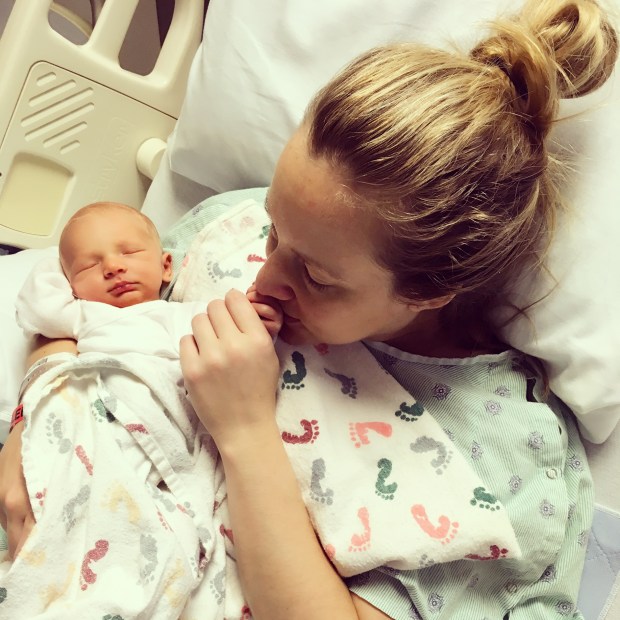

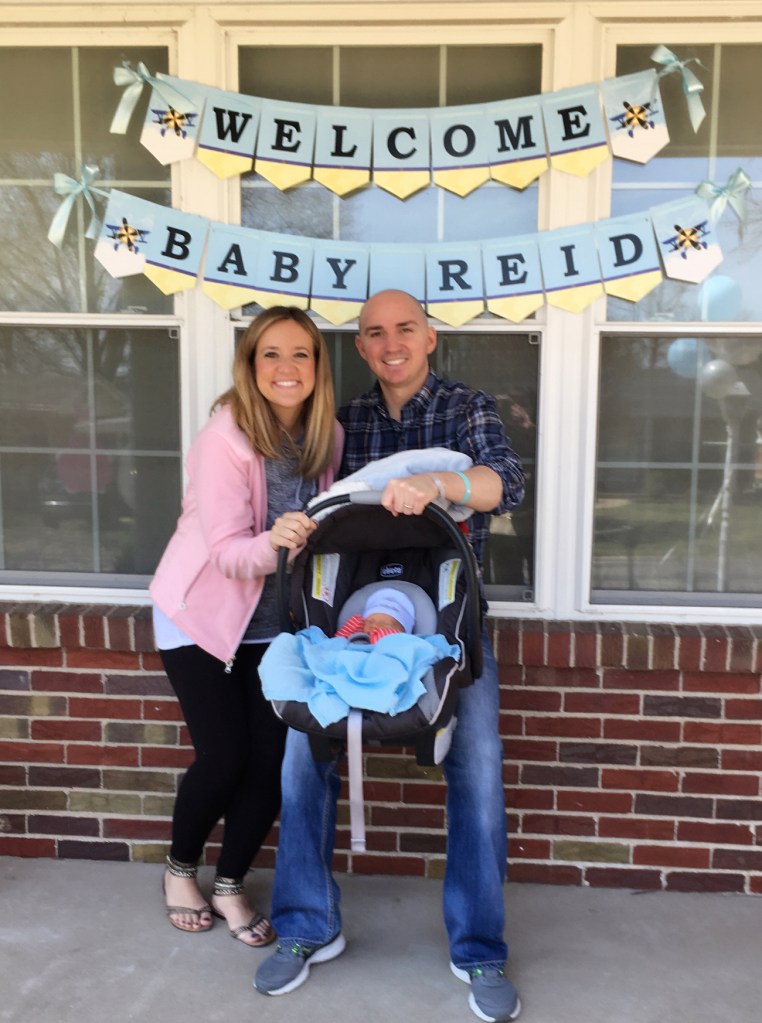
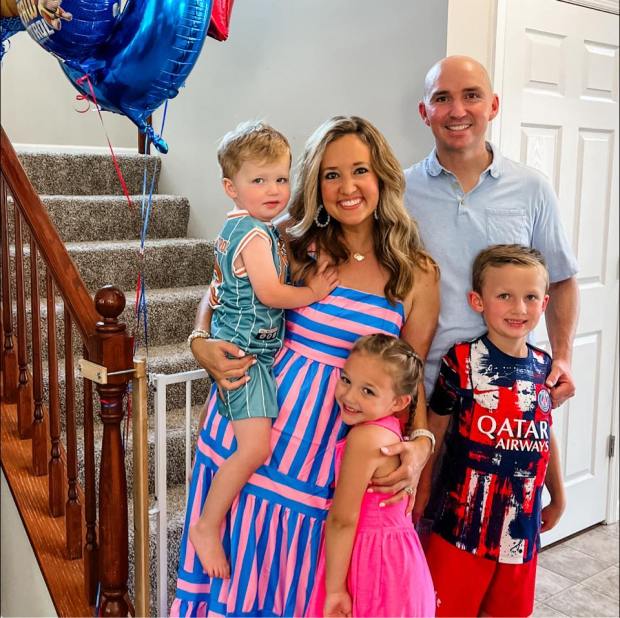
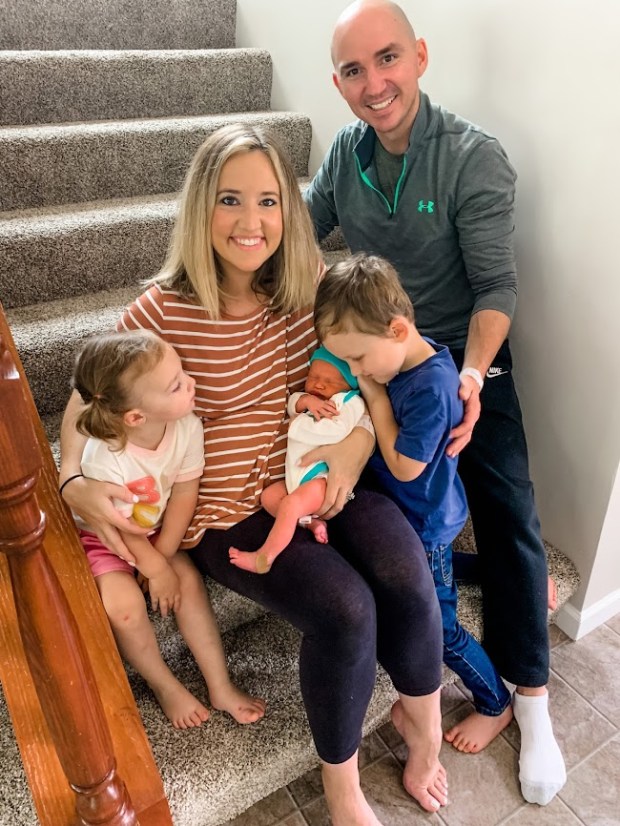

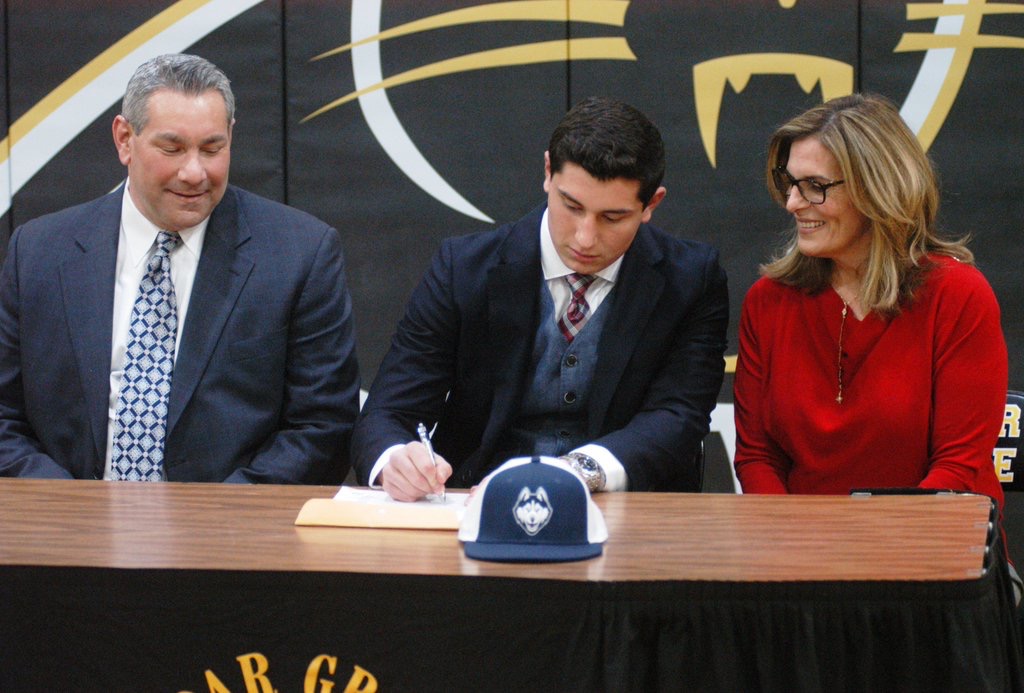
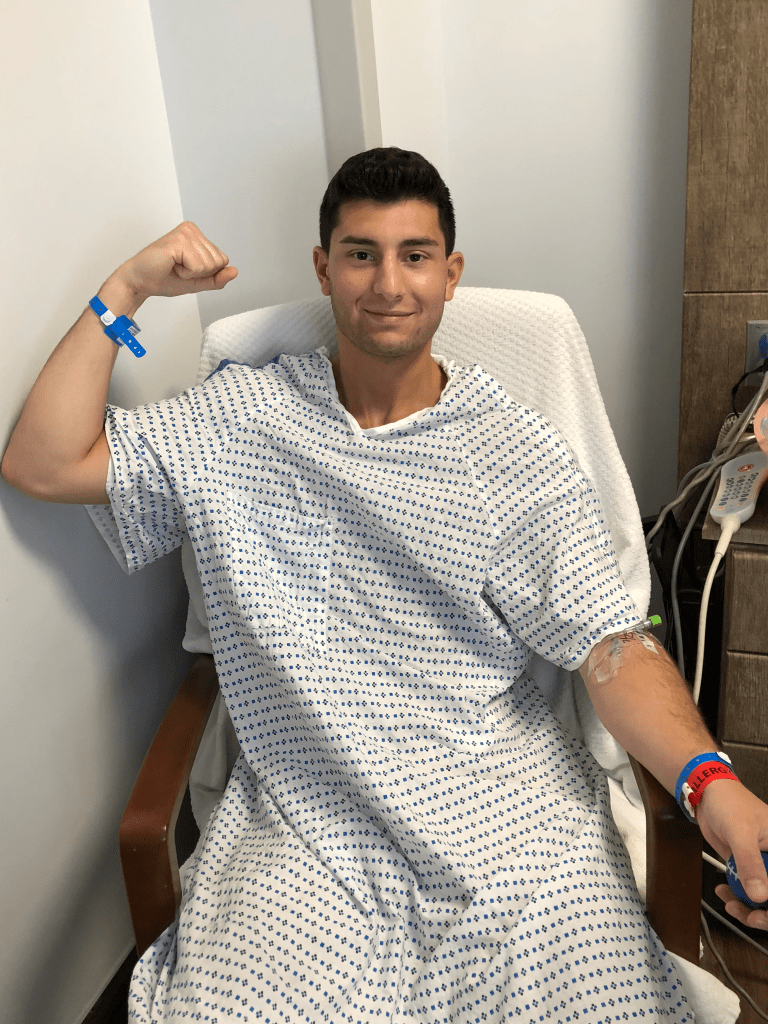

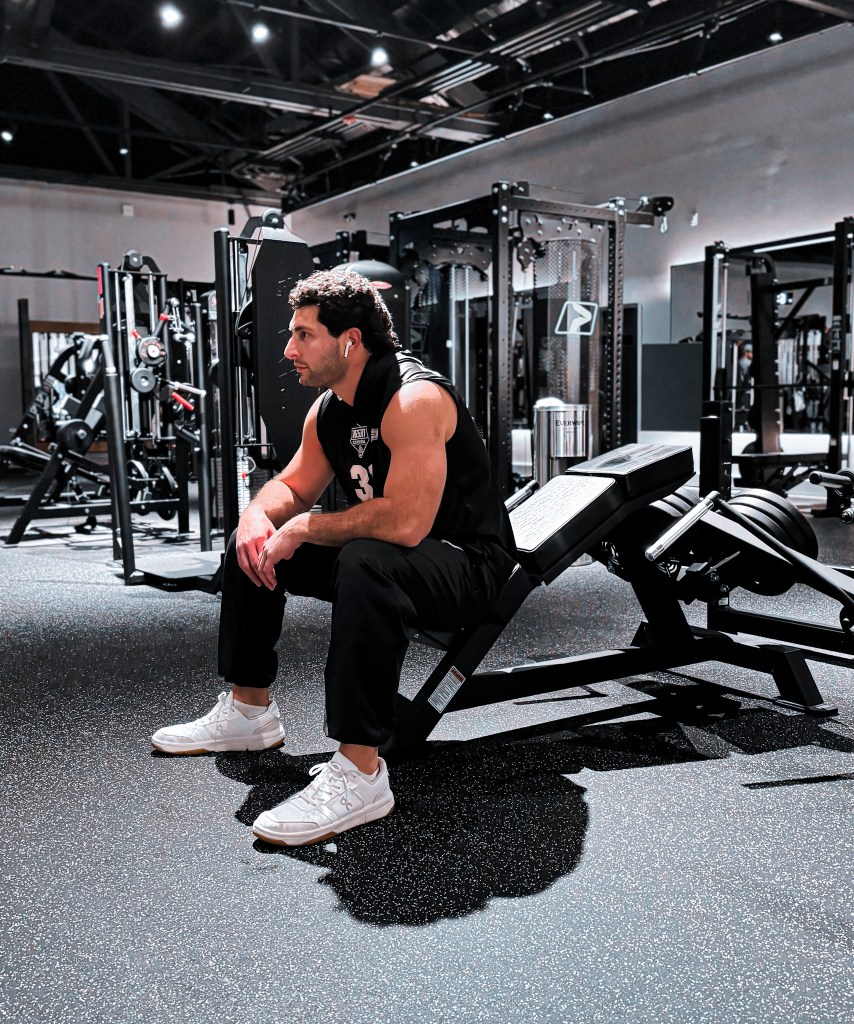
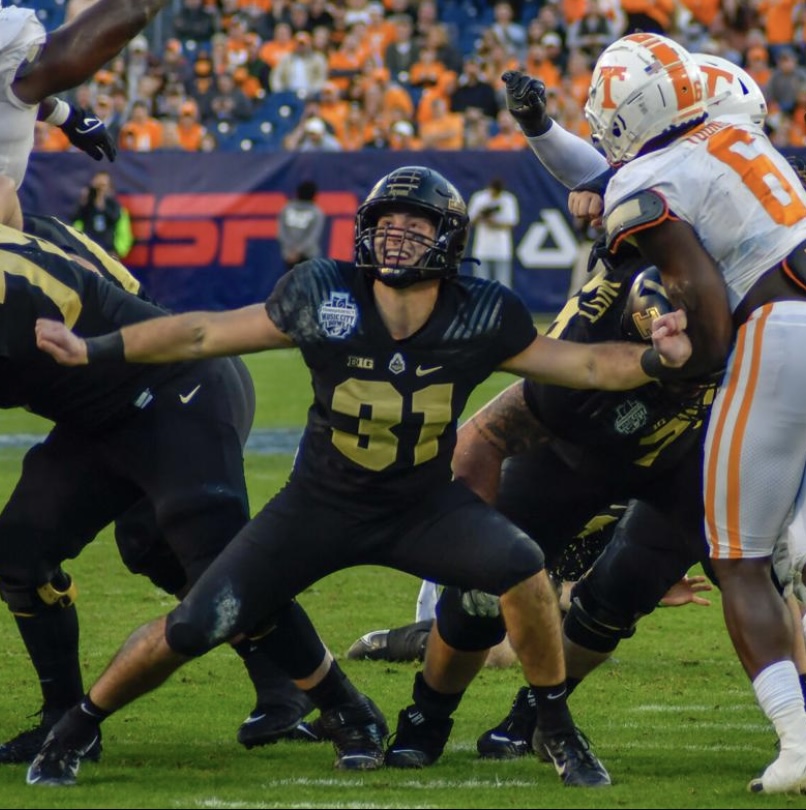
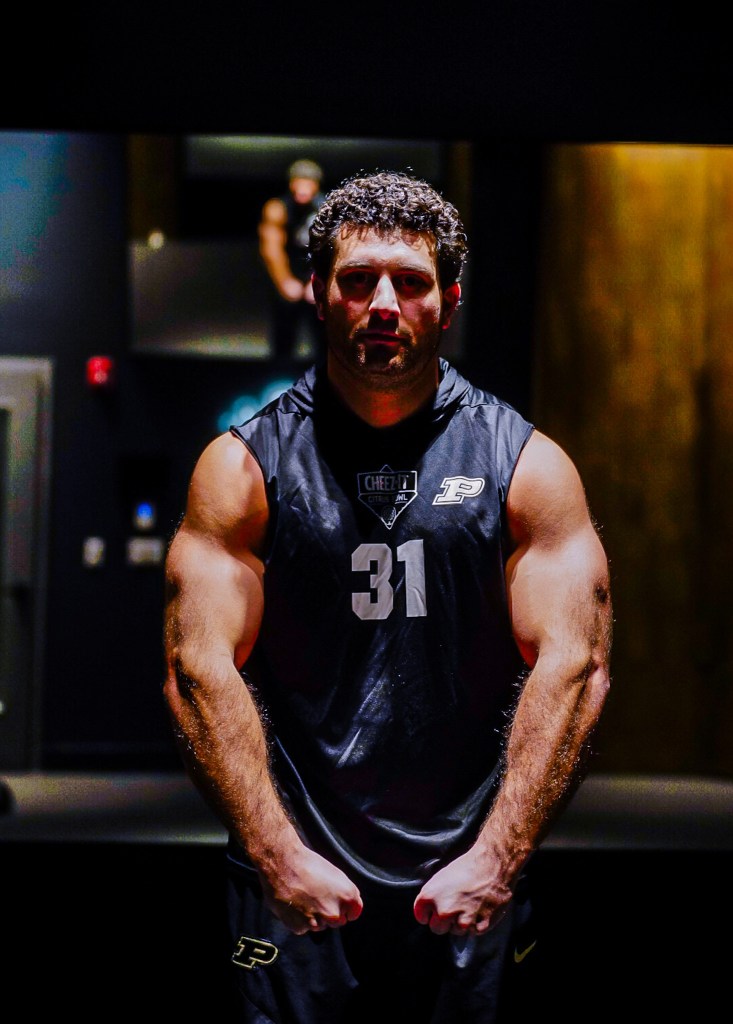
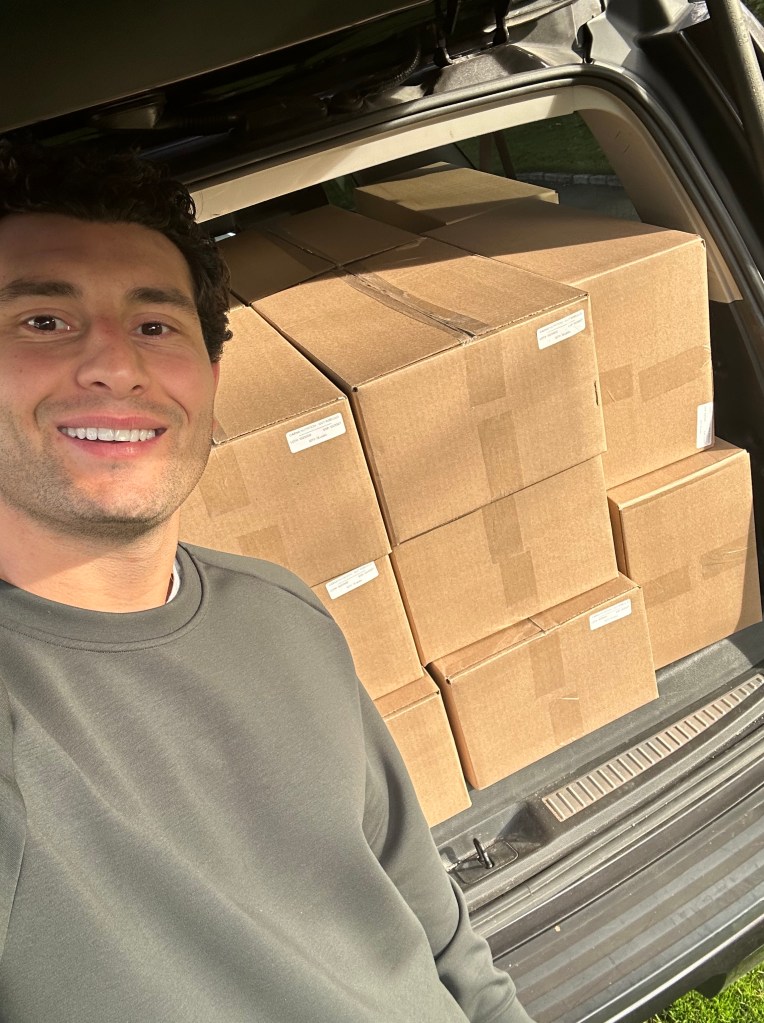
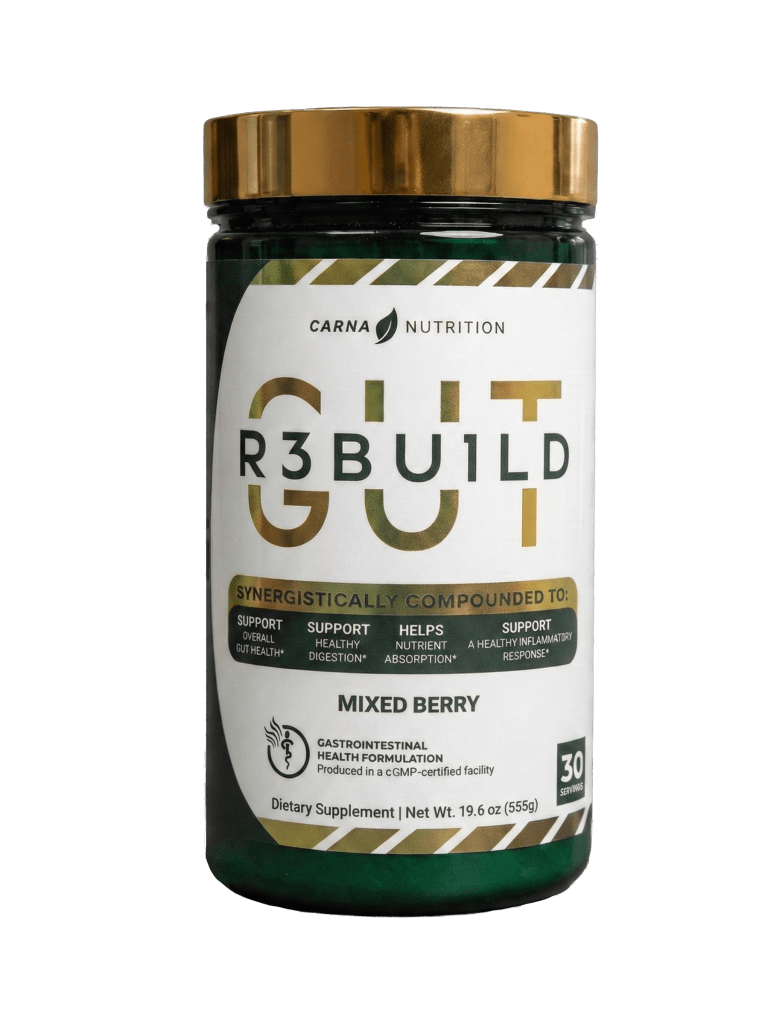







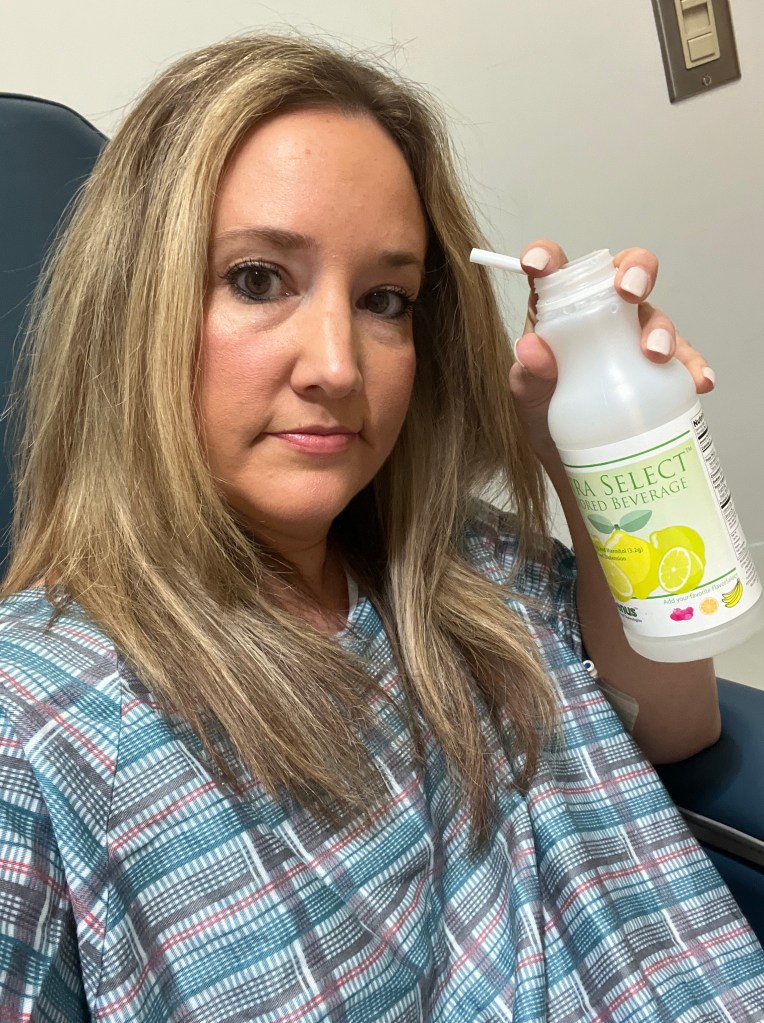


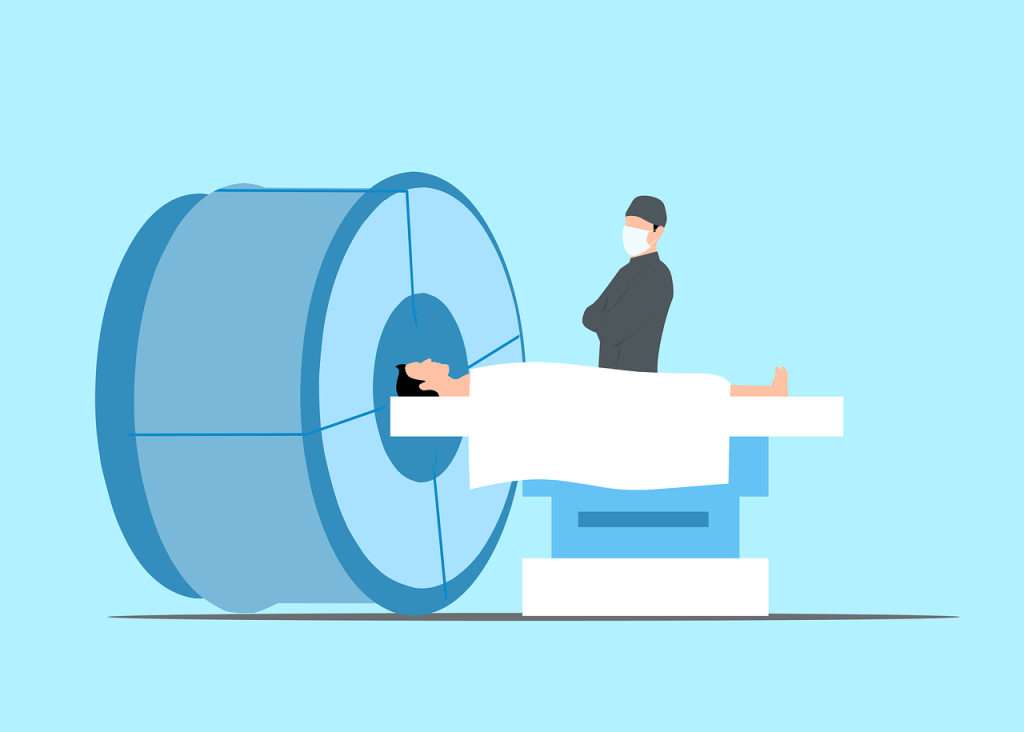





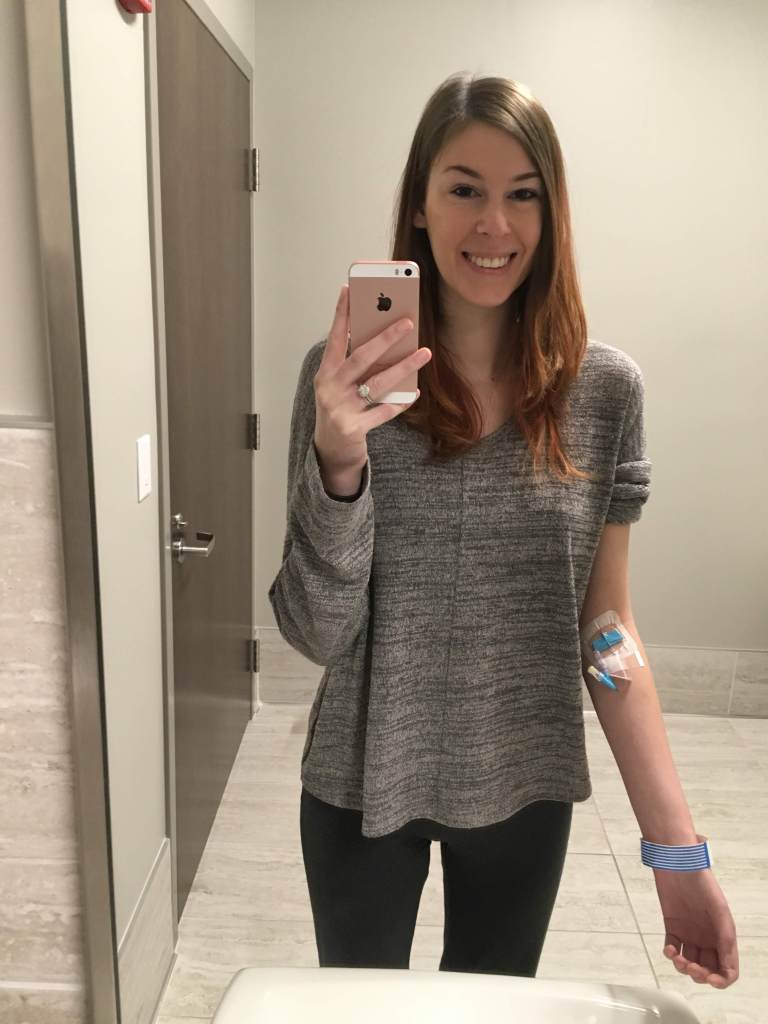



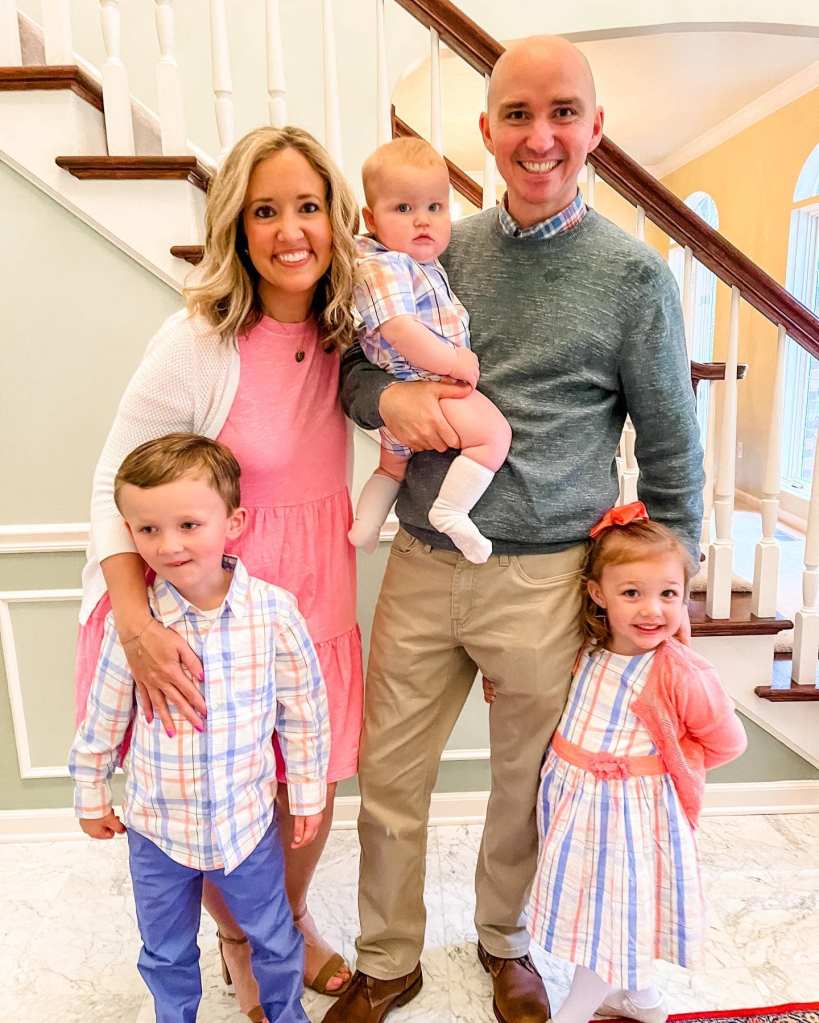



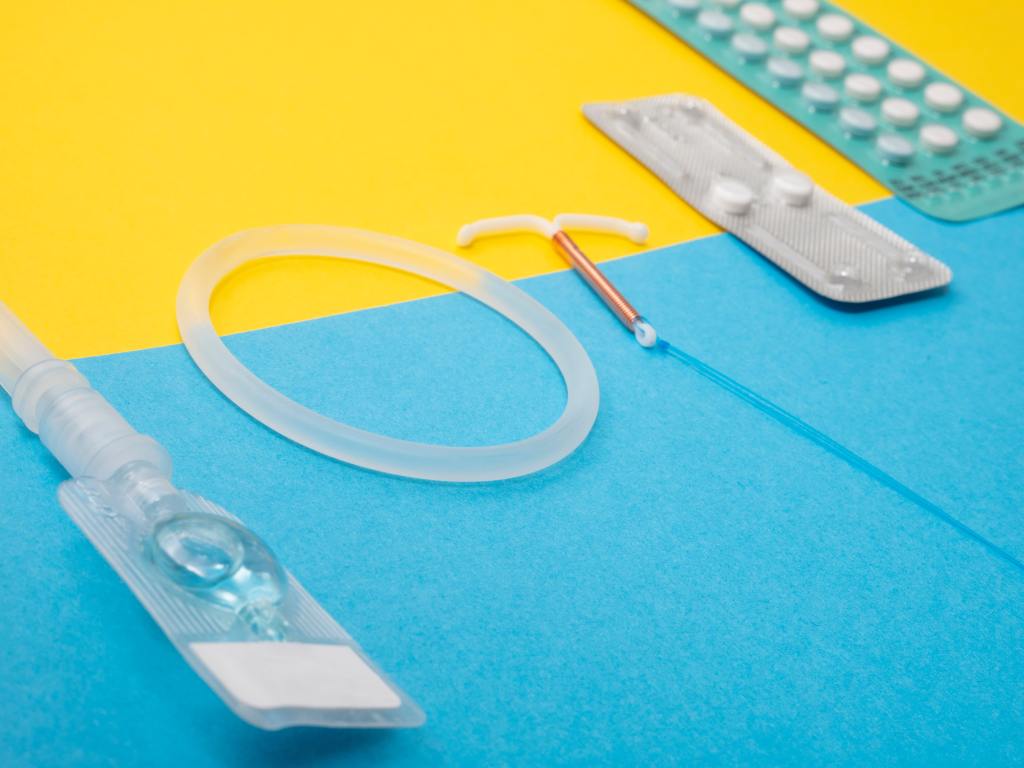





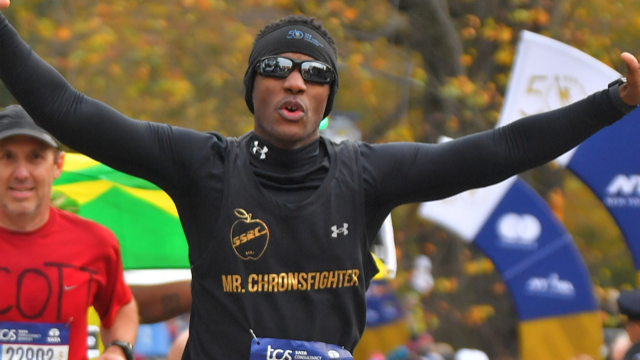
 lights camera crohn's