
Feelings of isolation, fear and embarrassment. Chances are, if you battle inflammatory bowel disease you’ve experienced all of these feelings upon your diagnosis. That was the case for Byrd Vihlen, a 31-year-old from Georgia, who was diagnosed with ulcerative colitis at the age of 26.  Fast forward three years and her diagnosis changed to Crohn’s Colitis.
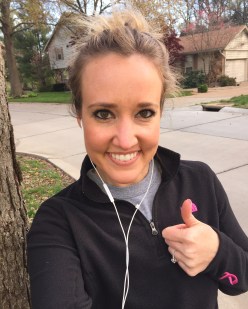
Byrd recently won the first-ever Lights, Camera, Crohn’s Instagram giveaway. The connections we make along our patient journey empower us to be stronger and face our illness head on. Check out this interview that sheds light onto Byrd’s brave battle against IBD.
NH: What symptoms did you have that led you to know something was wrong?
BV: “For about a year, I was having digestive problems (seeing occasional blood in my stool, chronic constipation, and bloating). I thought it might have been a milk/diet sensitivity, so I scheduled an appointment with a GI, and he immediately advised me to get a colonoscopy. I was really scared and didn’t have enough information, so I cancelled a few days before the scheduled procedure. It wasn’t until almost a year later (after a few weeks of antibiotics for sinus problems) that I realized something was horribly wrong. I started to bleed a lot, was in severe pain unlike anything I had experienced before, and had extreme urgency.”
NH: How has your disease changed your perspective on life?
BV: “Before I got diagnosed, I would easily get caught up in the plans for what I thought my future would and should look like. Being chronically ill makes you slow down, loosen the control of your life that you thought you had in the first place, and focus more on what’s going on today–because most of the time, you’re fighting just to get through the day. It makes you aware of the little things that you may have been too busy to see before, like people trying to hide their suffering and struggles. 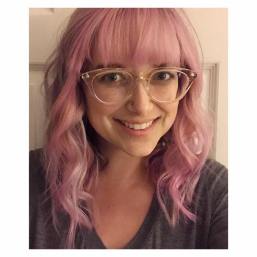 I’m thankful IBD has opened my eyes and given me the gift of true empathy. That empathy has led me to crave a deeper understanding and genuine connection with friends and loved ones. It has also shown me the true strength in others, and I am constantly humbled by the selflessness of my sweet husband and forever soulmate.”
NH: What advice do you have for those who are newly diagnosed with IBD?
BV: “Finding the right team of doctors, get referrals and read online reviews. When you do find a doctor you trust, you still need to be your own biggest advocate and use your voice. Don’t be scared of asking questions and calling them too much–only you know when something isn’t right with your body. Connect with more seasoned patients and ask for advice, there’s a lot of overwhelming information on the internet, so it’s nice to receive firsthand experience from people you know.  Your new “normal” is going to look a little or a lot different; it will take some time to adjust to that. Try not to compare your new energy level to your old, your body is fighting a hard battle and you’re doing the best you can. If your energy/activity level is more limited, plan accordingly. Choose wisely who you want to spend your time with and what you want to do – soak in and cherish these times.”
NH: What inspired you to share your patient journey with IBD on social media?
BV: “After diagnosis I was feeling isolated, scared, and embarrassed–like I was alone in the pain. I wanted to tell others about this huge life-changing battle I was beginning to fight, but realized that most people are uncomfortable talking about chronic illness in person. I had a desire to be seen, understood, and wanted to connect with others going through a similar journey. I then discovered the incredible Instagram community waiting for me and loved that as an artist I could creatively tell my story in a visual way.”
NH: How does support from others in the IBD community on social media help you push through the difficult days?
BV: “Connecting to others who are fighting gives me strength in knowing that I’m not alone. People sharing their vulnerability is beautiful and it warms my heart. 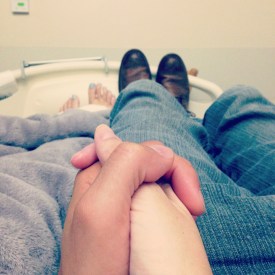 Whenever I am having a really difficult day and see a fellow warrior saying they can relate, offering words of kindness, or that they are having a hard day as well, you can feel that genuine connection and know that they truly mean it.”
You can connect with Byrd on Instagram and follow her patient journey by following her here: @byrdvihlen. Stay tuned to my Instagram page (@natalieannhayden) for future Light’s, Camera, Crohn’s giveaways!
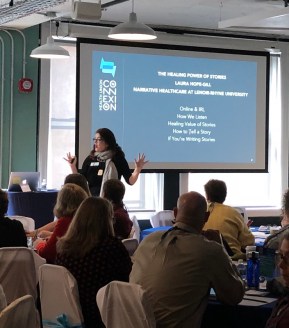
 It was an awesome event that brought together writers and patient advocates from a variety of chronic illness communities. I was there as one of the inflammatory bowel disease representatives.
 Instead of staying silent, remember that humans connect best at points of vulnerability. Illness gives our lives more meaning, we’ve discovered who really loves us and who our genuine relationships are.”
 This was really eye-opening to me. You may wonder what I’m referring to. As a patient advocate and within any conversation you have—how quickly are you to relate to someone’s story and respond with your own similar experience? I think we’re all guilty of this. We aren’t malicious in our actions and maybe we’re trying to self-disclose to show we empathize. But, instead of responding with our own personal story—it’s imperative we listen, rather than tell. Let the storyteller guide the conversation.
 een blindsided each and every time. I’ve worked a full day, trained for a half marathon, taken a road trip…you name it…and BAM…hello, bowel obstruction or abscess.
 It’s these fleeting moments of invincibility that provide us with a chance to live like the rest of society. It may seem simple, but recognize these moments, verbalize them with loved ones. Celebrate the small joys, that are a big deal.
 Think about the risk vs. the reward. It’s emotionally draining when nothing seems to be working or helping to ease your pain, but, staying positive and open helps us all physically, emotionally and mentally. Keep an open mind with your healthcare providers and have two-way communication. Educate yourself, learn about the clinical trials and treatment options out there—be your own best advocate. Connect with others who are living your same reality. Trust in other peoples’ journeys, but recognize your journey is unique and so is everyone else. Each person’s IBD presents differently.
 By telling someone you are struggling, hurting or worried, you are not showing weakness. You are not complaining. If you are going through a dark time and wonder how you’re ever going to overcome a current setback, lean on your support system without hesitation. Internalizing your pain will only make matters worse. You’re still brave and resilient, no matter what.
 lights camera crohn's