
You did nothing to cause your diagnosis or your disease. Read that again. It’s not your fault. No matter what you may see on social media or hear from friends or family, those of us with Inflammatory Bowel Disease did not live “incorrectly” or do anything damaging that “sparked” our chronic, autoimmune issues to come to life.
I was incredibly disheartened recently by a post on Instagram that in so many words claimed that bad habits in life led to a man’s Crohn’s disease. He made blanket statements about how medication and surgery are not necessary and that it just takes a long time and reflection to reverse the damage he caused on himself after years of smoking, binge drinking, etc. The post was not only on his own feed, but also shared by a community IBD page with more than 8,000 followers. After days of endless comments from those angered by his assertions and claims, the post was taken down and the patient “advocate” made his Instagram private, but the damage was already done.
Hold up—what’s with the blame game?!
You may wonder why patient advocates like me get their feathers ruffled by claims like this. I can tell you why. I, along with so many of my counterparts in the IBD community, work tirelessly to educate and inform not only those with Crohn’s and ulcerative colitis about the patient journey, but also caregivers and friends. When misinformation is disseminated it sets the clock back, bigtime. It further stigmatizes our illness, especially when the false statements are said by someone who lives with IBD. Not only does it hurt those grieving and trying to come to terms with their lifelong diagnosis, but it’s a direct attack on those diagnosed as pediatrics and those who did everything by the book (ate well, exercised, got lots of sleep, managed stress, etc.) and STILL got IBD.

If there was a magic bullet or diet that helped “cure” or manage all of us, we would do it. If there was a way to prevent IBD, people would do it. Crohn’s and ulcerative colitis aren’t like lung cancer, which is sometimes caused by smoking or diabetes which is sometimes caused by being overweight or liver disease which can be caused by excessive drinking. IBD is complicated and mysterious. There is not a behavior or habit that is associated with possibly “getting it” one day. The two known factors—hereditary and environmental—leave much to the imagination. I personally have no family history. I was a picture of health until the two months leading up to my Crohn’s diagnosis in July 2005. It felt as though a light switch went off and my world went from being healthy and able-bodied to being chronically ill.
You did nothing wrong
If you’re reading this and wondering what you did to cause your disease, the answer is nothing. If you’re reading this as a parent and feel as though you could have fed your child less processed food or breastfed them instead of giving formula or shouldn’t have had your child vaccinated, please stop believing that. I know we all want a reason. We all want answers and some clarity as to the why—but, at the end of the day, does it really matter? Focusing on the why doesn’t help us focus on the how. HOW are we going to get through this? HOW are we going to manage our disease and live a full life? HOW are we going to cope during flares and periods of remission? HOW are we going to navigate the unknown and thrive? HOW are we going to find the right treatment plan? HOW are we going to target our triggers and learn what to avoid? Focus on what you can tangibly do to improve your patient journey and less on the coulda, shoulda, woulda’s, because just like each case of IBD is unique, so is each back story.
Stop the finger pointing and the blame game. Stop making the medical community out to be the bad guys and the adversary. Stop acting as though those who depend on medication and need surgery failed in any way.
Start collaborating with your care team and finding physicians who listen and genuinely care about the approach you wish to take to manage and treat your disease, while also understanding that a holistic and “med-free” approach may not be feasible for your type of disease process. Start getting involved and educating yourself about how IBD manifests and the complicated nature of not only Crohn’s and ulcerative colitis, but also the extraintestinal manifestations and mental health aspect that are often not talked about. Even if you’re on medication or have had surgery you can still take whatever measures make you feel better in a complementary way. It’s not all black and white. There’s so much gray area. You can be on a biologic and still try any “elimination diet” you’d like. It’s just a matter of doing what works best for you, without pointing the finger or demeaning others in our community. Start connecting with those who live your reality and lift you up, rather than make you feel like you’re taking the easy way out.

I know that if my 21-year-old self came across posts on social media claiming I caused my Crohn’s and that I could “heal my gut” on my own, I may have believed it. I can tell you nearly 16 years into this, I know without a doubt that is not the case. I am not a failure for taking medication, needing surgery, or trusting my physicians. I credit my 5.5 years of remission to being a compliant, proactive patient who believes in science, educating myself on the facts, and realizing that this disease is bigger than me and a constant learning process. I don’t need to know my why because I’ve done a damn good job of discovering my how’s and you can, too.




 of Maryland, never knew how much her strong faith would help her through the ups and downs of chronic illness. As a wife, mom of three, and an educator, Kolby shares a heartfelt, eye-opening piece that beautifully captures how faith correlates to the daily battles we face as people with IBD.
 I was as sick as I’d ever been in my life, and couldn’t figure out why I wasn’t getting better. In December 2019, I received confirmation that I had Crohn’s Disease. I was afraid. But through the wind and the waves, I heard Him say “Take heart; it is I. Do not be afraid.”
 Soon, though, Peter took his eyes off of Jesus and focused instead on the wind and the waves and began to sink. He cried out “Lord, save me!” (Matthew 14:30) and Jesus instantly reached out His hand to catch Peter. When He pulled Peter from the water Jesus simply asked “Why did you doubt?” They returned to the boat and the wind and waves cease.
 I found myself focusing on all the tests and doctor’s appointments I had to go to, and the infusions I’ll have to take for the rest of my life to maintain any sense of health I used to know. I focused on the unpredictability that is Crohn’s, and not on the predictable, steadfast love that can only be found in our Savior.
 It feels like a fiery pain inside my rib cage that travels all the way down my stomach. The gnawing makes me feel raw internally and externally. I put my glasses on and as I’m standing up and rocking my daughter in her nursery, I try to think of her warm little body as a heating pad.
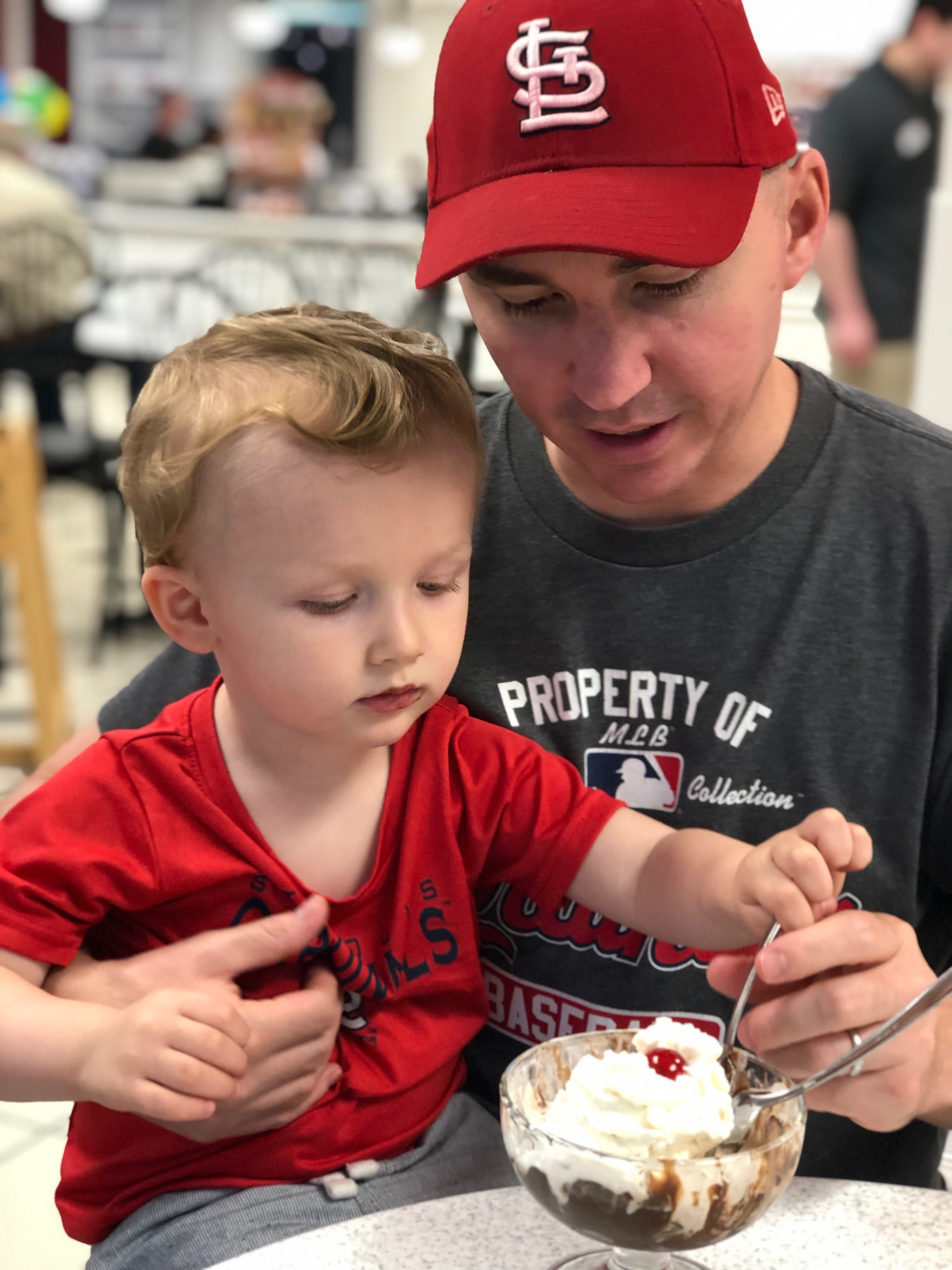 The fact that so many people without IBD are under the assumption that our pain and symptoms are self- imposed upsets me. We already beat ourselves up mentally as it is. My husband and I took our son for ice cream last night, so immediately I wonder if all of my pain is a result of the choice to have ice cream with my 2-year-old.
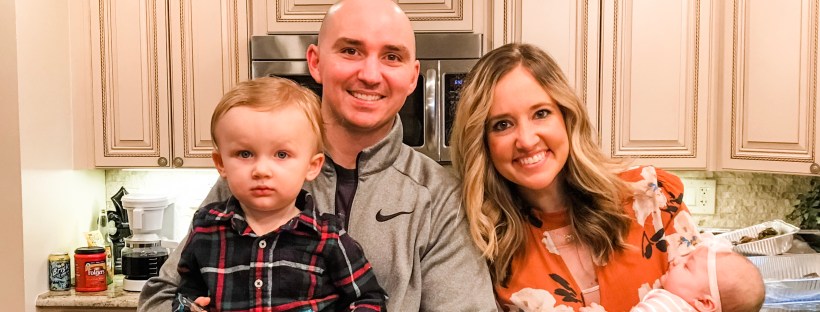


 I’m here to tell you that you are. I truly believe my vulnerability with my Crohn’s and how I deal with flare ups is a big part of why my husband fell in love with me. Chronic illness isn’t pretty. It forces you to see the world without rose-colored glasses. It makes you realize the importance of your health and how quickly it can be taken away from you.
 Caregiving looks and means different things to everyone. It’s not just about being a caregiver in the hospital or at a nursing home. It’s taking care of the one(s) you love on a typical day at home. It can be something as simple as rubbing your back or taking care of the kids while you’re stuck in the bathroom. It can be dishing you out ice cream after you give yourself an injection. Or holding your hand on a walk outside following a hospitalization. It’s those caregiving moments in particular that remind me constantly of the everlasting love I’ve found and make me 100 percent positive we will make it through, for the rest of my life.
 If you’re someone dealing with a disability/disease—don’t allow Dr. Phil’s ridiculously inaccurate comments make you think you aren’t worthy of love, because you are and always will be.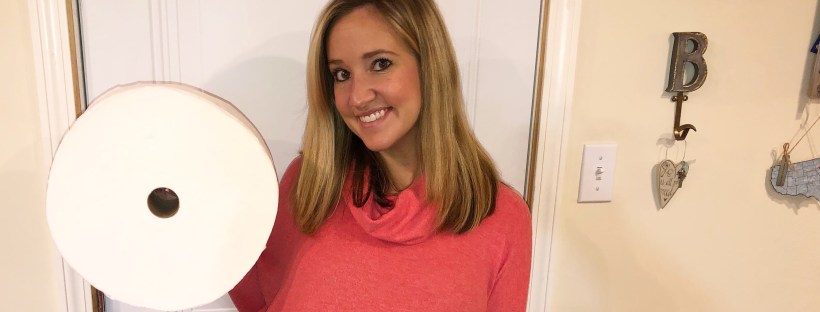

 and industrial to have in your personal bathroom. But reviews far and wide have been overwhelmingly positive!

 When I was diagnosed with Crohn’s disease at age 21, a month before my 22nd birthday—life had so many unknowns. I bottled up a lot of fears about how my life story would unfold and if I would be able to accomplish the hopes and dreams I had thought were a given.
 It’s a path that will bring you heartache. Significant others will let you down—you’ll be disheartened when they fail to show up when you need them most…but, then it will happen. You will meet the person who was meant to fight this fight beside you. You’ll know. You’ll see how that person loves you unconditionally and even more so, because of your illness. They will see you as so much more—see yourself the way they see you. Not some sick person. A person who has a sickness that is part of them, but far from all of them.
 Don’t allow this illness to make you think you aren’t capable—because you are. You will surprise yourself, if you continue to be positive and find alternative ways to make your dreams become your reality. I know you’re sitting there with your huge spreadsheet of 200 U.S. cities, wondering which TV station you’ll be able to work at…and if your journalism career will ever happen. Looking back—I’m so proud of you for continuing that job search amidst your very first flare. Looking for jobs across the country, as you swallowed 22 pills a day, grappled with a chronic illness diagnosis and dealt with all the side effects and pain that is Crohn’s. Work ethic and attitude will take you far with this disease.
 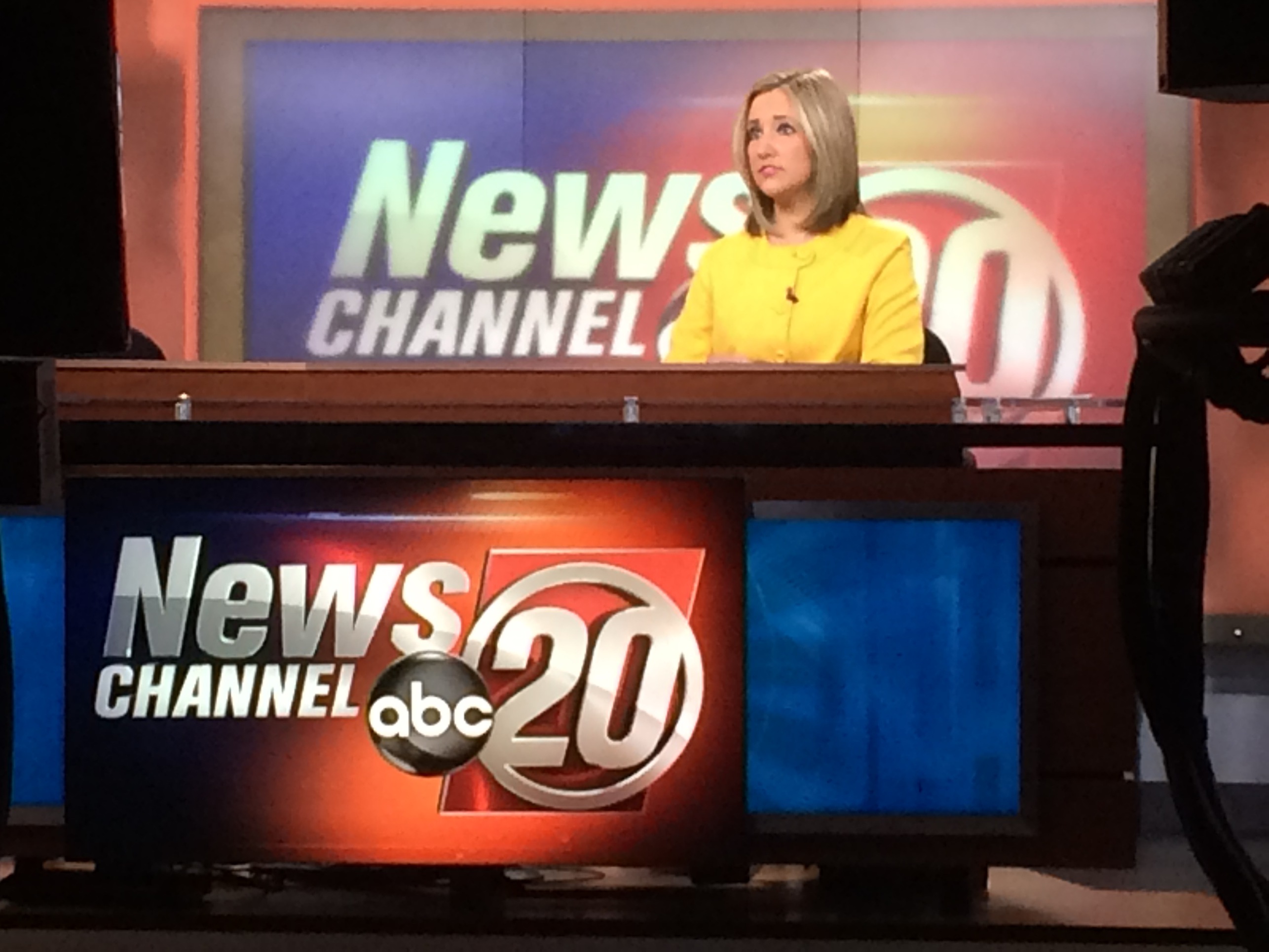 You will shine under those bright studio lights.
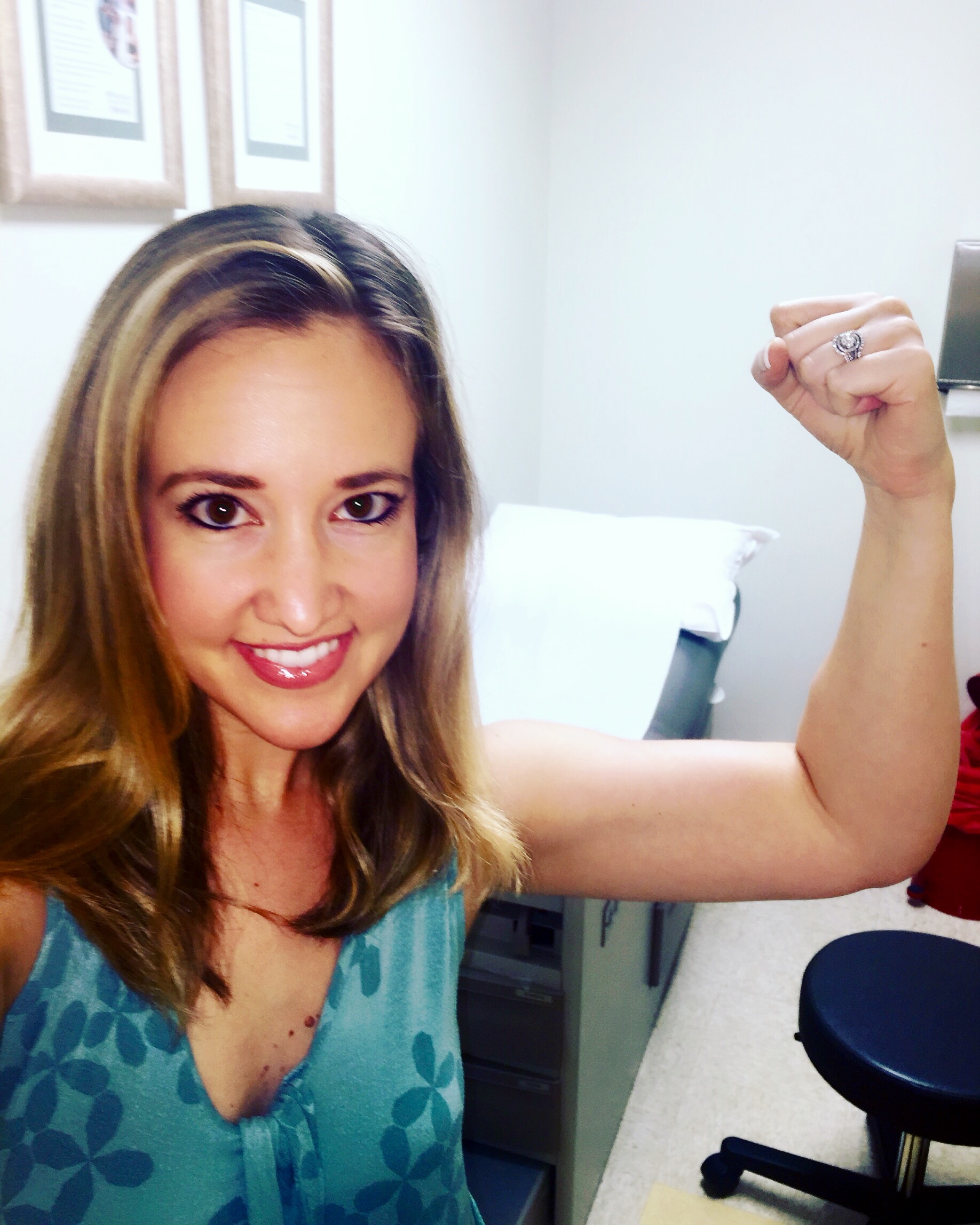 That first CT scan, that first colonoscopy, that first surgery, that first injection…it’s a lot to deal with. You’ll shake like a leaf and then as time goes on—you won’t bat an eye. You will find a strength within yourself that you never knew was there. You’ll be a seasoned warrior in no time.
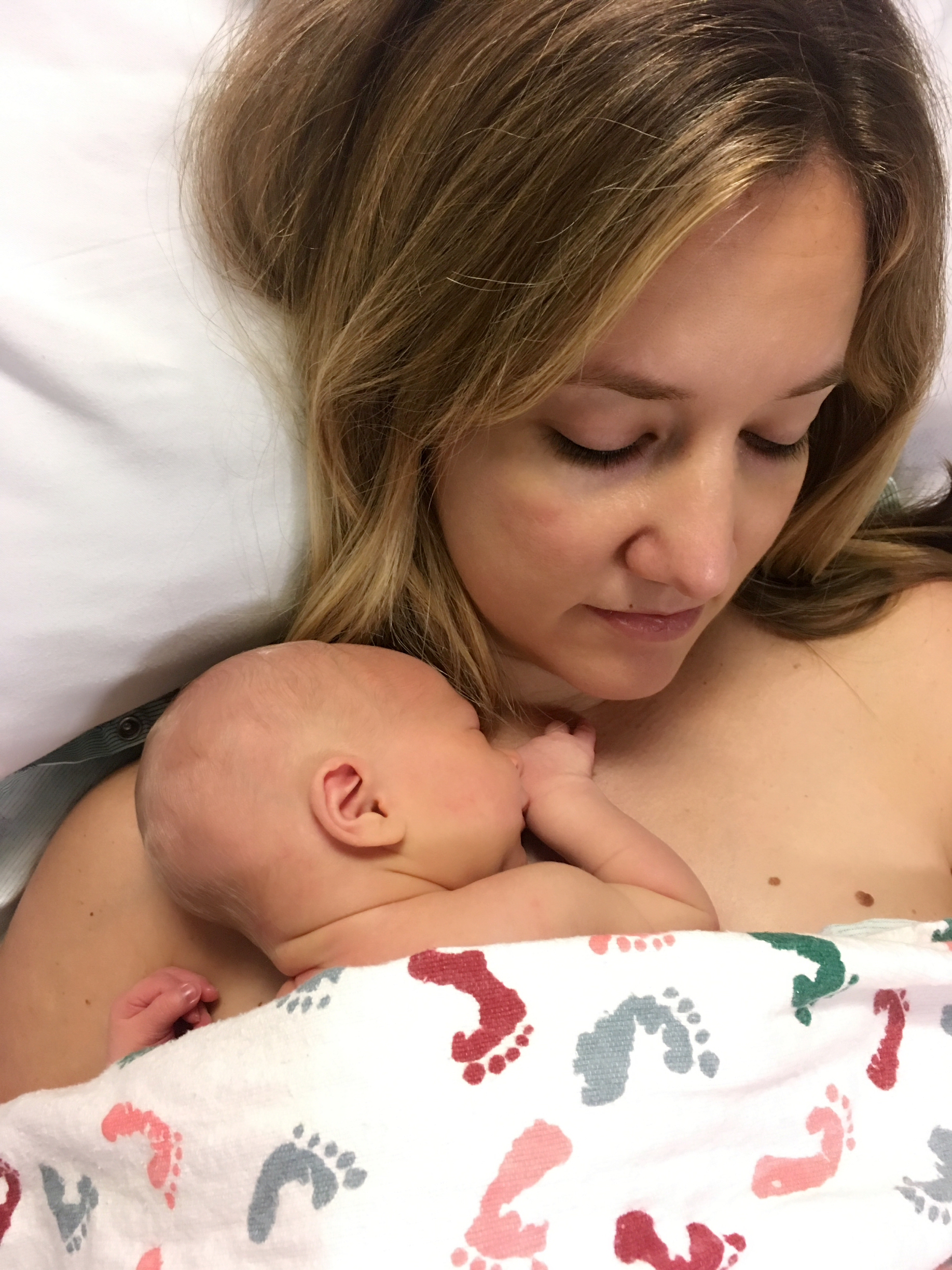 You’ll do all these things. All with your sidekick—your enemy, but also your ally, Crohn’s. The one thing that really sets you apart. In the future you won’t keep your disease a secret, rather it will come up in conversations almost immediately, with a sense of confidence. A badge of honor. Yes, I have Crohn’s. Yes, it’s not ideal. But, yes…it’s made me sort of a bad ass. I’ve been through a lot. I haven’t backed down. And there’s so much life left to live.
 lights camera crohn's