Key Takeaways from Advances in IBD 2024

By Natalie Hayden and Tina Aswani-Omprakash

**This article has also been published on Tina’s blog: Own Your Crohn’s**

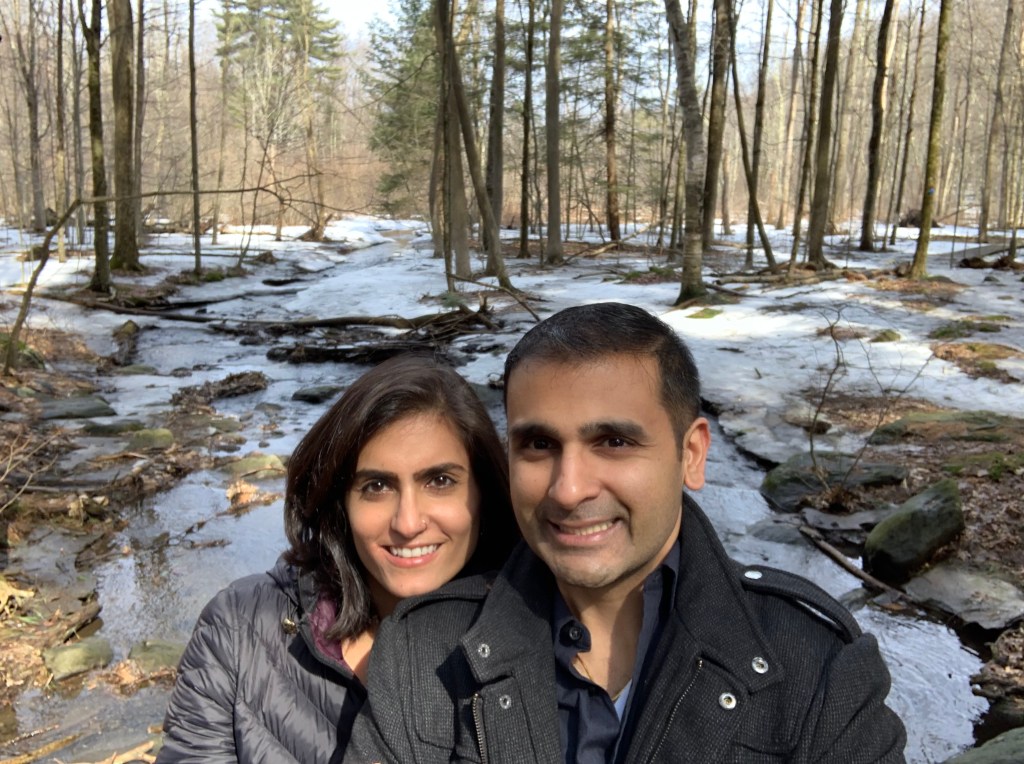
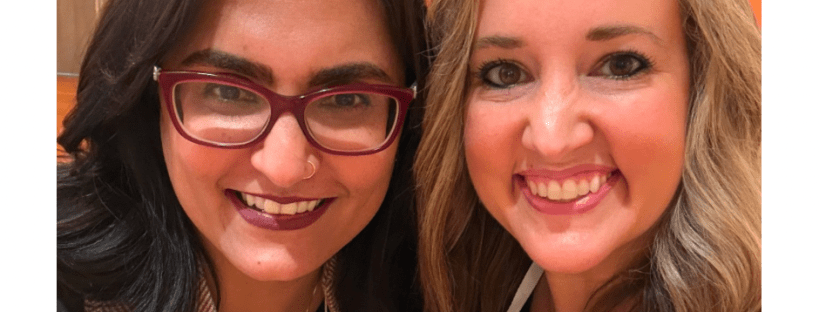
As two bloggers and patient thought leaders in the IBD community, we were thrilled and honored to attend and speak at the Advances in IBD conference in December 2024 in Orlando, Florida. In the article below, we come together to summarize key learnings for our IBD patient and caregiver community.

Management of Crohn’s Disease

Crohn’s can be a very progressive disease, meaning it can worsen over time and cause complications, often leading to fistulae, strictures, and therefore surgery and bowel loss. In a debate between two of the co-chairs, Dr. Miguel Regueiro and Dr. Corey Siegel, as well as throughout AIBD, a key theme was to understand if all Crohn’s patients need advanced therapies (biologics or small molecules) to prevent complications. A good suggestion was to identify those few patients who could be closely monitored but not necessarily put on an advanced therapy. The doctors agreed that almost all patients do need an advanced therapy to prevent progression of the disease. Dr. Siegel brought up an interesting point about risk-stratifying patients via a new blood test called CD-PATH, which allows physicians to better understand if a patient might be low-, medium-, or high-risk for progression of Crohn’s disease.

The conclusion at the conference was that early intervention has made a big difference in terms of improving long-term outcomes for patients. It was shown that there is an optimal time for treatment and missing that window can lead to progression of disease and potentially complications.

From stem cells for perianal Crohn’s to more options for fibrostenotic Crohn’s, many patients are waiting for more therapeutics to gain better quality of life. Patients, however, are also clamoring for more therapies for mild Crohn’s disease. There is a real void in treatment options for mild Crohn’s outside of dietary therapies and occasional use of steroids (< 1-2x a year). As patients ourselves, we advocate for more options whether that’s looking at S1Ps or new therapeutics that can help patients feel safe & comfortable that their disease is being treated. 

Management of Ulcerative Colitis

In Dr. Millie Long’s talk on Defining Disease Severity in UC, she shared many pearls. Primary indicators of severity include appearance severity of disease on endoscopy and frequency of use of steroids (more often means another long-term therapy may be needed to quell inflammation). She said to also consider biomarkers (fecal calprotectin, C-reactive protein, etc.) and to keep in mind what prior therapies have been used. Dr. Long emphasized that UC can also progress like Crohn’s, and it is important to use treat to target strategies, including initiating therapy early, monitoring for disease activity using biomarkers and intestinal ultrasound, and aim for mucosal healing.

In Dr. Maia Kayal’s talk on what meds to consider if Mesalamine doesn’t cut it in UC, her key take-home message was, “Your first shot is your best shot.” She said it was important to plan wisely if you have mild to moderate UC and work carefully with your gastroenterologist to identify medication options. Dr. Kayal emphasized that certain biologics may be more effective as a first-line therapy rather than being used after one or two biologics haven’t worked, so to choose carefully. Even if mesalamine doesn’t work, there are multiple biologic options from anti-TNF agents to anti-IL-23 medications, and S1P receptors.

CurQD & IBD

Throughout the conference, CurQD received many notable mentions, which in randomized clinical trials showed efficacy in mild to moderate UC when mesalamine hasn’t cut it. CurQD is a naturally sourced formula. Cura is gut-directed form of curcumin that has been found to reduce inflammatory cytokines, restore barrier function, and positively alter the composition of the gut microbiome. QD (Qing Dai) is an extract of Indigo plants found in clinical trials to relieve bleeding, inhibit inflammation, and promote mucosal regeneration (Naganuma et al, Gastroenterology 2018, Ben-Horin et al, CCFA 2023). Dr. Kayal shared this placebo-controlled trial, that found CurQD was effective for inducing response and remission in active UC patients and has the ability to significantly decrease urgency.

Dr. David Rubin also touted CurQD as an adjunctive IBD therapy option, rather than a singular therapy, much like diet. He said while it may be beneficial, patients need to be cautious about sudden pain or obstructive-like symptoms and communicate how they’re feeling with their doctor.

Insurance barriers

Patients and providers have an uphill climb when dealing with insurance barriers, which makes managing IBD exceptionally challenging and at times frustrating for everyone involved. These proverbial hula hoops we’re all constantly forced to jump through often lead to delays in treatment and unnecessary stress. One key challenge discussed during this session was how to deal with insurance companies denying patients who have not tried 5-ASAs or steroids. Solutions shared included the GI office providing detailed documentation on the following:

  • listing previously tried and failed medications including steroids,
  • recent objective findings on endoscopy, imaging, blood tests,
  • sharing symptoms experienced by the patient,
  • referencing guideline recommendations, and
  • outlining the risks to the patient and the costs to the insurance company if treatment is not initiated soon.

Patients can also proactively reach out to their insurance company to determine their preferred advanced therapies and pass that intel along to their IBD team.

Another common roadblock discussed was finding out a medication is not covered or no longer covered by insurance—whether it be biologic vs. biosimilar of off-label dosing.

Patients can discuss appealing the decision with their IBD team during clinic appointments, over the Patient Portal, or over the phone. If your first appeal is denied, keep close tabs on your quality of life moving forward. If you are forced to switch, keep a detailed journal of all your symptoms to paint a clear picture of your reality.

Ask about having your GI submit a letter written by you about your patient experience, along with theirs, and make sure a doctor with knowledge of immune-mediated conditions is reviewing the appeal at the insurance company.

Providers can be supportive by showing empathy, following the latest research and including studies within insurance appeal letters. If a person is symptomatic, it would be important to rule out whether it’s active disease or an adverse reaction to medication.

Biosimilars now and in the future

The landscape for IBD therapies has changed immensely in recent years and will continue to do so in the years ahead. Stelara will join Remicade and Humira in 2025 with six biosimilar options for patients (and insurance companies). One of the main areas of improvement lies in patient education. Oftentimes we hear about the switch through a letter from our insurance company or we’re blindsided at an infusion appointment and told by our nurse that we’ll be receiving the biosimilar moving forward. As should be expected, this results in a great deal of uncertainty, skepticism, and pushback from the patient and caregiver population.

Biosimilars are biologic medical products that are highly similar to an already approved reference biologic, with no clinically meaningful differences in terms of safety, potency, or efficacy. Unlike generic drugs, which are chemically synthesized and identical to their branded counterparts, biosimilars are produced using living organisms and exhibit minor natural variability.

Dr. David Choi presented about how important proactive discussions with the patient community area to instill confidence and help educate about how safety and effective biosimilars are. Currently, four adalimumab and two Ustekinumab drugs have interchangeability, which is a designation from the FDA that allows for patients to be automatically switched (originator drug substituted) at the pharmacy level. Dr. Choi shared that providers can avoid this automatic substitution by selecting “dispense as written” on the original prescription. He went on to share that while improving access, there is also a major cost savings. Biosimilars across all disease spaces are expected to save $38-$124 billion from 2021 to 2025. The future of biosimilars is happening right now with exclusivity for golimumab and certolizumab over in 2024 and with more biosimilars in development.

Final thoughts from AIBD 2024

Overall, the main theme throughout all the educational sessions was that IBD needs to be more than just managed, it needs to be overcome with shared patient decision making. More work needs to be done to determine which patient is right for which therapy. There tends to be too much focus on the risk of therapies, rather than the risk of uncontrolled disease. The overarching goal is for providers to identify high-risk patients before we have severe disease and not be hesitant to use surgery as a treatment option when necessary. Emphasis on the importance of re-thinking the role of diet and nutrition and mental health care in conjunction with advanced therapy, looking at biomarkers 10+ years before diagnosis to see if we can prevent or diminish disease severity, utilizing intestinal ultrasound to measure drug response and disease activity in a non-invasive way, and continuing biologics in pregnancy (Healthy mom= healthy baby) were common themes throughout this fantastic conference.

As patients, we remain hopeful for the future of IBD and committed to improving patient outcomes. Lots of work still to be done, but it is impressive to see how far the science has come in the last 19-20 years since our diagnoses!

IBD Motherhood Unplugged: Womanhood Questioned by Crohn’s Disease

Motherhood is so much more than a word—it’s an expectation and an identity. It’s a right of passage many girls dream of when they think about their future and what their family will look like. But family planning, pregnancy, and motherhood are far from a given, especially for those with chronic illness. As an IBD mom of two with one on the way, I’ve recognized that while my story and my experience may comfort and guide others—it’s only that, one story. I fully understand I am extremely lucky not to have the struggle of infertility or physical limitations to hold me back from having children, despite my Crohn’s.

This week kicks off IBD Motherhood Unplugged, an ongoing series that will be shared periodically in the months and years ahead on Lights, Camera, Crohn’s. The series will feature guest posts from women with Crohn’s and ulcerative colitis who may not physically be able to carry a child, who battle infertility, who grow their family through adoption and surrogacy, who have children following loss—the list goes on and on. Ultimately, I want everyone to feel seen, heard, and understood. There’s not one cookie cutter approach to becoming a mom or having a family.

The first article is by my dear friend and fellow patient advocate and thought leader Tina Aswani Omprakash. Tina is a 37-year-old woman in New York, living with perianal, fistulizing Crohn’s Disease. She’s endured more than 20 surgeries and lives with a permanent ileostomy. Since she was a child, she thought she could put off motherhood and did so through many years of virulent disease. At one point, as a young adult, she needed to go on a disability and be taken care of by her mom. When she got married to the love of her life, Anand, nearly 11 years ago, the questions started.

“Being of South Asian descent, the nosy, busybody aunties at weddings and cultural events would always find ways to jeer and sneer at the fact that I hadn’t had a child yet. And after I started Stelara 5.5 years ago and tasted remission for the very first time in a decade, I too began to wonder: is it time for me to consider my own child?”

I’ll let Tina take it away and explain her struggles with family planning and finding out pregnancy wasn’t in the cards. Her heartfelt words and openness about feeling excluded from being an IBD mom, shed light on an important topic and aspect of our illness that is often not discussed or talked about. We hope in sharing this—if you are going through the same situation, struggles, or worries, that you know you are not alone.

Genetic counseling, surrogacy, and reproductive endocrinologists, oh my

In April 2016, I went to see a reproductive endocrinologist, who did a transvaginal ultrasound. Based on his medical expertise, he thought he could retrieve maybe three of my eggs, which was incredible news given everything I had been through surgically. He had proposed 2-3 rounds of IVF for hormone stimulation and egg retrieval but there was no guarantee that the eggs retrieved would be viable to be combined with my husband’s sperm. He didn’t think carrying the baby was a good option for me given all the scarring from surgery and fistulae. Moreover, fertility is often affected by j-pouch surgery and later excision.  As such, he offered me the option of surrogacy and asked me to seek genetic counseling due to the hereditary nature of my Crohn’s Disease.

Anand and I went through months of genetic counseling, an expensive process that didn’t lend to any substantial findings. Crohn’s, as many doctors have explained to me, is spread out over several genes and one gene cannot be targeted necessarily as a form of gene therapy. That left us both stumped as his family has a history of an autoimmune condition called ankylosing spondylitis and I have various skin and bowel autoimmune conditions on my side of the family.

During this time, we also looked into the surrogacy process. Since the reproductive endocrinologist recommended that I not consider a pregnancy myself given all the surgeries, fistulae, and pelvic cysts I’ve had, we obliged. But considering all the legal and surrogacy fees, we were looking at $100,000 for one surrogate pregnancy (at least), which was an extraordinary sum of money for us. So, we decided to table having a child for the time being and think over adoption, another expensive proposition.

Tick, tock, tick, tock…

Two years passed and we came to realize that there is no easy solution. During that time, the IBD Parenthood Project shared excellent knowledge for women with IBD to conceive and carry a pregnancy to term safely. And I thought, let me ask my GI doctor now about his thoughts. Unfortunately, he reiterated the same thoughts as the reproductive endocrinologist shared: for someone with my surgical and fistula history and aggressive family history of Crohn’s disease, it may be best not to try. He also said the risk of me using hormones for egg retrieval would risk a blood clot in a patient with my history.

Part of me was still in denial that motherhood may never be a possibility. Within weeks of my conversation with my GI doctor, I was diagnosed with mild endometriosis by a premier OB/GYN surgeon in NYC. I asked him, “What do my options for pregnancy and fertility look like now?” And he said very openly and honestly, “Bleak at best. Let’s say you do carry the pregnancy and don’t lose the baby, Tina, will I have to cut through bowel and scar tissue to get to your baby?” After a brief pause, he said, “I would recommend adoption if having a child is something you really want to consider.”

While, on one hand, I genuinely appreciated his honesty, on the other hand, the statement, “cut through bowel and scar tissue to get to your baby” seared through my mind for months after and has left its mark even today. I needed to hear it; I needed my bubble to pop. But the statement no doubt cuts and ravages every minutiae of my being as a woman. Not having the privilege to choose to have a baby was suddenly taken from me in that one fell swoop and it left my head spinning.

Losing Motherhood to Crohn’s Disease

My God-given right as a woman was taken from me in that instant. As if having six fistulae and Crohn’s wreaking havoc on my pelvis and reproductive system wasn’t enough, let’s take Tina down another notch. Let’s take away her right to choose to have a child.

Even though voluntary childlessness is always a choice, now I didn’t even have that choice. Childlessness was thrust upon me like a stab wound in the back. All I was left with were unaffordable options of surrogacy or adoption.

So why not adoption? It’s simply too expensive and I do wonder about whether I’ll be able to even take care of the child given my constant roller coaster of health issues and medical appointments. Hiring full-time help seems out of reach, too.

Include Women Who Aren’t Mothers

That day with the endometriosis surgeon was nearly three years ago. And I’ve done a lot of work in therapy to process much of it. But I can’t say I don’t feel left out every time I see a mom scolding her child or complaining about her child(ren)’s mischievousness because I, like many other women with chronic illnesses, will never be able to experience the joys and sorrows of motherhood.

As happy as I am for my friends with children, there is a deep void I’m reminded of every time someone else gets pregnant, hosts a baby shower, or sends along amazingly cute photos of their child(ren). I will never be able to have that, no, but I wish I could still be included in the mommy paradigm as a cool aunt or as a godmother. But I’m often not, and that makes me feel sad and excluded.

Dealing with the Cultural Aspects

In American culture, it’s hard enough as it is to be a woman of my age without a child, but in Indian culture, you’re really considered a pariah of sorts. I’m often asked the question of when I will bear a child now that Anand and I have been married for so many years. I usually find ways to dodge those questions by changing the subject or by simply saying, “whenever the time is right.” It’s not a conversation I want to be having with acquaintances nor do I want to be fodder for gossip.

But when it comes to my close friends saying, “Tina, gosh, you would have made an amazing mother, you have so much good to impart on to the world,” it feels good and bad all at once. I’m flattered that someone would think I could do a fine job as a mother but saddened by the fact that I will never know that for myself.

Becoming a Mother Hen

Alas, today in 2021, I continue to focus on my advocacy work and my graduate program, in attempts to focus my attention elsewhere. And in the words of my therapist, “if I cannot be a mother to a child, I can at least be a mother hen to my IBD community, helping to educate and guide patients of underserved populations who would otherwise feel bewildered.” I take a lot of solace in that and recognize that I wasn’t supposed to be here today with all the near-death experiences I’ve had with my brand of Crohn’s disease. All I can express is my gratitude for being alive today, for being able to do this work, and for being able to be a mother hen in my own way to my community.

To my fellow IBD women & chronic illness warriors: please know you are not alone. Please know it’s okay to be sad, angry, and terrified. Many of us are struggling deeply with the idea of motherhood as our clocks keep ticking. Do your research, learn what your options are and make the best decision with your specialist(s) regarding conception and pregnancy. And if having a child is not in the cards, that’s okay too. Never forget (and I need this reminder too) – not having a child doesn’t make you less of a woman.

Connect with Tina

Blog: Own Your Crohn’s

Instagram: @ownyourcrohns

Facebook: @ownyourcrohns, Own Your Crohn’s Community (Private group created for the Global South Asian community living with inflammatory bowel diseases)

Twitter: @ownyourcrohns