
Raise your hand if you’ve considered switching physicians. Raise your hand if you’ve driven more than an hour to seek care.  While attending IBD Social Circle at Digestive Disease Week in San Diego, I listened to a panel with Dr. Neilanjan Nandi, MD, FACP and Dr. Aline Charabaty, MD about the patient and health care practitioner dynamic.
It was an enthralling discussion that opened my eyes to the medical care available to the IBD family. They talked about how physician and patient relationships should not feel like speed dating. Seek a physician who truly cares about how IBD is impacting your life, someone who wants the context behind your symptoms. Rather than a physician wearing a white coat and sitting in front of you, look for one who sits next to you and leaves the white coat off.
If you’re constantly feeling like your GI is being complacent with your care or that you are just a number, you may want to consider finding a physician who’s a better fit. When doing so, it will take some effort on your part. Here are some tips to make the transition a bit less stressful.
- Look for a GI who specializes in IBD. Not every GI is passionate about Crohn’s or ulcerative colitis, it may not be their specialty. Finding an IBD specialist will put you in the hands of a care provider who knows the ins and outs of your disease.
- If you’re making a road trip to attend the appointment, let the office know. Before you drive hours for an appointment, let the nurses in the practice know that this isn’t a run-of-the-mill appointment. Maybe they can allot more time.
- Have your records sent over before you go. Provide the new physician with your back story, so they can familiarize themselves with your patient journey before your first face-to-face.
- If tests will be needed, see if they can all be arranged in one day. Save yourself a trip (or two) and check with your physician to see about them getting preauthorization for any tests or procedures ahead of time. This way insurance is notified and it’s one less headache to deal with down the road.
- Build a rapport with the nurses in the office. Don’t be afraid to lean on nurses for support. They are often the “middleman” between you and the physician. I rely heavily on the nurses in my GI office. Nurse Penny and I are buds!
- BONUS TIP: See if a family member or friend can attend the appointment with you. As the patient, sometimes it can feel as though the teacher from Charlie Brown is talking while we’re sitting in an appointment. So much is being thrown at us, so much is being said—but we’re not comprehending what it means for the present and the long term. By having a loved one by your side, they can take notes—so you can focus on asking the questions you need answered. That extra set of ears and eyes works wonders.
 Switching physicians and entrusting someone new with your well-being is not easy. Trust your gut (for once!) and advocate for care that makes you feel like you have a voice. Think about how you feel leading up to an appointment, while you’re face to face with the physician and the emotions you may experience on that drive home. If anything makes you feel less than or not heard, connect with fellow patients in your area to see who makes up their care team. Do research about IBD specialists within drivable distance and take the steps you need to feel like you have your best ally against this disease.

 Over the next month, I’ll be partnering with IBD Healthline. I am so excited to share my journey using the app and explain how you too can benefit from all its invaluable features.
 I don’t know about you, but the more people I know with IBD, the stronger it makes me feel as I take on the disease.
 and podcasts shared each week on everything from diagnosis to nutrition and self-care tips. The more educated we are about our illness, the better advocates we can be for our care.

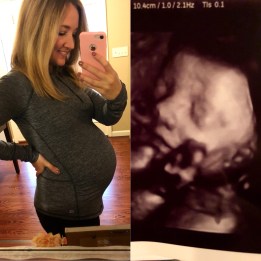
 To the person nervous to open up in a relationship and disclose they have this disease…
 To the person worried about passing this dreadful disease onto their children…


 Now, nearly 14 years later—her and I have come a LONG way. She’s on Remicade. I’m on Humira. We are both mothers. We are both wives. Alisa didn’t allow her disease to stop her from following her personal or professional dreams. In 2013, she left corporate America and founded
  I multi-task everything, stay on top of my biologic infusions, rest when possible and, plan my diet loosely around a mix of SCD and low gluten eating. Getting help is difficult, but I feel lucky to have a supportive husband and local family network. My travel schedule wears me down– but thankfully most of my disease symptoms are well controlled.
 Babywearing helps me effectively multi-task and meet my all children’s needs at the same time. It also helps address postpartum depression, by syncing mother and baby, and raising oxytocin levels. I believe babywearing is a necessity that should be taught to every single expecting parent and caregiver!
 As a bonus, a variety of baby carriers can be adjusted to accommodate an ostomy or j-pouch.
 As a mom of a 2-year-old and an almost 4 month old, I’m in the thick of motherhood right now. While it’s an amazing season of life, it definitely has its challenges. A toddler, a baby, and a chronic illness. Ah, I’m exhausted just reading that myself! While it’s far from easy—I’ve found some ways to help embrace the ups and downs and everything in between.
 No one wants to be hospitalized or deal with pain. Give yourself the best chance for having feel good days and make your disease management a priority. If you feel symptoms presenting and you’re concerned, alert your GI immediately. Be proactive, nip each flare in the bud as best you can.
 Yes, I know. Self care. We hear it all the time. It’s something that’s constantly talked about, that seems unattainable. But try and do something each day for yourself, whether it’s taking a shower, eating a meal sitting down, going for a walk outdoors with your little one and keeping your phone on silent, reading a book before bed, you name it. Try and find the moments in your day when you can unplug and relax. Practice yoga and meditate during nap time instead of doing the dishes or laundry. You owe it to yourself!
 You were given this role and this family because you were meant to have it and you were destined to live this life.
 Dr. Bodi Zhang. “For example, IBS has an average incremental healthcare cost of more than $4,000 annually. By putting simple solutions in front of consumers, we empower them to avoid expensive and costly rounds of medical testing and extreme diet changes that are not precisely matched, but also drastically decrease quality of life.”
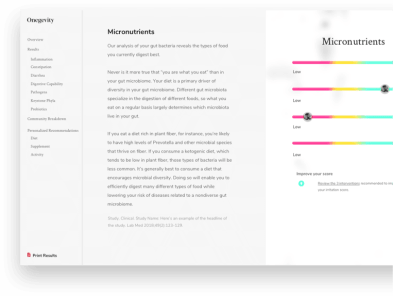 Honestly, the findings of my test shocked me—in a good way. Not only did the results provide me with peace of mind, they painted a clear picture of why I have been having minimal Crohn’s symptoms. Here’s a cliff notes version of my results (the findings shared are a lot more in depth and helpful and include infographics):
 Interested in decoding your gut? Click


 Find the people who lift you up. Trust in the bonds you create with those who are there for you because they want to be out of the goodness in their heart, not as an obligation. Hold on closely to the relationships that spark joy and don’t extinguish your flame. Lean on those who are willing to give you their hand to lift you up, even when you don’t ask for it.


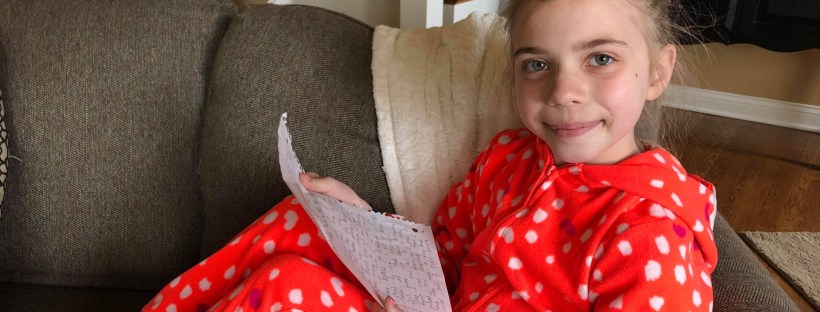
 Meet Emily. This past February she received her chronic illness diagnosis. Even though she’s brand new to IBD life, she’s taking all the pain and all the setbacks in stride.
 Her mom was able to reach out to fellow parents on Facebook about a pen pal program.
 From a parenting perspective, the pen pal group has introduced Michelle to other mamas going through the same fears and experiences. The connections have brought her peace of mind as she navigates these new waters with her daughter.
 making new friends? Friends who understand and continually cheer you on, no matter how far they are. My hope is that Emily will make life long connections and that these letters will serve as a constant reminder that she is never alone.”

 studies suggest it may start with a bacterial imbalance in the gut, and several studies have shown that people with IBD were less likely to have been breastfed as infants. Furthermore, a study in Denmark showed that breastfed babies developed certain types of healthy bacteria in their digestive tract, which non-breastfed babies were lacking. A healthy amount of beneficial gut bacteria can promote a healthy immune system which fends off different diseases.
 It wasn’t easy, but I’m so glad I stuck with it. We lasted 16-months until he self-weaned and he has a very healthy immune system so far, despite the cesarean and me being on Humira. Best of all? I didn’t have a postpartum flare, which my doctor attributed to the combination of staying on my medications, following my diet plan and breastfeeding.
 as possible, especially in the first 24 hours, and provide plenty of skin-to-skin. After a c-section, the last thing I wanted to do was constantly get in and out of bed to pick up a newborn. Instead, I just spent my days with my son nestled on my chest so we could both sleep, heal, bond and get my milk flowing.
 Cut yourself some slack. Becoming a mother is stressful, but if you are feeling overwhelmed, talk to someone. Postpartum depression and anxiety are very real and as a mother with chronic illness, you may be more prone to those feelings. Seek out help from your spouse/partner, enlist nearby family/friends for support, and keep in close contact with your doctor to manage your symptoms.

 When you’re in the thick of a flare and when feel good days feel far from ever being a possibility, try and remember how fleeting these moments are.
 today he’s a rumbustious, adorable, little ball of energy. Sure, we age, too—but we also mature mentally when it comes to our illness. What felt like the biggest obstacle and scare of our life, evolves into something that is a part of who we are, an identity that while not ideal, helps to define us.
 But I can promise you, that as life goes on and as the years since that moment of diagnosis get further and further in the rear view mirror, you will find a comfort in this identity.
 lights camera crohn's