**Disclaimer: This article is in no way meant to offer medical advice or guidance. Medication to treat and manage IBD is NOT a failure. Please understand this is one person’s experience and journey. Prior to going off medication, consult with your gastroenterologist and care team.**
She was diagnosed with Crohn’s disease in 1991 at 19 years old. As a veteran patient and IBD mom of two teenagers, Kelli Young says the COVID-19 pandemic, along with turning 50, inspired her to dig deeper into her health journey and look beyond the “cookie cutter” approach to treating IBD. After multiple surgeries and decades of biologics and other medications, she was determined to try a different approach.
Much like many of us in the IBD community, we often choose to hide our disease from others. Kelli says 15 years of that strategy often left her feeling misunderstood. Once she started sharing and opening herself up to support, her world changed for the better. Anytime someone is sympathetic and says, “you poor thing,” Kelli reminds them that Crohn’s disease molded her in the person she is today and that everyone has problems, hers just happens to be IBD.
“Having lived more than half my life as an IBD patient, I knew I didn’t want to live the second half of my life the way I did the first half.”
Taking a closer look into food sensitivities
It’s no surprise the importance of diet has become a larger part of treating IBD in recent years, but there’s still a lot of gray area.
“Diet is often the one thing that the medical profession overlooks or provides the same generic diet to everyone, assuming everyone is the same. Diet is the #1 factor that affects your health in every way imaginable. Your energy, sleep, weight, sex drive, bowel movements, heart rate, and mood, just to name a few.”
Prior to changing her diet, Kelli connected with her longtime friend of more than 20 years, Dr. Sean Branham, a chiropractor who specializes in functional medicine. Dr. Branham ordered the Oxford Food Sensitivity Test. The test measures inflammation in the body on a cellular level. Food sensitivities are unique to each person, so it’s impossible to determine what your sensitivities are without getting tested. Reactions can also be delayed or be dose dependent.
Kelli says, “The Oxford Food Sensitivity Test looks at all types of white blood cells (Neutrophils, Lymphocytes, Monocytes and Eosinophils) and measures release of all pro-inflammatory chemicals like Cytokines, Histamines, Prostaglandins and Leukotrienes. Certain groups of foods are pro-inflammatory to humans because we may not contain all the enzymes to thoroughly break them down (like dairy). Other foods are pro-inflammatory because of their processing, like many different forms of sugar. Some are inflammatory due to genetic modification like gluten. Some healthy foods can create inflammation once digestive damage has been done and these partially digested foods leak across the digestive barrier and trigger an immune response.”
Customizing diet with Food Sensitivity results
Kelli’s tests results showed mushrooms, cashews, trout, mangos, green peas, coconut, among other foods, triggered an immune reaction. Once Kelli had her Food Sensitivity results in hand, her and Dr. Branham started to customize her diet.
“We first started by removing the bigger classes of pro-inflammatory foods like; dairy, sugar, gluten and soy and then assessed specific foods that were causing a problem for me individually.”
Along with removing these food groups from her diet, Kelli did a whole-body digestive cleanse that involved a specific diet with supplements, a shake, and a cream to rid the body the body of toxins, decrease inflammation, and cleanse the liver and digestive tract.
“Testing revealed that there were more than just digestive issues going on. I also had a blood sugar regulation problem, Estrogen dominance, nutrient deficiencies, a need for: digestive enzymes, immune support, and microbiome support. Once I completed the cleanse, we customized a supplement regimen specific to me based on my test results. We started with what Dr. Branham considered the most important things first and then as we corrected those issues, we moved on and tackled the next issue and so on.”
Celebrating a “new way of life”
As a single mom of a 19-year-old and a 16-year-old who have supported her through her IBD journey every step of the way, Kelli calls these lifestyle changes her “new way of life”.
“When my son was between the ages of 8-12 years old, he was showing IBD symptoms, but he didn’t have IBD, he was experiencing empathic pains. He watched me, a single mother, battle with the daily struggles. I tried to hide it, but he saw right through me. Today he is 16, growing, thriving, and enjoying his healthy mother. My daughter, 19, the age at which I was diagnosed, is thriving as well. I am now able to truly be present in both of their lives.”
When Kelli and her husband divorced, her children were only 8 and 5 years old. As an IBD mom it made an already challenging time that much more complicated. She never dreamed she’d be at this place in her life health-wise.
“Back then I wondered how I was going to give myself my own shots, how I was going to care for two small children 50% of the time when I was always sick. Being a single mother with IBD forced me to take a good hard look at my life, not only for me, but for the sake of my children. My motto used to be “expect the unexpected” and “no expectations.” Today, I no longer worry about the future bad days or wonder if I’m going to be around to be a grandmother someday. Yes, it’s difficult at times to follow such a structured lifestyle, but it’s even more difficult living a life being chronically ill.”
Going off all meds
Kelli has been off all IBD medication since May 2021. She says her GI of 30 years is reluctantly supporting her decision to go this route on her patient journey. Kelli had a colonoscopy in June 2022, and after the scope in recovery he said, “Well Kelli, your new way of life is working. I’ve never seen your scope results look this good.”
While this lifestyle may seem “extreme” to some or difficult to follow, Kelli says she was sick and tired of being sick and tired.
“The definition of “remission” varies depending on who you ask. I am celebrating three years of a “disease free” diagnosis. The Crohn’s will ALWAYS be very much part of my life, but now, the only time I have a “bad day” is when I cheat on my new way of life, eating something I shouldn’t be eating, not getting enough sleep, not exercising, and not managing my stress.”
It’s been 6,207 days since my life changed forever. On July 23rd, 2005, I was diagnosed with Crohn’s disease at age 21. Since that time, I’ve evolved and changed in ways I may not have if it weren’t for my IBD. After living in silence with my condition while working in television news for a decade, I decided to use my love for storytelling and speaking to be the voice I needed to hear upon diagnosis as I navigated the many crossroads of young adulthood (finding love, a fulfilling career, and having a family).
July 23rd also marks the day I launched my blog, Lights, Camera, Crohn’s. Since 2016, I have shared fresh content, every single Monday (sometimes even twice a week!). 336 articles on my site alone. More than a quarter-million visitors and more than 387,000 views.
It’s been a labor of love and a mission project that continues to fill my cup and implore me to constantly want to learn more and shed light on topics that are often not talked about. Every day of every week since my blog began, I’m constantly thinking about story ideas, topics of interest, people to interview, ways to word content, images that are needed…the list goes on.
This photo was taken at a wedding July 23, 2016, right after I pressed “Publish” on the first Lights, Camera, Crohn’s article. I found out I was pregnant two days later.
The weekend I started my blog in 2016, I was one month into married life and found out days later I was pregnant with my first child. Since then, I am now a stay-at-home mom of three children (ages 5, 3, and 1). Life has gotten way more hectic and busier with each year that passes, but I’ve held tightly onto fulfilling my promise to the patient community, and to myself, to deliver new content each and every week. I’ve been organized through the years—often having an article written days before my Monday deadline, but this past year, with another baby added to the mix, it’s been more of a stress on me. I’ve spent many Sunday nights finishing my articles. At times it’s felt like a lot to juggle. I haven’t wanted to let anybody down, including myself. And I haven’t wanted my content to start lacking in any way.
Don’t worry, Lights, Camera, Crohn’s is not going anywhere
My blog has grown into more than I ever thought possible. It’s so rewarding to know my words have helped comfort and guide so many in the IBD community. I need to cut myself some slack and give you a heads up that moving forward there may not always be an article on Mondays. It pains me to say that, but at this point in my life, in this season of IBD motherhood, I need to start taking time to rest and relax. Since having my third baby last summer, I get my kids down for the night and START to work around 830 pm. It’s just constant. I truly rarely get a break. I’ve been in remission since August 2015, and I don’t want the stress to get the best of me.
You may not be aware—but my blog is only one aspect of my advocacy work. I also spend a great deal of time working with digital healthcare companies, patient-centered non-profit organizations, sitting on advisory boards and patient engagement teams, communicating with patients in need online and over the phone, and do freelancing work on the side, all without childcare.
I laugh as I write this because I already have three articles lined up for August…so there will be months where there IS an article every Monday. Just not always. My commitment and desire to serve as a patient leader is not waning in any way—I just want to be honest with you, my loyal readers, that this mama needs to lighten the load and take a little self-imposed stress off my shoulders.
I started contemplating this a few months ago, and almost changed my mind this week about sharing, but it’s time. We had an AMAZING 6-year streak of constant new content. I’m excited to see what this coming year brings in the way of patient stories, research, and perspectives. Having extra time to work on articles will really allow me to do more special reports and expand my “IBD Motherhood Unplugged” and “Patient Experience” series.
Thank you for giving me so much to talk and write about, always. There are endless topics that need to be brought to the forefront and I love providing a platform for others to share their journeys and experiences with the community. As always, please reach out if you have a story idea you want me to cover. Lights, Camera, Crohn’s has truly evolved from being a blog about my IBD experience to an award-winning and well-respected site that has highlighted hundreds of different patient stories and physician perspectives—and I love that. There’s no greater compliment then when I hear a gastroenterologist uses my blog to educate their patients.
Excited to see what 2022-2023 brings! Thanks for the love, support, and understanding and for making the first six years of Lights, Camera, Crohn’s what it was.
Take yourself back to the very first time you needed medical attention for your IBD (but didn’t know it yet). Close your eyes for a moment. Who was that person? Do you know them anymore? How have you changed and transformed since that life changing day?
I was diagnosed with Crohn’s disease July 23, 2005, at age 21. I was blindsided by a chronic illness after growing up as a literal picture of health. A three-sport, in shape athlete, who had never even had an ear infection or been to an emergency room. As a recent college graduate, my world flipped upside down as I struggled to find my way in the real world.
Now, 17 years later, I can tell you firsthand what I, you, and so many others have endured on our patient journeys and how each experience (even the mundane) serves as monumental touchpoints for gaining independence and confidence in making you a more empowered and direct patient.
Let me paint the picture clearly for you
The first time you bravely laid in an emergency room bed and every time there after—not knowing the tests, pokes and probs, and physical scrutiny you were about to go through.
How it feels to be wheeled by a stranger through stark hallways to CT scans, MREs, and scopes, wondering what the results will be on the other side and the repercussions for more medications, a longer hospital stay, or surgery.
The difference a couple months makes–pre-diagnosis in May 2005 and 2 months after 60 mg of prednisone a dayand 22 pills a day.
What it’s like when you say goodbye to loved ones and they roll you into the OR and you’re shaking like a leaf, all alone and feeling frail and broken, alone with your thoughts and prayers.
The number of moments you’ve watched nurses and even rapid response nurses fumble with IV’s try after IV try and when it’s been more than five, you find your voice from that point forward and start only giving medical professionals two tries before it’s on to the next.
How it feels at the butt crack of dawn when the world is sleeping and the hospital is bustling, waking you abruptly to get more vitals and more labs and you lay alone, haggard, frustrated, and delirious.
The moment when your GI has a heart to heart with you about starting a biologic and having to determine for yourself what route is your preference—infusion or self-injection. Would you rather sit for hours hooked up to an IV drip or sit on your couch with your kids looking on as you inflict pain on yourself.
The times you’ve sat up in the middle of the night wide awake thanks to the prednisone kicking in while the rest of your world is asleep wondering if you’ll ever regain some semblance of control of life.
What it’s like trying to eat meals inconspicuously with your family while they not so subtly watch each bite and every trip to the bathroom with sadness and worry in their eyes.
How it felt driving to a first date or a job interview and feeling like your IBD is a dark secret looming over the conversation and not knowing when to take down your walls and share.
Listening to your friends make comments about health and energy without considering what your experience with a chronic, debilitating illness may be like since you look well on the outside.
What it feels like to look at your reflection in the hospital bathroom. Battered arms, sunken in eyes, a shell of who you used to be. But as soon as you walk out of the door, putting a soft smile on to protect your visitors from worry.
What it’s like to sit on an airplane or be on a road trip with others and silently worrying about whether you’ll be able to make it and what your game plan will be.
When you’re up in the middle of the night doing the second half of colonoscopy prep and wondering ‘why me’ in your 20s and 30s, feeling isolated in the physical, mental, and emotional anguish the process puts you through year after year.
What you’ve internalized each time someone dumbs down your IBD, offers up ridiculous remedies or goes into a discourse about their aunt’s brother’s cousin who “healed” their Crohn’s this way.
When you’ve waved the white flag and alerted family and friends that you needed help or to be seen in the hospital after doing as much fighting as you could against your own body.
The first time you bravely looked down at your incision and saw your body forever changed and came to see your scars as battle wounds.
Waking up each day not knowing what the next 10 minutes will feel like for you and getting after it anyway.
Not knowing if you’ll find your person, but meeting people and having the courage to share about your health issues, even if there are heartbreaks and disappointments along the way.
Deciding to have a baby and discussing family planning, despite all the what ifs and becoming a parent because that’s what you hoped for prior to your IBD.
Landing that dream job with your IBD in your back pocket, not letting the detours stop you from finding the path you were meant to go on.
Celebrate the independence you’ve discovered
The list goes on and on! No matter how old you are when diagnosed with IBD, in that moment we are robbed of our naivety and thoughts of invincibility, and we’re forced to go on a lifelong war and conquest. Our bodies no longer feel like ours. Our dreams feel in disarray. Our people may change and not be who you thought they were. Our hearts may break, but like a phoenix this disease can build you up just as much as it breaks you down.
The reprieve of remission, while not perfect or without symptoms has enabled me to breathe and regain my grounding. In 2015, after three back-to-back bowel obstructions and 18 inches of my small intestine, Meckel’s diverticulum, and appendix removed, there was only one way to go and that was up.
Give yourself grace. Celebrate the independence you’ve discovered that you may not be able to have realized until you’re years out like it took me. And when you’re in the hospital, in for a routine clinic visit or for labs, taking your meds and balancing every daily decision against how it will make your IBD feel, you’ll come to realize what you take on and all you accomplish every day just to survive and thrive, makes you something special. While you may feel dependent on others—and the support of caretakers and a support system can’t be understated, neither can the endless strength that lies within you.
Fatherhood looks differently when you have a chronic illness. Finding a partner, family planning, decision making, and parenting are all impacted when you have IBD. This week on Lights, Camera, Crohn’s we hear from several men around the world. Whether they are preparing to start a family or have adult children, you’ll hear firsthand accounts about how their Crohn’s disease and ulcerative colitis has shaped who they are as men and as dads.
London Harrah, a 31-year-old dad in California, was diagnosed with ulcerative colitis in April 2016. He says IBD has impacted fatherhood in different ways and presented unique challenges. He’s grateful for the endless support his family has given him, making him feel comfortable to openly share about the struggles.
“Prior to my surgery and ostomy, my ulcerative colitis heavily impacted my parenting role. I had to shape my entire day around my ability to have close access to a restroom. Now after surgery, I have had a lot more freedom and a heightened quality of life. I am now able to partake in a lot more activities without my condition hindering me. I also feel like being an IBD dad makes me stronger because I look at parenting as an opportunity to set an example for my son on how to deal with adversity,” said London.
He says IBD has instilled a profound sense of empathy in his 13-year-old son because he has not only witnessed his dad go through the ups and downs of chronic illness, but London has also shared other peoples’ stories from the patient community with him as well.
“Some people ask me for advice on how I navigate different topics in life, and I share many of those stories with my son so he can understand different things that are actually happening in the real world and paint a picture of what some people have to deal with, that may not be visible on the surface.”
London says his son has been through this journey with him since day one. He can still remember when he first started experiencing symptoms and he knew something was wrong and trying to explain that to his child.
“He watched me spend hours in the restroom and was there for me as much as he could. I have always felt open and able to talk to him about this topic, more than anyone else.”
London sees his ostomy as a great learning opportunity for his son.
“As a dad, having an ostomy is kind of a great experience to have because of all the life lessons and teaching opportunities that it creates when raising children. You learn a lot about yourself during this journey and it allows for a lot of realization about the important things in life, which are all transferable when raising our children.”
Brandon Gorge of Michigan has five-year-old and two-year-old sons. Diagnosed with ulcerative colitis freshman year of college in 2003, he’s grateful his IBD was under control for 11 years while on Remicade/Inflectra infusions and now Stelara for the last year and a half.
“My sons wake up early and I love to wake up with them, have breakfast and play before getting the day started. With their ages, my biggest challenge is having to run to the bathroom while my wife is still sleeping. I used to have to wake her up to cover for me, but now they’ll play while I’m in the bathroom or come in with me. I tend to schedule doctor appointments and lab work early in the morning. Making sure my wife knows my morning plan is important so she can schedule accordingly, and we can make sure the boys are set for the morning/day.”
Brandon credits his wife for being a great listener and support.
“She comes with me to colonoscopies and to Crohn’s and Colitis Foundation events. My parents are still a huge support as they helped me find the right doctor when I was diagnosed with UC a week before moving out of state for freshman year of college and continue to be a sounding board for my UC. They’re also involved with the CCF because of me.”
His older son broke his arm when he was four and has been extremely interested in how the human body works and heals. Brandon and his wife found a YouTube video series called “Operation Ouch” by two British doctors. One video they stumbled on is about a girl with IBD.
“He said it wasn’t interesting because he couldn’t see her booboo. I explained to him that some people have booboos that you can’t see, and I have the same one as the girl in the video. He knows I go to the “tush” doctor regularly; they take pictures inside my body – and I’ve showed him the pictures, I give myself shots, and getting a shot is no big deal. Talking about the bathroom is very normal in our family!”
Brian Greenberg of New York was diagnosed with IBD when he was 11 years old, he’s now 39. He says juggling and finding a balance for all things in life is difficult. Between being a husband, a father, and then having a career, and managing chronic illness on top of general health, it’s a lot.
“My family is amazing. My wife knows there are nights where I have to tap out, and she understands when this happens. My family and her family have also been supportive that it took me a little longer to settle into being a dad and learning how to add everything it comes with to my 24/7 job of being a Spoonie. But their patience has paid off and I feel like after a few months of being a father, I found my stride.”
As an ostomate with a 17-month-old daughter, Brian says while she still has no idea what she’s seeing, him and his wife have started the education process with the books “Awesome Ollie” and “Ollie the Bear.”
“It’s teaching her that after some challenges and the fact I’m a little different now, I’m still capable of so much, which I hope to show her one day.”
Trying for a family as a man with IBD
Brad Watson-Davelaar of Canada got married earlier this year and now him and his wife are hopeful to start their family. Brad was diagnosed with Crohn’s disease in 2001 at age 17. Since then, he’s never been in remission.
“I used to be worried about having kids since my IBD has never been stable. Since meeting my wife five years ago, I’ve learned that she and I together are a wonderful team. I’m very much all in for kids. Being an uncle really solidified my desire to be a dad. We’ve been trying for two months and we’re hoping my wife is pregnant by the end of the year, which is a big ask as I’m preparing to go in for a laparoscopic right hemicolectomy with abdominal-perianal resection transanal total mesorectal excision with permanent colotomy later this year. I don’t know how my mental and physical state will be afterward.”
Brad and his wife have talked about the possibility of their children having IBD, but both agreed that if that is the case, they will 150% be there as a support and advocate for our children, something he lacked in his own health journey.
“We’ve also talked about how I will be a stay-at-home dad, as I’ve been on disability for a large majority of my adult life. I know there will be rough points where I will feel like utter garbage and just not feel like being there. But I know even if I let myself get to that point, my wife will be there to help. We’re making sure to move ourselves to where we will have a good support system if anything happens. Having a strong partner makes it easier to be ready and excited for what the future holds.”
With everything going on in the world, Brad says it’s a bit daunting to become a dad.
“I’ve been doing my research. I really want to make sure to do the right things. I treat the prospect of fatherhood much like I manage my IBD. Lots of research and staying open to change. I am so excited to be a father though. I feel like it’s what I need in my life.”
Reflecting on how IBD changes through each parenting season
Alistar Kennedy of the UK was diagnosed with ulcerative colitis in 2000. Now as a 49-year-old married father of two he’s able to reflect on how his IBD journey has impacted fatherhood and family.
“When you have a chronic illness your energy and time are limited. Having children can be exhausting and all-consuming even without health issues. The biggest challenge I found when my children were very young was coping with their boundless energy, their desire to be active, and trying to enjoy outdoor play. Active IBD can be a big issue in those circumstances, fatigue was a real struggle, but also the need to keep near to facilities in case you need them. This meant solo parenting was hard, but good planning and an understanding partner made the normal things achievable. Also, as the kids grew, they became more aware of what was needed from them. Empathy and adjustment to surroundings.”
Speaking of empathy, Alistar says his kids are both very aware of his IBD and how it’s impacted their family.
“My kids have grown up knowing I might have a day when I’m unable to do things due to fatigue or have to make a dash to facilities. Being open and honest with them from an early age has given them a broader understanding of the struggles a lot of families have. They are both very caring individuals. As a family, we are flexible and everyone understands that, sometimes plans must change. We make the most of the good days.”
Since being diagnosed, Alistar sees great promise for the future of IBD treatment and care in the years ahead.
“Medication, treatment plans, the role of diet, and the importance of mental wellbeing has advanced dramatically in the last 20-plus years. I see far more hope from the future about what this disease will mean for all of us and how it will or won’t dictate our lives. If you want to start a family and enjoy everything that can bring, you can. It won’t change the fact teenagers can’t load a dishwasher properly! I’m very proud of the fact that I did the school pick up and drop off for 10 years solid without either child getting a single late mark!”
Dan Bradley of the UK recalls how differently IBD impacted his role as a dad when his children were younger.
“My youngest child is 17, so I don’t feel like my IBD affects my children in a big way. When I was diagnosed 8 years ago it created a huge challenge with being a dad and dealing with the lethargy and fatigue. It was a struggle to be able to do my day-to-day activities and be there for the wants and needs of my children since they were too young to understand my illness and what I was going through as a parent during that time.”
He feels his disease helped shape who his children grew up to be as they enter adulthood.
“I like to think my children were brought up to offer empathy to others, but my IBD has certainly given them a deeper understanding about stomas and the complications that can arise with chronic illness. There’s nothing like telling your 16-year-old daughter she needs to get out of the bathroom quickly when she is trying to get ready for a night out!
Thomas Fowler of New York was first diagnosed with ulcerative colitis in 2004 when he was 30 years old, then three years later he found out he had Crohn’s. Since he was first diagnosed, he’s undergone more than 25 surgeries and currently deals with anal fistulas. He says life as an IBD dad is about finding your “new normal” and that it helped him to have a decade of life with IBD prior to taking the plunge into parenting.
“We talk about Crohn’s all the time, so my kids accept me as I am because they don’t know Daddy without Crohn’s. I sense that they know when I’m having a bad day or flare. I tend to shutdown socially and don’t talk as much. Fatigue is my number one battle in life. I don’t mind the bathroom trips as much or the daily pain, it’s the fatigue. It’s the one symptom that I can’t fight.”
Recently, Thomas says his latest challenge with IBD and fatherhood is juggling his Crohn’s with his son’s baseball season.
“I am not able to eat dinner before baseball practice/games. My son 100% understands why. And sometimes my son will ask to go and get ice cream after a game, and I say I can’t because Daddy has to get home and eat real food first. Sometimes that means eating at almost 9 pm. Which presents another issue in and of itself, because if I eat that late, I automatically know I’m going to be up several times during that night to use the bathroom.”
Why men with IBD tend to stay silent
As an IBD mom of three myself, I’m aware in my extensive advocacy work how our patient community is predominately made of female voices and experiences. For many years, the male experience has been lacking and is often difficult to find.
“Men are conditioned not to share their detailed emotions. Often told to ’suck it up’ and just get on with it. Sharing can make you feel vulnerable and fragile to our peers, so we avoid it. It shouldn’t because it’s incredibly empowering and rewarding. I was diagnosed pre-social media and at the time, advice, and information available online was vague, confusing, and often misleading. It felt very lonely to have IBD back then. Being part of an online community has been game changing. Men struggle to engage and verbalize in this space though, but they are there. Personally, I’m very facts and evidence driven, so the advocacy space must reflect that,” said Alistar.
“We’re taught at an early age that we’re supposed to be tough. That we shouldn’t be sick or show any weakness. That stereotype is slowly being broken as men are learning that even our health can change in a moment, and it’s okay to be vulnerable,” Brian explained.
“I co-chair the Crohn’s & Colitis Foundation’s Detroit Young Professional Group. One of my co-chairs is also a dad. Our group is evenly split between men and women. Before I became involved with the group, I never participated in any type of group for support or advocacy. I think a lot of men (and people with IBD) need to learn how to advocate for themselves with insurance and their medical team before they advocate and help others,” said Brandon.
Dan said, “I think it’s a typical man thing. IBD is not talked about. Some of the symptoms that come with IBD, in particular going to the bathroom, can be seen as a taboo subject. I do feel this is changing and more awareness is getting out there. In the UK, we have recently had a couple of “famous” people raise awareness which has been fantastic.”
“I think in the society we live in today makes it harder for men to be vulnerable with their feelings. In my situation, even I still struggle sometimes talking about certain topics with new people. I do however acknowledge the difficulty and try to work through it,” said London.
Advice for future IBD dads-to-be
Whether you’re in the throes of trying for a baby or if you’re a parent and your child has IBD, and you worry about his future and what it will hold in regards to fatherhood—here’s some amazing advice to guide you and show you all that’s possible.
“There are always more good days than bad. Having children is a wonderful, if very tiring, gift. They change you for the better and help you to grow as a person. Getting my IBD under control has been incredibly challenging, but we’ve done all the things normal families do. Be open and honest with your partner about your fears, priorities self-care and mental wellbeing. Talk and share your feelings to your family and friends. Don’t be hard on yourself. Take naps! The best advice as an active parent is always that good up-front planning and working as a team is essential,” said Alistar.
“Talk to your gastroenterologist to ease any fears about the effects of medicines or worsening IBD, develop a treatment plan, and revisit that plan before a flare gets out of control and affects you being able to be there for your kids,” said Brandon.
“I would tell fellow men not to let IBD stop them from becoming a dad! They are very well capable of having a healthy child, but it starts with them taking initiative and becoming healthy (mentally/physically) themselves before-hand,” said London.
Brian said, “Becoming a father with a chronic illness like IBD is scary. I wasn’t sure how it was going to work, how I’d be able to adjust to everything I was about to add onto life, or where would I find the energy. But you find answers to all those things because the love your heart is filled with carries you through so much, and it’s more important than anything else in life to find a way.”
“Don’t hesitate to start a family. There will never be a “perfect” time to have a kid with this disease. Don’t set goals like, I’ll start a family when I’m 2 years symptom free, or when I don’t have a surgery for 3 consecutive years. You will always have issues for the rest of your life. The only hard part I had was when my kids were newborn through toddler age and I had them by myself away from the house. You get very creative with bathroomn visits. I would use the diaper changing tables and strap my kids in and let them use my phone for distractions so I could use the bathroom. You become a logistical genius when leaving your house. Being a dad is the BEST thing that has ever happened to me. And a hug from your kid is better than any medicine money can buy when you are having Crohn’s related issues,” said Thomas.
“There is no reason on earth to allow your IBD to stop you from becoming a dad if that’s what you want to be. Go for it. Be open so everyone knows where you stand. With the right medication and treatment plan in place, there really isn’t anything you will be stopped from doing. I enjoy long bike rides, long walks with the dog, and a pub lunch after reffing my kids football games. I have flown with an ostomy without issue. If you think you may have IBD, don’t ignore your symptoms. See a doctor and get yourself on the path to treatment so you can live life as fully as possible,” said Dan
Moving away for school. A future career. Relationships. Discovering your identity. Switching from a pediatric IBD care team to adult providers. All while living with a chronic illness. This is the stark reality for young adults living with Crohn’s disease and ulcerative colitis. Juggling all these major life milestones and having to get acclimated to new physicians while taking the lead on disease management is often met with anxiety and worry from young patients, their parents, and caregivers. IBD is a family disease. Even if only one person in the household personally lives with the issue, the disease impacts each person.
This week on Lights, Camera, Crohn’s we hear from patients and caregivers who have lived through the experience and from pediatric GI’s about how best families can be supported through the changes to make them as seamless as possible for everyone involved.
Input from those who have made the switch
Aging out of pediatric doctors can be a stressful time for everyone involved. Let’s start with input from those with IBD who have made the switch along with what some parents and caregivers had to say.
Start researching doctors early. Do your homework and see what insurance providers accept and what hospitals they are affiliated with.
Ask your current pediatric doctors for recommendations/referrals.
Before the first visit make sure the adult GI has received copies of medical records.
Have healthcare proxy and power of attorney papers on file.
“I just turned 20, but I’m still in pediatrics and plan on staying until I graduate from college, as that is the norm at my hospital. However, as an adult in peds, I found it important to have healthcare proxy and power of attorney papers on file so my mom can still help me and if something were to happen like while I’m away at school she is able to get information. I broke my arm this past fall and my body went into such shock that I couldn’t give the hospital any information. My friends were with me and contacted my mom, but because I was 19, the hospital couldn’t even confirm to her that I was in the building. This was a wake-up call. We started thinking about, “what if this was my IBD?” and decided it was necessary to have the papers on file just in case. I still ask my mom to be involved in my care, but we both have the understanding that I have the final say.”- Anna
Navigating the switch through college
Heidi was diagnosed with Crohn’s when she was 9. She’s now 41. When she reflects on the transition from a pediatric doctor to one who treats adults, she recalls the process being fairly simple and a change she welcomed with open arms.
“The best thing was being talked to directly and my opinions mattered more in my later teenage years with the new doctor. Of course, my parents had my best interests at heart, but appointments were so frustrating as a young girl. Another reason for the seamless transition was that my new doctors were amazing. I switched at 18 and then again at 22 when I graduated college and moved away from home. My care team listened to me and saved my life. I know I’m lucky to have found such a wonderful team of doctors.”
Katie wishes there had been a support group (even online) for teenagers back when she was phased into an adult GI. She says when she was diagnosed with IBD at age 15, she often felt uncomfortable discussing her symptoms and didn’t feel her pediatric GI was that great with kids.
“I felt detached from my GI until I was in my 20s and had the confidence to advocate for myself. I was so lost and refused to tell classmates what was wrong with me for fear of being made fun of. I ended up missing so much school I decided to drop out, get my GED, and go straight to college. It was a terrible time to be honest.”
The difference in pediatric vs. adult care
“The transition happened quite fast as I was being referred to an adult surgeon for my complications that the pediatric team were not experienced or educated enough to treat for Crohn’s. I was thrown in the water with no guidance when I started seeing physicians who treated adults with Crohn’s. The pediatric GI team would dumb some things down for me and make my problems not seem “as bad.” As soon as complications started arising, they threw the towel in and basically told me they couldn’t help me anymore and would be better off seeing a care team with more experience with my symptoms and complications.”-Chrissy
Natasha experienced the transition about 13 years ago. Her pediatric team helped her choose an adult GI. And the guidance didn’t stop there.
“My pediatric GI told me who she wanted for me and then went with me to interview the doctors in the adult team. Once I chose, my pediatric GI attended every appointment with me until we all agreed I was ready to move into the next step of my care, which luckily was quickly. And the two doctors stayed in communication. My advice—be open with your doctor.”
Natasha recommends asking yourself the following questions to help streamline the process and make it less nerve-wracking.
What are you looking for in your next step of care?
What are you looking for during the transition process?
What is important to you in a physician?
Do your own research
“I had an AMAZING pediatric GI when I switched, and I just went with who she recommended. Looking back, I wish I did my research because he is not who I would have chosen for myself. I would recommend doing your own research and make sure whoever you find is willing to work with you and thoroughly go through your medical history and all your results. Too many doctors seem to just think they know everything, but we know our bodies best and need to have a medical team who lets us advocate for ourselves.”-Danielle
Jennie has lived with IBD for nearly 20 years. She has a PhD, works in IBD care, and recognizes she has the privilege of a strong support network and insurance. As an IBD psychologist she recognizes how difficult the system and transition can be for everyone involved.
“I was diagnosed with IBD at 12 and transitioned to adult care around age 18. I was extremely sick at the time and ended up having a proctocolectomy within months of transitioning. I think the biggest things for me were the notable shift in culture between the peds and adult world, and the insurance pieces. It’s so much for kids and families. Lastly. I’ve noticed the transition is nuanced for my parents who were so good at being my advocates, they will still offer to call the doctor if I tell them I am not feeling well, and they have a tough time not having the same significant role they did when I was younger.”
Allie was diagnosed with Crohn’s disease when she was 12. Her mom attended all her appointments until she turned 18, and only stopped going then because she was out of state for college and seeing a pediatric GI there until she turned 22. Allie’s mom kept a medical binder of all her procedures, lab results, and details about her patient journey. She says when she phased out of pediatrics and started taking matters into her own hands, she found the binder her mom made to be beneficial—Allie found herself referring to it when she couldn’t remember everything.
“What helped the transition the most was going to appointments on my own when I turned 18. I felt more prepared to speak for myself when I switched to an adult GI.”
Allie’s mom also inspired her to ask the tough questions. After witnessing how her mom spoke up to doctors it empowered her to speak up and stop minimizing her struggles. By watching how her mom handled appointments, it inspired Allie to write down all her questions and concerns before doctor appointments, so she doesn’t forget anything.
“My mom asked me what fights I wanted her to fight for me and what I wanted to do myself. She guided me on what I might need to ask about when I had no clue—even as an adult she still offers to help call insurance companies to fight authorization battles. She gave me space to live my life when I turned 18. She worried, but she never hounded me for updates (are you taking your medication?, how are you feeling? Are you eating ok?”…but she always conveyed support (both my parents did) when I needed it most she showed up.”
Sari recommends young adults with IBD to ease into taking control of their care as early as possible.
“Things like refilling your own meds, scheduling your own appointments, and driving yourself to appointments goes a long way when it comes to learning how to stay organized and advocate for yourself. You don’t want to be doing all those things for the first time when you go to college or a start a new job—too many scary or unknown things at once!”
Check out what pediatric GI’s have to say about bridging the gap and ensure continuation of care.
Dr. Sandra Kim, MD, Associate Professor of Pediatrics, Director, Inflammatory Bowel Disease Center, UPMC Children’s Hospital of Pittsburgh, says, “Transition is the preparation process while the young adult/teens are still under the care of the pediatric team. Transfer of care is the actual “handoff” when the young adult moves from the pediatric GI team to the adult GI providers. Teens want independence but struggle with disease knowledge and self-management skills. Therefore, the pediatric GI team needs to help the teen (and the family, too!) by being active listeners, communicators, and educators. The healthcare team also should utilize things like transition tools.”
Dr. Kim went on to say that GI doctors need to assess how teens are doing on the road to greater independence and that shared decision-making helps build partnerships between adult and pediatric GI providers.
For the adult GI team:
Collaborate with the peds team in the initial stages of care transfer.
Anticipate existing gaps of knowledge and self – management skills
Prepare for more time during appointments for questions, additional education, and working with the family. Parents need help during this time of care transfer, too!
Woman patient signing medical documents discussing medication treatment with african american practitioner in hospital office during clinical consultation. Doctor physician explaining disease symptoms
Dr. Jonathan D. Moses, Assistant Professor of Pediatrics, Director, Pediatric Inflammatory Bowel Disease Program, UH Rainbow Babies and Children’s Hospital, explained how his hospital has a multidisciplinary pediatric IBD team that engages patients in a Health Maintenance Education Clinic as early as 11 years old.
“This allows them to build up the self-management skills needed for a successful transition to adult GI, when they are ready. In lieu of this resource, parents can engage their health care providers about ways to get their child more involved in their care and provide them with the autonomy, and support, to take over aspects of their care over a period of time.”
Dr. Hilary Michel, MD, Assistant Professor of Clinical Pediatrics, Nationwide Children’s Hospital, says a successful transition from pediatric to adult care requires that young folks have developed the knowledge and skills needed to understand and manage their disease independently.
“This knowledge and skill is not gained overnight, and ideally should be obtained gradually. Transfer to adult care should be planned in advance, when a patient is feeling well and has a good grasp on their disease management, so there are no gaps between peds and adult care. Parents and families can help the process by allowing teens to speak with their healthcare providers alone, gradually share care responsibilities, encourage them to learn about their disease, and highlight their successes.”
How this works in real time:
Patients can listen and participate in their visits.
Set goals with your healthcare team and work toward them, ask questions and share your opinions.
Healthcare teams can help by providing a non-judgmental space, listening attentively, encouraging young people’s success, engaging patients in decisions, checking for understanding, getting to know patients as people (talk about school, friends, activities), and connecting patients with resources
Dr. Whitney Marie Sunseri, MD, Pediatric Gastroenterologist, Assistant Professor of Pediatrics, UPMC Children’s Hospital of Pittsburgh, says “I always encourage a step-wise approach to transitioning to the adult world. I encourage patients to know their diagnosis, what medications they take and when, to recall their last scopes, and to be able to report all of their symptoms without the assistance of their parents. Then as they get older, and closer to the time of transition, I encourage them to look into different adult doctors. I give recommendations as well.”
Dr. Sunseri advises caregivers and patients to be proactive and look at reviews of doctors and who is in their insurance network. She says the most important visit is the one where patients follow up with her after their first adult visit to make sure it was a good fit and that they are in good hands.
“It’s bittersweet watching these children grow in so many ways and head off into the hands of another provider. Your heart swells with pride and breaks at the same time.”
Resources and Communities of Support
Sneha was diagnosed with Crohn’s at age six. She’s now 23 and still figuring out what her future will look like with IBD. As she grew up, she couldn’t find a community of young adults. This inspired her to create Generation Patient and the Crohn’s and Colitis Young Adults Network.
“Peer support during this transition is critical, so we host seven virtual community meetings. We have hosted over 250 of these peer support meetings over the last two years. I think peer support should be seen as essential during this transition period and it has been the best thing to come out of living with IBD.”
Generation Patient: Instagram–@generationpatient
CCYN: Instagram–@ccyanetwork
Join the American College of Gastroenterology Thursday, May 4, 2022 at Noon and 8 pm ET for a discussion about “Empowering Patients Through the Transition of Care in IBD”. Click here to register.
There’s no black and white approach when it comes to managing and treating inflammatory bowel disease. Newsflash—you don’t need to choose between medication and diet (nutrition). You can do both! This week on Lights, Camera, Crohn’s, we hear from registered dietitian and ulcerative colitis warrior, Ashley Hurst, about how her personal patient journey inspired her to look into targeted strategies for improving quality of life with IBD.
Ashley was diagnosed with ulcerative colitis at age 24, but she remembers symptoms starting when she was 7 years old. She lacked support for a long time, so her symptoms became her “normal” reality. When she was in college, she sought help for two years before she finally was able to get a diagnosis.
“I went to several doctors who dismissed my concerns thinking the bleeding was just fissures or hemorrhoids. It wasn’t until I was in a nutrition class in college, that I realized it might be something more. I remember reading about Crohn’s and ulcerative colitis and feeling like I was reading about all my symptoms.”
Finally, the fourth doctor she went to diagnosed her with IBD. She experienced a gamut of emotions ranging from relief to disbelief. More than anything, her diagnosis was a huge financial burden. At the time, she was working 2-3 jobs without health insurance. She couldn’t afford medication or even a colonoscopy bill.
“Since I couldn’t afford medications, I relied on nutrition and my own protocol. Once I was more financially stable, and had health insurance, I was able to start mesalamine rectal enemas and oral tablets, while sticking to my nutrition plan.
A preference for finding the balance between diet and medication
“Nutrition and medication have been lifesaving for me at times and I’ve found I prefer doing a bit of both (and so does my gut!). When choosing what route to go for IBD, often we feel a sense of guilt around taking medications. However, it’s important to remember that with whatever treatment route we go, we must weigh the risks versus the benefits.”
An uncontrolled flare is a risk and can impact our quality of life significantly. If you aren’t comfortable with medications your doctor has recommended, you can always ask what other options are available. It’s important to feel good about whatever treatment route you are taking and remember it’s your body, and your choice—just be prepared to face the consequences of active disease and hospitalization if you attempt to go against medical advice and take matters into your own hands. There is a fine balance distinguishing what triggers you and how best your disease is controlled.
The story behind The Crohn’s and Colitis Dietitians
When Ashley initially worked as a registered dietitian, she didn’t specialize in IBD. But as the years went by, she realized Crohn’s and Colitis patients were her favorite people to work with.
“I felt drawn to supporting IBD patients like myself and saw what a need there was for IBD specialized dietitians. Four years ago, I lost my cousin and close friend who had Crohn’s, and he left a lasting impact on me that further increased my desire to make a greater impact in the Crohn’s & Colitis community. He inspired me to be open about my diagnosis and get more connected with others who have IBD.”
Once Ashley decided to specialize in IBD, she quickly discovered how fulfilling it was to do work that has a lasting impact. Ashley says many people seek their support for IBD nutrition, but often feel like they need to choose one or the other.
“Most IBD research studies on both dietary strategies and targeted supplementation for IBD look at participants that are also on medications. Research continues to show that a combined approach using both medications and nutrition is the best path and can help increase chances of remission. It can be tempting to try and experiment by doing one thing at a time to see what works. However, there is currently no one cure for IBD, so treatments typically do involve a multi-faceted approach.”
As business started booming, rather than create a wait list, she brought on three other dietitians. Ashley and her team specialize in providing medical nutrition therapy for Crohn’s and Colitis patients, but also tackle SIBO, acid reflux, allergies, EOE, and much more. All four of the dietitians on the team have IBD, so they understand the patient perspective and the urgency to reach relief.
“As a team, we’ve had the privilege of working with hundreds of patients with digestive challenges, and we have witnessed the remarkable transformations that are possible. We are passionate about helping people not only find relief but make peace with food again.”
Like a fish out of water concerning diet
Many of the people with IBD who Ashley speaks with express that they were dismissed when asking their provider for a dietitian referral.
“The most common thing I hear is- “I Googled what to eat for IBD and Google left me with what NOT to eat for IBD and I feel even more confused with all the conflicting information!” It’s true, the internet is filled with conflicting information on this topic. This leaves people feeling afraid of food and often only eating just a few “safe foods”. Oftentimes these self-imposed food restrictions are unnecessary and lead to malnutrition, loss, low microbiome diversity, poor gut health, and ironically more symptoms!”
This is where Ashley and her team come in. They help those with IBD sort through all the nonsense and get to what really matters most and what works on an individualized basis.
“We are interested in supporting IBD patients, not just while they work with us, but for the long haul! We equip our patients with tools to learn so that they feel confident navigating nutrition even after they leave. We also offer a variety of free and low-cost educational resources on our website and Instagram for those people who just need a next step.”
How to know if you’re truly “healing” your IBD with food
The first question Ashley asks fellow patients she consults with is—is your nutritional approach working? The only way to know is to confirm through colonoscopy and inflammatory lab or stool markers.
“Symptoms alone are not always a great indicator of how our IBD is doing. It is important to monitor your IBD even if you are feeling better to make sure your disease is not progressing.”
Medication is not the “easy way out” and is not a sign of failure
Ashley and her team work with many IBD patients who are on biologics and utilize nutrition as a complementary approach to allow their medications to work better.
“Medications often lower certain nutrients, so one way you can support yourself long term is to check for deficiencies regularly. Some nutrients like zinc and vitamin D we need to regulate inflammation and help support our digestive tract lining. Ensuring they are at appropriate levels can help prevent flares. Vitamin D especially tends to get low with inflammation and is correlated with flare frequency and severity.”
Many patients avoid fiber because they fear it will trigger symptoms. Personally, I remember the first decade of living with Crohn’s, I was told I couldn’t have more than 5 mg of fiber per serving, which I now know is not the case.
“Understanding nutrition can help with expanding your diet. Research shows the importance of fiber for IBD for inflammation reduction, preventing flares and also complications. However, fiber is the most common thing IBD patients avoid. There are many ways you can approach expanding your diet without triggering symptoms and working with an IBD dietitian can help you navigate this better.”
The Roadmap of Nutrition
On average, Crohn’s and Colitis Dietitians helps clients reduce their IBD symptoms by 50-75%. Most report that their other big takeaways are improved energy and feeling more at peace with their food choices.
“We help you achieve this through working with people in a group setting and one-on-one. With one-on-one work we see people for a total of 6 months. It starts off with an intake session where we get to know your goals and your whole story with IBD and outside of IBD. After this session we put together a customized treatment plan that is your roadmap forward.”
The process includes dietary guidance (what to prioritize in the diet) and often targeted supplementation recommendations too. After this session, Ashley and her team see people each month in sessions to monitor progress and troubleshoot anything that comes up.
“We also offer access to us through chat throughout the whole 6 months for any questions that come up. We offer customized meal planning and video modules designed to help you.”
IBD is not your fault. It’s important to remember you didn’t sign up for this and you shouldn’t have to carry the weight of it alone.
“It can be incredibly helpful to have a team around you to support you through flares and the ups and downs of IBD. An IBD focused dietitian can help you navigate what to eat, treat nutrient deficiencies, sort through best options for targeted supplementation and help you reduce IBD symptoms.”
Outsource your stress. It’s overwhelming to juggle all the proverbial IBD balls in the air.
“Having a support team alleviates stress. It’s calming to know you don’t have to think through every decision and worry by yourself. It helps to have someone to lean on and takes the weight off your shoulders.
Don’t base your journey off what works for others. Just because you see someone proclaim their success by treating their IBD with food, doesn’t mean you’ll have the same experience. Before making any rash moves with your treatment plan, it’s imperative you communicate with your care team and get medically guided advice vs. following what you see someone post on Instagram. Same goes for medications—just because one person has had a great response on a biologic, does not mean you’ll have the same response.
Here are what some patients have to say about their experience:
“I’m so glad I started this program. I had to stop biologics due to developing antibodies and have been off biologics for over six months and since starting with the Crohn’s and Colitis Dietitians, I feel better than when I was on them. I only wish I found this program earlier.” -A.T.
“During the 6 months I was with Crohn’s and Colitis Dietitians- my symptoms of diarrhea and urgency reduced significantly, I have more energy and my inflammation decreased from over 100 to 38 (fecal calprotectin). Even my doctor was surprised and curious about what I had been doing with my nutrition!” -S
Whether you are a parent or not it’s heartbreaking to imagine how it would feel if you found out your child (no matter their age) was diagnosed with a chronic illness like inflammatory bowel disease. Of the more than six million people in the world diagnosed with Crohn’s and ulcerative colitis, approximately 25% of patients are diagnosed during childhood and adolescence, most of which are going through puberty. Impaired growth, pubertal delay, and low bone density are all common in children and teens with IBD. They can occur at diagnosis or at any time during a patient’s IBD journey.
As an IBD mom of three, who was not diagnosed until I was 21 years old, I personally don’t have the experience or perspective to share what it’s like to grow up with IBD or have a child diagnosed with it, so I tapped into several caregivers in our community, along with four leading pediatric gastroenterologists for input.
My hope is this article will serve as a helpful resource as you navigate the challenging waters of puberty with your loved one. Teen years are difficult enough without a chronic disease, taking a close look at how this impacts a young adult physically, emotionally, and mentally is something that deserves much more attention than a blog article.
Concerns from patients and caregivers
Before we get into the medical input, I want to share some of the messages I received this week from young patients and their caregivers so you can see firsthand how complicated this period of life is for everyone involved.
“I’m 14 years old. I was diagnosed with Crohn’s when I was 12, which marked an influential time in my life. It can be hard to cope with being diagnosed and having a chronic illness at that age. That year leading to my Bar Mitzvah, a cultural rights of passage from boyhood to manhood, was really challenging for me. At a time when changes are going on and puberty takes its course, learning to trust your body and that it is working is key. Rather than trusting my body, I had a lot trust issues. If my body could turn itself to work against me in my GI system, what’s to say it wouldn’t turn on me other ways? I am especially worried about my reproductive system. Since I was a little boy, I always knew I wanted to be a father when I grew up. Having kids and being a family man has always been my highest purpose in life. Since my Crohn’s diagnosis, I’ve felt anxious and worried about whether my Crohn’s or my body will stop me from fulfilling that dream.”
“I often worry about whether my son’s hormones will put him into a flare and wonder what the best way to approach the school about his Crohn’s is.”
“My biggest puberty concern is delayed growth or slowed growth and flares. I’ve heard a lot about puberty hormones really causing issues. Is there truth to this?”
“Will my almost 15-year-old son start puberty once his treatment kicks in or will he always look like a 12-year-old child?”
“My 15-year-old lost more than 15 pounds in the last year, we’ve checked all kinds of things, but can’t figure it out. He’s on renflexis (generic Remicade) and his colonoscopy came back clean. He gets full easily and deals with chronic constipation. I hope his IBD doesn’t stunt his growth.”
“The anxiety of managing IBD while combining that with the developmentally normal anxieties of the adolescent years can result in mental health issues that are hard to pinpoint. Body image issues that are normal as their bodies change, mixing with body image and food-related issues associated with IBD (good foods and bad foods, overly focusing on diet, etc.) which can lead into worrisome territory like disordered eating and worse. As children separate from their parents more with each passing year (which is normal), it becomes harder to monitor IBD symptoms and disease progression as a parent. As someone who has always been in the driver’s seat about IBD, this is a scary shift and I worry some symptoms will go unnoticed and become exacerbated.”
“That puberty will stop growth—growth has been severely impacted by Crohn’s before diagnosis and it did—hitting puberty early meant growth stopped and she only reached 4’9”/4’10”. Her periods also add to existing fatigue levels.”
“I worry about medication not working like it used to due to so much change in the body. I also worry about how she may feel about her image comparing herself to others at that age with so many scars or if she ever needs to have an ostomy bag. I worry her IBD will affect her cycles or make them more painful.”
“That my son will go into a flare requiring heavy intervention that goes far beyond our comfort zone, but we’ll feel trapped so he’s able to grow at the right time.”
“My 13-year-old son was diagnosed with Crohn’s a little over a year ago. He is doing ok now and on Humira bi-weekly. I’m mostly concerned about his growth, as he is small for his age. He has gained about 20 pounds in the last year, but he was malnourished as COVID made it difficult to get his diagnosis. Hoping he stays on track and continues growing and that his growth potential isn’t adversely affected by his IBD.”
“As a kid who went through being on high dose steroids while going through puberty, bless my mother!”
“Delayed puberty is a big thing. Also, how, and when is it appropriate to start transitioning responsibly for ultimate transfer of care. Mental health is often a concern for adolescents (anxiety/depression).”
“Flares. Many parents report puberty as being a challenging time for IBD. Imagine all the normal teen/puberty hormonal issues and then add IBD (and I say this as a lucky parent with our teens). I think every parent that makes it out alive should get a very long vacation. The #1 thing I hear from parents of kids with IBD is: “my heart breaks every single day”. Whether in remission or not, the disease is a persistent and heavy burden on patients and families. With all the noise, it’s important not to lose sight of this fact.”
“I was diagnosed with ulcerative colitis at age 13 and it all happened very quickly. I was in eighth grade – my body changed almost immediately after being put on prednisone. Being an early developer, puberty was a challenge for me. I didn’t look like most other girls in my grade. So when I started getting really bad acne and a swollen (moon) face from the meds, it was the icing on the cake. I remember ninth grade consisted of me coming home from school and crying to my mom because I felt what was happening to me was unfair. I’d have to excuse myself during classes to use the bathroom, so everyone knew what was happening. I was mortified. And although I was an “early bloomer”, I can’t help but wonder if I would have grown a bit more if I hadn’t been diagnosed, put on prednisone off and on for the first 3 years, or started on biologic treatment. There’s always the questions and mystery of what IBD has potentially taken away from me. But living with IBD also resulted in me growing up pretty quickly. I was able to navigate the healthcare system by the time I graduated from high school. I learned to talk about my body and my health – things that I don’t believe my peers could articulate by that time. So it came with some benefits – or at least things that I have been able to turn into positives. My experiences have made me a stronger person. And I’m thankful for that.”
Impaired Growth: Why it happens and what to watch out for
According to Dr. Sabina Ali, MD, Associate Clinical Professor, Director of IBD program, UCSF Benioff Children’s Hospitals, the most common extraintestinal manifestation of IBD in children is impaired growth, particularly in Crohn’s disease and that’s also what she hears from patients and their families when it comes to their greatest concern.
“Growth is a dynamic marker of overall health in children and adolescents, which occurs in 10-30% of cases. Short stature and failure to grow can precede IBD symptoms. It is important to monitor nutrition and growth closely and as this can lead to delayed puberty. Make sure the child is routinely getting height, weight and BMI measured. Growth impairment is more common in males than females with Crohn’s disease. It’s important to get disease in remission.”
Dr. Ali went on to explain that growth issues are more frequently seen in children who have never been in remission or for those who have dealt with flare ups in the pre-pubertal period.
“Pubertal delay may potentially decrease bone mineralization and affect quality of life in children who realize that their sexual maturation is different from their peers.”
Dr. Jonathan D. Moses,Assistant Professor of Pediatrics, Director, Pediatric Inflammatory Bowel Disease Program, UH Rainbow Babies and Children’s Hospital, agrees that remission is essential as a first step to ensure normal bone growth and pubertal development. Most of the time the concerns we hear about puberty and IBD is at the initial diagnosis when parents will note that young women have not started their menstrual cycle yet at the expected age or young men have not started their “growth spurt” yet.
“Growth is a key element of children diagnosed prior to puberty. Our goal is to provide the therapy that will allow them to be in continuous remission and achieve their final adult height and avoid any pubertal delays. If there are any concerns with this, we typically place a referral to the pediatric endocrinologist to help co-manage this.”
According to this University of California San Francisco study, boys are three times more likely than girls to deal with one of the conditions most devastating effects: the failure to grow normally. Researchers were surprised by this finding because the study also found girls had a more severe disease course than boys.
Dr. Ali says that a novel finding is that a high proportion of patients with ulcerative colitis exhibited continued growth, suggesting delayed skeletal maturation is also frequent in ulcerative colitis, contrary to common assumptions. For patients exhibiting continued growth, median final adult height was greater in males with ulcerative colitis than males with Crohn’s disease but did not differ significantly in females with ulcerative colitis, compared with females with Crohn’s disease. This finding supports the growing body of literature that statural growth impairment is more common in males than females with Crohn’s disease.”
Dr. Hilary Michel, MD, Assistant Professor of Clinical Pediatrics, Nationwide Children’s Hospital, explains the importance of monitoring pediatric GI patients’ weight, height, and pubertal development over time. She says measuring weight and height and asking about pubertal development helps make sure each patient is tracking along their growth curves and developing at an appropriate rate.
“In addition to monitoring IBD symptoms and checking labs, stool tests, and scopes, monitoring growth and pubertal development is another way to make sure we are treating IBD inflammation completely. If a patient is not going through normal stages of puberty, or is going through puberty more slowly than expected, it’s a hint that we should check on their IBD disease control! And if their disease is in control, then we need to think of other causes for delayed puberty and get them in to see the right experts to help.”
Dr. Sandra Kim, MD, Associate Professor of Pediatrics, Director, Inflammatory Bowel Disease Center, UPMC Children’s Hospital of Pittsburgh, says along with monitoring growth and nutritional status, it’s important to keep a close eye on emotional state and quality of life.
“It’s important children understand their disease, and for families and the care team to understand where the child is not only medically, but psychologically and developmentally. As a pediatric gastroenterologist, who focuses on the care of children and teens living with IBD, I know I have a unique relationship and responsibility as I watch “my kids” grow up.”
Dr. Kim says, “We see growth impairment in children and teens with Crohn’s much more so than with ulcerative colitis, especially with extensive involvement of the small intestine. Active inflammation in the small intestine can impact an individual’s ability to absorb nutrients. IBD also impacts appetite and can lead to inadequate nutrition.”
According to Dr. Kim, studies have shown up to 80% of children (males>females) have some degree of both weight and growth impairment when their Crohn’s is not controlled. While studies do vary in the range affected, it’s clearly a significant issue.
Medication and the pubescent years
In general all pediatric gastroenterologists try to limit and shorten the exposure of steroids in children.
Dr. Ali says, “Recent inception cohort studies in pediatric IBD have highlighted baseline phenotyping of patients to predict the severity of their disease course and help identify who will benefit the most from early biologic treatment. Biologic therapies have improved outcomes in pediatric IBD, including achieving mucosal healing as well as improved growth and pubertal development.”
Prior to this, the goals of treatment in Crohn’s disease were focused on controlling symptoms, enhancing quality of life, minimizing complications to prevent surgery, and restoring growth in pediatric patients. Evidence has shown that mucosal healing is associated with sustained corticosteroid-free clinical remission, reduced hospitalization, and lower surgery rates. According to Dr. Ali, biologics are the most effective in inducing and maintaining mucosal healing in this patient population.
Dr. Moses explains how biologics are decided upon with young patients.
“The age of the patient, in the context of the biologic era, does not seem to play a significant role at our center. If a child, regardless of age, needs a biologic medication, then we will typically proceed with this after shared decision making with the family. As a rule, for all ages, we work very hard to limit steroid exposure, both by planning out their maintenance therapy right away or using exclusive enteral nutrition (EEN) to induce remission in our patient with Crohn’s disease.”
Dr. Michel says it’s important to get IBD under control quickly since the window to achieve the goal of remission is so small.
“Because of this, growth and pubertal delay can be reasons to start a biologic as first line treatment. If steroids are used, they should be short-term (induction therapy only) to prevent negative impacts on growth and bone health. These patients may also be great candidates for exclusive enteral nutrition to treat their IBD, as it can help heal inflammation and address malnutrition without the side effects of steroids. Involving an experienced dietitian is key!”
While research has shown that disease activity may fluctuate with hormonal shifts (like those that happen with puberty, pregnancy, and even menopause), Dr. Michel says she is not aware of any specific data to connect loss of response to therapy because of puberty.
Puberty gets delayed
For pediatric patients in whom remission has never been achieved or for those who have frequent relapses, puberty is often delayed.
“The endocrine-hormonal mechanisms responsible for pubertal delay associated with inflammatory disease are incompletely understood. It is thought to be due to effect by both nutrition and inflammation,” said Dr. Ali.
Delayed puberty or delayed linear growth can be presenting signs of IBD to help clinicians make the diagnosis.
“Once these pre-teens achieve remission, they will begin to progress through puberty again and have improvement in their bone density, if it was low at baseline,” says Dr. Moses.
Dr Michel says, “The best way to ensure normal growth, weight gain, and pubertal development is to make sure their mucosa is healed. It’s also important we address low weight or malnutrition. If we’ve confirmed that IBD inflammation is resolved (through labs, stool tests like calprotectin, and scopes), and that patients are getting the nutrition they need, and we’re still seeing delayed puberty or slow growth or weight gain, this may prompt a referral to an endocrinologist, adolescent medicine doctor, or gynecologist to look for other causes of these problems.”
By adequately treating IBD and achieving mucosal healing, kids have the best chance to grow and develop normally and have healthy bones.
“Inflammation affects hormones important in growth and pubertal development, and delayed pubertal development is closely tied with poor bone health,” explained Dr. Michel. “Active inflammation can also worsen malnutrition and lead to low weight, which can delay puberty. These variables are often closely related; for example, a patient with active IBD may not feel well enough to eat regularly and lose weight or be malnourished. Or they may eat well but not be able to absorb the nutrients from their food. Or they may lose nutrients through stool or vomiting. So, treating inflammation and treating malnutrition are KEY to optimizing outcomes for kids and teens with IBD.”
Causes for the delay in puberty and decreased bone density can be multifactorial.
“Things we consider include nutritional deficiencies (not absorbing enough and/or not getting enough into your body), and the impact of inflammation (though pro-inflammatory cytokines – the “chemicals” produced by activated white blood cells – on sex hormone production, as well as growth hormone),” said Dr. Kim. “Other factors that can specifically impact bone density – decreased physical activity which leads to decreased muscle mass.”
When determining a course of therapy, a child’s quality of life and the impact of active IBD must be taken into consideration.
Dr. Kim explains, “Steroids have a great deal of side effects: external appearance (“moon” facies), psychological (can exacerbate underlying anxiety and depression; can impact sleep), bone health (decrease bone density and increasing risk of fractures), impact on wound healing, increased risk if long term on the GI tract (i.e. perforation), increased blood sugar (hyperglycemia), high blood pressure.”
What’s the deal with birth control and IBD?
Each pediatric gastroenterologist featured in this piece says they have heard from both patients and parents about oral contraceptives aggravating IBD. Dr. Ali says oral contraceptives are consistently linked to an increased risk of IBD.
Dr. Michel says since menstruating is a normal part of development for female patients, active inflammation, low weight, and malnutrition, can all play a role in delaying the onset of it. If a patient is flaring, they might have irregular periods or stop getting their period for some time. Once the problem is addressed—inflammation controlled, normal weight achieved, and malnutrition treated, menses typically resumes. IBD symptoms can also be exacerbated during menses for some women.
When it comes to choosing to go on birth control, and what birth control to choose, Dr. Michel advises patients and parents to be clear about their goals and weigh the risks and benefits.
“Goals for starting birth control can include regulating heavy periods or bad cramps, preventing pregnancy, improving premenstrual symptoms (mood, headache, fatigue), or even managing acne. There are some data about birth control pills increasing the risk of developing IBD, but research is conflicting about whether they increase the risk of flare. I would encourage any patient who is interested in starting birth control to talk with her gastroenterologist about what options might be best for her. An adolescent medicine doctor or gynecologist can also be extremely helpful to have these conversations, weigh pros and cons, and help young women and their families make informed decisions.”
Dr. Kim is no stranger to hearing concerns about the impact of oral contraceptives. She says it’s tough to determine whether birth control specifically aggravates disease.
“Women who have increased diarrhea and cramping around their cycles may have improvement in these symptoms when on birth control. Currently, there is not enough data to suggest birth control directly leads to aggravation of underlying IBD. However, there are other issues to consider when a young woman chooses the type of birth control. There is increased risk of venous thromboembolism (increased risk of forming blood clots) in individuals with IBD. There also is an increased risk for clots associated with combination oral contraceptives whether a young woman has IBD or not. Therefore, a woman who has IBD and goes on oral contraceptives not only has a higher risk of forming significant blood clots, but with more significant consequences from this.”
Dr. Kim’s recommendation? Avoid oral contraceptives with an estrogen component, if possible. Depo-Provera is an alternative, but you need to be aware that it can impact bone density. She says IUDs are safe and highly effective
How best to support young patients
Support groups: Discuss concerns regarding how a patient is coping with the IBD team. A social worker or psychologist on the IBD team can be a great resource.
Psychosocial assessments
Care coordination
Supportive counseling
Connection to resources
“As a pediatric gastroenterologist, my contribution is to manage their therapy as best I can to achieve remission. After that, we rely on our multidisciplinary team to address the psychosocial aspect of the disease and how this affects them at this stage in life,” said Dr. Moses. “Finally, we encourage the families to get involved with the Crohn’s and Colitis Foundation and attend Camp Oasis, if possible, to meet other children their age who also have IBD. This builds up their social support network in a way that can be life changing for them.”
Dr. Michel says, “I try to normalize their feelings, and reassure them that with effective treatment and achieving remission, we are working toward them reaching their full potential. I also think it’s a great time to involve experts like psychologists and child life specialists to help work through these concerns. Parents will often also ask about future fertility (kids and teens usually aren’t thinking of this yet)! It’s always a huge relief for families to learn that we expect normal fertility for our young folks with IBD and that the best way to ensure this is to get good control of disease.”
She advises parents to acknowledge how challenging it can be to go through puberty with IBD.
“Any feelings they’re feeling – frustration, anger, sadness – are ok. Then, I would encourage parents and patients to share these emotional and physical struggles with their healthcare team. Many centers have fantastic psychologists, social workers, and child life specialists that can help young people understand their disease, explore their emotions, and develop healthy coping skills that will serve them now and into adulthood. There are also fantastic resources online through ImproveCareNow and the Crohn’s and Colitis Foundation,” said Dr. Michel.
Dr. Kim advises parents and patients not to be afraid to ask pediatric gastroenterologists and their healthcare team for help.
“I really believe it takes a collective effort to support our children and teens. We are living in an unprecedented time with the COVID 19 pandemic (which has led to social isolation and new stressors with school, peers, and family dynamics),” she said. “Seeking our behavioral health resources (psychology, psychiatry, counseling, social work) is NEVER a sign of weakness – quite the opposite. One thing I would love to see: elimination of any perceived stigma when addressing issues around mental health. It is so crucial to address stress, anxiety, and depression. Besides the obvious impact on quality of life, we know that anxiety and depression can negatively impact an individual’s IBD itself. For the parents out there, I tell them they must check their own guilt at the door. The parents did NOT do anything to cause their child to develop IBD. I always say that you can be mad at the disease but never at themselves.”
Connect with these physicians on Twitter:
Dr. Sabina Ali: @sabpeds
Dr. Hilary Michel: @hilarymichel
Dr. Jonathan Moses: @JonathanMoses77
Dr. Sandra Kim: @SCKimCHP
Let this piece serve as a conversation starter as you discuss your child’s health with their care team. Ask the questions. Get empowered by learning and educating yourself more. As chronic illness patients and parents, it’s a constant learning curve—with each setback and triumph we gain newfound understanding and perspective. Stay tuned for an upcoming article on Lights, Camera, Crohn’s with guidance regarding making the transition from pediatrics to adult doctors.
On the last day of 8th grade most kids are anxiously awaiting summer and moving onto high school, but for Candace Monacelli, that wasn’t the case. Instead, June 7th, 2007, she was diagnosed with Crohn’s disease at age 14.
As you can imagine, a lot has transpired since that monumental day. Candace now works as a morning meteorologist and reporter in Grand Rapids at WXMI-TV. She’s been at her current station for five years and has worked in the TV business for seven. This week she shares how Crohn’s has impacted her life but didn’t rob her of her hopes and dreams of working in TV news.
When it comes to going after your dreams and following your career aspirations, I see a lot of Candace in myself. We recently connected on Instagram and realized the parallels of our experience. Despite my Crohn’s diagnosis, I went on to work in TV news 3 months after finding out I had Crohn’s. I worked on morning shows for 7 years, she’s a morning meteorologist. We both do/did what we could to be the bubbly/happy on-air morning gals, while facing major battles and pain internally. We both encountered serious hospitalizations and bounced back to be on camera shortly thereafter. Being on steroids is hard enough…going on camera while on steroids and being judged by keyboard warriors and unkind strangers is a whole different story.
A walk down memory lane
“My family and I had never heard of Crohn’s disease before and knew nothing about it or what my life would look like moving forward. I was sick for months prior to my diagnosis. My parents and I learned along the way, but my mom was my right-hand lady at every doctor’s appointment trying to figure out my illness. My parents were just so happy to have a name and a cause to me being so sick, they just described it as my stomach not being normal and we would figure this all out together. Then, I was put on steroids which resulted in weight gain and being bullied.”
Aside from hurtful words from her peers and juggling life as a teen with doctor appointments and colonoscopies, Candace says her disease at the time was well-managed with 6mp. When she moved onto college, she dealt with the challenge of wanting to live life like a typical student. By the time she was ready to enter the real world she not only graduated from college but also onto biologics (Humira).
Life in the TV spotlight
While in high school Candace discovered she loved public speaking and visited a local television station—she was hooked. Since she was already a decade into her patient journey, she didn’t second guess going after her dream of working in TV news as a meteorologist and reporter.
“Everyone thinks of Crohn’s as a pooping disease and while it is so much more than that, it is still a factor of the disease. The hardest part of my job is the limited time or access to a bathroom. Either I am covering something in the field with no restroom nearby or I have two minutes during a commercial break to hurry to the bathroom and be ready to go on air again. There’s been some interesting behind the scenes moments, but luckily, I am open with my crew and choose to be lighthearted about the bathroom aspect.”
Over the years, Candace has learned how to read her body and know when she can’t push through or make it on air.
“When the light goes on, it’s showtime. No matter how I am feeling… there’s been many days where I feel terrible but must put on a smile because I look perfectly healthy and it’s my job to come off that way. Being in the public eye with IBD can be pretty taxing some days.”
Juggling surgeries, abscesses, and fistulas
Up until this story—Candace has not spoken openly about her struggles with abscesses and fistulas. As a public facing person, discussing this private and often taboo topic is something that takes a lot of guts to be open about.
“Abscesses and fistulas make you feel so broken and constantly worried that if someone finds out the truth, they will instantly think you are the dirtiest person on this Earth. My palms are sweating, and I feel like I could puke, knowing strangers will now know this about me. But I am sharing in hopes to help that one person that is feeling just as alone as I do somedays.”
Even after five surgeries, Candace still has problems with abscesses and fistulas and somedays are better than others with numerous new challenges in her life.
“Sitting for a long time is now my own personal Olympic sport because it’s painful some days. I used to consider myself a runner, but that is now off the table for me, and my bathroom breaks are different. It’s been a scary learning curve trying to figure out how to handle something so foreign, that is now very much a part of every aspect of my daily life.”
Candace joined specific Facebook groups for her condition, as she desperately searched for others going through the same reality. More than anything else her family and friends are really what get her through.
“Every single person close to me has helped me know I am not alone and helps me get through difficult days, whether it’s a simple ‘how are you feeling?’… or crying with me on the bathroom floor.”
Going back on air after surgery
The first surgery to treat her abscesses and fistulas was an emergency and was unexpected. Candace was back on air four days after being discharged from the hospital.
“It sounds just as crazy as it was, but I am a stubborn Italian and never let Crohn’s win, so I somehow went back to work. My parents and boyfriend (now husband) weren’t happy with me, but I insisted on returning to the job I love. I remember having to practice getting in the car and making sure I could handle driving around my neighborhood the day before, since I leave for work at 2 in the morning.”
Candace remembers waking up that day, knowing what she just went through, and what it felt like to go back on camera in front of thousands of people who had no clue what she was enduring.
“I remember talking to myself on the ride to work thinking “what are you doing Candace you are a mess.” That first day back was mentally very hard to smile and pretend I felt like a million dollars when I did not. No one wants to watch the “sick” meteorologist on air so I couldn’t be that girl. Behind the scenes was an interesting hot mess as I had to put a blanket down to lay on the floor to work or just take a break since I couldn’t sit – I had to lay down at work for a month or more after each surgery.”
Candace learned her lesson and she didn’t rush her recovery after more recent surgeries.
“I found that allowing myself to heal and rest is not letting Crohn’s win but doing what is best and needed for myself in that moment. The stubborn Italian in me still struggles with giving myself time and grace, so it’s a work in progress.”
Being an open book with viewers and the community
Candace’s viewers know she has Crohn’s disease. She decided to openly share her experience with IBD to spread awareness and help make a difference.
“If I can share my story and experiences to reach one person and make them not feel so alone, then it’s one thousand percent worth it to me. I’ve also covered and shared numerous stories of IBD warriors within my community and get media coverage for all the Crohn’s and Colitis foundation events every year. The more awareness the better and I am blessed with a perfect platform to help make that possible.”
Advice for fellow IBD warriors
Candace has this advice for anyone worried about their futures—whether it’s a parent with a child who has IBD, or someone diagnosed at an early age.
“Where there is a will, there’s a way. Everyone has a cross to carry in life and our cross just happens to be IBD. In a weird, twisted way, this disease makes you strong enough to conquer whatever you put your mind to. We see people with IBD be professional sports players and movie stars, to everyone in between, including little old me… every IBD warrior can do whatever they dream to be one day. We are warriors fighting a battle every day, whether it’s big or small. Even when you yourself or someone you care for is sick or having a tough day, we need to know better days will happen again – just like the weather it can’t always rain forever…. You will feel better one day.”
I asked Candace what she would tell her younger self if she could go back to when she was diagnosed in eighth grade. Here’s what she said:
“IBD will challenge you more than you can ever imagine but will also make you into the strong person you love. The life God gave you is tough, but it’s nothing he knew you couldn’t handle. It’s a battle you won’t ever lose. One day you will get everything you prayed for, even through everything Crohn’s throws your way.”
Candace is in remission in terms of her colon, but her rectum is still problematic and causing active disease. She gets Remicade infusions and avoids eating too much dairy, spicy foods, and salads. Candace drinks one cup of mushroom coffee most days and eats a mostly plant-based/Mediterranean diet.
Finding love with IBD
Candace met her husband on Match while working in her current TV market. She says they fell in love fast, and the rest is history!
“We moved in together, he proposed, and we had to postpone our wedding because of COVID. Now, we’re finally married and have a new house and a puppy. Life is good! My husband is the most loving and caring man helping me through all things Crohn’s. He is a saint straight from the heavens being right there by my side through everything. He has even spent one of his birthdays with me in the hospital for a surgery. He pushes me when I’m in a hole and feeling sorry for myself to help me realize my worth and remember that Crohn’s doesn’t completely define me.”
For those of us who live in the United States it’s been devastating to watch the news coverage coming out of Ukraine since the war began there February 24th. I was lucky enough to connect with an IBD warrior, mom, and patient advocate named Elena Sotskova in the midst the chaos. She’s been working tirelessly for years to bridge the gap for patients and show all that’s possible in life while living with Crohn’s disease and ulcerative colitis. We’ve been emailing back and forth. I pray each day, multiple times, for her safety and check in often to make sure her and her family are unharmed. When I see her name pop up in my email inbox it always comes with a big sigh of relief.
Today’s update is something many of us in the patient community have wondered and worried about—whether those with IBD are having access to their medications and ostomy supplies. Here’s the latest from Elena.
Dear Natalie! Thank you for not forgetting about me, for your care and prayers. We are quiet now. The Russians have retreated from Kyiv and the region and are gathering their forces in the east. A big fight is expected there.
Kyiv and the Kyiv region are still life-threatening. A lot of mines and shells. Our people are working 24/7 to clear the area. We cannot return home to Kyiv yet. 😦 Thank God our house is not destroyed, and someday we will be able to return there. But many people are not lucky, they now have no house, no apartment. Very large destruction in Kyiv region.
A lot of people died, many tortured and raped. Even children. You must have heard or read about our Bucha. This is such a horror that it’s even scary to think about. When I think about how many people have already died because of this war, I cry. I don’t understand why the Lord punishes us, Ukraine, our people like that. What have we done wrong?
A few days ago, my friend’s husband died in the war. He wasn’t even 40 years old! And there are thousands of such people. Most of all we want peace, and we want the Russians to leave our land. Forever and ever.
I try to work hard so as not to think about the horrors of war. I work 15 hours a day, then I just fall down and sleep. So, it’s easier for me. We received a large shipment of drugs from Dr. Falk (a German pharmaceutical company), 2 tons. Happy doctors and patients who unload them. Getting the necessary medicine is happiness for us now. Now I am engaged in distributing medicines to hospitals, and to patients, all over Ukraine.
Each patient who comes to me for medicines is a separate story and a separate pain. Someday I will write about it. During the week I heard hundreds of different stories, and they are all sad. I’m glad I can help them a little.
And I am glad that European friends are actively helping the IBD community. Yesterday Japan wrote to me and offered to help. The whole world is with us!
Stay in touch with you! Hugging you, Elena from Ukraine
Click here to read Part 1: The Humanitarian Disaster in Ukraine and What this Means for Those with IBD
Elena Sotskova is a financier who has lived with ulcerative colitis for 21 years, her friend, Artem, works in IT and has Crohn’s disease. Elena and Artem teamed up with several other IBD patients in 2018 to launch Full Life, an organization created to show those living with Crohn’s and ulcerative colitis are not alone in their struggles. They launched a website that features helpful articles for patients, they conduct “patient schools,” and connect with doctors in different regions of the country to offer additional guidance and support for patients.
“The biggest problem in Ukraine, is that we do not have treatment programs for patients with IBD. We do not have insurance to cover medicine, and all patients buy medicines at their own expense. As people across the world living with IBD know, these medications come with a hefty price tag, making it impossible for people to afford proper treatment. This forces many Ukrainian patients to refuse treatment and eventually become incapacitated. This was an issue before the war and even more so now,” explain Elena.
Therefore, one of the main tasks of Full Life is to collaborate with public authorities, such as Ministry of Health, and advocate for rights of patients while working diligently on programs for affordable and accessible treatment.
“We had made such progress for the IBD patient community prior to the war. But I’m afraid now the war has set us back and we have to start all over again.”
The inspiration behind Full Life
Elena tells me she was inspired to create Full Life because after living with ulcerative colitis for more than two decades she’s learned coping skills and how to manage her disease. She thinks about her younger self and the pediatric patients who feel isolated, panicked, and depressed in their journeys.
“My task as a mentor is to lead by example and show that you can live a full, enriched life with this disease. I love communicating with young patients and helping them see all that’s still possible for them to enjoy and achieve.”
Full Life also provides psychological and mentoring assistance to IBD patients in Ukraine.
During this pre-war protest, Artem’s sign read “No drugs = No future”
“Prior to the war and now—the main issue is continuation of treatment. We only have one way to get treatment covered and that is through participating in clinical trials. We have about 11,000 patients with IBD in Ukraine and one third of those patients participate in clinical trials so they can treat their disease. Because of the war, many clinical trials and centers for these programs came to a halt.”
Of all the biologic drugs to manage IBD utilized across the world, the only one available in Ukraine outside of a clinical trial is Entyvio.
How the war impacted Takeda (maker of Entyvio in Ukraine)
“Unfortunately, because of the war, Takeda pharmaceutical’s company was forced to close its warehouse in Kyiv, and patients who took Entyvio are left without treatment. I am in touch with Takeda representatives, and they promised to resolve the issue of access to treatment soon.”
I also reached out to Takeda here in the United States and was told by their media relations department that they are continuing to evaluate the situation closely and are making every effort to protect their colleagues in Ukraine along with continuing to supply patients in Ukraine and elsewhere in the region with their much-needed treatments. I went on to ask how that is possible with so many people fleeing their homes and becoming refugees.
“We know that many patients are displaced, and this is an extremely difficult time for patients, their loved ones, health care providers, and countless others. Access to medications can be an issue. We are working hard as a company to offer medications to those in need through the appropriate providers of care. We also want to make sure that patients have access to direct support. Since the conflict started, we have worked with stakeholders in the country to ensure the supply chain resumes. Those under the Patient Assistant Program for IBD treatment have received their medication in Ukraine. We have also set up a web page for displaced patients with relevant contact information per therapeutic area. We encourage patients and providers in Ukraine to reach us at https://takeda-help.com.ua/#/,” said Megan Ostower, Global External Communications, Takeda.
The challenge of logistics when it comes to drug access and delivery
Most patients from Ukraine rely on mesalamine (Salofalk, Pentasa, and Asacol). Elena has been on mesalamine since she was diagnosed.
Elena with her daughter early on in her patient journey
“It’s not cheap for me, but it’s the only way I can lead a normal life and keep my illness under control. Before the war, patients had access to mesalamine at local pharmacies or they could order it abroad. Now, most pharmacies in Ukraine are shut down and there’s a huge problem with logistics. It is impossible to deliver drugs from Europe. So now, it’s nearly impossible for us to even get mesalamine.”
“We are constantly in touch with Poland, Estonia, Italy, and Spain. Every country wants to help support Ukrainian patients. But Full Life does not have an account in foreign currency, only in UAH (Ukrainian currency). We never anticipated our country and people would be attacked and that there would be a war.”
I reached out to Bella Haaf is Deputy Director of the EFCCA.
She said, “Please be aware that the situation is very difficult out there. We are trying to support the patients associations as much as possible, but we are unfortunately faced with a lot of red tape. As a patient association, it is not legal for us to purchase IBD medication and ship it to our colleagues, which would be a simple solution. So, in the meantime, we are talking to the ministry levels, NGOs (non governmental associations), physicians, and pharmaceutical representatives. Unfortunately, we have experienced little progress. We had hoped to do a private collection of IBD medicines, but again this is legally not possible.”
Elena’s advice for IBD patients in Ukraine and refugees
Elena hopes all Ukrainian IBD patients fleeing the country bring their medical documents (even just a photo on your phone to prove diagnosis).
“To do this, patients need to state their diagnosis when they cross the border and advise medical professionals they need continuous treatment. If you couldn’t bring your medical documents, try and remember what doctors in Ukraine diagnosed you and prescribe your medicine. If there are problems with getting treatment in EU countries, contact Full Life and we will work to solve your issue through local patient agencies.”
For now, each day of destruction and heartbreak leaves the people of Ukraine feeling helpless, especially those with a chronic illness that requires daily management and care.
“I think now neither I nor other Ukrainian patients will be able to write a happy story. We all have the worst period of our lives right now, as our country is in war. We are now very upset and depressed. But we are glad that our American friends remember us and are worried.”
The pharmacy crisis
“What will happen next, I do not know. There are no pharmacies in the village where we live and work. The logistics from Kyiv are very difficult. No delivery companies work.” Today (March 31) Elena’s husband is headed to Kyiv to try and get her medication, which of course comes with many dangers and risks. I will share an update once one is available.
Elena tells me only about 30 percent of pharmacies remain open in Kyiv right now and that there is a “catastrophic shortage of pharmacists left” since so many fled the country.
“Now in those pharmacies that work, there are huge queues, and almost no drugs, because they cannot deliver for various reasons. If I stop taking my drug, I’m afraid it will soon be exacerbated disease. You know how stress affects our disease. This war has caused terrible stress and so many patients have it worse. There are areas in Ukraine where there is no medicine, no food, no water. For example, in Mariupol, we don’t even know if people are alive there. So many have died each day from shelling hunger, and disease. Who could have imagined this in our time?”
Using plastic bags as ostomy bags
Sadly, Elena says many of the patients she’s connected with through Full Life are no longer in touch.
“I don’t know if they are alive. For ostomy patients, they are left without their necessary means for hygiene. Some of my peers have been gluing small plastic bags around their stomas. I am currently talking with patients and taking note of all their needs. There is a doctor in Lviv who treats patients with IBD and that is where we are having all IBD humanitarian aid sent. The Patients’ Association in Poland is actively helping coordinate the delivery of medicines and hygiene products from Europe to Ukraine as well.”
Elena says she is constantly in contact with European Associations, and they all promise to help.
“I try to be in touch with our patients, I try to support them somehow, but it is difficult. The prospects are unclear, it is unclear when this war will end.”
Regardless, Elena works tirelessly to be a pillar of support for others, even as she worries about her own wellbeing. I feel fortunate to have connected with Elena in recent weeks. Her updates and perspective are a reminder of how far IBD treatment still needs to be come in other parts of the world and of the extreme challenges so many people with chronic health conditions are facing in this war.
“As for our progress in receiving humanitarian aid, we are currently waiting on a small package from Greece. The first of two. The second parcel should arrive later. Dr Falk (a pharma company) also donated Budenofalk and Salofalk to us. And on Friday (4/1), a German non-governmental organization plans to send more of these medicines to Ukraine.Our Ministry of Health sent a letter to the Polish Ministry of Health with a list of drugs that Ukrainian patients with IBD need. We are waiting for a reaction from the Polish side.”
The Full Life organization is a member of the Charitable Society “Patients of Ukraine” and they collect help for all patients and can be of support. Click here to see Facebook posts.
Stay tuned to Lights, Camera, Crohn’s for continued updates and keep Ukraine and its incredible people close in thought and prayer. Thank you to Elena for her openness and willingness to email me back and forth as she lives through these extreme challenges. We’ve built a friendship from afar and I’m grateful she’s sharing the IBD patient experience through war so the rest of us can have this unique understanding and perspective.














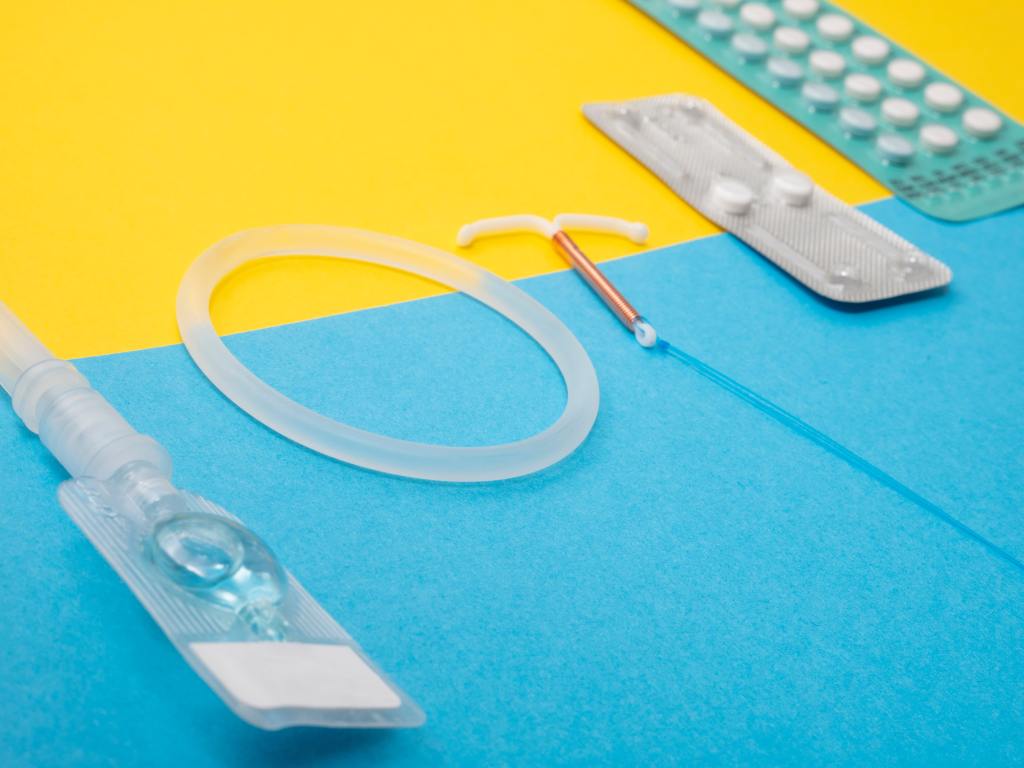













 lights camera crohn's