Now and Then: Advocating for Ukranian IBD patients through the war

Click here to read Part 1: The Humanitarian Disaster in Ukraine and What this Means for Those with IBD

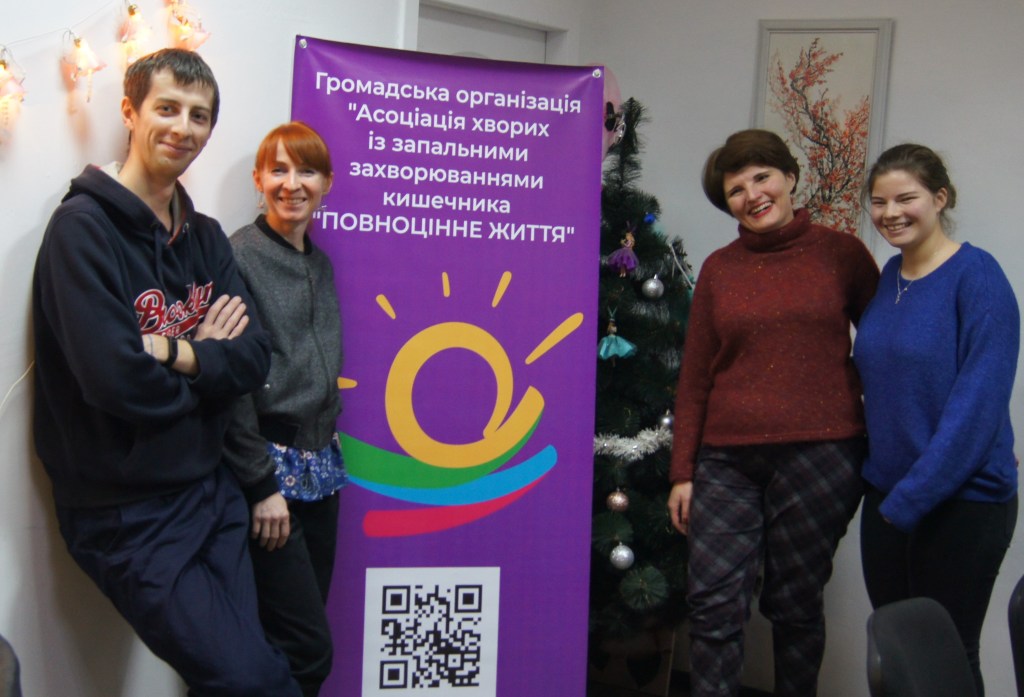
Elena Sotskova is a financier who has lived with ulcerative colitis for 21 years, her friend, Artem, works in IT and has Crohn’s disease. Elena and Artem teamed up with several other IBD patients in 2018 to launch Full Life, an organization created to show those living with Crohn’s and ulcerative colitis are not alone in their struggles. They launched a website that features helpful articles for patients, they conduct “patient schools,” and connect with doctors in different regions of the country to offer additional guidance and support for patients.

“The biggest problem in Ukraine, is that we do not have treatment programs for patients with IBD. We do not have insurance to cover medicine, and all patients buy medicines at their own expense. As people across the world living with IBD know, these medications come with a hefty price tag, making it impossible for people to afford proper treatment. This forces many Ukrainian patients to refuse treatment and eventually become incapacitated. This was an issue before the war and even more so now,” explain Elena.

Therefore, one of the main tasks of Full Life is to collaborate with public authorities, such as Ministry of Health, and advocate for rights of patients while working diligently on programs for affordable and accessible treatment.

“We had made such progress for the IBD patient community prior to the war. But I’m afraid now the war has set us back and we have to start all over again.”

The inspiration behind Full Life

Elena tells me she was inspired to create Full Life because after living with ulcerative colitis for more than two decades she’s learned coping skills and how to manage her disease. She thinks about her younger self and the pediatric patients who feel isolated, panicked, and depressed in their journeys.

“My task as a mentor is to lead by example and show that you can live a full, enriched life with this disease. I love communicating with young patients and helping them see all that’s still possible for them to enjoy and achieve.”

Full Life also provides psychological and mentoring assistance to IBD patients in Ukraine.

During this pre-war protest, Artem’s sign read “No drugs = No future”

“Prior to the war and now—the main issue is continuation of treatment. We only have one way to get treatment covered and that is through participating in clinical trials. We have about 11,000 patients with IBD in Ukraine and one third of those patients participate in clinical trials so they can treat their disease. Because of the war, many clinical trials and centers for these programs came to a halt.”

Of all the biologic drugs to manage IBD utilized across the world, the only one available in Ukraine outside of a clinical trial is Entyvio.

How the war impacted Takeda (maker of Entyvio in Ukraine)

“Unfortunately, because of the war, Takeda pharmaceutical’s company was forced to close its warehouse in Kyiv, and patients who took Entyvio are left without treatment. I am in touch with Takeda representatives, and they promised to resolve the issue of access to treatment soon.”

I also reached out to Takeda here in the United States and was told by their media relations department that they are continuing to evaluate the situation closely and are making every effort to protect their colleagues in Ukraine along with continuing to supply patients in Ukraine and elsewhere in the region with their much-needed treatments. I went on to ask how that is possible with so many people fleeing their homes and becoming refugees.

“We know that many patients are displaced, and this is an extremely difficult time for patients, their loved ones, health care providers, and countless others. Access to medications can be an issue. We are working hard as a company to offer medications to those in need through the appropriate providers of care. We also want to make sure that patients have access to direct support. Since the conflict started, we have worked with stakeholders in the country to ensure the supply chain resumes. Those under the Patient Assistant Program for IBD treatment have received their medication in Ukraine. We have also set up a web page for displaced patients with relevant contact information per therapeutic area. We encourage patients and providers in Ukraine to reach us at https://takeda-help.com.ua/#/,” said Megan Ostower, Global External Communications, Takeda.

The challenge of logistics when it comes to drug access and delivery

Most patients from Ukraine rely on mesalamine (Salofalk, Pentasa, and Asacol). Elena has been on mesalamine since she was diagnosed.

Elena with her daughter early on in her patient journey

“It’s not cheap for me, but it’s the only way I can lead a normal life and keep my illness under control. Before the war, patients had access to mesalamine at local pharmacies or they could order it abroad. Now, most pharmacies in Ukraine are shut down and there’s a huge problem with logistics. It is impossible to deliver drugs from Europe. So now, it’s nearly impossible for us to even get mesalamine.”

One of the first places Elena and her team turned to for assistance was the European Federation of Crohn’s and Ulcerative Colitis Associations (EFCCA). She says they have promised humanitarian aid from Europe.

“We are constantly in touch with Poland, Estonia, Italy, and Spain. Every country wants to help support Ukrainian patients. But Full Life does not have an account in foreign currency, only in UAH (Ukrainian currency). We never anticipated our country and people would be attacked and that there would be a war.”

I reached out to Bella Haaf is Deputy Director of the EFCCA.

She said, “Please be aware that the situation is very difficult out there. We are trying to support the patients associations as much as possible, but we are unfortunately faced with a lot of red tape. As a patient association, it is not legal for us to purchase IBD medication and ship it to our colleagues, which would be a simple solution. So, in the meantime, we are talking to the ministry levels, NGOs (non governmental associations), physicians, and pharmaceutical representatives. Unfortunately, we have experienced little progress. We had hoped to do a private collection of IBD medicines, but again this is legally not possible.”

Elena’s advice for IBD patients in Ukraine and refugees

Elena hopes all Ukrainian IBD patients fleeing the country bring their medical documents (even just a photo on your phone to prove diagnosis).

“To do this, patients need to state their diagnosis when they cross the border and advise medical professionals they need continuous treatment. If you couldn’t bring your medical documents, try and remember what doctors in Ukraine diagnosed you and prescribe your medicine. If there are problems with getting treatment in EU countries, contact Full Life and we will work to solve your issue through local patient agencies.”

For now, each day of destruction and heartbreak leaves the people of Ukraine feeling helpless, especially those with a chronic illness that requires daily management and care.

“I think now neither I nor other Ukrainian patients will be able to write a happy story. We all have the worst period of our lives right now, as our country is in war. We are now very upset and depressed. But we are glad that our American friends remember us and are worried.”

The pharmacy crisis

“What will happen next, I do not know. There are no pharmacies in the village where we live and work. The logistics from Kyiv are very difficult. No delivery companies work.” Today (March 31) Elena’s husband is headed to Kyiv to try and get her medication, which of course comes with many dangers and risks. I will share an update once one is available.

Elena tells me only about 30 percent of pharmacies remain open in Kyiv right now and that there is a “catastrophic shortage of pharmacists left” since so many fled the country.

“Now in those pharmacies that work, there are huge queues, and almost no drugs, because they cannot deliver for various reasons. If I stop taking my drug, I’m afraid it will soon be exacerbated disease. You know how stress affects our disease. This war has caused terrible stress and so many patients have it worse. There are areas in Ukraine where there is no medicine, no food, no water. For example, in Mariupol, we don’t even know if people are alive there. So many have died each day from shelling hunger, and disease. Who could have imagined this in our time?”

Using plastic bags as ostomy bags

Sadly, Elena says many of the patients she’s connected with through Full Life are no longer in touch.

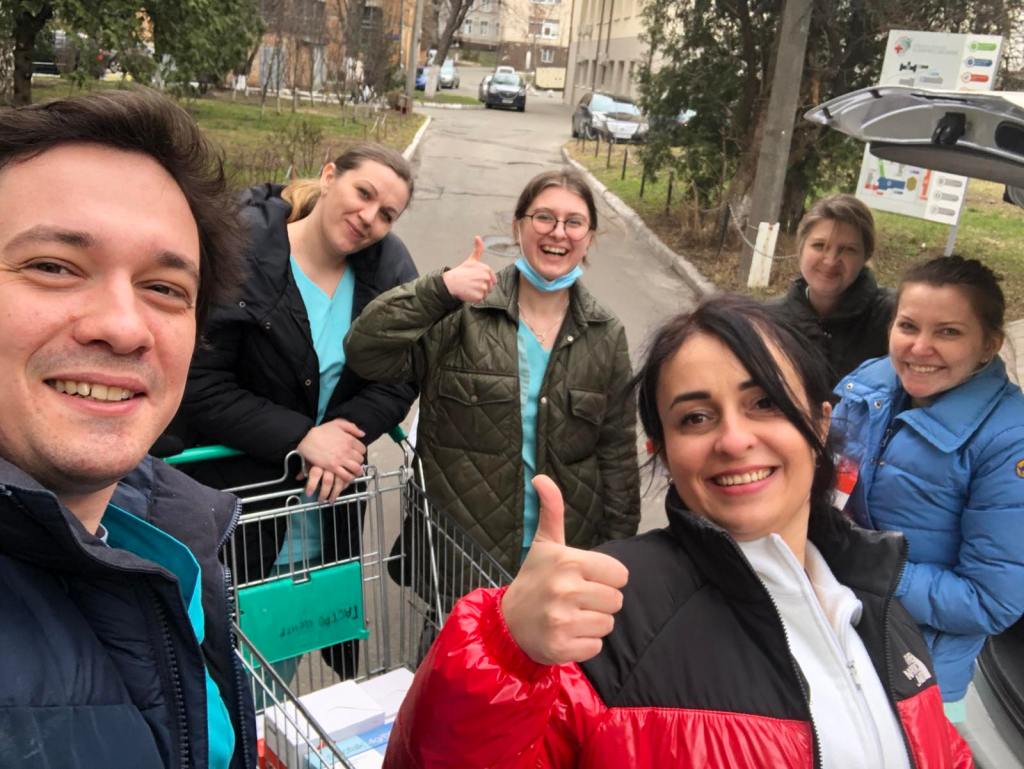
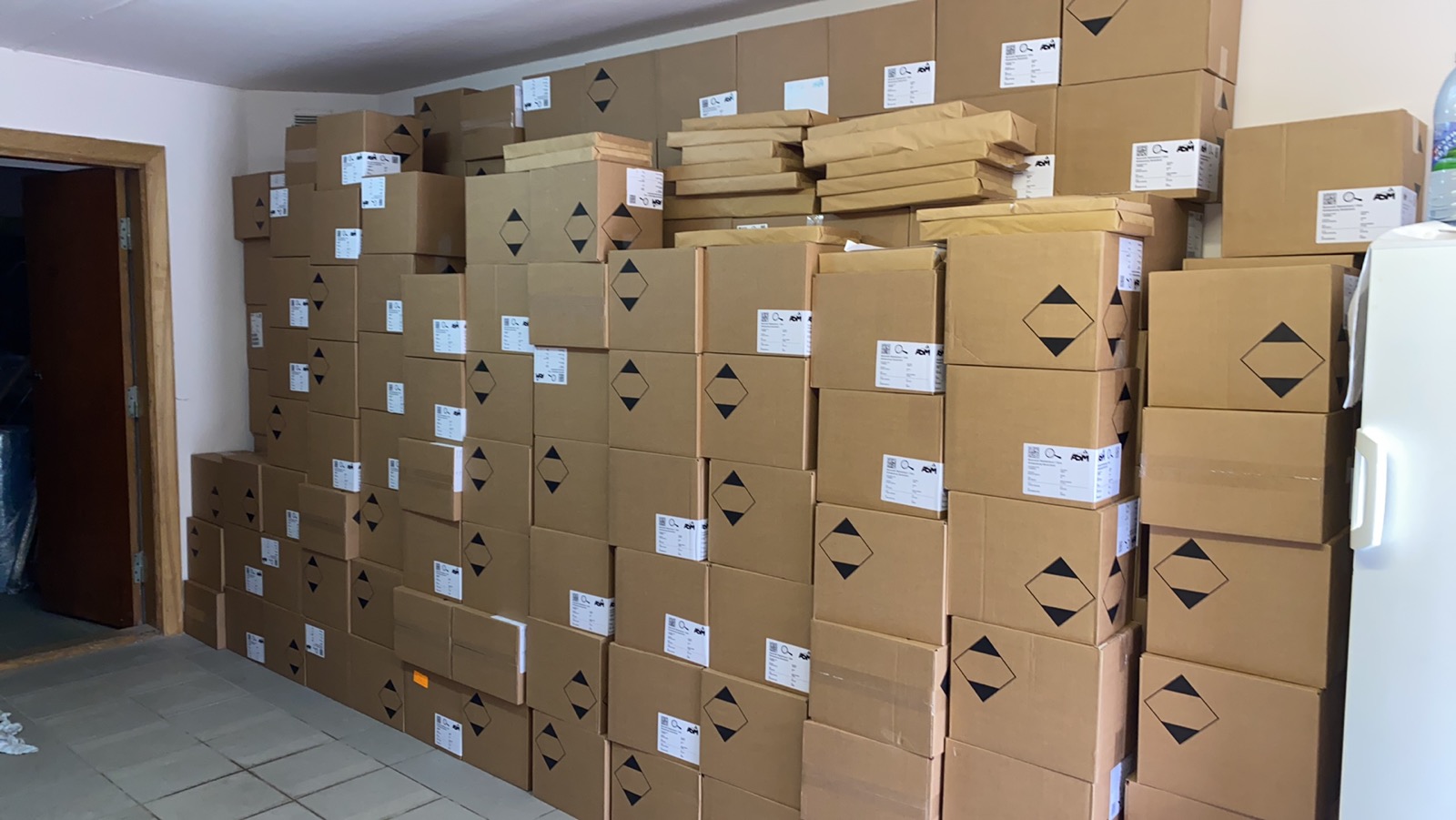
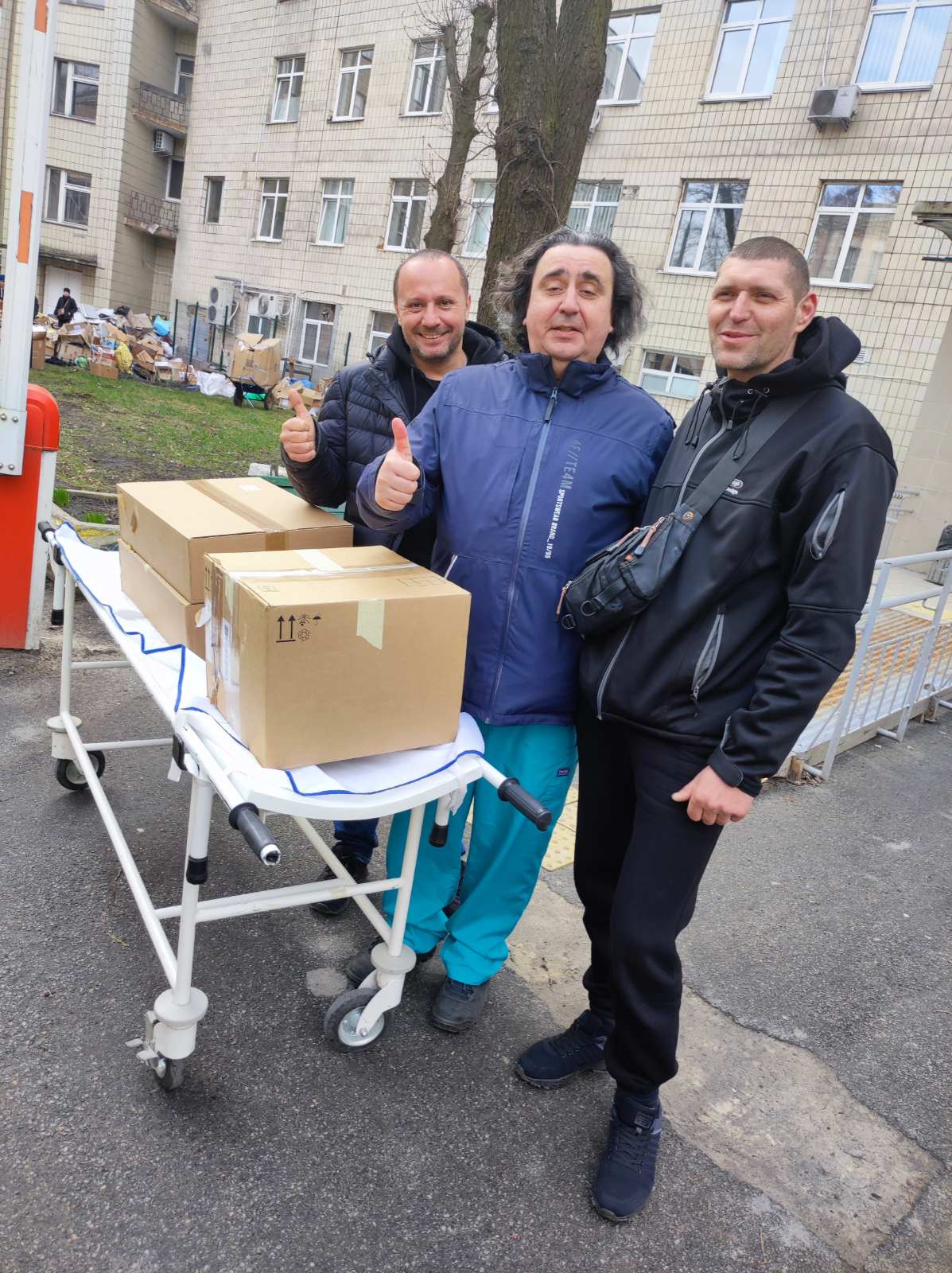
“I don’t know if they are alive. For ostomy patients, they are left without their necessary means for hygiene. Some of my peers have been gluing small plastic bags around their stomas. I am currently talking with patients and taking note of all their needs. There is a doctor in Lviv who treats patients with IBD and that is where we are having all IBD humanitarian aid sent. The Patients’ Association in Poland is actively helping coordinate the delivery of medicines and hygiene products from Europe to Ukraine as well.”

Elena says she is constantly in contact with European Associations, and they all promise to help.

“I try to be in touch with our patients, I try to support them somehow, but it is difficult. The prospects are unclear, it is unclear when this war will end.”

Regardless, Elena works tirelessly to be a pillar of support for others, even as she worries about her own wellbeing. I feel fortunate to have connected with Elena in recent weeks. Her updates and perspective are a reminder of how far IBD treatment still needs to be come in other parts of the world and of the extreme challenges so many people with chronic health conditions are facing in this war.

“As for our progress in receiving humanitarian aid, we are currently waiting on a small package from Greece. The first of two. The second parcel should arrive later. Dr Falk (a pharma company) also donated Budenofalk and Salofalk to us. And on Friday (4/1), a German non-governmental organization plans to send more of these medicines to Ukraine.Our Ministry of Health sent a letter to the Polish Ministry of Health with a list of drugs that Ukrainian patients with IBD need. We are waiting for a
reaction from the Polish side.”

The Full Life organization is a member of the Charitable Society “Patients of Ukraine” and they collect help for all patients and can be of support. Click here to see Facebook posts.

Follow Full Life on Facebook

Full Life’s Patient Group

Stay tuned to Lights, Camera, Crohn’s for continued updates and keep Ukraine and its incredible people close in thought and prayer. Thank you to Elena for her openness and willingness to email me back and forth as she lives through these extreme challenges. We’ve built a friendship from afar and I’m grateful she’s sharing the IBD patient experience through war so the rest of us can have this unique understanding and perspective.

Struggling with the physical and emotional burden of fistulas

Did you know that at least one third of patients with Crohn’s disease experience a fistula during their patient journey? For those who don’t know, this complication happens when an abnormal passage develops between the bowel and nearby organs, such as the bladder, vagina, rectum, or skin. Fistulizing disease is complicated and unfortunately remains somewhat of a taboo topic of discussion.

This week on Lights, Camera, Crohn’s we hear from 36-year-old Lisa Mason who transparently shares her experience living with multiple abscesses and fistulas through the years. Diagnosed with ulcerative colitis at only 5 years old, and later diagnosed with Crohn’s disease, she has more than three decades of experience facing IBD head on. Lisa is passionate about showing others this topic is not off limits and something that needs to be discussed more often. My hope is this article will serve as a resource to educate, comfort, and inspire.

Dealing with IBD as a pediatric patient

“By the time I was 10, my only option was to have surgery to remove my entire large intestine. Having my colon removed entailed three surgeries, four hospital stays, a temporary ileostomy, doing school from the hospital, and re-learning how to use the bathroom after the ileostomy was reversed. I thought my disease was gone, but it turns out having your colon removed is NOT a cure.”

For nearly 20 years Lisa felt she functioned as a healthy person who went to the bathroom 10-15 times a day. She had pain and abdominal discomfort off and on and was used to getting up to use the bathroom three times during the night. She attributed all this to the fact she didn’t have a colon. Then, in 2013, her symptoms took a turn for the worse.

“I noticed a “bump” near my vagina. Soon there was a second bump. I started with my primary care doctor who diagnosed it as a Bartholin cyst. I went to an OBGYN, who said they couldn’t do anything. After a second OBGYN opinion, I was prescribed antibiotics, which didn’t do anything.”

Lisa met with eight doctors to try and find someone to help her. Lisa saw a GI doctor who ordered an MRI but couldn’t see a direct tunnel to her GI tract and told her the issue was not IBD-related. For almost four years she had pus and blood constantly draining from the new “holes” by her vagina and no matter how hard she tried, she couldn’t find a medical professional to diagnose her correctly.

“Between 2013 and 2016, I had these abscesses/fistulas with no diagnosis. I was very fortunate that the abscesses made their way to the surface of my skin.”

“In sickness and in health”

Lisa got married in August 2016 and the week after her wedding, her fistula “blew up” to a huge abscess.

“Finally, a new OBGYN doctor suggested I see a surgeon who specializes in OBGYN oncology. I had three abscesses removed through surgery. Within one week of the surgery, the abscesses came back. The surgeon said, “this has to be IBD-related.”

So, Lisa went to a new colorectal surgeon. Between 2016 and 2018, she continued to have abscesses and drainage and would take antibiotics as needed.

“Luckily, they mostly drained on their own. When they couldn’t drain, I would be at home in excruciating pain for a few days until they made their way to the surface of my skin. During this time, both my GI doctor and Colon and Rectal Specialist (CRS) thought “things aren’t bad enough” to start biologics. Surgery wasn’t really an option since the fistulas were so close to my vagina. And since they continued to drain, the risk of infection was lower.”

The battle to get started on a biologic

In late 2018, Lisa’s GI doctor began the steps to get her started on Remicade. After doing all the medical testing for the insurance company, her GI decided her symptoms weren’t significant enough to start biologics. A year later, the fistula grew to an abscess the size of a large marble, again.

“For about four days, I couldn’t move without being in a lot of pain. The GI doctor and insurance finally agreed it was time to start Remicade.”

In August 2020, Lisa developed an entirely new fistula (this time the fistula was on her butt cheek). After several rounds of Flagyl and Cipro, the infection wouldn’t subside. All the antibiotics caused a C. diff infection, creating even more challenging symptoms.

“Finally, when the fistula moved closer to the skin’s surface, my CRS opened the fistula during an office visit so it would drain. I am lucky that I avoided surgery to install a seton.”

When antibiotics don’t get the job done, the next step is often seton surgery. A seton is a procedure that involves a thin rubber surgical-grade drain that goes through the fistula tract so that the cord creates a loop that joins up outside the fistula. The hope is to prevent the formation of an abscess.

At this point the game plan was to start Humira, which failed her as well.

Onto the next…biologic

Lisa then started Stelara in October 2021 and so far, it is doing the trick.

“My latest fistula has never been better! It still gets a little inflamed, and I still wear gauze every day, but it has come a long way! My other fistulas are not active. I still have one fistula that is a direct open tunnel that stool leaks out of. That fistula will always be there, but it is not irritated or inflamed. I am still working with my doctor on symptom remission. I am currently on Budesonide to help with my symptoms, and that’s working. I hope to wean off Budesonide in the next month or so.”

As Lisa comes to grips with these struggles, she says past medical trauma haunts her. Every doctor’s appointment and every procedure takes her to an unhappy place. She brings her husband or her mom to every appointment and seeks help from a therapist, but still has a tough time coping.

As a scientist, Lisa has used her career expertise to improve her communication with her care team. She has a system for tracking her symptoms, sharing the trends, and writing down her questions.

“Advocating for yourself to your doctors takes practice. Over the years, I’ve learned to track all my symptoms from number of bowel movements, diet, menstrual cycle, stress levels, etc. I created a system that works for me. Before I go to the doctor, I write down a timeline showing trends in my symptoms. I write down all the details to show the big picture. I think this has helped me communicate more effectively with my doctors and has helped create a treatment plan that works for me.

For ideas on how to communicate with your doctor to better advocate for yourself, the Crohn’s and Colitis Foundation has a great resource page on “Partnering with Your Doctor.”  

Worries and wants for the future

Despite having IBD for as long as she can remember, as she tries different biologics and forges ahead Lisa says she’s “re-learning” what it means to have a chronic illness.

“The hardest part is knowing that it’s possible I may not get to be a mom. I may not be able to have a baby because of possible scar tissues blocking fallopian tubes, having active Crohn’s, higher risks of miscarrying, a low AMH score (a fertility test that measures a woman’s ovarian reserve), past medical trauma, and my age. And if I can have a baby, I don’t know if I should. My body has been through so much already physically and mentally. Should I have a baby if I am going to be sick off and on my entire life? The thought of passing this disease on to my child is heart wrenching.”

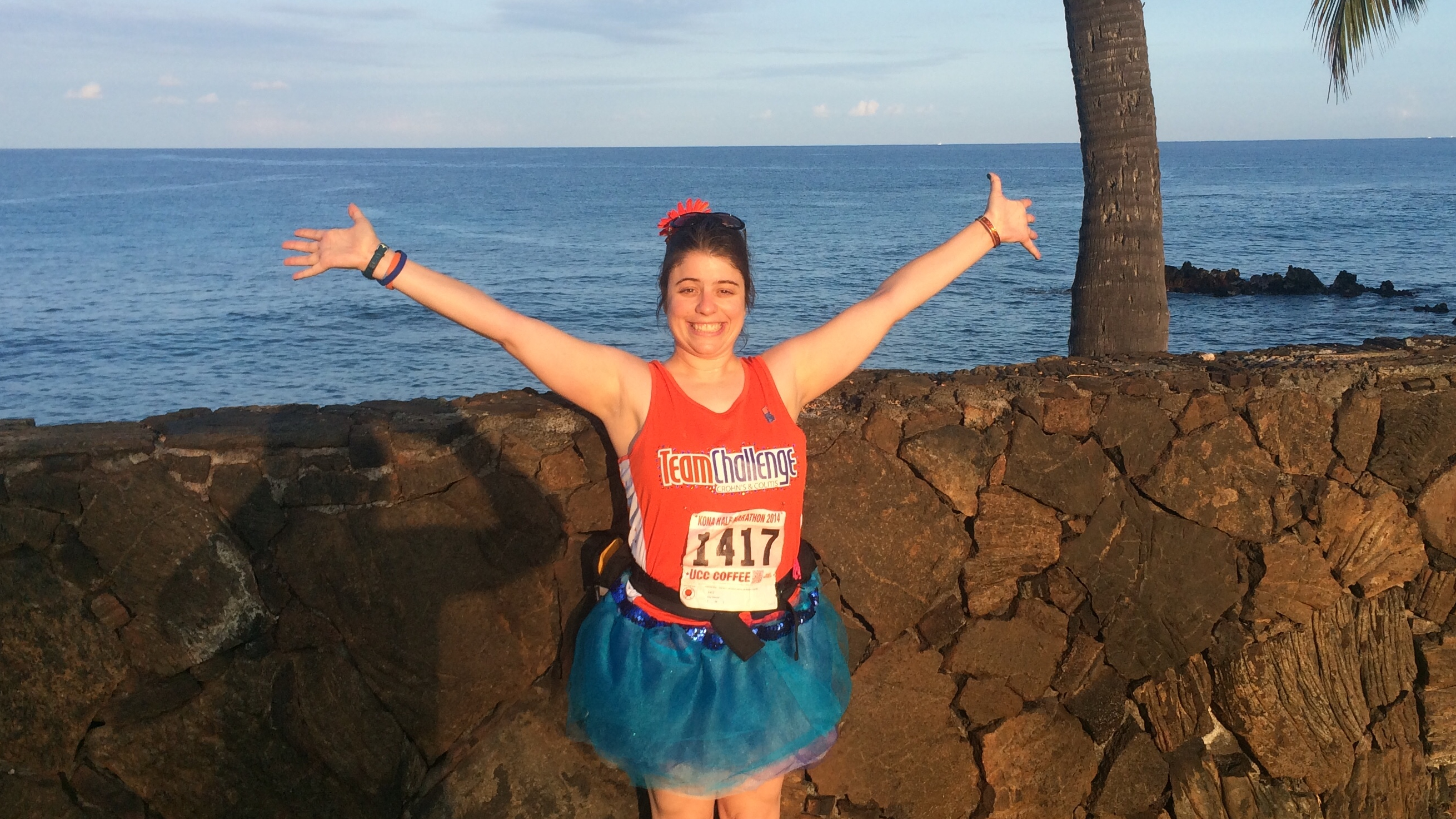
While IBD has put a halt on Lisa’s family plans it hasn’t stopped her from completing seven half marathons and raising more than $30,000 for the Crohn’s and Colitis Foundation through Team Challenge!

“Besides meeting other people with similar issues, I learned to talk about this disease openly. For most of my life, I would only talk about IBD on a “need-to-know” basis. I am forever grateful for Team Challenge, but in all my experiences with the IBD community, fistulas are commonly experienced by patients, but aren’t talked about enough.”

For anyone struggling with fistulas or IBD, Lisa recommends connecting with others who may going through the same thing.

“With social media, we have more opportunities than ever before to connect with people with similar struggles. I also recommend connecting with IBD non-profits. For me, The Crohn’s and Colitis Foundation (CCF) has been an extremely valuable resource. Between Team Challenge, Take Steps, support groups, and educational seminars and resources, there is something for all patients and caregivers. Currently, I am serving on the Patient Advisory Taskforce for CCF, and it gives me hope for future treatments and a cure someday.”

When you are struggling with your IBD, be sure to rely on your support system, like your family, and know that things will get better. Look for the little things that bring you joy even when you are feeling sick. My go-to list includes sitting outside, spending time with my family and my pets, and writing down a gratitude list.

Despite the unexpected setbacks and flares through the years, Lisa is grateful for the full life she has been able to live. She has an amazing husband, a supportive family, a career she loves, and has had opportunities to camp, hike, and travel abroad multiple times. She’s even been to Africa on multiple occasions. Ironically, her husband had to have half of his colon removed from Hodgkin’s Lymphoma (he’s healthy now!), so between the two of them, they don’t have a full large intestine. Lisa says they take ‘No Colon, Still Rollin’ very seriously!

Lisa advises people to lean on their support system and know that things will get better. When she’s feeling unwell, she tries to do activities that bring her joy such as sitting outside, spending time with her family and pets, and writing a gratitude list.

Connect with Lisa

Lisa is part of a private Facebook group “Abscess/Fistula Support for Women” which she finds to be extremely helpful.

Instagram: @birdbrain82

Facebook: https://www.facebook.com/lisa.mason.1420

Twitter: @lisamason127

Navigating new mask guidelines: What the IBD community needs to know

With mask mandates ending for most states across the country and the CDC once again changing its guidance about masking, it’s a cause for concern for many who are immunocompromised or considered higher risk for Covid-19. As an immunocompromised mom of three kids under age 5, I feel a bit uneasy about the shift in measures, even though I had Covid-19 in January. I contacted my GI this week to ask her opinion on the mask mandates lifting and navigating this time as an IBD mom. She didn’t hesitate for a second and told me to keep masking—not only for myself but because of my kids. She herself hasn’t stopped masking in public and doesn’t plan to anytime soon.

I polled my followers on Twitter and Instagram by asking: “Do you still wear a mask in public, indoor spaces?” Nearly 500 people responded. On Instagram, 69% responded “yes” to still wearing masks and 31% responded “no”. On Twitter, 88% responded “yes” and 12% responded “no”.

This led me to dig a bit deeper and hear what several top gastroenterologists who specialize in inflammatory bowel disease had to say on this controversial and politicized issue.

Dr. Aline Charabaty, MD, Assistant Clinical Director of the GI Division at Johns Hopkins School of Medicine, and the Director of the Inflammatory Bowel Diseases Center at Johns Hopkins-Sibley Memorial Hospital, offered several fantastic analogies for the IBD community. The one that really hit home to me was talking about family planning and remission in Crohn’s and ulcerative colitis. If you are flaring and want to start a family, the rule of thumb is to be off steroids for at least six months to ensure disease activity is calm. We JUST got through the rampant spike in omicron cases last month. In her opinion, going maskless this soon after that highly contagious variant is premature. She believes we need to wait longer to make sure we are out of the woods and that conditions need to be more stable for a longer period of time. Until then, she recommends those who are more susceptible in the IBD community continue to mask as an extra safety net.

“We are not out of the pandemic. Sure, there are less deaths and fewer severe cases, but people are still getting sick. We saw this happen when we let our guard down and delta hit…then omicron. When you are driving, you wear a seatbelt, follow the speed limit, try not to tailgate, and follow the rules of the road. These are all precautions to drive safely to your destination and avoid an accident. You don’t just do one thing to prevent a car accident. With Covid, we got the vaccines, we’re wearing masks, we’re limiting exposure to large crowds, and measuring risk versus benefit for each of our decisions. It’s not a pick and choose situation of how to keep ourselves and others out of harm’s way.”

Dr. Charabaty went on to say why get sick with something when we really don’t know the long-term effects. We already see Covid can cause a higher risk of depression, heart disease, and autoimmune issues.

“Wearing a mask is such a simple measure. If it adds a benefit, I don’t see why people are saying no to this. This virus can really change your body. Why not add another layer of protection to prevent illness? There are no downsides to wearing a mask, so why not wear it? When you are out and about there are people with weakened immune systems, cancer patients, organ transplant recipients, people on multiple IBD medications…why put these people at risk of infection? The more Covid is transmitted, the higher the risk of mutation, which will cause yet another spike. Each variant has been a result of people letting their guard down to soon with their decision making.”

Dr. Neilanjan Nandi, MD, FACP, Associate Professor of Clinical Medicine, Gastroenterology, Penn Medicine, agrees that while case numbers going down is reassuring, that we are not out of the woods yet. To him, a mask is a sign of empathy for others.

“It’s not about us…whether it’s a caregiver or a family member or friend, this shouldn’t be looked at as an encroachment on our freedom, but rather about showing respect for those around us. The best thing we can do is mask up. Wearing a mask in public, indoor spaces is a smart move because you don’t know the immunization status or exposures of people you don’t know. If you are planning to see family or friends and know people’s vaccination status or if they’ve recently had Covid, you might feel more comfortable not wearing a mask.”

Pre-pandemic photo-May 2019 with Dr. Nandi at Digestive Disease Week in San Diego.

Dr. Nandi reiterated the fact that we’ve learned over the course of the last two years that most of our IBD medications don’t cause an increased risk and may even be protective. While this is reassuring, if you are on 20 mg of prednisone or higher, he highly recommends you mask up as you are more susceptible to illness.

Dr. Uma Mahadevan, MD, Professor of Medicine, and Director of the UCSF Colitis and Crohn’s Disease Center, says every region of the country is different and that your location should be taken into account.

“In the Bay Area we have a high vaccination rate and a low hospitalization rate. You also have to consider the patient’s personal risk and risk aversion.”

Here’s what Dr. Mahadevan tells her patients.

  1. Follow local guidelines for masking
  1. If you are vaccinated and boosted and are in a low-risk area with no mask mandate, its ok to not mask, particularly outdoors. Indoors in crowded shopping areas, etc., I would still consider masking. However, again, low risk patient in a low-risk region, it’s ok not to mask.
  2. For high-risk patients on steroids, double biologics, severely active disease, etc. I still recommend masking.

Dr. Miguel Regueiro, MD, Chair, Digestive Disease and Surgery Institute, Chair, Department of Gastroenterology, Hepatology & Nutrition, Cleveland Clinic, is hopeful we’re headed to what we see with influenza. While of course flu can still be serious and deadly, with enough people vaccinated and exposed to Covid, we can have herd immunity.

“We’re all learning as we go and there’s a lot of “grey” with nothing very “black or white.”  For now, I am recommending IBD patients continue to mask. For those who are immunocompromised, wear a mask in indoor spaces, especially crowded spaces such as airports. In outdoor spaces, it is less clear, but masks are probably a good idea when social distancing is not possible.”

Pre-pandemic photo-May 2019 with Dr. Regueiro at Digestive Disease Week in San Diego

Dr. Peter Higgins, MD, Ph.D., M.Sc., Director of the IBD Program at the University of Michigan, says if a person is unvaccinated, masks are a must. He encourages you to talk with your doctor about Evusheld, a monoclonal antibody against Covid-19 for immunocompromised people and those who cannot be vaccinated for medical reasons.

“If the county you live in is below 10 cases per 100,000 people (CDC is saying 200/100,000 for the non-immunosuppressed), then you can consider not wearing a mask. But admittedly, this is an arbitrary number and 200 cases for every 100,000 people seems too high for the immunocompromised population. Especially if you are around kids, the elderly, or those who have not been able to be vaccinated, showing solidarity and wearing a mask is highly recommended.”

He explained that eating indoors with good ventilation is OK, but that is it hard to prove unless you have a CO2 monitor that can show a consistent CO2 ppm (parts per million) < 650. To give you an idea, Las Vegas casinos have good ventilation systems in place to keep restaurants free of smoke and those measure between 400-450 ppm. Dr. Higgins still recommends people do a rapid test within 12 hours of gathering with friends and family. He adds that as we learn more about long Covid and new variants guidance may once again shift.

Dr. Harry J. Thomas, MD,Austin Gastroenterology in Texas, also recommends patient who are immunocompromised (especially those on anti-TNF’s, prednisone, and other immunosuppressants) to mask up.

“I empathize with people who are worried about being judged by others and I recommend that they share — if they feel comfortable — that they (or their family member) have a chronic disease that places them at higher risk. I do feel that abandoning masks right now is premature, especially here in Texas as well as in other parts of the country with lower vaccination rates. I’m not sure if/when there will be another spike, but we still have about 2,000 COVID deaths each day which is really tragic and indicates that the pandemic is far from over.

My personal take

Personally, my husband and I still wear masks in public, indoor spaces. Our children who are in preschool are one of the few who are still wearing masks at their school. While I understand each person has the right to make their own personal decision for themselves and for their families, it’s disheartening and honestly disappointing to see the lack of care for others who are not fortunate to have the luxury of being healthy. I can’t tell you when I’ll feel safe enough to go into a grocery store or the mall without a mask on, it’s going to take time and assurance from my care team that I’m not making a rash decision that could put myself, my family, or even strangers at risk. It’s complicated. I get it.

My daughter at preschool this week. Still masked up.

When you’ve lived with a chronic illness like Crohn’s disease for nearly 17 years and been on immunosuppressive drugs ever since, your perspective shifts. You quickly realize you are not invincible. You recognize and empathize with those who have health struggles and depend on the greater good to make sound decisions. It’s a small act of kindness for the sake of health and safety. Talk with your care team about navigating this new normal. Don’t base your judgements on social media, the news, or your political beliefs. This is an ever-evolving discussion. It’s been a long two years. We’re all tired. But that doesn’t mean apathy is the answer. You may not care, but you are making a statement to those who are vulnerable when you go maskless indoors.

It’s ok to be unsure. It’s normal not to want to be judged or feel your kids will be outcasts if they’re the only ones at school masking. It’s understandable to feel a bit lost about what is best. But if a mask makes you feel comfortable, safer, healthier, you do you. Know that the medical community and so many others stand in solidarity with you.

Focusing on what you can control: How this IBD Dad takes on Crohn’s

When Marquis Ellison met and began dating his wife, Tasheia, in 1999, they were juniors in high school. The couple tied the knot 13 years ago. One year into marriage, Marquis started to experience weight loss, fatigue, anemia, abdominal pain, stomach cramps, and loss of appetite. He dropped to 100 pounds! They were on an anniversary trip to Los Angeles when his symptoms started to become unbearable. After the trip, Marquis was diagnosed with Crohn’s disease. He was 26 years old.

“Upon being diagnosed, I felt a sigh of relief in knowing what the condition was and starting on the right medications. I owned it and decided to beat it by how I live, educate and inspire others.”

Tasheia has been by Marquis’ side every step of the way. Every colonoscopy. Every flare. Every doctor appointment. He thanks God every day for a wife who truly exemplifies what it means to be a partner in sickness and in health.

Focusing on faith and family

Marquis keeps busy as a husband, father, and personal trainer. He gives all the credit to God.

“Faith is the cornerstone of who I am and why I have the outlook I have with Crohn’s. If God wants to completely heal me, I know He can. But if not, I know He’ll give me the strength to endure and I’m at ease with that. There’s always a greater good for what we go through and if my journey living with Crohn’s disease can inspire and encourage others, all praise to the Most High!”

Since becoming a father three years ago, Marquis says his faith and his son are his “why” …why he’s so enthusiastic about doing all he can to take care of his body and controlling what he can.

“Being a dad is the greatest gift and blessing. Knowing this little person is your responsibility. I want my son to see that while I have IBD, I don’t let it stop me and set the example he can follow when faced with life’s unpredictability. My son witnessed me running the marathon cheering me on at mile 22 and the finish line. When we got back home, he wanted to wear my medal. I asked him if he wanted to run a marathon in which he replied, ‘yes’. That was a great feeling knowing I’ve inspired my son despite my condition.”

Shout out to IBD men

When you hear about people’s IBD journeys, it’s more common to hear from women, even though Crohn’s disease and ulcerative colitis impact genders equally. Marquis wants men to recognize they are not alone and to speak up and tell their stories.

“Your story matters. Your voice matters. Speaking about your health and opening up doesn’t make you any less of a man, it only enhances it.”

As a Black man, the lack of representation, and health disparities, span far and wide. Marquis wants you to know you are not alone in your struggles.

“Our voices matter. The more we advocate, the more we’ll show that Black and Brown communities are affected with IBD and should be represented more often. I’m proud to be an ambassador with Color of Crohn’s and Chronic Illness (COCCI), where we’re working to bridge the gap and lack of representation.”

Running for a reason

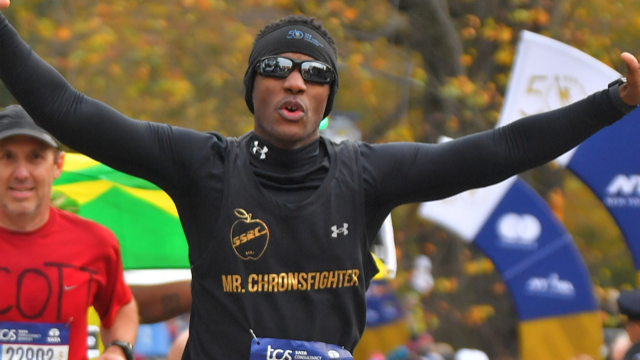
Marquis recently completed the New York City Marathon in November. He says it was the toughest and most victorious accomplishment he’s ever experienced. His race shirt read, “Mr. Crohn’s Fighter” to represent all IBD warriors and show that you can still do remarkable things, despite your disease. Life with IBD is a marathon, not a sprint. That mentality prepared Marquis for the race.

“Living with IBD is unpredictable. The unpredictability of a flare up or foods not agreeing with you always feels like something is looming. When running, you never know how the course or weather will be. You can train hills or in the rain, but you may still face adversity you didn’t prepare for. With running and with Crohn’s disease, it’s all about mindset and the ability to adapt and repeatedly overcome. Focus on your current reality and not on what hasn’t happened or what could happen.”

He’s currently training to run the New York City Half March 20th, 2022.

Focusing on what you can control

Marquis manages his IBD through fitness, nutrition, mindset, and by taking Cimzia, a monthly self-injection. He’s all about controlling what you can and not succumbing to your circumstances.

“Life is 20% of what happens to you and 80% of how you respond to it. I choose to focus on the 80% by controlling what I can. I always say, I have Crohn’s disease, it doesn’t have me. IBD may try and take me down, but it will never knock me out.”

Connect with Marquis:

Instagram: @mr_crohnsfighter09

Working with IBD: Tips for a Successful Career

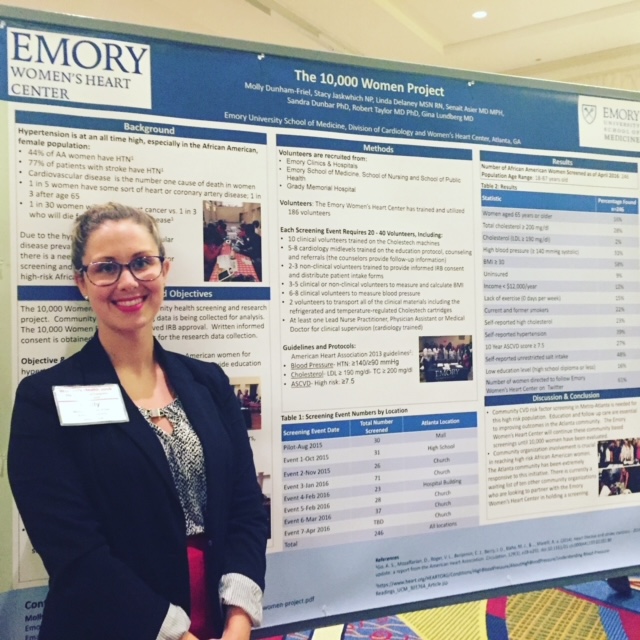
Work life balance takes on a whole new meaning when you have chronic illness. Molly Dunham-Friel can attest to that. Diagnosed in 2012 with ulcerative colitis, one year after receiving her undergraduate degree, Molly was forced to begin her professional career with unexpected titles she was just getting accustomed to—IBD and IBS. Molly remains just as ambitious and aspirational as she was prior to her diagnosis, but undoubtedly has experienced common roadblocks that come along with living with chronic health conditions.  While the career detours were not always welcome, the experiences Molly has had over the last nine years blossomed into finding what she is truly passionate about.

This week on Light’s Camera Crohn’s we take a close look at having IBD in the workplace, whether you work in an office or at home.

Quite the Go-Getter

While IBD is unpredictable, one constant in Molly’s life has always been her go-getter attitude. She tells me she’s been known to work multiple jobs since the age of 15.

“I am not very good at slowing down and I get frustrated when anything gets in my way, including being chronically ill. The one professional aspiration that I have always held is my drive to help people in need, the marginalized, the forgotten, the invisible, the ones who truly need my help.”

Since her ulcerative colitis and IBS diagnoses, Molly has worked full-time, while often holding additional part-time jobs. At one point she was working five jobs, simply to pay for her healthcare costs! Molly says life got more complicated and extremely overwhelming once she turned 26 and could no longer be on her parents’ medical insurance

“It was stressful and defeating because now I had added pressure to hold a job that provided me with affordable medical insurance to get the care I need as a chronic illness patient. IBD is extremely expensive to manage due to the medication, procedures, doctors’ visits, labs, you name it, it costs a lot. This felt heavy as a 26-year-old still learning how the world works and how I wanted to make the world a better place.”

Molly has had to leave jobs she enjoyed to go to companies with better benefits, which also came with less satisfaction.

“I have been stuck in jobs solely because I needed the cost controlling benefits the organization offered. I have had to say no or not apply to amazing jobs and organizations because the benefits would not cover my chronic illness needs enough where I could afford it. I feel like my health insurance needs as a chronic illness warrior trump my career aspirations, which feels suffocating and leaves me frustrated. I want to do what brings me joy and not just what brings me healthcare coverage.”

New purpose, new goals

After starting her blog, Better Bellies by Molly, beginning to volunteer with the Crohn’s & Colitis Foundation, and connecting with amazing warriors via social media. Molly realized her passion for helping to support the IBD community.

“My goal is to support, educate and empower chronic illness patients, particularly those living with IBD and IBS, so they don’t feel alone, like I did upon my diagnosis. I am also passionate about helping patients feel empowered to advocate for their health. I haven’t figured out how I will turn this into my career, but blogging and social media is a great start!”

Advice for those with chronic illness nervous about working

There is no sugar coating how hard and demanding it is to work full-time on top of the full-time job of managing chronic illness life. Here is Molly’s advice:

  • No job is worth your health. Put your health first whenever you can.
  • Know your rights. IBD and IBS are both conditions listed in the American Disability Act. If you are discriminated against due to your IBD or IBS, speak to someone you trust to fight for your rights. Depending on the organization, employees with disabilities can submit formal paperwork to receive reasonable accommodation, which is any modification or adjustment to a job. Like most things with chronic illness, there is a lot of paperwork involved, but reasonable accommodation is one mechanism to look into in addition to going to HR and asking what other accommodations your employer offers.
  • Who you work for matters. Having an empathetic and compassionate boss and supervisor makes working full-time while chronically ill more enjoyable.
  • Disclose what you wish to disclose when you wish to disclose it. I currently find disclosing my disability status/medical conditions helpful so that my leadership can support me, but it took me six years to get to this level of confidence speaking about my chronic illness life. Give yourself time and grace. I have not always been met with compassion and understanding so follow your intuition and share when you feel ready. I have only held two jobs in the last 10 years where my diagnosis was discussed prior to being hired and onboarded and one of those times it was because my diagnosis related directly to the work and the other was because my advocate work made its way onto my professional resume and after sharing my story online and growing comfortable talking about it.
  • The more flexibility the better! Ask about work life balance ahead of time. It is especially hard to work an 8:30-5 job which a chronic illness because work hours directly conflict with when doctors’ offices are open and operating. Most medical facilities outside of hospitals are not open for routine or diagnostic care on nights and weekends so the more flexibility your work will allow, the better.
  • Follow your passion, even if you must detour. I have had so many career detours due to my health insurance needs and flare-ups, but I have never stopped pursing my passion for helping others, even if that meant starting something of my own outside of my full-time work.
  • Working full time is hard, working fulltime while chronically ill is harder. Juggling work alongside appointments, sick leave, flexible scheduling, and economical health benefits can be overwhelming. These can be hard to find, but as chronic illness patients we are no stranger to doing hard things.

The new perception of working from home

The pandemic has helped companies, organizations, agencies, managers, supervisors, and senior leaders recognize that so much can be accomplished and in many instances that more can be accomplished, by working from home, teleworking more often, and commuting less. It’s not surprising that companies that have pivoted into a more flexible scheduling system will be more likely to retain top talent, including us chronic illness warriors!

“I wish it didn’t take a global pandemic to teach the world that we can work from anywhere, that we can be trusted as employees and that yes more flexibility might actually make us better employees. I think the perception of working from home has drastically shifted and is no longer viewed as an “easy way out” or something that will lead to employee’s “slacking off.” However, I have realized that while many companies and leaders have made this shift, not everyone has and that there is still much room for improvement.”

Working from home benefits patients with IBD and IBS by:

  • Being able to use our own bathrooms, with our preferred toilet paper and easy access. No longer fearing if the bathroom is occupied when the moment hits.
  • Not commuting lowers stress and gives us back the time it takes to travel back and forth each day.
  • Being able to work while feeling ill is easier when in the comfort of your own home, with your blankets, heating pad and supplies to help keep your body as comfortable as possible, while also getting work done. Many times, this would not be possible in an office setting.
  • Leaving the house can be anxiety producing for those with IBD and IBS due to the often very sudden need to use the restroom. Being able to work from home can diminish that fear.
  • Having access and privacy for administering medications throughout the workday is easier done at home.
  • Allowing flexibility to work around doctor appointments, infusions, lab work, procedures, you name it.

Breaching the subject with a boss or superior

Much like the stress surrounding when to tell a love interest about your health conditions, knowing when to the tell a boss you have IBD can be worrisome as well.

Here are Molly’s tips for approaching the subject:

  • Unless an emergency is forcing you to disclose your condition, I recommend sharing when you feel comfortable to do so.
  • Begin by asking if they know what your condition is “Have you ever heard of IBD? Do you know what IBD is?”
  • Based on their answer, follow-up with education and explaining how your condition impacts your life.
  • A good supervisor will ask you how they can support you. Be prepared to ask them for what you need which might be a flexible schedule or understanding that your illness is invisible, and you are in fact a motivated and loyal employee.
  • Sharing is not for everyone, but you might be surprised who else at work is dealing with a chronic illness, bosses included.

IBD Wins in the Working World

*Having bosses who support you personally and professionally lowers stress which supports optimizing mental and physical health.

*Finding ways to unwind—whether it’s exercising, taking Epsom salt baths, or going to therapy.

*Use each professional experience to help shed light on where your passions lie. You’re constantly learning what you like, what you don’t like, and each experience helps to inform the direction your career will take.

*Celebrate all the wins—large and small.

*Be mindful of how your employer handles a hospitalization, flare up, or surgery. It’s telling to see how your work family supports you or doesn’t in times of need. Your health should always be the top priority.

*While chronic illness may hijack where you thought you would be in your career, it may help dictate what you enjoy doing.

“As chronically ill workers we need to voice our needs and push for systems to change so that we can break down barriers, make working more accessible to the chronic illness community, and to obtain and retain talented chronic illness employees.”

Key Takeaways

  • It won’t be easy, but you can do it!
  • Feel empowered to stand up for yourself.
  • You deserve to be accommodated in the workplace and it is not a weakness to have a disability or need special needs.
  • Chronically ill people belong in the workforce.
  • You can still achieve your dreams after diagnosis, they might just look different.
  • Your career path might not go according to plan, and that is ok.
  • Follow your passion and heart whenever possible.
  • Working full time isn’t the answer for everyone.
  • Give yourself grace.
  • No job is worth your health.
  • If a job is making you sicker due to stress, toxic environment, or lack of flexibility, work towards changing that situation.
  • Your aspirations, dreams, goals, and plans will shift over time. Honor where you are and how far you have come!

Connect with Molly

Instagram: @betterbelliesbymolly

Facebook: Better Bellies by Molly

YouTube: Better Bellies by Molly

Mom, Model, and Ostomate: Seeing Life Through the Lens of IBD

When she’s not on the runway during Fashion Week or gracing magazines, Keyla is doing all she can to be an advocate for IBD. She was diagnosed with ulcerative colitis eight years ago, but this year, she found out she has Crohn’s disease.

“As a child, I always had intense stomach aches, and difficulty going to the restroom. Sometimes I’d even pass out. Doctors always told me it was constipation. It wasn’t until I was at work one day and passed out that my boss convinced me that I needed additional medical attention.”

At that point, Keyla was having 8-10 bloody bowel movements a day. Prior to ulcerative colitis, she was diagnosed with celiac disease and went on a strict gluten free diet. But unfortunately, the symptoms persisted. She got a second opinion and that’s when she was diagnosed with IBD. Keyla recalls that in the beginning moments of her patient journey she struggled to grasp that chronic illness meant her disease was a “lifelong partner” and that IBD would change her life in unimaginable ways.

The journey to an ileostomy

Fast forward two years after her IBD diagnosis and Keyla rushed to the hospital after noticing unexplained bleeding. Turns out she was hemorrhaging from her uterus and was told she had uterine cancer.

“After having a partial hysterectomy and no longer being able to have children, I’m not sure if it was the stress from everything happening but my UC was never able to be controlled after that. From failed medications like Methotrexate and Remicade to looking like Quasimodo from eye swelling caused by Entyvio and having less hair than a toddler from being on Humira. My body and I had enough. My clinical team and I decided it was time to evict my colon.”

In September 2018, Keyla began her 2-phase j-pouch procedure. Unfortunately, the surgeon discovered her colon was much more diseased than he had thought. Keyla’s colon had become fused to her stomach, resulting in part of her stomach to be removed as well.

“For 2 months I felt amazing with my ostomy and was excited for my reversal in December 2018. But shortly after, I began developing chronic pouchitis, could not gain weight, required IV fluids regularly, with a failed midline and then needed a central line. We decided to disconnect my j-pouch and create my end ileostomy in September 2020.”

All was well until January 2021 when Keyla started bleeding from her ileostomy. It was at this point she was diagnosed with Crohn’s disease and started Stelara. After a few hospital stays and some improvement with her symptoms, she began to experience an increase in rectal pain, urgency, and discomfort, so Keyla needed yet another surgery.

October 27th (less than one month ago!) she had her j-pouch removed with a proctectomy and officially made her stoma permanent. She’s recovering from this surgery as we speak.

How Modeling Came into Play

After reading that challenging medical history, you may wonder how Keyla finds the time to focus on a profession. Modeling is something Keyla always wanted to do when she was younger, but she was too embarrassed to tell anyone. She sort of stumbled into it. Keyla had done a fun photoshoot with a friend and those photos were shown to another friend who works in the fashion industry. Before she knew it, Keyla was a published model!

“Sometimes I still can’t believe I’m living my dream despite having health issues. I had the honor to walk at London Fashion Week this year and have been published in magazines out of the US, UK, and Canada.”

SURREAL Lifestyle Magazine and 4 Seasons Magazine have been her favorite features thus far because the publications have allowed her to speak about her IBD advocacy work. Modeling serves as the perfect platform for spreading awareness to others about ostomies and life with Crohn’s. 

“I always try to take the time for myself and make sure I am doing the things my mental health needs to stay focused and feel well. I also try to own those feelings. If I’m symptomatic, I try to accept it and openly communicate my struggles with others.”

Keyla says having an ileostomy can make modeling a bit more complicated, especially if she has to wear form fitting or tight clothing. If that’s the case, she ends up having to empty her bag more times than she really needs to. She’s grateful her modeling gigs have followed strict COVID guidelines, which helps her feel more at ease during these uncertain times.

When a project allows, she especially enjoys getting to show her ostomy in photos or on the runway. She chalks that up as her biggest career win of all!

A model mother

Keyla’s main focus whether she’s modeling or fighting a flare in the hospital is her family. She has an 11-year-old son who inspires and motivates her to push through the difficult days.

“IBD has made motherhood challenging. Without chronic illness motherhood can be difficult as it is, adding health issues on top of it makes it more complicated. I constantly question whether I’m making the right choices. But I also tell myself all I can do is try and hope that I’m being a good role model for him.”

It pains her to see how her son gets anxious about her IBD and healthcare. He’s been by her side every step of the way since she was diagnosed after he was born. Despite the highs and lows, Keyla feels her son is stronger because of her illness and has an innate sense of empathy and understanding for others.

If her IBD has taught her anything it’s that good days give us happiness and bad days give us experience. Modeling has enabled Keyla to be comfortable in her own skin and live the life she imagined long before Crohn’s was ever a part of who she was.

Connect with Keyla:

Instagram: Keyla.ic

Twitter: @keyla.ic

Inaugural Autoimmune Summit just what the patient ordered

This post is sponsored by the Autoimmune Association. All thoughts and opinions shared are my own.

An educated patient is an empowered patient. Over the weekend the Autoimmune Association presented its Inaugural Autoimmune Summit that aimed to do just that. The virtual two-day event featured 23 educational sessions and more than 50 autoimmune experts including physicians, nurses, policy experts, and of course, patient advocates.

The Summit covered a wide variety of important topics that impact patients and caregivers who live with autoimmune conditions. I had the opportunity to moderate a panel discussion about fertility, family planning, and pregnancy alongside Dr. Marla Dubinsky, Chief of Pediatric Gastroenterology at Mount Sinai and Co-Director of the Susan and Leonard Feinstein Inflammatory Bowel Disease Clinical Center and Mariah Leach, a mom of three who lives with Rheumatoid Arthritis and Founder of Mamas Facing Forward. As an IBD mom of three chidren myself, I’m extremely passionate about sharing guidance and support for fellow women on this subject.

During the discussion, Dr. Dubinsky touched on many aspects of the journey to motherhood and beyond with IBD, but one comment she made resonated with me. She said the greatest gift a woman can give their child, is to stay on their medication, and allow their baby to thrive in an uninflamed environment. As someone who needed and depended on my biologic with all three of my pregnancies that comforted me greatly and really struck a chord.

Other topics of discussion during the Summit included tips and tricks for managing multiple specialists to clinical trials, health equity, advocating on Capitol Hill, and complementary medicine.

A dream come true

Lilly Stairs, Vice Chair of the Board of the Autoimmune Association and Summit Lead, lives with Crohn’s disease and arthritis. As a patient advocate, she understands the vital importance of providing those who live with chronic health conditions to share their voice and articulate their needs and struggles.

“It has been a dream of mine and the Autoimmune Association’s to plan an event that unites community members from across autoimmune conditions. Our patient odysseys share deeply rooted similarities. By coming together, we can accelerate autoimmune education, awareness, advocacy, treatment, and someday, cures.”

Goals of the Summit

The goals for the Summit were three-fold. Organizers and presenters like myself hope you walked away feeling connected to people across the patient community, while learning tangible tips for managing your autoimmune conditions. Lastly, the hope is that attendees and Summit participants feel energized and excited about what the bright future holds for those living with autoimmune diseases.

Lilly went on to say, “Events like the Autoimmune Summit are essential engagements for patients and caregivers to participate in. These events provide tools to navigate life with chronic illness and empower patients with the knowledge they need to be “CEO, secretary, and treasurer of your care” as Hetlena Johnson, Lupus Patient Advocate so eloquently stated in the Managing Multiple Autoimmune Conditions panel.”

Events like this are a reminder that we are not alone in our journeys. Even though chronic illness can be extremely isolating, events like the Autoimmune Summit offer the opportunity for connection that often feels like much needed chicken soup for the soul. The camaraderie that is possible even though Zoom has a lasting impact on helping to lift the burden and self-doubt many patients face.

From the Speakers

Tina Aswani Omprakesh participated in a panel on complementary medicine and autoimmunity. As an ostomate who juggles Crohn’s disease, Gastroparesis, and IBS, she knows firsthand how imperative it is to take on illness with multiple approaches.

“This is an important subject that’s often not discussed in the autoimmune space. The reality is that many patients are thinking about exploring it but don’t know how to navigate it in a way that can help complement their existing therapies. These conversations are essential to proliferate both credible information and sources of complementary therapies so patients can truly live their best lives possible.”

Molly Schreiber lives with Type 1 Diabetes, Rheumatoid Arthritis, and POTS. During the Summit, she spoke about what it’s like to manage multiple autoimmune conditions.

“Anytime I can share my story, my hope is that attendees feel less alone in their battle with chronic illness. We may have different health conditions, but our fight is often the same—pain management, medical providers who listen, and affordable medications we can easily obtain.”

Alisha Bridges is a patient advocate who lives with Psoriasis. She participated in a breakout session geared towards dermatology. She says having the chance to speak at the Autoimmune Summit was an honor.

“I hope my story helped viewers to better understand the unique challenges of living with psoriasis as a woman of color especially in the clinical trials sphere. These conversations are imperative to elicit change for better care of patients of all backgrounds.”

Curtain Call

It’s our hope attendees discovered tips for managing autoimmune disease from patient advocates like myself who understand your reality, while also learning about the latest research and future treatments on the horizon.

Did you miss tuning into the first-ever Autoimmune Summit? No worries! All the presentations were recorded and will be shared in the weeks ahead. I’ll be sure to share the Fertility, Family Planning, and Pregnancy discussion I was a part of on my social media channels as soon as the video becomes available.

Thank you to all who tuned in, to all who participated, to the organizers, like Lilly, and the generous sponsors who made this happen. It’s amazing to see what’s possible when patients have a proverbial seat at the table alongside medical professionals and digital health companies. Our voices matter and time and time again we’re being heard loud and clear.

Follow the Autoimmune Association on social media

Instagram: @autoimmune_diseases

Twitter: @AutoimmuneAssoc

Facebook: Autoimmune Association

IBD Motherhood Unplugged: Fully Vaccinated and Pregnant with COVID

It’s safe to say IBD mom, Amanda Pennewell, is grateful she’s days away from welcoming baby number four into the world. Despite being fully vaccinated, she came down with COVID when she was 34 weeks pregnant. Amanda was diagnosed with Crohn’s disease 20 years ago when she was only 8 years old.

Amanda is no stranger to being on a biologic during pregnancy. She was on Humira with her twins and over the course of the last two years she was on Stelara with her second pregnancy and her current one. It’s one thing to be an immunocompromised pregnant woman, I can attest from personal experience, it’s extremely worrisome when living through a pandemic and worrying about your IBD and the possibility of COVID turning your life and that of your unborn child upside down.

Coming Down with COVID

One second Amanda’s oldest daughter, Brooklyn, was at a friend’s birthday party being her energetic, sweet, self and when they arrived home, she laid down on the couch and said she was freezing. Brooklyn had a low-grade fever. A few days prior her 17-month-old, Caroline, also had a fever.

“I didn’t think anything of it until a friend from school called to tell me her son tested positive for COVID after being seen for a low-grade fever that lasted six hours or so. My husband went to get some at home rapid tests from Walgreens. It was late, and I was supposed to have him help me with my Stelara injection that night. I figured I needed to wait until I could contact my GI doctor to inject if it was positive. It was.”

Amanda was in a state of shock. Her and her husband had both been fully vaccinated for months. At the same time, given the nature of mom life, once her daughter tested positive, she felt it was inevitable she would, too.

Navigating a biologic, pregnancy, and COVID

When Amanda’s GI heard she had COVID, she recommended she delay her Stelara injection for the time being to see how she did during the quarantine period. Amanda’s initial symptoms were a sore throat and a headache.

“I kept in touch daily with my GI doctor and her nurse via phone and email. They were very worried about me—especially because I was about 34 weeks pregnant. I ended up waiting two weeks after my daughter and I tested positive before I did my Stelara injection. I had been symptom-free for a week at that point, and they knew I would be okay to inject then.”

Along with herself and her daughter, Amanda’s husband and dad also tested positive. But Amanda says out of everyone in their inner circle, she felt the worst.

“My symptom list continued to grow each day. The first day the sore throat and headache were my only symptoms. I then developed a cough and muscle soreness and pain. I took about four-six baths/showers each day and took Tylenol to remain functional. I had extreme fatigue and ordered a pulse oximeter to monitor my oxygen level. I had a low-grade fever. I also lost my smell and started to lose my taste. My OB doctor had called me and said I was eligible for a monoclonal antibody infusion, and they would recommend it for me since I also have Crohn’s disease.”

Amanda took a few days to think it over and discussed the infusion with her GI, who recommended she receive it as well. After getting the 30-minute antibody infusion, Amanda felt worse. Her fever spiked and she was shaking. Luckily, by the evening she turned the corner and started feeling significantly better.

Advice for Fellow IBD Moms

COVID caused Amanda to miss one of her high-risk ultrasounds, but she was able to get a scan at 36 weeks. She’s grateful baby girl is looking great and measuring right on target despite all she’s been through during this pregnancy.

“My advice to fellow pregnant IBD moms would be to stay in close contact with all of your doctors, even if you think they can’t help you. I normally just try to keep my primary and my GI doctor informed when I’m sick with something, but since I had to cancel my OB appointment, they knew I was exposed and then knew, I was positive. They were the ones able to set up the infusion for me. Had I not called, I wouldn’t have known about the infusion and that it was available for me. I don’t want to think about what could’ve happened if I hadn’t had that option.”

Amanda is hopeful her daughter will come into the world with solid antibodies given that she was pregnant with her when she received her second Pfizer vaccine, plus the fact she had COVID and received the monoclonal antibody infusion.

Connect with Amanda on Instagram: @thepennegram

Baseball Player Brennan Metzger Fields Questions About Life With Crohn’s Disease

There’s more than meets the eye when you’re watching a Chicago Dogs baseball game. Outfielder Brennan Metzger was diagnosed with ulcerative colitis when he was 19 and later re-diagnosed with Crohn’s disease at age 24.

He’s now 31-years-old and didn’t allow IBD to steal his dreams of playing in the big leagues. Unfortunately, his most challenging flare-up happened the first summer he was a professional baseball player. Brennan was drafted by the San Francisco Giants in 2012 after graduating from Long Beach State University. He ended up playing for the Giants until 2015, but his health was not cooperating during that time.

“The flare ups are very difficult, and unfortunately for me it cost me a year and half of my career, but more importantly it almost cost me my life. I needed a total of six surgeries and had a total removal of my large intestines. I’m currently on Remicade and thankfully it is keeping me in remission,” explained Brennan.

His advice for young athletes with IBD—to stay positive and continue to treat your body right despite the uphill battle. Brennan says the struggles with Crohn’s motivate him.

“When I am symptomatic and need to play, I get as much rest as possible, and compete to the best of my abilities. Now, my Crohn’s is just a piece of adversity that I do my best to accept and play through.”

Coping With Life as a Former Ostomate and Current J-Poucher

Brennan had an ileostomy for nine months. Once his body healed from the j pouch construction, his surgeon was able to perform an ileostomy take down and re loop his small intestine back inside his body.

“That was a tough time for me. I went through the struggle in the beginning of not being able to look at it, let alone change my ostomy bag. Once the unfamiliarity of the situation passed dealing with life with an ileostomy got better.”

At that point, Brennan learned to adjust. He reached a sense of acceptance knowing that it was necessary for him to endure this so he could get better. The fact that his ostomy was temporary helped him cope.

“To anybody that is adjusting to life with an ileostomy, don’t let the fact that you are different and have an ostomy bag hold you back from being you. If anything, it makes you unique and tougher than most. You’re a fighter, so keep fighting.”

Brennan is passionate about connecting with as many people in the IBD community as he can. He knows firsthand how lonely and isolating Crohn’s and ulcerative colitis can be, so anytime he can be a source of comfort or a role model for others, he jumps at the opportunity.

Choosing to Play Through the Pandemic

Deciding to play baseball as an immunocompromised player was nerve-wracking to say the least. Brennan says he realized he had two options—live in fear or live his life to the fullest. As a vaccinated ball player, he felt getting the jab allowed him to have some control and not let uncontrollable circumstances affect him.

“I chose not to live in fear and to compete because baseball in the summer presents a sense of normalcy and I think the world needed something to look forward to amongst all the negativity. I am still cautious and try to live healthy and do all the things to keep myself from getting sick. I look at the situation as being cautious, but not fearful.”

When traveling due to baseball, he makes sure to have a roll of Charmin ultra-soft toilet paper handy, because you just never know when you may need to go to the bathroom.

“I always search for the healthier options when it comes to diet. Sometimes it’s difficult and I just have to roll with the punches and accept that I may be taking a few more trips to the bathroom.”

How the Chicago Dogs Step Up to the Plate

The Chicago Dogs baseball team is part of the American Association of Independent Professional Baseball. Brennan is grateful for the organization and his teammates for never making him feel like a burden or less than because of his illness.

“The Chicago Dogs have been incredibly accommodating to my circumstances in having to deal with Crohn’s. They have been able to provide me with comfortable living arrangements and are understanding that there are times where I need to go about my typical workday a little differently than others.”

Brennan’s attitude on and off the field go hand in hand. He tries his best to focus on being positive, having fun, and being present in the moments provided by feel-good days. He loves connecting with others in the IBD community over social media, don’t hesitate to connect with him. Here’s how you can do so:

Facebook: Brennan Metzger

Twitter: @BrennanMetzger

Instagram: @Bmetz1234