I was putting away the dishes after dinner when I paused, exhaled, and said to my husband, “Whew. I just got a major wave of fatigue.” He said, “Yeah, I feel tired right now, too.” This isn’t the first time a healthy, able-bodied person has responded this way—and I know everyone with a chronic illness can relate. I kind of laughed and tried to explain why chronic illness fatigue wasn’t the same as feeling tired, but I was coming up short for words and having difficulty explaining the difference. My husband, Bobby, genuinely wanted to know why I thought my fatigue was different than his and how I knew it was. I said I used to be healthy. I used to not have a chronic illness. I know what tired felt like then and what fatigue feels like now.
Articulating pain with IBD and fatigue can be so challenging—even though it’s something that is so much a part of our day-to-day experience. Unless you live it and it’s your reality, it’s difficult to put the experience into words.
I called upon the IBD family on Twitter and Instagram to see how they describe their own personal fatigue. Here are some of the responses:
“Imagine your car being on empty and you put $5 worth of gas in the tank until you’re running on fumes. Then you put $5 worth of gas again, and you continue this process for months at a time…while sometimes running out of gas completely multiple times along the way.”
“Having to run a consistent marathon without stopping while carrying a toddler in the front and a backpack with a week’s worth of supplies on your back…in flats.”
“Mentally feeling like you have the energy to do simple tasks, but your body physically won’t let you. Knowing I need to walk 100 feet to get in my work building and having to give myself a pep talk to do it because I’m not sure I’ll make it without having to sit down.”
“You’re tired from being tired. You are just over everything and the day drags on and on. A nap doesn’t help because you “waste” your day, but the truth is you can’t even take a shower because the thought is way too much energy.”
“Like you’re walking with ankle and wrist weights on 24/7. There are days I feel like I’m walking through a fog so dense in my head I can touch it.”
“When I think of chronic fatigue for me it means faking being well. When getting out of bed or getting a shower is an accomplishment or needing to rest after taking a shower. No matter how much sleep you get you still wake up tired. Chronic illness fatigue is physical, mental, and emotional exhaustion.”
“Trying to motivate yourself when you’re fatigued and having brain fog is how I imagine swimming in syrup or molasses would be.”
“It’s the feeling of exhaustion, hopelessness, and loss. You’re beaten down from managing your condition and the various negative side effects that come with it on top of trying to function in whatever role you’re trying to play on a daily basis (for me: wife, mother, employee, and friend). It’s trying to make the most out of life but knowing you’re limited. It’s mourning the person you once were and want to be at that time. It’s physically, mentally, and emotionally draining.”
“I explained the fatigue to my students that just thinking about lifting my legs to walk or the mechanics of moving my limbs is exhausting…let alone the act of doing it. Everything feels heavy.”
“Down to the bone, exhaustion in my core, something that is impossible to push through.”
“I like it’s like first trimester fatigue! But, with no end in sight and nothing hopeful to show for the symptoms like a baby!”
“Like your body is made of bricks. Your mind knows you need to get up and do something—change over the laundry, send an email, but your mind cannot make your body move.”
“Living in a constant state of exhaustion. No amount of sleep or rest seems to shake it.”
“For me…I would describe chronic illness fatigue as KNOWING your car has no more fuel and having to get out and push it home yourself.”
“Heaviness in my body. Just surviving, not thriving. Frustrating because I want to do more things but can’t always.”
“Being tired as soon as you wake up, until you go to bed. Never fully feeling rested. Planning naps throughout a day. Heavy eyes. Mood swing when beyond exhausted.”
“Like constantly living under 10x gravity.”
“Like someone pulled the plug out.”
“Like moving through the mud. It can also creep up on you when you least expect it, sort of like this year’s global pandemic—all encompassing and has no sympathy.”
“Like I’m wearing 100 pounds worth of sandbags that don’t go away even when I get lots of sleep.”
“Waking up and still being tired. No amount of coffee can fix this tired.”
Stop the comparison game
After reading these descriptions, my hope is that the next time you try and compare your fatigue or tiredness to someone with a chronic illness you pause and be selective of your words. Of course, everyone is entitled to be and feel tired, but it’s not an even playing field energy-wise when you’re a healthy, able-bodied person. Coffee, naps, and sleeping in help most of the population feel energized and re-charged, but fatigue with chronic illness is often untouchable. A full night’s rest can still leave you feeling exhausted. A coffee may have no impact. A nap may cause the fatigue to be even more pronounced. As an IBD mom, it can be frustrating to hear someone without a chronic illness try and diminish my personal struggles by equating them to theirs when there is truly no comparison.
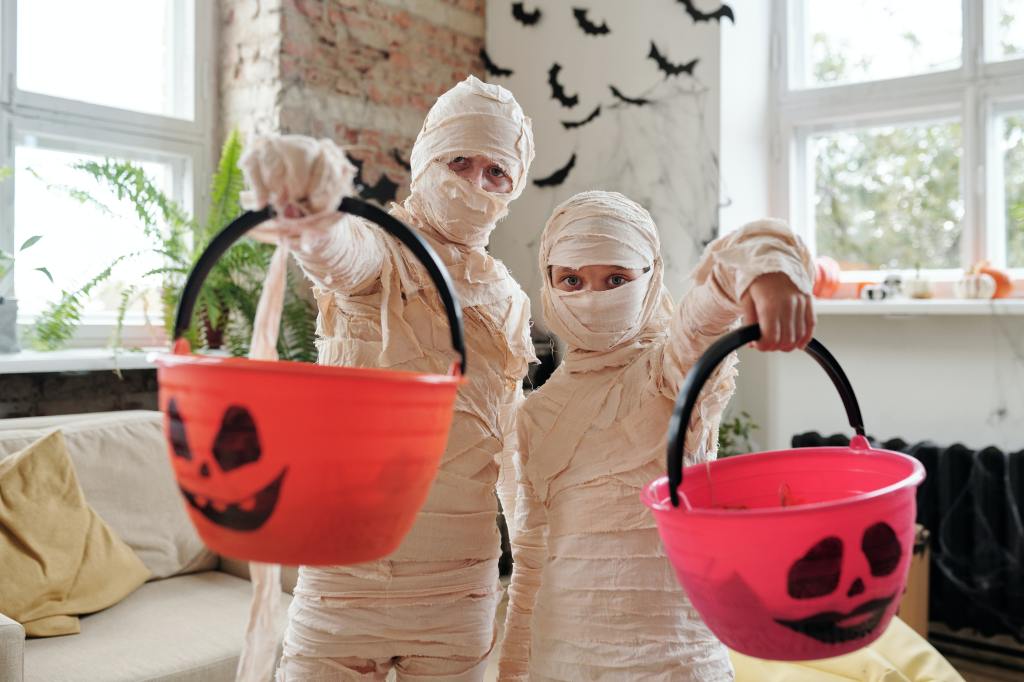
Halloween is extra scary this year for all the wrong reasons. It’s especially challenging for children with IBD who are immunocompromised. This week on Lights, Camera, Crohn’s I share input and advice from several gastroenterologists about everything from trick-or-treating to flu season, along with the game plan four IBD families have in place for the holiday. Much like anything with this pandemic, we’re trying to do the best we can to live, while also staying safe.
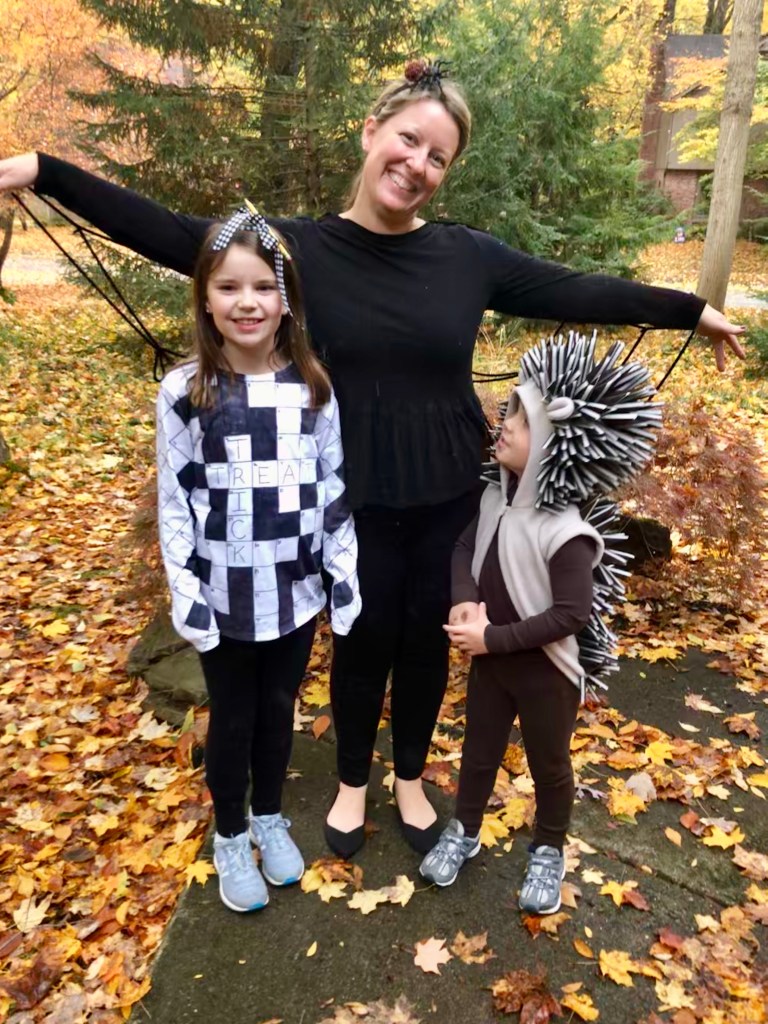
As an IBD mom myself, I’m still conflicted about how best to celebrate Halloween with my kids this year. We have their costumes, and the house is decorated festively, but I’m extremely hesitant to allow my 3.5-year-old son to get candy from strangers in the middle of a pandemic. Our game plan is to hang out with my sister-in-law’s family as we do every year. I’ve been inspired by how fellow IBD families are creatively adapting and making adjustments to celebrate. I think you will be, too.
Nicole’s daughter Addy is 15 and has Crohn’s disease. She’s on Humira. Nicole said her family already had a little “pow wow” to discuss Halloween and how it was going to be this year. They’ve decided to celebrate over the span of two days by doing the following:
Making Halloween Gingerbread houses
Decorating Halloween Cookies
Having a glow in the dark scavenger hunt (The lights in the house will be out, the kids will have glow sticks/flashlights and they will have to use clues to find their bags of Halloween décor. With the bags of décor, each child will create a mini haunted house in their bedroom and go “trick or treating” to the different bedrooms and experience their siblings’ haunted house.
On Halloween night Nicole is going to make a Halloween-themed dinner
The family will watch Blair Witch Project
Nicole says being immunocompromised through COVID has been incredibly challenging for her daughter. She says they are trying to balance everything so that Addy doesn’t fully resent her disease.
“She sees that her friends are hanging out together, not social distancing, and not getting sick. We have had many moments filled with tears and frustration and we are doing the best we can to try and offer social interactions in the safest ways. But, she is a teen…and the efforts are hardly enough. Halloween this year is something my kids are all excited about, but it’s the day-to-day stuff that is most challenging through the pandemic.”
Ebony’s 14-year-old son, Jamar, is on Remicade infusions to manage his Crohn’s disease. Jamar was diagnosed with IBD when he was nine. He’s now a freshman in high school and attending school daily in-person for half a day with the hopes of making the basketball team.
“Even though Jamar is attending school, we decided as a family that we are not going to do anything for Halloween this year. We also plan to celebrate the holidays at home, to keep on the safe side. Since he was diagnosed with IBD and expressed sadness that he didn’t understand why he had to have this illness, I’ve explained to him that we’ll get through this together and that I’ll always support him—and that hasn’t changed through this pandemic,” said Ebony.
Paulina’s nine-year-old son, Grayson, also has Crohn’s. He’s on Pentasa, Entocort, and Omeprazole to manage it. She says her family plans to dress up in costumes as usual. Grayson is going to be Bowser from Super Mario Brothers. They have tickets for a drive through Halloween event at the community center by their home in California. Paulina says even though they have to stay in the car this year, Grayson and his sister are still excited to see all the decorations and participate in the scavenger hunt.
“We also plan on faux trick or treating, where we still go out and walk around our neighborhood and enjoy spotting cool decorations, BUT I will bring a bag of goodies and little prizes. For every few houses we walk by, they’ll get a surprise goodie put into their bag. Grayson will be able to go through his “loot” once we’re back home. I’m sure we’ll watch Nightmare Before Christmas (it’s a family favorite). Halloween falls on a Saturday and on a full moon…how could we possibly miss the nightly walk?”
Paulina says Grayson often feels frustrated when the topic of “being immunocompromised” comes up, but that he understands they are being overly cautious for his own health and that of others.
Cindy’s 10-year-old daughter, Jean, has Crohn’s disease and is on weekly Humira injections. She says Jean is in that interesting phase of childhood where she still kind of wants to go trick-or-treating, but also feels like she’s outgrowing it or too cool for that. This year, Jean is going to attend a small outdoor get-together on Halloween night with four classmates. It’s important to note—Jean has been attending 5th grade—in-person, five days a week since August.
“The kids will make s’mores and pizza and watch a spooky kid movie on an outdoor screen. Because she and her friends are in the same classroom “pod” and she spends more waking hours with these classmates than she does in our own home, we are accepting of her celebrating with them.”
Cindy says Jean’s friends and their families have been extremely accommodating to her immunocompromised status throughout the pandemic.
“When she has visited their homes or on limited occasions shared a carpool, these families have been careful to pursue a combination of exclusive outdoor time, mask-wearing, windows down on car rides, pre-packaged or restaurant carry-out snacks and meals, and having freshly cleaned bathrooms dedicated for guests’ use. Other parents proactively talk through risk mitigation and I couldn’t appreciate them more for their thoughtfulness. Immunocompromised or not, we all share similar concerns during COVID.”
Cindy went on to say she thinks Jean will trick-or-treat with her five-year-old brother at a few of their next door neighbors’ houses. They live in Indianapolis and trick-or-treating is “not recommended” by the county health department there, but she expects many of her neighbors will still be handing out candy.
“I also intend to hand out candy from our driveway, so long as trick or treaters or their parents are wearing face masks. This follows our family’s general approach on life during COVID: we are more concerned about “shared air” than we are about surfaces. We believe (and science indicates) surface infection can be largely addressed through handwashing. Because trick or treating can occur in outdoor spaces, we feel somewhat comfortable with that – balanced with the fact that while we are extremely concerned about COVID and have taken all precautions since March – we strive for an ounce of normalcy. There are enough parts of Jean’s life that are not typical due to living with Crohn’s Disease – whenever we can control any part of her life feeling “normal” we make every effort to do so. This was the case before COVID and will remain so afterward.”
Cindy says she reminds her daughter they are doing everything they can to protect her health, while also doing their best to ensure Jean can pursue all the parts of her life that bring her joy. It’s not an easy tightrope to walk, and as an adult with IBD, my hat truly goes off to parents trying to navigate these unforeseen times for their children.
What Gastroenterologists are recommending for Halloween and beyond
Dr Miguel Regueiro, M.D., Chair, Department of Gastroenterology, Hepatology, and Nutrition, at the Cleveland Clinic says he thinks it’s important for people to “live” and be with family and friends. He has a few tips and tricks (or treats!). (His joke, I can’t take credit!)
“For outside events or walking the neighborhood, this is probably the safest as we are learning that open air events are the least likely for transmission of COVID. At the same time, I would still practice wearing masks, social distancing, and practicing good handwashing. Avoid personal contact, shaking hands, hugging, etc.”
For those distributing candy, Dr. Regueiro says it would be prudent to wear gloves (nitrile gloves or similar) to avoid directly touching the candy. Out of abundance of caution, he said it would be reasonable to also wear gloves to unwrap the candy.
“Regarding trick or treating in malls or confined spaces, this would be less optimal than open air. Masks, social distancing, and hand hygiene is a must. Parties or gatherings in houses should follow the guidance of local health advice. Some parts of the country may have a much lower rate of COVID. Overall, though, I would avoid close gatherings in enclosed spaces, which means avoiding these parties, especially if immunocompromised.”
Dr. Regueiro wants to mention that the IBD Secure Registry is finding that IBD patients on immunosuppressive agents/biologics are NOT at increased risk of contracting COVID. He says while this news can be comforting, it may also be that those with IBD on these types of medications have been extra cautious.
“Everyone should get the flu shot. Getting influenza may mimic symptoms of COVID, and influenza is also a very serious virus. We think getting influenza and COVID could be even more dangerous. Getting plenty of sleep, staying well hydrated, eating healthy, and exercising are also important for the immune system and health. Don’t let yourself get run down.”
Dr. Anil Balani, M.D., Director, Inflammatory Bowel Disease Program for Capital Health Center for Digestive Health in New Jersey does not recommend indoor Halloween parties either, even if kids and parents are wearing masks (whether it’s part of the costume or a regular mask).
“With indoor settings it is hard to control the ventilation settings which could potentially increase the risk of airborne transmission, and furthermore many kids may find it difficult to breath indoors with a mask on.”
Dr. Balani says trick or treating, if it’s limited to outside, is probably ok. Although kids should wear masks when doing so.
“Children can trick or treat with their parents or siblings instead of a group of large friends, unless they are with a small group of friends that are in their “pods,” or groups of friends whose parents have been very careful with all COVID related precautions the entire time. Parents of immune compromised kids can also pick up the treats for the kids.”
Along with maintaining proper handwashing and social distancing precautions, Dr. Balani advises everyone to get the flu shot, unless there are medical contradictions. He recommends taking a healthy dose of vitamins including Vitamin C and zinc and continue to stay on top of all your IBD medical care to keep your disease managed and under control the best you can.
“The SECURE-IBD registry has shown us that people who are in the midst of an IBD flare are at high risk for complications from COVID should they contract the virus. On the other hand, if one is in remission, they are likely to have a better outcome from the virus, regardless of which IBD medical therapy they are on.”
When it comes to celebrating Halloween with his own family Dr. Balani and his wife have a few tricks up their sleeves. Instead of typical door to door trick or treating, they plan to set up an outdoor movie night with Halloween-themed movies, have an outdoor candy/treat hung similar to an Easter egg hunt with family and/or a close knit group of friends, host an outdoor pumpkin carving party, and have a backyard costume/glow dance party.
And don’t feel like you need to throw out your kids’ Halloween candy! Studies suggest that the SARS-COV2 virus may not be infectious on surfaces for too long. If there are doubts or concerns, Dr. Balani recommends leaving the candy out for a few days to allow any virus particles to die. Parents can also open the wrappers for their kids.
Dr. Maria Oliva-Hemker, M.D., Director, Division of Pediatric Gastroenterology, Hepatology, and Nutrition at Johns Hopkins suggests for families to look for other creative ways of celebrating Halloween this year, regardless of whether a child has IBD or not.
She recommends:
Virtual costume parties
Halloween movie or craft night
Making special Halloween-themed treats at home
Outdoor costume parades where physical distancing is possible
Checking to see if the local zoo or other outdoor venues in the area are sponsoring a safe, community event, following social distance guidelines.
“Those who hand out treats on Halloween will hopefully wear face coverings and model safe behaviors. If you are trick or treating, consider going to a smaller number of homes compared to past years,” said Dr. Oliva-Hemker.
Prior to making Halloween plans, Dr. Oliva-Hemker says families should be aware of the levels of COVID cases in their communities, as well as where their family members are coming from.
“For example, if they are coming in, or coming from a hot zone, they may want to consider holding a virtual event or be absolutely sure that they follow known guidelines for safety (masks, handwashing, physical distancing).”
She also says she can’t stress enough that this virus can be controlled in our society—other countries have been able to get a handle on things by people following public health guidelines.
“The virus does not know your political, religious or other affiliation—as a physician my hope is that our country pays more attention to what reputable scientists and public health experts are telling us. Taking care of this virus will also get the country back on track economically.”
Handling Halloween When You’re an Immunocompromised Parent
Mom (and dad!) guilt throughout this pandemic has reared its ugly head a few times especially if you live with a chronic illness and are immunocompromised. The last thing I want is for my kids to miss out on fun and experiences because of my health condition.
Dr. Harry Thomas, M.D., Austin Gastroenterology, says, “For parents with IBD, taking children trick-or-treating outdoors – while maintaining social distance, wearing face coverings, using hand sanitizer, and avoiding large gatherings – is, in my opinion, a reasonable option, provided they are not on steroids. However, I would recommend avoiding indoor gatherings, especially without masks, given the rising case numbers in many areas now.”
Along with receiving the flu shot, Dr. Thomas recommends IBD parents to talk with their IBD provider about the two pneumococcal (pneumonia) vaccines, Pneumovax and Prevnar 13.
Navigating the upcoming holiday season in November and December
Halloween is just the tip of the iceberg when it comes to the holiday season. There’s no doubt this will be an extremely hard time for us all.
“This is normally a time to celebrate with friends and family. But with the COVID pandemic, unfortunately things cannot be the same. This will be especially difficult for those of us living in the cooler climates where the tendency is to go indoors. For any potential indoor gatherings, it would be ideal to limit the number of people to allow safe social distancing. I would encourage families that are planning on staying together multiple days to consider getting tested for COVID before getting together,” said Dr. Balani.
For anyone with chronic illness, it’s safe to say living with a disease gives you perspective. Your patient experience and journey shapes you in ways you may never have imagined, until you’ve lived it—persevered—and can look back at all you’ve overcome to get to where you are today. In Part 4 (the final installment) of “So, You Have An Ostomy,” we dig deep into what ostomates wish they knew that they know now, how best family members and friends can offer support, and why some choose to show their ostomy and others do not.
What Ostomates Would Tell Themselves If They Could Go Back in Time
Brian Greenberg wants anyone who is contemplating getting an ostomy to know that life doesn’t end after surgery, it begins again. He says after being sick and thinking an ostomy would be worse, it gave him his life back. He went from being in bed and alone to being an Ironman and marrying the love of his life.
“There are a lot of ostomates out there and none of us are recreating the wheel. If you have a fear or question, chances are there is someone who already has created a solution. I went from being bedridden to completing a full 140.6-mile Ironman, which showed me anything is possible. My ostomy has allowed me to not only live a normal life, but a good life.”
Ashley Clark says she used to be scared to leave the house. Her ostomy has given her freedom that she never had before.
“Prior to my ostomy, I didn’t want to make new friends or spend time with people I wasn’t comfortable around, I had no energy and I felt like I was trapped inside this body that couldn’t do all the things my brain wanted to do. Since my ostomy, I feel like I’ve gotten myself back in a lot of ways. I make plans again and I travel and spend time with people I love. I don’t take life for granted.”
When Michel Johnson thinks about when he had an ostomy, he says it not only saved his life, but taught him to reframe the tough times. He believes he became a better person in many ways and that his level of gratitude and compassion for others grew exponentially. He’ll always remember when he had his first bag leak in public the first time he left the house after surgery.
“I was in at a grocery store and struggling to change my bag in the restroom. I got poop on my shirt. I was embarrassed. A lady noticed the supplies in my hand and the mess on my shirt when I went into the restroom. She told me she was a nurse. She had a store employee block the bathroom door and she came in to help me, even gave me her blouse to wear (she had a tank top on under her blouse). I cried and hugged her so tight. Couldn’t believe she was so sweet to me in my time of need. It’s moments like that, which change a person.”
Alison Rothbaum credits her ostomy for allowing her to be alive. She says she wouldn’t have made it beyond age 23 if she didn’t have her colectomy. Since surgery, she’s been able to travel, work, and actively participate in the lives of her nieces and nephews. She advises ostomates to cut themselves some slack and acknowledge how far you’ve come every step of the way.
“You’re learning a new lifestyle of personal care externally and recovering internally. There’ll be days you are so upset, and then there’s days you only remember you have an ostomy when you go to the bathroom. This new life may have not been what you had in mind years ago, it may not be ideal, but it’ll be ok.”
Gaylyn Henderson created Gutless and Glamorous, a non-profit organization, as a way to empower and uplift those living with chronic illness and to raise awareness and erase the misconceptions of living with an ostomy. She doesn’t want others to suffer because of the fear of being stigmatized; it’s her goal to eradicate the stigma.
“Through it all I have learned to remain constant in my beliefs and that is to not let the beliefs of others control how I view myself. I’ve learned the importance of loving myself and staying true to myself and knowing I am capable of overcoming anything. I’ve learned that one of life’s most rewarding challenges is to accept yourself for who you are and all that you are completely and consistently. I am so in love with my new body; my new body saved my life in more ways than one.”
Loved One or Friend an Ostomate? Here’s how you can offer support
Listen. Listen. And listen some more. And be there. You don’t have to know what to say, you don’t need to have the right words or give advice. Let your loved one or friend know they are not alone and don’t pretend to understand what your loved one is going through, because you simply can’t relate (unless you’re an ostomate yourself)! Ostomates say when they complain or having a hard day, they just want to be heard and believed.
Karin Thum says to find your tribe and love them hard, “It may be a friend, or maybe a family member. Someone who doesn’t have Crohn’s or ulcerative colitis may not fully understand. But the right support won’t try to understand. They’ll just want to be there for you. Let them. It’s hard for those closest to us who love us to watch us go through what we do.”
IBD mom and ostomate, Byrd Vihlen, recommends loved ones to ask questions and take the time to learn more about ostomies, the disease, and what this means going forward.
“This surgery is NOT A CURE. Knowing that you care enough to want to be educated means the world. I would also advise that going into surgery, the recovery could be very different than what is described by the doctors, prepare for that emotionally so you can better support your family/friend…and not put any extra unnecessary stress on them during a fragile time. Empathy goes a long way.”
Speaking of empathy, Tina Aswani Omprakash recalls how one of her friends once insisted on watching her change her ostomy bag. As first, Tina says she was freaking out saying no. But now, when she looks back, she realizes that was one of the most supportive experiences.
“She asked questions as I went along and was curious to understand how it worked and why people felt such a stigma around it. It made me feel like a human being and that someone actually cared and wanted to learn and support me. I’d say if you’re close family, be there when the ostomy nurse is teaching how to change the bag. Oftentimes, we are in such a rut and on painkillers that we have no idea what’s going on. Support us, ask questions, be there and take notes. It can only help.”
Kristina Schook, 24, of New York, was diagnosed with Crohn’s when she was eight. She needed an ostomy when she was in high school and says the entire experience was insanely hard on her. Her bag would constantly leak, and it messed with her self-confidence. She says she had to alter what sports she played because of the leakage, but is thankful she was never judged by her peers. When it comes to advice for family and friends, Kristina says, “Just let us rant if we are upset. Don’t tell us you understand because our intestine is literally out of our body. It’s extremely hard to deal with mentally. For me, reversal was a great option and I don’t regret it.”
Jordan Ditty says patience is key.
“This is a big change. There will be a lot of emotions around it whether it was planned and wanted, unexpected, or they were dreading it. Offer to sit with them while they change their bag, watch a movie together, bring them coffee, listen to their frustrations, hold them when they cry, they need your support. While at the same time don’t treat them any different, this ostomy did not change who they are as an individual.”
Lindsay Dickerson says if you care about someone with a digestive disability and ostomy, recognize the mental toll their patient experience can cause.
“We are shuffled from specialist to specialist, appointment to appointment. There are days we can’t function and (personally) I feel worthless as a friend, wife, mother, and person. Educate yourself on your loved one’s condition. Support them when they feel down. Help them understand it’s not their fault, even though we will feel like it is at times. On the days they need that extra help – give it to them. There are days we can’t do it all and need this help, it’s a lifetime condition. Empathy and love are what we need and the more you give of it the better.”
Showing Your Ostomy Bag to Others
Whether or not you choose to show your ostomy bag publicly is a very personal decision. Some people feel empowered by it, others prefer to be more discreet. You do you, boo boo.
Natasha Weinstein says sharing her ostomy with the world is so much fun. When she first got her ostomy, she would put duct tape all over the bag, thinking it would make it more “socially acceptable” for people to see. Then, she realized a few things.
“Number one—duct tape is uncomfortable. Number two—I was going through a lot of bags and duct just to go swimming, which made the bags heavy! Number three—the bags are already skin colored so what was I doing?! Once I got rid of the duct tape, everything got easier and all I had to do was choose my bathing suit of the day. Now it’s become routine to take a post-race photo with Ziggy out wearing my medal because we’re accomplishing and conquering life together.”
Tionna Forchion says being transparent about her life with an ostomy has been extremely fulfilling.
“I hid my bag from family and friends for many years and now I openly post pictures on social media showing my ostomy and it feels so empowering to show the love I have for myself in my entirety, and that includes my ostomy bag. It’s rewarding when other warriors on social media write me messages saying that me posting pics showing my bag has helped them embrace and love themselves flaws and all. That’s really why I do it, to inspire others to love everything about themselves and so other ostomates know they are not alone.”
Sahara Fleetwood-Beresford shares her ostomy with world so that people can see that it’s ok not to be like everyone else. She doesn’t feel embarrassed or ashamed and doesn’t think of her bag as an issue. “It is what it is—it’s part of me. The same as my moles, scars, stretch marks, etc.”
Speaking of scars (or battle wounds as I like to call them), Lindsay says, “I love showing off my ostomy. I’ve had 14 surgeries in my lifetime at this point and the ostomy is a symbol of everything I’ve overcome and how I’ve taken the steps to improve my life for the better. All bodies come in different shapes, sizes, and abilities. I feel confident with my ostomy out and welcome anyone who has questions about it!
Payge Duerre says showing her ostomy doesn’t phase her anymore. She says it doesn’t make her feel empowered, either.
“I post for others. I show for others. I show and post because I’m 110% okay if I get hate or negative comments. I might cry if there are mean people, but I truly post and show my ostomy because I’m confident about it and hope to support others by doing so. My ostomy has completely changed my life for the better. There is no possible way I’d be this healthy version of me with my colon. I no longer shit my pants, I can travel more than five minutes away from the bathroom, I’m not missing every other day of work/school/events because of pain so immense I can’t get off the couch. I don’t have to spend an entire day every four weeks getting my infusions.”
Tina and many others I interviewed, choose not to show their ostomy or their stoma. But each ostomate said they respect the many people who do.
“I don’t feel that I need to show it to talk about it or to empower others. Culturally speaking, I think for me, it’s better left to the imagination. I do show what a stoma bag looks like and show different activities you can do with an ostomy but I think this is an individual’s choice to show or not to show and still feel empowered.”
When Life Comes Full Circle
Over the course of the past few weeks, I’ve had the privilege of connecting with more than 20 ostomates around the world who have candidly and whole-heartedly shared about their personal experience. As someone with Crohn’s who does not have an ostomy, I consider your ostomy a symbol of strength and survival. What each ostomate endures prior to surgery, through recovery, and in life, takes patience and perseverance. It takes strength from within. A strength I can’t even begin to fathom. Ostomies are a visible reminder of the often invisible battles those with IBD and other digestive diseases face while having chronic illness. It’s normal to grieve and be devastated. From what I’ve learned through these warriors, the best way to view life with an ostomy is to think of all the positive it will bring to your life and how it will improve your health and condition. Shifting your perspective and thinking of your ostomy as a gift rather than a curse seems to be the best medicine of all. Thank you for following along through this series. I hope you feel better educated about life with an ostomy and have learned something, I know I did!
Celebrating Ostomy Awareness Day (October 3rd, 2020)
This year marks the 10th Anniversary of National Ostomy Day. This day serves as an opportunity to spread awareness about ostomy surgery.
Twitter Chat (#ddhchat): Diet and Digestive Health Chat about Nutrition for the Ileostomy hosted by ostomate Tina Aswani Omprakash and Neha D. Shah, MPH, RD, CNSC, CHES Friday October 2 at 12 p.m. EDT.
Rebecca Kaplan was only 20 years old when she met Dan, the love of her life. It was move in day her junior year of college and as she recalls “this skinny guy knocked on my apartment door to ask for toilet paper”. Her family laughed it off – because who knocks on a random person’s door asking for toilet paper – little did they know how that chance encounter would change the course of both their lives. This week, Rebecca explains how her role of caregiver has evolved over the course of a decade and how it’s helped her cope with the pandemic.
Dan and I began dating four months after that initial toilet paper introduction. Two months later, he was diagnosed with Crohn’s disease, right while my mom was starting chemotherapy for Stage 4 Non-Hodgkin’s Lymphoma. As someone who has been plagued with crippling anxiety her whole life, you would have thought I would fold under the stress of two of the most important people in my life receiving life-altering diagnoses at the same time. But I didn’t– in fact, my anxiety motivated me to embrace the role of caregiver.
Dan’s first hospitalization and the colonoscopy that went wrong
We had been married less than a year, living 90 minutes away from our families and our full support system. His disease had gone unmonitored for years and his new doctor was performing a colonoscopy to see just how bad his IBD had gotten. We were unaware that he had developed a stricture that was so severe that when she pushed the scope through, it nicked the wall of his intestines, causing a perforation and bacteria to get into his bloodstream. Within 45 minutes of waking up from the procedure, he had spiked a 104-degree fever and kept telling me and the nurses he thought he was dying. I was TERRIFIED. But I also found myself motivated by the fear and the anxiety I felt.
Instead of going into a full-blown panic attack, I went into caregiver mode. I knew I needed to be Dan’s voice because he could not speak up for what he needed. It was my job to demand the best care he could get, advocate for his needs, and focus just on him.
While taking care of Dan in the hospital required most of my time and attention, I did notice that I could only do it to the best of my ability if I were also taking care of myself. We lived 45 minutes away from the hospital with a new puppy and no one to take care of him. So, while I wanted to spend 24/7 with him while he was inpatient, I knew that I couldn’t do it for my own sanity. So, I made sure I went home multiple times a day and created a separation between myself and the hospital so I could decompress, eat (SO IMPORTANT), and sleep (ALSO IMPORTANT). Being able to do that meant that I was able to be at the top of my game when he needed me the most.
It’s been almost 10 years since the series of hospitalizations that started with Dan’s perforation and ended with him having a bowel resection to remove the stricture. And in those 10 years, I’m so thankful that Dan’s health has improved greatly. He’s gained nearly 50 pounds, works full time, works out, plays softball with his dad and brother, and deals with me.
Coping with the COVID-19 Pandemic
With his health stable now, the biggest challenge we’ve been facing the past few months is coping during the COVID-19 pandemic. I have been coping with the pandemic much better than Dan. I jokingly say that I’ve been training for quarantine my whole life, since my obsessive-compulsive disorder has always had me washing my hands, avoiding sick people, and wanting to stay home more than going out. However, Dan does not do well with change – whether that be moving to a new apartment, being diagnosed with a chronic illness, starting a new job, or having life turned upside down by a pandemic. Going from working full-time in an office to being trapped at home, isolating to stay healthy, has been hard for him. His regular life and hobbies have been stripped away from him, and not being able to leave the house and go places has left him stir crazy and agitated.
Because of this, I’ve put my caregiver hat back on in a different way. I’m not caring for his active disease; rather I’m helping him cope with change and the accompanying stress. I encourage him to do things outside as much as possible, whether that’s taking the dogs on a walk, kicking the soccer ball in the backyard, or going on a hike. I also try and help him see the bigger picture – we’re staying home so that he and our high-risk relatives stay healthy. And I remind him that this is not forever – it will get better and we will get back to normal at some point.
Rebecca’s Top Three Tactics for Caregiving
Make sure you are taking time for yourself – that means eating, sleeping, and doing things to relax and take a break from being a caregiver. This is so important to help you be fully present for your loved one.
Don’t be afraid to ask for help. When Dan had his surgery, our house was a mess and I wasn’t prepared to come home from the hospital with him. So, my mom and sister went to our apartment one night and cleaned/straightened it up for us so I wouldn’t have to do it after spending all day at the hospital.
Find your tribe who will support you as the caregiver. It’s so important to build your own support system separate from your loved one’s support system. Being a caregiver is hard and making sure you have people you can talk to and rely on is so important for your mental health.
When I was 21, in the matter of one week I received an IBD diagnosis and had my heart broken. My boyfriend from college who had previously treated me like a queen, never visited me in the hospital and broke up with me the day I returned home.
I’ll always remember walking into my parent’s bedroom and telling my mom about the break-up. My body frail. My arms battered with bright purple bruises up and down. The weight of a lifelong disease and 22 pills a day hitting me head-on with every emotion possible. My mom’s response, “Well, you’re not perfect in his eyes anymore.”
From that point forward, I worried about the invisible Scarlet Letter of my illness and how it would impact my love life.
Would a man ever be able to love me, for all of me? Crohn’s and all?
You are not a burden.
The recent advice column shared in the New York Times entitled, “Is it Ok to Dump Him Because of His Medical Condition,” plays into every fear and every worry IBD patients grapple with. While Crohn’s and ulcerative colitis can happen at any age, people are more frequently diagnosed between the ages of 15 and 35. Finding out you have a chronic disease with no cure in those youthful years of life—often prior to finding a life partner or starting a career path, is incredibly overwhelming. The fear of the future and what is to come with your hopes and dreams is nearly debilitating at times.
So, it’s pretty freaking ironic when the author of “The Ethicist” who considers “readers’ ethical quandaries” responds back to this question about breaking up with someone because they have Crohn’s by saying:
“Committing to this person may be committing to a life as a caregiver”… and… “You don’t owe it to anyone to accept that burden.”
You are not a burden.
Referring to people with any chronic illness or disabilities in this way is not only hurtful, but extremely ableist. You can’t assume everyone with IBD is going to need a caregiver in a partner. If the author had any idea about how Crohn’s manifests, he would know that the disease is a rollercoaster…oftentimes years of being able to manage, followed by hardships, setbacks, and flares and back again.
As a 36-year-old married woman and mom of two, I have referred to my husband as a caregiver, but he’s more so my source of support and someone who sees me for much more than my disease. He would never think of me as a burden. He would never have considered breaking up with me because life could get complicated with my disease. He sees my disease as a part of who I am, but recognizes I am so much more.
You are not a burden.
To the 25-year-old single girl with ulcerative colitis reading this. To the parent of the child with IBD worried about whether their little one will ever find love as an adult. To the guy being talked about in the NYT article who most likely was broken up with—believe this:
You will meet people who turn a cheek once they find out you have IBD or suddenly show disinterest. It sucks in the moment. It feels like you’re getting punched in the gut. But use that pain to recognize that type of person isn’t meant to be your person. Take that heartbreak and use it to your advantage. Set you bar high. Settle for no one. Use your disease to shed light on people’s true colors. Who is going to be there when the going gets tough? Who lifts you up when you’re too weak to stand on your own? Who sees strength in your vulnerability with your health and the way you take on life?
You are not a burden.
I’ve had Crohn’s for 15 years (next month!). Last night I needed to take a pain pill to quiet the gnawing pain in my abdomen. This morning I had to make a fast dash to the bathroom multiple times in front of my husband and in-laws while my kids needed tending to. I apologized for needing to go to the bathroom so many times. Even as a veteran patient who’s four years into marriage with a man who loves me unconditionally, the words of that damn article rang out in my mind. I felt the guilt and wonder creep in….am I a burden?!
No matter how long you have IBD, no matter how well you have it managed, there are still moments where you feel less than your peers. There are still moments you can’t keep up. There are still moments if you wonder whether you are enough.
Just remind yourself…and I promise to do the same…YOU ARE NOT A BURDEN. And shame on you New York Times…as a journalist, I expect more. And so do your readers.
















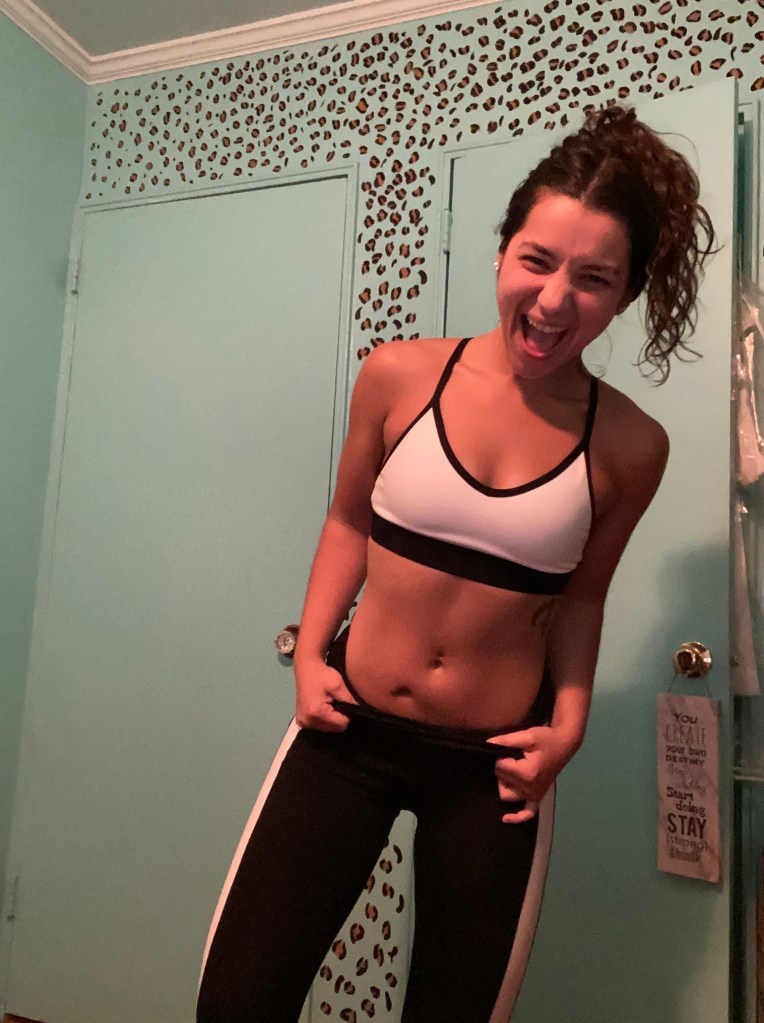



 His disease had gone unmonitored for years and his new doctor was performing a colonoscopy to see just how bad his IBD had gotten. We were unaware that he had developed a stricture that was so severe that when she pushed the scope through, it nicked the wall of his intestines, causing a perforation and bacteria to get into his bloodstream. Within 45 minutes of waking up from the procedure, he had spiked a 104-degree fever and kept telling me and the nurses he thought he was dying. I was TERRIFIED. But I also found myself motivated by the fear and the anxiety I felt.
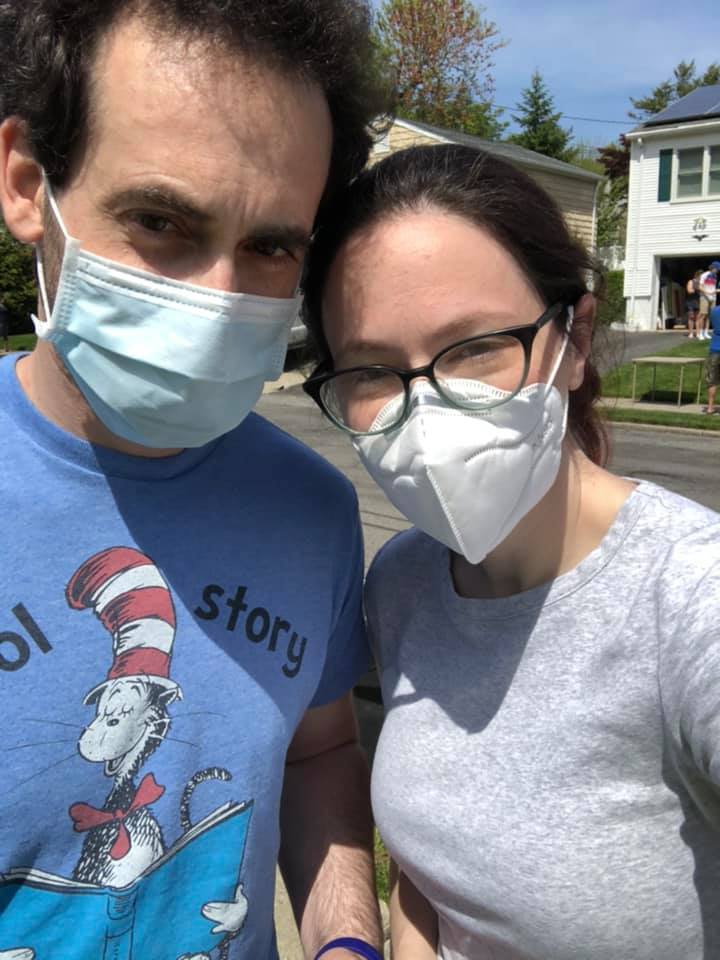

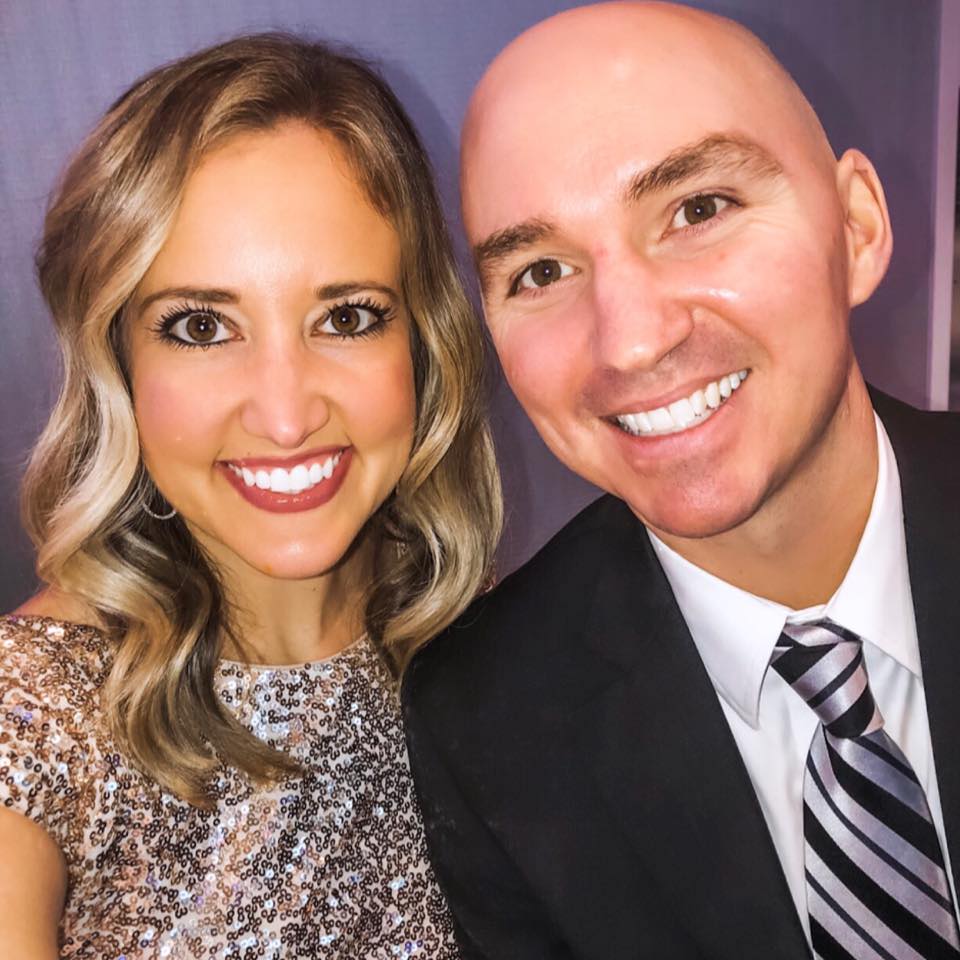 Referring to people with any chronic illness or disabilities in this way is not only hurtful, but extremely ableist. You can’t assume everyone with IBD is going to need a caregiver in a partner. If the author had any idea about how Crohn’s manifests, he would know that the disease is a rollercoaster…oftentimes years of being able to manage, followed by hardships, setbacks, and flares and back again.
 lights camera crohn's