
Dating with IBD can be daunting. Add an ostomy to the mix and that stress is amplified ten-fold. In Part 3 of “So, You Have An Ostomy” hear from several ostomates about navigating relationships, intimacy, discovering what clothing and undergarments work best, and why some choose to name their stoma and others don’t.
Before we get started, here are links to:
Part 1: Coping with the Complexity
Part 2: Tips for Travel, Diet, and Bag Changes
Dating and finding the one with an ostomy
Brian Greenburg, 37, of New York was diagnosed with Crohn’s at age 11. He has a permanent ostomy and “Ken Butt”. As a married man, he reflects on what it was like to be part of the dating scene.

“The best piece of advice I was given about dating is that my ostomy won’t keep me from meeting the “right one”, it will keep me from trying to be with the “wrong one”.
Read that again. It’s powerful and so, so true for anyone with a chronic illness. Brian advises it’s best to talk confidently about your ostomy and not to shy away from communicating with your partner.
London Harrah, 29, of California, was diagnosed with ulcerative colitis two years ago. From the get-go, his gastroenterologist told him there was a possibility he was going to need an ostomy. At first, London was completely against the idea. His disease didn’t give him any other choice and he ended up with an ileostomy.
“I was having 20 bowel movements a day and throwing up at least one time a day and I was losing a lot of blood. I mentally and physically got to the point where I could not take it anymore and after countless visits to the doctor and attempts at different medicines, I told them that I wanted to proceed with the surgery. I had basically given up on any and all expectations on what I wanted my life to be and had accepted that I just needed to feel better.”
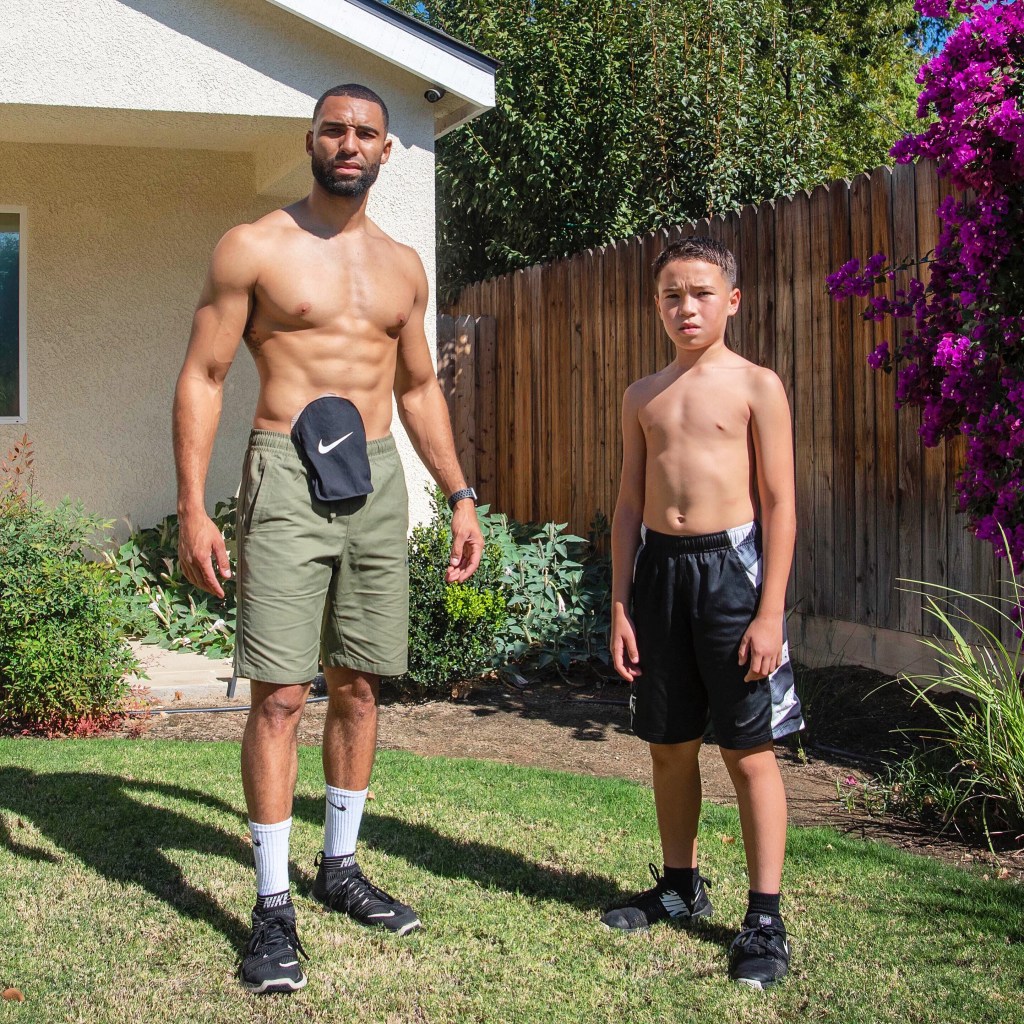
London recalls making his first post about his ileostomy on social media and expecting that no women would be interested in him because of it. He was single when he had the surgery and had accepted he was going to be alone the rest of his life.
“Over time I gained more and more confidence and ended up testing the waters with talking to women. I soon was able to figure out that, if anything, having this surgery just assisted me in weeding out the bad apples. There are a lot of people out there who see beyond the surface of someone and will accept you for the person you are.”

London is currently in a new relationship and just got past the peak of explaining everything about his ileostomy in detail with his girlfriend. He says he feels a lot better knowing she accepts him completely.
Jordan Ditty says she was worried going into surgery not how it would impact her marriage, but moreso that her ostomy not only affects her life, but her husband’s as well.
“Going through surgery, seeing my stoma, sharing the frustrations and wins, naming my stoma together…it all brought us closer. If you ask my husband, he will tell you it did not impact him at all, he was happy that I was no longer in pain and we were able to live.”

As far as intimacy goes, Jordan says she was nervous, but that her ostomy did not affect a single thing.
“I personally always empty right before we do anything then just fold it up, so it is not flapping around between us. There are also many options out today for ostomies, crotchless lingerie that keeps your bag in place if you don’t want your partner seeing it, high waisted options, belts, etc. Find what makes you comfortable, just remember you are still you, beautiful as ever because you are finally healthy!”
Andrew Battifarano is a 26-year-old in New York, as far at the dating scene in the Big Apple, he says he’s usually open about his ostomy and finds it’s beneficial for both sides. Andrew says most people are super accepting and appreciate his honesty.

“There are those who are grossed out and don’t want to deal with someone who has an ostomy. It’s good to know who wants to be in your life and will accept you no matter what early in the process rather than later. I think everyone has their own methods, but I stand by being forthright early on so you can tell a potential partner what it is and hopefully educate them a little bit.”
Payge Duerre met her boyfriend after she had an ostomy. She says he saw her bag in a photo on her Tinder profile and stalked her ostomy Instagram before they met in person.

“He had actually said that my ostomy was a small part of what drew him to me, he could only imagine how I was living, and he wanted to take care of me like no one else did. It did not impact being intimate at all. We both think scars are more beautiful than untouched skin. And it has helped my intimacy. Not having that pain and sickness wearing me down all the time, or not worrying about using the bathroom in the middle of being sexy has helped me.”
Richard Harris, 39, of the United Kingdom was diagnosed with ulcerative colitis when he was 23. He says his girlfriend at the time of diagnosis and his first surgery is now his wife and the mother of their two boys.
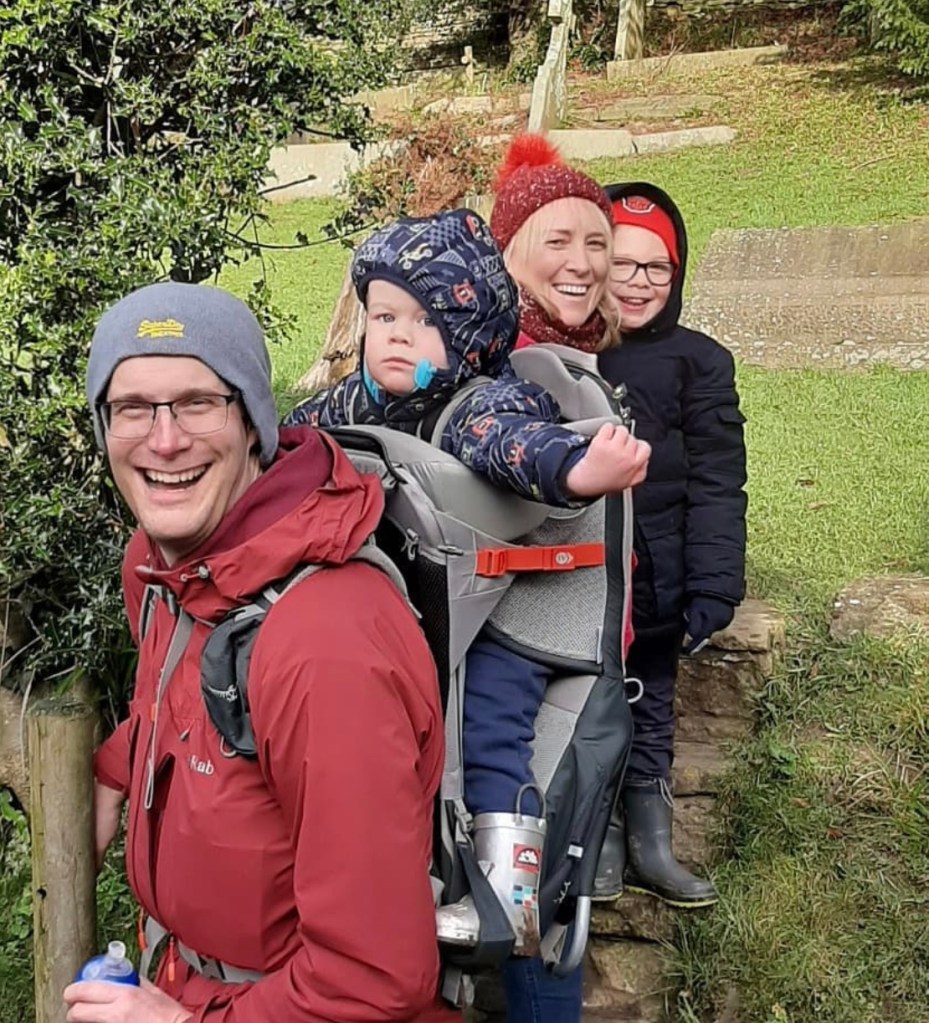
“We’ve really been through it all together. She visited me in hospital when I was sick and had lost more than 3 stone (40-plus pounds!), so I think she saw it as a life or death thing too. Post-surgical recovery, intimacy took a while, but we got there in the end. The Coloplast Senusra Mio has a handy fold up feature with some Velcro to tuck the bag away which I tend to do.”
Tim Albert’s girlfriend has been by his side through it all, too.
“Initially I was concerned she wouldn’t want to deal with the struggles an ostomy brings, but she has proven time and time again that she has my back with this. For me, it wasn’t easy to be intimate, simply because I didn’t have the core strength. I physically couldn’t perform like my old self, and that was a tough pill to swallow. With time, I got stronger and that aspect of our relationship became fun again.”

Lindsay Dickerson says her ostomy did not impact her husband at all.
“He assured me multiple times that I am just as attractive, and it does not take away his sexual drive for me (just being blunt). However, as confident as I was with showing my bag off for others everywhere else, the bedroom was a different story. Finding lingerie that is “accessible” to your significant other but covers up the bag has helped me with confidence. Switching brands helped also – Hollister was super loud, and you always heard it during sexy time. The Coloplast Mio makes no noise.”

Byrd Vihlen says her husband is very information oriented and learned the ostomy terms before she did from reading an informational packet provided by the hospital.

“He helped me empty my bag, with no hesitation, for several days after surgery when I was unable do it. It was truly a sign of unconditional love. If your significant other cannot accept that you need an ostomy bag, their love is conditional.”
To name a stoma or not to name a stoma
Of all the ostomates I spoke with—it was a mixed bag (no pun intended!) when it came to those who choose or chose to name their stoma and those who do not. Each person’s reasoning and explanation made a lot of sense.
Tina Aswani Omprakash said her husband named her stoma “Snuffleupagus” in the hospital after surgery since it resembled the snout of the Sesame Street character. She also calls him “Bebu” which is a loving term that means “baby” in Hindi.
Sahara Fleetwood-Beresford’s experience is unique in that she has gone back and forth through her journey.

“I did not name my first one. I named my second one because I read it could help with acceptance of it. It DID make it easier to talk about to people. I do still consider my current stoma to have the same name, but I don’t often refer to it by name anymore. I usually just say “my stoma” because I felt like referring to it by name almost made me think of it like a sperate entity, when it’s not. Porta didn’t shit in the shower – I shit in the shower! Porta is not farting – I am farting. You get the idea.”
Jordan Ditty and her husband named her stoma “Norman”.
“We call him Norman when he is being difficult and Norm when he is being good. I thought it was silly at first to name him, but after a few weeks of being home with it, we came up with a name. It normalized it, made it easy to throw into a conversation, my friends and family all refer to my stoma as Norman.”
For those who haven’t chosen to name their stoma, the consensus was that it’s “just a part of them and not separate.”
Clothing preferences
- Ostomy Secrets Underwear for Men—supportive and comfortable
- Ostomy Secrets Wraps for Women—helps keep everything secure
- High waisted tights, leggings, skirts, dresses, and jeans
- American Eagle jeans
- KanCan pants—with their stretch to allow the bag to grow
- Vanilla Blush Hernia Support Vest for strength exercises
- LuLu Commission Pants (for Men)
- Aerie leggings and underwear for security and flexibility with an ostomy
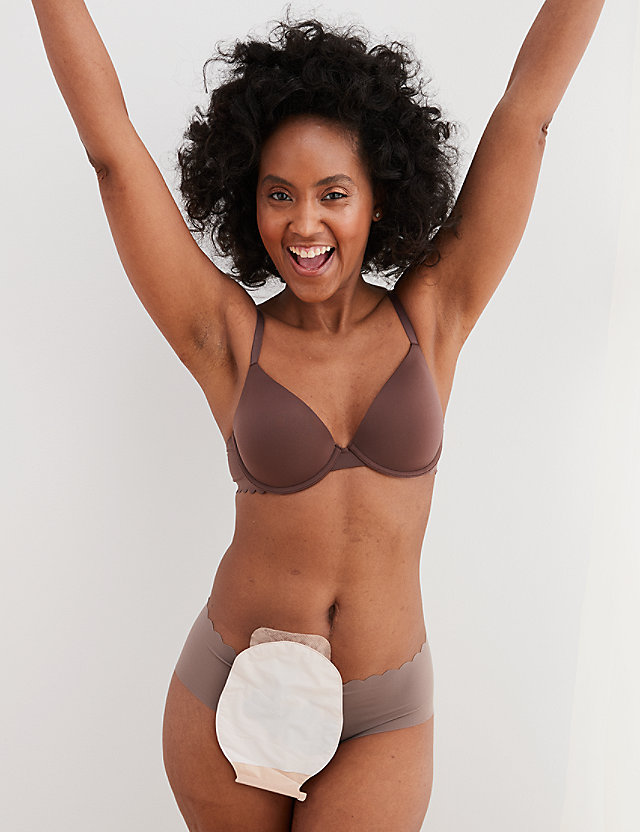
Natasha Weinstein recommends discussing ostomy accessories with your care team.
“Would you do better with an ostomy belt? Are you active? Do you like to run, hike, bike, swim? You can still do these things! I am a runner and started running because of the Crohn’s and Colitis Foundation’s Team Challenge program and continued running despite my Crohn’s. Having an ostomy has made it easier for me to run since I am less worried about when I’ll need a bathroom next. Like more extreme sports? On my 27th birthday Ziggy stoma (yes I named mine and I recommend you do too – it helps with acceptance and I have all my friends referring to him as Ziggy), well Ziggy and I jumped out of an airplane! IT WAS A BLAST! What I promise is you can truly do anything you set your mind to, and your new ostomy will be along for the ride.”

Stay tuned Wednesday (September 30) for the final piece in the Lights, Camera, Crohn’s “So, You Have An Ostomy” series. A look at the perspective gained, advice for caretakers and family members, and incredible stories of ostomate perseverance that are sure to inspire.




 Referring to people with any chronic illness or disabilities in this way is not only hurtful, but extremely ableist. You can’t assume everyone with IBD is going to need a caregiver in a partner. If the author had any idea about how Crohn’s manifests, he would know that the disease is a rollercoaster…oftentimes years of being able to manage, followed by hardships, setbacks, and flares and back again.

 lights camera crohn's