Opening doors and breaking down barriers for the LGBTQIA+ IBD Community

Healthcare for those with IBD in the LGBTQIA+ community looks a bit different. IBD often affects young adults, many of whom are just beginning to become comfortable in their sexuality and gender identity. This can be especially hard for LGBTQIA+ folks, who have already had to work through stigma and discrimination, and then have the additional burden of a new diagnosis of IBD. The LGBTQIA+ community is a big, diverse group of people and each person is unique.

This Pride Month on Lights, Camera, Crohn’s a close look at the most common concerns and patient experiences, helpful guidance to support the LGBTQIA+ community, tips for finding and communicating with your care team about your sexual orientation, and exciting news about how the University of California-San Francisco Medical Center is working to provide a safe space for patients.

You may not be aware that IBD symptoms can affect sexual function, colectomy and J-pouch surgeries can impact receptive anal sex, transgender people with active pelvic inflammation may have issues undergoing bottom surgery as part of gender affirming, and much more. The mere act of communicating with your care team can be an overwhelming and daunting experience.

Coming soon: An IBD Clinic specifically serving the LGBTQIA+community

Dr. Justin Field, MD, University of California, San Francisco, is passionate about supporting IBD patients who are part of the LGBTQIA+ community, as a gay man himself, he’s on the forefront of making the UCSF Medical Center one of the first in the country to have an IBD clinic geared towards treating IBD in the LGBTQIA+ community.

Currently there are two other clinics in the U.S. that specialize in treating LGBTQIA+ IBD patients, the Mayo Clinic in Rochester, Minnesota, run by Dr. Victor Chedid and Capital Digestive Care in Washington D.C. Dr. Jessica Korman, MD, specializes in LGBTQIA+ patients with all GI issues, including IBD. She also does anal cancer screenings.

“The clinic at UCSF is set to open this Fall and will offer comprehensive IBD care to anyone who is interested and will be a safe and inclusive environment where everyone involved in patient care will have special training in the unique needs and concerns of LGBTQIA+ patients. The clinic will offer screening for anal cancer, which is increased in patients with IBD, in men who have sex with men (MSM), patients living with HIV, those who have receptive anal sex, patients with prior cervical or vaginal cancers, and in those on long term immunosuppression,” said Dr. Field.

The clinic will also offer coordination between Gastroenterology and other specialties such as Colorectal Surgery and Transgender Care. For people who are interested, UCSF will offer the ability to participate in research that adds to the knowledge base about the unique needs of LGBTQIA+ people who have IBD.

“This clinic came from the realization that LGBTQIA+ folks often have unique needs that aren’t always addressed in other traditional settings. Also, patients often feel hesitant to fully discuss their sexual orientation and gender identity with healthcare providers due to fear of stigmatization or being treated differently. I wanted to create a safe space where patients can feel comfortable and empowered to be open with their healthcare team, and where they can receive the relevant expertise to meet their needs,” says Dr. Field.

Because LGBTQIA+ people have so often been left out of research (by not including sexual and gender diverse identities in research studies), having a dedicated LGBTQIA+ IBD clinic helps improve medical knowledge about how IBD affects LGBTQIA+ individuals, by allowing more patients to choose to participate in research.

“I have received incredible support from the University of California – San Francisco to start the clinic. The clinic continues to be a work in progress, and I’m continuing to seek out a wide variety of patient and provider input to ensure the clinic effectively serves the community,” explained Dr. Field.

Living with the stigma of IBD and being LGBTQIA+

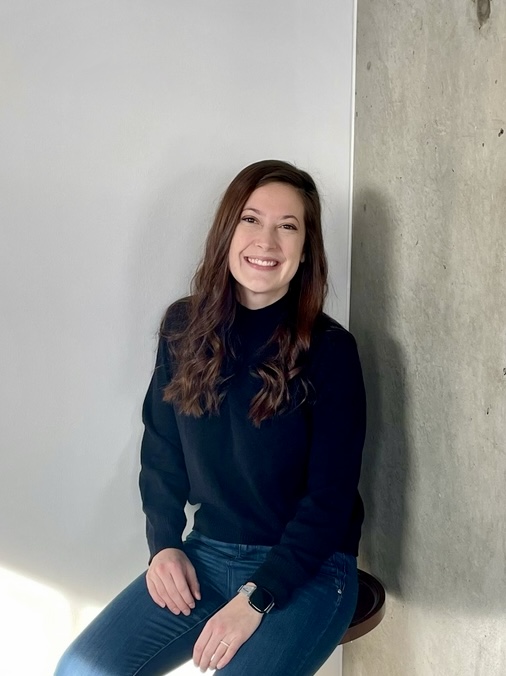
CC Springhetti was diagnosed with ulcerative colitis when she was 12. She’s has an ileostomy and says sometimes she jokes that the universe keeps punishing her with stigmatized labels.

“I’m a woman, gay, AND I have a disability now?! In all seriousness, I try to view all my labels as gifts. They each make me who I am, and though it’s taken me some time to get to this point, I’ve learned to be proud of who I am and what I have. I know that sharing my life helps normalize and de-stigmatize IBD and queerness. Representation is so important, and being able to show up exactly as I am to show that you can be queer with IBD and still live a full life is a precious gift I have been given.”

CC and her wife share their life online and have been the target of extreme hate and prejudice. They’re received hundreds of threats.

“It can be draining to keep up with the amount of comment/message removal needed to keep our internet pages safe for young viewers and it’s incredibly disheartening on a regular basis. I sometimes give myself several days away from social media just to clear my mind – the hate and threats cause so much stress, and it can be difficult to separate internet life from real life. Those of us with IBD know how stress can affect our bodies, so this is a constant issue I am still working through every day.”

CC says when she’s admitted to the hospital, she’s dealt with the stress of her partner not being taken seriously of being allowed to make big decisions during emergency situations.

“We live in the south in the United States – it sometimes can be difficult for us to know who is able to separate their work life from their personal beliefs. When you’re in a hospital setting there really is no knowing, and this is something we always try to stay vigilant about and are very communicative with our care teams about what our needs and wishes are.”

The impact of IBD on sexual function

Brad Levy started to experience IBD symptoms in January 2022. He was diagnosed with Crohn’s the following month. His dad has ulcerative colitis, which sped up the diagnosis process significantly. Along with having Crohn’s Brad is a married gay man and a dad. Shortly after his diagnosis, Brad started to worry about how his disease would impact not only his life in general, but his intimacy with his husband.

Dr. Field explains why IBD can have such a big impact on the sex lives of LGBTQIA+ people.

“Receptive anal sex is an important part of sexuality for both LGBTQIA+ and non-LGBTQIA+ people but is especially important in this community. IBD often involves inflammation around the anus or in the rectum and this can make sex difficult or painful. For transgender folks, active inflammation in the pelvic area can affect their ability to undergo gender affirming surgery, so it’s especially important to address any pelvic inflammation.”

Brad says, “There is some shared stigma around IBD and being a gay receptive partner. Specifically, within the gay community there can often be some unrealistic expectations about how “cleaned” out you should be before engaging in receptive sex. The reality is though that shit happens, quite literally. The shame and judgment around a critical and natural bodily function such as elimination needs to end.”

Overcoming the fear of judgement and finding a care team you can openly communicate with

Talking about sex, sexual orientation, and gender identity can be scary as a patient, because often those in the LGBTQIA+ community have prior experiences telling people about their sexual orientation or gender identity which may have been met with rejection or judgement.

“Historically, the medical community has treated the LGBTQIA+ community poorly and considered LGBTQIA+ identities as pathologic. This historical context is important because there are very logical reasons patients aren’t comfortable talking about this with their doctors. In some areas, it truly isn’t safe for LGBTQIA+ individuals, especially the trans and non-binary community,” said Dr. Field.

Now more than ever, there are lots of affirming healthcare providers. Individual providers and practices can take measures to ensure a LGBTQIA+-friendly healthcare setting (For example, by following these recommendations put forward by the American Medical Association.

Demonstrating to patients that they are in a safe space to talk about their sexuality or gender identity can go a long way in facilitating sensitive conversations. Providers can seek additional education on sexual health in gender and sexual minority patients, so that they feel more capable of addressing the needs of the IBD community.

Dr. Fields says, “Providers should know it’s ok to make mistakes when it comes to addressing diverse sexual orientations and gender identities. What’s most important is that we acknowledge the mistake, apologize, and move on.”

CC is a firm believer that your doctor should be someone you never lie to. Honesty will help you navigate problems and solutions in a sensitive manner.

“I remember I was nervous to share with my gastroenterologist that I was gay. Whenever I referred to my partner and he responded back to me with questions or comments, he would always say “boyfriend” or refer to my partner as “he”. It felt scary to correct him (especially after all of these years) so I just didn’t. I was nervous it would embarrass him or make him feel silly, and I always want to protect people from that when I don’t feel they deserve it,” she said.

Then one day, CC was at a different doctor and she made sure to share to share that she was married to a woman and had been in a same-sex relationship exclusively for a number of years.

“I had this doctor add this information to the top of my medical chart. Now when I go to any doctor and they pull up my chart, they can see that I’m gay and can provide sensitivity to me in that way when speaking to me.”

Seeking out LGBTQIA+ affirming healthcare providers

Patients can feel empowered to seek out LGBTQIA+ affirming healthcare providers like Dr. Field.

  • Find providers with a special interest in LGBTQIA+ health. Patients can also look at lists such as the LGBTQIA+ Healthcare Directory.
  • Patients should feel empowered to be their own advocate. It’s a patient’s right to have their sexual health needs met and to receive care that is affirming of all genders.
  • Patients can bring a list of items that they want to discuss to a visit, and it’s best to mention those at the beginning of a visit to help set the agenda. It’s also always ok to seek a second opinion if you feel like your provider hasn’t gotten a satisfactory answer to your questions or if you feel another provider perspective would be helpful.

“Having a GI doctor you trust and feel comfortable enough to discuss your sexuality with is so important. When having receptive anal sex, things happen sometimes, such as tears, and you want to be able to talk with your GI doc openly so you can triage whether something is related to your IBD or not,” said Brad.

Additional IBD screenings for the LGBTQIA+ community

According to Dr. Field, men who have sex with men that are living with HIV should be screened for anal cancer.

“Other at-risk groups for anal cancer are men who have sex with men over age 40, people with prior cervical or vulvovaginal squamous cell cancer, patients that have receptive anal intercourse, and those with multiple sexual partners,” he said.

The risk of anal cancer is increased in patients with IBD, and doctors are continuing to learn more about this risk through ongoing research studies. Screening for anal cancer is with a rectal exam and a swab of the anal canal, called an anal pap smear. If these are abnormal, they must be followed by a procedure called a High Resolution Anoscopy, which is the best test for detecting anal cancer and its precursor.

“Anal cancer is caused by HPV, and there is a vaccine against HPV. Anybody who has not received the HPV vaccine, regardless of age or gender, can talk to their doctor about HPV vaccination. Currently, the CDC recommends HPV vaccination regardless of gender up to age 26 to prevent HPV related cancers, and the vaccine can be given up to age 45 on a case-by-case basis, if it’s felt it would benefit,” said Dr. Field.

Brad lives in the Chicago suburbs. As a result, he says the attitudes towards the LGBTQIA+ community are generally that of acceptance and love.

“I have always had a gay primary care physician because I want to make sure I am comfortable discussing any health issues with them. My GI is also aware of my sexuality, and we’ve had candid conversations about what intimacy looks like during a flare and what vaccines I should consider. For example, my GI recommended I receive the Gardasil HPV vaccine based on my sexuality and increased risk.”

Other cancer screenings to keep in mind are Colon cancer screening for all patients, Cervical cancer screening for patients who have a cervix, and skin cancer screening for all patients who have received immunomodulators, small molecules, and biologics.

“Much of the existing research on things like sexual health and surgery in IBD didn’t ask participants about their gender identity, sexual orientation, or typical sexual practices. This can leave both patients and providers at a loss for answers to sexual concerns,” said Dr. Field.

More and more, sexuality and gender identity are being included in research studies, and this will paint a clearer picture about how many LGBTQIA+ people are impacted by IBD, and how the course or experience of IBD is similar or different between LGBTQIA+ and non-LGBTQIA+ individuals.

Juggling a love life and fatherhood with IBD

Brad and his husband have been together for 13 years, so luckily communicating about his IBD has come easy.

“But I can recognize for others, in shorter relationships or dating, this isn’t always the case. All I can recommend is transparency and having a partner you feel you can be honest with. There will be times (such as a flare) where intimacy will look different. You want your partner to know that it’s because of your IBD activity and not because of them or some issue with your relationship,” said Brad.

As the years go by, Brad says the more authentically he lives, the happier he is. For him, that means living as an out gay man who has an amazing family. It also means living with Crohn’s disease, Anxiety, and Depression. Brad is open about his health struggles with family, friends, and close colleagues/bosses. He says transparency has served him and his relationships well.

As an IBD Dad to a five-year-old girl who is on the spectrum, Brad says focusing on self-care to help manage stress makes all the difference.

“Focusing on self-care enables me to show up as an active and healthy dad. My self-care includes hopping on my Peloton (#ThatDadBrad for the Peloton readers), bi-weekly therapy, monthly massages, and getting my nails professionally done. While not all these activities are for everyone, I strongly encourage folks to pour into their own cup or put on their own mask first. You can’t fully show up for you me kids and your family if you’re not grounded and the healthiest version of yourself, whatever that looks like for you.”

Brad wants to reiterate that his experience as a cis gay white man is “only one voice (and a privileged one at that) out of the vast and vibrant LGBTQIA+ community.” You can connect with Brad on Instagram at: @bssl.

CC says there are a number of ways our IBD community can show support. You can follow CC on Instagram at: @ccspringhetti.

“We’re all human, and I would encourage the IBD community just like I would encourage any community to show your support during Pride month and all year long through any means appropriate for your situation. Support LGBTQIA+ owned businesses, hang a Pride/Progress flag, post your support on social media, or even attend your local Pride events! If you’re ever looking to support a good LGBTQIA+ charity, I always suggest The Trevor Project.”

Certain roadblocks and issues that are a concern to one person, may not bother another. Just like every IBD patient, regardless of sexuality, the experience is unique. We all need to feel seen, understood, and respected, as one united IBD family.

Dr. Field’s views are his own and do not represent the University of California San Francisco.

Concluding a 5-year Mother To Baby IBD Study: The Latest Results

I remember the first phone call when I was pregnant with my oldest as a soon-to-be IBD mom. A researcher from Mother to Baby called me when I was newly pregnant and leaving work—I sat in my car in a parking lot, as she asked me several questions about my health, well-being, medication, and pregnancy thus far. That was Fall of 2016. Fast forward to now—and my oldest, Reid, just graduated from kindergarten. When I was diagnosed with Crohn’s disease at age 21 in 2005, one of my biggest fears was whether my chronic illness was going to rob me of motherhood. Back then, I was nowhere near ready to settle down, but the worry was always in the back of my mind.

When my husband and I got married in June 2016 and I was 10 months into surgical remission, we knew we needed to capitalize on my IBD finally being under control. Luckily, we got pregnant one month after getting married. Shortly thereafter, I started researching pregnancy studies for IBD moms. Lights, Camera, Crohn’s launched two days before I received a positive pregnancy test. I was fresh into my advocacy and had never been pregnant before. I didn’t have a community of IBD moms to lean on for questions or support as I navigated the unknown.

I came across information about Mother to Baby online and ended up being a part of their pregnancy studies for my first two children. The studies were different, but I had such a positive experience with Reid, that I decided to participate again with my daughter, Sophia. Reid’s study was a 5-year look at how Humira impacts babies in utero through kindergarten. When I was initially pregnant with him, this felt light years away. And here we are. Over the course of his pregnancy and until November 2022, I completed surveys, did phone interviews, had an in-person meeting with a doctor who came to my home and looked him over in front of me for any health anomalies, and most recently did an in-person cognitive neurobehavioral assessment at a nearby hotel with researchers.

We just got the results. While it’s rewarding to participate in IBD studies and interesting to learn, there’s always a part of you that worries about the findings and if mom guilt will ensue. It’s been reassuring and comforting to see my healthy kids, who were exposed to Humira in utero through the 3rd trimester, thrive and excel with milestones and in school.

The findings of the study

In November 2022, Reid and I met up at a nearby hotel with two researchers who provided neurodevelopmental behavioral evaluations for both of us. Reid’s assessment used a series of questions, games, and puzzles to help researchers determine his development of language ability, memory skills, and problem-solving abilities. The tests were selected to provide an evaluation of general mental ability and to describe specific abilities in areas of verbal knowledge and reasoning and visual-perceptual reasoning and organization. The tests were intense, I was proud of him for how he handled himself during the process.

Reid and I waiting to do our assessment with research administrators

According to Mother To Baby, “this battery of tests is best suited to examine the similarities and differences among groups of children. While it was not adapted for Reid’s individual characteristics, it can highlight general strengths and weaknesses in a child’s cognitive profile and indicate potential concerns when present.”

Behavioral Observations: “Reid was personable and interacted with both administrators on his arrival. He had a very positive attitude toward testing and quickly became comfortable with administration. He was engaged and attentive to the materials, listened attentively to the examiner and provided effortful responses even as questions became more difficult. Reid demonstrated good cooperation and attitude by following instructions and requiring minimal to no redirection from the administrators of his mother. He was focused and friendly for the full duration of testing.”

Summary of Assessment Results: “Tests were administered in a single testing session with one short break. The Wechsler Preschool and Primary Scale of Intelligence (WPPSI-IV) was selected to provide an evaluation of Reid’s general mental ability and to describe specific abilities in areas of verbal knowledge and reasoning and visual-perceptual reasoning and organization. This battery of tests is best suited to examine the similarities and differences in ability among similarly aged groups of children. While it was not adapted for Reid’s individual characteristics, it can highlight general strengths and weaknesses as well as potential concerns when present.”

The intelligence test was comprised of 10 subtests which measured a variety of verbal and nonverbal skills. Reid achieved a composite score in the average range. In the working memory category and spatial working memory, Reid performed in the high average range, which required him to remember and identify pictures that had previously been shown to him. On tasks that measured visual-spatial abilities, Reid scored below average. These tasks required him to synthesize visual stimuli to recreate block design.

“Reid was highly focused while processing visual stimuli. Overall, Reid is a bright and enthusiastic child. He was a pleasure to work with.”

Along with Reid’s assessment, I was also interviewed and performed tasks with an examiner on the other side of the room. I was assessed in the adjustment and life context. Tests included the Center for Epidemiological Studies Depression Scale and Parent Stress Index. My scores were within normal limits and my general mental ability also scored in the average range. Not gonna lie, the testing was challenging!

Reflecting on my experience

As an IBD mom of a 6-year-old, 4-year-old, and 22-month-old, who participated in pregnancy research during each of my pregnancies, I can’t begin to tell you how incredibly rewarding it is to know that your personal experience is helping to drive the future of care for women in our community who have hopes of one day being a mother. Sure, it takes a little bit of time and effort, but the data and research to show the safety and efficacy of medications while pregnant and breastfeeding is so needed. It’s comforting to know Reid is right where he needs to be cognitively and healthy physically, despite my high-risk pregnancy and exposure to Humira until 39 weeks gestation. We need more women to willingly step up to the plate and share their journeys to help guide the future of IBD motherhood and show all that’s possible despite our disease.

Opportunities to participate in research

Many people need to take medication during pregnancy to manage and treat their IBD. Yet, according to the Mother To Baby website, fewer than 10% of medications have enough information to determine their safety for use in pregnancy.

Do you have Crohn’s disease? Are you currently pregnant? If you answered “yes” to both questions, you may be able to help Mother To Baby advance the knowledge of how managing IBD in pregnancy impacts a developing baby. Click here to learn about how you can impact the health of future families by joining the Crohn’s Disease and Pregnancy Study.

How this ostomate is gearing up to become an IBD Dad

Parenthood when you live with a chronic illness like IBD can make you feel anxious, worried, and uneasy. As an IBD mom of three, I often connect with and share the stories of fellow women with Crohn’s disease or ulcerative colitis who have brought life into this world, despite their disease.

This week on Lights, Camera, Crohn’s we hear from a soon-to-be IBD Dad, Brad Watson-Davelaar. He was diagnosed with Crohn’s in 2001 at age 17. His name and face may look familiar, as I featured him in an article entitled: IBD Dads: What these patient heroes have to say about fatherhood. In that article, Brad was recently married and discussed his hopes for the future. Those hopes came to fruition, as he and his wife are awaiting the arrival of a baby girl in late June!

Leading up to the pregnancy, Brad was a bit scared of what fatherhood would look like while living with an unpredictable disease. Like many of us, Brad fears when his IBD will rear its ugly head again and cause him not to be as present as he wants to be, hindering his ability to be a “proper teammate” for his wife.

“Prior to my wife being pregnant, I think I was scared. I’ve wanted to be a dad for some time, but with the way my health has been over the last several years, the prospect of having kids while I was in that physical state freaked me out. Not because I didn’t want kids, but because I was worried I wasn’t going to be enough for them.”

Finding out he was going to be a dad

When Brad found out his wife was expecting he was elated. They had been trying for a few months and he was only a couple months post-op from his ileostomy and barbie butt surgery. While Brad knows life as an IBD Dad will have its ups and downs, he knows the highs will far outweigh any of the difficult days.

“I’m so thankful for Shawn, my stoma, for coming in and giving me a new lease on life. I feel ready to tackle this new chapter of our life and all that comes with it. The good, the bad, the ugly, and the beautiful.”

Since he’s lived with IBD for nearly 22 years and has been an ostomate for 6 months, Brad feels his patient journey has conditioned him to deal with the unexpected. He hopes to connect with fellow IBD dads who have paved the way before him and shown all that’s possible.

Discussing IBD with his daughter in the future

As his daughter grows up, Brad plans to be an open book about his battle with Crohn’s.

“I want to help her understand what IBD and ostomies are. Especially ostomies. It will take time, but I believe in being open and not hiding things. I want her to see that my IBD does not define me and show her how important it is to advocate for yourself.”

As Brad and his wife gear up to become a family of three, they are overjoyed and excited about the new chapter in their lives that is about to begin.

“I’ll be there to look after this wee little one, which will fill my heart with warmth. Being able to focus on her achievements will be a brilliant way to get through the rough days. In the past, it was the little things that got me through. Now, I’ll have all the little moments to continually push me.”

His wife, Sydney, feels so lucky to have Brad by her side as they experience this adventure.

“He had struggled so much over the last couple decades, especially these last couple of years and his perseverance and strength through it all makes me know that nothing is too big for him to overcome. I know he is going to be an amazing dad with so much love, nerdiness and laughter. His Crohn’s is a part of him, but his IBD does not define him. I know no matter what we can get through it together. Brad’s last surgery has definitely given him a new lease on life. With a baby on the way, his ostomy will help him be more present, active, playful, adventurous and helpful. I cannot wait to see him hold our little girl for the first time,” she said.

You can reach out to Brad on social media:

Twitter: @bwdphotocanada

Instagram: @bwdphoto

Facebook: Brad Watson-Davelaar

The prevalence of mental health struggles in the IBD community

Mental health often takes a major hit when you’re diagnosed and live with a chronic illness like IBD. I ran a poll on Instagram and Twitter this past week and the results were extremely eye-opening. Not only for the patient community, but for any caregivers, friends, or family who know people with Crohn’s disease or ulcerative colitis.

On Instagram—out of 350 people polled over 24 hours, a resounding 93% responded “yes” to IBD impacting their mental health and causing depression and anxiety. On Twitter, I ran the same poll for 48 hours, of the more than 205 votes, 86% of people responded “yes”.

Dr. Yezaz Ghouri, MD, Director of Inflammatory Bowel Disease Services, University of Missouri School of Medicine at Columbia, offered helpful insight on the topic. I had the pleasure of meeting “Dr. ZaZ” (as he commonly goes by) in person at the Crohn’s and Colitis Foundation’s Mid-America Chapter Gala in November. Dr. ZaZ was awarded the 2022 Catalyst for Mission Advancement award and I was so inspired and intrigued by his work as I was emceeing the event, that I knew we would have to collaborate on Lights, Camera, Crohn’s! We made it happen.

Here’s my interview with Dr. ZaZ about how our IBD can impact our mental health.

NH: “During the first day of the Crohn’s and Colitis Congress 2023 conference it was shared that rates of anxiety and depression are about twice as high in the IBD community compared to the general population–why is that?”

Dr. ZaZ: “The exact cause of IBD is not known. There are some common theories that have been suggested, these include genetic factors, changes in gut microbiome, alteration in immune function of the body, and effect of certain environmental factors. Interestingly, some of these factors have also shown to be associated with mental disorders like anxiety and depression. The gut-brain axis is a nervous system-based pathway that connects the nerve cells from the brain to the gut. This gut-brain axis has been found to play a role in the release of nerve cell chemicals (or neurotransmitters) in the intestines. One such neurotransmitter is Serotonin, which has a well-established role in several psychiatric disorders like anxiety, depression, bipolar disorder, etc. Studies have pointed out an alteration in serotonin activity in the intestines of patients with IBD 1.

The gut microbiome comprises of trillions of species of organisms mainly consisting of bacteria. The healthy gut-microbiome is altered in individuals with several conditions like anxiety, depression, Alzheimer’s, Autism, etc. This alteration is also seen in IBD and has been a subject of active research to better understand the various changes in the bacteria of the gut. Some of these bacteria produce chemicals that can serve as neurotransmitters in the gut. It is unclear if these chemicals could influence the gut-brain axis and contribute towards the occurrence of mental disorders. Last year we published a study that showed this association of increased prevalence of anxiety and depression among IBD patients 2. The added burden and distress was not just limited to IBD patients, the study also showed an overall increased healthcare cost and burden to hospital systems. It is in the best socio-economic interest of the government and the public to address mental health issues in society, especially among those with chronic illnesses like IBD.”

NH:How can patients best articulate their concerns and communicate with their doctor about their mental health?”

Dr. ZaZ: “IBD patient sometimes suffer from anxiety, depression, sleep disturbances, and other mental conditions like eating disorders. Your GI doctor hopefully has established a healthy physician-patient relationship where you are comfortable to bring up any issues that you would like to discuss with your GI specialist. During my clinic visits apart from addressing the medical aspects of IBD, I frequently have a friendly conversation about my patient’s life in general with a focus on their overall well-being, including talking about their mental health. In addition, several individuals have a primary care provider (PCP) with whom they generally have a good relationship and feel comfortable bringing up any health-related concerns.     

Psychiatric conditions can manifest with sleep disturbances, fatigue, loss of appetite, lack of interest in activities that you previously enjoyed, depressed mood, suicidal thoughts, etc. Sometimes IBD flares can contribute to some of these symptoms, especially sleep disturbances due to night-time diarrhea or constant abdominal pain. Use of biological medications can be frequently associated with fatigue that may last a day or two after taking the biologic. In a large-scale UK based study, presence of a diagnosis of IBD was associated with a higher likelihood to cause deliberate self-harm, anxiety, depression, and insomnia. Interestingly, the risk was higher among those with Crohn’s disease than with ulcerative colitis 3.

Remember, mental stress can also contribute to an IBD flare. Frequently I see some of my IBD patients go through an uncontrolled spell of psychological stress, maybe related to personal relationships or their place of employment. This when unchecked can precipitate an IBD flare, and in some cases develop psychiatric illnesses like anxiety or depression. Hence, it is important to have a stress-free life or mitigate stress to minimize its effect on your mind and body.”

NH: “I know you see a lot of college students; how do you navigate these concerns as their care provider? Do you tend to see this more with your younger patients—or is it across the board?”

Dr. ZaZ: “College life of a freshman can be quite stressful. The move away from the comforts of their homes to a new city or town and being surrounded by strangers can be overwhelming. This can cause psychological stress which may precipitate an IBD flare. Moving to college can also disrupt the continuity of care received from their established pediatric or adult GI specialist. Students may skip their medications due to storage issues, changes in insurance, feeling of shame of having IBD or fear of not being able to ‘fit-in’. All these factors can contribute to inadequate management of their underlying IBD. We at the University of Missouri try our best to accommodate college students in our clinics so they are cared for and IBD flares are prevented from occurring. The student health clinics are efficient in recognizing students with chronic illnesses and referring them to GI clinics. I frequently encourage students that they continue to see their primary GI specialist but also establish care in our clinic/hospital system, so in case there is a medical emergency or if they experience a flare, we will be well-informed beforehand about their medical history and have a plan in place to adequately treat them.  

In a large study comprising of more than one million IBD patients, it was shown that being a female, having diagnosed with IBD as a child or a young adult and having a diagnosis of Crohn’s disease have been associated with higher likelihood of suicide attempts and suicide death 4.

Mental disorders in IBD are seen across all age groups but are somewhat more pronounced in those individuals whose disease is not well controlled or have not achieved remission since their initial diagnosis. Majority of IBD cases are generally diagnosed at a young age, several times in college students. Unfortunately, we also see frequent occurrence of mental disorders in younger age groups. Students have additional mental stressors when they have a chronic bowel condition like IBD. Many feel that they the lack of freedom in choosing to eat anything they like when they go out with friends or their need for frequent bathroom breaks, which can sometimes hinder them from participating in activities they choose or in making new friends. Many feel embarrassed to disclose their medical conditions to new friends or acquaintances, this perhaps cannot be stressed enough among those with an ostomy bag.

This leads to a state of inadequate social/family support which may push at risk students into developing mental conditions like depression, anxiety or eating disorders.”

NH: “Any advice for caregivers of young patients–who may have concerns about their child/teen/young adult and are unsure how to make sure their child is not dealing with anxiety/depression, but don’t want to overstep or upset their loved one?”

Dr. ZaZ: “It is very important for not just the physicians but also the caregivers involved in managing IBD in young patients to recognize signs of depression or other mental disorders. Do not always assume that if an individual is constantly tired, has disturbed sleep or looks depressed, that it is due to their IBD. Several times these are early signs of depression, and these young individuals need the support and help that they deserve to address these issues. Perhaps adult patients who have depression may recognize it and seek help, but kids or teens generally do not perceive these signs as an abnormal expression of behavior and may not even disclose them to their loved ones. Caregivers who attend clinic visits with pediatric specialists should bring up any unusual behavior they notice about their child and discuss it with the provider.”

NH: “How can mental health issues exacerbate IBD symptoms? 

Dr. ZaZ: “Studies have shown that individuals with mental disorders who have IBD have a higher chance of developing IBD flares, they require escalation of their therapy and have increased incidence of death 5. (See Reference 5) This is quite alarming and should be brough to the attention of providers who take care of IBD patients. “Providers are not just prescribers”, simply writing prescriptions for medications, some of which are very expensive, is not enough to heal the patient. IBD is a chronic disease which lasts a lifetime, and medications alone cannot be the solution. Providers need to step up and participate in the mental well-being of their patients. If they are not able to address the mental health related issues themselves then referring to experts in the field is perhaps the best alternative approach. Depression may cause patients to skip their infusion visits or physician visits, uncontrolled anxiety or paranoid states may make them apprehensive about any therapy that they have been appropriately prescribed and may even stop the treatment. IBD patients with eating disorders may starve themselves or eat uncontrollably causing worsening of their bowel condition. These eating disorders are commonly present among young and female IBD patients who have body image disturbance 6.”

NH:How is anxiety and depression typically managed in patients with IBD? (Medication, talking to a psychologist, etc.?)”

Dr. ZaZ: “The first step to treating anxiety and depression is to approach a provider with whom you are comfortable to freely express your medical complaints, problems, or any issues that you would like to discuss. Psychotherapy or behavioral therapy is probably the preferred approach in mild cases but in individuals with more profound symptoms, medications may be preferred in addition to psychotherapy. Finding a good therapist and setting up sessions at frequent intervals is important. In severe cases with suicidal ideations or attempts perhaps hospitalization may be required.

Multiple medications are commonly used for treating anxiety and depression. A PCP or psychiatrist may be able to find the right one for you, and please make sure you follow up with these providers since these medications may need to be monitored for their side effects and to adjust the dosage. Sometimes GI physicians may feel comfortable to prescribe these medications, but that may generally not be true for majority of gastroenterologists.”

NH: “As a GI, how do you try and facilitate positive relationships with your patients to help ensure they feel at ease with taking on their disease, managing it, overcoming flares/surgery, etc.?”

Dr. ZaZ: “My first step towards approaching IBD is to make sure that the symptoms that my patients are complaining of are truly from IBD and not from IBS or any other illness. Once IBD is diagnosed, I have a detailed visit with my patient with their new diagnosis. I usually encourage them to read up as much as they can and write down questions about their illness prior to this clinic visit. During the visit I start by giving a broad overview of what IBD is and the mechanism of disease process.I do this little exercise of talking about mechanisms by which IBD develops because I have noticed in my experience that several patients feel guilty about having their illness, and believe that in some way it was ‘their fault’ that they developed IBD. We then focus our attention on what are the available treatments why I think the recommended treatment would be a good fit, so the patients can make an informed decisions about their choice of therapy. I highlight the signs or symptoms they need to look out for that could suggest a complication or flare up of IBD. We provide them access to communicate with our clinic team if they have any questions; if they are concerned about a flare or if they suspect side effects from their therapy. Next, I answer questions they may have come up with during my discussion or from their personal research prior to the visit. Once the questions are answered I provide them with written material about their illness. I frequently encourage our patients to join patient support groups and direct them to online sources for information about IBD like the website for the Crohn’s and Colitis Foundation.”

NH: “Why is it so important to focus on whole person care–and recognize that IBD impacts more than the GI tract?”

Dr. ZaZ: “If we understand the mechanism by which IBD develops in the body, we can say that a dysfunctional immune system perhaps has the central role in the disease process. This immune system is connected to the entire body, it’s in our blood, guts, and other organs. Abnormal functioning of this immune system is likely to affect the entire body, although in IBD this abnormality primarily targets the bowels. But we frequently encounter what are called the “extra-intestinal manifestations of IBD”. These are referred to conditions that cause joint pains, skin rashes, eye redness, oral ulcers, liver disorders and other symptoms or signs that can be encountered in patients with IBD. Beyond these, patients with IBD are shown to be associated with higher incidence of mental disorders, pregnancy-related complications, chronic fatigue, and vitamin/mineral deficiencies. The effect on the bowels by this disease has a major impact on what one can eat, thereby limiting their nutritional intake. It is only fitting to treat these individuals as a whole, and not just their bowels. In terms of methods of treatment, apart from allopathic medical therapies, several other modalities of treatment are now being explored and accepted. Addressing diet and exercise is an important aspect to maintain healthy lifestyle in general, and especially so in patients with IBD. Running or other forms of cardio-based exercises have been shown to have a positive impact on the disease. Consuming healthy dietary supplements, like probiotics have been shown to be beneficial. Relaxation techniques and meditation also help keep oneself stress free, and perhaps prevent development of mental disorders as well.

One last thing we must also remember is that in today’s world social media can contribute to a lot of mental stress and anxiety, especially where disinformation campaigns can lead to confusion and poor choices in life. Hence it is important to have reliable resources to gain knowledge about IBD and its therapies. Sources like the Crohn’s and Colitis Foundation and its members like Natalie have been leading in educating several individuals through various platforms. In summary, eat healthy, exercise regularly, educate yourself about IBD, try to relieve stress and follow up with your doctor for medical care.”

I hope this article sparks a conversation and allows you to feel less alone in your mental health struggles. The findings show it’s anything but “just in your head.” Your feelings, fears, and struggles are valid. You are loved. You are not a burden. You are worth it. You matter. We need you here. Remember that.

If you’re thinking about suicide, are worried about a friend or loved one, or if you would like emotional support, call 988 any day of the week, any time. The 988 Suicide and Crisis Lifeline (formerly known as the National Suicide Prevention Lifeline) provides free and confidential emotional support to people in suicidal crisis or emotional distress 24 hours a day, 7 days a week, across the United States.

Reference Guide List

1: Coates, M. D., Mahoney, C. R., Linden, D. R., Sampson, J. E., Chen, J., Blaszyk, H., Crowell, M. D., Sharkey, K. A., Gershon, M. D., Mawe, G. M., & Moses, P. L. (2004). Molecular defects in mucosal serotonin content and decreased serotonin reuptake transporter in ulcerative colitis and irritable bowel syndrome. Gastroenterology, 126(7), 1657–1664. https://doi.org/10.1053/j.gastro.2004.03.013

2: Tarar, Z. I., Zafar, M. U., Farooq, U., Ghous, G., Aslam, A., Inayat, F., & Ghouri, Y. A. (2022). Burden of depression and anxiety among patients with inflammatory bowel disease: results of a nationwide analysis. International journal of colorectal disease, 37(2), 313–321. https://doi.org/10.1007/s00384-021-04056-9

3: Umar, N., King, D., Chandan, J. S., Bhala, N., Nirantharakumar, K., Adderley, N., Zemedikun, D. T., Harvey, P., & Trudgill, N. (2022). The association between inflammatory bowel disease and mental ill health: a retrospective cohort study using data from UK primary care. Alimentary pharmacology & therapeutics, 56(5), 814–822. https://doi.org/10.1111/apt.17110

4: Xiong, Q., Tang, F., Li, Y., Xie, F., Yuan, L., Yao, C., Wu, R., Wang, J., Wang, Q., & Feng, P. (2022). Association of inflammatory bowel disease with suicidal ideation, suicide attempts, and suicide: A systematic review and meta-analysis. Journal of psychosomatic research, 160, 110983. https://doi.org/10.1016/j.jpsychores.2022.110983

5: Fairbrass, K. M., Gracie, D. J., & Ford, A. C. (2022). Relative Contribution of Disease Activity and Psychological Health to Prognosis of Inflammatory Bowel Disease During 6.5 Years of Longitudinal Follow-Up. Gastroenterology, 163(1), 190–203.e5. https://doi.org/10.1053/j.gastro.2022.03.014

6: Stoleru, G., Leopold, A., Auerbach, A., Nehman, S., & Wong, U. (2022). Female gender, dissatisfaction with weight, and number of IBD related surgeries as independent risk factors for eating disorders among patients with inflammatory bowel diseases. BMC gastroenterology, 22(1), 438. https://doi.org/10.1186/s12876-022-02526-0

Tips for easing self-injections for pediatric patients

Managing a chronic health condition often means receiving medication through an infusion or a self-injection. If the thought of getting or even giving a shot brings on tears and fears, you are not alone. It’s no surprise, two-thirds of children and one-fourth of adults have apprehension and anxiety around needles. So, what do you do when your child needs to take self-injections to manage their IBD? It’s a complicated and emotional process for everyone involved.

This week on Lights, Camera, Crohn’s we hear from a certified Child Life Specialist, a former pediatric patient who experienced self-injections, and two mothers whose children were diagnosed with IBD at a young age.

Phylicia Petit is a Certified Child Life Specialist at a Children’s Hospital in Minneapolis, Minnesota. She says being truthful with your child about the self-injection helps to build trust.

“Prepare your child for what they may experience in an age-appropriate manner. Use soft language. For instance, instead of saying “don’t move,” say “hold still.” Avoid phrases like “you’re almost done” and “it’ll just take 3 seconds”. Instead, praise your child for what was done well. Say, “you did a great job holding your arm still” or “thank you for telling me how you felt during that.”

Phylicia also says if you are calm and relaxed, your child will be calmer and more relaxed.

Children often feed off their parent’s emotions. Use gentle and helpful words such as, “do the best work that you can do,” “you did it!” and “your job was to hold still like a statue, and you did that so well.”

Setting a routine

By giving the injections at the same time of day and in the same place, children cope best when they know what to expect. Children’s bedrooms are a place of comfort, so use a different space.

Phylicia says that by offering choices, it gives your child a sense of control. You can achieve this by saying “do you want the injection in your right leg or left leg?” and “do you want me to count to three?”

Reduce the pain

No matter your age, most people don’t enjoy needles. You can help reduce the pain for your child by using numbing cream. Contact your local pharmacist or GI to discuss topical anesthetics.

Buzzy uses vibration and ice to distract the brain from feeling pain.

Shot Blocker uses several blunt contact points to saturate the sensory signals around an injectionsite to distract from pain signals

“Don’t forget, you are a comfort to your child. Comfort positioning can be used by parents and caregivers during injections to reduce stress and anxiety in your child and help safely immobilize an arm or leg,” said Phylicia.

Comfort and distraction items:

  • Pacifier
  • Blanket/stuffed animal
  • Favorite TV show
  • Blowing bubbles
  • Squeezing a squish ball

Have your child sit up. Children are often more scared when they are lying flat. If you need help holding your child still, try holding them in your lap in a firm, but comforting position.

Practice deep breathing. Take a big breath through your nose, then blow out through your mouth. Have your child do this 3 to 5 times. To make this more visual for a little one, you can use a paper flower, pinwheel, or bubbles, and practice this before, during, and after the shot.

“As a former pediatric patient there were a couple of things that helped. Finding ways to numb the spot prior, whether it was ice or a numbing cream. Using a room, I could distract myself in (typically with a TV). If I was able to do it myself, I would set up the space, so I was comfortable. If my mom helped this still applied, but we talked through the entire injection to occupy my mind. It came down to comfort and finding ways to manage my anxiety around the shot. Over the years, it got easier, especially when we switched from the auto-injector to the manual shot,” said Natasha.

Stacy Dylan’s son was diagnosed with Crohn’s when he was only 2 years old. She co-founded the nonprofit Connecting to Cure Crohn’s and Colitis to help families cope and conquer IBD.

Here are Stacy’s tips for caregivers when it comes to injections:

  • Acknowledge that as a mama this is going to be hard. “You are going to feel sad and wonder why you and your child have to go through this. It’s going to be hard to watch them have anxiety about the shot and to feel pain. Get support for yourself for this.” 
  • Try not to let your child see your pain. “Even though you are feeling this way, you know that giving them their meds is going to (hopefully, although it might take a few different meds to find the one that works) make them feel better and happy and more like themselves so approach your child with compassion and assurance about the potential of the meds to make them feel better.”
  • Try to have a calendar that shows when the shot is due but don’t talk about it too much if they are not bringing it up. “Remind them the day before or the morning of the shot and set a time to do it.”
  • There are practical things that may work to ease the pain of the shot. “Ice before and after. Rubbing the site after it goes in. Emla cream is a great numbing cream. My son is 22 and has been getting infusions, injections, and blood tests since he was 2 and numbing cream is our friend. We also used the Buzzy. It’s held on the skin before and after the shot and it stimulates the skin to reduce pain.”
  • Offer a reward. “At times I offered something post shot that motivated him when he was younger. Perhaps being able to watch a little more TV that day. Or a small new toy. Or a food treat that they can have, and it could be special for the shot day.”
  • Look into having a home nurse, if needed. “My son has been on so many of these meds since he was 7. When he was on Humira from age 9-10, it was before the citrate free (pain free) version and the Humira shot was very painful. It became too hard for me to do it and was too difficult for our relationship. It is rare that you can get insurance to cover a home nurse to do this, or to bring the child to get the GI office nurse to do it. We were able to pay a nurse to do his Humira shot for a brief period of time until he adjusted to it. It helped a lot.”

Cindy’s 12-year-old daughter was diagnosed with Crohn’s disease four years ago. She helps her daughter with weekly Humira injections and also offers helpful advice from a caregiver’s perspective about what it’s like to give your child an injection and cope with the difficult experience.

  • Don’t let your nerves show. “When I became responsible for giving the injections at home, I was nervous about doing it and it was important to me that I not transfer my own personal anxiety to my daughter. To this end, I really wanted to practice giving shots on anything other than her, so that when I had to inject her, I felt comfortable with what I was doing. Unfortunately, I only came upon the advice later, so it didn’t help me at the time…but I heard to use an already used syringe on a naval orange for practice.”
  • Do the injection in a neutral space. “A psychiatrist advised us to do injections in a neutral place. I had been giving my daughter her injections in bed because to me, this was the place where she was most comfortable. Unfortunately, she developed sleep problems, and our psychiatrist helped me understand that a negative association with the injection is not something that you want to combine with a happy place. In the summer, we inject it on our back porch and in the colder months we usually do it in our guest bedroom.”
  • Syringe instead of auto-injector. “We also find the syringe to be so much better than the pen. The pen made us feel tense and the lock was Pavlovian. The syringe allows for more control. No sounds. Go fast or go slow. My daughter takes a lot of comfort in her Buzzy.”
  • It gets easier. “Not better…but easier. For the first couple months, we had to physically restrain my daughter when injection day rolled around. It was soul shattering. However, we all did become used to what needed to happen and now (while not fun at all, it is a non-event). We do the injection now and move on with our day. We are thankful for the ease and convenience of injecting at home, and always thankful this medication is preserving my kid’s quality of life.”

Colonoscopy Tips: My advice for you as a veteran Crohnie

It’s safe to say every prep for a colonoscopy is a shit show. The show just looks a bit different each time. I completed another annual colonoscopy this past Friday, and the process still keeps me on my toes, even after more than 17 years of living with Crohn’s disease. As those of us with IBD know, it’s so much more than the prep. It’s the anxiety of wondering if our disease is active. It’s the worry about whether our IBD is going to act up and be triggered by the ungodly amount of laxative we are ingesting in one sitting. It’s the fear of going through more trauma getting an IV and dealing with nurses and a care team we’re unfamiliar with. It’s resenting the fact that you’re a young person needing a colonoscopy…and the list goes on.

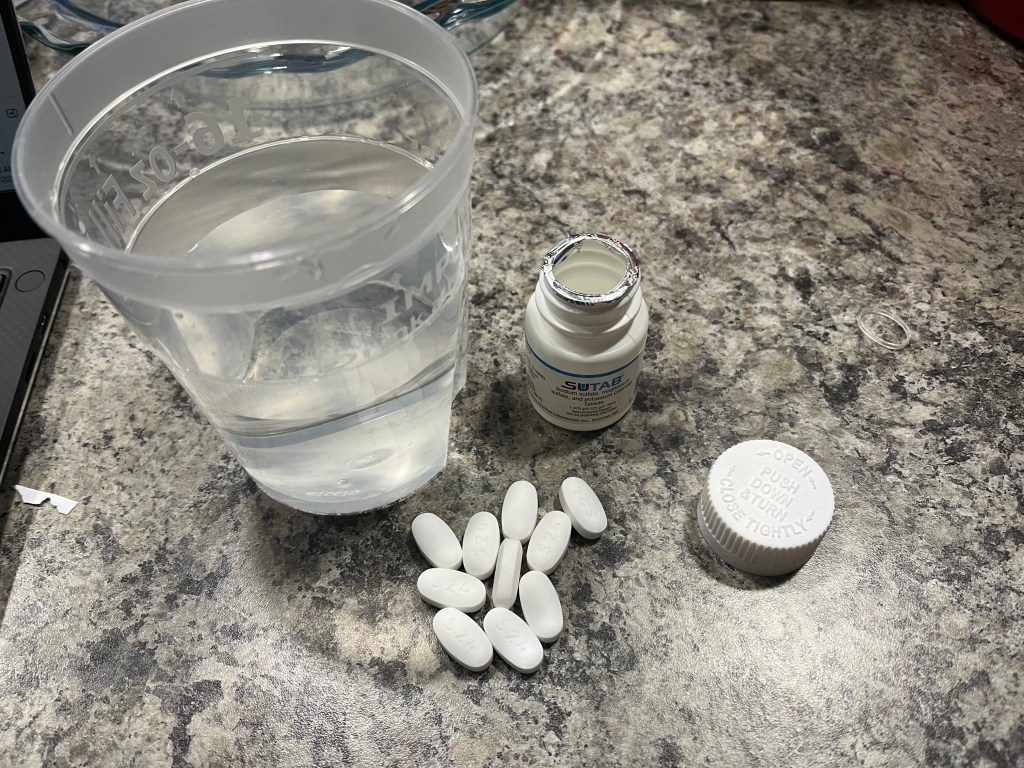
I did my second-ever pill prep (SUTAB) this time. I find swallowing 24 pills to be easier than guzzling anything that tastes unpleasant. There was a bit of a monkey wrench in my game plan this time around, when my gastroenterologist’s nurse informed me over the Patient Portal that magnesium citrate saline is recalled. Because of that, my doctor created an additional prep to make up for that. For some reason, the 24 pills deemed worthy for the rest of society to take to get cleaned out isn’t good enough. I received instructions two weeks prior to my scope that quite frankly scared the bejesus out of me.

Along with the 24 SUTAB pills and 96-plus ounces of water, patients are expected to:

  • Take 1,500 to 1,600 mg of magnesium citrate pills, twice (This adds 12 pills to the prep, and they are horse pills)
  • 30 ml of Milk of Magnesia
  • Two enemas…yes, you read this correctly.

…the moment I received this news, my chest tightened, and I started to freak out. Regardless of the prep you choose (you’re “allowed to choose any one you like:”) …this is also “required”. Knowing this ahead of time made my mind race and I kept going back and forth about whether I was going to put myself through it or be my own advocate and go a bit rogue. It’s a bit daunting when the instructions are in CAPS and there’s the threat of needing to do everything over again.

Here’s what I did for my prep

It’s easy to talk a big game and say “there’s no way I’m doing this” …but at the same time, there’s a worry that looms that if you don’t, you may need to do another scope because you aren’t cleaned out enough. I’ve always been a bit of a rule follower, so it tends to take a lot for me to go against the grain.

I always do a self-imposed liquid diet to give me some buffer in case I encounter issues with the prep. My last meal is generally the Sunday night before a Friday scope. I allowed myself some crackers on Monday night, but other than that, I was strictly liquids all week. It’s brutal, but it always pays off in the end.

I bought magnesium citrate pills, the SUTAB pills, and the fleet enemas. I didn’t bother getting the Milk of Magnesia.

I took the first 1,500 mg (6 pills) of magnesium citrate, starting at noon the day before my 11:30 am colonoscopy. To me, it was a lot easier doing the pills than having to drink an entire bottle of magnesium citrate, which immediately causes me to vomit. I then timed out the 12 SUTAB pills, by setting a timer on my phone. I took one every 2-3 minutes. All you do is take the pills with 16 ounces of water and then follow that with drinking 16 ounces of water two more times over a couple of hours. I was “done” with my prep by 4 pm the day before my scope and wasn’t running to the bathroom too much.

I went to bed and set my alarm for 5 a.m. with the intention of doing the other 12 SUTAB pills + the additional 6 magnesium citrate. At this point, I was still on the fence about whether I would try an enema.

I walked downstairs in my dark house as my family slept and turned on a few lights so I could lay all the pills out on the kitchen counter. It was just me—all these enormous pills—and my thoughts. I got the 12 SUTAB down and after about 30 minutes I started feeling ill. I ran to the bathroom and vomited quite a bit…at the end I puked up bright red blood. It was petrifying. I screamed for my husband while I was on my hands and knees on the bathroom floor at 6 am. He ran down the stairs and could see how much anguish I was in. I immediately called my mom who is a nurse and she told me not to take anymore pills and that my prep was done.

My mom, who lives out of town, has been with me for every single prep since diagnosis, but this time around, she wasn’t since it’s so close to the holidays. Not having her by my side added a bit to the stress. I asked her if I should do the enema and had some choice words. She told me not to do it. I agreed. Hospitals are running low on enemas right now, so the instructions said to “bring an enema to the hospital in case you need it.”

Speaking up prior to the procedure

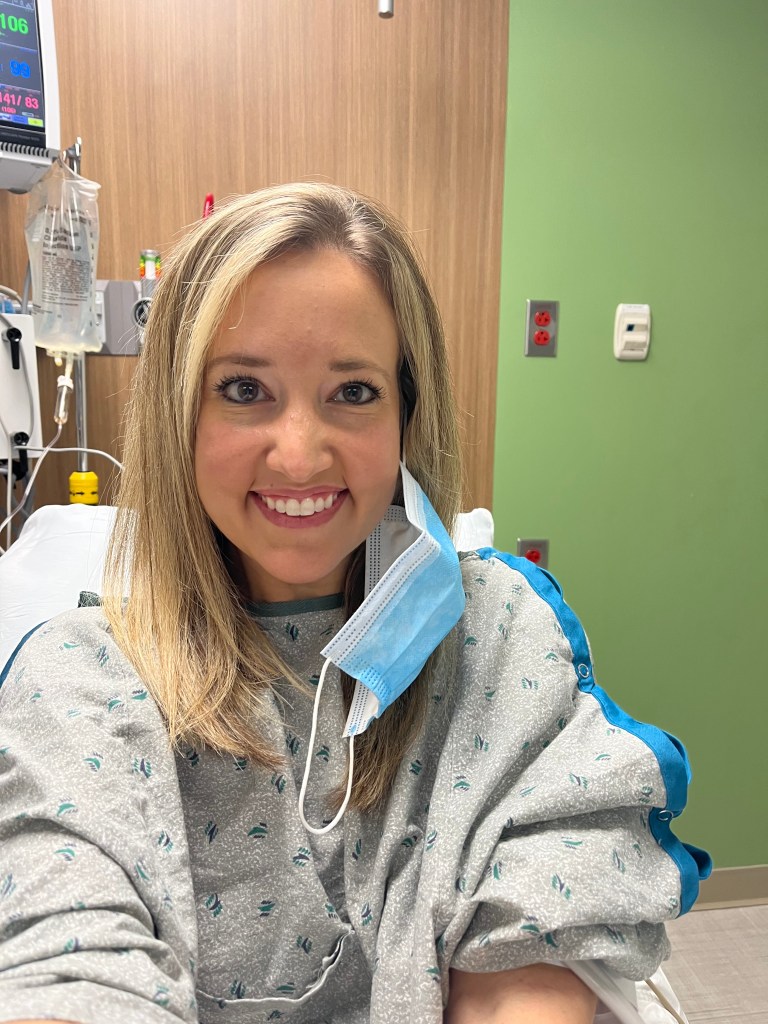
My scope wasn’t until 11:30 a.m., unfortunately it was very busy at the hospital, so I didn’t get mine until 1:15 p.m. When you haven’t eaten in nearly a week and your head is pounding from dehydration, every minute feels like an eternity. When the nurse finally got me from the waiting room, we got to the endoscopy suite and while I was still in my street clothes, she asked me if I had my enema with me. I froze in my tracks. I told her I forgot it on my counter (I purposefully forgot it on my counter) …and I proceeded to go into an explanation about how ridiculous it is to expect this of patients, how unnecessary and over the top it is and that I refuse to do it. She asked me if I did the enema earlier in the morning, I said no. To my surprise, she completely empathized with me and said she couldn’t agree more that it’s making all their procedures run late, that no other GI’s require it, and that she knows after 17 years with Crohn’s I know what I’m doing. She was whispering in cahoots with me, and it felt SO good to feel validated and heard.

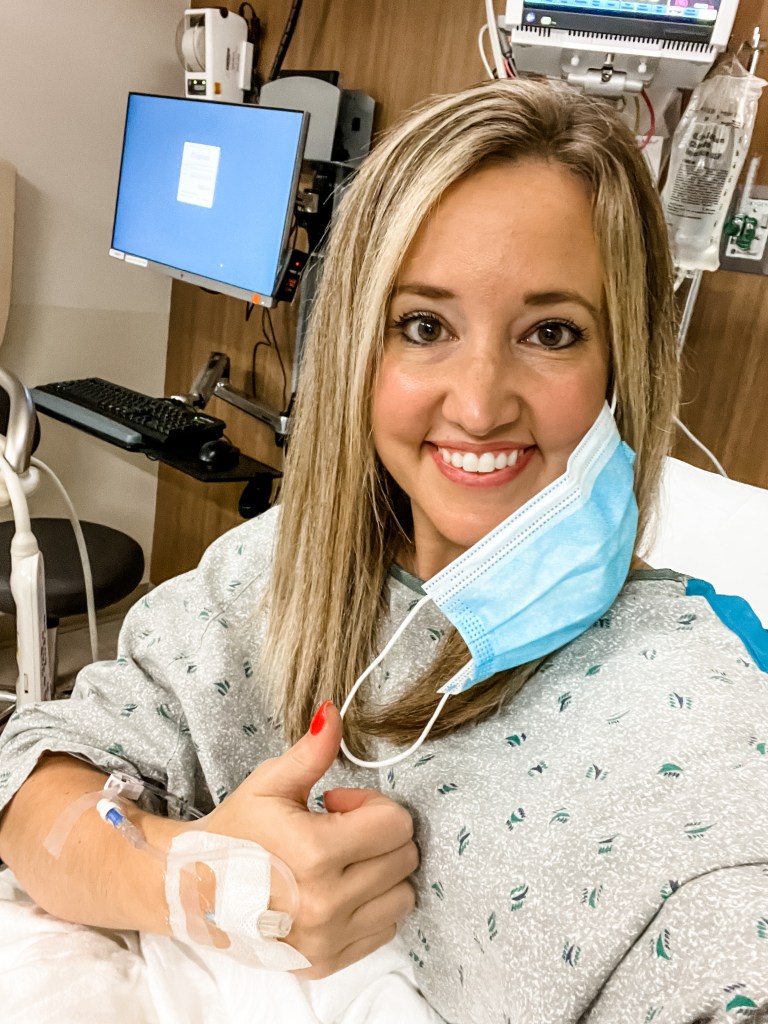
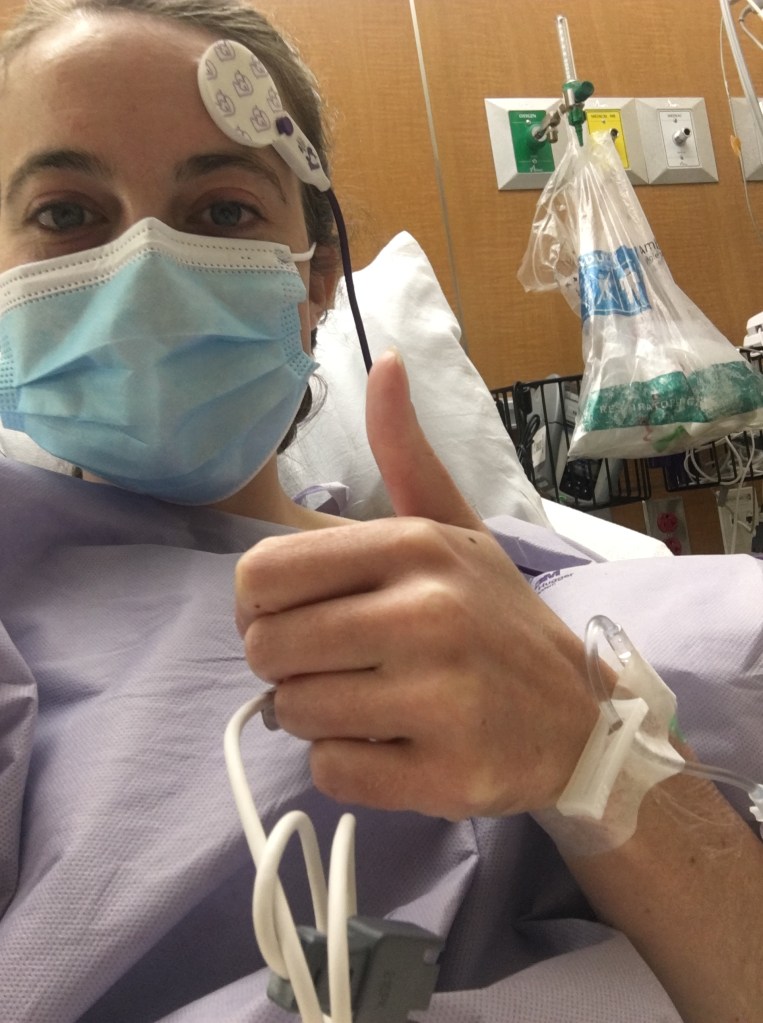
When I told her I had difficult veins, rather than rolling her eyes or downplaying my fears, she listened and was so kind. She took a close look at all the options and ended up choosing a vein in my right hand. She got me with the first stick and immediately all my anxiety around the IV went away.

I informed my GI and anesthesiologist that I had vomited blood while doing the prep. They let me know that was from throwing up and it caused the capillaries in my esophagus and stomach to break and bleed. Because of that I was told prior to my procedure that in the event there was blood down below, an endoscopy would also need to be performed. Luckily that was not the case! I was given an antacid in my IV to help resolve any possible issues. I made the mistake this time of not taking my prescribed Zofran to prevent nausea. If you have a history of vomiting with prep, I highly recommend getting a script and taking this 30 minutes prior to starting your prep. In the moment, I was already taking so many pills I didn’t feel like adding one to the mix, but I wish I had.

The colonoscopy results

When I woke up from that amazing propofol nap I was thrilled when my GI gleefully walked into the recovery room with a huge smile on her face and told me that my small bowel and colon were “pristine”, that everything looked gorgeous, and that I was still in remission. The discharge notes state there is “normal mucosa in the entire examined colon” and that my “end-to-side ileo-colonic anastomosis” (where my small intestine was reattached to my large intestine from my bowel resection surgery in 2015) is characterized by “healthy appearing mucosa”. No biopsies were taken and the “quality of the bowel preparation was excellent”.

Remission is a complicated term and one I don’t take lightly. I reached surgical remission in 2015, after a decade of ups and downs. While I’m so grateful to continue the 7-year-streak of remission, I’m aware that tomorrow things can change. All any of us can do is focus on the right now and try not to dwell on what could be or what can happen. Remission is just a word—I didn’t do anything to deserve it, no one does. So much emphasis can be placed on being in remission, and I get that it can feel like a big deal—but IBD, whether you’re in “remission” or not is unpredictable, so there’s no sense in thinking you’re in the clear or invincible just because you’re told you’ve reached it. Remission does not mean you are completely free of symptoms.

My tips for going through a colonoscopy

  • Schedule your scope during an early time slot. Not only does this allow you to eat a lot sooner, but you’re also more likely to be taken right on schedule and not face any delays. For my 11:30 a.m. scope, I wasn’t at a restaurant until 3 p.m. I will say as an IBD mom, the 11:30 a.m. time was ideal in the fact I was able to get my two older kids ready for school and drop offs had already taken place before my husband and I left for the hospital.
  • Arrange childcare as you’re scheduling your scope. It’s challenging as an IBD mom or dad to have to worry about who is going to take care of your kids during procedures. Get the available dates for your colonoscopy and figure out childcare as you’re scheduling so there’s one less moving piece to deal with. My mother-in-law watched our kids from 9:30 a.m.-4:30 p.m. and it was comforting to know I had nothing to worry about while my husband and I were away.
  • Add in some buffer with a liquid diet for a few days. I’m not saying you need to go crazy with the liquid diet, but even doing one extra day of liquids will really ease your prep when it comes to what you need to pass. It also gives you a bit of leverage if things don’t go as planned when you’re trying to get it all down.
  • Listen to your body and do what you’re comfortable with. While there are guidelines and recommendations if you are vomiting, feeling sick, struggling to make it through the prep, just do what you can. Don’t push yourself to the brink of putting your health at risk. The SUTAB pills specifically say “Do not take other laxatives” … so how is a patient supposed to feel when their GI tells them to do a laundry list of additional laxatives?! The general population does the prep, without any add-ons. We should be able to do the same. I had to chuckle when I was told my prep was excellent, when I went off the grid and did what I felt was best. Before my procedure I smiled at my doctor and told her I did my best…and that’s all they can ask for.
  • Get labs ahead of time. The past few years my care team has tried to save me a trip to the lab and tried to get lab work through my IV. Each time, it’s been a nightmare. Last year the nurse in recovery stuck me 8 times and I was so dehydrated she never got any blood. She was unkind and rough and left me in tears. That was it for me. This year, I did labs the Monday before my scope. Having that checked off my ever-growing patient to-do list eased my anxiety and the nurse who did my IV said because she didn’t need to get labs through my IV, the needle could be a lot smaller—score!
  • Count the pills. I noticed this time I was given one extra SUTAB pill in my prescription bottle. I triple counted to make sure. There should be 24, total. Make sure not to take any extra.
  • Be cognizant of the time of year you get your scope. Get tests and procedures done prior to the end of the year when you’ve most likely reached your deductible, so you save money. I have a bone scan scheduled this week as well, crossing everything off the list when it’s covered.
  • Always remember gummy bears are a liquid. I share this year after year but so many people still seem unaware that this is the case. The day prior to a scope you need to steer clear of red and purple gummy bears, but you can eat gummy bears throughout a liquid diet and the day before your scope. The ability to chew something and have something sweet is a gamechanger. It’s a great way to chase prep that doesn’t taste good, too. This time around my sweet daughter took it upon herself to take all the red gummy bears from the bag so I wouldn’t accidently eat one…she made a pile of red gummy bears and proceeded to eat all of them.
  • Check about patient savings options. SUTAB is a bit pricier than other preps, you can save by going to http://www.sutab.com and printing off a coupon that brings the cost down to $40 with most insurances. Look into this regardless of what prep you do to make sure you’re not overpaying.
  • Feel empowered in what you’ve endured. Going through colonoscopies with IBD is not for the faint of heart. Chances are you have your own routine and know what works for you. Stick to it and speak up if something doesn’t sit right with you. Plan that post- scope meal ahead of time and reward yourself afterwards. You’ve been through a lot and deserve to recover and rest.

Til next year…

The Disability Showdown: How those with IBD in the US can get the benefits they need

This article is sponsored by Atticus. All thoughts and opinions are my own.

Navigating federal disability like Social Security Disability Insurance or Supplemental Security Income with inflammatory bowel disease (IBD) can be complicated and overwhelming. Those with chronic illness in the United States face roadblocks when it comes to being on the receiving end of benefits. Did you know 80% of people are denied the first time they apply for federal disability benefits and an astounding 90% are denied during the next stage of appeal?!

This week on Lights, Camera, Crohn’s we hear from Sarah Ashmore, an attorney at Atticus who has Crohn’s disease. The firm’s core mission is to “tear down barriers between people in crisis and the aid they need.” The social safety nets that exist are quite difficult to access. Atticus strives to help people in the IBD community and beyond get the assistance they deserve.

Juggling a flare and disability benefits 

Since being diagnosed with Crohn’s disease in 2005, luckily, I’ve only needed to utilize short term disability through my former employer after my small bowel resection. In the moment, surgery recovery and dealing with Human Resources unexpectedly from my hospital bed was stressful. I went from speaking at an all-employee event to blacking out from abdominal pain in the bathroom and going to the hospital. When I left my work office in July 2015, little did I know I would not be healthy enough to return for more than two months. 

At the time, I was completely naïve to short term and long-term disability benefits and how to get the support I needed to fully recover from surgery and maintain my position at work, while receiving a portion of my salary. I was like a fish out of water, learning as I went. I received my benefits and didn’t have issues, but that’s often not the case. Luckily, I’ve never needed to explore this further, so I did not need to utilize Atticus’ services.

Sarah’s experience

Sarah was diagnosed with Crohn’s disease in 2019 after dealing with symptoms for a year that left her feeling weak and powerless.

At the end of that year, my symptoms were so severe that I had to take short-term leave from my job and move in with my family to help take care of me: I was so sick that I couldn’t wash my dishes,” she said.

Sarah applied for short-term disability while awaiting her official diagnosis. Thankfully, once she received her IBD diagnosis and was put on medication, she was able to return to her old lifestyle and work.

“I think one of the biggest roadblocks is that applying for benefits requires organization, persistence, and patience and trying to access them on your own while dealing with the types of symptoms from an illness or injury that make it difficult for you to work can be extremely hard. I needed that support from my family and friends while I was applying for short-term disability and, for many people, applying for Social Security Disability Insurance (SSDI) is a harder and longer process.”

What makes someone eligible for disability? 

There are multiple options and they get confusing fast! You may wonder Which Benefits Do I Qualify For? Both short-term and long-term disability are often private insurance policies, while SSDI and SSI are provided by the government. 

Short-term disability, like what Sarah and I accessed, is generally private disability insurance that you purchased or was provided by your employer before you became disabled. It normally lasts 3-6 months and pays a percentage of your salary. There are also five states that offer short-term disability separately from private short-term disability. Long-term disability is very similar to private short-term disability, but it often pays a smaller percentage of your salary and, of course, lasts longer than private short-term disability. 

Social Security Disability Insurance and Social Security Income are both federal programs and, really, where Atticus can help. 

“Both Social Security Disability Insurance (SSDI) and Social Security Income (SSI) are federal programs designed for people with a diagnosed medical condition that will prevent them from working for at least 12 months. The technical eligibility (such as how much money you make or your age) is different for each program, as is what a beneficiary gets. The medical eligibility for both programs is the same: you must have a diagnosed medical condition that will keep you from working (although you can do some limited work) for at least a year,” explained Sarah.

The rules around eligibility are quite intricate and there are exceptions, if you are struggling to work due to your chronic condition or disability, make sure to talk to a lawyer about your specific situation to see if you’re eligible for coverage.

For SSDI a person should generally be making less than $1,350.00/month at a job, be younger than 66, and have worked about five of the last ten years. If you are awarded benefits, you get Medicare and up to $3,300.00/month depending on your work history. 

For SSI, a person should generally be receiving less than $841.00/month from any source of income and have less than $2,000.00 in assets (not counting things like your home) if you are single. The income and asset limits are a bit higher for married couples. If a person is granted SSI, they get Medicaid and up to $841.00/month depending on your sources of income. 

You can apply for both programs at the same time, and, in some cases, a beneficiary can be on both programs at the same time. 

“While there are general rules for eligibility, the evaluation is involved and there are exceptions to the rules, so please reach out to us at Atticus to determine your eligibility because we can offer individualized advice based on the specifics of your situation,” Sarah said.

Dealing with the disability denial and when to seek counsel

Getting an initial denial does not mean that you won’t get benefits or that you have a bad disability case. Don’t let this stop you from going through the process. If you get a denial, Sarah tells me you should request reconsideration within 60 days. This is when it’s optimal to get legal counsel involved. The lawyers at Atticus can walk you through the next steps in detail and get you connected with someone who can help you.

 “Ideally, legal counsel would not be necessary for getting disability benefits but, unfortunately, many people do need it. Although having a lawyer can be helpful at any stage of the process, if you are at the hearing stage, you are three times more likely to get benefits if you have an attorney or legal representative with you. Good lawyers will have the experience to understand what the Social Security Administration is looking for when determining whether to grant benefits: they should understand what documents you will need and what questions you will need to answer to help your application,” she said. 

Why Atticus is completely free to clients

All SSDI and SSI attorneys and legal representatives get paid on contingency, so they only get paid if they win their client’s case. If they don’t win, the attorneys (and Atticus) get nothing. The federal government actually sets how much an SSDI/SSI attorney can get paid so it is the same across the board: 25% of only the first check that someone gets from the Social Security Administration should they win their case, capped at $7,200.
 
“Atticus gets paid by the attorneys that we refer a case to the same way the attorneys get paid by the Social Security Administration. If the attorney or legal representative wins, we get 25% of whatever the attorney got from SSA. That is never passed on to the client (so the amount of money taken out of the client’s first check is always the same). Getting paid this way allows us to provide free advice and resources to folks we speak with whether or not they are eligible, want an attorney, or end up using our services,” Sarah explained.

Click here to connect directly with an attorney at Atticus.

Coming to grips with the emotional struggle of realizing you need help

The stress of life and career can make this entire ordeal feel endless. As we all know it can be humbling to have to express how sick you are to those who often don’t understand the severity and complexity of IBD. There’s no need to suffer. There’s no need to be a martyr. Recognize when you need to wave the white flag and realize needing disability, whether SSDI, SSI, or short term does not make you less than your co-workers or peers.

Much like myself, Sarah and I don’t consider our Crohn’s a “disability” per se, but we did know that we could not work or live the way we were when we needed support. 

“It’s a common theme we hear a lot from our clients. Especially if they don’t identify with the term ‘disability;’ or if someone feels like they are taking a government hand out after spending years working hard to make it on their own. SSDI is forced insurance designed for people who can’t work due to an injury or illness. Most workers have been paying into it every time they get FICA taxes taken out of their paycheck. It is designed to be there when you need it. If you would feel comfortable using private insurance, you should feel comfortable using SSDI. Asking for help can be hard but doing it can be so good for you in the long run,” she said.

Demystify the process of applying for disability benefits

Atticus’ goal is to get as many eligible people connected with federal disability benefits (SSDI and SSI) as they can. 

“We function as the equivalent of a patient navigator for anyone in the disability application process. We are like a primary care physician, but for legal issues: someone will often come to us and say something like “I have this medical condition or had this injury; I can’t work anymore, and I am not sure what to do next,” Sarah said. 

When someone calls Atticus for assistance, they will speak with an intake specialist who can help determine what benefits they are eligible for and recommend next steps.

If you want to continue the application process on your own, Atticus can provide resources and input on next steps for applying (for example, letting folks know they should get specialist care and then call back or apply).

“We give out our Guide to Applying for SSI to folks doing their initial SSI application. If they are not eligible, we can often point them in the right direction for other resources they may be looking for (for example, help with housing or signing up with Medicaid).”

If you are eligible and want legal help for the process, Atticus connects you with a legal representative or attorney who they think would be a good fit based on the specifics of their case, such as: location, case stage, medical condition, etc. 

“We only work with attorneys that we have hand-picked and vetted. Those attorneys and legal representatives don’t pay to join our network or sign up for a membership with us; we thoroughly vet every lawyer and representative we work with and form relationships with only those we trust and respect,” Sarah explained.

Testimonials from IBD warriors

Jeremiah: “I have been dealing with IBD for 13 months. Atticus was able to help me with my legal issues while I was too sick to fight for my own rights. I was able to receive the best representation while becoming healthy again. They fought for me and today I am receiving SSI and disability for my condition. These programs are dedicated to people like us, who are suffering. Now I do not have to fear the future or what I will do when I flare again. I’m able to focus on my health and live my life. I urge anyone to ask for help, it’s out there. Atticus is one phone call or e-mail away.”

Joni: “I was diagnosed with Crohn’s almost 2 years ago, but lived with IBD for years not knowing what it was. Treatment is not 100% as I still tend to get flare ups that usually put me in a hospital, missing work. With that and other health issues, I decided to apply for SSD, being denied twice, I reached out to Atticus to get legal help/representation. I emailed them and within an hour they reached out. By the end of the day, I had an attorney representing me. They’ve been a great and fast help! Very professional!”

Helpful resources

A Registered Dietitians’s Take: Diet vs Medicine for IBD

Managing and treating inflammatory bowel disease (IBD) with medication is often necessary for those who live with Crohn’s disease or ulcerative colitis. But for many, it’s a difficult decision that often comes with pushback and worry. This week on Lights, Camera, Crohn’s we hear from well-respected registered IBD dietitian and ulcerative colitis patient extraordinaire, Stacey Collins, about how she breeches this subject with patients and caregivers and how she utilizes her own patient journey to help empathize with those who are struggling to take the plunge.

Holding space and helping patients accept their reality

When it comes to needing medication, oftentimes conversations are harder on parents or caregivers, than the patients themselves. Stacey tries to encourage caregivers to find the support they need to accept the reality of their loved one needing medication to have a quality of life.

She says, “If someone wants to work with me on their nutrition “instead of medication,” I try to understand where the person is coming from. Usually, it’s from a place of fear, or uncertainty, and I really affirm that experience and hold space with them. Medications, side effects, accessibility, and adherence…it can all be so…heavy. There’s plenty of room to hold those two truths: meds are hard. And they’re often necessary.”

Stacey says when having these conversations she always begins with listening and holding space and then she puts her clinical hat on to ensure that it’s understood that these diseases are progressive and inflammatory, and that science shows that it’s best to get ahead of the inflammation, often with a medical provider, rather than chasing down the symptoms and the inflammation while quality of life suffers.

“I see my role as a registered dietitian as supportive of both treatment goals: helping patients have a quality of life, while assisting with the inflammation. But, I can’t provide medical nutrition therapy without the medicine component, and since diet isn’t ultimately the cause of these diseases, it works best as a complementary therapy with the support of a GI team; not as a cure.”

If patients aren’t trusting of their GI provider, Stacey tries to encourage them to seek out an IBD-specific GI doctor, if possible, while ensuring there’s also frequent follow-up with their local GI team, if they’re living somewhere rural. She says a lot of these conversations are born out of not feeling supported by GI providers, so she tries to help patients find GI’s who specialize in IBD, who are that are a better match.

“I’m upfront about not feeling comfortable about using nutrition in lieu of medication. That puts a lot of non-evidence-based pressure on my job as a dietitian, removes a lot of joy from the experience of eating, and further perpetuates the stigma associated with medicine. IBD is not a preventative metabolic disease, and patients should never feel blamed for eating their way into an autoimmune disease diagnosis. It’s simply not true, and it’s harmful messaging.”

How Stacey’s IBD journey inspired her to become a registered dietitian
 

At the time of her IBD diagnosis, Stacey was desperate for anything to stay alive. So, when it was either steroids, a biologic infusion, or having her colon removed, she was thankful the outcome wasn’t terminal.

“I happily agreed to the meds without even thinking about it. Within a month, I felt like a “normal” college student again, and honestly the changes that I experienced within my body due to the disease itself (losing my long, thick hair in clumps from malnutrition; seeing my body change rapidly to look emaciated), were far more difficult than any side effects from the medication. I felt like it was very much a night-to-day scenario, and I was so grateful for the medications as a result.”

But once she started feeling a little bit better and opened up to some family members about her disease, she heard a lot of negative chatter about the aggressive nature of the IV meds that she had “chosen” and thought, “Hmm. Maybe I’ll try juicing and holistic wellness,” never mind the fact that she was 21 years old with no professional support in making that decision.

“I quickly ended up hospitalized and needing an emergency Remicade infusion (the good ole days when hospitals kept it stocked in their pharmacy). The attending GI doc gave me some tough love, and really took the time to explain to me how “this is lifelong” and “you can’t be late on an infusion, because your immune system will lose response to the medication” and that really clicked for me. It was a hard moment and a tough pill to swallow, but it was a lesson of “maybe my well-meaning family members don’t know what’s best for me, and I’m going to have to trust my body, this med, and this doctor.”

In the years after, she went on to lose response to medications, start new ones, and it was always a night-to-day scenario all over again.

“I think this black/white sort of dichotomy of my experience on and off medication helped me accept that this was my reality pretty easily compared to others’ experience perhaps where maybe they’re less sick and the meds (not to mention the insurance gymnastics required to obtain them regularly) might seem daunting and leave people thinking, “Do I really need this?”. I was able to truly see that meds (and a whole GI team advocating on my behalf repeatedly for access to them) absolutely are the reason I’m still here.”

The challenge of receiving infusions

Infusions were psychologically a little “icky” for Stacey at first. She went from being a young, fun college student on campus with peers one minute… to driving 5 miles away to an infusion center where she was the youngest by a longshot, usually next to someone twice her age receiving chemotherapy or dialysis, and then she would go back to campus and pretend like nothing had happened.

“My boyfriend at the time (now husband) and I had a favorite haunt: Homeslice Pizza in Austin, Texas. Before my diagnosis, we were there on a date, and I spent the whole time in the bathroom. This was one of those places where there’s only one toilet…so I’d immediately finish and get back into line for the bathroom.He was really kind and said, “It’s okay! We’ll take it to-go, and when you’re feeling better, we’ll come back and have a pizza day and celebrate!”

Stacey says they were both so grateful for the night-to-day improvement with medicine that they named infusion days “Pizza Days” and this gave her a reason to look forward to infusion days, instead of dreading them. Over the years, we started inviting our friends to “Stacey’s Pizza Day” everywhere we moved: from Austin to Houston to Oklahoma City, and her friends had so much fun celebrating her infusion schedule every 2, 4, 6, or 8 weeks.

Utilizing research to help back the need for medication

As a dietitian, medications are out of Stacey’s scope of practice. As a patient, she knows them to be helpful. She tries to connect patients to resources so they can make informed decisions for themselves with a GI team that they trust. Resources like the IBD Medication Guide on the Crohn’s and Colitis Foundation’s website are really useful, as well as IBD And Me if patients and caregivers are having some cognitive dissonance about finding a biologic that feels right for them.

“Then I’ll ask them about what their takeaways were. Sometimes, talking out these conversations really helps patients find useful, effective ways to communicate to their GI doctor, so while I understand that it’s not my role as a dietitian to provide guidance on medication selection, I’m happy to help patients sift through what sort of questions or concerns they need to express to their GI doctor. So often as patients we brush off our concerns or our fears because we don’t want to be a bother, and I really encourage patients to have these hard conversations with their GI provider; A good doctor will want to know.”

Why taking medication is not the “easy way out”

It’s fine to struggle with medications; medications can be hard. It’s not fine to feel shamed out of using them under the dogma of gut-health and over-supplementing, and unfortunately there’s a lot of misinformation in the IBD space of people professing left and right how they’ve “healed their gut” naturally.

“I feel like I’m uniquely in the middle of loving the science of nutrition and needing modern medicine to still be here. For me, it’s been damaging and debilitating to also make society comfortable with my need for medicine for so many years until I learned to let that go. Now I speak up when I can if it’s worth my energy. There’s nothing easy about needing medicine for life to stay alive, and the people who say otherwise just haven’t seen that in their life, and that’s okay. It’s not okay for them to think their experience can be applied to all people with gut health issues though. Would also love to have clarification on “gut health.” IBS? SIBO? Constipation? Nervous stomach? Gas? IBD? These are different things that can’t have the same, convenient solution.”

How we can rely on nutrition as a valuable tool in managing our IBD

Stacey sees nutrition as the shiniest, easiest available tool in a toolbox full of other tools: mental health, sleep, pain management/PT/movement, medicine, and surgery.

“Sometimes when I work with IBD patients, nutrition is not even the most important tool- it just depends on what’s going on in each person’s life. Maybe surgery is the most important tool, or it’s mental health. Different life moments with IBD will require different tools, and while my obvious favorite tool is nutrition, the other tools mean a lot, too.”

Nutrition is a tool that is compatible with all the other tools, and nutrition interventions might take some fine-tuning, mindset shifts, and some tailoring to each person’s lifestyle. But the beauty is that it can be picked up as needed, and that’s nutrition’s superpower: it’s a tool, and it’s also a bridge for connection, safety, comfort, and a quality of life within the context of IBD.

“I teach my patients individualized nutrition for IBD as the remissive/relapsing beast that it is, not just for what it looks like during the time that I work with them.”

Stacey’s advice for patients

  • Expect non-linear. Try not to compare. Feel the feelings, let the energy and the emotion move through you whatever way it needs to, brace for impact, and know you’re still here. Make room in your day to celebrate a good one!
  • Recognizing there can be two dualities that are true. You can hate needing medicine and be grateful that they kept you alive. You can feel deep sorrow for losing your health before you were old enough to acknowledge its presence and embrace this new, unprecedented, post-op reality, even though it’s different than what you expected.
  • Embrace your emotions. You can cryabout the reality of having needed an ostomy and be thrilled to eat a chocolate croissant in a moving car without pain BECAUSE the ostomy granted you a pain-free eating experience. You can be fearful about choosing a j-pouch and celebrate that it’s possible and wild to live with one.
  • Resenting the diagnosis is normal. You can resent your IBD diagnosis and be grateful for who you are with it (and thankful for all the people you’ve met because of your diagnosis!).
  • Lean on support groups and the IBD family. The support groups through the Crohn’s and Colitis Foundation have been helpful for a lot of Stacey’s friends, and for her personally. She’s a huge fan of Spin4 and Team Challenge. Finding a safe, welcoming community who gets your reality (wherever that may be!) can be powerful and uniquely helpful.

PIANO 2.0: What women with IBD need to know about the latest pregnancy and postpartum research 

When the Pregnancy Inflammatory Bowel Disease and Neonatal Outcomes (PIANO) study first launched in 2007 the main goal was to understand the safety of anti-TNF biologics like Humira and Remicade, and thiopurines for women throughout pregnancy and postpartum. As an IBD mom of three, I was able to participate with my youngest who is nearly 16 months old. The experience was something I am extremely grateful for. This incredible research for our community that is going on daily, helps guide decision making for treatment, while easing our fears as we embark on motherhood while managing IBD.

PIANO 2.0 is now underway and this week on Lights, Camera, Crohn’s I share everything you need to know about the updates to the ongoing research project, how you can participate, what the findings have shown thus far, and the goals for the future. Esteemed gastroenterologist, Dr. Uma Mahadevan, continues to lead the charge and help pave the way by sharing discoveries and findings.

“With new funding from the Helmsley Charitable Trust, we are really able to transform PIANO and try to reach a broader group of patients and answer more challenging questions. These questions include the safety of small molecules (tofacitinib, upadacitinib, ozanimod) and the newer biologics (ustekinumab, vedolizumab, risankizumab) as well as expand into studying the placenta and the impact of IBD, the response to COVID vaccine in pregnant IBD patients, and following children out to 18 years of age to look at long term safety and outcomes. The more you know, the more questions that come up.”

What’s new with PIANO

All women with IBD who are pregnant in the United States are invited to enroll. Specific interest in enrolling women on newer biologics (Stelara, Skyrizi, Entyvio, biosimilars) and small molecules (Xeljanz, Rinvoq, Zeposia) even if it was within 3 months of your last menstrual period but not during pregnancy. PIANO 2.0 is also expanding to look at the safety of aspirin in pregnancy (to reduce the pre-eclampsia rate) and well as how IBD women heal after a c-section and vaginal delivery.

There are new and improved patient and site interaction updates as well. There’s now a patient portal that enables women to enter their data directly, a Twitter page (@PIANOIBD) for research findings and updates, and a website with outcome data right at your fingertips.

The medical sites participating have also expanded to include USC, University of Miami, and the University of Maryland. Dr. Mahadevan says they realized most patients in PIANO were Caucasian and of higher socioeconomic status.

“We know pregnancy outcomes differ by race and socioeconomic status and we need to understand if that also applied to IBD pregnancies – does it make those differences more extreme or is there no impact? By expanding to sites with a far more diverse population, we will be able to better answer those questions.”

As far as the Patient Portal, rather than filling out paperwork and participating in phone interviews, now women simply answer questionnaires on the portal when they enter the study, every trimester, after delivery, at months 4, 9, and 12 of baby’s life and then once a year thereafter. Thanks to the Patient Portal, women can enroll remotely across the United States and don’t have to be at an IBD Center to participate.

Pushing the research further

The overarching goal with PIANO 2.0 is to gather data points from newer biologics and biosimilars and look at the safety of small molecules. So far, 2,012 women with IBD have participated in PIANO. The hope is to have at least 150 newly pregnant women participate each year. 

So grateful I was able to participate in the PIANO study during this pregnancy, with my youngest child, who is nearly 16 months.

“With biologics we generally feel they are all low risk as they won’t cross the placenta in the first trimester when the baby’s organs are forming. Small molecules, however, are more concerning as they will cross during that key period of organogenesis. However, for some women that is the only therapy that works, and they must make difficult decisions,” explained Dr. Mahadevan.

Once the baby is born, the research will look at if the child develops any infection issues, malignancies, neurological issues, and immune diseases like IBD. There are some questions about basic diet as well. Having long-term data and a fuller picture of the future for IBD moms is priceless. By participating we’re truly paving the way for IBD moms now and in the future.

Dr. Rishika Chugh recently shared a presentation at the American College of Gastroenterology conference that Dr. Mahadevan co-authored that looked at data on 47 women on Stelara (ustekinumab) and 66 on Entyvio (vedolizumab). Those women were compared to moms not on biologics/thiopurines and those on anti-TNF therapies. 

 “There was no increase in harm from being on Stelara or Entyvio compared to those groups. Interestingly, those on Stelara had lower rates of preterm birth and C section. Numerically, there were also less infections on Stelara though that was not statistically significant.”

Participate in a Townhall Discussion with Dr. Mahadevan: Starting a Family with IBD: What Men and Women with IBD Should Know about Conception and Pregnancy

Save the date for a discussion taking place Thursday, December 15 at 6:30 pm Pacific Time. Click here to register for the free event.

Click here to enroll in PIANO 2.0

Follow the latest on PIANO 2.0 on Twitter.

Check out the new website

I’m excited to be serving as one of the IBD patient advisors on the project, alongside fellow IBD moms Jessica Caron, Brooke Abbott and Amber Tresca (from IBD moms). We’re looking forward to providing the patient perspective and helping to guide the conversation. Jess and I were on biologics in pregnancy and have previously participated in PIANO. I had the opportunity to participate in IBD research studies with all three of my kids and it’s extremely empowering to know you are helping to change the future of care for women in our community and providing women with the added support we need while navigating pregnancy and motherhood with a chronic illness.

What four educators have learned about life in the classroom with IBD

Life with IBD impacts our careers in many ways. Our disease can often dictate what path our future takes. As students, teachers, and families gear up for another school year, I thought it would be interesting to hear from educators who have IBD about what it’s like to lead a classroom while living with an unpredictable chronic illness. This week on Lights, Camera, Crohn’s hear the inspiring stories and perspectives of four unsung heroes who don’t allow their IBD to rob them of their career aspirations.

Sarah Rife has been a teacher for seven years, she’s also an IBD mom and an ostomate. She’s currently teaching eighth grade math in the Chicagoland area, but previously taught high school Geometry and Algebra.

“I have taught through many highs and lows Crohn’s wise. For the first 5 years, there wasn’t a single year that I didn’t use every single sick day I had (and then some unpaid days). I believe four out of five of those first years, I had at least one hospitalization where I missed consecutive days, as well. In this time, I was on four different medications and tried a clinical trial.”

While this was going on Sarah says she rarely ate at school and if she did, she stuck to 3-4 “safe foods” to help get through the day.

“I constantly taught with an escape plan in the back of my mind. You can’t just leave a room full of 28-32 kids sitting unsupervised, so I constantly had to think about things like ‘Who will I have cover my class?’ ‘What if I am gone more than 5-10 minutes?’ ‘What can they work on that they will know how to do if I have to step out in the middle of teaching them something new?”

Sarah is open about her IBD with students and their families and says having IBD has made her a more compassionate educator since she understands when students need to miss school.

“When I was younger, I was the student missing multiple days of school. I remember the things that some of my favorite teachers did that helped me to not stress when I felt like I had mountains of missing work. Whenever I have a student gone for health reasons, physical or mental, my standard answer when they come back is “Worry about everything else first, and then I’ll talk to you about what we can do to bring you up to speed in math class. Don’t stress, I will work with you on it.”

One year while being evaluated by her principal during a drop-in visit. He walked into her room, sat down, and started typing. He was aware of her Crohn’s, but Sarah panicked when she knew she needed to make a mad dash to the bathroom while he was in her classroom observing her.

“I ended up going over to him and asking “I really need to step out and use the bathroom. Do you want me to grab someone like I usually do, or do you just want to watch them since you are here” He agreed to watch them, and I ran out to go to the bathroom. Whenever I had to step out, I was also conscious of what time it was. This time, there were about 30 minutes of class left. In my head, I needed to get back ASAP because THE PRINCIPAL was in there and he was supposed to be observing me. When I heard the bell ring and I was still on the toilet, I panicked – I’m talking instant tears. I was able to finish and tried to hurry back to my room. My path crossed his on the way back and I started to say, “I’m sorry, I didn’t know I would be that long.”

Sarah says her mind was racing with crazy thoughts about her abilities as a teacher and what she was capable of. The principal could see she had been crying and more tears were starting to fall, and he interrupted her and said, “Sarah, I am not worried about it. This is your third year here and we know this happens. I am worried about what I see when you are able to be in the classroom and what I saw meets and exceeds our expectations. Please don’t worry about it.” – This reassured her so much more than even he will ever know, but the story replays in her head every time an administrator pops in her room for an unannounced observation – even 4 years later.

When Sarah taught high school, she was nowhere near remission, forcing her to be extremely transparent with her students.

“I told them that I had a disease called Crohn’s and that in a nutshell, my immune system was attacking itself, specifically my intestines. They knew that me having to step out of class and disappear to the bathroom was a possibility and witnessed it multiple times a week, sometimes in the same class period. They were also aware that often these bathroom breaks would result in pain, nausea, and exhaustion.”

Whenever Sarah would have an episode, she says the students went above and beyond to be empathetic and understanding.

“I had students volunteer to work out examples on the board so I could sit down, and they were extremely good at switching gears and changing the plan if I needed to do something with less walking around, standing, or talking – for example work on a worksheet instead of doing notes or bringing questions to me at my desk over me walking around offering help. I really do think high school students are more resilient and compassionate than people give them credit for.”

Since her ostomy surgery, Sarah’s life in the classroom has changed for the better.

“I feel like a completely different teacher. My energy isn’t nearly as much of an issue, I can teach without constantly having an escape plan or worrying how long I’ll be stuck in the bathroom, I can eat lunch at school like a normal person, without worry or only packing the same 3 things, and for the first time in my teaching career, I had paid sick days left at the end of the year. I had a chance to worry about the content I was teaching first and my health second, which I had never been able to do in the past.”

Sadly, this past week, Sara’s ostomy leaked while she was in the middle of teaching 30 thirteen-year-old students. Luckily, she works less than one mile from home so she yanked her shirt down as far as it could go and told the admin she’d be back in 15 minutes.

Sara Margolin of New York has been a professor of psychology for 15 years, with a focus on neuropsychology, cognition, and aging. She says her experience with ulcerative colitis and two other autoimmune conditions has made her more understanding toward her students.
Sara says, “Robin Roberts said it best, “everybody has something.” And she’s right. I’m not the only person with a chronic illness. Many of my students struggle or someone they love struggles. Understanding that they deserve the compassion that I wish to have has only made me a better professor.”

Sara has had to leave the classroom on multiple occasions to urgently use the bathroom.

“I will either quickly show a film if I have one at hand or pretend to get a call from my children’s school and “need to leave to take it.” But in my smaller classes, where the discussion leads us there — in the discussion of medical trials, medications for chronic illness, or psychological issues stemming from chronic illness, I’ve discussed my condition. And there have been a handful of students over the years who have been diagnosed while in my class, and I share with them that I understand what they are going through. We bond over that.”

Now that classes are back to in person this fall, she has some concerns knowing she is not fully in remission and not able to teach remotely anymore.

“When I was teaching at home, I had a time or two where I turned my camera off and taught from the bathroom…. EEK! … and knowing that I may be in the position to need to do that but not be able to is nerve wracking. But I know that my colleagues will fill in for me if I do need them to.”

Madison Laspisa of New York has taught fourth grade for four years. She was diagnosed with Crohn’s disease in June 2020, during her first year of having her own classroom. Not only were schools shutting down when her severe symptoms began, but she was dealing with school closures and remote teaching, on top of being diagnosed with a chronic illness.

“My life was flipped completely upside-down to say the least. I was truly devastated at everything that was happening around me and to me. My first year in my own classroom should have been the most memorable part of my career (in a good way), but I sadly cannot say that. My life changed before I had a minute to truly process what was happening. However, since we were forced to stay home because of the Covid-19 pandemic I had the availability to see doctors and get procedures done as needed. Had it been a normal school year I would have had to take a leave of absence during my very first year of teaching.”

Since then, Madison says her IBD has impacted her experience as an educator in more ways than she’d like to admit.

“Aside from needing to take days off to receive my infusion, there have been days where I needed to take a last-minute half day because I desperately needed to see my doctor. At times, this can leave the main office scrambling to find a substitute for my class with an already existing shortage. Not to mention the schedule change my students have to now adjust to with their teacher leaving mid-day.”

Madison says the toughest challenge for her is the amount of time she needs to take off to receive her medication and meet with her care team. She does her best to schedule doctor appointments after school hours, but sometimes it’s not realistic. Right now, she receives her biologic every four weeks, which was changed from every eight weeks.

This required change in my treatment plan will now require me to miss time in my classroom with my students twice as often. It’s not as simple as “taking a day off” as it is very time consuming to create thorough substitute plans on the days, I am absent. It makes me feel like I’m a “bad teacher” because I have to take time away from my students and classroom. I feel guilty when I’m making substitute plans because I know I am going to be absent the next day and my students have no idea.”

Madison says the weight of the unpredictability of her Crohn’s makes her anxious. She worries about waking up one morning and not being physically able to go into work and do her job.

 “I love what I do with a passion and anything that can hinder my ability to do my job to the fullest breaks me. Having the summer months off allows me to slow down and take a break from my rigorous work schedule. In a sense, it provides me with some relief because I know being home, I don’t have to worry about missing work because of my IBD.”

Madison hopes that if someone reading this article aspires to work in education, that they don’t allow their IBD to deter them from taking the leap.

Teaching and being with my students is my escape from my reality with IBD sometimes. IBD has robbed me of so much and I refuse to let it rob me of my dream job. Do not let IBD dictate what you can and cannot do. Being a teacher and having IBD are both full-time jobs and can be extremely overwhelming at times but loving what you do makes all the difference.”

Krista Deveau has been a teacher in Canada for seven years, she recently became a mom and is an ostomate. She currently teaches kindergarten but has also taught third grade and worked as an intervention specialist helping students with literacy and numeracy. She started her teaching career three months after having a bowel resection surgery. She ended up landing back in the hospital three months later, weighing under 100 pounds, in one of the worst flares of her life.

My GI team told me that I had to work part time if I was able to or else my chances of being back in a hospital bed were quite high. Working part time has really given me a work- life balance where I can take care of my health and myself and also focus on my career.”

Prior to receiving her ostomy, Krista tells me it was difficult to teach, as she was having accidents almost daily and was vomiting in a garbage can outside of her classroom. During her first year of teaching, she had a meeting with an administrator after school and happened to have an accident. Krista had forgotten to bring a change of clothes.

“I was so embarrassed that I stayed behind my desk all afternoon so students couldn’t smell me. I cleaned up at recess as best as I could. After school I went to meet with admin and told them I had to leave because I had had an accident and didn’t have a change of clothes. I had already told them about my situation and how I was experiencing incontinence, so it wasn’t a big deal, but I was humiliated.”

Krista says teaching is a stressful and demanding job—and that it’s important to be honest with your admin team so there are no surprises along the way.

“Make sure to take care of yourself. Don’t stay late every day. Work smarter, not harder. Collaborate and share plans with other teachers so you aren’t reinventing the wheel. Lean on your coworkers. Find one good coworker friend that will have your back. Don’t work on weekends. Don’t take on too much of the extras, it’s okay to say no. Try to have a healthy work life balance. And find a school/school board that’s a good fit for you and where you feel supported.”

Helpful Tips for Educators with IBD

  • Be flexible and rework plans, not just in terms of being absent, but also what you can do instead if your energy level is too low to actively teach on your feet or if you need to talk for an hour straight multiple times a day.
    • For example: Create PowerPoint slides where every single step of a math problem animates itself with the click of a button so you can be sitting instead of standing up, exerting energy.
  • Teaching is a pleasant distraction. Teaching enables you to get your mind off your IBD and do what you love. Regardless of what you do professionally, your IBD is going to be a part of you, why let it take more from you than it already has? Enjoy the thing you can enjoy.
  • Make the appropriate accommodations for yourself. Once you are hired or work in a school district, provide school administrators with medical documentation as to why you are unable to work on a certain date. At the start of the school year, it can be helpful to turn in a letter stating your treatment plan along with a request to use the bathroom when needed stating your medical condition. Typically, teachers use the bathroom on their scheduled breaks, but this accommodation allows that in the event you need emergency use of a bathroom, someone will need to cover your class at any given time. This type of documentation for my district must be renewed every school year.
    • For example, if a typical teacher instructs five classes with an hour to plan and a 25-minute lunch, split with a 25-minute study hall, inquire about keeping your schedule consistent year after year and teaching two classes, then having a plan period, teaching two more classes, and then a ‘duty-free lunch’—meaning you get the entire 56 minutes for lunch, instead of having a study hall to give you a buffer for a bathroom trip along with minimal interruption to other classes.
    • Request a classroom close to a bathroom and department office so that there are people nearby in case you need someone to cover your class on a moment’s notice.
  • Try not to fear the worst. Being hospitalized is beyond your control and whether you have a chronic illness like IBD or not, life happens, and co-workers will need help from time to time. Rather than stress about who gave up what time to help you, focus on how to pay it forward and help other teachers when you feel well and when someone else is in need.
  • Teaching takes a village. Everyone is more than willing to help you out if you let them. Besides, it all becomes so much easier when you don’t feel like you must hide such a huge part of who you are. The sooner you realize people are willing to help you and you don’t have to try and keep it hidden, the easier teaching with IBD becomes.