From Ulcerative Colitis to College Football: Nick Zecchino’s Comeback and the Birth of Carna Nutrition

In 2016, Nick Zecchino was living the dream. After years of relentless dedication, he signed a Division I football scholarship to the University of Connecticut. For a young athlete who had poured his heart, body, and soul into the sport he loved, it was validation that every sacrifice had been worth it.

“I was on top of the world,” Nick recalls. “It was the proudest day of my life to that point. Then, one month later my health started to decline out of nowhere. It was scary, there were a lot of questions and uncertainties with what my future was going to hold.”

This week on Lights, Camera, Crohn’s a look at Nick’s remarkable journey and his comeback story both on and off the football field that left me in awe.

When a Dream Collides with a Diagnosis

Like many of us, Nick’s health issues blindsided him out of nowhere. He lost his appetite. Crushing fatigue set in. Blood appeared consistently in his stool, and his bowel movements increased dramatically. In March 2016, a colonoscopy confirmed what he had never even heard of before: ulcerative colitis.
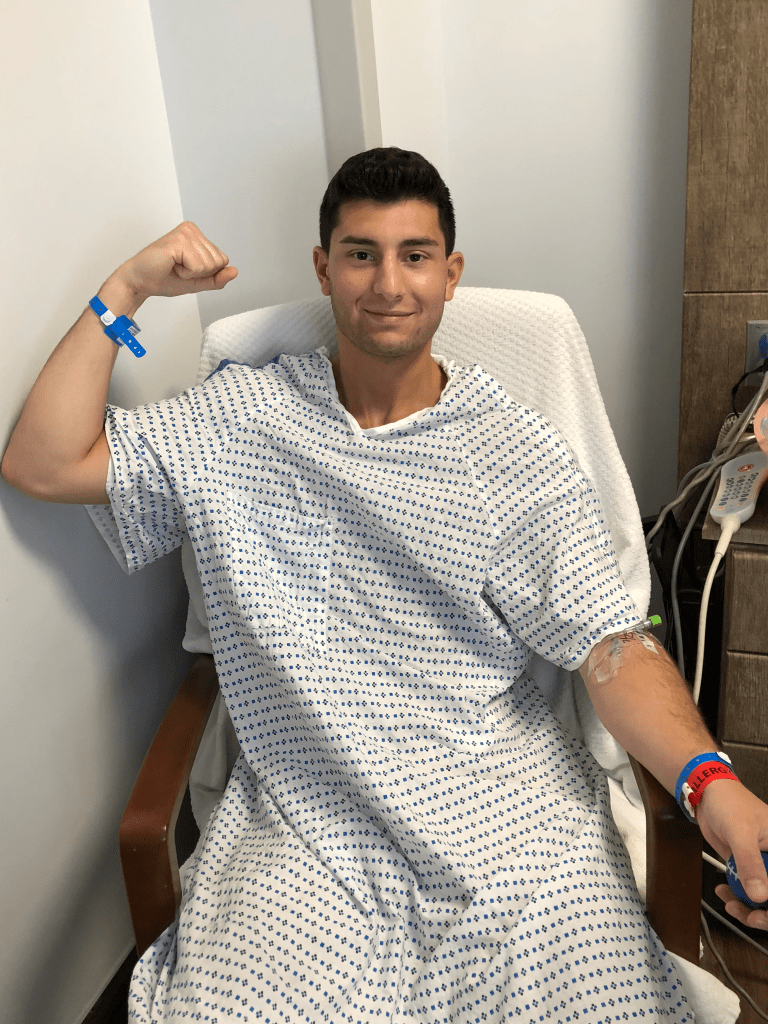
At first, Nick assumed it would be manageable. Get it under control. Heal up. Be ready for UConn by June.

“I didn’t know the long road ahead,” he says.

Weeks turned into months, and instead of improving, his symptoms worsened. During his senior year of high school, Nick missed most of his baseball season due to a constant flare. Maintaining weight and building muscle, which are essential for a college football player, became nearly impossible. By April, the fear crept in: What if this costs me football?

Playing Through the Unthinkable at UConn

Nick arrived on campus determined to push through. But ulcerative colitis never truly loosened its grip.

From the first game of his freshman season to the last, his health declined sharply. Between September and November alone, during his first college football season, Nick lost more than 50 pounds! By the final game, he weighed just 145 pounds and looked visibly ill. He used the bathroom 20 to 25 times a day, often passing only blood and mucus.

“There really wasn’t any managing it at that point,” Nick says. “I just had to deal with it and the consequences.”

He tried to hide his illness from coaches and teammates, unwilling to show vulnerability or weakness. He timed bathroom breaks to the last possible minute before kickoff, rushed off at halftime, and avoided eating on game days altogether. Even then, the urgency never stopped.

Years of Medications and No Relief

Nick’s treatment history reads like a roadmap of severe disease. After initially trying mesalamine and Lialda, his doctors escalated to stronger therapies as his condition worsened. Over time, he was on Remicade, Humira, Entyvio, 6-MP, prednisone, and antibiotics like Cipro. He even tried multiple biologics still in clinical trials for ulcerative colitis.

Nothing worked to wrangle his IBD under control.

At one point, doctors administered the maximum dose of Remicade possible, at the shortest interval allowed. It still wasn’t enough.

A Turning Point

Eventually, Nick’s dad made the hardest call of his life.

“My dad picked me up from UConn because I couldn’t go on like that anymore.”

A few days later, they were sitting in a doctor office at Mount Sinai in New York with Dr. Arthur Kornbluth, an IBD specialist who would change the course of Nick’s life.

“Going to Mount Sinai saved my life,” Nick says simply.

Dr. Kornbluth tried everything. Every possible medical “trick in the book” to try and get Nick into clinical remission. But despite his efforts, Nick couldn’t achieve lasting remission. Finally, they faced the reality neither wanted to confront: surgery.

“It was terrifying,” Nick admits. “But it was the only way I could get my life back and maybe still have a chance to play football again after my future was put on hold for over two years. Making the decision to go to Mount Sinai and get surgery completely changed the trajectory of my life. It will always be one of the best decisions I’ve ever made.”

Three Surgeries. One Unbreakable Goal.

Nick had a total colectomy (which removed his entire colon and gave him a temporary colostomy bag, followed by Takedown surgery and a J-pouch). After the three surgeries in six months, Nick finally began to feel like himself again. In January 2019, he returned to the gym for the first time.
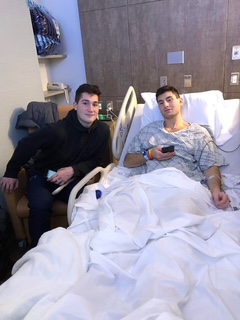
He was weak. Deconditioned. A shell of the athlete he once was. But his motivation never wavered.

“Football was my one and only motivation,” he says. “I spent nights in the hospital bed thinking about how I could get back on the field.”

By June 2019, Nick arrived at Purdue University. At this point, he was not just healthier, but also confident that his dream was no longer out of reach.

A Second Chance at Everything

Walking onto Purdue’s campus felt surreal. Nick felt like a freshman again, even though he wasn’t. In many ways, it was a new life.

“I was just so grateful,” he says. “I had a completely different outlook than anyone else my age.”

When game day arrived, the nerves hit harder than they ever had before. But the moment he took his first snap, they vanished.

“I felt like myself again,” Nick says. “It was one of the best feelings in the world.”

From that point forward, confidence replaced fear. He had already survived more than most people ever would.

Life After UC—and Living Medication-Free

During his four years at Purdue, Nick dealt with recurring pouchitis every couple of months. Antibiotics like Cipro helped, but he grew tired of relying on medication.

Determined to find another way, Nick dove into research on gut health, inflammation, and natural support. Supplements like L-glutamine made a noticeable difference. Eventually, the pouchitis stopped coming back.

One day, his dad noticed the growing lineup of supplements on the kitchen counter.

“If this works so well for you,” his dad asked, “why not create something that could help other people too?”

That conversation sparked the creation of Carna Nutrition and its flagship product, GUT R3BU1LD—a gut health formula inspired by Nick’s own journey.

The name Carna comes from Roman mythology: the goddess of health, vitality, and protection of the internal organs, while helping with digestion.

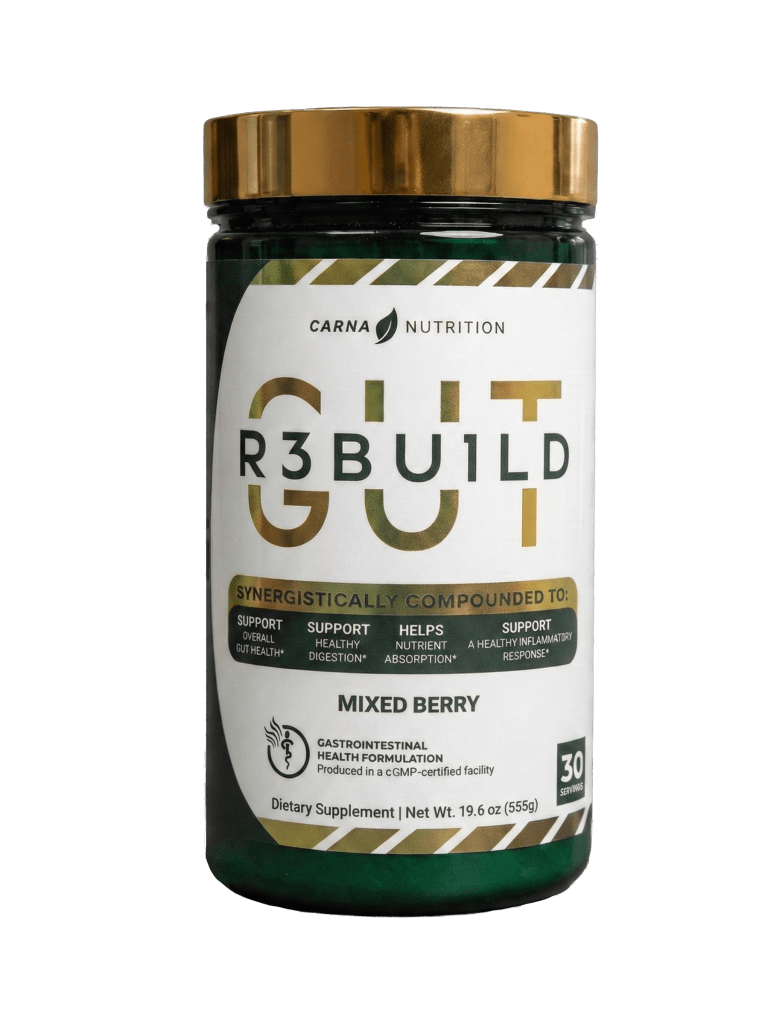
“I created the full spectrum formula of our product with the help of a health & wellness professional that has been in the industry for 25+ years,” explains Nick. “We also used the access to the manufacturers’ scientists that they have in-house to help us understand the way that the pharmaceutical grade and clinically studied dosages of the ingredients that we have in the product all work together synergistically in a beneficial way for every major gut healing pathway during digestive stress.”

“He Was on His Death Bed. It’s Incredible What He Did.”

Nick’s comeback left a lasting impression on everyone who witnessed it, including his football coaches.

Former UConn head coach and Purdue defensive coordinator and linebackers coach, Bob Diaco, recalls:

“I remember watching him and trying to figure out how to stop it. My wife hadn’t seen him for a few months, and she was distraught. He was on his death bed for real. It was bad. It’s incredible what he did.”

“He’s the kind of kid that makes you better,” Diaco continued. “He’s been the underdog at every turn. He always comes out on top. He’s always making an impact on the people around him in a positive way.”

A Message to His Younger Self and to Young Athletes Today

If Nick could speak to his 2016 self, he knows exactly what he’d say:

“Your journey isn’t going to look anything like you imagine, but it’s going to be the most rewarding path for you. Trust it.”

And for young athletes with IBD who are scared their diagnosis might end their dreams?

“Your diagnosis is not the end of your story,” Nick says. “You’re allowed to struggle. You’re allowed to take time to heal. But don’t lose hope. Most of the battle is mental. Stay strong, stay supported, and keep chasing your dreams.”

Where to Find Nick and Carna Nutrition

Nick’s story is a reminder that even when IBD takes everything, it doesn’t get the final word. Sometimes, it forges something stronger than before. Whether you’re a young person living with IBD or a caregiver worried about what the future will hold for your child, I hope Nick’s incredible story of resilience serves as inspiration to show all that’s possible despite the difficult diagnosis of IBD. I found it interesting that Nick wouldn’t trade all he’s endured to be where he is today, as I always say the same. As time passes and hindsight is 20/20 so many of us experience a transformation that shapes who we are today, all because of the struggles that took us to get here.

Traveling with IBD: Real Talk, Hard Truths, and the Courage to Keep Exploring

Traveling with inflammatory bowel disease (IBD) is rarely as simple as packing a suitcase and showing up. It’s logistics, emotions, planning, and flexibility. It takes a bit of hypervigilance. This layered on top of a disease that doesn’t take vacation days. But it is possible. And for many of us, it becomes one of the most empowering reminders that life with IBD can still be adventurous, and rich with new experiences.

This week on Lights, Camera, Crohn’s you’ll hear from two incredible IBD advocates, Kelly Dwyer and Rachel Verbanac. They both open up about their diagnoses, their anxieties, their coping strategies, and their go-to travel essentials. Their honesty and wisdom offer a roadmap for anyone who wants to explore the world without letting IBD call all the shots.

Meet Kelly: 21 Years of Symptoms, 7 Years Diagnosed

Kelly may have been diagnosed with Crohn’s disease in 2018, but she’d been living with severe perianal fistulizing ileal Crohn’s since the early 2000s.

“Before diagnosis, I avoided significant travel whenever possible because I was so ill. And when I did travel, I tried so hard to plan for every single scenario that it became stressful for me and everyone around me.”

Now in deep remission thanks to medication, Kelly still plans intentionally, but the difference is that the planning empowers her instead of holding her back.

She structures trips around:

  • Her injection schedule
  • The time of day she flies or drives
  • What foods she eats before travel
  • How to pace her energy
  • And what she needs to stay healthy while surrounded by crowds

“I wear a mask, use sanitizer constantly, wash my hands as much as I can… it all helps me feel like I’m doing what I can to set myself up for success.”

Kelly on Travel Anxiety: The Trauma Stays with You

Despite years of remission, Kelly still carries fear rooted in lived experience.

“I constantly worry about not making it to a bathroom. Even though it has not happened in years, that trauma stays with you.”

Kelly also experiences nausea, anxiety and a whole lot of gas and burbling guts when she travels.

“Finding the right medication cocktail that keeps things calm and in order in my guts (and brain!) took a lot of trial and error, but was worth it for me to find a combination to give me confidence that I’ll feel like I’ve done everything I can to get the trip off on the right foot. I would recommend you ask your doctor or GI about Zofran, anti-anxiety medications in small doses, Gas-x, antacids, and other OTC medications that might help you to make sure they’re safe for you to take.”

She’s built a system that helps her feel confident when she’s traveling:

  • A “Can’t Wait” restroom access card
  • Depends or heavy-duty panty liners on days she’s unsure
  • Change of clothes and wipes in her purse, not her carry-on
  • Imodium and emergency meds ready to go
  • Small meals before and during travel days
  • Medication for nausea, anxiety, gas, and gut discomfort

“I had to learn to relax into the chaos of travel and not panic when plans change. Travel is unpredictable—but so is Crohn’s.”

The Power of Protection: Insurance (Both Emotional and Literal)

Kelly is adamant that travel insurance is non-negotiable.

“I have used travel insurance many times for flare-related cancellations. It can be heartbreaking to miss something important, but it’s not your fault. This is your reality, and you’re doing your best.”

She also communicates openly with travel companions, so expectations are clear and compassionate from the start.

“Find as much peace as possible. Asking for everyone’s understanding and compassion, is so important. I remind myself that it’s not my fault that I am unwell. It’s not anything I did to cause the flare. This is simply my reality, and I am trying my very best, even if it doesn’t always work out the way I’d hoped.”

Kelly’s Must-Have Travel Kit

Here’s what she never leaves home without:

Kelly’s biggest piece of advice?

“Treat yourself with compassion, always. Build in extra time everywhere. Your comfort is worth it. Having a few extra hours at the airport to sit and read a magazine is much preferable to rushing through security lines and not being able to use the bathroom before getting on the plane because you’re late.”

Meet Rachel: A Travel-Lover Who Refused to Stop Exploring

Rachel was diagnosed with Crohn’s disease in 2021, right as she was going back to nursing school. Before that, she spent months living a nomadic lifestyle in New Zealand and expected to spend her twenties exploring the world. Her diagnosis meant rethinking what travel could look like. Requiring infusions changed everything.

“Hiking the Appalachian Trail used to be a dream, but with the need for insurance, pharmacy authorizations, infusion clinics, and access to university health systems… that lifestyle just wasn’t realistic anymore.”

But Rachel didn’t stop traveling. She adapted.

How Rachel Travels Now

Rachel describes herself as someone who “packs her anxieties,” but in a productive way.

Her prep includes:

  • Bringing a med kit stocked with small doses of essential meds
  • Monitoring hydration closely on travel days
  • Planning meals and bowel habits ahead of time
  • Understanding bathroom access in each country
  • Carrying small local currency bills for paid restrooms
  • Bringing a letter from her provider outlining her diagnosis and meds

“After many international trips, I’ve proven to myself that how I feel at home reflects how I feel on the road.”

Rachel also buys comprehensive travel insurance that covers pre-existing conditions, often from TinLeg, and encourages others to read the fine print carefully, especially regarding upfront payment rules.

“I feel much more secure knowing all medical bills will be paid for should I need anything abroad. Beyond health insurance, I have used the insurance for trip interruption and costs of delays. I also have my provider write me a letter stating my disease, common side effects, and my current medications. This letter can be useful when seeking care at a new clinic or if TSA should ever give you a difficult time (I have never experienced this). I like having the physical letter in the med kit.”

Bathroom Access: A Cultural Learning Curve

When traveling with others, Rachel gives them a heads up that access to bathrooms is a priority for her. Especially when traveling in Europe.

“Europe often requires a purchase to use a restroom. You cannot just run into a McDonald’s.”

Her strategy?

And she always tried to keep everything in perspective, even when the unexpected happens.

“Accidents are embarrassing, but you will most likely never see these people again. It is okay. You are okay.”

Travel Anxiety: You’re Not Alone

Rachel acknowledges the fears that come with IBD, but her message is clear:

Do not let IBD keep you from seeing the world.
Start small and your confidence will grow.

She now travels to Mexico annually and cannot imagine winters without it.

Nurse-Approved Safety Tips from Rachel

Some of her favorite reminders:

  • Even healthy travelers get GI bugs—be cautious with food and water. Taking general precautions like only drinking bottled water in areas where the water might not be safe to drink, sanitizing your hands often, and avoiding touching your eyes and mouth are still the best ways to prevent infections.
  • Avoid buffet sushi
  • Choose made-to-order stations
  • Read resort and food reviews. She checks out Google reviews, TripAdvisor, and Hotels.com to see what people have to say before she books a trip.
  • Wear an N95 on flights to avoid illness and see if your travel companions will do the same to help keep germs at bay.
  • Advocate for yourself with travel companions
  • Read Google reviews quickly if you’re unsure of a restaurant, locals and travelers will share if they got sick eating there. Look for highly frequented places.

As a nurse, Rachel has these words of wisdom for our community, “Don’t let IBD keep you from seeing places and experiencing new cultures. Often as patients we have anxiety and unknown destinations can seem overwhelming and scary. Start small and your confidence will grow, promise.”

Rachel’s Travel Med Kit

She carries:

  • Doctor’s letter
  • Hand sanitizer
  • Tylenol
  • Imodium
  • Pepto
  • Tums
  • Fiber
  • Gas-X
  • Benadryl
  • Dramamine (also helpful for intense nausea)
  • Zofran
  • Liquid I.V.
  • Band-Aids that are a few sizes
  • Contact solution or small vial of artificial tears (I wear contact lenses) 
  • A few doses of Dayquil and Zyrtec—when changing the container medication comes in, be sure to write the dose (mg or ml or the number of pills) and how often you take it.
  • A tube of triple antibiotic ointment and hydrocortisone ointment (for scrapes and bug bites)

Final Thoughts: You Deserve to Experience the World

Traveling with IBD takes more planning, more flexibility, and more courage than most people will ever understand. But as Kelly and Rachel show, it’s possible and it can even become empowering.

As someone who was diagnosed with Crohn’s more than 20 years ago traveling can still make me feel a bit uneasy. I always keep pain medication, Zofran, and Dramamine in my carry on. If you have to pack your biologic medication, keep that on you as well. It’s important to check how long your injection can be out of the fridge. Nowadays, Humira for example, can be unrefrigerated for up to 14 days. If you have to do your injection while away from home, make sure to have alcohol swabs and an ice pack (if you are used to using one).

I never drink caffeine prior to flights or long road trips, and I eat very light until I am at my destination. I try to dress as comfortably as possible, and do not restrict my belly in any way. The moment I get to my hotel room I take off my travel clothes and shower. If you are traveling and feeling symptomatic, it can be helpful to alert your care team at home and also do research beforehand about local hospitals so you have a game plan in place should you be facing an acute flare that may require a trip to the emergency room.

Whether you are taking a weekend road trip or boarding a long-haul flight, remember:

You’re allowed to take up space.
You’re allowed to prioritize your needs.
You’re allowed to choose comfort over speed.
You’re allowed to protect your energy.

And most importantly:

You deserve to make memories that reach far beyond the walls of your disease.

Additional resources

Traveling with IBD | Crohn’s & Colitis Foundation

Crohn’s Disease: Plan Ahead to Make Travel Easier

Travel Tips When You Have Ulcerative Colitis

Tips for Long Travel Days When You Have Crohn’s Disease

Snacks for Crohn’s Disease: 10 Easy Grab-and-Go Ideas

I’m a Frequent Traveler With Crohn’s Disease—Here Are My Packing List Non-Negotiables | Condé Nast Traveler

21 Tips for Traveling with IBD – Romanwell

Stronger from the Inside Out: The Role of Nutrition in Gut, Muscle, and Bone Health for Women with IBD

At the inaugural Cedars-Sinai IBD and Women’s Health Conference, experts came together to spotlight the unique challenges women face at the intersection of inflammatory bowel disease (IBD) and women’s health. Co-directed by Dr. Puja Khanna, Clinical Director of the IBD Women’s Health Program, and Dr. Maria Abreu, Executive Director of the IBD Institute, the event featured a two-part format: clinical updates for providers and education for patients and caregivers. Topics ranged from fertility and pregnancy to nutrition and mental health.

One of the featured speakers was Neha D. Shah, MPH, RD, CNSC, CHES, Senior Dietitian at the Colitis and Crohn’s Disease Center at UCSF and founder of Neha Shah Nutrition LLC, a private practice specializing in nutrition care for patients with IBD. Her session focused on nutrition updates and strategies to support gut, muscle, and bone health in women with IBD. This week on Lights, Camera, Crohn’s I spoke with Neha, and she zeroed in on something every woman with IBD should care about: how to use nutrition to protect our gut, muscle, and bone health.

Why Nutrition Matters Beyond the Gut

Whether you live with IBD or care for patients, you know that IBD affects much more than the gut. Fatigue, abdominal pain, and debilitating flares that blindside us can make it feel like our whole body is affected.  While we know this, it can be complicated to know how to address these specific challenges.

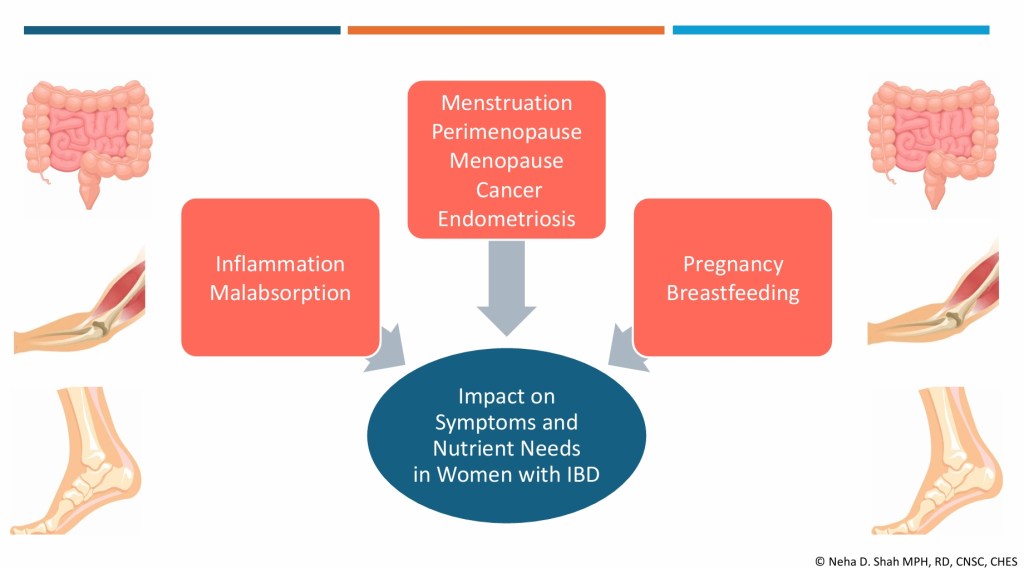
“Women with IBD face a unique set of challenges,” Neha explains. “Poor absorption can contribute to ongoing symptoms, muscle loss, and bone loss. Hormonal shifts, whether from PMS, pregnancy, or perimenopause add yet another layer, often making symptoms unpredictable.”

Her goal? To give women practical, evidence-based strategies they can use to better support their health, both now and as their bodies change through different life stages. As a woman who was diagnosed with Crohn’s disease at age 21, my questions and focus have shifted now that I’m 42 and my family is complete.

“Many women don’t just experience flare-ups; they live with changes in their body that evolve throughout life, impacting daily routines, work, and overall quality of life. In my presentation, I aimed to highlight both the latest updates and practical, whole-food strategies that women can use to better support their health.”

Key Takeaways from Neha’s Presentation

Gut Health

IBD symptoms often overlap with PMS and endometriosis: fatigue, abdominal pain, diarrhea, bloating, and constipation. If you’ve noticed an uptick in your IBD symptoms right around your period, you are not imagining it.

When combined, these conditions can intensify, highlighting the need for careful monitoring and proactive management.

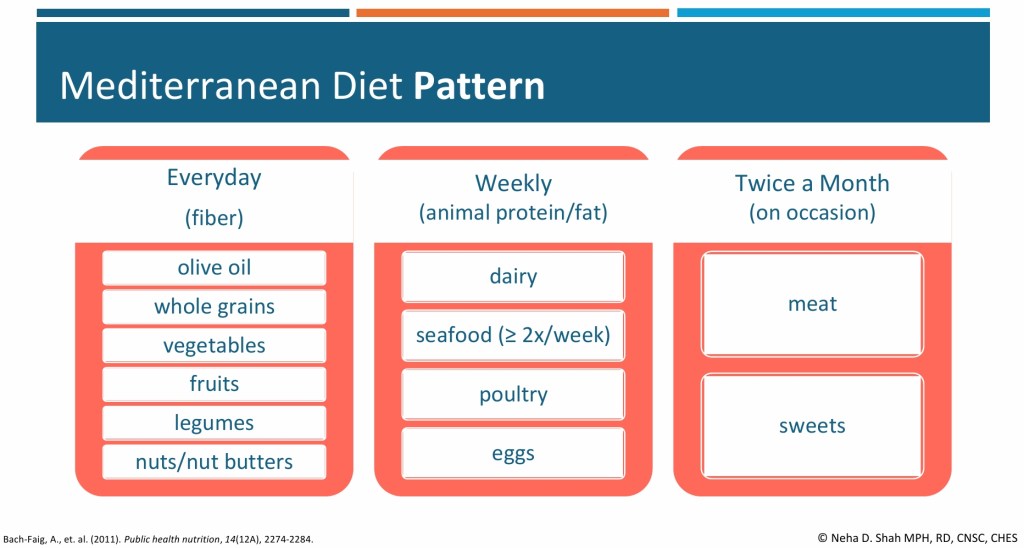
  • Dietary Patterns: A Mediterranean-style diet rich in fruits, vegetables, whole grains, legumes, nuts, and olive oil may reduce the risk of IBD flares and ease painful bowel symptoms in women with endometriosis.
  • Fiber Matters: Soluble fiber (oats, fruit) can slow diarrhea, insoluble fiber (leafy greens, brown rice) can help constipation, and less fermentable fibers may reduce gas and bloating. Adjusting textures, like blending or mashing can improve tolerance, especially for those with strictures.

Neha notes that further studies are needed here and she’s hopeful we’ll have even more intel in the future.

Muscle Health

Sarcopenia (loss of muscle mass and strength) is more common in IBD due to chronic inflammation and nutrient malabsorption. Hormonal changes and aging further increase the risk.

  • Nutrition + Activity: Adequate protein intake (1.2–1.5 g/kg per day for many with IBD) and resistance training are key. Individual requirements sometimes are even higher.
  • Gut-Muscle Axis: Emerging research suggests fiber may support muscle health by fueling beneficial gut bacteria. The National Health and Nutrition Examination Survey (NHANES) 2011–2018 survey data from 6,000 healthy adults (without IBD) showed each 5 g increase in fiber intake was associated with higher lean mass and grip strength, possibly through increased short-chain fatty acid production. Fiber’s role in IBD and sarcopenia remains understudied.
  • Practical Tip: Aim for 15–20 grams of protein per meal, combining both animal (e.g., fish) and plant-based sources (e.g., lentils, tofu, nut butter). People with IBD generally have higher protein needs, which can vary depending on weight, activity level, and disease state.

“Evidence in women with IBD is limited. One small case-control study of 23 women with UC versus age- and BMI-matched controls found reduced quadriceps strength, slower sit-to-stand and gait speed, and lower physical activity, though handgrip strength was preserved, says Neha. “Early assessment of nutrition, activity, and lower limb function is crucial. No IBD-specific sarcopenia guidelines exist, but recommendations from the International Clinical Practice Guidelines for Sarcopenia by the annual International Conference on Frailty and Sarcopenia Research by centers at John Hopkins University include increasing protein/calorie intake and resistance training.”  

Bone Health

Women with IBD are at higher risk for osteoporosis and osteopenia, especially during perimenopause and menopause. The gut-bone axis reflecting the connection between gut microbes and bone health may play a role. Calcium and vitamin D requirements in individuals with IBD depend on factors such as disease activity, malabsorption risk, corticosteroid use, and deficiency status.

If you haven’t done so already, talk with your care team about getting a DXA scan (bone density scan) so you have a baseline. The earlier in your IBD journey, the better. Bone scans are non-invasive, and probably the easiest test we undergo. You wear your street clothes, lie down on a table, and it’s a quick and painless experience. I have a bone health doctor at Wash U (yes, that’s her title!), who focuses specifically on this after a bone scan in 2022 showed signs of osteopenia and osteoporosis in my 30s. Be mindful on the timing—do not get a bone scan while pregnant or breastfeeding as this can skew the results. If you’re nursing, it’s ideal to give your body at least 6 months after weaning before you get a bone scan, so your bone health is accurate.

  • Calcium & Vitamin D: People with IBD often under consume these nutrients, particularly when dairy is restricted. For most, calcium needs range from 1,000–1,500 mg/day, with vitamin D at 1,500–2,000 IU/day. In a cross-sectional study of 65 IBD outpatients, nearly two-thirds reported restricting dairy, leading to an average calcium intake of only 343 mg/day—well below the daily recommendation.
  • Practical Tip: For those who tolerate dairy, start small—a dollop of yogurt, a sprinkle of cheese, or lactose-free milk. Non-dairy sources and supplements can help fill the gaps. When you get labs, you can talk with your GI about looking at your vitamin D level to see if it is adequate or not. I was on 50,000 IU once a week for many years. Now, I take 2,000 IU a day. So, this figure does fluctuate and it can improve.

Nutrition Across Life Stages

Neha stresses the importance of tailoring nutrition guidance to a woman’s age and life stage:

  • Young women (around age 20): Focus on building peak bone mass, meeting calcium and vitamin D needs, and making realistic choices in dining halls or dorms. Portable, nutrient-dense snacks like yogurt, nut butter, or fortified bars can make a difference.
  • Premenopausal women: Greater emphasis on long-term bone and muscle health, distributing protein intake evenly throughout the day, and pairing nutrition with weight-bearing activity to maintain strength. Neha’s focus shifts more toward optimizing long-term bone health, since risk factors may be increasing.

“Across both age groups, I prioritize adequate protein and fiber in forms that are well tolerated to help manage symptoms and optimize muscle mass, while also monitoring common nutrient deficiencies such as iron, vitamin B12, and folate,” explains Neha.

The Role of an IBD-Specialized Dietitian

A dietitian specializing in IBD plays a vital role in helping patients understand how inflammation and treatments can affect digestion, absorption, and food tolerance.

“We stay up to date with the latest evidence and tailor nutrition strategies to each stage of the disease—whether someone is newly diagnosed, recovering from surgery, or in remission. For example, we help patients identify which types and textures of fiber are best tolerated, since not all foods impact the gut the same way,” says Neha. “We also emphasize balanced protein intake from both animal and plant sources to protect muscle mass, and ensure nutrients for bone health, like calcium and vitamin D are optimized from both dairy and non-dairy options. Just as importantly, we integrate these strategies into each patient’s lifestyle, culture, and social settings so that recommendations are practical, sustainable, and supportive of long-term quality of life.”

By seeking out a registered dietitian who specializes in IBD you are truly targeting your treatment and receiving personalized care that helps you cut through the confusion, especially if you are newly diagnosed. Their strategies are not just good on paper; they work at your kitchen table and in your daily routine to help you get your health and well-being back under control.

Accessing a dietitian may depend on the healthcare system. Patients can ask their gastroenterologist for a referral, or they may be able to connect with an IBD-specialized dietitian through private practice. Many registered IBD dietitians also do virtual video calls, so it’s not necessary for in-person, local appointments. The Crohn’s & Colitis Foundation provides resources to help connect patients with dietitians who have expertise in IBD.

Final Thoughts

Nutrition in IBD isn’t one-size-fits-all. It requires careful personalization and an understanding of the unique challenges women face throughout their lives. By focusing on gut, muscle, and bone health, women with IBD can better protect their bodies today while laying the foundation for stronger health in the future. It’s not just about flares and managing our IBD, it’s about how our bodies uniquely absorb nutrients, how inflammation affects our strength, and how hormonal changes shift the way we fell over time. Muscle weakness, bone loss, and unpredictable symptoms tied to our menstrual cycles can be a lot, but small, realistic changes in how we eat and move our bodies can make a lasting difference.

Click here to learn more about Neha Shah’s work.

Connect with Neha on Instagram: @nehagastrord

Managing ADHD Medications with Crohn’s and Colitis: What Patients Want You to Know

Living with Inflammatory Bowel Disease (IBD) often means juggling more than one health condition. For some, that includes managing Attention-Deficit/Hyperactivity Disorder (ADHD). Both conditions can significantly impact daily life, and when it comes to treatment, it’s important to understand how ADHD medications may interact with IBD and its therapies. This week on Lights, Camera, Crohn’s we hear from more than 25 people who are juggling both and share their impactful advice.

The Overlap Between ADHD and IBD

While ADHD and IBD are separate conditions, research shows that people with chronic illnesses, especially those that begin in childhood or young adulthood may experience higher rates of ADHD or ADHD-like symptoms. Brain fog, fatigue, and difficulty concentrating are also common in IBD, which can make it challenging to distinguish what’s driving certain symptoms.

For those diagnosed with both conditions, ADHD medications can be life-changing, improving focus, energy, and daily functioning. But because IBD involves a sensitive gastrointestinal (GI) system, it’s important to weigh the potential effects ADHD medications can have on digestion and disease activity.

Common ADHD Medications and GI Considerations

Stimulant Medications (Adderall, Ritalin, Vyvanse, Concerta)

  • Appetite suppression: Stimulants often decrease appetite, which may be concerning for IBD patients who already struggle to maintain weight or adequate nutrition.
  • GI side effects: Nausea, abdominal pain, and diarrhea can occur, sometimes making it difficult to know whether a flare or medication side effect is to blame.
  • Sleep disruption: Poor sleep can worsen IBD symptoms and overall inflammation. Timing doses earlier in the day can help.

Non-Stimulant Medications (Strattera, Qelbree, Intuniv, Kapvay)

  • Slower onset: These may be less likely to cause GI upset but can take weeks to become effective.
  • Potential side effects: Constipation, abdominal pain, and fatigue are possible, which can overlap with IBD symptoms.

Impact on Gut Motility

Both stimulant and non-stimulant ADHD medications can influence gut motility (how fast or slow food moves through the digestive tract). For those with Crohn’s or ulcerative colitis, this may complicate symptom management, particularly if diarrhea or constipation is already a challenge.

Key Considerations for Patients with IBD

  1. Collaborative Care is Essential
    Make sure your gastroenterologist and psychiatrist (or prescribing physician) are aware of all your medications. This helps prevent drug interactions, especially if you’re on biologics, immunosuppressants, or steroids.
  2. Monitor Nutritional Status
    If stimulants suppress appetite, work with a dietitian to find calorie-dense, IBD-friendly foods and snacks that can help you maintain strength and body weight.
  3. Track Symptoms Carefully
    Keep a journal noting when you take your ADHD medication, what you eat, and how your GI symptoms present. This can help differentiate between medication side effects and IBD flare activity.
  4. Adjusting Doses and Timing
    Sometimes, smaller, or extended-release doses can reduce side effects. Timing medication with meals or adjusting when you take it can also ease GI discomfort.
  5. Mental Health Matters
    ADHD itself can heighten stress and anxiety, which are known triggers for IBD flares. Finding a treatment balance that supports both brain and gut health is critical for overall well-being.

An IBD mom and therapist shares her advice

Sammi is an IBD mom who works as a therapist. In her experience, both personally and professionally, she has valuable input to share about taking ADHD medications when you have Crohn’s or UC. Sammi took a low dose of Adderall (5 mg, sometimes 10 mg) in graduate school for her anxiety and ADHD.

“My appetite was extremely impacted I’m sad to say. I did not feel hungry until my stomach was physically giving me intense hunger cues. I was only a couple of months into Humira at that point so I too, was struggling with maintaining my weight and didn’t want that to be impacted.”

Here are a few things Sammi did to make it manageable:

1. ALWAYS eat before you take ADHD medications. Eat a big breakfast, if possible, protein and carbs (if you can tolerate generally, of course). As a therapist, many of my clients struggle with taking meds early enough at times. And inferring a good meal ahead of time can feel like a barrier so I just want to hold space for that. However, it is so imperative to be really fueled and in a good place stomach wise / eating wise before taking for the day.

2. Plan your meals out as much as possible. Since hunger cues were lessened for me, I was in the mood for nothing. So  it would be hard to decide what I was going to eat, and then I would not have to decide when I was feeling fatigued and overwhelmed.

3. Snacks are clutch. I say snacks because sometimes that’s just the easiest thing to eat, especially when you don’t want to think about food or you’re not actively thinking about food because your appetite is suppressed. I have Crohn’s disease and one of my biggest triggers is my stomach getting too empty whether it’s because I’ve waited too long to eat or I haven’t eaten enough that day. It will give me such a bad stomachache so that was happening to me pretty frequently when I first started taking the Adderall.

4. Take your ADHD medicines early in the day. This is my BIGGEST piece of advice and clinical recommendation for anyone who is considering taking ADHD medication. Take it early in the day so your sleep isn’t impacted. As we know with IBD- sleep can already be difficult this is so important!

More from the patient community

“My advice is to take it early in the morning so that you can eat more in the afternoon and evening. I don’t have a problem with dropping weight; I had the problem of retaining! Transparently, now I’m on GLP-1 (GI approved) medication, and I’ve lost 38 pounds. Best I’ve ever felt! But, when I take my Adderall too late in the day, I don’t eat and that’s not good either. I take my ADHD meds twice a day, as prescribed. Once at 7 am and once around noon.”

“I have IBD, and I currently take Adderall for my ADHD. I have been on it for a few months, and in my experience, my biggest issue is that it suppresses your appetite for quite some time. I’ve been struggling to gain weight for awhile due to my IBD, so taking something that makes it hard for me to eat all day has been a big challenge. I am thinking about asking my doctor to switch me to a new treatment plan to hopefully find something that doesn’t suppress my appetite!”

“I feel like it never affected me very much with eating and I don’t think there was any interactions between anything with ADHD meds and my UC!”

“I’ve heard fellow moms with kids on these medications recommend eating a big breakfast before ADHD meds kick in, having a snacky lunch, and a late dinner after they wane.”

“There are non-stimulant ADHD meds. Stimulants are the ones that suppress appetite. You can ask your doctor about these and ask to start on the very lowest possible effective dose, if stimulants are required.”

“I don’t take ADHD medications now, but in college I did. I did not find it impacted anything with my Crohn’s. Depending on the ADHD med, it could impact appetite but didn’t interfere with how I manage my IBD.”

“I’m on mental health meds for anxiety and depression, along with ADHD meds, and I do think I’ve had a slight decrease in appetite. I also naturally have a lower appetite than most. A family friend of mine has been on Ritalin for longer than me, and I think he has struggled more in that aspect than I have though.”

“I have a j-pouch with a post-pouch diagnosis of Crohn’s, and I take Vyvanse for ADHD. I take 30 mg a day, I don’t feel like it impacts my appetite at all.”

“I take stimulants for my ADHD, and I don’t have any decrease in appetite. It just depends on the person.”

“The best advice is eating a big breakfast, having snacks for lunch, and then eating a big dinner. I have also reached out to my Crohn’s dietitian  to have more creative ideas for small meal ideas! The issue with choosing what medicines is that they all aren’t covered immediately—I’m starting on Adderall, which is one of the suppressants—my doctor doesn’t plan to keep me on that long term, but due to insurance, I have to start there. I have also have to find out what exactly is covered and is not covered (as IBD patients we’ve been there before, right!?)”

“I have Crohn’s and just started to take Vyvanse about two months ago. Even on a low dose, while also being on a high dose of prednisone, I’ve had little appetite. It has helped me to eat something small as soon as I’m able in the morning, before taking the medicine. It helps me have more of an appetite throughout the day, though I have smaller meals now.”

“I have Crohn’s and ADHD. I take an extended release 10 mg Adderall and find that my appetite is fine, a little less, but not dramatically so. I hadn’t really thought about it until my GI went through my meds. I have found that if I take 20 mg (we played around with the dose to find which works best), I do experience a loss of appetite. I think if you can find the therapeutic dose, it should be ok! I’m just a case study of one, but I would also add that ADHD meds have the benefit of supporting healthier time management skills, so I’m more inclined to stop and eat, which my scattered self sometimes didn’t do.”

“I don’t take my ADHD meds every day, but I take Vyvanse and when I do take it, I notice appetite suppression, but it’s nothing severe. I don’t have a j-pouch or struggle with being underweight. When I take them, I usually notice mid-day appetite suppression the most. I tend to eat breakfast before it’s fully kicked in and the effects have waned by dinner time.”

“I have been on Vyvanse, and it has been the best on my stomach and ADHD. I was diagnosed early this year. I tried Adderall, and it made me anxious and over stimulated. Concerta had me nauseated all day, everyday…Vyvanse is the way to go!”

“I have been on Ritalin for the last 2.5 years (finally) and even started an anxiety med that also helps with my chronic pain.”

“I’m on 10 mg of Focalin for ADHD and on Imuran (max dose), Entyvio infusions, and other meds for anxiety and depression. I never had a big appetite regularly, so I haven’t noticed a big difference. The benefit for me has been that I am calmer now and don’t get that ADHD stress. I’m 45 and was just diagnosed with ADHD last November. I’ve had Crohn’s since age 14 with many surgeries between then and 2022.”

“I have IBD and take ADHD meds. I never had the lack of appetite side effect, so I might be an outlier. I usually eat breakfast before taking my pills. Sometimes I need to set timers to eat though if I’m hyperfocusing.”

“I recommend keeping snacks in view. If you don’t feel like eating, drink a protein shake. My Crohn’s symptoms improved a bit with ADHD meds, too.”

“I can’t speak to the loss of appetite, but I was diagnosed with ADHD a few months ago. I tried Adderall for three days, but each day it upset my gut. I had way more bowel movements than normal, even though I was not flaring, and my gut was sore after each one. So, I stopped taking the Adderall and everything went back to normal. I’ve just been self-medicating with caffeine ever since.”

“It helps to eat when you take your ADHD meds and then eat smaller meals throughout the day. It’ll make you not thirsty, so make sure you’re mindful about hydrating. I recommend taking little breaks from it, during weekends and things.”

“I just started my ADHD medications again post-baby and have noticed a huge drop in appetite. I tried a few different meds before settling on extended-release Ritalin. I will say immediate release Adderall severely exacerbated my Crohn’s and gave me horrible stomach cramps. The stomach cramp thing is common with that one, even if you don’t have IBD.”

“I stopped my ADHD medication. It absolutely  destroyed my belly. They are a stimulant and make you go to the bathroom more an also affect blood flow to the colon. It’s been awful.”

“Personally, it’s never been enough to make me lose weight. But I do tend to front load—eat my biggest meal in the morning. Also, the come down from stimulants will have you ravenous by the end of the day.”

Finding the Right Balance

Every person’s IBD and ADHD journey looks different. What works well for one person may not for another. The key is to be proactive, keep your healthcare team in the loop, and advocate for adjustments when needed.

Managing IBD is already a full-time job. Adding ADHD into the mix can feel overwhelming, but with the right treatment plan, many people find that their ADHD medications not only improve focus but also help them feel more in control of their health overall.

Additional Resources

Risk of Anxiety, Depression, and Attention-Deficit/Hyperactivity Disorder in Pediatric Patients With Inflammatory Bowel Disease: A Population-Based Cohort Study – PubMed

Association between attention-deficit/hyperactivity disorders and intestinal disorders: A systematic review and Meta-analysis | Scientific Reports

Gut dysbiosis as a driver of neuroinflammation in attention-deficit/hyperactivity disorder: A review of current evidence – ScienceDirect

Is There a Link Between Adderall and Ulcerative Colitis or Crohn’s Flares? | MyCrohnsAndColitisTeam

ADHD and Bowel Issues: Finding ReliefWhen ADHD Meets IBD: A Complicated Relationship – Girls With Guts

Magnesium Deficiency in IBD Patients and the Role of Natural Support

When you’re living with a chronic illness like Crohn’s disease or ulcerative colitis, it’s easy to become hyper-aware of every medication, every symptom, and every nutrient—or lack thereof. One essential mineral that often flies under the radar is magnesium.

Magnesium supports nerve function, hormone balance and how we respond to stress, so when levels drop, the nervous system can become overly reactive. For those with Inflammatory Bowel Disease (IBD), these symptoms can be even more noticeable because our bodies often struggles to absorb and retain magnesium properly.

According to Hollie King, Founder of Sweet Bee Organics, this humble mineral could be one of the most powerful tools in the IBD toolkit. This week on Lights, Camera, Crohn’s Hollie explains why magnesium matters so much for people in our community.

While I was working on this article, I did an Instagram poll asking the IBD community if they take a magnesium supplement. Of the 245 people who responded, 34% said “yes”, 29% said “no”, and 37% replied “should I be?”

The power of Magnesium

“Magnesium is one of those quiet powerhouses in the body,” Hollie explains. “It’s often overlooked, but absolutely essential. It plays a role in over 300 biochemical reactions, helping muscles relax, supporting proper nerve function, balancing hormones, and aiding energy production.”

When magnesium levels drop, your body knows it—but it doesn’t always scream it out loud. Instead, it whispers. Symptoms like anxiety, poor sleep, muscle cramps, low energy, and even restless legs may emerge. But there are subtler signs too: eye twitching, heart palpitations, tingling sensations, and a hypersensitivity to noise or stress.

For those with IBD, particularly Crohn’s disease, magnesium deficiency can be even more pronounced. “When the gut is inflamed or damaged, it struggles to absorb nutrients properly,” Hollie shares. “And magnesium is one of the first to drop.”

The Magnesium–IBD Connection

Recent research, like the article “Magnesium—A Potential Key Player in Inflammatory Bowel Diseases? published in the Journal of Inflammation Research, highlights the strong link between magnesium deficiency and IBD. But knowing you’re deficient and being able to do something about it are two very different things, especially if your gut can’t absorb it well.

That’s where Sweet Bee Organics comes in. Rather than relying on supplements taken by mouth, Hollie and her team focus on transdermal support—a method that completely bypasses the digestive system.

“Our Sweet Sleep Magnesium Butter delivers highly absorbable magnesium chloride directly through the skin,” Hollie says. “You simply massage it into your chest, feet, lower back, or even your tummy before bed. It’s not just about topping up magnesium—it’s about calming the nervous system, supporting sleep, and helping the body reset.”

The Sweet Sleep Magnesium Butter isn’t just effective—it’s a best-seller across the U.S. and U.K. for a reason. “We’re obsessed with packing as much magnesium as possible into our balm,” says Hollie. “It’s not easy, but we’re committed to delivering a product that works—and works quickly.”

For people with Crohn’s or ulcerative colitis, the benefits of restoring magnesium levels can be profound. Balanced magnesium supports better digestion, improves sleep, reduces muscle tension, steadies mood swings, and even eases PMS symptoms. You sleep better. You feel calmer. Your energy becomes more stable, and your muscles feel less tight or twitchy.For IBD patients in particular, it can help calm inflammation and improve nutrient absorption—essential steps in managing the day-to-day symptoms of the disease.

“It’s not a magic fix, but it’s one of those foundational nutrients that helps everything else work better. The biggest thing people notice? They just feel more like themselves again,” Hollie explains.

Hollie’s Health Journey

This mission is deeply personal for Hollie, who was diagnosed with aggressive cervical cancer and had to completely reimagine how she cared for her body. “Magnesium became an important part of my healing journey. It wasn’t just about sleep or stress—it was about helping my body heal, rebuild, and feel safe again.”

Screenshot

Hollie happens to be my husband’s first cousin—and witnessing her health transformation and all she’s accomplished since her cancer diagnosis has been awe-inspiring. We’re not only family, but friends and I admire her and the genuine work she’s doing. We’ve wanted to collaborate for awhile and when Hollie saw the recent published medical study regarding magnesium and IBD we knew this was the perfect opportunity.

Hollie and I took our kids trick or treating this past Halloween when she was back in the States

Her empathy extends to the IBD community. “For anyone living with IBD, I truly see you. I know how exhausting it can be to manage symptoms, juggle treatments, and wonder if your body is even absorbing what it needs. That’s why I created Sweet Bee. Magnesium might seem like a small thing, but sometimes the smallest shifts are the ones that change everything.”

How is Magnesium Measured—and Why the Standard Test Might Miss the Mark

Many of us assume a blood test will tell the full story, but Hollie points out that traditional serum magnesium tests only measure about 1% of the magnesium in your body.

At my clinic visit with my GI last week, my doctor included magnesium in my lab work and the results were within range, but he also told me there would be no harm in using the transdermal magnesium discussed in this article.

For people with IBD, especially those experiencing persistent symptoms, your GI may suggest testing beyond the standard serum magnesium draw or even recommend supplementation based on symptoms alone. This may be something you want to bring up during your next clinic visit or over the Patient Portal.

How to Naturally Raise Your Magnesium

While supplements are helpful, diet is still key. Magnesium-rich foods include:

  • Pumpkin and chia seeds
  • Almonds, cashews, and peanuts
  • Beans and legumes
  • Spinach, broccoli, and potatoes with skin
  • Whole grains like oats and brown rice
  • Avocados, bananas, raisins
  • Milk, yogurt, and soy milk
  • Salmon, halibut, chicken, beef
  • Fortified cereals

That said, people with IBD often can’t rely solely on food due to absorption challenges. This is where topical support like Sweet Bee’s magnesium products truly shine.

Can You Take Magnesium with Crohn’s or Colitis?

Yes, but with care. Magnesium—especially in forms like citrate—can cause loose stools, which is problematic for IBD patients. That’s why topical magnesium is often a safer, more effective choice.

Always consult with your gastroenterologist before starting new supplements, especially if you’re in an active IBD flare, dealing with kidney disease or if you’re concerned about the medication(s) you are on.

Final Thoughts

In the landscape of IBD care, it’s easy to feel overwhelmed. But as Hollie reminds us, simple, natural tools—when thoughtfully applied—can offer real relief. Whether you’re struggling to sleep, feel calm, or just want to feel like yourself again, magnesium might be what your body’s been craving.

“You deserve to feel strong, rested, and well in your body. Replenishing magnesium levels in a gentle, non-irritating way can make a real difference in how you feel, both physically and emotionally,” Hollie says. “And we’re here to support that every step of the way.”

Learn More About Sweet Bee Organics

To explore Sweet Sleep Magnesium Butter and other clean wellness products created with love and integrity, click here. Use code NATALIE15 for 15% off sitewide.

Sweet Sleep was recently spotlighted on The View Co-Host’s Favorite Things for Mother’s Day. Check out the segment here.

Additional resources:

Can You Take Magnesium With Crohn’s or Colitis? | MyCrohnsAndColitisTeam

IBD and Magnesium | InflammatoryBowelDisease.net

Magnesium for ulcerative colitis: Benefits and more

Does Magnesium Provide a Protective Effect in Crohn’s Disease Remission? A Systematic Review of the Literature

Malnutrition in Ulcerative Colitis: 6 Common Vitamin and Mineral Deficiencies

What can magnesium do for you and how much do you need? – Harvard Health

Disclaimer: This article was not sponsored, but the content is for informational purposes only and does not replace professional medical advice. Always consult your healthcare provider before starting any new supplement.

Navigating IBD: A Journey of Resilience, Advocacy, and Hope

An Inflammatory Bowel Disease (IBD) diagnosis often comes with a heavy toll, not only on the body but also on the mind and spirit. For patient leader and three-time author Stephanie A. Wynn, her journey through IBD (like many of us) has been one of pain, perseverance, and advocacy. 

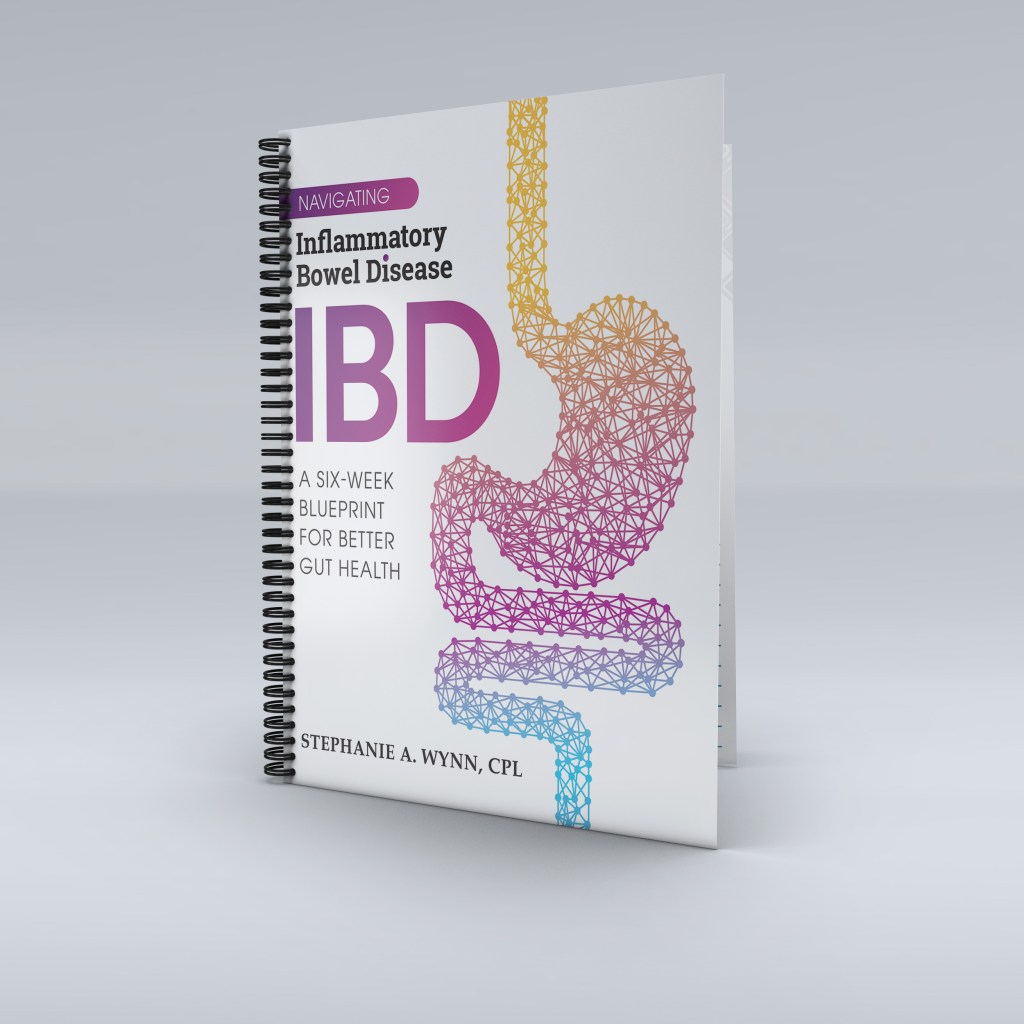
This week on Lights, Camera, Crohn’s a look at what inspired Stephanie to write, “Navigating Inflammatory Bowel Disease – A Six-Week Blueprint for Better Gut Health” and what she hopes our community takes away from her latest book.

The Inspiration Behind the Book

Reflecting on her personal story, Stephanie recalls a heartbreaking experience that would unknowingly be tied to her IBD diagnosis years later. “Fifteen years ago, I lost my daughter, Jameson. At the time, I had no idea that Crohn’s Disease had anything to do with it. I wasn’t even diagnosed yet,” she shares. For years, her symptoms were not properly understood by doctors, which only added to the emotional and physical turmoil. It wasn’t until her sixth diagnosis that medical professionals finally connected the dots.

Through this painful experience, Stephanie realized the vital need for advocacy and support for those suffering in silence. This realization sparked her passion for helping others who may be overlooked or misdiagnosed. “I advocate for the women who are told their pain is normal. I advocate for the patients dismissed by doctors because their symptoms don’t fit the textbook definition,” Stephanie explains.

This journey led to the creation of Navigating Inflammatory Bowel Disease (IBD): A Six-Week Blueprint for Better Gut Health. This book is more than just a personal account; it’s a powerful resource for those living with IBD and their caregivers. Stephanie wrote the book she wished she had when she was first diagnosed — a roadmap that offers not only practical advice but also emotional support.

A Glimpse Inside the Writing Process

As a three-time author, Stephanie approaches writing as a deeply empathetic process. She listens carefully to the stories and concerns of the IBD community. “Before I write, I ask: What are people struggling with the most? What’s missing from the resources currently available? How can I make complex medical and lifestyle topics easier to digest?” she says.

Each chapter of Navigating Inflammatory Bowel Disease (IBD) is designed to address the real-life struggles of patients and caregivers. The book offers practical advice on managing symptoms, self-advocating in medical spaces, and embracing resilience, making it a comprehensive guide to living well with IBD.

What Stephanie Hopes Readers Take Away

The central focus of this book is to give patients confidence. Confidence in managing their health, advocating for themselves in medical spaces, and maintaining hope for a fulfilling life despite the challenges of IBD. The six-week blueprint includes:

  • Actionable steps to manage life with Crohn’s Disease or Ulcerative Colitis
  • Reflection prompts to help patients process their journey
  • Guidance on managing symptoms, diet, and mental health
  • Tools for improving communication with doctors and loved ones

Stephanie emphasizes that no one should have to face IBD alone. “This book is about helping people find their voice, take control of their health, and live their lives with confidence.”

Amplifying Underrepresented Voices

Another key aspect of Stephanie’s work is ensuring that underrepresented communities are included in the conversation about IBD. She is especially passionate about advocating for Black, Brown, and marginalized patients who often face additional barriers to diagnosis, treatment, and support.

“Minorities and underrepresented communities have been overlooked in conversations about IBD,” she says. “The lack of awareness, delayed diagnoses, and disparities in treatment access are real barriers. Through my work as an IBD Patient Navigator® and Certified Patient Leader, I ensure that these communities feel seen, heard, and supported.” Stephanie is determined to elevate voices that are often ignored and make sure that health equity becomes a priority for all.

Why This Book Means So Much

For Stephanie, Navigating Inflammatory Bowel Disease is not just a book — it’s a mission. It is the culmination of her own struggles, triumphs, and desire to make a difference. “This book isn’t just a project, it’s my story, my advocacy, my purpose,” she shares. It’s the blueprint she desperately needed when she first began her journey with IBD, and now it’s available for others to guide them through the maze of treatments, lifestyle adjustments, and emotional challenges that come with this chronic illness.

She hopes her story serves as a beacon of hope for anyone who feels lost or overwhelmed by their diagnosis. “No one should have to figure out Crohn’s Disease or Ulcerative Colitis alone,” Stephanie says.

Final Thoughts

Stephanie’s message is clear: IBD may shape our lives, but it doesn’t have to define us—which I love! Navigating Inflammatory Bowel Disease (IBD): A Six-Week Blueprint for Better Gut Health is not just a guide for managing symptoms, it’s a testament to the power of resilience, hope, and community. With this book, Stephanie aims to spark a movement towards better gut health, stronger patient advocacy, and a future where no one navigates IBD alone.

Whether you are newly diagnosed, a caregiver, or someone who has lived with IBD for years, this book is for you. As a fellow patient advocate and leader, I’m so proud of Stephanie for going after her dreams and making this latest resource a reality for our community. Together, we can turn pain into purpose and ensure that no one fights this battle in silence.

Click here to order your copy of Navigating Inflammatory Bowel Disease.

Let’s keep the conversation going.

Connect with Stephanie on Instagram and LinkedIn and share your IBD story.

Learn more about the Stephanie A. Wynn Foundation, Inc., which is dedicated to eliminating healthcare and financial disparities in underserved African American and marginalized communities.

Revolutionizing IBD Care: Introducing the Nutrition Navigator™ – A Personalized Tool for Empowered Healing

There’s a BIG advancement that was just unveiled this week regarding nutrition and IBD. Nutritional Therapy for IBD, a non-profit dedicated to improving the lives and health outcomes of patients with Crohn’s disease and ulcerative colitis through evidence-based adjunctive nutritional therapy, launched their The IBD Nutrition Navigator to the public yesterday. 

It’s a project that’s been in the works for two years and it’s the first nutritional tool of its kind! This FREE resource allows patients, caregivers, and healthcare professionals to work together to find the best nutritional approach on a personal level. This week on Lights, Camera, Crohn’s we hear from Kim S. Beall, Pharm. D., co-founder of Nutritional Therapy for IBD and Dr. Ashwin N. Ananthakrishnan MD, MPH, FACG, AGAF. These two, in collaboration with dozens of healthcare providers, designers, patients and volunteers, made this resource a reality for the IBD community.

What is the Nutrition Navigator?

The design was led by Dr. Ananthakrishnan, Harvard graduate, Director of the Crohn’s and Colitis Center at Massachusetts General Hospital and one of the top GI clinicians. 

“The IBD Nutrition Navigatoris a groundbreaking algorithm-based tool designed to assist healthcare providers and patients in determining a personalized approach to using nutritional therapy alongside medication to optimize care,” he says.

“The tool is based on discussions that Dr. Ananthakrishnan has with his patients about nutrition and how it can be used in conjunction with medications and surgery to improve health outcomes. The IBD Nutrition Navigator is interactive and walks providers and patients step by step through six questions to assess not only the patient’s individual disease state and goals but also their interest in resources for nutritional therapy,” explains Kim.

The tool is designed for healthcare providers and patients to use together in shared decision making.  Once completed, the tool recommends the best fit for an evidence based nutritional therapy. These recommendations are geared 100% to the individual based on how they answer the questions. As we all know, there is not a one-size-fits-all answer when it comes to IBD nutrition, and the recommendation is never nutrition vs medication. It’s using nutrition as another tool alongside medication and other therapies. 

The inspiration behind the IBD Nutrition Navigator

Dr. Ananthakrishnan, an esteemed member of Nutritional Therapy for IBD’s medical advisor board, is the inspiration behind the IBD Nutrition Navigator

“He discusses nutrition with his patients and uses nutritional therapy alongside medication as part of his regular practice. “What should I eat?” is the most common question for patients after an IBD diagnosis. But because every patient is different, there is not a “one size fits all” answer to that question,” says Kim. “Weeding through the abundance of nutrition information available can be confusing and time-consuming. Dr. Ananthakrishnan felt that we should provide more guidance to healthcare professionals in a simple, evidence-based, clinical manner. And thus, the idea for the IBD Nutrition Navigator was born.”

A closer look at nutrition and IBD

Nutritional therapies used alongside medication and/or surgery can help manage symptoms, aid healing, and reduce inflammation in IBD patients. 

“For a long time, it was thought that diet didn’t even matter when it comes to managing IBD. We now have growing evidence that suggests that food does indeed matter as both a risk factor and a therapeutic option,” says Kim. “Patients struggle, however, with the abundance of nutritional information AND misinformation available. They may want to incorporate nutrition into their IBD management but don’t know where to start.”

Another very prevalent struggle is malnutrition. Patients are often afraid to eat new or certain foods for fear that those foods may cause pain or other symptoms. I know in my nearly 20 years living with Crohn’s disease I was considered malnourished during my initial diagnosis and hospitalization and was watched closely when I was losing weight unintentionally prior to acute flares in the past.

At a baseball game with my brother days before my Crohn’s disease diagnosis in 2005. Little did I know I was malnourished here.

Cool features of the IBD Nutrition Navigator to highlight

Years of planning went into the development of the IBD Nutrition Navigator’s clinical algorithm, so the information you will find on the tool is all evidence-based and thoroughly reviewed by medical advisors. 

“There are so many thoughtful features of this practical tool. First, while the development of the IBD Nutrition Navigator was quite complex, the result is a very straightforward, simple-to-use, interactive questionnaire. Because the tool is so concise, it can be easily used during a regular appointment with a healthcare provider. Two of the six questions gauge the patient’s interest and resources in using nutritional therapy. These questions evaluating the feasibility of and readiness for change are what makes the tool particularly unique and comprehensive. As patients and healthcare providers progress through the IBD Nutrition Navigator, the suggested nutritional approaches appear on the screen and will adjust in real time. You can see how your answers to the questions may modify the dietary options.” says Kim.

Finally, once the recommended nutritional approach is selected, there are links to extensive resources from Nutritional Therapy with IBD to help you learn about incorporating that approach and even a recipe database with diet-specific dishes.

Tips for taking the information learned and discussing it with a registered dietitian/GI

The IBD Nutrition Navigator is designed to facilitate nutrition conversations between patients and healthcare providers, including registered dietitians who play a significant role in this process. 

“Before using the tool, patients and healthcare providers must acknowledge that a full clinical assessment—including screening for malnutrition and eating disorders—is the necessary first step. The addition of or changes to nutritional therapy should always be made through shared decision-making between the patient and healthcare provider,” adds Kim. 

Patients or caregivers interested in nutritional therapy can print this flyer to take to their provider.  The QR code provides a link to Nutritional Therapy for IBD’s website where you will find the IBD Nutrition Navigator and many other evidence-based nutritional resources.

Final Thoughts

The IBD Nutrition Navigator aims to provide healthcare professionals and patients with a tool that helps us choose the right, individualized nutritional therapy to use alongside medication and/or surgery and optimize care. Once you discover the best nutritional fit, patients can gain confidence in their food choices and ultimately improve their overall health and healing. 

I wish when I was diagnosed with Crohn’s in 2005 that I had a tool like this at my fingertips. A dietitian (who was not well-versed on IBD) told me I would never eat raw fruit or vegetables again and it felt like doomsday. I was overwhelmed, and at age 21, days after being given a chronic illness diagnosis, that advice devastated me. Our community is incredibly fortunate to have a tool like this so we can feel more in control and more empowered to make appropriate dietary changes that are personalized to our care and tailored to fit our ever-changing treatment plan. In addition to the IBD Nutrition Navigator, this volunteer-led organization provides a wealth of information and resources about nutrition and IBD on its website. Click here to learn more. 

Cardiac Complications in the IBD Population

Inflammatory bowel disease is increasingly recognized as a condition associated with systemic complications beyond the gastrointestinal tract. Among these, cardiovascular (CV) complications stand out due to their potential impact on morbidity and mortality. One of the presentations I attended at the Advances in IBD conference that took place in Orlando this month explored the relationship between IBD and cardiovascular disease, focusing on the effects of disease activity and commonly used therapies. This week on Lights, Camera, Crohn’s a look at what we need to watch out for as a patient community and how we can be proactive with our providers.

Cardiovascular Risks in IBD

Meta-analyses indicate that IBD is associated with a 24% increased risk of ischemic heart disease. Moreover, there are higher rates of premature (under age 55) and extremely premature (under age 40) atherosclerotic cardiovascular diseases in our population. The underlying mechanisms are multifactorial, but persistent inflammation and disease activity are key drivers of arterial events.

Heart failure (HF) risk is also elevated among individuals with IBD. Notably:

  • The risk appears greater in patients with ulcerative colitis compared to Crohn’s disease.
  • Female patients with IBD demonstrate a higher predisposition to HF than their male counterparts.
  • Corticosteroid use further exacerbates the risk of HF in this population.

Cardiovascular Considerations for IBD Therapies

Anti-TNF Therapy

Anti-TNF agents (infliximab, adalimumab, certolizumab pegol, and golimumab) have been linked to worsening congestive heart failure (CHF). In patients with pre-existing heart conditions or known cardiomyopathy, baseline cardiac assessment is critical. Recommendations include performing a transthoracic echocardiogram (TTE) before initiating anti-TNF therapy and monitoring for new or worsening cardiac symptoms during treatment.

JAK Inhibitors

The use of Janus kinase (JAK) inhibitors ( Tofacitinib, filgotinib and Upadacitinib) raises concerns regarding cardiovascular risks, including:

  • Increases in low-density lipoprotein (LDL) and triglycerides.
  • Development or exacerbation of hypertension.
  • Major adverse cardiovascular events (MACE).

For patients starting on JAK inhibitors, clinicians should:

  • Discuss the patient’s cardiovascular history and risk factors.
  • Perform a baseline lipid profile, with a repeat evaluation at 8-12 weeks after initiating therapy.

S1P Receptor Modulators

Sphingosine-1-phosphate (S1P) receptor modulators, a newer class of therapies for IBD (ozanimod, etrasimod, fingolimod and laquinimod), can impact cardiac conduction. To mitigate risks:

  • Screen for symptoms suggestive of conduction abnormalities.
  • Review the patient’s drug history for concurrent use of anti-arrhythmic agents or drugs that prolong the QT interval.
  • Perform an electrocardiogram (ECG) prior to initiating therapy.

Clinical Implications

Cardiovascular complications are common in patients with IBD, often presenting at a younger age than in the general population. The association between active disease and increased CV risk highlights the importance of maintaining disease control. Non-steroidal options for long-term management should be prioritized, as corticosteroids exacerbate both IBD and CV risks.

Therapeutic decisions should also account for the cardiovascular safety profile of IBD medications. High clinical suspicion and proactive monitoring are essential for detecting underlying or developing cardiovascular disease in IBD patients. Understanding the risks associated with specific therapies, such as anti-TNF agents, JAK inhibitors, and S1P receptor modulators, can guide personalized treatment plans and improve long-term outcomes. When meeting with your gastroenterologist communicate any concerns you may have about chest pain or your blood pressure.

Closing Summary

Cardiovascular complications in IBD patients necessitate a high level of vigilance from healthcare providers. Early detection and management of cardiovascular risks are paramount, particularly in young IBD patients who may already be vulnerable to inflammation-driven atherosclerotic changes. A tailored approach—balancing effective disease control with an awareness of therapy-specific cardiovascular risks—is critical to optimizing care in this complex patient population.

Additional resources:

Cardiovascular implications of inflammatory bowel disease: An updated review – PMC

The risk of cardiovascular complications in inflammatory bowel disease – PMC

Inflammatory Bowel Disease and Cardiovascular Diseases – The American Journal of Medicine

Heart Disease and IBD: Understanding the Connection | MyCrohnsAndColitisTeam

RISK OF CARDIOVASCULAR DISEASE IN PATIENTS WITH INFLAMMATORY BOWEL DISEASE: A SYSTEMATIC REVIEW AND META-ANALYSIS | Journal of the American College of Cardiology

How to get involved with the IBD Kids Club: A Safe Haven for Families Battling IBD

Nothing prepares you to hear that your child has Inflammatory Bowel Disease. For many, it’s the first time ever learning about what the weight of those words even means. Not only is a chronic illness at a young age an incredibly heavy burden to bear, it can feel isolating to not only the patient but the caregiver. This inspired The University of Chicago to launch the IBD Kids Club in February 2024. This week on Lights, Camera, Crohn’s learn more about how you can connect with others living your reality and find community, regardless of where you live.

Recognizing the need

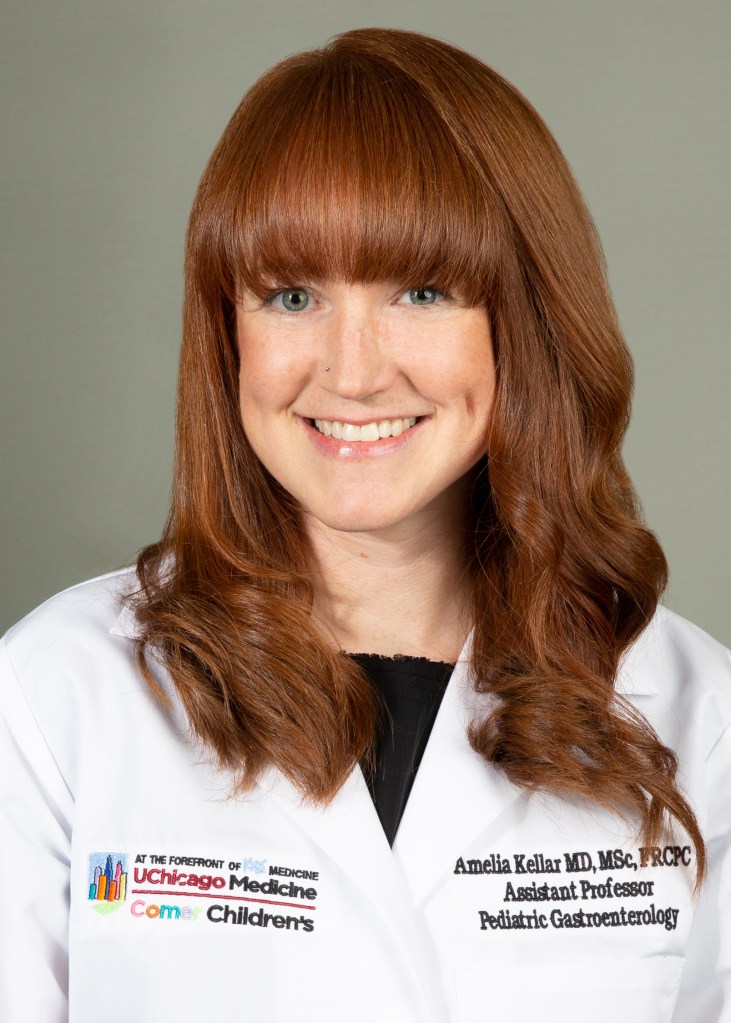
Dr. Amelia Kellar, MD, MSc, FRCPC, Assistant Professor of Pediatrics, Director, Pediatric Intestinal Ultrasound University of Chicago Medicine/Comer Children’s Hospital says one of the most common concerns she hears from patients and their families is that they don’t know anyone else with IBD or where to go for support.

“I always refer my patients to Crohn’s and Colitis Foundation, but this also inspired me to create a community for these kiddos more locally…a place where they could authentically meet one another both virtually and in person, and know they are not alone.”

Dr. Kellar wants her patients to see kids who are older than them doing all the things they aspire to do and have examples of adults who are living and thriving with IBD. So far, the feedback has been extremely positive—families are grateful to meet one another where there’s no need to explain and there’s comfort in shared experiences.

Get connected to the IBD Kids Club

The group meets virtually every 2nd Tuesday of the month on Zoom at 6 pm CT. Dr. Kellar says it is tough to find a time that works for everyone, but she’s found the dinner hour allows for kids and parents to join together and chat. The next meeting is Tuesday, December 10th.

 “I feel very fortunate as I have a great team of GI docs, nurses, dieticians and psychologists that join for different sessions and I co-lead with one of our adult IBD nurses who is also a counselor at Camp Oasis and openly talks to the group about her diagnosis of UC and journey through J-pouch surgery,” says Dr. Kellar.

When she started the group, Dr. Kellar polled participants for what they would like the group to be, whether they wanted to simply chat with one another and offer support, whether they wanted some guest speakers on topics or in person events… and they indicated they wanted a mix, so they have had some support/chat sessions, some guest speakers, and a live cooking class with their IBD dietician. There has not been an in-person event yet. I let Dr. Kellar know in the months ahead I would love to join one of the calls, meet the families, and share experiences.

Everyone is welcome

Dr. Kellar is looking to get the word out—and wants all pediatric IBD warriors and their caregivers to know they are welcome to join.

“I want this group to be open to everyone—regardless of where you live or where you receive care. I want the IBD community to know they are not alone. We talk a lot about how every single person in the world has something that is challenging and that they may or may not choose to share with others and you would never know when you see someone at school, work, on the street, what challenges they might be facing. At the same time, finding people who have faced or are facing similar challenges can offer a unique support system. Our hope is that this group unites children and families with IBD and fosters connections, friendships, and support so no one ever feels alone with their challenges,” says Dr. Kellar.

Interested in learning more? Contact ibdkidsclub@bsd.uchicago.edu.

Navigating Health Trends with IBD: Why Caution is Key

For those living with Inflammatory Bowel Disease (IBD), the pursuit of better health often extends beyond medications and doctor visits. As someone who has lived with Crohn’s for more than 19 years, I’m aware that lifestyle plays a significant role in how we manage our disease. That being said—many people are drawn to popular health trends that promise improved digestion, immune support, and overall wellness. Everywhere we look we see posts on social media promising the next best thing for us. However, some of these trends, though appealing, may pose risks for those with sensitive digestive systems and compromised immune systems. This week on Lights, Camera, Crohn’s, we look at why it’s important to be wary of popular remedies and hear advice from Dr. Neilanjan Nandi, MD, FACG, AGAF, FACP, a well-respected gastroenterologist from Penn Medicine who specializes in Crohn’s disease and ulcerative colitis.

Holistic practices in the IBD community and beyond

There’s a lot of talk about holistic practices in the IBD community (Raw Milk, Amra/Bovine Colostrum, Digestive Enzymes, Athletic Greens, Homemade Kombucha)–the list goes on… while people may have “success” stories or swear by the benefits, it’s important to talk with your healthcare provider first.

“For patients on immunosuppressants, I would caution against consuming raw milk due to the concern for lack of pasteurization. There are often significant heavy bacterial loads and infectious organisms that may behave poorly in a patient’s digestive system and cause infections and subsequent flares too. Fermented products are certainly not contraindicated but I would caution patients in overdoing ‘too much’ and taking many different types of fermented products as it may cause excess gas,” says Dr. Nandi.

DeBalko Photo

He recommends people with IBD stick with one option and it if provides benefit then you can consider continuing.

“However, if a person sees no benefit after 6 weeks, then stop or change. Supplements like Athletic Greens may help patients get in more nutrients and fiber than they otherwise would, but this might also reflect that a patient is not getting enough nutritional balance, so they are favoring this product to achieve that need. Instead, I would rather encourage patients to work with a dietitian who can provide them with more insight and a balanced nutrition plan where they can get their vitamins and minerals in a whole food package rather than a processed formula. Also, there is no data to support that the product provides benefit in IBD and may be a costly option too,” he says.

Why the IBD community needs to be a bit more skeptical

Many supplements lack benefit and/or evidence to provide healing or relief. Many may be minimal risk and possible benefit but this risk to benefit ratio is quite low for the majority of such supplements.

“The greatest risk to the IBD patient is more financial as they are often costly and IBD patients generally have more than enough bills to manage. The other reason for concern is that some supplements may have a small risk for hepatotoxicity or other rare adverse events that may not be predictable. While herbal teas and plant-based products may appear safe, I always recommend informing your personal physician if starting a supplement and they can decide if a conservative approach to monitoring may be more appropriate,” explains Dr. Nandi.

A closer look at the “trends”

  • Raw Milk—While this is nutrient rich it doesn’t come without its risks. Unpasteurized milk has natural nutrients, probiotics, and enzymes that are believed to aid digestion and immunity. However, the lack of pasteurization also means that harmful bacteria like E. coli, Salmonella, and Listeria can be present, posing significant risks. For those with IBD, it’s common for us to have an immune system that is already compromised or a gut lining that is inflamed or damaged. This puts us at greater risk for bacterial infections. An infection from contaminated raw milk can lead to severe gastrointestinal symptoms, including diarrhea, cramping, and even serious complications that can exacerbate IBD flare-ups. While raw milk may seem appealing for its benefits, its risks far outweigh potential gains for those with IBD. Pasteurized milk or dairy alternatives are much safer options.
  • Bovine Colostrum—This is the first milk produced by cows after giving birth, it’s rich in antibodies, growth factors, and immune-boosting nutrients. It’s marketed as a supplement that can heal the gut, reduce inflammation, and improve immunity. Some studies suggest that colostrum may benefit those with gastrointestinal issues by promoting gut repair and reducing intestinal permeability. However, research on its effectiveness for IBD is limited, and not all individuals with Crohn’s or ulcerative colitis may respond well. There’s also the potential for allergic reactions, especially for those who are sensitive to dairy. Additionally, its effects on a highly inflamed or damaged gut are not well understood. While bovine colostrum shows potential for gut health, more research is needed to confirm its safety and efficacy in people with IBD. Always consult with a healthcare provider before adding it to your routine.
  • Digestive Enzymes—These are often recommended to support digestion, especially for those with conditions that impair enzyme production. They can help break down food, alleviate bloating, and promote nutrient absorption. For some people with IBD, especially those with enzyme deficiencies or malabsorption issues, these supplements may provide relief. However, not all enzyme formulations are created equal, and taking the wrong type or dose can lead to side effects like diarrhea, cramping, or worsen digestive symptoms. In addition, over-reliance on these supplements can mask underlying issues that need medical treatment. Digestive enzymes may offer benefits for those with IBD, but they should be used under the guidance of a healthcare professional to ensure they are appropriate for your specific needs.
  • Athletic Greens—This is a popular green superfood supplement packed with vitamins, minerals, probiotics, and other nutrients. It’s marketed to boost energy, support digestion, and fill nutrient gaps. While this may seem like a convenient way to enhance your diet, those with IBD should be cautious. First, the high fiber content and presence of various herbal extracts may not agree with everyone. Some ingredients could irritate the gut or trigger symptoms in sensitive individuals. Additionally, people with IBD often have individualized nutrient needs, and a one-size-fits-all supplement may not address these properly. For example, certain vitamins and minerals may be needed in specific dosages, which Athletic Greens may not provide. While Athletic Greens can seem like an easy nutritional boost, people with IBD should be cautious due to its fiber and herbal content, and instead, focus on personalized nutrition guided by a healthcare provider.
  • Homemade Kombucha—This is a fermented tea that’s often praised for its probiotic components, which are beneficial to support gut health. Many people with digestive issues turn to kombucha for its potential to improve digestion and balance gut bacteria. However, homemade kombucha can be unpredictable, with variable levels of fermentation and alcohol content. For those with IBD, who often have a more sensitive gut environment, kombucha’s acidity and potential for bacterial overgrowth or contamination can worsen symptoms like bloating, diarrhea, and cramping. There is also a risk of introducing harmful pathogens during the fermentation process if not done carefully. Store-bought kombucha from a reliable source is a safer option, but even then, it should be consumed in moderation by those with IBD.

Not all health influencers are created alike

When you feel desperate to try something that could improve your quality of life, you may be willing to do whatever it takes to feel better. But please remember that not all health influencers and people on social media are created alike and many have an agenda or profit motive.

“I have often found that the most ‘popular’ products are being promoted by influencers who participate in affiliate marketing and receive a financial incentive if their followers purchase with their referral code. One should always be weary of this and question the intent behind this approach. When in doubt, ask your doctor about the product and always do your own research, if possible,” Dr. Nandi advises.

What to know before you try

Gastroenterologists are trained to look for medication interactions and understand how to conduct literature searches in publication databases that are not always accessible to the public.

“Physicians are more up to date than most online influencers and can at least provide clinical support should a complication occur because of the supplement. The widespread use of electronic medical records for patients to converse with their medical team through secure messaging also provides patients an opportunity to ‘cut and paste’ weblinks to potential therapies and/or supplements to their physicians. This way the clinician can review the same page and provide a prompt medical opinion,” he says.

A look at the future

Dr. Nandi says some exciting supplements are on the market now. One in particular is called Qing Dai, which may be helpful in ulcerative colitis shown in small placebo-controlled studies. The pharmaceutical industry is elucidating this pathway, too.

“More data is required to study the effect in large scale trials. Even this exciting supplement may benefit from laboratory and clinical supervision to ensure patient safety,” says Dr. Nandi.

With the growing popularity of wellness trends, it’s easy to be tempted by promises of better health and healing. However, for those with IBD, not all health trends are created equal, and some may pose significant risks to gut health. It’s always crucial to approach new supplements or diets with caution, especially when you’re managing a complex condition like IBD.

I personally get approached all the time to try a new or different supplement and I’m always hesitant to rock the boat or put something into my body that I don’t know much about. Just as we are forced to advocate for ourselves in the healthcare system, we also need to be cognizant that unfortunately not everyone has our best interest in mind when it comes to making a profit from our pain. Just like diet and medication—there is not a one size fits all approach to wrangle IBD. Just because your healthy friend who added raw milk into her diet swears by the benefits, doesn’t mean it’s right for you. People may genuinely be trying to help you but stay informed and be cautious. This especially goes for newly diagnosed patients and caregivers who may be grabbing at straws trying to improve the reality of life with IBD.

Before trying any new health trend, it’s important to consult with your healthcare team, including your gastroenterologist and IBD nutritionist, to ensure the approach is safe and appropriate for your specific health needs. What works for the general population may not necessarily be beneficial—or even safe—for those living with IBD.