When you’re living with a chronic illness like Crohn’s disease or ulcerative colitis, it’s easy to become hyper-aware of every medication, every symptom, and every nutrient—or lack thereof. One essential mineral that often flies under the radar is magnesium.
Magnesium supports nerve function, hormone balance and how we respond to stress, so when levels drop, the nervous system can become overly reactive. For those with Inflammatory Bowel Disease (IBD), these symptoms can be even more noticeable because our bodies often struggles to absorb and retain magnesium properly.
According to Hollie King, Founder of Sweet Bee Organics, this humble mineral could be one of the most powerful tools in the IBD toolkit. This week on Lights, Camera, Crohn’s Hollie explains why magnesium matters so much for people in our community.
While I was working on this article, I did an Instagram poll asking the IBD community if they take a magnesium supplement. Of the 245 people who responded, 34% said “yes”, 29% said “no”, and 37% replied “should I be?”
The power of Magnesium
“Magnesium is one of those quiet powerhouses in the body,” Hollie explains. “It’s often overlooked, but absolutely essential. It plays a role in over 300 biochemical reactions, helping muscles relax, supporting proper nerve function, balancing hormones, and aiding energy production.”
When magnesium levels drop, your body knows it—but it doesn’t always scream it out loud. Instead, it whispers. Symptoms like anxiety, poor sleep, muscle cramps, low energy, and even restless legs may emerge. But there are subtler signs too: eye twitching, heart palpitations, tingling sensations, and a hypersensitivity to noise or stress.
For those with IBD, particularly Crohn’s disease, magnesium deficiency can be even more pronounced. “When the gut is inflamed or damaged, it struggles to absorb nutrients properly,” Hollie shares. “And magnesium is one of the first to drop.”
The Magnesium–IBD Connection
Recent research, like the article “Magnesium—A Potential Key Player in Inflammatory Bowel Diseases?” published in the Journal of Inflammation Research, highlights the strong link between magnesium deficiency and IBD. But knowing you’re deficient and being able to do something about it are two very different things, especially if your gut can’t absorb it well.
That’s where Sweet Bee Organics comes in. Rather than relying on supplements taken by mouth, Hollie and her team focus on transdermal support—a method that completely bypasses the digestive system.
“Our Sweet Sleep Magnesium Butter delivers highly absorbable magnesium chloride directly through the skin,” Hollie says. “You simply massage it into your chest, feet, lower back, or even your tummy before bed. It’s not just about topping up magnesium—it’s about calming the nervous system, supporting sleep, and helping the body reset.”
The Sweet Sleep Magnesium Butter isn’t just effective—it’s a best-seller across the U.S. and U.K. for a reason. “We’re obsessed with packing as much magnesium as possible into our balm,” says Hollie. “It’s not easy, but we’re committed to delivering a product that works—and works quickly.”
For people with Crohn’s or ulcerative colitis, the benefits of restoring magnesium levels can be profound. Balanced magnesium supports better digestion, improves sleep, reduces muscle tension, steadies mood swings, and even eases PMS symptoms. You sleep better. You feel calmer. Your energy becomes more stable, and your muscles feel less tight or twitchy.For IBD patients in particular, it can help calm inflammation and improve nutrient absorption—essential steps in managing the day-to-day symptoms of the disease.
“It’s not a magic fix, but it’s one of those foundational nutrients that helps everything else work better. The biggest thing people notice? They just feel more like themselves again,” Hollie explains.
Hollie’s Health Journey
This mission is deeply personal for Hollie, who was diagnosed with aggressive cervical cancer and had to completely reimagine how she cared for her body. “Magnesium became an important part of my healing journey. It wasn’t just about sleep or stress—it was about helping my body heal, rebuild, and feel safe again.”
Screenshot
Hollie happens to be my husband’s first cousin—and witnessing her health transformation and all she’s accomplished since her cancer diagnosis has been awe-inspiring. We’re not only family, but friends and I admire her and the genuine work she’s doing. We’ve wanted to collaborate for awhile and when Hollie saw the recent published medical study regarding magnesium and IBD we knew this was the perfect opportunity.
Hollie and I took our kids trick or treating this past Halloween when she was back in the States
Her empathy extends to the IBD community. “For anyone living with IBD, I truly see you. I know how exhausting it can be to manage symptoms, juggle treatments, and wonder if your body is even absorbing what it needs. That’s why I created Sweet Bee. Magnesium might seem like a small thing, but sometimes the smallest shifts are the ones that change everything.”
How is Magnesium Measured—and Why the Standard Test Might Miss the Mark
Many of us assume a blood test will tell the full story, but Hollie points out that traditional serum magnesium tests only measure about 1% of the magnesium in your body.
At my clinic visit with my GI last week, my doctor included magnesium in my lab work and the results were within range, but he also told me there would be no harm in using the transdermal magnesium discussed in this article.
For people with IBD, especially those experiencing persistent symptoms, your GI may suggest testing beyond the standard serum magnesium draw or even recommend supplementation based on symptoms alone. This may be something you want to bring up during your next clinic visit or over the Patient Portal.
How to Naturally Raise Your Magnesium
While supplements are helpful, diet is still key. Magnesium-rich foods include:
Pumpkin and chia seeds
Almonds, cashews, and peanuts
Beans and legumes
Spinach, broccoli, and potatoes with skin
Whole grains like oats and brown rice
Avocados, bananas, raisins
Milk, yogurt, and soy milk
Salmon, halibut, chicken, beef
Fortified cereals
That said, people with IBD often can’t rely solely on food due to absorption challenges. This is where topical support like Sweet Bee’s magnesium products truly shine.
Can You Take Magnesium with Crohn’s or Colitis?
Yes, but with care. Magnesium—especially in forms like citrate—can cause loose stools, which is problematic for IBD patients. That’s why topical magnesium is often a safer, more effective choice.
Always consult with your gastroenterologist before starting new supplements, especially if you’re in an active IBD flare, dealing with kidney disease or if you’re concerned about the medication(s) you are on.
Final Thoughts
In the landscape of IBD care, it’s easy to feel overwhelmed. But as Hollie reminds us, simple, natural tools—when thoughtfully applied—can offer real relief. Whether you’re struggling to sleep, feel calm, or just want to feel like yourself again, magnesium might be what your body’s been craving.
“You deserve to feel strong, rested, and well in your body. Replenishing magnesium levels in a gentle, non-irritating way can make a real difference in how you feel, both physically and emotionally,” Hollie says. “And we’re here to support that every step of the way.”
Learn More About Sweet Bee Organics
To explore Sweet Sleep Magnesium Butter and other clean wellness products created with love and integrity, click here. Use code NATALIE15 for 15% off sitewide.
Sweet Sleep was recently spotlighted on The View Co-Host’s Favorite Things for Mother’s Day. Check out the segment here.
Disclaimer: This article was not sponsored, but the content is for informational purposes only and does not replace professional medical advice. Always consult your healthcare provider before starting any new supplement.
An Inflammatory Bowel Disease (IBD) diagnosis often comes with a heavy toll, not only on the body but also on the mind and spirit. For patient leader and three-time author Stephanie A. Wynn, her journey through IBD (like many of us) has been one of pain, perseverance, and advocacy.
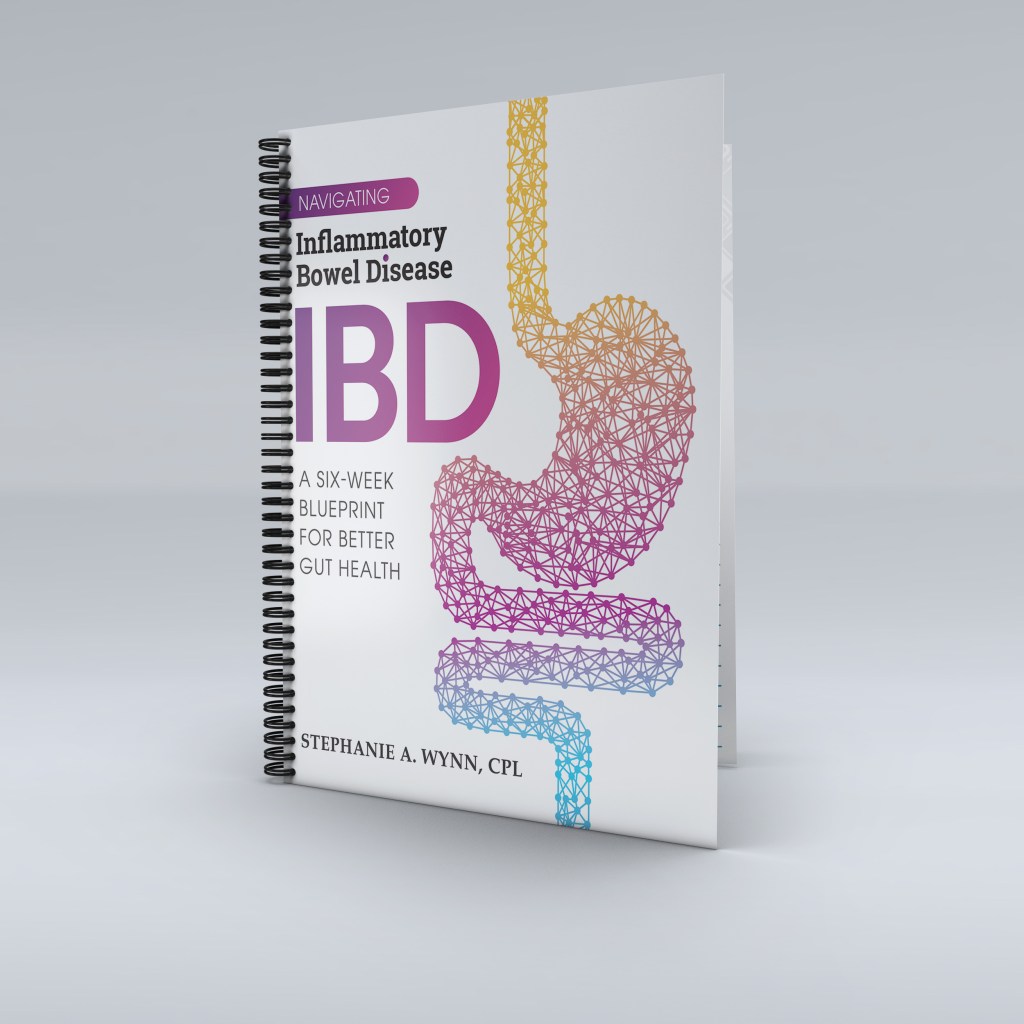
This week on Lights, Camera, Crohn’s a look at what inspired Stephanie to write, “Navigating Inflammatory Bowel Disease – A Six-Week Blueprint for Better Gut Health” and what she hopes our community takes away from her latest book.
The Inspiration Behind the Book
Reflecting on her personal story, Stephanie recalls a heartbreaking experience that would unknowingly be tied to her IBD diagnosis years later. “Fifteen years ago, I lost my daughter, Jameson. At the time, I had no idea that Crohn’s Disease had anything to do with it. I wasn’t even diagnosed yet,” she shares. For years, her symptoms were not properly understood by doctors, which only added to the emotional and physical turmoil. It wasn’t until her sixth diagnosis that medical professionals finally connected the dots.
Through this painful experience, Stephanie realized the vital need for advocacy and support for those suffering in silence. This realization sparked her passion for helping others who may be overlooked or misdiagnosed. “I advocate for the women who are told their pain is normal. I advocate for the patients dismissed by doctors because their symptoms don’t fit the textbook definition,” Stephanie explains.
This journey led to the creation of Navigating Inflammatory Bowel Disease (IBD): A Six-Week Blueprint for Better Gut Health. This book is more than just a personal account; it’s a powerful resource for those living with IBD and their caregivers. Stephanie wrote the book she wished she had when she was first diagnosed — a roadmap that offers not only practical advice but also emotional support.
A Glimpse Inside the Writing Process
As a three-time author, Stephanie approaches writing as a deeply empathetic process. She listens carefully to the stories and concerns of the IBD community. “Before I write, I ask: What are people struggling with the most? What’s missing from the resources currently available? How can I make complex medical and lifestyle topics easier to digest?” she says.
Each chapter of Navigating Inflammatory Bowel Disease (IBD) is designed to address the real-life struggles of patients and caregivers. The book offers practical advice on managing symptoms, self-advocating in medical spaces, and embracing resilience, making it a comprehensive guide to living well with IBD.
What Stephanie Hopes Readers Take Away
The central focus of this book is to give patients confidence. Confidence in managing their health, advocating for themselves in medical spaces, and maintaining hope for a fulfilling life despite the challenges of IBD. The six-week blueprint includes:
Actionable steps to manage life with Crohn’s Disease or Ulcerative Colitis
Reflection prompts to help patients process their journey
Guidance on managing symptoms, diet, and mental health
Tools for improving communication with doctors and loved ones
Stephanie emphasizes that no one should have to face IBD alone. “This book is about helping people find their voice, take control of their health, and live their lives with confidence.”
Amplifying Underrepresented Voices
Another key aspect of Stephanie’s work is ensuring that underrepresented communities are included in the conversation about IBD. She is especially passionate about advocating for Black, Brown, and marginalized patients who often face additional barriers to diagnosis, treatment, and support.
“Minorities and underrepresented communities have been overlooked in conversations about IBD,” she says. “The lack of awareness, delayed diagnoses, and disparities in treatment access are real barriers. Through my work as an IBD Patient Navigator® and Certified Patient Leader, I ensure that these communities feel seen, heard, and supported.” Stephanie is determined to elevate voices that are often ignored and make sure that health equity becomes a priority for all.
Why This Book Means So Much
For Stephanie, Navigating Inflammatory Bowel Disease is not just a book — it’s a mission. It is the culmination of her own struggles, triumphs, and desire to make a difference. “This book isn’t just a project, it’s my story, my advocacy, my purpose,” she shares. It’s the blueprint she desperately needed when she first began her journey with IBD, and now it’s available for others to guide them through the maze of treatments, lifestyle adjustments, and emotional challenges that come with this chronic illness.
She hopes her story serves as a beacon of hope for anyone who feels lost or overwhelmed by their diagnosis. “No one should have to figure out Crohn’s Disease or Ulcerative Colitis alone,” Stephanie says.
Final Thoughts
Stephanie’s message is clear: IBD may shape our lives, but it doesn’t have to define us—which I love! Navigating Inflammatory Bowel Disease (IBD): A Six-Week Blueprint for Better Gut Health is not just a guide for managing symptoms, it’s a testament to the power of resilience, hope, and community. With this book, Stephanie aims to spark a movement towards better gut health, stronger patient advocacy, and a future where no one navigates IBD alone.
Whether you are newly diagnosed, a caregiver, or someone who has lived with IBD for years, this book is for you. As a fellow patient advocate and leader, I’m so proud of Stephanie for going after her dreams and making this latest resource a reality for our community. Together, we can turn pain into purpose and ensure that no one fights this battle in silence.
Click here to order your copy of Navigating Inflammatory Bowel Disease.
Let’s keep the conversation going.
Connect with Stephanie on Instagram and LinkedIn and share your IBD story.
Learn more about the Stephanie A. Wynn Foundation, Inc., which is dedicated to eliminating healthcare and financial disparities in underserved African American and marginalized communities.
There’s a BIG advancement that was just unveiled this week regarding nutrition and IBD. Nutritional Therapy for IBD, a non-profit dedicated to improving the lives and health outcomes of patients with Crohn’s disease and ulcerative colitis through evidence-based adjunctive nutritional therapy, launched their The IBD Nutrition Navigator™ to the public yesterday.
It’s a project that’s been in the works for two years and it’s the first nutritional tool of its kind! This FREE resource allows patients, caregivers, and healthcare professionals to work together to find the best nutritional approach on a personal level. This week on Lights, Camera, Crohn’s we hear from Kim S. Beall, Pharm. D., co-founder of Nutritional Therapy for IBD and Dr. Ashwin N. Ananthakrishnan MD, MPH, FACG, AGAF. These two, in collaboration with dozens of healthcare providers, designers, patients and volunteers, made this resource a reality for the IBD community.
What is the Nutrition Navigator™?
The design was led by Dr. Ananthakrishnan, Harvard graduate, Director of the Crohn’s and Colitis Center at Massachusetts General Hospital and one of the top GI clinicians.
“The IBD Nutrition Navigator™ is a groundbreaking algorithm-based tool designed to assist healthcare providers and patients in determining a personalized approach to using nutritional therapy alongside medication to optimize care,” he says.
“The tool is based on discussions that Dr. Ananthakrishnan has with his patients about nutrition and how it can be used in conjunction with medications and surgery to improve health outcomes. The IBD Nutrition Navigator™ is interactive and walks providers and patients step by step through six questions to assess not only the patient’s individual disease state and goalsbut also their interest in resources for nutritional therapy,” explains Kim.
The tool is designed for healthcare providers and patients to use together in shared decision making. Once completed, the tool recommends the best fit for an evidence based nutritional therapy. These recommendations are geared 100% to the individual based on how they answer the questions. As we all know, there is not a one-size-fits-all answer when it comes to IBD nutrition, and the recommendation is never nutrition vs medication. It’s using nutrition as another tool alongside medication and other therapies.
The inspiration behind the IBD Nutrition Navigator™
Dr. Ananthakrishnan, an esteemed member of Nutritional Therapy for IBD’s medical advisor board, is the inspiration behind the IBD Nutrition Navigator™.
“He discusses nutrition with his patients and uses nutritional therapy alongside medication as part of his regular practice. “What should I eat?” is the most common question for patients after an IBD diagnosis. But because every patient is different, there is not a “one size fits all” answer to that question,” says Kim. “Weeding through the abundance of nutrition information available can be confusing and time-consuming. Dr. Ananthakrishnan felt that we should provide more guidance to healthcare professionals in a simple, evidence-based, clinical manner. And thus, the idea for the IBD Nutrition Navigator™ was born.”
A closer look at nutrition and IBD
Nutritionaltherapies used alongside medication and/or surgery can help manage symptoms, aid healing, and reduce inflammation in IBD patients.
“For a long time, it was thought that diet didn’t even matter when it comes to managing IBD. We now have growing evidence that suggests that food does indeed matter as both a risk factor and a therapeutic option,” says Kim. “Patients struggle, however, with the abundance of nutritional information AND misinformation available. They may want to incorporate nutrition into their IBD management but don’t know where to start.”
Another very prevalent struggle is malnutrition. Patients are often afraid to eat new or certain foods for fear that those foods may cause pain or other symptoms. I know in my nearly 20 years living with Crohn’s disease I was considered malnourished during my initial diagnosis and hospitalization and was watched closely when I was losing weight unintentionally prior to acute flares in the past.
At a baseball game with my brother days before my Crohn’s disease diagnosis in 2005. Little did I know I was malnourished here.
Cool features of the IBD Nutrition Navigator™ to highlight
Years of planning went into the development of the IBD Nutrition Navigator’s clinical algorithm, so the information you will find on the tool is all evidence-based and thoroughly reviewed by medical advisors.
“There are so many thoughtful features of this practical tool. First, while the development of the IBD Nutrition Navigator™ was quite complex, the result is a very straightforward, simple-to-use, interactive questionnaire. Because the tool is so concise, it can be easily used during a regular appointment with a healthcare provider. Two of the six questions gauge the patient’s interest and resources in using nutritional therapy. These questions evaluating the feasibility of and readiness for change are what makes the tool particularly unique and comprehensive. As patients and healthcare providers progress through the IBD Nutrition Navigator™, the suggested nutritional approaches appear on the screen and will adjust in real time. You can see how your answers to the questions may modify the dietary options.” says Kim.
Finally, once the recommended nutritional approach is selected, there are links to extensive resources from Nutritional Therapy with IBD to help you learn about incorporating that approach and even a recipe database with diet-specific dishes.
Tips for taking the information learned and discussing it with a registered dietitian/GI
The IBD Nutrition Navigator™ is designed to facilitate nutrition conversations between patients and healthcare providers, including registered dietitians who play a significant role in this process.
“Before using the tool, patients and healthcare providers must acknowledge that a full clinical assessment—including screening for malnutrition and eating disorders—is the necessary first step. The addition of or changes to nutritional therapy should always be made through shared decision-making between the patient and healthcare provider,” adds Kim.
Patients or caregivers interested in nutritional therapy can print this flyer to take to their provider. The QR code provides a link to Nutritional Therapy for IBD’s website where you will find the IBD Nutrition Navigator™ and many other evidence-based nutritional resources.
Final Thoughts
The IBD Nutrition Navigator™ aims to provide healthcare professionals and patients with a tool that helps us choose the right, individualized nutritional therapy to use alongside medication and/or surgery and optimize care. Once you discover the best nutritional fit, patients can gain confidence in their food choices and ultimately improve their overall health and healing.
I wish when I was diagnosed with Crohn’s in 2005 that I had a tool like this at my fingertips. A dietitian (who was not well-versed on IBD) told me I would never eat raw fruit or vegetables again and it felt like doomsday. I was overwhelmed, and at age 21, days after being given a chronic illness diagnosis, that advice devastated me. Our community is incredibly fortunate to have a tool like this so we can feel more in control and more empowered to make appropriate dietary changes that are personalized to our care and tailored to fit our ever-changing treatment plan. In addition to the IBD Nutrition Navigator™, this volunteer-led organization provides a wealth of information and resources about nutrition and IBD on its website. Click here to learn more.
Inflammatory bowel disease is increasingly recognized as a condition associated with systemic complications beyond the gastrointestinal tract. Among these, cardiovascular (CV) complications stand out due to their potential impact on morbidity and mortality. One of the presentations I attended at the Advances in IBD conference that took place in Orlando this month explored the relationship between IBD and cardiovascular disease, focusing on the effects of disease activity and commonly used therapies. This week on Lights, Camera, Crohn’s a look at what we need to watch out for as a patient community and how we can be proactive with our providers.
Cardiovascular Risks in IBD
Meta-analyses indicate that IBD is associated with a 24% increased risk of ischemic heart disease. Moreover, there are higher rates of premature (under age 55) and extremely premature (under age 40) atherosclerotic cardiovascular diseases in our population. The underlying mechanisms are multifactorial, but persistent inflammation and disease activity are key drivers of arterial events.
Heart failure (HF) risk is also elevated among individuals with IBD. Notably:
The risk appears greater in patients with ulcerative colitis compared to Crohn’s disease.
Female patients with IBD demonstrate a higher predisposition to HF than their male counterparts.
Corticosteroid use further exacerbates the risk of HF in this population.
Cardiovascular Considerations for IBD Therapies
Anti-TNF Therapy
Anti-TNF agents (infliximab, adalimumab, certolizumab pegol, and golimumab) have been linked to worsening congestive heart failure (CHF). In patients with pre-existing heart conditions or known cardiomyopathy, baseline cardiac assessment is critical. Recommendations include performing a transthoracic echocardiogram (TTE) before initiating anti-TNF therapy and monitoring for new or worsening cardiac symptoms during treatment.
JAK Inhibitors
The use of Janus kinase (JAK) inhibitors ( Tofacitinib, filgotinib and Upadacitinib) raises concerns regarding cardiovascular risks, including:
Increases in low-density lipoprotein (LDL) and triglycerides.
Development or exacerbation of hypertension.
Major adverse cardiovascular events (MACE).
For patients starting on JAK inhibitors, clinicians should:
Discuss the patient’s cardiovascular history and risk factors.
Perform a baseline lipid profile, with a repeat evaluation at 8-12 weeks after initiating therapy.
S1P Receptor Modulators
Sphingosine-1-phosphate (S1P) receptor modulators, a newer class of therapies for IBD (ozanimod, etrasimod, fingolimod and laquinimod), can impact cardiac conduction. To mitigate risks:
Screen for symptoms suggestive of conduction abnormalities.
Review the patient’s drug history for concurrent use of anti-arrhythmic agents or drugs that prolong the QT interval.
Perform an electrocardiogram (ECG) prior to initiating therapy.
Clinical Implications
Cardiovascular complications are common in patients with IBD, often presenting at a younger age than in the general population. The association between active disease and increased CV risk highlights the importance of maintaining disease control. Non-steroidal options for long-term management should be prioritized, as corticosteroids exacerbate both IBD and CV risks.
Therapeutic decisions should also account for the cardiovascular safety profile of IBD medications. High clinical suspicion and proactive monitoring are essential for detecting underlying or developing cardiovascular disease in IBD patients. Understanding the risks associated with specific therapies, such as anti-TNF agents, JAK inhibitors, and S1P receptor modulators, can guide personalized treatment plans and improve long-term outcomes. When meeting with your gastroenterologist communicate any concerns you may have about chest pain or your blood pressure.
Closing Summary
Cardiovascular complications in IBD patients necessitate a high level of vigilance from healthcare providers. Early detection and management of cardiovascular risks are paramount, particularly in young IBD patients who may already be vulnerable to inflammation-driven atherosclerotic changes. A tailored approach—balancing effective disease control with an awareness of therapy-specific cardiovascular risks—is critical to optimizing care in this complex patient population.
Nothing prepares you to hear that your child has Inflammatory Bowel Disease. For many, it’s the first time ever learning about what the weight of those words even means. Not only is a chronic illness at a young age an incredibly heavy burden to bear, it can feel isolating to not only the patient but the caregiver. This inspired The University of Chicago to launch the IBD Kids Club in February 2024. This week on Lights, Camera, Crohn’s learn more about how you can connect with others living your reality and find community, regardless of where you live.
Recognizing the need
Dr. Amelia Kellar, MD, MSc, FRCPC, Assistant Professor of Pediatrics, Director, Pediatric Intestinal Ultrasound University of Chicago Medicine/Comer Children’s Hospital says one of the most common concerns she hears from patients and their families is that they don’t know anyone else with IBD or where to go for support.
“I always refer my patients to Crohn’s and Colitis Foundation, but this also inspired me to create a community for these kiddos more locally…a place where they could authentically meet one another both virtually and in person, and know they are not alone.”
Dr. Kellar wants her patients to see kids who are older than them doing all the things they aspire to do and have examples of adults who are living and thriving with IBD. So far, the feedback has been extremely positive—families are grateful to meet one another where there’s no need to explain and there’s comfort in shared experiences.
Get connected to the IBD Kids Club
The group meets virtually every 2nd Tuesday of the month on Zoom at 6 pm CT. Dr. Kellar says it is tough to find a time that works for everyone, but she’s found the dinner hour allows for kids and parents to join together and chat. The next meeting is Tuesday, December 10th.
“I feel very fortunate as I have a great team of GI docs, nurses, dieticians and psychologists that join for different sessions and I co-lead with one of our adult IBD nurses who is also a counselor at Camp Oasis and openly talks to the group about her diagnosis of UC and journey through J-pouch surgery,” says Dr. Kellar.
When she started the group, Dr. Kellar polled participants for what they would like the group to be, whether they wanted to simply chat with one another and offer support, whether they wanted some guest speakers on topics or in person events… and they indicated they wanted a mix, so they have had some support/chat sessions, some guest speakers, and a live cooking class with their IBD dietician. There has not been an in-person event yet. I let Dr. Kellar know in the months ahead I would love to join one of the calls, meet the families, and share experiences.
Everyone is welcome
Dr. Kellar is looking to get the word out—and wants all pediatric IBD warriors and their caregivers to know they are welcome to join.
“I want this group to be open to everyone—regardless of where you live or where you receive care. I want the IBD community to know they are not alone. We talk a lot about how every single person in the world has something that is challenging and that they may or may not choose to share with others and you would never know when you see someone at school, work, on the street, what challenges they might be facing. At the same time, finding people who have faced or are facing similar challenges can offer a unique support system. Our hope is that this group unites children and families with IBD and fosters connections, friendships, and support so no one ever feels alone with their challenges,” says Dr. Kellar.
For those living with Inflammatory Bowel Disease (IBD), the pursuit of better health often extends beyond medications and doctor visits. As someone who has lived with Crohn’s for more than 19 years, I’m aware that lifestyle plays a significant role in how we manage our disease. That being said—many people are drawn to popular health trends that promise improved digestion, immune support, and overall wellness. Everywhere we look we see posts on social media promising the next best thing for us. However, some of these trends, though appealing, may pose risks for those with sensitive digestive systems and compromised immune systems. This week on Lights, Camera, Crohn’s, we look at why it’s important to be wary of popular remedies and hear advice from Dr. Neilanjan Nandi, MD, FACG, AGAF, FACP, a well-respected gastroenterologist from Penn Medicine who specializes in Crohn’s disease and ulcerative colitis.
Holistic practices in the IBD community and beyond
There’s a lot of talk about holistic practices in the IBD community (Raw Milk, Amra/Bovine Colostrum, Digestive Enzymes, Athletic Greens, Homemade Kombucha)–the list goes on… while people may have “success” stories or swear by the benefits, it’s important to talk with your healthcare provider first.
“For patients on immunosuppressants, I would caution against consuming raw milk due to the concern for lack of pasteurization. There are often significant heavy bacterial loads and infectious organisms that may behave poorly in a patient’s digestive system and cause infections and subsequent flares too. Fermented products are certainly not contraindicated but I would caution patients in overdoing ‘too much’ and taking many different types of fermented products as it may cause excess gas,” says Dr. Nandi.
DeBalko Photo
He recommends people with IBD stick with one option and it if provides benefit then you can consider continuing.
“However, if a person sees no benefit after 6 weeks, then stop or change. Supplements like Athletic Greens may help patients get in more nutrients and fiber than they otherwise would, but this might also reflect that a patient is not getting enough nutritional balance, so they are favoring this product to achieve that need. Instead, I would rather encourage patients to work with a dietitian who can provide them with more insight and a balanced nutrition plan where they can get their vitamins and minerals in a whole food package rather than a processed formula. Also, there is no data to support that the product provides benefit in IBD and may be a costly option too,” he says.
Why the IBD community needs to be a bit more skeptical
Many supplements lack benefit and/or evidence to provide healing or relief. Many may be minimal risk and possible benefit but this risk to benefit ratio is quite low for the majority of such supplements.
“The greatest risk to the IBD patient is more financial as they are often costly and IBD patients generally have more than enough bills to manage. The other reason for concern is that some supplements may have a small risk for hepatotoxicity or other rare adverse events that may not be predictable. While herbal teas and plant-based products may appear safe, I always recommend informing your personal physician if starting a supplement and they can decide if a conservative approach to monitoring may be more appropriate,” explains Dr. Nandi.
A closer look at the “trends”
Raw Milk—While this is nutrient rich it doesn’t come without its risks. Unpasteurized milk has natural nutrients, probiotics, and enzymes that are believed to aid digestion and immunity. However, the lack of pasteurization also means that harmful bacteria like E. coli, Salmonella, and Listeria can be present, posing significant risks. For those with IBD, it’s common for us to have an immune system that is already compromised or a gut lining that is inflamed or damaged. This puts us at greater risk for bacterial infections. An infection from contaminated raw milk can lead to severe gastrointestinal symptoms, including diarrhea, cramping, and even serious complications that can exacerbate IBD flare-ups. While raw milk may seem appealing for its benefits, its risks far outweigh potential gains for those with IBD. Pasteurized milk or dairy alternatives are much safer options.
Bovine Colostrum—This is the first milk produced by cows after giving birth, it’s rich in antibodies, growth factors, and immune-boosting nutrients. It’s marketed as a supplement that can heal the gut, reduce inflammation, and improve immunity. Some studies suggest that colostrum may benefit those with gastrointestinal issues by promoting gut repair and reducing intestinal permeability. However, research on its effectiveness for IBD is limited, and not all individuals with Crohn’s or ulcerative colitis may respond well. There’s also the potential for allergic reactions, especially for those who are sensitive to dairy. Additionally, its effects on a highly inflamed or damaged gut are not well understood. While bovine colostrum shows potential for gut health, more research is needed to confirm its safety and efficacy in people with IBD. Always consult with a healthcare provider before adding it to your routine.
Digestive Enzymes—These are often recommended to support digestion, especially for those with conditions that impair enzyme production. They can help break down food, alleviate bloating, and promote nutrient absorption. For some people with IBD, especially those with enzyme deficiencies or malabsorption issues, these supplements may provide relief. However, not all enzyme formulations are created equal, and taking the wrong type or dose can lead to side effects like diarrhea, cramping, or worsen digestive symptoms. In addition, over-reliance on these supplements can mask underlying issues that need medical treatment. Digestive enzymes may offer benefits for those with IBD, but they should be used under the guidance of a healthcare professional to ensure they are appropriate for your specific needs.
Athletic Greens—This is a popular green superfood supplement packed with vitamins, minerals, probiotics, and other nutrients. It’s marketed to boost energy, support digestion, and fill nutrient gaps. While this may seem like a convenient way to enhance your diet, those with IBD should be cautious. First, the high fiber content and presence of various herbal extracts may not agree with everyone. Some ingredients could irritate the gut or trigger symptoms in sensitive individuals. Additionally, people with IBD often have individualized nutrient needs, and a one-size-fits-all supplement may not address these properly. For example, certain vitamins and minerals may be needed in specific dosages, which Athletic Greens may not provide. While Athletic Greens can seem like an easy nutritional boost, people with IBD should be cautious due to its fiber and herbal content, and instead, focus on personalized nutrition guided by a healthcare provider.
Homemade Kombucha—This is a fermented tea that’s often praised for its probiotic components, which are beneficial to support gut health. Many people with digestive issues turn to kombucha for its potential to improve digestion and balance gut bacteria. However, homemade kombucha can be unpredictable, with variable levels of fermentation and alcohol content. For those with IBD, who often have a more sensitive gut environment, kombucha’s acidity and potential for bacterial overgrowth or contamination can worsen symptoms like bloating, diarrhea, and cramping. There is also a risk of introducing harmful pathogens during the fermentation process if not done carefully. Store-bought kombucha from a reliable source is a safer option, but even then, it should be consumed in moderation by those with IBD.
Not all health influencers are created alike
When you feel desperate to try something that could improve your quality of life, you may be willing to do whatever it takes to feel better. But please remember that not all health influencers and people on social media are created alike and many have an agenda or profit motive.
“I have often found that the most ‘popular’ products are being promoted by influencers who participate in affiliate marketing and receive a financial incentive if their followers purchase with their referral code. One should always be weary of this and question the intent behind this approach. When in doubt, ask your doctor about the product and always do your own research, if possible,” Dr. Nandi advises.
What to know before you try
Gastroenterologists are trained to look for medication interactions and understand how to conduct literature searches in publication databases that are not always accessible to the public.
“Physicians are more up to date than most online influencers and can at least provide clinical support should a complication occur because of the supplement. The widespread use of electronic medical records for patients to converse with their medical team through secure messaging also provides patients an opportunity to ‘cut and paste’ weblinks to potential therapies and/or supplements to their physicians. This way the clinician can review the same page and provide a prompt medical opinion,” he says.
A look at the future
Dr. Nandi says some exciting supplements are on the market now. One in particular is called Qing Dai, which may be helpful in ulcerative colitis shown in small placebo-controlled studies. The pharmaceutical industry is elucidating this pathway, too.
“More data is required to study the effect in large scale trials. Even this exciting supplement may benefit from laboratory and clinical supervision to ensure patient safety,” says Dr. Nandi.
With the growing popularity of wellness trends, it’s easy to be tempted by promises of better health and healing. However, for those with IBD, not all health trends are created equal, and some may pose significant risks to gut health. It’s always crucial to approach new supplements or diets with caution, especially when you’re managing a complex condition like IBD.
I personally get approached all the time to try a new or different supplement and I’m always hesitant to rock the boat or put something into my body that I don’t know much about. Just as we are forced to advocate for ourselves in the healthcare system, we also need to be cognizant that unfortunately not everyone has our best interest in mind when it comes to making a profit from our pain. Just like diet and medication—there is not a one size fits all approach to wrangle IBD. Just because your healthy friend who added raw milk into her diet swears by the benefits, doesn’t mean it’s right for you. People may genuinely be trying to help you but stay informed and be cautious. This especially goes for newly diagnosed patients and caregivers who may be grabbing at straws trying to improve the reality of life with IBD.
Before trying any new health trend, it’s important to consult with your healthcare team, including your gastroenterologist and IBD nutritionist, to ensure the approach is safe and appropriate for your specific health needs. What works for the general population may not necessarily be beneficial—or even safe—for those living with IBD.
Imagine in a quick twist of events you go from having a wonderful day to dealing with IBD symptoms. Suddenly you go from feeling “fine” to having pain that’s gotten your attention quickly. You’re bloated and could pass for being 5 months pregnant, nothing sounds appetizing, you’re scared eating or drinking will further exacerbate your symptoms. The mere thought of ingesting anything makes you a bit nauseous. All your attention and focus is on tolerating the pain. Now pause.
It’s no surprise these symptoms significantly impact food choices and nutrient intake, as we’re forced to navigate the delicate balance between managing discomfort and maintaining proper nutrition. Understanding how GI symptoms influence dietary decisions and implementing strategies for managing these symptoms is crucial for IBD patients to ensure overall well-being.
Even as a veteran Crohn’s patient of nearly 20 years, I’ve been struggling to manage my diet while living with unpredictable painful symptoms that started to arise when I was put on a biosimilar medication in July 2024. I’ll be honest, lately when I’ve been dealing with abdominal pain and bloating, I’ve been refraining from eating. Turns out—surprise, surprise… that’s the last thing any of us should be doing. This week on Lights, Camera, Crohn’s hear from trusted registered IBD dietitian and ulcerative colitis patient extraordinaire, Stacey Collins, about how we can better navigate these challenges.
How have GI symptoms influenced your food choices?
If you’re in an active disease flare and dealing with an inflammatory response, you need protein and calories to overcome any risks for malnutrition. So how can we go about getting enough calories?
“Liquid calories aren’t always the tastiest—but smoothies and even nutrition shakes can be beneficial for those dealing with IBD symptoms and teetering on the line of a full-on flare. When you’re feeling well, try to designate part of one day a week where you make soups and smoothies ahead of time that you can freeze as a rainy-day investment to help you out on days when you aren’t able to expend the energy to prepare food,” says Stacey.
She also suggests “taking a holiday” from gut-health supplements you take—it’s not all or nothing. Take a break from your probiotic, prebiotic, anything that “helps with inflammation,” and enzymes (unless prescribed by your physician explicitly), and let your body relax from the burden of taking too many supplements.
Rather than avoiding eating altogether, which feels like the right thing to do when you’re in discomfort, try to maintain a consistent routine of eating to nourish your body to heal from a flare and avoid excess discomfort.
Our hypersensitive guts
When you live with IBD and you have a history of inflammation, visceral hypersensitivity, or an increased pain perception in the bowel, is a key factor to take into consideration.
“Acknowledge that a smoke alarm is going off, and then try deep belly breathing if that’s an accessible movement for you. I often tell people to lay down on the floor. If you have children, invite them to join! They can lay down beside you and do this exercise with you. Together, you can select a favorite toy or teddy bear: one for you and one for themselves. Put the bear on your belly and BREATHE! You should see the teddy bear move with your inhale as you breathe deep into your belly–see who can make the teddy bear go the highest. This can help you to return to your breath and welcome a sense of calm into your body. If this isn’t a great option for you, pausing to notice the exhale portion of your breath, intentionally making it a bit longer than the inhale, can be impactful in helping to calm the nervous system,” explains Stacey. “Clinically everything may be checking out okay with lab work, scans, and scopes, but it’s important to recognize if you’re dealing with pain, not everything is right. It can feel disorienting to not have that pain validated by labs and tests, which is why cultivating tools like these can be helpful to ride the waves of the pain while feeling just a little bit better in your body.”
When I decided to have soup last week after not eating all day, I was really taken aback by my abnormally loud bowel sounds while I was digesting. Stacey reminded me that when you go a long time without eating and then choose to eat something, that your gut will be working extra hard. This can lead to loud bowel sounds or Borborygmi. Anyone, including people with IBD, can experience hyperactive bowel sounds. When I heard my abnormally loud bowel noises the other day, it brought me back to past bowel obstructions where I would eat and people could hear my stomach making sounds in the other room.
What’s the deal with bloating?
Bloating in Crohn’s disease or ulcerative colitis is often caused by a combination of factors related to the underlying inflammation and the altered digestive processes associated with the disease. Some key factors include:
Inflammation of the Gut: The intestinal lining disrupts normal digestion and absorption of food. When the gut is inflamed, depending on location and severity, it can lead to malabsorption, causing undigested food particles to remain in the intestines longer, which can increase gas production and bloating.
Altered Gut Motility: Inflammation can impair the muscles in the intestinal walls that are responsible for moving food through the digestive tract. Slowed or irregular gut motility leads to delayed digestion and fermentation of food by gut bacteria, which can result in gas buildup and bloating.
Imbalance of Gut Bacteria (Dysbiosis): People with IBD often have an imbalance in their gut microbiome (dysbiosis), meaning there are fewer beneficial bacteria and more harmful bacteria. This imbalance can lead to increased fermentation of carbohydrates in the colon, producing excess gas, which contributes to bloating. Not getting enough nutrition can make dysbiosis worse.
Intestinal Gas Accumulation and Stool Burden: Inflammation in IBD can slow down the passage of gas through the intestines. This causes gas to accumulate in the gut, leading to bloating and discomfort.
Small Intestinal Bacterial Overgrowth (SIBO): SIBO, a condition where excessive bacteria grow in the small intestine, is more common in IBD patients who are not in clinical remission. This bacterial overgrowth can cause excessive fermentation of food, leading to bloating, gas, and diarrhea.
Dietary Factors: Certain foods, such as those high types of carbohydrates called Fermentable Oligo-Di-Monosaccharides and Polyols (FODMAPs), can sometimes be uncomfortable to digest and may temporarily need to be eliminated from the diet to help with bloating. Most often, this occurs in active Irritable Bowel Syndrome (IBS) flares.
If IBD is in clinical remission but you’re experiencing IBS-symptom overlap, you may benefit from identifying FODMAP triggers with a dietitian. Re-introduction is an important phase of FODMAP-trigger identification, because these foods are often rich in pre-biotics, which are beneficial for the gut microbiome.
Note: A low-FODMAP diet will not impact IBD-related inflammation. However, it may help with alleviation of symptoms. This diet is meant to be short-term and with the support of a registered dietitian.
Other dietary factors: sugar alcohols, chewing gum, carbonated beverages, sugar-sweetened beverages may also contribute to gas and bloating.
Food Intolerances: Food intolerances in IBD have not been studied adequately, but the most common food intolerance in IBD is lactose, where there’s a lack of enzyme available to help break down the lactose sugar, resulting in gas production and bloating. IBD patients can develop intolerances to certain foods, such as lactose, gluten, or high-fiber foods, which can trigger bloating. The gut’s reduced capacity to break down these components can result in gas production and bloating.
Abdomino-phrenic dyssynergia (APD): this occurs when the diaphragm and abdominal muscles do not coordinate appropriately, which can lead to bloating, distention, constipation, and pain. Bloating may worsen throughout the day, even without food. Pelvic floor physical therapists (PFPT) can help evaluate and treat a person with APD.
Medications: Some medications used to manage IBD may contribute to bloating by altering the gut microbiome or affecting digestive motility.
Bloating can also be a result of constipation, but this certainly doesn’t feel like it makes sense when we’re going to the bathroom multiple times a day.
“This [urgency] can happen as a result of overflow diarrhea, when stool actually moves around more solid stool within our intestines, agitating the nerves and muscles, until there is a complete evacuation of all stool,” Stacey explains. (source)
Addressing symptom alleviation related to bloating typically requires a combination of anti-inflammatory treatments, dietary modifications (including hydration), gentle movement, behavioral modification techniques, and, in some cases, probiotics and/or antibiotics to rebalance the gut microbiome. I’ve found not wearing a tight waistband or anything that buttons at the waist can help reduce bloating. Whenever I wear Spanx, I usually end up feeling bloated.
A day in the life
I asked Stacey to walk us through a practice menu for making dietary choices to stay nourished when your IBD symptoms are getting in the way:
Practice menu Note: this is not prescriptive; these are just some ideas. The key takeaway is to aim for consistent nourishment throughout the day in active disease flares, choosing nutrient-rich foods that will support you through a hard day. Work with a dietitian for personalization! No 2 diets necessarily look the same; no 2 days look the same.
Breakfast
Low-fat Greek yogurt that’s low in lactose, which is usually gentle on the gut and rich in protein, probiotics and bone health minerals. Add in some mashed raspberries and bananas with a nut or seed butter
Oatmeal—keep it simple, instant is fine. You can add a drizzle of olive oil to make it savory with additional omega-9 fatty acids for powerful anti-inflammatory support, soft boiled eggs, avocado, with a dash of thyme.
If you simply can’t get over the idea of a savory oatmeal, just add some nut or seed butter and swirl it altogether with banana or applesauce and cinnamon
Smoothie: a liquid base, some frozen fruits (1 Cup or less at a time), and handful of greens, and a 3rd party-tested protein supplement may be a comfortable way to start the day, sipping slowly and gently
Lunch
cooked down starches, like squash, zucchini, cooked-down until fork-tender
you can recycle these starches by adding them into a sandwich on sourdough, using tahini as a savory spread that will provide you with even more nutrition
Salmon is easy to digest while providing a rich source of omega 3’s
a nice pesto sauce to drizzle over the salmon would be delicious and rich in calories, perfect when you need additional nutrition and are feeling low on energy
Or, for something much simpler:
never, ever underestimate the power of a pb + j
a side of salty, simple-ingredient potato chips can replace any lost by diarrhea if you’re having an especially symptomatic day that causes you to make more bathroom trips
Dinner
Rotisserie chicken (you can buy this directly from the grocer- no cooking required!)
you can recycle leftovers into chicken salad to be used as a protein-rich spread for lunches or snacks
Roasted potatoes, or potato soup (made in a slow-cooker for easy prep and clean-up!)
Cooked green beans or carrots. (If lacking energy, throw some veggies in the slow cooker with broth for extra nutrition)
Snack ideas:
peeled, salty edamame
Hummus, cucumber and pita for dipping (can opt to peel cucumber if that feels better for you)
Hummus, tahini, or guac on a tortilla, roll up some rotisserie chicken
Avocado toast (cheers, Millennials!)
Maybe pour yourself a cup of peppermint tea (unless you also deal with acid reflux)- this could give you some bloat relief, too!
Many IBD patients identify certain foods that trigger symptoms like bloating, cramping, or diarrhea. For example:
High-fiber foods: If too many are added at once, this can exacerbate bloating or diarrhea, leading many patients to avoid whole grains, raw vegetables, and legumes.
Dairy products: Due to lactose intolerance, some individuals avoid milk and all dairy foods.
Fried and fatty foods: These foods may slow digestion, causing discomfort or worsening symptoms.
The tendency to avoid certain food groups can result in nutrient deficiencies, especially if entire categories like fiber, fats, carbs, or dairy are removed from the diet. The unpredictability of IBD flare-ups can make patients apprehensive about eating. They may opt for bland or easily digestible foods, limiting their variety and nutritional intake. While this might offer temporary relief, it may not provide all the necessary nutrients, leading to long-term health complications such as malnutrition, weight loss, or vitamin deficiencies (e.g., vitamin D, B12, iron), or a poor food-related quality of life.
Tips for Managing Pain and Bloating While Ensuring Proper Nutrition
Work with a Dietitian: IBD patients should work with a registered dietitian, preferably one who specializes in gastrointestinal disorders. A personalized diet plan and support can help patients identify trigger foods, balance nutrient intake, and minimize symptom flare-ups.
Small, Frequent Meals: Eating smaller, more frequent meals can help reduce bloating and cramping. By spreading out food intake throughout the day, the digestive system may be less overwhelmed, potentially alleviating pain and bloating while allowing for better nutrient absorption. Reach for simple ingredients.
Eat mindfully in a relaxed environment: chew thoroughly, allowing more time for enzymes in the mouth to aid in digestion, so food is more comfortable to digest as it travels down the GI tract. Mindful eating is also associated with
Cooked and Pureed Vegetables: For patients struggling with fiber tolerance, switching from raw to cooked or pureed vegetables can provide some of the essential nutrients from vegetables without causing additional bloating or pain. Cooking helps break down the fiber, making it easier to digest. When in doubt, aim for “fork-tender” fruits and vegetables if you’re in a flare, rather than keeping them out of your diet altogether if you can.
Incorporate Nutrient-Dense Foods: Nutrient-dense, easily digestible foods like bananas, white rice, eggs, and lean meats (like chicken and turkey) can provide essential vitamins, minerals, and protein without aggravating symptoms. Incorporating bone broths, smoothies, and pureed soups can also help patients maintain a balanced diet while being gentle on the GI tract.
Stay Hydrated: Hydration is crucial, especially for IBD patients who experience diarrhea. Drinking water, broth, and electrolyte-rich fluids can help maintain fluid balance, prevent dehydration, and support digestion. Add salt to your food for hydration. If you’re struggling to maintain hydration, you may benefit from an oral rehydration solution (ORS).
Pain Management Techniques: Alongside diet adjustments, pain management techniques such as relaxation exercises, yoga, or gentle physical activity may help ease abdominal pain and bloating. Walking will help with bloating and gas. Don’t overdo it, even a walk to the mailbox after eating is beneficial. Additionally, medications like antispasmodics or anti-inflammatory drugs, as prescribed by a healthcare provider, can reduce inflammation and pain, allowing patients to eat more comfortably.
Final thoughts
IBD patients face daily challenges in managing symptoms like pain and bloating while trying to maintain adequate nutrition. During a Crohn’s flare, it’s essential to focus on easy-to-digest foods while maintaining hydration and nutrient intake. Consider how to alter the texture of colorful, nutritious fruits and vegetables for comfort, rather than taking them away altogether- your body needs the nutrition for healing! Working closely with healthcare professionals, including a dietitian and gastroenterologist, ensures that patients can minimize symptoms while meeting their nutritional needs, leading to better long-term health outcomes. The goal during a flare is to reduce irritation, manage symptoms like diarrhea, pain, and bloating, and to keep eating while welcoming more anti-inflammation through nutrition!
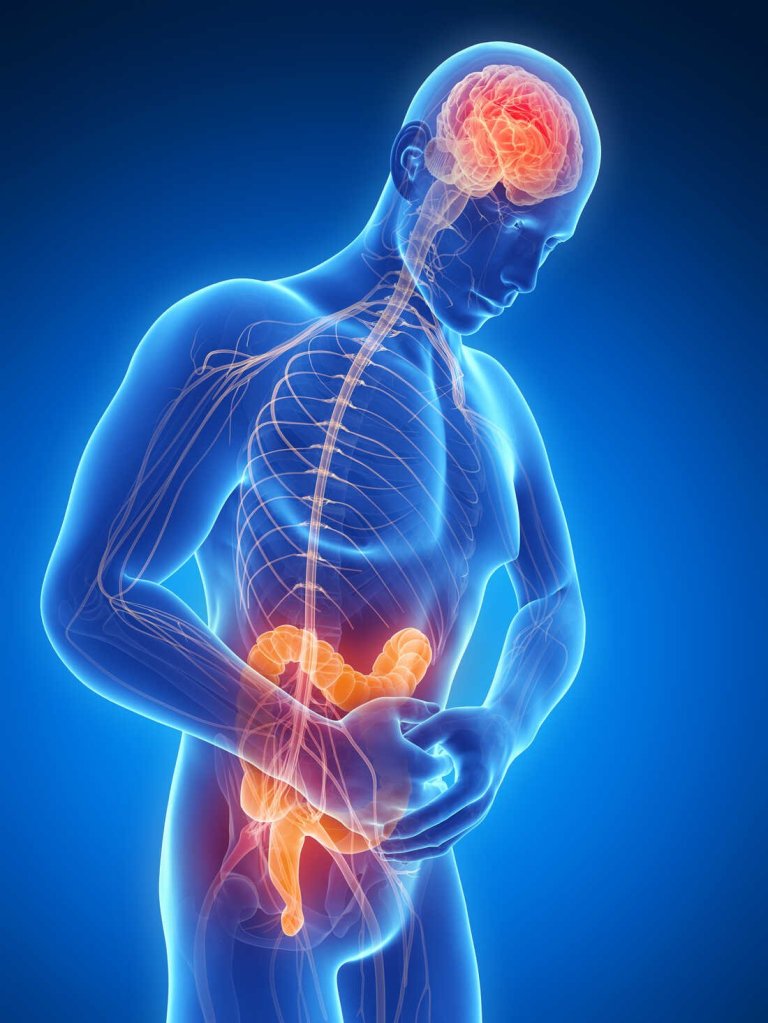
Ever have a feeling in your gut that says you can trust someone or to make a certain decision? Get diarrhea or constipation when you’re under a lot of stress or anxiety? Your gut is so sensitive and smart scientists call it your “second brain! The human body is a complex ecosystem, with various systems interconnecting in intricate ways. One of the most fascinating of these connections is between the gut and the brain, often referred to as the “gut-brain axis.” This communication network plays a crucial role in maintaining our overall health, influencing everything from mood and cognition to immune function and digestive health. Emerging research indicates that the gut-brain axis may significantly influence the development and progression of IBD. The big question being—how?
This week on Lights, Camera, Crohn’s a look into how the Gut-Brain Axis works and what this means for the future of IBD treatment and care. Whether it’s stress, people pleasing, avoiding emotions, or anxiety—there are many triggers aside from food.
The Gut-Brain Axis: A Two-Way Street
Before we get started, it’s helpful to understand what the gut-brain axis involves and the multiple pathways it impacts, including the nervous system, the endocrine system, and the immune system. The primary components of this axis are:
The Enteric Nervous System (ENS): Think of this as how it feels when you get “butterflies in your stomach”. The ENS is a vast network of neurons (nerve cells that send messages all over your body to allow you to do everything from breathing to talking, eating, walking, and thinking) embedded in the walls of the gastrointestinal tract. It operates independently of the central nervous system but communicates with it via the vagus nerve, which runs from the brainstem to the abdomen.
Neurotransmitters and Hormones: The gut produces and responds to various neurotransmitters and hormones, including serotonin, dopamine, and cortisol. These chemicals are crucial for regulating mood, stress responses, and digestive functions.
The Microbiome: Trillions of microorganisms reside in the gut, forming a complex and dynamic community known as the microbiome. These microbes play a critical role in digestion, immune modulation, and even the production of neurotransmitters.
The Gut-Brain Connection and IBD
Chronic inflammation in IBD can affect the enteric nervous system, leading to alterations in gut motility and sensitivity. Those of us with IBD often experience abdominal pain, cramping, and changes in bowel habits, which are partly mediated by the nervous system. Conversely, stress and psychological factors can exacerbate IBD symptoms. Stress activates the hypothalamic-pituitary-adrenal (HPA) axis, leading to the release of cortisol and other stress hormones, which can, in turn, promote inflammation in the gut.
The Role of the Microbiome
The gut microbiome is crucial in maintaining intestinal health and regulating immune responses. For those with IBD, the composition and diversity of our gut microbiomes are often disrupted, a condition known as dysbiosis. Dysbiosis can contribute to the chronic inflammation seen in IBD by impairing the gut barrier function and promoting an overactive immune response. Interestingly, the microbiome also communicates with the brain through the production of metabolites and neurotransmitters, which influences mood and cognitive function.
You can optimize your gut microbiome with diet by eating:
Low sugar fruits (avocado, bell peppers, cucumber, tomato, zucchini, limes, and lemons)
*Before altering your diet or incorporating foods that could trigger disease activity, please talk with your care team and discuss this further with a registered dietitian who specializes in IBD.
Psychological Factors and IBD
IBD is often associated with psychological conditions such as anxiety and depression. According to the Crohn’s and Colitis Foundation, we’re two to three times more likely to deal with anxiety and depression than the general population. These mental health issues can both contribute to and result from the physical symptoms of IBD. For instance, chronic pain and discomfort can lead to increased stress and anxiety, while anxiety and depression can exacerbate gut inflammation and symptom severity. It’s a vicious cycle that can often feel out of our control.
Therapeutic Implications
Understanding the gut-brain connection opens new avenues for the way we treat IBD. Traditional treatments focus on reducing inflammation and managing symptoms through medications and lifestyle changes. However, addressing the gut-brain axis could provide additional therapeutic benefits. Some potential approaches include:
Probiotics and Prebiotics: These can help restore a healthy balance in the gut microbiome, potentially reducing inflammation and improving gut health. Talk with GI about their thoughts on this, as each provider has their own opinion.
Psychological Interventions: Cognitive-behavioral therapy (CBT), mindfulness-based stress reduction (MBSR), and other stress-management techniques can help manage the psychological aspects of IBD, potentially reducing symptom severity. Tools such as breath work and gut-directed hypnotherapy can help to improve GI systems, while improving your mood and decreasing stress. This works by softening the body’s stress response, inhibiting the secretion of cortisol, decreasing inflammation, and supporting the immune system.
Dietary Modifications: Certain diets, such as the low-FODMAP diet, can help manage symptoms by reducing gut irritation and inflammation. Personalized nutrition plans based on an individual’s microbiome composition are also being explored. Connecting with a registered IBD dietitian can provide you with a personalized plan geared to where you’re at on your patient journey—this will differ if you’re recovering from surgery, pregnant, flaring, the list goes on. Diet is not a one size fits approach, it’s unique to you. Before you start eliminating entire food groups and putting difficult limitations on yourself, talk with a professional.
Pharmacological Treatments: Medications that target the gut-brain axis, such as those that modulate neurotransmitter levels, are being investigated for their potential to treat both the psychological and physiological aspects of IBD.
Final thoughts
Our gut and brain are in constant contact through nerves and chemical signals, and taking care of our mental health and our gut health goes hand in hand. The relationship between our gut and brain is a fascinating and complex one that significantly influences our overall health, playing a pivotal role in everything from mood and cognition to immune response and digestive health. For those of us living with IBD, understanding and addressing this connection can provide new insights into the management and treatment of our disease.
As research continues to uncover the complexities of the gut-brain axis, we move closer to a holistic approach to IBD care that considers the intricate interplay between mind and body. Know that there are psychologists who specialize in gastrointestinal illnesses as well as dietitians who do as well. By adding specialists like this to your care team, you’ll be better equipped to manage the unpredictability of life with Crohn’s and ulcerative colitis.
Imagine a medication that not only helps shed unwanted pounds but also holds the promise of alleviating the painful and debilitating symptoms of inflammatory bowel disease (IBD). For millions battling the dual challenges of IBD and weight management, this could be a game-changer. Some reported data suggest approximately 15 to 40% of IBD patients experience obesity. As obesity has been linked to more severe disease activity, anti-obesity medications, such as GLP-1 (glucagon-like peptide-1) receptor agonists (RA), could be a novel treatment strategy for IBD.
Recent research into GLP-1RA medications, primarily known for their role in weight loss and diabetes management, suggests they might have unexpected benefits for those with Crohn’s disease and ulcerative colitis. Could these medications pave the way for a new era in IBD treatment? This week on Lights, Camera, Crohn’s let’s dive into the intriguing possibilities that lie at the intersection of weight loss and inflammatory bowel disease management. You’ll hear from gastroenterologist and researcher Dr. Aakash Desai, along with 25 people who have IBD and have tried or are currently taking GLP-1RA medications.
What is a GLP-1RA medication?
GLP-1 (glucagon-like peptide-1) medications are primarily known for their role in managing type 2 diabetes and obesity. GLP-1 agonists, such as liraglutide (Victoza), semaglutide (Ozempic), and dulaglutide (Trulicity), mimic the action of the endogenous hormone GLP-1. These drugs enhance insulin secretion, inhibit glucagon release, slow gastric emptying, and promote satiety, thereby aiding in blood glucose control and weight loss.
The majority of these drugs are subcutaneous injections, with only one currently available orally. The frequency of taking the medication varies with each GLP-1RA and can be weekly, daily, or twice daily. But, the typical dose is a weekly self-injection, which can be done in your stomach, upper arm, buttocks, or thigh.
The Mechanistic Link to IBD
Anti-inflammatory Properties: GLP-1 receptors are present in the gastrointestinal tract and on immune cells. Activation of these receptors has shown anti-inflammatory effects in preclinical studies. This suggests that GLP-1 medications could theoretically modulate immune responses and reduce inflammation in the gut.
Mucosal Healing: Animal models have demonstrated that GLP-1 agonists can promote mucosal healing in the intestines, a critical aspect of managing IBD. This potential for enhancing intestinal barrier function and reducing inflammation holds promise for IBD therapy. Scroll to the bottom of the article to check out the latest research.
Considerations between providers and patients
Dr. Aakash Desai, MD, Allegheny Health Network in Pittsburgh, Pennsylvania says that before discussing if GLP-1RA is appropriate for his patients, he tries to understand their weight loss journey on a case-by-case basis.
“This is unique for every patient, so it’s important for the physician to understand where they’re at and the efforts that have been made. I like to ask what type of dietary and lifestyle modifications they have attempted, exercise (finding out actual numbers, number of days/minutes per week of exercise, moderate/strenuous intensity), prior consultations with nutrition and/or weight loss specialist, and prior exposure to weight loss medications. It’s also important to consider comorbidities, especially history of pancreatitis, gallbladder disease, type 2 diabetes mellitus, and psychiatric diseases including eating disorders.”
He tells me a “good” candidate is a patient who is obese or overweight with weight-related complications who is willing to undergo lifestyle interventions in close collaboration with nutrition and a weight loss specialist. From an IBD standpoint, before starting on this type of medication, Dr. Desai likes to see his patients in remission.
“GLP-1RA medications have several GI side effects, so it can be challenging to differentiate if a patient’s symptoms are related to GLP-1RA, active IBD or both. Patients should have their IBD in remission, clinical and endoscopic, and radiographic, if applicable,” explained Dr. Desai.
There is preclinical data suggesting that GLP-1RA can modulate inflammatory responses.
Dr. Desai explained, “Mechanisms include its impact on oxidative stress, immune cell recruitment, cytokine production, and gut microbiota modulation. There is also some clinical data from retrospective studies showing improved IBD outcomes, however we need data from prospective studies to see if these medications can be used as adjuncts with existing IBD therapies.”
He would not recommend starting GLP-1RA for obesity management during a flare/active disease given the risk of drug related GI side effects. This could worsen symptoms which could inadvertently lead to increased dose of steroids, prolonged steroid use or a change in IBD therapy. Additionally, providers prescribing GLP-1RA have a low threshold to discontinue the medication if patients with IBD develop even mild GI symptoms out of potential concern for worsening IBD.
Ongoing research underway
Dr. Desai is working on a study that involves 150 people with IBD who are obese and taking semaglutide.
“We found similar weight loss compared to patients without IBD. We also found higher weight loss with semaglutide compared to other anti-obesity medications except tirzepatide. We did not observe worsened IBD specific outcomes in patients on semaglutide. In another study from a large database, we found that GLP-1RA use for type 2 diabetes in patients with IBD was associated with a lower risk of surgery for ulcerative colitis and Crohn’s disease, but we did not observe a lower risk of steroid use.”
He tells me it’s important to note that this is retrospective observational data. However, Dr. Desai hopes this sets the stage for prospective studies and future randomized controlled trials.
From a safety standpoint, there is limited data, however it appears to be reassuring for serious side effects. Dr. Desai believes until we have more robust data, the key will be disease remission at the time of initiation of GLP1-RA. Keep this in mind if you are dealing with active disease and hope to start this type of medication.
There is no data to suggest that patients on biologics or small molecules cannot be on a GLP-1RA if their disease is in remission. The approach needs to be individualized factoring in clinical characteristics and disease profile.
Scope and Scans and GLP-1s
There seems to be confusion in the patient community about how these weight loss mediations can impact how we prep and undergo scopes and scans. Dr. Desai says there is currently no data supporting stopping GLP-1RA before elective endoscopy – which is a multi-society statement.
“I follow the clinical practice update published by American Gastroenterological Association (AGA) which suggests an individualized approach to each patient. If patients are on GLP-1RA only for weight loss, I think there is little harm in holding the medicine a week before elective endoscopy. An alternative would be to continue the GLP-1RA and place patients on a liquid diet the day before the procedure.”
Dr. Desai says he likes to discuss extended bowel prep (2 days) with his IBD patients.
“Alternatively, I recommend a low fiber low residue diet for 5 days plus 2 days of a clear liquid diet with 1 day of prep. I would encourage patients to discuss management of GLP-1RA and bowel prep with their IBD providers prior to elective endoscopy as institutional protocols especially for anesthesia may vary.”
Hear what an IBD mom has to say about her experience
Emily says she’s been overweight most of her life. She tried everything to lose weight, and nothing seemed to work—or she’d lose weight and gain it right back. She talked with her primary doctor about the weight loss medications and her provider is a big fan of them for the right person and thought they’d be a great fit for her. As an IBD mom of two boys, Emily was worried about what her gastroenterologist would have to say.
“At first, I was nervous about it because I didn’t want him to tell me I couldn’t do it. But he was okay with it. He said if I didn’t have any IBD complications, that I would be fine to be on it. He didn’t have any hesitation since I have been in remission and my colonoscopy and upper endoscopy looked good. I explained that I was followed closely with my primary and that I would let him know if I had any issues that came up. Thankfully, my Crohn’s has stayed in remission!”
Emily started semaglutide in November 2022 and was on that for 7 months and then switched to tirzepatide. She’s now been on that for one year.
“I am starting the process of going into maintenance and will decrease my dose until I find what works for me and plan to stay on this long term.”
Emily’s remarkable transformation from 2022 to now.
She’s currently taking Stelara to manage her Crohn’s. Emily is down 93 pounds, and she feels amazing. She says she has dealt with minimal side effects—some nausea and constipation, but nothing that lasts long. As most of us are, she’s very conscious of her bathroom habits and says if she starts to feel constipated, she takes stool softeners.
Firsthand experience from an ostomate
Elizabeth has perianal Crohn’s and has participated in two clinical trials (stem cells). She has had two gracilis flap surgeries, among others. She says while many IBD patients struggle with keeping weight on, this has not been the case for her.
“I have always been in a larger body (even before my Crohn’s diagnosis 20+ years ago). I workout daily and eat a balanced diet but have, like many, found a natural weight plateau. Since my bloodwork always looks great, I really hadn’t thought about it as it would be seemingly for vanity’s sake.”
With more than a dozen IBD surgeries so far and at least one or two more in the future, she was discussing with her GI wanting to optimize future success post-operatively, when her doctor brought it up.
“Since I carry more weight in my mid-section and currently have a loop ileostomy, which also is poorly placed and with a hernia that causes further projection, addressing those issues was certainly on my mind. I was open to learning more and she was bullish, referring me to a fellow GI doctor who specialized in the area.”
As an ostomate, Elizabeth was concerned about blockages, in addition to insurance not covering the cost.
“My consulting doctor felt confident I was a good candidate, and we both thought it may actually improve my fast GI tract and high-output ostomy (which had been causing daily leaks recently). While insurance denied two different options based on plan carve outs, even after appeals, I decided to try paying out of pocket.”
She started on Zepbound four months ago, in conjunction with her biologic and small molecule medication to manage her IBD. Elizabeth says she was less concerned about adding a medicine but, like many of us, would like to be on fewer longer term.
So far, she has lost 30 pounds or about 12% of her starting weight!
“I wasn’t at my highest all-time weight, but I had gained. The effect was almost immediate for me — with the biggest short-term (and continued) win being the delayed gastric emptying, meaning less liquid output, less rapid output, and less visits to the bathroom to empty. I also stopped having leak issues almost completely and, in conjunction with my IBD meds, my symptoms and inflammation are the best they’ve been in years.”
In terms of the non-IBD effects, the impact on what they call “food noise” was huge and, because food stayed in her stomach for more than an hour or two, her hunger changed dramatically.
“I can’t explain how odd it feels to have to remind yourself to eat and to simply feel full. Fortunately, I have had few side effects as, thanks to my ileostomy, I was already focused on staying hydrated.”
Elizabeth encourages those with IBD to research and consult with a doctor who specializes in obesity medicine (and versed in IBD and/or willing to work with your IBD team). Unlike many of the medications we use to control our disease, antibodies aren’t a concern, and it could be worth a try. Also, she says not to be discouraged if it doesn’t work for you as, just like IBD meds, what works for one person may not work for someone else.
“While the weight loss is great, the impact on my IBD-related quality of life has been just as important. I hope there is more research in this area and potential a path for these medications to be considered as part of a covered treatment plan for patients with IBD and other chronic conditions.”
What other IBD patients have to say
Thank you to those who submitted input for this article—there’s nothing like hearing firsthand perspectives from those living our reality. I have purposefully left all the quotes anonymous.
“I have been on Wegovy for over a year, and I have ulcerative colitis. I’ve had a positive experience and from what my GI told me, there are clinical trials going on for its effect on IBD patients specifically.”
“I started Ozempic last week. My GI approved it. There is lots of research about reducing inflammation, along with other benefits. I am way overweight, and I needed help.”
“I’m on semaglutide, which is the generic compound of Wegovy. My GI approved it and it’s been great. It’s the only way I’ve been able to lose weight in years! It has helped me with cravings, with blood sugar stability, and with my emotional connection to food. The first six weeks, I lost my interest in food and had a weird metal taste in my mouth. But slowly that went away and now I am back to myself but feeling more in control and with a healthier view of food. I have not lost weight as fast as some, more like 1-2 pounds a week with a plateau where we found the dosage needed to be increased. Slow and steady has been fine for me.”
“I have ulcerative colitis and got a jpouch back in 2010. I was on Ozempic last year but got off to get pregnant. Once I’m six months postpartum I was told I could go back on it.”
“My CRP is back to normal, even though my SED rate is still elevated, my IBD is non-existent. My constipation did get worse though. But it’s nothing that daily Miralax can’t help. I had to come off it because it made my anxiety worse. Being on that medicine made me as close to feeling like a normal human being as ever.”
“I have been on Ozempic for the past month. No lie, best I’ve felt in years! It’s taken my 20 bowel movements a day down to 3-4. I have nausea, but it’s tolerable. I don’t have diabetes, so I’m paying out of pocket for it. Those with diabetes get a greater benefit from it. You have to be serious about eating protein and about eating better. Since the food you eat sits in your stomach longer, you’ll feel sicker if you’re just eating junk.”
“I would love to hear more about this as IBD is one of the contra indications for this medication and is not usually prescribed in the UK for people with Crohn’s/ulcerative colitis, as it can cause GI upset. So, I would love to hear more about people’s experiences with this as this is something I have looked into for my weight, and I have Crohn’s.”
“My PCP said in her experience they have helped GI outcomes, but I haven’t talked with my GI to see his response. I will say, as an OR nurse, we have been seeing a lot of exploratory laparoscopic surgeries with patients on these medications.”
“I have UC and they put me on Ozempic last year! One shot and I couldn’t stop vomiting. I lost 35 pounds, but I had to take Zofran daily and used a Scopalamine patch so I would not vomit. I started in April, and I didn’t get better until July or August. I went into the ER and urgent care several times for dehydration. It was mild pancreatis, but my labs were not bad enough for them to admit me.”
“I was on Victoza! My GI symptoms were exacerbated by the medicine, but my A1C went down significantly. Unfortunately, I was throwing up for the first month I was on it and because of that my appetite was not suppressed.”
“I was on Ozempic. It made me nauseous and sick. I had terrible stomach pains and TMI, but super gross mucus-y stools. As soon as I stopped, everything went back to normal. I lost 20 pounds and then gained it all back immediately.”
“I have Crohn’s and I’ve been on Saxenda for 8 months and I’m down 20 pounds. Other than a little nausea in the beginning, it’s been great for me!”
“Started semiglutide injections 2 weeks ago and I’ve been able to stop taking my Loperamide completely (I have ulcerative colitis and a jpouch). Semiglutide wasn’t covered by insurance even with appeals for weight loss and motility, but I got it pretty affordable online through Henry Meds. I’m still on the loading doses but haven’t had side effects so far. It takes about 2-3 months of weekly injections to build up to a full dose.”
“I experience nausea day two after taking the shot. Other than that, I haven’t dealt with anything negative. I lost weight that wasn’t coming off due to hormones being completely screwed from pregnancy and 60 mg of prednisone for almost 9 months. GLP-1s also constipate you, due to your gut not emptying as quickly as it normally would. This is one of the reasons it’s being explored as an IBD option. Taking magnesium, bulking up on fiber or taking fiber helps with this.”
“I am on semeglutide week 6 tomorrow—this is my second time—I did it last summer for about 3 weeks. I went up on my dose last week, I haven’t noticed a difference with anything yet, but I haven’t changed my diet much and that’s on me. There’s no difference in my ulcerative colitis symptoms, I’ve had mild active uc for awhile now. I’m trying to get it under control, but also need to lose a bit of weight.”
“Back in 2022, I was on Mounjaro for about 8 months. I was finally able to lose weight. I am a Crohnie who gains weight because my body has a hard time digesting nutrients. Because of this, my body is in starvation mode a lot. When I was on Mounjaro, I lost about 80 pounds, and my inflammation was well managed. It was the first time I was able to feel energetic and wasn’t tired all the time. It helped with my diarrhea because it made me constipated for the first time in 5 years. It then became regulated. I still had stomach pains and indigestion issues, but overall, the medication improved my quality of life quite a bit. I am pre-diabetic and now my insurance will not cover it. My doctor tried appealing it many times, explaining that Mounjaro was helping to manage my inflammation caused by Crohn’s disease, and they still denied it. I have gained 30 pounds back and have a hard time with energy and my diarrhea has returned on and off.”
“I’m on Mounjaro and taking it specifically to help with my high output ostomy. I have Type 2 diabetes, so I’m able to get it through insurance luckily, since we’re using it “off label”. A friend of mine who has a jpouch was on Saxenda, then Ozempic, for the same reasons. She recently had to go off it because of new insurance and she developed pouchitis within weeks of having to stop it. I have two other friends with ostomies taking it, both with a history of Crohn’s. One is a CEO of a biotech company and has been chatting with the different GLP-1 manufacturers trying to convince them to do trials in patients with short gut or high output ostomies.”
“The first thing I asked my GI doctor is HOW can someone have IBD and be overweight or obese? And he said it’s quite common! When I started to flare, he wanted to blame the diarrhea on GLP-1 (Wegovy). But I asked him for a colonoscopy which showed active ulcerative colitis, unrelated to the medication. I am now on Zepbound. For some reason, these medications don’t help me lose weight. I can’t help but wonder if the inflammation from IBD is preventing successful weight loss. I can have many bowel movements a day and not lose a single pound!”
“I have had a good experience with it. I have a really tough time eating vegetables and some fruits, nuts, etc. because of my Crohn’s. The fact that the medication decreases that hunger helps me maintain a healthy weight. I tell people that all the “food noises” I used to experience are gone.”
“I am researching this for Crohn’s myself. I am interested to see your article and opinion. I’m in the UK and recently heard about the benefits of microdosing and I wanted to see if IBD people had experienced positives.”
“I was originally on Ozempic, and it wrecked my stomach. I had to take a break from it, but I lost weight. I switched to Mounjaro due to insurance and have had way better luck with no GI issues. Altogether, I have lost almost 50 pounds. I should mention that I am pre-diabetic. I have a really hard time losing weight. When I was pregnant, I lost 35 pounds after I gave birth and didn’t gain a pound during. I felt amazing, not sure why I wasn’t hungry when I was pregnant. Mounjaro has allowed me to not think about food 24/7. It’s been a game changer.”
“I’ve Googled it before (because who that’s overweight hasn’t been at least curious) and I remember reading that because it slows digestion it can help IBD patients. I’m still worried about the unknown long-term effects to try to it.”
Final thoughts
It’s important to understand that these are chronic medications for obesity management. GLP-1RAs are not a substitute but should be used in conjunction with lifestyle interventions including diet and exercise. This is necessary for sustained long-term weight loss. This requires a multi-disciplinary team-based approach with nutrition, weight loss specialist, primary care and your IBD provider.
As you heard from the patient community, access and cost for these medications remains a key issue for many. The high cost and complex insurance landscape pose significant barriers for many patients seeking these treatments. The monthly cost of these drugs in the United States can range from several hundred dollars to over one thousand dollars, presenting a substantial financial burden for patients. Many insurance companies require prior authorization for GLP-1RA medications, necessitating extensive documentation and justification from healthcare providers. This process can be time-consuming, and as we’re all too familiar with, may delay treatment.
I’ll leave you with an impactful quote from Emily, “I think for the right person these meds are life changing. I know for me they have been. There is a lot of chatter on both sides, and I have learned to block it out. I work closely with my primary doctor and know that she would never steer me wrong. I also know that my GI is on board and that has helped, too. Don’t let the opinions of others deter you. If this is something you want to do and you have the support from your doctors that is all that matters!”
Everybody copes and has their own unique tips and tricks for undergoing an MRE. I received more than 100 messages with recommendations, there was some overlap and similar advice—but I know our community could benefit from this information and find comfort in it. One of the most challenging aspects of undergoing medical scans and procedures is the mental health aspect—the wait, the wondering. Oftentimes these results do not go in our way and may indicate we are in a serious flare or need surgery. So, while the actual process of drinking contrast and dealing with claustrophobia can be intense, the challenges are often amplified by the dread of finding out the story behind our symptoms. Understand you are not alone in that. I try and just prepare myself for the worst, while hoping for the best. Nobody wants “bad” news, but once you go through the scan and have a better idea of what is going on and then you can go after the flare and get to feeling better.
Here’s the link to Part 1 of “Everything You Need to Know Before an MRE with IBD” in case you missed it.
Advice from the community to ease the MRE experience
“Whether it’s laying there saying prayers (like the Rosary) or focusing on doing something (like walking through Sun salutations or walking through doing something you love to do) that has helped me.”
“As a pediatric patient, my mom was allowed into the MRE room, and she held my foot (the only thing she could reach). Just feeling she was physically there helps my anxiety a lot. Ask for goggles that let you watch a movie are gamechangers because you can’t see anything but the movie, even if you tried!”
“I close my eyes and pretend that I’m lying on a beach and listening to country music. I feel comfortable knowing I can see my feet at the other end, and they can communicate with me. Honestly, I close my eyes and sing my heart out!”
“I listen to the loud banging noises and try to find melodies or patterns. Then, I repeat them back in my head and by the time I’ve done it a few times I’m in a meditative state or the test is over.”
“I try to look up/behind me if I start to feel claustrophobic and you can see outside! I also find it almost relaxing to count the loud clips and beeps. It gets your mind distracted.”
“Picture yourself someone you like; use deep breathing to help soothe your vagus nerve.”
“I know it’s not ideal, but if you are extremely overwhelmed you can always get the test under general anesthesia.”
“I focus on my breathing and imagine I’m in my favorite place.”
“Eye mask with no metal clasps and ear plugs (or music) helps to reduce the sensory overload for me.”
“Before you get in the tube, ask for a towel. Put it over your eyes and do not take it off until they let you out.”
“Deep breaths. Visualize you’re in your favorite place and ask for music. Ask your GI if moving forward Intestinal Ultrasound can replace getting an MRE.”
“I’m normally able to tilt my head up to see out the end of the tube. It helps me so much!”
“Breathing exercises can help.”
“Ask if there is a bariatric imaging machine so you have more room.”
“Slow deep breathing helps me prepare for it and calm down.”
“I close my eyes and envision being on a bench or somewhere hard but with open space for me.”
“Gadolinium has a high allergic reaction. Even if you have not had it before. Communicate with your care team and ask about taking Benadryl.”
“Meditation and Guided Imagery.”
“I take deep breaths and remind myself I am going to be ok. It was quicker than I had expected.”
“Take extra Xanax! I take it for flying and always need more than I think.”
“If they let you pick the music, pick it! Having my music really helps me.”
“See if an Open MRI is available. Otherwise, a big dose of benzos.”
“I’ve been Twilight sedated before, it’s the only way to go!”
“I took Zofran. I also wear MRI safe clothes, so I don’t have to change. I make sure there’s no metal in my bra.”
“Focus on breathing. Close your eyes before being rolled in. Think of something like planning a party or a holiday.”
“I hate it. Hate it. Hate it. Someone told me just don’t open your eyes and it worked.”
“I take Ativan and do breathing exercises.”
“Always ask for a towel or wash cloth to cover your eyes.”
“Keep your eyes closed the whole time. Do not peek. And ask for your favorite music to play.”
“I keep my mind focused on other topics and talk to God.”
“Take anxiety meds! If I have to do this again, I will take something.”
“Let your care team know before you enter the room that you’re claustrophobic.”
“Say Affirmations or imagine being on a vacation on a sunny beach. Anything to divert your mind.”
“Last time my nurse gave me an orange smelling strip that helped so much.”
“I close my eyes and pray or sing songs I like the most in my mind.”
“Slow breathing and counting (in for 4 seconds and out for 4 seconds) or listening to music while in the tube.”
“I always have a Life Saver candy between the contrast drinks.”
“I asked them to bring me back far enough so I could tip my head back and see the ceiling.”
“My sister needs to take 3 anxiety pills for the MRE.”
“Try to find your happy place and go to that in the tube.”
“Have all the good and happy plans run through your mind and ponder them. Daydreams! Mantras!”
“I write stories in my head—like manifestations.”
“Think of a beach on a sunny day.”
“Make lists in your head.”
“Definitely have anxiety meds on hand.”
“Bring a personal blanket. This always helps me.”
“Bring ear plugs in case they don’t have some for you.”
“Use a wedge pillow for your legs (ask for it).”
“Visualize the best vacation, start to finish. Try to remember every detail. Distract your mind!”
“Ask for a heated blanket, it can be chilly in there.”
“When your mind wanders, count. Count breaths in (5) and out (5) and focus on the numbers.”
“Some MRI machines offer a mirror, almost like a periscope. It shows you the outside!”
“Fast paced work out music helps me.”
“I ask before we start that they give me a time update every 15 minutes.”
“It makes me less anxious when I hear the weird and terrible sounds the machine makes if I have NSYNC playing. Have them play music you like that’s also light and funny. (As in 90’s boy bands!)
“My office gives lavender stickers to help calm you to place on the robe. It helped me!”
“I’m SO claustrophobic but I always self-talk “I’m a mother and set the example for my kids.”
“Tell the tech you are nervous. Ask them to check in with you more than they usually would.”
“Remember you can squirm out of the bottom if you need to. Knowing that makes me feel less trapped.”
“Lavender essential oil.”
“I took half a Xanax and enjoyed every second…haha.”
“Take the meds and extra, if possible. I’ve taken up to 4-5 mg of Ativan!”
“They let you choose your radio station or podcast, which can help.”
“I’ve listened to the Hamilton soundtrack. I struggle more with getting the contrast down.”
“Meditation! I always do it before, during, and after.”
“Prepare a playlist or an audiobook and ask if the tech can play it over the speaker.”
“I pray the entire time, so I don’t panic.”
“Try not to investigate too much about the details, it may worry you too much.”
“It’s easier to go in feet first, I don’t know why…but it is.”
“Use the help/panic button and take a break midway through if needed.”
“Be prepared to hold your breath a lot—the tech will guide you.”
“Request a helmet with a mirror. It’ll help you see out of the tube.”
“Try and see how many song lyrics you can remember.”
“Tell them you are nervous. They are more understanding and will talk you through it more.”
“Make sure you give the anxiety meds at least 30 minutes to work their magic.”
“The pills help tremendously, but I also bring an eye mask.”
“Thank you for doing this article, I’ve canceled my MRE twice now out of fear.”