Dental Health and IBD: What’s the correlation?

It’s no surprise Inflammatory Bowel Disease can wreak havoc on more than just our guts. And dental health is no exception since it’s technically part of the digestive tract. I’ve had Crohn’s disease for nearly 19 years, and luckily, I feel my teeth and mouth have been mostly unaffected up until recently. That’s not the case for many in our community though. I ran an Instagram poll and asked, “Do you feel your IBD impacts your dental health?” Of the 372 people who responded, 51% said “yes”, 23% said “no”, and 26% were unsure.

To provide a little backstory on my personal situation, when I was pregnant with Reid (my oldest) in 2017, I developed an abscess on my molar that went away once he was born, so luckily no medical intervention was needed. And then, when I had COVID for the first time in January 2021 I started experiencing pain in that same upper molar. It’s been two years now, and after several visits to the dentist to investigate it further, we were never able to get to the root of the problem. The pain would come and go, so we just kept a close eye on it. A root canal felt like a last resort, and I didn’t want to do anything that drastic until absolutely necessary, so I kept choosing the conservative route.

Fast forward to December 30th, 2023. The pain came back with a vengeance. I randomly was directly exposed to COVID the day before but didn’t get the virus. I found it interesting that the pain began almost immediately after the exposure though. After the New Year, I went to the dentist and found out there was a lesion on one of the roots of my upper molars and a root canal and crown were needed. The pain was unbearable, but antibiotics (a Z-pack) helped get the pain under control after about five days. While I dreaded getting all this dental work, I’m ready to be able to eat on the left side of my mouth again after two years of avoiding it and not having any pain in my mouth.

This week on Lights, Camera, Crohn’s a deep dive into dental health and how it relates to our IBD. Some people with Crohn’s and ulcerative colitis deal with ulcers and inflammation in their gums, and then the medications we take and the malabsorption we deal with can cause our tooth health to be subpar.

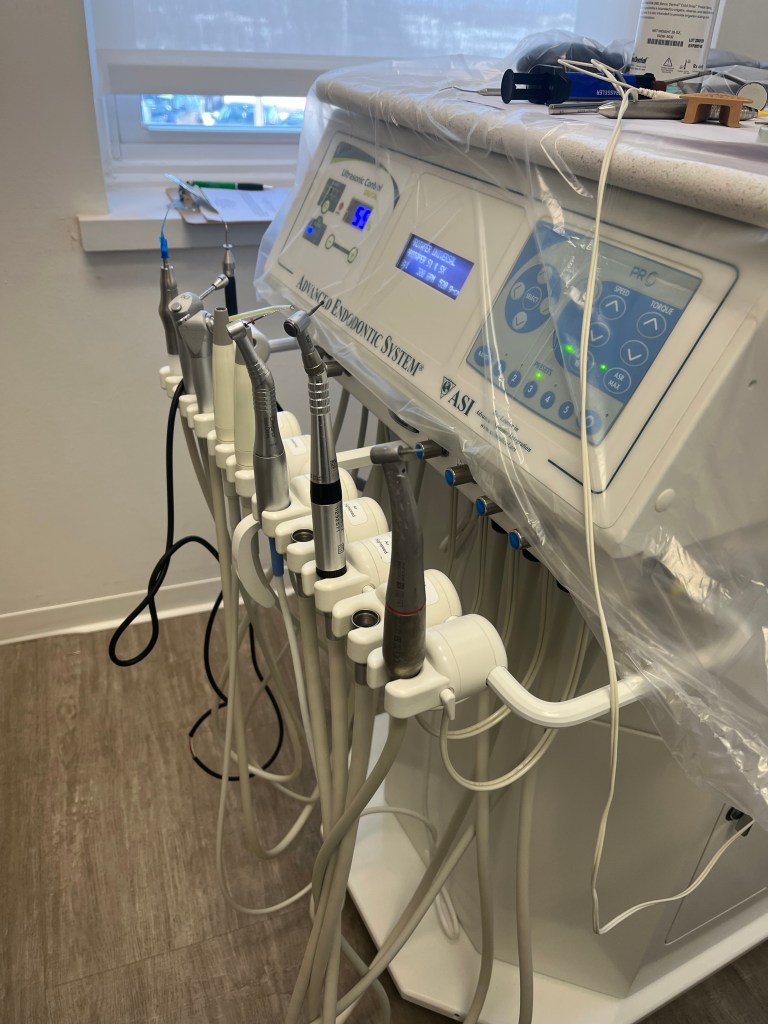
Waiting to get my first root canal

Oral health and IBD

According to a study entitled, Oral Manifestations of Crohn’s Disease: A Systematic Review – PMC (nih.gov), ulcers, gingivitis, and angular cheilitis are the most frequent dental issues those with Crohn’s disease experience. This systemic review concluded that, “Some lesions develop silently and go unnoticed by the patient. Others become established, causing pain, and incapacitating the patient in their normal life, sometimes accompanied by gastrointestinal symptoms.”

A study, entitled, “Dental and periodontal disease in patients with inflammatory bowel disease” also investigated how IBD can manifest orally in patients. This looked at DMFT (Decayed, Missing, Filled Teeth) scores and looked at the electronic health records of 229 IBD patients in comparison to non-IBD patients. The results showed “Crohn’s disease patients have significantly more dental health problems compared to the control group.”

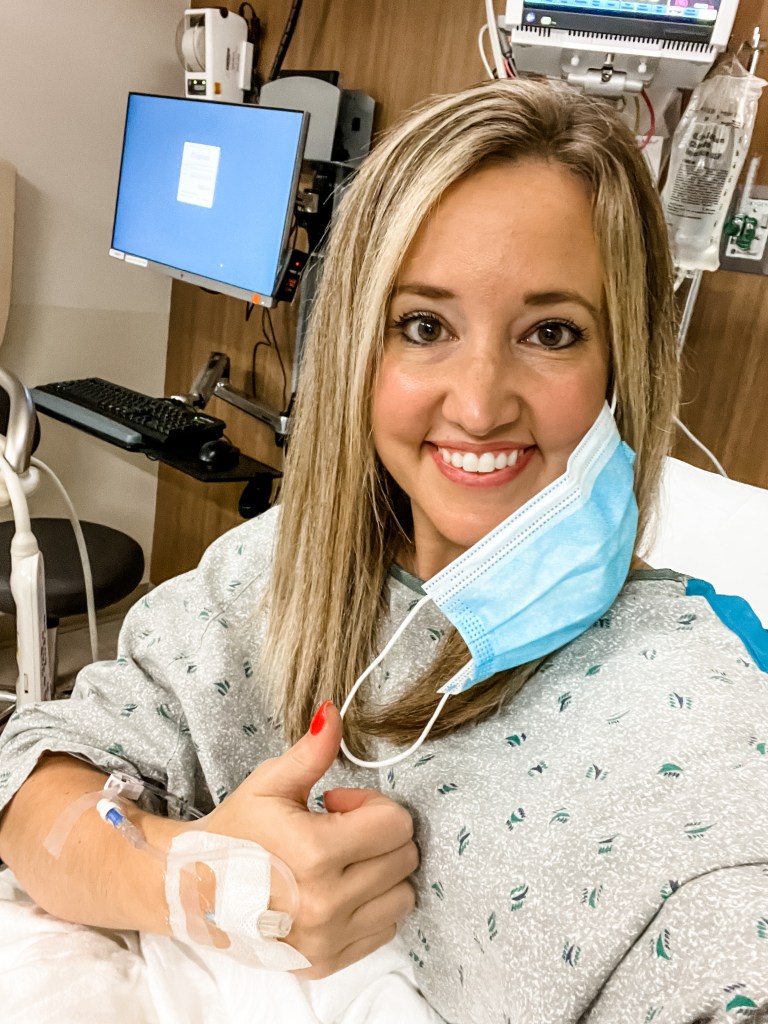
With my root canal this past week, the inflammation was so out of control it required three shots to the roof of my mouth, two in the side gum area, and a burst of prednisone after. As a veteran IBD patient, I feel anytime something with my health goes awry, I immediately wonder if there’s a correlation to my Crohn’s. It’s hard not to.

Grateful for headphones, Netflix, a stress ball and a blanket to help get me through the procedure.

This study found that people with IBD are at an increased risk of developing cavities and oral infections and that people with IBD have more dental treatments than those without IBD.

Lifestyle and dental health

How healthy our mouths are can also directly help or hurt how our IBD manifests. Recent research in the journal Cell showed that periodontitis, or gum disease, aggravates gut inflammation because the bad bacteria in the oral cavity migrates to the gut.

Steroids like prednisone can cause loss of calcium from our bones and lead to osteoporosis, this can also reduce the calcium in our teeth, causing them to weaken and decay. Talk with your GI and make sure you are getting enough calcium in your diet to keep not only your bones, but your teeth strong. Just this week, my GI advised I chew two Tums a day for added calcium, so I’ve added that to my Crohn’s management regiment.

People with IBD sometimes struggle to find foods they can tolerate—which can result in a high sugar diet or a low amount of essential nutrients. Teeth are affected by both. Some of us also deal with stomach acid and bile coming up through our mouths. An extra acidic mouth can be caused by poor gut health. Fruit juices, fizzy drinks, and pop/soda can increase the amount of acid in our mouths. Too much acid can cause tooth enamel to erode and makes our mouths the perfect breeding place for plaque (bacteria which can cause gum disease) and gingivitis (inflammation of the gums).

What patients have to say

“I’ve had so many root canals and crowns. Last spring, I had a molar pulled for an implant. The pain with a root canal is EXCRUCIATING!”

“A little bit of clove oil essential oil placed on a Q-Tip on the area helps. Typically, IBD patients are not supposed to take ibuprofen. But I have found three ibuprofen helps a bit, too temporarily.”

“Try swishing coconut oil.”

“I had two cavities in the last week. I never had dental issues before my ulcerative colitis.”

“I’ve had three molars fixed now, either via extraction or root canal and crown. I have one more molar that needs attention because it broke (thankfully didn’t expose a nerve or anything, so it’s hasn’t been painful). The pain before surgery with the others was unbearable! I did warm saltwater rinses and ate as many cold things as I could.”

“I’m a dental hygienist and a Crohn’s patient. You should be on antibiotics and should have pain meds. Find a new dentist if they don’t offer these options.”

“Tylenol and Ibuprofen cocktail! Works like Vicodin without the woo woo effect. 800 mg ibuprofen and 600 mg Tylenol, every 6 hours. The actual procedure itself is a drop in the bucket compared to what we go through.”

“INSIST on oral antibiotics after. Even if your dentist swears you don’t need them. Speaking from experience with a dentist who wouldn’t  prescribe after a root canal while on Humira. Ended up in the emergency room with a massive abscess, and many further dental issues that resulted from that infection including a re-treatment of the tooth, cellulitis, and eventually oral surgery and an extraction.”

“There is nothing worse! This is such an overlooked topic in both the IBD and dental worlds! I have serious traumas about dental procedures due to the lack of knowledge in the dental industry. I’ve been told there’s no gluten in cleaning abrasives (there was), I’ve been told that I have poor hygiene, that I’m a bad example to my kids, that I’m lying to the dentist about my teeth care. I’ve been left in pain repeatedly from neglect, and I’ve switched dentist offices about 2 dozen times. It’s been a battle!”

“It’s the worst pain. They wanted me to wait for a root canal until after my wedding and honeymoon and I cracked, and had it done a few hours before my rehearsal dinner because I would not have enjoyed my wedding. I felt like a MILLION bucks after even though it still hurt. It’s not the type of pain you can ignore.”

“My gums always bleed, and I constantly used to get told at the dentist that I must not floss or brush daily. Not true. It drove me nuts. I would brush my gums so hard thinking that eventually they would stop bleeding for the next appointment at the dentist. This only caused receding gums. I told this to my new dentist and his staff, and they don’t say anything about my gums bleeding.”

“I have ulcerative colitis and had a root canal and crown 10 years ago; it was a great success. I never had any more issues. I had such a tough time finding antibiotics that helped. So, they gave me penicillin and that exacerbated my symptoms of UC.”

“Our teeth are a hot mess due to IBD and more specifically long periods of prednisone.”

“I had to get an emergency root canal while pregnant, so we had to limit anesthesia during the process. I would not recommend this. The process wasn’t great but wasn’t the worst considering Crohn’s and birth pain. One takeaway would be to know your gums might flare back up for a few months afterwards. As a mom with Crohn’s and gum disease, I would love to see a piece on IBD an dental health.”

“I would just have the tooth pulled personally. It can end up having an infection and you won’t know because the nerves are gone, and your teeth are connected to your whole body. There’s even a movie about it. Hypericum homeopathy would be great for nerve pain. You could rotate that with arnica every two hours. I would also place a clove in a little cotton and set it back there or clove essential oils in coconut oil and rub it around the gums in that area a couple times a day. Also, warm saltwater rinses.”

“I’ve never had a cavity and my dentist is amazed by this because I’ve had multiple root canals and crowns but that not because of decay…it’s from the tooth enamel breaking down from lack of nutrients and use of steroids over long periods of time.”

“Ice like crazy after a root canal. I’ve had three root canals with two failing and losing the teeth thanks to my Crohn’s. Putting a soft ice pack on my face post procedure was my lifesaver!”

“I’ve always been labeled “incredibly difficult to numb”—to the point where the dentist didn’t believe me, and I was about to hit the ceiling in pain when they started drilling. I never put two and two together that it could be related to IBD and none of my dentists have either.”

“I saw your post about your tooth. I would suggest following Dr. Michelle Jorgensen. She’s a functional dentist and talks a lot about gut health and dental health. She’s been on a few different podcasts talking about it as well. She also has a tooth powder that I use and love! For tooth pain, clove oil works great. Along with CBD oil—Met Naturals is my favorite. Turmeric oil is my go-to for pain. Arnica is also a natural pain reliever.”

“I have UC and have been incredibly nervous about my dental health since my diagnosis. I asked my dentist office about more frequent cleanings and found my insurance will cover four cleanings a year. So, now I go every three months. I know it can’t prevent everything, but I’m thankful for this bit of help.”

Some points to consider:

Shared Risk Factors: Some studies have found shared risk factors between periodontal (gum) disease and IBD. Smoking, genetic predisposition, and immune system dysregulation may contribute to both conditions.

Oral Health and Inflammation: Poor oral health, especially chronic gum disease, can lead to inflammation in the body. Inflammation is a common feature of both dental issues and IBD. The body’s response to oral bacteria in the gums may contribute to a systemic inflammatory response.

Microbiome Connection: Both the oral cavity and the gastrointestinal tract harbor complex microbial communities. Imbalances in the oral or gut microbiome may play a role in the development or exacerbation of inflammatory conditions.

Immune System Interactions: The immune system plays a crucial role in both maintaining oral health and regulating inflammation in the gut. Dysfunction in the immune system could contribute to the development or progression of both dental issues and IBD.

What you can do

Maintaining good oral hygiene practices, such as regular dental check-ups, proper brushing, and flossing, and addressing any dental issues promptly, is recommended for overall health, regardless of any potential association with specific medical conditions like IBD. If you have concerns about the relationship between your dental health and IBD, consult both your dentist and gastroenterologist for personalized advice based on your specific health situation. Some people in the IBD community reached out to me and said they get dental cleanings every three months and feel that’s a huge help in maintaining their dental health.

If you have IBD and need a dental procedure:

  • Communicate openly with both your dentist and gastroenterologist about your medical history, including medications and symptoms.
  • Follow a consistent oral hygiene routine to minimize the risk of dental issues.
  • Discuss any concerns or questions you have with your healthcare providers.

Because we often have chronic inflammation in our bodies due to IBD, this could potentially affect the body’s ability to heal after dental procedures, including root canals. For those with IBD, there may be an increased sensitivity to infections or challenges in managing inflammation, especially as we try and limit NSAIDS. Prior to a procedure, make sure your dentist or endodontist is aware of all medications you take to make sure there will not be any oral health implications or interactions with your dental treatments.

Final Thoughts

Keeping up with all our medical care, including dental, can feel like a part-time and sometimes even a full-time job. Getting teeth cleaned twice a year and taking care of oral problems may get pushed down the list of priorities, but oral health is not something to be ignored. Poor oral health is often a reflection of a person’s overall health and can even be the cause of systemic disease.

It’s important to note that correlation does not imply causation, and several factors may contribute to the relationship between dental health and IBD. Additionally, individual experiences vary, and not everyone with IBD will necessarily have poor dental health or vice versa. While there is some research suggesting a potential association, the evidence is not conclusive, and more studies are needed to establish a clear link between dental health and IBD.

Shattering Stigmas around Gastro Health: Why you need to know about the GH Foundation

It’s not surprising there’s stigma that surrounds gut health. Even though “everybody poops” it’s still a bit of a taboo topic, and don’t even get the general population to think about getting the dreaded colonoscopy. This is where the GH Foundation comes into play. Co-Founders, Dacia Heck and Kristin Lynn Grube have both been personally impacted by gastro health in unique ways and their journeys inspired them to create a non-profit to help break down barriers and start critical, life-saving conversations.

According to the Crohn’s and Colitis Foundation, “patients with IBD appear to be at notably increased risk of colorectal cancer compared to the general population, with one recent study demonstrating a 7% colorectal cancer risk after 30 years of the disease. I had my first colonoscopy at age 21, which confirmed my Crohn’s disease diagnosis. Since 2005, I’ve had more scopes than I can count. I typically get a colonoscopy every year. While it’s not an enjoyable experience, it gives me peace of mind that I’m being proactive about my health. I’ll be getting my next scope in the coming months.

This week on Lights, Camera, Crohn’s we hear from Dacia and Kristin to learn more about their mission, the difference they hope to make, and how you can get involved and feel supported.

The personal connection

Until your gut starts causing health problems, chances are you don’t often think about it. Kristin was diagnosed at age 27 with Serrated Polyposis Syndrome (SPS), which is characterized by the occurrence of multiple polyps throughout the colon and/or rectum that can develop into colorectal cancer (CRC). She discovered this through a colonoscopy.

Kristin Lynn Grube, co-Founder of the GH Foundation

“My diagnosis has taught me to be my own relentless health advocate and speak up for myself. I continue to learn how to cope with SPS’s ongoing effects – emotionally, physically, and spiritually. Some days are easier than other days.”

Dacia lost her healthy, active sister from Stage IV colon cancer. Her sister was diagnosed at age 43 and passed away less than 4 months later.

Dacia Heck, co-founder of the GH Foundation.

“My sister’s diagnosis was a complete shock, as we didn’t have a family history of colorectal cancer and she was well below the screening age of 50 at the time of her diagnosis.”

The inspiration behind the GH Foundation

While Dacia and Kristin have different stories and experiences, they are both passionate about bringing important resources to the general public and are adamant about making gastrointestinal (GI) conversations not only more accessible, but also more mainstream, in order make the path to GI wellness and cancer prevention easier for others.

“We truly believe we can make a difference – one conversation at a time. As Kristin and I discussed where we wanted to focus our time and energy, we kept circling back to the “stigma” associated with GI diseases. That stigma often delays people talking to their family or medical provider about GI-related conditions. We decided the way we could make the biggest impact was to create GH Foundation and focus our mission on breaking that stigma,” said Dacia.

The GH Foundation’s main mission is to destigmatize conversations around GI, or gastro, health issues. 1 in 16 people in America will get CRC and 0 in 16 like talking about it. The GH Foundation encourages everyone to start the conversation. True prevention starts with educating the public on what is normal GI health and when to speak with a medical provider.

Discovering the loopholes in gastro health

As Dacia and Kristin did their research and spoke with different folks from all walks of life, they kept noticing that the conversations around gastro health have to start with a younger audience. Young adults in their late twenties to early forties are not discussing the importance of gastro health with their medical providers.

“We believe this is mostly due to the deeply rooted societal stigma surrounding gastro health. Given the uptick in early age onset (EAO) CRC, it may be too late to prevent a late-stage diagnosis once they qualify for screening. We want to focus on the very beginning and origin of it all –  the conversation, whether it is with your family, friends, or network. Take that first step and reach out to someone, ask questions, make that list of symptoms you are experiencing, find out if you have a family history of GI diseases,” said Kristin.

While it’s intimidating, Dacia and Kristin guarantee that the first step will go a long way and may improve your quality of life, or even save your or someone else’s life.

“Our goal is to bridge the gap between the medical terminology and the general public’s knowledge about GI health. We are finding ways to make medical terminology and information accessible to the public. We encourage everyone to listen to their body, and to get the tools to empower them to speak up if they have issues,” said Dacia.

Taking their mission into action

The GH Foundation works to meet people where they are and find different ways to overcome the stigma. For some people, it’s learning about the basics of gastro health through an educational webinar, for others, it is hearing a survivor’s story and becoming inspired to take that first step.

“It’s connecting at a social gathering and finding a space where you can share your day-to-day challenges that you thought you were experiencing alone. Other times, we just want to have fun – we play GI trivia games and entertain each other with the Poo Squad mascots (more on that later in this interview). With all our events, we create an environment where it is safe to ask any questions. There is never TMI; we can talk about poop all day if you like,” said Kristin.

The Three Main Pillars of the GH Foundation’s Advocacy

  • Gastro Health
    • Inform and educate the public about the importance of GI health. So far, the GH Foundation has focused on the human GI anatomy, common myths and facts about GI health, ostomy facts, and CRC-related information. You can find out more about resources and past events on the GH Foundation website.
  • Proactive Advocacy
    • Proactively provide information and strategies to create positive shifts in how we communicate and influence others. Using what they’ve learn from other organizations, medical providers, patients, and cancer survivors, the GH Foundation has created educational content to then share with the public. Be on the lookout, you may just see their Mascots or Bristol Stool Charts popping up more and more near you!
  • Impact/Prevention
    • Educate and inspire people to take action to live a healthier life by fostering an open environment where no topic or question is off limits. Kristin and Dacia lead by example by first sharing something about themselves or asking someone at an event if they would like to share their experiences. They want to help people become as comfortable as possible about talking with their medical providers so they can get the most accurate information about their symptoms and find the best treatment for them.

Making a Difference

Since launching the GH Foundation, Kristin and Dacia have heard from many people that they scheduled their colonoscopy after attending one of their events or receiving one of their resources.

“People have also spoken with family members about their family history to get genetic testing and have said they felt more prepared about what to ask their medical provider at their next visit. People have approached us and expressed a sense of relief that we are creating an environment where they can ask any question, as uncomfortable or personal as it may be. Our mascots have received positive feedback as well. Seeing Sir Colon has taught them what the “colon” looks like,” said Dacia.

Through their initiative “GHF on Campus” they bring gastro health conversations to the forefront of young adult minds through a series of captivating events exclusively tailored to undergraduate students.

“One of our main approaches at the GH Foundation is targeting who we call the “pre-screening community”. Young adults under the age of 45 need to be made aware of common myths and facts on GI health, CRC signs and symptoms to keep watch, and what to ask if CRC symptoms emerge. GHF on Campus has a dual impact: Not only are they learning for themselves, but they can go back home and share what they have learned with family and friends. They can ask about their family history and encourage their family members to act, like scheduling a colonoscopy,” said Kristin.

So far, the GH Foundation has collaborated with the vibrant student communities at the University of Iowa and Northwestern University. Kristin and Dacia are looking to expand campus programming—if you’re reading this and would like to learn more, click here

Finding humor through the message

You must meet people where they are. One of the ways they are doing that is with a sense of humor.

“We have designed our GHF mascots that bring some fun and lightness to topics that can be very overwhelming and serious,” said Kristin.

The GH Foundation’s mascot crew features: The Poo Squad (from left to right)—Ms. TP, Plungy, Mr. Poo and Sir Colon.

They will show up in different ways. One of the ways is our “Check your Colon” t-shirt with our very own Sir Colon. You can purchase a shirt here.

You can register now for a virtual webinar panel discussion entitled, “Destigmatizing Ostomy 101” taking place Tuesday, February 20th, 2023 at 6:30 pm CT. The discussion will feature Wound Ostomy RNs Jennifer Bart, MSN, RN, CWOCN, and Aimee Sheddan, BSN, RN, CWOCN.

Getting Involved with the GH Foundation

  • Talk  – Initiate the conversation with your family, friends, and colleagues. Educate your loved ones about the risk of neglecting their gastro health. It may seem like a small step but can change the trajectory of life.
  • Volunteer – Help connect your community to life-saving resources about GI health.
  • Donate – Your donation directly funds our efforts to distribute educational materials and health guidance to the public.
  • Engage – Reach out to us! We welcome new ideas on how we can break the stigma.
  • Follow us on our socials so we continue to reach more and more people.

Connect with the GH Foundation on social media and follow the amazing work they’re doing:

Instagram: @_theghf

Facebook

LinkedIn

Skin cancer scare: My experience as an IBD mom

During my annual skin check at the dermatologist in September my doctor biopsied two small marks on my back. In the moment, my doctor expressed that she wasn’t concerned, and neither was I. Fast forward two weeks, and I was about to speak at a health conference for patient advocates in New Jersey when I received a phone call from an unknown number. I answered and was caught off guard when the voice on the other end was a nurse from my dermatologist’s office telling me both spots came back with pre-cancerous spots and that I needed to get excision surgery on both as soon as possible.

Hearing that news was unexpected. I felt unsure and scared. That anxiety built up until I finally was able to schedule the procedure for November 30th. Life as an IBD mom makes these types of health hiccups tricky. I had to keep pushing off the surgery because of different family activities and obligations during this extra busy time of year.

This week on Lights, Camera, Crohn’s I take you on a behind-the-scenes look at my patient experience and discuss skin cancer and IBD and what you need to be aware of.

How I felt going in

Going into the surgery I felt uneasy. I wasn’t sure what the recovery would entail. I’ve only had abdominal surgeries, a bowel resection and three c-sections. One of the spots was on my upper back and the other was right above my bra strap. I was worried about how it was going to feel to lay down, sit back, move my arms, pick up and hug my kids…the list goes on.

As always, I turned to our IBD community for input, intel, and perspective. The experiences and advice shared not only educated me but left me feeling comforted before I went under the knife. Here is some of the feedback I received:

You only live once and it’s on your back. In my opinion, the only way to wear a scar bad is to wear it with insecurity. Cover it up with confidence, or reveal it with confidence, but if you do either with insecurity, that makes it much more obvious.”

“After surgery when you’re up and about, focus on excellent posture almost to the point of bending backwards. You’ve had a resection and with any abdominal surgery, you hunch over a little bit to keep the incision from pulling. Do the same with the back ones, but you have to kind of have a bend to your back. Move slowly and if it pulls, you’ve pushed too far. With abdominal surgeries, I stay very on top of pain meds, with this, I would make sure you’re in a little bit of discomfort, just so you know when you’ve pushed too far. Not enough to be in actual pain, but enough to be uncomfortable and feel it when it pulls.”

“Be extra careful with what activities you do with it being on your back. I popped stitches on my back once because it’s such a high-tension area. The worst part is having a scar left behind.”

“My doctor gave me an option: stitches vs no stitches. Choose closure with stitches, otherwise healing is long.”

“The local anesthetic stings a little, but nothing worse than a biologic that you’re used to. They’ll tell you to keep the sutures moist with ointment (NOT Neosporin) and covered during the day. Wash gently with your regular soap and water. The sutures on the back are usually in for about two weeks. Make sure the pathology checks margins (so you know all atypical cells were excised). Compared to everything IBD moms endure, this is a piece of cake!”

“Surgery is an easy recovery. I had stitches for two weeks. Make sure you keep the area moist with Aquaphor or Bacitracin. Be careful not to lift anything with the stitches so you don’t pop a stitch or cause further scarring by stretching the open area. It might hurt the first couple of days, but Tylenol will do the trick.”

“My best friend had a pretty good size excision surgery on her back, and everything went smoothly, and it was painless for her. She healed up nicely and the scar is minimal.”

“Recovery was straightforward! Just keep up on any pain meds prescribed and try to take it easy. I had a wide excision on my toe that sucked because walking was hard for a few days. Little movement until your incisions are healed a bit is helpful.”

“Sitting back and laying down might hurt for a couple of days, but you should be fine after that. You don’t want to pop the stitches. You can’t take a bath or submerge the incisions for at least two weeks. Showering is fine after 24 hours, but just be gentle with them. I did derm nursing for many years.”

“I’ve had this (Crohn’s med complication), and it was far less bad than I thought. Briefly painful, but recovery is quick. I found vitamin E cream super useful while it was healing or (La  Roche- Posay Cicaplast) also once healed. Make sure you rub the scar, so it doesn’t ‘tether’.”

“Find out your surgeon’s preferred ointment. Mine okayed Aquaphor. Set pillows so you can sleep comfortably once you find a position that works. The pain is worst at night. Sending you big hugs and wishing you speedy healing with clean margins!”

What excision surgery entailed

Leading up to the excision surgery—especially the week of—my mind started to race a bit when I went to bed at night and started thinking of the procedure and recovery. It was my first time needing something more than a biopsy at the dermatologist, so I wasn’t sure what to expect. The excision surgery process involved so many lidocaine and epinephrine shots that I was in tears by the end. The areas of my back were so sensitive and by the time I had 10-15 shots I could feel, I hit a bit of a breaking point.

One of the nurses brought me an ice pack to grip onto and it really helped stop my anxiety and shaking on the table. The actual surgery on the two spots took an hour. It’s always an odd feeling while you lie awake and know your body is being cut into. I have dissolvable stitches underneath my skin and on top on the incisions.

Here’s a photo of the two incisions. They are larger than I had anticipated, and I’m not thrilled about them, but I know once they’re healed, they won’t look so angry.

Recovery is not linear

The first night of recovery I was able to keep the pain under control for the first 10 hours or so, but I woke up at 4 in the morning in excruciating pain. I felt like my back was on fire and I couldn’t move. It was a horrible feeling. My husband helped me out of bed, and we went downstairs. He propped me up on a ton of pillows and set an alarm for my next pain pill. The first two days were a rougher recovery than I had anticipated, but I’m so grateful my dermatologist caught this when she did.

By day 3 I was doing laundry, cleaning, organizing my son’s room, packing up toys to donate, and making dinner. As I write this, I’m 4 days post-op and I just have slight twinges of pain here and there and itching sensations. The hardest part for me has been not being able to lift or hold my 2-year-old or being able to help my 4-year-old daughter who’s had a club cast on her dominant hand and arm and has needed my help to do everything from getting on the toilet to climbing into her car seat. That being said, my kids have all been incredibly patient and empathetic and my husband has been a rockstar at making sure I don’t overdo and feel supported every step of the way.

My toddler walked up to me when I was in pain and said, “your tummy hurt, mama?” Not this time, buddy. It amazed me that his mind went there when he saw me hurting. With that, he snuggled me on the couch and gently grabbed both my hands and kissed them.

Is there a link to IBD meds and skin cancer?

There is some evidence to suggest a potential association between IBD and an increased risk of skin cancer, particularly non-melanoma skin cancers such as squamous cell carcinoma and basal cell carcinoma. When I asked my surgeon prior to my procedure if being on Humira put me at greater risk for this, she told me there’s not enough conclusive evidence and she did not relate my situation to my medication, but I’m still not convinced. I was told that the pre-cancerous cells would have turned to melanoma if this was not caught.

The relationship between IBD and skin cancer risk is complex and may involve various factors:

Immunosuppressive Medications: Prolonged use of medications, such as corticosteroids or certain biologics, can weaken the immune system, increasing susceptibility to infections and possibly contributing to a higher risk of skin cancer.

Chronic Inflammation: IBD itself is characterized by chronic inflammation in the gastrointestinal tract. Chronic inflammation has been linked to an increased risk of certain cancers, including skin cancer. The inflammatory process may contribute to the development of cancerous cells.

Sun Exposure: Some studies suggest that those with IBD may be at an increased risk of skin cancer due to excessive sun exposure. It’s important to note that certain medications used to treat IBD, like thiopurines (Imuran and Purinethol), make the skin more sensitive to sunlight.

Genetic Factors: There may be genetic factors that contribute to both IBD and an increased risk of skin cancer. Some people have a genetic predisposition that makes them more susceptible to both conditions.

Final thoughts—Get those annual skin checks!

When it comes to skin cancer, we can control our sun exposure and how we protect our skin when outdoors and that should not supersede the importance of taking medication to treat and manage IBD.

Talk with your care team about the frequency you should be screened. Once you have skin cancer or a biopsy, it’s not unusual for bi-annual visits or even every three months. If I can share anything—it’s to get your annual skin check. Skin cancer is nothing to mess around with. Ignorance is not bliss. Give yourself peace of mind and schedule a dermatologist appointment, whether you have IBD or not. My husband and I have both had scares now when it comes to our skin. Be proactive and in the new year I hope you take the appropriate steps to make sure you’re in the clear.

Additional resources on Skin Cancer and IBD

IBD and the Risk of Skin Cancer (verywellhealth.com)

Does IBD Put You at Greater Risk of Developing Skin Cancer (everydayhealth.com)

Inflammatory Bowel Disease and Skin Cancer: An Assessment of Patient Risk Factors, Knowledge, and Skin Practices – PMC (nih.gov)

Risk of Melanoma and Nonmelanoma Skin Cancer Among Patients With Inflammatory Bowel Disease – Gastroenterology (gastrojournal.org)

Inflammatory Bowel Disease Is Associated With an Increased Risk of Melanoma: A Systematic Review and Meta-analysis – Clinical Gastroenterology and Hepatology (cghjournal.org)

Supplements to support your immune system with IBD—Yay or Nay?

It’s that time of year when sickness lurks around every corner. For those of us who are immunocompromised, run of the mill “regular people” sickness can hit us extra hard. Since the end of September, I’ve dealt with bronchitis for 5 weeks, followed by pink eye in both eyes, and I currently am dealing with a bacterial infection in my right eye. Being an IBD mom with young kids in preschool and elementary school brings extra germs into our house. While I’ve been under the weather, I keep second guessing what supplements are deemed “safe” and beneficial for me to take since I’m on a biologic. Even 18-plus years into the game, I still get confused about the gray area around supplements to help us improve or boost our immune systems and which we need to be careful of.

This week on Lights, Camera, Crohn’s we hear from three gastroenterologists who take a deep dive into this topic, along with a registered pediatric GI dietitian, and several people from the patient community. Before we get started, I want to preface this by saying this is a complex issue that is not black and white. Even after digging deep researching this topic—I’m still not completely clear on what’s best for myself.

There’s been conflicting beliefs on whether Elderberry is “smart” to take when you’re immunocompromised. I ran a poll on Instagram asking our community what they’ve been told. Of the 260 people who responded 72% said “This is a thing?!”, 21% of those polled said they were told to “Steer clear when on immunosuppressants”, and 7% of people were told by their provider that it’s “Safe and advised” to take Elderberry.

Let’s hear what patients have to say

Samantha: “I was advised not to boost my immune system. So, I focus on nourishing my body well when sick. I drink a lot of smoothies and fresh juice. I’d avoid Elderberry for sure. I take daily vitamins and get my levels checked regularly to make sure I’m getting enough of what I need. However, I have a kid in school who brings all those lovely germs home. I had a GI once explain it to me like this…my immune system is overactive; I have to take medication to weaken it, which brings it down to a “normal” range. If I try to “boost” it, I’m working against my medication.”

Cindy: “My mother-in-law purchased some Elderberry for my daughter with Crohn’s shortly after her diagnosis. “A woman at Whole Foods told me this could be good for her.” She meant well. Anyway, I understood that my daughter shouldn’t take Elderberry, after consulting with Dr. Google. I believe it was a reputable website that contraindicated Elderberry for patients on immune suppressing medications.”

Emily: “I have been told both—that Elderberry is safe and that it is not. My family doctor told me to avoid it and my GI nurse says that it’s ok sometimes when sick?! So confusing!”

Alyssa: “My husband has Crohn’s and is on Entyvio. He takes Elderberry if he has flu or cold symptoms, whereas I take it daily during the winter. Funny enough, I’m sick A LOT more than him!”

Jessie: “I’ve been told by some doctors not to take immune boosting supplements with biologics and others that it doesn’t matter, but I can’t find the concrete research/facts I need to be sure.”

Lindsey: “I find my symptoms flare when I have Elderberry!”

Rachel: “I’m always confused if I should be taking anything to “boost” my immune system when I’m on suppressive meds. I asked my provider years ago, but I didn’t really get a real answer. I’ve always thought it was good to take supplements to help my immune system, but then I get concerned about them counteracting my medication.”

Hermione: “I have been told it is a placebo effect by my immunologist.”

Kristen: “I read that you don’t want to boost your immune system since that’s the system you want suppressed and caused your disease in the first place.”

Bee: “I was told not to take things that will “boost” the immune system. In South Africa, it’s Echinacea. I was told not to take it. So, my approach has been to “indirectly boost” my immune system by taking vitamins and fresh fruit and vegetables as much as I can tolerate.”

Rocio: “I’ve had this conversation with providers, particularly when I had COVID. I was told NOT to take Elderberry because it has been shown to increase cytokine storm which is present in both COVID and IBD. From an IBD specific point of view, the anti-TNFs seem to calm that storm which is why some were used as COVID therapeutics. So, I wouldn’t say it’s because of being on immunosuppressants, but rather the disease itself.”

Julie: “I live on Elderberry but never asked my doctor, so I’m hoping it’s ok!”

Laura: “I’ve taken Elderberry for years on Remicade (also working as a nurse practitioner in pediatric primary care) and it has helped keep me well and my GI docs have never been opposed to me taking it. I do usually skip it the night before and after an infusion though.”

Jana: “I was told it could cause increased risk of cytokine storm for those with IBD in general, whether on immunosuppression or not.”

Heather: “My son’s GI said NO to Elderberry. We used to take it every winter, but once he was diagnosed with Crohn’s they said to stop using it. I always worry about this time of year and all the yucky stuff going around. My son takes the Liquid IV Vitamin C packets and puts those in his water. I don’t know if they help, but I feel better knowing he is taking something to maybe help give him a boost!”

Beth: “I’m so glad you’re covering this because there is so much confusion—should we try to boost our immunity or not? My personal experience is that I was taking it trying to boost my immunity before a busy event season when I needed to stay healthy. About three weeks later, I was wracking my brain trying to figure out what was flaring my Crohn’s because I’d been eating right, sleeping more, hydrating…and I think it was the Elderberry. In general, I have tried to shift my logic to “these are things that help keep me healthy” versus “how do I boost my immunity?”

Madison: “My first GI told me “No” if you’re on biologics. Not sure if that’s true, but I just trusted that guidance and still avoid it!”

Jess: “I was told to steer clear of Elderberry because of having IBD.”

Jaclyn: “I have asked so many times what I can take, and I’m always told there is basically nothing extra I can do. I have a 4-year-old and 5-month-old in daycare, so they are always bringing home sicknesses.”

Elderberry: To take or not to take?

After reading those firsthand experiences it’s clear—the patient population is unclear and hesitant about what is best when it comes to boosting immunity. While Elderberry has gained popularity for its potential immune-boosting properties, its safety for those of us with IBD is not well-established. Elderberry supplements are often promoted for their antiviral and immune-enhancing effects, primarily attributed to compounds like flavonoids and anthocyanins.

Before I became a patient advocate, I would take elderberry anytime I felt a sniffle or had a sore throat. I really felt like it made a positive difference. Fast forward a few years and I started hearing that Elderberry could interact with Humira and cause my immune system to become over-active, so I stopped taking it all together. To this day, I wonder about taking it—and I know many of you do, too!

There are a few considerations for those with IBD when it comes to Elderberry:

Sorbitol Content: Elderberry products, particularly some syrups and extracts, may contain sorbitol, a sugar alcohol. Sorbitol can have a laxative effect and may exacerbate symptoms for those with IBD, especially if you are sensitive to sugar alcohols.

Potential Interaction with Medications: Elderberry may interact with certain medications or treatments for IBD. Elderberry is believed to have immune-modulating properties. When taken with immunosuppressive medications like Humira or Remicade, there is a potential risk of enhancing the immunosuppressive effects, which might increase the susceptibility to infections. It’s important to discuss this with your healthcare provider to understand the potential implications.

Limited Research: There is limited research specifically addressing the safety and efficacy of Elderberry in individuals with IBD. The specific interactions can vary, and it’s essential you ensure there are no adverse effects or diminished efficacy of your prescribed medications.

The GI’s weigh in on the debate

Dr. Miguel Regueiro, M.D., Chief, Digestive Disease Institute, Cleveland Clinic, says that while he does not want to sound dismissive of supplements, that we lack good data to make claims for or against. Personally, he does not feel Elderberry is harmful, and does not have a problem with his patients taking it.

“I am not aware of good, randomized data to indicate true harm from Elderberry in immunosuppressive or immunomodulatory medications, even though there are warnings listed,” he said. “Theoretically, Elderberry will “stimulate” or “activate” the immune system and has been a popular supplement that some recommend for “cold/flu” or to prevent cold and flu.  If that theory is true, then potentially elderberry as an immune stimulant would offset or counteract an immunosuppressive.”

Without good, randomized safety data, it is difficult to make this strong claim one way or another. Given that Elderberry may or may not help with cold/flu, in an abundance of caution it would be reasonable to avoid in patients on immunosuppression. 

“My sense is that the dose of Elderberry is low enough that even with immunosuppression, there should not be a problem, but, again, without confirmatory evidence to say that Elderberry effectively “fights off” or “prevents” cold/flu, one could simply avoid it in patients who are immunosuppressed.”

Dr. Regueiro says the ideal health-related approach is to ensure that IBD patients are eating a whole food diet, avoiding processed/ultra processed foods, drinking plenty of water each day (1-2 liters), exercising regularly, and having good sleep hygiene.   

“Regarding additional supplements, based on a patient’s history and certain IBD meds, we recommend different supplements. For example, for patients who have been on steroids in the past, we recommend a bone densitometer for osteopenia (and osteoporosis). If bone mineralization is low, we recommend supplemental calcium and Vitamin D.  If a patient has had ileal (small bowel) surgery, we will check a vitamin B12 level and if it’s low, we recommend parenteral (subcutaneous) shots, as they will not be able to absorb oral B12.”

He went on to say that iron levels should be checked, as iron deficiency is common. If iron levels are low and a patient is anemic, parenteral (IV) form of iron is recommended, as oral iron can upset the stomach and even lead to more IBD symptoms.

“For patients with short bowel syndrome from extensive bowel surgery, they should be managed by a nutrition team who specializes in short gut as the evaluation of nutrients and  vitamins is more comprehensive and detailed. Finally, for most of our IBD pts who do not have any of the above vitamin deficiencies, as long as they’re eating a well-rounded, healthy diet, they need no other vitamins. However, I tell my patients that taking a once per day over the counter vitamin is generally safe and ensures all nutrients are covered.”

Dr. Yezaz Ghouri, M.D., Director of Inflammatory Bowel Disease Services, University of Missouri School of Medicine at Columbia, says elderberries seem to have high amounts of antioxidants.

“The main antioxidant seems to be a bioflavonoid called Anthocyanin. These give purple pigment in the berries and have powerful antioxidant properties. Antioxidants have an anti-inflammatory and anti-carcinogenic effect in the body. Patients with IBD have chronic ongoing inflammation and are at increased risk of developing colon cancer. Carcinogenesis refers to the conversion of normal tissues to cancer. In general, we recommend the use of berries in IBD patients, and these are a good source of minerals, vitamins, and healthy carbs. The Crohn’s and Colitis Foundation cautions the use of Elderberry in IBD patients due to concerns that this fruit increases production of certain types of chemicals in the body that can cause IBD type inflammation. One of these chemicals is called tumor necrosis factor (TNF), the same which is blocked by medications used to treat IBD.”

Immunosuppressive medications and antioxidants work hand in hand in preventing inflammation.

“But there have been some studies that showed the effect of Anthocyanins on a group of immunosuppressive medications used in IBD called anti-TNF alpha inhibitors (examples: infliximab, adalimumab, certolizumab, golimumab). There is inconclusive evidence in this matter and there are no large clinical human studies showing that use of Elderberry is linked with an effect on TNF alpha inhibitors ,” explained Dr. Ghouri. “Please consult with your GI specialist prior to their use. Taking Elderberry in moderation should be ok, but if one develops any signs of disease flare, then stop the use,” he said.

Dr. Ghouri agrees that it is “ok” for IBD patients to take Elderberry.

“Elderberry has very strong anti-inflammatory properties that may contribute towards preventing damage from chronic ongoing inflammation and free radical based tissue injury.” 

Dr. Ghouri recommends the following protocol for labs to indicate whether you need specific supplements/vitamins added to your regiment:

  • Checking Vitamin D levels at least once a year
  • Checking Vitamin B12, Folic acid and Iron (Ferritin) levels, if anemic
  • Specifically checking Vitamin B12 level once every 6 to 12 months in patients with Crohn’s disease involving the small bowel

Checking other mineral or vitamin levels may be patient dependent, please check with your GI specialist or PCP. There is a need for checking vitamin and mineral levels more frequently in patients who have lost most of their small bowel, due to Crohn’s disease. These individuals have a diagnosis of short-gut syndrome and sometimes require IV nutrition. These patients are at higher risk for developing all sorts of vitamin and rare mineral deficiencies. They need to be seen by a specialist with a background in managing such patients and require frequent blood testing for several minerals and vitamins.

The Pediatric Perspective

With young people often being the carriers of so many germs and being susceptible as school age kids—I wanted to hear from Dr. Michael Dolinger, M.D., MBA, Assistant Professor of Pediatrics, Associate Pediatric Gastroenterology Fellowship Program Director, Icahn School of Medicine at Mount Sinai.

“For any patient on immunosuppressive medications, it is important to have an open discussion with your treating gastroenterologist about Elderberry, specifically Sambucus nigra, which is used in most herbal supplements. This could stimulate the production of components of the immune system that cause inflammation, mainly cytokines and tumor necrosis factor,” explained Dr. Dolinger. “Many effective therapies target these cytokines or tumor necrosis factor to treat inflammatory bowel disease, as they are often elevated. There is no clear evidence to support this either way, but if you are on a therapy that targets tumor necrosis factor or cytokines for your inflammatory bowel disease, I would certainly have a discussion with your gastroenterologists to review the potential risks and benefits first.”

He went on to say that one of the largest issues with using supplements, particularly in children, is that they are not regulated by the Federal Drug Administration, and you have no way of knowing if what is on the label is in the supplement you would be giving your child.

“I always encourage parents who are thinking about giving supplements to children to assess if there have been any studies of this particular supplement in children or ongoing studies and if not, I urge them to use the same caution they have surrounding any therapy and that is to place safety at the forefront and not give unregulated supplements to children,” said Dr. Dolinger.

For children with IBD, a well-balanced diet with adequate calories for growth and development is the most important recommendation. Supporting supplementation with iron, vitamin D, vitamin B12, and calcium is needed when these levels are low.

Routine monitoring of vitamins and micronutrients is essential in the care of inflammatory bowel disease patients. For example, vitamin C deficiency often goes unrecognized. We see zinc or selenium deficiencies not uncommonly too. It is most important to have routine monitoring for vitamins and micronutrients at diagnosis and when doing well, at least yearly,” he said.

Erin Feldman, R.D., CSP is a pediatric dietitian. She looked up Elderberry on a database called NatMed. Here’s what she found:

“On the natural medicine database, under “interactions with drugs” immunosuppressants are listed and it states—theoretically, Elderberry might interfere with immunosuppressant therapy, due to its immunostimulant activity. Elderberry has immunostimulant activity, increasing the production of cytokines, including interleukin and tumor necrosis factor. On the patient handout it states that Elderberry might cause the immune system to become more active. This could increase symptoms of autoimmune diseases. If you have one of these conditions, it is best to avoid Elderberry.”

Supplements and Lifestyle Choices that may offer general immune support

If you plan to incorporate any supplements into your routine, please consult with your care team, preferably a gastroenterologist or a registered dietitian, who is familiar with IBD and how it manifests in our bodies. Here are some different supplements you may want to check out:

Probiotics: Probiotics are beneficial bacteria that can help maintain a healthy balance in the gut microbiome. Some studies suggest that certain probiotics may be helpful for individuals with IBD, but their effectiveness can vary. Different strains may have different effects, so it’s crucial to consult with a healthcare professional before using probiotics.

Vitamin D: Adequate levels of vitamin D are important for overall health and immune function. Many people with IBD may have lower levels of vitamin D. This can be determined by a simple blood test. I personally have been vitamin D deficient for years, so I’m prescribed 50,000 IU a week right now.

Omega-3 Fatty Acids: Omega-3 fatty acids, found in fish oil, flaxseed oil, and certain nuts and seeds, have anti-inflammatory properties. They may help support the immune system and reduce inflammation. Again, consult with your healthcare provider for appropriate dosages.

Zinc: Zinc is essential for immune function. Some people with IBD may have lower levels of zinc, so supplementation may be considered under the guidance of a healthcare professional.

Turmeric/Curcumin: Turmeric, and its active compound curcumin, have anti-inflammatory properties. Some studies suggest that curcumin may have potential benefits for those with IBD, but more research is needed. It’s essential to consult with a healthcare provider before using curcumin supplements.

Quercetin: Quercetin is a flavonoid with antioxidant and anti-inflammatory properties. It is found in various fruits and vegetables. Some studies suggest it may have potential benefits for individuals with IBD, but more research is needed.

Lifestyle Factors: Adequate sleep, stress management, and regular exercise are crucial for overall health and immune function. Ensure you are getting enough rest and engaging in stress-reducing activities.

Final Thoughts

Given the potential for interactions and the need to manage the delicate balance of the immune system in individuals with IBD, it is highly advisable to consult with your healthcare provider before adding Elderberry or any new supplement to your routine. A lot more research is needed in this field to better understand supplements and their effects on medications.

There is no clear evidence that immune boosting supplements such as elderberry produce cytokines and tumor necrosis factor to counteract medications, but there is also no strong evidence that they do not either. We don’t know the way in which supplements support or do not support individual immune systems in patients with inflammatory bowel disease on therapies that target the immune system.

Your healthcare provider may guide you on whether elderberry or other immune-supportive supplements are appropriate for you, and if so, what dosage is safe. Always follow their recommendations to ensure the best possible outcomes and to minimize the risk of complications.

The Patient Experience: Understanding Malabsorption in Inflammatory Bowel Disease

Ever look in the toilet and much to your surprise you see a full pill in your stool? I’ve been there—and so many of us in the IBD community can unfortunately relate. Our unique digestive systems put us at much greater risk for malabsorption problems. For those of us with Crohn’s disease or ulcerative colitis, it can be a challenge to retain nutrients in the small intestine—such as proteins, fats, sugars, vitamins, and minerals and this can also pose issues when it comes to receiving the benefits of medications.

This week on Lights, Camera, Crohn’s we explore the various issues those of us in the IBD community may encounter when trying to absorb medications and the strategies employed to overcome these challenges. I ran an Instagram poll and asked our community: “If you have IBD, have you dealt with issues absorbing nutrients and certain medications?” Of the 175 people who responded, 47% said “yes” they have a problem with malabsorption and 50% had “no idea” if they do.

The reason why

You may be wondering why or if you are at risk of having issues absorbing new or current medications. Let’s look at the reasons why many of us deal with this issue:

Altered Gastrointestinal Transit Time: In IBD, chronic inflammation can lead to changes in the motility of the gastrointestinal tract. Fluctuations in transit time through the digestive system can impact the absorption of medications, as they may not spend sufficient time in the intestines for proper uptake.

Intestinal Mucosal Damage: The inflammation associated with IBD often results in damage to the mucosal lining of the intestines. This compromised barrier can affect the absorption of medications, making it difficult for drugs to pass through the intestinal wall and enter the bloodstream effectively.

Drug Formulation and Coating Issues: Some medications are formulated to release their active ingredients at specific points along the digestive tract. In individuals with IBD, variations in pH levels, inflammation, and mucosal damage may interfere with the intended drug release, reducing the medication’s efficacy.

Nutrient Interference: Medications are sometimes absorbed through the same pathways as essential nutrients. Malabsorption issues in IBD can lead to competition between medications and nutrients for absorption sites, potentially reducing the effectiveness of both.

Impact of Surgical Interventions: For those of us who have undergone surgical procedures, such as bowel resection, ostomy, or Jpouch, the anatomy of our digestive tract is altered. Surgical changes can significantly impact the absorption of medications, requiring adjustments in dosage or alternative administration routes. The small bowel, with its large surface area and high blood flow, is the most important site of drug absorption. Personally, I’ve had 18 inches of my small intestine removed along with my terminal ileum and ileocecal valve. The larger amount of small bowel removed, the greater likelihood you will deal with drug absorption issues.

What IBD patients have to say about malabsorption and medications

One of the many struggles patients face is knowing whether the medications they are on for everything from mental health to fertility are being absorbed into their bodies. Here’s what the patient community had to share about their experiences. All quotes are anonymous to protect patient privacy.

“I found that my Wellbutrin was landing in my bag whole, so my doctor broke the dose up into 4 smaller amounts instead of once daily—I’m not seeing the pill in my bag anymore and I am getting the intended benefits. I also was prescribed an opium tincture to take ahead of those pills to help give them their best chance at dissolving.”

“I had to start taking anti-depressants that were dissolvable. Unfortunately, there’s not a ton of options. When I switched to dissolvable from tablet/capsule oral, it made a huge difference.”

“In the past I was on Wellbutrin which came in an Extended-Release pill, and I would often see the pill come out whole. I mentioned this to my doctor, and she was able to get an Immediate Release version prescribed. If someone is on an Extended-Release med this may be an option for easier absorption. A compound pharmacy may be able to make it if it’s not already available in immediate release form.”

“The only difference was I had to take the immediate release version 3x a day vs. once a day for extended release.”

“I’ve really been struggling, and my psychiatrist suggested an absorption problem and recommended a patch, but my insurance denied it.”

“I’m a med student in the UK with Crohn’s. If you look up your selected antidepressant (amitriptyline, sertraline, etc.) on the British National Formulary, there’s usually a bunch of different formulations of the drug, either in pill form, patch, depot injection, liquid suspension, etc. If the desired delivery method is not available for that specific drug (like not for fluoxetine, but you still want an SSRI), you can scroll down to other drugs in class, check for interactions with current meds, guidance also for hepatic or renal impairment, pregnancy, the works. It’s entirely free and very user friendly.”

“I had trouble with absorption this summer when I was waiting to get my hiatal hernia fixed and acid was eroding my esophagus and medication before it could make it into my digestive tract, but I have surgery in July and continue to fail antidepressants and have other health issues that are unexplainable (exhausted and starving all the time for example) so hearing this input is so helpful to me.”

“I switched from Effexor capsules to tablets and I wasn’t digesting them at all. I frequently saw them in the toilet bowl and had to switch back to capsules and just take two.”

“I’m on an antidepressant and it just rips me up. I have absorption issues with everything.”

“I’ve always been on liquid anti-depressants just to make sure I am absorbing all of it with my ostomy.”

“I haven’t had any issues with my Zoloft!”

“I am currently on Celexa and occasional Xanax, no issues.”

“I’ve always had a slight suspicion about whether my Crohn’s is the reason my antidepressants don’t work.”

“I take an antidepressant that is dissolved on the tongue. Lamictal. It’s a mood stabilizer also used to treat anxiety and depression. Just started it, so far so good. Everything else went right through me. It’s been a struggle finding the right fit. SSRIs are awful and with an ostomy (at least in my experience).”

“On occasion during more severe flares I’ve noticed undissolved pills that I’ve mentioned to my GI. The advice was to keep an eye on it and if I continued seeing them, we’d need to reassess but thankfully those episodes were intermittent. I am, however, going to bring this up to my shrink because my response to meds is usually very suboptimal. Don’t think there are other forms available other than pills, but something to keep in mind.”

“Sublinguals are another good option for IBD patients for better absorption. I take a few of my supplements sublingually and my levels have been maintained well!”

“Not sure about anti-depressants. But I take the liquid form of many nutritional supplements for better absorption like Vitamin D and Vit B-12. I find I absorb it better that way. Of course, injecting is even better in terms of absorption, and I have occasionally had B-12 injections.”

“A good time for a reminder to always look at your poo. If you see what you think is a pill, make a note and if you see it more than once, contact your doctor. Some pills I may split for more surface area or open capsule (maracas) into spoon of applesauce, if it doesn’t compromise the med.”

“When I was in the hospital, docs would give everything they could IV because of the concern about absorption. It’s never come up outpatient for me though.”

Added concerns and considerations for Ostomates, JPouches, and Short Gut

According to The Ostomy Files: The Issue of Oral Medication and a Fecal Ostomy, “Because portions of the intestinal tract have been removed or bypassed, people with an ileostomy or colostomy may experience difficulty in absorbing and, therefore, gaining maximum benefit from oral medications. The shorter the length of the remaining bowel, the greater the problem of absorption, particularly in the ileum.”

Generally, people with descending or sigmoid colostomies absorb medications as well as people who do not have an ostomy. However, “enteric-coated tablets, time-release products, or large tablets” are designed for gradual absorption along the entire intestine (the ileum AND the colon).

The article goes on to share a helpful trick to do at home, “Place the tablet in a glass of water and record the amount of time it takes for the tablet to begin to dissolve. If the tablet begins to dissolve in 30 minutes, most likely it can be adequately absorbed in the body. Patients should be instructed not to crush tablets without first checking with the pharmacist because the practice may expose the medication to gastric fluids, which could cause gastric upset or inactivate the drug.”

Amalia Karlin, MS, RDN, Owner of the Ostomy Dietitian, says, “When a portion of the bowel is removed, psychiatric medications have less time in the gastrointestinal tract to be fully absorbed. This may lead to medications coming out in the ostomy bag still intact. Fast transit time amongst the ostomy population in combination with having an ileostomy, specifically, are additional risks for pill remnants ending up in the bag. Troubleshooting this issue may require changing the timing of the medication and the foods with which the medication is taken to slow down and thicken ostomy output and give the medication the best chance of being fully absorbed. Ostomates should share these concerns with the physician managing their psychiatric medication.”

Amalia urges patients to ask the following questions:

  • What is the release action of the medication?
  • Is the pill a tablet, capsule, etc.?
  • Are you seeing pill remnants in your bag?
  • What foods are you eating them with (we want to slow output when taking these drugs)

Ostomates I spoke with say liquid iron helps them more than capsules for boosting hemoglobin levels.

“I have trouble with absorption due to my ileostomy. My anti-depressants had to be changed because I could not absorb Long Acting or Extended-Release meds. They are too hard and did not break down. I also need to get B12 injections every three weeks because of deficiencies.”

Medications that don’t dissolve quickly may be absorbed inadequately, making some medications ineffective. According to an article entitled, “Medication Considerations for People with an Ostomy,” Medications that may not be absorbed adequately include certain antimicrobial agents, digoxin, mesalamine, levothyroxine, and oral contraceptives. Enteric-coated or extended-release medications should be avoided by those with an ileostomy because the medication is absorbed or partially absorbed in the colon.”

It’s advised that prior to ostomy or extensive bowel resection surgery, patients and caregivers discuss how surgery will impact the way medication is absorbed moving forward. Ostomates and those with short gut syndrome should monitor output and look for undissolved pills or capsules. If you see your medication intact after it’s been ingested, make sure to alert your care team. Having care providers (especially those outside of the GI space), who are knowledgeable and understand how those with IBD often have unique bowel integrity, makes all the difference.

To assure proper absorption medications can be prescribed in the following ways:

  • Liquid
  • Soluble tablet
  • Transdermal patch (an adhesive patch that delivers medication into the blood stream)
  • Sublingual (under the tongue)
  • Buccal (placing medication between gum and cheek)
  • Parenteral (means “beyond the intestine”—an injection)

If you are receiving medications in one of these formats and still not reaching the therapeutic range, it’s not unusual to be prescribed above the recommended dose. It’s important as patients we understand that our prior surgeries can effect not only prescriptions, but over-the-counter medications, too.

According to this study, “the effectiveness of oral contraceptives might potentially be reduced in women with Crohn’s disease who have small-bowel involvement and malabsorption. Due to the nature of how family planning goes with IBD, it’s imperative women with IBD communicate openly with their OB and GI to avoid unintended pregnancy, as timing and trying to get pregnant while in a remission state is optimal for both mom and baby.

Strategies to Overcome Medication Absorption Challenges

Individualized Treatment Plans: Tailoring medication regimens to the specific needs of each patient is crucial. Healthcare providers must consider the severity and location of inflammation, as well as any surgical history, to optimize drug absorption.

Alternative Administration Routes: For individuals with severe absorption challenges, alternative routes of administration, such as intravenous or subcutaneous injections, may be considered. These routes bypass the gastrointestinal tract, ensuring direct delivery of medications into the bloodstream.

Monitoring and Adjusting Dosages: Regular monitoring of medication levels in the blood allows healthcare providers to adjust dosages as needed. This personalized approach ensures that therapeutic levels are maintained despite potential absorption difficulties.

Final Thoughts

Medication absorption issues for those of us with IBD poses a significant hurdle. By recognizing the unique challenges, we face, healthcare providers can develop personalized treatment plans that address absorption issues and optimize therapeutic outcomes. Ongoing research and advancements in drug delivery technology continue to contribute to the development of innovative solutions, offering hope for improved medication management for the IBD community.

Safety Labs and IBD: How often are blood tests necessary?

July marks 15 years since I started my journey taking a biologic injection to manage and treat my Crohn’s disease. Since that time, I’ve had routine “safety labs” every 3-6 months, depending on my gastroenterologist. You may be familiar with safety labs, or you may wonder what I’m talking about. I’ve been seeing my current GI for almost 8 years, and she’s adamant that I get labs every 3 months to make sure my disease is closely monitored. If I fail to get labs every 3 months, per her orders, my prescription for Humira is unable to be filled by my specialty pharmacy.

I ran a poll on Instagram and asked, “If you are on a biologic, do you get safety labs every 3 months?” Of the 175 people who responded, 41% said “yes”, 36% said “no”, and 23% had no idea what safety labs are. This week on Lights, Camera, Crohn’s we take a closer look at the reasoning and purpose behind safety labs, and we hear from esteemed and world-renowned gastroenterologists Dr. David Rubin, MD, Section Chief of Gastroenterology, Hepatology, and Nutrition at the University of Chicago Medicine and Dr. Miguel Regueiro, MD, Chair, Digestive Disease and Surgery Institute, Professor in the Department of Medicine, Cleveland Clinic.

What is a safety lab?

Safety labs are to ensure that patients are not developing a complication from a medication that they may not feel. 

“For example, kidney or liver function tests that may show an abnormality before a patient has damage to those organs, or problems. Or a white blood count that lowers in a patient on certain immunosuppressive therapy – something they may not “feel” until the immune system gets low enough to develop an infection,” explained Dr. Regueiro. 

The periodicity of labs for “safety” are often taken from the clinical trial designs, rather than the likelihood that something is going to change within that period of time.

“Routine labs while on therapies for IBD is important and patients can and should keep track and ask for them at least twice a year for most of our therapies. For many of these, there are gaps in our understanding whether the interval (every 3 months for example) is the right one or makes a difference. We certainly know it takes time for patients to do this and costs money too. Some of my colleagues withhold refills as a safeguard to make sure patients get their labs. This may be more punitive than necessary, but it is one way to make sure this is getting done,” said Dr. Rubin.

When I get my labs done every 3 months the following blood tests are ordered by my GI:

  • CBC w/Auto Differential
  • Hepatic Function Panel (Liver Panel)
  • Vitamin D 25 Hydroxy (I am deficient, so we keep a close eye on this)

If there is concern about inflammation or anemia, then my GI also adds:

  • Sedimentation Rate, automated
  • High Sensitivity CRP
  • Iron Profile with IBC + Ferritin
  • In the past, if there’s concern about my response to Humira we do a “trough level” to see if I’ve built up antibodies to my therapy and to measure how much medication remains in my body right before I am scheduled to do another injection.

It’s important to know, since I started seeing my GI two months after my bowel resection surgery in 2015, I have been in remission. So, the concern about inflammation and needing to take fecal calprotectin tests has been few and far between. When we were in the middle of the pandemic, rather than an annual colonoscopy, my doctor had me do a fecal calprotectin test at home to limit my risk of being exposed to germs in a hospital setting while my disease was well-managed.

“We recommend certain labs on patients taking IBD medications. Each medication will require a different safety lab monitoring strategy. Some brief examples, for mesalamine, checking kidney function tests within a couple of months of starting a medication and then once or twice a year. For thiopurines (6MP and Imuran) and methotrexate more frequent blood work initially, e.g., complete blood count and liver function tests weekly to every other week in the first two months after starting and then every few months thereafter,” said Dr. Regueiro.

Safety labs as a disease monitoring strategy

Generally, safety labs are done for medical health reasons to make sure that everything is ok while taking the medication. 

“Safety labs are “driven” by the physician or provider caring for the patient. The insurance company may require certain labs before starting or continuing a medication. For example, a tuberculosis (blood) test before starting an anti-TNF medication and then yearly while a patient is on the medication. Otherwise, the insurance company usually does not require safety labs for medication approval or continuation. Each case is different, and each insurance company is different,” said Dr. Regueiro.

“More important than pharma-drive lab recommendations—is that every patient should have a customized strategy to monitor their disease stability to detect relapses before there are clinical consequences. This is my new take home message for most of my lectures- in addition to “treating to a target” we must have “disease monitoring” as something that every patient has as part of their care,” said Dr. Rubin.

Chronic diseases like IBD tend to “drift away from control”, so it is good to keep an eye on things and this enables proactive preventive care.

Getting my safety labs in the thick of the pandemic

“For low-risk patients, that might be once a year, but for those who are on advanced therapies (biologics and the novel targeted small molecules), they likely need this approach more frequently. It is true that “knowledge is power,” and knowing that the disease has activated enables much better care,” explained Dr Rubin.  

Disease monitoring may involve blood or stool markers (calprotectin) or depending on where you live, intestinal ultrasound. Colonoscopy or CT scan/MRI is also recommended. Dr. Rubin tells me the key is identifying what is appropriately benchmarked and reliable and which approach is feasible and makes the most sense for the patient.

Why the onus is often on us

As you can imagine, 3 months comes quickly. If you’re like me, I see my GI in clinic two times a year (every 6 months). When I was pregnant, she would see me in the office every 3 months. Given that I see her twice a year, that checks off two of my four lab visits. As an IBD mom juggling life with three young kids, time can often slip away. I’ve found I must alert my nurse and GI about when and where they need to submit lab orders so I can take care of them the other two times a year at a Quest or LabCorp nearby. In the past there have been a few times where I’ve dropped the ball.

Coordinating life with chronic illness can truly feel like a full-time job. Just this week I spent an hour on the phone with my specialty pharmacy trying to organize my next shipment because there was an issue with my patient savings card. At the time, all three of my kids were running around like little banshees, yelling, and making it hard for me to hear the phone representatives. At one point, I had to lock myself in my laundry room. These aren’t calls that can wait. Patients need their medication; we can’t just hang up and re-visit the snafu at another time because it can mean we receive our biologic shipment late. This is one small example—of a behind-the-scenes look at life with IBD as a mom.

While getting labs four times a year may not seem like a lot, it does involve planning, time, and coordination for patients. My kids have joined me countless times in the stroller as I get labs done. Then, reading the results on the Patient Portal and seeing certain results too low or too high can cause anxiety and added stress. It’s a never-ending cycle.

Talking with your care team

If you’re only getting labs done once or twice a year, it may be worth having a conversation with your GI about the reasoning why and what you feel most comfortable with. Your care is not a one-way street. If you feel like you need a more hands-on approach, talk about this with your doctor. In talking with fellow IBD patients, many who are on infusions every 8 weeks, tell me they get labs every 16 weeks.

If you’re only getting labs done once a year, Dr. Regueiro says you don’t necessarily need to be alarmed.

“For a patient who has been on a medication like mesalamine or a TNF inhibitor for a long time, in remission, and doing well without prior lab test abnormality, once per year lab testing may be ok. However, a patient on Imuran or 6MP may need lab testing more frequently.”

As a veteran patient, who was diagnosed with Crohn’s nearly 18 years ago, safety labs have become part of how I manage my IBD. While annoying at times, these labs also give me a sense of relief. One final recommendation I have—don’t try and get labs done before or after your colonoscopy—I’ve tried this twice to try and kill two birds with one stone, and with being so dehydrated, it was not a pleasant experience. Being closely monitored through safety labs takes away much of the stress and worry that can come because of being on a biologic, and the possible side effects that can happen now and into the future.

A special thank you to Dr. David Rubin and Dr. Miguel Regueiro who took the time to offer their expertise for this article on the heels of Digestive Disease Week (a HUGE conference they both actively participate and present at). Having their insight on topics like this that matter to patients means so much.

Anemia and IBD: Underdiagnosed and Undertreated

One in three people with inflammatory bowel disease (IBD) has iron deficient anemia. This common, but often underrecognized and undertreated extra-intestinal manifestation impacts so many of us. You may wonder why. The reason is three-fold.

First being that long-term irritation and inflammation in our intestines can interfere with our body’s ability to use and absorb vitamins and minerals properly. When our intestines don’t absorb enough iron, folate, B12 and other nutrients, our bodies are unable to create more red blood cells. Those with IBD are also at risk for blood loss—both visible and microscopic and we often don’t eat as much iron-rich foods. So, what can we do to boost our reserves and increase our energy? How as patients can we better advocate for ourselves to stay on top of screenings? This week on Lights, Camera, Crohn’s an in-depth look at anemia in both adult and pediatric patients and input from Dr. Alka Goyal, who recently co-authored a major study on pediatric anemia.

Symptoms to watch out for

As someone who was diagnosed with Crohn’s disease in July 2005, I experienced anemia long before my diagnosis. I often wonder if my anemia was a warning sign of the larger issue, my IBD. In fourth grade, I fainted on the teacher’s desk while waiting for her to look at an assignment. Throughout my life I’ve experienced light-headedness, weakness, black outs, and extreme fatigue. My symptoms were never addressed prior to finding out I had Crohn’s. A simple lab test would have shown all along. When I was diagnosed with IBD and hospitalized my hemoglobin was a 7. To give you an idea, people are given blood transfusions once they drop to 7 (or below). Throughout my 18 years with IBD, my hemoglobin was rarely ever in “double digits”—and I took over the counter iron supplements for years.

Once I had my bowel resection surgery in 2015, my iron panel slowly started to improve. It  takes time. Last month, I had my “highest” hemoglobin since diagnosis, ever—12.9 (which really isn’t that high, but I’ll take it!). It’s difficult to put the fatigue caused by anemia into words, but you can physically tell such a difference when your iron panel is where it needs to be.

When you have anemia, you have less blood carrying oxygen throughout your body. The most common symptom is feeling tired or lethargic. Other symptoms include dizziness, headaches, feeling cold, pale skin, being irritable, and shortness of breath. Not everyone experiences symptoms, so it’s important as a patient to speak with your GI about making sure that when you get labs, an iron panel is part of the workup.

Screening for Anemia

Anemia screening is driven by patient symptoms and/or a care provider’s recognition of lab abnormalities. It’s important to note that anemia is not *just* a low hemoglobin, all the lab figures matter. With iron deficiency anemia (IDA), red blood cells are smaller and paler in color. Your hematocrit, hemoglobin, and ferritin go hand in hand. Ferritin helps store iron in your body. Iron deficiency anemia is the most common type of anemia and is caused by a lack of iron-rich foods, malabsorption, and blood loss.

Other types of anemia include vitamin deficiency anemia and anemia of chronic disease. Vitamin deficiency anemia is a result of poor absorption of folic acid and vitamin B12. My GI has me on daily folic acid. Luckily my B12 has never been an issue, but it’s worth a discussion with your care team. If you’re deficient, you can receive B12 injections. Diseases such as IBD and other inflammatory diseases can interfere with the production of red blood cells. When this happens anemia can often only be resolved once remission is reached or inflammation calms down.

In order to address the need for improved patient management, the Crohn’s and Colitis Foundation created the Anemia Care Pathway (ACP) to standardize clinical management of anemia in IBD. This pathway helps to identify high-risk patients so that timely intervention and care can be provided. The hope is that this pathway will improve patient outcomes and our quality of life. Patients are assessed based on the severity of their anemia and iron stores to determine the type of iron therapy (intra-venous or oral) that is best suited.

The importance of accurately diagnosing the type of anemia you have

According to the PubMed study, Management of Anemia in Patient with Inflammatory Bowel Disease, despite iron deficiency anemia impacting one third of IBD patients, “more than a third of anemic ulcerative colitis patients are not tested for IDA, and a quarter are not treated with iron replacement therapy.” While oral iron tablets are effective for treating mild IDA, it’s not for everybody. The study also notes, “it is important to recognize that ferritin is elevated in chronic inflammatory states and among patients with active IBD, ferritin levels less than 100 are considered to be diagnostic of iron deficiency.” Iron infusions have a solid safety profile and can be used to help boost your iron stores and prevent future iron deficiency.

While treatment goals are well-defined, selecting a treatment is often not as straightforward. The PubMed study previously mentioned recommends that all IBD patients with IDA should be considered for oral supplement therapy, whereas someone with clinically active IBD, or someone who is not tolerant of oral iron, with hemoglobin levels below 10 g/dl be given IV infusions therapy. While oral iron is safe and affordable, some people experience GI issues from oral iron, it can also increase inflammation and contribute to flares in patients who are not in remission.

A study published in August 2022, entitled, “Ironing It All Out: A Comprehensive Review of Iron Deficiency Anemia in Inflammatory Bowel Disease” claims approximately 45% of patients with IBD are anemic—which is a more than what’s been reported (33%) for years.

“Though intravenous (IV) iron is substantially underused, it’s considered first-line treatment for patients with active disease, severe anemia, oral iron intolerance, and erythropoietin (a hormone secreted by the kidneys that increases the rate of production of red blood cells in response to falling levels of oxygen in the tissues.)

Anemia in pediatric IBD patients

The most common cause of anemia in children with IBD is iron deficiency. It results from chronic blood loss, poor absorption, and less intake of foods that are rich in iron due to poor appetite, food selection or intolerance. According to the World Health Organization’s definition of anemia, prevalence in the pediatric IBD population ranges from 44% to 74% at diagnosis and 25% to 58% at 1 year follow-up.

Anemia can be both a biomarker of disease activity and a subtle or debilitating extraintestinal manifestation. According to, Anemia in Children With Inflammatory Bowel Disease: A Positi… : Journal of Pediatric Gastroenterology and Nutrition (lww.com), “newly diagnosed children with IBD are more likely to have IDA in contrast to anemia of chronic disease. No significant improvement in the hemoglobin was observed when patients were assessed after 13 weeks of induction therapy with conventional drugs that included nutritional therapy, azathioprine, steroids, and 5-ASAs. Despite the recognition of anemia, fewer than half of anemic patients received indicated iron therapy.”

Dr. Alka Goyal, MD, Clinical Professor of Pediatrics, and Interim Associate Chief of Clinical Affairs at Stanford University of Medicine, co-authored this study on pediatrics and tells me the key message is that anemia is the most common extraintestinal manifestation in patients with IBD.

“More than 2/3rd of children with IBD are anemic at the time of diagnosis. The treatment of IBD alone does not resolve anemia, which can be associated with a variety of symptoms. Persistent anemia indicates a more aggressive disease course,” said Dr. Goyal.

Hemoglobin levels across genders and race

According to the study, hemoglobin levels are similar in preteen boys and girls; however, after menstruation, the cutoff hemoglobin in girls is lower than in boys and is even lower in pregnant versus nonpregnant women. The African American population tends to have lower hemoglobin concentration compared with Caucasians.

“Although the normal range of hemoglobin varies with age, gender, and race, a hemoglobin level below 10 g/dL is considered to be consistent with moderate anemia and below 8 g/dL as severe anemia, whereas in young children below the age of 5 years and pregnant women, a hemoglobin level below 7 g/dL is deemed as severe anemia.”

Dr. Goyal says it’s important to monitor anemia regularly in all patients with IBD.

“Anemia can be an early indicator of active disease or an impending flare of IBD. When the body has inflammation, the iron stored in the body cannot be metabolized to help manufacture more hemoglobin and additionally there is suppression of normal blood production, resulting in anemia of chronic disease.”

Other causes include vitamin deficiency, medication side effects, or breakdown of red blood cells due to other inherited or disease-related complications.

“Patients should be monitored not just by symptoms, but also by blood tests like complete blood count, Ferritin, and markers of inflammation like CRP every 3 months when they have active inflammation and every 6 months when patients are in remission,” Dr. Goyal explains.

Bringing a dietitian on board to help

Registered dieticians who specialize in IBD can advise patients and families about foods that contain iron naturally. The iron in meats is more readily absorbed than that present in a plant-based diet.

Dr. Goyal says another important concept is food pairing.

“With food pairing, iron-rich foods like spinach, kale, and Swiss chard are ingested with citrus fruits, melons, or vegetables like bell pepper, broccoli, beans, carrots, tomato, etc. Avoid simultaneous ingestion of foods rich in dietary fiber, soy, cereals, coffee, tea, and animal protein like milk, and eggs. Children should consume at least three servings of iron-rich foods like fortified cereals, red meat, tofu, etc. The recommended daily intake of iron in healthy children is 7-11 mg daily,” says Dr. Goyal.

Treating anemia in the younger IBD population

When it comes to treating anemia, Dr. Goyal has helpful tips. She says it’s important to recognize and treat anemia along with the treatment of IBD and vice versa.

  • Oral iron can be tried in mild anemia when the hemoglobin is above 10 gm/dl, preferably given with juice or citrus fruits.
  • Avoid taking oral iron multiple times a day or in high doses.
  • Brush your child’s teeth after taking liquid iron.
  • If your child experiences side effects including abdominal pain, nausea, or constipation, and/or has no significant improvement with oral iron, it is safe to give intravenous iron.
  • Timely treatment may save a blood transfusion. excessive unabsorbed iron is not healthy for our digestive system, so avoid overdosing on oral iron. 

Patients with persistent anemia lasting for three or more years were noted to have a higher prevalence of more severe and complicated disease (stricturing and penetrating phenotype) with a greater need for surgical intervention.

Whether you’re an adult patient or a caregiver to a child or young adult with IBD, be mindful of the importance of keeping tabs on whether anemia is creeping in and hindering you or someone you loves quality of life. Have the conversation with your GI and make sure you are being vigilant and proactive about doing all you can to prevent, manage, and treat anemia.

No Bones About It: What the IBD community needs to know about bone health

Life with IBD is constantly waiting for the other shoe to drop. Expecting more trauma. Knowing in your heart of hearts the results won’t be in your favor. Preparing yourself mentally and emotionally for the worst. Gearing up for the next unexpected roadblock or hurdle. I felt all these things walking into my first-ever bone health specialist appointment Friday (4/7/2023). My bone scan in December 2022, days before Christmas, showed some remarkable deterioration in my lumbar spine since my previous scan in 2019. My GI called me a bit alarmed the same day I did my scan, and let me know it was imperative I follow up with a bone health doctor.

I felt nervous about what this meant for my future and let’s just say Google was not my friend. When you’re 39 and a busy stay at home mom of three young children, osteoporosis doesn’t really go with my flow. When I went to make an appointment, the bone health specialist was booked until December 2023…a whole YEAR from my previous bone scan. I felt helpless and didn’t know what I should do proactively to maintain my bone health and try and improve it. Reading up, it sounded like a simple abdominal crunch could cause vertebrae to compress and fracture. I felt scared to exercise or put any additional strain from my day-to-day on my back.

The week of Christmas I wrote to the bone health specialist directly by email about my health history and my concern for waiting a whole year. I received a phone call from her office shortly after the New Year and they got me in April 7, 2023…instead of December 2023. I was over the moon, but also a bit anxious about what this appointment would mean for my future.

What the experience at the bone health doctor entailed

It was a crisp, sunny, spring day in St. Louis as I parked my car, took a deep breath, and said a little prayer before walking into the medical building. The office required me to do another bone scan as their machine and readings are different from the hospital where my previous scans were taken from (even though they are the same medical system). When I laid on the table for the bone scan my mind raced a bit, I felt a little anxiety creeping in. I figured the results were going to be the same as before and that I was going to be approached about starting an additional biologic (which I was planning to push back on).

When the doctor walked in, she said I have “low bone mass” for my age. At this point, unless I’ve had a fracture, she said they wouldn’t use the term “osteopenia” or “osteoporosis”. According to the Crohn’s and Colitis Foundation, as many as 30 to 60 percent of people with Crohn’s disease or ulcerative colitis have lower-than-average bone density. Being that I am almost 40 and pre-menopausal, there’s what’s called the Z and the T-score. I wasn’t aware of this and needed to do research to understand this better.

According to the Bone Health and Osteoporosis Foundation, T-Scores compare bone density with that of a healthy person, whereas Z-scores use the average bone density of people of the same age, sex, and size as a comparator. Although both scores are beneficial, most experts prefer to focus on Z-scores for children, teenagers, premenopausal females, and young males. These scores are helpful for diagnosing secondary osteoporosis, which stems from underlying medical conditions (such as IBD), rather than primary osteoporosis which results from a person aging.

So my Z-score was -1.8…while zero would be optimal, given my nearly 18-year history living with Crohn’s, past steroid use, and the fact I’m Vitamin D deficient, the doctor was not overly concerned by that number.

We went through my patient journey with Crohn’s disease—each hospitalization, timing of steroids, family history, timing of pregnancies and breastfeeding, whether I have ever used birth control, if I had ever had a kidney stone…this doctor genuinely listened and wanted to get details about my full health history. I felt validated, seen, and heard, but also comforted that the main “concern” is moreso my Vitamin D deficiency than anything else.

What this means moving forward

To strengthen bones and slow down the rate of deterioration, lifestyle is key. Vitamin D and Calcium are vital. My GI currently prescribes me 50,000 IU of Vitamin D once a week, along with 2,000 IU of Vitamin D3 daily. The bone health specialist told me after I get my routine labs done in June, if my Vitamin D doesn’t improve that she would suggest going on 50,000 IU two times a week. Like many of us in the IBD community, we tend to have malabsorption problems due to past surgery.

Along with my typical labs from my GI, this doctor also added additional labs—Vitamin D, Renal Function panel, and parathyroid hormone (PHT) test.

As far as Calcium, she recommended trying to get it through diet versus a supplement. She suggested eating yogurt daily, cheese, fortified cereals/oatmeal, and drinking milk/almond milk, OJ with calcium, and eating leafy greens. With my age, the goal is to consume1,000 mg of Calcium a day. It’s important to note she said Calcium can cause constipation and bloating. Calcium is absorbed best when taken in amounts of 600 mg or less per dose.

In a helpful folder provided by my doctor, I learned that our bodies need Vitamin D to absorb Calcium. When you’re Vitamin D deficient like me, our bodies cannot absorb enough calcium from diet and take it from our skeletons, where Calcium is stored. This weakens existing bone and prevents the formation of new bone. You can get Vitamin D from different sources: through the skin, with diet, and by taking supplements.

When it comes to exercise, I have no limitations. My doctor recommended I avoid high risk activities like extreme snowboarding or powerlifting, which isn’t an issue for me!

Given that I do have lower bone mass, I have another bone scan scheduled for April 2024 along with another bone health appointment immediately following the scan. It does my heart good to know that we’re being proactive with annual scans, but conservative in our approach. Everyone who has IBD should be given a bone scan in order to get a baseline read and follow up with repeat scans every 2-3 years, unless there’s concerning findings. If you’re reading this and your GI has not communicated with you about bone health, it’s time to start the discussion.

Simply saying and hearing “low bone mass” from a patient perspective has a much better connotation than “osteoporosis”. The entire experience and appointment with my new specialist felt like a big win. The news was unexpected, and I felt like I could breathe a sigh of relief. One less health issue to worry about, but something that I’ll continue to keep tabs on.

Reliable Sources of Bone Health Information to Check Out

The National Osteoporosis Foundation

American Bone Health

Crohn’s and Colitis Foundation

Washington University Division of Bone and Mineral Diseases

How IBD dietitians are improving patient outcomes

Raise your hand if you were told ‘diet doesn’t matter’ when you were diagnosed with IBD? Personally, the dietitian who visited me while I was hospitalized after my initial Crohn’s disease diagnosis in 2005, scared the bejesus out of me. I’ll never forget her sitting by my bedside with a clip board rattling off all the foods I would never be able to eat. Fruits, vegetables, anything raw, fried foods, wheat…the list goes on. I felt incredibly overwhelmed and defeated in that moment. Even though it was nearly 18 years ago, it’s a moment in my patient journey that is still upsetting to think about.

When Brittany Rogers, MS, RDN, CPT was diagnosed with ulcerative colitis in high school after suffering in silence for five years, she was 20 pounds underweight, exhausted, in pain, and experiencing frequent and urgent trips to the bathroom. She was put on medication and given little to no direction in the way of diet. Inspired by a nutrition class she took in high school and coupled with her own experience with trigger foods, Brittany pursued a degree in nutrition and became a registered dietitian. She strongly believes that learning about nutrition in college and applying that information to how she managed her IBD drastically changed the trajectory of her disease and quality of life.

Brittany as a teenager after her ulcerative colitis diagnosis.

The driving force behind Romanwell

Managing diet when you have IBD is complex and dietitians treating people with IBD need to be well versed in the latest research to provide safe and effective care. If you’re lucky enough to live near an IBD center, you may be able to see an IBD dietitian for a few visits through your doctor’s office. However, most people don’t have access to these centers of excellence and need more than one or two appointments per year to come up with a personalized nutrition plan to reduce their symptoms, improve their quality of life, and restore their relationship with food. Brittany’s practice, Romanwell, is tackling this issue head on by making expert IBD dietitians accessible to anyone, no matter where they live or work.

“I started Romanwell to be able to provide an exceptional level of care to people all over the country. I don’t want anyone else to suffer with symptoms the way I did for so long. Nutrition and lifestyle factors, such as stress, play a huge role in the symptoms we experience as patients. Unfortunately, people often don’t get the guidance they need to help them feel better,” said Brittany.

Diet research is quickly evolving and more and more providers are acknowledging the role of diet in managing IBD. However, there’s still a long way to go before GI’s everywhere start to refer patients to IBD dietitians routinely.

“If someone’s provider doesn’t have a referral for them, the Crohn’s and Colitis Foundation has a directory of IBD providers including a number of dietitians that they can search for and reach out to. The American Gastroenterological Association (AGA) is also putting together a directory of dietitians that will make finding a GI-specific dietitian much easier. Patients can also always reach out to me and I am happy to point them in the right direction if our practice can’t meet their needs,” she explained.

The unique support of an IBD dietitian

In an ideal world, patients would get support from an IBD-focused registered dietitian starting the day they’re diagnosed. Examples of where it would be helpful to work with an IBD focused RD include:

  • At diagnosis, IBD dietitians can help answer questions around what they can eat, talk about the definitions of trigger foods, pro-inflammatory foods, & anti-inflammatory foods, and examples of each. They can talk about foods associated with an increased risk for active disease, foods associated with increasing the risk for colorectal cancer, and what to eat during active disease & in remission.
  • If someone needs IBD-related surgery, dietitians can help them optimize their nutrition before & after surgery to reduce the risk for postoperative complications.
  • If they’ve lost weight without trying or have a decreased appetite, they’re at risk for malnutrition and would benefit from working with an IBD focused registered dietitian. 
  • Anytime they’re having symptoms- dietitians can help manipulate their diet to reduce symptoms & improve overall quality of life
  • If someone want to improve their relationship with food, or have a history or active eating disorder, Romanwell can help them expand their diet, include more cultural foods in their diet, and use non-diet evidence-based approaches to reduce symptoms. Dietitians can also help people work on improving their relationship with food, their body, and their food-related quality of life
  • And, anytime someone has questions about their diet, or are worried about their nutrient intake, they should have access to an IBD-focused dietitian.

“We offer programs rather than individual sessions in our practice which gives us the time to help our clients make sustainable changes to their diet and lifestyle that will last them a lifetime. We build relationships with our clients, take the time to understand their needs, cultural influences on food, food preferences, and implement 100% personalized programs that work for them in their life. 95% of our clients work with us for 12 sessions, which we typically run over 3-6 months. In the beginning of a client’s program, we deep dive into their medical history, labs, supplements, labs, diet and their relationship with food and their body, and then set goals for the end of the program. We meet weekly or bi-weekly to make progress towards the clients goals, and are available via messaging throughout the client’s program to answer any and every question that comes up in the moments when they arise.”

Those of us in the IBD community know how isolating and upsetting it is when you’re in the middle of a flare. Brittany’s goal is to ensure that every client seen at Romanwell feels seen and understood and realizes that they’re not alone in this.

“I want patients to feel as though they’re our only patient and that they’re not alone in this. We believe all patients deserve that level of responsiveness and empathetic care. We want them to feel and know that we care about them and want the best for them,” she said.

Creating evidence-based research that’s digestible for patients

When Brittany started Romanwell, she noticed that no one was talking about the research around diet and IBD on social media and translating that research and know-how into approachable and actionable content that people could easily learn from and implement in their daily lives. You may hear the term “medical nutrition therapy”—this is evidence-based diet and nutrition treatment for a specific medical condition(s) provided by a registered dietitian.

“I started publishing research summaries and tips on my Instagram pages (@weareromanwell; @brittanyb_therd) and people seem to really resonate with the content. Reading research articles is intimidating! It’s hard enough for someone with a scientific or medical background to stay on top of all the findings, let alone someone from a non-healthcare background. I try to create content that summarizes what we know (and acknowledges what we don’t) from the research and always try to find a way that someone could get immediate actionable value out of the content – be that by tips or recipes or swaps for trigger foods, etc.”

When working with clients, Brittany finds it helpful to know that oftentimes education on diet is insufficient in encouraging behavior change- instead, she’s found is that people also need help applying that information to their life.

“For instance, research suggests Crohn’s disease patients who consume the most fruit and vegetables were actually 40% less likely to flare than those who consume the least. Patients we work with often have already seen a dietitian or have received a handout on what to eat that may include this recommendation of eating lots of fruits and vegetables. And although this is great information to share with Crohn’s disease patients, sometimes it’s not very helpful because they often want to consume more fruits & vegetables, but don’t feel safe doing so because it triggers symptoms, or they’re afraid of causing a blockage,” Brittany said.

When implementing this recommendation with her clients, she shares the study, but then looks at a person’s individual diet, asks them which fruits and vegetables they enjoy, and makes a plan together with the client to slowly add in more servings week by week in a methodical manner, sometimes adjusting the texture or amount of what they are eating.

“By the end of the program, most patients are consuming at or above the recommended fruit and vegetable intake and have a huge list of meal/snack ideas they enjoy and that are tolerated so they feel confident the diet is sustainable.

Working to improve access for patients

The key to helping as many patients as possible get access to the care they deserve is getting their GI providers to refer patients to IBD dietitians and getting health insurers to cover the cost of those services so that patients can make meaningful and sustainable changes that will benefit them for a lifetime.

“I think there’s enormous potential for providers to help their patients have better outcomes by working closely with IBD dietitians and for health insurers to lower their costs by equipping patients with the tools and resources they need to stay out of the hospital. We’re trying to make this a reality by showing that our clients do in fact have better health outcomes after completing our program. We collaborate with every client’s existing GI care team to make sure the patient is getting the support and guidance they need.”

Romanwell is also measuring their clients’ outcomes and recently presented a poster at the Crohn’s and Colitis Congress showing some preliminary results. They’re hoping to submit the results to a peer-reviewed journal later this year.

“Our goal long term is for every patient with IBD to have access to an IBD registered dietitian and for programs like ours to be covered by insurance so everyone can access them,” said Brittany.

Counseling on the complimentary role of diet and lifestyle alongside medication

There’s a tremendous amount of information out there about the pros/cons of certain medications and/or alternative approaches to treatment that can be really confusing, misleading, and scary when you’ve just been diagnosed with a lifelong chronic condition. Some people worry about the side effects of medication and want to “heal their gut” using diet alone.

“We would never judge people based on the information they’ve read or the opinions they’ve formed about what’s best for their care, but we want them to know the evidence-based information so that they can make the best decision for themselves. We want patients to feel as good as they possibly can for as long as possible, so we love it when patients use nutrition along with medication and lifestyle factors to help them feel their best. We don’t believe it has to be either diet or medication, they work beautifully together!”

Looking to the future

Romanwell recently hired a second dietitian and has plans to hire more this year and next year.

“Our goal is to be able to thoroughly train dietitians in how to deliver exceptional care in a way that really helps patients achieve their goals. Unlike the training one might receive to practice inpatient or outpatient dietetics, our training program includes aspects of health coaching, counseling, motivational interviewing, intuitive eating and a weight-neutral approach to health. Since we’re a telehealth practice, we’re able to see clients on their terms and schedule, but that also means we can hire dietitians anywhere around the country which gives us access to much more talent than we’d be able to find locally.”

Romanwell pays for dietitians to pursue licensure in a number of states, so they can see as many patients as possible.

“I can’t even describe in words how incredibly fulfilling it is to get to help others with IBD. It’s been such an honor to help IBD patients get the care they deserve. I’m so grateful I get to do this for my job!”

Connect with Romanwell

Website

LinkedIN

Instagram

Colonoscopy Tips: My advice for you as a veteran Crohnie

It’s safe to say every prep for a colonoscopy is a shit show. The show just looks a bit different each time. I completed another annual colonoscopy this past Friday, and the process still keeps me on my toes, even after more than 17 years of living with Crohn’s disease. As those of us with IBD know, it’s so much more than the prep. It’s the anxiety of wondering if our disease is active. It’s the worry about whether our IBD is going to act up and be triggered by the ungodly amount of laxative we are ingesting in one sitting. It’s the fear of going through more trauma getting an IV and dealing with nurses and a care team we’re unfamiliar with. It’s resenting the fact that you’re a young person needing a colonoscopy…and the list goes on.

I did my second-ever pill prep (SUTAB) this time. I find swallowing 24 pills to be easier than guzzling anything that tastes unpleasant. There was a bit of a monkey wrench in my game plan this time around, when my gastroenterologist’s nurse informed me over the Patient Portal that magnesium citrate saline is recalled. Because of that, my doctor created an additional prep to make up for that. For some reason, the 24 pills deemed worthy for the rest of society to take to get cleaned out isn’t good enough. I received instructions two weeks prior to my scope that quite frankly scared the bejesus out of me.

Along with the 24 SUTAB pills and 96-plus ounces of water, patients are expected to:

  • Take 1,500 to 1,600 mg of magnesium citrate pills, twice (This adds 12 pills to the prep, and they are horse pills)
  • 30 ml of Milk of Magnesia
  • Two enemas…yes, you read this correctly.

…the moment I received this news, my chest tightened, and I started to freak out. Regardless of the prep you choose (you’re “allowed to choose any one you like:”) …this is also “required”. Knowing this ahead of time made my mind race and I kept going back and forth about whether I was going to put myself through it or be my own advocate and go a bit rogue. It’s a bit daunting when the instructions are in CAPS and there’s the threat of needing to do everything over again.
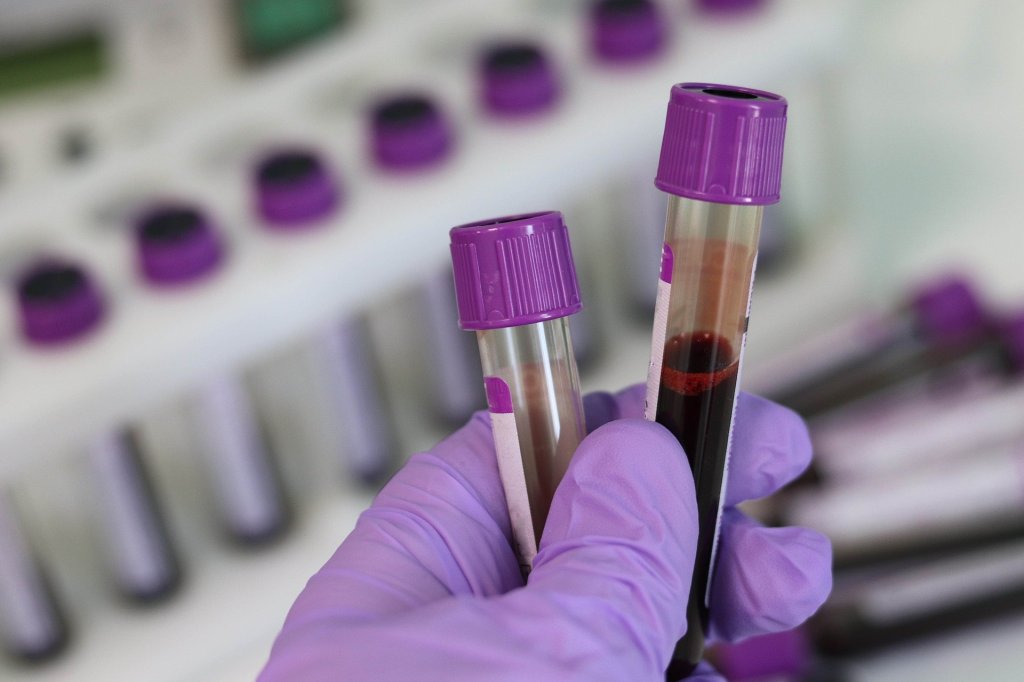
Here’s what I did for my prep

It’s easy to talk a big game and say “there’s no way I’m doing this” …but at the same time, there’s a worry that looms that if you don’t, you may need to do another scope because you aren’t cleaned out enough. I’ve always been a bit of a rule follower, so it tends to take a lot for me to go against the grain.

I always do a self-imposed liquid diet to give me some buffer in case I encounter issues with the prep. My last meal is generally the Sunday night before a Friday scope. I allowed myself some crackers on Monday night, but other than that, I was strictly liquids all week. It’s brutal, but it always pays off in the end.

I bought magnesium citrate pills, the SUTAB pills, and the fleet enemas. I didn’t bother getting the Milk of Magnesia.

I took the first 1,500 mg (6 pills) of magnesium citrate, starting at noon the day before my 11:30 am colonoscopy. To me, it was a lot easier doing the pills than having to drink an entire bottle of magnesium citrate, which immediately causes me to vomit. I then timed out the 12 SUTAB pills, by setting a timer on my phone. I took one every 2-3 minutes. All you do is take the pills with 16 ounces of water and then follow that with drinking 16 ounces of water two more times over a couple of hours. I was “done” with my prep by 4 pm the day before my scope and wasn’t running to the bathroom too much.

I went to bed and set my alarm for 5 a.m. with the intention of doing the other 12 SUTAB pills + the additional 6 magnesium citrate. At this point, I was still on the fence about whether I would try an enema.

I walked downstairs in my dark house as my family slept and turned on a few lights so I could lay all the pills out on the kitchen counter. It was just me—all these enormous pills—and my thoughts. I got the 12 SUTAB down and after about 30 minutes I started feeling ill. I ran to the bathroom and vomited quite a bit…at the end I puked up bright red blood. It was petrifying. I screamed for my husband while I was on my hands and knees on the bathroom floor at 6 am. He ran down the stairs and could see how much anguish I was in. I immediately called my mom who is a nurse and she told me not to take anymore pills and that my prep was done.
My mom, who lives out of town, has been with me for every single prep since diagnosis, but this time around, she wasn’t since it’s so close to the holidays. Not having her by my side added a bit to the stress. I asked her if I should do the enema and had some choice words. She told me not to do it. I agreed. Hospitals are running low on enemas right now, so the instructions said to “bring an enema to the hospital in case you need it.”

Speaking up prior to the procedure

My scope wasn’t until 11:30 a.m., unfortunately it was very busy at the hospital, so I didn’t get mine until 1:15 p.m. When you haven’t eaten in nearly a week and your head is pounding from dehydration, every minute feels like an eternity. When the nurse finally got me from the waiting room, we got to the endoscopy suite and while I was still in my street clothes, she asked me if I had my enema with me. I froze in my tracks. I told her I forgot it on my counter (I purposefully forgot it on my counter) …and I proceeded to go into an explanation about how ridiculous it is to expect this of patients, how unnecessary and over the top it is and that I refuse to do it. She asked me if I did the enema earlier in the morning, I said no. To my surprise, she completely empathized with me and said she couldn’t agree more that it’s making all their procedures run late, that no other GI’s require it, and that she knows after 17 years with Crohn’s I know what I’m doing. She was whispering in cahoots with me, and it felt SO good to feel validated and heard.

When I told her I had difficult veins, rather than rolling her eyes or downplaying my fears, she listened and was so kind. She took a close look at all the options and ended up choosing a vein in my right hand. She got me with the first stick and immediately all my anxiety around the IV went away.

I informed my GI and anesthesiologist that I had vomited blood while doing the prep. They let me know that was from throwing up and it caused the capillaries in my esophagus and stomach to break and bleed. Because of that I was told prior to my procedure that in the event there was blood down below, an endoscopy would also need to be performed. Luckily that was not the case! I was given an antacid in my IV to help resolve any possible issues. I made the mistake this time of not taking my prescribed Zofran to prevent nausea. If you have a history of vomiting with prep, I highly recommend getting a script and taking this 30 minutes prior to starting your prep. In the moment, I was already taking so many pills I didn’t feel like adding one to the mix, but I wish I had.

The colonoscopy results

When I woke up from that amazing propofol nap I was thrilled when my GI gleefully walked into the recovery room with a huge smile on her face and told me that my small bowel and colon were “pristine”, that everything looked gorgeous, and that I was still in remission. The discharge notes state there is “normal mucosa in the entire examined colon” and that my “end-to-side ileo-colonic anastomosis” (where my small intestine was reattached to my large intestine from my bowel resection surgery in 2015) is characterized by “healthy appearing mucosa”. No biopsies were taken and the “quality of the bowel preparation was excellent”.
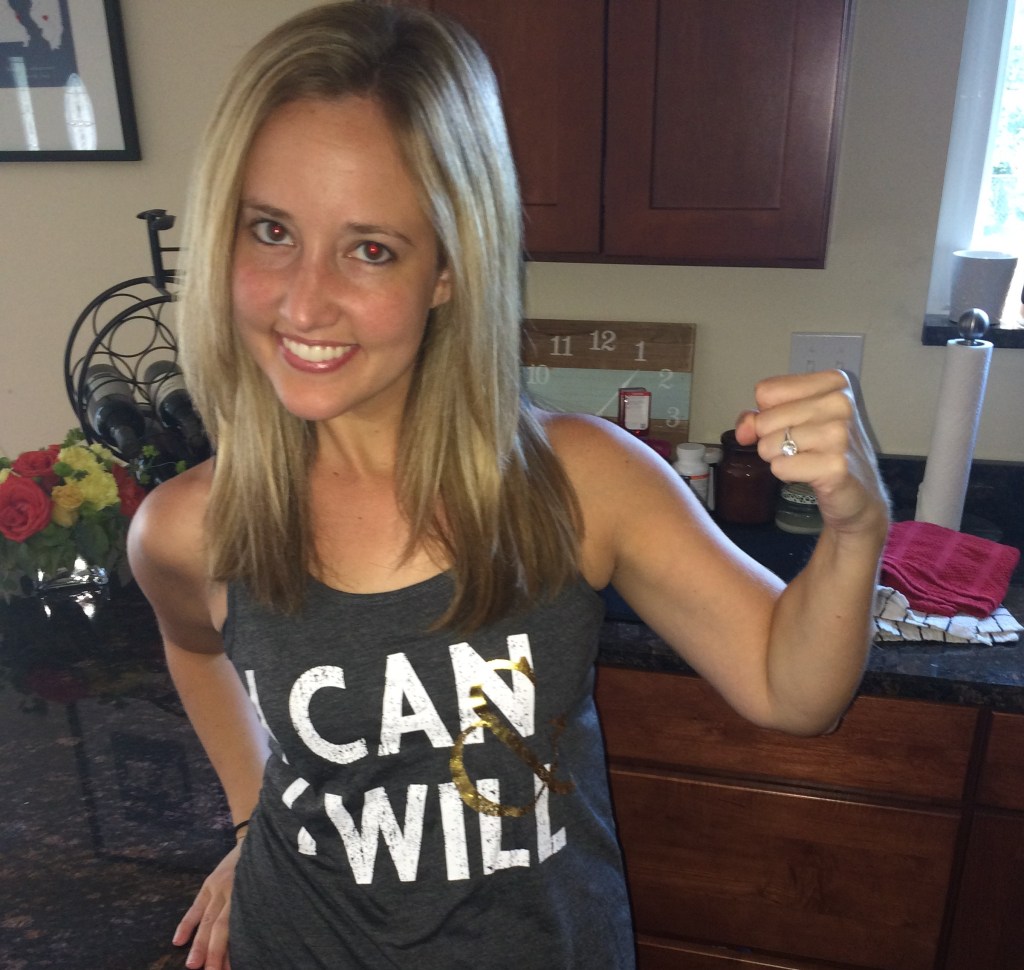

Remission is a complicated term and one I don’t take lightly. I reached surgical remission in 2015, after a decade of ups and downs. While I’m so grateful to continue the 7-year-streak of remission, I’m aware that tomorrow things can change. All any of us can do is focus on the right now and try not to dwell on what could be or what can happen. Remission is just a word—I didn’t do anything to deserve it, no one does. So much emphasis can be placed on being in remission, and I get that it can feel like a big deal—but IBD, whether you’re in “remission” or not is unpredictable, so there’s no sense in thinking you’re in the clear or invincible just because you’re told you’ve reached it. Remission does not mean you are completely free of symptoms.

My tips for going through a colonoscopy

  • Schedule your scope during an early time slot. Not only does this allow you to eat a lot sooner, but you’re also more likely to be taken right on schedule and not face any delays. For my 11:30 a.m. scope, I wasn’t at a restaurant until 3 p.m. I will say as an IBD mom, the 11:30 a.m. time was ideal in the fact I was able to get my two older kids ready for school and drop offs had already taken place before my husband and I left for the hospital.
  • Arrange childcare as you’re scheduling your scope. It’s challenging as an IBD mom or dad to have to worry about who is going to take care of your kids during procedures. Get the available dates for your colonoscopy and figure out childcare as you’re scheduling so there’s one less moving piece to deal with. My mother-in-law watched our kids from 9:30 a.m.-4:30 p.m. and it was comforting to know I had nothing to worry about while my husband and I were away.
  • Add in some buffer with a liquid diet for a few days. I’m not saying you need to go crazy with the liquid diet, but even doing one extra day of liquids will really ease your prep when it comes to what you need to pass. It also gives you a bit of leverage if things don’t go as planned when you’re trying to get it all down.
  • Listen to your body and do what you’re comfortable with. While there are guidelines and recommendations if you are vomiting, feeling sick, struggling to make it through the prep, just do what you can. Don’t push yourself to the brink of putting your health at risk. The SUTAB pills specifically say “Do not take other laxatives” … so how is a patient supposed to feel when their GI tells them to do a laundry list of additional laxatives?! The general population does the prep, without any add-ons. We should be able to do the same. I had to chuckle when I was told my prep was excellent, when I went off the grid and did what I felt was best. Before my procedure I smiled at my doctor and told her I did my best…and that’s all they can ask for.
  • Get labs ahead of time. The past few years my care team has tried to save me a trip to the lab and tried to get lab work through my IV. Each time, it’s been a nightmare. Last year the nurse in recovery stuck me 8 times and I was so dehydrated she never got any blood. She was unkind and rough and left me in tears. That was it for me. This year, I did labs the Monday before my scope. Having that checked off my ever-growing patient to-do list eased my anxiety and the nurse who did my IV said because she didn’t need to get labs through my IV, the needle could be a lot smaller—score!
  • Count the pills. I noticed this time I was given one extra SUTAB pill in my prescription bottle. I triple counted to make sure. There should be 24, total. Make sure not to take any extra.
  • Be cognizant of the time of year you get your scope. Get tests and procedures done prior to the end of the year when you’ve most likely reached your deductible, so you save money. I have a bone scan scheduled this week as well, crossing everything off the list when it’s covered.
  • Always remember gummy bears are a liquid. I share this year after year but so many people still seem unaware that this is the case. The day prior to a scope you need to steer clear of red and purple gummy bears, but you can eat gummy bears throughout a liquid diet and the day before your scope. The ability to chew something and have something sweet is a gamechanger. It’s a great way to chase prep that doesn’t taste good, too. This time around my sweet daughter took it upon herself to take all the red gummy bears from the bag so I wouldn’t accidently eat one…she made a pile of red gummy bears and proceeded to eat all of them.
  • Check about patient savings options. SUTAB is a bit pricier than other preps, you can save by going to http://www.sutab.com and printing off a coupon that brings the cost down to $40 with most insurances. Look into this regardless of what prep you do to make sure you’re not overpaying.
  • Feel empowered in what you’ve endured. Going through colonoscopies with IBD is not for the faint of heart. Chances are you have your own routine and know what works for you. Stick to it and speak up if something doesn’t sit right with you. Plan that post- scope meal ahead of time and reward yourself afterwards. You’ve been through a lot and deserve to recover and rest.

Til next year…