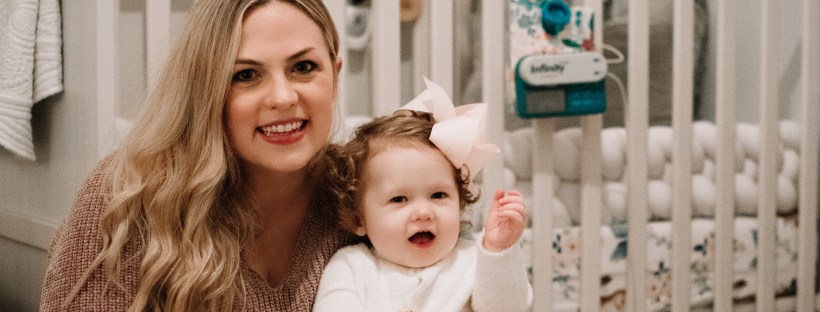
IBD Motherhood Unplugged: My daughter was diagnosed with Crohn’s as a newborn

Less than one percent of the world’s population has it. I’m talking about Infantile VEO-IBD, or “Very Early Onset” IBD. What’s that you may wonder? It’s a rare and often fatal subset of Crohn’s disease that impacts children ages two and under. This week we hear from a mom whose daughter Riley was diagnosed with Infantile VEO-IBD as a newborn, she’s now 18 months. During her first year of life, Riley spent 27 weeks in the hospital. Jana Gilkey opens up candidly about what it’s like to be this type of IBD mom, what she wants others to know about her daughter’s patient journey, and how you can best support families with medically complex children.

Clinical characteristics of Infantile IBD are different from those of an adolescent or adult-onset case with features that are more aggressive & rapidly progressive. There is no known treatment plan and no known cure. Much of the treatment and therapies available are considered research and trial based and are not currently approved by the FDA due to the young age of those diagnosed.

Jana says she could tell something was off from the moment Riley was born. At first as an exclusively pumping mama, she thought her daughter had a dairy intolerance, so she cut every common allergen from her diet.

“We saw our first pediatric gastroenterologist when Riley was one month old. As a mom, my intuition was screaming at me that something was terribly wrong. We saw a few different pediatric gastroenterologists and by month two of life, her symptoms had only progressed. By the time she was 3 months old, she was not stable enough to stay home and had completely stopped eating by mouth. What little we could get her to eat, she was unable to keep down. She was diagnosed with failure to thrive and rapidly declining on all accounts.”

Riley was hospitalized for the next three months. Every day brought new symptoms and complications. She had been evaluated for every condition and received her first PICC Line in which she received continuous TPN & Lipids due to not tolerating any kind of substance in her stomach. Riley also received a series of blood, iron, and albumin transfusions. 

Receiving the Infantile VEO-IBD diagnosis

An upper and lower endoscopy revealed lesions throughout Riley’s entire GI Tract. Bingo.

“I began to scour the internet on anything and everything I could find on Infantile VEO-IBD. There was a white board in our hospital room. I wrote down everything I could find on that board. I drew myself diagrams and made notes on doctors to try and connect with. I recorded nearly every second of my daughter’s day those 3 months of our first hospital stay. I ordered books and searched and listened to every podcast I could find on children diagnosed with autoimmune diseases in the first few months of life. I fell asleep most nights watching YouTube videos on nearly every kind topic you can imagine regarding genetics, the immune system, how the body processes monosaccharides, how the brain communicates to the GI tract, and everything else in between I could find to better understand, educate, and advocate for my daughter.”

Like anyone with IBD can relate to—the unpredictability and uniqueness of each person’s experience with IBD makes a diagnosis extremely challenging to cope with.

“While all of my research and studies have been vital to my education and understanding, the very best education (and support) we have received has been from those who also walked a similar journey battling Infantile VEO-IBD.”

How it feels to watch your baby fight a chronic illness

The way Jana describes what it’s like to be a mom watching your child fight an uphill battle against their health had me crying. She explains her experience and perspective so beautifully, yet it’s heart-wrenching to read.

“Most of the time it feels like frantically trying to catch little fireflies that show a glimmer of themselves and then seem to disappear just before jarring them all up. Impossible to fix and yet, aren’t good moms supposed to fix things for their babies? It feels like trying to catch water in the cup of your hands. It just keeps slipping through, no matter how tightly you squeeze. To me, watching my daughter endure such chronic pain and struggle, feels like a constant dance between surrender and war.”

You can feel the pain and the love in her words.

“When Riley was first diagnosed. I was ready to fight, on a mission to find a cure, fly her anywhere, climb the highest mountain, swim to the bottom of the ocean to find that one special pearl that could bring her healing. I believed (and still believe) that the healing remedy for her is out there. However, I have since come to terms that the journey we are on is not a sprint. It is a marathon. I surrender to the things which I cannot control or change. But I will never stop fighting for better. I am willing to run this marathon for the rest of my life so that, Lord willing, my daughter or maybe even those that come after her don’t have to.”

How IBD has “given” to Jana’s family more than it’s taken

Jana says Riley’s disease has changed everything about her outlook on health and her overall perspective on life in general.

“I believe it has given to our family more than it has taken. Riley’s battle with Crohn’s Disease may have robbed us of nearly all of her first year of life on what “could have been.’’ However, it has given us as a family the opportunity to choose what is and what can be. We have been given the opportunity to choose joy during uncertainty and at times chaos.”

Through the pain and tears Jana has realized that we do not own our health but steward it.

Photo cred: Alisha Gilkey

She says, “health is not ours to claim but to honor and look after. While it may at times feel as if I have somehow failed my daughter’s health, this is not true. I have honored it with all it has brought. It was never within my control to begin with. I believe the same is true for others within the chronic illness world. There is a lot of room for grace here.”

A life-threatening setback

Riley recently was unable to absorb any nutrients in her GI tract. She started refusing to take anything by mouth and was provided nutrients intravenously through a catheter in her chest the first 10 months after her initial Infantile VEO-IBD diagnosis. The hope—once the right combination of medications was found to wrangle Riley’s disease under control that a gastrostomy tube (g-tube) could be placed.

“One of the many risks of living life with a central line can be infection of the blood. Riley was at high risk for infections due to the medications she was receiving for treatment in addition to being immunocompromised. Unfortunately, Riley developed a blood infection on three different occasions and one put her body in a state of shock.” 

Jana says thanks to the grace of God, Riley recovered and does not have any known organ damage at this time. The last four months she’s been home and started to tolerate food in her GI tract. She’s completely weaned from being fed through her veins!

Photo cred: Alisha Gilkey

“While we are still searching and longing to find remission for her, she is able to finally have a little more freedom to be the toddler she is. We still have some hard days, but we do feel hopeful we are on the path to remission and will soon see her body heal. Each day that she feels better, we see more of her personality. It is so fun to finally get to know her and see her able to explore more of her world!”

Treating and managing Infantile VEO-IBD

In her 18 months of life, Riley has been on a laundry list of medications and treatments and endured countless procedures and surgeries.

Medications/Treatments

Proton Pump Inhibitors

Liquid, Topical, & Inhaled Corticosteroids

Biologics

Chemotherapy Trails

Glycopeptide Antibiotics

Additional Daily Dietary Supplements

TPN & Lipids

Surgeries: 

Multiple Invasive & Non-Invasive Diagnostic Tests and Scopes

Gastronomy Tube Placement 

Catheter Placements & Removals 

Riley becomes a big sis

This past August Riley became a big sister to Josephine. Since Riley’s health has not been stable enough to travel or be around people because of the pandemic, Jana is FINALLY able to travel back home for the holidays with her family of four. Many of their loved ones met both daughters for the first time this past week at Thanksgiving. Jana says while the lows of Crohn’s disease have been really low, it makes the highs feel that much higher. As she juggles life with a medically challenged child and a healthy child alongside her husband, she’s trying her best to enjoy being a “mom” instead of solely a caretaker.
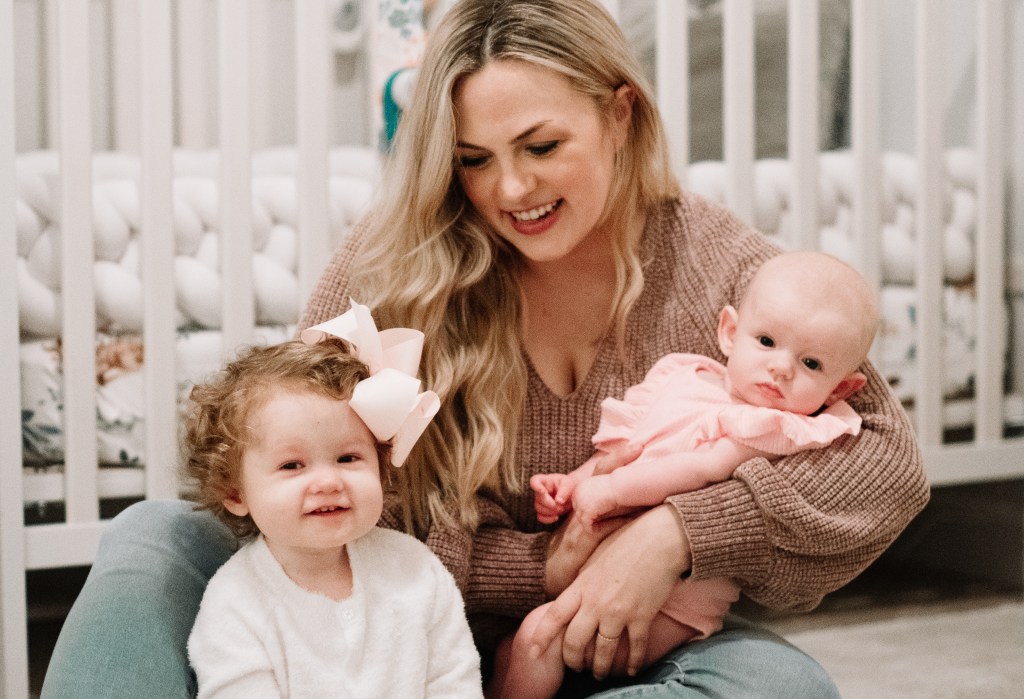
Photo cred: Alisha Gilkey

“While it is very busy, I will say, that in a way my second born has helped us all to take a breather as a family. It’s helped to remind me that I am their mother still and more than a caretaker to both of them. Up until recently, our life has been about keeping Riley here with us. Thankfully, she is in a much better place, and I can also focus on raising her and her baby sister together! This would all be so much more tough without our wonderful support system we have. My husband is unbelievably helpful in addition to my own mother who has been with us every step of the way in this journey.”

Jana says having tangible support is a huge stress relief. By tangible she means, physical help with chores around the house like doing dishes, the laundry, and even having family members learn how to manage a g-tube so her and her husband can take a nap every now and then.
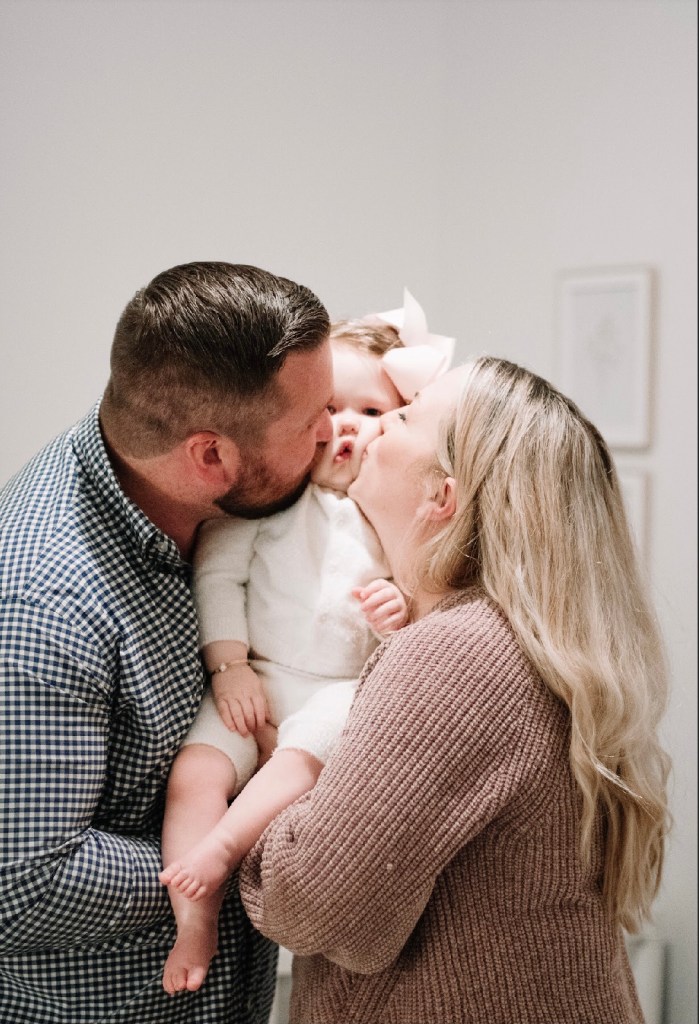
Photo cred: Alisha Gilkey

“None of it is how I envisioned our life going and it sure isn’t perfect, but I would not trade either of my girls for one second. I believe every child comes to the world at the time they are destined to come. I know they are meant to be here at the time they are and together.”

How IBD has impacted motherhood from a parent perspective

Jana says she no longer looks forward to the expectations she may have had for her children. Instead, she looks forward to watching whatever they choose to paint the canvas in front of them.

“It’s actually so much more exciting to not have expectations, just enjoying what I can from each day with them, and on the edge of my seat to cheer them on in whatever they do. They are God’s children, and it is a great honor and challenge for me to be able to steward them well. I trust He will fight for them and will always be with them even when I can’t.”

The journey over the past 18 months has helped Jana gain a better understanding of fellow moms as well.

“What may be best for one family may not be best for the next and that is something to celebrate really – not be judgmental or weary of. Moms have way too much on their backs to place any judgement. The children we have been given were given to each of us as individuals for a reason and no one else. There is no longer room for guilt or judgement here, just grace and support.”

Best ways to support families with medically complex children

When loved ones and friends go through health hardships, we often want to help in some way. But unbeknownst to us some of the ways we approach the conversations can be off-putting without even realizing it. Jana says knowing so many people (many whom they have never met) are praying for Riley, interested in her journey, and supporting them, has been incredibly overwhelming.

“I met so many truly inspiring families and individuals over the last year and a half since Riley’s diagnosis. Sometimes, it can be exhausting to share our story, as there is so much to explain. But, each time I share, I am reminded that we are not alone in this. That is really a huge encouragement when times have felt isolating.”
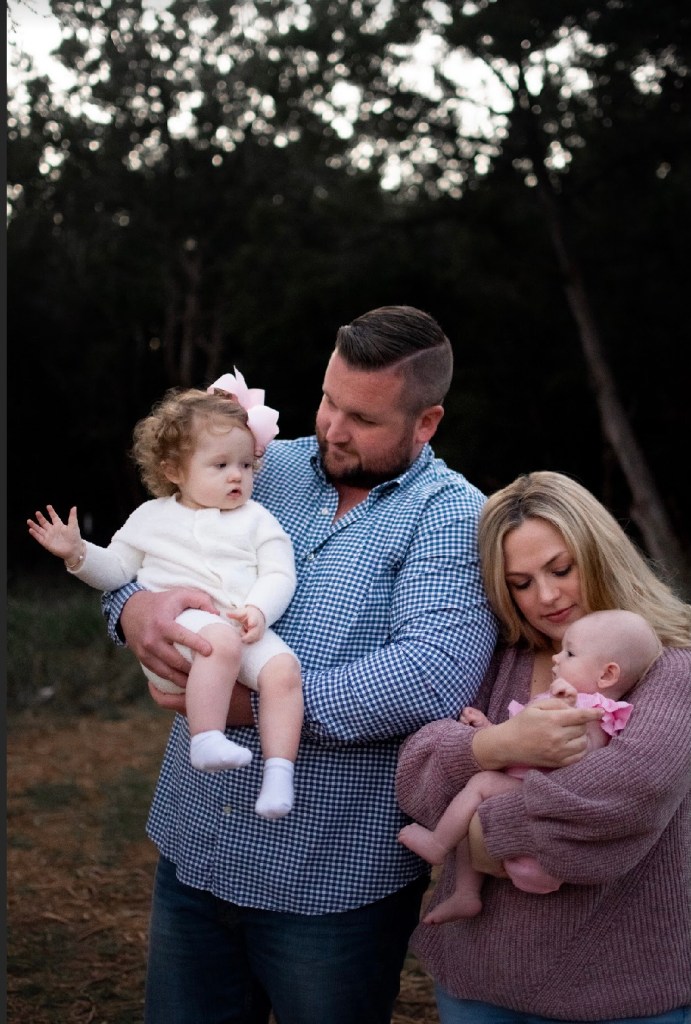
Photo cred: Alisha Gilkey

Jana has come to realize that when it comes to health and those walking through a medical journey, that what we may know or what they choose to share about their story is often just the tip of the iceberg to what they are going through.

“Offer grace, not judgement. Offer time, not advice. People genuinely mean it when they say, “Let me know how I can help.” These questions are well meaning but they put the ball in the court of the person who may be enduring rather than the one seeking to support. It’s often difficult to understand what your own needs may be when in seasons of crisis.”

Instead seek to understand. While it feels natural to ask questions like, “Are you/they feeling better?, “How was your day?”, or “What can I do to help?” These types of questions can feel broad and difficult to answer in the world of chronic illness.

Jana recommends asking questions to seek understanding. She says asking the right questions can be helpful for those we want to support.

Here are some examples:

  • Can you tell me about your day today?
  • I spent some time researching the diagnosis you shared with me, and I have a few questions…would you mind if I asked you so I can better understand what it looks like for you?
  • I would like to know more about what the days look like for you. Would you like to share?
  • How does your daughter’s diagnosis and patient journey affect you?

Want to do something spontaneous, without asking? Go for it. Deliver a meal, write a letter, offer your time in a way that does not require a friend who may be in crisis to ask things of you. Pain can often feel like a burden and be very isolating. Having someone ask to better understand and invite themselves into our pain helps to lift that burden – just knowing someone else sees.

Mom, Model, and Ostomate: Seeing Life Through the Lens of IBD

When she’s not on the runway during Fashion Week or gracing magazines, Keyla is doing all she can to be an advocate for IBD. She was diagnosed with ulcerative colitis eight years ago, but this year, she found out she has Crohn’s disease.

“As a child, I always had intense stomach aches, and difficulty going to the restroom. Sometimes I’d even pass out. Doctors always told me it was constipation. It wasn’t until I was at work one day and passed out that my boss convinced me that I needed additional medical attention.”

At that point, Keyla was having 8-10 bloody bowel movements a day. Prior to ulcerative colitis, she was diagnosed with celiac disease and went on a strict gluten free diet. But unfortunately, the symptoms persisted. She got a second opinion and that’s when she was diagnosed with IBD. Keyla recalls that in the beginning moments of her patient journey she struggled to grasp that chronic illness meant her disease was a “lifelong partner” and that IBD would change her life in unimaginable ways.

The journey to an ileostomy

Fast forward two years after her IBD diagnosis and Keyla rushed to the hospital after noticing unexplained bleeding. Turns out she was hemorrhaging from her uterus and was told she had uterine cancer.

“After having a partial hysterectomy and no longer being able to have children, I’m not sure if it was the stress from everything happening but my UC was never able to be controlled after that. From failed medications like Methotrexate and Remicade to looking like Quasimodo from eye swelling caused by Entyvio and having less hair than a toddler from being on Humira. My body and I had enough. My clinical team and I decided it was time to evict my colon.”

In September 2018, Keyla began her 2-phase j-pouch procedure. Unfortunately, the surgeon discovered her colon was much more diseased than he had thought. Keyla’s colon had become fused to her stomach, resulting in part of her stomach to be removed as well.

“For 2 months I felt amazing with my ostomy and was excited for my reversal in December 2018. But shortly after, I began developing chronic pouchitis, could not gain weight, required IV fluids regularly, with a failed midline and then needed a central line. We decided to disconnect my j-pouch and create my end ileostomy in September 2020.”

All was well until January 2021 when Keyla started bleeding from her ileostomy. It was at this point she was diagnosed with Crohn’s disease and started Stelara. After a few hospital stays and some improvement with her symptoms, she began to experience an increase in rectal pain, urgency, and discomfort, so Keyla needed yet another surgery.

October 27th (less than one month ago!) she had her j-pouch removed with a proctectomy and officially made her stoma permanent. She’s recovering from this surgery as we speak.

How Modeling Came into Play

After reading that challenging medical history, you may wonder how Keyla finds the time to focus on a profession. Modeling is something Keyla always wanted to do when she was younger, but she was too embarrassed to tell anyone. She sort of stumbled into it. Keyla had done a fun photoshoot with a friend and those photos were shown to another friend who works in the fashion industry. Before she knew it, Keyla was a published model!

“Sometimes I still can’t believe I’m living my dream despite having health issues. I had the honor to walk at London Fashion Week this year and have been published in magazines out of the US, UK, and Canada.”

SURREAL Lifestyle Magazine and 4 Seasons Magazine have been her favorite features thus far because the publications have allowed her to speak about her IBD advocacy work. Modeling serves as the perfect platform for spreading awareness to others about ostomies and life with Crohn’s. 

“I always try to take the time for myself and make sure I am doing the things my mental health needs to stay focused and feel well. I also try to own those feelings. If I’m symptomatic, I try to accept it and openly communicate my struggles with others.”

Keyla says having an ileostomy can make modeling a bit more complicated, especially if she has to wear form fitting or tight clothing. If that’s the case, she ends up having to empty her bag more times than she really needs to. She’s grateful her modeling gigs have followed strict COVID guidelines, which helps her feel more at ease during these uncertain times.

When a project allows, she especially enjoys getting to show her ostomy in photos or on the runway. She chalks that up as her biggest career win of all!

A model mother

Keyla’s main focus whether she’s modeling or fighting a flare in the hospital is her family. She has an 11-year-old son who inspires and motivates her to push through the difficult days.

“IBD has made motherhood challenging. Without chronic illness motherhood can be difficult as it is, adding health issues on top of it makes it more complicated. I constantly question whether I’m making the right choices. But I also tell myself all I can do is try and hope that I’m being a good role model for him.”

It pains her to see how her son gets anxious about her IBD and healthcare. He’s been by her side every step of the way since she was diagnosed after he was born. Despite the highs and lows, Keyla feels her son is stronger because of her illness and has an innate sense of empathy and understanding for others.

If her IBD has taught her anything it’s that good days give us happiness and bad days give us experience. Modeling has enabled Keyla to be comfortable in her own skin and live the life she imagined long before Crohn’s was ever a part of who she was.

Connect with Keyla:

Instagram: Keyla.ic

Twitter: @keyla.ic

My thoughts on a colonoscopy pill prep as a first timer

‘Hello darkness, my old friend. I’ve come to talk with you again’. Ahh, the dreaded annual, routine, colonoscopy. I got a little spoiled because my last scope was July 2019. I decided to hold off in the thick of the pandemic out of safety concerns and did a fecal calprotectin test instead. Then, I got pregnant…so I had quite the enjoyable hiatus.

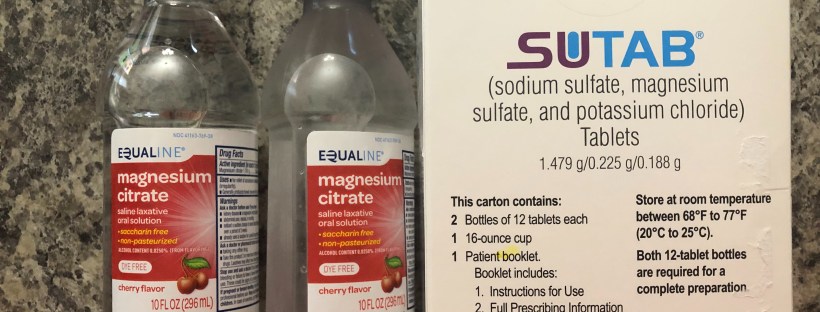
This time around, I decided to try SUTAB, a 24-pill prep + Magnesium citrate, rather than my typical Miralax-Dulcolax-Magnesium citrate. Without insurance and utilizing the patient savings card that’s online, SUTAB can be costly. I went here and printed out a coupon, I was able to get it from the CVS Pharmacy in Target for $50. While it’s more expensive than most preps, to me, it was worth the try.

Thoughts on doing a pill prep

So, this entire experience was a bit complicated for me. The night before my scope, I was miserable from the Magnesium citrate and the initial 12 pills. First off, I’ve come to learn that most GI’s do not make you take magnesium citrate on top of the typical prep. I’m just one of the lucky ones. Magnesium Citrate has always made me vomit, even if I take Zofran before. Prior to this prep, I always did the lemon flavor. I switched to the cherry flavor this time, GAME CHANGER. I had no problem getting it down…but it only stayed down for about an hour or so.

I threw up an unbelievable amount multiple times and never had a bowel movement. After not eating a solid meal for three days I was anxious and worried that I wouldn’t be cleaned out enough and that I was going through this hell for nothing. Sadly, Reid and Sophia witnessed it all go down and it broke my heart that they had to see me so sick and weak on the bathroom floor.

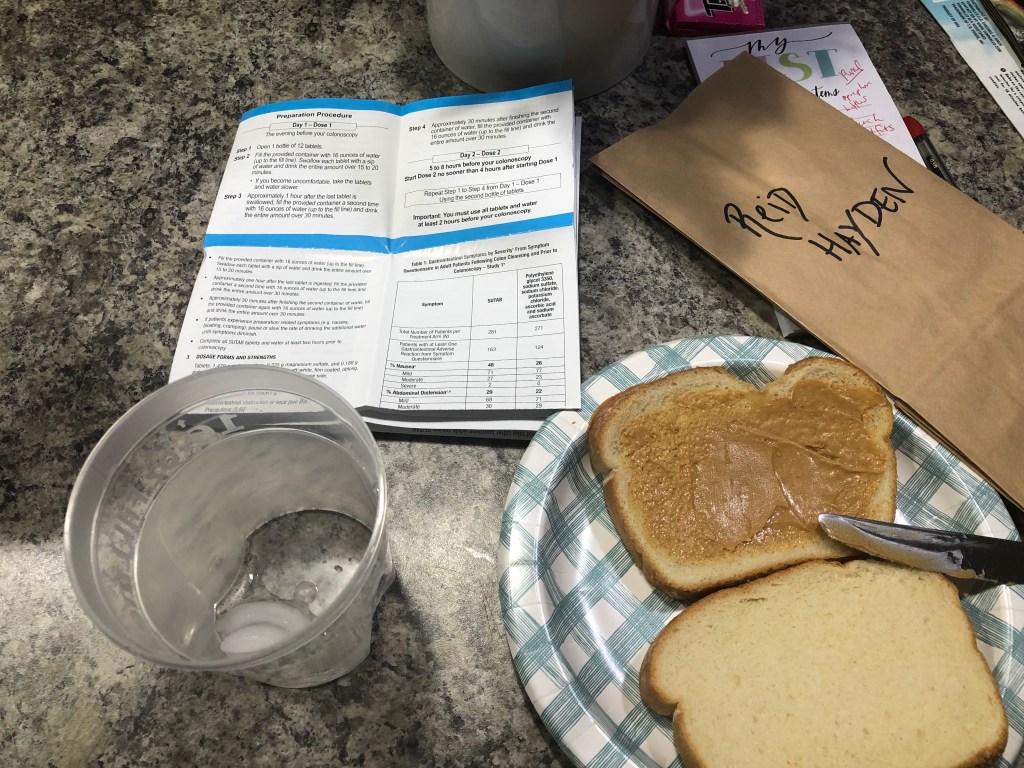
I relied on many members of the IBD community and medical professionals on social media to help guide me through the unknown. I took a Zofran and went to bed. I never woke to use the bathroom. I set my alarm for 3 a.m., took another Zofran, did NOT take the second 10 ounces of Magnesium citrate, and timed the remaining 12 pills every 3 minutes (rather than taking them back-to-back). I found that tip on Twitter and it made a huge difference! I decided not to take the second bottle of Magnesium citrate because in the medical instructions from the SUTAB box it says *not* to take any additional laxatives.

My scope was scheduled for 8:30 in the morning. I finished the pill prep at 4 a.m. and between then and 6:45 a.m. when we got on the road to hospital, I got completely cleaned out. I didn’t get nauseas, and everything fell into place. Now, I credit this with the fact I barely had anything in my body, which makes the prep much easier in my opinion.

If you would have asked me my thoughts on SUTAB vs. my typical go-to, Miralax + Dulcolax + Magnesium citrate the eve of the scope, I would have told you I would never do a pill prep, again. But once I took the Zofran, didn’t take the Magnesium citrate, and timed out the pills, only having to chase with pure water was amazing and very simple. All you have to do is drink 16 ounces of water with the 12 pills, and then an additional 32 ounces of water spaced out after. You can have more water if you want it.

My mom was laughing because she was watching me do multiple loads of laundry, make my son’s school lunch, pump milk for my 4-month-old, shower and get dressed…all on 4 hours of sleep, while in the middle of colonoscopy prep. As an IBD mom, I felt empowered in that moment of all I was capable of doing in the midst of what previously had been a nightmare.

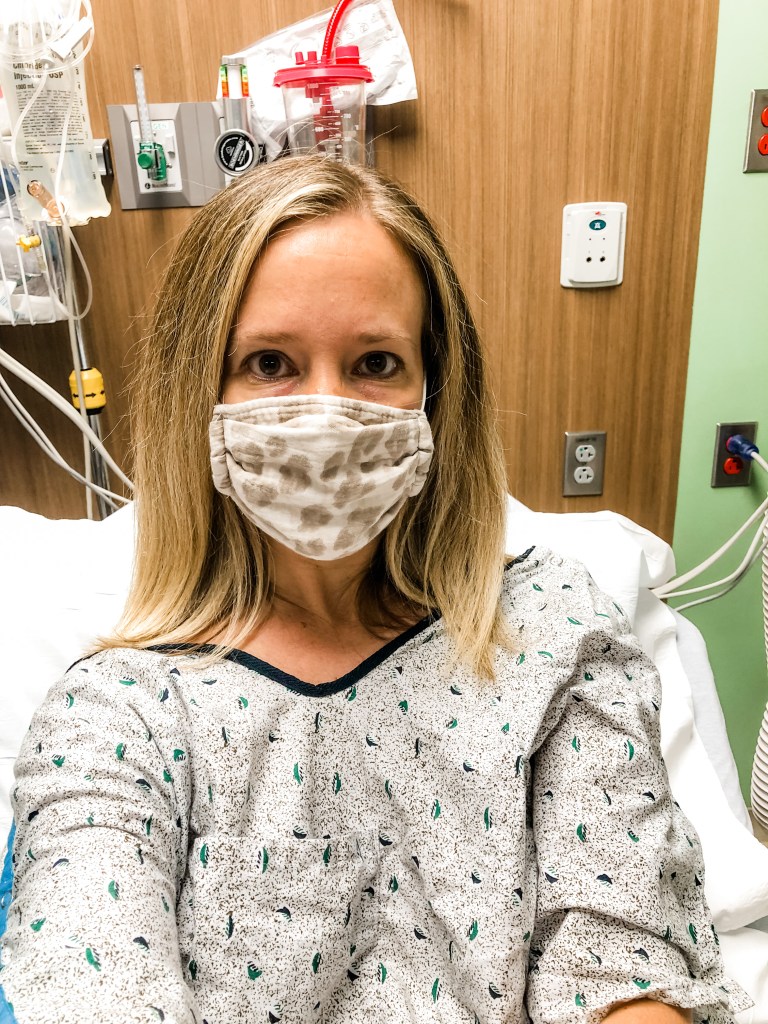
Unfortunately, what is generally the “easy” part of the process—the hospital portion and the actual scope was very emotional and painful for me. My GI had ordered my usual routine labs to be drawn through my IV (to try and save me a trip) but I was so dehydrated from the prep and breastfeeding that the nurses could not get any blood. It took sticking me 8 different times. I felt like a human pin cushion. The IV was placed in a very tiny vein in my hand and the Propofol burned SO badly going in that I almost couldn’t handle it.

I kept asking for my husband Bobby to be allowed in recovery and felt like no one was listening to me. The nurse was gruff and kept poking me, even after I told her I would just go to a lab this week once I was hydrated. The blood pressure cuff even bruised my arm. I cried a lot of tears and the experience brought me back to a traumatic 2008 hospitalization for an abscess in my small intestine that involved 8 tries to get an IV.

My recommendation—do NOT allow labs to be drawn after you are done prepping for a scope. Save yourself the pain and the prodding. I overhead the nurses talking (outside the curtain) of my “room” saying they refuse to ever do this again to a patient and that we should all just go to labs to get bloodwork, rather than trying to get it done when we’re all terribly dehydrated. I had so many band-aids and gauze all over both my hands and arms, the nurses even sent me home with more gauze and band-aids in case I bled in the car. Fun times.

The best news

Luckily, the heaviness of this entire ordeal lifted a bit when my GI walked into the recovery room and said, “your small bowel and colon could not be more gorgeous. It was so pretty in there!” Best compliment you can give a gal with IBD!

She said even my anastomosis site (where my large and small intestine were reattached in 2015) …looked perfect. She explained how ulcers develop and indicate lack of blood flow. No ulcers, mucosal healing, and no biopsies needed. I feel incredibly fortunate that I have been lucky enough to hold onto my remission that came about because of my bowel resection surgery in August 2015.

I understand that “remission” is a complicated term in the IBD world. It doesn’t mean symptom-free, it doesn’t mean a cure…to me, it means I have many more days that I feel well than when I don’t. It means my Crohn’s disease doesn’t have to dictate or rule my life and that I’m able to be present for my family and for myself. It’s knowing that remission can go away in the blink of an eye. It’s happened to me before, and I know it will happen again. But for now, I’ll take a deep breath and enjoy this reprieve from the havoc I know my disease is capable of causing and continue to do all I can to stay well by staying on my biologic, keeping tabs on my lab work, and checking in with my GI whenever I feel like something may be starting to go awry. Remission is not something to be taken for granted. I often get asked what I do to “stay” in remission, I honestly don’t feel like I deserve much of the credit other than being a compliant patient and being very in-tune to how my body speaks to me through symptoms.

Moments that helped me get through

When my kids kept bringing me play food to help me feel better when they realized I couldn’t eat “real food” all week.

How my mom flew in from Chicago to help with the kids and to be an added support (like she does for every scope, procedure, and hospitalization).

When my husband, Bobby, came home late from work and rather than sitting at the kitchen table to eat, I caught him standing at the sink with his dinner plate and back turned so he wouldn’t be eating in front of me.

Knowing I was going to have a breakfast date with Bobby at our favorite spot and keeping my eye on the prize after going so many days without eating solid food.

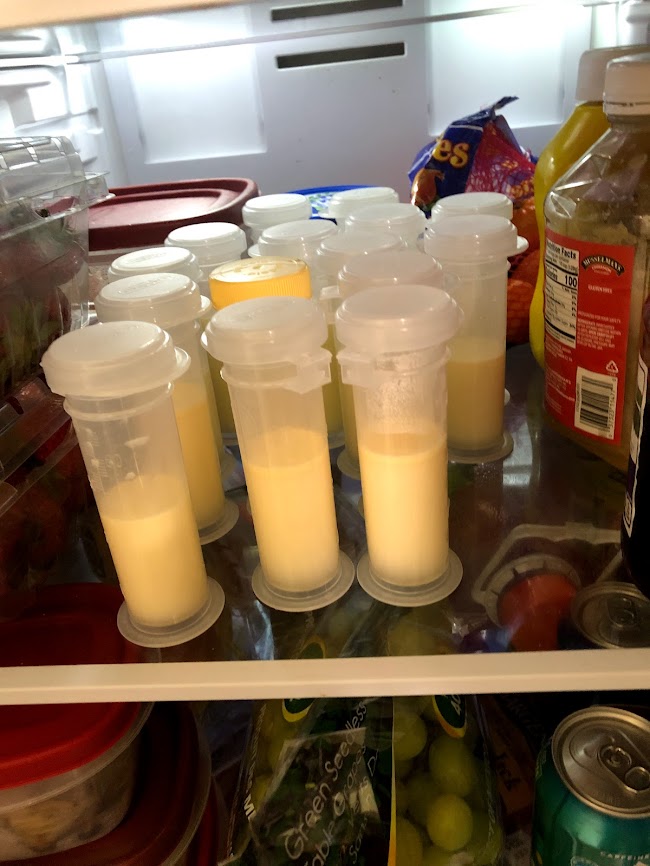
Using my frozen breastmilk stash the day before and day-of the procedure to ease the burden of having to use energy and my body to feed Connor.

Reading all the comments on Instagram and hearing from friends and family near and far over text message and through phone calls really helped lift my spirits and conquer this as an exclusively breastfeeding mama.

Long story short—Aside from checking with your GI and getting a prescription for SUTAB, I would recommend trying the pill prep and from a patient perspective remind you to do the following:

  • Have your GI provide you with a prescription of Zofran (if you don’t have one already).
  • Take Zofran 30 minutes prior to taking the pills.
  • Set a timer on your phone and take one pill every three minutes.
  • While the pills are large, they are no bigger than a Prenatal vitamin and are doable.
  • For my self-imposed liquid diet this is how I plan it out for a Friday morning scope:
    • Last solid meal Monday evening
    • Tuesday-Wednesday full liquids
    • Thursday-Friday am clear liquids…and don’t forget my favorite tip of all…GUMMY BEARS! They are considered clear liquids, just steer clear from the red and purple ones.

7 Tips for Keeping IBD at Bay on Big Days

Whether it’s a holiday like Halloween or a wedding weekend (both of which I experienced the past few days), it’s important to stay ahead of IBD symptoms and be proactive in how you approach the big moments and the big days in your life so you can enjoy them. The unpredictability of Crohn’s disease and ulcerative colitis can feel suffocating when you are hoping and praying your body doesn’t betray you on the big days.

Here’s how I mentally and physically prepare so I can stay ahead of my Crohn’s and be in the moment with family and friends.

Be extra cautious with what you drink and your diet. Caffeine and alcohol are triggers for me…and for many people with IBD. The day of my brother’s wedding I refrained from drinking coffee and alcohol so I didn’t have to worry about needing to run to the bathroom in my bridesmaid dress or have to think about how bloated I could get from the abdominal pain a few drinks can cause. My Crohn’s felt non-existent the entire day, thank you Jesus!

When I am traveling and away from home, I am extra mindful of what I eat and keep it on the safe side, especially if I’m going on a road trip with my family or flying the friendly skies. You know your triggers, try to steer clear from them as much as you can. If I am celebrating a holiday at home or at my parent’s house, I tend to be a little “riskier” because of the comfort level I have using the bathroom there, resting, etc.

Be choosy about your shapewear. I don’t know about you, but ever since my Crohn’s diagnosis I’ve never liked Spanx, belts, or anything restrictive around my waist. I rarely ever wear jeans with a button. For my brother’s wedding I wore Spanx that were biker shorts that went up to the bottom of my bra and it was a game changer, especially being 3 months postpartum! I didn’t have any stomach or bloating issues. Highly recommend the Spanx High-Waisted Power Short.

Pack pain medication and maintenance meds. Just because you’re away from home celebrating a holiday or a wedding, doesn’t mean it’s time to be flippant about managing your disease. When I’m packing, I always take more than I need when it comes to pain medication, even if I haven’t needed it or used it for months. Bring extra strength Tylenol and any prescription pain medication you may need along with your “typical” medication (if you take it). Be mindful of how long you are traveling and if you could face delays, etc. If you are flying, always keep medication on you, so it’s right where you need it and so you don’t chance anyone taking it out of your luggage.

With my Humira I look ahead when I have a big event and plan accordingly. For my wedding for instance, my injection was due two days after I tied the knot. My GI had me move up my dose to the day of the rehearsal dinner so I could have some extra coverage.

Try and get as much rest as possible. With IBD we all know fatigue is one of our most difficult symptoms to handle. Throw in travel and being out of your normal surroundings and life can really feel like an uphill battle. Allow for downtime and breaks throughout the day if you’re able so you can give your body time to adjust to the hustle and bustle.

Practice deep breathing and mindfulness. If you feel symptoms creeping in try and take deep breaths and ground yourself. Lay down and gently put one hand on your chest and your other hand on your belly. Feel your stomach slowly rise and be present in the moment. Close your eyes—remind yourself that pain is fleeting and go to your happy place. Diaphragmatic Breathing, also known as deep breathing or belly breathing, helps to manage stress.

Don’t suffer in silence. This is the hardest part of all. I always struggle articulating when I’m not feeling well on the “big” days. I never want to damper the mood or make people worry so I internalize my pain and put on a smile. As a mom of three little ones, especially on holidays like Halloween and Christmas I never want to allow my disease to take away from the special, memorable moments. But this can make the struggle even worse. I find quietly telling my husband or my mom that my “Crohn’s is acting up” that it takes some of the weight off my shoulders so they at least know why I may need help, may not be as talkative, or may not seem to be acting myself.

Use these times as a “teachable” moment. Before I started sharing my story publicly, you’d never hear me tell someone I barely knew I had Crohn’s disease. But now, I find it extremely helpful to drop that line whenever I can. You’ll find making others aware can bring about much needed support, understanding, and even intrigue. Telling others I have Crohn’s disease feels like a normal, casual part of conversation now for me. At my brother’s wedding my IBD came up several times in conversation—with the hair and make up people, to my cousins coming up to me and saying, “I have co-workers with Crohn’s, and I tell them all about your blog.”

While IBD is not our identity, it’s a large part of who we are and impacts many of the decisions we make each day that can influence everything from what we eat or drink at a party or social gathering to how we participate in milestones and festivities. Taking the guesswork out for others takes a bit of the pressure off and can make you feel less overwhelmed and more comfortable and at ease.

Inaugural Autoimmune Summit just what the patient ordered

This post is sponsored by the Autoimmune Association. All thoughts and opinions shared are my own.

An educated patient is an empowered patient. Over the weekend the Autoimmune Association presented its Inaugural Autoimmune Summit that aimed to do just that. The virtual two-day event featured 23 educational sessions and more than 50 autoimmune experts including physicians, nurses, policy experts, and of course, patient advocates.

The Summit covered a wide variety of important topics that impact patients and caregivers who live with autoimmune conditions. I had the opportunity to moderate a panel discussion about fertility, family planning, and pregnancy alongside Dr. Marla Dubinsky, Chief of Pediatric Gastroenterology at Mount Sinai and Co-Director of the Susan and Leonard Feinstein Inflammatory Bowel Disease Clinical Center and Mariah Leach, a mom of three who lives with Rheumatoid Arthritis and Founder of Mamas Facing Forward. As an IBD mom of three chidren myself, I’m extremely passionate about sharing guidance and support for fellow women on this subject.

During the discussion, Dr. Dubinsky touched on many aspects of the journey to motherhood and beyond with IBD, but one comment she made resonated with me. She said the greatest gift a woman can give their child, is to stay on their medication, and allow their baby to thrive in an uninflamed environment. As someone who needed and depended on my biologic with all three of my pregnancies that comforted me greatly and really struck a chord.

Other topics of discussion during the Summit included tips and tricks for managing multiple specialists to clinical trials, health equity, advocating on Capitol Hill, and complementary medicine.

A dream come true

Lilly Stairs, Vice Chair of the Board of the Autoimmune Association and Summit Lead, lives with Crohn’s disease and arthritis. As a patient advocate, she understands the vital importance of providing those who live with chronic health conditions to share their voice and articulate their needs and struggles.

“It has been a dream of mine and the Autoimmune Association’s to plan an event that unites community members from across autoimmune conditions. Our patient odysseys share deeply rooted similarities. By coming together, we can accelerate autoimmune education, awareness, advocacy, treatment, and someday, cures.”

Goals of the Summit

The goals for the Summit were three-fold. Organizers and presenters like myself hope you walked away feeling connected to people across the patient community, while learning tangible tips for managing your autoimmune conditions. Lastly, the hope is that attendees and Summit participants feel energized and excited about what the bright future holds for those living with autoimmune diseases.

Lilly went on to say, “Events like the Autoimmune Summit are essential engagements for patients and caregivers to participate in. These events provide tools to navigate life with chronic illness and empower patients with the knowledge they need to be “CEO, secretary, and treasurer of your care” as Hetlena Johnson, Lupus Patient Advocate so eloquently stated in the Managing Multiple Autoimmune Conditions panel.”

Events like this are a reminder that we are not alone in our journeys. Even though chronic illness can be extremely isolating, events like the Autoimmune Summit offer the opportunity for connection that often feels like much needed chicken soup for the soul. The camaraderie that is possible even though Zoom has a lasting impact on helping to lift the burden and self-doubt many patients face.

From the Speakers

Tina Aswani Omprakesh participated in a panel on complementary medicine and autoimmunity. As an ostomate who juggles Crohn’s disease, Gastroparesis, and IBS, she knows firsthand how imperative it is to take on illness with multiple approaches.

“This is an important subject that’s often not discussed in the autoimmune space. The reality is that many patients are thinking about exploring it but don’t know how to navigate it in a way that can help complement their existing therapies. These conversations are essential to proliferate both credible information and sources of complementary therapies so patients can truly live their best lives possible.”

Molly Schreiber lives with Type 1 Diabetes, Rheumatoid Arthritis, and POTS. During the Summit, she spoke about what it’s like to manage multiple autoimmune conditions.

“Anytime I can share my story, my hope is that attendees feel less alone in their battle with chronic illness. We may have different health conditions, but our fight is often the same—pain management, medical providers who listen, and affordable medications we can easily obtain.”

Alisha Bridges is a patient advocate who lives with Psoriasis. She participated in a breakout session geared towards dermatology. She says having the chance to speak at the Autoimmune Summit was an honor.

“I hope my story helped viewers to better understand the unique challenges of living with psoriasis as a woman of color especially in the clinical trials sphere. These conversations are imperative to elicit change for better care of patients of all backgrounds.”

Curtain Call

It’s our hope attendees discovered tips for managing autoimmune disease from patient advocates like myself who understand your reality, while also learning about the latest research and future treatments on the horizon.

Did you miss tuning into the first-ever Autoimmune Summit? No worries! All the presentations were recorded and will be shared in the weeks ahead. I’ll be sure to share the Fertility, Family Planning, and Pregnancy discussion I was a part of on my social media channels as soon as the video becomes available.

Thank you to all who tuned in, to all who participated, to the organizers, like Lilly, and the generous sponsors who made this happen. It’s amazing to see what’s possible when patients have a proverbial seat at the table alongside medical professionals and digital health companies. Our voices matter and time and time again we’re being heard loud and clear.

Follow the Autoimmune Association on social media

Instagram: @autoimmune_diseases

Twitter: @AutoimmuneAssoc

Facebook: Autoimmune Association

IBD Motherhood Unplugged: Scopes, Scans, and Breastfeeding

The date for my next scheduled colonoscopy is on my calendar. Even though my scope is one month away, I’ve already started the mental prep of what’s to come. When you’ve had too many colonoscopies to count you know what to expect…which is both a blessing and a curse. This time around I’m exclusively breastfeeding my 3-month-old son. So, like any IBD mom may wonder, how does that correlate when you’re taking prep that cleans out your system and are put out for the procedure?

I checked in with Dr. Aline Charabaty, Assistant Clinical Director of the Division of Gastroenterology at Johns Hopkins School of Medicine, and Clinical Director of the Inflammatory Bowel Disease Center at Johns Hopkins-Sibley Memorial Hospital, as well as my own gastroenterologist (GI) so I knew what to expect and so I could pass along the information to you.

Juggling Kids and Prep

I’m already anticipating the hustle and bustle that I’ll be dealing with as I guzzle down the disgusting concoctions with my 4-year-old and 2-year-old running around as I care for our newest addition. Luckily, my mom flies in for every single colonoscopy (even before I had kids!) to offer emotional and physical support. Now, she gives me a hand with my kids, and this allows my husband, Bobby, to take me to the procedure and celebrate with me after it’s over. Highly recommend you line up childcare when prepping for a colonoscopy so you can focus on yourself and not deal with the stress of mom life on top of it.

Snuggling with my son, Reid, while I did my prep in 2019.

Dr. Charabaty understands what a challenge this can be and has fantastic advice for IBD moms on prep and procedure days:

  • Tell yourself you are doing the right thing taking care of your health, to stay well for you and for your kids.
  • Explain to the kids why mommy is a bit tired today, why she is not sharing their food and why she is going to the bathroom a lot.
  • Enlist help!! Have someone you trust, and who the kids know well, to keep them company and look after them while you are prepping the day before and on the day of the procedure. You need a responsible adult who is fully awake and alert to be with the kids and keep them safe during these days.
  • If your child is old enough to understand, have them play an active and fun role in this prep, for example reminding you to drink fluid during the day from a special cup they chose for you.
  • Hug your children often in between trips to the bathroom, to keep you going.
  • Give yourself plenty of rest after the procedure so you can be fully present to your children the next day.
  • Skip co-sleeping the first night after the procedure, as you might not wake up as usual in the night.

In the days leading up to my scope, I put myself on a self-imposed liquid diet 3-4 days ahead of time to ease the prep. It’s hard enough when I’m not trying to nourish a little person, along with myself. Anyone who has breastfed a child knows how hungry it can make you. My GI told me that despite only having liquids I would not need to supplement with formula. At the same time, she suggested I drink Ensure Clear Protein, which will not affect the prep and will help it. To combat dehydration, she reminded me to drink plenty of water up until two hours before the procedure.

“Breastfeeding women lose an average of 25 ounces of fluid a day through their milk. During the colonoscopy prep, make sure you drink plenty of fluid to keep the prep going and the milk flowing! Consider breastfeeding or pumping just before leaving for the procedure and as soon as you are recover and are awake after the procedure, to minimize discomfort of full breasts and minimize disruption in the usual breastfeeding/pumping schedule and optimize the volume of milk recovered,” explained Dr. Charabaty.

If nursing gets to be too much while I’m in the thick of my prep, I plan to tap into my freezer supply of milk so that my mom or husband can feed the baby while I’m holed up in the bathroom. By being proactive and thinking of these moments ahead of time, it’s one less thing to worry about and stress over.

Is Pump and Dumping Necessary?

Since we all know what colonoscopy prep makes us do, my initial thought was that I would need to pump and dump so my son wasn’t pooping up a storm along with me. I envisioned myself on the toilet with my pump nearby…talk about a living hell! Luckily, my GI said there’s no need to pump and dump with the prep or with the procedure since my care team uses Propofol and Dr. Charabaty agrees.

“Preps like Miralax, Golytely, Moviprep, Fleet phosphosoda, and Dulcolax, are not absorbed from the gut and do not enter the breastmilk; so, no need to pump and dump with preps, save every drop of this precious liquid! There are older recommendations to pump and dump the milk 4 hours after receiving anesthesia; however, review of the data show that most drugs used for anesthesia (midazolam, fentanyl, propofol, ketamine) do not cross into the breastmilk or if they do, the concentration for the drug in the breast milk is too low to affect the baby.”

Click here to lead the latest recommendations from the Association of Anesthetists that supports this guidance.

What about prep for MRE’s and CT scans?

“Radiological contrast agents used in CT and MRI are safe during breastfeeding, but be cautious with Technetium containing contrast that is used for nuclear medicine procedures. Some recommend pumping and dumping for 12 hours; other recommend pumping for 72 hours. Store the milk and only give it to the baby after it has been stored for 72 hours.”

The bottom line

“You can continue to breastfeed baby as usual following the colonoscopy (or endoscopy), as soon as you have recovered from anesthesia, and you are awake enough to hold the baby! Talk to the anesthesiologist before and after the procedure for advice, in case different or unusual medications were needed during the procedure. If you feel tired or sleepy, let someone else handle the feeding. Kudos for taking care of both your GI health and baby’s health!”
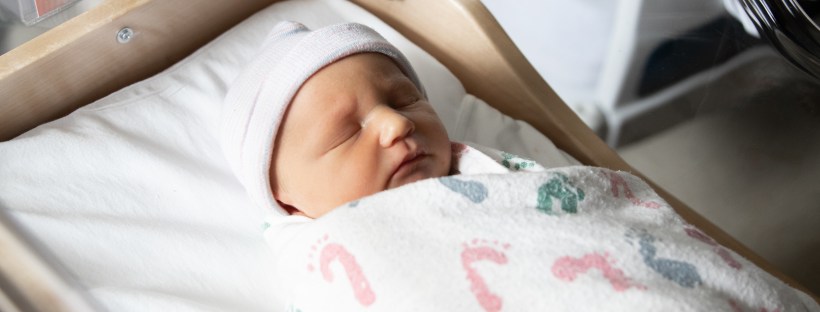
As an IBD mom having this intel is extremely comforting and puts my mind and heart at ease as I prepare for another colonoscopy, this time with another little one in tow.

Paving the Way Through Pain: The Lin Health Approach

This post is sponsored by Lin Health. All thoughts and opinions shared are my own.

Chronic pain can be extremely lonely, overwhelming, and debilitating. It impacts 50 million Americans and is widely considered untreatable by the medical community. This is where Lin Health, a cutting-edge online, comprehensive pain treatment, and management program comes into play. Launched just three months ago for patients, this digital health solution is on a mission to help transform the lives of those who deal with pain daily. 

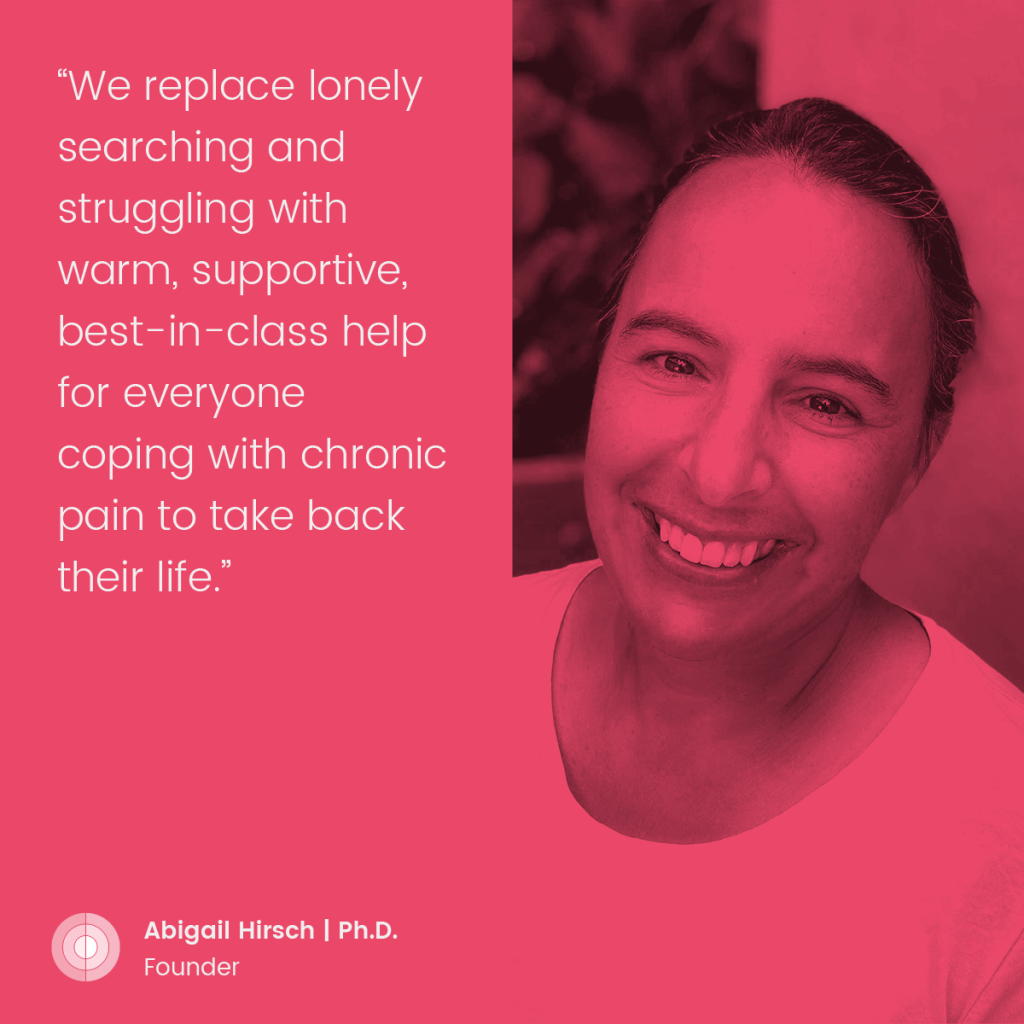
Founder Abigail Hirsch, who is a clinical psychologist, was inspired to create Lin Health because she found it incredibly troubling how common pain is and discovered the lack of support available to the patient community.

“I refused to believe that these people were subjected to a life of suffering without answers. When we were looking for funding, I was shocked how many MDs wondered why we would want to work with THOSE people, who seek drugs or disability claims. I had never heard patients talked about in such a horrible manner. And I am so excited to get to work every day with THOSE people. It turns out THOSE people are survivors, fighters, mothers, husbands… wonderful people for whom the medical community has not delivered. I can’t tell you how exciting it is to wake up every day and know we get to keep helping people, many of whom have struggled for so long, finally get on the path to better.”

And this is a path that Lin Health’s Director of Product, Alissa Link, is quite familiar with. Alissa was diagnosed with Crohn’s disease as a freshman in college after years of misguided diagnoses and countless rounds of tests, and experienced relief from the condition using Lin’s model of care. 

“This is truly my calling. My experience with pain and chronic illness has shaped my entire career! This deep experiential knowledge gives me a tremendous amount of empathy for those who are suffering from chronic conditions, and an intimate appreciation for the faults and friction points within the healthcare system. Where I see a broken system, I know there has to be a better way, and every day I feel grateful and invigorated building a new care model that can fill those gaps and offer the type of support that people truly need to heal.”

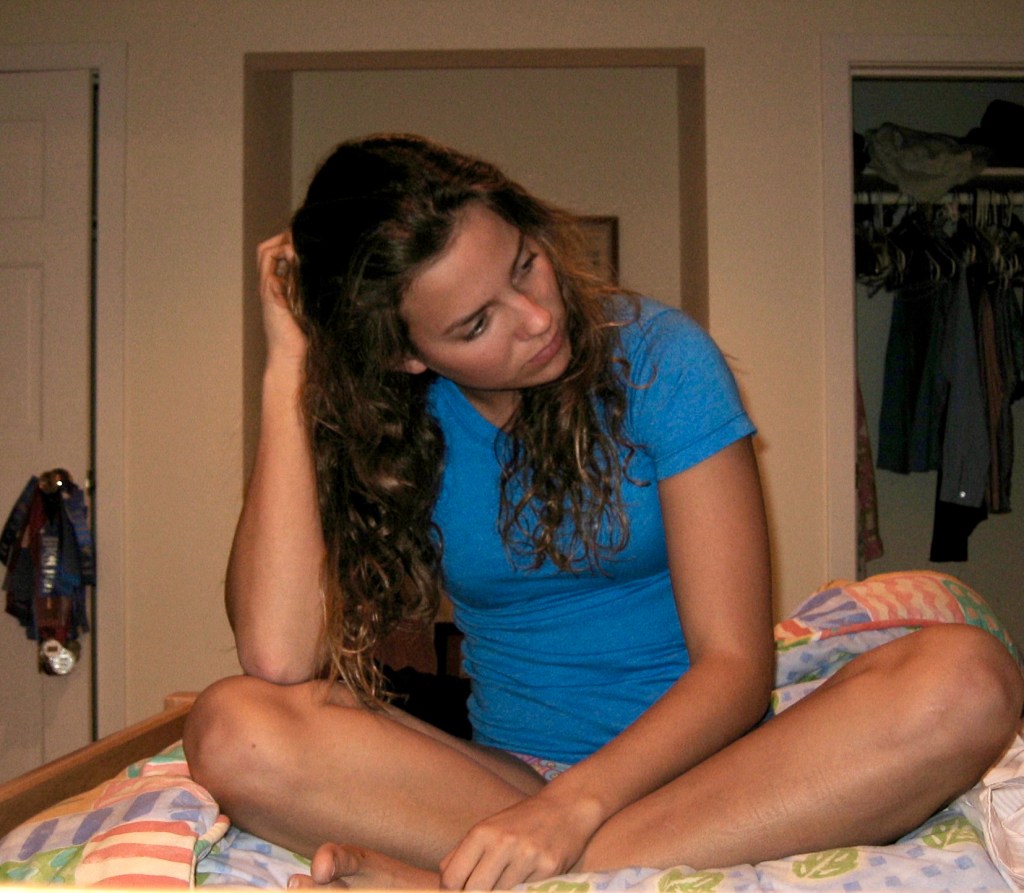
A photo of Alissa shortly after her Crohn’s disease diagnosis

In 2013, Alissa tried to taper off one of her medications and had one of the most intense periods of symptoms in her entire journey with Crohn’s. She developed a fistula and had surgery to remove 10 cm of her small intestine. After the surgery, instead of going on a biologic like her doctor advised to prevent disease recurrence, she chose to make lifestyle changes by switching her diet and using a range of stress-management techniques that have kept her in remission and medication-free ever since.

The Ins and Outs of The New Care Model

Since Lin Health opened their proverbial door to patient members in May, 2021, thousands of chronic illness patients have signed up to learn more about this integrative digital health solution for chronic pain.

Abigail explains that Lin Health empowers its members by looking at “a full person picture” and taking a step back to see “the whole elephant.” 

“Once we are all seeing the same complete picture, we also provide member-specific resources to both learn more about what kind of “elephant” they are coping with and what are the best tools for taming their pain beast. And then, piece-by-piece, slowly and steadily, our coaches go down the journey of building a new approach to pain together with our members.”

The team at Lin Health wants every physician, behavioral health specialist, physical therapist, and nutritionist to learn about modern pain science. 

“Too many people out there are hearing things from well-intentioned providers who are accidentally making their patients’ pain worse — when, a simple switch to sharing current understandings of pain, could empower patients to hop on the train to better! And of course, I want everyone who is suffering from pain that could be reduced or resolved to have access to good, science-based treatment and help,” said Abigail.

Lin Health is powered by real people who can really help. They are not a chat-bot trying to fit us into a box, or a patient education platform lacking human interactions. 

“We give you a customized treatment plan built specifically for you. And we pair you with a compassionate, caring, and helpful health coach who will be with you every step of your journey on your path towards better,” explained Abigail.

The Holistic Approach to Managing Pain

Chronic pain treatment usually relies primarily on prescription drugs that are designed to temporarily suppress symptoms with little regard for other factors that might be contributing to the pain. 

“An integrative, or “holistic,” approach that includes the right prescription drugs to manage symptoms, but also utilizes non-invasive treatments that are focused on helping people create real, sustainable improvements in their pain levels and functioning. These complementary treatments can include areas in your life that are important but neglected by the traditional pain model, such as sleep, behavioral health, mental health, smoking, weight, etc.,” said Abigail. 

Life with Crohn’s has provided Alissa with perspective that helps her empathize with Lin Health members and understand where they are coming from. Her advice? 

“Stay hopeful and grateful. Be kind to yourself. Thank your body and brain for the things you can do and avoid dwelling in what you can’t. Simple shifts in your perception and attitude can ripple into large impacts. Trust your gut (literally! and listen to what your body is telling you. For example, it was so obvious to me that stress caused my symptoms, yet no doctor ever talked about this or what to do about it. A quote that really helped flip my perspective on my stress and symptoms comes from Jon Kabbat-Zin: “You can’t stop the waves, but you can learn how to surf.” I’m grateful every day for the lessons Crohn’s has taught me and how my disease has guided my career path and enabled me to help others.”

Click here to learn more about Lin Health.

Connect with Lin Health:

Facebook

YouTube

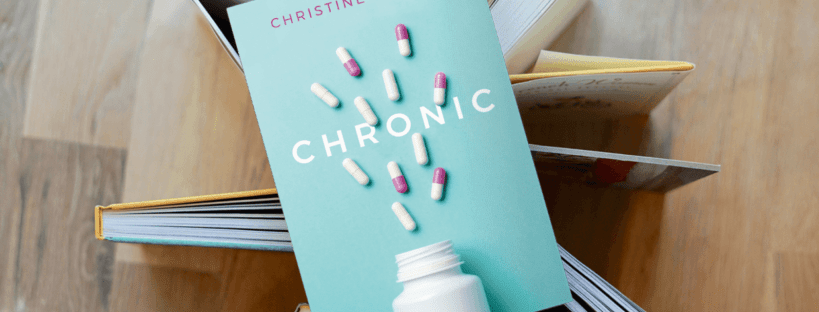
“Chronic”—The book the IBD community didn’t know it needed

There’s power in surrendering to your IBD. It takes time to reach that mindset and it’s something author and patient advocate Christine Rich eloquently explains in her debut book, “Chronic”. Christine reached out to me when she was doing the initial writing research and we hit it off instantaneously. There’s something magical about connecting with strangers who understand your reality. You may be thousands of miles apart, with different back stories, but the common thread of life with chronic illness makes you feel seen, understood, and like lifelong friends.

Christine, now a 41-year-old married mom of two, was diagnosed with Crohn’s when she was in high school. It took time and struggle for her to truly process all she endured and reach the point where she is today.

“Many of us are taught to smile, be grateful, and make everyone else feel all comfy and cozy at the expense of our own comfort and well-being. The problem with these types of expectations is that they are lies that create loneliness and rage that eventually turn women against themselves and their potential.”

This quote really spoke to me. Having an invisible illness like Crohn’s disease, one of my biggest struggles in my 16-plus years since diagnosis has been feeling comfortable with making those around me know how uncomfortable I am in any given moment. It often feels a lot easier to just put a fake smile on and pretend you’re not in pain. But, in doing so, we are only hurting ourselves and deepening our personal struggles.

Advocate for and take care of your body

Christine’s powerful journey exemplifies all the work and personal development it takes to discover self-acceptance, grieve the loss of the former you, ask for help, and feel empowered. She speaks of the trajectory we all go on from the point of diagnosis to becoming a “veteran” patient years later. Take a moment to think of how you have personally transformed since you were told you had IBD. That transformation is one that takes a great deal of time and personal growth, but once you come out on the other side you won’t look back aside from reflecting on how far you’ve come.

“When I walked in for my outpatient procedure that warm July morning, I was arrogant, afraid, angry, and emotionally incompetent. When I walked out (well, wheeled out is more like it) I was humbled, vulnerable and awake in a way I had never been before in my adult life.”

This quote paints the picture of what life is like with flare ups that result in hospitalization and how we evolve through the setbacks. Often those in our lives think we’re “all healed” the moment we cross through the hospital doors, when in actuality the healing process is something, we’re constantly going and growing through.

Thinking of your body as an ally, not an enemy

One of my favorite chapters in “Chronic” is Chapter 14—The 4th F. Christine’s words and experiences really resonated with me.

“After working through the peak of my resistance, denial and rage I realized I had made an enemy out of my body for far too long. I had turned my back on her for being different. She wasn’t broken. I wasn’t broken. We were both sad and not fully aware of the other. I needed to learn how to stop fleeing and fighting my body…I needed to befriend it.”

She goes on to explain how altering her perception of the way she looks at her body and thinks about it, has shifted her entire life experience, and brought her to where she is today.

“I was faced with a choice: continue to carry this anger and self-hatred until it sunk my health, my marriage and my self completely, or decide to feel it all and acknowledge that my body is not and never was an apology, enemy or failure.”

Rather than our community thinking of Crohn’s and ulcerative colitis as a villain trying to destroy it, Christine asks what if we treated our chronic illness as a small child seeking love and attention?

“What if I could make friends with my body? Love her and care for her like I do my own children.”

In my own personal experience with Crohn’s, I’ve also learned to be in-tune to the subtle signs my body is trying to communicate through symptoms. Rather than constantly shutting that communication out and trying to push it to the back of my mind, like I did in my 20’s, now, I listen closely. That voice is part of a constant inner conversation that is part of every hour of every day of my life. Even in remission—each choice, each decision I make, has my Crohn’s in mind. Because as an IBD mom of three, my disease impacts a lot more than “just” me.

“Although I would never be able to control the circumstance of my diagnosis, I could control my perception and reaction to it. I could start telling the truth. I could stop punishing myself.”

This is so important. Even though we were all powerless over receiving our diagnoses, we’re not powerless in how we choose to live life after our diagnosis. The unpredictability of the disease may make us feel like we’re constantly on edge, spiraling out of control, but by being proactive rather than reactionary and by making efforts to manage our disease on every level (physical, emotional, and mental) we set ourselves up for a much-improved quality of life. IBD doesn’t have to be the headliner of our lives, it can be more of a footnote.

There’s no fixed end point with chronic illness

Christine says her therapist tells her to go to her 17-year-old newly diagnosed self as her current 41-year-old self and hold her hand. Tell her it’s not her fault. She goes on to explain how there’s no fixed end point with chronic illness and that the collective power of patients in the IBD community must discuss the mental anguish that’s often brushed under the rug.

“For the life of me I can’t figure out why mental health screenings aren’t standard practice of care. They test and screen us for everything else. They test our blood and our stool. They examine our rectums and colons. They poke and prod us top to bottom…they examine everything but our minds.”

She calls on all of us to be “chronic truth tellers”—which I love. The more doctors hear the same message over and over again directly from patients, the better chance we have to impact change. This takes effort and a heightened sense of vulnerability on our parts, but reaps endless benefits. We can’t take care of our whole self by simply focusing on the physical manifestations of our illness.

In “Chronic” one of my favorite lines is when Christine recalls how one of her yoga teachers once said, “what we resist—persists.” In IBD terms—every time we resist telling our care team, loved ones or friends about symptoms and struggles, things will only snowball and get worse.

“In order to advocate for ourselves we must also be chronically curious about ourselves. Being chronically curious about yourself starts with a clear understanding of what makes you feel good and whole.”

The overarching theme in this remarkable and must-read book are to keep showing up for yourself every day. Stop running away from the discomfort. Acknowledge it, explore it, and feel it—all of it—the good, the bad, the embarrassing. Christine Rich started out as a stranger on the phone with a dream of becoming an IBD patient advocate and published author. Not only did she accomplish all the above, but she did so in a way that even her personal experiences will feel like something you can relate to and grow from. As a fellow woman with IBD I stand up and give her a round of applause and a big hug for so bravely and candidly speaking the words so many before her felt too silenced and worried to share. Bravo, bravo, bravo.

Order “Chronic” on Amazon here.

Connect with Christine Rich:

Instagram: @christinerich_author

The IBD Parenthood Project: The Love-Hate Relationship of Breastfeeding

This post is sponsored by the American Gastroenterological Association (AGA). I am a paid program Brand Influencer; this post is sponsored and includes my own personal experiences.

Breastfeeding is a labor of love. Like many women, it doesn’t come easy for me. As an IBD mom who already fears passing my disease down to my kids, there’s added pressure and stress. In the United States, an estimated 1.6 million people have Crohn’s disease or ulcerative colitis. Of those, roughly half are women, and most will carry the diagnosis during childbearing years, throughout all phases of family planning: trying to conceive, pregnancy and postpartum. As an IBD mom of three going through postpartum right now, one of my biggest stresses and focuses revolves around breastfeeding.

-What if I take this pain medicine for my Crohn’s? Will I need to supplement? 

-What if I have a postpartum flare, will my milk supply go away?

-What will happen if I’m hospitalized?

-Will I flare once I stop breastfeeding and my hormones regulate?

-If I stop too soon, will my child end up having an increased risk of IBD?

…the list goes on…

The journey to motherhood for women with IBD requires several complex decisions and coordination among specialty care teams from the stage of family planning until postpartum and beyond. The IBD Parenthood Project aims to address common misperceptions and fears women with IBD and their providers experience throughout all phases of family planning (conception, pregnancy and after delivery). By eliminating the gray area and serving as the gold-standard for navigating pregnancy and motherhood with IBD, our patient community can rely on this support that helps uncomplicate the journey.

This beneficial and much-needed initiative was created by gastroenterologists (GIs), maternal-fetal medicine (MFM) subspecialists, and patients and is led by the American Gastroenterological Association (AGA) with support from the Society for Maternal-Fetal Medicine, the Crohn’s & Colitis Foundation, and patient support network, Girls With Guts. The IBD Parenthood Project launched in January 2019, just as I delivered my second child. To this day, I feel so grateful to have this information and confidence in my choice to become a mom even though I’ve lived with Crohn’s disease for more than 16 years. It’s empowering to know despite the unpredictability of IBD, this initiative allowed me to feel like I’m in the driver’s seat when it came to creating my family and knowing the choices I’ve made were and are supported by science and medical facts.

To the random lady in the church elevator who asked me if I was breastfeeding my son Reid when he was a month old, and I was a first-time mom.

To the lactation consultant after I delivered my daughter Sophia, who told me since I have Crohn’s, it’s imperative her gut only be lined with breastmilk.

To the nurse coaching me nonchalantly about breastfeeding my son Connor and underestimating the challenges it can present…who I later found out “only” breastfed one of her children for 2 weeks…

To anyone who is struggling with the physical, emotional, and mental stress of something that sounds “easy” and “natural” — simply feeding your baby — I get how complex and taxing it is. I’m in the thick of it now with my son who was born July 14. So far, he’s only had breastmilk…both from nursing and by a bottle. But it’s not pretty for me. The engorgement, the round the clock pumping, the soaked t-shirts, the night sweats, the discomfort to even wear a bra or sleep on my side. It weighs on me. There’s the outside pressure and the pressure I put on myself to keep going, even though I don’t enjoy it. It’s super rewarding to see Connor thriving and making gains all because of me. But there’s also a lot of stress to be a child’s only source of food, especially as an IBD mom.

Different feeding approaches with all my babies

With my firstborn in 2017, I wasn’t well-versed on the benefits of breastfeeding and feared not only further exposure to my biologic, but also flaring, so I only breastfed my son for 3 days in the hospital so he could get colostrum. By 2019, I was well-versed on the positive impact and the safety profile associated with breastfeeding while on a biologic, so I breastfed my daughter until she was 6 months old. I had hopes of making it a full year, but unfortunately my milk supply disappeared once my menstrual cycle started back up. This time around, I felt the anxiety about having to breastfeed creep up when I was only a few months pregnant. Between research showing that breastfed babies have a lower risk of IBD, coupled with antibodies from the COVID-19 vaccine, I feel the need to do all I can to protect my son from the what if, even if it feels mentally, physically, and emotionally taxing each day.

The Fourth Trimester has several challenges for women that often go undiscussed. However you choose to feed your child is your business and should be based on what is best for you and your family. This is a judgement free zone. I’ve fed my three babies differently. But the pressure mounts when you yourself have an illness with no cure and feel as though breastfeeding can help improve your odds of not passing it on to your offspring. In my mind, down the road, I don’t want to ever think I coulda, shoulda, woulda done anything differently when it comes to protecting my offspring from IBD.

The IBD Parenthood Project tackles some of the common questions related to breastfeeding as an IBD mom. There’s a downloadable toolkit that features patient-friendly information and easy-to-digest lists of key questions to ask your doctor as you’re thinking of becoming pregnant and beyond.

What I Want Fellow IBD Moms to Know

Navigating motherhood while taking on IBD is overwhelming. With proper planning, care and coordination among treating healthcare providers, women with IBD can have healthy pregnancies and healthy babies—and breastfeed if they choose to do so. For me, breastfeeding provides a sense of normalcy and gives me a renewed sense of love for what my body is capable of, despite having Crohn’s disease. Give yourself credit for going through pregnancy with IBD, delivering a baby, and continuing to nourish your little one with your body when they are in the real world. The blood, sweat, and tears are inevitable.

Just this week I experienced awful abdominal pain. The kind of pain where you can barely breathe, your hands start to tingle, and you go back and forth about whether a trip to the emergency room is imminent. As I rocked myself on the toilet and heard my newborn crying in the bassinet my mind raced. My 4-year-old stood before me. I could see the fear in his eyes. My immediate thought was—what can I take to get this pain under control—will it affect my ability to breastfeed? In that moment, the pressure to think outside of myself and manage my disease felt suffocating.

There comes a point when the mental health and wellbeing of the mother must come first so she is able to be the best version of herself for her kids. If breastfeeding is taking away from the joy you could be experiencing or the connection you are longing for with your child, don’t feel guilty. Whether your child is exclusively breastfed, or formula fed, or receives a little of both, they will thrive. I’m personally all about flexible feeding. A little nursing, some pumping, and some formula has worked best for me. When the time comes, and I need a break or feel too consumed by being the sole provider of nourishment for Connor, I’ll feel confident in supplementing with formula. There’s no shame in my game and there shouldn’t be in yours, either. Take advantage of invaluable resources like the IBD Parenthood Project and be confident in each of your personal health decisions when it comes to whether or not you want a family and how you choose to feed your baby.

Discovering the Root Cause: How a Patient Turned Physician Helps the IBD Community

This post is sponsored by Naturally Free from IBD—all thoughts and opinions are my own.

She’s a doctor with IBD who says her call to medicine began from her own hospital bed. Dr. Christina Campbell, DO, Certified Functional Medicine Physician, Board Certified Emergency Medicine was diagnosed with Crohn’s disease 40 years ago when she was only 12 years old. She’s utilized her own personal struggles and setbacks to guide the way she treats patients and helps others in our community. Through her own journey, she says many doctors left her feeling frightened, unmotivated, even angry. Christina learned early on about the importance of bed-side manner, compassionate care, and the gift of not only listening, but hearing what a patient is expressing. Her overarching goal—to be a physician who inspires faith, confidence, and a will to fight within her patients.

She’s dedicated her life’s work to facilitating and growing the value of a patient-physician partnership rather than what she calls a “DOCtatorship.” Christina believes that a personalized approach to health works better than recipe medicine, meaning she’s passionate about finding the root cause of disease and improving underlying health and the body’s biochemistry by intervening at the level of the root cause, through a functional medicine approach. Before we dig into the amazing work she’s doing, let’s take a walk down memory lane to see how Christina got to the point where she is today.

Christina’s Journey with Crohn’s

A diagnosis of IBD in 1983 looked a lot different than present day—and not for the better. When she was 14 years old, Christina faced a near death experience from extensive bleeding and lesions from her mouth to her anus. Her gastroenterologist said she had one of the worst cases of IBD he had ever seen and shared her case at global medical conferences and in case studies. Christina was averse to undergoing a complete colectomy and colostomy, so she underwent six months of bowel rest (nothing by mouth). She received all hydration and nutrition through an IV in her veins around her heart called a Hickman catheter. At the time, the only medications available for Crohn’s were Sulfasalazine and Prednisone. Can you imagine?! 

Since her diagnosis, Christina has been on many different medications through the years (Asacol, Delzicol, Sulfasalazine, any number of antibiotics, steroids, Toradol, Tylenol, Tylenol #3, Vicodin, Percocet, Compazine, Phenergan, Tigan, Tagamet, Pepcid, Bentyl.) When the first biologic was approved for treatment of Crohn’s (Remicade in 1998), she was in remission and graduating from medical school.

“My personal story is fraught with difficulties and each of my struggles has blessed me with a deep understanding of others and the ability to empathize and connect with patients. I have learned how to listen and really hear what they are saying. I have learned the power of creating a therapeutic partnership. My goal for each of my health participants is to match their lifespan to their health span. Quality of life alongside quantity of life is key. My personal journey has taught me that it only takes one step in a new direction to change the entire path of one’s life. It has also shown me the power of understanding your personal timeline. Looking back at our past journey helps us to understand the path that has led us to where we are,” Christina explains.

The Power of Responding to the Root Cause

Before Christina knew how to treat root cause issues and was solely utilizing conventional medicine, she says her immune system remained dysregulated. She was treating her symptoms with medications that acted like band-aides without addressing the cause.

“My functional medicine training has taught me the value of information and the concept that many with the same diagnosis may have completely different root causes. Utilizing detailed functional labs to discover altered biochemistry is an incredible tool to getting things back on track. These labs are not used in conventional medicine where the focus is on illness, not on wellness. It is a completely different perspective, which makes all the difference in helping someone find not just improved health, but optimal wellness.”

When it comes to discovering optimal wellness, Christina says this includes investigating genetics, epigenetics, metabolomics, oxidative stress, cellular energy and mitochondrial health, detoxification pathways, gut health and microbiome imbalances, inflammatory factors, and so much more.

“Once we uncover this information, we can begin to make changes personalized to your life, your body, your biochemistry, your genetics, your mind, and your spirit. Patience and grace with oneself are paramount to health as are understanding and forgiveness.”

The Transcend 3-step signature program

Christina works with IBD patients through her 3-step signature process to discover the root cause of symptoms, intervene at that level, revitalize health, and teach people how to maintain and excel for the rest of their lives. She uses natural and lifestyle interventions to create a personalized program which improves the health participant’s innate healing abilities to reverse symptoms, decrease pain, and improve all aspects of their lives.

“My Transcend program is my signature 3-step process which guides you through your precision blueprint for regenerating a healthy, joyful, vital you! This program is the culmination of 23 + years of medical expertise and 40 years’ experience as a Crohn’s disease patient. It is my passion project to help as many IBD patients as I can! I am on a mission to change the medical approach to Crohn’s and UC leading to fewer surgeries, stopping the path to health decline and disability by finding and fixing the root cause. We will Transcend IBD together living healthy vibrant lives.”

The process begins with uncovering your health history and detailing your timeline. Next, Christina works with patients to order specialized cutting-edge functional lab studies to help pinpoint where the most critical areas of intervention are needed. The third step is the Excel phase where you learn how to maintain these changes and continue to progress over time.

Connect with Christina

Facebook: Naturally Free From IBD

Instagram: @dr.christinacampbell

Educational Videos on Christina’s YouTube Channel

Website expected to go live October 2021: www.NaturallyFreeFromIBD.com

Upcoming Webinar September 1

Christina is hosting an online Zoom webinar September 1 at 7pm EST. By attending this webinar, you will learn three secrets for managing IBD and have an opportunity to ask questions. Tickets are $9.95 and limited in number. Get your ticket today!

Ready to Make a Change?

Set up an initial consultation here for men and here for women. Use coupon code Natalie20 for 20% off any time in 2021. HSA/FSA are applicable. This consultation is the first step to discovery. During this consultation you will discuss your body’s problematic areas as well as the areas where you are succeeding based on extensive intake paperwork and a 60-minute consultation. Potential interventions will be discussed, labs will be ordered, and a personalized care plan will be created.

Christina says, “I provide options for anyone who meets with me. However, I do not invite everyone into my signature 3-step Transcend program. It is important that we both feel we are a fit to work together to make this program successful. You must be ready to make the necessary changes and be open to new information. You must focus on progress and commit to never letting your self-doubt stop you from having what you want. There is hope! You can change your health and life for the better.”