IBD Motherhood Unplugged: Scopes, Scans, and Breastfeeding

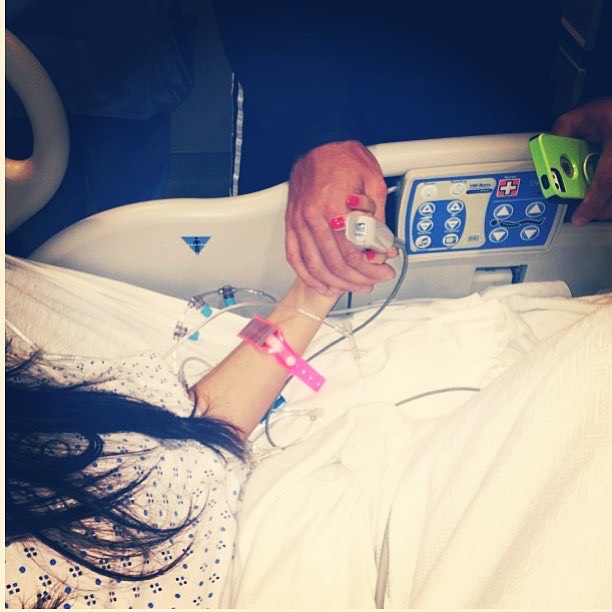
The date for my next scheduled colonoscopy is on my calendar. Even though my scope is one month away, I’ve already started the mental prep of what’s to come. When you’ve had too many colonoscopies to count you know what to expect…which is both a blessing and a curse. This time around I’m exclusively breastfeeding my 3-month-old son. So, like any IBD mom may wonder, how does that correlate when you’re taking prep that cleans out your system and are put out for the procedure?

I checked in with Dr. Aline Charabaty, Assistant Clinical Director of the Division of Gastroenterology at Johns Hopkins School of Medicine, and Clinical Director of the Inflammatory Bowel Disease Center at Johns Hopkins-Sibley Memorial Hospital, as well as my own gastroenterologist (GI) so I knew what to expect and so I could pass along the information to you.

Juggling Kids and Prep

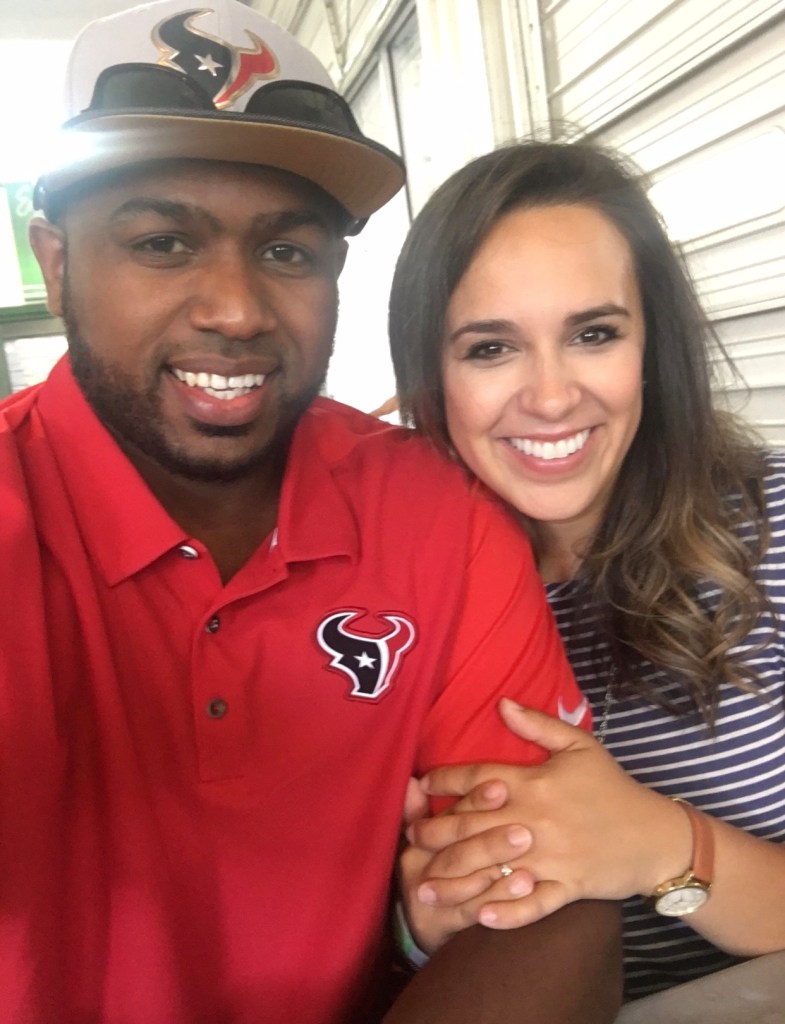
I’m already anticipating the hustle and bustle that I’ll be dealing with as I guzzle down the disgusting concoctions with my 4-year-old and 2-year-old running around as I care for our newest addition. Luckily, my mom flies in for every single colonoscopy (even before I had kids!) to offer emotional and physical support. Now, she gives me a hand with my kids, and this allows my husband, Bobby, to take me to the procedure and celebrate with me after it’s over. Highly recommend you line up childcare when prepping for a colonoscopy so you can focus on yourself and not deal with the stress of mom life on top of it.

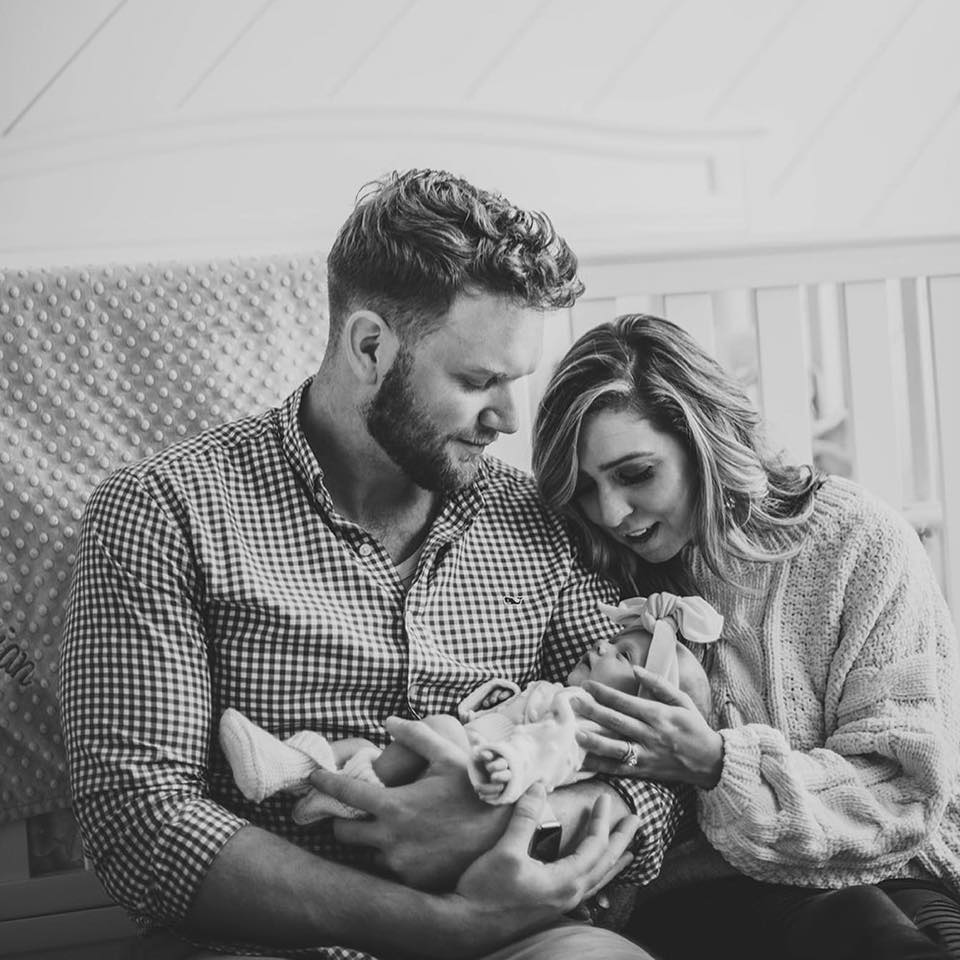
Snuggling with my son, Reid, while I did my prep in 2019.

Dr. Charabaty understands what a challenge this can be and has fantastic advice for IBD moms on prep and procedure days:

  • Tell yourself you are doing the right thing taking care of your health, to stay well for you and for your kids.
  • Explain to the kids why mommy is a bit tired today, why she is not sharing their food and why she is going to the bathroom a lot.
  • Enlist help!! Have someone you trust, and who the kids know well, to keep them company and look after them while you are prepping the day before and on the day of the procedure. You need a responsible adult who is fully awake and alert to be with the kids and keep them safe during these days.
  • If your child is old enough to understand, have them play an active and fun role in this prep, for example reminding you to drink fluid during the day from a special cup they chose for you.
  • Hug your children often in between trips to the bathroom, to keep you going.
  • Give yourself plenty of rest after the procedure so you can be fully present to your children the next day.
  • Skip co-sleeping the first night after the procedure, as you might not wake up as usual in the night.

In the days leading up to my scope, I put myself on a self-imposed liquid diet 3-4 days ahead of time to ease the prep. It’s hard enough when I’m not trying to nourish a little person, along with myself. Anyone who has breastfed a child knows how hungry it can make you. My GI told me that despite only having liquids I would not need to supplement with formula. At the same time, she suggested I drink Ensure Clear Protein, which will not affect the prep and will help it. To combat dehydration, she reminded me to drink plenty of water up until two hours before the procedure.

“Breastfeeding women lose an average of 25 ounces of fluid a day through their milk. During the colonoscopy prep, make sure you drink plenty of fluid to keep the prep going and the milk flowing! Consider breastfeeding or pumping just before leaving for the procedure and as soon as you are recover and are awake after the procedure, to minimize discomfort of full breasts and minimize disruption in the usual breastfeeding/pumping schedule and optimize the volume of milk recovered,” explained Dr. Charabaty.

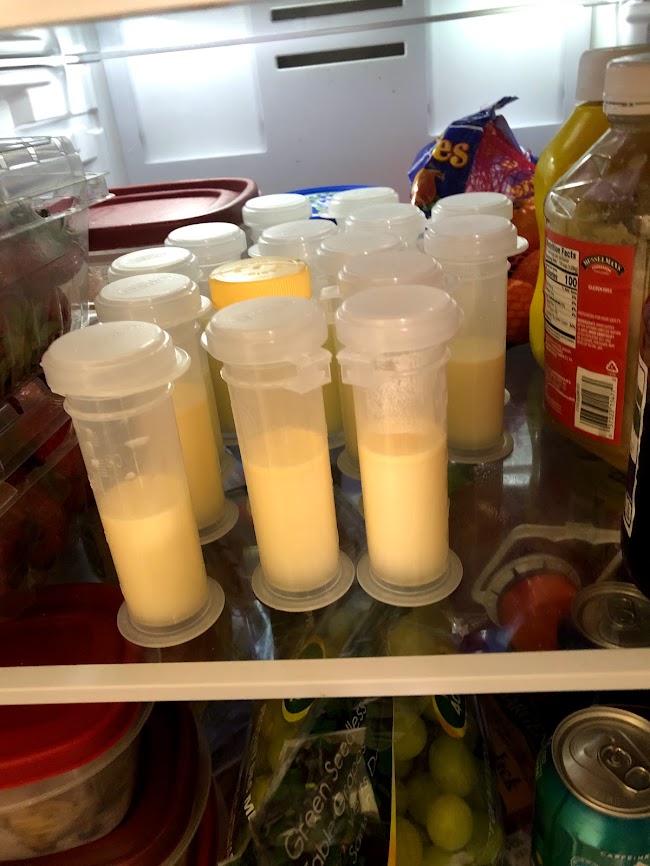
If nursing gets to be too much while I’m in the thick of my prep, I plan to tap into my freezer supply of milk so that my mom or husband can feed the baby while I’m holed up in the bathroom. By being proactive and thinking of these moments ahead of time, it’s one less thing to worry about and stress over.

Is Pump and Dumping Necessary?

Since we all know what colonoscopy prep makes us do, my initial thought was that I would need to pump and dump so my son wasn’t pooping up a storm along with me. I envisioned myself on the toilet with my pump nearby…talk about a living hell! Luckily, my GI said there’s no need to pump and dump with the prep or with the procedure since my care team uses Propofol and Dr. Charabaty agrees.

“Preps like Miralax, Golytely, Moviprep, Fleet phosphosoda, and Dulcolax, are not absorbed from the gut and do not enter the breastmilk; so, no need to pump and dump with preps, save every drop of this precious liquid! There are older recommendations to pump and dump the milk 4 hours after receiving anesthesia; however, review of the data show that most drugs used for anesthesia (midazolam, fentanyl, propofol, ketamine) do not cross into the breastmilk or if they do, the concentration for the drug in the breast milk is too low to affect the baby.”

Click here to lead the latest recommendations from the Association of Anesthetists that supports this guidance.

What about prep for MRE’s and CT scans?

“Radiological contrast agents used in CT and MRI are safe during breastfeeding, but be cautious with Technetium containing contrast that is used for nuclear medicine procedures. Some recommend pumping and dumping for 12 hours; other recommend pumping for 72 hours. Store the milk and only give it to the baby after it has been stored for 72 hours.”

The bottom line

“You can continue to breastfeed baby as usual following the colonoscopy (or endoscopy), as soon as you have recovered from anesthesia, and you are awake enough to hold the baby! Talk to the anesthesiologist before and after the procedure for advice, in case different or unusual medications were needed during the procedure. If you feel tired or sleepy, let someone else handle the feeding. Kudos for taking care of both your GI health and baby’s health!”

As an IBD mom having this intel is extremely comforting and puts my mind and heart at ease as I prepare for another colonoscopy, this time with another little one in tow.

Paving the Way Through Pain: The Lin Health Approach

This post is sponsored by Lin Health. All thoughts and opinions shared are my own.

Chronic pain can be extremely lonely, overwhelming, and debilitating. It impacts 50 million Americans and is widely considered untreatable by the medical community. This is where Lin Health, a cutting-edge online, comprehensive pain treatment, and management program comes into play. Launched just three months ago for patients, this digital health solution is on a mission to help transform the lives of those who deal with pain daily. 

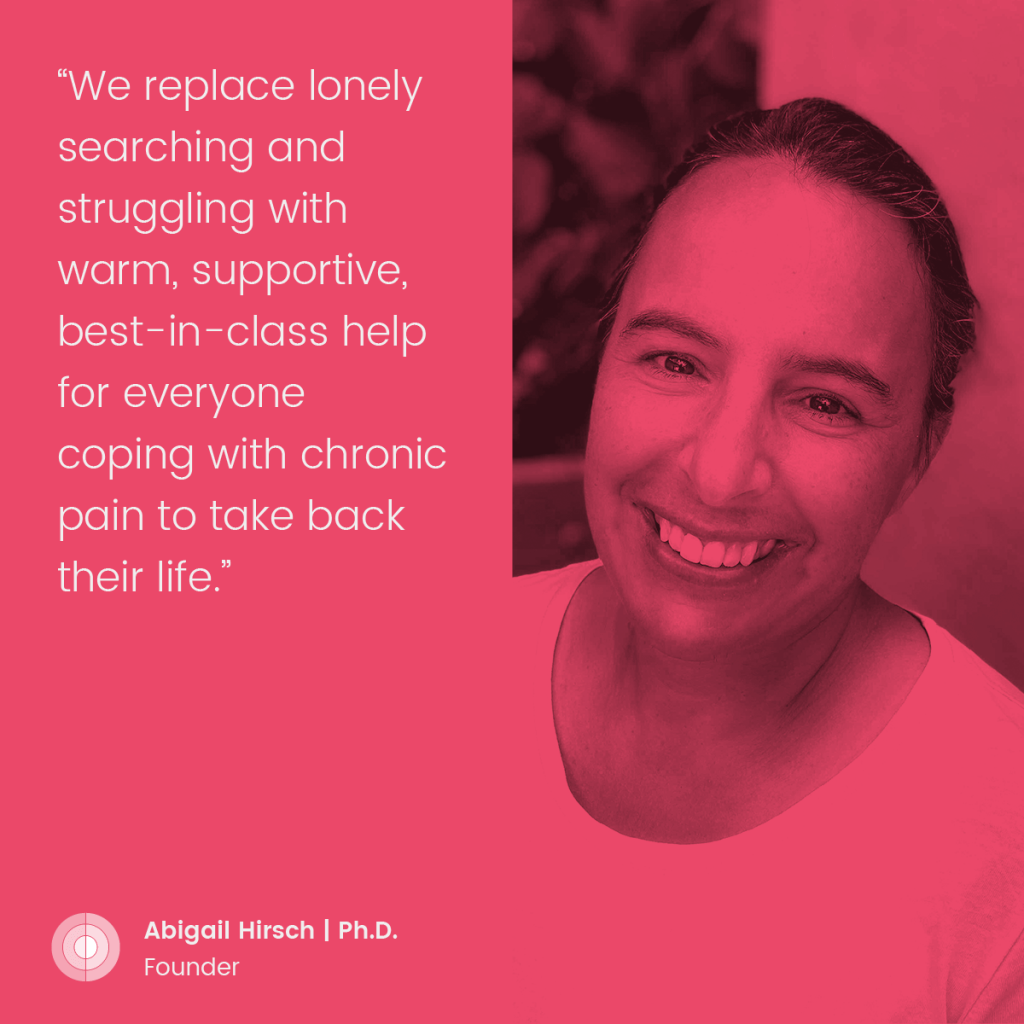
Founder Abigail Hirsch, who is a clinical psychologist, was inspired to create Lin Health because she found it incredibly troubling how common pain is and discovered the lack of support available to the patient community.

“I refused to believe that these people were subjected to a life of suffering without answers. When we were looking for funding, I was shocked how many MDs wondered why we would want to work with THOSE people, who seek drugs or disability claims. I had never heard patients talked about in such a horrible manner. And I am so excited to get to work every day with THOSE people. It turns out THOSE people are survivors, fighters, mothers, husbands… wonderful people for whom the medical community has not delivered. I can’t tell you how exciting it is to wake up every day and know we get to keep helping people, many of whom have struggled for so long, finally get on the path to better.”

And this is a path that Lin Health’s Director of Product, Alissa Link, is quite familiar with. Alissa was diagnosed with Crohn’s disease as a freshman in college after years of misguided diagnoses and countless rounds of tests, and experienced relief from the condition using Lin’s model of care. 

“This is truly my calling. My experience with pain and chronic illness has shaped my entire career! This deep experiential knowledge gives me a tremendous amount of empathy for those who are suffering from chronic conditions, and an intimate appreciation for the faults and friction points within the healthcare system. Where I see a broken system, I know there has to be a better way, and every day I feel grateful and invigorated building a new care model that can fill those gaps and offer the type of support that people truly need to heal.”

A photo of Alissa shortly after her Crohn’s disease diagnosis

In 2013, Alissa tried to taper off one of her medications and had one of the most intense periods of symptoms in her entire journey with Crohn’s. She developed a fistula and had surgery to remove 10 cm of her small intestine. After the surgery, instead of going on a biologic like her doctor advised to prevent disease recurrence, she chose to make lifestyle changes by switching her diet and using a range of stress-management techniques that have kept her in remission and medication-free ever since.

The Ins and Outs of The New Care Model

Since Lin Health opened their proverbial door to patient members in May, 2021, thousands of chronic illness patients have signed up to learn more about this integrative digital health solution for chronic pain.

Abigail explains that Lin Health empowers its members by looking at “a full person picture” and taking a step back to see “the whole elephant.” 

“Once we are all seeing the same complete picture, we also provide member-specific resources to both learn more about what kind of “elephant” they are coping with and what are the best tools for taming their pain beast. And then, piece-by-piece, slowly and steadily, our coaches go down the journey of building a new approach to pain together with our members.”

The team at Lin Health wants every physician, behavioral health specialist, physical therapist, and nutritionist to learn about modern pain science. 

“Too many people out there are hearing things from well-intentioned providers who are accidentally making their patients’ pain worse — when, a simple switch to sharing current understandings of pain, could empower patients to hop on the train to better! And of course, I want everyone who is suffering from pain that could be reduced or resolved to have access to good, science-based treatment and help,” said Abigail.

Lin Health is powered by real people who can really help. They are not a chat-bot trying to fit us into a box, or a patient education platform lacking human interactions. 

“We give you a customized treatment plan built specifically for you. And we pair you with a compassionate, caring, and helpful health coach who will be with you every step of your journey on your path towards better,” explained Abigail.

The Holistic Approach to Managing Pain

Chronic pain treatment usually relies primarily on prescription drugs that are designed to temporarily suppress symptoms with little regard for other factors that might be contributing to the pain. 

“An integrative, or “holistic,” approach that includes the right prescription drugs to manage symptoms, but also utilizes non-invasive treatments that are focused on helping people create real, sustainable improvements in their pain levels and functioning. These complementary treatments can include areas in your life that are important but neglected by the traditional pain model, such as sleep, behavioral health, mental health, smoking, weight, etc.,” said Abigail. 

Life with Crohn’s has provided Alissa with perspective that helps her empathize with Lin Health members and understand where they are coming from. Her advice? 

“Stay hopeful and grateful. Be kind to yourself. Thank your body and brain for the things you can do and avoid dwelling in what you can’t. Simple shifts in your perception and attitude can ripple into large impacts. Trust your gut (literally! and listen to what your body is telling you. For example, it was so obvious to me that stress caused my symptoms, yet no doctor ever talked about this or what to do about it. A quote that really helped flip my perspective on my stress and symptoms comes from Jon Kabbat-Zin: “You can’t stop the waves, but you can learn how to surf.” I’m grateful every day for the lessons Crohn’s has taught me and how my disease has guided my career path and enabled me to help others.”

Click here to learn more about Lin Health.

Connect with Lin Health:

Facebook

YouTube

“Chronic”—The book the IBD community didn’t know it needed

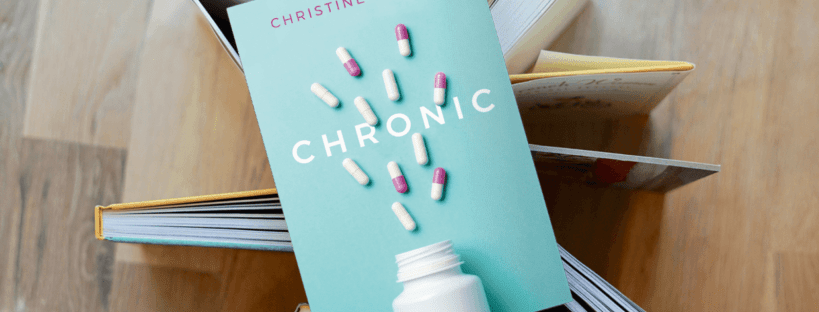
There’s power in surrendering to your IBD. It takes time to reach that mindset and it’s something author and patient advocate Christine Rich eloquently explains in her debut book, “Chronic”. Christine reached out to me when she was doing the initial writing research and we hit it off instantaneously. There’s something magical about connecting with strangers who understand your reality. You may be thousands of miles apart, with different back stories, but the common thread of life with chronic illness makes you feel seen, understood, and like lifelong friends.

Christine, now a 41-year-old married mom of two, was diagnosed with Crohn’s when she was in high school. It took time and struggle for her to truly process all she endured and reach the point where she is today.

“Many of us are taught to smile, be grateful, and make everyone else feel all comfy and cozy at the expense of our own comfort and well-being. The problem with these types of expectations is that they are lies that create loneliness and rage that eventually turn women against themselves and their potential.”

This quote really spoke to me. Having an invisible illness like Crohn’s disease, one of my biggest struggles in my 16-plus years since diagnosis has been feeling comfortable with making those around me know how uncomfortable I am in any given moment. It often feels a lot easier to just put a fake smile on and pretend you’re not in pain. But, in doing so, we are only hurting ourselves and deepening our personal struggles.

Advocate for and take care of your body

Christine’s powerful journey exemplifies all the work and personal development it takes to discover self-acceptance, grieve the loss of the former you, ask for help, and feel empowered. She speaks of the trajectory we all go on from the point of diagnosis to becoming a “veteran” patient years later. Take a moment to think of how you have personally transformed since you were told you had IBD. That transformation is one that takes a great deal of time and personal growth, but once you come out on the other side you won’t look back aside from reflecting on how far you’ve come.

“When I walked in for my outpatient procedure that warm July morning, I was arrogant, afraid, angry, and emotionally incompetent. When I walked out (well, wheeled out is more like it) I was humbled, vulnerable and awake in a way I had never been before in my adult life.”

This quote paints the picture of what life is like with flare ups that result in hospitalization and how we evolve through the setbacks. Often those in our lives think we’re “all healed” the moment we cross through the hospital doors, when in actuality the healing process is something, we’re constantly going and growing through.

Thinking of your body as an ally, not an enemy

One of my favorite chapters in “Chronic” is Chapter 14—The 4th F. Christine’s words and experiences really resonated with me.

“After working through the peak of my resistance, denial and rage I realized I had made an enemy out of my body for far too long. I had turned my back on her for being different. She wasn’t broken. I wasn’t broken. We were both sad and not fully aware of the other. I needed to learn how to stop fleeing and fighting my body…I needed to befriend it.”

She goes on to explain how altering her perception of the way she looks at her body and thinks about it, has shifted her entire life experience, and brought her to where she is today.

“I was faced with a choice: continue to carry this anger and self-hatred until it sunk my health, my marriage and my self completely, or decide to feel it all and acknowledge that my body is not and never was an apology, enemy or failure.”

Rather than our community thinking of Crohn’s and ulcerative colitis as a villain trying to destroy it, Christine asks what if we treated our chronic illness as a small child seeking love and attention?

“What if I could make friends with my body? Love her and care for her like I do my own children.”

In my own personal experience with Crohn’s, I’ve also learned to be in-tune to the subtle signs my body is trying to communicate through symptoms. Rather than constantly shutting that communication out and trying to push it to the back of my mind, like I did in my 20’s, now, I listen closely. That voice is part of a constant inner conversation that is part of every hour of every day of my life. Even in remission—each choice, each decision I make, has my Crohn’s in mind. Because as an IBD mom of three, my disease impacts a lot more than “just” me.

“Although I would never be able to control the circumstance of my diagnosis, I could control my perception and reaction to it. I could start telling the truth. I could stop punishing myself.”

This is so important. Even though we were all powerless over receiving our diagnoses, we’re not powerless in how we choose to live life after our diagnosis. The unpredictability of the disease may make us feel like we’re constantly on edge, spiraling out of control, but by being proactive rather than reactionary and by making efforts to manage our disease on every level (physical, emotional, and mental) we set ourselves up for a much-improved quality of life. IBD doesn’t have to be the headliner of our lives, it can be more of a footnote.

There’s no fixed end point with chronic illness

Christine says her therapist tells her to go to her 17-year-old newly diagnosed self as her current 41-year-old self and hold her hand. Tell her it’s not her fault. She goes on to explain how there’s no fixed end point with chronic illness and that the collective power of patients in the IBD community must discuss the mental anguish that’s often brushed under the rug.

“For the life of me I can’t figure out why mental health screenings aren’t standard practice of care. They test and screen us for everything else. They test our blood and our stool. They examine our rectums and colons. They poke and prod us top to bottom…they examine everything but our minds.”

She calls on all of us to be “chronic truth tellers”—which I love. The more doctors hear the same message over and over again directly from patients, the better chance we have to impact change. This takes effort and a heightened sense of vulnerability on our parts, but reaps endless benefits. We can’t take care of our whole self by simply focusing on the physical manifestations of our illness.

In “Chronic” one of my favorite lines is when Christine recalls how one of her yoga teachers once said, “what we resist—persists.” In IBD terms—every time we resist telling our care team, loved ones or friends about symptoms and struggles, things will only snowball and get worse.

“In order to advocate for ourselves we must also be chronically curious about ourselves. Being chronically curious about yourself starts with a clear understanding of what makes you feel good and whole.”

The overarching theme in this remarkable and must-read book are to keep showing up for yourself every day. Stop running away from the discomfort. Acknowledge it, explore it, and feel it—all of it—the good, the bad, the embarrassing. Christine Rich started out as a stranger on the phone with a dream of becoming an IBD patient advocate and published author. Not only did she accomplish all the above, but she did so in a way that even her personal experiences will feel like something you can relate to and grow from. As a fellow woman with IBD I stand up and give her a round of applause and a big hug for so bravely and candidly speaking the words so many before her felt too silenced and worried to share. Bravo, bravo, bravo.

Order “Chronic” on Amazon here.

Connect with Christine Rich:

Instagram: @christinerich_author

The IBD Parenthood Project: The Love-Hate Relationship of Breastfeeding

This post is sponsored by the American Gastroenterological Association (AGA). I am a paid program Brand Influencer; this post is sponsored and includes my own personal experiences.

Breastfeeding is a labor of love. Like many women, it doesn’t come easy for me. As an IBD mom who already fears passing my disease down to my kids, there’s added pressure and stress. In the United States, an estimated 1.6 million people have Crohn’s disease or ulcerative colitis. Of those, roughly half are women, and most will carry the diagnosis during childbearing years, throughout all phases of family planning: trying to conceive, pregnancy and postpartum. As an IBD mom of three going through postpartum right now, one of my biggest stresses and focuses revolves around breastfeeding.

-What if I take this pain medicine for my Crohn’s? Will I need to supplement? 

-What if I have a postpartum flare, will my milk supply go away?

-What will happen if I’m hospitalized?

-Will I flare once I stop breastfeeding and my hormones regulate?

-If I stop too soon, will my child end up having an increased risk of IBD?

…the list goes on…

The journey to motherhood for women with IBD requires several complex decisions and coordination among specialty care teams from the stage of family planning until postpartum and beyond. The IBD Parenthood Project aims to address common misperceptions and fears women with IBD and their providers experience throughout all phases of family planning (conception, pregnancy and after delivery). By eliminating the gray area and serving as the gold-standard for navigating pregnancy and motherhood with IBD, our patient community can rely on this support that helps uncomplicate the journey.

This beneficial and much-needed initiative was created by gastroenterologists (GIs), maternal-fetal medicine (MFM) subspecialists, and patients and is led by the American Gastroenterological Association (AGA) with support from the Society for Maternal-Fetal Medicine, the Crohn’s & Colitis Foundation, and patient support network, Girls With Guts. The IBD Parenthood Project launched in January 2019, just as I delivered my second child. To this day, I feel so grateful to have this information and confidence in my choice to become a mom even though I’ve lived with Crohn’s disease for more than 16 years. It’s empowering to know despite the unpredictability of IBD, this initiative allowed me to feel like I’m in the driver’s seat when it came to creating my family and knowing the choices I’ve made were and are supported by science and medical facts.

To the random lady in the church elevator who asked me if I was breastfeeding my son Reid when he was a month old, and I was a first-time mom.

To the lactation consultant after I delivered my daughter Sophia, who told me since I have Crohn’s, it’s imperative her gut only be lined with breastmilk.

To the nurse coaching me nonchalantly about breastfeeding my son Connor and underestimating the challenges it can present…who I later found out “only” breastfed one of her children for 2 weeks…

To anyone who is struggling with the physical, emotional, and mental stress of something that sounds “easy” and “natural” — simply feeding your baby — I get how complex and taxing it is. I’m in the thick of it now with my son who was born July 14. So far, he’s only had breastmilk…both from nursing and by a bottle. But it’s not pretty for me. The engorgement, the round the clock pumping, the soaked t-shirts, the night sweats, the discomfort to even wear a bra or sleep on my side. It weighs on me. There’s the outside pressure and the pressure I put on myself to keep going, even though I don’t enjoy it. It’s super rewarding to see Connor thriving and making gains all because of me. But there’s also a lot of stress to be a child’s only source of food, especially as an IBD mom.

Different feeding approaches with all my babies

With my firstborn in 2017, I wasn’t well-versed on the benefits of breastfeeding and feared not only further exposure to my biologic, but also flaring, so I only breastfed my son for 3 days in the hospital so he could get colostrum. By 2019, I was well-versed on the positive impact and the safety profile associated with breastfeeding while on a biologic, so I breastfed my daughter until she was 6 months old. I had hopes of making it a full year, but unfortunately my milk supply disappeared once my menstrual cycle started back up. This time around, I felt the anxiety about having to breastfeed creep up when I was only a few months pregnant. Between research showing that breastfed babies have a lower risk of IBD, coupled with antibodies from the COVID-19 vaccine, I feel the need to do all I can to protect my son from the what if, even if it feels mentally, physically, and emotionally taxing each day.

The Fourth Trimester has several challenges for women that often go undiscussed. However you choose to feed your child is your business and should be based on what is best for you and your family. This is a judgement free zone. I’ve fed my three babies differently. But the pressure mounts when you yourself have an illness with no cure and feel as though breastfeeding can help improve your odds of not passing it on to your offspring. In my mind, down the road, I don’t want to ever think I coulda, shoulda, woulda done anything differently when it comes to protecting my offspring from IBD.

The IBD Parenthood Project tackles some of the common questions related to breastfeeding as an IBD mom. There’s a downloadable toolkit that features patient-friendly information and easy-to-digest lists of key questions to ask your doctor as you’re thinking of becoming pregnant and beyond.

What I Want Fellow IBD Moms to Know

Navigating motherhood while taking on IBD is overwhelming. With proper planning, care and coordination among treating healthcare providers, women with IBD can have healthy pregnancies and healthy babies—and breastfeed if they choose to do so. For me, breastfeeding provides a sense of normalcy and gives me a renewed sense of love for what my body is capable of, despite having Crohn’s disease. Give yourself credit for going through pregnancy with IBD, delivering a baby, and continuing to nourish your little one with your body when they are in the real world. The blood, sweat, and tears are inevitable.

Just this week I experienced awful abdominal pain. The kind of pain where you can barely breathe, your hands start to tingle, and you go back and forth about whether a trip to the emergency room is imminent. As I rocked myself on the toilet and heard my newborn crying in the bassinet my mind raced. My 4-year-old stood before me. I could see the fear in his eyes. My immediate thought was—what can I take to get this pain under control—will it affect my ability to breastfeed? In that moment, the pressure to think outside of myself and manage my disease felt suffocating.

There comes a point when the mental health and wellbeing of the mother must come first so she is able to be the best version of herself for her kids. If breastfeeding is taking away from the joy you could be experiencing or the connection you are longing for with your child, don’t feel guilty. Whether your child is exclusively breastfed, or formula fed, or receives a little of both, they will thrive. I’m personally all about flexible feeding. A little nursing, some pumping, and some formula has worked best for me. When the time comes, and I need a break or feel too consumed by being the sole provider of nourishment for Connor, I’ll feel confident in supplementing with formula. There’s no shame in my game and there shouldn’t be in yours, either. Take advantage of invaluable resources like the IBD Parenthood Project and be confident in each of your personal health decisions when it comes to whether or not you want a family and how you choose to feed your baby.

Discovering the Root Cause: How a Patient Turned Physician Helps the IBD Community

This post is sponsored by Naturally Free from IBD—all thoughts and opinions are my own.

She’s a doctor with IBD who says her call to medicine began from her own hospital bed. Dr. Christina Campbell, DO, Certified Functional Medicine Physician, Board Certified Emergency Medicine was diagnosed with Crohn’s disease 40 years ago when she was only 12 years old. She’s utilized her own personal struggles and setbacks to guide the way she treats patients and helps others in our community. Through her own journey, she says many doctors left her feeling frightened, unmotivated, even angry. Christina learned early on about the importance of bed-side manner, compassionate care, and the gift of not only listening, but hearing what a patient is expressing. Her overarching goal—to be a physician who inspires faith, confidence, and a will to fight within her patients.

She’s dedicated her life’s work to facilitating and growing the value of a patient-physician partnership rather than what she calls a “DOCtatorship.” Christina believes that a personalized approach to health works better than recipe medicine, meaning she’s passionate about finding the root cause of disease and improving underlying health and the body’s biochemistry by intervening at the level of the root cause, through a functional medicine approach. Before we dig into the amazing work she’s doing, let’s take a walk down memory lane to see how Christina got to the point where she is today.

Christina’s Journey with Crohn’s

A diagnosis of IBD in 1983 looked a lot different than present day—and not for the better. When she was 14 years old, Christina faced a near death experience from extensive bleeding and lesions from her mouth to her anus. Her gastroenterologist said she had one of the worst cases of IBD he had ever seen and shared her case at global medical conferences and in case studies. Christina was averse to undergoing a complete colectomy and colostomy, so she underwent six months of bowel rest (nothing by mouth). She received all hydration and nutrition through an IV in her veins around her heart called a Hickman catheter. At the time, the only medications available for Crohn’s were Sulfasalazine and Prednisone. Can you imagine?! 

Since her diagnosis, Christina has been on many different medications through the years (Asacol, Delzicol, Sulfasalazine, any number of antibiotics, steroids, Toradol, Tylenol, Tylenol #3, Vicodin, Percocet, Compazine, Phenergan, Tigan, Tagamet, Pepcid, Bentyl.) When the first biologic was approved for treatment of Crohn’s (Remicade in 1998), she was in remission and graduating from medical school.

“My personal story is fraught with difficulties and each of my struggles has blessed me with a deep understanding of others and the ability to empathize and connect with patients. I have learned how to listen and really hear what they are saying. I have learned the power of creating a therapeutic partnership. My goal for each of my health participants is to match their lifespan to their health span. Quality of life alongside quantity of life is key. My personal journey has taught me that it only takes one step in a new direction to change the entire path of one’s life. It has also shown me the power of understanding your personal timeline. Looking back at our past journey helps us to understand the path that has led us to where we are,” Christina explains.

The Power of Responding to the Root Cause

Before Christina knew how to treat root cause issues and was solely utilizing conventional medicine, she says her immune system remained dysregulated. She was treating her symptoms with medications that acted like band-aides without addressing the cause.

“My functional medicine training has taught me the value of information and the concept that many with the same diagnosis may have completely different root causes. Utilizing detailed functional labs to discover altered biochemistry is an incredible tool to getting things back on track. These labs are not used in conventional medicine where the focus is on illness, not on wellness. It is a completely different perspective, which makes all the difference in helping someone find not just improved health, but optimal wellness.”

When it comes to discovering optimal wellness, Christina says this includes investigating genetics, epigenetics, metabolomics, oxidative stress, cellular energy and mitochondrial health, detoxification pathways, gut health and microbiome imbalances, inflammatory factors, and so much more.

“Once we uncover this information, we can begin to make changes personalized to your life, your body, your biochemistry, your genetics, your mind, and your spirit. Patience and grace with oneself are paramount to health as are understanding and forgiveness.”

The Transcend 3-step signature program

Christina works with IBD patients through her 3-step signature process to discover the root cause of symptoms, intervene at that level, revitalize health, and teach people how to maintain and excel for the rest of their lives. She uses natural and lifestyle interventions to create a personalized program which improves the health participant’s innate healing abilities to reverse symptoms, decrease pain, and improve all aspects of their lives.

“My Transcend program is my signature 3-step process which guides you through your precision blueprint for regenerating a healthy, joyful, vital you! This program is the culmination of 23 + years of medical expertise and 40 years’ experience as a Crohn’s disease patient. It is my passion project to help as many IBD patients as I can! I am on a mission to change the medical approach to Crohn’s and UC leading to fewer surgeries, stopping the path to health decline and disability by finding and fixing the root cause. We will Transcend IBD together living healthy vibrant lives.”

The process begins with uncovering your health history and detailing your timeline. Next, Christina works with patients to order specialized cutting-edge functional lab studies to help pinpoint where the most critical areas of intervention are needed. The third step is the Excel phase where you learn how to maintain these changes and continue to progress over time.

Connect with Christina

Facebook: Naturally Free From IBD

Instagram: @dr.christinacampbell

Educational Videos on Christina’s YouTube Channel

Website expected to go live October 2021: www.NaturallyFreeFromIBD.com

Upcoming Webinar September 1

Christina is hosting an online Zoom webinar September 1 at 7pm EST. By attending this webinar, you will learn three secrets for managing IBD and have an opportunity to ask questions. Tickets are $9.95 and limited in number. Get your ticket today!

Ready to Make a Change?

Set up an initial consultation here for men and here for women. Use coupon code Natalie20 for 20% off any time in 2021. HSA/FSA are applicable. This consultation is the first step to discovery. During this consultation you will discuss your body’s problematic areas as well as the areas where you are succeeding based on extensive intake paperwork and a 60-minute consultation. Potential interventions will be discussed, labs will be ordered, and a personalized care plan will be created.

Christina says, “I provide options for anyone who meets with me. However, I do not invite everyone into my signature 3-step Transcend program. It is important that we both feel we are a fit to work together to make this program successful. You must be ready to make the necessary changes and be open to new information. You must focus on progress and commit to never letting your self-doubt stop you from having what you want. There is hope! You can change your health and life for the better.”

IBD Motherhood Unplugged: Thriving with Crohn’s on and off the field

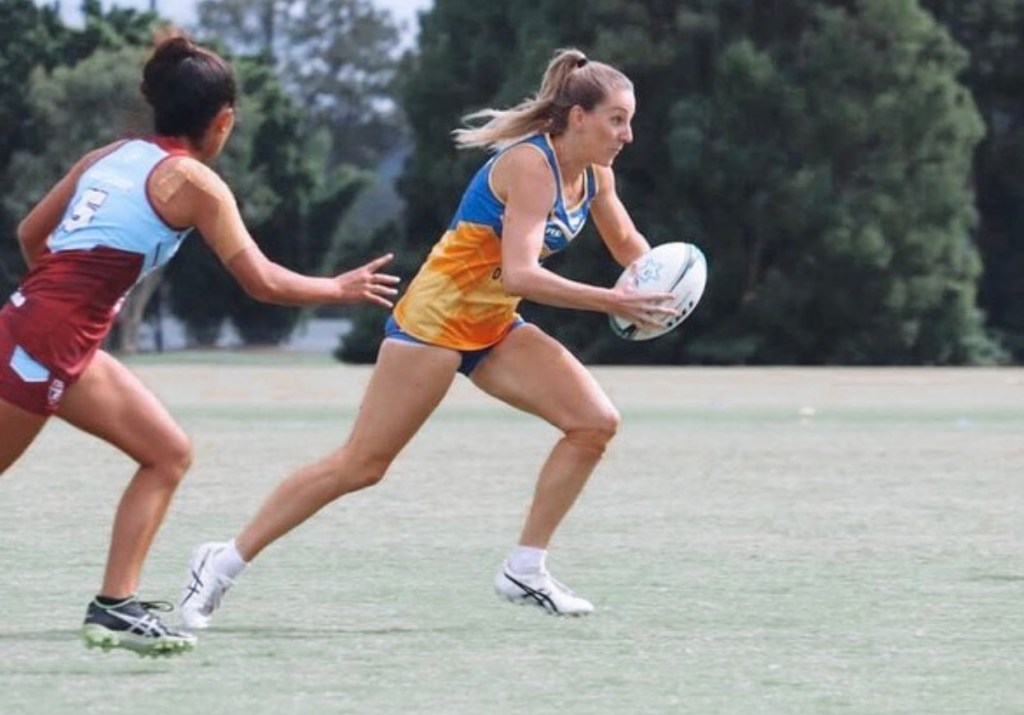
She’s an IBD mom who plays touch football and touch rugby in Australia (think rugby—for those in the United States, in touch rugby she kicks the ball). Diagnosed with Crohn’s disease five years ago, she’s thrilled to have reached remission. Bec Simson is a 33-year-old IBD warrior adamant about not letting anything stop her from pursuing what she hopes to achieve. Even though her disease has sidelined her through the years, motherhood and staying active through sports is a reminder of all she’s capable of.

“Some weeks it can be hard to find the time and energy to exercise. I play touch football competitively and socially– it’s like rugby but without the tackling. I play three times a week and then on the weekends I like to do my own fitness to keep up my strength, speed, and agility. I enjoy playing touch football because I use it to catch up with my friends – seeing my mates gives me the motivation to get up off the couch and exercise.”

Getting up off the couch and having not only the motivation to move, but also the energy, can be especially challenging when you live with IBD. Bec’s biggest challenge is trying to juggle work as a teacher, her athletic commitments, and life with her son Jackson, while also trying to find time to rest in between.

“Being on immune suppressants and having a toddler who is almost 2.5 has been hard because he brings home many illnesses from daycare which I usually end up getting as well. Some days I am so rundown I just don’t have the energy to keep up with him, but I wouldn’t have it any other way. Jackson always knows how to make me smile.”

Reflecting on pregnancy with Crohn’s

Bec had a rough go of it with her pregnancy. Her Crohn’s flared multiple times throughout, resulting in three visits to the hospital due to severe vomiting and diarrhea. She was put on a course of steroids for each flare, which led to her son growing much faster and bigger than expected.

“Ultimately, I had to be induced two weeks early due to Jackson’s size. After 16 hours of labor, I had an emergency c-section. My incision from my c-section ended up bursting open while I was recovering in the hospital after delivery. An ultrasound showed my bowel was so inflamed, it had pushed through my internal stiches and formed a hernia that was sticking out of my stomach. I was rushed to emergency surgery that same day.”

Fast forward to present day and Bec is in remission. Her colonoscopy last month showed no signs of inflammation or ulcers. She credits this to Stelara (Ustekinumab), which she started this past October. So far, the biologic has helped control her disease and improve her quality of life.

Down the road, if she’s still in remission, Bec is hopeful she’ll be able to have another child.

The benefit of a supportive partner 

Bec is grateful for her supportive partner, Nick, who happens to play in the AFL (Australian Football). Not only is he empathetic about her battle with Crohn’s, but serves as someone who keeps her accountable with her workouts and is also passionate about staying in shape.

“We motivate one another to complete work outs and then reward ourselves with food and drink later! When I was younger, I used to overdo my training and push my body to its limit. I became burnt out, rundown, sick, and injured. My main piece of advice for the IBD community is to listen to your body and don’t be afraid to stop and take a break. Rest is just as important as training.”

Managing IBD and competitive sports

Bec says her Crohn’s disease often makes her anxious while she’s on the field.

“I had our State of Origin for ‘Touch Rugby League’ which attracted quite an audience and it was also being live streamed for everyone to see. I was extremely anxious leading into that tournament because I was worried about pooping my pants in the middle of the game and it leaking through my bike pants! I took some Imodium before my game, so thankfully that didn’t happen! However, I felt like I couldn’t play to my potential because I wasn’t feeling my best.”

While she feels fortunate to be in remission, she’s also realistic. She knows the symptoms and flares could return at any moment—and that it’s not a matter of if, but when.

“Sometimes I can be hard on myself when it comes to sport, but I just try and remind myself that I’m a 33-year-old mum with a chronic illness and I am grateful I’m still able to run around the touch field at my age. I can’t change things out of my control, all I can do is just go out there and give it my best shot.”

Follow Bec’s journey on Instagram: becs_IBD_journey

59 marathons and counting: How this IBD warrior perseveres despite her disease

When you think of a marathon runner what words come to mind? Grit, resilience, drive, focus, strength…the list goes on. Michelle Ladonne, 34, of Massachusetts, isn’t your typical long-distance runner. Not only was she diagnosed with Crohn’s disease in 2010, but she’s also managed to participate in 59 marathons in 35 states and 3 continents. Yeah. You read that correctly. Incredible, isn’t it?!

Like many of us, Michelle is the first person in her family to be diagnosed with IBD. When she was told she had Crohn’s, she frantically started Googling from her hospital bed. All she remembers hearing the doctor saying are “lifelong” and “no known cure”. She was certain she’d been handed a death sentence. Her life, at age 23, flashed before her eyes.

Going the distance

As time passed, Michelle learned how to listen to her body better. She says she’s become better at determining whether pain is a “routine Crohn’s symptom” or an acute issue that needs immediate medical attention. Finding the balance of when to push through and when to rest has enabled her to feel more in control of her life and her disease.

“I used to think that the ideal was to never let Crohn’s hold me back from reaching my dreams, or to not let Crohn’s become an excuse. But the reality is that I live with a chronic condition, and despite all the determination and effort in the world, sometimes Crohn’s wins, and I need to be ok with backing off, resting, and focusing on my health,” Michelle explains.

She admits—she doesn’t always listen to her body. She’s ran some races while in the middle of a flare or not long after a hospital discharge.

“I think with experience – both with running and managing Crohn’s symptoms – I’ve learned when I can push through the symptoms, or when I will make things worse if I don’t back off. I try to listen to my body and accept that sometimes not running is the safest and healthiest choice – whether that means skipping a training day, missing a race, or twice coming to that realization mid-race and walking off the course.”

A team effort between care team and patient

Michelle recalls her experience running in the 2018 Berlin Marathon while in the middle of a Crohn’s flare, about a month after being hospitalized. She says her GI was not overly excited about the idea of her traveling out of the country to run a full marathon.

“My abdominal pain wasn’t well controlled, and I was underweight after having been on a liquid diet for several weeks. But my GI knew how important it was to me and supported me. I started the race knowing that if I didn’t feel well, I could slow down or walk, and worst case, I would stop. I started at a conservative pace and focused on hydrating and tuning into how my body felt.  I remember seeing my friend cheering at mile 16, and I ran into her arms and exclaimed, “I am doing it!  I’m going to finish this!” 

Crossing that finish line felt like the biggest victory for Michelle. Right after finishing the race, she texted her GI doctor a photo wearing a medal and thanked him for his support. True to form, Michelle’s GI reminded her that beer is a clear liquid, and since she was in Germany, she should have one to celebrate! 

Persevering through Crohn’s and running

Michelle says having the mindset to persevere through life with Crohn’s and running marathons is similar. She says there’s an adage in marathon running, “when your legs can’t run anymore, run with your heart.”

“Miles 20-26.2 of a marathon bring some of the most brutal pain and physical exhaustion imaginable. At that point, you learn to trust that you are strong enough, tough enough, and brave enough to keep moving forward. You learn to push on when you feel like giving up, because forward is the only option,” says Michelle. 

During a recent 22-day hospitalization, she was in more pain than ever before. COVID visitor restrictions left her feeling lonely, anxious, and afraid. She had to draw upon that same reserve of mental strength as at mile 20 of the marathon. She was physically and mentally spent but knew that digging deep and pushing forward was the only option.

“Just like in running marathons, I had to trust in my experience; I had overcome other challenging situations when I wasn’t sure that I could, and this was just one more challenge that I would eventually overcome.”

Michelle’s advice for fellow IBD runners

  • Figure out how nutrition factors into your running – specifically what you eat and drink before you run. It can be different for everyone. Some of it is trial and error. If running a shorter distance, Michelle doesn’t eat 2-3 hours prior. For longer distances, fueling becomes more important, so she’ll eat something soft and “safe”, like white toast with peanut butter and honey.
  • Plan your route in advance and evaluate the bathroom options.  For longer runs, particularly if you are flaring, try to be strategic about running in locations with bathrooms. Think about local parks, gas stations or fast-food places (support those businesses after your run!).  In a pinch, construction porta-potties work, too. 
  • Don’t perseverate on the bad runs. You’ll have them – the days where everything hurts, you are exhausted, and it’s just a miserable kind of slog. Choose to celebrate the victory of having made it out the door. Know that just like Crohn’s, the bad days happen, but so do the really good ones, and that’s what makes it all worthwhile. 

Not allowing Crohn’s to keep her on the sidelines

Michelle is grateful she’s able to run, and do what she loves, despite her disease. She knows not everyone with IBD is able to be physically active. While Crohn’s has sidelined her at times, it’s never completely robbed her of her passion or changed her focus. On the difficult days, Crohn’s has made her even more appreciative of running and the gift that it is to her.

“On the days when I don’t feel like running – it’s too cold, too hot, too rainy – I remind myself that I don’t “have” to run, but I “get” to run.  Not everyone is so lucky, and I don’t take that for granted. Having Crohn’s, it is easy for me to think of my body as somehow broken or defective. Running has helped me to appreciate that my body is capable of some amazing things.  Running has taught me to focus less on what my body looks like (the weight fluctuations of flares and steroids can be tough!) and more on what my body is capable of.”

Taking steps to control fatigue

Even though Michelle clearly has magnificent endurance and strength, it doesn’t mean she isn’t familiar with fatigue and that makes even the most basic daily tasks feel insurmountable. If she’s feeling that overwhelming sense of fatigue, she’ll skip a run or lay on the couch with a heating pad and watch Netflix like the rest of us. At the same time, she says it’s important to distinguish between physical fatigue and just not feeling motivated to go for a run. She tries not to let her Crohn’s become an easy out during the long Massachusetts winters, or in the pouring pain, or even after a long day of work.

She currently takes 6MP and is on Entyvio every six weeks to manage her IBD.

Running goals now and in the future

Since 2016, Michelle has been focused on running a marathon in each of the 50 states. COVID put a hold on that goal, but she hopes to get back to traveling soon so she can cross the finish lines in every state.

“During COVID, since I couldn’t travel, I started focusing on running every street in the towns south of Boston. So far, I’ve finished 11 towns and over 4,000 streets. I have enjoyed exploring so many interesting places close to home and seeing all the history in southeastern Massachusetts. I am toying with a goal of running all the streets in Boston – I think that may need to happen!”

Michelle has also been checking off all the Marathon Majors—New York, Chicago, Boston, and Berlin.

She underwent a hemicolectomy—the removal of a portion of her large and small intestines in March 2021 and was readmitted two weeks after surgery with blood clots in her abdomen. At that point, she was diagnosed with a clotting disorder, in addition to endometriosis in her bowel. After 22 days in the hospital, and six weeks off from running so she could heal, she’s started to slowly build her mileage back up as she regains her strength. Michelle ran a 5K a few weeks ago and is running a half marathon later this month. Her main goal—to run the London Marathon in October, and potentially a few other fall marathons. Once she finishes London—she’s planning a trip to Tokyo to complete the Majors.

Michelle enjoys sharing her patient journey—the ups and downs, the blood, sweat, and tears, and everything in between, in hopes her experiences might help others feel less alone and to know that anything is possible.  From weeks in the hospital to completing a 100-mile ultramarathon, she’s done it all, all while living with Crohn’s disease.

Connect with Michelle on Instagram: @run4life262

Nori Health helps IBD patients re-gain control: How you can get free early access

This article is sponsored by Nori Health. All thoughts and opinions shared are my own.

When Roeland Pater was diagnosed with Crohn’s disease nearly 20 years ago at age 19 there was a lot he didn’t realize and a lot he tried to ignore. He felt like he was on cruise control the first few years after surgery led him to remission. A few years later, his IBD took a turn and so did his perspective on his health.

“I started to realize that everything I did in life was impacting my disease. Suddenly, I couldn’t do whatever I wanted when I wanted. I became cautious of my actions and decisions. I tried to get a better grasp of how my IBD was impacting my life by receiving personalized care, but I was struggling trying to find a way to do that,” explained Roeland, Founder of Nori Health.

He noticed that during his medical treatment, he experienced a lack of support and education between hospital appointments, with little to no focus on quality of life or emphasis on how he was living day-to-day. Like many with IBD, this left Roeland feeling frustrated, misunderstood, and like there was no hope in controlling his condition.

The inspiration behind Nori Health

As a professional in the tech industry, this caused a proverbial light bulb to go off in Roeland’s head. He identified this massive gap in IBD care and decided to dedicate his life to solving the problem, with the goal of helping others. He recognized the need for a digital solution to help people like himself better manage and control their disease through daily behaviors. This is how the concept and mission for Nori Health was created. The company received an investment two years ago, which drove the concept into a real product and an app.

“Research shows that people living with a chronic inflammatory disease typically experience a 30% lower quality of life when compared to healthy individuals. Closing this gap is our mission. We believe this can be done by improving the understanding of the disease and its triggers through education and disease management. We aim to give patients in our program a sense of control over their disease management,” said Roeland.

How the Nori Health app works

The Nori Health app offers an 8-week program for IBD patients, guided by Nori, a digital coach. Through regular conversations (text-based—like WhatsApp) with Nori you receive personalized insights on factors that are proven to impact quality of life, and symptoms like pain and fatigue. These tips can be saved to your personal dashboard, and you can implement them into your daily routine, helping to keep your IBD under control.

“Most apps on the market are focused on a tracking model. This puts a lot of responsibility in the hands of the patient to monitor their daily activities and to discover patterns that might trigger symptoms. We changed this model around to best support the patients. Nori guides the patients through their health journey, with personalized, evidence-based factors. Nori provides the user with actionable tips that can be saved in the app, which can then be easily implemented into daily routines and lead to significant change,” said Roeland.

You can think of Nori as an artificial intelligence chat coach. You will work together to discover the lifestyle factors that impact how you feel and learn about simple changes you can make to gain more control of your disease. The end goal? To have less pain, more energy, and less strain on your mental health. Changes include everything from forming a new hydration routine, to talking to others about your condition, to reaching a point of acceptance of living with a chronic disease.

Main areas of focus include:

  • Stress
  • Hydration
  • Exercise
  • Diet
  • Mental Health
  • Pain
  • Low Energy
  • Sleep

“We would like to emphasize the importance of finishing the 8-week program. Just like taking a full course of antibiotics, the true benefit from the app comes from completing the entire course of the program,” said Roeland.

The app is not currently open to the public, but I’m excited to offer 100 of my Lights, Camera, Crohn’s readers direct early access!

Getting started:

  • Download the Nori Health app for iPhone here and Android access here.
  • During registration use access code TEST212 for free access to the full program. 
  • As you are given free access to the app, you will be asked to provide feedback on your progress (this is in-app, and anonymous). The Nori Health team will reach out to you by email to collect feedback about your experience as well.

Hopes for the future 

Nori Health is deeply rooted in recognizing the power of community. The program was not only developed by an IBD patient but created thanks to the input of more than 600 patients in England, Netherlands, Belgium, France, and beyond. By participating in this initial launch, you can continue to provide valued feedback and guidance so that the team at Nori Health can make the appropriate tweaks and further understand unmet needs. So far, the feedback has been overwhelmingly positive and has shown that patients can be supported throughout their patient journey—whether they are newly diagnosed or a veteran patient.

“We’ve seen an average of 34% improvement in daily management (diet, stress, and exercising on a daily basis) with people who completed the 8-week program,” said Roeland. “Half of the participants whose social lives were compromised due to symptoms, started to reconnect with friends and loved ones. These are the types of improvements and shifts we had aspired to see happen when we created the app.”

By working with patients like himself, Roeland says these valuable insights have changed Nori Health’s focus and influenced them to go much deeper into the factors that improve quality of life.

IBD Motherhood Unplugged: Exploring Natural Procreative Technology

Chronic illness can feel all-consuming, especially while you’re trying to balance work and your personal life. According to 32-year-old Allison Wade of Texas, living with ulcerative colitis since 2008 prepared her for the struggle of infertility after living through a four-year flare. Yes, you read that right. Allison was hopeful her and her husband, Nick, could begin their journey to growing their family. Unfortunately, just as she felt the relief of getting her IBD under control, she found out she would be dealing with another condition where there is not a “one size fits all solution.”

This edition of IBD Motherhood Unplugged looks at juggling the mental and emotional struggle of coping with and mourning your body failing you not only with ulcerative colitis, but also infertility, while also being your own advocate for your care plan. As Allison says the question of “WHY” she’s unable to achieve something that women have been doing forever, haunts her.

Allison is a healthcare worker. Her world came crashing down during the pandemic when she found out bringing a baby into this world would be more complicated than she ever thought.

“When I received news that I was in remission after the four-year flare, I was told we needed to get pregnant right away to capitalize on my IBD finally being under control. I underwent an HSG procedure to make sure that I didn’t have any adhesions or blockages in my fallopian tubes due to the chronic inflammation in my colon. We were told everything was normal,” explains Allison. “I also had blood work completed to ensure that I was truly ovulating and that was also normal. We tried for a year and were not successful.”

Allison and her husband met with a fertility specialist in April 2020. The nearest fertility specialist was two hours away, so they set up a telemedicine visit. During the initial consultation they were told it sounded like they were dealing with unexplained infertility.

“My cycles were like clockwork, I was getting positive ovulation tests, my hormone levels after ovulation suggested that I was truly ovulating, there was no reason as to why I had never seen two lines on a pregnancy test.”

The fertility game plan

Allison and Nick set up a game plan with their fertility team that involved three rounds of Intrauterine Insemination (IUI) plus Clomid. If she was not pregnant after that, the next step was IVF. Allison says she felt overwhelmed but was confident that they were going to be pregnant after the first month. Looking back, she says she was naïve to think that way.

“Emotionally, each month is a roller coaster that comes and goes quickly. Each month that passes you feel the gravity of emotions that come with each negative pregnancy test. Financially, it has been difficult because insurance does not cover my fertility treatments and rarely covers my medications. Let me just tell you that every ultrasound and every blood draw adds up. I have to remind myself regularly of how it will all be worthwhile in the end.”

Keeping stress in check

As anyone with IBD knows, managing stress is imperative for helping to keep symptoms at bay. Along with the worry about getting pregnant, Allison has the fear of flaring with her ulcerative colitis.

She explains, “The biggest area of stress has been managing all the appointments and arranging my work schedule on the days I have to unexpectedly drive to Houston for a 15-minute ultrasound. I am very lucky that my job has been understanding through this time.”

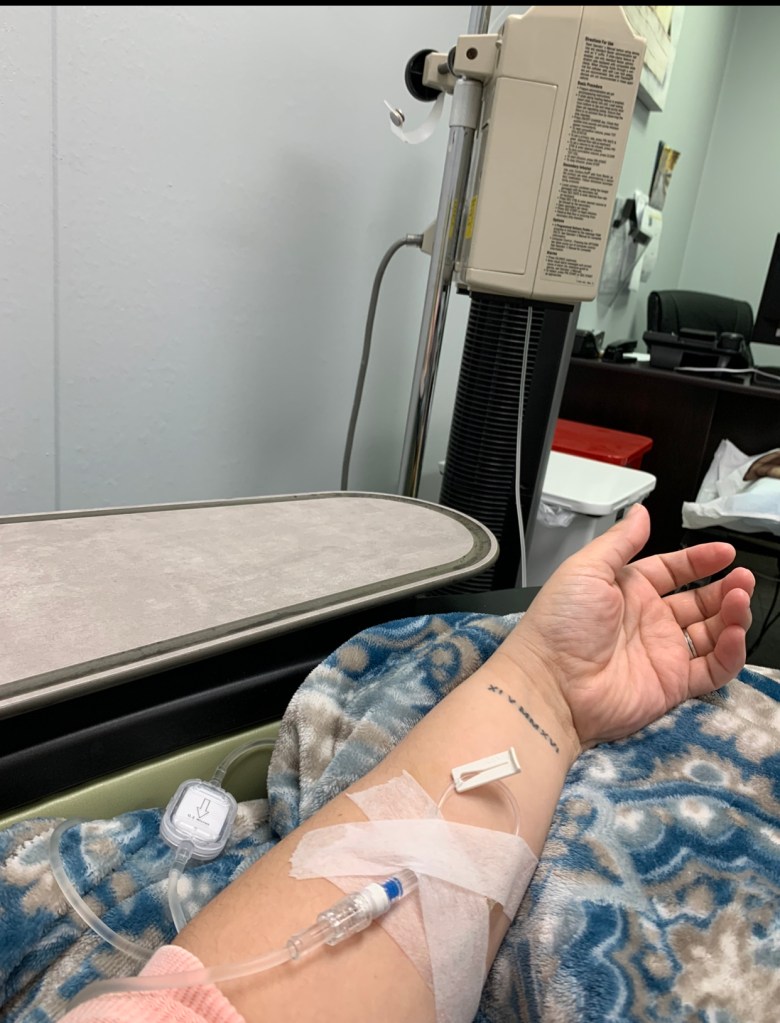
Not to mention she also has to take time away from work to receive her Remicade infusion.

“I would advise other IBD women to find ways to manage all the stress and emotions that come along with infertility and chronic illness. I highly recommend seeking counseling services. It is nice to have someone to talk to who is not emotionally involved in the outcome. It is a difficult time for all women, however when you also have IBD, I feel like you are now adding all these supplements, medications, and appointments to your existing list of treatments for your IBD. Find a way to organize everything so that you’re able to manage everything without getting too overwhelmed.”

Utilizing Natural Procreative Technology instead of IVF 

After two failed IUIs, Allison knew IVF was on the horizon. She didn’t feel as though all her concerns were being addressed or that her needs fit into the typical cookie cutter approach.

“I felt like we were being rushed to IVF without any real answers as to why my body was unable to conceive. My husband and I were not emotionally or financially prepared to begin the process of IVF, so we decided to get a second opinion and look at other options.”

This is where Natural Procreative Technology or NaPro comes into play. Allison liked that NaPro doctors look to diagnose the root cause of what is causing your infertility, in hopes that you can conceive naturally without the use of IUI or IVF. The success rates are comparable and often exceed those of IVF, without the increased risk of multiple pregnancies or birth defects.

The Creighton Model of FertilityCare System™(CrMS) is the method of observing and charting important biomarkers in the female cycle. The charting and observational work is the basis of evaluation and treatment in NaPro Technology. Allison has been charting her cycles for the last six months. 

“When I went to my first NaPro appointment, the doctor spent an hour talking to me in the office and my husband on Facetime. She answered every question and explained that she would be as aggressive as we wanted her to be,” says Allison. “She wanted me to chart my cycles and to get extensive blood work completed after ovulation to look at my hormone levels. She also spoke to me about diet, stress, activity levels, and she started me on several supplements. When I left that appointment, I was so happy because I felt like she was treating me holistically and was going to find the cause of my infertility.”

Keeping her eyes focused on the future

Allison is going to have exploratory surgery next month to look for scar tissue or adhesions that may be the result of chronic inflammation from her IBD, which could be contributing to her struggle to get pregnant. She is due for her Remicade the same week as her surgery, so she must push her infusion back until her incisions are healed. As a woman with IBD, going through infertility, this is the reality that is often not discussed or thought about.

“While I try to remain as optimistic as possible about creating a baby that is genetically ours and that I can carry, our hearts would definitely be open to both surrogacy and adoption. My dream has always been to be a mother and I will do everything that is possible to achieve that dream.”

Connect with Allison on Instagram: @al_avawade

IBD Motherhood Unplugged: Taking on the trials of Crohn’s, infertility, and adoption

When Megan Cape of Georgia was diagnosed with Crohn’s disease in January 2004 at the age of 14, she didn’t know what the future would hold in terms of pregnancy and motherhood. After years of doctors dismissing her excruciating pain as a stomach bug or a reaction to stress, she finally received an answer. During her initial hospitalization, she had an abscess the size of a softball in her abdomen that was pushing on her spine. She was also going septic. She was rushed to surgery where surgeons removed the abscess and part of her intestine, ultimately saving her life.

Fast forward to her college years and Megan met the love of her life and future husband, Colton. She studied to be a Child Life Specialist, a career near and dear to her heart since she spent so much time in and out of the hospital growing up. One of her worst flares happened on graduation day. She was able to muster up the strength to walk across the stage and grab her diploma, but then had to be carried to the car. That week—CT scans shows she had five strictures (narrowing in the intestine which doesn’t allow food to pass through). At this point, her wedding was less than a month away. Her care team delayed surgery so that she would be able to walk down the aisle. 

“On the day of my wedding, I couldn’t even take a bite of food because the pain was so intense. After our wedding and honeymoon, my health declined quickly and got to the point where I couldn’t keep water down. I was throwing up all day and night and my family was taking turns staying up with me. I had at least one ER visit a week, but, somehow, the doctors kept missing how bad things were and would send me home,” said Megan.

She ultimately landed in the hospital for five weeks, as a 23-year-old newlywed. At the time, she wasn’t thinking about children. Megan was focused on getting better and placed faith in God’s hands that when the time would be right, she would be a mom. That was until she went into her GI doctor following the hospitalization and her second surgery. There, she was told she would never have children. Megan was devastated, as you can imagine. This week’s IBD Motherhood Unplugged sheds light on navigating this heartbreaking realization and how adoption changed Megan and her husband’s lives in the most beautiful way.

The unforeseen miracles in the making

Much to Megan’s surprise, three years into their marriage, she got pregnant the first month her and her husband started trying. Unfortunately, they lost that baby. Heartbroken as they were, they were hopeful they’d get their rainbow baby. Each time, getting pregnant happened easily, but time after time, they miscarried.

“Interestingly, God laid adoption on my heart at such a young age. I always knew I wanted to be a wife and a mom, and I always saw myself adopting. But I still felt so many emotions, wondering if and when it would ever be my turn to carry a baby.”

After four miscarriages, they decided to seek guidance from fertility specialists. It was determined that because of Megan’s Crohn’s and past surgeries, the embryos weren’t attaching correctly to her uterus and blood clots were forming, causing her to miscarry. Her physicians believed IVF was her only option, and she was ready to jump in with both feet. Megan and Colton went through all the testing and blood work, but everything came to halt when her doctor conveyed his worries about complications with egg retrieval and such in Crohn’s patients. Megan said the unknown of how her body would respond to IVF in addition to the daunting cost of it all, caused them to re-think their approach to family planning.

Preparing their hearts for something bigger

While in waiting, Megan feels God kept bringing amazing adoption stories in front of her. Stories that reminded her of when she was a little girl and told herself that would be part of her family one day.

“After years of TTC (trying to conceive) and miscarriages, I approached my husband and brought up adoption. I was truly shocked by his response because, without any hesitation, he said, “Let’s do it!” We both had an amazing peace about it and quickly began the adoption process. We had no idea what all goes into adoption and, woah, it’s a lot!”

Megan says adoption was the best and hardest thing they’ve ever done. She credits much of their “success story” to their amazing support system of family and friends who rallied around them to help raise money, to encourage them through the journey, to let them cry on hard days, and celebrate the exciting milestones.

“Nine months into the adoption process, and a month after being an ‘active’ waiting family, we got the call. A birth mom had picked us! She fell in love with us, our story, and our family after looking at our profile book. We were going to have a daughter in 3 short months!” Megan did not include that she had Crohn’s in their adoption profile book, but shared she was unable to have children. 

The blessing of Vivian Rose

Megan and her Colton’s daughter, Vivian Rose, was born October 14th, 2019. She is the answer to years and years of prayer, their miracle baby, and the light of their lives.

“Managing a chronic illness when you’re a mom is definitely hard at times! Thankfully, my Crohn’s has been under control since Viv was born and I’ve just had a few bad days here and there. Because of COVID-19, my husband has been working from home for the last year. So, on my hard days, he will take Vivian for a few hours to run errands and such so I can rest,” says Megan. “I definitely think it takes a village to raise kids in general, but, even more so, when you have IBD.”

Since becoming a mom, Megan has taken her health more seriously.

“I don’t ever want Viv to say, “Ugh. My mom is sick again.” And I don’t ever want to miss out on her day-to-day life because I’m not feeling well – as unrealistic as that may be! I have been much more intentional about eating foods that make me feel well and give me energy. I also make sure to listen to my body more and I try not to push myself as much as I always have!”

The main IBD-related symptom Megan has struggled with recently is fatigue—the kind of fatigue where you feel like you could sleep for two weeks straight and still wake up tired. 

“I get frustrated with myself, sometimes, because I don’t have the amount of energy other mamas do, but I do my best and I know that’s all I can do.”

The role of faith through IBD and infertility

Megan says she never questioned God’s plans for her life when she was diagnosed with Crohn’s during her teenage years, but infertility made her do so.

“It was, truly, the loneliest and darkest point of my entire life. I had a constant ache in my heart and the sadness I felt was unreal. As one friend after another told me they were pregnant, I felt like I couldn’t breathe. I was so happy for everyone around me, but it did make it that much harder. I felt so left out and so alone. I remember, so clearly, God speaking two things to me during this time: The age 29 and the thought that I wasn’t going to be left out.”

Megan wishes she could go back in time and tell her 26-year-old self what she knows now. 

“I wish I could tell her that everything is going to be okay. I wish I could tell her that 29 is the age she will become a mama to the most perfect baby girl. I wish I could tell her that God has big plans for her family, and he has not forgotten about her, but that His timing is perfect.”

Megan’s advice for IBD mamas in waiting

Megan’s best advice—do not give up. Lean into your spouse because they are not only serving as a caregiver for your IBD, but they are also hurting about the struggle to have a family. If you become an adoptive family, you’ll see that your child is handpicked for you and that the make-up of your family will be knit exactly how it was meant to be.

“We would love to give Viv a sibling, but, at this point, we are just enjoying our girl and soaking up every minute with her! Adoption doesn’t cure infertility – meaning that it is still hard sometimes that we can’t just decide to give Viv a sibling and do so easily! And I will never have a big belly or carry a baby to term. But that’s okay! If God calls us to adopt again, we will do so. We may even go the surrogacy route or Vivi may be an only child. I know, if God wants us to grow our family, it will be made obvious and we will trust Him and follow His lead.”

Megan says she refuses to allow her Crohn’s disease to define her, even though it’s dictated and shaped much of her life journey. Her IBD is the reason she can’t have kids. The reason adoption was laid on her heart at a young age. The reason she’s mom to Vivian Rose. The reason she’s disciplined. The reason she chose her college major. The reason her faith and her marriage are so strong. And the reason she has the perspective and maturity to understand that despite the setbacks and trials placed before her, she still lives a blessed life that she is grateful for.

Connect with Megan on Instagram: @mrsmeggcape