
When you’re diagnosed with IBD as a teenager, it’s safe to say, your disease plays a big role in your future. Brittany Duffy is a 24-year-old from Canada who is already a decade into her journey with Crohn’s disease. Her diagnosis inspired her to become a Registered Holistic Nutritionist.
This past March, Brittany had bowel resection surgery that also involved the removal of her appendix. She is currently medication free and choosing to support her body naturally through diet, stress management, and supplements. 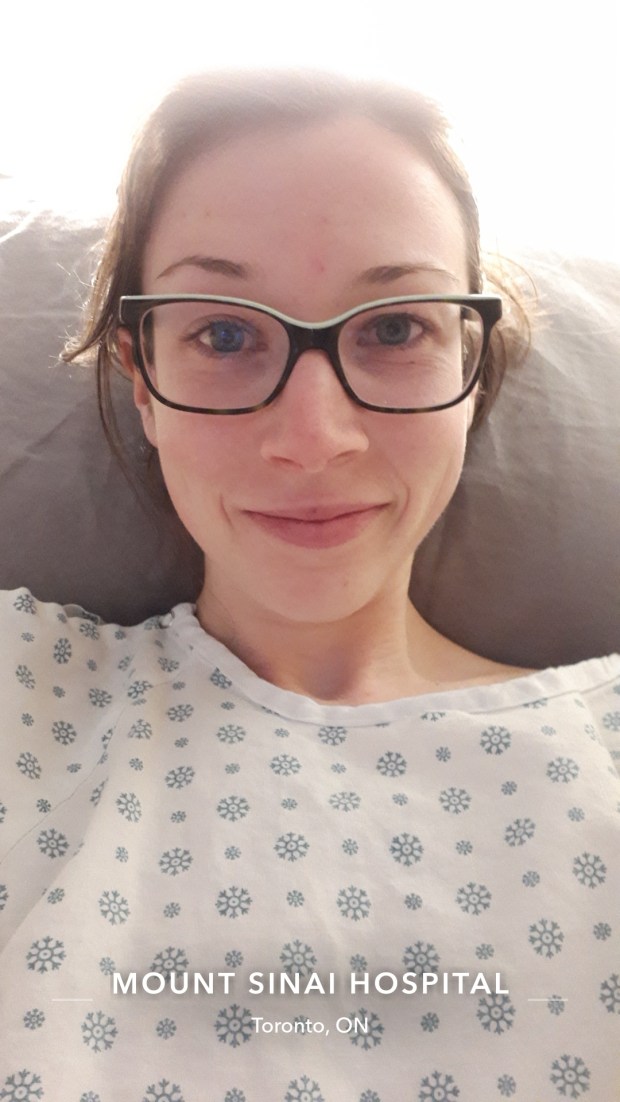
Before we dig into this week’s article—I want to preface this by saying medication is not a failure. While diet and lifestyle alone work for some with IBD, it certainly doesn’t work for most. As someone who has been on medication for 15-plus years, I understand what it’s like to aspire to be med-free, but not be able to successfully make the transition without putting your health at risk. Please don’t go off your medication without first consulting with your gastroenterologist and care team. At the same time, even if you are on medication, your body, overall health, and well-being can benefit immensely by living a “clean” lifestyle.
When Brittany was first diagnosed in October 2010, she was put on Humira, which worked well to stop her flares. Unfortunately, the medication caused a host of other issues. She experienced anemia, muscle and joint pain, depression, anxiety, disrupted sleep-wake cycle, dry skin, brittle nails, hair loss, constant constipation, and uncomfortable abdominal pains. 
“I am so inspired by other IBD warriors, it reminds me that I’m not alone and to be grateful for the health I have. So many others have it much worse, so each day that is a good day I embrace and make the most of it,” said Brittany. “We never know when a flare will strike. There are tactics in my toolbox I have now to reduce gut inflammation, and I am passionate about sharing this information with others.”
7 tips for managing IBD holistically
- Stress management: It’s critical to manage your stress levels, because when the body is in a constant state of stress, simple functions like digestion, absorption, and elimination cannot occur, resulting as nutrient deficiencies, constipation, diarrhea, low energy, and whole-body inflammation. Stress turns off digestion and can trigger uncomfortable digestive symptoms, like gas and bloating, heart burn, acid reflux, constipation, or diarrhea. When we are stressed it can increase inflammation and reduce the chance of reaching remission. Some stress management practices include deep breathing when feeling overwhelmed, yoga or gentle movement, getting outside and being with nature, and also self-care (one activity a day that makes you calm – music, reading, calling a friend, journaling, physical exercise.)
- Choose local, fresh, quality foods: Fresh is best. If it doesn’t come from Mother Nature and you don’t understand the ingredient list, the body won’t either. The body recognizes real foods versus processed and boxed items. There are also beneficial enzymes, fiber, and antioxidants in fresh food that helps reduce inflammation and IBD flares.
- Avoid antibiotic and hormone fed meat, dairy, and eggs: Antibiotics and added hormones in our food can disrupt our gut bacteria balance and allow harmful bacteria to thrive, which may contribute to IBD symptoms and poor nutrient absorption. Our good bacteria help digest food and increases nutrient absorption, but if our gut bacteria balance has more harmful than good bacteria, our gut health will become affected.
- Practice mindful eating: Eating when rushed or in a hurry can delay digestion and may create symptoms of gas and bloating, diarrhea, or constipation. IBD often creates limited food choices due to food sensitivities or trigger foods, bowel blockages, scar tissue, high fiber foods, raw nuts and seeds or fruits and vegetables. If we create a stress-free eating environment it may help reduce digestive stress and allow our body’s a chance to break down “safe” foods easier, while also reducing the risk of triggering a flare or an inflamed gut. A stress-free eating environment includes sitting down while eating, away from stress and distractions, try to enjoy the food you’re eating, become of aware of how you feel while eating, and find pleasure in food. Take a few breaths and put utensils down in between bites to allow yourself time to eat. Eating should be an enjoyable routine, not something we rush through.
- Focus on anti-inflammatory foods that may help reduce IBD flares:
Healthy fats: avocado, hummus, coconut oil, coconut yogurt/milk, raw nut butter
Lean proteins: wild caught fish, chicken, turkey
Digestible fiber: sautéed spinach, carrots, zucchini, bell peppers, soaked or ground nuts and seeds, pineapple, strawberries, bananas, mango
Herbs and spices: cinnamon, cardamom, turmeric, fenugreek
Tea: ginger, peppermint, green, lemon, chamomile
- Understand Food combining: Certain foods digest at different rates, which may result as sugar and protein fermentation in the gut. Uncomfortable symptoms like gas, bloating, heart burn, constipation, diarrhea, and feeling tired can result when there is a compromised digestive system and poor food combinations. Try to eat foods that will digest the quickest first, like fruit, to avoid protein and fat fermentation in the gut. Try to avoid proteins and sugary/starchy carbohydrates together. Proteins and fats are okay with vegetables, but should be eaten separately from grains. The purpose of food combining is to improve healthy nutrient absorption and reduce bacterial overgrowths in the gut by reducing a food source, the sugars. Food combining does not have to be practiced several times a day, but it can help long term to reduce digestive stress, and improve overall gut health.
- Eat “Alive” foods: Quality probiotics, fermented food (raw and unpasteurized) like sauerkraut, kimchi, tempeh, coconut yogurt/kefir. These contain beneficial bacteria that supports healthy digestion, nutrient absorption, energy, and may help reduce inflammation.

Now that Brittany is not on medication, she meets annually with her GI specialist to get blood work done once or twice a year. She also has a colonoscopy every three years. Her next scope is scheduled for October. If she recognizes any changes to her health, she contacts her physician or requests blood work. Since Brittany shifted her focus on diet, supplements, and lifestyle, she has improved nutrient absorption and reduced the inflammation in her body.
You can connect with Brittany Duffy, RHN on Instagram and Facebook: @digestionwithbrittany.


 lights camera crohn's