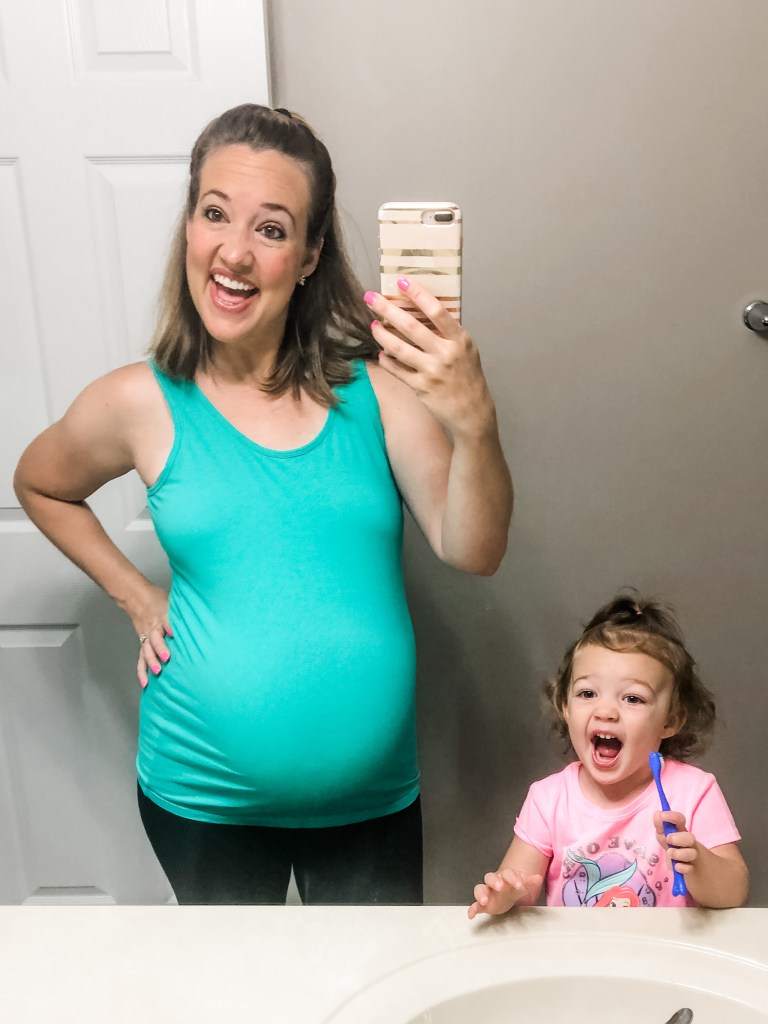
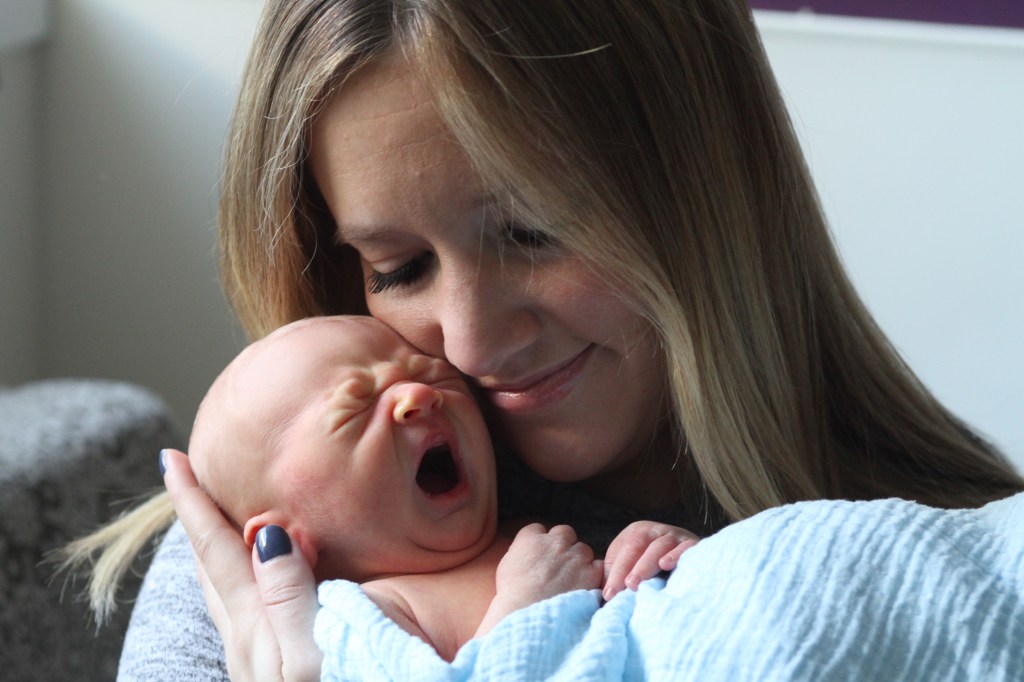
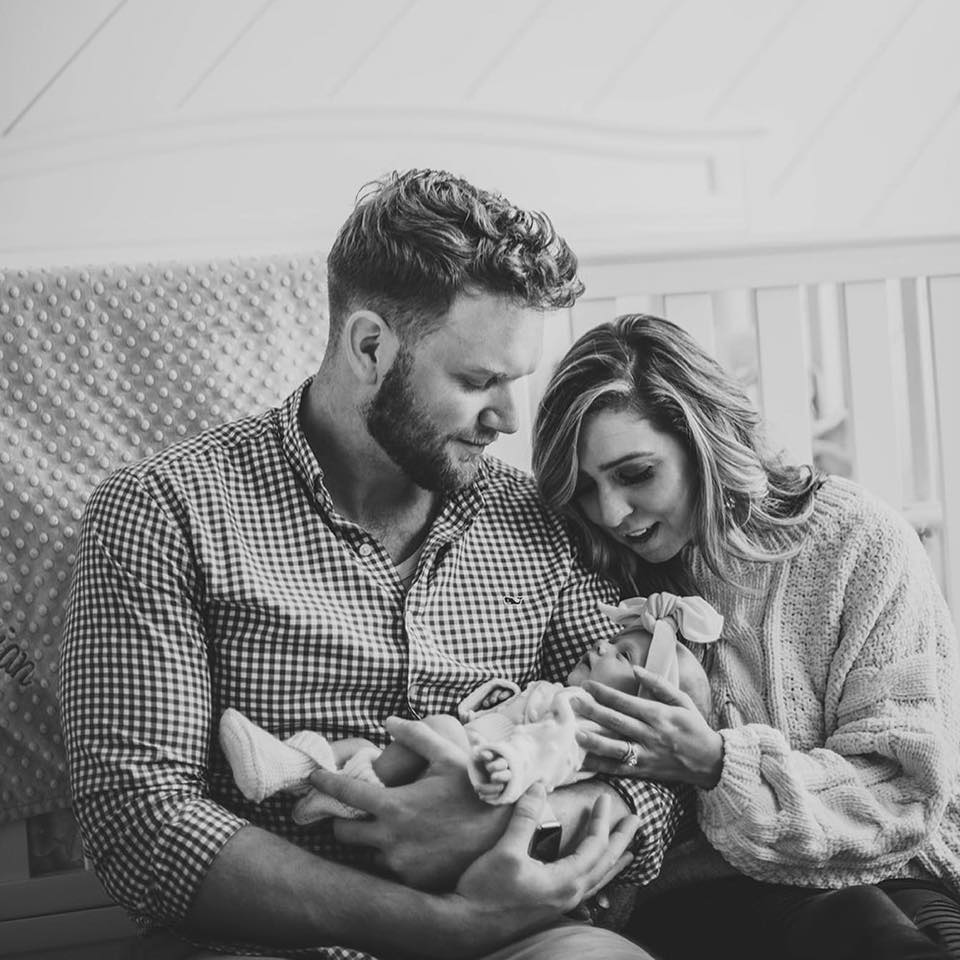
Let’s face it, when you live with IBD, packing for a hospital stay isn’t anything new. We know what we need and what we won’t. We know the necessities and even with a C-section recovery, it’s nice to have a positive and happy reason to be going to the hospital. But this time around, my hospital bag for delivering my son this week has an addition. Since I’m participating in the Pregnancy in Inflammatory Bowel Disease and Neonatal Outcomes (PIANO) study, my son and I will be getting our blood drawn the day he’s born and cord blood will also be taken.
The blood sample kit includes an ice pack and vials that are labeled “Mom”, “Cord”, and “Baby”. This will measure the level of biologic drug in our bodies…and the coolest part is, I’ll get to know the results, while also contributing to research for current and future IBD moms on biologics. I can’t wait to find out how much Humira is found in our blood samples. The most ironic part of all? My scheduled C-section just happened to land on the same day as my loading dose anniversary of Humira… 13 years ago! Little did I know when I was injecting myself for the first time how my life would evolve to what it is today.
Background on the PIANO study
PIANO is an observational, multicenter study launched in January 2007 with the main focus to look at whether there is an increased risk for worsened maternal and fetal outcomes when a woman takes a biologic or thiopurine (a type of immunomodulator) therapy during pregnancy. Prior to this, lack of safety data has led many women to discontinue their therapy during pregnancy, which can lead to health repercussions to both mother and child.
On delivery day, it will be a team effort. My OBGYN and the nurses will ensure everything is taken care of and then one of my family members will make a stop at FedEx (within 3 days) to ensure our blood samples make their way safely from Missouri to California.
What else is packed in my bag?
This c-section will be my fourth abdominal surgery in less than 6 years, all on the same incision. Knowing what to pack so I can heal and be comfortable is almost second nature at this point.
Comfy nightgowns with buttons so I can easily breastfeed and keep my incision waistband-free
Two robes
Nursing bras
Cozy socks
Frida Mom Boy Short Disposable Postpartum underwear (not a fan of those mesh panties from the hospital!), I’ve also heard Depends are great!
Slip on shoes/flip flops (for the shower and walking the halls)
5 masks (planning to be admitted 4 nights, 5 days) and hand sanitizer
Nipple cream (I prefer the Motherlove brand)
High-waisted joggers and a nursing top
Summer dress for the drive home
Phone charger
Non-perishable snacks
Toiletries
Outfits and swaddles for baby boy
Newborn pacifiers
The results from the blood draws are expected about a month after delivery. I’ll be sure to share an update on my Instagram page (@natalieannhayden). Interested in enrolling in the PIANO study? Please call 415-885-3734 or email PIANO@ucsf.edu.
July has been my least favorite month for the last 16 years of my life. It’s the month I was diagnosed with Crohn’s disease. The month I had an abscess the size of a tennis ball in my small intestine. The month I was put on a biologic medication. The month I had a bowel obstruction that led to bowel resection surgery. You get the picture. But now, it’s about to be the month I give birth to my third child. Baby boy is about to flip the script on a month that previously brought dread. Instead, I can focus on celebrating his new life and all his birthdays and milestones for years to come.
Photo credit: Heather Roth Photography
As a woman with IBD, motherhood has continually provided me with reminders of all my body is capable of despite my chronic illness. It’s shown me what once may have seemed unattainable, is possible. Motherhood is a constant reminder that my body hasn’t always been at odds with me. That despite the challenges and the pain all these years, it still afforded me the opportunity to carry healthy babies to term. Rather than feeling like my body is the enemy, motherhood has made me think of my body as my ally. We’ll have our ups and downs forever, but for 27-plus months it’s been a safe haven for my children. I’ve enjoyed flawless pregnancies and deep remission. It’s given me a chance to feel like a “typical healthy” woman, if only for a moment. Pregnancy has felt like a security blanket wrapped around me, and is soon to be no more. With that, comes an immense amount of gratitude, as well as anxiety, as from this point forward it’s just me and my Crohn’s…no buffer.
It feels weird going into this month of July not worrying about what could be, but rather being excited about what’s to come. When I was younger and prior to getting married, I avoided making plans in the month of July—especially life changing ones! My wedding, vacations, etc. were all coordinated around this month because I didn’t trust the way my body could blindside me.
Preparing for the shift in health
While I am ready for my son to be here and over the discomforts of pregnancy, a part of me is sad that I’ll never feel this well again. Within days of delivering Reid and Sophia, the gnawing abdominal pain associated with IBD crept back into my life before I even had a chance to bring my babies home. I expect the same will happen this time. While it was discouraging then and will make me feel the same now, I’m hopeful the shift in hormones won’t throw me into a postpartum flare and that I’ll find comfort in knowing from this point forward, every medication, every procedure, and every hospitalization will be done without a life growing inside of me.
Over these last nine months I’ve enjoyed eating popcorn with my kids for the first time, drinking a cup of coffee without a need to use the bathroom right after, and nearly 40 weeks of baby flutters and kicks instead of pain. It’s been a great run. I hope my experiences through family planning, conception, pregnancy, and motherhood provide you with an understanding that IBD doesn’t mean you can’t have a family. While many sadly struggle with infertility, complications, or not physically being well enough to carry a baby, it’s very possible that you can. Whether it’s stories like mine or the opposite, remember each of our journeys is unique. Don’t base your experience and capabilities on someone else, but when something or someone inspires or empowers you to go after what you dream of, hold on to that.
Baby boy will not only complete our family but serve as a constant reminder of all that is possible. While my Crohn’s has brought a great deal of heartache it’s also allowed me to gain a unique perspective and to never take life’s miracles and triumphs for granted.
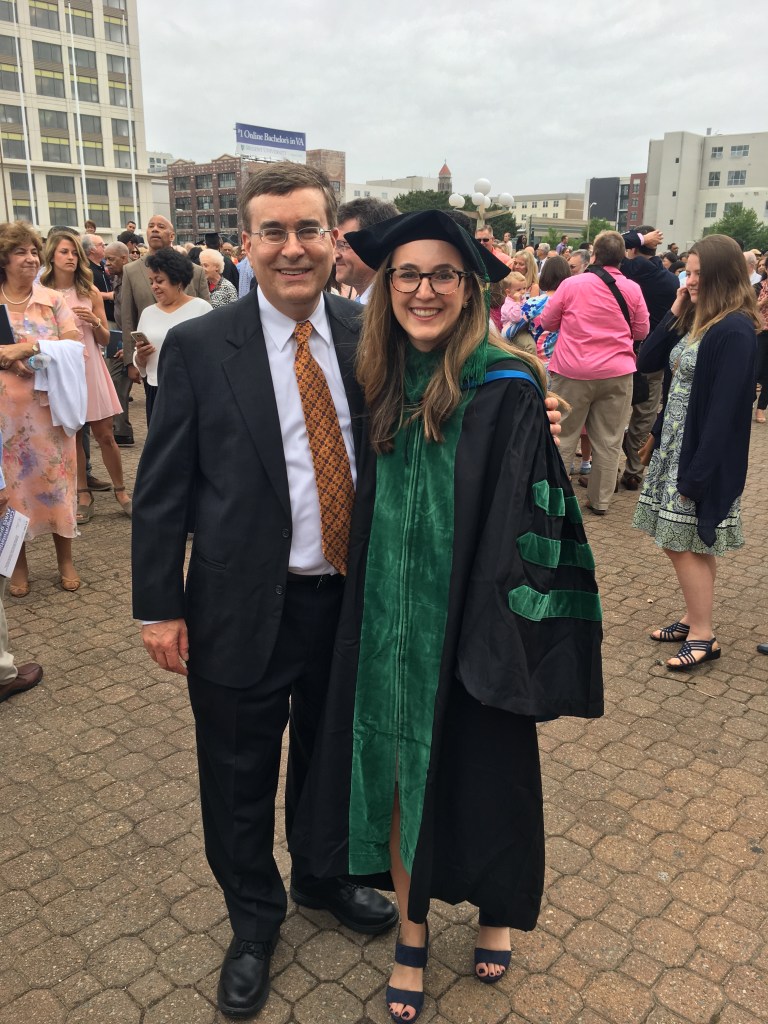
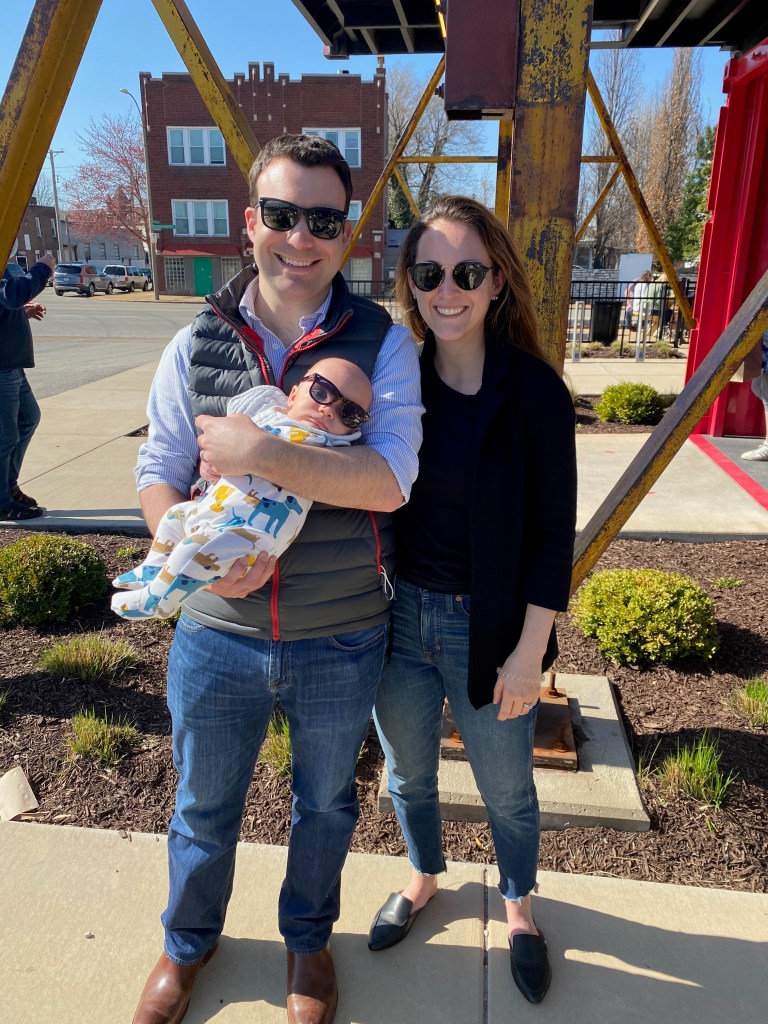
Imagine having a dad who’s a gastroenterologist and a husband who is a GI fellow… and having Crohn’s disease. For 32-year-old, Lauren Gregory, that’s her reality. She was diagnosed with Crohn’s in 2008. Lauren is also a doctor herself and an IBD mom! When she’s not taking care of pediatric patients in the hospital, she’s enjoying time at home with her husband, Martin, and 6-month-old son, Connor. In light of Father’s Day, this week on Lights, Camera, Crohn’s, we share about how the most important men in Lauren’s life have helped her cope and overcome challenges IBD has presented along the way.
Through the eyes of Lauren’s dad
Late one night during Lauren’s college sophomore Christmas vacation from college, her mom called her dad with words he will never forget. She said, “Lauren is having terrible abdominal pain and is on the floor.” After a quick exam and seeing how tender and distended her abdomen were, he knew it was time to head to the closest emergency room. A CT scan showed massive gastric dilation and small bowel thickening. The surgeon was called, and he agreed it was likely Crohn’s.
Lauren was discharged home on a liquid diet with outpatient GI follow up after New Year’s. Unfortunately, her concerning symptoms persisted and her dad called a friend who was a gastroenterologist. He directly admitted her.
“When Lauren was admitted to Barnes Jewish Hospital in St. Louis while in college at Wash U, her then boyfriend (now husband) sat by her bedside for days as she underwent scopes and a small bowel series. We knew he was a keeper then. As parents we always worry about our children. As a gastroenterologist, we may worry more when our children have GI issues. We are fortunate to have connections in GI which allowed Lauren to have prompt evaluation and ultimately a great outcome,” said Dr. Bruce Waldholtz.
Navigating love and IBD
Lauren met Martin in college. At the time, he knew he wanted to be a doctor, but he did not know what he wanted to specialize in. During internal medicine residency, Martin was torn between cardiology and gastroenterology. He ended up choosing GI and is about to start a one-year fellowship to get extra training in IBD and nutrition. (Small World Fun Fact: He is part of the same GI practice I go to in St. Louis!)
Martin says Lauren inspired him to choose gastroenterology and specifically focus on inflammatory bowel disease.
“Watching her go through what she did at such an important time in her life was inspiring. I was so grateful to her doctors taking such good care of her. I wanted to be like them. I wanted to help people like her succeed in living a rich, enjoyable, and rewarding life. “
Lauren feels incredibly lucky to have found someone as supportive as her husband. A month after they started dating, she was hospitalized with a partial small bowel obstruction. The fact he didn’t leave her side throughout that vulnerable and scary experience meant a lot to her.
When Lauren was hospitalized for one week during her fourth year of medical school, Martin was going through his second year of internal medicine residency. They were married, but in a long-distance relationship at the time.
“During residency you can’t just take days off, and it is challenging to find coverage. Because of this I did not expect him to be able to visit, but he somehow did. This flare occurred as I was transitioning from Humira to Stelara. I have been extremely fortunate to have stayed in remission since then (2017).
How personal life impacts professional life
“Without question Lauren makes me a better doctor, especially with taking care of IBD patients. I can understand the anxiety behind the questions they have about medications and what to expect because we went through the same thing as a family,” said Martin.
Lauren says her IBD has given her a unique outlook in how she cares for patients as well.
“My experiences with Crohn’s have made me more empathetic towards my patients, and now that I am a mom, I have much for empathy for my patients’ parents. Spending extra time with patients is not always easy given that I work mostly in the emergency room, but I make a point to take the time to listen to my patients and their parents’ concerns and provide reassurance when appropriate. In my marriage, my husband answers my medical questions and has a realistic perspective of what patients go through.”
Gratitude for her dad and husband
“I realize how fortunate I am to have a father (and now a husband too) who is a gastroenterologist who can answer my questions and to help me navigate our healthcare system, especially insurance! When my gastroenterologist decided I needed to start a biologic, and recommended Remicade, my dad pushed for Humira so that I wouldn’t have to worry about scheduling infusions around my college class schedule or worrying about transportation when I didn’t have a car. At the time I had no understanding of how having a chronic disease would affect my life.”
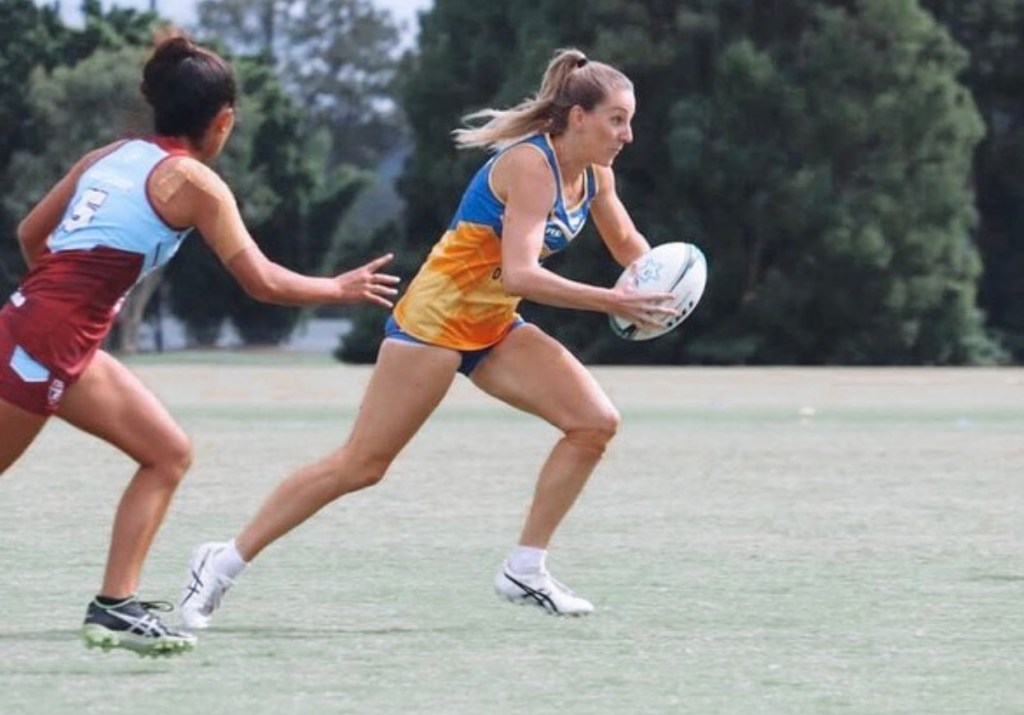
She’s an IBD mom who plays touch football and touch rugby in Australia (think rugby—for those in the United States, in touch rugby she kicks the ball). Diagnosed with Crohn’s disease five years ago, she’s thrilled to have reached remission. Bec Simson is a 33-year-old IBD warrior adamant about not letting anything stop her from pursuing what she hopes to achieve. Even though her disease has sidelined her through the years, motherhood and staying active through sports is a reminder of all she’s capable of.
“Some weeks it can be hard to find the time and energy to exercise. I play touch football competitively and socially– it’s like rugby but without the tackling. I play three times a week and then on the weekends I like to do my own fitness to keep up my strength, speed, and agility. I enjoy playing touch football because I use it to catch up with my friends – seeing my mates gives me the motivation to get up off the couch and exercise.”
Getting up off the couch and having not only the motivation to move, but also the energy, can be especially challenging when you live with IBD. Bec’s biggest challenge is trying to juggle work as a teacher, her athletic commitments, and life with her son Jackson, while also trying to find time to rest in between.
“Being on immune suppressants and having a toddler who is almost 2.5 has been hard because he brings home many illnesses from daycare which I usually end up getting as well. Some days I am so rundown I just don’t have the energy to keep up with him, but I wouldn’t have it any other way. Jackson always knows how to make me smile.”
Reflecting on pregnancy with Crohn’s
Bec had a rough go of it with her pregnancy. Her Crohn’s flared multiple times throughout, resulting in three visits to the hospital due to severe vomiting and diarrhea. She was put on a course of steroids for each flare, which led to her son growing much faster and bigger than expected.
“Ultimately, I had to be induced two weeks early due to Jackson’s size. After 16 hours of labor, I had an emergency c-section. My incision from my c-section ended up bursting open while I was recovering in the hospital after delivery. An ultrasound showed my bowel was so inflamed, it had pushed through my internal stiches and formed a hernia that was sticking out of my stomach. I was rushed to emergency surgery that same day.”
Fast forward to present day and Bec is in remission. Her colonoscopy last month showed no signs of inflammation or ulcers. She credits this to Stelara (Ustekinumab), which she started this past October. So far, the biologic has helped control her disease and improve her quality of life.
Down the road, if she’s still in remission, Bec is hopeful she’ll be able to have another child.
The benefit of a supportive partner
Bec is grateful for her supportive partner, Nick, who happens to play in the AFL (Australian Football). Not only is he empathetic about her battle with Crohn’s, but serves as someone who keeps her accountable with her workouts and is also passionate about staying in shape.
“We motivate one another to complete work outs and then reward ourselves with food and drink later! When I was younger, I used to overdo my training and push my body to its limit. I became burnt out, rundown, sick, and injured. My main piece of advice for the IBD community is to listen to your body and don’t be afraid to stop and take a break. Rest is just as important as training.”
Managing IBD and competitive sports
Bec says her Crohn’s disease often makes her anxious while she’s on the field.
“I had our State of Origin for ‘Touch Rugby League’ which attracted quite an audience and it was also being live streamed for everyone to see. I was extremely anxious leading into that tournament because I was worried about pooping my pants in the middle of the game and it leaking through my bike pants! I took some Imodium before my game, so thankfully that didn’t happen! However, I felt like I couldn’t play to my potential because I wasn’t feeling my best.”
While she feels fortunate to be in remission, she’s also realistic. She knows the symptoms and flares could return at any moment—and that it’s not a matter of if, but when.
“Sometimes I can be hard on myself when it comes to sport, but I just try and remind myself that I’m a 33-year-old mum with a chronic illness and I am grateful I’m still able to run around the touch field at my age. I can’t change things out of my control, all I can do is just go out there and give it my best shot.”
Follow Bec’s journey on Instagram: becs_IBD_journey
For IBD mom, Suzy Burnett, reflecting on the past year and half of living through the COVID-19 pandemic causes her to feel flooded with emotions. She knew having three children under the age of five at age 41, while dealing with the ebbs and flows of Crohn’s disease, would be challenging. She delivered her son, Guy, just as COVID cases were starting to soar. Now, she’s able to look back on how her family adapted and thrived, despite the difficult circumstances of living through a global pandemic with a chronic illness. I’ll let her take it away…
Like many families, we’ve worn masks, stayed at home, literally have seen no one except our wonderful neighbors, and made sacrifices to ensure the safety of ourselves and others. We made the difficult decision not to send our 5-year-old to kindergarten, rather, enroll her in virtual 4k from the confines of our home. Our 3-year-old also didn’t attend preschool a few mornings a week like we had originally planned. We have noticed the lack of socialization has impacted her the most. Our 15-month-old is just now meeting family and friends for the first time. He takes stranger danger to a whole new level, but we know he’ll warm up in due time.
My husband, like so many others, started working from home. What was once thought to be a temporary safety precaution, has become a permanent situation. He continues to work in a room without doors while the wee ones race around playing superheroes. Noise canceling headphones have become a lifesaver. All of us together at home, day after day, month after month. Our bond has grown deeper, and our Burnett Party of 5 has survived. I can honestly say we live fuller, laugh harder, hold each other longer, and love deeper.
Dealing with the lifting of the mask mandate
Just as we were beginning to get used to our personal version of Groundhog’s Day, the mask mandate was lifted. This is a huge milestone, but with that brings excitement along with anxiety. My husband and I are both vaccinated, but our 3 young children will have to continue to wait their turn. To say we’re trepidatious about starting to acclimate back into society is an understatement. We’ve been in our little bubble on Welcome Drive for more than a year. I don’t think things will ever get back to “normal,” per say, but we’re looking forward to what our “new normal” will be. It’s a new beginning, a fresh start to be more present, and we have the opportunity to give precedence to things that matter most in life. Things will be a little different than before, and we will always remember and carry the weight that was and will forever be COVID.
We will continue to have our groceries delivered as well as basic necessities, because it’s unclear who is vaccinated, and I’m not going to rely on the honor system of strangers to keep my kiddos safe. However, I am beyond the moon ecstatic that our girlies will both be doing outdoor soccer and playdates with other vaccinated families. My husband will continue to work from home, but this is a change we welcome and greatly appreciate. It has given us time as a family we never knew we were missing. Our oldest daughter, Lucy, will finally be attending kindergarten…….wait for it….IN PERSON. I am so proud of her. She’s sacrificed so much these past several months. She’s handled herself with grace and class far beyond her years. We’re planning our first family trip in over two years, and I am completely overwhelmed at the mere thought of the happiness this will bring.
Coming out stronger than before
It has been months of peaks and valleys, but our mountain remains strong. On top of enduring the pandemic, we lost our family cat, Miles. He was a furry friend to our littles when they couldn’t see their own friends. My dear Grandma Connors was called amongst the angels, and now she protects us from above. I also recently almost lost my sister due to a post birth hemorrhage, but now she rests safely at home with her baby boy. And I am recovering from a nasty bout of C.difficile. Yes, the one time I left the house I picked up a bacteria from the hospital. Through it all though, we’re stronger than ever before because of our strong family foundation.
My point in saying all of this is that we all go through our own struggles. Life is so unexpected, and often we can’t choose what we’re dealt. We can, however, choose how we handle the storm. We’re so grateful for our health, happiness, and each day we’re given. Take NOTHING for granted because every day is a gift. Everyone has been impacted one way or another these past few years, and now it’s up to you to see where your ship will go as you navigate life with IBD and in general. As the tides of the ocean swiftly change, so will the moments in life. Savor the moments.
When Campbell Dwyer was three years old, her health took a turn for the worse. She was diagnosed with Hirschsprung disease, a rare congenital disease that affects the colon and intestinal motility. She underwent three surgeries by the time she was four.
Her life began with two colostomies before she transitioned to a permanent ileostomy in her thirties. After her 10th surgery, she joined several online support groups geared for those with ostomies. To her surprise, she discovered there were many children who had ostomies.
After doing research, Campbell was shocked about the lack of literary support for children coping and coming to terms with ostomy life. She decided to change that by creating a book series called “My Silly Illy”.
“I want children to understand having an ostomy does not define them. It is simply a piece of them that contributes to their individuality. My hope is that this book will help teach inclusion and acceptance.”
Her thought-provoking, heartwarming, and humorous story aims to help children understand what is happening with their bodies and how to thrive with their new appendage.
The only constant in life is change
Throughout her lifetime of coping with Hirschsprung disease, overcoming numerous surgeries, and transitioning from a state of merely existing to living. Campbell says she welcomed each high and low as part of her transformation.
“Making the decision to write this book series has been my greatest personal success yet. I have confidence that my personal battles with an invisible disease and life with an ostomy will encourage and motivate those younger than me and promote strength to their families. I can finally see that nearly forty years ago, my future was being purposefully designed to make a difference in the world.”
Bringing My Silly Illy to life
Talented illustrator, Ana-Maria Cosma, took Campbell’s vision, thoughts, and scribbles, and brought them to life with the hope of creating a life-changing and eye-opening literary experience for many.
“My vision for this book is that the ostomy will be portrayed to each child as their personal superhero. The last page of the book has a faceless child, this is by design. The child can draw their face, or the loved one can cut out a picture and place it on the spot. There are also fun hairstyles that can be cut out. I want children to see themselves in each page of this book; to see themselves enjoying their favorite foods, traveling, and playing.”
Gearing up for a hospital tours
In the months ahead, Campbell plans to visit children’s hospitals around the United States, as well as bookstores. She’ll be hosting book readings, signings, and round table discussions with families and children coming to terms with ostomy life. Her goal is to champion pediatric ostomy patients and help their loved ones and parents understand what the child may not be able to communicate.
You can order “My Silly Illy” in the following places:
…and several independent book shops (you can do a Google search to get your hands on a copy at a specific location).
Campbell is extremely grateful to her publisher, Gen Z. Publishing for believing in the story concept, supporting her dreams, and making them a reality.
You can connect with Campbell Dwyer on Instagram: @mysillyilly
In the spirit of Mother’s Day—today’s article celebrates mother and daughter duos with IBD. Rather than focusing on the hereditary factor of Crohn’s and ulcerative colitis, this story celebrates the camaraderie, bond, and connection created when a parent and child both share the same disease. While the chance of passing on IBD when one parent has Crohn’s and ulcerative is relatively low according to the Crohn’s and Colitis Foundation (between 5% and 20% of people with IBD have a first-degree relative, such as a parent, child, or sibling who has one of the disease), it happens. My hope is that if you dream of being a mom or a dad, you don’t rob yourself of going after that dream because of the fear of passing on your disease to offspring.
As a mom of two (soon to be three!), I am the only one with IBD in my entire extended family. But, I often worry and wonder if my Crohn’s will be passed on to my children. I know this is a common fear many in the community grapple with. Check out these thought-provoking and comforting firsthand accounts from 8 mother-daughter duos that show how families unite in their diagnosis and lift one another up.
Corri Gardner and her mom both have ulcerative colitis. Her mother’s father also had UC. Corri’s mom was diagnosed with IBD while she was pregnant with her. All she knows since being diagnosed herself is having her mom and grandpa to confide in through the ups and downs of the disease.
“My mom has always been there to validate my fears and feelings on such a deep level since she knows exactly what I’m going through. When I was diagnosed, she expressed how guilty she felt over and over again. I always assure her that I would much rather be on this earth, living with UC, than to not be here at all. If someone is hesitant about having children due to their IBD, I would urge them to not make life decisions based on fear.”
Camryn Asham and her mom both have Crohn’s. She says having a parent with IBD helped her feel less lonely and more understood when she was diagnosed. Like anyone with a chronic illness she’s gone through a range of emotions on her patient journey—everything from anger to grief.
“I’ve had the “why me” feeling, but deep down I know it’s not my mom’s fault and there is no one to blame. I know my mom has felt guilty watching me go through traumatic moments and all the ups and downs. I’ve been able to witness my mom get through the highs and lows of IBD, and that reassures me I can get through any flare up or procedure, too. I know I can always count on my mom for help and support when I don’t feel heard or understood.”
Rachel Martin and her mom both have Crohn’s disease. Her mom was diagnosed at age 14, she found out she had the same disease when she was 22. While the diagnosis was devastating for both, Rachel says she finds comfort in knowing that she has someone close to her who can relate.
“I do feel as though my mom feels guilty for passing Crohn’s. I have a twin sister who does not have Crohn’s and it has been hard seeing her live her life without going through everything that I have gone through. Never in my life would I wish this upon anyone, especially my sister, however I wish that I never had to go through this. I never exactly blamed my mom, but I have spent a lot of time wishing I “lucked out” like my sister did. I know that my mom feels bad that I have had a really hard time coping and accepting that I also have a chronic disease.”
Diagnosed prior to a parent
Mary Catherine Kirchgraber was diagnosed with Crohn’s when she was 10 in 2000. Her mom was diagnosed during a routine colonoscopy when she was 50-year-old in 2013. Since her mom served as her caregiver and advocate since she was a pediatric patient, it’s made for a unique journey and perspective. They both seek medical care through the same GI practice and have been on the same medications. Mary says it’s nice to have someone to commiserate with about frustrations with insurance, feeling poorly, side effects, and more.
“My mom is the toughest person I know and never complains, so she inspires me in a million different ways. I wish she didn’t have to struggle the way I have, but it’s nice to have someone to lean on and ask questions to. My mom has always been my advocate and greatest support. She fought for accommodations at school, taken me to Mayo Clinic, dealt with insurance, and taken me to every doctor appointment and specialist I’ve ever needed. She created binders of medical records for me and often reminds me of my own health history when I don’t remember things from when I was a kid. I am so lucky to have her on my team.”
Sharan Kaur was diagnosed with Crohn’s in 2002, her mom found out she had ulcerative colitis in 2017. She says prior to her mom’s diagnosis she felt alone dealing with the day to day struggles of IBD. Sharan says because of her knowledge and experience living with IBD, when her mom began to experience symptoms, she was able to push for their general practitioner to take action immediately and reach a diagnosis. She is grateful to have another family member who can grasp the severity of the disease and who understands how easy it is to go from feeling perfectly fine one day, to barely managing to get out of bed the next.
“I think we find strength in one another. For years, my mom supported me through my worst days and although she didn’t completely understand how things were before her diagnosis, the support was always there. Finding out she had UC broke my heart because she’s always been so active, truly a supermom. I realized then that this would have to change for her as she would probably go onto face the same daily struggles that I do with fatigue. As an adult I’m sure this change in lifestyle is much harder to accept than it was for me.”
Mary McCarthy was also diagnosed with Crohn’s at age 12 in 1995, her mom didn’t discover she had Crohn’s until 2015 when she was 62 (and her dad has UC!). IBD was foreign to the McCarthy family when Mary was diagnosed though. She says her mom had a difficult time coping with having a child with a chronic illness. Even though her mom was well-versed on IBD by the time of her own diagnosis, hearing the news was still difficult for her.
“We deal with it mostly through empathy and humor. Being able to talk openly about the emotional and physical aspects of the disease helps. My parents and I joke about how we are colonoscopy experts and have seen every gastroenterologist in the city of Chicago. My mom knows exactly what I need before colonoscopies, which is often to get some alone time and get in the zone. We laugh about it now. “Mom, I love you, but I gotta get in zone. You can wait in the waiting room now.” My mom has been there for ALL important moments in my IBD journey. We sometimes reminisce about the complete chaos we went through when I was 12. We may have IBD, but we know life must go on.”
Michelle Schienle and her mom were both diagnosed with Crohn’s in 2015, she was 23 her mom was 52. Michelle’s diagnosis was the catalyst for her mom to seek additional treatment from a new gastroenterologist. As we all know it can be challenging to articulate IBD symptoms to those who haven’t experienced them. Michelle knows she can always count on her mom no matter what she’s going through. Even though she doesn’t blame her mom for passing on IBD to her, she did get frustrated that she didn’t recognize the suffering earlier as a child because that was her mom’s “normal”, too.
“Since she was living her life that way, she thought my problems were “normal”, so I had to wait until I was old enough to advocate for myself to get the answers I needed. I wish she wouldn’t feel guilty for passing it on to me, because it’s not her fault. Seeing my mom push through gives me strength. I’ve seen firsthand how she’s successfully raised a family, had a great career, and traveled the world (all things I aspire to do!) and done it with IBD. It’s a relief not to have to explain the pain and worry in detail because we just know what the other is going through. As unfortunate as it is that we both are going through this, having my mom understand what I am feeling both physically and emotionally helps to validate it. If my children are to ever get IBD, I am now confident that I am in the best position to take care of them because I know what to watch out for and how to be proactive about treatment.”
History repeating itself
Both Ellen Jenkins and her mom were diagnosed with Crohn’s when they were 18 and freshman in college at the same school! Ellen says her mom still feels responsible for her being sick, even though she has never blamed her for IBD.
“Growing up and watching my mom live a normal life despite her IBD comforted me when I was diagnosed. I am so thankful to have someone who understands firsthand what I go through. Although no parent would choose to pass Crohn’s on to their child, IBD has made us closer. I have never been upset that I got it from my mom. Instead, I’m thankful to always have her as an advocate in my corner who truly understands the struggles.”
A heartfelt thank you
As an IBD mom, hearing these experiences and perspectives really puts my mind and heart at ease. As you can see, there’s a common thread throughout. Rather than blame their parent for passing on IBD, these young adults look to their parents as a pillar of strength, a source of understanding, and as partners in taking on their illness. Through the pain and suffering there is also gratitude, clarity, and unbelievable resilience. Just how you have grown and evolved as a person after your diagnosis and throughout your patient journey, your child will do the same.
Special thanks to everyone who made this story possible. Your words, your raw emotions, and your candidness are sure to help many and shed light on the incredible dynamic that is created when a parent and a child both battle IBD…no matter what age their diagnosis comes about.
Four years ago, today, I became a mom. Our son Reid Robert was born and placed into my arms for the very first time. Like any parent, especially one with a chronic illness, those initial moments were emotional and overwhelming in the best way. A wave of relief rushed over me as I lied on the table after my scheduled c-section, grateful my body that had fought Crohn’s disease since 2005, had brought a perfectly healthy baby boy into this world. But I was also nervous about my abilities as an IBD mom and what the journey of parenthood would look like as I juggled taking care of myself and this tiny little human. How would my life with a chronic illness and as a mom play out?
Fast forward four years. I am now a mom of two, with a baby boy on the way (24 weeks tomorrow)! Over these last 1,460 days, I’ve learned and grown a great deal both personally and as an IBD patient. Today—I share that perspective and knowledge with you. Perspective and knowledge, I wish I had when I first became a mom and what I’m continuing to learn along the way.
Fed is best. There is so much pressure on how women choose to feed their babies. It’s ridiculous. I breastfed Reid the first three days and he had formula from that point forward because I was nervous about my biologic. The second time around, I did more research, and chose to breastfeed my daughter. Our journey lasted for six months (my milk supply ran out once I got my period). I supplemented with formula. I’m hoping to nurse our final baby when he’s born in July. That being said—no matter what you choose, it’s your choice. Your baby will thrive. Don’t beat yourself up over it. Drown out the judgement and speak up if someone questions your decision for you and your baby. For me, breastfeeding is a labor of love. I’m not going to act like I enjoy it, because it was hard for me. It’s not something that comes natural for all, and that’s ok. No one is going to ask my kids when they are in elementary school or high school how they were fed or know the difference.
What they see, doesn’t always hurt them. When you’re cowering on the toilet in pain and they’re watching with eyes that speak of concern. When you’re sitting on your couch about to do your injection. When you’re struggling to stand up straight because your abdominal pain is too much. Don’t shield them from your pain. That pain is part of your family story and it’s important you are honest and upfront. It’s those moments that shape their little hearts and their everchanging minds.
Kids roll with the punches. Have to cancel plans or have a low-key day inside watching a movie instead of going for a walk or to the park? —that’s ok. Your children will feel loved and taken care of just the same. Kids are flexible. They don’t need to stick to a rigid schedule to be happy and fulfilled. At the end of the day, it’s your love and support that matters most.
Innate empathy from a young age. With my oldest being four, I can’t tell you enough how many times I’ve been blown away by his empathetic heart. Before he was even two years old, he would kiss my thigh after my injection and walk up to me in the bathroom, give me a hug, and pat my arm or stomach to comfort me. Now, he asks me if I’m hurting or in pain. He knows mommy isn’t always healthy, but that she’s always strong and gets through it. That empathy goes far beyond me—I see it in the way he is with others and it makes my heart feel like it’s going to burst with pride. I credit that aspect of his personality to what he’s witnessed these first few years of life, and for that I’m grateful. I can guarantee you’ll see the same with your children.
Greatest source of motivation. Even though I’ve been in remission since August 2015, my kids still serve as my greatest motivation on the difficult days with the disease. Whether it’s pain, prepping for a scope, or going through a procedure, I keep my eyes on the prize—them. Just thinking of them gets me through everything. They give me so much to fight for, day in and day out. It’s not just about me—it’s about all of us.
The importance of communication. When you become a parent, communication becomes even more paramount in your relationship. If you don’t share when you’re struggling or symptomatic, your partner can’t offer the support you need. Even if you’re not in a full-blown flare, it’s beneficial for everyone involved (you, your partner, and your kid(s)) that you share when your IBD is causing you issues. I always text my husband when he’s at work or simply say, “I’m having a bad Crohn’s day” or if I’m in the bathroom for a long time after dinner while he’s trying to get the kids to bed …and that’s all it takes to get the message across.
Asking for help doesn’t make you weak. You’ve probably heard the saying “it takes a village to raise a child” …and it really does. You are not failing or less than because you ask or help, need a break, or time for yourself. You will be a better mom if you take time for you. You’ll be better able to keep your disease in check if you have time to relax and de-stress. I’m not always the best when it comes to accepting or asking for help, but as I gear up for three babies four and under, I know I’m not going to be able to do it all on my own and that I’m going to need more out of my village.
Your health can’t go on the backburner. When you’re a mom, your needs often go to the bottom of the totem pole. When you are an IBD mom, they can’t. While I used to try and “brave out” my symptoms until the last possible moment, as a mom, I’ve completely changed. After nearly 16 years living with Crohn’s, I know when my body is speaking to me and now, I listen and address what’s going on immediately. I credit being proactive and sharing with my GI when it feels like my remission may be in question for the reason why I’ve been able to stay in remission all this time. I’ve gone on bursts of steroids, had my trough levels checked for my biologic, and done fecal calprotectin tests through the years when needed. The last thing you want as a parent is to be hospitalized because of your IBD. To me—it’s inevitable. It’s not a matter of if it will happen, but when. But I do everything in my power to keep myself home and out of the hospital and will continue to do so until that’s no longer possible.
Every “tummy ache” and loose stool from your child is not IBD. When my kids say they have a tummy ache or I seem to think they’re going to the bathroom more often one day than not, I’m immediately worried and concerned. Could it be IBD? Why are they feeling this way? Is it my fault? What do I need to watch out for? All the questions flood my mind and sometimes my emotions get the best of me. Then, my husband normally talks me down and says it’s probably nothing and I need to stop jumping to conclusions. He’s right. Chances are potty training could be causing tummy aches. Or maybe like the rest of the population, they are going more because of something they ate. The chance of passing along IBD to your child (when one parent has it) is only 2-9% (according to the Crohn’s and Colitis Foundation). Remember that.
You are their hero. Of course, there are times I wish I wasn’t an IBD mom…and “just” a mom. At the same time, I credit my disease for much of my outlook on life and how it helps me cope with setbacks, but also celebrate what to many others may be the mundane. My kids don’t see me than less than. When they sit through doctor appointments in the stroller and blood draws, or watch me make faces drinking colonoscopy prep, or count to 10 while doing my shot before they go to bed, they simply see their mama. This is their normal—they don’t know anything different. When I talk to teenagers or young adults who grew up with a parent who has IBD, I always hear the same thing— ‘they are my hero’.
Along with being a hero to your little one(s)…you are also…
Someone who takes unpleasant moments in stride.
Someone who wears the title of “mama” with great pride.
Someone who will never stop fighting for the feel-good days.
Someone who doesn’t allow your illness to rob you or your child of joy.
Someone who goes after their dreams—like that of being a mom—even though your back story may be a bit more complicated.
Someone who is just as worthy as anyone to be a parent.
We’re four years in, Reid. Like everything in life, each moment—beautiful and challenging—is fleeting. Thank you for being patient with me, for understanding me, and for being a daily reminder that I’m so much more than my Crohn’s disease. Being your mom is my greatest title and has been the best chapter of my life story and patient journey thus far.
Chronic illness can feel all-consuming, especially while you’re trying to balance work and your personal life. According to 32-year-old Allison Wade of Texas, living with ulcerative colitis since 2008 prepared her for the struggle of infertility after living through a four-year flare. Yes, you read that right. Allison was hopeful her and her husband, Nick, could begin their journey to growing their family. Unfortunately, just as she felt the relief of getting her IBD under control, she found out she would be dealing with another condition where there is not a “one size fits all solution.”
This edition of IBD Motherhood Unplugged looks at juggling the mental and emotional struggle of coping with and mourning your body failing you not only with ulcerative colitis, but also infertility, while also being your own advocate for your care plan. As Allison says the question of “WHY” she’s unable to achieve something that women have been doing forever, haunts her.
Allison is a healthcare worker. Her world came crashing down during the pandemic when she found out bringing a baby into this world would be more complicated than she ever thought.
“When I received news that I was in remission after the four-year flare, I was told we needed to get pregnant right away to capitalize on my IBD finally being under control. I underwent an HSG procedure to make sure that I didn’t have any adhesions or blockages in my fallopian tubes due to the chronic inflammation in my colon. We were told everything was normal,” explains Allison. “I also had blood work completed to ensure that I was truly ovulating and that was also normal. We tried for a year and were not successful.”
Allison and her husband met with a fertility specialist in April 2020. The nearest fertility specialist was two hours away, so they set up a telemedicine visit. During the initial consultation they were told it sounded like they were dealing with unexplained infertility.
“My cycles were like clockwork, I was getting positive ovulation tests, my hormone levels after ovulation suggested that I was truly ovulating, there was no reason as to why I had never seen two lines on a pregnancy test.”
The fertility game plan
Allison and Nick set up a game plan with their fertility team that involved three rounds of Intrauterine Insemination (IUI) plus Clomid. If she was not pregnant after that, the next step was IVF. Allison says she felt overwhelmed but was confident that they were going to be pregnant after the first month. Looking back, she says she was naïve to think that way.
“Emotionally, each month is a roller coaster that comes and goes quickly. Each month that passes you feel the gravity of emotions that come with each negative pregnancy test. Financially, it has been difficult because insurance does not cover my fertility treatments and rarely covers my medications. Let me just tell you that every ultrasound and every blood draw adds up. I have to remind myself regularly of how it will all be worthwhile in the end.”
Keeping stress in check
As anyone with IBD knows, managing stress is imperative for helping to keep symptoms at bay. Along with the worry about getting pregnant, Allison has the fear of flaring with her ulcerative colitis.
She explains, “The biggest area of stress has been managing all the appointments and arranging my work schedule on the days I have to unexpectedly drive to Houston for a 15-minute ultrasound. I am very lucky that my job has been understanding through this time.”
Not to mention she also has to take time away from work to receive her Remicade infusion.
“I would advise other IBD women to find ways to manage all the stress and emotions that come along with infertility and chronic illness. I highly recommend seeking counseling services. It is nice to have someone to talk to who is not emotionally involved in the outcome. It is a difficult time for all women, however when you also have IBD, I feel like you are now adding all these supplements, medications, and appointments to your existing list of treatments for your IBD. Find a way to organize everything so that you’re able to manage everything without getting too overwhelmed.”
Utilizing Natural Procreative Technology instead of IVF
After two failed IUIs, Allison knew IVF was on the horizon. She didn’t feel as though all her concerns were being addressed or that her needs fit into the typical cookie cutter approach.
“I felt like we were being rushed to IVF without any real answers as to why my body was unable to conceive. My husband and I were not emotionally or financially prepared to begin the process of IVF, so we decided to get a second opinion and look at other options.”
This is where Natural Procreative Technology or NaPro comes into play. Allison liked that NaPro doctors look to diagnose the root cause of what is causing your infertility, in hopes that you can conceive naturally without the use of IUI or IVF. The success rates are comparable and often exceed those of IVF, without the increased risk of multiple pregnancies or birth defects.
The Creighton Model of FertilityCare System™(CrMS) is the method of observing and charting important biomarkers in the female cycle. The charting and observational work is the basis of evaluation and treatment in NaPro Technology. Allison has been charting her cycles for the last six months.
“When I went to my first NaPro appointment, the doctor spent an hour talking to me in the office and my husband on Facetime. She answered every question and explained that she would be as aggressive as we wanted her to be,” says Allison. “She wanted me to chart my cycles and to get extensive blood work completed after ovulation to look at my hormone levels. She also spoke to me about diet, stress, activity levels, and she started me on several supplements. When I left that appointment, I was so happy because I felt like she was treating me holistically and was going to find the cause of my infertility.”
Keeping her eyes focused on the future
Allison is going to have exploratory surgery next month to look for scar tissue or adhesions that may be the result of chronic inflammation from her IBD, which could be contributing to her struggle to get pregnant. She is due for her Remicade the same week as her surgery, so she must push her infusion back until her incisions are healed. As a woman with IBD, going through infertility, this is the reality that is often not discussed or thought about.
“While I try to remain as optimistic as possible about creating a baby that is genetically ours and that I can carry, our hearts would definitely be open to both surrogacy and adoption. My dream has always been to be a mother and I will do everything that is possible to achieve that dream.”
When Megan Cape of Georgia was diagnosed with Crohn’s disease in January 2004 at the age of 14, she didn’t know what the future would hold in terms of pregnancy and motherhood. After years of doctors dismissing her excruciating pain as a stomach bug or a reaction to stress, she finally received an answer. During her initial hospitalization, she had an abscess the size of a softball in her abdomen that was pushing on her spine. She was also going septic. She was rushed to surgery where surgeons removed the abscess and part of her intestine, ultimately saving her life.
Fast forward to her college years and Megan met the love of her life and future husband, Colton. She studied to be a Child Life Specialist, a career near and dear to her heart since she spent so much time in and out of the hospital growing up. One of her worst flares happened on graduation day. She was able to muster up the strength to walk across the stage and grab her diploma, but then had to be carried to the car. That week—CT scans shows she had five strictures (narrowing in the intestine which doesn’t allow food to pass through). At this point, her wedding was less than a month away. Her care team delayed surgery so that she would be able to walk down the aisle.
“On the day of my wedding, I couldn’t even take a bite of food because the pain was so intense. After our wedding and honeymoon, my health declined quickly and got to the point where I couldn’t keep water down. I was throwing up all day and night and my family was taking turns staying up with me. I had at least one ER visit a week, but, somehow, the doctors kept missing how bad things were and would send me home,” said Megan.
She ultimately landed in the hospital for five weeks, as a 23-year-old newlywed. At the time, she wasn’t thinking about children. Megan was focused on getting better and placed faith in God’s hands that when the time would be right, she would be a mom. That was until she went into her GI doctor following the hospitalization and her second surgery. There, she was told she would never have children. Megan was devastated, as you can imagine. This week’s IBD Motherhood Unplugged sheds light on navigating this heartbreaking realization and how adoption changed Megan and her husband’s lives in the most beautiful way.
The unforeseen miracles in the making
Much to Megan’s surprise, three years into their marriage, she got pregnant the first month her and her husband started trying. Unfortunately, they lost that baby. Heartbroken as they were, they were hopeful they’d get their rainbow baby. Each time, getting pregnant happened easily, but time after time, they miscarried.
“Interestingly, God laid adoption on my heart at such a young age. I always knew I wanted to be a wife and a mom, and I always saw myself adopting. But I still felt so many emotions, wondering if and when it would ever be my turn to carry a baby.”
After four miscarriages, they decided to seek guidance from fertility specialists. It was determined that because of Megan’s Crohn’s and past surgeries, the embryos weren’t attaching correctly to her uterus and blood clots were forming, causing her to miscarry. Her physicians believed IVF was her only option, and she was ready to jump in with both feet. Megan and Colton went through all the testing and blood work, but everything came to halt when her doctor conveyed his worries about complications with egg retrieval and such in Crohn’s patients. Megan said the unknown of how her body would respond to IVF in addition to the daunting cost of it all, caused them to re-think their approach to family planning.
Preparing their hearts for something bigger
While in waiting, Megan feels God kept bringing amazing adoption stories in front of her. Stories that reminded her of when she was a little girl and told herself that would be part of her family one day.
“After years of TTC (trying to conceive) and miscarriages, I approached my husband and brought up adoption. I was truly shocked by his response because, without any hesitation, he said, “Let’s do it!” We both had an amazing peace about it and quickly began the adoption process. We had no idea what all goes into adoption and, woah, it’s a lot!”
Megan says adoption was the best and hardest thing they’ve ever done. She credits much of their “success story” to their amazing support system of family and friends who rallied around them to help raise money, to encourage them through the journey, to let them cry on hard days, and celebrate the exciting milestones.
“Nine months into the adoption process, and a month after being an ‘active’ waiting family, we got the call. A birth mom had picked us! She fell in love with us, our story, and our family after looking at our profile book. We were going to have a daughter in 3 short months!” Megan did not include that she had Crohn’s in their adoption profile book, but shared she was unable to have children.
The blessing of Vivian Rose
Megan and her Colton’s daughter, Vivian Rose, was born October 14th, 2019. She is the answer to years and years of prayer, their miracle baby, and the light of their lives.
“Managing a chronic illness when you’re a mom is definitely hard at times! Thankfully, my Crohn’s has been under control since Viv was born and I’ve just had a few bad days here and there. Because of COVID-19, my husband has been working from home for the last year. So, on my hard days, he will take Vivian for a few hours to run errands and such so I can rest,” says Megan. “I definitely think it takes a village to raise kids in general, but, even more so, when you have IBD.”
Since becoming a mom, Megan has taken her health more seriously.
“I don’t ever want Viv to say, “Ugh. My mom is sick again.” And I don’t ever want to miss out on her day-to-day life because I’m not feeling well – as unrealistic as that may be! I have been much more intentional about eating foods that make me feel well and give me energy. I also make sure to listen to my body more and I try not to push myself as much as I always have!”
The main IBD-related symptom Megan has struggled with recently is fatigue—the kind of fatigue where you feel like you could sleep for two weeks straight and still wake up tired.
“I get frustrated with myself, sometimes, because I don’t have the amount of energy other mamas do, but I do my best and I know that’s all I can do.”
The role of faith through IBD and infertility
Megan says she never questioned God’s plans for her life when she was diagnosed with Crohn’s during her teenage years, but infertility made her do so.
“It was, truly, the loneliest and darkest point of my entire life. I had a constant ache in my heart and the sadness I felt was unreal. As one friend after another told me they were pregnant, I felt like I couldn’t breathe. I was so happy for everyone around me, but it did make it that much harder. I felt so left out and so alone. I remember, so clearly, God speaking two things to me during this time: The age 29 and the thought that I wasn’t going to be left out.”
Megan wishes she could go back in time and tell her 26-year-old self what she knows now.
“I wish I could tell her that everything is going to be okay. I wish I could tell her that 29 is the age she will become a mama to the most perfect baby girl. I wish I could tell her that God has big plans for her family, and he has not forgotten about her, but that His timing is perfect.”
Megan’s advice for IBD mamas in waiting
Megan’s best advice—do not give up. Lean into your spouse because they are not only serving as a caregiver for your IBD, but they are also hurting about the struggle to have a family. If you become an adoptive family, you’ll see that your child is handpicked for you and that the make-up of your family will be knit exactly how it was meant to be.
“We would love to give Viv a sibling, but, at this point, we are just enjoying our girl and soaking up every minute with her! Adoption doesn’t cure infertility – meaning that it is still hard sometimes that we can’t just decide to give Viv a sibling and do so easily! And I will never have a big belly or carry a baby to term. But that’s okay! If God calls us to adopt again, we will do so. We may even go the surrogacy route or Vivi may be an only child. I know, if God wants us to grow our family, it will be made obvious and we will trust Him and follow His lead.”
Megan says she refuses to allow her Crohn’s disease to define her, even though it’s dictated and shaped much of her life journey. Her IBD is the reason she can’t have kids. The reason adoption was laid on her heart at a young age. The reason she’s mom to Vivian Rose. The reason she’s disciplined. The reason she chose her college major. The reason her faith and her marriage are so strong. And the reason she has the perspective and maturity to understand that despite the setbacks and trials placed before her, she still lives a blessed life that she is grateful for.