When Marquis Ellison met and began dating his wife, Tasheia, in 1999, they were juniors in high school. The couple tied the knot 13 years ago. One year into marriage, Marquis started to experience weight loss, fatigue, anemia, abdominal pain, stomach cramps, and loss of appetite. He dropped to 100 pounds! They were on an anniversary trip to Los Angeles when his symptoms started to become unbearable. After the trip, Marquis was diagnosed with Crohn’s disease. He was 26 years old.
“Upon being diagnosed, I felt a sigh of relief in knowing what the condition was and starting on the right medications. I owned it and decided to beat it by how I live, educate and inspire others.”
Tasheia has been by Marquis’ side every step of the way. Every colonoscopy. Every flare. Every doctor appointment. He thanks God every day for a wife who truly exemplifies what it means to be a partner in sickness and in health.
Focusing on faith and family
Marquis keeps busy as a husband, father, and personal trainer. He gives all the credit to God.
“Faith is the cornerstone of who I am and why I have the outlook I have with Crohn’s. If God wants to completely heal me, I know He can. But if not, I know He’ll give me the strength to endure and I’m at ease with that. There’s always a greater good for what we go through and if my journey living with Crohn’s disease can inspire and encourage others, all praise to the Most High!”
Since becoming a father three years ago, Marquis says his faith and his son are his “why” …why he’s so enthusiastic about doing all he can to take care of his body and controlling what he can.
“Being a dad is the greatest gift and blessing. Knowing this little person is your responsibility. I want my son to see that while I have IBD, I don’t let it stop me and set the example he can follow when faced with life’s unpredictability. My son witnessed me running the marathon cheering me on at mile 22 and the finish line. When we got back home, he wanted to wear my medal. I asked him if he wanted to run a marathon in which he replied, ‘yes’. That was a great feeling knowing I’ve inspired my son despite my condition.”
Shout out to IBD men
When you hear about people’s IBD journeys, it’s more common to hear from women, even though Crohn’s disease and ulcerative colitis impact genders equally. Marquis wants men to recognize they are not alone and to speak up and tell their stories.
“Your story matters. Your voice matters. Speaking about your health and opening up doesn’t make you any less of a man, it only enhances it.”
As a Black man, the lack of representation, and health disparities, span far and wide. Marquis wants you to know you are not alone in your struggles.
“Our voices matter. The more we advocate, the more we’ll show that Black and Brown communities are affected with IBD and should be represented more often. I’m proud to be an ambassador with Color of Crohn’s and Chronic Illness (COCCI), where we’re working to bridge the gap and lack of representation.”
Running for a reason
Marquis recently completed the New York City Marathon in November. He says it was the toughest and most victorious accomplishment he’s ever experienced. His race shirt read, “Mr. Crohn’s Fighter” to represent all IBD warriors and show that you can still do remarkable things, despite your disease. Life with IBD is a marathon, not a sprint. That mentality prepared Marquis for the race.
“Living with IBD is unpredictable. The unpredictability of a flare up or foods not agreeing with you always feels like something is looming. When running, you never know how the course or weather will be. You can train hills or in the rain, but you may still face adversity you didn’t prepare for. With running and with Crohn’s disease, it’s all about mindset and the ability to adapt and repeatedly overcome. Focus on your current reality and not on what hasn’t happened or what could happen.”
He’s currently training to run the New York City Half March 20th, 2022.
Focusing on what you can control
Marquis manages his IBD through fitness, nutrition, mindset, and by taking Cimzia, a monthly self-injection. He’s all about controlling what you can and not succumbing to your circumstances.
“Life is 20% of what happens to you and 80% of how you respond to it. I choose to focus on the 80% by controlling what I can. I always say, I have Crohn’s disease, it doesn’t have me. IBD may try and take me down, but it will never knock me out.”
Ah, specialty pharmacies. Just hearing those two words probably makes you feel a certain way. I’ve been coordinating my Humira through mail-order shipments since July 2008. Nearly 14 years now. Since that time, I’ve dealt with several different pharmacies. Each job change or insurance shift has resulted in a specialty pharmacy update. Lucky for me, each transition has been seamless. Except for now. My husband’s company switched specialty pharmacy providers at the start of 2022. I went from using Alliance RX Walgreens to Accredo Express Scripts.
The first shipment went well, but my second month was a mess. I’ve ordered Humira monthly—163 times to be exact. This was the FIRST TIME I didn’t have my medication on time and had to do my injection late. This week on Lights, Camera, Crohn’s a look at the literal and proverbial headache countless chronic illness patients are forced to deal with month after month and my advice as a veteran Crohn’s patient for all specialty pharmacies moving forward.
Here’s how it all played out (This ordeal gave me a pounding headache)
I ordered my Humira over the phone like I always do, and I was told it would ship to me on Thursday, February 3 and arrive on my doorstep February 4. That day came and went. Radio silence. Crickets. No communication about a delay due to winter weather. Mind you, the roads were cleared, and the snow had stopped the day prior.
I called Express Scripts on Saturday, February 5th and spoke with 2 call representatives, or as they call themselves “patient care advocate representatives” …insert laugh. Both representatives were incredibly dismissive and told me conflicting information. The first told me the shipment went out FedEx on the 3rd…but that she didn’t have a tracking number. She insisted on giving me the number for FedEx so I could track down the shipment or go to a facility to pick it up. Um, no. I refused and told her she should be able to track it down for me and that this was not my responsibility. She told me I could talk with a pharmacist about my concerns about my temperature-controlled medication being out in the elements during the Midwest winter for five days.
She puts me on hold for 10-minute stretches, and finally after 3 times, I ask to speak to a manager. She tells me she has a manager on the line and that she’ll connect me through, but I end up on hold, again. Finally, she returns and tells me the supervisor can’t receive her call, so I tell her to just call me back directly.
While this is going on, I have another call going through on my husband’s phone in hopes of getting through to someone. That representative was even MORE dismissive. Did not apologize. Acted like I had an attitude and told me there was nothing she could do.
When the “Resolution Team Leader” called me back directly she informed me that shipments go through UPS, not FedEx. Wow. Good to know. Glad I didn’t waste more of my time trying to get through to a FedEx facility on a Saturday. She told me that unfortunately the soonest medication was able to be shipped to St. Louis through their Memphis UPS facility (I learned that’s where my Humira comes from) would be Monday, but most likely Tuesday (Feb. 8).
Here’s why this is so problematic
IBD patients and chronic illness “customers” of specialty pharmacies are on scheduled medications, in my case, a biologic. This isn’t something that you can just delay because ‘oh well, it’s sunny and 45 degrees, it will come in a few days’. Lucky for me, I’m in remission with my Crohn’s disease. What if I was flaring? What if this was a loading dose of the medication that I needed to receive? What if I was traveling and had planned to pack my injection with me? What if I had been off my medication to deliver a baby and needed to start it back up? What if I were pregnant and couldn’t chance missing a dose? There are so many complicated scenarios. This isn’t a pair of leggings I ordered off Amazon that can wait a few days. This is medication that controls a debilitating and unpredictable disease.
Here’s how Express Scripts and pharmacies can do better
Basic business etiquette with customers (aka your patients). Don’t belittle, diminish, or act like you could give two shits about the other person on the line. We are chronically ill people who are juggling a million balls in the air at once to function like the rest of society while managing our health. The last thing we want to do is waste our precious energy going back and forth on the phone and having to stress about getting the medication we depend on to function.
If there is inclement weather or a reason for medicine to be delayed, you should be sending text and email alerts. I was told by the Resolution Team Lead that I was only partially opted in for these—mind you, this was my second re-fill of medication with Express Scripts. The first time a patient sets up an order this should be discussed with a patient over the phone.
I’ve been receiving specialty pharmacy medication in the mail since 2008. This isn’t my first rodeo, but this is the first time I’ve ever had medication delayed. Mind you, I’ve lived in Minnesota, Wisconsin, Illinois, and Missouri this entire time and encountered snowstorms and blizzards each winter without delivery issues. The snow stopped here on a Thursday…but my medicine can’t come until a Tuesday through UPS? Mind-blowing.
Since I was not notified on this delay, I spent all day checking my front porch, anxiously awaiting the delivery so it wouldn’t sit out and freeze on my doorstep. If I wouldn’t have proactively followed up the day after my medication was to arrive, I would have had no way of knowing when my shipment was going to arrive or what happened.
The onus of this should not be on the patient. We’re paying THOUSANDS of dollars for medications. The burden of this should be on the specialty pharmacy who has the job of coordinating prescriptions and making sure they are shipped.
Talk with patient advocates from all disease areas to help you learn how to best communicate and coordinate care. This blog is free advice. If you want invaluable insight like this moving forward, be prepared to compensate patients to share their viewpoints that you wouldn’t otherwise have. Give us a seat at the table to inform you of the shortfalls and the wins so you know where the improvements can be made and where you are successful.
Be kind and understanding when doing these phone calls. Think about the patient who is person on the receiving end who is calling about medication with a laundry list of side effects. It adds salt into the wound when your experience coordinating medication shipments is so negative and unempathetic. We are not just numbers.
As patients our hands are tied. We must go through the specialty pharmacy allocated to us through our insurance. You have that going for you. Now you literally have one job… to do yours.
“Sincerely” want to help, yet never reached out as they claimed they would over tweets and direct message. That “empathy” is clearly all for show.
I tapped into the IBD community on Instagram and was blown away by the number of direct messages and comments from those who have struggled to get their critical medication through specialty pharmacies. This is unacceptable and eye-opening. Here are *some* of the stories.
“I will never use Express Scripts for my Humira, again. When I started it, I couldn’t walk or stand or do anything really because of my ankylosing spondylitis. They had the audacity to tell me I can expect my first shipment of medication in 1-2 months because there’s a lot of “processing involved.” They were acting like they were making the drug themselves. It had nothing to do with pre-certification. Everything was already processed and approved through insurance. Luckily, I was able to get my injections from a local specialty pharmacy the same day I called.”
“The number of issues I’ve had over the years with specialty pharmacies is ridiculous. My GI has an unlimited expiration/refills for my prescriptions, yet every year we must “renew” and it’s never at the start of the year. It’s always some random time when my shipment doesn’t go out as scheduled and the only reason, I find out is because I call and question the delay. They’re NEVER proactive. One of my most frustrating situations was a delayed delivery. It was supposed to arrive via UPS per tracking. The driver never showed. I called repeatedly and no one could tell me where the driver was. Eventually the next day I learned the driver left it in the truck and brought it back to the warehouse where I was told by the pharmacy to go and pick it up myself. Mind you it had already exceeded refrigeration time so there was no way it was safe for me to use. I then spent the next two days trying to get a new shipment processed.”
“From personal experience with Express Scripts and their specialty pharmacy Accredo, my Stelara is delayed every time. It’s gotten to the point that if they are going to make me late on it, I make them do same day delivery. They can make this happen if it’s not a holiday. Insist the medication gets delivered and don’t back down, demand for a private courier service.”
“I have to use CVS Specialty Pharmacy for Humira, they are absolute trash. I confirmed twice that my Humira would ship, and then it never arrived. I called and they took my insurance information, again, and told me it would take three days to process before I could re-order my medication. I waited and called again and then they told me my insurance had been denied. I was on the phone for six hours trying to figure out what was wrong. They finally re-shipped the medication only for it to be delayed by UPS and 8 injectable pens got too warm and had to be discarded…so I had to start again with another shipment! By the time I got the package, my dose was a week late.”
“I recently switched from my hospital’s special pharmacy to CVS Specialty Pharmacy due to my insurance changing and I didn’t get my Humira until 10 days after I was due for my injection. It was such a frustrating process and anxiety provoking.”
“Express Scripts issue with Humira. I spent 30 minutes trying to work out a $1,000 billing error on their part. After a half hour, they told me that they couldn’t fix billing issue the same day and that I would need to call back the following day and have the same conversation all over again.”
“Optium RX makes me cry at least once a year. Every year I try and beat the pre-authorization loopholes to get my medication on time and there’s always something new. Having to push my medication schedule is so defeating.”
“It’s a mess trying to work with a specialty pharmacy. I have never had a pleasant, easy experience with them. I’ve had four medications (IV and self-administered) sent to Accredo within Express Scripts over the last nine years. To this day, I have to spend at least an hour on the phone so they can run the co-pay assistance information…so for a bit, my co-pay was $2,000!”
“I have been on biologics for about a decade, and I think I could write a book about specialty pharmacy debacles. The latest being that as I was checking out on the phone, the rep commented on my insurance because it had my husband’s company (a popular brand). Thing is, he left the company 18 months ago and at that time I contact the pharmacy with my new insurance, went through the run around of changing insurance getting pre-authorizations, etc. They had been charging the old insurance the entire time. They attempted billing me $18,000 which I am still fighting. I’ve spent over 50 hours on the phone dealing with this and had many sleepless nights.”
“I went without my biologic for nine months because my insurance company through John Hopkins Hospital said I required prior authorization, when in fact I had prior authorization for the 277 refills that my prescription had. I had to advocate for myself to both my GI and primary care physician and they sent 378 pages of my medical records along with a 3-page email about my medication for it to be approved. To this day, I still have issues processing my orders.”
“At the end of the year, I received an email from Express Scripts that said Remicade would no longer be covered, and I would need to switch to the biosimilar, Inflectra. I called to confirm this, and no one could help me. I spent 8 hours over the next two weeks trying to determine if this was really the case. I had to call Blue Cross Blue Shield who then said I should speak to Express Scripts…who then transferred me to the Specialty Pharmacy, Accredo. I was then told by Accredo that I should talk to Blue Cross. It was the most frustrating thing. All I wanted to do was confirm if Remicade was not going to be covered and if it wasn’t what the cost of the biosimilar was going to be for me. Finally, a pharmacist assistant at the infusion center was able to help me.”
“My specialty pharmacy was late with my FIRST maintenance dose of Humira by 3 weeks. The pharmacy said they could only find the prior authorization for the loading doses and not the doses after. Then, my doctor sent me the copy of what they sent the first time, and my maintenance doses were clearly part of the prior auth. The pharmacy argued with me that my doctor didn’t fill it out correctly. They finally sent it, but accidentally sent it FedEx ground in July…and had to re-send it.”
“When I first switched to Humira, Express Scripts, said it wasn’t on their preferred list unless there was a good reason. I told the call rep I had gone into anaphylaxis. She said that I was going to need an actual reason or something serious. I told her I was going to need to speak with her manager because last I checked…not being able to breathe was serious.”
“My workplace changed insurance carriers and promised me that coverage would remain the same through Cigna and Caremark, with the specialty pharmacy being Accredo. Suddenly, I got a call that the Entyvio I take every 4 weeks is not covered at that frequency and also not covered at the Family Health Center where I’ve always received it. Naturally, I raised hell. Had to submit a new pre-certification which took almost 28 days to get approved, switched to a new private infusion center and abandoned my tried-and-true site, and spent more than 8 hours on the phone to do one simple thing: be able to receive the medicine I’ve taken for years. It’s unreal how insurance and specialty pharmacies just make decisions without considering the inconvenience and stress it puts on patients.”
“Specialty pharmacies are just an additional hurdle between a patient and their medicine. It’s like you’re playing a game of telephone and more players are added to the circle and increasing the odds of a miscommunication. When a problem arises you now have to make sure you smooth it out with health insurance, your doctor’s office, and your pharmacy. Oftentimes you don’t know where the problem arises in the first place because of all the finger pointing. I haven’t had a Remicade infusion since December 16th…even though I’m due every 4 weeks.”
“I had a specialty pharmacy send me my Stelara injections without ANY cold packs. Just in a cardboard box. I had not refilled it in 4 months because I was on Entyvio at the time so luckily, I wasn’t going to use it, but it was a mess. The company was so accusatory when I asked to return it until I told them there were no cold packs…shut them up real quick.”
“I called Accredo weeks ago to make sure my medication was going to arrive because my GI sent in a renewed script. I followed up daily the week I wanted to place the order, but they kept saying it was in processing and delayed. My prior authorization goes to 2024, my doctor did everything he could, yet Accredo still couldn’t tell me what the hold up was. I’m 33 weeks pregnant and I really don’t want to mess up the timing of my doses. Person after person says they have it handled, but it’s never the case. I feel like they just give the runaround to get you off the phone. It’s unbelievable how much time gets spent dealing with this. It feels like phone call roulette. It gives me serious anxiety every month.”
“When the new year started my specialty pharmacy would not accept my new Humira Savings Card. It took 10 phone calls and all parties, and it ended with an hour and a half call trying to get $5,000 reimbursed. The provider laughed when I asked then I had him call AbbVie and within 10 minutes the guy did a complete 180 and I was reimbursed. It’s scary to think what would happen if a patient didn’t fight back or speak up.”
“Your post about Express Scripts is triggering. My daughter, age 25, was diagnosed with UC at age 17. She is on our insurance a few more months. Express Scripts became our new online pharmacy a year ago. They’ve been horrific to deal with. She’s only on basic medications—mesalamine, Canasa suppositories and enemas. I dread the thought of what it might be like with them for more complex medications.”
…and there were SO many more messages that I received. Are you seeing a pattern here? This is ridiculous. It’s heartbreaking, frustrating, and sad. The incompetence and lack of care is comical. DO BETTER. I spoke with five different call reps/managers at Accredo and each time it was like I was calling for the first time. Take notes when you’re talking to patients/customers, so you don’t sound clueless on the other line and waste everyone’s time. You can at least pretend to care.
Advice for handling specialty pharmacy issues
Document, document, document! If you are having trouble with your specialty pharmacy, you should document each call and issue. Take note of the date, time, and describe what went down. Then, send a log of all the issues you’ve had to your employer and whoever oversees insurance so that they are aware. If HR gets enough complaints, they’ll look into a new pharmacy for employees.
Advocate for yourself and don’t back down. Be a thorn in their side. Tell them like it is and always ask to escalate the issue and speak to a manager. Get your GI involved and have them go to bat for you, too.
Check with your GI if you’re in a pinch. Oftentimes GI offices carry a couple of injections. You may be able to go and pick one up at the office if you need one. Always worth an ask if you’re in a tough position and don’t know when your medicine is going to arrive.
Contact the pharmaceutical company who makes your drug. One of my IBD friends manages a large practice in Boston. She advised me to contact the AbbVie Ambassador, which is a program available to patients for situations like this. They can overnight you a Humira pen to bridge the gap while companies like Express Scripts figure out their mess.
“The AbbVie ambassador program is a lifesaver for many of our patients when the specialty pharmacies fail! It is soooo frustrating. We see it all the time in our patients, and I’ve experienced it personally, too.”
Utilize social media. Having an issue with your specialty pharmacy? Head to social media (Twitter is best for this) and tag them publicly with your complaint.
Living with an unpredictable and often debilitating chronic illness like IBD can be overwhelming. Being confident in the care team who leads the charge in managing your disease is incredibly important. Life with IBD is a marathon, not a sprint. The variables and challenges change with each year. You need a team of doctors who listen, advocate for you, see you as more than just a number, and guide you with personalized care.
This week on Lights, Camera, Crohn’s, we look at the steps you can take to ensure you’re in good hands and feel comfortable with the specialists in your arsenal. Much like a support system, having a care team of medical professionals who genuinely care for the IBD community makes all the difference in how you’re able to cope and make the best decisions for your health through all the peaks, valleys, and lows.
When you meet your GI by chance
Since I was diagnosed with Crohn’s disease in July 2005, I’ve had two chance encounters in the hospital with gastroenterologists (GIs) who ended up being my doctors for years after our initial meetings. The first time—when I was diagnosed in my hometown (Chicago suburbs), I hit it off immediately with the GI who was given my case. He ended up being my doctor for a decade.
Prior to moving to St. Louis in 2014, I was hospitalized with a bowel obstruction. My GI was 5 hours away, so I had to rely on a stranger to guide my care locally. The GI who looked after me in the hospital had a wonderful bedside manner and as much as I didn’t want to switch medical providers, I knew I would need to find a GI in Missouri. That GI looked after me for about three years, until I had my third bowel obstruction in 15 months, even after switching to weekly Humira injections.
At that point, one of his partners called my hospital room and spoke to the fact that I kept having hospitalizations for the same issue, but no changes were being made. He ordered an MRE (Magnetic resonance enterography) to find the underlying cause of the issue and see if bowel resection surgery was on the table. When the results came through, this doctor CALLED my hospital room, and casually told me I needed at least 10 inches of my small intestine removed. My actual GI never followed up. Never reached out. Never followed up with me after my surgery that ended up involving the removal of 18 inches of my small intestine, my appendix, and my Meckel’s diverticulum.
I knew after that surgery it was time for me to advocate for my care and get a different GI. I desperately needed to make a change. While it’s not easy to break-up with a doctor and it can be hard to navigate the medical provider landscape in a new city, I knew it was necessary. You must stop worrying about hurting someone else’s feelings and put your health—both physical and mental, first.
How I switched to a different GI
Whether you’ve recently moved to a new state or know in your heart it’s time to make a change. It’s important you feel empowered as you switch your specialists. When I had my post-op appointment with the colorectal surgeon, I asked him which GIs he would recommend. He gave me two names. I then reached out to my local Crohn’s and Colitis Chapter and while they couldn’t give me names of specific providers, they connected me with fellow patients who could offer up advice. I went to lunch with a few ladies with IBD and I was given the same name. That GI has been my doctor ever since (November 2015).
Since that time, I’ve been in deep remission. My GI is extremely proactive and aggressive with her approach. She leaves no stones unturned. She calls me directly if I write her and the nurses a question on the Patient Portal. I’ve had three healthy pregnancies and three healthy babies. She’s helped me navigate so much of the unknown and listens to my questions. She knows I’m a patient advocate who follows the research and stays on top of my health and rather than talk down to me, she takes what I have to say into consideration, always.
Discovering what matters most to you
Everyone has a different preference when it comes to the personality and approach of their doctors. Some prefer a gentle bedside manner. Others want no fluff and a direct, business-like approach. Some like a little mix of both. Think about what matters most to you. I’m a bit of a softie and bedside manner matters a lot to me.
Try and think of it this way—at your worst, when you’re hospitalized, what kind of doctor do you want leading the charge, walking into your hospital room, and guiding your care? If your GI is intimidating, lacks empathy, and is cold, it could add insult to injury and make your already dreadful experience that much worse. On the flipside, having a straight shooter who tells you like it is and doesn’t sugarcoat what’s going on can also be beneficial. Envision who you want by your bedside as you fight a flare and go from there.
There are GIs who do not specialize in IBD, so when you are seeking a new one, try and make sure their focus and expertise is Crohn’s disease/ulcerative colitis.
Navigating Medical PTSD with new care providers
Medical PTSD is real. Oftentimes due to the nature of IBD we are put into vulnerable positions because of where our disease presents. You may be asked at a research hospital if medical students can watch. You may feel uncomfortable or uneasy starting fresh with someone new. This is all normal and justified. Each time you have to re-tell your medical history you are forced to re-live your trauma. A friend of mine in the IBD community recently told me that her therapist advises her to write out your medical history.
This way you simply hand over a document to your care team that lays out your full story without any key details missing and without having to talk about memories and experiences that can be harmful to your mental health and well-being. Along with bringing a printout version, it can be helpful to upload the document to the Patient Portal. This takes the pressure off you to give a high-level explanation of your IBD journey and allows you to focus on the right now. The right now being the questions you have presently and what issues you want to tackle. Say goodbye to the elevator speech that tends not to include the nitty gritty.
Do your homework prior to the appointment by writing down your questions ahead of time. You can either have pen and paper handy to write down notes, ask the doctor if you can voice record the appointment so you have the details, or type the notes right into your phone.
Building your dream team
With IBD we all know a care team is made up of more than gastroenterologist. It can be helpful to ask your GI who they recommend within their hospital system so that all the records are readily available. By following up with a recommendation from your GI, you know the other specialist is someone they respect and someone who they would have effective means of communication with.
Trust word of mouth—but also trust your gut. If a medical provider feels dismissive, rushed, or like they aren’t listening to you, move on to the next. You are in the driver’s seat to build your team. Depending on where you live—I know it can be tricky and complicated to find accessible care and leading IBDologists. It may mean you have to drive a couple of hours every few months to receive the type of care your IBD demands. Ideally, your GI will be local so that when a flare up requires hospitalization you can go to the hospital and know who will lead your care. But not everyone is afforded that luxury. While I was finding my GI in St. Louis, I would contact my GI in the Chicago suburbs and keep him aware of what was happening. He provided me advice every step of the way and I’ll always remember how he called me from his cell phone the night before my bowel resection and assured me the surgery would be a “fresh start”. He was right.
While IBD is often out of our control, building your care team and finding specialists who do all they can to help improve your quality of life, understand your individual disease process, and constantly look to do more than status-quo, will give you the confidence you need when symptoms start to go awry or when you need to make major medical decisions about medication, surgery, and beyond.
IBD and motherhood can be beautiful, but it can also be extremely complex and complicated. Especially for those who deal with infertility on top of their Crohn’s disease or ulcerative colitis. As someone who did not have any struggles getting pregnant, I feel it’s extremely important to shed light on the fact that my story, my experience is just that—there are SO many other journeys that need to be shared and heard when it comes to infertility as it relates to IBD.
This week on Lights, Camera, Crohn’s we hear from several women with IBD who juggled their chronic illness while enduring In vitro fertilization (IVF).
Ashley Miller was diagnosed with Crohn’s disease in 2013 when she was 26 years old. As part of her family planning, she discussed her desire to be a mother with her OBGYN. Her doctor told her to give it a go for 6 months and if she didn’t get pregnant, they would start additional testing. Six months passed without a positive pregnancy test. Ashley followed up with her doctor and was diagnosed with bilateral hydrosalpinx (blocked fallopian tubes), because of her Crohn’s.
“Although this diagnosis was upsetting, I was happy to hear that the doctor found a cause for my infertility and that IVF would be a good option for me. I was so lucky to have success with my egg retrieval and subsequent embryo transfers.”
Ashley says IBD prepared her for infertility.
“I’m the type of person who does not like to dwell on issues, I like to take action right away. I am grateful that my IBD was in remission during this time, otherwise, I would not have been able to pursue IVF immediately. I needed clearance from my GI, maternal fetal medicine (MFM) physician, and the reproductive endocrinologist (RE) before starting IVF.”
Ashley is on Stelara and had bowel resection surgery in August 2021. She has a 3-year-old son and a 15-month-old daughter. She intentionally had her children close together thanks to IVF to capitalize on her IBD being in remission.
Jenn Carmichael was diagnosed with Crohn’s disease in 2006 when she was 21 years old. She got married in 2016 but was forced to wait to have kids because she was flaring. She manages her IBD with Stelara and azathioprine. Since her diagnosis she’s underwent an ileocolic resection, a revision, and several incision and drainage procedures (I&D) with setons for perirectal abscesses. Fast forward a few years and she was finally in remission.
Jenn and her husband started trying to conceive. After 6 months she followed up with her GI and consulted with a MFM doctor who specialized in IBD pregnancies.
“My MFM doctor was well versed on all the medications and complications of Crohn’s. He told me that due to my past surgeries if I were to get pregnant, I would need to have it confirmed via ultrasound right away. He explained that due to all the surgeries I’ve had in the abdominal region, that I was at a higher risk of having my fallopian tubes blocked and having an ectopic pregnancy. He also recommended I have a consultation with an RE since we had been trying with no success.”
Jenn underwent a full workup to investigate her hormone levels and had an ultrasound to look at her fallopian tubes. At this point, she was 36 years old. And while her tubes weren’t blocked, she had diminished ovarian reserve. She was told by her care team this was most likely a direct result of all the Crohn’s-related inflammation she had endured.
“Our infertility doctor recommended we start IVF right away. It was a difficult ovary stimulation that lasted much longer than normal (I was on stims for about 28 days vs. the normal 12 days). I wasn’t responding to the stim medications, but I was finally able to make it to the egg retrieval. Unfortunately, when I went in for my egg retrieval, I woke up to devastating news. They were not able to retrieve any eggs. I was heartbroken to say the least. We regrouped with our IVF doctor a week or so later and came up with a new plan.”
Jenn was put on a different medication protocol for the egg stimulation and was even told she should consider donor eggs. She started her second IVF cycle shortly after.
“Just as we started the stimulation phase of the cycle, I got sick with pneumonia and had to cancel the cycle. Then COVID hit about a month later, so all IVF cycles were canceled in my state for the time being. Around July 2020, we were able to try that IVF cycle again, but had to cancel once again due to no response to the stimulation medications.”
At this point Jenn told her RE that she would start to explore the egg donor option, but she wasn’t ready to give up with her own eggs just yet. She tried one last IVF cycle with yet another protocol. One egg was retrieved. The next morning her phone rang, and her heart dropped. Her doctor called to let them know the egg did not fertilize overnight and was abnormal.
Jenn once again re-grouped with her care team. Donor eggs were discussed. A specialized ultrasound showed her fallopian tubes were blocked. She left that appointment with information about an egg donor program, but she wanted to try another cycle with yet another protocol.
“Around the same time, I started to experience pain in my lower right abdominal area. I was admitted to the hospital and was diagnosed with bilateral tubo-ovarian abscesses. The one on the right started to tunnel (create a fistula) towards my sigmoid colon. I was brought to the OR shortly after not knowing if I was going to wake up with one or both fallopian tubes, either ovary or my sigmoid colon. Luckily, I have an amazing colorectal surgeon who’s been part of my team since I was diagnosed with Crohn’s. They did have to remove both fallopian tubes and my right ovary, but my left ovary and sigmoid colon were spared.”
The surgery took a toll on Jenn. Losing both her fallopian tubes, she knew without IVF, she would never be able to get pregnant on her own. During that time, she did a lot of thinking and research about IVF, Crohn’s, and what their future looked like. She also met with a social worker who specialized in infertility to help work through everything she was feeling.
“Once I was healed from surgery and mentally ready, my husband and I decided to pursue IVF using donor eggs. We worked with an egg donor agency to find an egg donor that we liked. After going through the process with all the administrative/legal paperwork and having our donor medically worked up, our donor was able to start the IVF cycle for egg retrieval. The egg retrieval was successful, and we had our first embryo transfer in August 2021. Our first transfer was successful, and I am currently 25 weeks pregnant expecting our first child, our sweet baby boy in May 2022.”
Christina LaDue was diagnosed with Crohn’s disease in 2010 when she was 20. She had a bowel resection at age 23 to remove a fistula and her mom had the foresight to ask that an OB/GYN surgeon be present to ensure there was no damage to her reproductive organs.
“The OB/GYN noted that the inflammation in my pelvis was so great that he could not make a determination about my fertility at that time. When I shared the post-op reports with my PCP, he indicated that because of the noted inflammation I should only wait 6 months (as opposed to the one year that you’re supposed to wait) before pursuing assistance. After getting married and trying for six months I sought a referral to a RE who ran tests and concluded that my tubes were blocked due to scarring from my abdominal surgeries. She had us go right to IVF (as opposed to IUI first).”
Christina started her first round of IVF in November 2018. None of the fertilized embryos made it. She did another round in February 2019 and did a fresh transfer on Day 3, which was also unsuccessful. She did her first frozen embryo transfer (FET) in April 2019 and her son was born in December 2019. When he was 18 months old, she returned to the RE and did another FET in November 2020, which was unsuccessful. With one embryo left, they did an FET in February 2021 and recently welcomed a son to the world in October.
“The most triggering for me is during the initial routine testing via ultrasound my RE found fluid in my abdomen. This was extremely upsetting to me having undergone multiple treatments for recurrent abscesses because of a fistula. I freaked out and paged my GI who ordered a stat MRI. The MRI showed I have endometriosis and hydrosphix (fluid in my tubes) but nothing was wrong with my Crohn’s disease. That said, I was a huge emotional mess waiting for the MRI results and I thought for sure I was rocking another fistula.”
Christina recently started Inflectra (a biosimilar), she was previously on Remicade from September 2013-October 2021.
Megan Picucci was diagnosed with Crohn’s disease in April 2017 when she was 30 years old. After being cleared by her GI and MFM she started trying and got pregnant. Unfortunately, shortly after finding out the news she started bleeding and had an ectopic pregnancy.
“Once I finally got my period in February 2020, I had an hysterosalpingogram (HSG) to check if my tubes were being blocked. It was inconclusive. Luckily, because of my prior abdominal surgery with my IBD and the ectopic pregnancy, I could switch right to IVF. All the bloodwork, shots, etc. was rough but I felt like my Crohn’s journey helped prepare me. I was used to bloodwork, I was used to injections, I had a PICC line at one point, so I was used to mixing meds.”
The first round was promising for Megan and her husband. There were several embryos and her first FET stuck.
“I waited with bated breath. I was sure it was another ectopic for no reason other than I’m not lucky when it comes to health issues. Well, she (though we didn’t know that until delivery) stuck and though I had moments of panic of something bad happening, it didn’t.”
The emotional toll of IBD weighed heavily on her as she prepared to bring a life into this world. She is on Remicade and had emergency bowel resection surgery in April 2017 and the reconnection surgery in July 2017.
“I had a lot of… ‘should I being doing this?’ thoughts. Even though my IBD was under control prior to trying I also knew that could change at any moment. How could I raise a kid with a flare or surgeries and what if I pass my IBD on? But having a great support system made me confident I’d have help if those things occurre. Happy to say my daughter is now 11 months old.”
Jade Fiedler was diagnosed with Crohn’s disease in 2012 at age 22. Jade is on Humira and had an ileocolic resection in July 2015. Her and her husband tried for a baby for one year, but around 7-8 months in she felt something wasn’t right.
“We saw an OB who specialized in RE. We took an aggressive route for treatment. I had an HSG (right tube was blocked and could not flush), Hysteroscopy (which found polyps) and an ultrasound which found a heart shaped uterus. We immediately jumped into 3 back-to-back IUI cycles due to those findings and my husband’s sperm sample being mostly normal with a tiny morphology issue. After those failed, we did a laparoscopy which found more polyps in my uterus (endometriosis), and they found the tube was blocked and covered in scar tissue due to Crohn’s surgery in 2015.”
Jade then had two more failed IUIs but didn’t stop there.
“I advocated for insurance coverage at work, and they covered our first cycle of IVF three months later. We got two genetically normal embryos and one was transferred on October 4th. I am currently 19 weeks pregnant!!!”
She is happy to share what she sent to her employer for a reference if you need it.
Jade says living with IBD and going through IVF is “terrifying” since you must be in remission with your Crohn’s to even try IVF.
“I was going through an emotional toll of finding out that not only are we not able to get pregnant right now, but there’s a very good chance we never will, and most signs point to me as the problem. It’s all encompassing and overwhelming.”
Much like IBD, Infertility is a full-time job.
“Balancing appointments and results and medications and insurance coverage and time off work — all while trying to stay NOT stressed to cause a flare. It’s an added issue when you have scar tissue and scars, which creates more of a puzzle for doctors. It’s really hard to have two diagnoses that are totally out of your control and leave you hating your own body.”
Even though Jade is due with a baby boy in June she still experiences a gamut of emotions. Everything from joy and anxiety to guilt, happiness, and fear. Her and her husband are leaning into their faith and praying their son will continue to grow at a healthy rate and arrive safely.
Katie Ferriss was diagnosed with Crohn’s disease in 2012 when she was 26 years old. After six months with no luck and a series of tests, she learned her right fallopian tube was a hydrosalpinx (Dilated fallopian tube). Unfortunately, the tube needed to be removed, which put her at another disadvantage for getting pregnant.
“We moved forward with 3 medicated IUIs back-to-back-to-back since I had a dominant follicle on the left side each time. Unfortunately, all the IUIs failed. Our next step was IVF. I was so hopeful; I just knew this would work for us. My first retrieval only yielded 4 eggs, 3 of which were mature, 2 fertilized, and 1 made it to the blastocyst stage. We tried a fresh transfer, but ultimately did not end with a pregnancy.”
Katie and her husband were devastated. They had gone through IVF and had nothing to show for it—not even additional embryos to try again. Through the process, Katie learned she was a ‘poor responder’ to medication and had poor egg quality, which is common with autoimmune disease.
“After a couple of months, we moved forward with another retrieval. This time our RE changed to a much more aggressive protocol with higher doses of stims right out of the gate. I responded much better overall and produced several more mature follicles.
During our second retrieval, the RE was able to retrieve 10 eggs with 9 being mature, and at the end we were able to freeze 2 high grade embryos. We thought we would be able to move right into a frozen transfer cycle, but Crohn’s had other plans for us.”
Because of the massive amounts of infertility medication and the unbelievable stress levels, her body almost forced her to rest—she had a Crohn’s flare.
“My GI was adamant I stop fertility treatments until my Crohn’s was in remission. I would do a colonoscopy in 6 months to learn where I was at. Again, completely devastated that our plans for a baby were put on hold due to my body not cooperating. My GI doctor started me on a different medication, Cimzia, that was very pregnancy friendly as it does not cross through the placenta to the baby if I was finally able to get pregnant. Thankfully 6 months later during my follow-up colonoscopy, my Crohn’s had been put in remission, and I was able to be put back in fertility treatments.”
Katie and her husband were hopeful that the stars were finally aligning for their family. But shortly thereafter they had a failed transfer. They only had one frozen embryo left.
“My RE then tried another test called an Endometrial Receptivity Analysis (ERA) to make sure we were transferring at the optimal time. That test led to another discovery that we were transferring too soon, and I needed 24 more hours of progesterone. We started another transfer cycle using a different medication protocol and transfer timing and found out 10 days later it worked. I went on to have a very uneventful pregnancy, and our miracle baby was born 9 months later in March 2019.”
Katie now manages her Crohn’s with Stelara. She developed a stricture and had bowel resection surgery in August 2020. She credits the surgery as giving her life-changing relief. Her and her husband now have two children—their biological son is two. They are in the process of adopting their 3-year-old daughter from foster care.
COVID and IVF
On top of these challenges, going through infertility and oftentimes being immunocompromised from IBD medications through the pandemic has added extra challenges for everyone involved.
“Every procedure, appointment, surgery, getting sad news, even “getting knocked up” was alone. Alone in a cold room, where you are undressed in front of strangers and probed and in pain. I did it all alone. I found a strength in myself that I never knew existed and for that, I have changed. In some ways I am stronger; in others I am damaged. Trauma and infertility go hand in hand. This is something I will have to work through, which I will, but this chapter of my life will never be just a dull memory,” said Jade.
Advice for IBD mamas in waiting from those who have lived it
Allow yourself time to grieve your infertility diagnosis and find support with friends and family. Try to stay positive and keep your “end goal” of having a baby in mind.
Be patient, sometimes your expectations of procedures and embryo transfers may change due to situations out of your control.
Stay hopeful. It may seem like there is no end in sight at times, but always have hope.
You are strong and will get through this.
This is true for any woman struggling to get pregnant: it sucks. Just acknowledging how painful it is to want something so badly and feel like it is unobtainable. It’s OK to feel those big feelings.
Use your knowledge, expertise, and experience as an IBD patient to your advantage. You know how to navigate medical coverage and insurance, don’t hesitate to advocate for yourself. You’re in a much better place to deal with all this medical stuff than someone who does not have a chronic illness.
The IVF process is long. The first appointment for the first positive pregnancy test took 10 months. And the second time, from the time we resumed working with our RE to the positive pregnancy test took 5 months.
Trust your medical team. And if you don’t trust your medical team, it’s OK to find a different doctor or a different clinic. There are no guarantees in IVF and it’s hard for folks, especially after going through all the treatment to have a failed cycle or failed transfer.
Give yourself grace you did nothing to cause your IBD and you also did nothing to cause your infertility. However, it is also ok to be mad, have low moments, and be sad. All those emotions are valid, allow to yourself to have them.
Get the colonoscopy and upper endoscopy done before you start actively trying. Make sure you have records shared for BOTH clinics. Don’t let people pressure you into taking medication for fertility that may offset or flare up your IBD. Don’t forget to remind your providers every time – they may forget.
Find support groups. There are more women than you think going through this. My Facebook community that is an IVF/IUI due date group for women who were due winter/spring of 2021 was the best community I could ask for.
Talk about it. if you feel comfortable. Share your story, share your pain, more people go through this than we realize.
You are more capable than you think. You are stronger than you will ever know. This is going to suck and it’s going to challenge your mental health, friendships, relationship with your husband, your connection to family, you work life, etc. it’s going to change you in ways you could ever imagine and it’s going to rip your heart out of your chest because you can’t know this pain unless you’ve lived it. But I promise you will come out stronger and you will be changed in the most incredible ways. Hang in there.
I can see your fear and it’s big. But I can see your courage and it’s bigger.
Don’t give up hope. You are so much stronger than you give yourself credit for; IVF is incredibly difficult, but you CAN DO IT!!
Do your own research. Find your tribe – IBD and IVF warriors are incredible and there are plenty of us out there in both camps. Get a therapist. Get a support group. Read books. Bake. Find your coping skills and don’t give up. You’re a badass. Having IBD is hard. Going through infertility is hard. But you can do hard things.
Many of us in the chronic illness community rely on our four-legged friends for comfort, support, and unconditional love. Animals are members of the family. February marks two years since my dog, Hamilton James, crossed the rainbow bridge, and the void and pain of his loss remains. As I write this, I’m facing the bookcases in my family room—an entire shelf is dedicated to him, and I wouldn’t have it any other way.
My dear friend and former college roommate, Lindsay, and her husband, Kevin, ironically had a dog with IBD. Yes, that is possible. This week on Light’s Camera, Crohn’s, we look at how IBD presents in animals and learn firsthand how my friends went above and beyond to bestow the same love, patience, and affection that they had been lucky enough to experience from their Foster Brown.
Love at first sight
One day Lindsay was perusing social media and came across a post on Facebook. The post featured a photo of a darling dog in Chicago and stated he had been re-homed five times and was only five months old. In that moment, Lindsay’s life changed. She knew she had to rescue that dog. And she did. One of my favorite traits about Lindsay is her sense of humor and genuine empathy for others. She decided to name him Foster Brown as a cheeky reference to his past. His gotcha day was January 5, 2012.
From that moment on, “Fost” and Lindsay became inseparable. Her love for Foster always reminded me so much how of I felt about my Hami. They were both Chihuahua-Terrier rescue pups who were with us before we met our husbands and before we had our children. They were part of our past and were with us through all of life’s major milestones. Heartbreaks, career changes, moves, marriage, pregnancy, motherhood, you name it.
Lindsay even found out Foster’s entire genetic make-up. Here was the breakdown:
62.5% Chihuahua
12.5% Miniature Pinscher
25% Breed Group(s): Terrier, Sporting, Sighthound
According to Fetch by WebMD, there is no one cause of IBD in dogs and the condition is not clearly understood by veterinarians. “IBD is a condition in which your dog’s intestine or digestive tract becomes inflamed consistently. The continuing inflammation damages the lining of their digestive tract in a way that prevents food from being properly digested. It can also lead to other health problems if nutrients are not absorbed as they should be.”
It’s suspected that IBD may be the body’s response to underlying conditions. Causes may include: genetic markers, food allergies, parasites, bacteria, or a weak immune system.
Certain dog breeds have a greater likelihood for getting IBD:
Weimaraner
Basenji
Soft-coated wheaten terriers
Irish setters
Yorkshire terriers
Rottweiler
German shepherd
Norweigian lundehund
Border collie
Boxer
IBD symptoms in canines
As a pet owner, you may wonder how IBD presents. According to AnimalBiome, dogs with IBD often deal with the following symptoms:
Chronic intermittent vomiting
Diarrhea
Loss of appetite
Picky eater or “not wanting to eat what they used to eat”
Nausea
Frequent lip licking
Increase in drooling especially when they’re presented with food, but they don’t eat it
Burping, extended neck
Heartburn, acid reflux
Flatulence
Gut grumbling, rumbly in the tummy
Bloating
When Foster’s health took a turn
Foster had always been healthy and energetic prior to these issues… aside from a few dental problems here and there which is common for small dogs. He used to be able to run 5 miles alongside Lindsay! Much like IBD symptoms in humans, Foster’s symptoms were gradual. Everything started going downhill the summer of 2020. His veterinarian noticed abnormalities in his blood work before symptoms began. Foster’s symptoms included weight loss, extreme hunger, restlessness, pica, and loose stools.
“During the last three months of his life, he started having rectal prolapses which typically resulted in a trip to the emergency room. There was once or twice that I was able to reverse the prolapse by putting sugar on it per vet recommendation.”
After several panels of labs and tracking medication, food, and triggers, Lindsey’s vet diagnosed Foster with IBD with lymphangectasia after he underwent an x-ray and ultrasound.
“I could tell that he wasn’t feeling well when he had loose and inconsistent stools. The other behavioral symptoms were trickier to identify because there had been so many changes- several moves (2016, 2017, 2020) and two babies (October 2019, July 2021). Looking back, it’s easier to tell that he was very sick. He was much pushier with seeking out food (hunger) and I didn’t realize until after he passed that I NEVER swept the floor- he ate everything that hit the floor including dust, hair, dirt (pica). I was very cognizant, however, that his need for affection changed. During his last couple years, he wasn’t nearly as cuddly and stopped sleeping under the covers.”
Treating IBD in Dogs
Foster had a morning and night pill box. Yes, you read that correctly. His vet was constantly adjusting his medications to reduce his symptoms and to attempt to stay ahead of other health-related problems. Much like we struggle to gain access to medication through specialty pharmacies, the same is the case with canines. In true IBD fashion, Lindsay would go through Walgreens, 1-800-PetMeds, a specialty online pharmacy, and the vet office to ensure Foster’s disease management was possible.
Some of his medications required refrigerator storage and another pill needed to be frozen because it upset his stomach otherwise. There was also a powder that was sprinkled on Foster’s food once daily. He ate a prescription low-fat food to avoid flare ups and it broke their hearts to deny him tasty treats like cheese and whipped cream that he was accustomed to.
The importance of caregiving for IBD carries over to canines, even moreso than adults since animals are completely reliant on their owners to ensure their health, safety, and well-being. Since each dog and their case of IBD is unique, it can be a game of trial-and-error to find the right treatment plan.
“My husband, Kevin, was diligent in administering his medications twice daily, while I focused on tracking symptoms, communicating with our vet, and ensuring that Foster’s medications were stocked and placed in his pill box. My dad (a former paramedic) administered his weekly b12 injections; he also took Foster to the doctor/ER when I was tied up with my young children. Luckily, my parents were living with us during Foster’s final months and they both were critical in managing his wellbeing and health- helping with the kids so I could take Fost to appointments, pick up medications, administer medications, etc. Foster and I were beyond lucky to have lots of wonderful support.”
The final days
In the last months of Foster’s life, there were nights that he had to stay in the bathroom for “the time being” … don’t worry, he had a comfortable dog bed. He would cry and cry and cry because he wanted to come to bed, but it wouldn’t have been sanitary with the issues he was having.
“This was absolutely heartbreaking and sparked high levels of sadness and anxiety for me as well. After several emergency visits for problems that had no medical solution, I decided that Foster would never spend another night in the bathroom. On his final night, he slept in our bed thanks to some old towels and the creative use of one of my son’s diapers.”
Advice for fellow fur mamas/dads whose dogs have health issues
In addition to caring for Foster and her two children, Lindsay is a practicing clinical psychologist in Indiana. She offers the following advice for caregivers of pets with chronic health conditions:
Check out Lap of Love. It’s a wonderful resource for navigating and coping with a pet’s chronic health problems. It has tools to evaluate quality of life and supportive information that helped prepare Lindsay for the loss of her fur baby.
“I wish I would have recognized that the level of disruption to our family’s routine was related to the severity of Foster’s medical condition. Lap of Love was so helpful in finally recognizing that his suffering had become too much for him to bear and for us to stand witness. We didn’t fully recognize how sick he was until he was gone. You just get into this routine of caring for them and doing whatever it takes and almost forget that keeping them here might be prolonging their suffering. It’s hard because they can’t tell you with concrete words.”
Be open and specific about the support you need. It is immensely emotional and stressful to care for a chronically sick pet and have their life in your hands, be sure to lean on others and openly communicate during the difficult moments.
Be honest with yourself about your pet’s quality of life. Lindsay and her husband were grateful Foster didn’t go during an emergency. On his last morning, they were able to stop for a tasty meal that would surely have triggered a flareup. Even though he was only 11 pounds, Foster scarfed up every bit of his warm Egg McMuffin.
Discuss the financial aspect of your pet’s care with your vet. Since medical bills add up quickly. Most people don’t have insurance for their pets and even when they do, reimbursement is often spotty. Be open and check in as needed so you can work collaboratively with your vet to create a treatment plan that fits your financial situation.
Foster passed away peacefully in a fleecy blanket while being loved on and hearing what a good boy he was and how lucky Lindsay and Kevin were to have him.
“I hated to hold his life in my hands, but I would never take back the amazing years Foster and I had together. It was just me and Foster before I met my husband and had kids and I could never thank him enough for his unwavering love and friendship. You’re a good boy, Foster, and momma misses you more than you could ever know.”
Well, after dodging the son of a bitch since March 2020 and doing all I could to stay well, I have COVID. My husband and I started with symptoms New Year’s Eve. Quite the way to welcome in 2022, let me tell ya. As an IBD mom of three little ones who is immunocompromised from my medication, I, like so many others have been worried about this since the moment the pandemic began. One of my greatest fears became my reality. My husband tested positive the day he was scheduled for his booster. I’m triple vaxxed (since late July!) and that still wasn’t enough to protect me. I do believe the vaccines lightened the load of the illness and I’m grateful we had them.
Like I do with all my blog articles and reporting, I prefer to be transparent and honest about my personal experience in hopes of helping others. I’ve been keeping track of my symptoms daily and monitoring how the illness has manifested in me since it began. In this article, I’ll also share how I was guided by my gastroenterologist and pediatrician in navigating this once my family was exposed and became positive. As of now, miraculously, all three of our children (ages 4 and under), have tested negative and appear healthy.
Discovering I was exposed
So many emotions ran through my mind. Fear. Dread. Anger. Frustration. Disbelief. Shame. Worry. I cried lots of tears. My youngest is not quite 6 months old. Like any parent, I have tried my best to shield him from all types of illness since he entered this world. More than myself I’ve been concerned about how his little body would handle COVID. My family of five was directly exposed for 44 hours straight. We all had the same exposure and the damage had been done. What was supposed to be a time to celebrate with loved ones over the holidays turned into a nightmare real fast. It’s been a waiting game. I’ve felt a lot of emotions since my symptoms creeped up the night we returned home.
Here’s how my COVID has played out:
Friday, December 31st—headache, brain fog
Saturday, January 1—headache, runny nose, fatigue, no appetite
Sunday, January 2—headache, runny nose in the morning only, a dry cough, a little difficulty breathing, no appetite
Monday, January 3—headache, runny nose in the morning only, bad cough with phlegm coming up, congestion, hoarse voice, no appetite
Tuesday, January 4—TESTED POSITIVE (no surprise there) Runny nose like a faucet in the morning only, migraine with auras, no appetite, bad cough with phlegm coming up, hoarse voice.
Wednesday, January 5—Runny nose in the morning only, headache, hoarse voice, same cough. Smell and taste lessened. All three kids tested negative through pediatrician.
Thursday, January 6—Less congested, subtle headache, hoarse voice, same cough, no appetite, fatigue, taste, and smell gone.
Friday, January 7—Can finally breathe through my nose, subtle headache, no taste or smell, no appetite, congestion.
Saturday, January 8—headache, no taste or smell, congestion.
Sunday, January 9—FINALLY no headache, feels like a head cold, no taste or smell. My voice is back to normal, feeling a lot more like myself.
Managing Crohn’s Through COVID
As someone who has lived with IBD for more than 16 years, feeling unwell and juggling unpredictable symptoms doesn’t feel like anything new. But, knowing how to keep the focus on managing my Crohn’s while having “normal people sickness” is often challenging, especially since COVID is so unique in how it presents differently in people and comes in waves. When my gastroenterologist learned I had tested positive she offered up the monoclonal antibody infusion or a 5-day course of Pfizer’s new over the counter pill, Paxlovid. Since I was unable to get tested until day five of symptoms and since my case was mild, I chose not to do either. Personally, the thought of sitting around all the germs in a hospital (even though I’m positive for COVID) didn’t sound appealing to me. There is just so much sickness going around right now. I felt more comfortable taking the illness on myself since it was not severe and have been taking Vitamin D, Vitamin C, Zinc, and my prescription prenatal and folic acid.
One big question many of us in the community have is what to do about biologic therapies when we test positive. I am on Humira, and my next injection is due today (January 10). I was exposed to COVID two days after doing my injection. My gastroenterologist told me I would be fine to stay on schedule since my symptoms were mild and since I did not have a fever. She went on to say that if I am not having pulmonary issues (which I’m not), that I should proceed with my scheduled injection.
Luckily, my Crohn’s felt non-existent the entire time I’ve been sick with COVID. It was almost like my body was solely focused on the upper respiratory issues. Oddly enough, and this may be TMI…but I always tell people in our community nothing is TMI… today (Sunday) I experienced a burning sensation in my abdomen for about 30 minutes, felt some nausea, and had several bathroom trips. It was almost as though the COVID was leaving my body, because the last 10 days I haven’t felt anything like this and now I feel a lot better.
Mom Life with COVID
What’s really made this entire ordeal torturous for me is having to do my typical stay-at-home mom life with a 4.5-year-old, almost 3-year-old, and 5-month-old, while having COVID and Crohn’s disease. Unfortunately, even though my husband was symptomatic and positive he had to work from home, so it’s been me in the trenches, wearing a mask from 6 a.m. til the kids go to bed, and not getting a moment to rest or recuperate.
What anyone with a family and COVID can attest to is how challenging quarantine is when you can’t have your village of support help you with the little ones or get any type of childcare break. Typically, Reid goes to preschool three days a week and Sophia goes twice a week. Even though their school days are short, and I’m used to having everyone home, I’ve grown accustomed to a little bit of downtime with the baby. Between Christmas break and our quarantine, our entire family has been home since December 20th. Even through I’ve been sick and on the struggle bus, my day-to-day actions have not been able to change at all. To say I’m running on E is an understatement. Don’t beat yourself up over screen time and not being able to entertain your kids, it’s survival mode at its finest. As an IBD mom, the fatigue that comes with our illness is nothing new, the only saving grace with COVID is knowing there should be an endpoint. While long COVID exists of course, I’m not sure I’d be able to even tell the difference since I already live with chronic illness.
Breastfeeding with COVID
Ladies, I thought breastfeeding through colonoscopy prep and not eating for the days leading up was intense. This has been a whole different level of effort. To protect the baby, our pediatrician recommended my husband and I wear masks in our house. People complain about wearing a mask to get groceries. Try wearing it in your own home, morning-noon-and-night for 10 days, nursing a baby while your nose is running like a faucet, you feel unwell, and fear you’re going to pass along COVID to your small baby because you’re in such close proximity. At times I’ve felt on the brink of having an anxiety attack because the mask and my breathing made me feel like I was gasping for air while trying to feed him.
That being said, I’ve never felt more grateful or fortunate to be breastfeeding my son. It does my heart good to know he’s getting my antibodies in real-time as my body fights COVID. While breastmilk of infected mothers does not contain COVID-19, it contains antibodies against it.
I found promising articles and research about the benefits of COVID-positive moms continue to breastfeed their children:
Luckily, thus far, my baby hasn’t shown any symptoms and continues to thrive beautifully as we gear up for him turning 6 months this week. I’ve prayed hard over him daily and I’m hopeful I’m nourishing him and providing him with the best protection possible by nursing him through this pandemic.
Recommendations Moving Forward
As I write this it’s 9 pm on Sunday night. I’m much more at ease and honestly since I’ve been sick since New Year’s Eve, the entire start of 2022 has been a blur. I’m sitting on the couch, fire going, taking a deep breath, and trying to relax. Now that hindsight is 20/20 here’s what I wish I did before and what my recommendations are:
Order rapid tests proactively: Part of the reason we were exposed initially was because my loved ones could only get their hands on one test (which was negative). We made the trip home only to find out two days later that my dad had been positive the entire time. I ordered four tests on 12/30 and they just arrived yesterday. Prior to all this, my kids and I had never been tested. It’s much smarter to have tests ready to go at home so you aren’t scrambling and forced to make a judgment call that could put you in the line of fire.
Get 3-ply surgical masks for little ones: My kids have worn cloth masks up until all this, but when they return to school later this month, I plan to send them in surgical masks for added protection. I don’t expect my little ones to wear N95s. Not only are surgical masks more convenient than constantly having to wash them, if they lose their masks or misplace them in the wash, I don’t have to run around trying to find a mask that’s clean and ready to go as we are rushing out the door.
Connect with your care team when symptoms start: If you have a chronic illness and especially if you’re on heavy duty medications (like biologics) I can’t stress enough how important it is to stay in open communication with your care team so they are aware of the situation and can guide you through it. COVID is nothing to mess around with. It’s not *just a cold*, trust me. I spoke with my GI and my pediatrician almost daily this week through the patient portals.
Don’t take unnecessary risks and let your guard down: We are all exhausted from this nightmare, and I get how we all want to enjoy life and not live in fear. But one risky decision—something as simple as going out to dinner or seeing family that you miss, can end up with a great deal of sickness that you’ll quickly realize wasn’t worth it. Get vaccinated, get boosted. We’ve lost two family friends this week alone who were unvaccinated and died of COVID. It’s beyond heartbreaking.
If you lose your taste and smell like me, I’ve been told the sooner you start smell training the better: My friend recommended I order four essential oil scents off Amazon—Clove, Lemon, Eucalyptus, and Rose. They arrive to me on Wednesday. I have also been told by multiple people to eat Hot Tamales Candy and spicy, potent foods to get taste buds reactivated and to drink celery juice. Smelling perfume, cologne, garlic, dish detergent, and candles several times a day for 20-second increments is also a way to help bring it back.
Chart your symptoms each day: It’s helpful to keep track of your symptoms each day in the “Notes” section of your phone, otherwise it’s hard to remember what you’ve dealt with. It takes out the guesswork when talking with your doctors and helps you see how you’re improving or getting worse.
Disposable everything: We’ve been using plastic Red Solo Cups and writing our names on them, paper plates, paper towels, you name it. Get the germs out of your house and avoid using shared hand towels, toothpaste, etc. with those you live with.
Overwhelmed. Terrified. Unsure. When Heather Hausenblas’ son, Tommy, was diagnosed with Crohn’s disease December 6, 2018 at age 16, she didn’t even know what IBD stood for. She knew she had a lot to learn and was on a mission to get her son healthy. Fast forward three years and now she’s a published author on the topic.
“Invisible Illness” chronicles how it feels from a parent’s perspective when your teenage child is diagnosed with a chronic illness for which there is no cure. The book provides an inside look at a mother struggling to find her way forward and how she turned despair into hope not only for herself, but for her entire family.
Heather Hausenblas, PhD, is a mother of three boys, health psychology expert, and award-winning researcher. She says when her eldest son was diagnosed with Crohn’s, her personal and professional roles collided. Not only was she going to battle for her child, but she also began her mission to help those with chronic illness eliminate the overwhelm and (re)discover health.
Dealing with the words chronic and incurable
“I kept hearing there was no cure, no known cause, no one treatment, and no one symptom. No. No. No. No. He will always have it. It’s never going away,” writes Hausenblas in her book.
Chronic and incurable-these two words were exploding in Heather’s mind on repeat. Tommy went from being on the high school baseball team, with lots of friends, doing well in school, and being very active…to living with a complicated and often debilitating disease. Everything in their life came to an abrupt halt. She explains how the illusion of youthful invincibility began to fade. Something anyone in our community can relate to. Health is often taken for granted until it is robbed away from you.
Feeling helpless through the struggles
She writes, “I could hear the pain in Tommy’s voice. But I was helpless. To put his excruciating pain in perspective, one Crohn’s patient described it as, “I’ve given birth without an epidural twice in my life, and the pain of Crohn’s disease was far worse than that.” “Tommy’s physical agony was accompanied by the unending frustration involved in trying to diagnose this complex disease. His symptoms and complaints had been overlooked—even dismissed.”
When a child or parent is diagnosed with IBD it impacts not only the person with Crohn’s or ulcerative colitis, but each family member in a unique way. It’s often said that IBD is a “family” disease.
“Torture was seeing my child wasting away to a skeleton, dropping nearly twenty pounds on his already lean frame, constantly running to the bathroom, and having excruciating pain. Torture was watching him leave the house only to run back seconds later for the bathroom while his friends went to the party.”
As a mom with Crohn’s myself, reading Heather’s perspective as the parent watching her son endure pain and hardships struck a chord with me because when you’re a young patient and are diagnosed before becoming a parent yourself, you often don’t take the time to think about how your disease and struggles are impacting the people who love you most. Not out of disregard, but simply because you are dealing with so much internally and externally it can be difficult to think outside of yourself.
Healing with food
While Heather shares a great deal of insight about the importance of diet and nutrition as it relates to IBD throughout the book, she also talks about the challenges Crohn’s presents since each person tolerates food differently. She explains how it’s impossible to find a one-size-fits-all diet but advises patients to journal everything from what they eat to how often they go to the bathroom to try and tailor a personal diet that works for you. Discovering your own triggers and knowing which foods are risky or tend to cause pain is a huge step in managing your illness.
“After a few weeks of strictly following the SCD (Specific Carbohydrate) diet, Tommy said that gluten wasn’t his issue. He somehow knew. He knew his body. He now eats gluten when he wants…Tommy’s liberalization of the SCD highlights the practical concern of adhering to a very restrictive diet.”
“Invisible Illness” includes 30 pages of helpful inflammation-fighting recipes. Throughout the book Heather talks about how she “detoxed and decluttered” her home and the cathartic effect journaling had on her coping process then and now.
Now, as a sophomore at Clemson University studying engineering, Tommy is in remission and does not take medication. He manages his Crohn’s by eating a healthy diet made up of organic, whole food, has an active lifestyle, and says his Crohn’s disease does not define who he is.
Forming connections and offering hope
Heather hopes that by candidly sharing her family’s journey with IBD that she opens the door for connections between other parents and families living the same reality. She recommends fellow parents to get involved with local organizations, so you recognize from the get-go that you are not alone.
Her main goal with publishing “Invisible Illness” was to “to help others navigate through the storm of medical and health information to figure out the right wellness path.”
How to purchase “Invisible Illness”
You can get your hands on a book by ordering a copy on Amazon.
Less than one percent of the world’s population has it. I’m talking about Infantile VEO-IBD, or “Very Early Onset” IBD. What’s that you may wonder? It’s a rare and often fatal subset of Crohn’s disease that impacts children ages two and under. This week we hear from a mom whose daughter Riley was diagnosed with Infantile VEO-IBD as a newborn, she’s now 18 months. During her first year of life, Riley spent 27 weeks in the hospital. Jana Gilkey opens up candidly about what it’s like to be this type of IBD mom, what she wants others to know about her daughter’s patient journey, and how you can best support families with medically complex children.
Clinical characteristics of Infantile IBD are different from those of an adolescent or adult-onset case with features that are more aggressive & rapidly progressive. There is no known treatment plan and no known cure. Much of the treatment and therapies available are considered research and trial based and are not currently approved by the FDA due to the young age of those diagnosed.
Jana says she could tell something was off from the moment Riley was born. At first as an exclusively pumping mama, she thought her daughter had a dairy intolerance, so she cut every common allergen from her diet.
“We saw our first pediatric gastroenterologist when Riley was one month old. As a mom, my intuition was screaming at me that something was terribly wrong. We saw a few different pediatric gastroenterologists and by month two of life, her symptoms had only progressed. By the time she was 3 months old, she was not stable enough to stay home and had completely stopped eating by mouth. What little we could get her to eat, she was unable to keep down. She was diagnosed with failure to thrive and rapidly declining on all accounts.”
Riley was hospitalized for the next three months. Every day brought new symptoms and complications. She had been evaluated for every condition and received her first PICC Line in which she received continuous TPN & Lipids due to not tolerating any kind of substance in her stomach. Riley also received a series of blood, iron, and albumin transfusions.
Receiving the Infantile VEO-IBD diagnosis
An upper and lower endoscopy revealed lesions throughout Riley’s entire GI Tract. Bingo.
“I began to scour the internet on anything and everything I could find on Infantile VEO-IBD. There was a white board in our hospital room. I wrote down everything I could find on that board. I drew myself diagrams and made notes on doctors to try and connect with. I recorded nearly every second of my daughter’s day those 3 months of our first hospital stay. I ordered books and searched and listened to every podcast I could find on children diagnosed with autoimmune diseases in the first few months of life. I fell asleep most nights watching YouTube videos on nearly every kind topic you can imagine regarding genetics, the immune system, how the body processes monosaccharides, how the brain communicates to the GI tract, and everything else in between I could find to better understand, educate, and advocate for my daughter.”
Like anyone with IBD can relate to—the unpredictability and uniqueness of each person’s experience with IBD makes a diagnosis extremely challenging to cope with.
“While all of my research and studies have been vital to my education and understanding, the very best education (and support) we have received has been from those who also walked a similar journey battling Infantile VEO-IBD.”
How it feels to watch your baby fight a chronic illness
The way Jana describes what it’s like to be a mom watching your child fight an uphill battle against their health had me crying. She explains her experience and perspective so beautifully, yet it’s heart-wrenching to read.
“Most of the time it feels like frantically trying to catch little fireflies that show a glimmer of themselves and then seem to disappear just before jarring them all up. Impossible to fix and yet, aren’t good moms supposed to fix things for their babies? It feels like trying to catch water in the cup of your hands. It just keeps slipping through, no matter how tightly you squeeze. To me, watching my daughter endure such chronic pain and struggle, feels like a constant dance between surrender and war.”
You can feel the pain and the love in her words.
“When Riley was first diagnosed. I was ready to fight, on a mission to find a cure, fly her anywhere, climb the highest mountain, swim to the bottom of the ocean to find that one special pearl that could bring her healing. I believed (and still believe) that the healing remedy for her is out there. However, I have since come to terms that the journey we are on is not a sprint. It is a marathon. I surrender to the things which I cannot control or change. But I will never stop fighting for better. I am willing to run this marathon for the rest of my life so that, Lord willing, my daughter or maybe even those that come after her don’t have to.”
How IBD has “given” to Jana’s family more than it’s taken
Jana says Riley’s disease has changed everything about her outlook on health and her overall perspective on life in general.
“I believe it has given to our family more than it has taken. Riley’s battle with Crohn’s Disease may have robbed us of nearly all of her first year of life on what “could have been.’’ However, it has given us as a family the opportunity to choose what is and what can be. We have been given the opportunity to choose joy during uncertainty and at times chaos.”
Through the pain and tears Jana has realized that we do not own our health but steward it.
Photo cred: Alisha Gilkey
She says, “health is not ours to claim but to honor and look after. While it may at times feel as if I have somehow failed my daughter’s health, this is not true. I have honored it with all it has brought. It was never within my control to begin with. I believe the same is true for others within the chronic illness world. There is a lot of room for grace here.”
A life-threatening setback
Riley recently was unable to absorb any nutrients in her GI tract. She started refusing to take anything by mouth and was provided nutrients intravenously through a catheter in her chest the first 10 months after her initial Infantile VEO-IBD diagnosis. The hope—once the right combination of medications was found to wrangle Riley’s disease under control that a gastrostomy tube (g-tube) could be placed.
“One of the many risks of living life with a central line can be infection of the blood. Riley was at high risk for infections due to the medications she was receiving for treatment in addition to being immunocompromised. Unfortunately, Riley developed a blood infection on three different occasions and one put her body in a state of shock.”
Jana says thanks to the grace of God, Riley recovered and does not have any known organ damage at this time. The last four months she’s been home and started to tolerate food in her GI tract. She’s completely weaned from being fed through her veins!
Photo cred: Alisha Gilkey
“While we are still searching and longing to find remission for her, she is able to finally have a little more freedom to be the toddler she is. We still have some hard days, but we do feel hopeful we are on the path to remission and will soon see her body heal. Each day that she feels better, we see more of her personality. It is so fun to finally get to know her and see her able to explore more of her world!”
Treating and managing Infantile VEO-IBD
In her 18 months of life, Riley has been on a laundry list of medications and treatments and endured countless procedures and surgeries.
Medications/Treatments
Proton Pump Inhibitors
Liquid, Topical, & Inhaled Corticosteroids
Biologics
Chemotherapy Trails
Glycopeptide Antibiotics
Additional Daily Dietary Supplements
TPN & Lipids
Surgeries:
Multiple Invasive & Non-Invasive Diagnostic Tests and Scopes
Gastronomy Tube Placement
Catheter Placements & Removals
Riley becomes a big sis
This past August Riley became a big sister to Josephine. Since Riley’s health has not been stable enough to travel or be around people because of the pandemic, Jana is FINALLY able to travel back home for the holidays with her family of four. Many of their loved ones met both daughters for the first time this past week at Thanksgiving. Jana says while the lows of Crohn’s disease have been really low, it makes the highs feel that much higher. As she juggles life with a medically challenged child and a healthy child alongside her husband, she’s trying her best to enjoy being a “mom” instead of solely a caretaker.
Photo cred: Alisha Gilkey
“While it is very busy, I will say, that in a way my second born has helped us all to take a breather as a family. It’s helped to remind me that I am their mother still and more than a caretaker to both of them. Up until recently, our life has been about keeping Riley here with us. Thankfully, she is in a much better place, and I can also focus on raising her and her baby sister together! This would all be so much more tough without our wonderful support system we have. My husband is unbelievably helpful in addition to my own mother who has been with us every step of the way in this journey.”
Jana says having tangible support is a huge stress relief. By tangible she means, physical help with chores around the house like doing dishes, the laundry, and even having family members learn how to manage a g-tube so her and her husband can take a nap every now and then.
Photo cred: Alisha Gilkey
“None of it is how I envisioned our life going and it sure isn’t perfect, but I would not trade either of my girls for one second. I believe every child comes to the world at the time they are destined to come. I know they are meant to be here at the time they are and together.”
How IBD has impacted motherhood from a parent perspective
Jana says she no longer looks forward to the expectations she may have had for her children. Instead, she looks forward to watching whatever they choose to paint the canvas in front of them.
“It’s actually so much more exciting to not have expectations, just enjoying what I can from each day with them, and on the edge of my seat to cheer them on in whatever they do. They are God’s children, and it is a great honor and challenge for me to be able to steward them well. I trust He will fight for them and will always be with them even when I can’t.”
The journey over the past 18 months has helped Jana gain a better understanding of fellow moms as well.
“What may be best for one family may not be best for the next and that is something to celebrate really – not be judgmental or weary of. Moms have way too much on their backs to place any judgement. The children we have been given were given to each of us as individuals for a reason and no one else. There is no longer room for guilt or judgement here, just grace and support.”
Best ways to support families with medically complex children
When loved ones and friends go through health hardships, we often want to help in some way. But unbeknownst to us some of the ways we approach the conversations can be off-putting without even realizing it. Jana says knowing so many people (many whom they have never met) are praying for Riley, interested in her journey, and supporting them, has been incredibly overwhelming.
“I met so many truly inspiring families and individuals over the last year and a half since Riley’s diagnosis. Sometimes, it can be exhausting to share our story, as there is so much to explain. But, each time I share, I am reminded that we are not alone in this. That is really a huge encouragement when times have felt isolating.”
Photo cred: Alisha Gilkey
Jana has come to realize that when it comes to health and those walking through a medical journey, that what we may know or what they choose to share about their story is often just the tip of the iceberg to what they are going through.
“Offer grace, not judgement. Offer time, not advice. People genuinely mean it when they say, “Let me know how I can help.” These questions are well meaning but they put the ball in the court of the person who may be enduring rather than the one seeking to support. It’s often difficult to understand what your own needs may be when in seasons of crisis.”
Instead seek to understand. While it feels natural to ask questions like, “Are you/they feeling better?, “How was your day?”, or “What can I do to help?” These types of questions can feel broad and difficult to answer in the world of chronic illness.
Jana recommends asking questions to seek understanding. She says asking the right questions can be helpful for those we want to support.
Here are some examples:
Can you tell me about your day today?
I spent some time researching the diagnosis you shared with me, and I have a few questions…would you mind if I asked you so I can better understand what it looks like for you?
I would like to know more about what the days look like for you. Would you like to share?
How does your daughter’s diagnosis and patient journey affect you?
Want to do something spontaneous, without asking? Go for it. Deliver a meal, write a letter, offer your time in a way that does not require a friend who may be in crisis to ask things of you. Pain can often feel like a burden and be very isolating. Having someone ask to better understand and invite themselves into our pain helps to lift that burden – just knowing someone else sees.
When she’s not on the runway during Fashion Week or gracing magazines, Keyla is doing all she can to be an advocate for IBD. She was diagnosed with ulcerative colitis eight years ago, but this year, she found out she has Crohn’s disease.
“As a child, I always had intense stomach aches, and difficulty going to the restroom. Sometimes I’d even pass out. Doctors always told me it was constipation. It wasn’t until I was at work one day and passed out that my boss convinced me that I needed additional medical attention.”
At that point, Keyla was having 8-10 bloody bowel movements a day. Prior to ulcerative colitis, she was diagnosed with celiac disease and went on a strict gluten free diet. But unfortunately, the symptoms persisted. She got a second opinion and that’s when she was diagnosed with IBD. Keyla recalls that in the beginning moments of her patient journey she struggled to grasp that chronic illness meant her disease was a “lifelong partner” and that IBD would change her life in unimaginable ways.
The journey to an ileostomy
Fast forward two years after her IBD diagnosis and Keyla rushed to the hospital after noticing unexplained bleeding. Turns out she was hemorrhaging from her uterus and was told she had uterine cancer.
“After having a partial hysterectomy and no longer being able to have children, I’m not sure if it was the stress from everything happening but my UC was never able to be controlled after that. From failed medications like Methotrexate and Remicade to looking like Quasimodo from eye swelling caused by Entyvio and having less hair than a toddler from being on Humira. My body and I had enough. My clinical team and I decided it was time to evict my colon.”
In September 2018, Keyla began her 2-phase j-pouch procedure. Unfortunately, the surgeon discovered her colon was much more diseased than he had thought. Keyla’s colon had become fused to her stomach, resulting in part of her stomach to be removed as well.
“For 2 months I felt amazing with my ostomy and was excited for my reversal in December 2018. But shortly after, I began developing chronic pouchitis, could not gain weight, required IV fluids regularly, with a failed midline and then needed a central line. We decided to disconnect my j-pouch and create my end ileostomy in September 2020.”
All was well until January 2021 when Keyla started bleeding from her ileostomy. It was at this point she was diagnosed with Crohn’s disease and started Stelara. After a few hospital stays and some improvement with her symptoms, she began to experience an increase in rectal pain, urgency, and discomfort, so Keyla needed yet another surgery.
October 27th (less than one month ago!) she had her j-pouch removed with a proctectomy and officially made her stoma permanent. She’s recovering from this surgery as we speak.
How Modeling Came into Play
After reading that challenging medical history, you may wonder how Keyla finds the time to focus on a profession. Modeling is something Keyla always wanted to do when she was younger, but she was too embarrassed to tell anyone. She sort of stumbled into it. Keyla had done a fun photoshoot with a friend and those photos were shown to another friend who works in the fashion industry. Before she knew it, Keyla was a published model!
“Sometimes I still can’t believe I’m living my dream despite having health issues. I had the honor to walk at London Fashion Week this year and have been published in magazines out of the US, UK, and Canada.”
SURREAL Lifestyle Magazine and 4 Seasons Magazine have been her favorite features thus far because the publications have allowed her to speak about her IBD advocacy work. Modeling serves as the perfect platform for spreading awareness to others about ostomies and life with Crohn’s.
“I always try to take the time for myself and make sure I am doing the things my mental health needs to stay focused and feel well. I also try to own those feelings. If I’m symptomatic, I try to accept it and openly communicate my struggles with others.”
Keyla says having an ileostomy can make modeling a bit more complicated, especially if she has to wear form fitting or tight clothing. If that’s the case, she ends up having to empty her bag more times than she really needs to. She’s grateful her modeling gigs have followed strict COVID guidelines, which helps her feel more at ease during these uncertain times.
When a project allows, she especially enjoys getting to show her ostomy in photos or on the runway. She chalks that up as her biggest career win of all!
A model mother
Keyla’s main focus whether she’s modeling or fighting a flare in the hospital is her family. She has an 11-year-old son who inspires and motivates her to push through the difficult days.
“IBD has made motherhood challenging. Without chronic illness motherhood can be difficult as it is, adding health issues on top of it makes it more complicated. I constantly question whether I’m making the right choices. But I also tell myself all I can do is try and hope that I’m being a good role model for him.”
It pains her to see how her son gets anxious about her IBD and healthcare. He’s been by her side every step of the way since she was diagnosed after he was born. Despite the highs and lows, Keyla feels her son is stronger because of her illness and has an innate sense of empathy and understanding for others.
If her IBD has taught her anything it’s that good days give us happiness and bad days give us experience. Modeling has enabled Keyla to be comfortable in her own skin and live the life she imagined long before Crohn’s was ever a part of who she was.
Over the weekend (Saturday, November 6) I received my third dose of the Pfizer vaccine. When I had my second vaccine on August 11, I never dreamed I would be getting another jab so soon. But here we are. In talking with several IBDologists and patients I felt the need to expound on this topic, as misinformation is driving quite a bit of confusion about what additional doses and boosters mean for the IBD community and how we can best sort through all the information being thrown our way.
What’s the difference between an additional dose (3-part vaccine series) vs. a booster?
Dr. Meenakshi Bewtra, MD, MPH, PhD, Penn Medicine,helped me better understand this by explaining, “a 3rd dose implies that you had a less-than ok response to two doses and need a “3-dose regimen” to get the same response that someone else would get with two doses.”
The 3-dose regimen caters to those who are severely immunocompromised—those on chemotherapy and organ transplant recipients.
“Most IBD patients do NOT have this problem. Some small studies have shown varying responses; the largest is PREVENT-COVID which was over 3,000 patients. The study found that those on monotherapy TNF had similar response to the COVID vaccines as the general population. It was only in the setting of combination therapy (anti-TNF plus azathioprine or methotrexate) that you had a blunted antibody response (again–this was a research study),” said Dr. Bewtra.
She went on to say she has not been recommending that all her patients get a 3rd dose—rather, reserving that for patients who are on combination therapies. At the same time, this is a very fluid discussion, and the decision needs to be made on a case-by-case basis between each patient and their physician.
A booster is if you had an adequate response to the first 2 doses and are now 6 months past your primary series and fall into the recommended categories (over 65 years old or age 50+ with high-risk medical conditions), if you are part of a younger age group with high-risk medical conditions, or for those who work in occupations that put them at high risk for COVID. Booster shots are most effective 6 months after your initial series for Pfizer and Moderna and 2+ months after J&J, although the data really supports waiting until at least 6 months for best response. Age is the biggest determinant of needing a booster, whether you have IBD or not.
Dr. Peter Higgins, MD, PhD, M.Sc., University of Michigan Health, explained this clearly on Twitter. He tweeted, “It is a catch-up dose for folks who for various reasons (anti-TNF’s, steroids, chemo) will not have a great response to two doses. To catch-up to everyone else. Then a booster dose later to keep pace.”
I’m *only* 38 years old. I’m *only* on Humira. Why am I getting a 3rd dose two months after my 2nd vaccine?
I saw my gastroenterologist for a check up last week and she ordered a SARS-Cov-Z Antibody (IgG) Spike Semi Quantitative test at Quest Labs. My results came back and from a range of 0-20, I was at 4.42. My GI was surprised my response had dwindled so quickly and recommended I receive a third dose to help mount a more robust response.
Dr. David Rubin, MD, Professor of Medicine, University of Chicago, and Chairof the National Scientific Advisory Committee of the Crohn’s & Colitis Foundation told me that multiple studies on antibody response in patients with IBD have shown that after two doses the titers are similar to that of the general population. So, my result, is an aberrancy compared to the data. He said getting a 3rd dose seems right for me, given my personal results.
“We have suggested the booster for everyone and think of the COVID vaccines as part of a 3-dose series. When it comes to true protection from the infection, memory B cells (cellular immunity) are more important than antibodies. There is not a commercial test for that yet, but we are studying it.”
In a recent talk Dr. Rubin gave about COVID, vaccines, and the updated recommendations for additional doses and boosters, he discussed how IBD is a condition of an abnormal immune response. Therapies to manage IBD are predominately immune-based and immune-modifying. The information shared by the CDC and FDA is not specific to IBD and is confusing (for everyone).
“CDC recommends individuals should get a third vaccine if:
Previously received two doses of an mRNA vaccine
Currently taking select therapies, including anti-TNF and anti-metabolites
“Other biologic agents that are immunosuppressive or immunomodulatory”
High dose steroids (prednisone ≥20 mg/d or equivalent for ≥2 weeks)
All other individuals are recommended to get a booster 6-8 months after second mRNA vaccination.”
But wait, what’s the recommendation on antibody tests? Are they valid?!
This is where I get confused too, folks. Prior to receiving my antibody test and following my doctor’s orders I was not aware that the FDA and CDC both strongly recommend NOT checking or acting on antibody levels, as the tests outside of research studies are unreliable and unvalidated. Antibody tests do not paint a full picture of our immune system.
“There are strong recommendations from the CDC, FDA and ACIP (Advisory Committee on Immunization Practices) that patients NOT check antibodies nor use them in decision making. The only time they should be used is in the setting of research studies,” said Dr. Bewtra.
The reason for this is multifold:
-Antibody tests are not validated.
-Since they are not validated, there is no comparison for values. For example, my 4.42 on one test may be completely different in a different test.
-We know that antibodies are testing only one aspect of the immune system—there is a LOT more to immunity than an antibody level.
Dr. Jami Kinnucan, MD, University of Michigan Health advises all her IBD patients to receive a third dose, or a booster vaccination based on their risk factors and immunosuppression medications.
Dr. Kinnucan says, “Overall the current recommendations are to get a dose #3 on certain immunosuppressive therapy, which is different than a true booster dose. In addition, it is hard right now to understand what the true threshold of immunity is with antibody testing so I would not put too much into antibody test results. I do not recommend that patient’s routinely have their antibody status checked (unless they are involved in current studies). I would recommend getting dose #3 or booster dose for IBD patients.”
Vaccinated diverse people presenting shoulder
During the holidays we should all continue to follow CDC recommendations when it comes to social gatherings, social distancing, wearing masks, and properly washing our hands. Everyone that you spend time with should be fully vaccinated so the only thing being spread is holiday cheer. If you plan to spend time with anyone who is not from your immediate bubble, it’s recommended they take a rapid test before coming over.
Key Reminders as We Head into the Holidays
Vaccines are not 100% protective and Dr. Bewtra says “no one is fully vaccinated.”
“No one should think that just because they’ve had two vaccines, or 3 or 4, that they are safe. Protection is a function of the community: when community levels are high, even if you just got your vaccine, you need to wear a mask and practice all the recommendations from the CDC.”
What are the studies saying about the IBD Community
The data from science is highly variable. Studies looking at Rheumatoid Arthritis are not translatable to IBD, even when patients are on the same drugs. We have the real-world data from IBD, and it shows that the vast majority of IBD patients respond to vaccines appropriately. So not everyone needs to rush out to get a 3rd dose.
“We are doing a lot of vaccinating “the worried well” in this country. That may be fine because we are in a rich enough place to do that over and over, but it should not infer a feeling of false protection and it may be unnecessary,” said Dr. Bewtra.
Closing Thoughts
On the fence about receiving a 3rd dose and/or a booster dose? Have a discussion with your physician who specializes in caring for your IBD and prescribes your medications. Much like how IBD and COVID manifest differently in each person, it’s not fair to make blanket decisions about the entire patient population.
Dr. Rubin wants to reassure those with IBD that they are not at increased risk of bad COVID outcomes (but not at decreased risk either). He says most patients with IBD on therapy beyond 5-ASA or budesonide are eligible to get a third dose now. For patients on combination therapy with anti-TNF and thiopurine, methotrexate or high dose steroids, it’s reasonable to get the third dose/booster early.
Stay tuned for the evolving research. As the months go by and more research studies are completed, we’ll have a clearer picture of how to tackle this as well as additional guidance.
Save the Date: Facebook Live Event on Global Perspectives on COVID + IBD
The South Asian IBD Alliance (SAIA) is hosting a Facebook Live event Saturday, November 20 at 10 am EST. Patients and physicians will share their perspectives on COVID from the United States, United Kingdom, and India. Doctors will explain study data on serocoversion (development of specific antibodies in blood serum as a result of infection or immunization) in IBD patients and what their thoughts are on boosters and a 3-dose regimen, along with their viewpoints on mixing and matching vaccines. Patients will share their experiences from each respective country and discuss the challenges the pandemic has caused in terms of care.










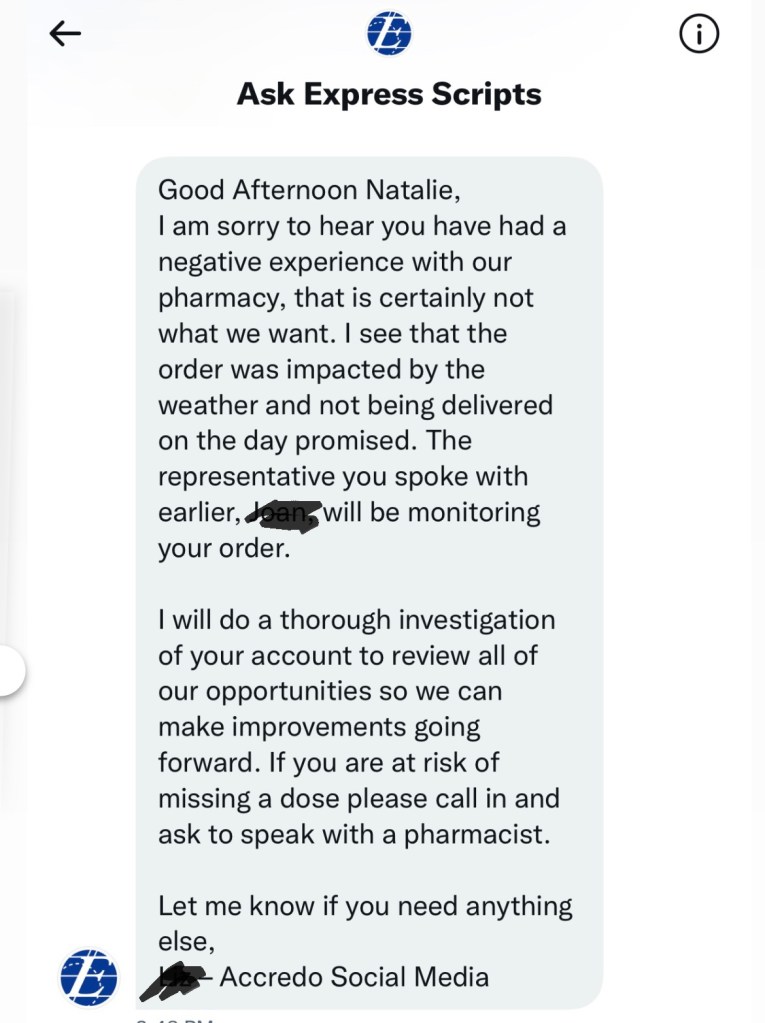










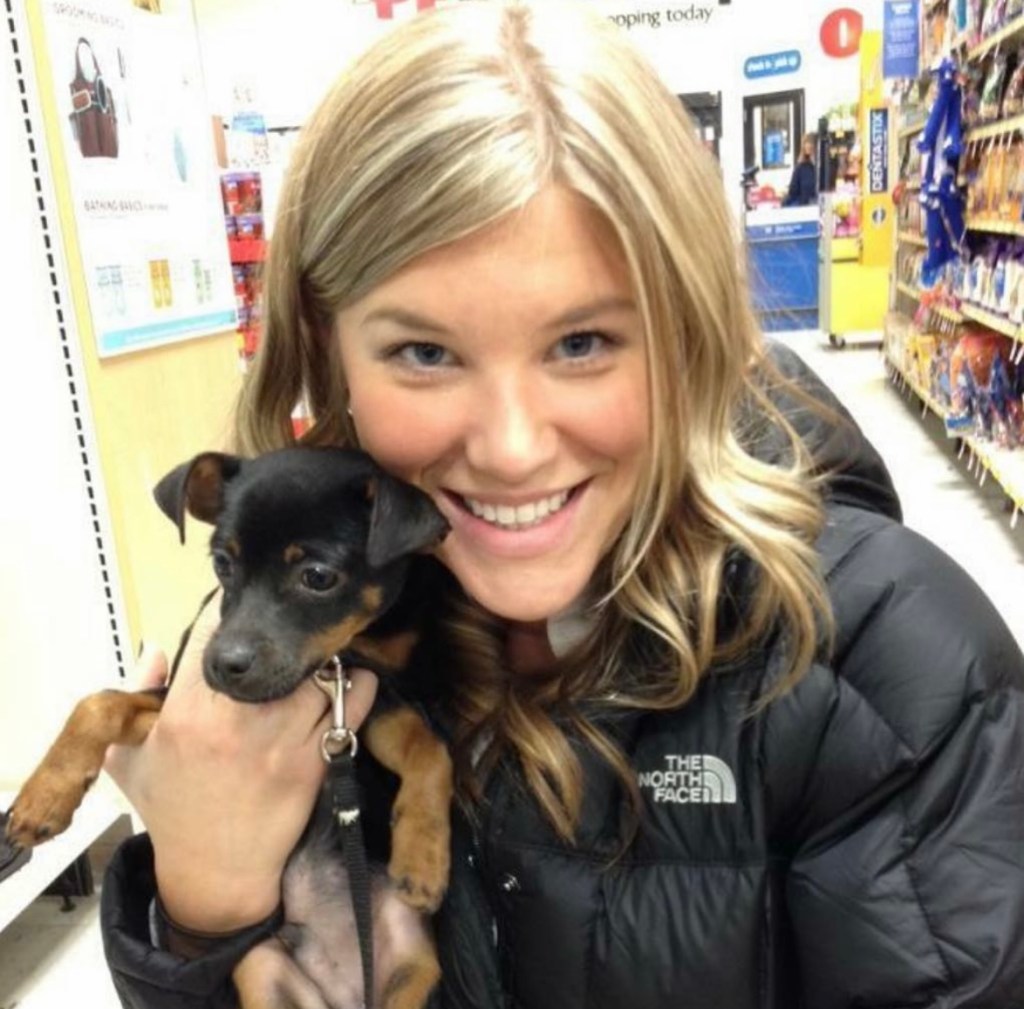


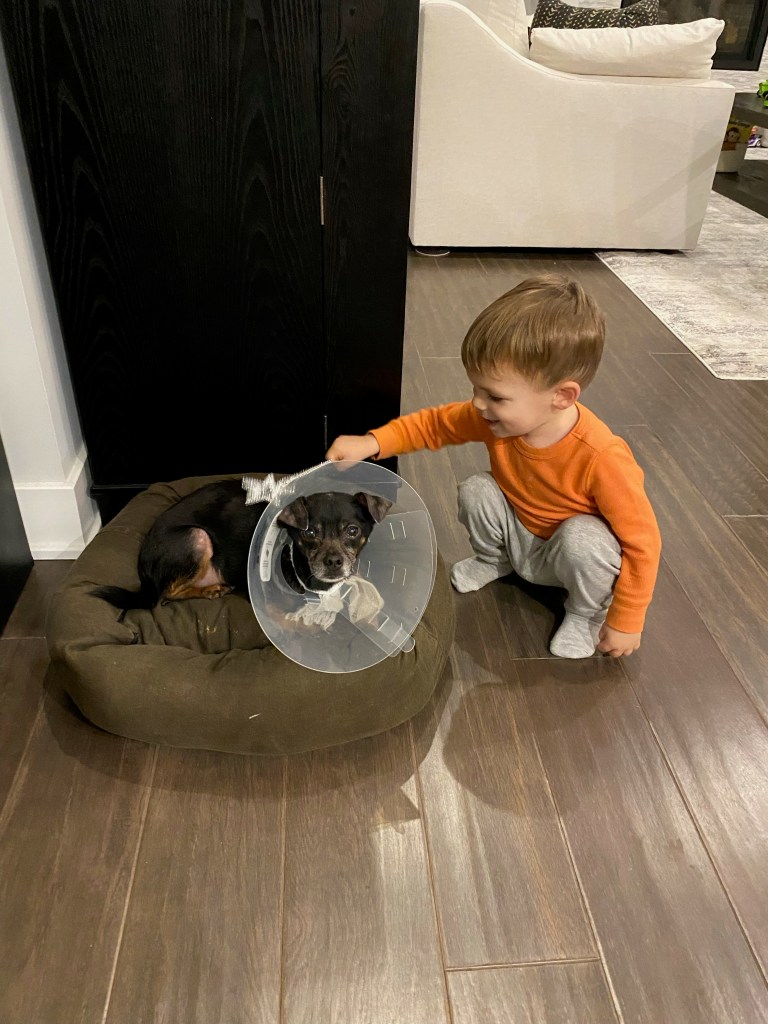

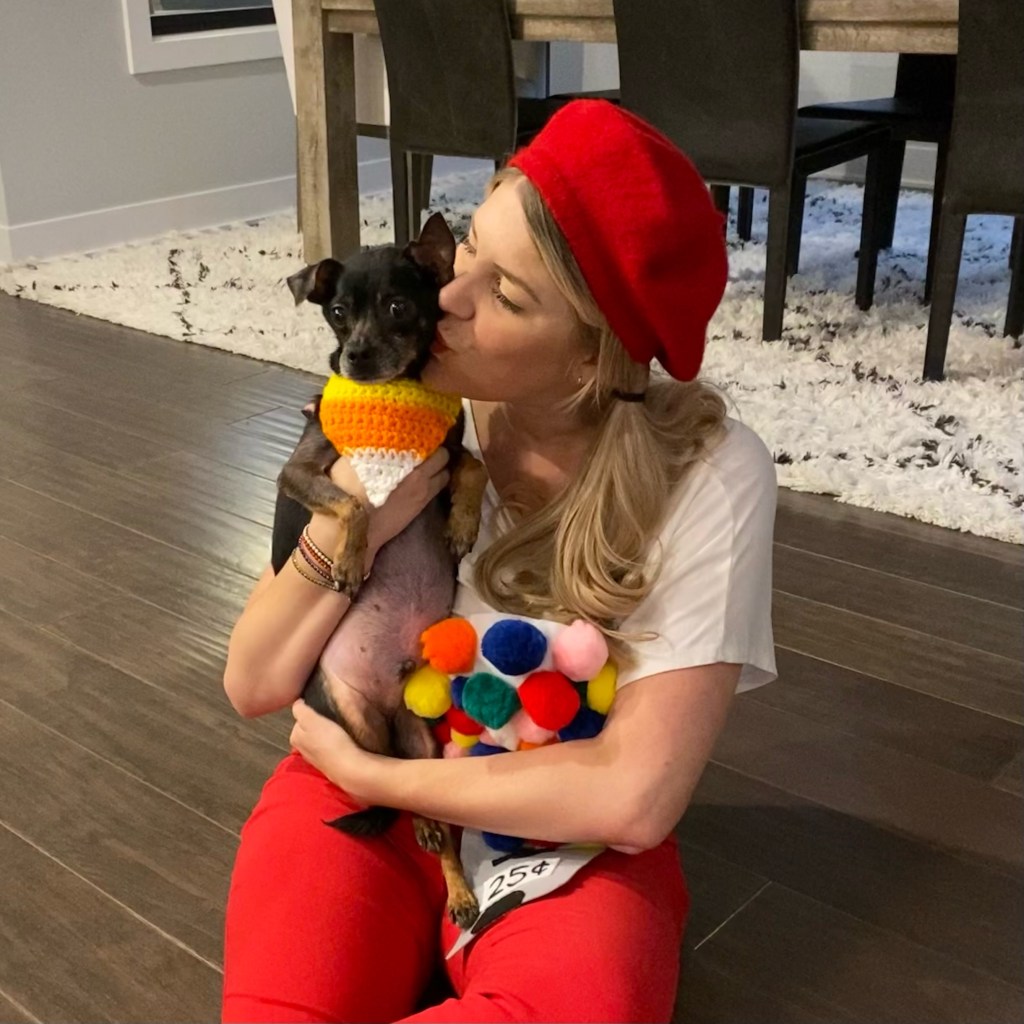




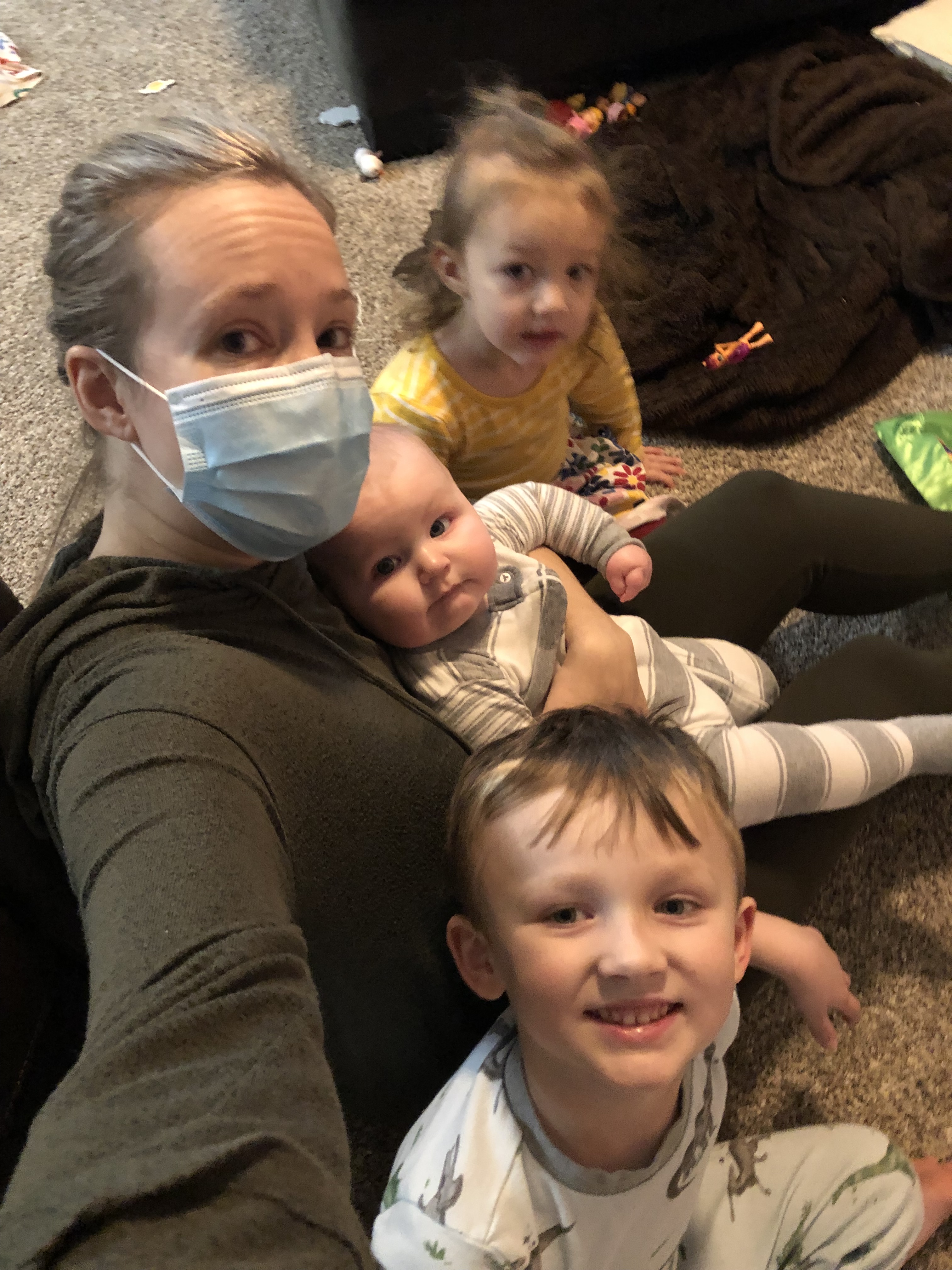

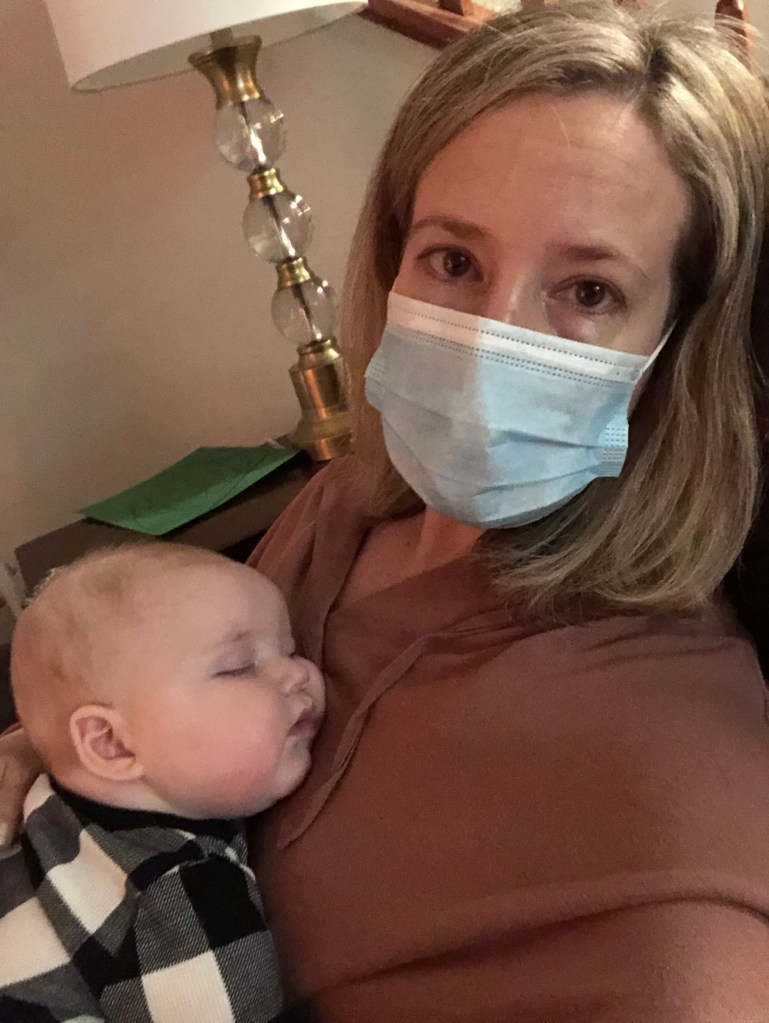
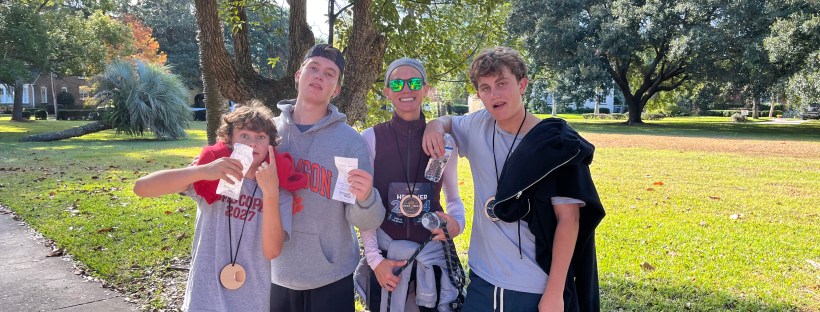

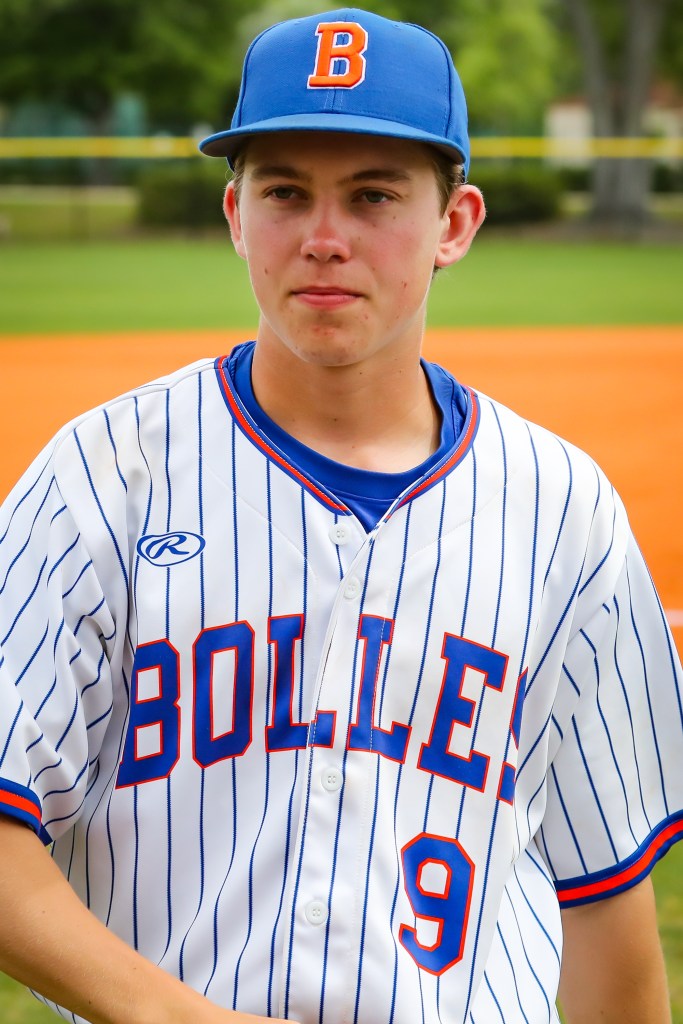





 lights camera crohn's