Whether it’s a holiday like Halloween or a wedding weekend (both of which I experienced the past few days), it’s important to stay ahead of IBD symptoms and be proactive in how you approach the big moments and the big days in your life so you can enjoy them. The unpredictability of Crohn’s disease and ulcerative colitis can feel suffocating when you are hoping and praying your body doesn’t betray you on the big days.
Here’s how I mentally and physically prepare so I can stay ahead of my Crohn’s and be in the moment with family and friends.
Be extra cautious with what you drink and your diet. Caffeine and alcohol are triggers for me…and for many people with IBD. The day of my brother’s wedding I refrained from drinking coffee and alcohol so I didn’t have to worry about needing to run to the bathroom in my bridesmaid dress or have to think about how bloated I could get from the abdominal pain a few drinks can cause. My Crohn’s felt non-existent the entire day, thank you Jesus!
When I am traveling and away from home, I am extra mindful of what I eat and keep it on the safe side, especially if I’m going on a road trip with my family or flying the friendly skies. You know your triggers, try to steer clear from them as much as you can. If I am celebrating a holiday at home or at my parent’s house, I tend to be a little “riskier” because of the comfort level I have using the bathroom there, resting, etc.
Be choosy about your shapewear. I don’t know about you, but ever since my Crohn’s diagnosis I’ve never liked Spanx, belts, or anything restrictive around my waist. I rarely ever wear jeans with a button. For my brother’s wedding I wore Spanx that were biker shorts that went up to the bottom of my bra and it was a game changer, especially being 3 months postpartum! I didn’t have any stomach or bloating issues. Highly recommend the Spanx High-Waisted Power Short.
Pack pain medication and maintenance meds. Just because you’re away from home celebrating a holiday or a wedding, doesn’t mean it’s time to be flippant about managing your disease. When I’m packing, I always take more than I need when it comes to pain medication, even if I haven’t needed it or used it for months. Bring extra strength Tylenol and any prescription pain medication you may need along with your “typical” medication (if you take it). Be mindful of how long you are traveling and if you could face delays, etc. If you are flying, always keep medication on you, so it’s right where you need it and so you don’t chance anyone taking it out of your luggage.
With my Humira I look ahead when I have a big event and plan accordingly. For my wedding for instance, my injection was due two days after I tied the knot. My GI had me move up my dose to the day of the rehearsal dinner so I could have some extra coverage.
Try and get as much rest as possible. With IBD we all know fatigue is one of our most difficult symptoms to handle. Throw in travel and being out of your normal surroundings and life can really feel like an uphill battle. Allow for downtime and breaks throughout the day if you’re able so you can give your body time to adjust to the hustle and bustle.
Practice deep breathing and mindfulness. If you feel symptoms creeping in try and take deep breaths and ground yourself. Lay down and gently put one hand on your chest and your other hand on your belly. Feel your stomach slowly rise and be present in the moment. Close your eyes—remind yourself that pain is fleeting and go to your happy place. Diaphragmatic Breathing, also known as deep breathing or belly breathing, helps to manage stress.
Don’t suffer in silence. This is the hardest part of all. I always struggle articulating when I’m not feeling well on the “big” days. I never want to damper the mood or make people worry so I internalize my pain and put on a smile. As a mom of three little ones, especially on holidays like Halloween and Christmas I never want to allow my disease to take away from the special, memorable moments. But this can make the struggle even worse. I find quietly telling my husband or my mom that my “Crohn’s is acting up” that it takes some of the weight off my shoulders so they at least know why I may need help, may not be as talkative, or may not seem to be acting myself.
Use these times as a “teachable” moment. Before I started sharing my story publicly, you’d never hear me tell someone I barely knew I had Crohn’s disease. But now, I find it extremely helpful to drop that line whenever I can. You’ll find making others aware can bring about much needed support, understanding, and even intrigue. Telling others I have Crohn’s disease feels like a normal, casual part of conversation now for me. At my brother’s wedding my IBD came up several times in conversation—with the hair and make up people, to my cousins coming up to me and saying, “I have co-workers with Crohn’s, and I tell them all about your blog.”
While IBD is not our identity, it’s a large part of who we are and impacts many of the decisions we make each day that can influence everything from what we eat or drink at a party or social gathering to how we participate in milestones and festivities. Taking the guesswork out for others takes a bit of the pressure off and can make you feel less overwhelmed and more comfortable and at ease.
Biosimilars. When you hear the word how does it make you feel? Maybe a little skeptical. Maybe a little uncertain. Maybe a little leery. If so, you’re not alone. I’ve been on my current biologic more than 13 years and when I think about having to possibly make a switch in the future it makes me nervous, too. That’s why I called on IBD specialists and gurus Dr. Miguel Regueiro, Professor and Chair of the Digestive Disease and Surgery Institute at the Cleveland Clinic and Dr. Christina Ha, MD, FACG, AGAF, Cedars-Sinai to help educate the patient community and put falsehoods and myths to rest. Biosimilars are here to stay so it’s imperative we get comfortable with the uncomfortable.
What is a biosimilar?
First things first, let’s get the definition out of the way so you know what we’re working with here. Biosimilars are not the generic version of the biologics many of us are accustomed to. A biosimilar is a product, usually a medication, that is formulated in a fashion that is similar to the “reference” product, also known as the “originator” medication. Think Infliximab (Remicade) and Adalimumab (Humira).
I love the way Dr. Ha explained this, “It’s like identical twins sharing the same DNA but having different fingerprints. With biosimilars, dosing, administration, optimization, monitoring, and plan of care is the same, nothing changes except the Infliximab is now Inflixilmab-dyyb, for example.”
How You’re Told You Need to Switch
You may be wondering how this conversation and discussion even starts and how it translates over to the patient experience.
“The physician and patient are contacted by the insurance company indicating that the patient must switch to a biosimilar. This allows for some discussion between the physician and the patient. Although this should be the fashion in which it occurs, I know that this is not always the case and sometimes the notification is last minute or done in a way that leaves little time for education and discussion between the administration of the next dose of biologic and notification by the insurance,” said Dr. Regueiro.
Cost Savings and Access to Patients
I want to preface this by saying the cost savings varies from patient to patient and is largely dependent on a patient’s insurance company or health plan that covers the payment of their medication.
Dr. Regueiro says, “To provide a simple overview, each insurance company/health plan will contract with a pharmaceutical company for a certain medication. Much of this is dependent on getting the best price for the insurance company. A biosimilar is typically cheaper than the original (originator/reference) medication and the insurance company will then list the biosimilar as its preferred biologic for that condition, e.g., Inflectra or Renflexis for Crohn’s disease or ulcerative colitis. This makes the approval of that biosimilar “easier” for the patient and therefore access better. The question of where the savings are realized is another matter. Even cheaper drugs do not translate to savings directly to the patient.”
If you’ve been on a biologic “originator” successfully and are told you suddenly must make the switch, it’s not uncommon. Dr. Regueiro says he has many patients who have found themselves in this position. His advice? Speak to your healthcare team, but also go to trusted resources for education, e.g., the Crohn’s and Colitis Foundation website has some useful information for patients about biosimilars.
Addressing patient hesitancy
It’s no surprise this can be an emotional discussion. I try and envision myself being told that I had to switch after more than 13 years, and I know I would be crying because of the comfort and confidence I have had with my current therapy.
“The idea of switching to a biosimilar is fraught with concern. I typically acknowledge their concern, but then explain the data. There have been many studies that have shown that switching from a biologic to a biosimilar is well tolerated, is equally efficacious, and does not incur any different safety risk. I tell the patient that we technically cannot say that the biosimilar is the “same” as the biologic, but in essence it is. I also explain that I have had hundreds of my own patients switch and I have not seen a problem. In fact, in some patients I may get a drug level of the biologic before switching and then the same drug level of the biosimilar after switching and see no difference,” explained Dr. Regueiro.
For example, there is a blood assay for Remicade (Infliximab) that measures the Infliximab level and antibodies to Infliximab. When Dr. Regueiro has had patients switch from Remicade to a biosimilar, e.g., Renflexis or Inflectra, and then measure the same exact drug assay, the results of the Infliximab level and antibodies to Infliximab are the same. The biosimilar works in an identical fashion to the original biologic, and the blood assays show the same results. The body “cannot tell” the original biologic from the biosimilar.
Let’s read that sentence again. The body “cannot tell” the original biologic from the biosimilar.
Dr. Hasays, “The key here is to understand that you are being switched to an equivalent not inferior agent. Biosimilars are rigorously studied for safety, effectiveness, antibody formation with a lengthier, more involved FDA approval process than generics.”
Why Biosimilars are NOT generics
A generic medication has the same active ingredient as the brand name medication. An example would be the generic medication mesalamine for the brand name medication Asacol. Asacol’s “active ingredient” is mesalamine and the generic is simply formulated as mesalamine. The “packaging” of Asacol makes it Asacol, but its active ingredient is mesalamine and is identical to the generic formulation of mesalamine.
Dr. Ha explains why biosimilars are not generics.
“Generics are chemical compounds where exact replicas of the active ingredient are possible. However, biosimilars are biologic agents, complex protein structures constructed from living cells. Exact replicas aren’t possible but nearly identical structures can be manufactured – remember, these are very sensitive compounds. That’s why these medications need to be refrigerated and handled differently than a generic.”
I asked Dr. Reguiero if there’s ever a situation where he advises against a patient being switched to a biosimilar. He said generally, no.
“The only main question will be if a patient has already been on a biosimilar after the originator biologic and then needs to switch to another biosimilar. This would be a “multiple switch” rather than a single switch from the original biologic to biosimilar. Based on the limited data to date, and similarity between all of the biosimilars and original biologic, I do not even see this as a problem, but we need more research to make a final conclusion onto multiple switches.”
“Delaying treatment to stay on a version of a medication that really is not meaningfully different than the biosimilar may lead to far worse consequences than staying on schedule by switching to a biosimilar. Remember, delaying anti-TNF schedules may increase risks of antibody formation, infusion/injection reactions, and flares. I am far more concerned about staying on schedule and not missing doses than I am the biosimilar vs reference,” said Dr. Ha.
What if a biosimilar fails?
If a biosimilar fails, Dr. Regueiro looks at it the exact same way as if an original biologic fails. For example, let’s take the case of biosimilar Inflectra for Remicade.
“If a patient is started on Inflectra as their first biologic ever and it stops working, I generally check blood levels to determine if the patient has developed antibodies to Inflectra and that this is the reason for failure. If they have developed antibodies, and the Inflectra has worked well for a long time, then I would switch to another anti-TNF, but not another biosimilar to Remicade. The reason for this is that if a patient develops antibodies to the biosimilar, they will form antibodies to the original biologic or another biosimilar of that same biologic. However, I would switch this patient from Inflectra to Adalimumab (Humira) or one of the other anti-TNFs if needed. I would do the exact same thing if the first biologic I used was Remicade and it failed due to antibody formation.”
I went on to ask Dr. Regueiro when he would switch a patient to a biologic medication from a “different class.”
“Let’s take the example of Inflectra or Remicade. If a patient is started on Infectra or Remicade and they have no response from the beginning, and their drug levels of Inflectra or Remicade are good (and they have not had antibodies again) this means it should be working and it is not – this is a primary failure of that medication. In that case, not only would I not switch to another biosimilar or back to the original biologic, but I would also completely switch away from the class of anti-TNF, e.g., Humira, Cimzia, Simponi, as the patient is likely a non-responder to all anti-TNFs. In this case, I’d move onto something like Entyvio, Stelara, Xeljanz, or Zeposia (depending on whether it’s ulcerative colitis or Crohn’s disease).”
What’s coming down the pipeline for patients?
With all the biosimilars on the market and many more on the way—Dr. Regueiro and Dr. Ha say it’s quite likely all patients can expect to be switched off their current biologic at some point as insurance companies are able to get the biosimilar as a cheaper cost.
As far as savings programs, many of us are accustomed to with our biologics (I pay $5 a month for two injections), this would be dependent on what the company that makes the biosimilars offers and may look quite different to the originator biologic’s savings programs. However, I would anticipate the patient would not pay more for the biosimilar. There would either be a cost savings program with the pharmaceutical company that makes the biosimilar, or, more likely, the insurance company would keep the out of pocket cost the same for the patient.
Biosimilars are administered in an identical fashion to the originator biologic. So, you won’t be forced to go from doing a self-injection to getting an infusion. I asked Dr. Reguiero about Humira’s biosimilar in the future, and he anticipates that it will be citrate-free, just as the originator is now in the States.
Pediatrics and Biosimilars
As biosimilars come to market, the indications should be the same for the originator biologic. That is, if there is an approved indication in pediatrics for the originator biologic, the same should be true for the biosimilar. However, the FDA will make final guidance on the indications for a biosimilar and they could vary slightly on which diseases are approved and which age of patient approved.
What Patients Have to Say
Christina received a letter from her insurance company in June letting her know that Remicade was no longer approved and that she would be switching over to Inflectra in July. The insurance company reached out to her directly and had not informed her GI. She was five months pregnant and was stressed and anxious about switching medications in the middle of pregnancy.
“I have been on Remicade since September 2013 and it’s working really well for me. My GI was super supportive with my desire to stay on Remicade through pregnancy and agreed that I should not switch medications. In part of the letter for my insurance company there was an appeal process, which my GI did on my behalf. A few weeks later I got a letter in the mail from my insurance company that my appeal was denied. I contacted my G.I.’s office and she had someone in her office do a follow up appeal. The insurance company finally agreed to approve me for Remicade through my due date, October 23rd.”
Christina’s baby was born October 11th, so she’ll be making the switch this week while she’s postpartum.
Vern lives in Canada and the government there forced him to make the switch.
“The cost is partially covered by the government. I was pissed to say the least. They kept telling me it was safe, but I wanted to see evidence it was safe to switch to a biosimilar after someone had been on a biologic long term. I never got an answer. Luckily, I’m doing fine, and I have not noticed a difference.”
Lizzy highlights the emotional struggle biosimilars burden patients with.
“Even though I don’t see an uptick in symptoms and my remissions has been maintained, emotionally the switch was really difficult. My insurance forced me to switch. I was extremely sick for a long time before starting Remicade while I was hospitalized. So, I was really afraid of the switch making me sick and of course it was horrible not to have a choice in my healthcare.”
Kelly attests to the emotional struggle and disappointment. She says she spoke extensively with her GI prior to making the switch and did her on own research.
“When I received the letter from my health insurance company telling me I would be forced to switch to a biosimilar I was disappointed. I had been on Remicade for more than two years and it had only recently put me into remission. But I knew the switch was coming, having heard from many people in the IBD community that they were being forced as well. I had already done research on the data from Europe and Canada showing that biosimilars of Infliximab had the same efficacy and safety profiles as Infliximab.
She’s now had two Inflectra infusions and hasn’t noticed any difference in the way her body handles the medication. Kelly is crossing her fingers for a continued great experience and hopefully no more frustrating insurance shenanigans.
Madelynn was on Remicade prior to being switched to Inflectra. Unfortunately, her care team and her insurance failed to communicate the change to her. She shockingly discovered the switch was made after proactively reading medicine notes on the patient portal.
“I was nervous about it, and a bit upset. Who wouldn’t be after being in remission with a medicine then having it randomly changed? I ended up researching quite a bit about it, which helped calm my nerves. I also asked more questions of my medical team. I was worried about the biosimilar not working and causing a flare and of possible side effects. Keep in mind, I have Remicade induced side effects already. Could Inflectra make them worse? When a medicine keeps you in remission, that is something you want to hold onto for as long as you can. If you are taking any medicine, never be afraid to ask questions, research, and advocate for yourself. If something does not work, speak up!”
Madelynn has only received one infusion of Inflectra, but so far, she feels well and notices no changes with her IBD.
A Word from the Crohn’s and Colitis Foundation
Laura Wingate, Executive Vice President of Education, Support, & Advocacy for the Crohn’s & Colitis Foundation encourages patients to learn as much as thy can about not just biosimilars but all treatment options available so we can be active and informed partners in making decisions with our healthcare teams.
“If you are informed you need to switch from a biologic to a biosimilar, you might be worried and that’s normal. But remember that biosimilars are just as safe and effective as your original therapy. Don’t be afraid to ask questions of your healthcare providers about the switch and why it’s happening and share any concerns you have with them. You can also contact the Crohn’s & Colitis Foundation for additional information, education on biosimilars, and support.”
Helpful Resources on Biosimilars
If you have questions about biosimilars– talk to your health care team. The more education, resources, and support they can provide you with to bolster your confidence that the biosimilars are an important part of IBD treatment, the better. I know personally as someone who depends on a biologic to maintain my remission, that doing the research for this article has made me feel a lot more confident and comfortable about biosimilars and what they mean for the patient community.
There are a several great resources about biosimilars to check out:
This post is sponsored by the Autoimmune Association. All thoughts and opinions shared are my own.
An educated patient is an empowered patient. Over the weekend the Autoimmune Association presented its Inaugural Autoimmune Summit that aimed to do just that. The virtual two-day event featured 23 educational sessions and more than 50 autoimmune experts including physicians, nurses, policy experts, and of course, patient advocates.
The Summit covered a wide variety of important topics that impact patients and caregivers who live with autoimmune conditions. I had the opportunity to moderate a panel discussion about fertility, family planning, and pregnancy alongside Dr. Marla Dubinsky, Chief of Pediatric Gastroenterology at Mount Sinai and Co-Director of the Susan and Leonard Feinstein Inflammatory Bowel Disease Clinical Center and Mariah Leach, a mom of three who lives with Rheumatoid Arthritis and Founder of Mamas Facing Forward. As an IBD mom of three chidren myself, I’m extremely passionate about sharing guidance and support for fellow women on this subject.
During the discussion, Dr. Dubinsky touched on many aspects of the journey to motherhood and beyond with IBD, but one comment she made resonated with me. She said the greatest gift a woman can give their child, is to stay on their medication, and allow their baby to thrive in an uninflamed environment. As someone who needed and depended on my biologic with all three of my pregnancies that comforted me greatly and really struck a chord.
Other topics of discussion during the Summit included tips and tricks for managing multiple specialists to clinical trials, health equity, advocating on Capitol Hill, and complementary medicine.
A dream come true
Lilly Stairs, Vice Chair of the Board of the Autoimmune Association and Summit Lead, lives with Crohn’s disease and arthritis. As a patient advocate, she understands the vital importance of providing those who live with chronic health conditions to share their voice and articulate their needs and struggles.
“It has been a dream of mine and the Autoimmune Association’s to plan an event that unites community members from across autoimmune conditions. Our patient odysseys share deeply rooted similarities. By coming together, we can accelerate autoimmune education, awareness, advocacy, treatment, and someday, cures.”
Goals of the Summit
The goals for the Summit were three-fold. Organizers and presenters like myself hope you walked away feeling connected to people across the patient community, while learning tangible tips for managing your autoimmune conditions. Lastly, the hope is that attendees and Summit participants feel energized and excited about what the bright future holds for those living with autoimmune diseases.
Lilly went on to say, “Events like the Autoimmune Summit are essential engagements for patients and caregivers to participate in. These events provide tools to navigate life with chronic illness and empower patients with the knowledge they need to be “CEO, secretary, and treasurer of your care” as Hetlena Johnson, Lupus Patient Advocate so eloquently stated in the Managing Multiple Autoimmune Conditions panel.”
Events like this are a reminder that we are not alone in our journeys. Even though chronic illness can be extremely isolating, events like the Autoimmune Summit offer the opportunity for connection that often feels like much needed chicken soup for the soul. The camaraderie that is possible even though Zoom has a lasting impact on helping to lift the burden and self-doubt many patients face.
From the Speakers
Tina Aswani Omprakesh participated in a panel on complementary medicine and autoimmunity. As an ostomate who juggles Crohn’s disease, Gastroparesis, and IBS, she knows firsthand how imperative it is to take on illness with multiple approaches.
“This is an important subject that’s often not discussed in the autoimmune space. The reality is that many patients are thinking about exploring it but don’t know how to navigate it in a way that can help complement their existing therapies. These conversations are essential to proliferate both credible information and sources of complementary therapies so patients can truly live their best lives possible.”
Molly Schreiber lives with Type 1 Diabetes, Rheumatoid Arthritis, and POTS. During the Summit, she spoke about what it’s like to manage multiple autoimmune conditions.
“Anytime I can share my story, my hope is that attendees feel less alone in their battle with chronic illness. We may have different health conditions, but our fight is often the same—pain management, medical providers who listen, and affordable medications we can easily obtain.”
Alisha Bridges is a patient advocate who lives with Psoriasis. She participated in a breakout session geared towards dermatology. She says having the chance to speak at the Autoimmune Summit was an honor.
“I hope my story helped viewers to better understand the unique challenges of living with psoriasis as a woman of color especially in the clinical trials sphere. These conversations are imperative to elicit change for better care of patients of all backgrounds.”
Curtain Call
It’s our hope attendees discovered tips for managing autoimmune disease from patient advocates like myself who understand your reality, while also learning about the latest research and future treatments on the horizon.
Did you miss tuning into the first-ever Autoimmune Summit? No worries! All the presentations were recorded and will be shared in the weeks ahead. I’ll be sure to share the Fertility, Family Planning, and Pregnancy discussion I was a part of on my social media channels as soon as the video becomes available.
Thank you to all who tuned in, to all who participated, to the organizers, like Lilly, and the generous sponsors who made this happen. It’s amazing to see what’s possible when patients have a proverbial seat at the table alongside medical professionals and digital health companies. Our voices matter and time and time again we’re being heard loud and clear.
The date for my next scheduled colonoscopy is on my calendar. Even though my scope is one month away, I’ve already started the mental prep of what’s to come. When you’ve had too many colonoscopies to count you know what to expect…which is both a blessing and a curse. This time around I’m exclusively breastfeeding my 3-month-old son. So, like any IBD mom may wonder, how does that correlate when you’re taking prep that cleans out your system and are put out for the procedure?
I checked in with Dr. Aline Charabaty, Assistant Clinical Director of the Division of Gastroenterology at Johns Hopkins School of Medicine, and Clinical Director of the Inflammatory Bowel Disease Center at Johns Hopkins-Sibley Memorial Hospital, as well as my own gastroenterologist (GI) so I knew what to expect and so I could pass along the information to you.
Juggling Kids and Prep
I’m already anticipating the hustle and bustle that I’ll be dealing with as I guzzle down the disgusting concoctions with my 4-year-old and 2-year-old running around as I care for our newest addition. Luckily, my mom flies in for every single colonoscopy (even before I had kids!) to offer emotional and physical support. Now, she gives me a hand with my kids, and this allows my husband, Bobby, to take me to the procedure and celebrate with me after it’s over. Highly recommend you line up childcare when prepping for a colonoscopy so you can focus on yourself and not deal with the stress of mom life on top of it.
Snuggling with my son, Reid, while I did my prep in 2019.
Dr. Charabaty understands what a challenge this can be and has fantastic advice for IBD moms on prep and procedure days:
Tell yourself you are doing the right thing taking care of your health, to stay well for you and for your kids.
Explain to the kids why mommy is a bit tired today, why she is not sharing their food and why she is going to the bathroom a lot.
Enlist help!! Have someone you trust, and who the kids know well, to keep them company and look after them while you are prepping the day before and on the day of the procedure. You need a responsible adult who is fully awake and alert to be with the kids and keep them safe during these days.
If your child is old enough to understand, have them play an active and fun role in this prep, for example reminding you to drink fluid during the day from a special cup they chose for you.
Hug your children often in between trips to the bathroom, to keep you going.
Give yourself plenty of rest after the procedure so you can be fully present to your children the next day.
Skip co-sleeping the first night after the procedure, as you might not wake up as usual in the night.
In the days leading up to my scope, I put myself on a self-imposed liquid diet 3-4 days ahead of time to ease the prep. It’s hard enough when I’m not trying to nourish a little person, along with myself. Anyone who has breastfed a child knows how hungry it can make you. My GI told me that despite only having liquids I would not need to supplement with formula. At the same time, she suggested I drink Ensure Clear Protein, which will not affect the prep and will help it. To combat dehydration, she reminded me to drink plenty of water up until two hours before the procedure.
“Breastfeeding women lose an average of 25 ounces of fluid a day through their milk. During the colonoscopy prep, make sure you drink plenty of fluid to keep the prep going and the milk flowing! Consider breastfeeding or pumping just before leaving for the procedure and as soon as you are recover and are awake after the procedure, to minimize discomfort of full breasts and minimize disruption in the usual breastfeeding/pumping schedule and optimize the volume of milk recovered,” explained Dr. Charabaty.
If nursing gets to be too much while I’m in the thick of my prep, I plan to tap into my freezer supply of milk so that my mom or husband can feed the baby while I’m holed up in the bathroom. By being proactive and thinking of these moments ahead of time, it’s one less thing to worry about and stress over.
Is Pump and Dumping Necessary?
Since we all know what colonoscopy prep makes us do, my initial thought was that I would need to pump and dump so my son wasn’t pooping up a storm along with me. I envisioned myself on the toilet with my pump nearby…talk about a living hell! Luckily, my GI said there’s no need to pump and dump with the prep or with the procedure since my care team uses Propofol and Dr. Charabaty agrees.
“Preps like Miralax, Golytely, Moviprep, Fleet phosphosoda, and Dulcolax, are not absorbed from the gut and do not enter the breastmilk; so, no need to pump and dump with preps, save every drop of this precious liquid! There are older recommendations to pump and dump the milk 4 hours after receiving anesthesia; however, review of the data show that most drugs used for anesthesia (midazolam, fentanyl, propofol, ketamine) do not cross into the breastmilk or if they do, the concentration for the drug in the breast milk is too low to affect the baby.”
Click here to lead the latest recommendations from the Association of Anesthetists that supports this guidance.
What about prep for MRE’s and CT scans?
“Radiological contrast agents used in CT and MRI are safe during breastfeeding, but be cautious with Technetium containing contrast that is used for nuclear medicine procedures. Some recommend pumping and dumping for 12 hours; other recommend pumping for 72 hours. Store the milk and only give it to the baby after it has been stored for 72 hours.”
The bottom line
“You can continue to breastfeed baby as usual following the colonoscopy (or endoscopy), as soon as you have recovered from anesthesia, and you are awake enough to hold the baby! Talk to the anesthesiologist before and after the procedure for advice, in case different or unusual medications were needed during the procedure. If you feel tired or sleepy, let someone else handle the feeding. Kudos for taking care of both your GI health and baby’s health!”
As an IBD mom having this intel is extremely comforting and puts my mind and heart at ease as I prepare for another colonoscopy, this time with another little one in tow.
It’s safe to say IBD mom, Amanda Pennewell, is grateful she’s days away from welcoming baby number four into the world. Despite being fully vaccinated, she came down with COVID when she was 34 weeks pregnant. Amanda was diagnosed with Crohn’s disease 20 years ago when she was only 8 years old.
Amanda is no stranger to being on a biologic during pregnancy. She was on Humira with her twins and over the course of the last two years she was on Stelara with her second pregnancy and her current one. It’s one thing to be an immunocompromised pregnant woman, I can attest from personal experience, it’s extremely worrisome when living through a pandemic and worrying about your IBD and the possibility of COVID turning your life and that of your unborn child upside down.
Coming Down with COVID
One second Amanda’s oldest daughter, Brooklyn, was at a friend’s birthday party being her energetic, sweet, self and when they arrived home, she laid down on the couch and said she was freezing. Brooklyn had a low-grade fever. A few days prior her 17-month-old, Caroline, also had a fever.
“I didn’t think anything of it until a friend from school called to tell me her son tested positive for COVID after being seen for a low-grade fever that lasted six hours or so. My husband went to get some at home rapid tests from Walgreens. It was late, and I was supposed to have him help me with my Stelara injection that night. I figured I needed to wait until I could contact my GI doctor to inject if it was positive. It was.”
Amanda was in a state of shock. Her and her husband had both been fully vaccinated for months. At the same time, given the nature of mom life, once her daughter tested positive, she felt it was inevitable she would, too.
Navigating a biologic, pregnancy, and COVID
When Amanda’s GI heard she had COVID, she recommended she delay her Stelara injection for the time being to see how she did during the quarantine period. Amanda’s initial symptoms were a sore throat and a headache.
“I kept in touch daily with my GI doctor and her nurse via phone and email. They were very worried about me—especially because I was about 34 weeks pregnant. I ended up waiting two weeks after my daughter and I tested positive before I did my Stelara injection. I had been symptom-free for a week at that point, and they knew I would be okay to inject then.”
Along with herself and her daughter, Amanda’s husband and dad also tested positive. But Amanda says out of everyone in their inner circle, she felt the worst.
“My symptom list continued to grow each day. The first day the sore throat and headache were my only symptoms. I then developed a cough and muscle soreness and pain. I took about four-six baths/showers each day and took Tylenol to remain functional. I had extreme fatigue and ordered a pulse oximeter to monitor my oxygen level. I had a low-grade fever. I also lost my smell and started to lose my taste. My OB doctor had called me and said I was eligible for a monoclonal antibody infusion, and they would recommend it for me since I also have Crohn’s disease.”
Amanda took a few days to think it over and discussed the infusion with her GI, who recommended she receive it as well. After getting the 30-minute antibody infusion, Amanda felt worse. Her fever spiked and she was shaking. Luckily, by the evening she turned the corner and started feeling significantly better.
Advice for Fellow IBD Moms
COVID caused Amanda to miss one of her high-risk ultrasounds, but she was able to get a scan at 36 weeks. She’s grateful baby girl is looking great and measuring right on target despite all she’s been through during this pregnancy.
“My advice to fellow pregnant IBD moms would be to stay in close contact with all of your doctors, even if you think they can’t help you. I normally just try to keep my primary and my GI doctor informed when I’m sick with something, but since I had to cancel my OB appointment, they knew I was exposed and then knew, I was positive. They were the ones able to set up the infusion for me. Had I not called, I wouldn’t have known about the infusion and that it was available for me. I don’t want to think about what could’ve happened if I hadn’t had that option.”
Amanda is hopeful her daughter will come into the world with solid antibodies given that she was pregnant with her when she received her second Pfizer vaccine, plus the fact she had COVID and received the monoclonal antibody infusion.
As an IBD mom of three who stayed on my Humira (adalimumab) injections until late into my third trimester with all my pregnancies, I recognized the importance of contributing to ongoing research about the safety and efficacy of biologics. When I was approached to participate in the PIANO (Pregnancy Inflammatory bowel disease And Neonatal Outcomes) study for my pregnancy this past year I jumped at the opportunity. While I knew staying on my medication until 37 weeks pregnant would pass Humira through to my baby and that it is considered to be safe, I didn’t know much beyond that.
My son Connor is 8 weeks today. The day of my C-section blood samples were taken from him, me, and my umbilical cord. The purpose of the samples was to measure the concentration of the Humira at the time of delivery. The process in the hospital was simple. Detailed instructions were mailed to me at home ahead of time. When I walked into the hospital for my scheduled C-section my husband and I handed over a small box that included three vials, an ice pack, and proper packaging for the transfer from St. Louis to California to the nurse who was prepping me for surgery. Once all the samples were ready to go my husband made a quick stop at FedEx to hand over the package and voila the science of it all was on its way.
The Results
The past few weeks we’ve anxiously awaited the results. This week, we received them. I have an almost 4.5-year-old son, a 2.5-year-old daughter, and a newborn. With each pregnancy—Crohn’s-wise, the experience was flawless. I felt like a “normal” person. Foods that typically trigger me, didn’t cause any issues. If I wanted a cup of coffee, I didn’t pay the price. It felt glorious to have zero abdominal pain for all those months and know that my babies were thriving in utero. I credit my own health and deep remission and my children’s health to the fact that I chose to follow my care team’s recommendations and stay on Humira until the final weeks of my pregnancies.
When the results popped up in my email inbox, I was nursing Connor. I felt a few emotions, more than I had anticipated. I hesitated to open it. Even though I could see Reid and Sophia watching TV and know how healthy they are, it still made me feel a rush of mom guilt to know that I needed a heavy-duty medication to bring all three of my children into this world and that even though studies like PIANO have shown the safety profile, that as IBD moms we still worry and wish we didn’t need to do injections or get infusions while a life is growing inside of us.
I texted my husband Bobby while he was at work and expressed how I was feeling. His response, “It’s all good babe, I’m sure it’s emotional but kids are all healthy and in good shape so just thankful for that. You did good.” Having a supportive partner through your patient journey and especially through parenthood makes all the difference.
Here are my PIANO study findings. I stopped medication at 37 weeks, and my last injection was 16 days prior to C-Section and this blood test.
My blood—7.3 mcg/mL
Connor’s blood—6.8 mcg/mL
Cord blood—5.9 mcg/mL
When I saw the numbers, my eyes filled with tears. Even though just looking at the numbers didn’t mean a whole lot, it just showed me that my baby had medication in his system, and it made me feel sad. I knew this would be the case—but I want to be transparent that it did upset me, even though I know it was for the best and have seen how my other children have thrived despite their exposure.
I waited to share this so the PIANO study’s lead organizer, Dr. Uma Mahadevan could weigh in and provide further explanation for not only myself, but for our community. She told me that in the PIANO study, the concentration of Humira for baby on average is 9.4 mcg/ml (range 2.5-26) and for moms 25 mcg/ml (range 0-56.4). As stated above, I was at 7.3 mcg/ml and Connor was 6.8 mcg/ml.
“Cord blood is the blood from the baby that is left in the umbilical cord and placenta after birth. It comes from the baby, so those concentrations are similar. Beginning around week 14 of pregnancy the placenta has a receptor called FcRn. This grabs antibody by the “Fc” portion and pulls it actively from mom to baby. This is most efficient in the third trimester when 80% of antibody transfer occurs. Since Humira is an antibody, it gets pulled across the placenta as well.”
Dr. Mahadevan went on to say that baby often has more drug at birth than the mom, but that was not the case for me. The PIANO study has shown several positive outcomes for IBD moms:
There is not an association between the amount of drug present in a baby at birth with infections.
Even though there was no increased risk of infection seen based on exposure to anti-TNF or on drug level at birth, in theory these babies (like Connor) are considered immunocompromised until no drug is present. For Humira that’s about 3 months, for Remicade (infliximab) that’s about six months.
“My advice to moms is that all the risks to the baby seem to come from disease flare rather than from medication. In a large French study, the risk of infection in baby was in moms who flared in the third trimester, not based on anti-TNF exposure. Risk of pre-term birth is increased with disease activity, not with anti-TNF medication. Risk of miscarriage comes with disease activity, not anti-TNF use. There is a clear and significant risk from having a flare during pregnancy. Compared to babies of IBD moms not exposed to medications, there is no evidence of increased harm to the baby (at least out to 4 years of age) from TNF exposure,” explained Dr. Mahadevan.
Hearing this was music to my ears and was extremely comforting. Point being—there’s a much greater likelihood of pregnancy complications if your IBD is not managed and if you flare than if you stay on your medication and keep your IBD controlled.
“We have completed our breastfeeding study which showed very minimal transfer (a fraction of what transfers by placental blood) and no evidence of harm to baby for breastfeeding when a mother is on anti-TNF.”
Knowing this about breastfeeding gives me great peace of mind as I continue the journey with my son, while still managing my Crohn’s by taking my Humira.
I also want to add that Dr. Mahadevan and her research team have been a huge support to me throughout the entire study. When she read a draft of this article and saw how I felt when I received the email with the blood results, she asked for recommendations about how to better deliver the findings to women. This meant a lot—I suggested sharing the range in blood concentration similar to how lab results are delivered on a patient portal and following up with an email or phone call to explain what the numbers mean further. Those touchpoints of support can make a big difference. I also shared my results over the patient portal with my GI and she called me to discuss them as well, which was helpful.
My three miracles. All healthy. All here safe and sound. Growing and thriving, despite exposure to biologics.
Interested in participating in the PIANO study? There’s always a need for more women to enroll! So far, 1,700 women have done so. There’s especially a need for women on newer drugs like Stelara, Entyvio, and Xeljanz.Click here to get involved.
Six years ago, I was shaking like a leaf getting rolled into the operating room for bowel resection surgery. Six years ago, I felt overwhelmed by the thought of my body getting cut into, by the realization of my body having scars, by the fear of the unknown, and feeling as though I had failed myself and those close to me. The first decade I had Crohn’s disease, I always thought of surgery as the last resort. With each flare up and hospitalization, my biggest worry was needing a surgery of some sort. I constantly wondered about becoming one of the 50% of people with Crohn’s who ultimately end up with surgery. August 1, 2015, I became part of that statistic, when I had 18 inches of my small intestine, appendix, ileocecal valve, and Meckel’s Diverticulum removed. Surgery went from being an option to a necessity.
Looking back now—I want you to know if you need surgery, it’s not a reflection of failure on your part as a patient. While it may feel like the world is crashing down around you, you’ll see the pain, the fear, the recovery—it’s all fleeting. Time waits for no one. Before you know it, you’ll be like me. I blinked and it’s been six years. The scars and memories remain, but as more and more time passes, they become less of a big deal.
I’ve had several fellow IBD’ers reach out with questions recently about bowel resection surgery—everything from bleeding to bloating, asking me about my experience, and surprisingly it’s hard for me to remember those details!
I credit bowel resection surgery for removing a decade of disease from my body (not curing me) but giving me a fresh start and ultimately putting me into surgical remission. Remission that has been maintained for six years now. Prior to surgery, the first ten years I had Crohn’s, I was never in remission. Since surgery I was able to get to a place in my disease journey where family planning and pregnancy were possible without any complications or waiting. I’ve been able to bring three babies into the world and haven’t needed to be hospitalized for my Crohn’s since becoming a mom. I went for a walk with my husband and three kids yesterday (August 1, 2021) and found myself reflecting and feeling a great deal of gratitude as I thought about the stark contrast of where I was six years ago in comparison to now.
August 1, 2021. 6 years post-surgery.
Tips for Surgery: Before and After
Take a before photo. The day before my surgery, I took a photo of myself standing in front of the bathroom mirror in my bra and underwear so that I could remember what my body looked like before it had scars. I took the picture for myself and have never shared it. When I look at the picture now, I see a girl with sadness in her eyes and a longing for days without pain. I see a girl who is petrified of what could be and praying for relief. I see a thin, untarnished body on the outside, but one that is very sick on the inside. I highly recommend you take a photo of yourself prior to surgery so you can capture that moment. One day you’ll look back on that time and be able to see how far you’ve come. You won’t think of your scars in a negative way, but rather a reminder of all you’ve overcome. I don’t even notice my scars when I look in the mirror now.
Communicate with your surgeon. If your surgery isn’t an emergency and you have some time to talk with your surgeon, make sure you do. Talk with your care team about what the surgery will entail—how many inches of intestine will be removed, if an ostomy is a possibility, where they will do incisions, etc. This will help you mentally prepare for what’s to come. My surgeon came into my hospital room prior to my bowel resection and asked me where I would want the incisions. We knew I would have the laparoscopic incisions, but we discussed a horizontal vs. vertical incision as well. I said I wanted the incision to be as low as possible—he told me he would do a “c-section incision” …which worked out wonderfully for me. I know of many people who have had a couple inches of intestine removed and have a large vertical scar (I had 18 inches taken) and that type of incision was not necessary.
Once you’ve had surgery push yourself to get up and get moving. Don’t overdo it, but every step, every movement will help you heal. Before you know it, you’ll be able to bend down and tie your shoes, walk a little further, and stand a little taller. After my surgery it was a struggle to walk around my family room, then before I knew it, I was walking outside…each day making it to one house further around the block. Before I knew it, I was able to take long walks. When you’re laughing, coughing, sneezing, or driving, have a small pillow nearby to hold against your incision, this will alleviate a lot of the pain. The first two weeks is the hardest. Once you hit the 2-week mark, you’ll feel a ton better. You’ll be able to drive and get around with minimal pain. Just hold on to that thought those initial days when it’s emotionally and physically pretty brutal. I remember crying my first night at home because I was so overwhelmed by the pain and my inability to get out of my own bed. At the time a family member was battling ALS. Her fight and knowing that her health was deteriorating daily, while mine was improving with each hour that passed, gave me perspective and brought me back to earth.
Trust in your care team. Once you have surgery, then the priority is to determine how managing your IBD will look moving forward. I, like many, had this false sense of security after surgery that I felt so great, I wouldn’t need to go back on my biologic…or any medicine for that matter. After a lot of tears and discussion, I followed my GI’s recommendation to re-start Humira and add a bunch of vitamins and supplements to the mix (Vitamin D, Calcium, Folic Acid, and a prescription prenatal). I give my GI a lot of credit for being proactive and having a “come to Jesus” talk with me, if you will. She warned me my Crohn’s disease is aggressive and by going med-free, my risk of being back on the operating table 3-5 years down the road would go up exponentially. Six years later, I’m so glad I listened.
Be patient with your healing. I’ve had three C-sections and bowel resection surgery, and the recovery is very different. I try to explain this to women who come to me with questions wondering about the two. With a C-section you have incisional pain/burning, but with an IBD-related surgery you also have to heal from the inside, too. Organs are cut, removed, and reattached. Your digestion needs to recalibrate. It’s a lot more intense of a recovery than a C-section (which I’m going through right now). Be patient with your body. Ease back into normal activities. After my bowel resection surgery, it took me nearly 8 weeks to return to work full-time at my desk job. Prior to returning to the office, I worked half days for two weeks from home because it took time to heal enough to sit upright in a chair. As your digestion re-works itself, it’s not unusual to have an accident or not be able to ‘hold it’ the same as you could prior. For me, this was temporary. But in those initial weeks and months, it’s a good idea to have a change of clothes in your car or packed with you and to be mindful of where the nearest bathroom is. I had one accident during my recovery—luckily, I was home alone (working a half day), it was mortifying, and I was by myself. Don’t try and rush back to normalcy, give yourself time to heal mentally, physically, and emotionally.
3 weeks post-op, laughing through the pain during engagement photos.
If you find out you need surgery—it’s understandable to be upset. But also give yourself a chance to think of all that could be possible. Try and focus on the promise of how surgery could help you get into remission or at least help you in having more “feel good” days. It’s normal to grieve and to be tearful and fearful, but I hope you find comfort in knowing once you wake up from surgery, you will be on the road to a recovery that paves the way for feeling empowered against your illness. And from that point forward you won’t be as scared of future surgeries because you’ll have a better idea of what to expect and a better understanding of how it feels to be well after being in pain for so long.
Starting on a biologic and finding one that helps manage your IBD can be challenging physically, mentally, and emotionally. Nearly 13 years ago (July 14, 2008) I sat in my GI’s office like a fish out of water petrified of injecting myself with four Humira shots. I remember how daunting and overwhelming taking the plunge into life on a biologic was and know I would have given anything to hear firsthand experiences from fellow IBD patients. This inspired me to launch a special series on Lights, Camera, Crohn’s hearing firsthand accounts from people like you and me, living life on biologics. So far, I’ve covered Remicade and Entyvio.
This week—we tackle Stelara (ustekinumab). Stelara is categorized as a human interleukin-12 and -23 antagonist. Patients receive a one-hour loading dose infusion and follow up with an injection every 8 weeks. As you’ll read, some patients receive their injection every 6 weeks, others every 4. Stelara is indicated for Crohn’s disease, ulcerative colitis, severe plaque psoriasis, and active psoriatic arthritis. As a biologic, it joined the IBD game in September 2016 for Crohn’s disease and October 2019 for Ulcerative Colitis.
“I’ve been on Stelara for almost 5 years. I started taking it right when the FDA approved it for Crohn’s disease. I have only good things to say, because it’s keeping me in remission. It’s easy to administer and doesn’t burn like Humira used to (prior to the Citrate-free formula). I stayed on Stelara throughout both my pregnancies. My GI had me skip my last dose both times I was pregnant, and I re-started my injections once the babies were here,” said Ashley Miller.
Patient Advocate and Co-Founder of IBD Desis, Tina Aswani Omprakash, joined a clinical trial for Stelara to treat her Crohn’s disease. She says it took months to work, but it was the first time in a decade of having IBD and enduring more than 20 surgeries that she was able to achieve remission.
“At that juncture, I thought my life would always be in shambles and that I would never be able to rise from the ashes of this disease. But here I am today pursuing advocacy work and going to graduate school part-time. Modern medicine is nothing short of a miracle and I can’t help but count my blessings every single day to have been given another chance at life again. Thank you, Stelara, for making me whole again.”
Click here to learn more about Tina’s clinical trial experience with Stelara.
Making the Switch
Lauren Gregory is an IBD mom and a pediatric hospitalist. Even as a physician herself, she was nervous about switching biologics. Prior to starting on Stelara, she took Humira injections for 8 years. Unfortunately, the Humira induced numerous medication related side effects that really affected her quality of life.
“I was worried that Stelara wouldn’t work and that I would feel even worse. Switching medications ended up being the best decision. I have been in remission since starting Stelara four years ago and feel better than I have since diagnosis. Stelara also allowed me to have a healthy pregnancy and baby!”
Jenna Ferrara recently made the switch from Remicade to Stelara. Last week, she did her first self-injection and says Janssen was beyond helpful throughout the process. Click here to learn about the Nurse Navigator Program. The program provides a registered nurse (in-person) to help support you as you learn to give yourself injections.
“Between the nurse navigator and sending a training nurse to my house, they made it so easy. I was nervous before my first shot, but thanks to the nurse, it was great!! I’m still waiting to see results, but things have been slowly getting better after only two doses.”
“I tried Stelara after Humira failed me and it never helped or worked from the start, but regardless it was sold to me as the best option. My attending at the time even said it was his top choice for patients and would have put me on it from the start if he had been my GI who diagnosed me. I was super disappointed it failed, but now I’m on Remicade and feeling better than ever,” said Julie Mueller.
Erin O’Keefe was diagnosed with ulcerative colitis in 2017 and initially was able to control her IBD with mesalamine. She started Humira in January 2020 and had what was believed to be a drug-related reaction that landed her in the hospital for 2 weeks and the ICU for 3 days.
“After I was discharged, I was started on Stelara, and I couldn’t be happier with the results. My symptoms are minimal, and I have even been able to re-introduce foods that I tended to stay away from. The injection is easy and I’m so happy not to be taking pills daily. Fingers crossed I can stay on Stelara for many years to come!”
“My 15-year-old son started Stelara last fall after a Humira fail (he was on Humira for 4 months when he developed psoriasis). It seems to be working as his markers and symptoms have slowly subsided. He has also put on some much-needed weight. Therefore, his doctors have recommended that he step up to the adult dose. Their aim to fully eradicate the inflammation—his calprotectin is still elevated. While Stelara is approved for pediatric use for psoriasis, it’s not yet approved for Crohn’s…so there have not been any studies.”-Michelle Boas
Hayley Weiss had to switch to Stelara after Humira caused her to get Psoriasis on the bottom on her feet and the palms of her hands. She just celebrated two years of being on Stelara. The 8-week dosing wasn’t doing enough to keep her IBD under control, so she was switched to every 6 weeks.
“I was doing well for awhile on the 6-week injections, but then at about 5 weeks I was getting symptomatic, so my doctor decided to actually give me another loading dose and I kept on with the 6 weeks for a little while until September of last year. At that time, my doctor approved me for every 4 weeks and that is what I have been doing.”
“I switched to Stelara from Humira in February 2019. I feel the best I’ve ever felt in a long time. A lot less breakthrough flares, energy levels are back, and inflammation numbers are lower than when I was on Humira. I haven’t had any negative reactions and have zero complaints!”- Erin Forman Carmiel
Martin R. was on Humira for about a decade. During that time, he calls the drug a “game changer” for bringing stability to his life when it came to managing his Crohn’s disease and reducing the need for steroids and antibiotics.
“After the regular blood tests for the azathioprine which I’ve been taking since 1992, I showed I had developed antibodies to Humira. I chose Stelara two years ago and it seems to have taken over where Humira left off. I don’t have additional side effects and a longer interval between injections, so that’s a bonus.”
After two years of remission, special education teacher, Jasmine Edwards, started flaring, despite being on Entyvio. Previously, Humira and Remicade gave her drug-induced lupus. Now, after just receiving her first dose of Stelara, she’s hoping the fourth biologic is a charm.
“I’m looking forward to the freedom of not having to get monthly infusions at the doctor’s office. I really hope Stelara puts me in LASTING remission so I can get back to a better quality of life. I’ve been feeling well since my loading dose infusion, but I’m also on prednisone. The only side effect I had after the infusion was feeling tired. In four weeks, I will administer my first at-home injection. I’m nervous about giving myself a shot because with Humira I used the pen, but I’m READY for remission, so I’ll try anything!”
Amanda Hart has had two doses of Stelara so far. Unfortunately, her MRI still shows new inflammation.
“I’ve been increased to once every 4 weeks. If there is no improvement in three months with the higher dosage, I’ll be looking for a new approach. I was originally on Humira, but switched due to my symptoms. Sadly, the symptoms on Stelara have been worse and my diet is more restricted then when Humira was not considered effective anymore.”
Alli Butler was previously on Humira, she finds Stelara makes her feel similarly.
“I’m currently taking Stelara, it has worked great for me and got me through my third pregnancy. Hoping it continues to work well through my postpartum experience.”
Tips for Self-Injecting Stelara
Lori Plung has battled Crohn’s disease for more than 40 years. Since that time, she’s been on four different biologics. She credits Stelara as her easiest patient experience.
“Remicade and Entyvio are obviously infusions—they took time and planning to organize appointments at infusion centers and waiting there while being infused. I was on Humira which was nice to have the freedom to inject at home, but I didn’t like the pen model of injecting. I haven’t had any problems with Stelara. I started my loading dose infusion in April 2019 and give myself the injection every 8 weeks. I love that it’s a pre-filled syringe and that I can do the injection in my home.”
Claire Paschall recommends taking the injection out of the fridge so it can warmup to minimize the burn.
“The automatic needle pullback jolts if you take your thumb off once done and it can hurt (so slowly take your thumb off). I feel like it took longer to build up in my system than Remicade and Humira, however I haven’t had any side effects to report. I have been flaring with my rectal disease, but my small intestine disease is in remission.”
Plea for a Pen-Style Injection
Courtney Meyer started Stelara in March and immediately saw improvement with her symptoms. Previously, she had tried Remicade, Humira, and Entyvio.
“It’s so nice not to have to get an IV after the loading dose. The only downside is that it doesn’t come in a pen option like Humira, and I have difficulty with needles, so I get it administered by a nurse in my GI office every 8 weeks. They inject it in the back of my arm, so I don’t have to deal with the usual stomach or thigh injection sites. It’s the most convenient and easiest treatment of Crohn’s that I’ve been on in 15 years! I was able to stop other medications and I’m just on Stelara. No side effects so far.”
Julianne Bossert was diagnosed with Crohn’s more than 25 years ago. She was on Humira for almost 5 years and says it worked great, until it didn’t. She started Stelara in February and is gearing up for her fourth dose next week.
“I feel like I’m on the cusp of getting better, but not quite there yet. I’m about two weeks out of being off steroids that I have been on for a year. So, my crutch is now gone, and we will really begin to see if Stelara is working. My two biggest complaints are the shot itself. It’s not a pen like Humira, which was way easier to administer. The syringe is way scarier, and they show you how to inject it once and then off you go! Awful anxiety. The other complaint is how different the relief is. When I was due for my Humira about two to three days leading up to I was in bad shape…very sick. But I’d get the injection and feel better within an hour. Leading up to Stelara, I feel awful, get the shot, and still feel awful for days. The turnaround time isn’t as quick for me.”
Emily Beaman is an IBD mom of two who initially started on Humira and was switched to Stelara two years ago.
“I will say the only thing I don’t like is the injection. I prefer the Humira pen-style. I have yet to be able to give myself the injection which means I have to rely on my husband to do it. I find it hurts more than the original Humira did for me (the Citrate-free version wasn’t available while I was on it) I really wish they would come out with a pen-style injection. I worry about if I ever had to give it to myself…that I wouldn’t be able to.”
Stelara Tips for the IBDMom (or Dad!)
Brooke Abbott is a patient advocate, single mom, and co-founder of IBD Moms. She shares helpful tips for administering the injection whether at home or at your doctor’s office.
If injecting at home:
Keep an injecting kit. Have a small kit prepped with alcohol wipes, band-aids, and cotton balls or pads.
Prep the night before. Hydrate as much as possible and make sure you have your kit ready and prepped.
Injection day. Make it a relaxing event. Have your injection before a family movie night so you can get some cuddles in after injecting yourself or being injected.
Normalize your treatment. “Practice” with your little ones with a play doctor’s kit. I used to always play doctor and do fake injections, to normalize living like a patient for my little one.
If injecting at the doctor’s office:
Book Appointments to include self-care time. I try to book appointments for my injections early in the day so I can have time after to do something for me. Whether it’s going to grab a coffee and read, meet with a friend, or have a nice lunch.
Take the LO (little one) with you. I am all about including my LO in my patient life. I want him to be able to ask questions and voice concerns. So sometimes when he is out of school, I will take him with me. It’s good for him to hear the progression of the treatment and to see mommy being brave and getting an injection.
Multitask. Try and take all your blood tests and everything at one time. That way you don’t have to make any unnecessary trips to the doctor’s office.
Let’s Talk Side Effects
Overall, the consensus from patients was little to no side effects—which is a HUGE win. Of course, each person’s experience with IBD and with biologics is unique.
Stelara is the first biologic for Shanna Quinn. She started on it in July 2020 following bowel resection surgery. She found starting off with an infusion was a bit “scary” and much preferred giving herself a shot which she says is “so easy.” In her opinion, making the decision to start a biologic was the biggest hurdle, rather than choosing one.
“It doesn’t hurt, although you do have to go slow or else the medication will sting a bit. One drawback is that I get tired afterwards. I’ve learned to take the day and relax and sleep, if needed. I do my shots on the weekend to allow for that. My GI and I discussed a few options before choosing Stelara. I took a test that asked questions about priorities, risks, concerns, etc. The results gave me details about how each biologic stacked up against your concerns and priorities. Take the “IBD&Me” test for yourself here. Knowing you may need to be on a medication for life or knowing it may fail you is hard to wrap your brain around. I hope IBD will get way more targeted and specific regarding treatment options.”
A patient who wishes to remain anonymous has found the side effects of Stelara to be more draining than Remicade, but not as bad as Entyvio. He says the first three days after the injection he needs considerable rest.
“I have also noticed systemic night sweats as far out as five weeks after the injection. For me, this is unique to Stelara in terms of my individual experience. The silver lining is that Stelara seems to have generated more stability and normalcy from an IBD symptom perspective. My level of disease is quite severe and to date, Stelara has had the best outcome. One drawback however is that insurance companies are less willing to grant physicians discretion to prescribe more frequent injections. My GI has said he faces greater pushback on Stelara specifically.”
Paula Hepburn has been on Stelara for 1.5 years, it’s the only biologic she’s been on thus far. She feels like it’s working well to control her Crohn’s disease.
“The first infusion gave me crazy fatigue for four days and I often get tired after each injection. Sometimes it only lasts a few hours, sometimes into the next day. I feel fortunate to have access to this medication because it helps control my IBD so well.”
Madison Morgan has been on Stelara for 2 years. She started it following an ileocecal resection that involved the removal of 8 inches of intestine. Madison finds the injections to be easy. She does experience some side effects though.
“I get a headache immediately after the injection that lasts about 15 minutes, the worst side effect I’ve had is yeast infections and UTI’s, I’ve never had them until Stelara and have had 6-7 yeast infections in the last two years and 2 UTI’s. A couple weeks before my Stelara injection (once every 8 weeks, 95 mg), my arthritis from my Crohn’s gets pretty bad, but seems to get better after my injection.”
“Stelara has been amazing! Aside from the infusion loading dose, it’s quick and easy and fairly pain free. I have minimal side effects other than sometimes feeling sleepy after my injection, but other times I have crazy energy. Overall, this is the only biologic that has worked for me for more than a couple of years.”-Bethany Lowe
“I’ve found the injections to be almost painless and I’m a huge wimp with shots. It took a few tries to find the right timing and frequency for my shots, but I do them every 4 weeks and approximately 1-3 days before each shot, I start to get some IBD symptoms…so I know it’s working!”-Danielle Fries
Olivia L. was diagnosed with ulcerative colitis 20 years ago. She’s an IBD mom of 3. Lucky for her, she was able to get through the first 18 years of living with IBD without being on a biologic. Unfortunately, she experienced a postpartum flare two years ago that is still wreaking havoc on her life.
“I started Stelara about a year ago. It’s super easy to use. The only side effects I’ve felt are being tired for a day or two after the injection. I feel quite lucky that I was able to start Stelara, rather than other options. It’s easy to take because you do it at home, and the side effects are non-existent for me. Unfortunately, it hasn’t been as effective as we had hoped. I do my injection every 4 weeks instead of 8. From a tolerance and side effect standpoint, Stelara has been a good medication for me, but it still frightens me to be on a biologic. I know everybody manages this dance in their own way.”
Krista Cherrix has been on Stelara for one year. She prefers the syringe injection over the Humira pen but has unfortunately dealt with weight issues since starting it.
“I have gained a TON of weight on it and can’t seem to get it to budge even with diet and exercise. I also have not been able to get pregnant so far, which isn’t necessarily the drug, but I got pregnant with my first (pre-diagnosis) without trying.”
“I took Stelara monthly for nearly 2 years and had no side effects. My diarrhea was still frequent and after having an MRI and a colonoscopy, the results showed that I still have significant inflammation in my small bowel. I am going to be starting Humira in hopes of healing the inflammation.”-Marsha Gagnon
Dealing with Insurance and Cost
Shawn Bethea is an IBD patient advocate and author of “My Tummy Really Hurts”. Overall, she considers her experience on Stelara to be good, but wants others to know there have been some hurdles to cross along the way.
“At first, I truly didn’t think the medication would work for me. I was placed on the standard dosing and scheduled to receive my injection every 8 weeks. During the initial weeks I’d feel great! I had more energy and didn’t feel the sharp pains as I usually did (in my stomach area). I wasn’t going to the bathroom as often and even my Eczema seemed to be clearing up.”
However, after those first initial weeks, she noticed a decline. Her energy decreased, her Eczema became bothersome, and her joints would ache. She communicated her concerns with her GI who prescribed injections every four weeks.
“With any high dollar medication comes unique challenges to those of us who don’t live on a Beyonce budget. Between my insurance, the patient assistance program, and copay, the drug was running about $20,000 monthly. When you have insurance and nothing changes like a lapse of coverage or a job change, this is something you can possibly juggle (depending on the level of coverage/assistance, but mine was pretty good). The problem came in when I changed jobs, lost insurance, and had to wait for new insurance to take effect – which was delayed, of course.”
Shawn stopped taking Stelara, due to lack of insurance coverage, everything was impacted. She began to experience joint pain, became extremely tired, and was using the bathroom more—even experiencing extreme constipation.
“Overall, I love Stelara, but I hate the way our healthcare system operates. No drug should run half of someone’s salary monthly. But I subscribe to the system because I simply want to live and be healthy like everyone else.”
Jacquie Persson has been on Stelara since 2019. She started off with the recommended dosage of injecting every 8 weeks, but after 6 months, she was moved to every 4 weeks.
“Since starting Stelara, my Crohn’s disease has been well-managed I haven’t had to take prednisone since 2018, after depending on steroids on and off from 2016-2018. Financially, being on this drug is a little anxiety inducing. The list price is over $20,000 per injection and I’m constantly on edge wondering when or if my insurance will decide to stop covering it. My copay is over $200. I currently have copay assist which brings my out of pocket down to $5, but what if that program were to go away?”
“I started Stelara in December 2016 after Remicade failed me. I had success with small flares here and there. In March of 2021 I had a big flare—my first in about 5 years and was out of work for 2 months. My GI wanted to increase my Stelara from every 6 weeks to every 4, but my insurance repeatedly denied it and just finally approved it about a month ago, thankfully in time for me to be feeling better.” – Mary Fordham
“The dosing is wild! I started at 8 weeks and now I’m moving to six…and I know some people on every 4 weeks. Insurance has a really hard time approving more frequent injections.”-Catalina Berenblum
Click here to learn more about Janssen’s CarePath Savings Program for Stelara.
Success Stories on Stelara
“Stelara has been a Godsend for me. I had an ileocolic resection nearly five years ago and have maintained remission with Stelara and azathioprine since my surgery. The side effects have been minimal. For me, it’s been one of the easier injections I’ve used. It doesn’t sting or burn like Humira did prior to the release of the Citrate-free version. I take Stelara every four weeks instead of the typical eight.”-Jennifer Ryan Carmichael
Amanda Pennwell was diagnosed with Crohn’s when she was 8 years old. She’s now a mom of 3 and due with her fourth baby this October. She’s been on almost every drug approved for Crohn’s disease. She says she can honestly say Stelara has changed the severity of her Crohn’s the most significantly, with the least amount of side effects and the biggest improvement to her day-to-day life. She started Stelara in April 2019 after flaring with her twins. She was able to get pregnant, have a smooth postpartum experience and breastfeed her third baby while on it.
“Stelara helped me get my life back. This is something I never dreamed my broken body would ever be capable of doing. I’m so thankful that Stelara is continuing to work for me. I have been healthier than ever. I work out all the time and my body feels strong. I haven’t experienced abdominal pain more than a dozen times in the past two years. It’s truly remarkable. Stelara has enabled my husband and I to chase our dreams while raising our babies! I work part-time while staying home with the kids. We our building our dream home and I know I couldn’t keep up with it all if I felt the way I did two years ago. I’m thankful for research and better IBD drugs like Stelara.”
Patient Advocate, Founder & President of Patient Authentic, Lilly Stairs, credits Stelara for saving her life.
“I have been in medically controlled remission for nearly 8 years from all three of my autoimmune diseases – Crohn’s Disease, Psoriatic Arthritis, & Psoriasis. I went from bleeding ulcers in my small intestine and total body arthritis that left me paralyzed in pain to living symptom free and thriving as a solopreneur. I am so grateful for this brilliant medical innovation and only hope that someday all autoimmune patients can have this type of experience on a medication.”
Check out previous biologics that have been featured on Lights, Camera, Crohn’s. These articles have NO affiliation or guidance from pharma. All content was created thanks to countless IBD patients sharing their personal patient journeys with the hope of helping others.
Imagine having a dad who’s a gastroenterologist and a husband who is a GI fellow… and having Crohn’s disease. For 32-year-old, Lauren Gregory, that’s her reality. She was diagnosed with Crohn’s in 2008. Lauren is also a doctor herself and an IBD mom! When she’s not taking care of pediatric patients in the hospital, she’s enjoying time at home with her husband, Martin, and 6-month-old son, Connor. In light of Father’s Day, this week on Lights, Camera, Crohn’s, we share about how the most important men in Lauren’s life have helped her cope and overcome challenges IBD has presented along the way.
Through the eyes of Lauren’s dad
Late one night during Lauren’s college sophomore Christmas vacation from college, her mom called her dad with words he will never forget. She said, “Lauren is having terrible abdominal pain and is on the floor.” After a quick exam and seeing how tender and distended her abdomen were, he knew it was time to head to the closest emergency room. A CT scan showed massive gastric dilation and small bowel thickening. The surgeon was called, and he agreed it was likely Crohn’s.
Lauren was discharged home on a liquid diet with outpatient GI follow up after New Year’s. Unfortunately, her concerning symptoms persisted and her dad called a friend who was a gastroenterologist. He directly admitted her.
“When Lauren was admitted to Barnes Jewish Hospital in St. Louis while in college at Wash U, her then boyfriend (now husband) sat by her bedside for days as she underwent scopes and a small bowel series. We knew he was a keeper then. As parents we always worry about our children. As a gastroenterologist, we may worry more when our children have GI issues. We are fortunate to have connections in GI which allowed Lauren to have prompt evaluation and ultimately a great outcome,” said Dr. Bruce Waldholtz.
Navigating love and IBD
Lauren met Martin in college. At the time, he knew he wanted to be a doctor, but he did not know what he wanted to specialize in. During internal medicine residency, Martin was torn between cardiology and gastroenterology. He ended up choosing GI and is about to start a one-year fellowship to get extra training in IBD and nutrition. (Small World Fun Fact: He is part of the same GI practice I go to in St. Louis!)
Martin says Lauren inspired him to choose gastroenterology and specifically focus on inflammatory bowel disease.
“Watching her go through what she did at such an important time in her life was inspiring. I was so grateful to her doctors taking such good care of her. I wanted to be like them. I wanted to help people like her succeed in living a rich, enjoyable, and rewarding life. “
Lauren feels incredibly lucky to have found someone as supportive as her husband. A month after they started dating, she was hospitalized with a partial small bowel obstruction. The fact he didn’t leave her side throughout that vulnerable and scary experience meant a lot to her.
When Lauren was hospitalized for one week during her fourth year of medical school, Martin was going through his second year of internal medicine residency. They were married, but in a long-distance relationship at the time.
“During residency you can’t just take days off, and it is challenging to find coverage. Because of this I did not expect him to be able to visit, but he somehow did. This flare occurred as I was transitioning from Humira to Stelara. I have been extremely fortunate to have stayed in remission since then (2017).
How personal life impacts professional life
“Without question Lauren makes me a better doctor, especially with taking care of IBD patients. I can understand the anxiety behind the questions they have about medications and what to expect because we went through the same thing as a family,” said Martin.
Lauren says her IBD has given her a unique outlook in how she cares for patients as well.
“My experiences with Crohn’s have made me more empathetic towards my patients, and now that I am a mom, I have much for empathy for my patients’ parents. Spending extra time with patients is not always easy given that I work mostly in the emergency room, but I make a point to take the time to listen to my patients and their parents’ concerns and provide reassurance when appropriate. In my marriage, my husband answers my medical questions and has a realistic perspective of what patients go through.”
Gratitude for her dad and husband
“I realize how fortunate I am to have a father (and now a husband too) who is a gastroenterologist who can answer my questions and to help me navigate our healthcare system, especially insurance! When my gastroenterologist decided I needed to start a biologic, and recommended Remicade, my dad pushed for Humira so that I wouldn’t have to worry about scheduling infusions around my college class schedule or worrying about transportation when I didn’t have a car. At the time I had no understanding of how having a chronic disease would affect my life.”
She’s an IBD mom who plays touch football and touch rugby in Australia (think rugby—for those in the United States, in touch rugby she kicks the ball). Diagnosed with Crohn’s disease five years ago, she’s thrilled to have reached remission. Bec Simson is a 33-year-old IBD warrior adamant about not letting anything stop her from pursuing what she hopes to achieve. Even though her disease has sidelined her through the years, motherhood and staying active through sports is a reminder of all she’s capable of.
“Some weeks it can be hard to find the time and energy to exercise. I play touch football competitively and socially– it’s like rugby but without the tackling. I play three times a week and then on the weekends I like to do my own fitness to keep up my strength, speed, and agility. I enjoy playing touch football because I use it to catch up with my friends – seeing my mates gives me the motivation to get up off the couch and exercise.”
Getting up off the couch and having not only the motivation to move, but also the energy, can be especially challenging when you live with IBD. Bec’s biggest challenge is trying to juggle work as a teacher, her athletic commitments, and life with her son Jackson, while also trying to find time to rest in between.
“Being on immune suppressants and having a toddler who is almost 2.5 has been hard because he brings home many illnesses from daycare which I usually end up getting as well. Some days I am so rundown I just don’t have the energy to keep up with him, but I wouldn’t have it any other way. Jackson always knows how to make me smile.”
Reflecting on pregnancy with Crohn’s
Bec had a rough go of it with her pregnancy. Her Crohn’s flared multiple times throughout, resulting in three visits to the hospital due to severe vomiting and diarrhea. She was put on a course of steroids for each flare, which led to her son growing much faster and bigger than expected.
“Ultimately, I had to be induced two weeks early due to Jackson’s size. After 16 hours of labor, I had an emergency c-section. My incision from my c-section ended up bursting open while I was recovering in the hospital after delivery. An ultrasound showed my bowel was so inflamed, it had pushed through my internal stiches and formed a hernia that was sticking out of my stomach. I was rushed to emergency surgery that same day.”
Fast forward to present day and Bec is in remission. Her colonoscopy last month showed no signs of inflammation or ulcers. She credits this to Stelara (Ustekinumab), which she started this past October. So far, the biologic has helped control her disease and improve her quality of life.
Down the road, if she’s still in remission, Bec is hopeful she’ll be able to have another child.
The benefit of a supportive partner
Bec is grateful for her supportive partner, Nick, who happens to play in the AFL (Australian Football). Not only is he empathetic about her battle with Crohn’s, but serves as someone who keeps her accountable with her workouts and is also passionate about staying in shape.
“We motivate one another to complete work outs and then reward ourselves with food and drink later! When I was younger, I used to overdo my training and push my body to its limit. I became burnt out, rundown, sick, and injured. My main piece of advice for the IBD community is to listen to your body and don’t be afraid to stop and take a break. Rest is just as important as training.”
Managing IBD and competitive sports
Bec says her Crohn’s disease often makes her anxious while she’s on the field.
“I had our State of Origin for ‘Touch Rugby League’ which attracted quite an audience and it was also being live streamed for everyone to see. I was extremely anxious leading into that tournament because I was worried about pooping my pants in the middle of the game and it leaking through my bike pants! I took some Imodium before my game, so thankfully that didn’t happen! However, I felt like I couldn’t play to my potential because I wasn’t feeling my best.”
While she feels fortunate to be in remission, she’s also realistic. She knows the symptoms and flares could return at any moment—and that it’s not a matter of if, but when.
“Sometimes I can be hard on myself when it comes to sport, but I just try and remind myself that I’m a 33-year-old mum with a chronic illness and I am grateful I’m still able to run around the touch field at my age. I can’t change things out of my control, all I can do is just go out there and give it my best shot.”
Follow Bec’s journey on Instagram: becs_IBD_journey


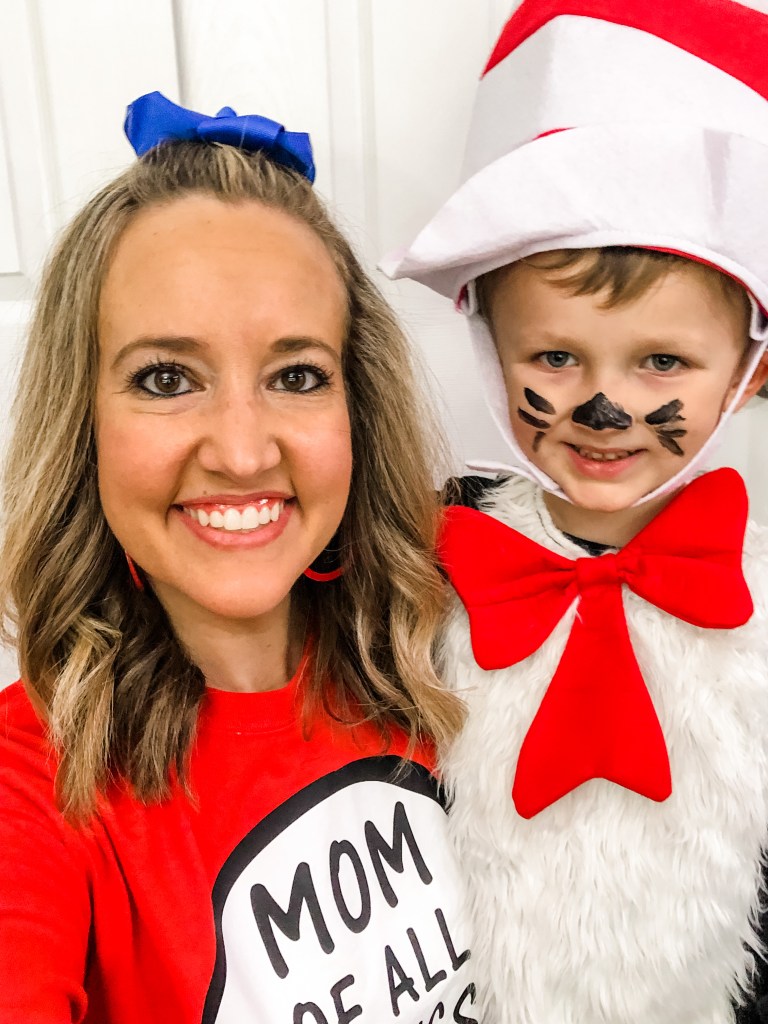



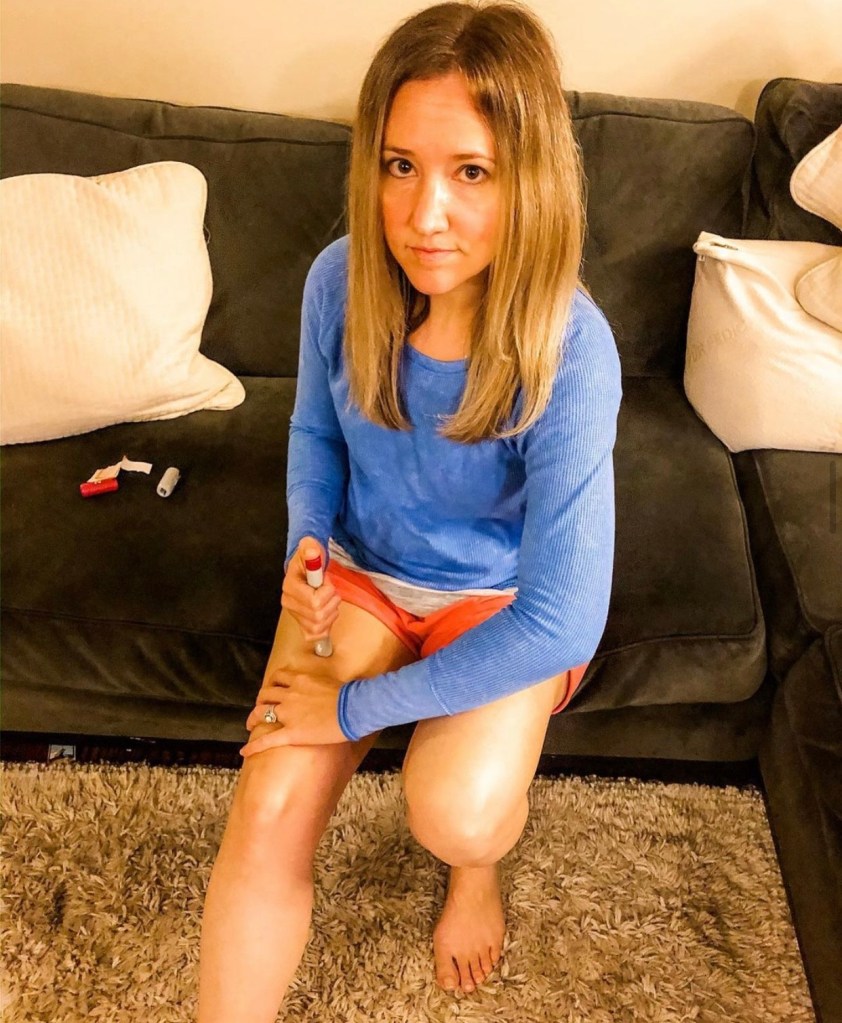




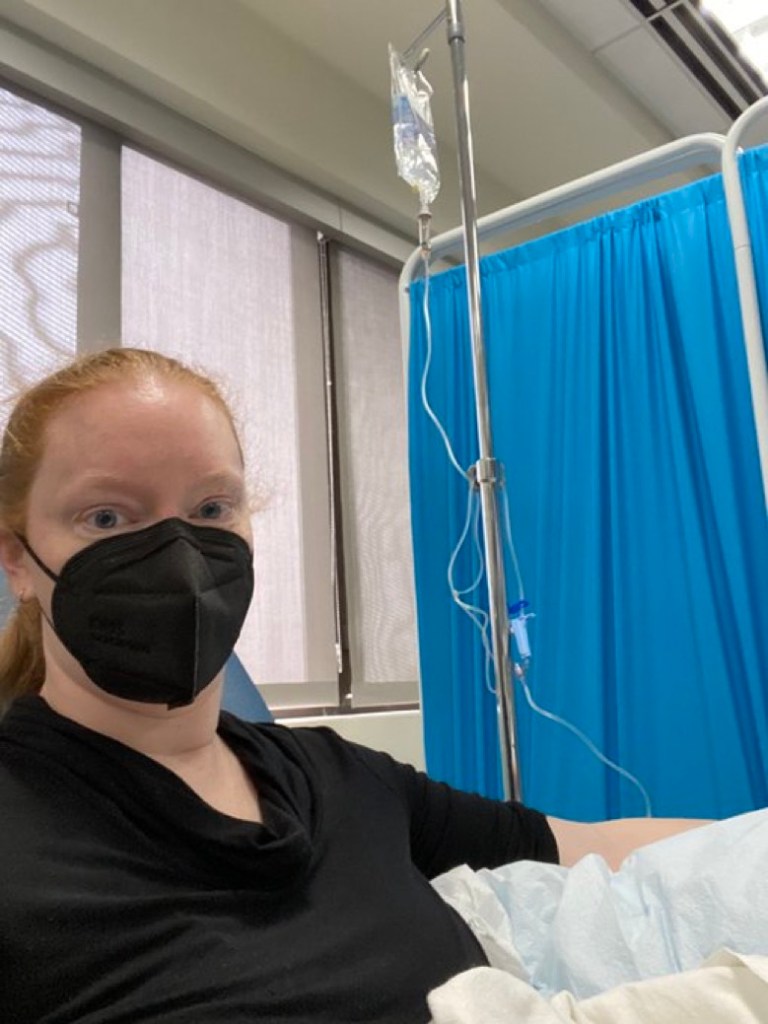





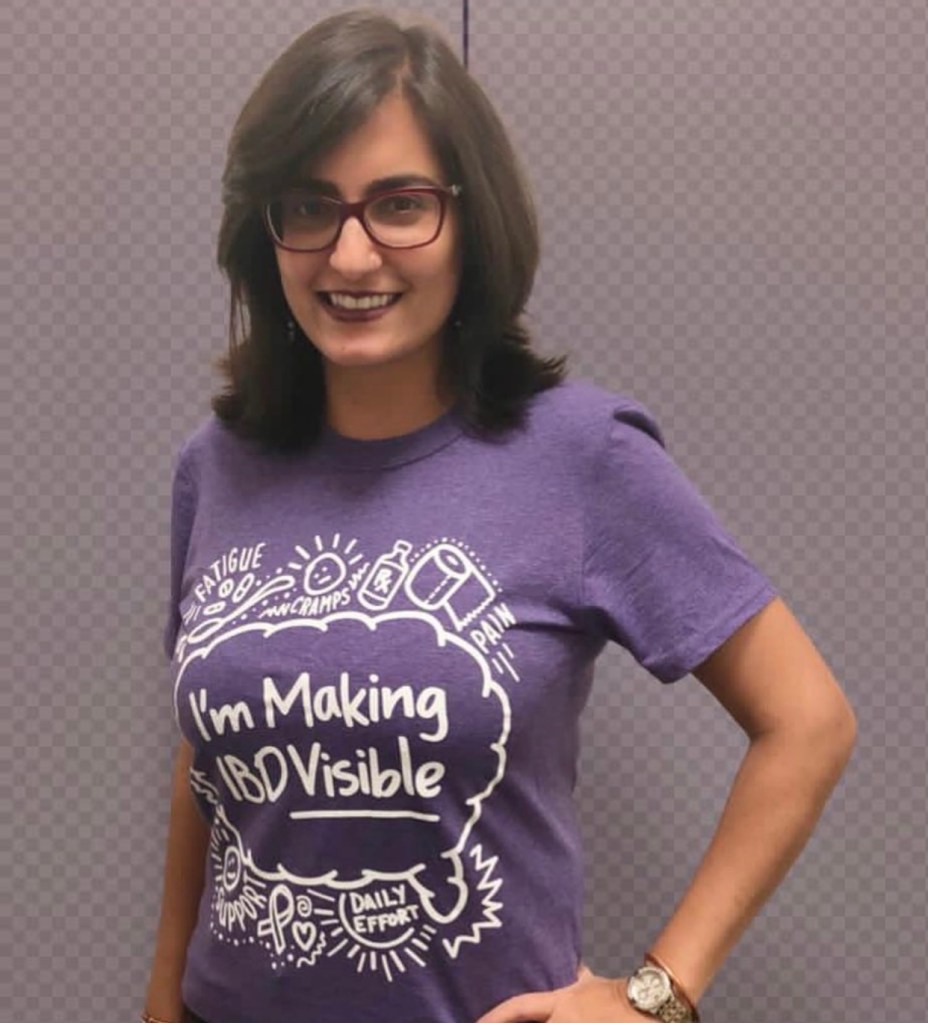





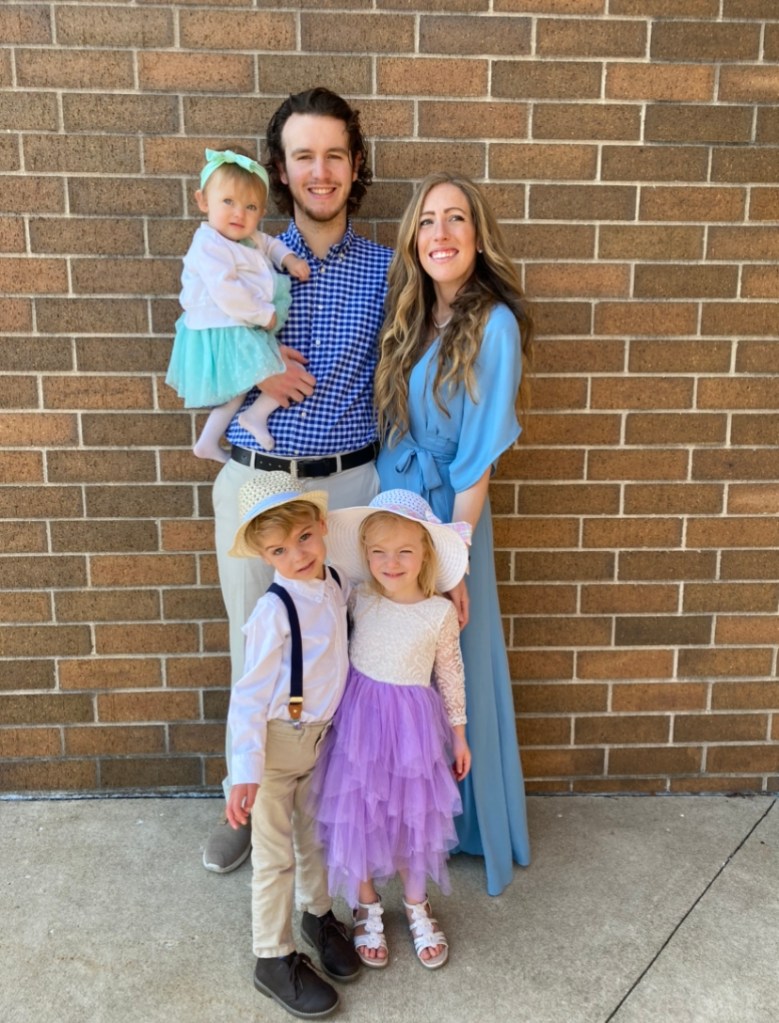







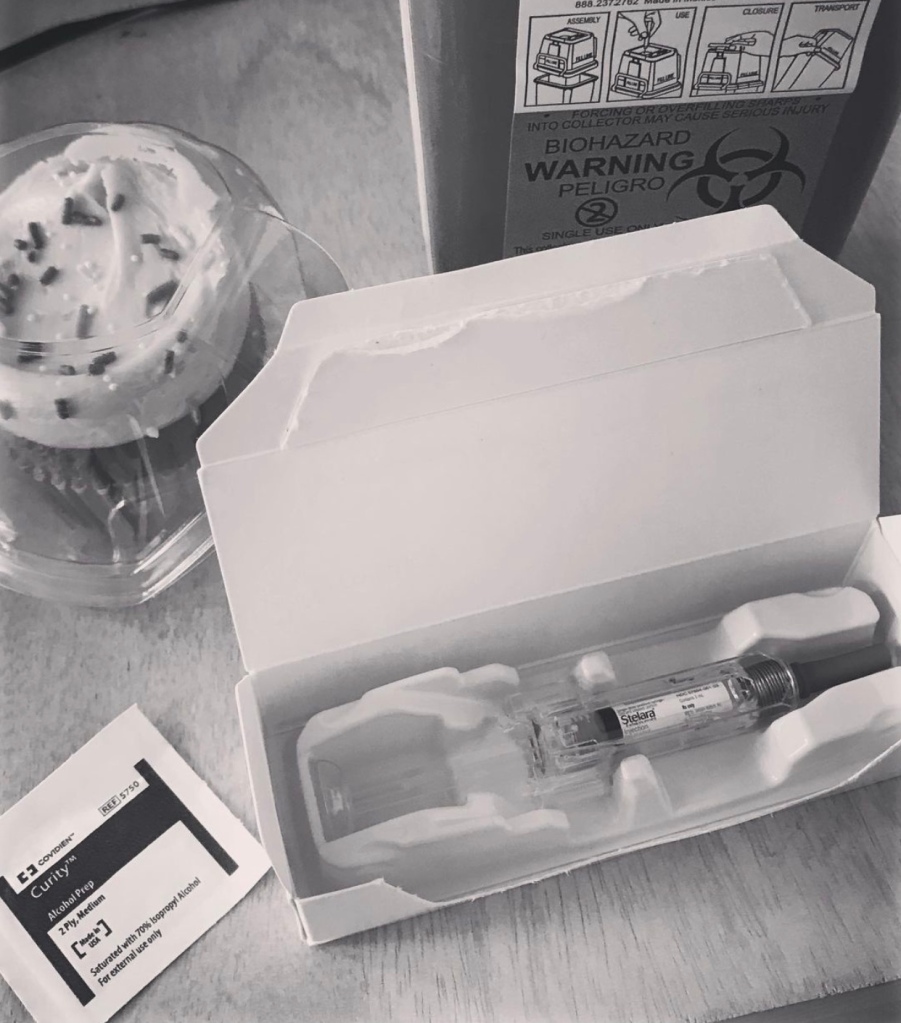




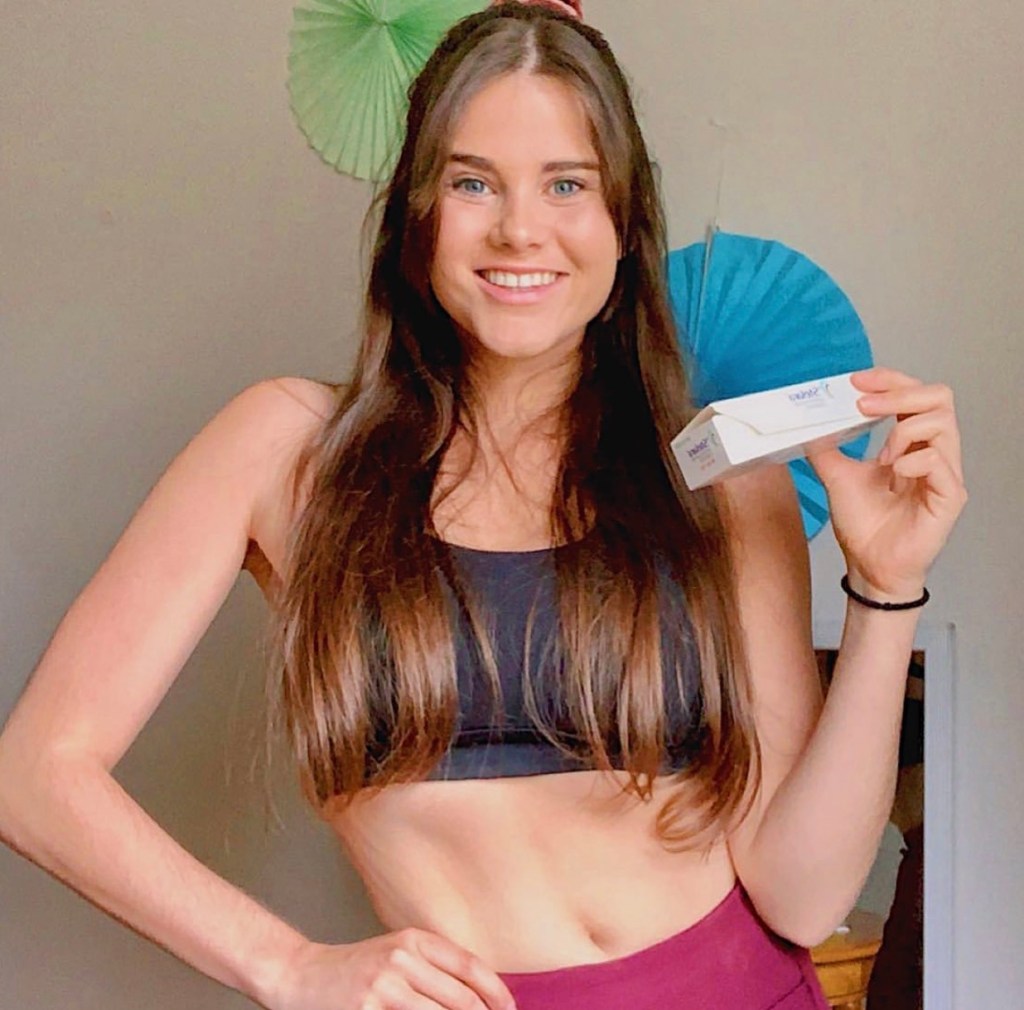

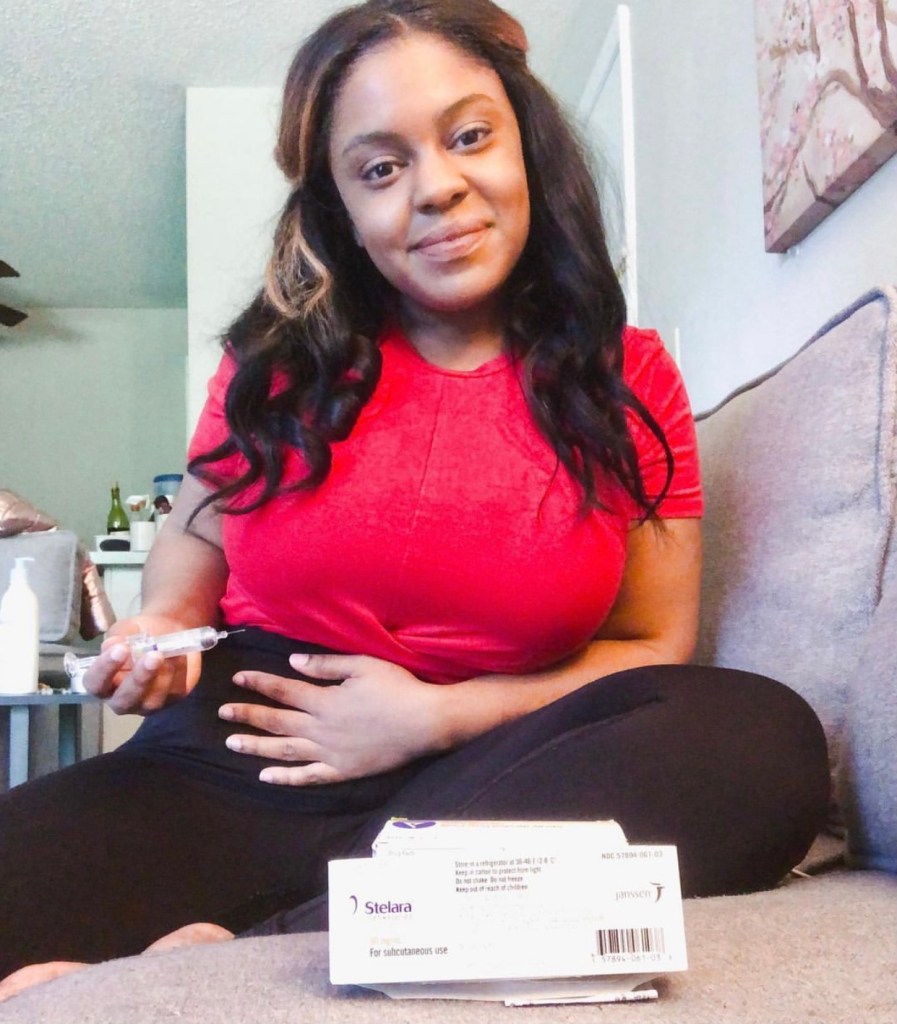


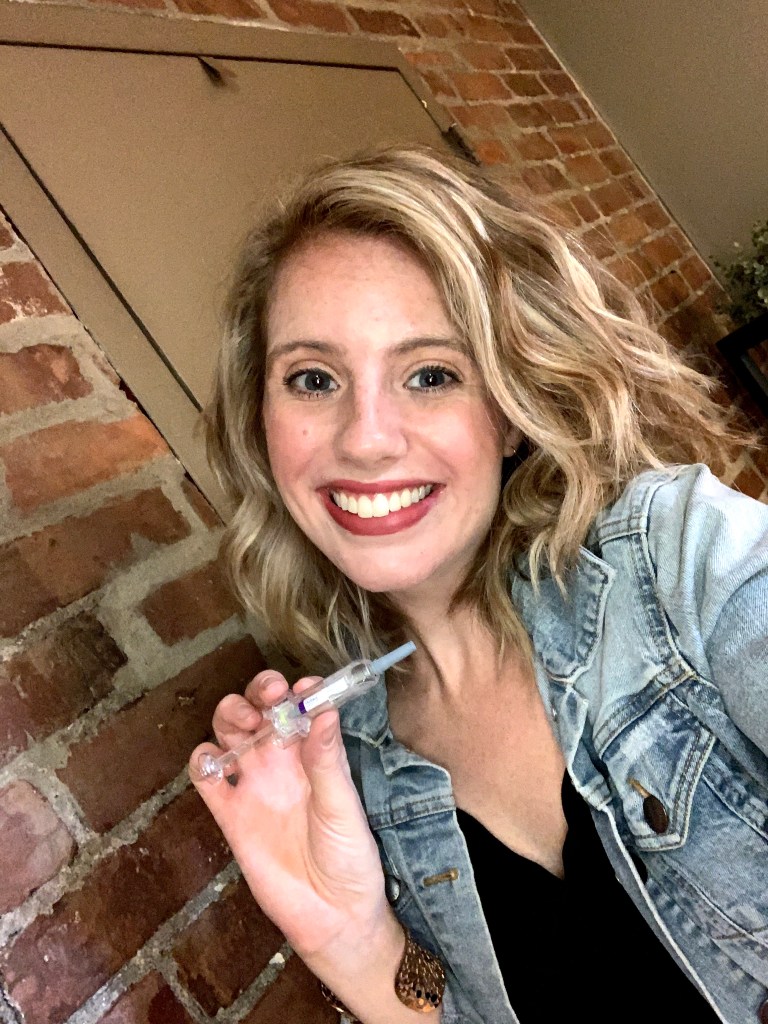






 lights camera crohn's