Clinical Trials: How the IBD Community Can Drive Breakthrough Research

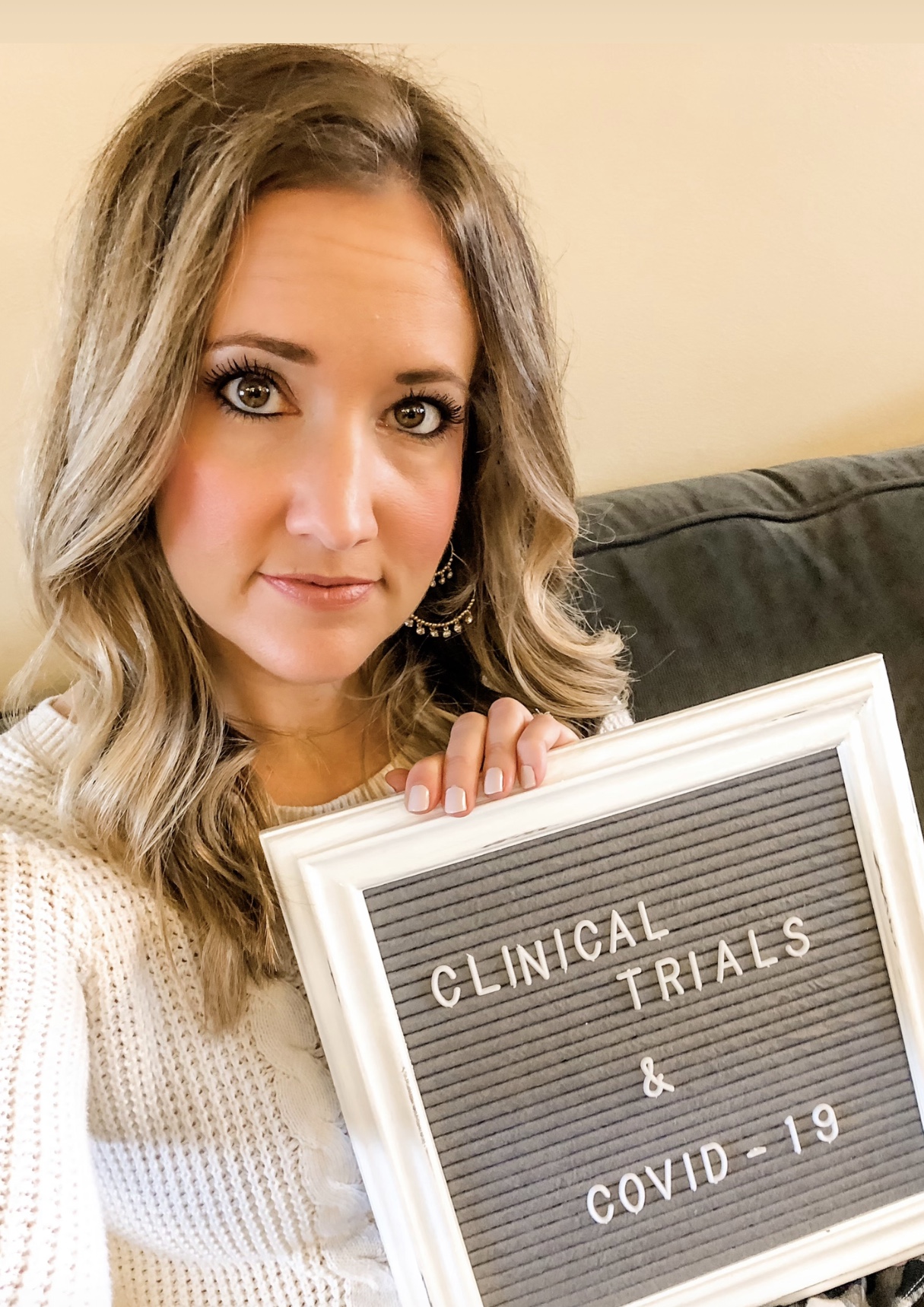
Clinical trials are the backbone of medical breakthroughs and the lifeblood for the future of treating diseases like Crohn’s and ulcerative colitis. When I started on my biologic treatment in July 2008 to get my Crohn’s disease under control, there were only two treatment options on the market. Fast forward to 2020, and now there are 12 biologic treatment options for IBD. This is all thanks in part to clinical trials. This piece has been entered in the Patients Have Power Writing Contest run by Clara Health designed to raise awareness about the importance of clinical trials. I am passionate about educating others on this topic with the hopes of raising awareness about the power of breakthrough research.

It’s promising and hopeful to know that as we speak, according to ClinicalTrial.gov, there are thousands of clinical trials geared towards IBD research underway around the world! Despite the pandemic, recruitment and patient enrollment for clinical trials are still underway. While there may be 12 biologic treatment options on the market, there are still so many patients who build up antibodies to every drug they try and have nowhere to turn. The Crohn’s and Colitis Foundation finds one-third of patients do not respond to initial IBD treatments. It’s imperative more options become available for our community not only now, but in the future.

Talk it out with your care team

By communicating with your gastroenterologist, you can learn more about the options available and how to find a clinical trial that is tailored to you and fits your needs. By participating, you can help shape the treatment landscape for the future and have a hand in pioneering innovative therapies. Some patients may shy away from clinical trials, thinking they’d be a guinea pig, while others are desperate to improve their quality of life and weigh the benefits as being greater than the risks. It all comes down to the patient population being better informed of what it’s like to be a clinical trial participant and how safety is paramount.

Understanding the safety measures to protect clinical trial participants

Prior to a clinical trial starting, it’s important to understand there are a lot of hoops to jump through. When it gets to the point where patients like you and me participate, the research process on the new treatment has already been going on for more than a decade. According to Clara Health, first the treatment is tested in lab cells and animal studies. Then, the Food and Drug Administration (FDA) gets involved and must give its stamp of approval for a clinical trial to get underway.

Clinical trial participants can have peace of mind knowing they’ll receive top notch medical attention from start to finish and be observed for any potential safety concerns. Every single potential side effect is documented and shared by the study team so that all participants are aware of any new risks, benefits, or side effects that are discovered during the trial.

When you think of participating in a clinical trial it’s empowering to know you are not only possibly helping yourself, but the entire IBD community. The future of how our disease is managed and treated depends on patients like us to step up to the plate. New treatments and therapies are dependent on us. Treatments can’t be created without us. So often the “what if” looms over our heads as IBD patients, in a negative way. With clinical trials, the “what if” signifies endless possibilities, hope, change, and breakthroughs that could ultimately shift and inspire what the future of care looks like for not only us but future generations who will be up against the beast that is Crohn’s and ulcerative colitis.
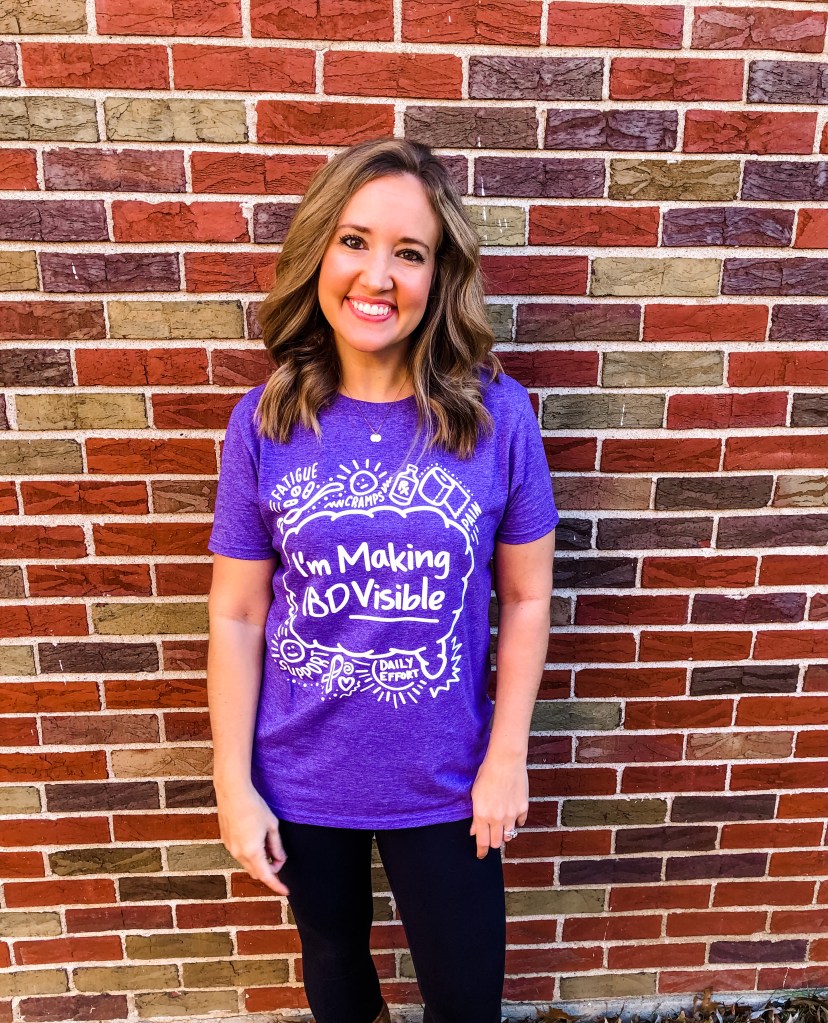
The Crohn’s and Colitis Foundation has many resources dedicated to this topic that are sure to put your mind at ease.

To learn more about clinical trials head to Clara Health’s website.

The future of biologics and the changes coming down the pipe

This article was sponsored by SmartTab. All opinions and thoughts are my own.

The future of IBD care and treatment is constantly evolving and there’s a lot of hope on the horizon for the patient community. Think back to the moment your physician discussed starting a biologic for the first time and how daunting it was to imagine giving yourself an injection or getting an infusion for the rest of your life. It’s a heavy burden to bear for many reasons.

This is where SmartTab comes in. SmartTab is a digital medicine company focused on drug delivery and improving patient care, comfort, and compliance. Their main application, the InjectTab, would give people the option of using the current syringe or autoinjector used to give biologic medication or instead have a person swallow a capsule that would deliver the active ingredients to either the stomach or the small intestine. This initiative is making waves in a big way in both the patient, pharmaceutical, and technology industries. SmartTab was recently named a Tech Crunch Disrupt 2020 Top Pick.

This image has an empty alt attribute; its file name is picture1.png

As someone who has been giving myself injections for over 12 years, this is music to my ears. My next question was what this means for those on infusions.

Robert Niichel, Founder and CEO of SmartTab, says, “We will start with the biologics deployed through a syringe and needle and then move to biologic infusions. Imagine if you take that infusion dose and instead take a smaller dose of the same medication as an ingestible capsule once a day. You now have reduced the amount of drug to a daily amount, side effects would go down because you’re not having to process this entire bolus and keep in mind that some of these drugs, no matter what it is, when you have an infusion, whether it’s to treat Crohn’s or receive chemotherapy, your body has to process that out through the liver or the kidneys. It’s stressful on the metabolism and the organs. Our goal, is that one day, regardless of whether it’s an infusion or an injectable, that you’ll take those drugs via an InjectTab capsule.”

This image has an empty alt attribute; its file name is profile1.jpg

Keeping patients in mind every step of the way

SmartTab is determined to limit the anxiety associated with managing diseases like Crohn’s and ulcerative colitis. The diagnosis and living with a chronic illness can be challenging to cope with, no matter how many years you’ve had it. It’s exciting to think what the future will hold for the IBD family.

“If physicians could go to people and say, we are going to start you on a biologic, you will take one capsule, every week, that’s a lot less of a burden than finding out you need to give yourself injections or spend hours with an IV getting an infusion. Your compliance goes up, patient outcomes, go up. At the end of the day, we’re trying to figure things out so people can lead better and more comfortable lives,” said Robert.

Getting InjectTab FDA-approved

SmartTab has the technology of the capsule finalized and they are starting a pre-clinical animal study next month. The InjectTab will inject an active ingredient into the side of the stomach.

“We will then do blood draws to collect the different levels of the active ingredients. Once that is complete, we will move on to human clinical trials and then onto FDA clearance, meaning approval of a device. Once we have that clearance, then we can combine our InjectTab with other active ingredients. Then we would seek out strategic partners to combine a prescription drug with our InjectTab. We would then do human studies.”

A lot of the heavy lifting for the actual technology has been completed, now it’s all about the clinical studies. Robert says the good news is that they’re not working on getting a new drug approved, since existing biologics will be used with the InjectTab technology.

“We believe that five years from now, if you take a biologic, you will no longer need to be doing a self-injection, there will be more options than syringes or needles to get your medication. You could just take a capsule. Whether it’s once a day or once a week, it will be as easy as taking your vitamins and moving on with your day.”

The cost benefits of a capsule vs. an injector

Right now, autoinjectors are typically hundreds of dollars. The InjectTab will range from $10-$50 a capsule, so right away there’s a significant cost reduction per use.

Robert says SmartTab is really counting on the insurance companies to look at this and say they’ll reimburse for the technology to deploy the drug because now patients are compliant and have reduced office visits and disease progression that can lead to hospital stays and surgeries.

SmartTab is currently in talks with several pharmaceutical companies, because that is the path to commercialization and making InjectTab a game changing reality for patients. Initially, the capsule technology will be available in the United States and then Europe. InjectTab will be geared towards the adult population first.

Life with IBD can be a tough pill to swallow, but the future possibilities surrounding InjectTab may prove otherwise. As someone who has given myself injections for more than a dozen years, this type of technology blows my mind in the best way. When my GI walked into my hospital room in July 2008 while I was battling an abscess the size of a tennis ball in my small intestine and he told me I had two options—Humira or Remicade, I was devastated. I didn’t want to give myself injections and I didn’t want to sit with an IV in my arm and feel sickly. It was a lot to process then and is still not always easy now. Hats off to companies like SmartTab innovating and changing the landscape for the future of IBD and beyond. As a patient, it means the world to me to see the tireless work going on behind the scenes that will change the future for those living with Crohn’s disease, ulcerative colitis, and other conditions.

This image has an empty alt attribute; its file name is humira-loading-dose-day.jpg

Interested in learning more about IBD innovations? Check out the virtual IBD Innovate: Product Development for Crohn’s and Colitis conference November 17-18. Register here.

Click here to learn more about Tech Crunch’s Top Picks for 2020.

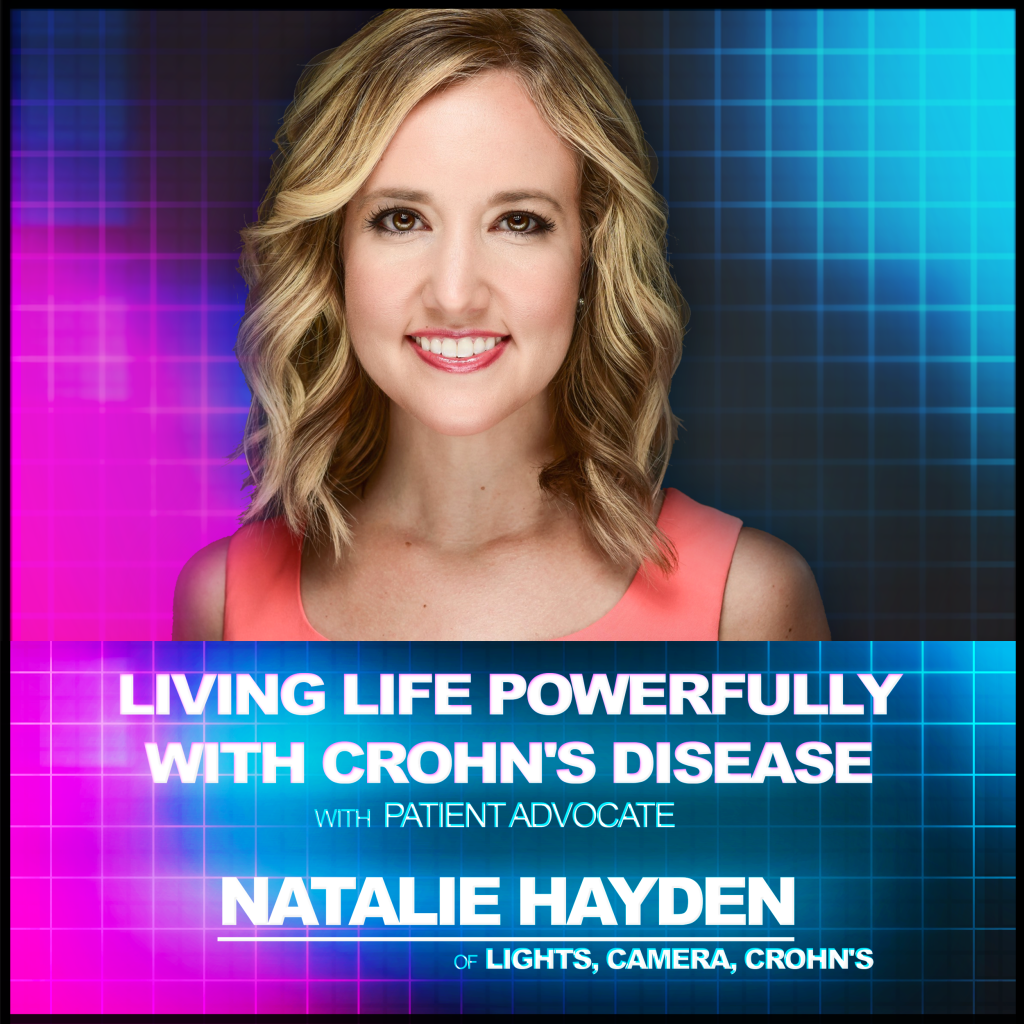
Check out my podcast interview about living life powerfully with Crohn’s disease and the future of IBD treatment.

Activism is a marathon: How to sustain momentum, while keeping IBD in check

Our current reality and the actions, decisions, and efforts we are making are a marathon and not a sprint. Much like life with chronic illness, anti-racism is something that will be an uphill battle day in and day out. You don’t receive an IBD diagnosis and educate yourself and manage your disease for two weeks and think the work is done. You are forced to evolve, learn, see the world through a different lens, while adapting to a new normal.

IMG-2683

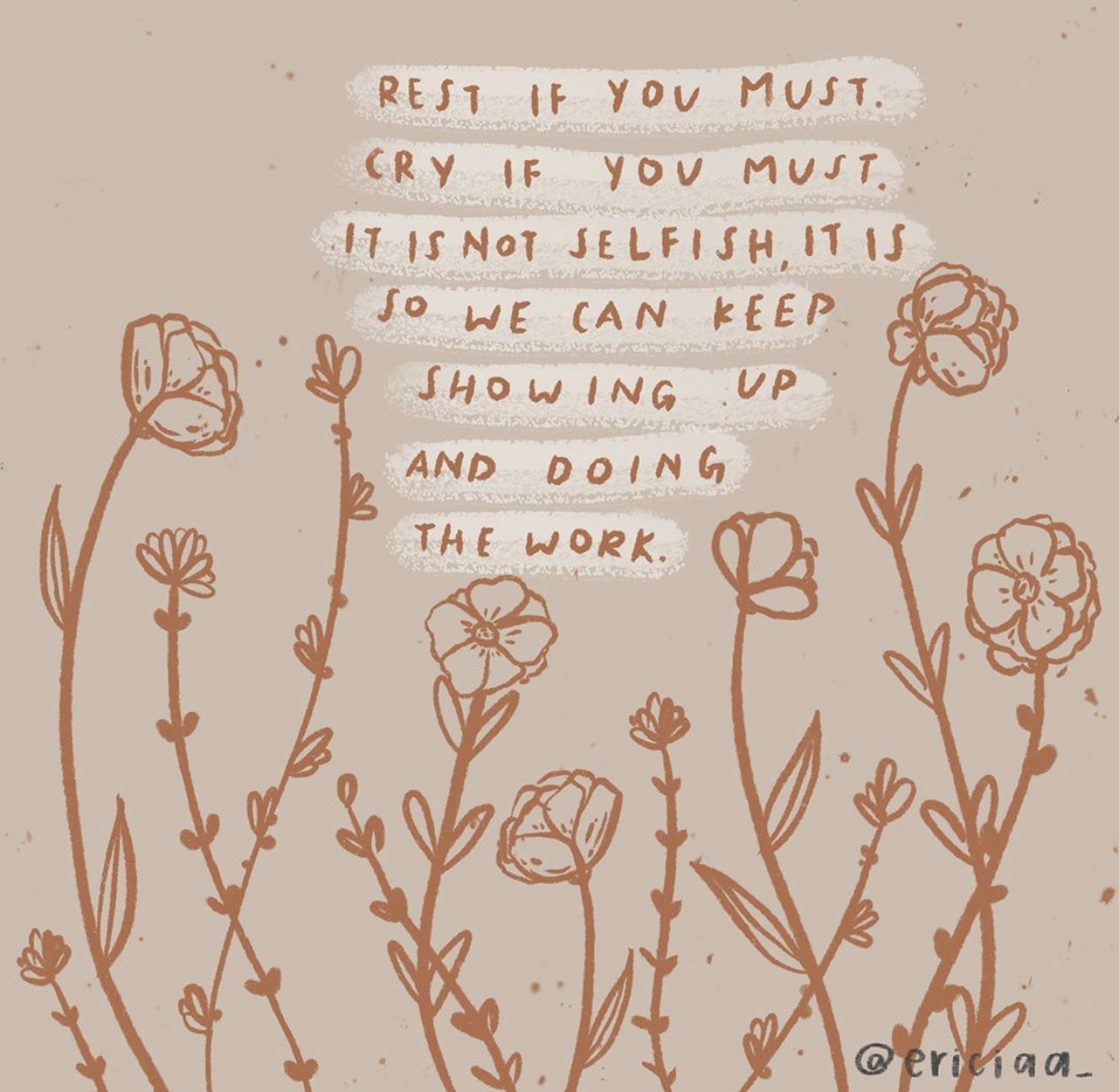
Created by @Ericiaa_ on Instagram

The racism that is a part of this country is not going to be eradicated by two weeks of social media posts and protests. But, each genuine and heartfelt decision from here on out has the power to make a huge change. By speaking up and not standing down. By recognizing your own privilege. By standing arm in arm with your peers who have suffered in silence for far too long.

Dealing with the overwhelming fatigue

Fatigue is heavy when you battle Crohn’s and ulcerative colitis, regardless of the current climate in the world. When you couple months of COVID-19 with visibly seeing the divide in our country and all the work that needs to be done, it’s overwhelming. Don’t burn yourself out, don’t feel like you aren’t able to keep up, don’t compare yourself to others.

In recent weeks, I’ve seen countless IBD patients apologizing for sharing their health struggles. I’ve seen people in hospital beds saying sorry for needing support as they head into surgery, start a biologic, or come to terms with their diagnosis. I’ve heard from people feeling guilty for needing a break from social media because the stress and worry is a trigger for their illness.

Chronic illness doesn’t take a break. Chronic illness thrives in conditions when we stop managing it and don’t make our health a priority. Chronic illness doesn’t care if there’s a pandemic going on around the world or a Black Lives Matter protest in your city that you want to be a part of.IMG-2685

It’s ok if you need to focus on you and your IBD. It’s uncomfortable seeing how divisive this world can be and the hurt so many of our friends and family face just for the color of their skin. If you’re like me, it’s made me question and rethink how I’ve navigated race all my life. I have black friends from high school that I just started having race conversations with NOW. I am 36.

Eddie

Friends since 2000. Just talked about race this week.

I have black peers in the IBD community who bring tears to my eyes with their pleas for support and great admiration for them using their voices and platforms to make a change and a paint a clearer picture for the rest of us.

I’ve started changing what I choose to watch on Netflix. We’ve watched “Dear White People” and “13th” after putting our kids to bed this week. We tuned in for the Sesame Street Town Hall on CNN about racism, even though our children are young. It’s never too early to start the important conversations with your family. I’ve started researching books with black protagonists for my kids that also discuss racism, after looking through their bookcase and realizing we only have two books with black characters.

Here are some recommendations I’ve received:

“A Boy Like You”

“Love”

“The Skin You Live In”

“The Day You Begin”

“The Snowy Day”

“Good Morning Superman”

Netflix cartoon: “Motown Magic”

Don’t burn yourself out

At the same time, we all, including myself, have a lot of work to do. This momentum, this energy, and this dedication is going to be challenging to sustain. We don’t want to burn out. We can’t put our IBD on the back burner. It’s up to us to realize when we need time to focus on our health and when we can use our voice and our heart to make a difference.

IMG-2686

Created by The Chronically Honest, on Instagram

If you’re feeling more symptomatic from the stress of these eye-opening and challenging days, give yourself permission to take a break from social media and the news. Your health and well-being come first, and you don’t need to feel guilty for that. If you are desperately wanting to participate in protests but worry because you’re immunocompromised and in danger of getting COVID-19, that’s understandable. Your work and your effort can be done safely at home.

You can be an ally. You can be a friend. You can be a patient. That priority list can be fluid and ever-changing. Take care of others, but always remember to take care of yourself.

IBD does not just look like me

Like most people, the events of the past week have left me feeling upset, angry, frustrated, helpless, and at a loss for words. As a white woman I recognize my privilege and the need for change. I recognize that I can’t begin to imagine what it’s like to walk in the shoes of a black man, woman, or child.

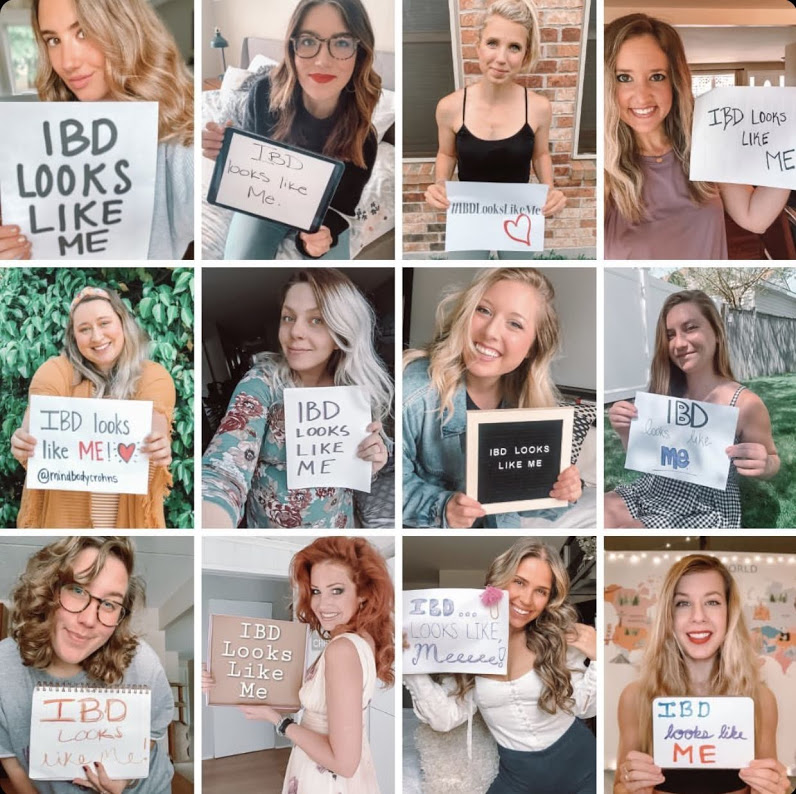
As an IBD advocate I understand that Crohn’s disease and ulcerative colitis do not discriminate. These diseases don’t care what color, race, ethnicity, or gender you are. Oftentimes though, the lists for blogs, advocates to check out, interviews, or accolades, tend to feature people like me. When I scroll through these lists and see all white advocates it makes me uncomfortable. IBD looks like meWhen I’m part of a photo grid holding up a sign alongside fellow advocates…and it’s a bunch of white girls, it makes me feel out of touch.
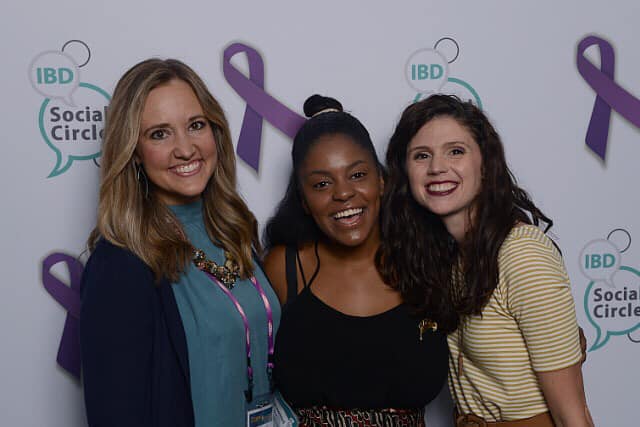
Over the years, I’ve heard from black patients who are friends of mine, who have dealt with delayed diagnoses because of mistrust from physicians. I’ve heard of black patients being looked at as opioid-seekers, despite rarely going to the ER for their symptoms. IMG_8619

I want to make sure you know and are familiar with some ROCKSTAR female advocates who do a phenomenal job of being a voice for not only the IBD community, but the black community. Here are their names and their Instagram handles.

Brooke Abbott                @crazycreolemama and @IBDmoms

Shawn Bethea                 @shawnbethea_ and @crohnsandstuff

Gaylyn Henderson         @gutlessandglamorous and @gaylyn14

Myisha King                     @gameofcrohnsandchronicillness

Sonya Goins                     @sonya_goins

Melodie Blackwell          @melodienblackwell

Shermel Maddox            @shermel2

Chelsey Leanne               @chelseyleannibd

We’ve all had people in our lives try and understand what it’s like to live with IBD when they don’t have it. Through my nearly 15 years with Crohn’s, I’ve experienced the instant connection that occurs when you meet someone online or in person who understands your reality. ShawnThere’s a level of empathy and understanding that makes you feel like you are home.

In this instance, I’m not going to try and act like I fully grasp or understand what it’s like to be black with IBD. It’s important for our community to have role models who look like themselves to connect with, learn from, and admire. Especially the newly diagnosed and pediatric patients. IMG-2348

IBD is not black and white. IBD is all of us. Holding hands through this. Lifting one another up. Doing better at loving and accepting others. Making an effort to be anti-racism each and every day. Teaching our children to see the world and others with a different understanding. This is on us. We must be better.

IBD does not just look like me.

From one IBD mom to another…here are some resources to check out:

Children’s books to support conversations on race

Your Kids Aren’t Too Young to Talk About Race: Resource Roundup

Anti-racism Resources for White People

An Anti-racist Reading list (for adults)

Anti-Racism Activism Resources, Education, Stories, Books, and More

Wondering how you can make a meaningful impact? Tune in for a Facebook Live Tuesday, June 2 at 6 pm CT on the CrohnsandStuff Facebook page.

IMG-2352


Revolutionizing the patient experience through crowdsourcing: Use your journey to make a difference

This blog post is sponsored. All thoughts and opinions are my own.

Coping with chronic illness is complicated. When it comes to IBD, no two people have the same experience, but there are often many parallels and overlaps. Crowdsourcing is now being used to understand how to best treat chronic conditions, such as Crohn’s disease and ulcerative colitis. By empowering patients from all around the world to share information on a large scale and leveraging the power of advanced artificial intelligence to analyze and organize that data, StuffThatWorks is revolutionizing how medical research is done.

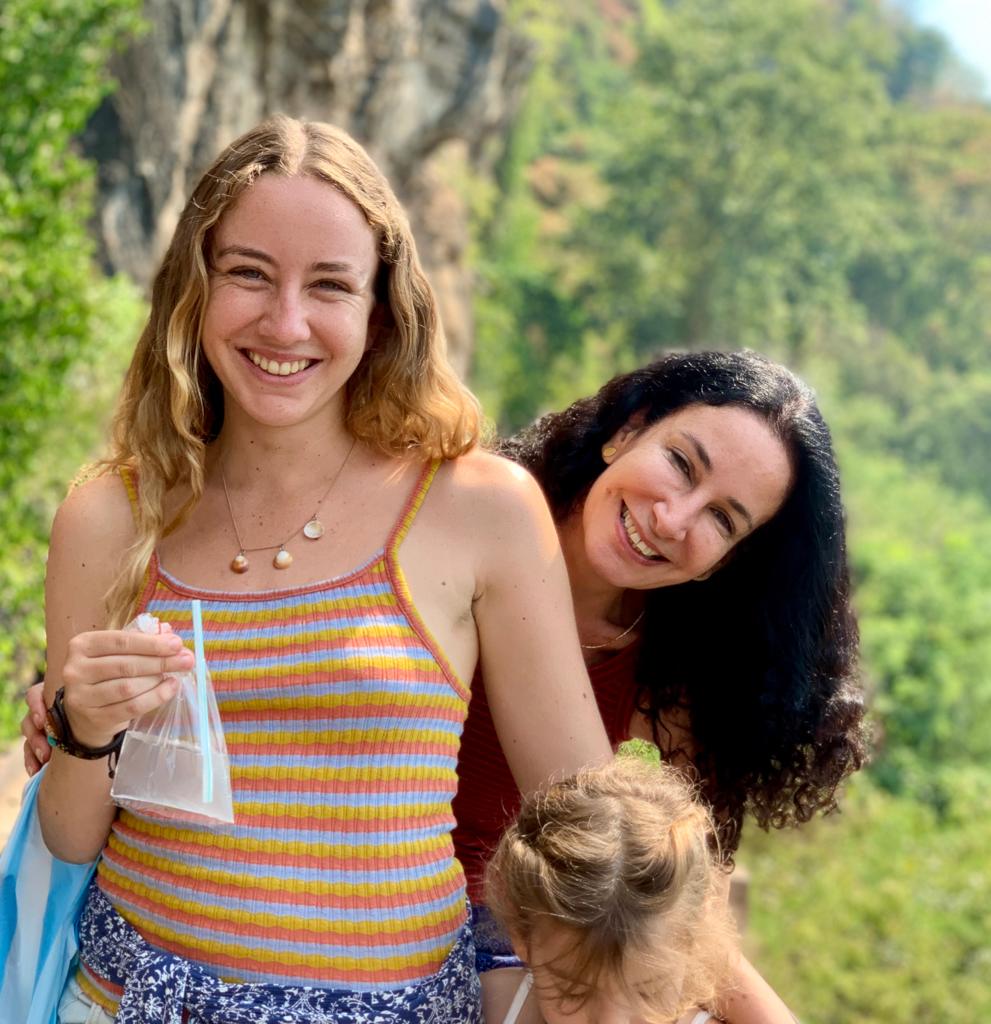
Chances are you’ve heard of the popular app, Waze, which allows people to build maps and share data with other drivers to bypass traffic. It’s an app my husband and I use all the time! One of the members of the Waze founding team, Yael Elish, started thinking about how crowdsourcing could be used to understand how to best treat chronic conditions. Yael’s daughter started to struggle with a chronic health condition and wasn’t responding well to treatment. Her illness was taking a heavy toll on the entire family. Yael Elish and daughters_1

“It seems like almost everyone dealing with an ongoing medical condition dedicates endless hours researching, speaking with others, and scanning groups in search of something that can help us feel, and live better. We want to know if there are treatments that will work better, if our side effects are unusual, or if diet or lifestyle changes could make a difference. We look for people like ourselves and seek to learn what works (and doesn’t) for them,” said Elish, Founder, CEO, StuffThatWorks.

When it comes to managing chronic illness, it’s much like trying to find the needle in the haystack—the one treatment that will work best for us. The power lies with patients. We are the people who have tried various treatments and know what’s worked best. Crowdsourcing puts patients in the driver seat. Large amounts of information can be gathered from millions of people worldwide.

“I want people to feel empowered – and validated. To realize that their point of view and experience is not only legitimate but is extremely valuable to helping the world understand illness and treatment effectiveness,” said Elish. “I want StuffThatWorks to be a place where patients can share their collective voice and be heard by the medical community.  Where patients themselves are able to impact and drive the research that is being done about their condition and play an active role in finding solutions that will help everyone with their condition feel better.”

StuffThatWorks Currently Serves 85 Condition Communities

As of now, more than 125,000 people are contributing members within 85 condition communities. Over 6.5 million points of data have been shared! One of the biggest communities (fibromyalgia) has over 15,000 members. PCOS has 12,000.

StuffThatWorks is looking to grow the IBD community.

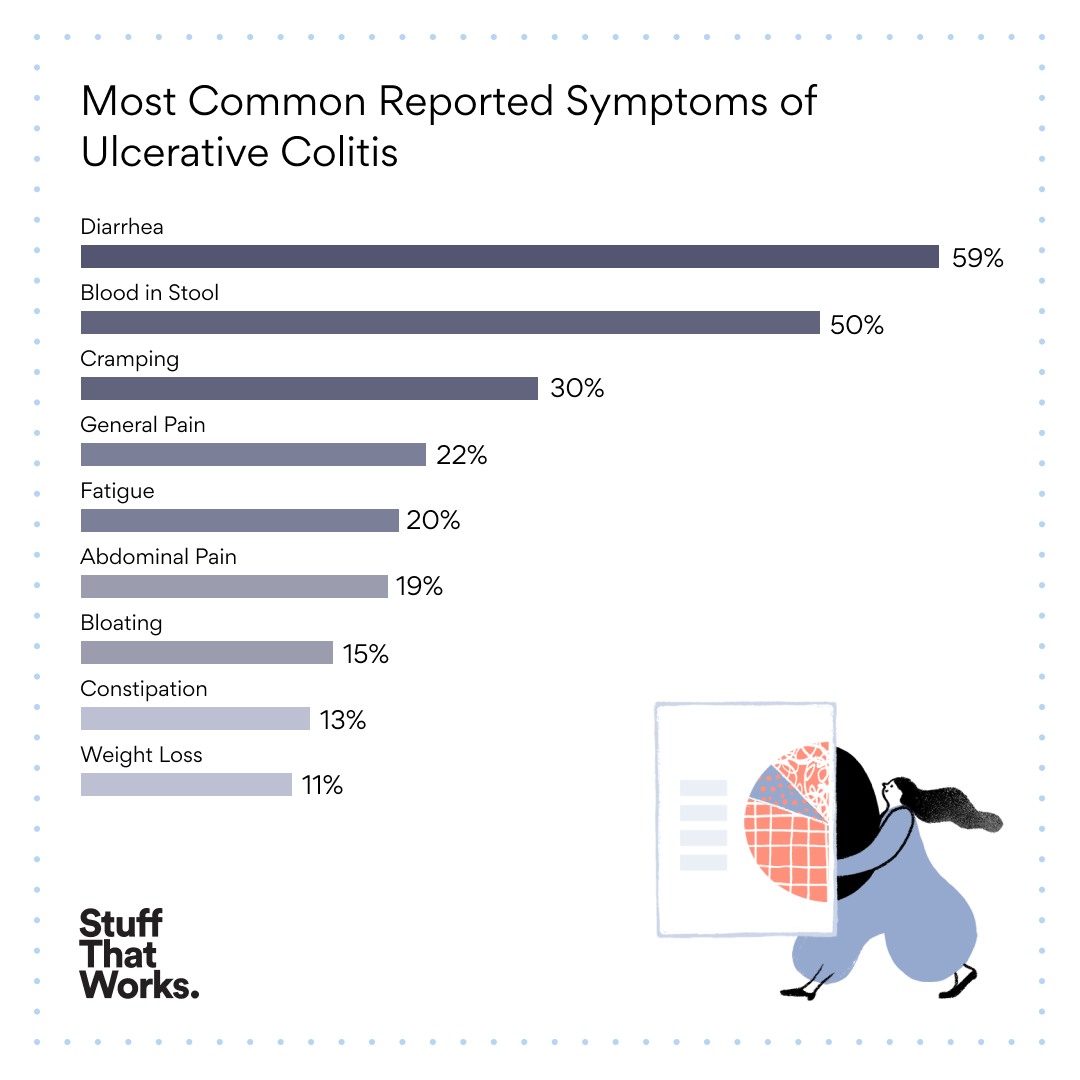
Right now, there are three communities, IBD in general, ulcerative colitis, and Crohn’s. Of these three, Crohn’s is the biggest with 729 members who have reported their experience with 270 treatments. The ulcerative colitis community has 409 members and 155 treatments in the database.

SymptomsUlcerativeColitis

Take the UC survey: https://stuff.co/s/5sSltbnK

On average, Crohn’s community members report they have tried 6.2 different treatments, and 37% describe their Crohn’s as “severe.” By sharing treatment experiences, our community members can use data to help one another figure out which treatments are best for different subgroups of people.

“The power of this database is that it can reduce the years of searching for the right treatment or combination of treatments. Our platform lets people explore how different treatments work effectively together, and we’re able to analyze everything from surgery and medications to alternative treatments, changes in diet, stress reduction and more,” said Elish.

COVID-19 response

StuffThatWorks is in a unique and powerful place to help advance the research on COVID and understand how it impacts people with different chronic conditions. Who is more at risk? Does the virus present differently in people with certain conditions? Do certain treatments work better/worse for them?

“We are currently prioritizing COVID-19 research by inviting everyone with a chronic condition to contribute to the research by answering questions about their experiences related to the coronavirus pandemic, even if they do not have the virus. We are also inviting all current StuffThatWorks members to fill out the coronavirus questionnaire and contribute to this new research,” said Elish. “We’ve also set up a dedicated coronavirus discussion forum, where doctors are answering questions and providing important information about the latest research.”

In a time when many people are feeling anxious and alone—discussion boards are helping to bridge the communication gap and allow for people to connect with one another. StuffThatWorks community members are seeking support about decisions: Should I cancel my doctor’s appointment? How much am I at risk if I am taking immunosuppressants? How can I help my partner understand my anxiety about coronavirus?

The world is suddenly realizing that crowdsourcing is the holy grail of how to gather health care data on a large scale. The real-time nature of it is particularly important, and the ability to get data from such a vast number of diverse sources.

Crowdsourcing research is limitless: The hope for the IBD community

You’ve heard the adage “strength in numbers”. Once large numbers of people with IBD sign up and become members on this free platform, everyone from the newly diagnosed to veteran patients can find something new and continue to evolve and learn about their patient journey.

TreatmentCategoriesCrohns

Take the Crohn’s survey: https://stuff.co/s/bzqQR5xP

“I want people with IBD to feel empowered – that this community is THEIRS, not OURS – and that they can determine what it’s used for and how it can be most helpful. They can add new research questions, post personal discussions or experiences and ask others specifically what works and doesn’t for them,” said Elish.

As members of the IBD family, by joining this platform we immediately become part of a supportive community where we can talk with others just like us, either collectively, or one on one, about how we manage and handle the day-to-day with our IBD.

Driving Research through Patient Reported Outcomes

Patients like you and me have power to influence the research direction of the medical world. We are all a piece of the puzzle and play a critical role in helping with the future development of medications and treatments, and hopefully one day a cure.

So much medical research is done using small groups and funding for large-scale research is extremely hard to come by. The opportunities are endless with crowdsourcing, in terms of the research that can be collected and the solutions we as patients can only provide. LightsCameraCrohns-Blogpost_image

Whether it’s shortening the amount of time it takes to get an IBD diagnosis or helping people find optimal treatments quicker, by sharing our experiences we gain invaluable insight into improving our quality of life and managing our chronic illness. It’s truly a win-win for everyone involved.

Check out StuffThatWorks and sign up for free as a member. Take part in building a knowledge base aimed at figuring out which treatments work best. Your story. Your experience. It’s powerful and it all matters.

The race for a cure: How clinical trials are taking on COVID-19

Clinical trials are the guiding light when it comes to discovering life-saving medical breakthroughs. Now, more than ever, they are critical for ensuring treatments and vaccines to combat COVID-19 are safe and effective. IMG-9966 Citruslabs is currently offering research organizations their patient recruitment service and software free of charge for COVID-19 trials. Their goal is to make an impact by accelerating the research needed to find a vaccine and treatment for this condition sooner rather than later.

“Without clinical trials, there is no innovation in medicine. Since there is currently no cure or vaccination for COVID-19, it is essential to test potential treatment methods as soon as possible and to speed up the process so that we can slow this virus down and all move on with our lives. We know that patient recruitment is a big issue in the clinical trial industry. We want researchers to do what they do best: conduct research, see patients, and let others, like Citruslabs, worry about patient recruitment,” said Susanne Mitschke, CEO and Co-founder, Citruslabs.

Susanne

Susanne Mitschke, CEO & Co-fonder, Citruslabs

Right now, clinical trials are looking for people infected with coronavirus, as well as healthy individuals. Healthy people are the key group needed for vaccination trials. Currently, there are around 12 different potential treatment methods being tested—finding a cure for people who are already infected with COVID-19 and finding a vaccination that prevents people from getting the virus in the first place.

As you can imagine, aside from COVID-19 trials, the clinical trial world has come to a screeching halt. Patients are scared to come to screenings or continue with their study visits because of COVID-19.

The trials to treat infected COVID-19 patients are targeting the most severe cases and mostly treat ICU patients. Citruslabs isn’t working on those trials, as it’s hard for them to identify patients who are in the ICU. Their expertise lies more so with clinical trials for vaccines.

The race to discover a safe COVID-19 vaccine

Even though clinical trials for COVID-19 are accelerated right now, to ensure a vaccine works and is safe, still takes time. This is why it’s expected a vaccine for COVID-19 won’t be approved until at least March 2021. stay-home-save-lives-4983843_1280

To give you an idea of just how accelerated the race to get a COVID-19 vaccine is, on average clinical trials for vaccines take 10 years! First, research must be done “in vitro”, then, usually the vaccine is tested on animals and the last step is human clinical trials (three phases for FDA approval). Most companies then continue with a Phase 4 trial to collect “real-world evidence” and test the drug with tens of thousands of patients.

“The good news when it comes to COVID-19 is that researchers have investigated other Coronaviruses: SARS (from 2002) and MERS (from 2012). The current Coronavirus has 80-90% similarity to the SARS virus from 2002, which is also why doctors call the virus SARS-COV-2. When it comes to COVID-19, some trials focus on live but weakened virus forms. These have drawbacks because they can still make the host (the human being) sick! Newer approaches are looking at the genetic code of the virus, which seems in light of COVID-19, a safer approach,” explained Susanne.       corona-4983590_1920

COVID-19 Symptom Tracker

Citruslabs is collaborating with other research organizations to find the right patients for clinical trials. One of those companies is Lazarus, which created a symptom tracker to identify those who are likely to have COVID-19. Their software advises patients if they should stay at home (self-monitoring), visit their primary care physician, or even go straight to the hospital. You can find a link to their tracker here.

How to get involved and help

So, what can we do as the general population right now—other than STAY HOME to minimize the spread? Taking part in clinical trials can really save lives, now more than ever. If you are interested in taking part in a clinical trial to find a vaccine for COVID-19, head over to https://bit.ly/2wMS3Ja and fill in your information. A research team will be in touch with you about suitable trials in your area.

The backstory on Citruslabs

Founded in 2015—Citruslabs is the link between patients and research organizations. Their sole focus is to find the right candidates for the right clinical trials. Currently, 86% of clinical trials don’t meet their patient targets. Citruslabs is working tirelessly to change that. When clinical trials can’t be completed it puts researchers in limbo because they are not able to collect enough data to the safety and efficacy of new treatments. As a result, many drugs never make it to market.

As of today, Citruslabs has worked with more than 200 clinical studies and reached more than 3 million patients. But their work is just getting started. Over 50% of Americans are not aware of clinical trials. CitrusLabs

“We want to change this by providing transparent information about the importance of clinical trials, their benefits, but also their risks so that individuals can make an informed decision if they want to join a clinical trial or not,” said Susanne.

In the months to come, stay tuned to Lights, Camera, Crohn’s for more information about how Citruslabs is working to drive research related to Inflammatory Bowel Disease. For now, though—the focus remains on COVID-19 and doing all they can to rise to the challenge and make a difference.

Click here to learn more about how Citruslabs is fighting the fight against COVID-19.

This article was sponsored by Citruslabs. All thoughts and opinions shared are my own.