There’s power in surrendering to your IBD. It takes time to reach that mindset and it’s something author and patient advocate Christine Rich eloquently explains in her debut book, “Chronic”. Christine reached out to me when she was doing the initial writing research and we hit it off instantaneously. There’s something magical about connecting with strangers who understand your reality. You may be thousands of miles apart, with different back stories, but the common thread of life with chronic illness makes you feel seen, understood, and like lifelong friends.
Christine, now a 41-year-old married mom of two, was diagnosed with Crohn’s when she was in high school. It took time and struggle for her to truly process all she endured and reach the point where she is today.
“Many of us are taught to smile, be grateful, and make everyone else feel all comfy and cozy at the expense of our own comfort and well-being. The problem with these types of expectations is that they are lies that create loneliness and rage that eventually turn women against themselves and their potential.”
This quote really spoke to me. Having an invisible illness like Crohn’s disease, one of my biggest struggles in my 16-plus years since diagnosis has been feeling comfortable with making those around me know how uncomfortable I am in any given moment. It often feels a lot easier to just put a fake smile on and pretend you’re not in pain. But, in doing so, we are only hurting ourselves and deepening our personal struggles.
Advocate for and take care of your body
Christine’s powerful journey exemplifies all the work and personal development it takes to discover self-acceptance, grieve the loss of the former you, ask for help, and feel empowered. She speaks of the trajectory we all go on from the point of diagnosis to becoming a “veteran” patient years later. Take a moment to think of how you have personally transformed since you were told you had IBD. That transformation is one that takes a great deal of time and personal growth, but once you come out on the other side you won’t look back aside from reflecting on how far you’ve come.
“When I walked in for my outpatient procedure that warm July morning, I was arrogant, afraid, angry, and emotionally incompetent. When I walked out (well, wheeled out is more like it) I was humbled, vulnerable and awake in a way I had never been before in my adult life.”
This quote paints the picture of what life is like with flare ups that result in hospitalization and how we evolve through the setbacks. Often those in our lives think we’re “all healed” the moment we cross through the hospital doors, when in actuality the healing process is something, we’re constantly going and growing through.
Thinking of your body as an ally, not an enemy
One of my favorite chapters in “Chronic” is Chapter 14—The 4th F. Christine’s words and experiences really resonated with me.
“After working through the peak of my resistance, denial and rage I realized I had made an enemy out of my body for far too long. I had turned my back on her for being different. She wasn’t broken. I wasn’t broken. We were both sad and not fully aware of the other. I needed to learn how to stop fleeing and fighting my body…I needed to befriend it.”
She goes on to explain how altering her perception of the way she looks at her body and thinks about it, has shifted her entire life experience, and brought her to where she is today.
“I was faced with a choice: continue to carry this anger and self-hatred until it sunk my health, my marriage and my self completely, or decide to feel it all and acknowledge that my body is not and never was an apology, enemy or failure.”
Rather than our community thinking of Crohn’s and ulcerative colitis as a villain trying to destroy it, Christine asks what if we treated our chronic illness as a small child seeking love and attention?
“What if I could make friends with my body? Love her and care for her like I do my own children.”
In my own personal experience with Crohn’s, I’ve also learned to be in-tune to the subtle signs my body is trying to communicate through symptoms. Rather than constantly shutting that communication out and trying to push it to the back of my mind, like I did in my 20’s, now, I listen closely. That voice is part of a constant inner conversation that is part of every hour of every day of my life. Even in remission—each choice, each decision I make, has my Crohn’s in mind. Because as an IBD mom of three, my disease impacts a lot more than “just” me.
“Although I would never be able to control the circumstance of my diagnosis, I could control my perception and reaction to it. I could start telling the truth. I could stop punishing myself.”
This is so important. Even though we were all powerless over receiving our diagnoses, we’re not powerless in how we choose to live life after our diagnosis. The unpredictability of the disease may make us feel like we’re constantly on edge, spiraling out of control, but by being proactive rather than reactionary and by making efforts to manage our disease on every level (physical, emotional, and mental) we set ourselves up for a much-improved quality of life. IBD doesn’t have to be the headliner of our lives, it can be more of a footnote.
There’s no fixed end point with chronic illness
Christine says her therapist tells her to go to her 17-year-old newly diagnosed self as her current 41-year-old self and hold her hand. Tell her it’s not her fault. She goes on to explain how there’s no fixed end point with chronic illness and that the collective power of patients in the IBD community must discuss the mental anguish that’s often brushed under the rug.
“For the life of me I can’t figure out why mental health screenings aren’t standard practice of care. They test and screen us for everything else. They test our blood and our stool. They examine our rectums and colons. They poke and prod us top to bottom…they examine everything but our minds.”
She calls on all of us to be “chronic truth tellers”—which I love. The more doctors hear the same message over and over again directly from patients, the better chance we have to impact change. This takes effort and a heightened sense of vulnerability on our parts, but reaps endless benefits. We can’t take care of our whole self by simply focusing on the physical manifestations of our illness.
In “Chronic” one of my favorite lines is when Christine recalls how one of her yoga teachers once said, “what we resist—persists.” In IBD terms—every time we resist telling our care team, loved ones or friends about symptoms and struggles, things will only snowball and get worse.
“In order to advocate for ourselves we must also be chronically curious about ourselves. Being chronically curious about yourself starts with a clear understanding of what makes you feel good and whole.”
The overarching theme in this remarkable and must-read book are to keep showing up for yourself every day. Stop running away from the discomfort. Acknowledge it, explore it, and feel it—all of it—the good, the bad, the embarrassing. Christine Rich started out as a stranger on the phone with a dream of becoming an IBD patient advocate and published author. Not only did she accomplish all the above, but she did so in a way that even her personal experiences will feel like something you can relate to and grow from. As a fellow woman with IBD I stand up and give her a round of applause and a big hug for so bravely and candidly speaking the words so many before her felt too silenced and worried to share. Bravo, bravo, bravo.
This post is sponsored by the American Gastroenterological Association (AGA). I am a paid program Brand Influencer; this post is sponsored and includes my own personal experiences.
Breastfeeding is a labor of love. Like many women, it doesn’t come easy for me. As an IBD mom who already fears passing my disease down to my kids, there’s added pressure and stress. In the United States, an estimated 1.6 million people have Crohn’s disease or ulcerative colitis. Of those, roughly half are women, and most will carry the diagnosis during childbearing years, throughout all phases of family planning: trying to conceive, pregnancy and postpartum. As an IBD mom of three going through postpartum right now, one of my biggest stresses and focuses revolves around breastfeeding.
-What if I take this pain medicine for my Crohn’s? Will I need to supplement?
-What if I have a postpartum flare, will my milk supply go away?
-What will happen if I’m hospitalized?
-Will I flare once I stop breastfeeding and my hormones regulate?
-If I stop too soon, will my child end up having an increased risk of IBD?
…the list goes on…
The journey to motherhood for women with IBD requires several complex decisions and coordination among specialty care teams from the stage of family planning until postpartum and beyond. The IBD Parenthood Project aims to address common misperceptions and fears women with IBD and their providers experience throughout all phases of family planning (conception, pregnancy and after delivery). By eliminating the gray area and serving as the gold-standard for navigating pregnancy and motherhood with IBD, our patient community can rely on this support that helps uncomplicate the journey.
This beneficial and much-needed initiative was created by gastroenterologists (GIs), maternal-fetal medicine (MFM) subspecialists, and patients and is led by the American Gastroenterological Association (AGA) with support from the Society for Maternal-Fetal Medicine, the Crohn’s & Colitis Foundation, and patient support network, Girls With Guts. The IBD Parenthood Project launched in January 2019, just as I delivered my second child. To this day, I feel so grateful to have this information and confidence in my choice to become a mom even though I’ve lived with Crohn’s disease for more than 16 years. It’s empowering to know despite the unpredictability of IBD, this initiative allowed me to feel like I’m in the driver’s seat when it came to creating my family and knowing the choices I’ve made were and are supported by science and medical facts.
To the random lady in the church elevator who asked me if I was breastfeeding my son Reid when he was a month old, and I was a first-time mom.
To the lactation consultant after I delivered my daughter Sophia, who told me since I have Crohn’s, it’s imperative her gut only be lined with breastmilk.
To the nurse coaching me nonchalantly about breastfeeding my son Connor and underestimating the challenges it can present…who I later found out “only” breastfed one of her children for 2 weeks…
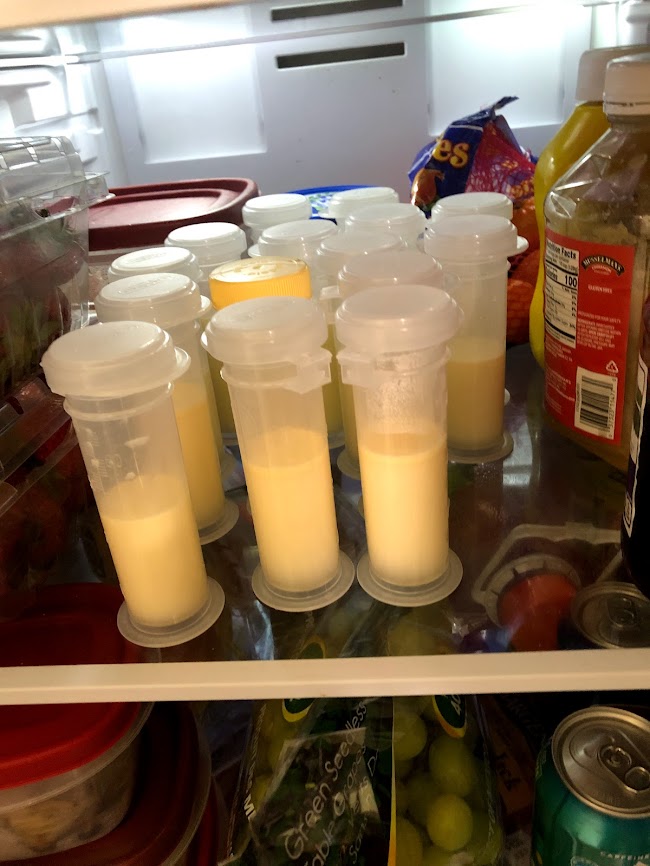
To anyone who is struggling with the physical, emotional, and mental stress of something that sounds “easy” and “natural” — simply feeding your baby — I get how complex and taxing it is. I’m in the thick of it now with my son who was born July 14. So far, he’s only had breastmilk…both from nursing and by a bottle. But it’s not pretty for me. The engorgement, the round the clock pumping, the soaked t-shirts, the night sweats, the discomfort to even wear a bra or sleep on my side. It weighs on me. There’s the outside pressure and the pressure I put on myself to keep going, even though I don’t enjoy it. It’s super rewarding to see Connor thriving and making gains all because of me. But there’s also a lot of stress to be a child’s only source of food, especially as an IBD mom.
Different feeding approaches with all my babies
With my firstborn in 2017, I wasn’t well-versed on the benefits of breastfeeding and feared not only further exposure to my biologic, but also flaring, so I only breastfed my son for 3 days in the hospital so he could get colostrum. By 2019, I was well-versed on the positive impact and the safety profile associated with breastfeeding while on a biologic, so I breastfed my daughter until she was 6 months old. I had hopes of making it a full year, but unfortunately my milk supply disappeared once my menstrual cycle started back up. This time around, I felt the anxiety about having to breastfeed creep up when I was only a few months pregnant. Between research showing that breastfed babies have a lower risk of IBD, coupled with antibodies from the COVID-19 vaccine, I feel the need to do all I can to protect my son from the what if, even if it feels mentally, physically, and emotionally taxing each day.
The Fourth Trimester has several challenges for women that often go undiscussed. However you choose to feed your child is your business and should be based on what is best for you and your family. This is a judgement free zone. I’ve fed my three babies differently. But the pressure mounts when you yourself have an illness with no cure and feel as though breastfeeding can help improve your odds of not passing it on to your offspring. In my mind, down the road, I don’t want to ever think I coulda, shoulda, woulda done anything differently when it comes to protecting my offspring from IBD.
The IBD Parenthood Project tackles some of the common questions related to breastfeeding as an IBD mom. There’s a downloadable toolkit that features patient-friendly information and easy-to-digest lists of key questions to ask your doctor as you’re thinking of becoming pregnant and beyond.
What I Want Fellow IBD Moms to Know
Navigating motherhood while taking on IBD is overwhelming. With proper planning, care and coordination among treating healthcare providers, women with IBD can have healthy pregnancies and healthy babies—and breastfeed if they choose to do so. For me, breastfeeding provides a sense of normalcy and gives me a renewed sense of love for what my body is capable of, despite having Crohn’s disease. Give yourself credit for going through pregnancy with IBD, delivering a baby, and continuing to nourish your little one with your body when they are in the real world. The blood, sweat, and tears are inevitable.
Just this week I experienced awful abdominal pain. The kind of pain where you can barely breathe, your hands start to tingle, and you go back and forth about whether a trip to the emergency room is imminent. As I rocked myself on the toilet and heard my newborn crying in the bassinet my mind raced. My 4-year-old stood before me. I could see the fear in his eyes. My immediate thought was—what can I take to get this pain under control—will it affect my ability to breastfeed? In that moment, the pressure to think outside of myself and manage my disease felt suffocating.
There comes a point when the mental health and wellbeing of the mother must come first so she is able to be the best version of herself for her kids. If breastfeeding is taking away from the joy you could be experiencing or the connection you are longing for with your child, don’t feel guilty. Whether your child is exclusively breastfed, or formula fed, or receives a little of both, they will thrive. I’m personally all about flexible feeding. A little nursing, some pumping, and some formula has worked best for me. When the time comes, and I need a break or feel too consumed by being the sole provider of nourishment for Connor, I’ll feel confident in supplementing with formula. There’s no shame in my game and there shouldn’t be in yours, either. Take advantage of invaluable resources like the IBD Parenthood Project and be confident in each of your personal health decisions when it comes to whether or not you want a family and how you choose to feed your baby.
When IBD mom Jessie Magaro was pregnant with her first child, she knew early on she wouldn’t be able to carry another baby herself. Between the hormones from IVF and her Crohn’s disease raging, there was no way her or her doctors felt comfortable embarking on another pregnancy.
Before she got pregnant, Jessie had been in remission for more than 12 years. With pregnancy and IBD, there’s the ‘rule of thirds.’ One third of women will see their symptoms improve, one third will stay the same, and one third get worse. Unfortunately, Jessie fell into the last category. Since having her daughter, Mary Ligon on New Year’s Eve 2018, Jessie’s gotten an ileostomy and has grappled with her Crohn’s being out of control. When her and her husband started thinking about baby number two, she knew surrogacy was her safest and smartest option.
“My daughter Millie (born in April 2021) needed me more to be there as her momma once she got here than she needed me to carry her. Not only was my baby safer, but I was in a much better position health-wise to care for both my daughters.”
The Surrogacy Process
Surprisingly, the FDA controls surrogacy and has specific requirements for the IVF part of the process. Jessie recommends making sure your fertility clinic is well-versed on how everything goes down. Surrogates and biological parents go through medical testing and psychological evaluations prior to the transfer of the embryo.
“This was probably the hardest part for me mentally and emotionally. I was so frustrated and hurt that I had to pay someone a pretty penny to tell the government that I was mentally ok to have my own baby. It was just pouring salt into an already large and festering wound. Can you imagine having to have a stranger tell you if it was ok or not for you to bring your own child into this world?”
It’s important to note that surrogacy laws vary state to state, but in Georgia (where Jessie lives), you must adopt your baby back from the surrogate, even if the child is 100% genetically yours.
“You hire an attorney (one for yourself and one for your surrogate) and they actually file a lawsuit claiming your parental rights to the unborn baby on your behalf. I had to go before a judge and field questions on why I was pursuing surrogacy and whether or not I felt my husband and I were able to take care of the child once it was born. Again, insult to injury.”
There are several ways to go about surrogacy:
You can hire an agency to find you a surrogate and manage the process
You can use a friend or family member (they will still have to be medically and psychologically cleared by the clinic)
You can try to find one via word of mouth in your community.
There are tons of Facebook groups where you can “match” with one (local, regional, national, interest groups i.e., christian, altruistic, low comp, natural minded, etc).
“Normally, you would be able to attend all OB appointments with your surrogate, but Covid made things a little trickier for us. We were unable to attend the transfer, which was sad, but I was able to go to a fair amount of the appointments. My husband unfortunately wasn’t allowed to attend any. We both were allowed to be in the room for the birth though and that was the most important thing to us.”
The experience of having a surrogate
Jessie says had she not been able to carry her first child that she feels surrogacy would have been harder on her. She feels so fortunate that she was able to experience pregnancy once.
“I had already gotten to a place mentally and emotionally where I knew the only way to get my daughter here safely was by having someone else carry her. I wasn’t ever triggered per se by seeing a pregnant belly because I knew she was safer inside our surrogate. I had so much PTSD and trauma from my first pregnancy as well that looking at another pregnant person never made me think “oh man I wish that was me again” if that makes sense. I did/do still deal with mourning though over how pregnancy played out for me and that I was unable to carry safely again. I also find myself spiraling occasionally thinking about how much it cost us to get our children here versus someone who could just have them themselves naturally. It’s been a massive financial burden/sacrifice for my husband and I (but oh so very worth it).”
The Financial Cost of Surrogacy
When looking into surrogacy, Jessie tells me you can ballpark around everything costing $100,000. There are many factors involved that play into whether that number is more or less depending on if you’ve already gone through IVF and have embryos. Much like IVF, there are some grants available for surrogacy, though much less common.
“The ways to bring the cost down for surrogacy would be to do an “independent journey” like we did where you don’t use an agency. You can also use a surrogate (whether it’s a friend, family member or even a stranger) who does not want to be compensated or wants very little. Medical bills will bring the cost up or down significantly depending on insurance plans and same with your legal fees as those will vary based on the surrogacy laws in your state.”
Defending her Decision
While Jessie says it was empowering to make the decision to utilize a surrogate to do what was best for her health and for her family, it’s been frustrating to constantly feel like she still needs to defend her decision to other people and even some doctors.
Whether it was …
“Aren’t you worried about having another child when you’re so sick?”
“Why don’t you guys just adopt??”
“Aren’t you worried the surrogate will want to keep the baby?”
“Aren’t you worried she won’t know you/you won’t be bonded to her??”
“Just one kid is great you should just be ok with having just the one”
etc …
“I know most of the time these comments don’t come from a place of mal-intent, and I try to use them as an opportunity to educate if it feels productive, but everyone is different what they’re open to accepting in their heart and their mind. In my mind, the girls are going to know the stories of how they came to be eventually, and hopefully they’ll see how wanted and loved they were. How unbelievably hard they were fought for. And how many people played a part in bringing them into this world.”
Managing IBD and Motherhood
Prior to looking into surrogacy, Jessie and her husband had to discuss at length if they would be able to handle a second child with her IBD. They also had to loop in their families knowing they would need their help when they couldn’t manage everything on our own.
“My husband and I say all the time, in all seriousness, that my illness has become a third child in a sense. There’s not a day, hardly an hour, that I don’t have to think about my Crohn’s or manage something with it in some way. It’s a difficult balancing act every day when I wake up trying to prioritize who needs the most at what moment (my kids, myself, or even my husband). I deal with a lot of guilt and grief with that. That I’m not the mom or wife I want to be … that I’m not able to give everyone what they need and deserve.”
Jessie often thinks of the oxygen mask analogy and says as an IBD mom it’s imperative to make sure her proverbial mask is on and secured first before she can help anyone else, which is very hard to do as a mother.
Meeting Millie the Day She Was Born
It makes Jessie emotional to think about what it was like to walk into the hospital with her husband and know they were about to meet their daughter. They were able to be in the delivery room when Millie came into the world.
“I had an overwhelming sense of gratitude looking at our surrogate knowing what SHE went through and had sacrificed to get her here. All the anxiety I had been suppressing for months and months from having someone else carry her, to giving up all control, to doing it in the middle of the pandemic, to being so scared something would go wrong like it so often had for us in the past. It just all came pouring out of me uncontrollably as she was pushing. The moment she was placed in my arms it just felt like a lightning bolt connecting us. I felt bonded to her instantaneously. She was mine and I was hers and there was nothing on this earth I wouldn’t do to protect her.”
Jessie knew from the start of this journey that her surrogate would be a lifelong friend. Their families grew close through the process, and they live nearby one another. She says she’ll always hold a deep place in her heart for her and is incredibly grateful to be a family of four.
This post is sponsored by Naturally Free from IBD—all thoughts and opinions are my own.
She’s a doctor with IBD who says her call to medicine began from her own hospital bed. Dr. Christina Campbell, DO, Certified Functional Medicine Physician, Board Certified Emergency Medicine was diagnosed with Crohn’s disease 40 years ago when she was only 12 years old. She’s utilized her own personal struggles and setbacks to guide the way she treats patients and helps others in our community. Through her own journey, she says many doctors left her feeling frightened, unmotivated, even angry. Christina learned early on about the importance of bed-side manner, compassionate care, and the gift of not only listening, but hearing what a patient is expressing. Her overarching goal—to be a physician who inspires faith, confidence, and a will to fight within her patients.
She’s dedicated her life’s work to facilitating and growing the value of a patient-physician partnership rather than what she calls a “DOCtatorship.” Christina believes that a personalized approach to health works better than recipe medicine, meaning she’s passionate about finding the root cause of disease and improving underlying health and the body’s biochemistry by intervening at the level of the root cause, through a functional medicine approach. Before we dig into the amazing work she’s doing, let’s take a walk down memory lane to see how Christina got to the point where she is today.
Christina’s Journey with Crohn’s
A diagnosis of IBD in 1983 looked a lot different than present day—and not for the better. When she was 14 years old, Christina faced a near death experience from extensive bleeding and lesions from her mouth to her anus. Her gastroenterologist said she had one of the worst cases of IBD he had ever seen and shared her case at global medical conferences and in case studies. Christina was averse to undergoing a complete colectomy and colostomy, so she underwent six months of bowel rest (nothing by mouth). She received all hydration and nutrition through an IV in her veins around her heart called a Hickman catheter. At the time, the only medications available for Crohn’s were Sulfasalazine and Prednisone. Can you imagine?!
Since her diagnosis, Christina has been on many different medications through the years (Asacol, Delzicol, Sulfasalazine, any number of antibiotics, steroids, Toradol, Tylenol, Tylenol #3, Vicodin, Percocet, Compazine, Phenergan, Tigan, Tagamet, Pepcid, Bentyl.) When the first biologic was approved for treatment of Crohn’s (Remicade in 1998), she was in remission and graduating from medical school.
“My personal story is fraught with difficulties and each of my struggles has blessed me with a deep understanding of others and the ability to empathize and connect with patients. I have learned how to listen and really hear what they are saying. I have learned the power of creating a therapeutic partnership. My goal for each of my health participants is to match their lifespan to their health span. Quality of life alongside quantity of life is key. My personal journey has taught me that it only takes one step in a new direction to change the entire path of one’s life. It has also shown me the power of understanding your personal timeline. Looking back at our past journey helps us to understand the path that has led us to where we are,” Christina explains.
The Power of Responding to the Root Cause
Before Christina knew how to treat root cause issues and was solely utilizing conventional medicine, she says her immune system remained dysregulated. She was treating her symptoms with medications that acted like band-aides without addressing the cause.
“My functional medicine training has taught me the value of information and the concept that many with the same diagnosis may have completely different root causes. Utilizing detailed functional labs to discover altered biochemistry is an incredible tool to getting things back on track. These labs are not used in conventional medicine where the focus is on illness, not on wellness. It is a completely different perspective, which makes all the difference in helping someone find not just improved health, but optimal wellness.”
When it comes to discovering optimal wellness, Christina says this includes investigating genetics, epigenetics, metabolomics, oxidative stress, cellular energy and mitochondrial health, detoxification pathways, gut health and microbiome imbalances, inflammatory factors, and so much more.
“Once we uncover this information, we can begin to make changes personalized to your life, your body, your biochemistry, your genetics, your mind, and your spirit. Patience and grace with oneself are paramount to health as are understanding and forgiveness.”
The Transcend 3-step signature program
Christina works with IBD patients through her 3-step signature process to discover the root cause of symptoms, intervene at that level, revitalize health, and teach people how to maintain and excel for the rest of their lives. She uses natural and lifestyle interventions to create a personalized program which improves the health participant’s innate healing abilities to reverse symptoms, decrease pain, and improve all aspects of their lives.
“My Transcend program is my signature 3-step process which guides you through your precision blueprint for regenerating a healthy, joyful, vital you! This program is the culmination of 23 + years of medical expertise and 40 years’ experience as a Crohn’s disease patient. It is my passion project to help as many IBD patients as I can! I am on a mission to change the medical approach to Crohn’s and UC leading to fewer surgeries, stopping the path to health decline and disability by finding and fixing the root cause. We will Transcend IBD together living healthy vibrant lives.”
The process begins with uncovering your health history and detailing your timeline. Next, Christina works with patients to order specialized cutting-edge functional lab studies to help pinpoint where the most critical areas of intervention are needed. The third step is the Excel phase where you learn how to maintain these changes and continue to progress over time.
Christina is hosting an online Zoom webinarSeptember 1 at 7pm EST. By attending this webinar, you will learn three secrets for managing IBD and have an opportunity to ask questions. Tickets are $9.95 and limited in number. Get your ticket today!
Ready to Make a Change?
Set up an initial consultation here for men and here for women. Use coupon code Natalie20 for 20% off any time in 2021. HSA/FSA are applicable. This consultation is the first step to discovery. During this consultation you will discuss your body’s problematic areas as well as the areas where you are succeeding based on extensive intake paperwork and a 60-minute consultation. Potential interventions will be discussed, labs will be ordered, and a personalized care plan will be created.
Christina says, “I provide options for anyone who meets with me. However, I do not invite everyone into my signature 3-step Transcend program. It is important that we both feel we are a fit to work together to make this program successful. You must be ready to make the necessary changes and be open to new information. You must focus on progress and commit to never letting your self-doubt stop you from having what you want. There is hope! You can change your health and life for the better.”
After a lot of thought and consideration, I decided to hold off on getting my COVID-19 vaccines until after I delivered my son. Before we dig deeper into this topic, I want to clarify that this was solely my choice, everyone needs to do what they are most comfortable with. Since the pandemic began, unprecedented pressure and stress has been placed on pregnant and lactating women to make one decision or another. For me, as a stay-at-home mom, who continued to keep a low profile while pregnant, I felt more at ease waiting to get my vaccines until after my son was out of my body. My care team made up of a maternal fetal medicine doctor, OB, and gastroenterologist all supported my choice to wait.
My main reasoning was limiting the variables of exposure. All my kids were exposed to Humira while in utero. While there are long term studies that show the safety and efficacy of biologics in pregnancy, you never know. If down the road my son had any health complications or issues, I didn’t want to have to grapple with whether my biologic or a vaccine contributed or were to blame. As an IBD mom, we deal with enough guilt as it is.
So, I chose to wait. Anxiously. Patiently. Luckily, I delivered my third child, Connor Christopher, July 14th, and did not encounter any COVID-19 scares while pregnant. Once I was home from the hospital following my C-section, I talked with my gastroenterologist and OB about getting my first COVID vaccine and scheduled an appointment at Walgreens ASAP.
Getting the first jab
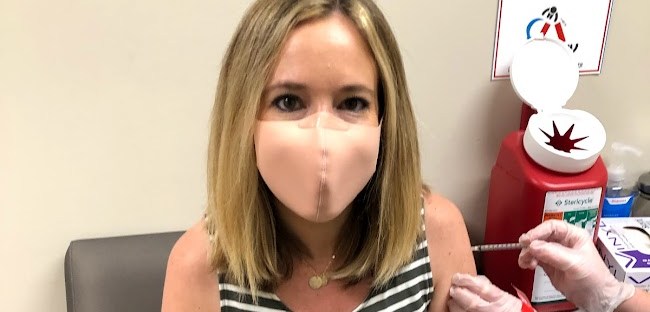
Wednesday, July 21, I finally got my first dose! A little late to the party, but I’m currently exclusively breastfeeding (and pumping), and I’m hopeful that once I’m fully vaccinated (two weeks after my second dose in August), my son will receive antibodies from the vaccine that way. It felt a bit surreal to finally be at a point where I felt comfortable with my personal choice to get the vaccine.
According to the CDC, since January 2020, there have been 34 million cases and 607,000 deaths. As of July 21st, 161.9 million people are fully vaccinated—that’s 48.8% of the total population, or 57.1% of the population older than age 12. Virus variants threaten new outbreaks among the unvaccinated.
Much like making decisions to manage IBD, it’s imperative our community looks at the benefits vs. the risks of getting the vaccine.
Words from leading medical experts in the IBD community
This past week Dr. David Rubin, MD, Professor of Medicine, University of Chicago presented, “Updates on COVID-19 for Patients with Inflammatory Bowel Disease”.
“Everyone needs to be vaccinated, this includes pregnant women and new moms. The Delta Variant is VERY contagious. The data in IBD is reassuring when it comes to immune responsiveness compared to the general population, especially with the two dose mRNA vaccines. Antibodies against many things are transmitted in colostrum, and that may be the anti-SARS-CoV-2 spike antibodies too, which may provide protection to the baby. It’s definitely NOT dangerous to breastfeed after vaccination.”
Speaking of the Delta Variant, according to Dr. Rubin’s presentation as well as guidance from the CDC, “Delta was 1% of COVID-19 cases during the week of April 10th. By the week of July 3rd, Delta is estimated to account for 57% of new COVID-19 cases. Within a matter of 12 weeks of being introduced to the US population, it became the dominant variant here.
Dr. Uma Mahadevan, MD, University of California San Francisco agrees, saying given the ongoing crisis with COVID-19, all eligible people should get vaccinated.
“Breastfeeding mothers can get vaccinated per CDC guidelines and there is data that the antibody from the vaccine crosses to the infant via breastmilk, possibly providing them with protection as well! For many infants of moms with IBD, they have detectable levels of biologic agents in their blood for the first 6 months of life. Having antibody against SARS-Co-V-2 may provide them some protection against getting ill if exposed to the virus.”
Dr. Meenakshi Bewtra, MD, MPH, PhD, Penn Medicine, has IBD herself and has been a vocal advocate for our patient community since the start of the pandemic. She implores everyone to get the vaccine, immediately.
“Don’t wait. In fact, I, every doctor I know, American College of Gastroenterology, and Maternal Fetal Medicine recommend getting the COVID-19 vaccine while you are pregnant. Why? Because we’ve seen what happens to pregnant women who get COVID. There are women who got the vaccine in trials; there were women who got vaccinated while pregnant (>10,000 at this point)—we have a lot of data. The evidence is crystal clear. The same holds for getting it while breastfeeding. COVID is real, it’s out there; you can get sick and die; you can transit it to your infant or others in your house. There is absolutely no reason why anyone should not be getting vaccinated unless you know you have an allergy to something in the vaccines themselves. Your protective antibodies can pass to the infant.”
COVID-19 in the IBD Community and Vaccine Response
Thanks to the SECURE-IBD database, we have more guidance about how those of us with Crohn’s and ulcerative colitis have responded and continue to respond to not only COVID, but the vaccine. People with IBD do not have an increased risk of getting it. Aminosalicylates, biologics, and immunomodulators show no increased risk of severe COVID- 19. Steroids are associated with worse outcomes. And biologic therapy is associated with decreased risk of severe COVID-19 outcomes.
One of the main concerns many of us in the chronic illness community on immunosuppressive drugs have wondered about is the efficacy of the vaccines in our body. Good news—a recent study of 246 patients with IBD who received both doses of the vaccine showed similar adverse events as in the general population. Sore arm, headache, and fatigue are the most common adverse effects of the vaccine. All I had after my first Pfizer vaccine was a sore arm. More importantly, the study showed no increase in IBD flares.
The Prevent-COVID study shows even more promising data with more than 1,700 participants with IBD. Click here to see results of the study—everything from rates of vaccine side effects to lab titers three months out.
As of now, there’s no recommendation or approval regarding a booster vaccine. Pfizer announced that their clinical trial data showed that a third shot may increase antibody levels, but nothing has been published yet. Without more research, it’s unclear if an increase in antibody levels will provide greater protection from the virus than two doses.
Get Involved in COVID-19 Vaccine studies
University of Chicago Inflammatory Bowel Disease Center COVID-19 Vaccine in IBD Study
This study is analyzing the durability, safety, and efficacy of COVID-19 vaccines in patients with IBD, If you are interested in participating in the study (whether you have already been vaccinated or not) please email: covidvaccine.ibd@lists.uchicago.edu.
Prevent COVID Research Study
If you are 12 to 17 and have received your first COVID-19 vaccine in the last 90 days, you may be able to take part in PREVENT COVID, a research study to learn about the vaccine experiences of people with IBD. Click here to learn more.
CORALE-Vaccine IBD
The purpose of this research being conducted at Cedars-Sinai is to understand the effects of vaccination against COVID-19 in people with IBD. To achieve this goal, a national and local group of adults with IBD who are eligible to receive any available vaccine against COVID-19 are being recruited. Within this group we will evaluate the antibody levels of the body’s response to the vaccine. Questions about the study? Contact the CORALE-V IBD Research Team at Cedars-Sinai at ibdresearch@cshs.org or call 310-423-5643.
Washington University in St. Louis: COVID-19 Vaccine Response in Patients with Autoimmune Disease
School of Medicine researchers are leading a clinical trial to evaluate the safety and effectiveness of COVID-19 vaccines in people taking immunosuppressive drugs. Such drugs are prescribed to treat autoimmune diseases, including arthritis, Crohn’s disease, and psoriasis. Researchers will enroll up to 500 adults ages 18 and older in the St. Louis region. They are recruiting health-care workers at the School of Medicine and patients seen in Washington University outpatient clinics. Eligible patients who have preregistered for the COVID-19 vaccine will be contacted to assess their interest in being recruited into the study. For information about participating in the trial, email covaripad@wustl.edu, or contact either Alia El-Qunni at 314-249-1151 or Lily McMorrow at 314-280-3894.
V-Safe
Use your smartphone to tell the CDC about any side effects after getting the COVID-19 vaccine. The tool uses text messaging and web surveys to provide personalized health check-ins after you receive a COVID-19 vaccine. Depending on your responses, someone from the CDC may call to check on you. Participation is voluntary and you can opt out at any time. Sign up at: www.vsafe.cdc.gov.
I wish when I was diagnosed with Crohn’s in July 2005 that I would have had a look into the future to know that the same body that has gone to war with me time and time again would also bring three miracles into the world.
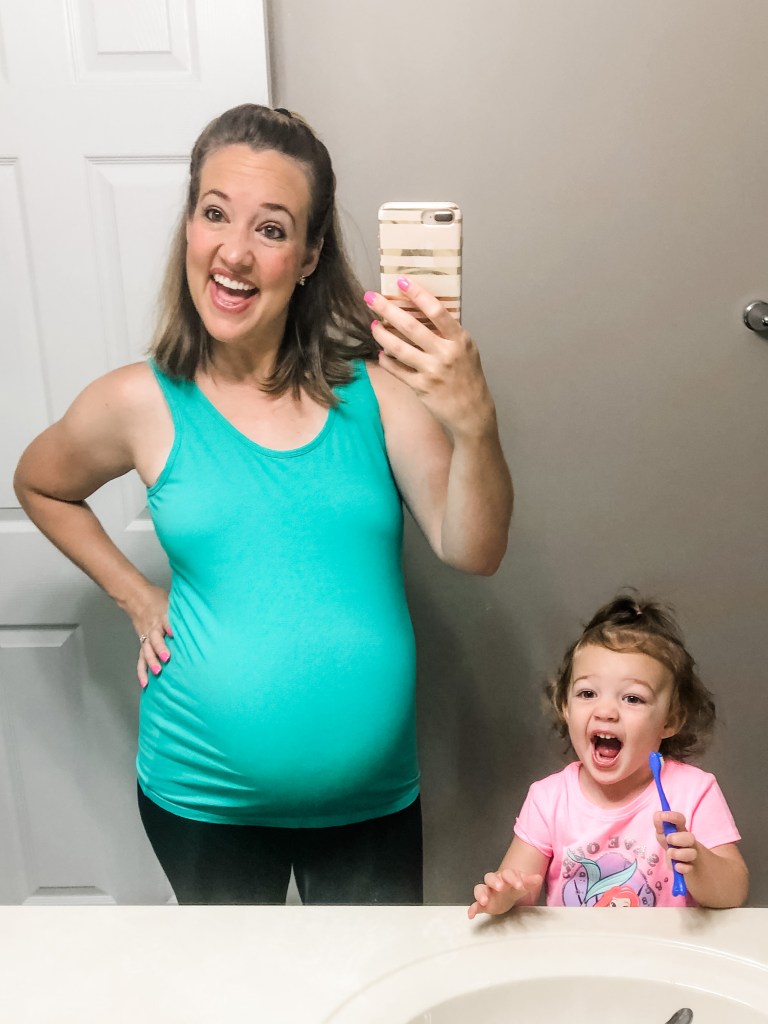
Wednesday, July 14, 2021 my family grew to five and I became an IBD mom to three kids, four and under. Our latest addition, Connor Christopher, completes our crew.
On the day of my scheduled C-section and Connor’s birth, I felt overwhelmed with emotions. So many thoughts and feelings came to mind—from knowing I would never be pregnant again to recognizing that from this point forward I would never feel the deep remission I experience when I carry a life inside of me.
There are so many sharp contrasts in what pregnancy and deliveries have meant in comparison to life with Crohn’s.
The unpredictable nature of Crohn’s but having three scheduled C-sections all go to plan.
The way it feels to head to the hospital for a good reason.
The fact that my Crohn’s comes up as an aside when conversing with medical professionals and my pregnancies and being a mom comes first as my “identity.”
The perspective and strength IBD has given me when it comes to coping with painful pregnancy-related issues like SI Joint Dysfunction, Symphysis pubis dysfunction, acid reflux that required prescription medication, and C-section recoveries.
The incredible pride and joy I feel knowing that the girl who found out she had a debilitating lifelong disease 16 July’s ago, has carried three pregnancies to term and has a family of five to show for it.
If you’re like me and have dreamed of one day being a mom, explore all options to get there and don’t let your IBD hold you back. You are not less than because of your chronic illness, you are more capable than you think. Your body may surprise you in ways you could never imagine. To me–my children are proof of all that’s possible despite chronic illness.
When I was 21 and found out I had Crohn’s disease, one of my greatest fears was the uncertainty of what my future would look like personally and professionally. While the unknown was daunting and overwhelming, I never really allowed myself to think of not becoming a mom because of my disease. Instead, I shifted my focus to recognizing that getting there may take some detours and careful planning.
Thank you for all the well wishes for my family over the years. Your kind words, interest, and prayers, have meant the world to us and helped me to realize that even though I’m an “IBD” mom… I’m so much more.
Let’s face it, when you live with IBD, packing for a hospital stay isn’t anything new. We know what we need and what we won’t. We know the necessities and even with a C-section recovery, it’s nice to have a positive and happy reason to be going to the hospital. But this time around, my hospital bag for delivering my son this week has an addition. Since I’m participating in the Pregnancy in Inflammatory Bowel Disease and Neonatal Outcomes (PIANO) study, my son and I will be getting our blood drawn the day he’s born and cord blood will also be taken.
The blood sample kit includes an ice pack and vials that are labeled “Mom”, “Cord”, and “Baby”. This will measure the level of biologic drug in our bodies…and the coolest part is, I’ll get to know the results, while also contributing to research for current and future IBD moms on biologics. I can’t wait to find out how much Humira is found in our blood samples. The most ironic part of all? My scheduled C-section just happened to land on the same day as my loading dose anniversary of Humira… 13 years ago! Little did I know when I was injecting myself for the first time how my life would evolve to what it is today.
Background on the PIANO study
PIANO is an observational, multicenter study launched in January 2007 with the main focus to look at whether there is an increased risk for worsened maternal and fetal outcomes when a woman takes a biologic or thiopurine (a type of immunomodulator) therapy during pregnancy. Prior to this, lack of safety data has led many women to discontinue their therapy during pregnancy, which can lead to health repercussions to both mother and child.
On delivery day, it will be a team effort. My OBGYN and the nurses will ensure everything is taken care of and then one of my family members will make a stop at FedEx (within 3 days) to ensure our blood samples make their way safely from Missouri to California.
What else is packed in my bag?
This c-section will be my fourth abdominal surgery in less than 6 years, all on the same incision. Knowing what to pack so I can heal and be comfortable is almost second nature at this point.
Comfy nightgowns with buttons so I can easily breastfeed and keep my incision waistband-free
Two robes
Nursing bras
Cozy socks
Frida Mom Boy Short Disposable Postpartum underwear (not a fan of those mesh panties from the hospital!), I’ve also heard Depends are great!
Slip on shoes/flip flops (for the shower and walking the halls)
5 masks (planning to be admitted 4 nights, 5 days) and hand sanitizer
Nipple cream (I prefer the Motherlove brand)
High-waisted joggers and a nursing top
Summer dress for the drive home
Phone charger
Non-perishable snacks
Toiletries
Outfits and swaddles for baby boy
Newborn pacifiers
The results from the blood draws are expected about a month after delivery. I’ll be sure to share an update on my Instagram page (@natalieannhayden). Interested in enrolling in the PIANO study? Please call 415-885-3734 or email PIANO@ucsf.edu.
July has been my least favorite month for the last 16 years of my life. It’s the month I was diagnosed with Crohn’s disease. The month I had an abscess the size of a tennis ball in my small intestine. The month I was put on a biologic medication. The month I had a bowel obstruction that led to bowel resection surgery. You get the picture. But now, it’s about to be the month I give birth to my third child. Baby boy is about to flip the script on a month that previously brought dread. Instead, I can focus on celebrating his new life and all his birthdays and milestones for years to come.
Photo credit: Heather Roth Photography
As a woman with IBD, motherhood has continually provided me with reminders of all my body is capable of despite my chronic illness. It’s shown me what once may have seemed unattainable, is possible. Motherhood is a constant reminder that my body hasn’t always been at odds with me. That despite the challenges and the pain all these years, it still afforded me the opportunity to carry healthy babies to term. Rather than feeling like my body is the enemy, motherhood has made me think of my body as my ally. We’ll have our ups and downs forever, but for 27-plus months it’s been a safe haven for my children. I’ve enjoyed flawless pregnancies and deep remission. It’s given me a chance to feel like a “typical healthy” woman, if only for a moment. Pregnancy has felt like a security blanket wrapped around me, and is soon to be no more. With that, comes an immense amount of gratitude, as well as anxiety, as from this point forward it’s just me and my Crohn’s…no buffer.
It feels weird going into this month of July not worrying about what could be, but rather being excited about what’s to come. When I was younger and prior to getting married, I avoided making plans in the month of July—especially life changing ones! My wedding, vacations, etc. were all coordinated around this month because I didn’t trust the way my body could blindside me.
Preparing for the shift in health
While I am ready for my son to be here and over the discomforts of pregnancy, a part of me is sad that I’ll never feel this well again. Within days of delivering Reid and Sophia, the gnawing abdominal pain associated with IBD crept back into my life before I even had a chance to bring my babies home. I expect the same will happen this time. While it was discouraging then and will make me feel the same now, I’m hopeful the shift in hormones won’t throw me into a postpartum flare and that I’ll find comfort in knowing from this point forward, every medication, every procedure, and every hospitalization will be done without a life growing inside of me.
Over these last nine months I’ve enjoyed eating popcorn with my kids for the first time, drinking a cup of coffee without a need to use the bathroom right after, and nearly 40 weeks of baby flutters and kicks instead of pain. It’s been a great run. I hope my experiences through family planning, conception, pregnancy, and motherhood provide you with an understanding that IBD doesn’t mean you can’t have a family. While many sadly struggle with infertility, complications, or not physically being well enough to carry a baby, it’s very possible that you can. Whether it’s stories like mine or the opposite, remember each of our journeys is unique. Don’t base your experience and capabilities on someone else, but when something or someone inspires or empowers you to go after what you dream of, hold on to that.
Baby boy will not only complete our family but serve as a constant reminder of all that is possible. While my Crohn’s has brought a great deal of heartache it’s also allowed me to gain a unique perspective and to never take life’s miracles and triumphs for granted.
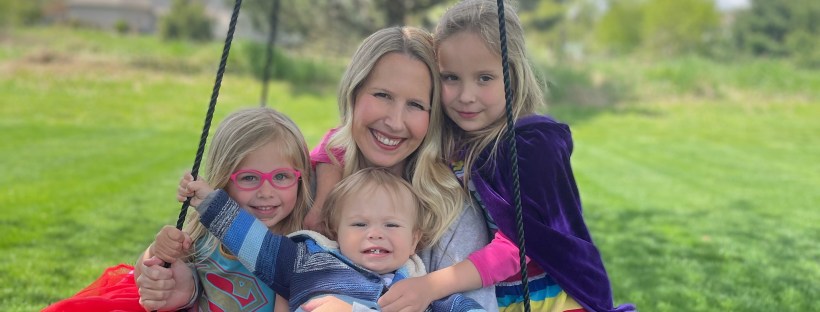
For IBD mom, Suzy Burnett, reflecting on the past year and half of living through the COVID-19 pandemic causes her to feel flooded with emotions. She knew having three children under the age of five at age 41, while dealing with the ebbs and flows of Crohn’s disease, would be challenging. She delivered her son, Guy, just as COVID cases were starting to soar. Now, she’s able to look back on how her family adapted and thrived, despite the difficult circumstances of living through a global pandemic with a chronic illness. I’ll let her take it away…
Like many families, we’ve worn masks, stayed at home, literally have seen no one except our wonderful neighbors, and made sacrifices to ensure the safety of ourselves and others. We made the difficult decision not to send our 5-year-old to kindergarten, rather, enroll her in virtual 4k from the confines of our home. Our 3-year-old also didn’t attend preschool a few mornings a week like we had originally planned. We have noticed the lack of socialization has impacted her the most. Our 15-month-old is just now meeting family and friends for the first time. He takes stranger danger to a whole new level, but we know he’ll warm up in due time.
My husband, like so many others, started working from home. What was once thought to be a temporary safety precaution, has become a permanent situation. He continues to work in a room without doors while the wee ones race around playing superheroes. Noise canceling headphones have become a lifesaver. All of us together at home, day after day, month after month. Our bond has grown deeper, and our Burnett Party of 5 has survived. I can honestly say we live fuller, laugh harder, hold each other longer, and love deeper.
Dealing with the lifting of the mask mandate
Just as we were beginning to get used to our personal version of Groundhog’s Day, the mask mandate was lifted. This is a huge milestone, but with that brings excitement along with anxiety. My husband and I are both vaccinated, but our 3 young children will have to continue to wait their turn. To say we’re trepidatious about starting to acclimate back into society is an understatement. We’ve been in our little bubble on Welcome Drive for more than a year. I don’t think things will ever get back to “normal,” per say, but we’re looking forward to what our “new normal” will be. It’s a new beginning, a fresh start to be more present, and we have the opportunity to give precedence to things that matter most in life. Things will be a little different than before, and we will always remember and carry the weight that was and will forever be COVID.
We will continue to have our groceries delivered as well as basic necessities, because it’s unclear who is vaccinated, and I’m not going to rely on the honor system of strangers to keep my kiddos safe. However, I am beyond the moon ecstatic that our girlies will both be doing outdoor soccer and playdates with other vaccinated families. My husband will continue to work from home, but this is a change we welcome and greatly appreciate. It has given us time as a family we never knew we were missing. Our oldest daughter, Lucy, will finally be attending kindergarten…….wait for it….IN PERSON. I am so proud of her. She’s sacrificed so much these past several months. She’s handled herself with grace and class far beyond her years. We’re planning our first family trip in over two years, and I am completely overwhelmed at the mere thought of the happiness this will bring.
Coming out stronger than before
It has been months of peaks and valleys, but our mountain remains strong. On top of enduring the pandemic, we lost our family cat, Miles. He was a furry friend to our littles when they couldn’t see their own friends. My dear Grandma Connors was called amongst the angels, and now she protects us from above. I also recently almost lost my sister due to a post birth hemorrhage, but now she rests safely at home with her baby boy. And I am recovering from a nasty bout of C.difficile. Yes, the one time I left the house I picked up a bacteria from the hospital. Through it all though, we’re stronger than ever before because of our strong family foundation.
My point in saying all of this is that we all go through our own struggles. Life is so unexpected, and often we can’t choose what we’re dealt. We can, however, choose how we handle the storm. We’re so grateful for our health, happiness, and each day we’re given. Take NOTHING for granted because every day is a gift. Everyone has been impacted one way or another these past few years, and now it’s up to you to see where your ship will go as you navigate life with IBD and in general. As the tides of the ocean swiftly change, so will the moments in life. Savor the moments.
It was the first biologic created to treat Crohn’s disease (and later ulcerative colitis). Remicade (Infliximab) was approved by the FDA in 1998 for Crohn’s and 2005 for UC. The medication set the stage for a new way of treating and targeting IBD. A lot has changed in the last 23 years when it comes to treating IBD with biologics (Crohn’s and Colitis Foundation Biologic Fact Sheet). As patients we’re “lucky” that more options are available, and several medications are on the horizon. But Remicade remains a tried-and-true treatment option for IBD patients.
A few weeks back, I shared an article on my blog entitled, “The Patient Experience: What The IBD Community Says About Entyvio.” The article featured viewpoints, experiences, and tips/tricks from several people with IBD who are currently taking Entyvio or have in the past. That article and this one have NO affiliation or guidance from pharma. This is strictly created from the IBD patient experience.
The discussion on Entyvio was well-received and from there, I decided to do an exposé if you will, about other biologics, too. When I was told I needed to start a biologic while lying in a hospital bed in 2008, my mind was racing. I felt like I had nowhere to turn. There were only two options at the time. I didn’t know what resource to trust or where to go for information. My hope is that these articles help comfort you as you make these important, lifechanging health decisions, and alleviate a bit of the fear associated with being on a biologic drug long-term. Use these candid quotes to serve as your roadmap to navigate the unknown.
Before we dig deep into Remicade from the patient and caregiver perspective—a reminder that much like the way IBD presents and manifests in each of us, each person’s experience with biologics is unique to them. Remember that your experience could be better and could be worse.
What does anti-TNF mean?
Each biologic is associated as a class of drug. Remicade is an anti-TNF, meaning that the medication blocks a protein in your immune system called TNF-alpha. That protein can cause inflammation in your body. People with IBD produce too much TNF-alpha, which can cause our immune systems to mistakenly attack cells in the GI tract. Anti-TNF biologics work to regulate this protein in our bodies.
The Patient Voice
In this article you’ll hear from those who just started Remicade in the last week to someone who has been receiving infusions for 21 years! Thanks to each and every person who offered input, I wasn’t able to feature everyone’s perspective, but your narrative helped guide this piece.
Amanda Rowe started Remicade nine months ago. She was hesitant to start a biologic, but ever since taking the plunge, she hasn’t looked back.
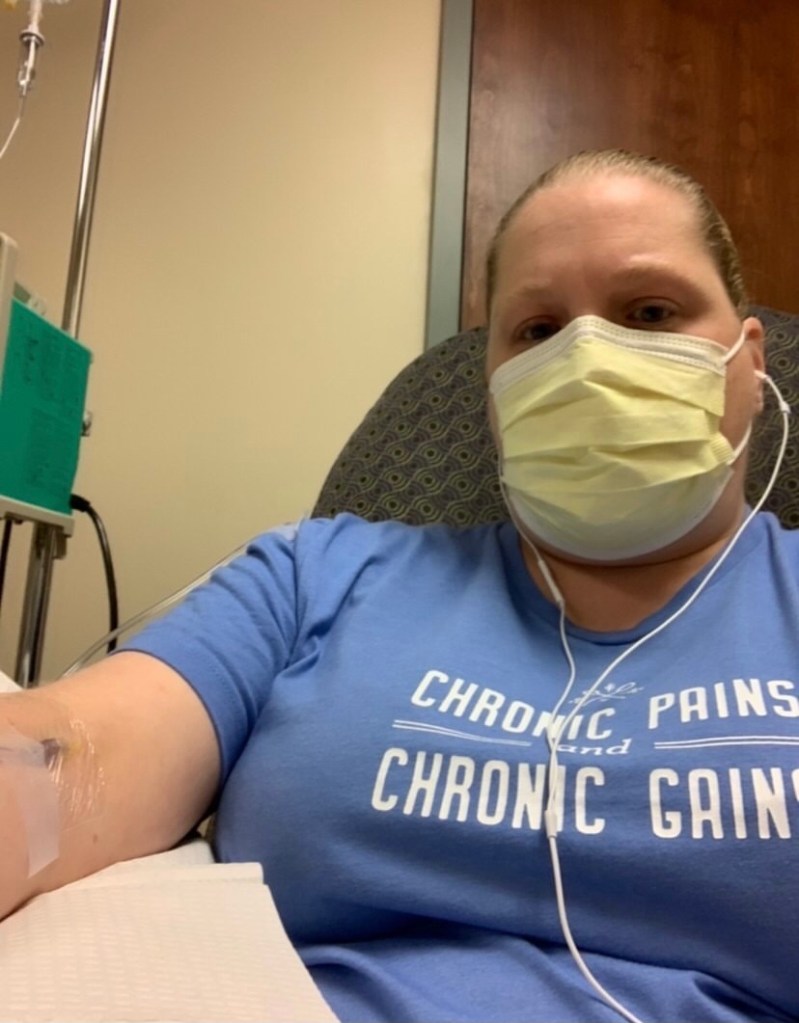
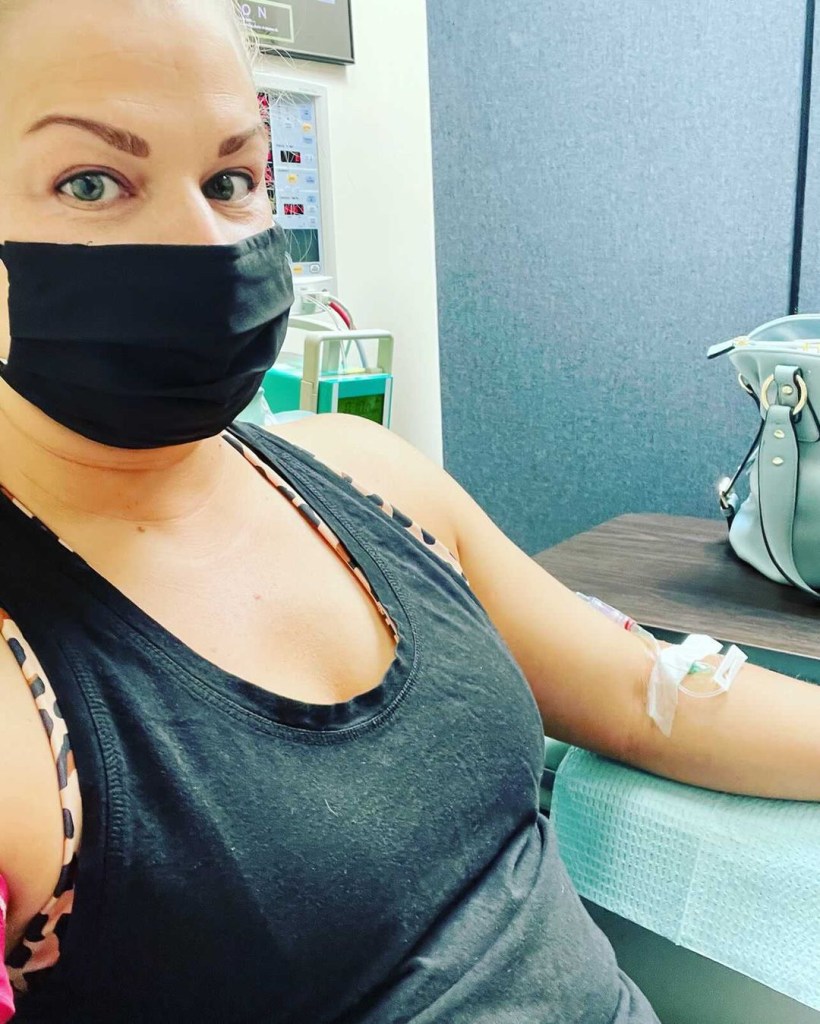
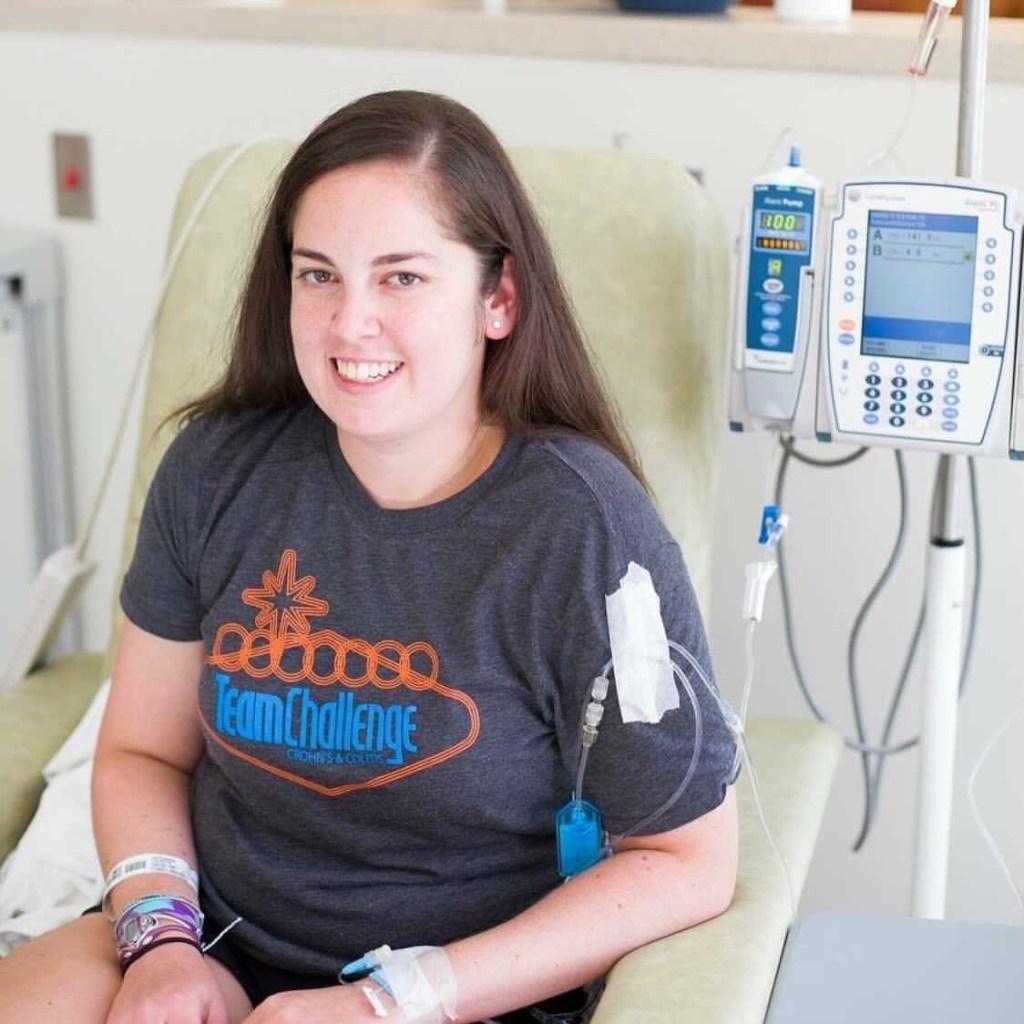
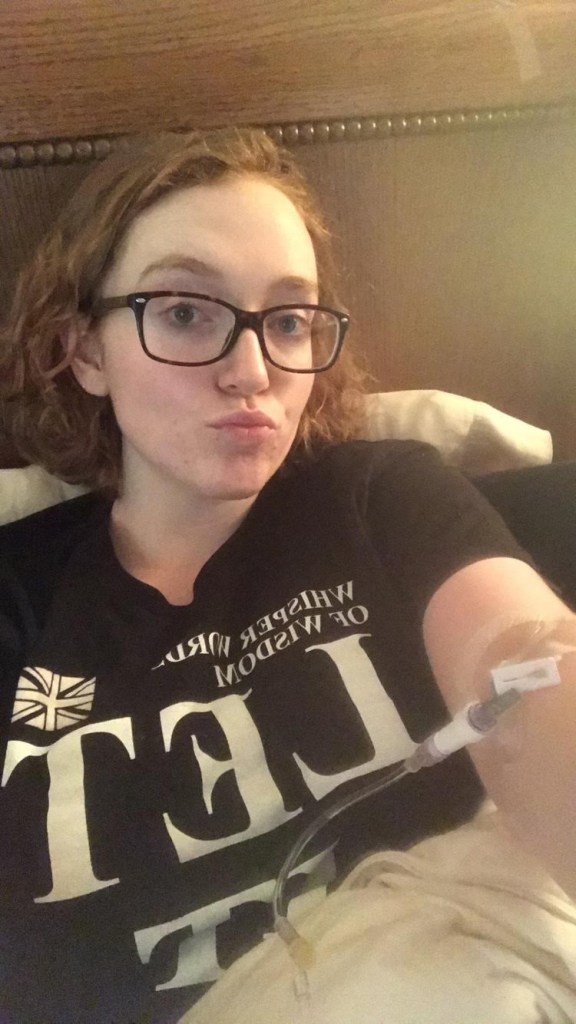
“I haven’t had any issues. I get pre-meds of Benadryl and Solumedrol because I got slightly itchy during one infusion. It’s a nice quiet time to sleep or I bring my phone and earbuds and watch a show. It’s 2 hours where I get a break from hearing, “Mom, I need…” I currently have no active disease after being in a bad flare for two years. I flared that long because I was afraid of starting a biologic. My GI explained everything to me and calmed my fears about possible side effects and I finally agreed. I just wish I would have started Remicade sooner, so I could have felt the way I do now.”
Phylicia Petit has Crohn’s and has been receiving Remicade infusions since she was a teenager 11 years ago, she’s grateful the biologic has worked well for her.
“I’ve had a dosage increase and have added mesalamine for better inflammation control. Other than those changes, I’ve been relatively symptom-free, which is a major blessing! I would highly recommend having home health do your infusions. I haven’t had to take off work for my infusions and it’s so nice to be in the comfort of my home…especially with COVID! It’s also cheaper for insurance. I use Janssen Care Path for financial help. It helps to cover your infusion costs. I fortunately have never had any side effects.”
IBD is a family affair for Kara Cady. She has ulcerative colitis; her dad was diagnosed with Crohn’s as a teen and her little sister was recently diagnosed with UC. She just started Remicade last week.
“I’m still on the loading doses. The infusion process is long! It’s about 3 hours for me. I am able to get mine at my GI’s office. I can bring my laptop and work from there. I was super nervous for my initial dose, but my main “issues” are feeling tired, and having a headache and sore throat after. I’m looking forward to getting on my regular Remicade schedule, as I’ve been in flare for about 6 months.”
Laura Steiner is a nurse practitioner with ulcerative colitis who has depended on Remicade for over seven years.
“I have had to increase my dosage and shorten the interval but continue to stay in remission while on it. I’m usually wiped out the day of and the day after. I get my infusions on Fridays, so I have the weekend to recover. The only downside is many major insurance companies are forcing patients to switch to biosimilars, so after 62 doses of Remicade, my next infusion in June will be Inflectra. I’m hoping it will work equally as well.”
Laura is not alone in this fear and dealing with barriers to care and insurance coverage is a reality for many. While working on this article, a social worker from an insurance company reached out to me and said in the last week alone she’s dealt with several cases of people who have had their Remicade denied. She’s helping them through appeals. Until you’re a person who is dependent on a medication for improved quality of life, where timing is of the essence for receiving it, it’s difficult to grasp the magnitude and the pressure of not being able to receive your medication when you need it and risking a flare spiraling out of control or losing your remission.
Meg Bender-Stephanski was on Remicade to treat her Crohn’s for about a year and half. It worked well for her, but she says the infusions were not only inconvenient but costly, so she ended up switching biologics.
“I was going to college in Oregon while my main insurance was based in California, and the out of pocket costs the first few infusions in Oregon were around $18,000. It ended up being cheaper for me to fly home every 8 weeks for an infusion than it was to receive it in Oregon! I also really wanted to study abroad, and it was incredibly difficult to figure out the logistics. Remicade did work well for me and sometimes I have regrets for switching off it for personal reasons.”
Advice for Infusion Days
Kelly Dwyer was diagnosed with Crohn’s in 2018, but experienced symptoms for several years prior. She has great advice for gearing up for infusion day and beyond.
Take along a caregiver for your first infusion, if you can, just in case you have a reaction.
Make sure you make a plan for pre-meds or no pre-meds with your GI before you go to the infusion center, so you don’t get surprised by their policies. Kelly takes Zyrtec the night before, so she doesn’t get drowsy and Tylenol right before the infusion to alleviate the headaches she gets towards the end of an infusion.
The first few infusions should be slow infusions, to make sure you don’t have a reaction. Kelly has continued to receive hers at a slow rate (2-2.5 hours) because her blood pressure tends to bottom out when the Remicade is pushed to a higher rate. But for many, a higher rate works and helps the infusion go quicker.
Switch arms and spots for your IV. Kelly says she saves her “big veins” for times when the nurses need to do a blood draw before the infusion and have to use a larger gauge needle.
Hydrate well the morning of the infusion and bring along a heating pad, as it may help to wrap it around your arm if you’re dehydrated before the IV is started.
Openly communicate with your infusion nurses. Let them know if you feel weird or off in any way. Nurses have seen it all and can be very reassuring and helpful, but you need to give them feedback so they can help you and act right away if you’re starting to feel poorly.
Your reaction one day may be different the next. Kelly says she doesn’t have consistent reactions each time, so it’s important to be vigilant and always be prepared to expect the unexpected.
For Kelly, she doesn’t start to feel the effects of Remicade for a few hours after the infusion. She gradually starts to feel more and more grumpy and tired. She gets a very particular kind of fatigue the day of her infusion. She says it’s a very numbing, all-encompassing, tiring feeling.
Be aware of what dosage you’ve been prescribed. Understand there are several variables that your GI can change if the Remicade isn’t working immediately or enough. The interval time between infusions can be shortened, and/or the concentration of the medication can be increased.
Remicade is often given with other immunomodulators, like Methotrexate. Talk with your GI about scheduling and timing for the infusions with your other medications.
If you’re just getting started on a biologic, your GI will likely tell you to get vaccinated for Shingles and Pneumonia before starting. You’ll also need to do an annual TB test.
Kelly also advises patients to be aware of insurance companies in the United States. Like we touched on at the start of this article, she says many are requiring people to switch from the brand name Remicade to a biosimilar of Infliximab.
“I’m making the switch over at my next infusion in July and my GI and I agreed that we felt confident on the data out of Europe about the efficacy of biosimilars. I recommend everyone with IBD to do their own research and have this conversation with your GI. Be proactive and prepared to discuss options when the time comes with your insurance company.”
Balancing the Logistics of Infusions and Work/Life
Megan Alloway has counted on Remicade to keep her Crohn’s under control for 21 years. She prefers to get her infusions on Friday so she can use the weekends to recoup because it makes her so exhausted.
“While Remicade has been a blessing to me for over two decades, it feels like every time I turn around, it’s time for another infusion.”
An OBGYN with Crohn’s who wished to remain anonymous, has been on Remicade since she was 18. She’s now 35 and still receives her infusions every six weeks. She credits Remicade for giving her a full quality of life and enabling her to stay out of the hospital.
“Since starting Remicade, I have been able to finish college, med school, and residency with my symptoms under control. I’ve stayed out the hospital ever since I started Remicade. My main complaint is how long the infusions take. Different infusion centers have different protocols and requirements, but usually mine take over two hours. It’s annoying to find that kind of time on a weekday and be able to take care of my own patients, but I have to do it for my health.”
Heather Richter agrees the time an infusion takes can be inconvenient, but she’s learned to make the most of the “me” time as an IBD mom with Crohn’s disease.
“I’ve learned to embrace the “alone” time. Be persistent at your infusions and if something seems off to you, speak up and make sure you feel like you’re being listened to. My infusion nurse gives me Benadryl and Tylenol beforehand, so if I have the kids taken care of, I find it helpful to nap and rest afterwards.”
Kristi Reppel has been taking on Crohn’s for 18 years. She received Remicade from December 2005 until August 2011. She switched biologics for a lifestyle change and started Cimzia in September 2016. She ended up back on Remicade in December 2016. She currently received 7.5 mg/k every 4 weeks instead of the typical 6-8 weeks.
“This biologic works for me. It gets me in remission and keeps me there. I am a lot less symptomatic, thanks to my medicine. The bad part of all this is my veins are scarring over because I only have a few good ones and those are almost gone. The post infusion exhaustion and headache can also be a lot. As an attorney, finding the time to sit through an infusion and schedule it around court room hearings can be rough. I cannot recommend enough about the importance of hydrating with water that has electrolytes like Smart Water around infusion day. It’s made a big difference for me!”
Linde Joy Parcels says Remicade allowed her to reach remission in high school. She had swollen and painful joints, and after starting the biologic, she experienced a complete transformation.
“Unfortunately, I metabolized Remicade too quickly and had to transition to Humira after one year. I loved getting to take a day off school while on Remicade and spent my infusions relaxing with my mom watching soap operas. That was the silver lining for me!”
The Caregiver Perspective—from a wife to moms of pediatric patients
Remicade has been a lifesaver for Rebecca Kaplan’s husband. Before starting a biologic, she says his Crohn’s was not well-controlled. He was on one medication, going to the bathroom 25-30 times a day. By the time her husband started Remicade, the damage had already been done and was irreversible, so they didn’t see the true impact of the biologic until after he had bowel resection surgery.
He’s been on Remicade for 11 years this summer and in that time, he’s been able to graduate with a master’s degree, work full time, work out, play softball, and attend family functions. He’s also put on close to 45 pounds and gone from malnourished and underweight to thriving.
“Remicade isn’t picture perfect – the few days after his infusion I like to say he becomes a toddler who can’t control their emotions. He’s extremely irritable and says it feels like his brain is on fire. He gets sinus infections more often than before (and apparently that’s not uncommon when you are on a biologic), and he still has some symptoms from time to time. But his last colonoscopy showed that he is in deep remission, and I know that he wouldn’t have achieved that without being on Remicade.”
Rebecca waiting in the car (thanks to COVID) while her husband receives his Remicade infusion.
Alexia Anastasia’s 11-year-old daughter started Remicade in February. The list of side effects and hearing a horror story from a friend who “had a friend who had a stroke” made her a nervous wreck. Ultimately, she looked at the research and the long history of pediatric use of Remicade and felt she was making the right decision alongside her daughter’s GI.
“It’s been a game changer. We learned quickly my daughter needs it every 4 weeks after trying to go for 6 weeks. I’m so grateful it seems to be working. Her fecal calprotectin is almost normal from originally being 3,460. Her inflammatory markers are back to normal. I just hope it keeps working and the side effects remain minimal. It’s been a challenging 5 months with this new diagnosis. Now that I can reflect, I’m grateful my daughter’s GI pushed for us to start a biologic immediately. My daughter was withering away before my eyes and now she is back on track.”
Beth Otto-Stapleton’s daughter Penny started on Remicade when she was diagnosed with Crohn’s disease in January 2017 at age four. She was given two infusions a few days apart while hospitalized during her first flare. Unfortunately, that is when Penny suffered heart damage and was diagnosed with heart failure because of the Remicade.
“She now does Vedolizumab infusions instead because it is a different class of biologic. We are thankful as a pediatric patient, Penny can go to a Children’s Hospital for treatments…it keeps the hard parts of the disease there and keeps our home a safe/comfy space. The great part about the infusions is that we also get blood work done and get instant feedback. I always ask the infusion nurse to give her an extra bag of fluids so she’s well hydrated.”
Dermatological Side Effects
While talking with patients about their Remicade experience, skin issues came up in a few conversations.
Remicade was the first biologic Dana Drengler tried. She says it worked the best and the longest for her. She was in full remission and lived a normal life while on it. Unfortunately, after about 3 years in, she started to develop red spots on her lower legs. They looked like broken blood vessels at first, but then started to spread and get larger, eventually turning into deep and painful ulcers.
“The ulcers covered my lower legs and became super painful, to the point where I couldn’t walk some days. It stumped my doctors, and they only thing they could think of was that it was a reaction to Remicade. They had me stop taking it and within a few months, my legs started to heal. I still have scars 5 years later!”
Mia Frakes has been using Remicade to control her Crohn’s inflammation since 2017, overall, she feels the medication does the trick, but she has what she calls the “oddest side effect”.
“I’ve been dealing with extremely red, dry, and flaky skin in strange areas like behind my ears and my belly button. My GI says she has seen this dry skin in other patients, too. I have to go to the dermatologist, and they give me topical medication to put on the dry areas, which seems to help.”
Madelynn Jessberger was diagnosed with Crohn’s in 2008, she’s been on Remicade the last three years. She was receiving infusions prior to getting her colon removed and was put back on the biologic after. Aside from some aches and tiredness after infusions, she also developed a rash.
“I developed psoriasis all over my body and my GI is unsure if it’s a side effect, a separate autoimmune disease, or an extra intestinal manifestation of Crohn’s. I manage the rash with thick creams and topical medicine from my dermatologist. Everyone is different, this is just my experience.”
Pregnancy + Motherhood and Remicade
Alyssa Leggett started Remicade in August 2018. At first, she was getting infusions every 8 weeks. Then, in 2019, two weeks before an infusion she started feeling fatigued and was dealing with urgency, pain, and diarrhea. Because of those symptoms, her infusions were moved to every 6 weeks.
“After I gave birth, my doctor wanted to switch me to the rapid rate infusion. I’ve been doing those since November 2020. They’re about an hour shorter and I don’t have any side effects from them. I feel like I can have a more stable life. I still get symptoms from time to time, but I attribute that to the food I eat. Thanks to Remicade, I reached remission and had a healthy, full-term pregnancy.”
Allie Heiman is grateful for how Remicade has helped prepare her body for motherhood.
“I haven’t had any side effects from Remicade and have found the infusion to be easiest in my hand with only minor bruising the next day or two. I started in March 2020 and was cleared to start trying for pregnancy in December 2020. After 13 years of negative scope results and being told I was not healthy enough for pregnancy, I could not be more thrilled with the outcome. I am hopeful to be a mom in the future, and grateful that Remicade made that a possibility with Crohn’s.”
Tayler Jansen is an IBD mom of two. “Remicade has been amazing! Remicade and Imuran have kept me in remission for the past 9 years and enabled me to have two healthy pregnancies.”
Shakila Almirantearena has identical 5-year-old twin girls. She was diagnosed with Crohn’s shortly after they were born and is currently in remission. Along with Remicade, she takes Methotrexate.
“I take Tylenol and Claritin at the infusion center to prevent any rash, etc. I usually take the whole day off work and really allow my body to rest. I haven’t had any major side effects. I’m usually tired the next few days and sometimes get a headache the day after my infusion, but Tylenol helps alleviate any pain.”
Christine Renee has had Crohn’s for 20 years, she’s a mom of two teens and a teacher.
“Remicade was a game changer for me compared to the previous meds I was on. I eventually developed antibodies to it, and it wasn’t as effective. My tips for those getting started are to not be afraid. I was so nervous about starting a biologic, but after the way I was feeling and the tests that my doctor performed, I knew it was the right thing to do. I started Stelara a few days ago and I’m hoping for similar results.”
Hydrate well the day before, day of, and day after.
Remember your headphones or AirPods so you can drown out the noise and watch a movie or show. Noise canceling headphones for the win!
Pack games and books to pass the time or your laptop so you can work.
Have someone else drive you when possible, in case you are drowsy from the Benadryl.
Pack snacks and drinks. Many infusion centers will also have this available for you.
Have a sweater or blanket!
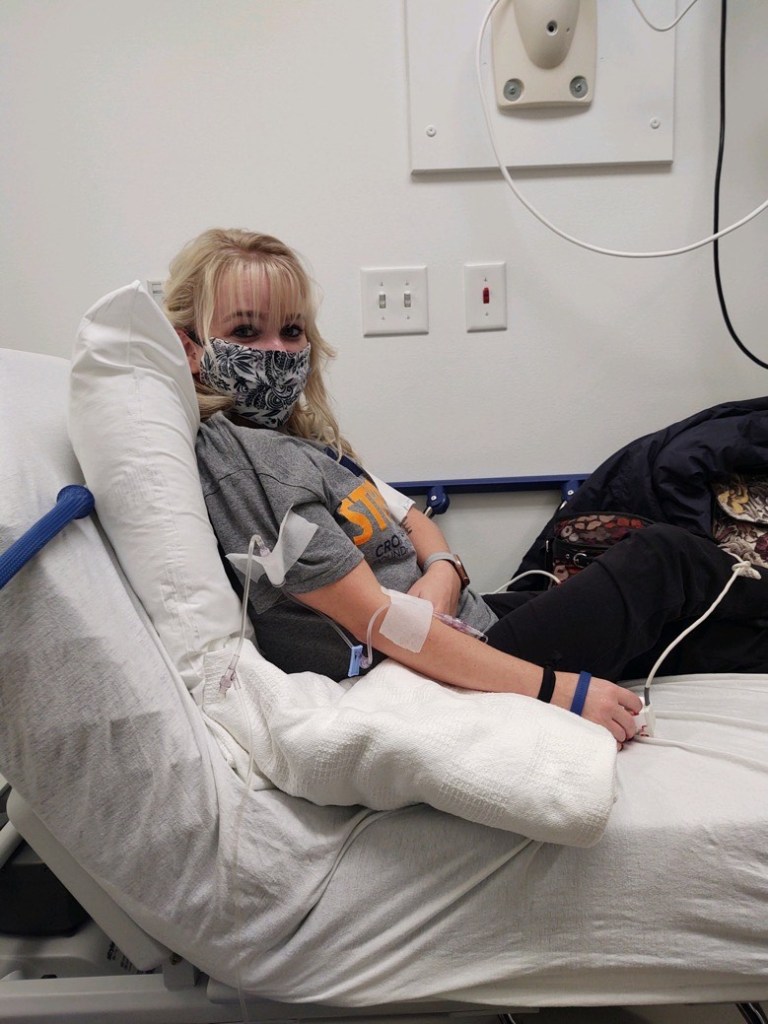
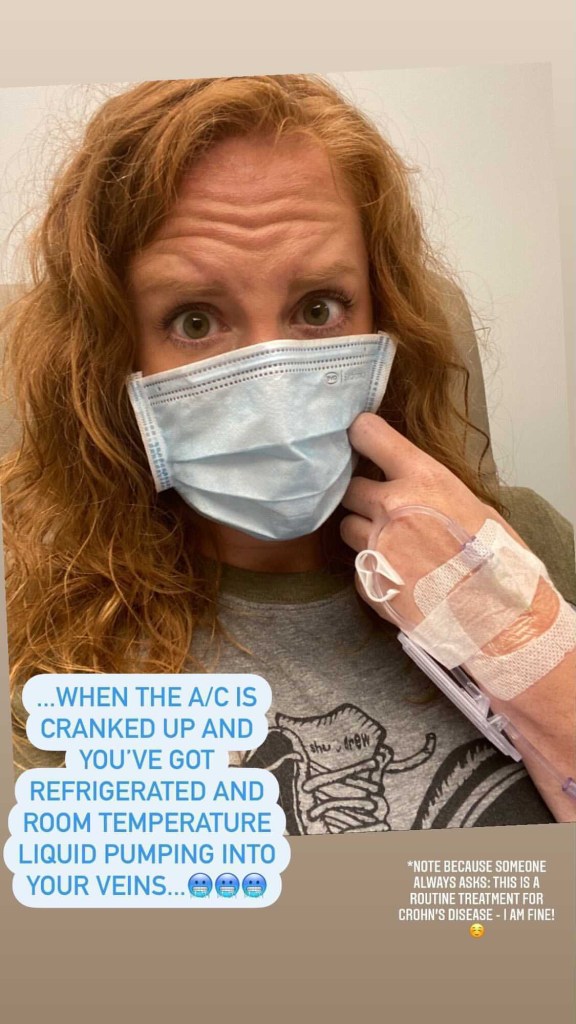
Lauren Hopkins has been on Remicade well over a decade and receives what’s considered a “double dose” every 5 weeks. She’s found her sweet spot and has been able to maintain remission. She says, “Refrigerated Remicade mixed with room temperature saline feels COLD pumping into your veins. It shouldn’t hurt, so if it does, say something to your nurse so they can fix your IV.”
Have the Infusion Nurse run saline before and after your infusion to help with headaches.
Be your own best advocate. Speak up to your care team if something feels off, if your symptoms are persisting, or if you’re dealing with side effects that make your life challenging.
Remember if a biologic fails—it’s not on you, you didn’t fail anything, the drug failed you.





















 lights camera crohn's