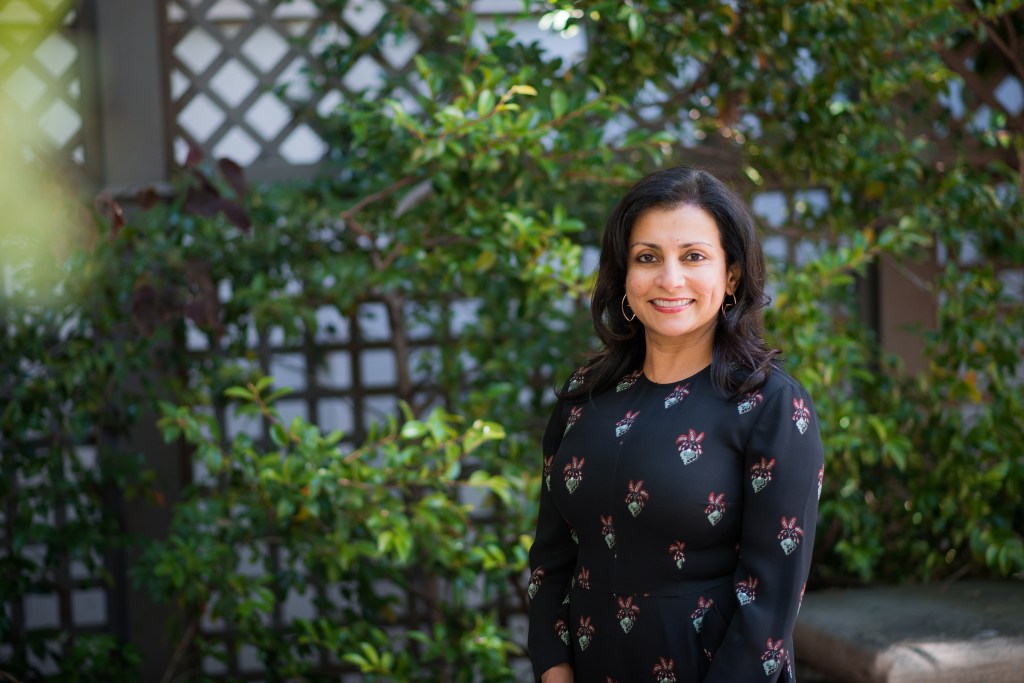
59 marathons and counting: How this IBD warrior perseveres despite her disease

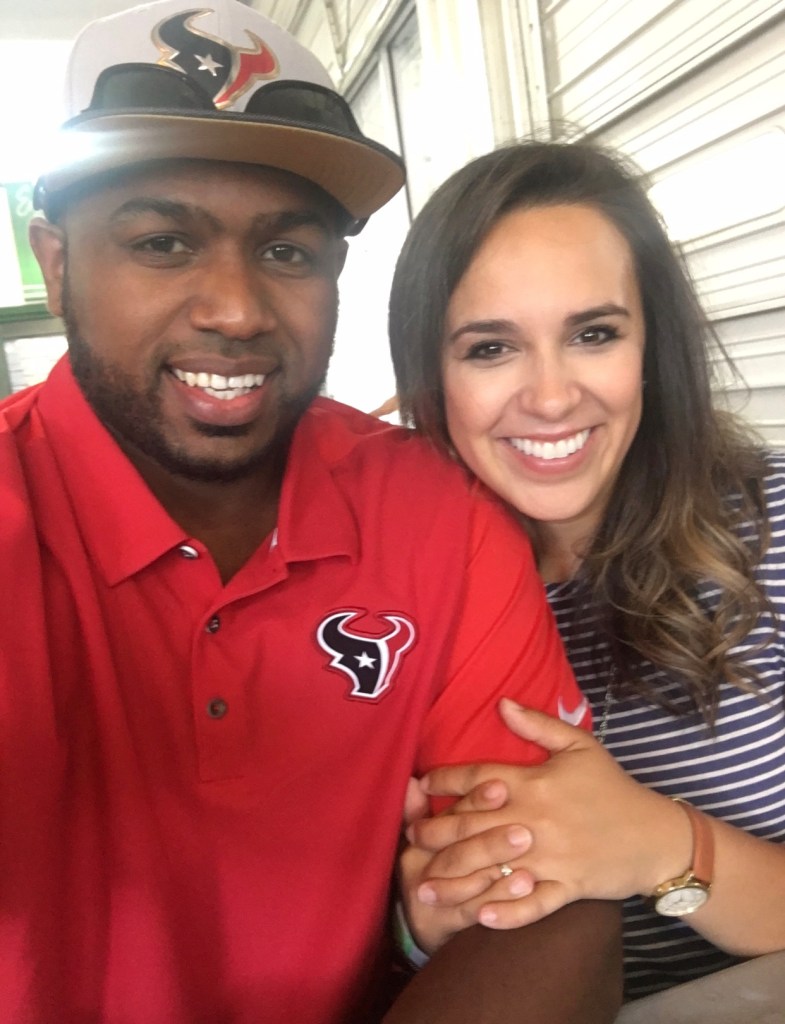
When you think of a marathon runner what words come to mind? Grit, resilience, drive, focus, strength…the list goes on. Michelle Ladonne, 34, of Massachusetts, isn’t your typical long-distance runner. Not only was she diagnosed with Crohn’s disease in 2010, but she’s also managed to participate in 59 marathons in 35 states and 3 continents. Yeah. You read that correctly. Incredible, isn’t it?!

Like many of us, Michelle is the first person in her family to be diagnosed with IBD. When she was told she had Crohn’s, she frantically started Googling from her hospital bed. All she remembers hearing the doctor saying are “lifelong” and “no known cure”. She was certain she’d been handed a death sentence. Her life, at age 23, flashed before her eyes.

Going the distance

As time passed, Michelle learned how to listen to her body better. She says she’s become better at determining whether pain is a “routine Crohn’s symptom” or an acute issue that needs immediate medical attention. Finding the balance of when to push through and when to rest has enabled her to feel more in control of her life and her disease.

“I used to think that the ideal was to never let Crohn’s hold me back from reaching my dreams, or to not let Crohn’s become an excuse. But the reality is that I live with a chronic condition, and despite all the determination and effort in the world, sometimes Crohn’s wins, and I need to be ok with backing off, resting, and focusing on my health,” Michelle explains.

She admits—she doesn’t always listen to her body. She’s ran some races while in the middle of a flare or not long after a hospital discharge.

“I think with experience – both with running and managing Crohn’s symptoms – I’ve learned when I can push through the symptoms, or when I will make things worse if I don’t back off. I try to listen to my body and accept that sometimes not running is the safest and healthiest choice – whether that means skipping a training day, missing a race, or twice coming to that realization mid-race and walking off the course.”

A team effort between care team and patient

Michelle recalls her experience running in the 2018 Berlin Marathon while in the middle of a Crohn’s flare, about a month after being hospitalized. She says her GI was not overly excited about the idea of her traveling out of the country to run a full marathon.

“My abdominal pain wasn’t well controlled, and I was underweight after having been on a liquid diet for several weeks. But my GI knew how important it was to me and supported me. I started the race knowing that if I didn’t feel well, I could slow down or walk, and worst case, I would stop. I started at a conservative pace and focused on hydrating and tuning into how my body felt.  I remember seeing my friend cheering at mile 16, and I ran into her arms and exclaimed, “I am doing it!  I’m going to finish this!” 

Crossing that finish line felt like the biggest victory for Michelle. Right after finishing the race, she texted her GI doctor a photo wearing a medal and thanked him for his support. True to form, Michelle’s GI reminded her that beer is a clear liquid, and since she was in Germany, she should have one to celebrate! 

Persevering through Crohn’s and running

Michelle says having the mindset to persevere through life with Crohn’s and running marathons is similar. She says there’s an adage in marathon running, “when your legs can’t run anymore, run with your heart.”

“Miles 20-26.2 of a marathon bring some of the most brutal pain and physical exhaustion imaginable. At that point, you learn to trust that you are strong enough, tough enough, and brave enough to keep moving forward. You learn to push on when you feel like giving up, because forward is the only option,” says Michelle. 

During a recent 22-day hospitalization, she was in more pain than ever before. COVID visitor restrictions left her feeling lonely, anxious, and afraid. She had to draw upon that same reserve of mental strength as at mile 20 of the marathon. She was physically and mentally spent but knew that digging deep and pushing forward was the only option.

“Just like in running marathons, I had to trust in my experience; I had overcome other challenging situations when I wasn’t sure that I could, and this was just one more challenge that I would eventually overcome.”

Michelle’s advice for fellow IBD runners

  • Figure out how nutrition factors into your running – specifically what you eat and drink before you run. It can be different for everyone. Some of it is trial and error. If running a shorter distance, Michelle doesn’t eat 2-3 hours prior. For longer distances, fueling becomes more important, so she’ll eat something soft and “safe”, like white toast with peanut butter and honey.
  • Plan your route in advance and evaluate the bathroom options.  For longer runs, particularly if you are flaring, try to be strategic about running in locations with bathrooms. Think about local parks, gas stations or fast-food places (support those businesses after your run!).  In a pinch, construction porta-potties work, too. 
  • Don’t perseverate on the bad runs. You’ll have them – the days where everything hurts, you are exhausted, and it’s just a miserable kind of slog. Choose to celebrate the victory of having made it out the door. Know that just like Crohn’s, the bad days happen, but so do the really good ones, and that’s what makes it all worthwhile. 

Not allowing Crohn’s to keep her on the sidelines

Michelle is grateful she’s able to run, and do what she loves, despite her disease. She knows not everyone with IBD is able to be physically active. While Crohn’s has sidelined her at times, it’s never completely robbed her of her passion or changed her focus. On the difficult days, Crohn’s has made her even more appreciative of running and the gift that it is to her.

On the days when I don’t feel like running – it’s too cold, too hot, too rainy – I remind myself that I don’t “have” to run, but I “get” to run.  Not everyone is so lucky, and I don’t take that for granted. Having Crohn’s, it is easy for me to think of my body as somehow broken or defective. Running has helped me to appreciate that my body is capable of some amazing things.  Running has taught me to focus less on what my body looks like (the weight fluctuations of flares and steroids can be tough!) and more on what my body is capable of.”

Taking steps to control fatigue

Even though Michelle clearly has magnificent endurance and strength, it doesn’t mean she isn’t familiar with fatigue and that makes even the most basic daily tasks feel insurmountable. If she’s feeling that overwhelming sense of fatigue, she’ll skip a run or lay on the couch with a heating pad and watch Netflix like the rest of us. At the same time, she says it’s important to distinguish between physical fatigue and just not feeling motivated to go for a run. She tries not to let her Crohn’s become an easy out during the long Massachusetts winters, or in the pouring pain, or even after a long day of work.

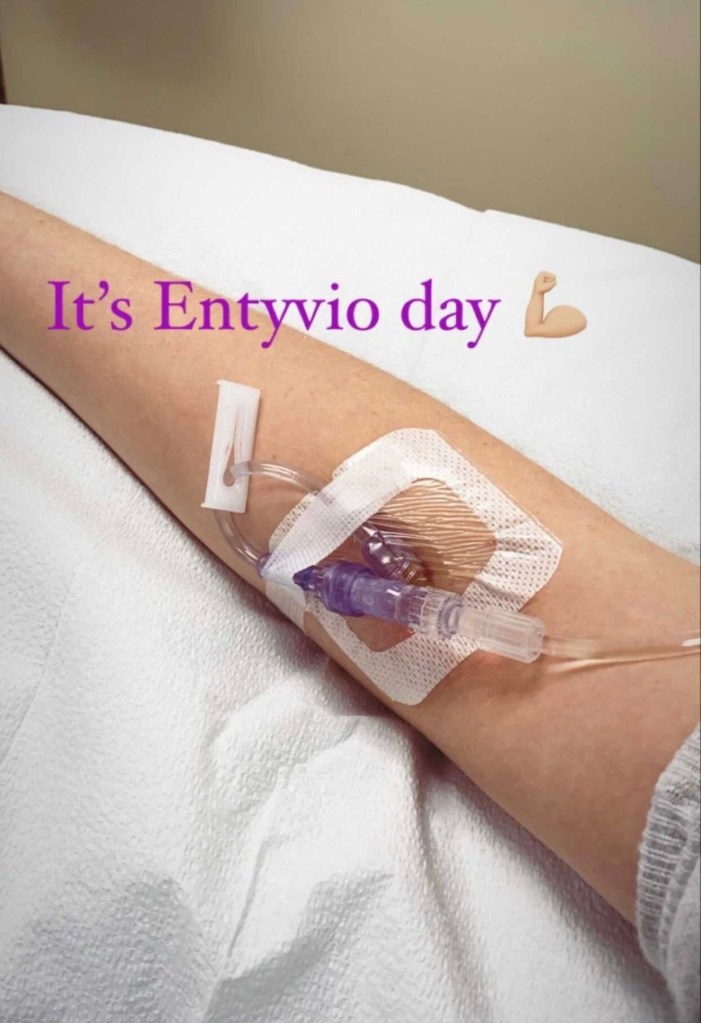
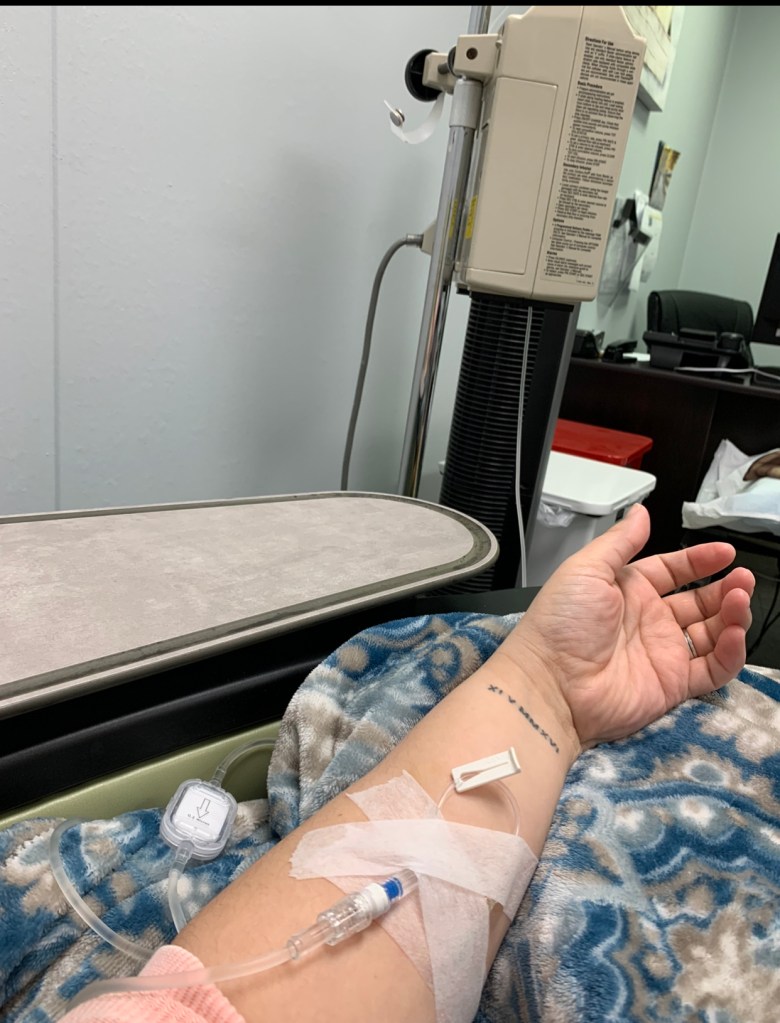
She currently takes 6MP and is on Entyvio every six weeks to manage her IBD.

Running goals now and in the future

Since 2016, Michelle has been focused on running a marathon in each of the 50 states. COVID put a hold on that goal, but she hopes to get back to traveling soon so she can cross the finish lines in every state.

“During COVID, since I couldn’t travel, I started focusing on running every street in the towns south of Boston. So far, I’ve finished 11 towns and over 4,000 streets. I have enjoyed exploring so many interesting places close to home and seeing all the history in southeastern Massachusetts. I am toying with a goal of running all the streets in Boston – I think that may need to happen!”

Michelle has also been checking off all the Marathon Majors—New York, Chicago, Boston, and Berlin.

She underwent a hemicolectomy—the removal of a portion of her large and small intestines in March 2021 and was readmitted two weeks after surgery with blood clots in her abdomen. At that point, she was diagnosed with a clotting disorder, in addition to endometriosis in her bowel. After 22 days in the hospital, and six weeks off from running so she could heal, she’s started to slowly build her mileage back up as she regains her strength. Michelle ran a 5K a few weeks ago and is running a half marathon later this month. Her main goal—to run the London Marathon in October, and potentially a few other fall marathons. Once she finishes London—she’s planning a trip to Tokyo to complete the Majors.

Michelle enjoys sharing her patient journey—the ups and downs, the blood, sweat, and tears, and everything in between, in hopes her experiences might help others feel less alone and to know that anything is possible.  From weeks in the hospital to completing a 100-mile ultramarathon, she’s done it all, all while living with Crohn’s disease.

Connect with Michelle on Instagram: @run4life262

IBD Motherhood Unplugged: “I have IBD and so does my Mom”

In the spirit of Mother’s Day—today’s article celebrates mother and daughter duos with IBD. Rather than focusing on the hereditary factor of Crohn’s and ulcerative colitis, this story celebrates the camaraderie, bond, and connection created when a parent and child both share the same disease. While the chance of passing on IBD when one parent has Crohn’s and ulcerative is relatively low according to the Crohn’s and Colitis Foundation (between 5% and 20% of people with IBD have a first-degree relative, such as a parent, child, or sibling who has one of the disease), it happens. My hope is that if you dream of being a mom or a dad, you don’t rob yourself of going after that dream because of the fear of passing on your disease to offspring.

As a mom of two (soon to be three!), I am the only one with IBD in my entire extended family. But, I often worry and wonder if my Crohn’s will be passed on to my children. I know this is a common fear many in the community grapple with. Check out these thought-provoking and comforting firsthand accounts from 8 mother-daughter duos that show how families unite in their diagnosis and lift one another up.

Corri Gardner and her mom both have ulcerative colitis. Her mother’s father also had UC. Corri’s mom was diagnosed with IBD while she was pregnant with her. All she knows since being diagnosed herself is having her mom and grandpa to confide in through the ups and downs of the disease.

“My mom has always been there to validate my fears and feelings on such a deep level since she knows exactly what I’m going through. When I was diagnosed, she expressed how guilty she felt over and over again. I always assure her that I would much rather be on this earth, living with UC, than to not be here at all. If someone is hesitant about having children due to their IBD, I would urge them to not make life decisions based on fear.”

Camryn Asham and her mom both have Crohn’s. She says having a parent with IBD helped her feel less lonely and more understood when she was diagnosed. Like anyone with a chronic illness she’s gone through a range of emotions on her patient journey—everything from anger to grief.

“I’ve had the “why me” feeling, but deep down I know it’s not my mom’s fault and there is no one to blame. I know my mom has felt guilty watching me go through traumatic moments and all the ups and downs. I’ve been able to witness my mom get through the highs and lows of IBD, and that reassures me I can get through any flare up or procedure, too. I know I can always count on my mom for help and support when I don’t feel heard or understood.”

Rachel Martin and her mom both have Crohn’s disease. Her mom was diagnosed at age 14, she found out she had the same disease when she was 22. While the diagnosis was devastating for both, Rachel says she finds comfort in knowing that she has someone close to her who can relate.

“I do feel as though my mom feels guilty for passing Crohn’s. I have a twin sister who does not have Crohn’s and it has been hard seeing her live her life without going through everything that I have gone through. Never in my life would I wish this upon anyone, especially my sister, however I wish that I never had to go through this. I never exactly blamed my mom, but I have spent a lot of time wishing I “lucked out” like my sister did. I know that my mom feels bad that I have had a really hard time coping and accepting that I also have a chronic disease.”

Diagnosed prior to a parent

Mary Catherine Kirchgraber was diagnosed with Crohn’s when she was 10 in 2000. Her mom was diagnosed during a routine colonoscopy when she was 50-year-old in 2013. Since her mom served as her caregiver and advocate since she was a pediatric patient, it’s made for a unique journey and perspective. They both seek medical care through the same GI practice and have been on the same medications. Mary says it’s nice to have someone to commiserate with about frustrations with insurance, feeling poorly, side effects, and more.

“My mom is the toughest person I know and never complains, so she inspires me in a million different ways. I wish she didn’t have to struggle the way I have, but it’s nice to have someone to lean on and ask questions to. My mom has always been my advocate and greatest support. She fought for accommodations at school, taken me to Mayo Clinic, dealt with insurance, and taken me to every doctor appointment and specialist I’ve ever needed. She created binders of medical records for me and often reminds me of my own health history when I don’t remember things from when I was a kid. I am so lucky to have her on my team.”

Sharan Kaur was diagnosed with Crohn’s in 2002, her mom found out she had ulcerative colitis in 2017. She says prior to her mom’s diagnosis she felt alone dealing with the day to day struggles of IBD. Sharan says because of her knowledge and experience living with IBD, when her mom began to experience symptoms, she was able to push for their general practitioner to take action immediately and reach a diagnosis. She is grateful to have another family member who can grasp the severity of the disease and who understands how easy it is to go from feeling perfectly fine one day, to barely managing to get out of bed the next.

“I think we find strength in one another. For years, my mom supported me through my worst days and although she didn’t completely understand how things were before her diagnosis, the support was always there. Finding out she had UC broke my heart because she’s always been so active, truly a supermom. I realized then that this would have to change for her as she would probably go onto face the same daily struggles that I do with fatigue. As an adult I’m sure this change in lifestyle is much harder to accept than it was for me.”

Mary McCarthy was also diagnosed with Crohn’s at age 12 in 1995, her mom didn’t discover she had Crohn’s until 2015 when she was 62 (and her dad has UC!). IBD was foreign to the McCarthy family when Mary was diagnosed though. She says her mom had a difficult time coping with having a child with a chronic illness. Even though her mom was well-versed on IBD by the time of her own diagnosis, hearing the news was still difficult for her.

“We deal with it mostly through empathy and humor. Being able to talk openly about the emotional and physical aspects of the disease helps. My parents and I joke about how we are colonoscopy experts and have seen every gastroenterologist in the city of Chicago. My mom knows exactly what I need before colonoscopies, which is often to get some alone time and get in the zone. We laugh about it now. “Mom, I love you, but I gotta get in zone. You can wait in the waiting room now.” My mom has been there for ALL important moments in my IBD journey. We sometimes reminisce about the complete chaos we went through when I was 12. We may have IBD, but we know life must go on.”

Michelle Schienle and her mom were both diagnosed with Crohn’s in 2015, she was 23 her mom was 52. Michelle’s diagnosis was the catalyst for her mom to seek additional treatment from a new gastroenterologist. As we all know it can be challenging to articulate IBD symptoms to those who haven’t experienced them. Michelle knows she can always count on her mom no matter what she’s going through. Even though she doesn’t blame her mom for passing on IBD to her, she did get frustrated that she didn’t recognize the suffering earlier as a child because that was her mom’s “normal”, too.

“Since she was living her life that way, she thought my problems were “normal”, so I had to wait until I was old enough to advocate for myself to get the answers I needed. I wish she wouldn’t feel guilty for passing it on to me, because it’s not her fault. Seeing my mom push through gives me strength. I’ve seen firsthand how she’s successfully raised a family, had a great career, and traveled the world (all things I aspire to do!) and done it with IBD. It’s a relief not to have to explain the pain and worry in detail because we just know what the other is going through. As unfortunate as it is that we both are going through this, having my mom understand what I am feeling both physically and emotionally helps to validate it. If my children are to ever get IBD, I am now confident that I am in the best position to take care of them because I know what to watch out for and how to be proactive about treatment.”

History repeating itself

Both Ellen Jenkins and her mom were diagnosed with Crohn’s when they were 18 and freshman in college at the same school! Ellen says her mom still feels responsible for her being sick, even though she has never blamed her for IBD.

“Growing up and watching my mom live a normal life despite her IBD comforted me when I was diagnosed. I am so thankful to have someone who understands firsthand what I go through. Although no parent would choose to pass Crohn’s on to their child, IBD has made us closer. I have never been upset that I got it from my mom. Instead, I’m thankful to always have her as an advocate in my corner who truly understands the struggles.”

A heartfelt thank you

As an IBD mom, hearing these experiences and perspectives really puts my mind and heart at ease. As you can see, there’s a common thread throughout. Rather than blame their parent for passing on IBD, these young adults look to their parents as a pillar of strength, a source of understanding, and as partners in taking on their illness. Through the pain and suffering there is also gratitude, clarity, and unbelievable resilience. Just how you have grown and evolved as a person after your diagnosis and throughout your patient journey, your child will do the same.

Special thanks to everyone who made this story possible. Your words, your raw emotions, and your candidness are sure to help many and shed light on the incredible dynamic that is created when a parent and a child both battle IBD…no matter what age their diagnosis comes about.

Nori Health helps IBD patients re-gain control: How you can get free early access

This article is sponsored by Nori Health. All thoughts and opinions shared are my own.

When Roeland Pater was diagnosed with Crohn’s disease nearly 20 years ago at age 19 there was a lot he didn’t realize and a lot he tried to ignore. He felt like he was on cruise control the first few years after surgery led him to remission. A few years later, his IBD took a turn and so did his perspective on his health.

“I started to realize that everything I did in life was impacting my disease. Suddenly, I couldn’t do whatever I wanted when I wanted. I became cautious of my actions and decisions. I tried to get a better grasp of how my IBD was impacting my life by receiving personalized care, but I was struggling trying to find a way to do that,” explained Roeland, Founder of Nori Health.

He noticed that during his medical treatment, he experienced a lack of support and education between hospital appointments, with little to no focus on quality of life or emphasis on how he was living day-to-day. Like many with IBD, this left Roeland feeling frustrated, misunderstood, and like there was no hope in controlling his condition.

The inspiration behind Nori Health

As a professional in the tech industry, this caused a proverbial light bulb to go off in Roeland’s head. He identified this massive gap in IBD care and decided to dedicate his life to solving the problem, with the goal of helping others. He recognized the need for a digital solution to help people like himself better manage and control their disease through daily behaviors. This is how the concept and mission for Nori Health was created. The company received an investment two years ago, which drove the concept into a real product and an app.

“Research shows that people living with a chronic inflammatory disease typically experience a 30% lower quality of life when compared to healthy individuals. Closing this gap is our mission. We believe this can be done by improving the understanding of the disease and its triggers through education and disease management. We aim to give patients in our program a sense of control over their disease management,” said Roeland.

How the Nori Health app works

The Nori Health app offers an 8-week program for IBD patients, guided by Nori, a digital coach. Through regular conversations (text-based—like WhatsApp) with Nori you receive personalized insights on factors that are proven to impact quality of life, and symptoms like pain and fatigue. These tips can be saved to your personal dashboard, and you can implement them into your daily routine, helping to keep your IBD under control.

“Most apps on the market are focused on a tracking model. This puts a lot of responsibility in the hands of the patient to monitor their daily activities and to discover patterns that might trigger symptoms. We changed this model around to best support the patients. Nori guides the patients through their health journey, with personalized, evidence-based factors. Nori provides the user with actionable tips that can be saved in the app, which can then be easily implemented into daily routines and lead to significant change,” said Roeland.

You can think of Nori as an artificial intelligence chat coach. You will work together to discover the lifestyle factors that impact how you feel and learn about simple changes you can make to gain more control of your disease. The end goal? To have less pain, more energy, and less strain on your mental health. Changes include everything from forming a new hydration routine, to talking to others about your condition, to reaching a point of acceptance of living with a chronic disease.

Main areas of focus include:

  • Stress
  • Hydration
  • Exercise
  • Diet
  • Mental Health
  • Pain
  • Low Energy
  • Sleep

“We would like to emphasize the importance of finishing the 8-week program. Just like taking a full course of antibiotics, the true benefit from the app comes from completing the entire course of the program,” said Roeland.

The app is not currently open to the public, but I’m excited to offer 100 of my Lights, Camera, Crohn’s readers direct early access!

Getting started:

  • Download the Nori Health app for iPhone here and Android access here.
  • During registration use access code TEST212 for free access to the full program. 
  • As you are given free access to the app, you will be asked to provide feedback on your progress (this is in-app, and anonymous). The Nori Health team will reach out to you by email to collect feedback about your experience as well.

Hopes for the future 

Nori Health is deeply rooted in recognizing the power of community. The program was not only developed by an IBD patient but created thanks to the input of more than 600 patients in England, Netherlands, Belgium, France, and beyond. By participating in this initial launch, you can continue to provide valued feedback and guidance so that the team at Nori Health can make the appropriate tweaks and further understand unmet needs. So far, the feedback has been overwhelmingly positive and has shown that patients can be supported throughout their patient journey—whether they are newly diagnosed or a veteran patient.

“We’ve seen an average of 34% improvement in daily management (diet, stress, and exercising on a daily basis) with people who completed the 8-week program,” said Roeland. “Half of the participants whose social lives were compromised due to symptoms, started to reconnect with friends and loved ones. These are the types of improvements and shifts we had aspired to see happen when we created the app.”

By working with patients like himself, Roeland says these valuable insights have changed Nori Health’s focus and influenced them to go much deeper into the factors that improve quality of life.

Working from home is more than a job perk for those with IBD

The COVID-19 pandemic has normalized talking about chronic illness in the workplace and shed light on not only what it means to be immunocompromised and how it impacts one’s quality of life, but also the benefits and possibilities that working from home provides for everyone involved.

Prior to the pandemic, asking to work from home or setting up accommodations with your boss looked different. It could feel a bit taboo. Maybe you worried how the rest of your team would perceive you as possibly getting special treatment. Maybe you didn’t want to appear as if you couldn’t keep up or do what was expected of everyone else. But one of the positives to come out of this crazy time is that the way we work and how we work has shifted.

I’ve been a freelancer/blogger and stay at home mom since I became a mom in March 2017. That being said I worked full-time in the TV news industry, at a PR agency, and in corporate America at a natural gas utility the first 12 years I had Crohn’s disease. I am well-versed in how to navigate those difficult conversations with your boss, how to balance your health and well-being with your career, and what it means to thrive professionally while making sure your health doesn’t take a hit.

An opportunity for change

If the past 13-plus months have shown us anything, it’s how adaptable and flexible work can be. Businesses and organizations have real-life intel now that can help guide what the future of working looks like, and how employees can best be supported, engaged, and accommodated.

The chronic illness community can use this time as a springboard into the future and communicate their needs and hopes moving forward. According to the CDC, nearly 60% of adults in the U.S. live with at least one chronic illness. Even though that’s a huge percentage, many leaders still don’t know how to properly support employees who fall into this category and those of us who live with a disease such as IBD often question our own abilities and what we’re able to bring to the table compared to our healthy co-workers and counterparts. Working from home through the pandemic has evened out that playing field.

Having the flexibility to work from your couch or run to your bathroom in the comfort of your home versus in the middle of a big work meeting with your peers makes a huge difference. Knowing that you can schedule meetings and availability around blood draws, appointments with specialists, scopes, infusions, etc. offers great flexibility in managing your illness and getting the job done without feeling guilty for taking care of yourself.

How to better understand and support employees

From a chronic illness perspective, we push ourselves in all aspects of life, even when we’re running on empty because we constantly fear being viewed as less than. There are many ways business leaders can better support employees who are taking on a disease like Crohn’s or ulcerative colitis.

As people with IBD we worry about how we’re perceived by others because of the stigma that surrounds chronic illness. There’s guilt. There’s fear of being considered lazy. There’s the worry about coworkers judging you and thinking you’re a complainer or weak, when in fact they may not be aware of your whole back story.

So how can we improve the support of our managers?

Initiate communication: Ask your boss about setting up a 15-minute monthly one-on-one touch base to discuss how you are feeling and if you need additional support. Talk about what the next month looks like as far as doctor’s appointments, labs, tests, etc. I personally always felt better supported and understood by sharing my health struggles with my coworkers—whether it was my co-anchor and meteorologist or the communications team at the company I worked at. When I was hospitalized (which happened on multiple occasions) or needed surgery, I would email the entire team and give them a heads up about what was going on, so they heard it from the “horse’s mouth” and not through office hearsay or gossip. By articulating your patient experience you give others a chance to be empathetic.

Make the invisible—visible: It can be easy for us to downplay our pain or put on a smile when we’re flaring to protect ourselves, even on Zoom calls! The unpredictability of IBD makes work-life a challenge because you can start the workday feeling energized and ready to take on the world and after lunch feel like you can’t even stand up straight and need to lie down. The constant uncertainty of when symptoms are going to strike can be debilitating in and of itself. By being open and transparent in these moments of struggle you help paint a clearer picture of what you’re experiencing for those who don’t live our reality. In corporate America, I used to sit in the boardroom and start a meeting by casually saying “I just want to let you know my Crohn’s is acting up. I’m in a lot of pain. It’s hard for me to sit up straight so I’m going to slouch a bit and I even had to undo my pants!” I approached those moments with humor, but moreso to take off my “mask of wellness” and be transparent that there was much more going on in my mind and body than just the presentation I was giving or listening to. I feel being honest like this made my co-workers helped us build a stronger relationship and rapport.

-Come up with a hybrid schedule: As the world starts to open and companies discuss what the future will look like as far as working from home or in the office, consider what it may look like to work a couple days a week doing each and finding balance. Working from home hasn’t been a detriment to productivity, if anything this time has proved how flexible we can all be in the face of adversity. By creating a space of support and understanding, everyone can be successful. Talk about the options available, your comfort level with returning to work in the office (especially if you’re immunocompromised or haven’t had a chance to be vaccinated), and what the expectations are moving forward.

Improve inclusiveness: When a business or organization makes employees feel embraced, regardless of their health struggles, it speaks volumes. Even those who are completely healthy should see this as a valued characteristic of their working environment—whether in person or virtual. Nobody knows when their life could take a turn for the worse or when an unforeseen health issue could pop up. For many in the chronic illness community, we went from being healthy to waking up with a disease that will be a part of us, always. It’s on leadership and Human Resources to ensure those with chronic illness are provided with the support they need.

Stop celebrating overwork: Touting the employee who works around the clock and answers emails at 2 a.m. sends the wrong message. Instead, find ways to commend employees for different reasons. There isn’t one set of parameters that makes someone a great employee. Having work-life balance and recognizing the importance of having time to decompress, put health first, and spend quality time with family, matters and says a great deal about leadership style. The number of hours worked doesn’t equate to the quality of work or one’s competence. The onus is often on the boss or leader to speak up and set these expectations. Being able to manage your team’s energy will keep morale in check and make employees feel appreciated and more invested in doing their best, because they have the energy to do so and aren’t ready to tap out at any given moment.

Remote work is more than a job perk

COVID has forced the conversation and illuminated the challenges those of us with chronic illness are up against when trying to balance our health, providing for ourselves and our families, and being an invaluable employee. Thanks to the pandemic, employers are now looking to re-evaluate what sick leave and disability policies look like, especially as they relate to working from home. Those of us with a chronic illness may finally feel like we’re on an equal playing field when it comes to job opportunities and not having to worry as much about our bodies cooperating so that we’re able to do it all.

The Patient Experience: What the IBD Community says about Entyvio

Starting a biologic or switching to a new one after a drug fails you is a stark reality for many with IBD.  I personally have been on the same biologic since July 2008. Lucky for me, my body hasn’t built up antibodies and it’s served me well in managing and treating my Crohn’s disease. Recently, a woman with Crohn’s disease private messaged me on Instagram. She’s been on Humira (adalimumab) since 2006, but she’s no longer responding to it. Her gastroenterologist has advised she start Entyvio (vedolizumab).

Like anyone who deals with a drug failing them, she’s reached a level of comfort giving herself injections and knowing the ins and outs of the medication she receives. Now, 15 years later, she feels a bit like a fish out of water trying to navigate a new biologic and all the unknowns that come along with that transition, especially because she hopes to start a family in the next year.

After hearing from her and wanting to help, I went out on a limb and shared the following on my Instastory—to try and comfort her as she embarks on this new chapter in her treatment. “Hey IBD fam! Let me know if you’re on Entyvio and what your experience on it has been thus far. Looking to get info for someone who has been on Humira since 2006 and is making the switch after losing response to it. Appreciate your help and insight.”

The overwhelming response from the community

Several people wrote me directly about their experience with Entyvio—everything from tips and tricks to minimize side effects to how Entyvio has improved their quality of life or been detrimental to it. The response truly blew me away. We all know, IBD presents uniquely in each of us. So, one person’s experience with a biologic (or anything for that matter in treating Crohn’s or ulcerative colitis) must be taken with a grain of salt. At the same time, there’s a sense of camaraderie in connecting with those who use or have experienced your same therapy.

Since I’ve never been on Entyvio, I learned a lot in the process…and wanted to share my findings from these direct message discussions with you. Entyvio is known for its low side effect profile, as it specifically targets the gut. My hope is that this will help alleviate people’s concerns and help educate the community, should Entyvio be offered up as a possible treatment plan presently or in the future for you. (NOTE: I am writing this on my own accord—with NO affiliation or guidance to pharma). This is strictly created from IBD patient experience.

Infusion: Dosing schedule + timing

Generally, the recommended dosage is a 30-minute intravenous infusion, every 8 weeks. Depending on a patient’s response, this can shift to every 6 weeks or even every 4.

“Been on Entyvio since it was approved by the FDA. It has been very helpful since it targets the gut. I am on supplemental IBD meds, but I like that it’s a fast infusion and has given me my life back. It’s the longest I’ve ever been on a biologic, too.”

“It’s about an hour total to get the IV, wait for the med to be mixed, and have the infusion. I am noticeably tired the day of the infusion, but then bounce back quickly by day two. No other side effects at all. Entyvio has been a lifesaver for me!”

While some people saw improvement after the loading doses, Entyvio is known to react slower than other biologics. While most of us are used to biologics taking 2-3 months to work their magic, several people stated their GI warned them ahead of time that Entyvio could take 8 months to a year to be fully effective.

Side effects: The consensus among those who responded

Headaches/Dehydration/Fatigue

“I take Tylenol and Benadryl at every infusion because I found when I didn’t, I ended up with really bad headaches. I seem to feel better if I exercise for a little bit after my infusion, like walk 20 minutes or do 20 minutes on a bike. Real slow and easy. I often feel tired that day and maybe the next day, but after that I’m pretty much golden.”

“A lot of people get headaches after the infusion—they think from dehydration, so it’s helpful to ask for an extra bag of saline fluids during the infusion.”

“My friend and I both get tired after our Entyvio infusions. We both need a good nap after and then we feel fine. Hydrating the day before, during, and right after the infusion helps a ton.”

Hair Loss/Growth

“I lost a LOT of my hair while on this and had to take a large amount of prednisone for almost a year to get back on track because this medication. Please do research on this one! I did not do much and read a lot of people lost almost all their hair. Thankfully, mine grew back while I was pregnant. It was a big bummer! I’m on Stelara now and it works just as well as Humira did for me before my response to it also declined.”

“Been on Entyvio about 2.5 years and it’s the only drug to get me into remission! Was on infliximab (Remicade) before and became allergic and lost response. Minimal side effects with the Entyvio as well! If anything, I just noticed my hair doesn’t really grow the same.”

Navigating infusions and life

While the shorter infusion time is a plus, nothing beats the convenience of an at-home injection. At the same time, several patients shared the benefit of setting up an at-home infusion, so that’s something to look into versus going into a medical facility to receive your medication.

“I have ulcerative colitis and I’ve been on Entyvio for almost a year now. It’s the first biologic I’ve been on and it has helped a little, but it hasn’t been able to heal my rectum at all. I’m in a teen support group and one of the group leaders has had the same experience. After the starter doses, I was on every 8 weeks, but my drug levels were too low, so we switched to every 6 weeks and that didn’t do anything either. Since my symptoms were increasing, I was moved to every 4 weeks as of November. I honestly wish I were on Humira or another at home injectable only because I’m 18 and want to have a normal life that isn’t tied to needing to be home or to go the hospital every month, but it is what it is. The infusions don’t take long, but I do come home and sleep for the rest of the day. I started a pediatric clinical trial about a month ago since the Entyvio isn’t doing enough, but I still have to stay on the Entyvio.”

Pregnancy and Breastfeeding

For guidance on pregnancy and breastfeeding in regards to Entyvio, you can find helpful information at the IBD Parenthood Project and through the PIANO registry study. You can also connect with IBD Moms and Mamas Facing Forward, social media communities comprised of women living your reality.

Prior to planning to conceive, it’s always a good idea to communicate your family planning goals and dreams with your care team. Let your GI and OB know that you’re hoping to get pregnant 6-plus months ahead of time, so they are clear on what your expectations are. That way, you can put your best care plan in place, especially as it comes to staying on top of managing your IBD while you bring a life into the world.

“It was the first biologic that actually showed healing on my colonoscopy. I was on Entyvio my whole pregnancy, and now I’m breastfeeding on it.”

“I have been on all biologics and have had the best response to Entyvio. It put me into a 3.5-year remission (my only remission ever) and allowed me to have my son. Unfortunately, it does not target perianal Crohn’s, so I have had issues over the last few years. After trying Stelara, I had to go back to Entyvio because it’s the only drug that treats my luminal Crohn’s. It really is an amazing drug. No side effects for me, and my immune system is stronger than it has ever been—on the other drugs, I caught a million colds and would get bronchitis and pneumonia several times a year. Since being on Entyvio, I think I’ve gotten a cold a year (maybe?!), it’s a dream!”

“I have been on Entyvio for about two years now and it has been lifechanging. In terms of my ulcerative colitis, it has been day and night, and it has even gotten me into remission! I do feel really tired after my infusion and a little bit into the next day, but since I only get them every 8 weeks, that is a side effect I am more than willing to take on! I was on Entyvio for my entire second pregnancy and that was a breeze compared to my first.”

Be a proactive patient

Like many biologics and prescription drugs, there is a patient savings program available that you’ll want to check out. Learn more about Entyvio Connect here.

Helpful Entyvio-Focused Facebook Communities

Several of the people who responded shared they’ve had positive experiences and found support in Facebook groups geared for those specifically on Entyvio. Check them out:

Entyvio Mommas

Entyvio Warriors

Thanks to everyone who went out of their way to share their experience and help a fellow IBD warrior in need. Having this type of intel is good as gold and extremely beneficial in empowering patients as they make drug and treatment choices.

IBD is Not Your Fault

You did nothing to cause your diagnosis or your disease. Read that again. It’s not your fault. No matter what you may see on social media or hear from friends or family, those of us with Inflammatory Bowel Disease did not live “incorrectly” or do anything damaging that “sparked” our chronic, autoimmune issues to come to life.

I was incredibly disheartened recently by a post on Instagram that in so many words claimed that bad habits in life led to a man’s Crohn’s disease. He made blanket statements about how medication and surgery are not necessary and that it just takes a long time and reflection to reverse the damage he caused on himself after years of smoking, binge drinking, etc. The post was not only on his own feed, but also shared by a community IBD page with more than 8,000 followers. After days of endless comments from those angered by his assertions and claims, the post was taken down and the patient “advocate” made his Instagram private, but the damage was already done.

Hold up—what’s with the blame game?!

You may wonder why patient advocates like me get their feathers ruffled by claims like this. I can tell you why. I, along with so many of my counterparts in the IBD community, work tirelessly to educate and inform not only those with Crohn’s and ulcerative colitis about the patient journey, but also caregivers and friends. When misinformation is disseminated it sets the clock back, bigtime. It further stigmatizes our illness, especially when the false statements are said by someone who lives with IBD. Not only does it hurt those grieving and trying to come to terms with their lifelong diagnosis, but it’s a direct attack on those diagnosed as pediatrics and those who did everything by the book (ate well, exercised, got lots of sleep, managed stress, etc.) and STILL got IBD.

If there was a magic bullet or diet that helped “cure” or manage all of us, we would do it. If there was a way to prevent IBD, people would do it. Crohn’s and ulcerative colitis aren’t like lung cancer, which is sometimes caused by smoking or diabetes which is sometimes caused by being overweight or liver disease which can be caused by excessive drinking. IBD is complicated and mysterious. There is not a behavior or habit that is associated with possibly “getting it” one day. The two known factors—hereditary and environmental—leave much to the imagination. I personally have no family history. I was a picture of health until the two months leading up to my Crohn’s diagnosis in July 2005. It felt as though a light switch went off and my world went from being healthy and able-bodied to being chronically ill.

You did nothing wrong

If you’re reading this and wondering what you did to cause your disease, the answer is nothing. If you’re reading this as a parent and feel as though you could have fed your child less processed food or breastfed them instead of giving formula or shouldn’t have had your child vaccinated, please stop believing that. I know we all want a reason. We all want answers and some clarity as to the why—but, at the end of the day, does it really matter? Focusing on the why doesn’t help us focus on the how. HOW are we going to get through this? HOW are we going to manage our disease and live a full life? HOW are we going to cope during flares and periods of remission? HOW are we going to navigate the unknown and thrive? HOW are we going to find the right treatment plan? HOW are we going to target our triggers and learn what to avoid? Focus on what you can tangibly do to improve your patient journey and less on the coulda, shoulda, woulda’s, because just like each case of IBD is unique, so is each back story.

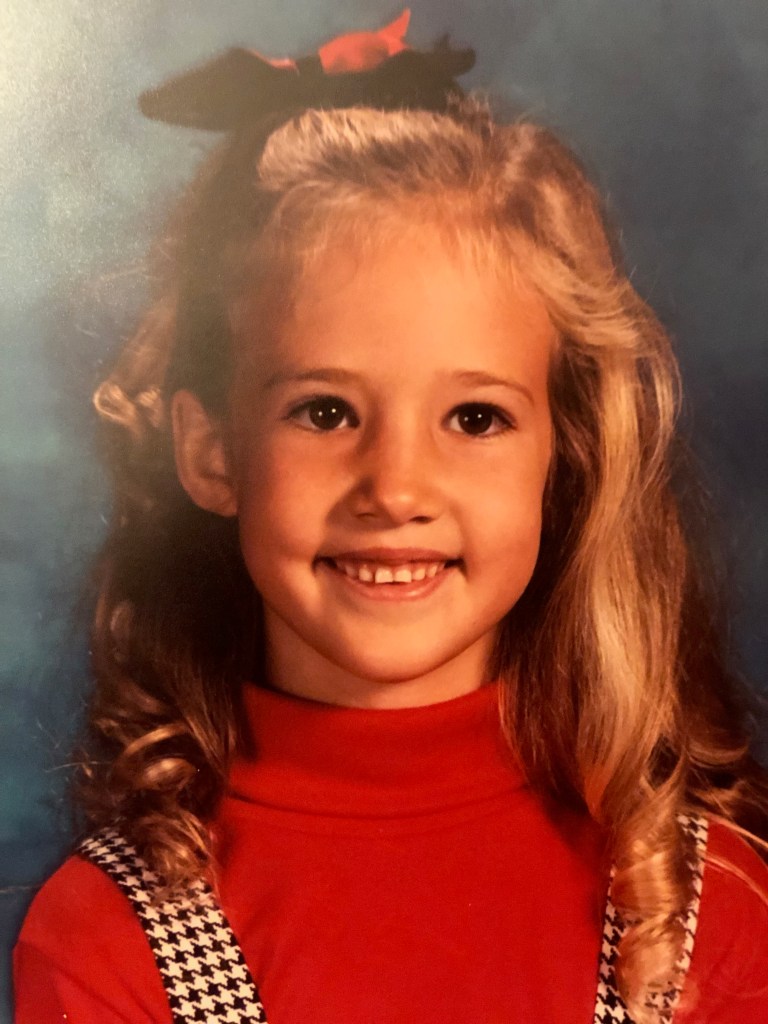
Here I am as a little girl. Long before being diagnosed at age 21. This little girl did nothing to deserve or cause Crohn’s disease.

Stop the finger pointing and the blame game. Stop making the medical community out to be the bad guys and the adversary. Stop acting as though those who depend on medication and need surgery failed in any way.

Start collaborating with your care team and finding physicians who listen and genuinely care about the approach you wish to take to manage and treat your disease, while also understanding that a holistic and “med-free” approach may not be feasible for your type of disease process. Start getting involved and educating yourself about how IBD manifests and the complicated nature of not only Crohn’s and ulcerative colitis, but also the extraintestinal manifestations and mental health aspect that are often not talked about. Even if you’re on medication or have had surgery you can still take whatever measures make you feel better in a complementary way. It’s not all black and white. There’s so much gray area. You can be on a biologic and still try any “elimination diet” you’d like. It’s just a matter of doing what works best for you, without pointing the finger or demeaning others in our community. Start connecting with those who live your reality and lift you up, rather than make you feel like you’re taking the easy way out.

This is 21-year-old me. There were moments where I felt very sick while on this Spring Break trip my senior year of college in March 2005. I attributed the abdominal pain to traveling and eating different food in the Bahamas. Little did I know four short months later I’d receive my Crohn’s diagnosis.

I know that if my 21-year-old self came across posts on social media claiming I caused my Crohn’s and that I could “heal my gut” on my own, I may have believed it. I can tell you nearly 16 years into this, I know without a doubt that is not the case. I am not a failure for taking medication, needing surgery, or trusting my physicians. I credit my 5.5 years of remission to being a compliant, proactive patient who believes in science, educating myself on the facts, and realizing that this disease is bigger than me and a constant learning process. I don’t need to know my why because I’ve done a damn good job of discovering my how’s and you can, too.

He made me an IBD mom four years ago…here’s what I’ve learned

Four years ago, today, I became a mom. Our son Reid Robert was born and placed into my arms for the very first time. Like any parent, especially one with a chronic illness, those initial moments were emotional and overwhelming in the best way. A wave of relief rushed over me as I lied on the table after my scheduled c-section, grateful my body that had fought Crohn’s disease since 2005, had brought a perfectly healthy baby boy into this world. But I was also nervous about my abilities as an IBD mom and what the journey of parenthood would look like as I juggled taking care of myself and this tiny little human. How would my life with a chronic illness and as a mom play out?

Fast forward four years. I am now a mom of two, with a baby boy on the way (24 weeks tomorrow)! Over these last 1,460 days, I’ve learned and grown a great deal both personally and as an IBD patient. Today—I share that perspective and knowledge with you. Perspective and knowledge, I wish I had when I first became a mom and what I’m continuing to learn along the way.

  1. Fed is best. There is so much pressure on how women choose to feed their babies. It’s ridiculous. I breastfed Reid the first three days and he had formula from that point forward because I was nervous about my biologic. The second time around, I did more research, and chose to breastfeed my daughter. Our journey lasted for six months (my milk supply ran out once I got my period). I supplemented with formula. I’m hoping to nurse our final baby when he’s born in July. That being said—no matter what you choose, it’s your choice. Your baby will thrive. Don’t beat yourself up over it. Drown out the judgement and speak up if someone questions your decision for you and your baby. For me, breastfeeding is a labor of love. I’m not going to act like I enjoy it, because it was hard for me. It’s not something that comes natural for all, and that’s ok. No one is going to ask my kids when they are in elementary school or high school how they were fed or know the difference.
  2. What they see, doesn’t always hurt them. When you’re cowering on the toilet in pain and they’re watching with eyes that speak of concern. When you’re sitting on your couch about to do your injection. When you’re struggling to stand up straight because your abdominal pain is too much. Don’t shield them from your pain. That pain is part of your family story and it’s important you are honest and upfront. It’s those moments that shape their little hearts and their everchanging minds.
  3. Kids roll with the punches. Have to cancel plans or have a low-key day inside watching a movie instead of going for a walk or to the park? —that’s ok. Your children will feel loved and taken care of just the same. Kids are flexible. They don’t need to stick to a rigid schedule to be happy and fulfilled. At the end of the day, it’s your love and support that matters most.
  4. Innate empathy from a young age. With my oldest being four, I can’t tell you enough how many times I’ve been blown away by his empathetic heart. Before he was even two years old, he would kiss my thigh after my injection and walk up to me in the bathroom, give me a hug, and pat my arm or stomach to comfort me. Now, he asks me if I’m hurting or in pain. He knows mommy isn’t always healthy, but that she’s always strong and gets through it. That empathy goes far beyond me—I see it in the way he is with others and it makes my heart feel like it’s going to burst with pride. I credit that aspect of his personality to what he’s witnessed these first few years of life, and for that I’m grateful. I can guarantee you’ll see the same with your children.
  5. Greatest source of motivation. Even though I’ve been in remission since August 2015, my kids still serve as my greatest motivation on the difficult days with the disease. Whether it’s pain, prepping for a scope, or going through a procedure, I keep my eyes on the prize—them. Just thinking of them gets me through everything. They give me so much to fight for, day in and day out. It’s not just about me—it’s about all of us.
  6. The importance of communication. When you become a parent, communication becomes even more paramount in your relationship. If you don’t share when you’re struggling or symptomatic, your partner can’t offer the support you need. Even if you’re not in a full-blown flare, it’s beneficial for everyone involved (you, your partner, and your kid(s)) that you share when your IBD is causing you issues. I always text my husband when he’s at work or simply say, “I’m having a bad Crohn’s day” or if I’m in the bathroom for a long time after dinner while he’s trying to get the kids to bed …and that’s all it takes to get the message across.
  7. Asking for help doesn’t make you weak. You’ve probably heard the saying “it takes a village to raise a child” …and it really does. You are not failing or less than because you ask or help, need a break, or time for yourself. You will be a better mom if you take time for you. You’ll be better able to keep your disease in check if you have time to relax and de-stress. I’m not always the best when it comes to accepting or asking for help, but as I gear up for three babies four and under, I know I’m not going to be able to do it all on my own and that I’m going to need more out of my village.
  8. Your health can’t go on the backburner. When you’re a mom, your needs often go to the bottom of the totem pole. When you are an IBD mom, they can’t. While I used to try and “brave out” my symptoms until the last possible moment, as a mom, I’ve completely changed. After nearly 16 years living with Crohn’s, I know when my body is speaking to me and now, I listen and address what’s going on immediately. I credit being proactive and sharing with my GI when it feels like my remission may be in question for the reason why I’ve been able to stay in remission all this time. I’ve gone on bursts of steroids, had my trough levels checked for my biologic, and done fecal calprotectin tests through the years when needed. The last thing you want as a parent is to be hospitalized because of your IBD. To me—it’s inevitable. It’s not a matter of if it will happen, but when. But I do everything in my power to keep myself home and out of the hospital and will continue to do so until that’s no longer possible.
  9. Every “tummy ache” and loose stool from your child is not IBD. When my kids say they have a tummy ache or I seem to think they’re going to the bathroom more often one day than not, I’m immediately worried and concerned. Could it be IBD? Why are they feeling this way? Is it my fault? What do I need to watch out for? All the questions flood my mind and sometimes my emotions get the best of me. Then, my husband normally talks me down and says it’s probably nothing and I need to stop jumping to conclusions. He’s right. Chances are potty training could be causing tummy aches. Or maybe like the rest of the population, they are going more because of something they ate. The chance of passing along IBD to your child (when one parent has it) is only 2-9% (according to the Crohn’s and Colitis Foundation). Remember that.
  10. You are their hero. Of course, there are times I wish I wasn’t an IBD mom…and “just” a mom. At the same time, I credit my disease for much of my outlook on life and how it helps me cope with setbacks, but also celebrate what to many others may be the mundane. My kids don’t see me than less than. When they sit through doctor appointments in the stroller and blood draws, or watch me make faces drinking colonoscopy prep, or count to 10 while doing my shot before they go to bed, they simply see their mama. This is their normal—they don’t know anything different. When I talk to teenagers or young adults who grew up with a parent who has IBD, I always hear the same thing— ‘they are my hero’.

Along with being a hero to your little one(s)…you are also…

Someone who takes unpleasant moments in stride.

Someone who wears the title of “mama” with great pride.

Someone who will never stop fighting for the feel-good days.

Someone who doesn’t allow your illness to rob you or your child of joy.

Someone who goes after their dreams—like that of being a mom—even though your back story may be a bit more complicated.

Someone who is just as worthy as anyone to be a parent.

We’re four years in, Reid. Like everything in life, each moment—beautiful and challenging—is fleeting. Thank you for being patient with me, for understanding me, and for being a daily reminder that I’m so much more than my Crohn’s disease. Being your mom is my greatest title and has been the best chapter of my life story and patient journey thus far.

IBD Motherhood Unplugged: Exploring Natural Procreative Technology

Chronic illness can feel all-consuming, especially while you’re trying to balance work and your personal life. According to 32-year-old Allison Wade of Texas, living with ulcerative colitis since 2008 prepared her for the struggle of infertility after living through a four-year flare. Yes, you read that right. Allison was hopeful her and her husband, Nick, could begin their journey to growing their family. Unfortunately, just as she felt the relief of getting her IBD under control, she found out she would be dealing with another condition where there is not a “one size fits all solution.”

This edition of IBD Motherhood Unplugged looks at juggling the mental and emotional struggle of coping with and mourning your body failing you not only with ulcerative colitis, but also infertility, while also being your own advocate for your care plan. As Allison says the question of “WHY” she’s unable to achieve something that women have been doing forever, haunts her.

Allison is a healthcare worker. Her world came crashing down during the pandemic when she found out bringing a baby into this world would be more complicated than she ever thought.

“When I received news that I was in remission after the four-year flare, I was told we needed to get pregnant right away to capitalize on my IBD finally being under control. I underwent an HSG procedure to make sure that I didn’t have any adhesions or blockages in my fallopian tubes due to the chronic inflammation in my colon. We were told everything was normal,” explains Allison. “I also had blood work completed to ensure that I was truly ovulating and that was also normal. We tried for a year and were not successful.”

Allison and her husband met with a fertility specialist in April 2020. The nearest fertility specialist was two hours away, so they set up a telemedicine visit. During the initial consultation they were told it sounded like they were dealing with unexplained infertility.

“My cycles were like clockwork, I was getting positive ovulation tests, my hormone levels after ovulation suggested that I was truly ovulating, there was no reason as to why I had never seen two lines on a pregnancy test.”

The fertility game plan

Allison and Nick set up a game plan with their fertility team that involved three rounds of Intrauterine Insemination (IUI) plus Clomid. If she was not pregnant after that, the next step was IVF. Allison says she felt overwhelmed but was confident that they were going to be pregnant after the first month. Looking back, she says she was naïve to think that way.

“Emotionally, each month is a roller coaster that comes and goes quickly. Each month that passes you feel the gravity of emotions that come with each negative pregnancy test. Financially, it has been difficult because insurance does not cover my fertility treatments and rarely covers my medications. Let me just tell you that every ultrasound and every blood draw adds up. I have to remind myself regularly of how it will all be worthwhile in the end.”

Keeping stress in check

As anyone with IBD knows, managing stress is imperative for helping to keep symptoms at bay. Along with the worry about getting pregnant, Allison has the fear of flaring with her ulcerative colitis.

She explains, “The biggest area of stress has been managing all the appointments and arranging my work schedule on the days I have to unexpectedly drive to Houston for a 15-minute ultrasound. I am very lucky that my job has been understanding through this time.”

Not to mention she also has to take time away from work to receive her Remicade infusion.

“I would advise other IBD women to find ways to manage all the stress and emotions that come along with infertility and chronic illness. I highly recommend seeking counseling services. It is nice to have someone to talk to who is not emotionally involved in the outcome. It is a difficult time for all women, however when you also have IBD, I feel like you are now adding all these supplements, medications, and appointments to your existing list of treatments for your IBD. Find a way to organize everything so that you’re able to manage everything without getting too overwhelmed.”

Utilizing Natural Procreative Technology instead of IVF 

After two failed IUIs, Allison knew IVF was on the horizon. She didn’t feel as though all her concerns were being addressed or that her needs fit into the typical cookie cutter approach.

“I felt like we were being rushed to IVF without any real answers as to why my body was unable to conceive. My husband and I were not emotionally or financially prepared to begin the process of IVF, so we decided to get a second opinion and look at other options.”

This is where Natural Procreative Technology or NaPro comes into play. Allison liked that NaPro doctors look to diagnose the root cause of what is causing your infertility, in hopes that you can conceive naturally without the use of IUI or IVF. The success rates are comparable and often exceed those of IVF, without the increased risk of multiple pregnancies or birth defects.

The Creighton Model of FertilityCare System™(CrMS) is the method of observing and charting important biomarkers in the female cycle. The charting and observational work is the basis of evaluation and treatment in NaPro Technology. Allison has been charting her cycles for the last six months. 

“When I went to my first NaPro appointment, the doctor spent an hour talking to me in the office and my husband on Facetime. She answered every question and explained that she would be as aggressive as we wanted her to be,” says Allison. “She wanted me to chart my cycles and to get extensive blood work completed after ovulation to look at my hormone levels. She also spoke to me about diet, stress, activity levels, and she started me on several supplements. When I left that appointment, I was so happy because I felt like she was treating me holistically and was going to find the cause of my infertility.”

Keeping her eyes focused on the future

Allison is going to have exploratory surgery next month to look for scar tissue or adhesions that may be the result of chronic inflammation from her IBD, which could be contributing to her struggle to get pregnant. She is due for her Remicade the same week as her surgery, so she must push her infusion back until her incisions are healed. As a woman with IBD, going through infertility, this is the reality that is often not discussed or thought about.

“While I try to remain as optimistic as possible about creating a baby that is genetically ours and that I can carry, our hearts would definitely be open to both surrogacy and adoption. My dream has always been to be a mother and I will do everything that is possible to achieve that dream.”

Connect with Allison on Instagram: @al_avawade

How a physician with Crohn’s in Ethiopia is helping others with IBD cope

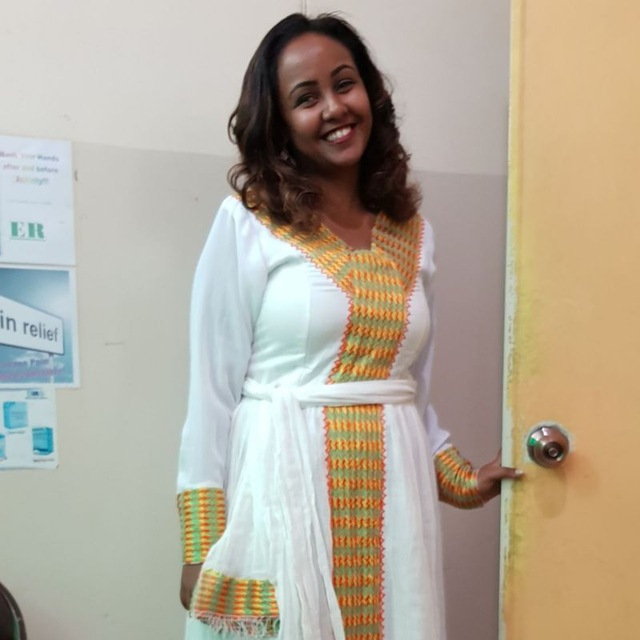
She’s a physician in Ethiopia looking to pave the way for those with IBD. She understands the need because she was diagnosed with Crohn’s in August 2017 at age 22 while she was a fourth-year medical student. After suffering from debilitating symptoms for eight months, she finally received a diagnosis. Dr. Fasika Shimeles Teferra says in her home country and in developing countries, she had always been taught that inflammatory bowel disease was non-existent. She felt isolated and alone as she embarked on her journey with chronic illness. There were no resources. No support. She had no clue where to turn when it came to being understood and knowing how to navigate nutrition.

In her school of medicine, an IBD diagnosis was morbid. She was told if she continued to learn about her illness, she’d die from the stress.

“Despite my medical background, I expected death to be imminent. The breaking point which later turned out to be a turning point for me, was when I was suffering from ovarian cyst torsion, explained Dr. Teferra. “Even though I was in remission at the time, every OBGYN who saw me in the ER refused to operate on me. One doctor refused to operate on me because I’m a “complicated patient with IBD”. He wanted to wait to see if pain meds will help solve it.”

Luckily, one doctor decided to operate on her, but unfortunately, she lost her left fallopian tube and ovary in the process. At age 23, she lost half her chance of being able to conceive a child. Her Crohn’s relapsed a few weeks later and depression set in. (Note: Luckily, she is due with her first child in June!)

“I went to my doctor and told him I was quitting med school (I was 5th year at the time and just starting my medical internship). But what he said changed me forever and made me feel less alone. He told me he was treating multiple IBD cases and that my disease was much more common in Ethiopia than most thought. He also told me Crohn’s was manageable with medication.”

Holding onto new hope

With a renewed sense of hope, Dr. Teferra started advocating for herself and looking for local support groups to connect with others who lived with IBD. The problem—she couldn’t find any! She joined a Facebook group based in the United States and recognized the need for support in Ethiopia.

“I reached out to a couple of gastroenterologists here in Addis and told them I wanted to start a support group in Amharic focusing on sharing experiences, supporting one another. My hope was to help others who were struggling with coping with their diagnosis. I thought sharing my story would make a difference in someone’s life.”

Launching Crohn’s and Colitis Ethiopia to make a difference

After speaking with multiple doctors, Dr. Teferra decided to start an organization that would not only focus on support groups, but also advocacy work for policy makers. The last published data on IBD in Ethiopia dates back to 1990s! She recognized this lapse in research led to major gaps in treatment for IBD patients. This inspired her to launch Crohn’s and Colitis Organization Ethiopia in January 2020. When the COVID-19 pandemic hit in March 2020, it put everything on hold as the world stood at a standstill.

Even though the organization exists, Dr. Teferra is struggling to garner participation in support groups, because sadly the stigma of IBD leaves many in Ethiopia to suffer in silence and shame. She says fellow IBD patients prefer to communicate directly with her, so she has taken it upon herself to meet them and their families to better explain their condition and how to live a full life with it.

“I try and explain to the patient and their family how they can best take care of themselves and how family members can offer compassionate and empathetic support along the way,” said Dr. Teferra. “Many people discontinue their medication the moment they experience a side effect. I’m also passionate about discussing family planning and breastfeeding. Because of my medical background, I am able to give reliable information about IBD and I am able to use my story to guide the narrative.”

Dr. Teferra also has a registered dietitian who serves as a board member for Crohn’s and Colitis Organization Ethiopia. The nutritionist can provide guidance about how to enjoy Ethiopian cuisine and manage diet in the context of cultural foods.

But Dr. Teferra is only one person and can’t address the growing need for support and care. Even though local gastroenterologists have her contact information, and she tries to meet with as many people as possible, as you can imagine, it gets to be a lot.

Bringing IBD to Prime Time in Ethiopia

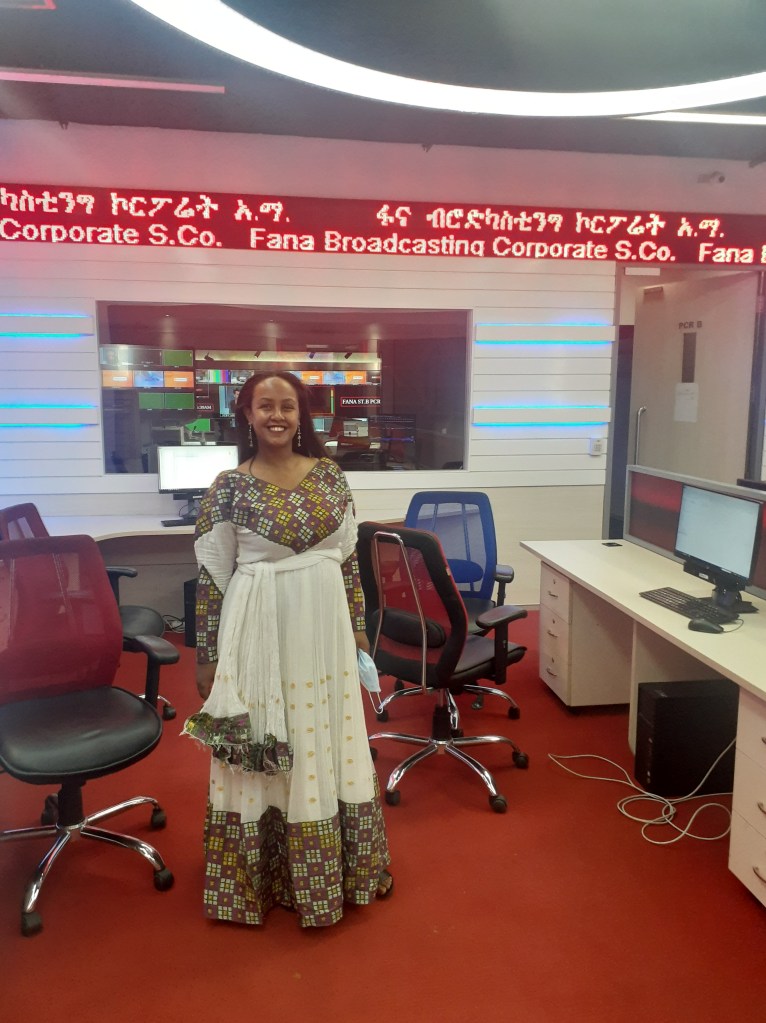
During an interview about COVID-19 on national television in Ethiopia, Dr. Teferra took it upon herself to also speak about IBD.

“Since it was Primetime, I was able to reach multiple people at once and I was able to send out the message that those with IBD are not alone. I plan to use such platforms to continue to share facts about IBD and that it does exist in Addis. In the meantime, I am working hard to find a researcher who can work on this with us. We cannot challenge policy makers without evidence, and we cannot change the minds of the medical community without research.”

Dr. Teferra says gastroenterologists in Ethiopia can testify that IBD cases are increasing daily. There is lack of medicine, lack of education, and lack of understanding. Many patients struggle to afford medication and choose to discontinue it because of lack of availability.

Overall, Dr. Teferra main mission with Crohn’s and Colitis Organization Ethiopia is to improve the quality of life and health literacy of people living with IBD in Ethiopia and provide the patient community with a better understanding of their condition by empowering them to take charge of their own health.

Connect with Dr. Fasika Shimeles Teferra on Twitter: @DrFasika.

Email: fasikateferramd@gmail.com

Participating in PIANO: Why I choose to be a part of research while pregnant and beyond

As an IBD mom I see it as a responsibility and an opportunity to participate in research studies while I am pregnant and as my children grow. I’m currently 20 weeks pregnant (tomorrow!) with my third baby and this time around I’m enrolled in the Pregnancy in Inflammatory Bowel Disease and Neonatal Outcomes (PIANO) study. The project was conceived, lead, and executed by Dr. Uma Mahadevan, Professor of Medicine at the University of California San Francisco in 2007.

Since the project launched, more than 1,800 women have participated in the registry. Of that number, over 900 stayed on biologics throughout their pregnancies. I’m thrilled to be a part of this initiative. If my pregnancies and children can provide clarity for a future generation of IBD moms, the extra effort on my part is more than worth it. Thanks to women before me who have been on a biologic and been a part of research while pregnant, I have peace of mind knowing that staying on my Humira is best for me and for baby.

Without studies that indicate how babies in utero respond to medication exposures we would be in the dark about what is best for mom and baby not only during pregnancy, but with breastfeeding.

“There is so much misinformation about pregnancy and IBD including being told not to conceive at all or to stop medication. This is incorrect and dangerous. PIANO was started to provide reliable data for women with IBD considering pregnancy so they and their providers can make an informed choice for themselves and their babies,” said Dr. Mahadevan. “Every pregnant woman with IBD has benefited from the generosity of PIANO moms who contributed their outcomes, good or bad, to the pool of knowledge we have. Every PIANO mom who contributes benefits not herself, but future mothers with IBD. It is an invaluable and precious gift.”

What PIANO measures

There are four main areas the PIANO study looks at:

  1. Whether the level of biologic drug transferred across the placenta to the infant by the time of birth predicts the risk of infection or other adverse outcomes
  2. Whether the achievement of developmental milestones is affected by medication exposure
  3. Whether the rates of birth defects, adverse pregnancy outcomes and complications of labor and delivery are affected by IBD medications
  4. Whether second trimester drug levels can be used to adjust drug and minimize transfer across the placenta to the baby

Since I am just now reaching the halfway point of my pregnancy, I have only had to fill out questionnaires. You are required to do so during each trimester, at the end of your pregnancy, and then at 4, 9, and 12 months post-delivery. Along with that, you can provide follow up until your child is 18, once a year. During this trimester I will also provide blood work and a fecal calprotectin. On delivery day, bloodwork will be taken from me, my baby, and my umbilical cord. Depending on my son’s blood work at delivery, I may be asked for more when he’s 3 and 6 months. If at any time I am not comfortable with him getting his blood drawn, I can always opt out. The cord blood is similar to the baby blood at birth so that is adequate. I can also choose to stop the annual questionnaire at any time.

If a woman receives the COVID-19 vaccine during pregnancy, the PIANO study is also measuring the antibody levels found in the cord blood (on the day of birth) to confirm that the benefit transfers to the baby. Breastmilk will also be measured for the transfer of protective antibody against COVID.

The Findings Thus Far

In a presentation this past fall, Dr. Mahadevan shared findings from PIANO.

“We looked at pregnancy, birth and developmental outcomes in the infants at one year, based on exposure to drug, and found no increase in negative outcomes and no reduction in developmental milestones. Biologic‑exposed infants did have some statistically increased improvement in developmental milestones compared to the unexposed group. Overall, what this study suggests is that women with inflammatory bowel disease should continue their biologics and thiopurines throughout pregnancy to maintain remission, given no evidence of harm, and evidence that  disease activity can increase miscarriage.”

The study also found that disease activity can increase preterm labor and birth, all the more reason for women to stay on their medication and not try and go med-free while pregnant.

Looking to the Future

Currently, there is no end date for the study. As long as there is funding, the project will continue. Dr. Mahadevan says with all the new medications coming down the pipeline there is a need for safety data. She says, “The infrastructure of PIANO allows us to study new medications as they come to market, even before they are approved for IBD.”

To participate in the study women must have IBD and live in the United States. Interested in learning more or getting enrolled? Email PIANO@ucsf.edu or call 415-885-3734.