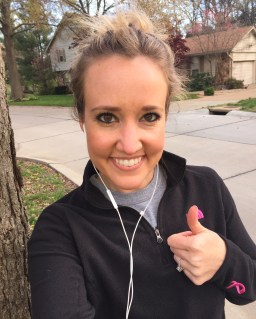
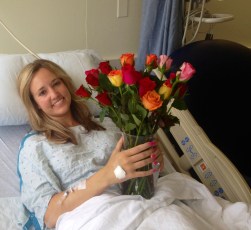
Why as a mom-to-be with Crohn’s disease I’ve decided not to breastfeed my son

Breastfeeding. It’s amazing how controversial this topic is and how critical and opinionated people can be. Since I announced to family members and friends this past summer that I was pregnant with my first child, I’ve quickly learned the majority of people naturally assume that’s the route you’re going to go. Whether it’s casually mentioning the best breast pump or laughing about nursing pads to put in your bra—it seems no one expects you to formula feed your child. People are vocal and proud of breastfeeding—and I don’t have a problem with that. What I do have a problem with is people who judge and make you feel like you are depriving your child and being a “bad mom.”

I’ve thought about it for years…as a woman with Crohn’s disease my health and the medications needed to treat my illness make it a whole diffeimg_5797rent ball game. While I expect there will be many naysayers and people who question my decision—it comes to this. It’s my son and it’s my personal choice. While doctors and people say “the molecules are too large in Humira to pass through breast milk,” it’s always followed up quickly by…BUT… there are no long term studies.

Humira first hit the market in 2002 for rheumatoid arthritis…it wasn’t even approved by the FDA to treat Crohn’s until 2007. I started giving myself the injections in July 2008. In my heart of hearts, I don’t feel comfortable knowing that 20 years down the road unknown long-term health effects could start popping up. It’s just not worth the risk or the wonder on my part. My baby and I are part of five-year study that looks at Mother and Baby and the response to biologic medication. For more information, click here.

My mom was on the blood thinning drug Heparin while she was pregnant with me and after she delivered. As a nurse, she too made the decision back in the 80’s to formula feed my brothers and me because she wasn’t sure about the long-term effects of those injections. I always appreciate that she looked out for us. It’s my hope that my son will have the same appreciation for my decision to follow in her footsteps.

It’s helpful to have my regular OB, high-risk OB and gastroenterologist all in my corner. I had a glimmer of hope about possibly breastfeeding my future kids after my bowel resection surgery in August 2015. In order to heal, I was off all medication from July to mid-November. I started whimsically thinking about a life without medicine and what that would mean for not only me, but also my family. Then reality and some harsh words from my GI doctor brought me back to earth. Not taking medication when dealing with Crohn’s is like playing Russian roulette. You may be “ok” for a couple of months or years, but the likelihood of needing additional surgeries and dealing with flare-ups skyrockets.

Aside from the medication, living with Crohn’s can be extremely scary. One hour you’re fine and the next you’re being rushed to the hospital. I’m so fearful of a postpartum flare and parenting while dealing with debilitating symptoms. I don’t know when I’ll be in the hospital next or when I’ll need to be on additional medications that aren’t safe for my son. For now, being pregnant has magically silenced my disease. While pregnancy has its fair share of discomforts, struggles and pain, my baby boy has taken my Crohn’s and shown it who’s boss. He’s truly the healing hands where it used to hurt.

There’s no telling how my health will be post-delivery and in the years ahead—but, it comforts me to know that my Crohn’s and medications don’t need to be tied to him in any way once he enters this world. It’s difficult enough giving myself injections and taking pills throughout the entire pregnancy. I want to free of him any link to what I’m taking. If you google IBD and breastfeeding the conflicting articles and research would make your head spin. One article will explore how breastfeeding can put you at greater risk for a postpartum flare, while the next says the opposite. With Crohn’s, nobody’s disease process is the same. I’ve found it’s best not to look at what the numbers show and compare yourself to others.

Now that I’m well into my third trimester I keep envisioning the first moment I hold my son and how he instinctively may try to start breastfeeding when he’s laid on my chest. It brings tears to my eyes—because I’m sure I’ll feel a sense of failure and that I’m depriving him of what many believe is best for his health.  But, it will also be my greatest accomplishment in life. Successfully bringing my son into the world will feel like a huge victory against the disease that has robbed me of so much, but made me stronger than I was before.

I know this article goes against what many mothers and people believe—it may cause you to try and sway my thoughts or make me feel guilty for choosing bottle over breast, but it’s my decision and I’m standing by it. Whether it’s discussions on Instagram or forums online, I’m amazed at how many women with Crohn’s constantly look for guidance on whether they can get pregnant, when they should start trying to conceive and if they should breastfeed…all because of their medication and their own personal health. I stand by all of you prospective mommies grappling with those questions and I’m here for you. Follow your heart. Do what’s best for you and your child. And while it’s easier said than done, stay true to what you feel most comfortable with—because at the end of the day—no one knows your body or baby like you do.

I’ll leave you with a quote from Barbara Katz, “Birth is not only about making babies. Birth is about making mothers: strong, competent, capable mothers who trust themselves and know their inner strength.

Celebrating six months of Lights, Camera, Crohns: An Unobstructed View

Today marks six months since I took the leap and launched my blog. It’s been such a cathartic learning experience thus far. I appreciate all the support, feedback and kindness I’ve received whether it’s over social media or email. As you can imagine—it’s daunting to open up about life with a chronic disease and coming up with a story idea each week isn’t always the easimg_5751iest! But, I’m happy with where the blog has started and excited to see what the future holds.

I found out I was pregnant two days after I started this blog. Now, I’m more than 30 weeks pregnant! It’s been so exciting to share the journey with you all. I’m excited to be a mom and to continue to share thought-provoking content about living life with a positive state of mind while battling Crohn’s.

Here’s a snapshot of the top three most read stories on the blog:

  1. Living each day with a “Jade state of mind”
  2. 11 years ago today, a bittersweet anniversary
  3. I have Crohn’s…and I’m going to be a Mom!

Over the last six months, more than 8,000 people from around the world have checked out a story on Lights, Camera, Crohns. Crazy to think there are readers in New Zealand, Angola, Switzerland, Ireland and Brazil… just to name a few!

I’m always looking for story ideas and topics that interest you. Send ideas to: lightscameracrohns@gmail.com.

Thank you SO much for taking the time to read my stories, educate yourself about inflammatory bowel disease and inspire me to open up about a subject that is often not discussed.

Cheers to many more months and years of Lights, Camera, Crohns…I have a feeling the best is yet to come!

XO,

Natalie

The Affordable Care Act: A voice for those with pre-existing conditions

Pre-existing conditions and politics…while I consider myself to be well-versed on the first topic, I don’t ever pretend to be an expert on the latter. That being said—in recent days there have been countless headlines about efforts to repeal the Affordable Care Act. Just like anything in life, Americans are divided about the need for universal coverage. Polls largely show that while a majority of people oppose the law, a wide majority oppose repealing it all together. I’m not one to share my political allegiance or get into conversations about politics, but it’s difficult to ignore the outpouring of concern among not only fellow Crohnies, but anyone who lives with a chronic health condition.

It’s one thing to repeal the ACA, it’s another to do away with it without a replacement program in place to make it better. Seventy rallies to defend the law took place over the weekend from Maine to California—this is an issue that impacts the quality of life for millions of Americans.

As a Crohn’s patient of nearly 12 years—medical bills from doctor visits, routine scopes, daily medications, blood tests and hospitalizations are extremely overwhelming. For instance, two injections of Humira (a month supply) is nearly $2,500 (without insurance). Limg_8385uckily for me, I’ve been fortunate to have insurance coverage from my employers through the years and been able to take advantage of some drug-savings cards. As a soon to be mom, and a wife, I never want my health costs to hinder my family, you feel enough guilt as it is battling a chronic condition in the first place. It’s physically, mentally, emotionally and financially exhausting on not just the patient, but also the caretakers.
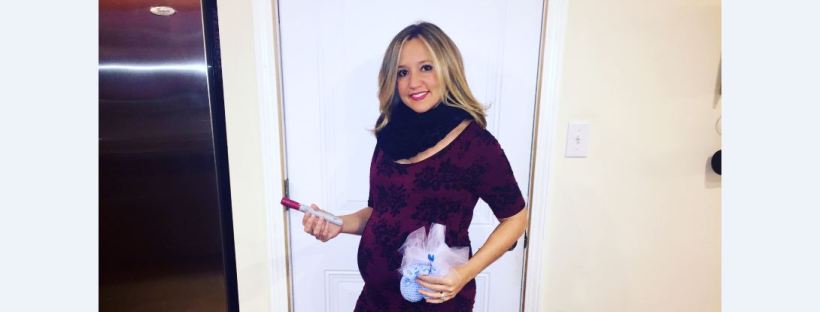

When I graduated college in 2005, my parents put me on a private insurance plan to cover me as I looked for my first TV job. They got the coverage when I was a “healthy” 21-year-old, two months later I was diagnosed with Crohn’s disease. Timing was everything. I can’t even imagine how difficult it would have been to pay the premiums and cover my initial hospital stays, tests, 22 pills a day, etc… as an unemployed, uninsured, 21-year-old college graduate.

My heart hurts for those who hit a crossroads—deciding to take medication, seek treatment and drown in debt, or go without and let your disease spiral out of control. I came across this story from a woman named Jean:

“What many take for granted, the health of their children, is a constant worry for us. Our daughter has Crohn’s disease, a chronic illness that requires she have Remicade infusions every 8 weeks to stay in remission. At close to $20,000 each, her medical costs are almost $150,000 per year. Without insurance, she can’t afford this. We can’t afford this. Can anyone? Repealing the ACA may work if you have a great job with insurance benefits but what is a college student to do? What is a new graduate to do? What is a person without a full-time job supposed to do? She doesn’t even have a chance at a job when one considers the cost of providing insurance benefits. She can work if she gets medical care, but without it, she will die.”

While on Twitter, I saw a new website called: Faces of the ACA. The website is run by a team of volunteers dedicated to the countless Americans who depend on ACA for survival, it features roughly 100 personal stories. According to a December survey from the Kaiser Family Foundation:

  • 85 percent of the public supports the provision that allows young adults to stay on their parents’ insurance plans until age 26.
  • 83 percent support eliminating out of pocket costs for preventative services.
  • 69 percent favor the provision that bans insurance companies from denying coverage on the basis of pre-existing conditions.

Speaking of pre-existing conditions, the Crohn’s & Colitis Foundation of America (CCFA) recently released the following statement urging Congress to maintain stability in insurance coverage for patients with chronic illnesses:

“For patients living with chronic illnesses like Crohn’s and colitis, healthcare coverage is essential to ensure they receive the care necessary to manage their complicated disease,” said Michael Osso, President & CEO of CCFA. “Our patients experience numerous barriers to care – including difficult utilization management protocols and high cost of care. Repealing the Affordable Care Act without simultaneously enacting a replacement would not only increase the barriers our patients have to combat, but it would leave many in limbo without certainty that they would have the insurance they depend on for critical doctor’s appointments, medications, medical procedures, and much more. If we are to repeal the Affordable Care Act, it must be done so in a way that provides a replacement that will ensure stability in coverage, maintains the basic patient protections enacted by the law, and prohibits insurer discrimination against patients with chronic diseases.”

Undoubtedly this is a very complex issue and there are pros and cons for the current law. Regardless of your stance, I think it’s important to take a moment and think about loved ones, family members and friends—maybe it’s even yourself—this isn’t just a political game, we’re talking about people’s lives and their health.

Think about how scary it would be to know you may not be able to continue medical treatments you need to manage your chronic illness, or perhaps even survive. Think about how stressful it would be if you had to choose between putting food on the table or getting the medicine you need to help you power through a work day. This is the reality for millions of people.

For anyone with Crohn’s…you’ve likely experienced the transformation yourself—from being healthy and not relying on insurance coverage to having a lifelong disease and becoming dependent on insurance to manage your chronic illness. Not only are you burdened with a chronic health condition, but you have to worry about whether you can even afford the drugs that will help manage your pain. Repealing the ACA without a suitable replacement that provides protection for patients with pre-existing conditions is like adding insult to injury.

I know what it feels like to go through your mail and receive multiple medical bills a day, it’s not easy—whether you have insurance or not. It’s an extra burden on your finances and your family. Circumstances and health can change in the blink of an eye; it’s easy to think you’re invincible until you become a statistic with nowhere to turn.

So what can you do amongst all the debate and discourse? Contact your Representative in the U.S. Congress here and your U.S. Senator here and share your story. If you sign up for 2017 health insurance no act of Congress can take that away from you once you’ve signed a contract with your insurance company. Enroll before the January 31 deadline. Get covered today at www.HealthCare.gov.

Biologics with a baby bump: Taking Humira while pregnant

It’s something I’ve done nearly 250 times, iced my thigh to help numb the area prior to giving myself a Humira injection. It’s a process that’s become part of life, nothing feels foreign about it. My last shot was different though. When I placed the ice pack on my leg it hit my pregnant belly for the first time. Immediately I started to get emotional. Then, my baby boy started kicking…over and over and over. The injection laid next to me on the coffee table, in its usual spot. My mind began to race—since I started administering the injection in 2008, I always stare at a photo of a family member or friend who inspires me or say their name out loud for strength as the needle needs to stay in 10 seconds to ensure all the medication is transferred. It’s been the perfect distraction from the pain up until now.

This time—I said my baby boy’s name. Sorry, not sharing it until he’s born…but, I said his name and it literally took away my pain. So many people in the Crohn’s community and anyone who depends on a biologic drug for relief can relate to not only what it’s like using this type of medication but also how big of a role it plays in family planning.

Humira belongs to a class of biologic medications. Biologics are genetically-engineered proteins derived from human genes. They are designed to inhibit specific components of the immune system that play pivotal roles in fueling inflammation. Crohn’s disease is linked to an overproduction of certain proteins, including one called tumor necrosis factor (TNF), which is produced naturally by your body’s immune system. Humira targets and helps block TNF by blocking its action in the body to help diminish inflammation that can lead to symptoms. Other biologics that may ring a bell: Remicade, Cimzia, Tysabri and Stelera.

I attribute Humira to helping me maintain a remission state, it’s been a miracle drug for me. That being said—as my baby and my belly continue to grow, I find myself counting down the number of injections I need to do (7 more!) before he’s herimg_5688e…as the medication does pass through the placenta. Humira is a category B drug. Category B drugs are considered “likely to be safe for pregnant women.” The category ranking means that studies of Humira in pregnant animals haven’t shown any risk to the fetus.

My regular OB, high-risk OB and gastroenterologist all have the same advice—stay on Humira throughout pregnancy, as the mother’s health needs to come first in order to stay ‘flare up free’ until baby arrives. Even though they’ve told me that multiple times, I find myself repeatedly double checking at every appointment.

Each woman and couple needs to do what they are most comfortable with. It’s all about looking at the benefits vs. the risks. It’s such a delicate balance. While not ideal, the injection provides me with the peace of mind that I’m doing all I can to keep my disease in check so my baby has the best chance for reaching a full-term birth. At 28 weeks and a few days pregnant, my Crohn’s has been nearly non-existent since my positive pregnancy test. (knock on wood!) I feel I owe the calmness of my disease to my unborn son and the injections that have helped me get to this place.


Embracing the unexpected in 2017: The power of positivity

New Year’s resolutions. It’s that time of year when coming up with ways to improve ourselves is all the talk. Rather than come up with a list of fitness feats and dietary goals, take a moment to breathe and focus on being the best possible you. When it comes to living with a chronic illness, one of the easiest pitfalls is to think of yourself as a “sick” person. I challenge you to alter this mindset in 2017, even if the road ahead seems bleak.

I fall victim to this more often than I’d like to admit. I’ll make comments to my husband about being a “sickly girl” or let my worries about a future flare up consume my thoughts on a daily basis. Crohn’s disease is often referred to as a debilitating disease. It is. BUT, what’s even more debilitating is constantly concerning yourself with the unexpected and keeping a laser focus on each symptom, pain and side effect from medication you may or may not be experiencing. While it’s important to be in tune with your body, it can be even more crippling to let your disease consume you.

When the going gets tough, remember to tell yourself you were given this life because you are strong enough to live it. This quote by Alex Elle speaks volumes about self-care and freeing yourself from negativity:

“As you make room for joy and prepare for change, release what no longer serves you. Anything that causes a disruption in your life should be left alone. Be mindful and intentional about what deserves space in your growth process and what does not.”

It’s healthy to rant and vent at times, but your struggles will overwhelm you and hinder your ability to fight if you let them. Let your difficult days serve as teaching tools that inspire others and provide you with somewhat of a magical ability to relate and understand those around you. Chronic illness is exhausting and emotional, but in my opinion it gives you superpowers. In those moments where you are pushed to your pain limit or experience a surgery or procedure for the first time, you gain a sense of strength you didn’t have befimg_5663ore. When a loved one or friend is facing hardship, you have the power to step back and provide unique perspective and compassion. What you’re enduring each day of your life is not a walk in the park, but each experience and fear-filled moment creates an everlasting shield that makes you, you.


I’ll leave you with this quote from William Arthur Ward as we embark on another year, a new chapter and a fresh start, “The pessimist complains about the wind; the optimist expects it to change; the realist adjusts the sails.”

Wishing you all the best on your journey this year around the sun, no matter what comes your way keep your focus on the beauty and the blessings around you and the rest will fall into place.


Happy Holidays: Celebrating the good times and the good days

‘Tis the season for reflecting on the past and looking forward to the future. I hope you’re enjoying time with family and friends and celebrating the feel good days. I’m looking forward to sharing advice, hope and inspiration in the years to come. Stay tuned for some exciting video projects that are in the works for 2017. In the meantime, here’s our holiday card and a photo from Christmas day. Thank you for all the love and support!

fullsizerender-40fullsizerender-41image2-5

The gift of good health: A delicate balance

As author Augusten Burroughs so well put it, “When you have your health, you have everything. When you do not have your health, nothing else matters at all.”

For those of us who live with a chronic illness, whatever it may be, those words ring true. If you weren’t born with your condition, take a moment to reflect on what your life was like and the perspective you had prior to your diagnosis. Did you take your health for granted because you never knew anything else? Did you ever wonder what it would be like to battle an illness or fight for your life? Likely, the answer is no. It takes the experience and living with the disease or condition to truly grasp that feeling, that worry, and the strength that comes along with it.

I was lucky to have nearly 22 years of “perfect health” prior to my diagnosis of Crohn’s disease. I remember being baffled when my health took a turn for the worse—with no family history and my mom saying to doctors, “she’s never even had an ear infection?!” The nature of one’s health is something that can change in the blink of an eye. One day you wake up feeling invincible, not even thinking about your own personal health for a second …and the next day you could wake up with a disease you have turn to Google to for an understanding… and even how to pronounce it.

While this is the season of giving and objects are great—my call of action to you, is to celebrate your feel good days and not take them for granted, whether you have a medical condition or not. If you’re an overall healthy person, be grateful of that blessing and show compassion to those who may not be as fortunate as you. By showing gratitude for your own personal healtimg_5495h and understanding just how lucky you are—it will make you empathetic to those who may have a tough road ahead. As a person with Crohn’s, while yes, I have a chronic disease, I still try my best to consider myself “healthy.” I recognize that while many have it better, so many have it worse. I celebrate the fact that I haven’t been hospitalized for 16 months and that I’m 25 weeks pregnant with my first baby.


I thought it would be empowering for all of us to hear words of wisdom from those who have faced some of life’s toughest days with sheer strength. I turned to family members and friends—each with a different, inspiring story. Here’s what they have to say about the gift of health.

Bill Coon, two-time heart and one-time kidney recipient: “After everything I have been through, I have learned that one’s health is paramount. Like all people who have survived a traumatic experience, as life returns to normalcy, I find myself easily becoming distracted by the daily stresses of life. Occasionally, when I begin to fixate on something miniscule in the scheme of life, such as a delayed flight, I have a moment where I flash back to a time when I was too ill to stand up straight and my priorities seem to check themselves. I just pause, realize that as long as I have my health, I am fine and I carry on. Do your best to stay positive. Focus on the many beautiful things or people in your life, whom would not be in your life had you not been diagnosed. You may think there are none, but there are.”

Erin Gianaras, rheumatoid arthritis fighter and stroke survivor: “Ultimately, your health is the only thing that matters and becomes all you care about. Work, your social life, finances, relationships, etc., seems so unimportant. My advice is to surround yourself with a good support system, ask for help when you need it, allow yourself to feel your feelings (good and bad!), let yourself cry and pamper and reward yourself during difficult times. You don’t always need to feel “strong” or be “brave”…because in reality, you can’t be…but never stop searching for the positive.”

Katelyn Yosimoto, who after she tested positive for the BRCA gene, took steps to be proactive with her health, including undergoing a prophylactic double mastectomy in her 30’s to reduce her risk for breast cancer:The past four years have taught me that I’m truly the best advocate for my own health. Trusting your gut, asking lots of questions, finding the right team to support you and feeling empowered to make smart decisions for yourself is so important. We all get busy – but that’s no excuse not to make annual visits to your doctor (even when you feel great), schedule mammograms and other tests, and raise a red flag when something doesn’t feel quite right.”

Sean Jaeger, diagnosed with Crohn’s in 2007 and has undergone four major surgeries: “My advice is, we have to manage our stress to the best of our abilities, I believe there’s a direct link between our mental state of mind and the physical condition of our body. Therefore it is crucial to maintain a positive outlook, while also taking care of your everyday needs: eating habits, sleep schedule, exercise schedule, time for something you enjoy personally, etc. All of these things make an impact on the way we feel.

Julia Nesselhauf, psoriasis battler and mother to 10 month old Jade Nesselhalf, who was born with a congenital heart defect: Finding out at 20 weeks that my pregnancy was high risk and Jade had a congenital heart defect turned our world upside down. My daughter has lived almost 10 months with a very complicated congenital heart defect called Tetrology of Fallot. She was born weighing 2lbs 9oz. and has fought in the hospital every single day to be here with us. Jade experienced something in August that forever changed our lives. She had a cardiac arrest and received compressions for over an hour. She suffered severe brain damage and we nearly lost her. When I think of health now, I do not think of just the physical illnesses I think about the mental side of it. Through this process my mental health has been put through the test of time. I truly believe in order to be physically healthy you also have to be mentally healthy as well. I look at my daughter every day and know the reason why I wake up in the morning. We all have our battles in life and it’s how you choose to fight those battles that makes the difference. If I had one piece of advice to give to those who suffer from chronic illness, it would be to live for every moment! Surround yourself with people who care about you and start caring about yourself. YOU are the one that controls your happiness! Take control of your life! Don’t let chronic illnesses be a crutch, make what feels like a setback… the motivator to be better!”

Gina Carr, Type 1 diabetic: Health doesn’t happen by accident. Someone can do all that they should and still be impacted by chronic conditions. It’s an obstacle that is given to the strong. To have a good day is weeks and months of work- checking my blood sugar, staying active, and watching what I eat. It’s shots, needles, frustration, and trial and error. To have a “good day” is the best feeling I’ve ever felt because it’s an accomplishment and team effort with my physicians, friends and family support and not achieved easily. I’m grateful for those good days. 

Alisa DeMarco, Crohn’s fighter since 2005 and mother of four, Good health is considered the “default” state of being…and you never think about it until it’s gone. Having health struggles makes you reevaluate the invisibility of it. It’s like having x-Ray vision. Try to live in the healthy moments, and look towards the next good cycle. Having a bad day or week? Know that this is only temporary, and the next good day is just around the corner. Chronic health struggles have ups and downs– enthusiastically ride the wave of feeling good!”

Holiday gift ideas for loved ones battling chronic illness

Time is ticking, less than two weeks until Christmas is here. If you’re scrambling trying to figure out what to get your loved one who battles a chronic condition (such as Crohn’s)—here are 10 gift ideas:

  1. Pajamas or comfy clothes with a loose waist band for when flare ups or bad stomachaches strike. If you know a surgery or hospital stay is on the horizon and you’re buying for a female—nightgowns are best.
  2. Detox tea that includes turmeric, cloves, cinnamon, nutmeg or cayenne. Green tea is also great! Tea isn’t just a soothing hot drink in the winter months; it’s low in caffeine and can also reduce inflammation associated with Crohn’s.
  3. An inspiring read. I suggest the following books:
  1. Spa gift certificate to say so long to stress. While massage therapy cannot directly address the cause of the problem, it can help reduce stress, which in turn may help with symptoms.
  2. Netflix/Amazon Prime subscription so you can binge watch a variety of shows when you’re sidelined on the couch in pain.
  3. A journal to keep a food diary, vent about the tough days and celebrate the “feel good” moments.
  4. Mineral bath soaks, muscle relief lotion, face masks, candles to help decompress and relax. My friend Erika makes great handmade products crafted from earthmade ingredients. I just ordered a bunch of candles! Click here to take a look at her Etsy store.
  5. A 2017 calendar with daily inspirational quotes since we all know some days are easier than others. Words are powerful and can motivate you to get out of bed in the morning and take on the day with your best possible self.
  6. A FitBit or piece of jewelry that has meaning. For example, the month I had my bowel resection surgery my fiancé (now husband) gave me earrings and a necklace with a black stone that symbolizes strength. Every time I put them on, I think about the story behind it.
  7. Donation to the Crohn’s and Colitis Foundation to give hope for a cure, understanding, awareness and a normal day. Find out if your Crohnie has a local chapter that you can donate to by going to the CCFA website All donations between NOW and 12/31 are being matched, up to $500,000!

Happy giving! Know that the best gift you can give to someone who battles a chronic illness on a daily basis is constant support, patience, compassion and love through the ups and downs. THAT, my friends, is priceless. image1-15

Soundtrack of strength: How music helps with healing

Music has a way of evoking emotions and making us feel. It’s tied to memories and moments in our lives. It speaks to us in ways daily conversations often aren’t able to. When you battle a chronic illness, music serves as a coping tool, an uplifting way to feel empowered and anatalie-runningt peace.

I’ve been a big fan of music my whole life—and throughout my battle with Crohn’s disease these last 11-plus years there have been moments when it’s helped motivate me to be brave in the face of the unknown.

When I think back to my initial diagnosis and hospital stay in July 2005 I can vividly remember clutching my iPod and rocking back and forth on the toilet as I endured colonoscopy prep while experiencing a terrible flare up. For people who complain about going through the prep as a “healthy” person—imagine going through that experience while your intestines are inflamed and your body is already fighting against you while tethered to an IV pole with multiple medications running through you. I remember my frail, weak body draped in a hospital gown… shaking like a leaf on the toilet in pain and disbelief of my new reality. Music helped distract me and get me through in that moment. Days later when my potassium levels plummeted and I needed potassium in my IV, the pain was unbearable. I felt like fire was going through my veins. As I gripped my arms and tears were streaming down my face with family members looking on, I again had to put my headphones on to try and escape.

Music therapy—whether you just listen to songs that calm you or give you strength or seek professional help, is known to have a dramatic effect at optimizing all major systems of the body, because it counteracts our stress responses so well. I’ve read that music therapy helps cancer patients deal with nausea and vomiting. It’s that powerful. When in pain, music even has the ability to ease the intensity of what you are feeling. While no one knows all the ways music can benefit the body, studies have shown that music can affect brain waves, brain circulation, and stress hormones. Some songs may help you calm down when you’re feeling anxious, others may be for celebratory moments, while others help put everything in perspective and ground you.

Here are some of my fav’s…

Comeback Kid—The Band Perry

Scars to your beautiful—Alessia Cara

Fight Song—Rachel Platten

This Is Why I Need You—Jesse Ruben

Keep Breathing—Ingrid Michaelson

 I Lived—One Republic

Resolution—Jack’s Mannequin

Around the World—Kings of Leon

Collide—Howie Day

Stacks—Bon Iver

Dog Days are Over—Florence + The Machine

Falling Faster-Andrew Ripp

Believe—Mumford & Sons

Sweetest Devotion—Adele

H.O.L.Y—Florida Georgia Line (my song for my baby boy, due April 1!)

I’d love to hear what songs speak to you as you deal with the unknown events life throws your way. It’s always nice to have an arsenal of songs ready to go. My all-time favorite go-to when I’m in the hospital is the song “Swim” by Jack’s Mannequin. No matter how many years go by, when I’m enduring a flare and hear this song I can never fight back the tears. The words not only make me feel like I can take on anything, but also remind me of my cousin Bill’s courageous wait for a heart and kidney transplant in 2009. I remind myself if he did it, I certainly can. Bill’s nurses would write on his dry erase board “keep swimming” as he waited for the gift of life. The song has been a source of strength for our family ever since. Whenever anyone is going through a difficult time—I always share those two words, because all we all can do is “keep swimming.”

Crohn’s & Colitis Awareness Week Dec. 1-7: How you can make a difference

What does it mean to be an advocate? To me it’s doing everything in your power to speak up, step up and help raise awareness for a cause that’s near and dear to your heart. It’s about having a voice for those who may shy away from the spotlight. It’s standing up for what you believe in and offering hope to others who can’t fathom what it’s like to walk a day in your shoes.

Crohn’s and Colitis Awareness Week was created in 2011 by U.S. Senate Resolution 199, which expresses appreciation to family members, caregivers, health care professionals, researchers, and Crohn’s and ulcerative colitis patients. Each year the Crohn’s and Colitis Foundation of America (CCFA) dedicates this time to truly focus on spreading awareness and highlighting what it’s like for the millions of people who may look healthy on the outside, but are suffering and experiencing pain on the inside. This year’s theme is #IBDvisible.

As CCFA puts it, “The toll IBD takes on the entire patient lies hidden underneath, significantly reducing public understanding of what IBD is and how it affects quality of life. Patients and caretakers can change this by getting involved and sharing stories…giving a face to these diseases.”

Since my diagnosis in July 2005, I’ve encountered countless people who have no idea what Crohn’s is…I find myself repeatedly giving my elevator pitch that I feel like I can recite in my sleep. It doesn’t bother me, but it makes you stop and think for a second that the majority of people really don’t understand what it is, how it makes people feel, and the severity of it. It’s not just random stomachaches and constant bathroom breaks. It’s so much more. Even when you’re in a remission state not a day (or sometimes even an hour passes) that it doesn’t cross your mind, despite being out of the hospital you are constantly on medications with systemic side effects. The thoughts and worries lurk within you frofullsizerenderm the day you are diagnosed. The internal dialogue can be maddening at times… “When I eat this how will it make me feel? What if I get sick today? Is this stomachache a sign of something that’s brewing? When will my next flare up be…will it interrupt big plans I have coming up?”… the list goes on.

For those who are not patients—I oftentimes get the feeling that many think we’re just being worry warts or that we’re acting like it’s a bigger deal than it is and that we’re healthy and have nothing to worry about. Having Crohn’s and talking about it is not a way to get attention, it’s our way of verbally trying to explain to you what we’re going through so we don’t feel so isolated and alone in our fight. As I sit here writing this article… my stomach is hurting. I don’t know if it’s because I just ate lunch or if something is going on with my pregnancy.

While there are many health conditions that are of course more serious or life threatening, Crohn’s and ulcerative colitis are not a walk in the park. The issues in our intestines and colons translate to issues with nutrition, bone strength, joint pain, etc. The mental anguish the disease can cause leads many to a depressive state.

Through the years I’ve found it empowering to get to know members and employees of CCFA who all have the same goal and mission in mind. One of those people is Tovah Domenick.

“Crohn’s disease and ulcerative colitis affects so many people, including several of my loved ones, and CCFA is working hard to not only provide support for patients but also to find better treatments and ultimately a cure. As an employee of CCFA it’s hearing individual patients’ stories and how they have overcome their challenges that makes me passionate about the cause. CCFA’s website is our greatest resource and is full of information for patients, supporters, and caretakers.  We offer online support group, an IBD Help Center, links to find local support and programming, tools & trackers to help manage your IBD, information on current research projects, and much, much more,” said Tovah Domenick, Take Steps National Manager, CCFA.

If I could ask one thing of you—it would be to educate yourself and show compassion. Don’t question a loved one, friend or coworker or try and compare Crohn’s or ulcerative colitis to anything. Instead, listen. Listen with an open heart and the understanding that this person in your life is up against a battle that they will likely face for the rest of their days. Researchers are working towards a cure, but in my heart of hearts I truly don’t know if that cure is going to happen in my lifetime. I try not to focus on a cure, but rather have hope…and be thankful there are awareness weeks like this that give these diseases the attention they so deserve.

I am celebrating this year because I’ve gone 15 months without a mehospitalization and I’ve been blessed with a smooth pregnancy thus far.

I am celebrating this year because this blog allows me to speak out for others who may be ashamed or feel alone.

Most of all, I am celebrating Crohn’s and Colitis Awareness Week with the hopes of reaching those who have never heard of Crohn’s or ulcerative colitis before, and give them the tools and understanding of how to be an IBD advocate themselves. Even if you don’t have either disease, you can be a part of this effort.

Start the conversation with friends and family. Talk to your state legislators. Raise money to help fund research and find a cure. Wear purple to support a friend or family member the week of Dec. 1-7. Share a post on social.

To learn more about how you can make a difference check out: http://www.ccfa.org/AwarenessWeek/.