
Comparison. Feelings of inadequacy. Fear of missing out. Guilt. Jealousy. Chances are, you’ve experienced all these emotions and then some when it comes to your involvement on social media. While being able to connect with friends, family, strangers, and celebrities right at our fingertips can be fun and entertaining, it can also be detrimental to our overall well-being, especially as people who live with chronic illness. So how can we drown out the noise and focus on accounts and people who evoke joy, fulfillment, and empowerment? Oftentimes it’s easier said than done, but here are some helpful reminders.
Think about how you narrate and select what to post, others do the same. That selfie you posted with your husband, if only your followers knew you guys were having words hours before. That perfect photo of your child laughing, let’s not forget about the 50 takes and the tantrum that occurred before and after it. Remember that the photos you see capture a moment. They are often edited with filters, captions, you name it. Even though we know everyone crafts their content the same, we’re all so quick to envision how much better or how “perfect” the lives of those in our “inner” circle are. All comparison does is rob of us joy. 
If a certain person or a page is making you feel negatively, stop following, stop engaging. One of the best tools on Facebook and Instagram is the ability to unfollow (but stay friends with people) and “mute” people on Instagram. Pretty sure we all have accounts that make us feel a certain way, it’s not healthy to continue an online presence with someone who makes you feel unhappy or less than.
Stop chasing the “likes” and the followers. It’s so easy to get caught up in the numbers. How many people liked this post, how many followers does he have, how did she get so many followers?  In a world where we all want immediate gratification, think about how it feels when you share something and there are crickets on the other end. Use your social media channels as a platform to share what you care about and what matters most to you, rather than trying to think about what others want to see.
Be conscious of the content your put out in the world. Everybody is facing their own struggles, regardless of how wonderful their life looks on social media. Be cognizant of the fact that your words and posts could cause someone else to hurt. Think about how your friends with fertility or child loss feel each time they see a pregnancy announcement or baby photo. Think about how your friends in the chronic illness community feel when you’re talking about your remission or even your setbacks. It’s not to say that we shouldn’t celebrate huge milestones or challenges, but there’s a way to be tactful, a way to be considerate. Be empathetic to others.
For me, my Crohn’s has been in remission since August 2015. I’m going on almost five years of feeling well, most of my days, which is great…but often as people and as patients we feel a sense of guilt for doing well when our peers are in a flare or constantly in the hospital. There’s a survivor’s guilt that plays into chronic illness. While you may want to celebrate how well you feel, also remember when you were the person in the hospital bed.

Hospitalized with a bowel obstruction the year of my surgery.
Remember how you felt the day you were diagnosed. Remember how you felt getting rolled into surgery. Remember how you felt waking up from your colonoscopy scared to hear the results. Just remember.
While social media has done wonders for the IBD community and other health spaces, there are still people who bring others down. There are many people professing cures and providing false hopes to those desperate for answers. Be weary of who you let in. Recognize that there are keyboard warriors out there who don’t care about you and will say something for shock value or to bring you down. Be skeptical when you see messages from strangers telling you to try this diet or join a group. I know when you’re feeling isolated in your illness you jump on the opportunity to connect with someone you think “gets it” but be mindful of these connections and guard your heart.
One of my favorite things to do after putting my kids to bed is to charge my phone in the kitchen and turn it on silent. This forces me to be present with my husband and relax. Relax from the pressure of commenting and engaging and just shut out the outside world. While being accessible and helping others is one of my favorite parts of patient advocacy and something I do with all my heart, it’s important to know when to take a break and when to focus on who is right in front of you, rather than a stranger who you’ve never met.

 Her goal for you today is to walk away feeling better equipped when it comes to money saving know-how and a bit more empowered. I’ll let her take it away…
 There is no right or wrong. What is coming up for you? It doesn’t need to make perfect sense, it’s just to get your mind thinking about how you view money. Share these sentiments in a journal or planner.



 I feel like we blinked and her first year passed by. That being said, having a baby and a two-year-old, while being a stay-at-home mom and freelancer, who happens to have Crohn’s disease, has its challenges.
 Through motherhood I’ve learned to soak everything in, because you blink, and another year or milestone goes by.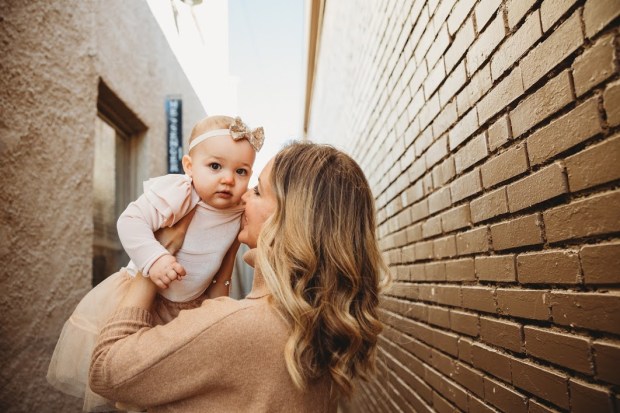


 Fatigue from motherhood when you have a chronic illness can be mind-numbing and debilitating, but seeing your body create a life and then bring a baby into this world makes you feel a renewed sense of love for a body that you’ve been at odds with for years. IBD and motherhood has it’s worries and challenges, but at the end of the day, your children will be the greatest light in your life, and the most magical motivators of strength. There’s almost too much going on to worry about your own well-being, which is both a blessing and a curse!
 Gone are the days of going out at 11 pm, now I rarely go out and when I do, I’m usually home before 10. There’s no pressure to stay out until bar close or take a shot. My friends are all grown women, many of them are moms, our priorities have shifted. Adult conversation over brunch or a glass of wine and some sushi or tapas is refreshing and rejuvenating. I openly communicate about my disease when asked and don’t shy away from the conversation like I once did.
 If you’re reading this and you’re newly diagnosed, a teenager, a 20-something, trust me when I say that balancing life—all your obligations, your network of support, your job and what you’re meant to do with your life will find it’s way. Don’t beat yourself up by creating a timeline or a vision board that sets you up for failure. Don’t try and keep up with the Jones’. Don’t compare where you are in life to your peers. Because there is no comparison. When you have IBD you are being unfair to yourself if you try and be just like everyone else, because you’re not. And that’s ok. Use your experience as a patient to give you patience within yourself. Everyone faces struggles, everyone faces setbacks, but someday I promise you’ll look back and those very same struggles will be the reason you are strong, focused, driven, empathetic, and living the life you were meant to live.


 Yes, there have been times when everything felt heavy and bleak. Yes, there are still times I feel sorry for myself. But those days are far outnumbered by the joy-filled, happy days I choose to focus on.
 This week—I interview Therezia AlChoufete, a Registered Dietitian Nutritionist (RDN) who specializes in Gastrointestinal Diseases, to set the record straight about this area of disease management. Therezia completed her Bachelor of Science in Neuroscience and her Master of Science in Nutrition and Dietetics from the University of Pittsburgh.

 At the time she was diagnosed, Kate was immersed in her undergraduate studies that were divided between Geoscience and Studio Art and took on the role of caregiver for her mother. This week Kate shares how art has benefited her patient journey and offers up helpful ways you can incorporate art into your life, even if all you can draw are stick figures (like me!):
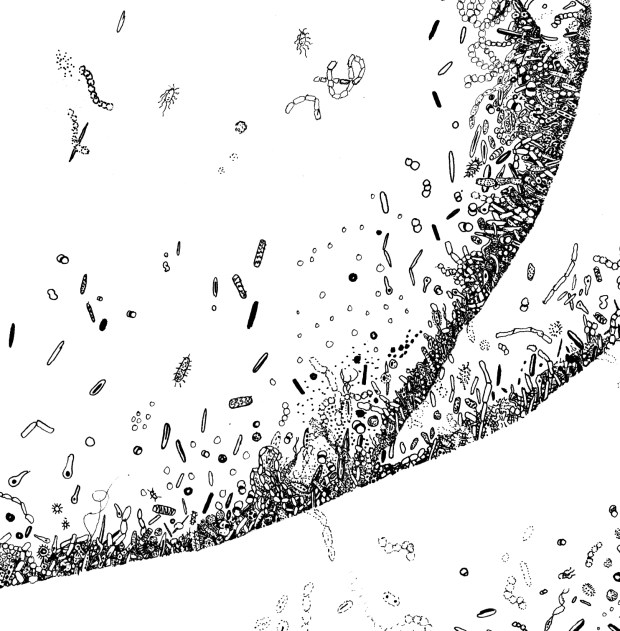 The microbiome is a hot spring of unanswered questions in relation to its role in IBD, as well as many other conditions. Applying the methods I have used in other projects, I researched the different types of bacteria and their shapes and used them to create a series of abstract drawings that relate to the digestive system and allow people to develop a sense of the complexity of the human body.

 We know our bodies, we know our triggers, and we are the ones who are ultimately going to have to pay if symptoms arise. Comments like “Oh, I didn’t think you could eat that?” or “Isn’t that going to land you in the bathroom?” are completely unnecessary. Focus on passing that side dish of mashed potatoes rather than giving us the side eye at the dinner table.
 Bringing “safe” foods or eating ahead of time at home provides comfort and allows us to enjoy more of the party. Please don’t take offense if we eat very little, or nothing at all.
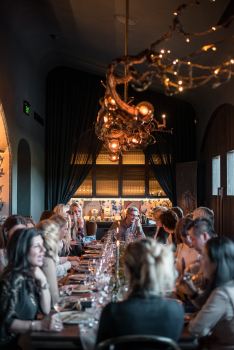 Please trust we know the side effects of the medications we are on; we know the risks of the surgery we may have to get; we know it all. Please don’t tell us to start taking a supplement you found online. Yes, we’ve heard of: CBD oil, turmeric, probiotics, the list goes on. Please don’t question the safety of our biologic. Our disease is our reality. Unless you live it, it’s not yours.
 Just as with food, everyone with IBD responds differently to alcohol. We understand a glass of wine here or a beer there at a celebration may not seem like a big deal, but one drink can be enough to cause us extreme abdominal pain. Feel free to ask us, but if we decline the offer please don’t pester us, ask us if we’re pregnant, or try and make us succumb to peer pressure. We’d much rather be sober and present at the party without pain.

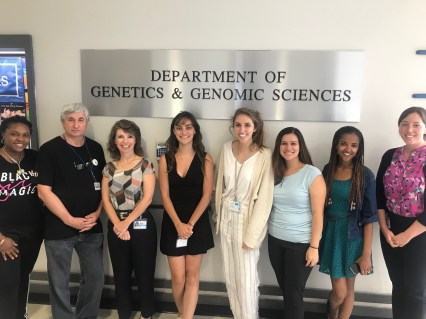
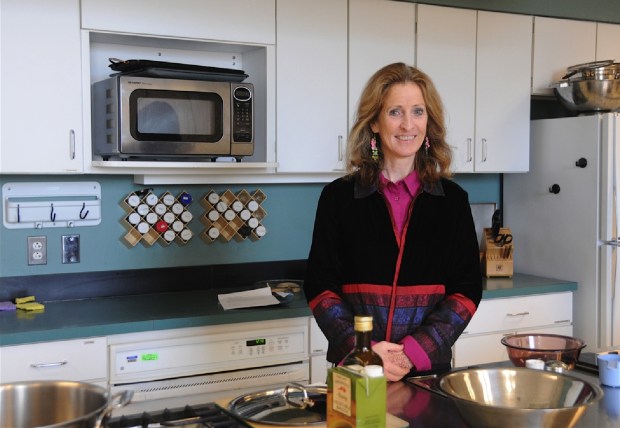 She is involved in research and clinical care, and she created the IBD Anti-Inflammatory Diet which is being investigated through the MELODY Trial. Barbara explains how through the MELODY Trial, the team is aiming to intervene in the transmission of a pro-inflammatory microbiome from women with Crohn’s to their babies.


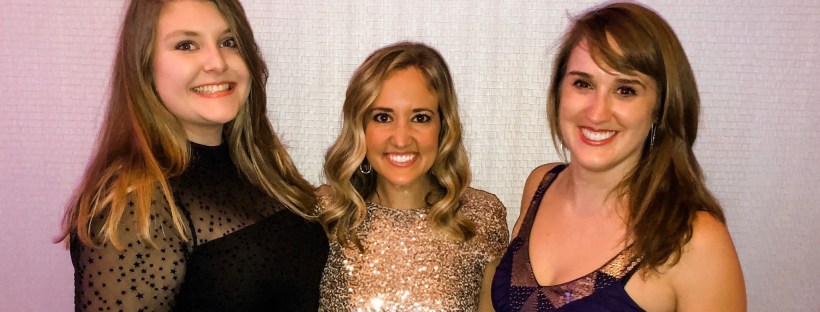


 If you’ve never attended a Crohn’s and Colitis Foundation event for your local chapter—whether it’s a patient symposium, an education event, a walk, or a Gala, I highly recommend you check them out. While it’s great to connect on social media or over the phone, nothing compares to physically being in the same room with people who are passionate about the same cause, who understand your reality, and are driven towards the same mission as you.
 lights camera crohn's