
For anyone with chronic illness, it’s safe to say living with a disease gives you perspective. Your patient experience and journey shapes you in ways you may never have imagined, until you’ve lived it—persevered—and can look back at all you’ve overcome to get to where you are today. In Part 4 (the final installment) of “So, You Have An Ostomy,” we dig deep into what ostomates wish they knew that they know now, how best family members and friends can offer support, and why some choose to show their ostomy and others do not.
Before we get started, here are links to:
Part 1: Coping with the Complexity
Part 2: Tips for Travel, Diet, and Bag Changes
Part 3: Recommendations for dating, intimacy, naming your stoma
What Ostomates Would Tell Themselves If They Could Go Back in Time
Brian Greenberg wants anyone who is contemplating getting an ostomy to know that life doesn’t end after surgery, it begins again. He says after being sick and thinking an ostomy would be worse, it gave him his life back. He went from being in bed and alone to being an Ironman and marrying the love of his life.
“There are a lot of ostomates out there and none of us are recreating the wheel. If you have a fear or question, chances are there is someone who already has created a solution. I went from being bedridden to completing a full 140.6-mile Ironman, which showed me anything is possible. My ostomy has allowed me to not only live a normal life, but a good life.”

Ashley Clark says she used to be scared to leave the house. Her ostomy has given her freedom that she never had before.
“Prior to my ostomy, I didn’t want to make new friends or spend time with people I wasn’t comfortable around, I had no energy and I felt like I was trapped inside this body that couldn’t do all the things my brain wanted to do. Since my ostomy, I feel like I’ve gotten myself back in a lot of ways. I make plans again and I travel and spend time with people I love. I don’t take life for granted.”
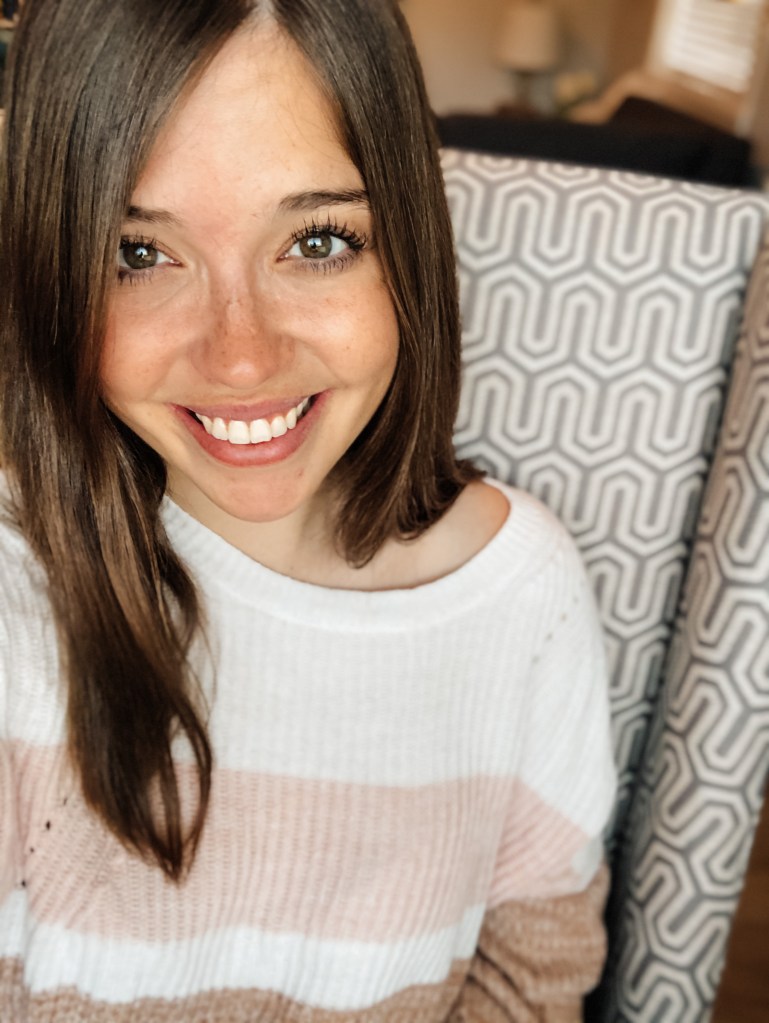
When Michel Johnson thinks about when he had an ostomy, he says it not only saved his life, but taught him to reframe the tough times. He believes he became a better person in many ways and that his level of gratitude and compassion for others grew exponentially. He’ll always remember when he had his first bag leak in public the first time he left the house after surgery.
“I was in at a grocery store and struggling to change my bag in the restroom. I got poop on my shirt. I was embarrassed. A lady noticed the supplies in my hand and the mess on my shirt when I went into the restroom. She told me she was a nurse. She had a store employee block the bathroom door and she came in to help me, even gave me her blouse to wear (she had a tank top on under her blouse). I cried and hugged her so tight. Couldn’t believe she was so sweet to me in my time of need. It’s moments like that, which change a person.”

Alison Rothbaum credits her ostomy for allowing her to be alive. She says she wouldn’t have made it beyond age 23 if she didn’t have her colectomy. Since surgery, she’s been able to travel, work, and actively participate in the lives of her nieces and nephews. She advises ostomates to cut themselves some slack and acknowledge how far you’ve come every step of the way.
“You’re learning a new lifestyle of personal care externally and recovering internally. There’ll be days you are so upset, and then there’s days you only remember you have an ostomy when you go to the bathroom. This new life may have not been what you had in mind years ago, it may not be ideal, but it’ll be ok.”

Gaylyn Henderson created Gutless and Glamorous, a non-profit organization, as a way to empower and uplift those living with chronic illness and to raise awareness and erase the misconceptions of living with an ostomy. She doesn’t want others to suffer because of the fear of being stigmatized; it’s her goal to eradicate the stigma.
“Through it all I have learned to remain constant in my beliefs and that is to not let the beliefs of others control how I view myself. I’ve learned the importance of loving myself and staying true to myself and knowing I am capable of overcoming anything. I’ve learned that one of life’s most rewarding challenges is to accept yourself for who you are and all that you are completely and consistently. I am so in love with my new body; my new body saved my life in more ways than one.”

Loved One or Friend an Ostomate? Here’s how you can offer support
Listen. Listen. And listen some more. And be there. You don’t have to know what to say, you don’t need to have the right words or give advice. Let your loved one or friend know they are not alone and don’t pretend to understand what your loved one is going through, because you simply can’t relate (unless you’re an ostomate yourself)! Ostomates say when they complain or having a hard day, they just want to be heard and believed.
Karin Thum says to find your tribe and love them hard, “It may be a friend, or maybe a family member. Someone who doesn’t have Crohn’s or ulcerative colitis may not fully understand. But the right support won’t try to understand. They’ll just want to be there for you. Let them. It’s hard for those closest to us who love us to watch us go through what we do.”
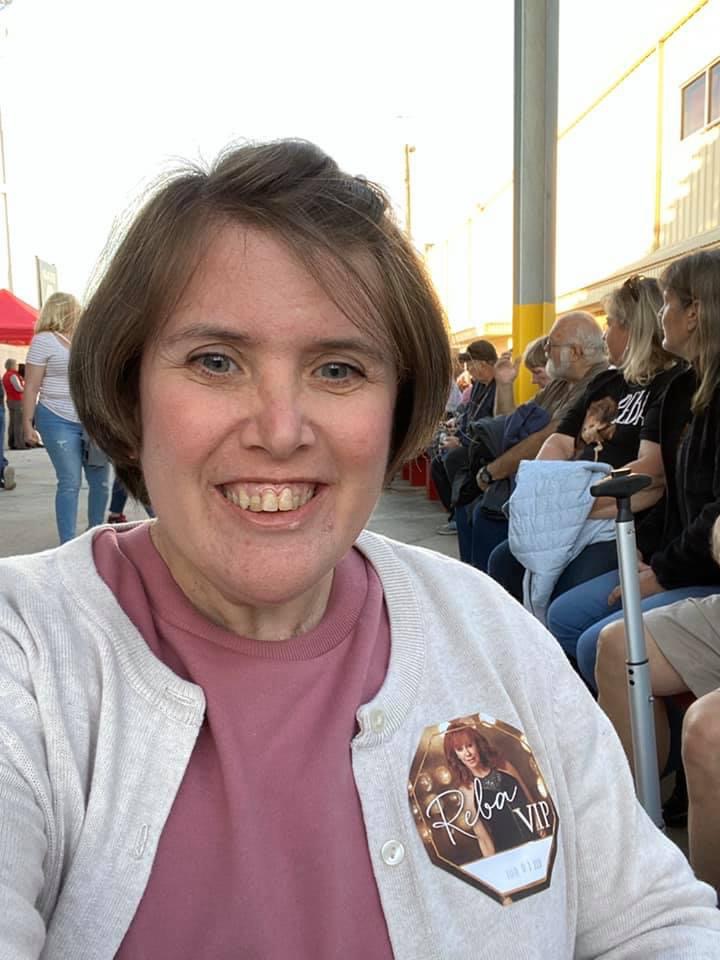
IBD mom and ostomate, Byrd Vihlen, recommends loved ones to ask questions and take the time to learn more about ostomies, the disease, and what this means going forward.
“This surgery is NOT A CURE. Knowing that you care enough to want to be educated means the world. I would also advise that going into surgery, the recovery could be very different than what is described by the doctors, prepare for that emotionally so you can better support your family/friend…and not put any extra unnecessary stress on them during a fragile time. Empathy goes a long way.”
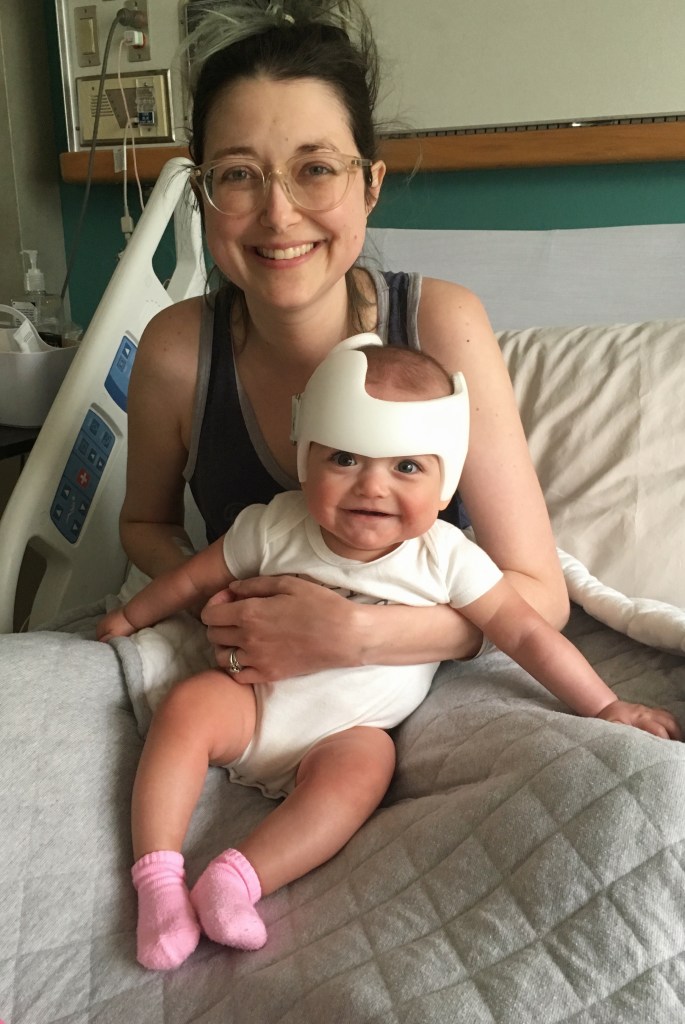
Speaking of empathy, Tina Aswani Omprakash recalls how one of her friends once insisted on watching her change her ostomy bag. As first, Tina says she was freaking out saying no. But now, when she looks back, she realizes that was one of the most supportive experiences.
“She asked questions as I went along and was curious to understand how it worked and why people felt such a stigma around it. It made me feel like a human being and that someone actually cared and wanted to learn and support me. I’d say if you’re close family, be there when the ostomy nurse is teaching how to change the bag. Oftentimes, we are in such a rut and on painkillers that we have no idea what’s going on. Support us, ask questions, be there and take notes. It can only help.”

Kristina Schook, 24, of New York, was diagnosed with Crohn’s when she was eight. She needed an ostomy when she was in high school and says the entire experience was insanely hard on her. Her bag would constantly leak, and it messed with her self-confidence. She says she had to alter what sports she played because of the leakage, but is thankful she was never judged by her peers. When it comes to advice for family and friends, Kristina says, “Just let us rant if we are upset. Don’t tell us you understand because our intestine is literally out of our body. It’s extremely hard to deal with mentally. For me, reversal was a great option and I don’t regret it.”
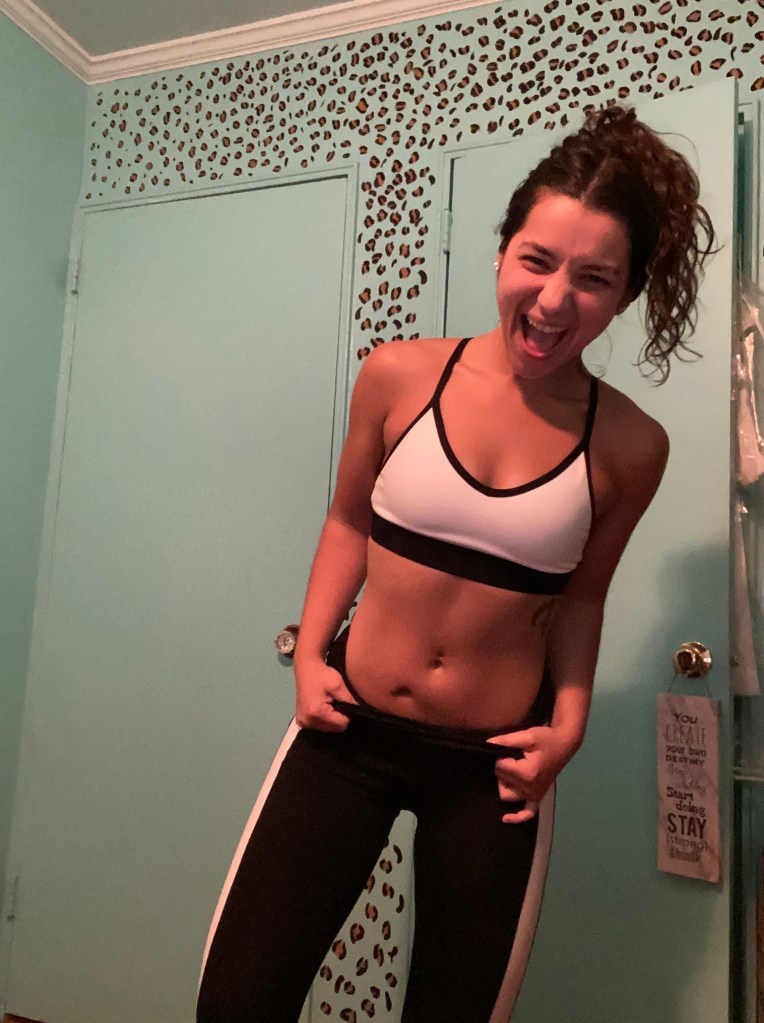
Jordan Ditty says patience is key.
“This is a big change. There will be a lot of emotions around it whether it was planned and wanted, unexpected, or they were dreading it. Offer to sit with them while they change their bag, watch a movie together, bring them coffee, listen to their frustrations, hold them when they cry, they need your support. While at the same time don’t treat them any different, this ostomy did not change who they are as an individual.”

Lindsay Dickerson says if you care about someone with a digestive disability and ostomy, recognize the mental toll their patient experience can cause.
“We are shuffled from specialist to specialist, appointment to appointment. There are days we can’t function and (personally) I feel worthless as a friend, wife, mother, and person. Educate yourself on your loved one’s condition. Support them when they feel down. Help them understand it’s not their fault, even though we will feel like it is at times. On the days they need that extra help – give it to them. There are days we can’t do it all and need this help, it’s a lifetime condition. Empathy and love are what we need and the more you give of it the better.”

Showing Your Ostomy Bag to Others
Whether or not you choose to show your ostomy bag publicly is a very personal decision. Some people feel empowered by it, others prefer to be more discreet. You do you, boo boo.
Natasha Weinstein says sharing her ostomy with the world is so much fun. When she first got her ostomy, she would put duct tape all over the bag, thinking it would make it more “socially acceptable” for people to see. Then, she realized a few things.
“Number one—duct tape is uncomfortable. Number two—I was going through a lot of bags and duct just to go swimming, which made the bags heavy! Number three—the bags are already skin colored so what was I doing?! Once I got rid of the duct tape, everything got easier and all I had to do was choose my bathing suit of the day. Now it’s become routine to take a post-race photo with Ziggy out wearing my medal because we’re accomplishing and conquering life together.”

Tionna Forchion says being transparent about her life with an ostomy has been extremely fulfilling.
“I hid my bag from family and friends for many years and now I openly post pictures on social media showing my ostomy and it feels so empowering to show the love I have for myself in my entirety, and that includes my ostomy bag. It’s rewarding when other warriors on social media write me messages saying that me posting pics showing my bag has helped them embrace and love themselves flaws and all. That’s really why I do it, to inspire others to love everything about themselves and so other ostomates know they are not alone.”

Sahara Fleetwood-Beresford shares her ostomy with world so that people can see that it’s ok not to be like everyone else. She doesn’t feel embarrassed or ashamed and doesn’t think of her bag as an issue. “It is what it is—it’s part of me. The same as my moles, scars, stretch marks, etc.”
Speaking of scars (or battle wounds as I like to call them), Lindsay says, “I love showing off my ostomy. I’ve had 14 surgeries in my lifetime at this point and the ostomy is a symbol of everything I’ve overcome and how I’ve taken the steps to improve my life for the better. All bodies come in different shapes, sizes, and abilities. I feel confident with my ostomy out and welcome anyone who has questions about it!

Payge Duerre says showing her ostomy doesn’t phase her anymore. She says it doesn’t make her feel empowered, either.
“I post for others. I show for others. I show and post because I’m 110% okay if I get hate or negative comments. I might cry if there are mean people, but I truly post and show my ostomy because I’m confident about it and hope to support others by doing so. My ostomy has completely changed my life for the better. There is no possible way I’d be this healthy version of me with my colon. I no longer shit my pants, I can travel more than five minutes away from the bathroom, I’m not missing every other day of work/school/events because of pain so immense I can’t get off the couch. I don’t have to spend an entire day every four weeks getting my infusions.”

Tina and many others I interviewed, choose not to show their ostomy or their stoma. But each ostomate said they respect the many people who do.
“I don’t feel that I need to show it to talk about it or to empower others. Culturally speaking, I think for me, it’s better left to the imagination. I do show what a stoma bag looks like and show different activities you can do with an ostomy but I think this is an individual’s choice to show or not to show and still feel empowered.”
When Life Comes Full Circle
Over the course of the past few weeks, I’ve had the privilege of connecting with more than 20 ostomates around the world who have candidly and whole-heartedly shared about their personal experience. As someone with Crohn’s who does not have an ostomy, I consider your ostomy a symbol of strength and survival. What each ostomate endures prior to surgery, through recovery, and in life, takes patience and perseverance. It takes strength from within. A strength I can’t even begin to fathom. Ostomies are a visible reminder of the often invisible battles those with IBD and other digestive diseases face while having chronic illness. It’s normal to grieve and be devastated. From what I’ve learned through these warriors, the best way to view life with an ostomy is to think of all the positive it will bring to your life and how it will improve your health and condition. Shifting your perspective and thinking of your ostomy as a gift rather than a curse seems to be the best medicine of all. Thank you for following along through this series. I hope you feel better educated about life with an ostomy and have learned something, I know I did!
Celebrating Ostomy Awareness Day (October 3rd, 2020)
This year marks the 10th Anniversary of National Ostomy Day. This day serves as an opportunity to spread awareness about ostomy surgery.
Twitter Chat (#ddhchat): Diet and Digestive Health Chat about Nutrition for the Ileostomy hosted by ostomate Tina Aswani Omprakash and Neha D. Shah, MPH, RD, CNSC, CHES Friday October 2 at 12 p.m. EDT.

Check out this Facebook Live hosted by United Ostomy Associations of America, Inc. at 12 p.m. EDT, October 3.

Run for Resilience Ostomy 5k (Virtual)—Saturday, October 3
Gali Health will be sharing videos from ostomates—connect with them (@GaliHealth) on Instagram, Twitter, and Facebook.
Helpful Resources:
Crohn’s and Colitis Foundation
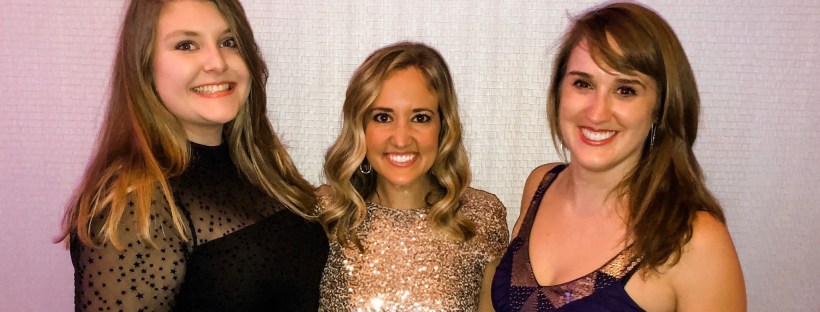
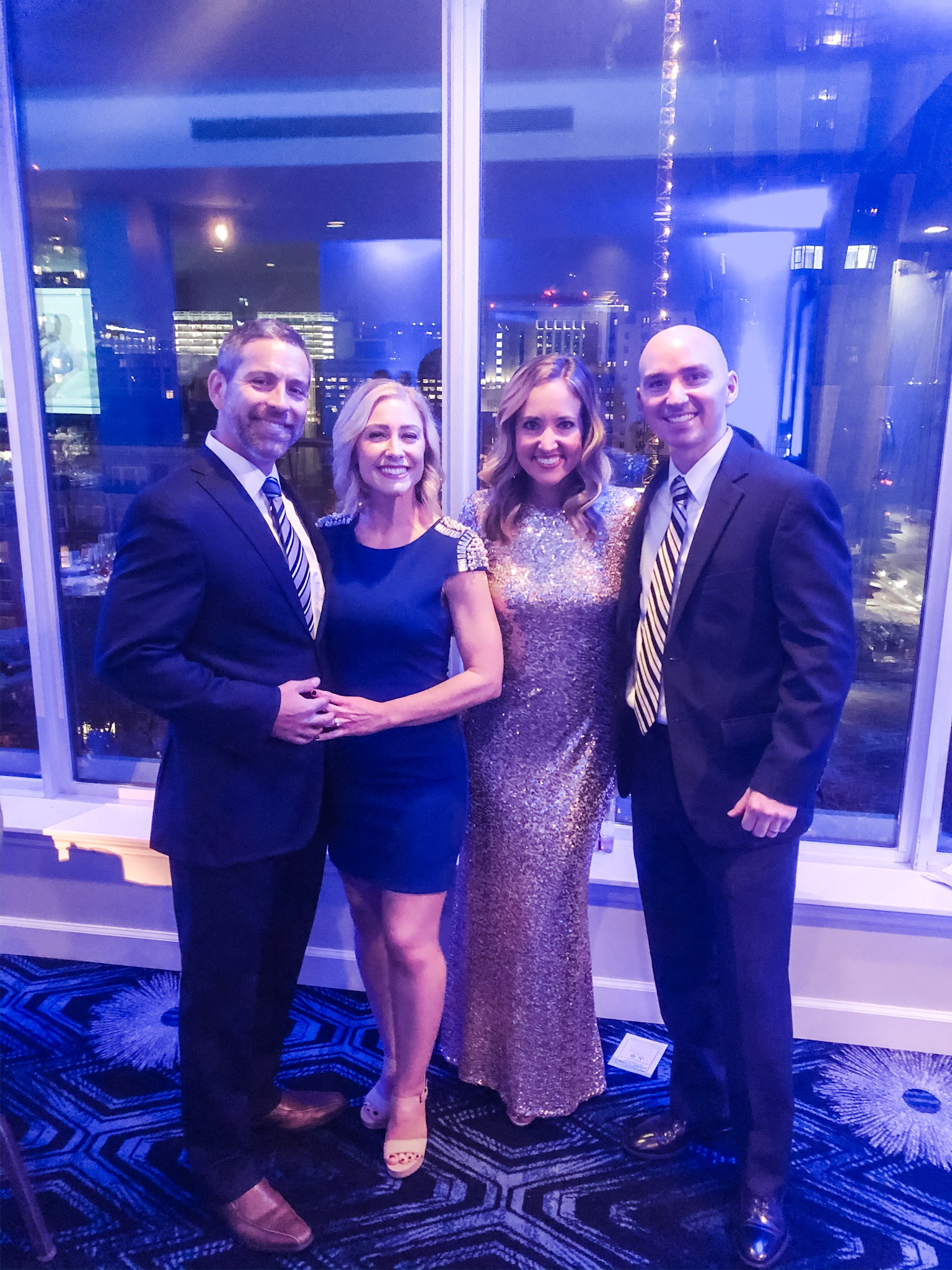
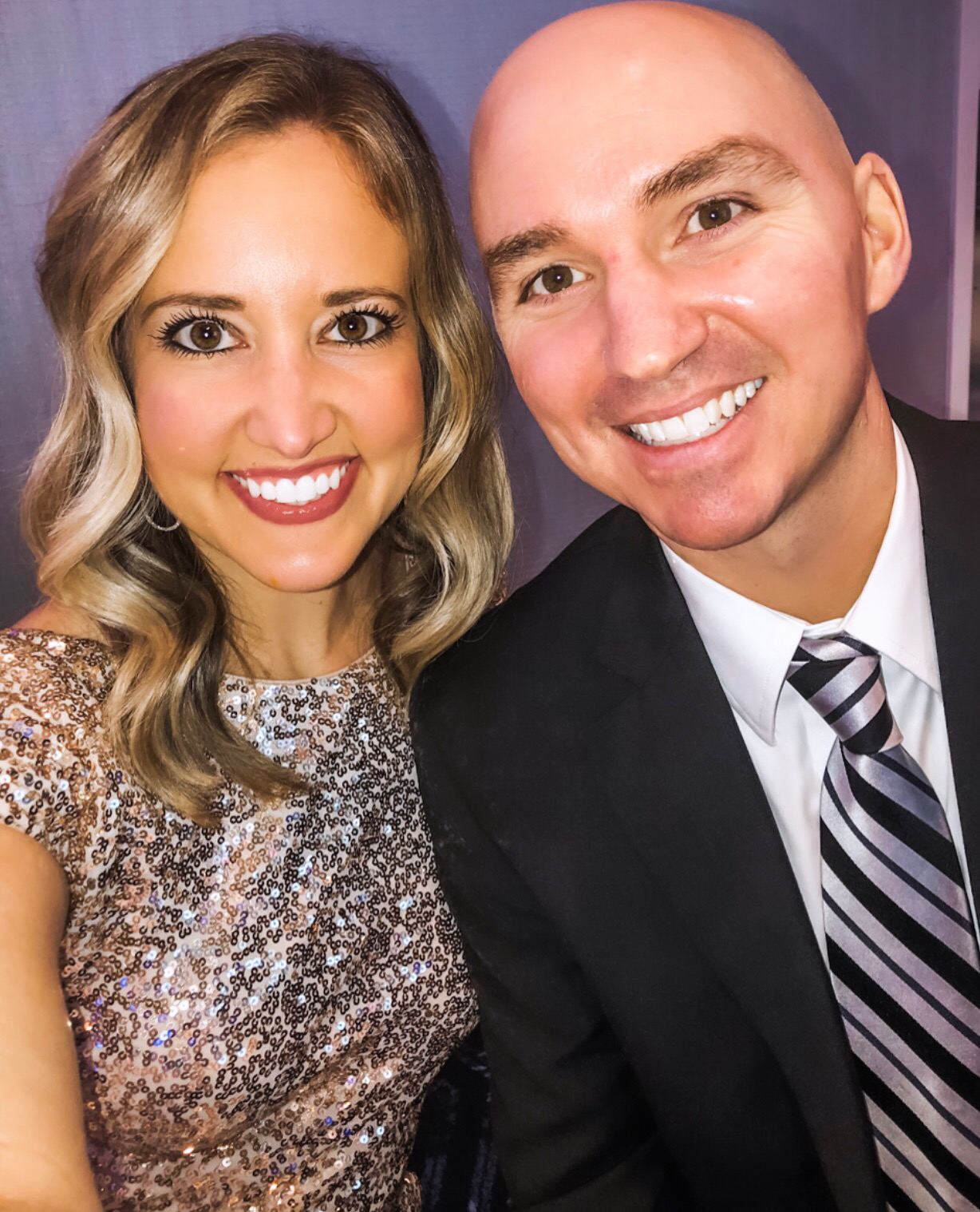
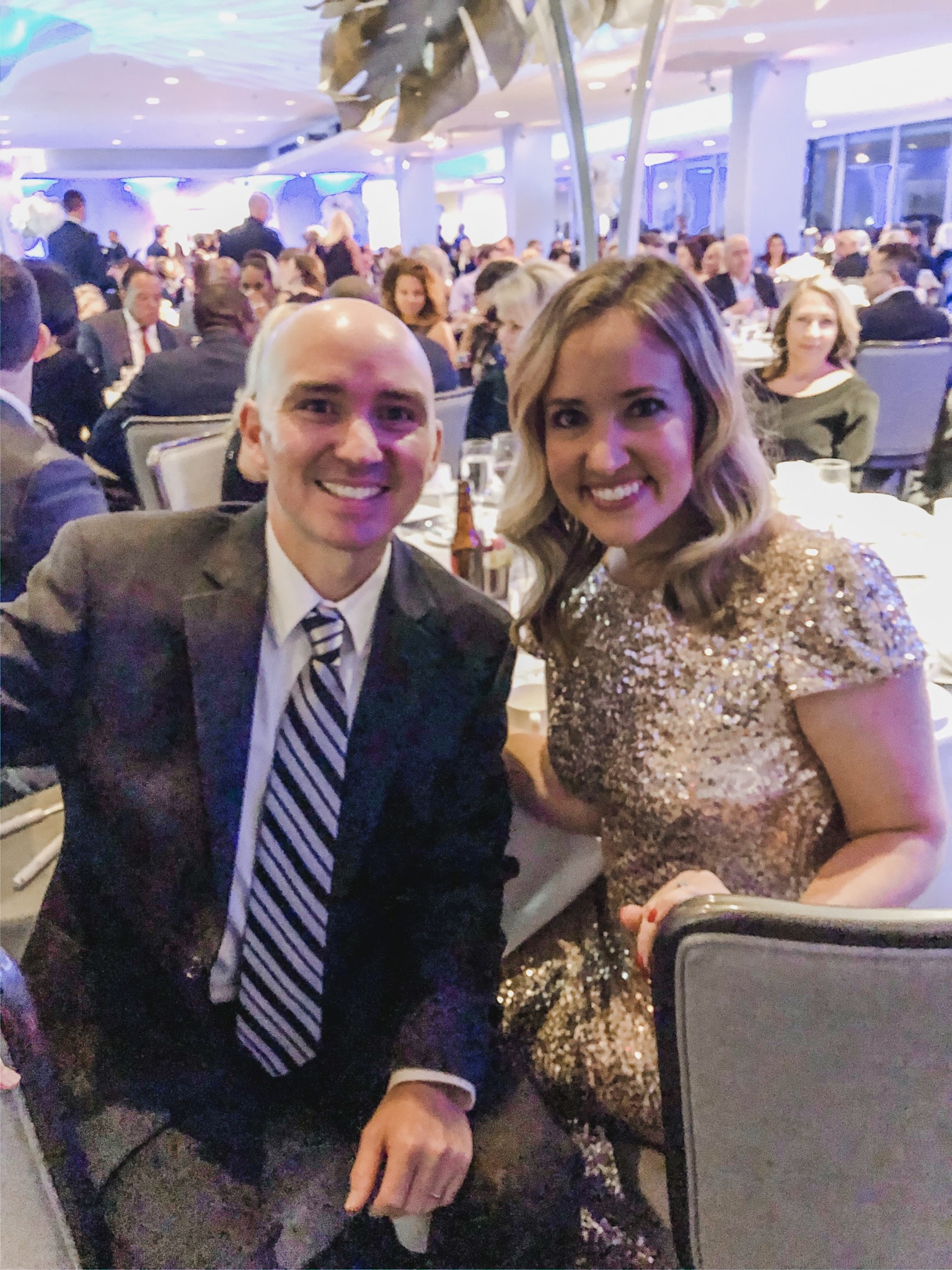 If you’ve never attended a Crohn’s and Colitis Foundation event for your local chapter—whether it’s a patient symposium, an education event, a walk, or a Gala, I highly recommend you check them out. While it’s great to connect on social media or over the phone, nothing compares to physically being in the same room with people who are passionate about the same cause, who understand your reality, and are driven towards the same mission as you.
 Your disease is making the simple task of sitting in class alongside your peers an ordeal. While you may feel alone in this moment, thousands of college students around the world living with IBD can relate to this overwhelming stress and strain.
 Balance is key. Health comes first,” said Aaron Blocker, a Crohn’s patient and IBD advocate. “It sucks to have to pause college because of your health, but school will always be there, and your health is important for long-term success.”
 As a straight A student, now struggling to pass classes due to an awful flare, I was devastated that I needed to ask for help. I was appreciative of my professors’ extreme kindness and that I was granted accommodations (deadline extensions, attending a different lecture on bad days, rescheduling exams, etc). This was a profound moment that taught me it was okay to ask for help,” said ulcerative colitis patient and IBD advocate, Jenna Ziegler.
 Ask for extra time, ask for a note taker. Get in touch with your school’s office for those with disabilities. Access the support you need to be on equal ground.”
 I also can use the bathroom frequently without question, eat in class without any questions and I’m allowed more than the usual 2 absences allowed in most classes,” said Tina Aswani Omprakash, Crohn’s patient and IBD advocate. “If there are group projects and I can’t partake; I ask the professor if I can do something on my own.”

 Anthony has seen me fight for so long. It makes me feel like I’m not going through this alone,” said Alexandra.
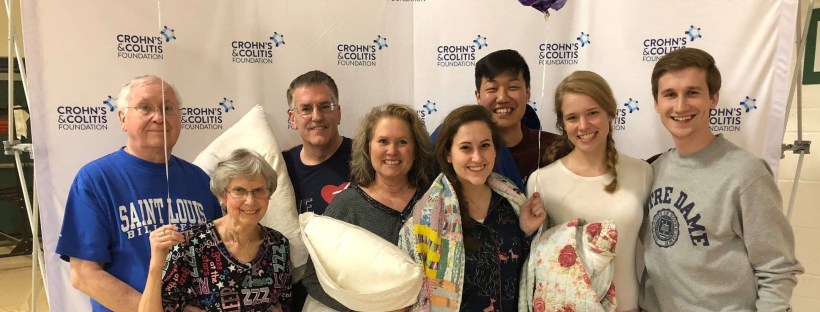
 Linde graduated from my high school and later moved to St. Louis. She currently resides in Atlanta, where she works for the CDC and does Policy work for the division of lab sciences.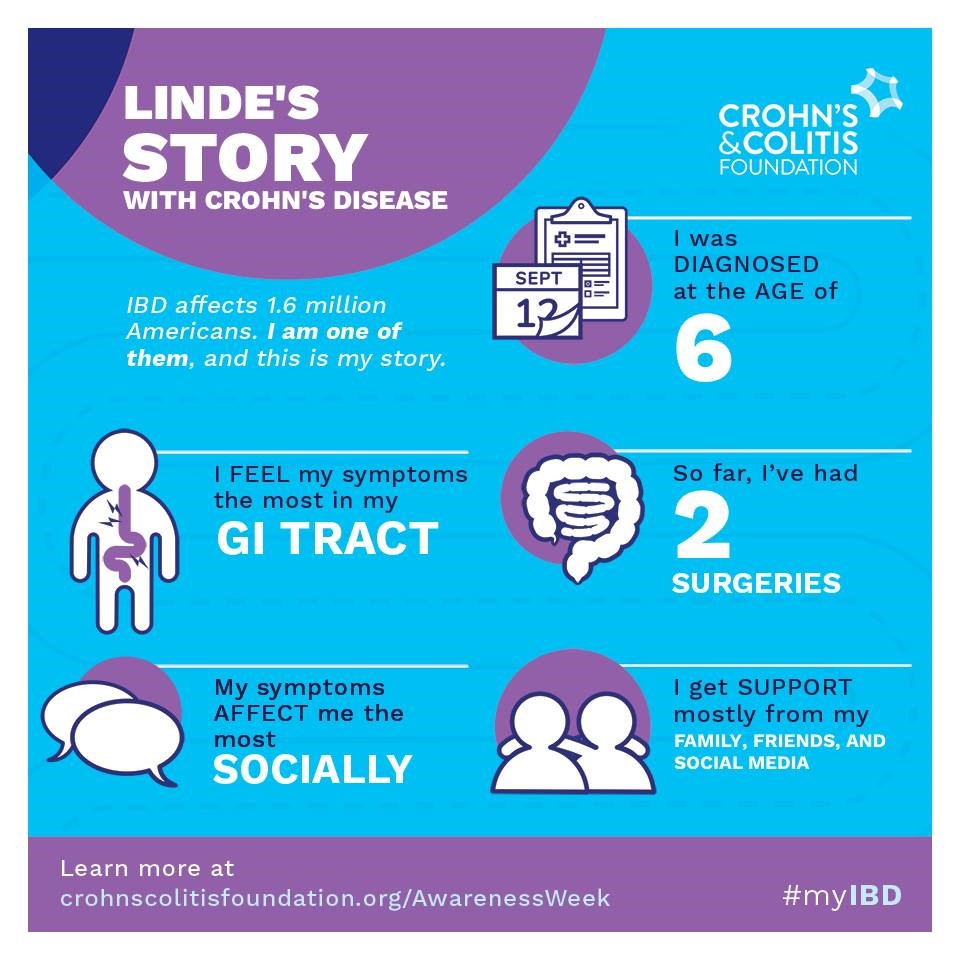
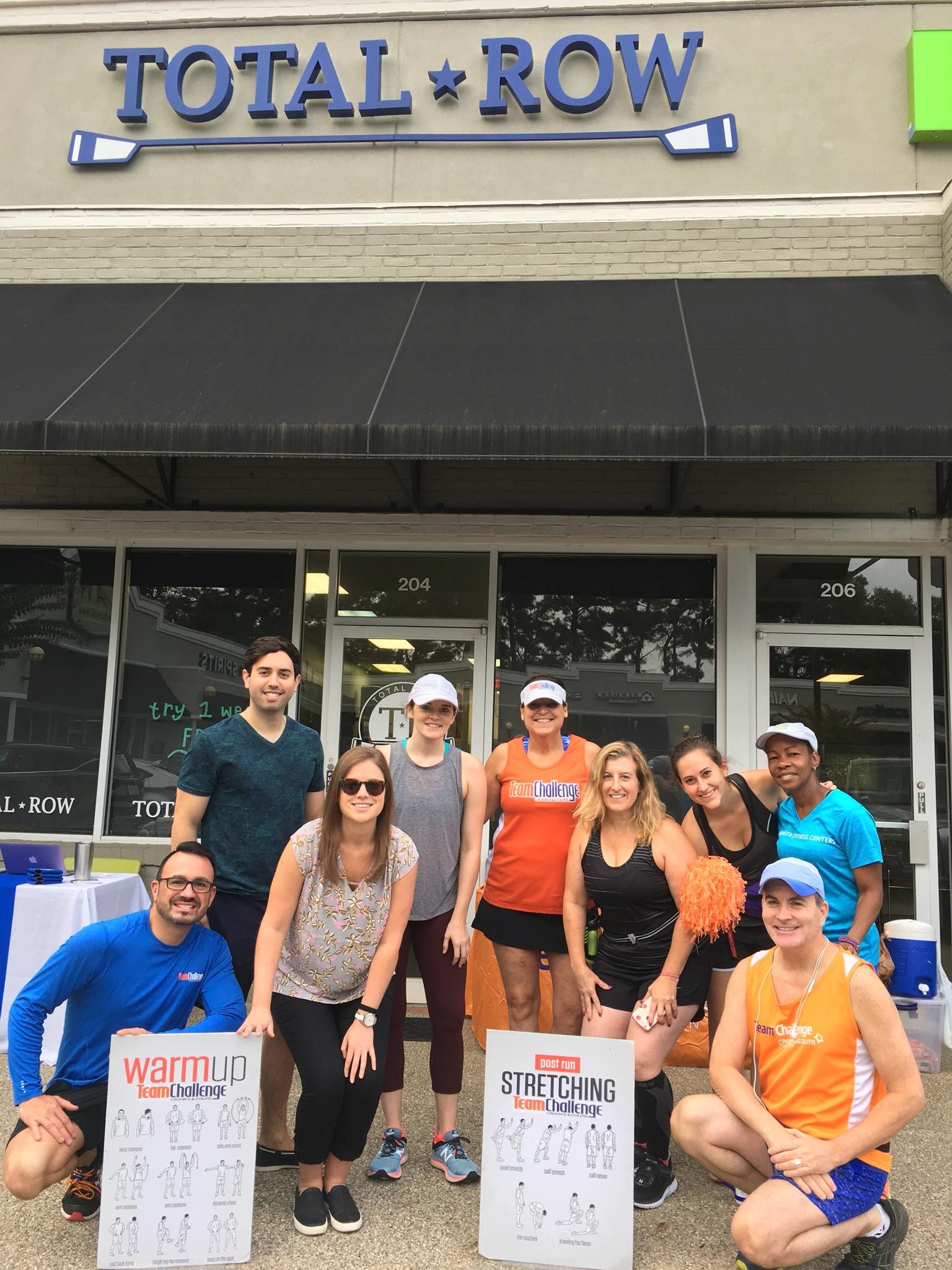 I’m training for a half marathon and taking on the biggest fitness and
 She’s a resilient person with a positive attitude. Her energy is contagious. This week, a guest post about her involvement with
 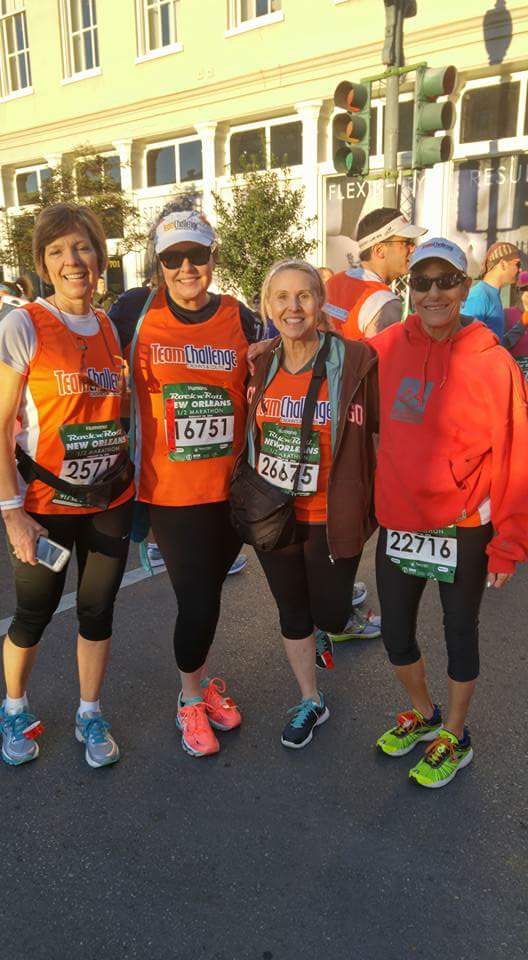 I saw a post on Facebook about


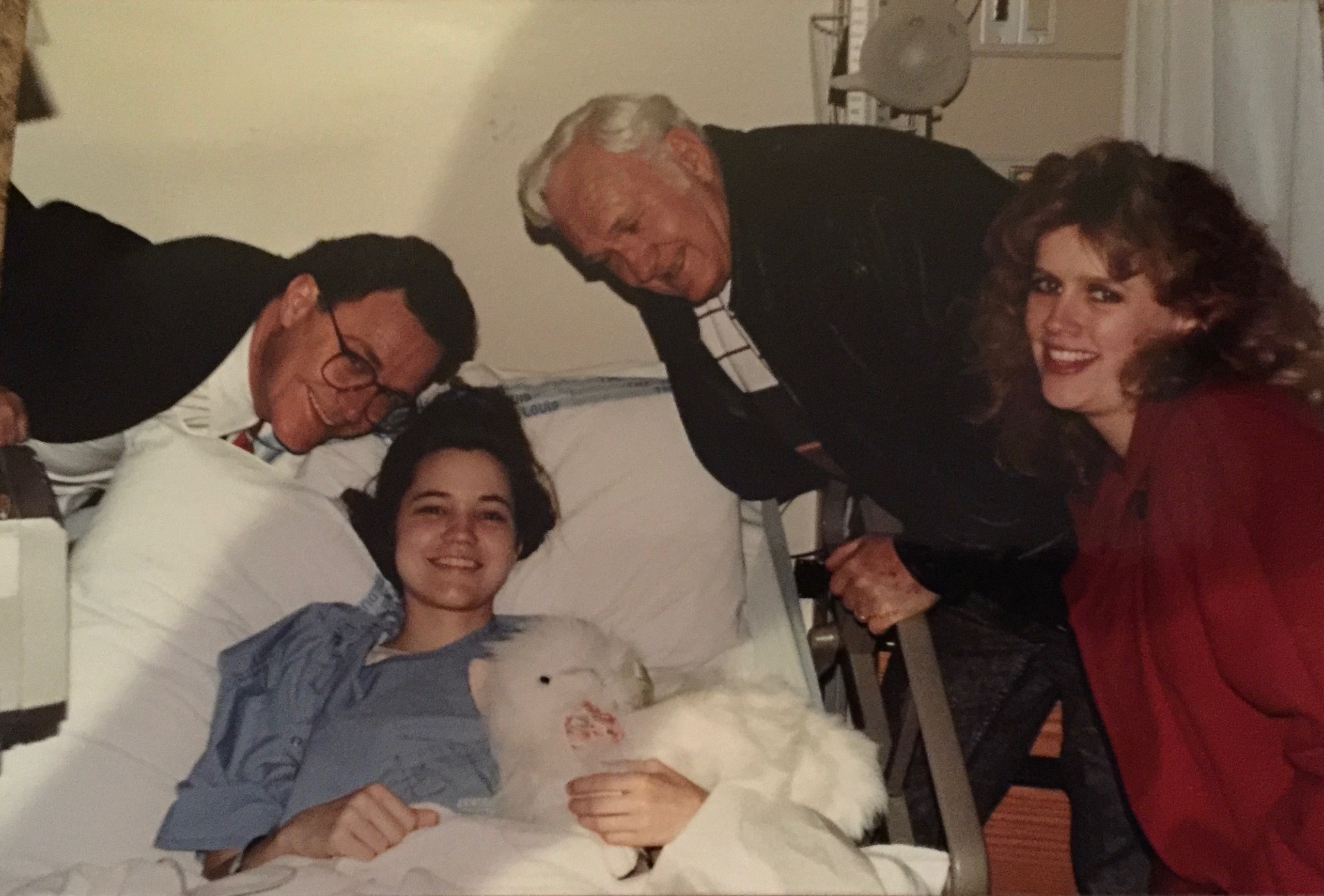 The excitement of knowing “I’m not a hypochondriac” was overshadowed by the fear of having a “poop disease”. You see, my first year of college, I became best friends with my Suite mate. Ironically, she too battles Crohn’s. I was 20 years old, diagnosed with a disease that had no cause and therefore no cure…how can that be? Why me? What am I going to do? I didn’t even know how to swallow a pill. I was never the sick kid! Now, I had to take 24 pills a day, which sometimes would take me an entire hour to swallow one dose, throw up, re-swallow again. Three times a day. It was as if I had entered “hell”.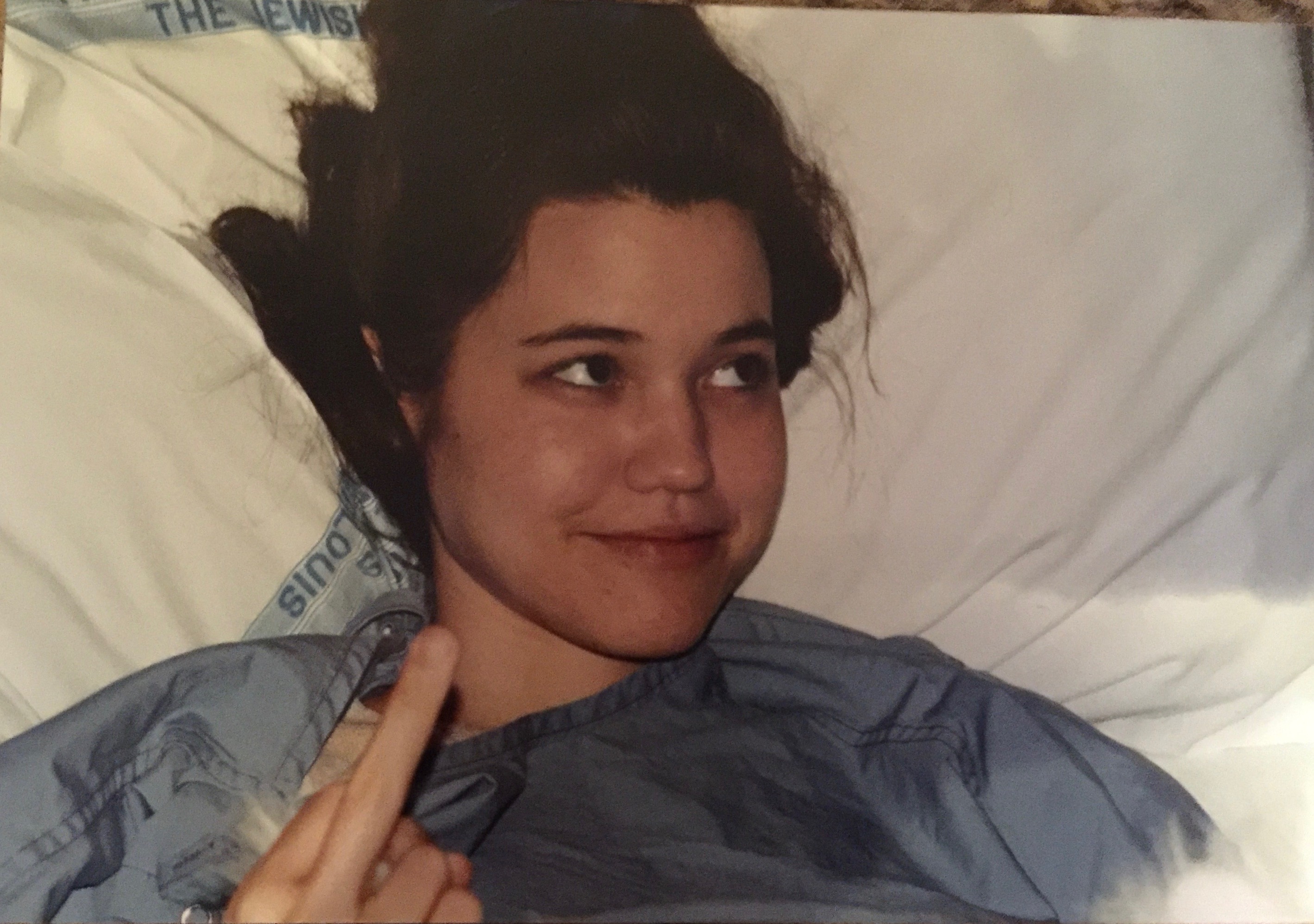
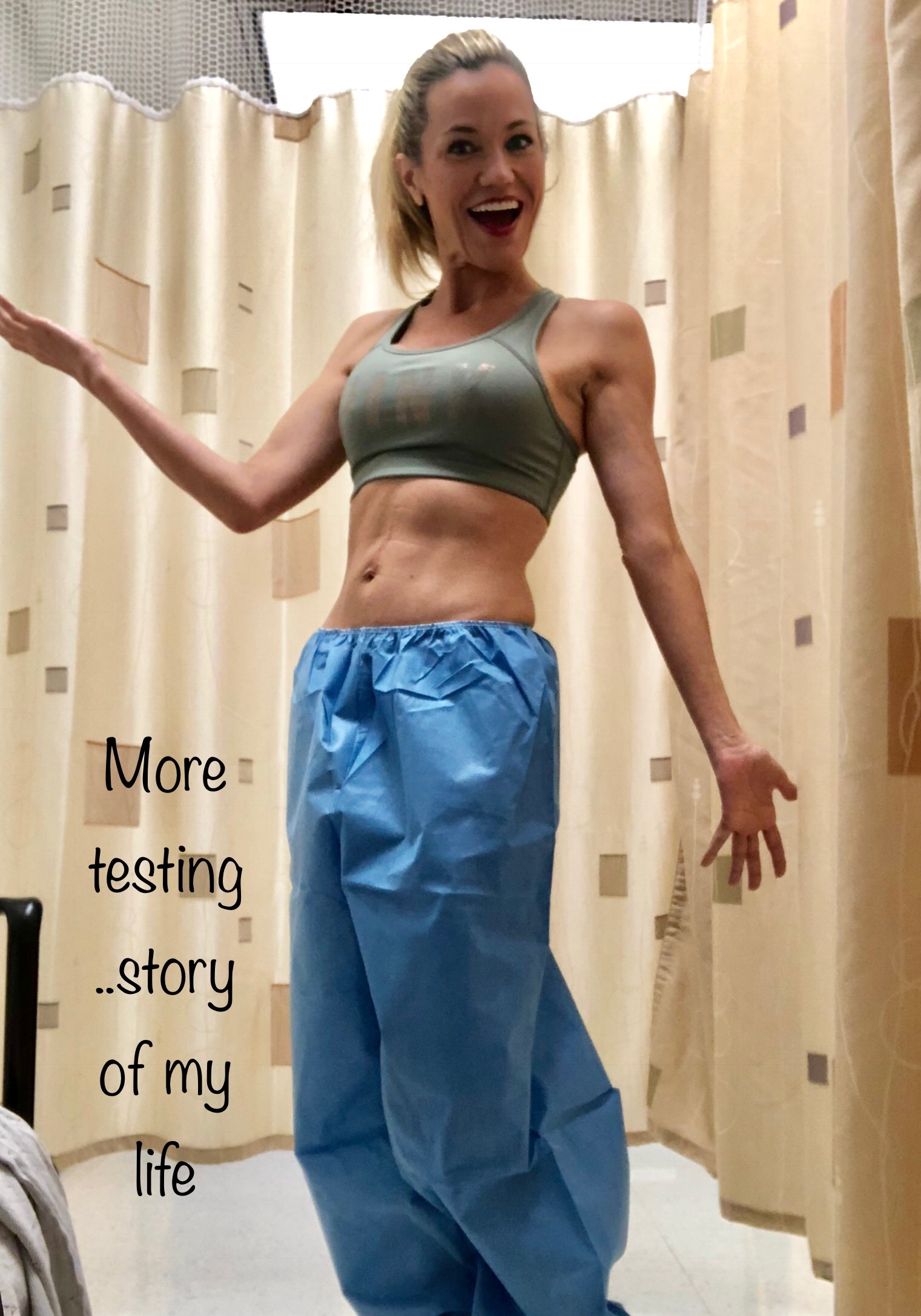 Which made my journey with the disease a little different than today. I was raised to think “only the weak complain!” “Someone always has it worse!” “Suck it up butter cup”. “If you want the job done right, do it yourself”. This made me look at the situation as this was “my” disease, “my” problem and I don’t want to make anyone worry about me or feel sorry for me! I became a master at hiding the disease and a master at hiding the byproducts of the disease.
 I’m a proud mother to two amazing children. I carried and gave birth to both of them with zero complications. I’m a business owner of a successful insurance agency, which I established 4 years after diagnosis. I didn’t allow my disease to derail my professional aspirations. I’m an active mother and manage to find time to be a room mother and Girl Scout cookie manager.

 lights camera crohn's