An Inflammatory Bowel Disease (IBD) diagnosis often comes with a heavy toll, not only on the body but also on the mind and spirit. For patient leader and three-time author Stephanie A. Wynn, her journey through IBD (like many of us) has been one of pain, perseverance, and advocacy.
This week on Lights, Camera, Crohn’s a look at what inspired Stephanie to write, “Navigating Inflammatory Bowel Disease – A Six-Week Blueprint for Better Gut Health” and what she hopes our community takes away from her latest book.
The Inspiration Behind the Book
Reflecting on her personal story, Stephanie recalls a heartbreaking experience that would unknowingly be tied to her IBD diagnosis years later. “Fifteen years ago, I lost my daughter, Jameson. At the time, I had no idea that Crohn’s Disease had anything to do with it. I wasn’t even diagnosed yet,” she shares. For years, her symptoms were not properly understood by doctors, which only added to the emotional and physical turmoil. It wasn’t until her sixth diagnosis that medical professionals finally connected the dots.
Through this painful experience, Stephanie realized the vital need for advocacy and support for those suffering in silence. This realization sparked her passion for helping others who may be overlooked or misdiagnosed. “I advocate for the women who are told their pain is normal. I advocate for the patients dismissed by doctors because their symptoms don’t fit the textbook definition,” Stephanie explains.
This journey led to the creation of Navigating Inflammatory Bowel Disease (IBD): A Six-Week Blueprint for Better Gut Health. This book is more than just a personal account; it’s a powerful resource for those living with IBD and their caregivers. Stephanie wrote the book she wished she had when she was first diagnosed — a roadmap that offers not only practical advice but also emotional support.
A Glimpse Inside the Writing Process
As a three-time author, Stephanie approaches writing as a deeply empathetic process. She listens carefully to the stories and concerns of the IBD community. “Before I write, I ask: What are people struggling with the most? What’s missing from the resources currently available? How can I make complex medical and lifestyle topics easier to digest?” she says.
Each chapter of Navigating Inflammatory Bowel Disease (IBD) is designed to address the real-life struggles of patients and caregivers. The book offers practical advice on managing symptoms, self-advocating in medical spaces, and embracing resilience, making it a comprehensive guide to living well with IBD.
What Stephanie Hopes Readers Take Away
The central focus of this book is to give patients confidence. Confidence in managing their health, advocating for themselves in medical spaces, and maintaining hope for a fulfilling life despite the challenges of IBD. The six-week blueprint includes:
Actionable steps to manage life with Crohn’s Disease or Ulcerative Colitis
Reflection prompts to help patients process their journey
Guidance on managing symptoms, diet, and mental health
Tools for improving communication with doctors and loved ones
Stephanie emphasizes that no one should have to face IBD alone. “This book is about helping people find their voice, take control of their health, and live their lives with confidence.”
Amplifying Underrepresented Voices
Another key aspect of Stephanie’s work is ensuring that underrepresented communities are included in the conversation about IBD. She is especially passionate about advocating for Black, Brown, and marginalized patients who often face additional barriers to diagnosis, treatment, and support.
“Minorities and underrepresented communities have been overlooked in conversations about IBD,” she says. “The lack of awareness, delayed diagnoses, and disparities in treatment access are real barriers. Through my work as an IBD Patient Navigator® and Certified Patient Leader, I ensure that these communities feel seen, heard, and supported.” Stephanie is determined to elevate voices that are often ignored and make sure that health equity becomes a priority for all.
Why This Book Means So Much
For Stephanie, Navigating Inflammatory Bowel Disease is not just a book — it’s a mission. It is the culmination of her own struggles, triumphs, and desire to make a difference. “This book isn’t just a project, it’s my story, my advocacy, my purpose,” she shares. It’s the blueprint she desperately needed when she first began her journey with IBD, and now it’s available for others to guide them through the maze of treatments, lifestyle adjustments, and emotional challenges that come with this chronic illness.
She hopes her story serves as a beacon of hope for anyone who feels lost or overwhelmed by their diagnosis. “No one should have to figure out Crohn’s Disease or Ulcerative Colitis alone,” Stephanie says.
Final Thoughts
Stephanie’s message is clear: IBD may shape our lives, but it doesn’t have to define us—which I love! Navigating Inflammatory Bowel Disease (IBD): A Six-Week Blueprint for Better Gut Health is not just a guide for managing symptoms, it’s a testament to the power of resilience, hope, and community. With this book, Stephanie aims to spark a movement towards better gut health, stronger patient advocacy, and a future where no one navigates IBD alone.
Whether you are newly diagnosed, a caregiver, or someone who has lived with IBD for years, this book is for you. As a fellow patient advocate and leader, I’m so proud of Stephanie for going after her dreams and making this latest resource a reality for our community. Together, we can turn pain into purpose and ensure that no one fights this battle in silence.
Click here to order your copy of Navigating Inflammatory Bowel Disease.
Let’s keep the conversation going.
Connect with Stephanie on Instagram and LinkedIn and share your IBD story.
Learn more about the Stephanie A. Wynn Foundation, Inc., which is dedicated to eliminating healthcare and financial disparities in underserved African American and marginalized communities.
Millions of people worldwide live with IBD. For teenagers with Crohn’s disease or ulcerative colitis, the challenges are multi-faceted—not only must they manage their health, but they also face the pressures of academic life, dealing with physical and emotional challenges their peers can’t relate to, and the daunting costs of higher education. Thankfully, several scholarship programs exist to support students dealing with IBD, offering financial assistance, and fostering a sense of community and empowerment.
This week on Lights, Camera, Crohn’s a look at what scholarships are available and tips for applying. This story idea was inspired by a caregiver who sent me a direct message on Instagram asking if her teenage daughter could be awarded a scholarship for going above and beyond scholastically despite having IBD. I wasn’t aware of what is available—and in working on this article I did my research as though I was a teen/caregiver looking up scholarships geared towards those with IBD.
Why IBD Scholarships Matter
Teens with IBD often navigate difficult symptoms, frequent medical appointments, and hospitalizations. Despite these challenges, many young people with IBD excel academically, participate in extracurricular activities, and remain determined to pursue higher education. Scholarships tailored to their needs can ease the financial burden of college tuition and provide a sense of validation for their hard work and resilience.
In addition to financial relief, these scholarships can help build a sense of camaraderie among students with similar experiences. IBD scholarships are a powerful way for these teens to connect, share their stories, and feel supported and empowered in their journey toward college and beyond.
Notable Scholarships for Teens with IBD
Abbvie Immunology Scholarship: The AbbVie Immunology Scholarship aims to reduce the financial burden for students impacted by inflammatory diseases. It is awarded to 45 students. Recipients pursuing an associate degree will receive a $5,000 scholarship. Those pursuing a bachelor’s or master’s degree/PhD will receive a $15,000 scholarship.
The Salix Gastrointestinal Health Scholarship Award: Ten scholarships to 10 outstanding students living with gastrointestinal (GI) diseases and disorders who are pursuing their higher education goals. The 2025-2026 application period opened February 10, 2025, and the end date to apply is May 5, 2025.
Patient Advocate Foundation – Scholarship” In 2000, PAF established the Scholarship for Survivors program to honor these individuals by offering educational scholarships to students who have suffered (or are suffering) from cancer or a chronic illness. The deadline for submissions is March 7, 2025.
180 Medical Scholarship Program: The 180 Medical Scholarship Program is open to full-time college students living with specific medical conditions, including spinal cord injuries, spina bifida, transverse myelitis, neurogenic bladder, or an ostomy (ileostomy, colostomy, and/or urostomy). They offer seven $1,000 college scholarships annually to seven recipients. Accepting applications through June 1, 2025. Recipients are announced in August.
AAHD Frederick J. Krause Scholarship on Health and Disability: Awarded annually to deserving students with a disability who are pursuing undergraduate/graduate studies in an accredited university and who are pursuing studies related to health and disability. Scholarships are generally $1,000.
Buckfire & Buckfire, P.C. Disability Scholarship Program: The Disability Scholarship was established in 2014 as part of the law firm’s commitment to helping students with disabilities or injuries who need financial assistance for educational purposes. The scholarship awards $1,000 to one student. The deadline to apply is October 1, 2025.
Defining the Disability Scholarship: The attorneys at the Berkowitz Hanna Malpractice and Injury Lawyers offer a $1,000 scholarship to help a student overcome a disability. Students define what disability means to them and explain how disability has been part of their life. Applications are not being accepted right now but stay tuned for 2025.
Lawrence Madeiros Scholarship: The Larence Madeiros Scholarship Fund was formed to provide awareness of chronic disorders to the public and to stimulate, foster, and encourage interest, awareness, and activism at the state and national level with reference to the fight against chronic disorders. The scholarship is awarded to high school seniors living with a chronic disorder and continuing their education at a college or university. The deadline for applying is May 1, 2025.
Overcoming Disability Scholarship: The Law Offices of Coats & Todd Overcoming Disability Scholarship awards $2,500 scholarships twice a year to college students who are managing a disability while attending school. To qualify, students must have a physical or psychological disability that affects their ability to work. The deadline for applying is March 26, 2025. Their team can be reached at: scholarships@coatsandtoddlaw.com
IBD Connects Scholarship Program: To support the educational aspirations of students impacted by IBD, IBD Connect awards two annual scholarships, each valued at $1,000, to eligible applicants enrolled in a U.S. college, university, or trade/vocational school for the upcoming academic year. The application program opens March 1, 2025, and ends May 31, 2025. For any questions regarding the Scholarship Program, email Lisa Fournier: lisafournier@ibdconnectinc.org.
It’s important to note there may be other IBD-related scholarships available, this list reflects what I discovered upon researching this article.
Additional Scholarship Resources
Beyond disease-specific scholarships, many general scholarships and grants are available to students with disabilities or health conditions. Websites like Scholarships.com, Niche, and Unigo allow users to search for scholarships based on specific needs, including chronic illness or disabilities.
Additionally, some universities even offer their own scholarships for students with disabilities, including those affected by IBD. It’s always a good idea to contact the admissions or financial aid office of the school you’re interested in to inquire about any opportunities.
Tips for Applying for IBD Scholarships
Start Early: Many scholarships have early deadlines, so it’s important to start the application process well in advance of the due dates.
Tell Your Story: Your personal experience with IBD is what sets you apart. Be honest and heartfelt in your essays, sharing how IBD has shaped you as a person and student.
Gather Documents: Be prepared to provide documentation of your diagnosis, along with transcripts and letters of recommendation.
Stay Organized: Keep track of all deadlines, required documents, and any special instructions for each scholarship.
Final thoughts
For teens living with IBD, pursuing a college education can be a difficult but achievable goal. Scholarships specifically designed for students with IBD can alleviate financial stress, validate personal resilience, and provide a network of support. I was “lucky” in the respect that I was not diagnosed with Crohn’s disease until two months after college graduation, so I did not have to navigate these challenges while furthering my education and moving away from home. Along with scholarships, it’s important for caregivers and students with IBD to communicate the need for accommodations on the college campus—this can range from having a bathroom in or near your dorm room to having extra time to complete assignments. Click here to read another Lights, Camera, Crohn’s article that digs deeper into this topic.
As more awareness is raised about the challenges of IBD, opportunities for scholarships and grants continue to grow, ensuring that students with IBD can thrive academically without being held back by their condition.
Many women with Crohn’s disease or ulcerative colitis are diagnosed during peak childbearing years. Despite ongoing advances and strides in research, many questions remain about female fertility as it relates to IBD. This inspired Dr. Marla Dubinsky, MD and Dr. Zoë Gottlieb, MD at Mount Sinai Hospital in New York and Dr.Eugenia Shmidt, MD at the University of Minnesota to create The Women with Inflammatory Bowel Disease and Motherhood (WIsDoM) study. Since launching at Mount Sinai and the University of Minnesota in 2023 about 170 women with IBD have participated, and thanks to a generous grant from the Helmsley Charitable Trust, WIsDoM will continue to enroll participants until the end of August 2025. The goal—to enroll about 500 women across the United States and Canada by the end of next summer.
This week on Lights, Camera, Crohn’s we hear from these leading trailblazers in the IBD field to learn more about their aspirations for this monumental research study and how you can get involved.
The inspiration behind WIsDoM
Dr. Dubinsky and Dr. Gottlieb tell me they care for hundreds of women with IBD who are considering pregnancy, including those with a history of IBD-related surgeries.
“These women, along with their partners and families, often ask how their IBD or surgical history might affect fertility. Unfortunately, the available research on this topic is limited. Much of it comes from retrospective surveys or large database studies, which fail to give us a complete picture,” says Dr. Dubinsky. “Additionally, most of the existing data focuses on women who’ve had open J-pouch surgery for ulcerative colitis; given that many IBD surgeries, including J-pouches, are now done laparoscopically, this information is often not relevant to our current patients.”
They recognized the need for more comprehensive, up-to-date data to help answer these important questions to allow them to provide the best possible guidance for family planning to their IBD patients.
“Unlike previous research, WIsDoM gathers detailed, long-term data, allowing us to better understand the impact of IBD on reproductive health and identify potential risk factors impacting fertility in this population,” Dr. Dubinsky explains.
Main questions about female fertility and IBD that remain
We currently have limited information on how most IBD surgeries, other than open J-pouch surgery, may affect female fertility.
“Many of our patients with IBD have undergone other types of surgery, such as subtotal colectomy or small bowel resection, but we don’t yet know how these procedures might impact fertility. In addition, there is very little data on how other factors—such as the type of IBD, medications, the length of time someone has had the disease, other health conditions, family history, or sexual health—could influence fertility. Our goal is to give women a thorough understanding of how their IBD, along with their overall medical, social, and reproductive histories, might affect their ability to become pregnant,” Dr. Gottlieb says.
Who can participate in the WIsDoM study?
You must be:
A woman with IBD
Aged 18 to 45 years old
Planning to become pregnant in the next 15 months
Able to consent to participation
Live in the United States or Canada
Click here to hear from Dr. Dubinsky and Dr. Gottlieb firsthand.
What does participation involve?
When women join the study, they will be asked to complete an initial questionnaire that covers their IBD, surgical, medical, reproductive, sexual, and social histories. This will be the longest form you need to fill out and may take about 15 to 30 minutes, depending on your individual experiences. After completing the form, participants will receive a $50 gift card. You will also be asked to help obtain some of their medical records so additional information can be gathered about your health history.
“Once they are enrolled, participants will receive a survey each month. In this survey, they’ll be asked whether they’ve tried to conceive, whether they became pregnant, and if there have been any changes in their IBD, surgical, or reproductive health since the last survey,” says Dr. Gottlieb. “They’ll also be asked to describe their IBD symptoms, including whether they’re experiencing a flare-up or if their condition is well controlled. Participants will continue to receive these surveys monthly until they reach 12 weeks of pregnancy or until the study ends in July 2027, unless they choose to opt out.”
When the study ends (either at 12 weeks of pregnancy or the study’s conclusion), participants will receive an additional $50 gift card. If you become pregnant and experience a pregnancy loss, or if you become pregnant, have a baby, and wish to try for another pregnancy during the study period, you can re-enroll and continue participating.
Being proactive with family planning
When women and their families have a clear understanding of how their IBD, surgical, and medical histories may affect fertility—based on comprehensive, real-world data—they can make informed decisions about seeking fertility help sooner.
“This early guidance can help them get the support they need during the family planning process and avoid unnecessary delays in trying to conceive naturally if it seems unlikely to be successful. At the same time, it will also allow us to reassure some women that their fertility is likely to be similar to that of women in the general population, helping them avoid the financial burden of fertility treatments until they truly need them,” says Dr. Dubinsky.
Final thoughts
Through WIsDoM, we have a unique opportunity to make a meaningful difference in how women with IBD receive guidance about pregnancy and family planning. By gathering important data over time and using this to predict a patient’s risk of reduced- or infertility, medical providers can offer early support, including information on how surgery might affect fertility before a patient undergoes an operation.
“We hope that our findings will help change how healthcare providers support women with IBD when it comes to fertility, especially in terms of knowing when to refer patients to a fertility specialist. Currently, there are few clear guidelines on when to make these referrals, and we believe that, too often, we wait too long to offer women the support they need to conceive,” says Dr. Gottlieb. “This delay can impact their family planning and create unnecessary emotional and financial stress. Our goal is to use the data we gather to develop a risk calculator that will help us assess each patient’s individual risk for fertility issues, allowing us to refer them to the right resources earlier and give them the best chance to become pregnant successfully.”
Every patient deserves the most accurate and evidence-based information to make informed decisions about their family planning, and the hope is that WIsDoM will provide this valuable insight for women with IBD. As an IBD mom of three following bowel resection surgery, knowing that research like this is underway for current and future families does my heart good. By participating in IBD studies like WIsDoM, you help paint a clearer picture for how patients and families can be most supported during family planning and beyond.
Interested in learning more about WIsDoM and getting involved:
**This article has also been published on Tina’s blog: Own Your Crohn’s**
As two bloggers and patient thought leaders in the IBD community, we were thrilled and honored to attend and speak at the Advances in IBD conference in December 2024 in Orlando, Florida. In the article below, we come together to summarize key learnings for our IBD patient and caregiver community.
Management of Crohn’s Disease
Crohn’s can be a very progressive disease, meaning it can worsen over time and cause complications, often leading to fistulae, strictures, and therefore surgery and bowel loss. In a debate between two of the co-chairs, Dr. Miguel Regueiro and Dr. Corey Siegel, as well as throughout AIBD, a key theme was to understand if all Crohn’s patients need advanced therapies (biologics or small molecules) to prevent complications. A good suggestion was to identify those few patients who could be closely monitored but not necessarily put on an advanced therapy. The doctors agreed that almost all patients do need an advanced therapy to prevent progression of the disease. Dr. Siegel brought up an interesting point about risk-stratifying patients via a new blood test called CD-PATH, which allows physicians to better understand if a patient might be low-, medium-, or high-risk for progression of Crohn’s disease.
The conclusion at the conference was that early intervention has made a big difference in terms of improving long-term outcomes for patients. It was shown that there is an optimal time for treatment and missing that window can lead to progression of disease and potentially complications.
From stem cells for perianal Crohn’s to more options for fibrostenotic Crohn’s, many patients are waiting for more therapeutics to gain better quality of life. Patients, however, are also clamoring for more therapies for mild Crohn’s disease. There is a real void in treatment options for mild Crohn’s outside of dietary therapies and occasional use of steroids (< 1-2x a year). As patients ourselves, we advocate for more options whether that’s looking at S1Ps or new therapeutics that can help patients feel safe & comfortable that their disease is being treated.
Management of Ulcerative Colitis
In Dr. Millie Long’s talk on Defining Disease Severity in UC, she shared many pearls. Primary indicators of severity include appearance severity of disease on endoscopy and frequency of use of steroids (more often means another long-term therapy may be needed to quell inflammation). She said to also consider biomarkers (fecal calprotectin, C-reactive protein, etc.) and to keep in mind what prior therapies have been used. Dr. Long emphasized that UC can also progress like Crohn’s, and it is important to use treat to target strategies, including initiating therapy early, monitoring for disease activity using biomarkers and intestinal ultrasound, and aim for mucosal healing.
In Dr. Maia Kayal’s talk on what meds to consider if Mesalamine doesn’t cut it in UC, her key take-home message was, “Your first shot is your best shot.” She said it was important to plan wisely if you have mild to moderate UC and work carefully with your gastroenterologist to identify medication options. Dr. Kayal emphasized that certain biologics may be more effective as a first-line therapy rather than being used after one or two biologics haven’t worked, so to choose carefully. Even if mesalamine doesn’t work, there are multiple biologic options from anti-TNF agents to anti-IL-23 medications, and S1P receptors.
CurQD & IBD
Throughout the conference, CurQD received many notable mentions, which in randomized clinical trials showed efficacy in mild to moderate UC when mesalamine hasn’t cut it. CurQD is a naturally sourced formula. Cura is gut-directed form of curcumin that has been found to reduce inflammatory cytokines, restore barrier function, and positively alter the composition of the gut microbiome. QD (Qing Dai) is an extract of Indigo plants found in clinical trials to relieve bleeding, inhibit inflammation, and promote mucosal regeneration (Naganuma et al, Gastroenterology 2018, Ben-Horin et al, CCFA 2023). Dr. Kayal shared this placebo-controlled trial, that found CurQD was effective for inducing response and remission in active UC patients and has the ability to significantly decrease urgency.
Dr. David Rubin also touted CurQD as an adjunctive IBD therapy option, rather than a singular therapy, much like diet. He said while it may be beneficial, patients need to be cautious about sudden pain or obstructive-like symptoms and communicate how they’re feeling with their doctor.
Insurance barriers
Patients and providers have an uphill climb when dealing with insurance barriers, which makes managing IBD exceptionally challenging and at times frustrating for everyone involved. These proverbial hula hoops we’re all constantly forced to jump through often lead to delays in treatment and unnecessary stress. One key challenge discussed during this session was how to deal with insurance companies denying patients who have not tried 5-ASAs or steroids. Solutions shared included the GI office providing detailed documentation on the following:
listing previously tried and failed medications including steroids,
recent objective findings on endoscopy, imaging, blood tests,
sharing symptoms experienced by the patient,
referencing guideline recommendations, and
outlining the risks to the patient and the costs to the insurance company if treatment is not initiated soon.
Patients can also proactively reach out to their insurance company to determine their preferred advanced therapies and pass that intel along to their IBD team.
Another common roadblock discussed was finding out a medication is not covered or no longer covered by insurance—whether it be biologic vs. biosimilar of off-label dosing.
Patients can discuss appealing the decision with their IBD team during clinic appointments, over the Patient Portal, or over the phone. If your first appeal is denied, keep close tabs on your quality of life moving forward. If you are forced to switch, keep a detailed journal of all your symptoms to paint a clear picture of your reality.
Ask about having your GI submit a letter written by you about your patient experience, along with theirs, and make sure a doctor with knowledge of immune-mediated conditions is reviewing the appeal at the insurance company.
Providers can be supportive by showing empathy, following the latest research and including studies within insurance appeal letters. If a person is symptomatic, it would be important to rule out whether it’s active disease or an adverse reaction to medication.
Biosimilars now and in the future
The landscape for IBD therapies has changed immensely in recent years and will continue to do so in the years ahead. Stelara will join Remicade and Humira in 2025 with six biosimilar options for patients (and insurance companies). One of the main areas of improvement lies in patient education. Oftentimes we hear about the switch through a letter from our insurance company or we’re blindsided at an infusion appointment and told by our nurse that we’ll be receiving the biosimilar moving forward. As should be expected, this results in a great deal of uncertainty, skepticism, and pushback from the patient and caregiver population.
Biosimilars are biologic medical products that are highly similar to an already approved reference biologic, with no clinically meaningful differences in terms of safety, potency, or efficacy. Unlike generic drugs, which are chemically synthesized and identical to their branded counterparts, biosimilars are produced using living organisms and exhibit minor natural variability.
Dr. David Choi presented about how important proactive discussions with the patient community area to instill confidence and help educate about how safety and effective biosimilars are. Currently, four adalimumab and two Ustekinumab drugs have interchangeability, which is a designation from the FDA that allows for patients to be automatically switched (originator drug substituted) at the pharmacy level. Dr. Choi shared that providers can avoid this automatic substitution by selecting “dispense as written” on the original prescription. He went on to share that while improving access, there is also a major cost savings. Biosimilars across all disease spaces are expected to save $38-$124 billion from 2021 to 2025. The future of biosimilars is happening right now with exclusivity for golimumab and certolizumab over in 2024 and with more biosimilars in development.
Final thoughts from AIBD 2024
Overall, the main theme throughout all the educational sessions was that IBD needs to be more than just managed, it needs to be overcome with shared patient decision making. More work needs to be done to determine which patient is right for which therapy. There tends to be too much focus on the risk of therapies, rather than the risk of uncontrolled disease. The overarching goal is for providers to identify high-risk patients before we have severe disease and not be hesitant to use surgery as a treatment option when necessary. Emphasis on the importance of re-thinking the role of diet and nutrition and mental health care in conjunction with advanced therapy, looking at biomarkers 10+ years before diagnosis to see if we can prevent or diminish disease severity, utilizing intestinal ultrasound to measure drug response and disease activity in a non-invasive way, and continuing biologics in pregnancy (Healthy mom= healthy baby) were common themes throughout this fantastic conference.
As patients, we remain hopeful for the future of IBD and committed to improving patient outcomes. Lots of work still to be done, but it is impressive to see how far the science has come in the last 19-20 years since our diagnoses!
Getting a colonoscopy when you have Inflammatory Bowel Disease (IBD) carries a distinct set of challenges and trauma compared to the average person receiving a colon cancer screening scope. I underwent my 10th colonoscopy this past week as part of my Crohn’s disease surveillance and heard the word “trauma” on multiple occasions.
I received the following public comment on an Instagram post following my colonoscopy, “You seem to have trauma around colonoscopy prep. I get it, but I don’t. Childbirth is traumatic but colonoscopy prep is not. It sucks, but really not traumatic. The flu sucks, strep throat sucks, why is this so hard for people?”
…to which I responded, “Do you have IBD?”…radio silence.
*Side note—none of my 3 child births were even close to traumatic, they were all joyous, uneventful, and happy occasions. But I digress.*
I had a wonderful nurse get me ready for my scope and give my IV, I let her know I have terrible veins and that I’m a tough stick. Once the IV was started she said that it appeared I have trauma around IVs…which I said was correct. While I appreciated her recognizing this it also felt a little bit judgy. During a prior hospitalization it took EIGHT tries to get an IV started. These difficult medical experiences cause trauma. It should not come as a surprise to anyone dealing with an IBD patient that what may seem run of the mill to an average person is not the same for us. I have to tell myself not to roll my eyes when a 70-year-old tells me how “easy” and uncomplicated their colonoscopy was. Happy for them…but their experience is much different than mine.
My most recent colonoscopy experience inspired me to dig a bit deeper and help to articulate why it’s hurtful and not helpful when you try and compare a “healthy” person’s experience getting a scope compared to someone diagnosed with IBD.
Oftentimes we receive confirmation of our IBD diagnosis after a colonoscopy. The results of a colonoscopy can significantly impact treatment plans, which may heighten stress. The fear of bad news—such as disease progression or the discovery of dysplasia—can weigh heavily. We not only have to rule out colon cancer (due to our elevated risk), we also have the weighted worry about hearing we could have active disease and inflammation going on. If that’s the case we may need to stop our current treatment, start a new treatment, need surgery, etc.
Unlike the average person who may not need a scope until age 45 and then not for another 7-10 years after, we know we may need to go through the ordeal multiple times a year, annually, or every other year starting whenever we’re diagnosed (as a child/in our 20s). The frequency of needing to go through prep and the procedure is astronomical compared to the typical person and when you’re way younger than 45 and have to go through a scope it builds resentment against your body, something our healthy peers and caregivers can’t truly grasp unless they’ve lived it. The cumulative stress of repeated procedures can lead to heightened anxiety and emotional exhaustion.
Our digestion is different from yours. Prep can induce abdominal pain, nausea, vomiting, and bloating that mirrors flare symptoms to us and this in and of itself can feel traumatic. People with IBD frequently experience inflamed, ulcerated, or narrowed sections of the gastrointestinal tract. During a colonoscopy, these areas may be more sensitive, leading to increased pain and discomfort compared to individuals without the condition. The bowel preparation process—which involves consuming large amounts of laxatives to clear the colon—can be especially grueling for those with IBD. It may exacerbate symptoms like diarrhea, cramping, and dehydration, making the days leading up to the procedure particularly difficult.
Many of us take the prep a step further and start a liquid diet days before the actual prep to try and “ease” the process. I personally put myself on a full liquid diet 4-5 days prior to my scopes and then a clear liquid the day before. This takes a great deal of willpower, especially as an IBD mom making school lunches and meals for my kids, while not being able to eat any of it. Caring for a family while running on fumes is not for the faint of heart. It’s a challenge to have the energy to function while feeling hangry. Understand that we might feel irritable, fatigued, or anxious during the preparation and recovery process. Provide a judgment-free space for us to express our feelings. I’m not one of those people who feels comfortable eating a light breakfast the day before a scope, because I fear not being cleaned out enough and having to go through the experience again sooner than I need or want to.
How to Be Supportive
Acknowledge Their Experience: Validate their feelings and recognize that colonoscopies are more than a simple procedure for someone with IBD. Avoid dismissive comments like “It’s just routine.”
Offer Practical Help:
Assist with transportation to and from the procedure. Offer to babysit if the person has kids or needs help at home with childcare.
Help prepare supplies for the bowel prep process, such as clear liquids, electrolyte solutions, and soft toilet paper.
Offer to stay with them during recovery if needed.
My husband always makes a point to take our kids out to dinner or try and not eat in front of me while I’m prepping, this makes a world of difference. We also always go out for a big breakfast or lunch date immediately following the procedure.
Provide Distractions. During the prep period, suggest activities to keep their mind off the discomfort, such as watching movies, playing games, or listening to calming music.
Encourage Communication with Healthcare Providers. If they’re particularly anxious or in pain, encourage them to discuss these concerns with their doctor. Sedation options or anti-anxiety medications might help make the procedure more tolerable. I always make sure I have Zofran on hand to take prior to my prep to help with nausea. I still always vomit at least once, but it does help.
Respect Their Privacy: Everyone copes differently. Some people may want to talk about their experience and post about it on social media, while others may prefer to keep it private. Follow their lead and respect their boundaries.
Final thoughts
Colonoscopies are a critical tool in managing IBD and being proactive about colon cancer screening, but they can be uniquely challenging for those living with Crohn’s or ulcerative colitis. By understanding the physical and emotional toll of these procedures, friends and family can provide better support and help ease the burden.
My ask for friends, family members, and medical professionals with patients or loved ones who have IBD and are undergoing or gone through a colonoscopy is to refrain from comparing your own experience with us. Show compassion. Be kind. Remember that colonoscopies carry a sense of trauma for many of us, and for good reason. We are not weak. We are not complainers. If you lived our reality and been through what we have, I guarantee it wouldn’t feel like a walk in the park. Not many 41-year-olds I know have had 10 colonoscopies. With patience, empathy, and practical assistance, you can make a difficult experience a little more manageable for someone with IBD.
Inflammatory bowel disease is increasingly recognized as a condition associated with systemic complications beyond the gastrointestinal tract. Among these, cardiovascular (CV) complications stand out due to their potential impact on morbidity and mortality. One of the presentations I attended at the Advances in IBD conference that took place in Orlando this month explored the relationship between IBD and cardiovascular disease, focusing on the effects of disease activity and commonly used therapies. This week on Lights, Camera, Crohn’s a look at what we need to watch out for as a patient community and how we can be proactive with our providers.
Cardiovascular Risks in IBD
Meta-analyses indicate that IBD is associated with a 24% increased risk of ischemic heart disease. Moreover, there are higher rates of premature (under age 55) and extremely premature (under age 40) atherosclerotic cardiovascular diseases in our population. The underlying mechanisms are multifactorial, but persistent inflammation and disease activity are key drivers of arterial events.
Heart failure (HF) risk is also elevated among individuals with IBD. Notably:
The risk appears greater in patients with ulcerative colitis compared to Crohn’s disease.
Female patients with IBD demonstrate a higher predisposition to HF than their male counterparts.
Corticosteroid use further exacerbates the risk of HF in this population.
Cardiovascular Considerations for IBD Therapies
Anti-TNF Therapy
Anti-TNF agents (infliximab, adalimumab, certolizumab pegol, and golimumab) have been linked to worsening congestive heart failure (CHF). In patients with pre-existing heart conditions or known cardiomyopathy, baseline cardiac assessment is critical. Recommendations include performing a transthoracic echocardiogram (TTE) before initiating anti-TNF therapy and monitoring for new or worsening cardiac symptoms during treatment.
JAK Inhibitors
The use of Janus kinase (JAK) inhibitors ( Tofacitinib, filgotinib and Upadacitinib) raises concerns regarding cardiovascular risks, including:
Increases in low-density lipoprotein (LDL) and triglycerides.
Development or exacerbation of hypertension.
Major adverse cardiovascular events (MACE).
For patients starting on JAK inhibitors, clinicians should:
Discuss the patient’s cardiovascular history and risk factors.
Perform a baseline lipid profile, with a repeat evaluation at 8-12 weeks after initiating therapy.
S1P Receptor Modulators
Sphingosine-1-phosphate (S1P) receptor modulators, a newer class of therapies for IBD (ozanimod, etrasimod, fingolimod and laquinimod), can impact cardiac conduction. To mitigate risks:
Screen for symptoms suggestive of conduction abnormalities.
Review the patient’s drug history for concurrent use of anti-arrhythmic agents or drugs that prolong the QT interval.
Perform an electrocardiogram (ECG) prior to initiating therapy.
Clinical Implications
Cardiovascular complications are common in patients with IBD, often presenting at a younger age than in the general population. The association between active disease and increased CV risk highlights the importance of maintaining disease control. Non-steroidal options for long-term management should be prioritized, as corticosteroids exacerbate both IBD and CV risks.
Therapeutic decisions should also account for the cardiovascular safety profile of IBD medications. High clinical suspicion and proactive monitoring are essential for detecting underlying or developing cardiovascular disease in IBD patients. Understanding the risks associated with specific therapies, such as anti-TNF agents, JAK inhibitors, and S1P receptor modulators, can guide personalized treatment plans and improve long-term outcomes. When meeting with your gastroenterologist communicate any concerns you may have about chest pain or your blood pressure.
Closing Summary
Cardiovascular complications in IBD patients necessitate a high level of vigilance from healthcare providers. Early detection and management of cardiovascular risks are paramount, particularly in young IBD patients who may already be vulnerable to inflammation-driven atherosclerotic changes. A tailored approach—balancing effective disease control with an awareness of therapy-specific cardiovascular risks—is critical to optimizing care in this complex patient population.
Nothing prepares you to hear that your child has Inflammatory Bowel Disease. For many, it’s the first time ever learning about what the weight of those words even means. Not only is a chronic illness at a young age an incredibly heavy burden to bear, it can feel isolating to not only the patient but the caregiver. This inspired The University of Chicago to launch the IBD Kids Club in February 2024. This week on Lights, Camera, Crohn’s learn more about how you can connect with others living your reality and find community, regardless of where you live.
Recognizing the need
Dr. Amelia Kellar, MD, MSc, FRCPC, Assistant Professor of Pediatrics, Director, Pediatric Intestinal Ultrasound University of Chicago Medicine/Comer Children’s Hospital says one of the most common concerns she hears from patients and their families is that they don’t know anyone else with IBD or where to go for support.
“I always refer my patients to Crohn’s and Colitis Foundation, but this also inspired me to create a community for these kiddos more locally…a place where they could authentically meet one another both virtually and in person, and know they are not alone.”
Dr. Kellar wants her patients to see kids who are older than them doing all the things they aspire to do and have examples of adults who are living and thriving with IBD. So far, the feedback has been extremely positive—families are grateful to meet one another where there’s no need to explain and there’s comfort in shared experiences.
Get connected to the IBD Kids Club
The group meets virtually every 2nd Tuesday of the month on Zoom at 6 pm CT. Dr. Kellar says it is tough to find a time that works for everyone, but she’s found the dinner hour allows for kids and parents to join together and chat. The next meeting is Tuesday, December 10th.
“I feel very fortunate as I have a great team of GI docs, nurses, dieticians and psychologists that join for different sessions and I co-lead with one of our adult IBD nurses who is also a counselor at Camp Oasis and openly talks to the group about her diagnosis of UC and journey through J-pouch surgery,” says Dr. Kellar.
When she started the group, Dr. Kellar polled participants for what they would like the group to be, whether they wanted to simply chat with one another and offer support, whether they wanted some guest speakers on topics or in person events… and they indicated they wanted a mix, so they have had some support/chat sessions, some guest speakers, and a live cooking class with their IBD dietician. There has not been an in-person event yet. I let Dr. Kellar know in the months ahead I would love to join one of the calls, meet the families, and share experiences.
Everyone is welcome
Dr. Kellar is looking to get the word out—and wants all pediatric IBD warriors and their caregivers to know they are welcome to join.
“I want this group to be open to everyone—regardless of where you live or where you receive care. I want the IBD community to know they are not alone. We talk a lot about how every single person in the world has something that is challenging and that they may or may not choose to share with others and you would never know when you see someone at school, work, on the street, what challenges they might be facing. At the same time, finding people who have faced or are facing similar challenges can offer a unique support system. Our hope is that this group unites children and families with IBD and fosters connections, friendships, and support so no one ever feels alone with their challenges,” says Dr. Kellar.
If you’re a young girl or woman diagnosed with a chronic illness, prior or during your “childbearing” years, chances are you or your parents may wonder what this means for your future family. When I was diagnosed with Crohn’s disease at age 21 in 2005, the thought of settling down and having kids was not on the radar but ever since I was a little girl I always aspired to be a mom. Fast forward to 2008, I was hospitalized for an abscess and taken off Mesalamine and put on a biologic injection (Humira). I can still picture the discussion with my GI. My mom sitting on the couch alongside the hospital window, looking at me wide-eyed, and us wondering if I’d ever be able to have children on my new medication. A medication I was told I’d be on for the rest of my life. I was 24. Back then there was nowhere near the research or guidance available like we have today.
August 2008-One month after starting Humira and on heavy duty steroids.
It was the first time I really began to question and worry about whether I’d physically be able to be a mom. As the flare ups, ER visits, hospitalizations, and tests persisted for years, I honestly didn’t have the energy to think about what my life would look like down the road, I only had the energy to focus on what was going on in that moment. I was not a patient advocate and looking back I was a bit naïve and uneducated about what it meant to have not reached remission.
When I met my husband in 2013, little did we know that for the next two years I would be at my sickest. What we did know—is that we both wanted kids one day. After my third bowel obstruction hospitalization in 15 months, I needed bowel resection surgery in August 2015, which FINALLY put me into surgical remission. Ironically, I was engaged to be married. Babies were on the brain. Since I lived a decade without remission, we knew we were going to have to try for a baby as soon as we got married, as remission can be fleeting. At 32 years old, I didn’t want to take any chances.
A lot has happened since we got married. We got pregnant a month after getting married. Lost our second baby around 7 weeks. And then had our rainbow baby in 2019 and our caboose of the family in 2021. If you’ve followed my advocacy and blog, you know I’m passionate about showing all that’s possible despite your IBD. I know each of our journeys is incredibly intricate and unique, each of us deals with our own set of challenges. But I also know that my younger self would have benefited immensely from seeing and hearing fellow women who’ve been there and done it and have families to show for it despite their chronic illness.
This week on Lights, Camera, Crohn’s we hear from several IBD moms—with kids ranging from newborn age to now adults—who offer amazing perspective that I hope will make you feel comfort in what the future could hold for you.
What IBD moms want you to know
Jennifer: “It’s 100000000 percent worth it! And be honest with your kids and spouse about how you are feeling and what you are going through. Of course, make it age appropriate, but they need to know the struggle.”
Liz: “Your kids will learn their limits and love on you when you need rest. It’s ok to go slow. Even if you flare after birth, you will come out of it.”
Amber: “I would tell a younger me that my body WAS capable of carrying and delivering healthy BIG (lol) babies. After struggling with fertility and then conceiving twins and carrying them full-term, I realized my body hadn’t failed me (how I think so many of us with IBD feel. Motherhood is possible for us and thank you Natalie for reminding us of that.”
“Find your people and be honest with them about how you are doing. Don’t ever feel bad asking for help. It truly takes a village to help.”
Brooke: “One day, you will be better. One day, you will coach little league and make the playoffs. One day, you will work on Capitol Hill. One day, you will live in another country. One day, you will be the best mom and you will thrive through IBD. You’re almost there!”
Jaime: “I would tell my younger self that fertility is not something you take for granted especially with a chronic inflammatory disease that can leave you prone to developing scar tissue. I’d also tell her that IBD may make life hard for awhile but with the right doctors, life will improve and the family you dreamed of having will happen.”
Jessica: “Motherhood is hard. It’s ever harder when you have an illness. It’s ok to rest when needed without feeling guilty.”
Kaitlyn: “Your kiddos are more resilient and adaptable than you think they are. I had a major flare about 7 months after my son was born. I put off being admitted to the hospital for weeks because I was so scared and felt guilty for leaving my baby and thinking he would feel abandoned without any way to explain to him that I was gone. He ended up having a blast with my husband for a week and I finally was able to achieve some sense of relief (slowly coming out of that flare, but there is a light at the end of the tunnel). Also, you’re not a bad mom for not being able to do the things you think you should be able to do (Spoiler Alert: Your baby doesn’t know other moms take their babies on long walks around the park and don’t have to drag you into every public bathroom you pass while running errands).”
Patti: “You only get one chance to raise your babies, so don’t sweat the small stuff. And frequently remind yourself (on the roughest days) that you really ARE doing the absolute best you can…and that is OKAY.”
Alyssa: “Sometimes you’ll be holding your baby on the toilet, but you’ll be okay, and your baby will be okay. The road will be tough, but so worth it. Some days the kids will watch more TV than you want, but you must take care of yourself too so you can be present for them. They’re resilient and will love you no matter what.”
Ally: “Rest when you can! Your body will most likely go into remission once pregnant so not need to get scared or nervous about it.”
Liv: “Make yourself and your health a priority. I went into a huge flare after having my first baby because I was SO focused on her and not eating properly or showering or taking care of me. Meal prep to make the mental load of eating easier! And ask for help!”
Patra: “Don’t be so hard on yourself when you feel the need to rest.”
Phoebe: “I would tell her to follow Natalie Hayden’s blog and IG account (haha)…seriously though, when I see you and other people share about their pregnancies and family life, it gave me hope to have my child. I would also tell my younger self it’s ok if you’re a mom with chronic illness! My younger self assumed I had to have a perfectly healthy body to have babies and raise babies.”
“Take care of yourself, even if it means asking your loved ones to look for signs of your anxiety and exhaustion that you may just be trying to push through or ignore.”
Jenni: “I would tell myself not to be so hard on myself. I would say don’t take on all the sick mom guilt. To let them watch movies and eat cereal without stressing about it when I wasn’t feeling well. I would also say…you don’t have to pretend to be brave all the time. It’s ok for them to see you cry or feel frustrated or be sick. They can handle it, and it is creating such strong, caring, empathetic humans!”
Courtney: “I would tell my younger self that I am enough for my kids and that they will be better people because of what they learn and see.”
Mallory: “Your children are strong, and they understand that it’s not your fault.”
Meg: “You did the right thing by staying on your meds through pregnancy and your baby is perfect.”
Kelly: “You are enough. Don’t feel like you’re not able to be as great of a mom as a healthy mom is.”
Ryann: “All you need is love. While I’m sure my son loves the active days when we’re doing lots of activities, he’ll be fine on the days that I’m laying down on the couch as long as I show him love.”
Rachel: “You’re stronger than you know, and everything will work out no matter what happens.”
Amanda: “Not to let fear of the “whatifs” cripple you.”
Brenda: “You will do great and be sure to find a selfless hands-on partner.”
Kristin: “Give yourself some grace. I didn’t get diagnosed or have any Crohn’s issues until my son was 15 months old. The symptoms came on like wildfire and it took a village to help until I figured it all out.”
Anna: “I want to jump in this convo as a 50 year old who wanted to be a mom, but due to the severity of my disease (diagnosed at 18), was told at 29 to have children by 35 due to being high risk and at 34, I was told not to carry due to complications and unfortunately adoption was not in my future as a single woman with severe illness no another option (freezing eggs, etc.) at that point in time. I feel like that is the MAIN thing Crohn’s stole from me! After many years of therapy, I cope with it very well now; however, I still from time to time mourn not being able to have children that aren’t four-legged…#dogmama!”
Courtney: “I would tell my younger self not to worry about having to use the bathroom urgently so much and that you’ll be carrying around diapers, wipes, and a little potty in your car for years. Your kids will also be able to relate to having accidents. I would all tell her that fertility declines a lot faster for people with chronic inflammation and to get your AMH levels checked early. Or think about freezing embryos if you want a big family in your mid to late thirties. Lastly, that breastfeeding won’t stop your kid from having IBD, so don’t worry about giving them formula.”
Ashley: “So, one time I posted on Reddit about how I have ulcerative colitis and didn’t know if I should have kids…I got a lot of responses. I got 56 that told me not to do it. How they were miserable. Or how their mom had it and they suffered as a kid. It was honestly traumatizing. And int that moment, I made the decision not to have kids.”
Tricia: “There will be some really tough days with your illness, and trying to take care of your kids, but you’ll get through this, and better days are ahead.”
Shannon: “Nap when the baby naps is legit. But also, when the baby is 12, you’re still going to need to take a nap. And that’s okay. It doesn’t make you less than because your body requires rest and reset. It is productive to take a nap if it’s necessary.”
Chanel: “That this chronic illness has a direct effect on pregnancy. Having this disease since 7 years old, no doctors ever thought it would be helpful to mention how important being in remission was before getting pregnant or trying for a baby until I was 26 years old and happened to nonchalantly mention to my doctor at the time that we were going to start trying.”
Jennifer: “Don’t worry! You will be blessed with two beautiful children and IBD will not define who you are and will not hold you back from anything!”
Stephanie: “Be easy on yourself and don’t put high expectations on yourself. It will all be worth it. Take it a day at a time and do what you need to do to feel better. Your kids will learn and be more empathetic and compassionate people for it.”
Bhavna: “It’s going to be hard. More emotionally than physically. You will even doubt whether you should have kids for fear of passing it on. I know eventually I did. My daughter now has an autoimmune condition. But despite all of this, you will make it through. Stronger. Resilient. Sometimes a tad sadder.”
Rosanne: “Kids are more resilient than you think. Motherhood is worth having to potentially miss a few things because of a flare or a difficult day. Your kids will understand and be stronger because of it.”
Pie: “Mum guilt will chew you up on the days that you can’t get out of bed. It’s okay, your little one will grow up to be empathetic and understanding of others.”
Amy: “I was completely well for the 8 years I was pregnant and breastfeeding my three boys. Almost a year after finishing feeding my youngest, I immediately went into a massive flare and have not managed to recover yet (10 months now). I felt betrayed all over again by my body, just at the time when I needed it to be strong. I would tell her that the most important thing is that you’re well, so that you can be the best version of yourself. Children are beautiful, they will take you exactly as you. Try to follow their lead. You are enough. They will forget at times you were absent due to resting, appointments, etc. But they will remember how hard you fought for your health. My middle school boy now seems to be suffering with gastro issues and it’s essential to me that I show him that I have the disease, it does not have me (enough though some days that doesn’t quite work out).”
Megan: “Some days are hard, but you can do it! You will be shocked at how much compassion it gives your children. They understand “mommy doesn’t feel well” at such an early age and really want to help take care of us. Vivi asks me daily, “Mommy, does your belly hurt today?” and says, “I’ll take care of you, Mommy.”
Kara: “Don’t forget to take care of you before it’s too late! You are doing your best and your children will only remember that later. My kids are 8 & 10 now, but when I was pregnant with my youngest, I went into a flare and refused to tell anyone or acknowledge it, thinking it would make me a bad/weak mom…so dumb right? By the time my youngest was 1, I was making an appointment for a temporary ileostomy bag. But my kids only remember the sweet stuff.”
Stephanie: “Simply, it’s possible! It was worried for so long that it wasn’t possible, especially once on a biologic and your Instagram page, Natalie, gave me so much hope! Now, less than 2 weeks from delivering my second baby (but my first pregnancy on a biologic).”
Marnie: “I would tell my kids your disease becomes part of your everyday routine, but it doesn’t define you.”
Crystal: “Make sure your baby learns to take a bottle in case you end up in the hospital with a flare.”
Leslie: “Don’t be scared to be on all the medication you need. You’ll get pregnant one day like you always dreamed.”
Keyla: “This journey will be hard but no matter what your little one becomes stronger through it with you.”
Christine: “Here I am celebrating my 47th birthday with my teenagers! One of the first questions I asked my doctor, according to my mom, was will I be able to have kids? That was when I was 23 years old. Here I am at 47, and they have seen me at my best, and unfortunately, my worst. They are truly the reason why I keep going and want to keep fighting at the worst of times.”
Amy: “Your journey might look different than others, but you can still have a family. Also, accept help when you need it.”
Robin: “My kiddos are 27 and 25 now and I was diagnosed when the 27-year-old was 2.5 and the 25-year-old was a baby. She turned one and took her first steps in the family visiting room at the hospital. So, I have the benefit of living with the fruits of my parenting labor. My IBD has taught me that life is precious. Each moment is precious. Because of this, I really tried to take advantage of life when I was feeling well. AND ALSO, I tended to push through when I wasn’t feeling well if something was important to my family, specifically my children. Your first instinct as a parent will be to protect your children from what you are going through – but it’s ok to be open about what you are experiencing in age-appropriate ways. There is no one perfect way to be a parent, much less be a parent with a chronic illness. Give yourself some GRACE.
If dads, or aunts, or family friends, or grandparents are jumping in to chauffeur your kiddos and/or take them to do fun things that you can’t do – IT STILL COUNTS! Your kids are still getting to do the thing. Your kiddos will benefit from having other adults they know and trust in their lives.
Parenting isn’t for the faint of heart. Connect with people that can share the burden. It’s ok to ask for help. I write this while remembering my mantra was “suck it up and figure it out” when they were little. Granted – I was a single parent for a lot of their young life, and I was fortunate to have a strong support system. Even with the support it was difficult to ask for help. SO, ASK FOR AND ACCEPT HELP.
I don’t know what kind of mom I would have been without IBD, but based on who my girls are now, I’m ok with the mom I was and am with IBD.”
Final Thoughts
Hearing this firsthand perspective from all these incredible IBD moms is so inspiring and comforting. It’s a reminder we are not alone in our struggles or our fears—and let’s face it, motherhood isn’t all sunshine and rainbows. But the beauty motherhood brings to our lives and the unbelievable love you feel for your children is the sunshine and the rainbows that makes it all worth it. When you’re an IBD mom, yes there’s a lot of internalized pain and worry. But there’s also so much motivation and joy found in looking into the eyes of your children and knowing that you are enough and will always be enough for them because you’re you.
There are times when their diapers and bathroom habits may set off alarm signals in your head. Don’t think I haven’t brought one of my kids to the ER because I was fearful, they had IBD…wasn’t that. There have been moments where I’ve been bent over making school lunches. There are times I’m on the couch with a heating pad during bedtime stories or in the bathroom mapping out my game plan of how life will go on if I’m hospitalized, and all the moving places I have to orchestrate if I’m out of commission. But SO much overshadows those moments.
As an IBD mom of three, my kids give me such purpose to celebrate each day and soak in each experience I’m blessed to share with them. They provide me with renewed faith in my body and all that I’m capable of. They remind me to laugh and not take life so seriously. When I’m in pain or going through prep for a scope or an uncomfortable procedure my thoughts float to their sweet faces and the incredible memories we’ve shared and it’s the best reprieve from my painful current reality.
When you’re a mom with chronic illness, sure the days can feel long and the years short…but you have a different level of gratitude for what may seem mundane to others. You will second guess yourself more than your children ever will. They are sponges, watching and soaking up their lived experience with you and without even doing anything you’re raising a children with innate empathy and compassion that you’ll see play out as they grow up—I’ve seen it for YEARS with my kids—and while I wish they weren’t the way they are because of my health, I also wouldn’t have it any other way. IBD is a family disease, it impacts way more than just the patient and know that if you choose to carry children, adopt children, or have babies through surrogacy, you are never a burden to your family. You are enough and always will be to your beautiful babies.
My family planning advice for you
My advice family planning
Have the discussion about your future 3-5 years out (if possible) so you can get a game plan in place. Something as simple as letting your provider know…”someday I hope to be a mom”…is sufficient. This sets the stage for what makes the most sense medication wise, targeting and tracking remission, planning scopes so you can get the ‘green light’ before conception, etc.
Do not try and conceive if you haven’t been in remission for at least 3-6 months. Sure, pregnancies are not always planned and can be a surprise but try not to get pregnant while you’re flaring or have active disease as that increases the likelihood of flaring during pregnancy and after delivery.
Once you find out you’re pregnant, alert your GI the same day as your OBGYN and get the ball rolling on finding a maternal fetal medicine (high risk OB) to be part of your care team.
Do not try and go rogue and go off all medications for pregnancy. Talk with your care team. Do the research so you can see firsthand about the safety and efficacy of most IBD meds in pregnancy and breastfeeding and be confident that by keeping yourself well and your disease controlled in pregnancy, you are helping you and your baby.
Check out the PIANO study and MotherToBaby research opportunities so you can help pave the way for future IBD moms and contribute to research. It’s so rewarding, and your voice and input makes a world of difference. My older two were part of MotherToBaby studies and my youngest is part of PIANO, he’s being “followed” until age 18!
Never hesitate to reach out to fellow women with IBD on social media who are moms and receive firsthand advice about their journey so you can feel a bit more at ease about yours.
For those living with Inflammatory Bowel Disease (IBD), the pursuit of better health often extends beyond medications and doctor visits. As someone who has lived with Crohn’s for more than 19 years, I’m aware that lifestyle plays a significant role in how we manage our disease. That being said—many people are drawn to popular health trends that promise improved digestion, immune support, and overall wellness. Everywhere we look we see posts on social media promising the next best thing for us. However, some of these trends, though appealing, may pose risks for those with sensitive digestive systems and compromised immune systems. This week on Lights, Camera, Crohn’s, we look at why it’s important to be wary of popular remedies and hear advice from Dr. Neilanjan Nandi, MD, FACG, AGAF, FACP, a well-respected gastroenterologist from Penn Medicine who specializes in Crohn’s disease and ulcerative colitis.
Holistic practices in the IBD community and beyond
There’s a lot of talk about holistic practices in the IBD community (Raw Milk, Amra/Bovine Colostrum, Digestive Enzymes, Athletic Greens, Homemade Kombucha)–the list goes on… while people may have “success” stories or swear by the benefits, it’s important to talk with your healthcare provider first.
“For patients on immunosuppressants, I would caution against consuming raw milk due to the concern for lack of pasteurization. There are often significant heavy bacterial loads and infectious organisms that may behave poorly in a patient’s digestive system and cause infections and subsequent flares too. Fermented products are certainly not contraindicated but I would caution patients in overdoing ‘too much’ and taking many different types of fermented products as it may cause excess gas,” says Dr. Nandi.
DeBalko Photo
He recommends people with IBD stick with one option and it if provides benefit then you can consider continuing.
“However, if a person sees no benefit after 6 weeks, then stop or change. Supplements like Athletic Greens may help patients get in more nutrients and fiber than they otherwise would, but this might also reflect that a patient is not getting enough nutritional balance, so they are favoring this product to achieve that need. Instead, I would rather encourage patients to work with a dietitian who can provide them with more insight and a balanced nutrition plan where they can get their vitamins and minerals in a whole food package rather than a processed formula. Also, there is no data to support that the product provides benefit in IBD and may be a costly option too,” he says.
Why the IBD community needs to be a bit more skeptical
Many supplements lack benefit and/or evidence to provide healing or relief. Many may be minimal risk and possible benefit but this risk to benefit ratio is quite low for the majority of such supplements.
“The greatest risk to the IBD patient is more financial as they are often costly and IBD patients generally have more than enough bills to manage. The other reason for concern is that some supplements may have a small risk for hepatotoxicity or other rare adverse events that may not be predictable. While herbal teas and plant-based products may appear safe, I always recommend informing your personal physician if starting a supplement and they can decide if a conservative approach to monitoring may be more appropriate,” explains Dr. Nandi.
A closer look at the “trends”
Raw Milk—While this is nutrient rich it doesn’t come without its risks. Unpasteurized milk has natural nutrients, probiotics, and enzymes that are believed to aid digestion and immunity. However, the lack of pasteurization also means that harmful bacteria like E. coli, Salmonella, and Listeria can be present, posing significant risks. For those with IBD, it’s common for us to have an immune system that is already compromised or a gut lining that is inflamed or damaged. This puts us at greater risk for bacterial infections. An infection from contaminated raw milk can lead to severe gastrointestinal symptoms, including diarrhea, cramping, and even serious complications that can exacerbate IBD flare-ups. While raw milk may seem appealing for its benefits, its risks far outweigh potential gains for those with IBD. Pasteurized milk or dairy alternatives are much safer options.
Bovine Colostrum—This is the first milk produced by cows after giving birth, it’s rich in antibodies, growth factors, and immune-boosting nutrients. It’s marketed as a supplement that can heal the gut, reduce inflammation, and improve immunity. Some studies suggest that colostrum may benefit those with gastrointestinal issues by promoting gut repair and reducing intestinal permeability. However, research on its effectiveness for IBD is limited, and not all individuals with Crohn’s or ulcerative colitis may respond well. There’s also the potential for allergic reactions, especially for those who are sensitive to dairy. Additionally, its effects on a highly inflamed or damaged gut are not well understood. While bovine colostrum shows potential for gut health, more research is needed to confirm its safety and efficacy in people with IBD. Always consult with a healthcare provider before adding it to your routine.
Digestive Enzymes—These are often recommended to support digestion, especially for those with conditions that impair enzyme production. They can help break down food, alleviate bloating, and promote nutrient absorption. For some people with IBD, especially those with enzyme deficiencies or malabsorption issues, these supplements may provide relief. However, not all enzyme formulations are created equal, and taking the wrong type or dose can lead to side effects like diarrhea, cramping, or worsen digestive symptoms. In addition, over-reliance on these supplements can mask underlying issues that need medical treatment. Digestive enzymes may offer benefits for those with IBD, but they should be used under the guidance of a healthcare professional to ensure they are appropriate for your specific needs.
Athletic Greens—This is a popular green superfood supplement packed with vitamins, minerals, probiotics, and other nutrients. It’s marketed to boost energy, support digestion, and fill nutrient gaps. While this may seem like a convenient way to enhance your diet, those with IBD should be cautious. First, the high fiber content and presence of various herbal extracts may not agree with everyone. Some ingredients could irritate the gut or trigger symptoms in sensitive individuals. Additionally, people with IBD often have individualized nutrient needs, and a one-size-fits-all supplement may not address these properly. For example, certain vitamins and minerals may be needed in specific dosages, which Athletic Greens may not provide. While Athletic Greens can seem like an easy nutritional boost, people with IBD should be cautious due to its fiber and herbal content, and instead, focus on personalized nutrition guided by a healthcare provider.
Homemade Kombucha—This is a fermented tea that’s often praised for its probiotic components, which are beneficial to support gut health. Many people with digestive issues turn to kombucha for its potential to improve digestion and balance gut bacteria. However, homemade kombucha can be unpredictable, with variable levels of fermentation and alcohol content. For those with IBD, who often have a more sensitive gut environment, kombucha’s acidity and potential for bacterial overgrowth or contamination can worsen symptoms like bloating, diarrhea, and cramping. There is also a risk of introducing harmful pathogens during the fermentation process if not done carefully. Store-bought kombucha from a reliable source is a safer option, but even then, it should be consumed in moderation by those with IBD.
Not all health influencers are created alike
When you feel desperate to try something that could improve your quality of life, you may be willing to do whatever it takes to feel better. But please remember that not all health influencers and people on social media are created alike and many have an agenda or profit motive.
“I have often found that the most ‘popular’ products are being promoted by influencers who participate in affiliate marketing and receive a financial incentive if their followers purchase with their referral code. One should always be weary of this and question the intent behind this approach. When in doubt, ask your doctor about the product and always do your own research, if possible,” Dr. Nandi advises.
What to know before you try
Gastroenterologists are trained to look for medication interactions and understand how to conduct literature searches in publication databases that are not always accessible to the public.
“Physicians are more up to date than most online influencers and can at least provide clinical support should a complication occur because of the supplement. The widespread use of electronic medical records for patients to converse with their medical team through secure messaging also provides patients an opportunity to ‘cut and paste’ weblinks to potential therapies and/or supplements to their physicians. This way the clinician can review the same page and provide a prompt medical opinion,” he says.
A look at the future
Dr. Nandi says some exciting supplements are on the market now. One in particular is called Qing Dai, which may be helpful in ulcerative colitis shown in small placebo-controlled studies. The pharmaceutical industry is elucidating this pathway, too.
“More data is required to study the effect in large scale trials. Even this exciting supplement may benefit from laboratory and clinical supervision to ensure patient safety,” says Dr. Nandi.
With the growing popularity of wellness trends, it’s easy to be tempted by promises of better health and healing. However, for those with IBD, not all health trends are created equal, and some may pose significant risks to gut health. It’s always crucial to approach new supplements or diets with caution, especially when you’re managing a complex condition like IBD.
I personally get approached all the time to try a new or different supplement and I’m always hesitant to rock the boat or put something into my body that I don’t know much about. Just as we are forced to advocate for ourselves in the healthcare system, we also need to be cognizant that unfortunately not everyone has our best interest in mind when it comes to making a profit from our pain. Just like diet and medication—there is not a one size fits all approach to wrangle IBD. Just because your healthy friend who added raw milk into her diet swears by the benefits, doesn’t mean it’s right for you. People may genuinely be trying to help you but stay informed and be cautious. This especially goes for newly diagnosed patients and caregivers who may be grabbing at straws trying to improve the reality of life with IBD.
Before trying any new health trend, it’s important to consult with your healthcare team, including your gastroenterologist and IBD nutritionist, to ensure the approach is safe and appropriate for your specific health needs. What works for the general population may not necessarily be beneficial—or even safe—for those living with IBD.
If it’s happened to you, you know the feeling all too well. When I received a letter in the mail informing me that the biologic injection, I had been on for 16 years was no longer going to be covered, my stomach flipped, and my heart sank. When you live with a complicated disease like Crohn’s or ulcerative colitis and find a therapy that keeps your health in check and your IBD well-controlled, it’s extremely stressful and daunting to face the worry of being forced to switch your medication to a biosimilar or a different biologic all together.
Like many patients, I asked my gastroenterologist to appeal the forced medication switch. Even though I was almost positive we would be denied, I did not want to go down without a fight. As expected, within days of my GI’s appeal, we were told by insurance that Humira would no longer be covered and that I would need to choose a biosimilar or a different drug class all together moving forward.
I chose to go on the biosimilar Hyrimoz for many reasons—the first being that anti-TNF drugs have worked well for me for YEARS, by choosing to go off it and switch to a different drug class, I ran the risk of building up antibodies and possibly not responding as well to treatment. I also have a comfort level with self-injections and know how I have typically responded to anti-TNF medication in the past.
The emotions and heartache of having to say goodbye to a medication that carried me through for 16 years, allowed me to bring three healthy babies into this world, and stay out of the emergency room and hospital since becoming a mom 7.5 years ago tore me apart. I sobbed. I stressed. I was anxious.
Switching to a biosimilar—the emotional and physical toll
Much to my dismay, I started Hyrimoz in July 2024. The first eight days I felt the same and then my health began to crumble. I lasted four injections—and during that time I went from being in deep remission for years to needing pain medication to make it through elementary school PTO meetings and while coaching my kindergarten soccer team. I went from feeling well most of the time to running to the bathroom 15+ times a day and almost having accidents in public. I went from being able to eat whatever I wanted to worrying about how consuming anything was going to make me feel. I spent nights curled up in pain and days feeling bloated and on edge about whether every decision I made was going to make me unwell.
I knew something had to change. I refused to have my quality of life ripped from me without speaking up. I kept a detailed journal every single day since I started the biosimilar. I articulated my concerns to my care team repeatedly over the Patient Portal. We ran extra labs, I did a telehealth appointment, I spoke with GIs around the United States I have come to know and trust through my patient advocacy work. My care team told me that meeting in person for a clinic appointment or over telehealth would help build our case, as that carries more weight than just communicating over the Portal. Keep that in mind.
This week on Lights, Camera, Crohn’s I offer tips for building your case, writing your appeal letter, and making sure your voice is heard. Patients are constantly made to feel less than. It’s all about the profits and not about the patients. This needs to stop. Insurance companies and specialty pharmacies need to stop making our lives so damn difficult and start to recognize the havoc they cause by delaying treatment, blocking treatment options, and forcing us to change a medication that finally controls our disease. Living and managing chronic illness is a full-time job in this country. The hours and days wasted and spent on the phone dealing with all the red tape is an absolute nightmare, and unless you’ve experienced it, you have no clue the headaches it causes, the time suck it is, and how it puts the quality of our lives in jeopardy.
Keeping track of it all
When living with IBD, the bad days come and go and oftentimes we forget just how often or how horribly we feel because our “normal” is not normal. By journaling or writing in the Notes app on your phone anytime anything with your health is awry, this helps paint a clear picture for not only you, but your providers. If you can say, “On Tuesday, September 24th I went to the bathroom 10 times, I couldn’t eat, I had joint pain in my hands, and abdominal pain that required a heating pad”—this illustrates the complexity of your symptoms. Imagine having that type of intel for two months. These details help your appeal in a big way. My IBD Nurse told me that she believes my typed-out symptom journal made all the difference in winning our second appeal.
So, take notes and be as descriptive as possible. If you have a random headache and you’re not sure why, write it down. If you get new pain, you haven’t experienced before keep track of it. If you eat and must run right to the bathroom or start feeling pain jot it down.
Many of my symptoms I’ve dealt with since switching to the biosimilar feel exactly like a Crohn’s flare. After weeks of this, I started to freak out that I was losing my remission all because of a forced medication switch. A world-renowned GI took the time to call me as I was making dinner for my family one night to hear more about my situation. He did this out of the goodness of his heart to provide additional guidance and support. After hearing more about my situation, he believed it was my body having adverse side effects to the biosimilar rather than a Crohn’s flare, since my labs were checking out fine. Everything started to make sense. While he wasn’t sure our appeal would be granted, he listened and empathized with what I was going through.
Writing your own appeal letter
My IBD team recommended I also write a patient letter that they would include with their second appeal. I was happy to take the time to offer my voice and share what the experience of being on a biosimilar was like for me. At the same time, I had never written an appeal letter. Before I started I did my research on how to approach and craft the wording.
I made sure not to come off angry or accusatory. I kept the letter as professional as possible, while also explaining very clearly how horribly I was responding to the medication. I backed up my letter with science and attributed research that’s been done regarding biosimilars. I learned from research published in the Journal of Crohn’s and Colitis (2020) that while around 80% of patients have a seamless transition, 10-20% have a negative response. It’s important to note that just because you are switched to a biosimilar, does not mean your health will deteriorate. Many people thrive and don’t notice a difference, but the issue is—you don’t know how you are going to respond. I went into the transition with an open mind and as positive as possible, but the unknown looms over and it’s emotionally draining to constantly wonder if you are going to feel unwell because of the forced switch.
Tips for expressing yourself in the appeal letter
I will use Humira as an example since that was my experience, but this goes for any biologic/medication.
Start with basic information—your name, date of birth, insurance ID number, and the policy number.
Provide the name of the medication you’ve been switched from (in my case Humira) and the one you’ve been switched to (Hyrimoz).
Mention the date when the change was made.
Clearly state the purpose of the letter. For example, “”I am writing to formally appeal the decision to switch my Crohn’s treatment from Humira to Hyrimoz.”
Briefly provide an overview of your health history with IBD, diagnosis date, and the treatments you’ve tried, hospitalizations/surgeries. If you’ve been on the same treatment for years and it’s helped you, highlight how effective the therapy has been. Mention the stability you’ve achieved with Humira—humanize your story. For instance, “While on Humira I was able to work full-time, have three healthy pregnancies and babies, and be a mom without my health holding me back.”
Reference any previous experiences with other medications that may have failed you or caused side effects.
Emphasize the risk of switching medications after long-term success. For IBD patients, changing medications can result in loss of response, worsening of symptoms or disease progression, potential adverse reactions.
Have your gastroenterologist provide their own letter that emphasizes the risks of switching, the stability you’ve achieved, and their professional recommendation. They will reference any studies that are available and be able to provide medical records showing your history on the medication.
If applicable, reference and cite insurance company policies that include provisions for medical necessity, or any pre-authorization that was previously approved.
Emphasize the impact on your health and finances and highlight the potential cost to both your health and your insurance provider if switching leads to disease flare ups, complications, hospitalizations, or the need for additional screenings, scopes, or treatments.
Close with a strong, respectful request. End the letter with a clear statement, such as:
“For the reasons stated above, I respectfully request that you reconsider your decision and allow me to remain on Humira as prescribed by my doctor.”
I signed my letter:
My family deserves more and so do I.
Sincerely,
Natalie Hayden
Ironically, when I wrote my appeal letter I was dealing with horrible abdominal pain, lying in bed with a heating pad.
Finding out we won the appeal
Once my appeal letter and journal of symptoms were finalized, I sent them to my GI and IBD nurse over the Patient Portal. I was on pins and needles wondering what was going to come next. I sent over the materials on a Friday morning and the following Monday, I received word from my nurse over the Portal that the insurance denied the 2nd appeal because back in June when my GI submitted the first appeal, he deemed it “urgent”—in doing so, the insurance company considers those appeals “2nd level appeals”—if those are denied, they consider the case closed. Imagine that— “closing a case” before a patient has even started a different medication. Makes sense…right?! Can’t make this stuff up. When I heard this, I felt incredibly defeated.
My care team was unaware of that and asked for a clinician to review our materials—the insurance company agreed and said there would be a decision in 72 hours. That same night, while I was making dinner for my family, I received an email from CVS Specialty pharmacy saying my prior authorization for Humira had been approved. I couldn’t believe my eyes. I’ll never forget how it felt to see those words and read that email.
My kids all smiled and laughed and danced with me, no idea what was really going on. But the celebratory moment was so incredibly jubilant they were smiling ear to ear. These last two months they’ve witnessed me unwell way too many times. It’s a side of my Crohn’s I’m not sure they even knew existed prior to now.
This past Friday night the same abdominal pain I’ve been dealing with began as the kids got off the bus. I had to take a pain pill before an advocacy call that was ironically about How to Deal with Insurance—for an upcoming panel discussion at a medical conference I’m speaking at in December. After my call and rushing through a makeshift meal, I took all three of my kids to my son’s soccer practice and told my friends on the sidelines how sick I felt. I came home and had to take another pain pill, had difficulty with the bedtime routine, and laid on the couch with a heating pad. But it helped to know these shitty days will hopefully be ending.
Looking to the future
This blog article is coming out the same day as I go back on Humira after winning my insurance appeal. While it’s a big win for me, it’s a small win for our community because at the end of the day an incomprehensible number of people are forced off their medications or denied off-label dosing, all so insurance companies see a better bottom line. As patients we can’t stand for this. Medical providers should and need to have the FINAL say in what medications their patients are on and they should always be willing to go to bat for their patients and appeal even if they “know they’ll get denied.” I hear all too often from fellow patients that their GI won’t even appeal in the first place and does not empathize with the fear of being forced on a biosimilar.
For those providers, I ask…can you guarantee, 100%, no doubts whatsoever that your patient will thrive and do just as well on a biosimilar as they did their originator biologic? Does the benefit really outweigh the risk? Should IBD patients who already live with an unpredictable and complicated chronic illness have to endure the stress, medical trauma, and anxiety that result from forced medication switches or denials related to off-label dosing?
As patients, caregivers, and medical providers we are a team. We know what’s right. Doctors and nurses should not have to waste so much energy on fighting for off-label dosing, necessary treatments, and keeping their patients on medications that are working. A HUGE thank you to all the providers and nurses who go above and beyond and out of their way to fight for us and do everything in their power to make sure we receive the medical treatments we need to keep our IBD in check. Your efforts, whether successful or not, are not going unnoticed.
At the end of the day, the big argument is all about “accessibility” and “cost savings” in the United States, but are patients really reaping this benefit here? I paid at most 0-$5 for Humira injections, I paid $0 for Hyrimoz. Do you know how I paid? I paid with living more than two months with health issues that would bring the average person to their knees. I went from being in deep remission to re-living the trauma of how unpredictable life with IBD can be. I paid by being on a biosimilar for 71 days and spending more than half of them with debilitating pain and symptoms.
Big pharma can step up to the plate and lower their absurd pricing on biologics (originator drugs) so that biosimilars are of no monetary benefit to pharmacy benefit managers. Let’s make it an equal playing field and see what happens. Would Big Pharma rather lose all their patients because their biologic is being removed from the insurance formulary or keep patients, lower their costs of the drugs, and keep insurance companies from choosing biosimilars because it saves them money?
As a vocal IBD patient advocate and leader, I understand and feel for those who haven’t been able to go back on therapies or receive different dosage recommendations they depend on for their well-being. While I’m thrilled to be back on my biologic, now I have the worry about whether my body will respond the same as it did previously.
The medication I’ve depended on for 16 years to bring me comfort is finally back in my fridge and going to be back in my body today. The prior authorization lasts one year, so I’m not sure what the future will bring, but I’m focused on getting my health back on track right now and worrying about that later. I’m grateful my energy in dealing with my own appeal is over and now I can pour my efforts into trying to drive change for our community. We all deserve so much more. Let’s go after what is right and make forced medication switching and off-label dosing delays and denials by insurance companies illegal in the United States.


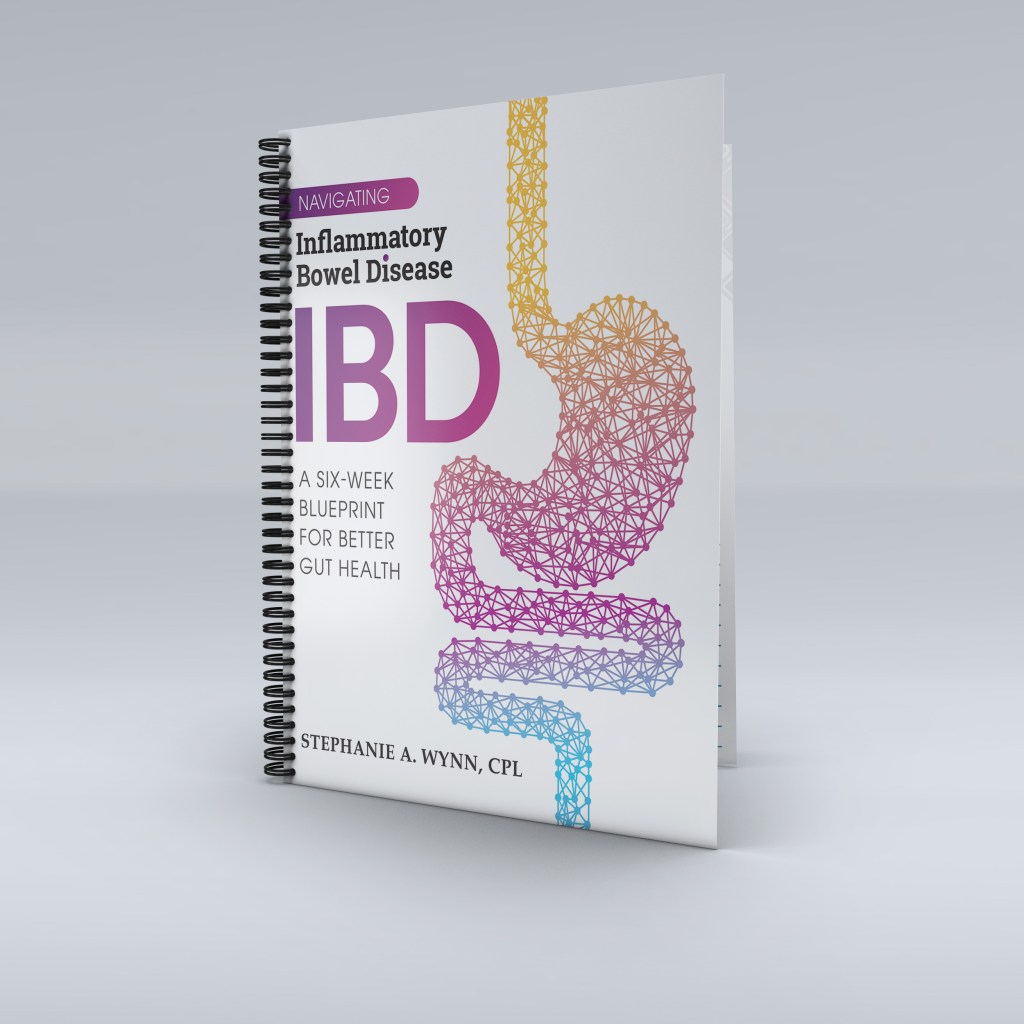


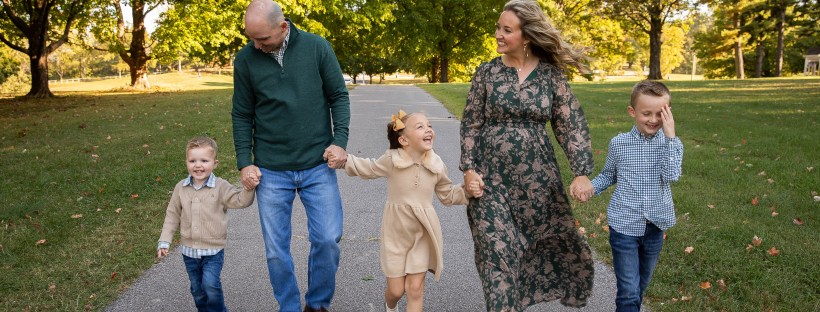


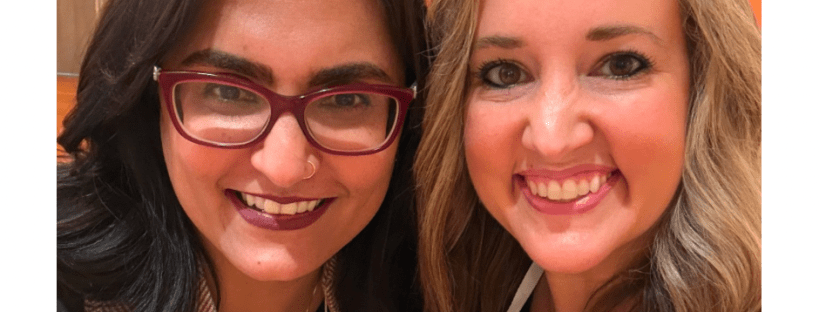


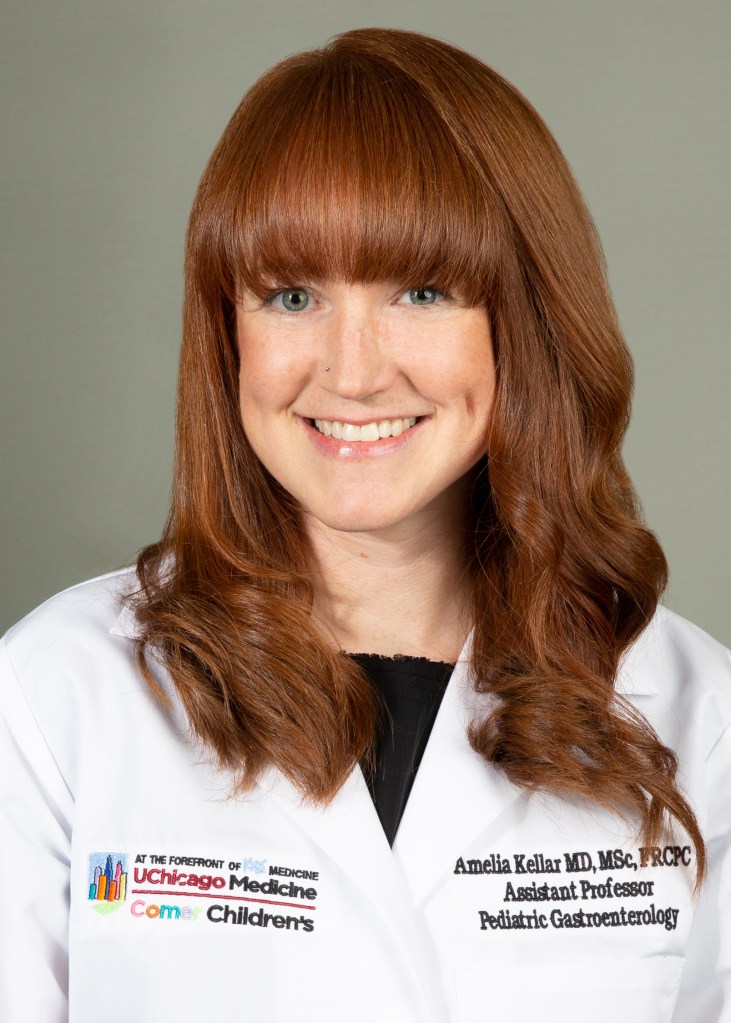








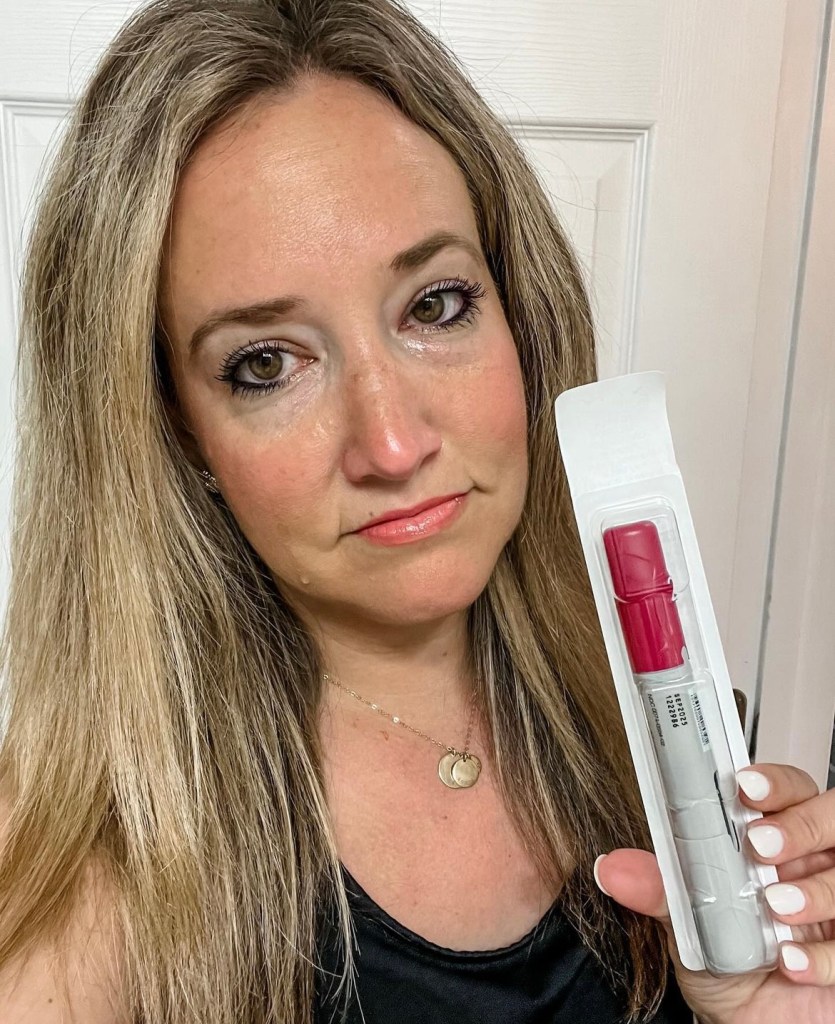
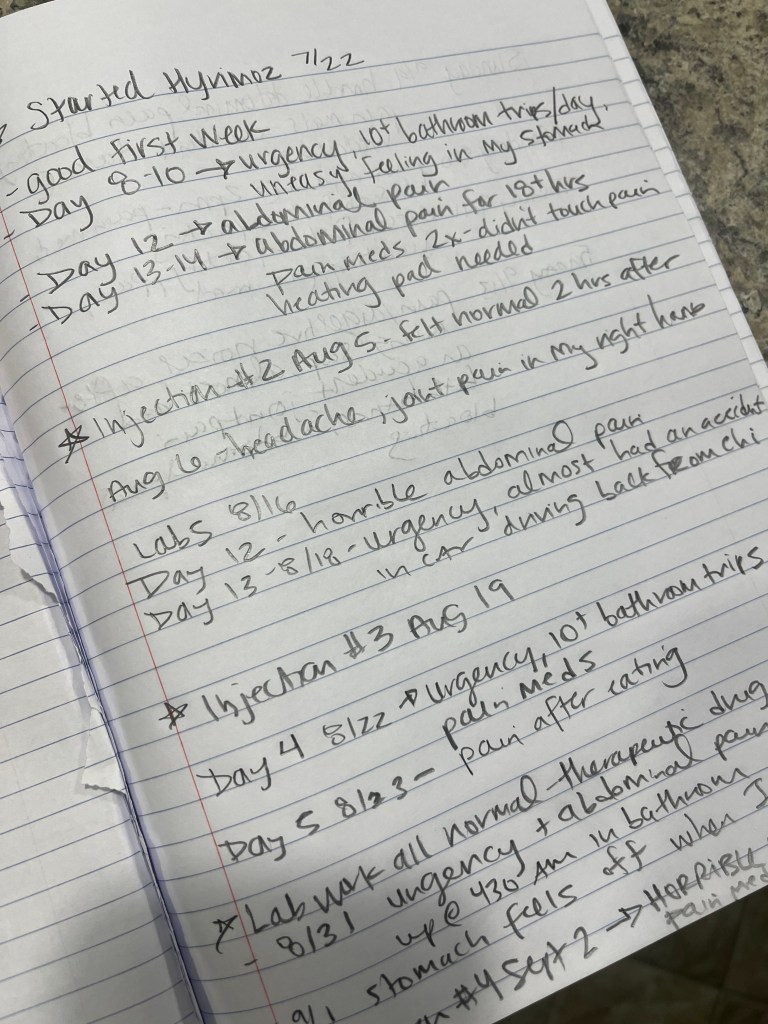
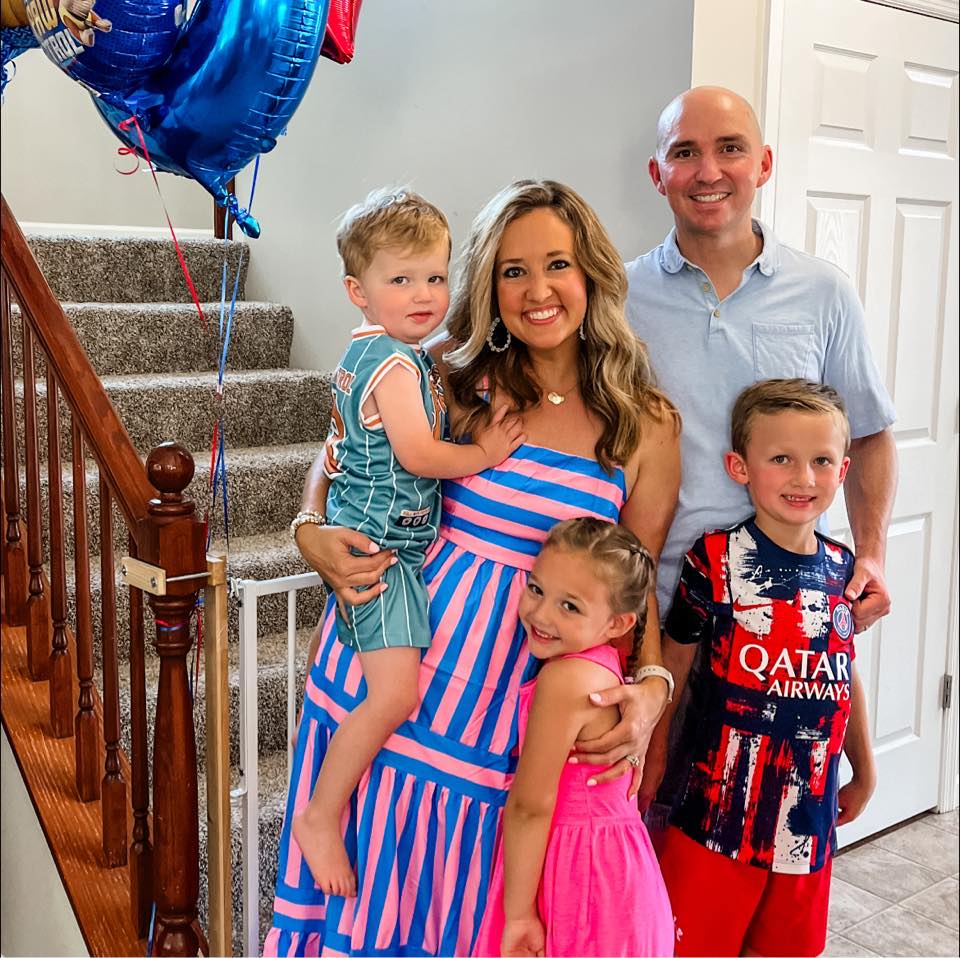


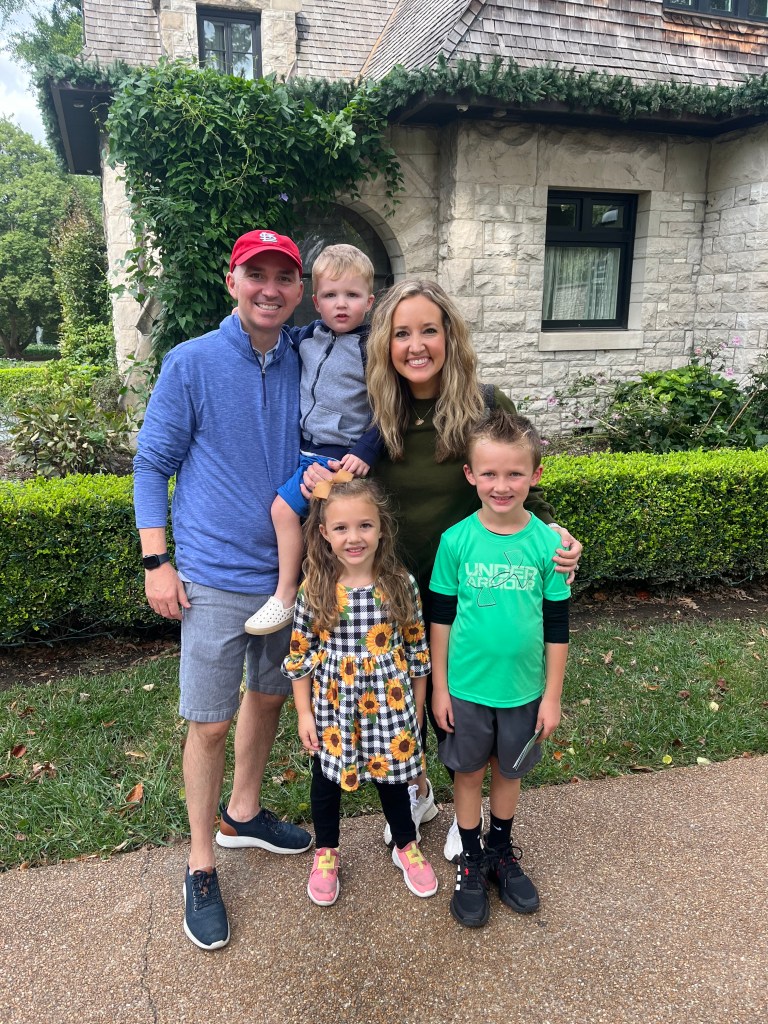
 lights camera crohn's