What the IBD Community Needs to Know about Getting an Additional Dose of the COVID-19 Vaccine

Over the weekend (Saturday, November 6) I received my third dose of the Pfizer vaccine. When I had my second vaccine on August 11, I never dreamed I would be getting another jab so soon. But here we are. In talking with several IBDologists and patients I felt the need to expound on this topic, as misinformation is driving quite a bit of confusion about what additional doses and boosters mean for the IBD community and how we can best sort through all the information being thrown our way.

What’s the difference between an additional dose (3-part vaccine series) vs. a booster?

Dr. Meenakshi Bewtra, MD, MPH, PhD, Penn Medicine, helped me better understand this by explaining, “a 3rd dose implies that you had a less-than ok response to two doses and need a “3-dose regimen” to get the same response that someone else would get with two doses.”

The 3-dose regimen caters to those who are severely immunocompromised—those on chemotherapy and organ transplant recipients.

“Most IBD patients do NOT have this problem. Some small studies have shown varying responses; the largest is PREVENT-COVID which was over 3,000 patients. The study found that those on monotherapy TNF had similar response to the COVID vaccines as the general population. It was only in the setting of combination therapy (anti-TNF plus azathioprine or methotrexate) that you had a blunted antibody response (again–this was a research study),” said Dr. Bewtra.

She went on to say she has not been recommending that all her patients get a 3rd dose—rather, reserving that for patients who are on combination therapies. At the same time, this is a very fluid discussion, and the decision needs to be made on a case-by-case basis between each patient and their physician.

A booster is if you had an adequate response to the first 2 doses and are now 6 months past your primary series and fall into the recommended categories (over 65 years old or age 50+ with high-risk medical conditions), if you are part of a younger age group with high-risk medical conditions, or for those who work in occupations that put them at high risk for COVID. Booster shots are most effective 6 months after your initial series for Pfizer and Moderna and 2+ months after J&J, although the data really supports waiting until at least 6 months for best response. Age is the biggest determinant of needing a booster, whether you have IBD or not.

Dr. Peter Higgins, MD, PhD, M.Sc., University of Michigan Health, explained this clearly on Twitter. He tweeted, “It is a catch-up dose for folks who for various reasons (anti-TNF’s, steroids, chemo) will not have a great response to two doses. To catch-up to everyone else. Then a booster dose later to keep pace.”

I’m *only* 38 years old. I’m *only* on Humira. Why am I getting a 3rd dose two months after my 2nd vaccine?

I saw my gastroenterologist for a check up last week and she ordered a SARS-Cov-Z Antibody (IgG) Spike Semi Quantitative test at Quest Labs. My results came back and from a range of 0-20, I was at 4.42. My GI was surprised my response had dwindled so quickly and recommended I receive a third dose to help mount a more robust response.

Dr. David Rubin, MD, Professor of Medicine, University of Chicago, and Chair of the National Scientific Advisory Committee of the Crohn’s & Colitis Foundation told me that multiple studies on antibody response in patients with IBD have shown that after two doses the titers are similar to that of the general population. So, my result, is an aberrancy compared to the data. He said getting a 3rd dose seems right for me, given my personal results.

“We have suggested the booster for everyone and think of the COVID vaccines as part of a 3-dose series. When it comes to true protection from the infection, memory B cells (cellular immunity) are more important than antibodies. There is not a commercial test for that yet, but we are studying it.”

In a recent talk Dr. Rubin gave about COVID, vaccines, and the updated recommendations for additional doses and boosters, he discussed how IBD is a condition of an abnormal immune response. Therapies to manage IBD are predominately immune-based and immune-modifying. The information shared by the CDC and FDA is not specific to IBD and is confusing (for everyone).

“CDC recommends individuals should get a third vaccine if:

  1. Previously received two doses of an mRNA vaccine
    1. Currently taking select therapies, including anti-TNF and anti-metabolites
    1. “Other biologic agents that are immunosuppressive or immunomodulatory”
    1. High dose steroids (prednisone ≥20 mg/d or equivalent for ≥2 weeks)

All other individuals are recommended to get a booster 6-8 months after second mRNA vaccination.”

But wait, what’s the recommendation on antibody tests? Are they valid?!

This is where I get confused too, folks. Prior to receiving my antibody test and following my doctor’s orders I was not aware that the FDA and CDC both strongly recommend NOT checking or acting on antibody levels, as the tests outside of research studies are unreliable and unvalidated. Antibody tests do not paint a full picture of our immune system.

“There are strong recommendations from the CDC, FDA and ACIP (Advisory Committee on Immunization Practices) that patients NOT check antibodies nor use them in decision making. The only time they should be used is in the setting of research studies,” said Dr. Bewtra.

The reason for this is multifold:

-Antibody tests are not validated.

-Since they are not validated, there is no comparison for values. For example, my 4.42 on one test may be completely different in a different test.

-We know that antibodies are testing only one aspect of the immune system—there is a LOT more to immunity than an antibody level.

Dr. Jami Kinnucan, MD, University of Michigan Health advises all her IBD patients to receive a third dose, or a booster vaccination based on their risk factors and immunosuppression medications.

Dr. Kinnucan says, “Overall the current recommendations are to get a dose #3 on certain immunosuppressive therapy, which is different than a true booster dose. In addition, it is hard right now to understand what the true threshold of immunity is with antibody testing so I would not put too much into antibody test results. I do not recommend that patient’s routinely have their antibody status checked (unless they are involved in current studies). I would recommend getting dose #3 or booster dose for IBD patients.”

Vaccinated diverse people presenting shoulder

During the holidays we should all continue to follow CDC recommendations when it comes to social gatherings, social distancing, wearing masks, and properly washing our hands. Everyone that you spend time with should be fully vaccinated so the only thing being spread is holiday cheer. If you plan to spend time with anyone who is not from your immediate bubble, it’s recommended they take a rapid test before coming over.

Key Reminders as We Head into the Holidays

Vaccines are not 100% protective and Dr. Bewtra says “no one is fully vaccinated.”

“No one should think that just because they’ve had two vaccines, or 3 or 4, that they are safe. Protection is a function of the community: when community levels are high, even if you just got​ your vaccine, you need to wear a mask and practice all the recommendations from the CDC.”

What are the studies saying about the IBD Community

The data from science is highly variable. Studies looking at Rheumatoid Arthritis are not translatable to IBD, even when patients are on the same drugs. We have the real-world data from IBD, and it shows that the vast majority of IBD patients respond to vaccines appropriately. So not everyone needs to rush out to get a 3rd dose.

“We are doing a lot of vaccinating “the worried well” in this country. That may be fine because we are in a rich enough place to do that over and over, but it should not infer a feeling of false protection​ and it may be unnecessary,” said Dr. Bewtra.

Closing Thoughts

On the fence about receiving a 3rd dose and/or a booster dose? Have a discussion with your physician who specializes in caring for your IBD and prescribes your medications. Much like how IBD and COVID manifest differently in each person, it’s not fair to make blanket decisions about the entire patient population.

Dr. Rubin wants to reassure those with IBD that they are not at increased risk of bad COVID outcomes (but not at decreased risk either). He says most patients with IBD on therapy beyond 5-ASA or budesonide are eligible to get a third dose now. For patients on combination therapy with anti-TNF and thiopurine, methotrexate or high dose steroids, it’s reasonable to get the third dose/booster early.

Stay tuned for the evolving research. As the months go by and more research studies are completed, we’ll have a clearer picture of how to tackle this as well as additional guidance.

Save the Date: Facebook Live Event on Global Perspectives on COVID + IBD

The South Asian IBD Alliance (SAIA) is hosting a Facebook Live event Saturday, November 20 at 10 am EST. Patients and physicians will share their perspectives on COVID from the United States, United Kingdom, and India. Doctors will explain study data on serocoversion (development of specific antibodies in blood serum as a result of infection or immunization) in IBD patients and what their thoughts are on boosters and a 3-dose regimen, along with their viewpoints on mixing and matching vaccines. Patients will share their experiences from each respective country and discuss the challenges the pandemic has caused in terms of care.

Additional Resources

Crohn’s and Colitis Foundation: COVID-19 Vaccine Additional Dose Position Statement 

COVID-19 Vaccines and IBD: What patients need to know (article by Dr. David Rubin)

Third doses of SARS-CoV-2 vaccines in immunocompromised patients with inflammatory bowel disease (The Lancet)

Podcast: IBD Drive Time: Does my Patient Need A COVID-19 Vaccine Booster?

Studies about how IBD patients are responding to COVID-19 vaccines:

If you don’t do so already, be sure to follow these experts on Twitter for up to the moment information:

Dr. Bewtra: @DrsMeena

Dr. Rubin: @IBDMD

Dr. Kinnucan: @ibdgijami

Dr. Higgins: @ibddoctor

7 Tips for Keeping IBD at Bay on Big Days

Whether it’s a holiday like Halloween or a wedding weekend (both of which I experienced the past few days), it’s important to stay ahead of IBD symptoms and be proactive in how you approach the big moments and the big days in your life so you can enjoy them. The unpredictability of Crohn’s disease and ulcerative colitis can feel suffocating when you are hoping and praying your body doesn’t betray you on the big days.

Here’s how I mentally and physically prepare so I can stay ahead of my Crohn’s and be in the moment with family and friends.

Be extra cautious with what you drink and your diet. Caffeine and alcohol are triggers for me…and for many people with IBD. The day of my brother’s wedding I refrained from drinking coffee and alcohol so I didn’t have to worry about needing to run to the bathroom in my bridesmaid dress or have to think about how bloated I could get from the abdominal pain a few drinks can cause. My Crohn’s felt non-existent the entire day, thank you Jesus!

When I am traveling and away from home, I am extra mindful of what I eat and keep it on the safe side, especially if I’m going on a road trip with my family or flying the friendly skies. You know your triggers, try to steer clear from them as much as you can. If I am celebrating a holiday at home or at my parent’s house, I tend to be a little “riskier” because of the comfort level I have using the bathroom there, resting, etc.

Be choosy about your shapewear. I don’t know about you, but ever since my Crohn’s diagnosis I’ve never liked Spanx, belts, or anything restrictive around my waist. I rarely ever wear jeans with a button. For my brother’s wedding I wore Spanx that were biker shorts that went up to the bottom of my bra and it was a game changer, especially being 3 months postpartum! I didn’t have any stomach or bloating issues. Highly recommend the Spanx High-Waisted Power Short.

Pack pain medication and maintenance meds. Just because you’re away from home celebrating a holiday or a wedding, doesn’t mean it’s time to be flippant about managing your disease. When I’m packing, I always take more than I need when it comes to pain medication, even if I haven’t needed it or used it for months. Bring extra strength Tylenol and any prescription pain medication you may need along with your “typical” medication (if you take it). Be mindful of how long you are traveling and if you could face delays, etc. If you are flying, always keep medication on you, so it’s right where you need it and so you don’t chance anyone taking it out of your luggage.

With my Humira I look ahead when I have a big event and plan accordingly. For my wedding for instance, my injection was due two days after I tied the knot. My GI had me move up my dose to the day of the rehearsal dinner so I could have some extra coverage.

Try and get as much rest as possible. With IBD we all know fatigue is one of our most difficult symptoms to handle. Throw in travel and being out of your normal surroundings and life can really feel like an uphill battle. Allow for downtime and breaks throughout the day if you’re able so you can give your body time to adjust to the hustle and bustle.

Practice deep breathing and mindfulness. If you feel symptoms creeping in try and take deep breaths and ground yourself. Lay down and gently put one hand on your chest and your other hand on your belly. Feel your stomach slowly rise and be present in the moment. Close your eyes—remind yourself that pain is fleeting and go to your happy place. Diaphragmatic Breathing, also known as deep breathing or belly breathing, helps to manage stress.

Don’t suffer in silence. This is the hardest part of all. I always struggle articulating when I’m not feeling well on the “big” days. I never want to damper the mood or make people worry so I internalize my pain and put on a smile. As a mom of three little ones, especially on holidays like Halloween and Christmas I never want to allow my disease to take away from the special, memorable moments. But this can make the struggle even worse. I find quietly telling my husband or my mom that my “Crohn’s is acting up” that it takes some of the weight off my shoulders so they at least know why I may need help, may not be as talkative, or may not seem to be acting myself.

Use these times as a “teachable” moment. Before I started sharing my story publicly, you’d never hear me tell someone I barely knew I had Crohn’s disease. But now, I find it extremely helpful to drop that line whenever I can. You’ll find making others aware can bring about much needed support, understanding, and even intrigue. Telling others I have Crohn’s disease feels like a normal, casual part of conversation now for me. At my brother’s wedding my IBD came up several times in conversation—with the hair and make up people, to my cousins coming up to me and saying, “I have co-workers with Crohn’s, and I tell them all about your blog.”

While IBD is not our identity, it’s a large part of who we are and impacts many of the decisions we make each day that can influence everything from what we eat or drink at a party or social gathering to how we participate in milestones and festivities. Taking the guesswork out for others takes a bit of the pressure off and can make you feel less overwhelmed and more comfortable and at ease.

IBD Motherhood Unplugged: Scopes, Scans, and Breastfeeding

The date for my next scheduled colonoscopy is on my calendar. Even though my scope is one month away, I’ve already started the mental prep of what’s to come. When you’ve had too many colonoscopies to count you know what to expect…which is both a blessing and a curse. This time around I’m exclusively breastfeeding my 3-month-old son. So, like any IBD mom may wonder, how does that correlate when you’re taking prep that cleans out your system and are put out for the procedure?

I checked in with Dr. Aline Charabaty, Assistant Clinical Director of the Division of Gastroenterology at Johns Hopkins School of Medicine, and Clinical Director of the Inflammatory Bowel Disease Center at Johns Hopkins-Sibley Memorial Hospital, as well as my own gastroenterologist (GI) so I knew what to expect and so I could pass along the information to you.

Juggling Kids and Prep

I’m already anticipating the hustle and bustle that I’ll be dealing with as I guzzle down the disgusting concoctions with my 4-year-old and 2-year-old running around as I care for our newest addition. Luckily, my mom flies in for every single colonoscopy (even before I had kids!) to offer emotional and physical support. Now, she gives me a hand with my kids, and this allows my husband, Bobby, to take me to the procedure and celebrate with me after it’s over. Highly recommend you line up childcare when prepping for a colonoscopy so you can focus on yourself and not deal with the stress of mom life on top of it.

Snuggling with my son, Reid, while I did my prep in 2019.

Dr. Charabaty understands what a challenge this can be and has fantastic advice for IBD moms on prep and procedure days:

  • Tell yourself you are doing the right thing taking care of your health, to stay well for you and for your kids.
  • Explain to the kids why mommy is a bit tired today, why she is not sharing their food and why she is going to the bathroom a lot.
  • Enlist help!! Have someone you trust, and who the kids know well, to keep them company and look after them while you are prepping the day before and on the day of the procedure. You need a responsible adult who is fully awake and alert to be with the kids and keep them safe during these days.
  • If your child is old enough to understand, have them play an active and fun role in this prep, for example reminding you to drink fluid during the day from a special cup they chose for you.
  • Hug your children often in between trips to the bathroom, to keep you going.
  • Give yourself plenty of rest after the procedure so you can be fully present to your children the next day.
  • Skip co-sleeping the first night after the procedure, as you might not wake up as usual in the night.

In the days leading up to my scope, I put myself on a self-imposed liquid diet 3-4 days ahead of time to ease the prep. It’s hard enough when I’m not trying to nourish a little person, along with myself. Anyone who has breastfed a child knows how hungry it can make you. My GI told me that despite only having liquids I would not need to supplement with formula. At the same time, she suggested I drink Ensure Clear Protein, which will not affect the prep and will help it. To combat dehydration, she reminded me to drink plenty of water up until two hours before the procedure.

“Breastfeeding women lose an average of 25 ounces of fluid a day through their milk. During the colonoscopy prep, make sure you drink plenty of fluid to keep the prep going and the milk flowing! Consider breastfeeding or pumping just before leaving for the procedure and as soon as you are recover and are awake after the procedure, to minimize discomfort of full breasts and minimize disruption in the usual breastfeeding/pumping schedule and optimize the volume of milk recovered,” explained Dr. Charabaty.

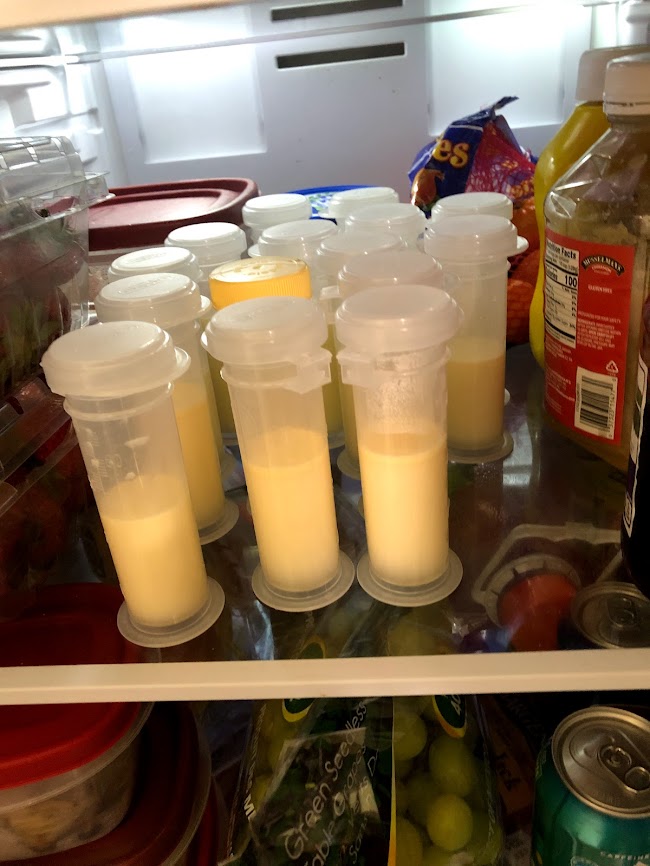
If nursing gets to be too much while I’m in the thick of my prep, I plan to tap into my freezer supply of milk so that my mom or husband can feed the baby while I’m holed up in the bathroom. By being proactive and thinking of these moments ahead of time, it’s one less thing to worry about and stress over.

Is Pump and Dumping Necessary?

Since we all know what colonoscopy prep makes us do, my initial thought was that I would need to pump and dump so my son wasn’t pooping up a storm along with me. I envisioned myself on the toilet with my pump nearby…talk about a living hell! Luckily, my GI said there’s no need to pump and dump with the prep or with the procedure since my care team uses Propofol and Dr. Charabaty agrees.

“Preps like Miralax, Golytely, Moviprep, Fleet phosphosoda, and Dulcolax, are not absorbed from the gut and do not enter the breastmilk; so, no need to pump and dump with preps, save every drop of this precious liquid! There are older recommendations to pump and dump the milk 4 hours after receiving anesthesia; however, review of the data show that most drugs used for anesthesia (midazolam, fentanyl, propofol, ketamine) do not cross into the breastmilk or if they do, the concentration for the drug in the breast milk is too low to affect the baby.”

Click here to lead the latest recommendations from the Association of Anesthetists that supports this guidance.

What about prep for MRE’s and CT scans?

“Radiological contrast agents used in CT and MRI are safe during breastfeeding, but be cautious with Technetium containing contrast that is used for nuclear medicine procedures. Some recommend pumping and dumping for 12 hours; other recommend pumping for 72 hours. Store the milk and only give it to the baby after it has been stored for 72 hours.”

The bottom line

“You can continue to breastfeed baby as usual following the colonoscopy (or endoscopy), as soon as you have recovered from anesthesia, and you are awake enough to hold the baby! Talk to the anesthesiologist before and after the procedure for advice, in case different or unusual medications were needed during the procedure. If you feel tired or sleepy, let someone else handle the feeding. Kudos for taking care of both your GI health and baby’s health!”

As an IBD mom having this intel is extremely comforting and puts my mind and heart at ease as I prepare for another colonoscopy, this time with another little one in tow.

IBD Motherhood Unplugged: Fully Vaccinated and Pregnant with COVID

It’s safe to say IBD mom, Amanda Pennewell, is grateful she’s days away from welcoming baby number four into the world. Despite being fully vaccinated, she came down with COVID when she was 34 weeks pregnant. Amanda was diagnosed with Crohn’s disease 20 years ago when she was only 8 years old.

Amanda is no stranger to being on a biologic during pregnancy. She was on Humira with her twins and over the course of the last two years she was on Stelara with her second pregnancy and her current one. It’s one thing to be an immunocompromised pregnant woman, I can attest from personal experience, it’s extremely worrisome when living through a pandemic and worrying about your IBD and the possibility of COVID turning your life and that of your unborn child upside down.

Coming Down with COVID

One second Amanda’s oldest daughter, Brooklyn, was at a friend’s birthday party being her energetic, sweet, self and when they arrived home, she laid down on the couch and said she was freezing. Brooklyn had a low-grade fever. A few days prior her 17-month-old, Caroline, also had a fever.

“I didn’t think anything of it until a friend from school called to tell me her son tested positive for COVID after being seen for a low-grade fever that lasted six hours or so. My husband went to get some at home rapid tests from Walgreens. It was late, and I was supposed to have him help me with my Stelara injection that night. I figured I needed to wait until I could contact my GI doctor to inject if it was positive. It was.”

Amanda was in a state of shock. Her and her husband had both been fully vaccinated for months. At the same time, given the nature of mom life, once her daughter tested positive, she felt it was inevitable she would, too.

Navigating a biologic, pregnancy, and COVID

When Amanda’s GI heard she had COVID, she recommended she delay her Stelara injection for the time being to see how she did during the quarantine period. Amanda’s initial symptoms were a sore throat and a headache.

“I kept in touch daily with my GI doctor and her nurse via phone and email. They were very worried about me—especially because I was about 34 weeks pregnant. I ended up waiting two weeks after my daughter and I tested positive before I did my Stelara injection. I had been symptom-free for a week at that point, and they knew I would be okay to inject then.”

Along with herself and her daughter, Amanda’s husband and dad also tested positive. But Amanda says out of everyone in their inner circle, she felt the worst.

“My symptom list continued to grow each day. The first day the sore throat and headache were my only symptoms. I then developed a cough and muscle soreness and pain. I took about four-six baths/showers each day and took Tylenol to remain functional. I had extreme fatigue and ordered a pulse oximeter to monitor my oxygen level. I had a low-grade fever. I also lost my smell and started to lose my taste. My OB doctor had called me and said I was eligible for a monoclonal antibody infusion, and they would recommend it for me since I also have Crohn’s disease.”

Amanda took a few days to think it over and discussed the infusion with her GI, who recommended she receive it as well. After getting the 30-minute antibody infusion, Amanda felt worse. Her fever spiked and she was shaking. Luckily, by the evening she turned the corner and started feeling significantly better.

Advice for Fellow IBD Moms

COVID caused Amanda to miss one of her high-risk ultrasounds, but she was able to get a scan at 36 weeks. She’s grateful baby girl is looking great and measuring right on target despite all she’s been through during this pregnancy.

“My advice to fellow pregnant IBD moms would be to stay in close contact with all of your doctors, even if you think they can’t help you. I normally just try to keep my primary and my GI doctor informed when I’m sick with something, but since I had to cancel my OB appointment, they knew I was exposed and then knew, I was positive. They were the ones able to set up the infusion for me. Had I not called, I wouldn’t have known about the infusion and that it was available for me. I don’t want to think about what could’ve happened if I hadn’t had that option.”

Amanda is hopeful her daughter will come into the world with solid antibodies given that she was pregnant with her when she received her second Pfizer vaccine, plus the fact she had COVID and received the monoclonal antibody infusion.

Connect with Amanda on Instagram: @thepennegram

IBD Parenthood Project: How to Take on a Postpartum Flare—The Fear and the Reality

This post is sponsored by the American Gastroenterological Association (AGA). I am a paid program Brand Influencer; this post is sponsored and includes my own personal experiences.

While bringing a child into this world is one of the greatest miracles one can witness, it also brings about a world of worry for women with Inflammatory Bowel Disease (IBD). From the moment family planning begins, throughout pregnancy, and during postpartum, when you live with Crohn’s disease or ulcerative colitis it can feel like you’re just constantly waiting and wondering when the other shoe is going to drop. The looming fear of a flare during pregnancy and once baby is here is valid, and it’s real.

The unpredictability of IBD is amplified ten-fold when you have another life to care for and another life on the line. As a mom of three kids, ages four and under, who’s lived with Crohn’s disease for more than 16 years, flaring and being forced to leave my family to be hospitalized is something that’s always in the back of my mind. I know in my heart of hearts, it’s not a matter of if, but when. So how can we thrive through the unknown and not allow this fear to rob us of the joy of motherhood? The American Gastroenterological Association’s IBD Parenthood Project aims to serve as a resource every step of the way to help you feel less alone and more in control of your wellbeing.

Reading Between the Positive Pregnancy Lines

When you receive a positive pregnancy test, your world changes forever. It’s at this point that your IBD directly impacts another life. Prior to becoming a mom, I used to wait until the last possible moment to head to the emergency room. For one of many hospitalizations in my 20’s, I waited so long that my dad had to carry me as a grown woman through the hospital doors like a groom carries his bride. Fast forward to present day, and I’ve learned that it’s in my best interest to wave the proverbial white flag when I start experiencing symptoms that are sidelining me more than they should. The moment you relinquish control of your illness and see it less as an adversary and more as an ally, is the moment you won’t constantly feel pushed up against a wall. While it’s not easy to admit you are struggling, it’s empowering to know you’re being proactive and doing all you can to thrive.

When I write my gastroenterologist (GI) on the patient portal and express concerns about how I’m feeling, she calls me back and we come up with a game plan that makes the most sense. After I had my daughter, Sophia, I started feeling abdominal pain shortly after bringing her home. My GI knew I was breastfeeding and called me with safe options so that I could continue to do so. Because we nipped that minor flare in the bud, my remission was maintained, I didn’t land in the hospital, and I was able to be home and be present for my growing family.

I delivered my third baby, Connor, in July, and since then I’ve noticed an uptick in bathroom trips and abdominal pain. Since Connor is my last baby and I know I’ll never feel as well as I did when I was pregnant, it’s a bit more emotional for me. Luckily, with all three of my pregnancies, my Crohn’s was completely silent. I felt like a “normal” person. Knowing that it’s just me and my Crohn’s from this point forward hits differently. There have been countless days where I have been forced to keep a baby carrier in the bathroom, readily available, with space for my two older children to stand or play while I sit in anguish on the toilet wondering if this is it as I look with tear-filled eyes at my three healthy children before me. I won’t be surprised if I reach out to my GI in the days ahead for guidance, just to be cautious. I have a heightened awareness right now about the extra bathroom breaks and the gnawing pain that’s coming and going after I eat. Whether you are beginning the family planning process or postpartum, ongoing communication with your GI through all stages of having children is so important.

Addressing the Fears of IBD Women

The IBD Parenthood Project aims to address misperceptions about IBD and fears many women with IBD can experience through all phases of family planning (conception, pregnancy and after delivery).

Patients can find answers to common questions like:

  • Can I get pregnant with IBD?
  • Does IBD affect my fertility?
  • Will I pass IBD on to my baby?
  • Can I stay on medicine during pregnancy?
  • What if I flare during pregnancy?
  • Is it possible to have a vaginal delivery?
  • Can I breastfeed while on medicine?
  • Does my medicine change how I vaccinate my baby?

When it comes to the postpartum period, there’s a guide for postnatal care. The toolkit is a direct response to survey findings that reported women with IBD want more and better information about managing their disease. Being proactive and advocating for yourself throughout the pregnancy journey and as an IBD mom will not only make you feel empowered, but provide you with a sense of control, despite the unpredictability of your disease.

Thriving in the Face of the Unknown

Whether you were diagnosed with IBD prior to starting your family or after you delivered, Crohn’s and ulcerative colitis force us to wake up each day without knowing what the next hour will bring — all while raising children. Trust that your IBD will serve as a foundation for strength and that your kids will be your greatest motivators to push through and see the beauty that exists in your life despite your chronic illness. The IBD Parenthood Project is an exceptional tool that’s a reminder we are not alone in our worries, our dreams, and our struggles. I’m grateful our community has a resource that removes the gray area so many of us have encountered as IBD moms and helped be a light to lead us on our way to successful pregnancies, families, and motherhood journeys.

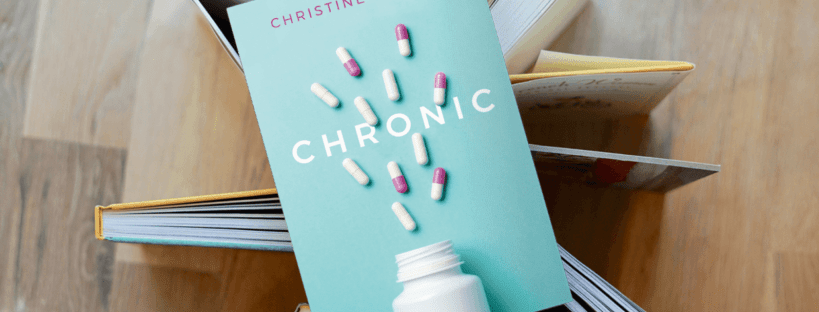
“Chronic”—The book the IBD community didn’t know it needed

There’s power in surrendering to your IBD. It takes time to reach that mindset and it’s something author and patient advocate Christine Rich eloquently explains in her debut book, “Chronic”. Christine reached out to me when she was doing the initial writing research and we hit it off instantaneously. There’s something magical about connecting with strangers who understand your reality. You may be thousands of miles apart, with different back stories, but the common thread of life with chronic illness makes you feel seen, understood, and like lifelong friends.

Christine, now a 41-year-old married mom of two, was diagnosed with Crohn’s when she was in high school. It took time and struggle for her to truly process all she endured and reach the point where she is today.

“Many of us are taught to smile, be grateful, and make everyone else feel all comfy and cozy at the expense of our own comfort and well-being. The problem with these types of expectations is that they are lies that create loneliness and rage that eventually turn women against themselves and their potential.”

This quote really spoke to me. Having an invisible illness like Crohn’s disease, one of my biggest struggles in my 16-plus years since diagnosis has been feeling comfortable with making those around me know how uncomfortable I am in any given moment. It often feels a lot easier to just put a fake smile on and pretend you’re not in pain. But, in doing so, we are only hurting ourselves and deepening our personal struggles.

Advocate for and take care of your body

Christine’s powerful journey exemplifies all the work and personal development it takes to discover self-acceptance, grieve the loss of the former you, ask for help, and feel empowered. She speaks of the trajectory we all go on from the point of diagnosis to becoming a “veteran” patient years later. Take a moment to think of how you have personally transformed since you were told you had IBD. That transformation is one that takes a great deal of time and personal growth, but once you come out on the other side you won’t look back aside from reflecting on how far you’ve come.

“When I walked in for my outpatient procedure that warm July morning, I was arrogant, afraid, angry, and emotionally incompetent. When I walked out (well, wheeled out is more like it) I was humbled, vulnerable and awake in a way I had never been before in my adult life.”

This quote paints the picture of what life is like with flare ups that result in hospitalization and how we evolve through the setbacks. Often those in our lives think we’re “all healed” the moment we cross through the hospital doors, when in actuality the healing process is something, we’re constantly going and growing through.

Thinking of your body as an ally, not an enemy

One of my favorite chapters in “Chronic” is Chapter 14—The 4th F. Christine’s words and experiences really resonated with me.

“After working through the peak of my resistance, denial and rage I realized I had made an enemy out of my body for far too long. I had turned my back on her for being different. She wasn’t broken. I wasn’t broken. We were both sad and not fully aware of the other. I needed to learn how to stop fleeing and fighting my body…I needed to befriend it.”

She goes on to explain how altering her perception of the way she looks at her body and thinks about it, has shifted her entire life experience, and brought her to where she is today.

“I was faced with a choice: continue to carry this anger and self-hatred until it sunk my health, my marriage and my self completely, or decide to feel it all and acknowledge that my body is not and never was an apology, enemy or failure.”

Rather than our community thinking of Crohn’s and ulcerative colitis as a villain trying to destroy it, Christine asks what if we treated our chronic illness as a small child seeking love and attention?

“What if I could make friends with my body? Love her and care for her like I do my own children.”

In my own personal experience with Crohn’s, I’ve also learned to be in-tune to the subtle signs my body is trying to communicate through symptoms. Rather than constantly shutting that communication out and trying to push it to the back of my mind, like I did in my 20’s, now, I listen closely. That voice is part of a constant inner conversation that is part of every hour of every day of my life. Even in remission—each choice, each decision I make, has my Crohn’s in mind. Because as an IBD mom of three, my disease impacts a lot more than “just” me.

“Although I would never be able to control the circumstance of my diagnosis, I could control my perception and reaction to it. I could start telling the truth. I could stop punishing myself.”

This is so important. Even though we were all powerless over receiving our diagnoses, we’re not powerless in how we choose to live life after our diagnosis. The unpredictability of the disease may make us feel like we’re constantly on edge, spiraling out of control, but by being proactive rather than reactionary and by making efforts to manage our disease on every level (physical, emotional, and mental) we set ourselves up for a much-improved quality of life. IBD doesn’t have to be the headliner of our lives, it can be more of a footnote.

There’s no fixed end point with chronic illness

Christine says her therapist tells her to go to her 17-year-old newly diagnosed self as her current 41-year-old self and hold her hand. Tell her it’s not her fault. She goes on to explain how there’s no fixed end point with chronic illness and that the collective power of patients in the IBD community must discuss the mental anguish that’s often brushed under the rug.

“For the life of me I can’t figure out why mental health screenings aren’t standard practice of care. They test and screen us for everything else. They test our blood and our stool. They examine our rectums and colons. They poke and prod us top to bottom…they examine everything but our minds.”

She calls on all of us to be “chronic truth tellers”—which I love. The more doctors hear the same message over and over again directly from patients, the better chance we have to impact change. This takes effort and a heightened sense of vulnerability on our parts, but reaps endless benefits. We can’t take care of our whole self by simply focusing on the physical manifestations of our illness.

In “Chronic” one of my favorite lines is when Christine recalls how one of her yoga teachers once said, “what we resist—persists.” In IBD terms—every time we resist telling our care team, loved ones or friends about symptoms and struggles, things will only snowball and get worse.

“In order to advocate for ourselves we must also be chronically curious about ourselves. Being chronically curious about yourself starts with a clear understanding of what makes you feel good and whole.”

The overarching theme in this remarkable and must-read book are to keep showing up for yourself every day. Stop running away from the discomfort. Acknowledge it, explore it, and feel it—all of it—the good, the bad, the embarrassing. Christine Rich started out as a stranger on the phone with a dream of becoming an IBD patient advocate and published author. Not only did she accomplish all the above, but she did so in a way that even her personal experiences will feel like something you can relate to and grow from. As a fellow woman with IBD I stand up and give her a round of applause and a big hug for so bravely and candidly speaking the words so many before her felt too silenced and worried to share. Bravo, bravo, bravo.

Order “Chronic” on Amazon here.

Connect with Christine Rich:

Instagram: @christinerich_author

The IBD Parenthood Project: The Love-Hate Relationship of Breastfeeding

This post is sponsored by the American Gastroenterological Association (AGA). I am a paid program Brand Influencer; this post is sponsored and includes my own personal experiences.

Breastfeeding is a labor of love. Like many women, it doesn’t come easy for me. As an IBD mom who already fears passing my disease down to my kids, there’s added pressure and stress. In the United States, an estimated 1.6 million people have Crohn’s disease or ulcerative colitis. Of those, roughly half are women, and most will carry the diagnosis during childbearing years, throughout all phases of family planning: trying to conceive, pregnancy and postpartum. As an IBD mom of three going through postpartum right now, one of my biggest stresses and focuses revolves around breastfeeding.

-What if I take this pain medicine for my Crohn’s? Will I need to supplement? 

-What if I have a postpartum flare, will my milk supply go away?

-What will happen if I’m hospitalized?

-Will I flare once I stop breastfeeding and my hormones regulate?

-If I stop too soon, will my child end up having an increased risk of IBD?

…the list goes on…

The journey to motherhood for women with IBD requires several complex decisions and coordination among specialty care teams from the stage of family planning until postpartum and beyond. The IBD Parenthood Project aims to address common misperceptions and fears women with IBD and their providers experience throughout all phases of family planning (conception, pregnancy and after delivery). By eliminating the gray area and serving as the gold-standard for navigating pregnancy and motherhood with IBD, our patient community can rely on this support that helps uncomplicate the journey.

This beneficial and much-needed initiative was created by gastroenterologists (GIs), maternal-fetal medicine (MFM) subspecialists, and patients and is led by the American Gastroenterological Association (AGA) with support from the Society for Maternal-Fetal Medicine, the Crohn’s & Colitis Foundation, and patient support network, Girls With Guts. The IBD Parenthood Project launched in January 2019, just as I delivered my second child. To this day, I feel so grateful to have this information and confidence in my choice to become a mom even though I’ve lived with Crohn’s disease for more than 16 years. It’s empowering to know despite the unpredictability of IBD, this initiative allowed me to feel like I’m in the driver’s seat when it came to creating my family and knowing the choices I’ve made were and are supported by science and medical facts.

To the random lady in the church elevator who asked me if I was breastfeeding my son Reid when he was a month old, and I was a first-time mom.

To the lactation consultant after I delivered my daughter Sophia, who told me since I have Crohn’s, it’s imperative her gut only be lined with breastmilk.

To the nurse coaching me nonchalantly about breastfeeding my son Connor and underestimating the challenges it can present…who I later found out “only” breastfed one of her children for 2 weeks…

To anyone who is struggling with the physical, emotional, and mental stress of something that sounds “easy” and “natural” — simply feeding your baby — I get how complex and taxing it is. I’m in the thick of it now with my son who was born July 14. So far, he’s only had breastmilk…both from nursing and by a bottle. But it’s not pretty for me. The engorgement, the round the clock pumping, the soaked t-shirts, the night sweats, the discomfort to even wear a bra or sleep on my side. It weighs on me. There’s the outside pressure and the pressure I put on myself to keep going, even though I don’t enjoy it. It’s super rewarding to see Connor thriving and making gains all because of me. But there’s also a lot of stress to be a child’s only source of food, especially as an IBD mom.

Different feeding approaches with all my babies

With my firstborn in 2017, I wasn’t well-versed on the benefits of breastfeeding and feared not only further exposure to my biologic, but also flaring, so I only breastfed my son for 3 days in the hospital so he could get colostrum. By 2019, I was well-versed on the positive impact and the safety profile associated with breastfeeding while on a biologic, so I breastfed my daughter until she was 6 months old. I had hopes of making it a full year, but unfortunately my milk supply disappeared once my menstrual cycle started back up. This time around, I felt the anxiety about having to breastfeed creep up when I was only a few months pregnant. Between research showing that breastfed babies have a lower risk of IBD, coupled with antibodies from the COVID-19 vaccine, I feel the need to do all I can to protect my son from the what if, even if it feels mentally, physically, and emotionally taxing each day.

The Fourth Trimester has several challenges for women that often go undiscussed. However you choose to feed your child is your business and should be based on what is best for you and your family. This is a judgement free zone. I’ve fed my three babies differently. But the pressure mounts when you yourself have an illness with no cure and feel as though breastfeeding can help improve your odds of not passing it on to your offspring. In my mind, down the road, I don’t want to ever think I coulda, shoulda, woulda done anything differently when it comes to protecting my offspring from IBD.

The IBD Parenthood Project tackles some of the common questions related to breastfeeding as an IBD mom. There’s a downloadable toolkit that features patient-friendly information and easy-to-digest lists of key questions to ask your doctor as you’re thinking of becoming pregnant and beyond.

What I Want Fellow IBD Moms to Know

Navigating motherhood while taking on IBD is overwhelming. With proper planning, care and coordination among treating healthcare providers, women with IBD can have healthy pregnancies and healthy babies—and breastfeed if they choose to do so. For me, breastfeeding provides a sense of normalcy and gives me a renewed sense of love for what my body is capable of, despite having Crohn’s disease. Give yourself credit for going through pregnancy with IBD, delivering a baby, and continuing to nourish your little one with your body when they are in the real world. The blood, sweat, and tears are inevitable.

Just this week I experienced awful abdominal pain. The kind of pain where you can barely breathe, your hands start to tingle, and you go back and forth about whether a trip to the emergency room is imminent. As I rocked myself on the toilet and heard my newborn crying in the bassinet my mind raced. My 4-year-old stood before me. I could see the fear in his eyes. My immediate thought was—what can I take to get this pain under control—will it affect my ability to breastfeed? In that moment, the pressure to think outside of myself and manage my disease felt suffocating.

There comes a point when the mental health and wellbeing of the mother must come first so she is able to be the best version of herself for her kids. If breastfeeding is taking away from the joy you could be experiencing or the connection you are longing for with your child, don’t feel guilty. Whether your child is exclusively breastfed, or formula fed, or receives a little of both, they will thrive. I’m personally all about flexible feeding. A little nursing, some pumping, and some formula has worked best for me. When the time comes, and I need a break or feel too consumed by being the sole provider of nourishment for Connor, I’ll feel confident in supplementing with formula. There’s no shame in my game and there shouldn’t be in yours, either. Take advantage of invaluable resources like the IBD Parenthood Project and be confident in each of your personal health decisions when it comes to whether or not you want a family and how you choose to feed your baby.

IBD Motherhood Unplugged: Completing My Family Through Surrogacy

When IBD mom Jessie Magaro was pregnant with her first child, she knew early on she wouldn’t be able to carry another baby herself. Between the hormones from IVF and her Crohn’s disease raging, there was no way her or her doctors felt comfortable embarking on another pregnancy.

Before she got pregnant, Jessie had been in remission for more than 12 years. With pregnancy and IBD, there’s the ‘rule of thirds.’ One third of women will see their symptoms improve, one third will stay the same, and one third get worse. Unfortunately, Jessie fell into the last category. Since having her daughter, Mary Ligon on New Year’s Eve 2018, Jessie’s gotten an ileostomy and has grappled with her Crohn’s being out of control. When her and her husband started thinking about baby number two, she knew surrogacy was her safest and smartest option.

“My daughter Millie (born in April 2021) needed me more to be there as her momma once she got here than she needed me to carry her. Not only was my baby safer, but I was in a much better position health-wise to care for both my daughters.”

The Surrogacy Process

Surprisingly, the FDA controls surrogacy and has specific requirements for the IVF part of the process. Jessie recommends making sure your fertility clinic is well-versed on how everything goes down. Surrogates and biological parents go through medical testing and psychological evaluations prior to the transfer of the embryo.

“This was probably the hardest part for me mentally and emotionally. I was so frustrated and hurt that I had to pay someone a pretty penny to tell the government that I was mentally ok to have my own baby. It was just pouring salt into an already large and festering wound. Can you imagine having to have a stranger tell you if it was ok or not for you to bring your own child into this world?”

It’s important to note that surrogacy laws vary state to state, but in Georgia (where Jessie lives), you must adopt your baby back from the surrogate, even if the child is 100% genetically yours.

“You hire an attorney (one for yourself and one for your surrogate) and they actually file a lawsuit claiming your parental rights to the unborn baby on your behalf. I had to go before a judge and field questions on why I was pursuing surrogacy and whether or not I felt my husband and I were able to take care of the child once it was born. Again, insult to injury.”

There are several ways to go about surrogacy:

  • You can hire an agency to find you a surrogate and manage the process
  • You can use a friend or family member (they will still have to be medically and psychologically cleared by the clinic)
  • You can try to find one via word of mouth in your community.
  • There are tons of Facebook groups where you can “match” with one (local, regional, national, interest groups i.e., christian, altruistic, low comp, natural minded, etc). 

“Normally, you would be able to attend all OB appointments with your surrogate, but Covid made things a little trickier for us. We were unable to attend the transfer, which was sad, but I was able to go to a fair amount of the appointments. My husband unfortunately wasn’t allowed to attend any. We both were allowed to be in the room for the birth though and that was the most important thing to us.”

The experience of having a surrogate

Jessie says had she not been able to carry her first child that she feels surrogacy would have been harder on her. She feels so fortunate that she was able to experience pregnancy once.

“I had already gotten to a place mentally and emotionally where I knew the only way to get my daughter here safely was by having someone else carry her. I wasn’t ever triggered per se by seeing a pregnant belly because I knew she was safer inside our surrogate. I had so much PTSD and trauma from my first pregnancy as well that looking at another pregnant person never made me think “oh man I wish that was me again” if that makes sense. I did/do still deal with mourning though over how pregnancy played out for me and that I was unable to carry safely again. I also find myself spiraling occasionally thinking about how much it cost us to get our children here versus someone who could just have them themselves naturally. It’s been a massive financial burden/sacrifice for my husband and I (but oh so very worth it).”

The Financial Cost of Surrogacy

When looking into surrogacy, Jessie tells me you can ballpark around everything costing $100,000. There are many factors involved that play into whether that number is more or less depending on if you’ve already gone through IVF and have embryos. Much like IVF, there are some grants available for surrogacy, though much less common.

“The ways to bring the cost down for surrogacy would be to do an “independent journey” like we did where you don’t use an agency. You can also use a surrogate (whether it’s a friend, family member or even a stranger) who does not want to be compensated or wants very little. Medical bills will bring the cost up or down significantly depending on insurance plans and same with your legal fees as those will vary based on the surrogacy laws in your state.”

Defending her Decision

While Jessie says it was empowering to make the decision to utilize a surrogate to do what was best for her health and for her family, it’s been frustrating to constantly feel like she still needs to defend her decision to other people and even some doctors.

Whether it was …

“Aren’t you worried about having another child when you’re so sick?”

“Why don’t you guys just adopt??”

“Aren’t you worried the surrogate will want to keep the baby?”

“Aren’t you worried she won’t know you/you won’t be bonded to her??”

“Just one kid is great you should just be ok with having just the one”

etc …

“I know most of the time these comments don’t come from a place of mal-intent, and I try to use them as an opportunity to educate if it feels productive, but everyone is different what they’re open to accepting in their heart and their mind. In my mind, the girls are going to know the stories of how they came to be eventually, and hopefully they’ll see how wanted and loved they were. How unbelievably hard they were fought for. And how many people played a part in bringing them into this world.”

Managing IBD and Motherhood

Prior to looking into surrogacy, Jessie and her husband had to discuss at length if they would be able to handle a second child with her IBD. They also had to loop in their families knowing they would need their help when they couldn’t manage everything on our own.

“My husband and I say all the time, in all seriousness, that my illness has become a third child in a sense. There’s not a day, hardly an hour, that I don’t have to think about my Crohn’s or manage something with it in some way. It’s a difficult balancing act every day when I wake up trying to prioritize who needs the most at what moment (my kids, myself, or even my husband). I deal with a lot of guilt and grief with that. That I’m not the mom or wife I want to be … that I’m not able to give everyone what they need and deserve.”

Jessie often thinks of the oxygen mask analogy and says as an IBD mom it’s imperative to make sure her proverbial mask is on and secured first before she can help anyone else, which is very hard to do as a mother. 

Meeting Millie the Day She Was Born

It makes Jessie emotional to think about what it was like to walk into the hospital with her husband and know they were about to meet their daughter. They were able to be in the delivery room when Millie came into the world.

“I had an overwhelming sense of gratitude looking at our surrogate knowing what SHE went through and had sacrificed to get her here. All the anxiety I had been suppressing for months and months from having someone else carry her, to giving up all control, to doing it in the middle of the pandemic, to being so scared something would go wrong like it so often had for us in the past. It just all came pouring out of me uncontrollably as she was pushing. The moment she was placed in my arms it just felt like a lightning bolt connecting us. I felt bonded to her instantaneously. She was mine and I was hers and there was nothing on this earth I wouldn’t do to protect her.”

Jessie knew from the start of this journey that her surrogate would be a lifelong friend. Their families grew close through the process, and they live nearby one another. She says she’ll always hold a deep place in her heart for her and is incredibly grateful to be a family of four.

Discovering the Root Cause: How a Patient Turned Physician Helps the IBD Community

This post is sponsored by Naturally Free from IBD—all thoughts and opinions are my own.

She’s a doctor with IBD who says her call to medicine began from her own hospital bed. Dr. Christina Campbell, DO, Certified Functional Medicine Physician, Board Certified Emergency Medicine was diagnosed with Crohn’s disease 40 years ago when she was only 12 years old. She’s utilized her own personal struggles and setbacks to guide the way she treats patients and helps others in our community. Through her own journey, she says many doctors left her feeling frightened, unmotivated, even angry. Christina learned early on about the importance of bed-side manner, compassionate care, and the gift of not only listening, but hearing what a patient is expressing. Her overarching goal—to be a physician who inspires faith, confidence, and a will to fight within her patients.

She’s dedicated her life’s work to facilitating and growing the value of a patient-physician partnership rather than what she calls a “DOCtatorship.” Christina believes that a personalized approach to health works better than recipe medicine, meaning she’s passionate about finding the root cause of disease and improving underlying health and the body’s biochemistry by intervening at the level of the root cause, through a functional medicine approach. Before we dig into the amazing work she’s doing, let’s take a walk down memory lane to see how Christina got to the point where she is today.

Christina’s Journey with Crohn’s

A diagnosis of IBD in 1983 looked a lot different than present day—and not for the better. When she was 14 years old, Christina faced a near death experience from extensive bleeding and lesions from her mouth to her anus. Her gastroenterologist said she had one of the worst cases of IBD he had ever seen and shared her case at global medical conferences and in case studies. Christina was averse to undergoing a complete colectomy and colostomy, so she underwent six months of bowel rest (nothing by mouth). She received all hydration and nutrition through an IV in her veins around her heart called a Hickman catheter. At the time, the only medications available for Crohn’s were Sulfasalazine and Prednisone. Can you imagine?! 

Since her diagnosis, Christina has been on many different medications through the years (Asacol, Delzicol, Sulfasalazine, any number of antibiotics, steroids, Toradol, Tylenol, Tylenol #3, Vicodin, Percocet, Compazine, Phenergan, Tigan, Tagamet, Pepcid, Bentyl.) When the first biologic was approved for treatment of Crohn’s (Remicade in 1998), she was in remission and graduating from medical school.

“My personal story is fraught with difficulties and each of my struggles has blessed me with a deep understanding of others and the ability to empathize and connect with patients. I have learned how to listen and really hear what they are saying. I have learned the power of creating a therapeutic partnership. My goal for each of my health participants is to match their lifespan to their health span. Quality of life alongside quantity of life is key. My personal journey has taught me that it only takes one step in a new direction to change the entire path of one’s life. It has also shown me the power of understanding your personal timeline. Looking back at our past journey helps us to understand the path that has led us to where we are,” Christina explains.

The Power of Responding to the Root Cause

Before Christina knew how to treat root cause issues and was solely utilizing conventional medicine, she says her immune system remained dysregulated. She was treating her symptoms with medications that acted like band-aides without addressing the cause.

“My functional medicine training has taught me the value of information and the concept that many with the same diagnosis may have completely different root causes. Utilizing detailed functional labs to discover altered biochemistry is an incredible tool to getting things back on track. These labs are not used in conventional medicine where the focus is on illness, not on wellness. It is a completely different perspective, which makes all the difference in helping someone find not just improved health, but optimal wellness.”

When it comes to discovering optimal wellness, Christina says this includes investigating genetics, epigenetics, metabolomics, oxidative stress, cellular energy and mitochondrial health, detoxification pathways, gut health and microbiome imbalances, inflammatory factors, and so much more.

“Once we uncover this information, we can begin to make changes personalized to your life, your body, your biochemistry, your genetics, your mind, and your spirit. Patience and grace with oneself are paramount to health as are understanding and forgiveness.”

The Transcend 3-step signature program

Christina works with IBD patients through her 3-step signature process to discover the root cause of symptoms, intervene at that level, revitalize health, and teach people how to maintain and excel for the rest of their lives. She uses natural and lifestyle interventions to create a personalized program which improves the health participant’s innate healing abilities to reverse symptoms, decrease pain, and improve all aspects of their lives.

“My Transcend program is my signature 3-step process which guides you through your precision blueprint for regenerating a healthy, joyful, vital you! This program is the culmination of 23 + years of medical expertise and 40 years’ experience as a Crohn’s disease patient. It is my passion project to help as many IBD patients as I can! I am on a mission to change the medical approach to Crohn’s and UC leading to fewer surgeries, stopping the path to health decline and disability by finding and fixing the root cause. We will Transcend IBD together living healthy vibrant lives.”

The process begins with uncovering your health history and detailing your timeline. Next, Christina works with patients to order specialized cutting-edge functional lab studies to help pinpoint where the most critical areas of intervention are needed. The third step is the Excel phase where you learn how to maintain these changes and continue to progress over time.

Connect with Christina

Facebook: Naturally Free From IBD

Instagram: @dr.christinacampbell

Educational Videos on Christina’s YouTube Channel

Website expected to go live October 2021: www.NaturallyFreeFromIBD.com

Upcoming Webinar September 1

Christina is hosting an online Zoom webinar September 1 at 7pm EST. By attending this webinar, you will learn three secrets for managing IBD and have an opportunity to ask questions. Tickets are $9.95 and limited in number. Get your ticket today!

Ready to Make a Change?

Set up an initial consultation here for men and here for women. Use coupon code Natalie20 for 20% off any time in 2021. HSA/FSA are applicable. This consultation is the first step to discovery. During this consultation you will discuss your body’s problematic areas as well as the areas where you are succeeding based on extensive intake paperwork and a 60-minute consultation. Potential interventions will be discussed, labs will be ordered, and a personalized care plan will be created.

Christina says, “I provide options for anyone who meets with me. However, I do not invite everyone into my signature 3-step Transcend program. It is important that we both feel we are a fit to work together to make this program successful. You must be ready to make the necessary changes and be open to new information. You must focus on progress and commit to never letting your self-doubt stop you from having what you want. There is hope! You can change your health and life for the better.”

Six years since my bowel resection: What I wish I knew then

Six years ago, I was shaking like a leaf getting rolled into the operating room for bowel resection surgery. Six years ago, I felt overwhelmed by the thought of my body getting cut into, by the realization of my body having scars, by the fear of the unknown, and feeling as though I had failed myself and those close to me. The first decade I had Crohn’s disease, I always thought of surgery as the last resort. With each flare up and hospitalization, my biggest worry was needing a surgery of some sort. I constantly wondered about becoming one of the 50% of people with Crohn’s who ultimately end up with surgery. August 1, 2015, I became part of that statistic, when I had 18 inches of my small intestine, appendix, ileocecal valve, and Meckel’s Diverticulum removed. Surgery went from being an option to a necessity.

Looking back now—I want you to know if you need surgery, it’s not a reflection of failure on your part as a patient. While it may feel like the world is crashing down around you, you’ll see the pain, the fear, the recovery—it’s all fleeting. Time waits for no one. Before you know it, you’ll be like me. I blinked and it’s been six years. The scars and memories remain, but as more and more time passes, they become less of a big deal.

I’ve had several fellow IBD’ers reach out with questions recently about bowel resection surgery—everything from bleeding to bloating, asking me about my experience, and surprisingly it’s hard for me to remember those details!

I credit bowel resection surgery for removing a decade of disease from my body (not curing me) but giving me a fresh start and ultimately putting me into surgical remission. Remission that has been maintained for six years now. Prior to surgery, the first ten years I had Crohn’s, I was never in remission. Since surgery I was able to get to a place in my disease journey where family planning and pregnancy were possible without any complications or waiting. I’ve been able to bring three babies into the world and haven’t needed to be hospitalized for my Crohn’s since becoming a mom. I went for a walk with my husband and three kids yesterday (August 1, 2021) and found myself reflecting and feeling a great deal of gratitude as I thought about the stark contrast of where I was six years ago in comparison to now.

August 1, 2021. 6 years post-surgery.

Tips for Surgery: Before and After

Take a before photo. The day before my surgery, I took a photo of myself standing in front of the bathroom mirror in my bra and underwear so that I could remember what my body looked like before it had scars. I took the picture for myself and have never shared it. When I look at the picture now, I see a girl with sadness in her eyes and a longing for days without pain. I see a girl who is petrified of what could be and praying for relief. I see a thin, untarnished body on the outside, but one that is very sick on the inside. I highly recommend you take a photo of yourself prior to surgery so you can capture that moment. One day you’ll look back on that time and be able to see how far you’ve come. You won’t think of your scars in a negative way, but rather a reminder of all you’ve overcome. I don’t even notice my scars when I look in the mirror now.

Communicate with your surgeon. If your surgery isn’t an emergency and you have some time to talk with your surgeon, make sure you do. Talk with your care team about what the surgery will entail—how many inches of intestine will be removed, if an ostomy is a possibility, where they will do incisions, etc. This will help you mentally prepare for what’s to come. My surgeon came into my hospital room prior to my bowel resection and asked me where I would want the incisions. We knew I would have the laparoscopic incisions, but we discussed a horizontal vs. vertical incision as well. I said I wanted the incision to be as low as possible—he told me he would do a “c-section incision” …which worked out wonderfully for me. I know of many people who have had a couple inches of intestine removed and have a large vertical scar (I had 18 inches taken) and that type of incision was not necessary.

Once you’ve had surgery push yourself to get up and get moving. Don’t overdo it, but every step, every movement will help you heal. Before you know it, you’ll be able to bend down and tie your shoes, walk a little further, and stand a little taller. After my surgery it was a struggle to walk around my family room, then before I knew it, I was walking outside…each day making it to one house further around the block. Before I knew it, I was able to take long walks. When you’re laughing, coughing, sneezing, or driving, have a small pillow nearby to hold against your incision, this will alleviate a lot of the pain. The first two weeks is the hardest. Once you hit the 2-week mark, you’ll feel a ton better. You’ll be able to drive and get around with minimal pain. Just hold on to that thought those initial days when it’s emotionally and physically pretty brutal. I remember crying my first night at home because I was so overwhelmed by the pain and my inability to get out of my own bed. At the time a family member was battling ALS. Her fight and knowing that her health was deteriorating daily, while mine was improving with each hour that passed, gave me perspective and brought me back to earth.

Trust in your care team. Once you have surgery, then the priority is to determine how managing your IBD will look moving forward. I, like many, had this false sense of security after surgery that I felt so great, I wouldn’t need to go back on my biologic…or any medicine for that matter. After a lot of tears and discussion, I followed my GI’s recommendation to re-start Humira and add a bunch of vitamins and supplements to the mix (Vitamin D, Calcium, Folic Acid, and a prescription prenatal). I give my GI a lot of credit for being proactive and having a “come to Jesus” talk with me, if you will. She warned me my Crohn’s disease is aggressive and by going med-free, my risk of being back on the operating table 3-5 years down the road would go up exponentially. Six years later, I’m so glad I listened.

Be patient with your healing. I’ve had three C-sections and bowel resection surgery, and the recovery is very different. I try to explain this to women who come to me with questions wondering about the two. With a C-section you have incisional pain/burning, but with an IBD-related surgery you also have to heal from the inside, too. Organs are cut, removed, and reattached. Your digestion needs to recalibrate. It’s a lot more intense of a recovery than a C-section (which I’m going through right now). Be patient with your body. Ease back into normal activities. After my bowel resection surgery, it took me nearly 8 weeks to return to work full-time at my desk job. Prior to returning to the office, I worked half days for two weeks from home because it took time to heal enough to sit upright in a chair. As your digestion re-works itself, it’s not unusual to have an accident or not be able to ‘hold it’ the same as you could prior. For me, this was temporary. But in those initial weeks and months, it’s a good idea to have a change of clothes in your car or packed with you and to be mindful of where the nearest bathroom is. I had one accident during my recovery—luckily, I was home alone (working a half day), it was mortifying, and I was by myself. Don’t try and rush back to normalcy, give yourself time to heal mentally, physically, and emotionally.

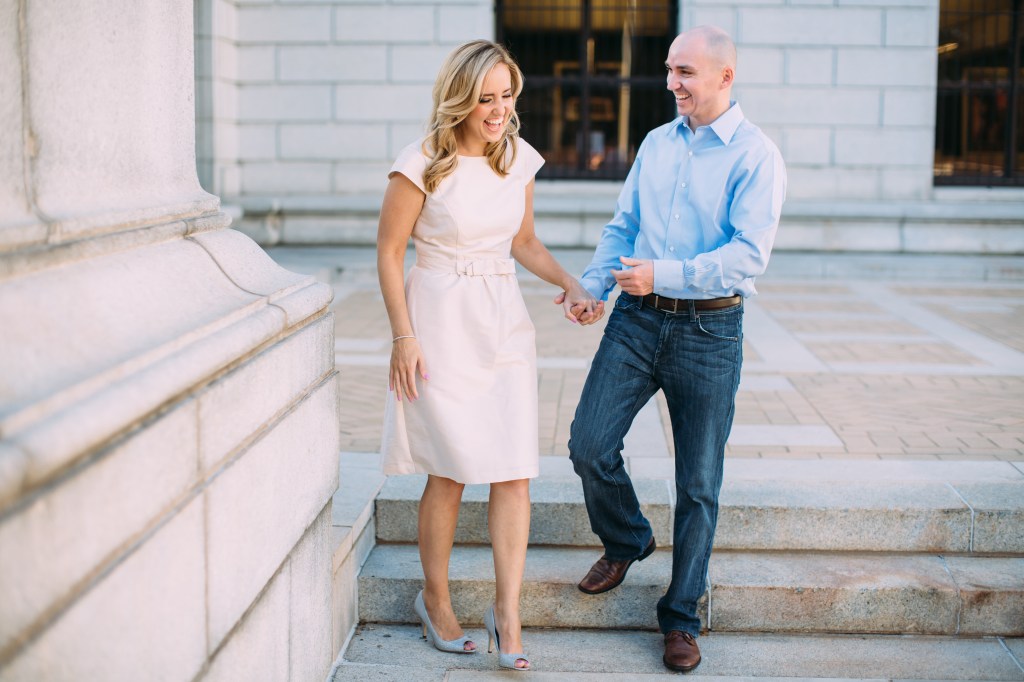
3 weeks post-op, laughing through the pain during engagement photos.

If you find out you need surgery—it’s understandable to be upset. But also give yourself a chance to think of all that could be possible. Try and focus on the promise of how surgery could help you get into remission or at least help you in having more “feel good” days. It’s normal to grieve and to be tearful and fearful, but I hope you find comfort in knowing once you wake up from surgery, you will be on the road to a recovery that paves the way for feeling empowered against your illness. And from that point forward you won’t be as scared of future surgeries because you’ll have a better idea of what to expect and a better understanding of how it feels to be well after being in pain for so long.