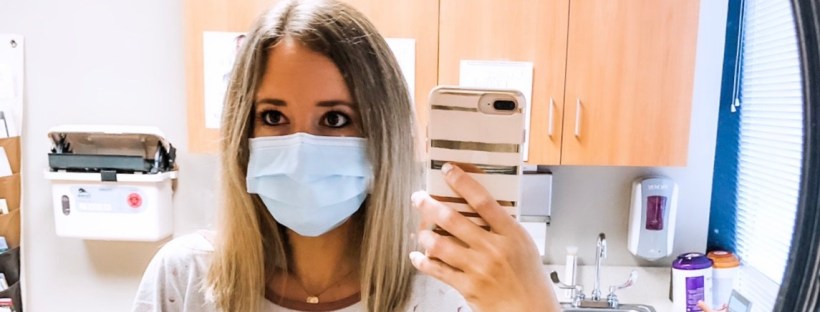
It’s often said managing IBD is like having a full-time job. Along with the regular visits to the gastroenterologist, all the blood draws, scopes and scans, we also have to juggle taking and ordering medication (dealing with insurance!), listening to the symptoms our body is speaking to us throughout the day, knowing when we need to slow down…and the list goes on.
One aspect of taking care of our overall health that is often not discussed is the importance of staying on top of all the other preventative health checks—seeing the dentist two times a year, getting a vision screening, having a well-woman visit, and getting a full body skin check by a dermatologist, to name a few. 
As we all continue to navigate the choppy waters of this pandemic, being proactive with medical care has been a bit more challenging. Appointments may have been canceled or delayed. The stress of going somewhere for an in-person appointment may seem risky to you, but it’s imperative we all stay on top of our most important job of all—staying as healthy as possible. Because even if your Crohn’s is in remission, your disease, and the medication you take to treat it, can put you at greater risk for other health issues.
Did you know?
According to the American College of Obstetricians and Gynecologists, women with IBD, especially those on immunosuppressants may be at increased risk for cervical dysplasia and abnormal pap smears. Meaning, we’re at a greater risk for abnormal growth of cells on the surface of our cervix that could potentially lead to cervical cancer. Get those pap smears! I visited my OB-GYN and had my well-woman visit a few days ago.
The same goes for seeing a dermatologist. Those of us on immunomodulators or immunosuppressive therapies may have an increased probability of developing malignancy, including non-melanoma skin cancer. I went to the dermatologist this past week for a full body screening. I had a small atypical mole removed from my back that I wasn’t even aware of. Even though atypical moles are not always skin cancer, having these types of moles can be a risk factor for one day developing melanoma. I’ll admit, I haven’t been the best about staying on top of this aspect of disease management. The last time I had been to a dermatologist was 2005, because I was dealing with acne from the prednisone I was taking.
Although medications that manage Crohn’s and ulcerative colitis are the most significant contributor when it comes to our risk of skin cancer, it’s believed having IBD alone can also lead to an increased risk of melanoma.
It’s recommended by the National Cancer Institute, that people with chronic illness be extra vigilant about sun protection. My dermatologist recommends wearing an SPF of at least 30 and having a yearly surveillance of my skin done.
Some researchers believe our faulty immune systems fail to detect cancerous tumors in our bodies and that the increased inflammation can make us more susceptible to certain cancers.
Dental, vision, and IBD
IBD can also make your dental health bite. Studies show people with IBD are at an increased risk of getting cavities and oral infections. While it’s not completely clear why this is, it’s believed our immune systems along with steroid-based drugs and even the acidity of our mouths, can cause our teeth to be weakened. 
As someone who was forced (haha, by my mom!) to get braces, twice, I have always taken great care of my teeth. But, when I was pregnant with my son Reid, I did develop an abscess on my gum over my molars that luckily went away after he was born. It was unclear at the time if this was more pregnancy or IBD related. I know the thought of going to the dentist seems daunting since it’s such an invasive appointment where you can’t wear a mask while you’re in the chair, but when I went in for my cleaning last month, I felt completely at ease by all the safety protocols in place.
Whether you’re blind as a bat like me, and always get an annual vision screening to update your prescription and order contacts or if you have perfect vision, it’s important to get your eyes checked. Between 4-10% of people with IBD experience issues with their eyes because of their disease activity. Problems with your eyes can be a sign of a flare. During my visit with my ophthalmologist last month I was impressed by all the measures taken to ensure patient safety.
Take time to take care of you
Trust me, I get that life is busy and these times are scary. But, you’re doing yourself a huge disservice if you don’t take advantage of the preventative medical care that is available so you can be proactive should an issue outside of your IBD arise. While telehealth is great to take advantage of when you can, for many of these appointments, you do need to be in person. If you’re worried about this, you can ease your fears by calling the office prior to your appointment to learn about what measures the office takes to protect patients. Whenever I start an appointment I always let the person taking care of me know that I have Crohn’s disease and I’m immunocompromised because of the medication I take.
I don’t particularly enjoy any of these appointments, but I always leave with peace of mind that I’m doing everything I can to be vigilant and healthy not only for myself, but for my family. I often find I get more anxious for these “other” appointments than I do seeing my GI, because I feel much more confident about how I manage my Crohn’s and the way my disease process manifests. Don’t do all the work to keep your IBD in check and forget about the rest of you.
I’m typing this article with a band-aid on my back and a slight burning sensation in my shoulder from the biopsy, with the hope that my experience implores you to make an appointment and get all your ducks in a row when it comes to all your “other” appointments. Yes, I know it’s a lot, but ignorance is not bliss when it comes to your overall well-being.





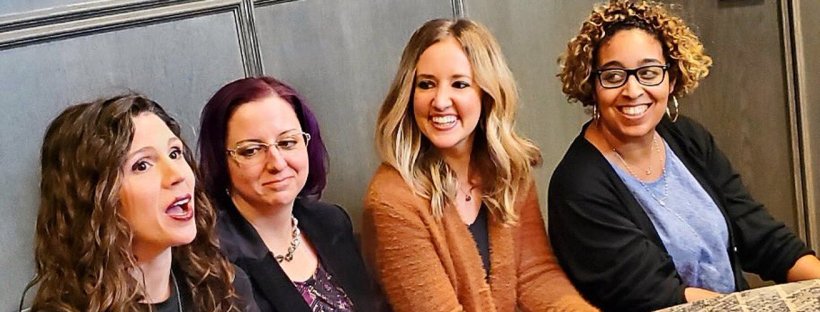
 When I’m part of a photo grid holding up a sign alongside fellow advocates…and it’s a bunch of white girls, it makes me feel out of touch.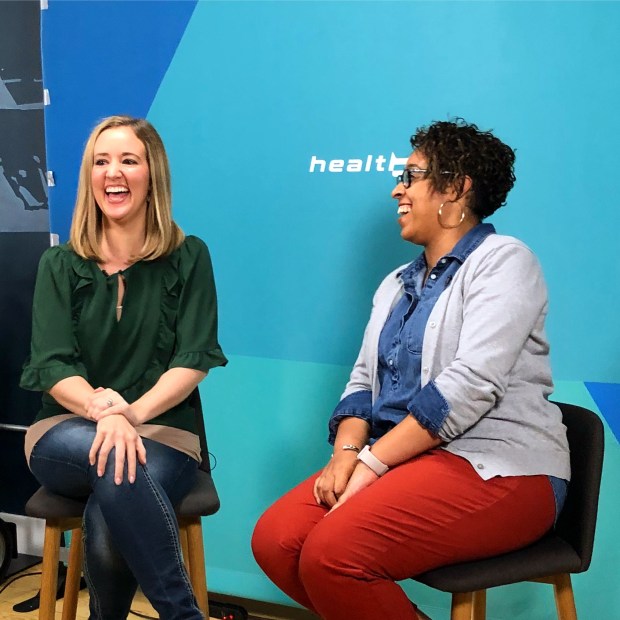
 There’s a level of empathy and understanding that makes you feel like you are home.


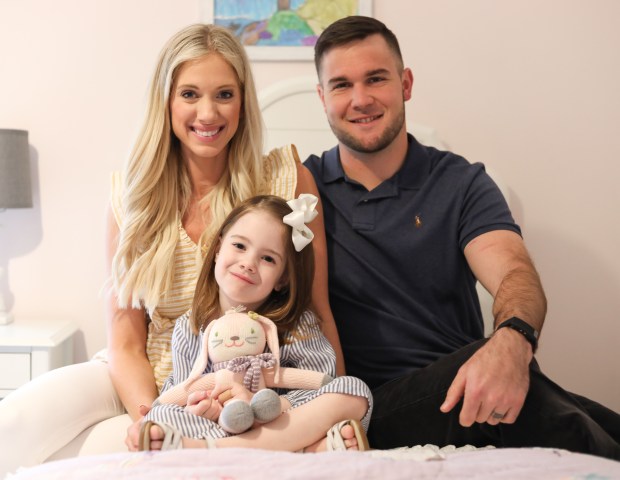 Jadyn woke up with a fever and a slight cough. Given the craziness of the times we live in right now, they immediately called the COVID-19 hotline. Once the person on the other line heard about Jadyn’s health history and the fact she is immunocompromised, they agreed, Jadyn needed to be seen. In urgent care, Jadyn was tested for the flu, strep throat, and COVID-19. The Richt’s were told they would have a test result in five days, it’s been more than a week now, and still no result.
 I’ll allow Anna to take you back to the beginning, so you can have a better grasp of their ongoing journey and how it’s brought them to where they are today.
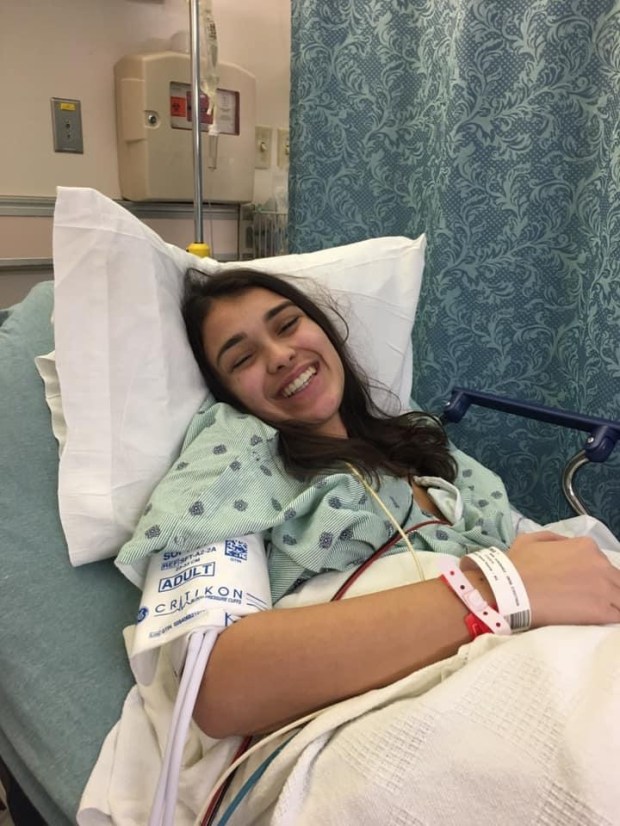
 The first couple years were nothing short of a dog fight. I remember sitting in my sister’s living room after an appointment when all of the sudden the doctor’s number popped up on my phone. She was calling to say that Jadyn’s lab results didn’t look good and we needed to head to the hospital right away.




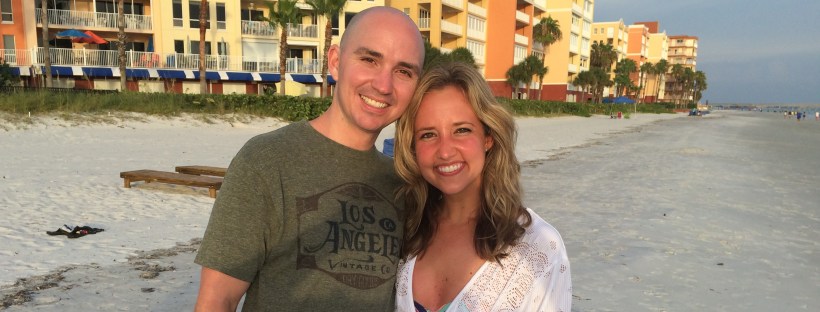



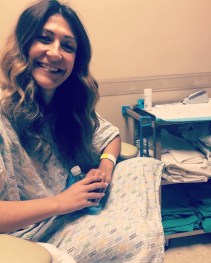
 I developed a new manifestation of the disease I never had before: Perianal Crohn’s. Not a pleasant situation and one that is very difficult to treat/manage while pregnant. Things got so bad at one point, I had to have surgery to drain an abscess and place a seton to help a fistula heal. No one wants to have surgery pregnant. It was one of the scariest moments of my life. The first trimester was spent hoping and praying the baby would make it with all the turmoil going on in my abdomen. The second trimester was spent hoping and praying we could keep her in there long enough to be viable outside of the womb. The third trimester was spent in an unbearable amount of pain fighting the urge to take the prescribed pain pills and being so scared about how the increased biologics, steroids and other new drugs being introduced into my system might affect her.”
 With the newly manifested, aggressive, perianal disease, a vaginal birth was out of the question. I held on until 36 weeks and on New Year’s Eve of 2018 we welcomed our baby girl. We were so incredibly relieved she was ok, and the focus quickly shifted to how not ok mom was.”
 After talking to many medical professionals, we decided it was not safe for me to carry another child. We still don’t know if it was the IVF drugs/hormones that caused the flare going into pregnancy, or if hormones in general and my Crohn’s disease just don’t mix, but we’re not willing to put myself, or another baby at risk like that again.”
 This week—I interview Therezia AlChoufete, a Registered Dietitian Nutritionist (RDN) who specializes in Gastrointestinal Diseases, to set the record straight about this area of disease management. Therezia completed her Bachelor of Science in Neuroscience and her Master of Science in Nutrition and Dietetics from the University of Pittsburgh.
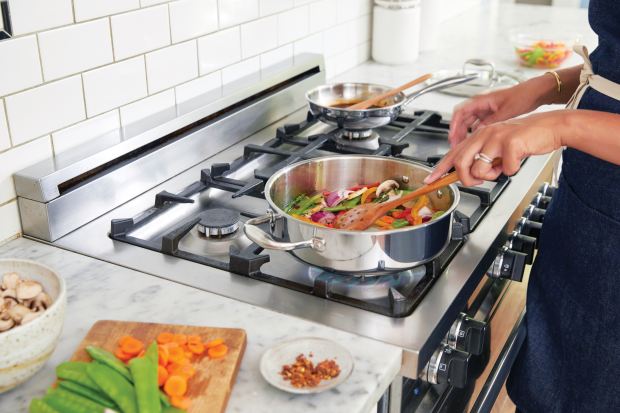


 We know our bodies, we know our triggers, and we are the ones who are ultimately going to have to pay if symptoms arise. Comments like “Oh, I didn’t think you could eat that?” or “Isn’t that going to land you in the bathroom?” are completely unnecessary. Focus on passing that side dish of mashed potatoes rather than giving us the side eye at the dinner table.
 Bringing “safe” foods or eating ahead of time at home provides comfort and allows us to enjoy more of the party. Please don’t take offense if we eat very little, or nothing at all.
 Please trust we know the side effects of the medications we are on; we know the risks of the surgery we may have to get; we know it all. Please don’t tell us to start taking a supplement you found online. Yes, we’ve heard of: CBD oil, turmeric, probiotics, the list goes on. Please don’t question the safety of our biologic. Our disease is our reality. Unless you live it, it’s not yours.
 Just as with food, everyone with IBD responds differently to alcohol. We understand a glass of wine here or a beer there at a celebration may not seem like a big deal, but one drink can be enough to cause us extreme abdominal pain. Feel free to ask us, but if we decline the offer please don’t pester us, ask us if we’re pregnant, or try and make us succumb to peer pressure. We’d much rather be sober and present at the party without pain.
 lights camera crohn's