
This week, I turn 36-years-old. Birthdays are a time of reflection, celebration, and excitement. Last month marked 14 years since I was diagnosed with Crohn’s disease. A chronic illness that has shaped my adult years and my identity.
I recently saw a post on Instagram about imagining life prior to illness. 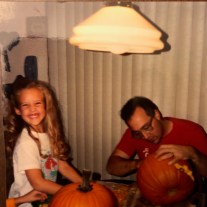 Prior to the challenges and the hurt that coincide with having a disease that you expect to have until your dying day. It’s heavy and can be overwhelming. There’s no cure for IBD and once you are told you have it, your world and your life is forever altered.
When I see childhood photos of myself and think back on my wonderful memories with family and friends through my college years, that girl often feels foreign to me. There are a few things I wish I could whisper in her ear:
“Stop taking your health for granted.”
“Soak in this feeling of invincibility.”
“Make the most of every single day.” 
“Enjoy how carefree it feels to never have to worry about what the next day will bring.”
“Soak in the comfort of never needing medication or going through painful pokes and prods.”
“Have more empathy for those around you who aren’t as lucky.”
…the list goes on. Hindsight is 20/20. I can’t fault myself for floating through life the first 21 years. I’m glad I had no idea of what was to come. At the same time, I wouldn’t trade what the last 14 years have given me:
They’ve brought me debilitating pain that built my strength.
They’ve brought me sorrow that’s made the sunshine feel extra bright on my shoulders.


They’ve brought me fear that’s been replaced with resolve.
They’ve brought me lonely moments that are now filled with the laughter of my little ones.
They’ve brought me years of feeling unlovable, but then finding magic with a man who never once shied away from my illness. 
They’ve brought me extreme vulnerability that’s now coupled with gratitude.
They’ve brought me scars internally and externally that I now see as battle wounds.
They’ve brought me years of embarrassment, that’s transformed to a scarlet letter that I wear with pride.
They’ve brought me feelings of worry that have been washed away by clarity and perspective.
On this birthday and moving forward, rather than mourn the loss of who I was up until age 21, I choose to celebrate who I’ve become the last 14 years. While this illness has tried time and time again to rob me of my joy, it’s provided me with evidence of my resilience. Since my diagnosis, I’ve worked full-time as a TV news anchor, reporter, and producer, I’ve gotten married, I’ve had two children in 21 months, and I’ve become a steadfast patient advocate.  Crohn’s has shown me that just because I get knocked down with a flare, doesn’t mean I can’t bounce back and be better. With Crohn’s, life often feels like you’re in the passenger seat and your fate is out of your hands. Rather than sit back passively, I choose to grab the wheel. Cheers to 36!
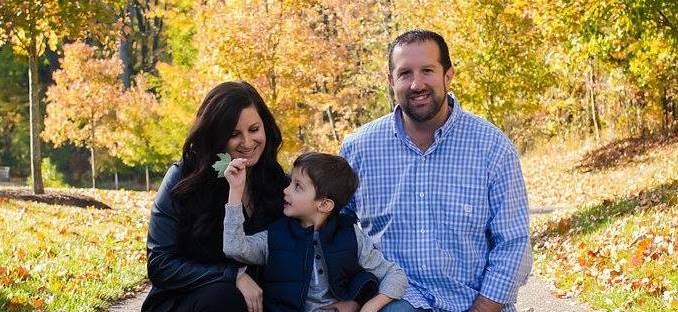
 She’s a 38-year-old wife and mom who juggles two autoimmune diseases. She also has Hashimoto’s disease. Since she started on Remicade in 2018 following her IBD diagnosis, she’s experienced the difficulty of warding off illness while being an elementary school teacher and a mom to a young child.
 Dealing with the symptoms of IBD was more than enough–how on Earth would I be able to handle that plus avoid picking up viruses at school and in public?
 I really needed to stop caring about what others think and prioritize my health. One of the most surprising things to me was that people really don’t understand what immunosuppression means. Some people think I’m just a paranoid germaphobe even after I’ve explained that I’m immunosuppressed. They don’t understand that a simple cold for them, can mean days of sick leave for me due to a secondary infection. Or a fun day swimming in the bay can mean a bacterial infection for me that lasts for weeks and causes symptoms similar to a bad flare.
 Somehow my body knows when we have something fun planned and chooses those times to conk out on me. When I’m lying on the couch at home feeling sorry for myself while my husband and son are at a friend’s New Year’s Eve party or Memorial Day BBQ (both events I missed this year), I try to remind myself that Remicade is what allows me to lead a relatively normal life and be able to do things like go sledding with my son on a snow day and take him Trick or Treating. I couldn’t do those things when I was in a bad flare before treatment and definitely can appreciate them more now. I just make sure shoes come off and hands are washed right when we get home.
 I chose to blog and become a patient advocate for several reasons. I was tired of feeling isolated. I wanted to be a voice for the newly diagnosed, as well as the veteran patient. And, as a journalist, I’ve always had a love for the written word. For me—expressing myself through writing comes a lot easier than saying the words out loud.
 In that time, I’ve shared 171 new articles (because some weeks I post on Mondays AND Wednesdays). Over the last three years, more than 105,000 people from around the world have checked out Lights, Camera, Crohn’s. Could the articles be organized better? Yes. Could the design be snazzier? Yes. But, my focus as an IBD blogger and advocate is to give you the nitty gritty. I’d rather spend my time and energy on content vs. design.


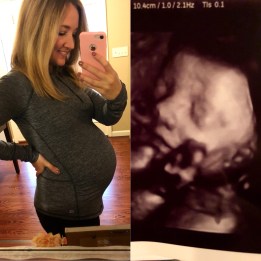
 To the person nervous to open up in a relationship and disclose they have this disease…
 To the person worried about passing this dreadful disease onto their children…


 Now, nearly 14 years later—her and I have come a LONG way. She’s on Remicade. I’m on Humira. We are both mothers. We are both wives. Alisa didn’t allow her disease to stop her from following her personal or professional dreams. In 2013, she left corporate America and founded
  I multi-task everything, stay on top of my biologic infusions, rest when possible and, plan my diet loosely around a mix of SCD and low gluten eating. Getting help is difficult, but I feel lucky to have a supportive husband and local family network. My travel schedule wears me down– but thankfully most of my disease symptoms are well controlled.
 Babywearing helps me effectively multi-task and meet my all children’s needs at the same time. It also helps address postpartum depression, by syncing mother and baby, and raising oxytocin levels. I believe babywearing is a necessity that should be taught to every single expecting parent and caregiver!
 As a bonus, a variety of baby carriers can be adjusted to accommodate an ostomy or j-pouch.
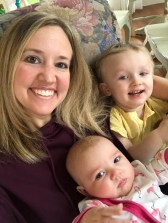 As a mom of a 2-year-old and an almost 4 month old, I’m in the thick of motherhood right now. While it’s an amazing season of life, it definitely has its challenges. A toddler, a baby, and a chronic illness. Ah, I’m exhausted just reading that myself! While it’s far from easy—I’ve found some ways to help embrace the ups and downs and everything in between.
 No one wants to be hospitalized or deal with pain. Give yourself the best chance for having feel good days and make your disease management a priority. If you feel symptoms presenting and you’re concerned, alert your GI immediately. Be proactive, nip each flare in the bud as best you can.
 Yes, I know. Self care. We hear it all the time. It’s something that’s constantly talked about, that seems unattainable. But try and do something each day for yourself, whether it’s taking a shower, eating a meal sitting down, going for a walk outdoors with your little one and keeping your phone on silent, reading a book before bed, you name it. Try and find the moments in your day when you can unplug and relax. Practice yoga and meditate during nap time instead of doing the dishes or laundry. You owe it to yourself!
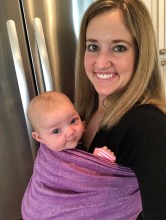 You were given this role and this family because you were meant to have it and you were destined to live this life.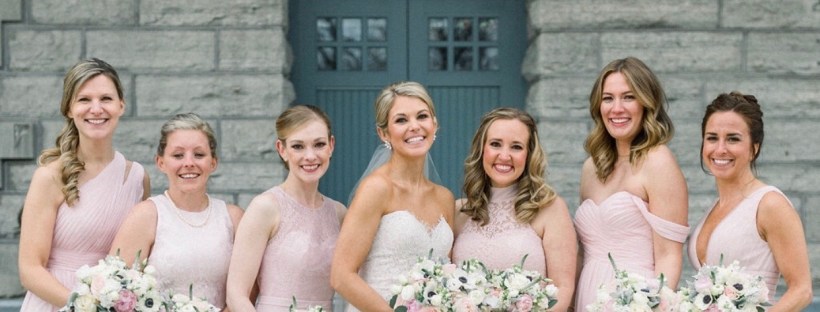


 Find the people who lift you up. Trust in the bonds you create with those who are there for you because they want to be out of the goodness in their heart, not as an obligation. Hold on closely to the relationships that spark joy and don’t extinguish your flame. Lean on those who are willing to give you their hand to lift you up, even when you don’t ask for it.


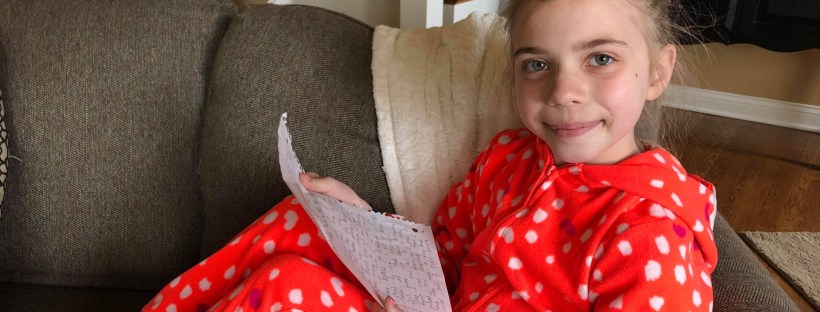
 Meet Emily. This past February she received her chronic illness diagnosis. Even though she’s brand new to IBD life, she’s taking all the pain and all the setbacks in stride.
 Her mom was able to reach out to fellow parents on Facebook about a pen pal program.
 From a parenting perspective, the pen pal group has introduced Michelle to other mamas going through the same fears and experiences. The connections have brought her peace of mind as she navigates these new waters with her daughter.
 making new friends? Friends who understand and continually cheer you on, no matter how far they are. My hope is that Emily will make life long connections and that these letters will serve as a constant reminder that she is never alone.”

 studies suggest it may start with a bacterial imbalance in the gut, and several studies have shown that people with IBD were less likely to have been breastfed as infants. Furthermore, a study in Denmark showed that breastfed babies developed certain types of healthy bacteria in their digestive tract, which non-breastfed babies were lacking. A healthy amount of beneficial gut bacteria can promote a healthy immune system which fends off different diseases.
 It wasn’t easy, but I’m so glad I stuck with it. We lasted 16-months until he self-weaned and he has a very healthy immune system so far, despite the cesarean and me being on Humira. Best of all? I didn’t have a postpartum flare, which my doctor attributed to the combination of staying on my medications, following my diet plan and breastfeeding.
 as possible, especially in the first 24 hours, and provide plenty of skin-to-skin. After a c-section, the last thing I wanted to do was constantly get in and out of bed to pick up a newborn. Instead, I just spent my days with my son nestled on my chest so we could both sleep, heal, bond and get my milk flowing.
 Cut yourself some slack. Becoming a mother is stressful, but if you are feeling overwhelmed, talk to someone. Postpartum depression and anxiety are very real and as a mother with chronic illness, you may be more prone to those feelings. Seek out help from your spouse/partner, enlist nearby family/friends for support, and keep in close contact with your doctor to manage your symptoms.
 lights camera crohn's