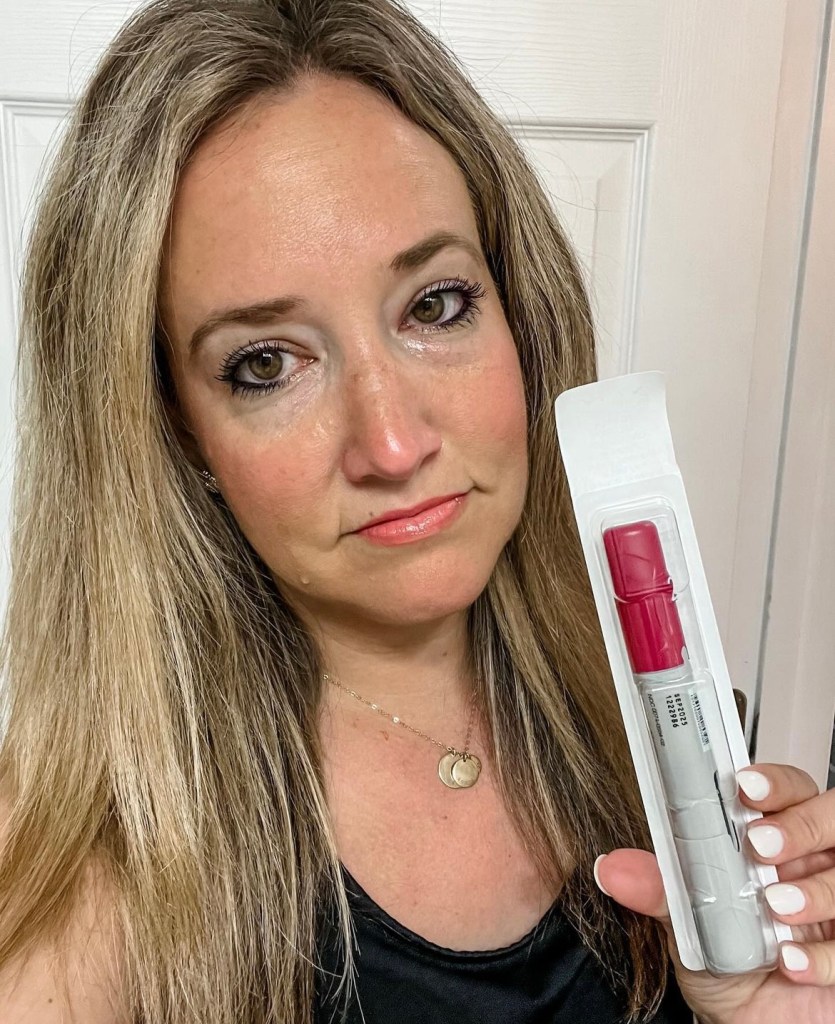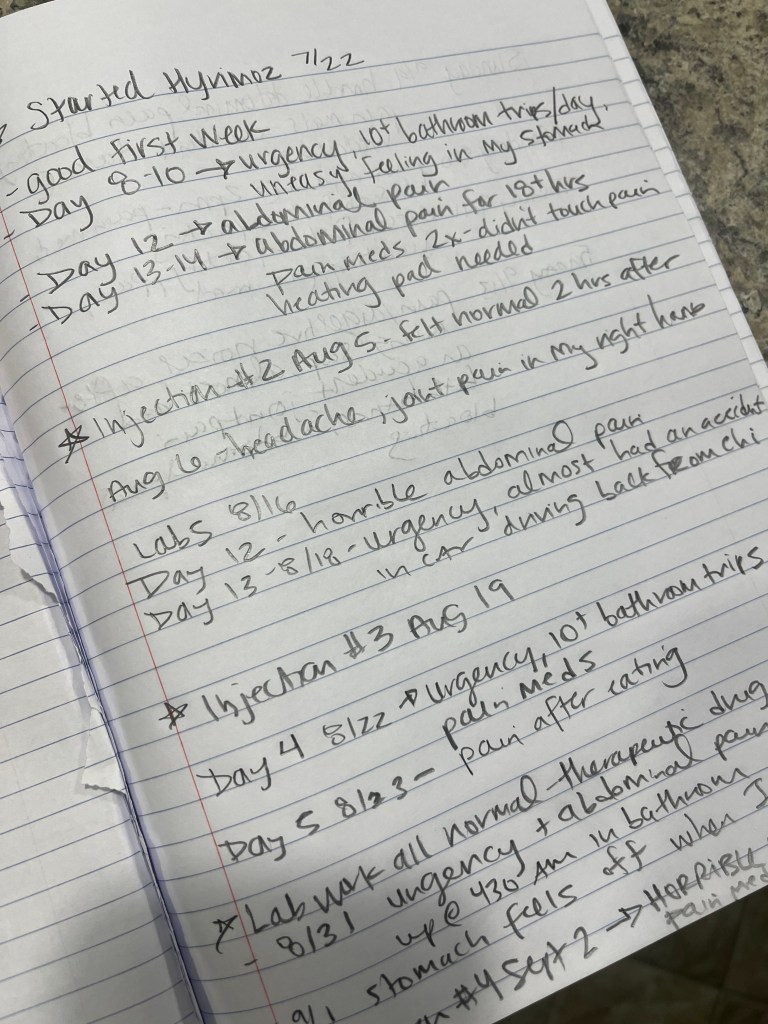
Living with IBD can be especially challenging in a professional setting. Prior to becoming a stay-at-home mom and freelance/blogger, I worked full-time for 12 years. For 10 of those years, my Crohn’s was not in remission. This week on Lights, Camera, Crohn’s, guidance on how to approach conversations with your boss and co-workers effectively so you can feel supported.
The more they know
Before I became self-employed, I worked at three television stations, a public affairs PR agency, and in Corporate America as a communications specialist for a natural gas utility. With each interview and onboarding process, I waited until I was hired to disclose that I had Crohn’s disease to my boss. The first week of work, in a one-on-one meeting I openly shared about my disease and tried my best to educate my boss and my team about my health. Since I did not start blogging or any patient advocacy work until 2016, there was nothing online about my journey with Crohn’s. If I were trying to get a job nowadays, I wouldn’t have that luxury since my story is publicly shared. Every single boss, all my co-workers, and each employer were extremely understanding and empathetic about my struggles. I was incredibly lucky in that regard.
While working full-time I had several hospitalizations and bowel resection surgery that kept me out of work for 2.5 months. I was grateful for bosses who were generous with sick time and that my corporate job had a solid short-term disability plan I was able to utilize.
Everyone has a different opinion about when and how to best disclose your health or disability status. While some people consider their IBD a “disability,” others do not. I’m often asked how to navigate answering that question on a job application. I personally do not consider my IBD to be a disability, but it’s understandable if you do. Answer as you see best fit and most comfortable.
Why It’s Important to Share
Accommodation Needs: Explaining your condition can help you receive necessary accommodations, such as flexible work hours or the ability to work from home during flare-ups. One of the major benefits of the pandemic is how it altered how we work. Back when I was in the workforce, working from home wasn’t utilized as much as an option. I had high symptom days where I worked from home once or twice every few months, but it wasn’t a weekly occurrence. Hybrid working environments or remote jobs are ideal for those with chronic illness.
The flexibility work from home jobs provide is huge—whether it’s being able to work from your couch if you’re dealing with abdominal pain and it hurts to sit at a desk, being able to work in comfortable clothes or pajamas if the fatigue makes showering a challenge, or worrying about the commute and being able to travel without a bathroom mishap or having to go multiple times in a public employee bathroom…the list can go on and on.
Understanding: Colleagues aware of your condition are more likely to be supportive and understanding during challenging times. One of the most important aspects of IBD to share with others who do not have our disease is the unpredictability of our health. Since we’re able to look perfectly normal on the outside, it can be difficult for an average person to fully grasp or believe the pain we’re dealing with. I remember countless days in Corporate America having to unbutton my work pants and having to tell my co-workers I was on the struggle bus. I can still envision myself on the news desk when the camera shifted to a weather segment and slumping over in pain. Everyone I worked with was aware of when I was having an “off” day. I’ve had co-workers drive me to the emergency room during the workday. I always felt supported and was never made to feel like I was less than because of my Crohn’s and for that I am still grateful.
Reduced Stigma: Talking openly about Crohn’s and ulcerative colitis can help reduce the stigma associated with chronic illnesses and foster a more inclusive workplace. People may question or wonder why you may have unique work accommodations, while it’s none of their business, being transparent, and really stepping up to the plate and going above and beyond when you’re able will show others that you never use your disease as an ”excuse”. If you have an infusion or a doctor’s appointment that makes you arrive late, it’s helpful to inform your boss and co-workers so they know why you may be strolling in during the middle of the day.
Preparing for the Conversation
Know Your Rights: Familiarize yourself with your workplace’s policies on medical conditions and accommodations. Understanding your rights under laws such as the Americans with Disabilities Act (ADA) can provide a framework for your discussion. Check out these tips from the Crohn’s and Colitis Foundation.
Plan Ahead and Explain Your Needs: Choose an appropriate time and setting for the conversation. Ensure privacy and sufficient time to discuss your needs without interruptions. I always had a face-to-face conversation with my bosses, and they were appreciative of knowing. Clearly state what accommodations you need to manage your condition effectively. This could include flexible hours, a work-from-home arrangement, or having a desk closer to the restroom. Emphasize your dedication to your job and how these accommodations will help you remain productive. For example, “Having the ability to adjust my work schedule during flare-ups will help me stay on top of my responsibilities.” If I was prepping for a colonoscopy or having a scan, I let my team know.
Gather Information: Be ready to explain what IBD is, how it affects you, and what accommodations or support you might need. A high-level explanation is often sufficient.Your boss doesn’t need to know your entire patient journey. For example, “I have a chronic condition called Crohn’s disease/ulcerative colitis that affects my digestive system. This can sometimes cause severe abdominal pain and fatigue.”
Offer Solutions: Suggest practical ways to implement accommodations. For example, “During flare-ups, I could work from home and communicate via video calls and emails to stay connected with the team.” Your boss may have questions or concerns. Be prepared to address them calmly and provide any necessary documentation from your healthcare provider.
Communicating with Coworkers
You don’t need to share all the details. A brief explanation like, “I have a medical condition called Crohn’s disease/ulcerative colitis, which sometimes causes me to feel unwell,” can suffice. Explain how your condition might impact your work or interactions. For example, “There may be times when I need to step away from my desk more frequently.”
Reassure coworkers that while you have a chronic condition, you are still capable of performing your job. For example, “Most days, it doesn’t affect my work, but there might be times when I need a bit of flexibility.”
Encourage an open dialogue. Let them know they can ask questions if they want to understand better, but also respect your privacy. While I was hospitalized, I would often send an email to my team at work to provide them with a high-level update, so they heard the information from me versus someone else. For example, “Hi team! I appreciate all your well wishes. It’s been a difficult few days, but I’m hanging in there. I hope to be discharged from the hospital by the weekend and look forward to seeing you soon.”
Final Thoughts
Talking about IBD with your boss and coworkers can seem daunting, but it is a crucial step toward ensuring you have the support you need in the workplace. By being honest, clear, and proactive, you can foster a more understanding and accommodating work environment. Remember, your health and well-being are paramount, and having open discussions can help you maintain your health, while staying on top of your professional responsibilities. When interviewing for jobs, pay close attention to how an employer manages insurance benefits, short-term/long-term disability, and whether you feel like your boss and co-workers would be people you feel comfortable sharing your health struggles with. You aren’t married to your job, if you ever feel unsupported, seek employment elsewhere. Along with your boss, it’s helpful to talk with Human Resources, so you’re aware of all the medical benefits and support that is available for employees.
While IBD complicates life, I hope you continue to go after your dreams. Sure, there are going to be setbacks and roadblocks along the way, but you are worthy of whatever job or career you want to set out and do. Less than 3 months after my diagnosis, while on 22 pills a day, I landed a job 8 hours away from all friends and family and went after my dream of working in TV news. I’m proud of that and it’s a reminder that this disease doesn’t need to rob you of all you hope to be and all you hope to do. You are not a burden on employers and the sky is the limit for you.
The moniker “IBD Mom” is commonly used in the patient community. As a mom with Crohn’s disease who has three children, I focus a great deal of my advocacy efforts on family planning, pregnancy, and motherhood. But I recognize the decision and choice to have children isn’t for everyone. Studies on voluntary childlessness among people with IBD suggest a higher prevalence compared to the general population. Research has indicated that concerns about health, the impact of the disease on parenting ability, and the potential genetic transmission of IBD are significant factors influencing this decision.
So, what about the women who make the personal and often emotional decision not to have children or who didn’t have the option to choose, due to health complications? This week on Lights, Camera, Crohn’s a look at being childfree and the many factors that may deter people from becoming parents. You’ll hear from several women in the IBD community about their decision.
Key factors that influence being childfree
Disease Activity: Active IBD puts a halt on family planning, as women are told to be in remission 3-6 months prior to conception. The unpredictability of the disease can make finding the right timing to have a baby tricky. If a woman conceives while flaring, there is a much greater likelihood of flaring during pregnancy.
Medications: Some of the medications used to manage IBD can pose risks to a developing fetus. If a woman finally finds a treatment protocol that gets her IBD under control it can feel daunting to stop and risk losing remission.
Surgical History: Surgeries for IBD, especially those involving the intestines and rectum, can affect fertility and pregnancy outcomes.
Genetic Considerations: IBD has a genetic component, meaning there is a risk of passing the disease on to offspring. While this is a major deterrent for many, it’s important to understand what that risk is. For Crohn’s, there’s a 7% of passing on your disease and even less for ulcerative colitis. When both parents have IBD that number goes up astronomically.
Physical and Emotional Well-Being: Managing IBD is physically and emotionally demanding, trying to imagine what it is like to care for yourself and take care of a child can be overwhelming for many.
Firsthand accounts from the patient community
Kat: “This doesn’t mean I won’t change my mind in the future, but my health has had a huge impact on why I have decided not to have kids. I think a big part of not wanting to carry a baby anymore is because of the trauma my body went through when I was sick in my 20s.”
Rachel: “I was diagnosed with Crohn’s disease almost three years ago, and I’m on my second biologic. I’m 25 and have decided that I don’t want to carry my own children. Due to the currently unknown effects of biologic drugs on development, but also the risks for myself coming off a biologic and flaring. I have also considered the complications of having a c-section before or after other potential abdominal surgeries and the complications from that. The main one for me though is also the genetic chance of passing IBD on to my kids. I have always been open to adoption anyway and have decided this is the route I would pursue if I do decide to have children.”
Kate: “We are going through fertility treatments after five years of secondary infertility and I chose to stop to start Rinvoq and save my rectum. I am not having my eggs retrieved and frozen in the hopes that we find a gestational carrier for our embryos.”
Kendall: “I am 30 and single and haven’t made the firm decision to be childfree, but as I get older and my Crohn’s disease gets more challenging, it’s definitely something that I’ve been questioning. Wondering if I will have the health and energy to be able to take care of myself and my kids. I worry about the impact of pregnancy on my body and of course finances are also a consideration.”
Alesha: “I’ve questioned being a mother. I’m 33 and I was diagnosed with Crohn’s in 2022. After having a perforated small intestine in 2015, an ostomy for 6 months, and the reversal in 2016…only to suffer with so much pain from the scar tissue being so narrow. I’d visit the hospital a few times a year and try to work through the pain. Now, I’ve been on Stelara for a little over a year. It’s been helping, it’s just hard to be told that the medication will be lifelong. While I desire to be a mom, I just don’t know how my body will respond.”
Liz: “I have chosen not to have kids for many Crohn’s reasons: Having to come off meds to protect pregnancy, the risk of flares and them causing infertility anyway (my periods always stop in a flare), the massive risk from common childhood illnesses, adhesions due to surgery and just the added stress and time needed to devote to a kid to raise them is something I just can’t do on top of a career as a doctor.”
Meredith: “I’m currently in this situation now. My husband and I held off having kids until we were ready (different components here—moving, reaching career milestones, enjoying our lives as they were, but in the past few years we felt we were ready except my body wasn’t. I had a terrible flare that knocked me on my ass for about a year and then I was put on my methotrexate and was told I could not become pregnant, or I would need a medical abortion. I’ve since gotten off that medicine but was told to hold off trying until after my colonoscopy. I had another small flare, and my GI wants me to wait until I’m healthier. He says, “healthy mom, healthy baby” and I don’t think he’s wrong, but it isn’t what I want to hear. So now, I’m just waiting to see what happens.”
Sarah: “Not sure what I’m looking for because I have two kids, but I had them prior to my Crohn’s diagnosis at age 30. The diagnosis prevented us from having more children. We always planned on four kids, but because of my diagnosis, we didn’t continue to try and only have our two that I had before developing Crohn’s.”
Belinda: “We’ve decided not to have any kids. I know my history with my Crohn’s hasn’t been as bad as some other ladies who would struggle to conceive and carry a child. I might have been fine to. I had two resection surgeries, at age 24 and 39. The first one was very traumatic, and I was very sick for many, many years. I just didn’t ever feel I wanted to take a risk to “rock the boat” as I’m always trying to keep my health stable. I didn’t feel I had it in me to manage a potentially difficult or risky pregnancy or bad flare after the baby. I do think there might be other reasons why we’ve decided not to have kids, so it might not be fair to blame it all on my Crohn’s. I’ve never had the urge or yearning to be a mom. It’s very prevalent in my family, too. Three out of four cousins on my dad’s side have Crohn’s and my mom’s cousin does, too. The nature of the world, healthcare issues, and so many other issues make me wonder if it influences would-be mothers. Our health is already such a scary unpredictable element of our being…who has the capacity to navigate it all?”
Kelsey: “I’m childfree by choice! I’m a professional auntie. I was diagnosed with ulcerative colitis after I had already made that decision, but it has 100% solidified it. I’ve watched my other childfree friends waiver with their decisions and some choose to have children later in life.”
Deanna: “I got married in October and my husband and I talk about this a lot. I never expected I’d be childless, but I don’t have a strong drive to have children either. The fact that the decision was made for me is something I am trying to navigate emotionally.”
Jessica: “I was always on the fence about children, even when meeting my partner six years ago when we were 25. I decided a few years ago that I did not want to have children. While there were a few factors in my decision, my ulcerative colitis was a big decision to choose not to. Stress and lack of sleep (I need at least 8 hour a night) are a prime duo for flare ups for me. I knew that if I was going to be lacking sleep in the many stages of childhood, and stressed many times, I wouldn’t be able to care for myself, and therefore wouldn’t be able to truly take care of children. I know there are so many moms out there with IBD or another autoimmune disease that are rocking it, but this was the right choice for me.”
Courtney: “To be honest, having children was just never something that was on my mind in my twenties and thirties. I was diagnosed with ulcerative colitis in college and had a colectomy in graduate school. During most of that time, I was in a 10-year relationship. Towards the end, it became clear we had different ideas about where our futures were headed. He wanted a traditional family life in a small town, and I wanted to focus on my career and stay close to my medical team in an urban area.”
Ashley: “I’ve been really scared due to medical trauma and not feeling ready to trust my body. It’s hard because I have a strong desire to have a child, but it would also mean putting myself back into situations that genuinely scare me.”
Kaycie: “My IBD is one of the several reasons I decided to be childfree. I was so sick throughout my early to mid-20s when I finally went into remission in my late 20s, the last thing I wanted was to risk falling out of it to have a child. I’m in my mid-30s now, living abroad for work, traveling all the time, and able to have the freedom I craved in my 20s when I was chained to a toilet with my ulcerative colitis. A child just doesn’t fit the life I’ve built, and my husband and I are happy with that choice.”
Lauren: “I miscarried many years ago and was told I was high risk at the time and that it would be a battle to get pregnant and carry full term. After being diagnosed with Crohn’s, I didn’t think it would be healthy to try further with my body. With so many flares and surgeries, we decided if we had children we’d adopt. It was like grieving a major loss of something I’d always wanted. I love my life and my marriage. I had a few great years of remission and have been flaring for about one year now. I’m not comfortable adopting when my health is so on and off. I don’t think it’s fair to a child or my husband to not always be present.”
J: “For me, every time we were going to try for a second child, something my with health would come up. I’ve had a collapsed lung, broken rib, inflamed pleural pace, and IBD flares. Between all those health setbacks, coupled with chronic fatigue, it felt like I couldn’t get to a place healthy enough to support a second pregnancy and even if I could, I wouldn’t have the energy to survive the first three months postpartum with such little sleep going on. So, we opted to no go for more and be as present as we could for our existing child.”
Casey: “My husband and I have had a to delay trying to conceive due to a flare and were going to delay trying even further as I just had to switch from Humira to the biosimilar, Hyrimoz. I don’t want to be pregnant while navigating a chance in medication in case it doesn’t work the same.”
Hannah: “There is still quite a lot of taboo around being childfree and it isn’t something I feel I can share with everyone. I don’t have a strong desire to be a mother. It’s difficult to know how much of that is due to my challenging childhood and adolescence due to my Crohn’s. I have a vivid memory from when I was 11 years old watching my siblings playing outside from the bedroom window and of being very upset that I didn’t have the energy to join them. That memory is very poignant and painful for me. It’s one that has been at the forefront of my mind as a 34-year-old woman as I decide whether to remain childfree. I fear repeating that feeling of being at the periphery but this time as a mother, rather than as an 11-year-old girl. Another fear is that I might pass on Crohn’s to my child. While the risk is small, I would find that difficult to bear.”
Lizzy: “I’ve had IBD for almost two years. I am on Remicade and methotrexate. Since methotrexate can’t be taken during pregnancy, it would be concerning number one of having to switch to a pregnancy-safe alternative and hope it works as well as my current regimen. Additionally, periods make my Crohn’s symptoms worse, so I haven’t had a period in over a year due to birth control. Having to get off birth control and deal with horrible symptoms sounds miserable. I get sick when I don’t sleep, and it wouldn’t be fair to always make my partner get up in the middle of the night. I am also gay so going through the stress of IVF or artificial insemination when trying to maintain Crohn’s remission would be stressful.”
Sexual and reproductive considerations
Amy Bugwadia is an MD student with scholarly concentration in medical education/health equity and social justice at Stanford. She collaborated with some IBD patients and clinicians and authored a paper about sexual and reproductive health considerations. She says, “while we were writing and listening to patient feedback there were a few salient themes:”
Mis and dis-information
Stigma: patients being too shy or not knowing if this is a topic that they can or should talk to their GI about
Confusion about language: Doctors saying “you can’t get pregnant while on this med”—do they mean “difficulty getting pregnant” due to potential infertility or “should not get pregnant” due to potential medication impacts on the fetus.
Outdated information: Many patients (especially when young) have been on the certain medication for a long time, but as time has gone on, we have new/updated data on safety profiles that not all patients are up to date on, especially relevant for pediatric patients as they transition to young adulthood.
Voluntary childlessness or being childfree among individuals with IBD is a multifaceted issue influenced by health concerns, genetic considerations, quality of life, and psychosocial factors. As you heard from several IBD women, the decision to remain childfree is often a carefully considered and personal choice determined after talking with healthcare providers, significant others, family, and support networks. I hope after reading this you feel less alone if this is your reality—whether it’s something you’ve always wanted or if it’s a decision you struggle with.
It’s no surprise as a non-profit The Crohn’s & Colitis Foundation relies on donations to fund research to find cures for Inflammatory Bowel Disease (IBD) and sustain support programs for people living with Crohn’s and ulcerative colitis. But did you know there is a Do It Yourself (DIY) fundraising opportunity for anyone interested in raising money for the cause beyond their major campaigns like Take Steps and Team Challenge? This week on Lights, Camera, Crohn’s, here’s a look at how our community has risen to the challenge in the past and how you can get involved now.
How does DIY Fundraising Work?
If you’re interested in taking the reins and fundraising, you can create and manage your own fundraising activities based on your interests and motivation. The money you raise helps support research for finding a cure for) IBD. The Foundation staff offers one-on-one support, fundraising tools, and resources to help you along the way.
Michael Osso, President and CEO of the Crohn’s & Colitis Foundation says it is incredibly inspiring to see the Crohn’s and colitis community come together with such creativity and passion to raise awareness and funds for the mission to find cures and improve the lives of the 1 in 100 Americans with IBD.
“From walking 100 miles to hosting charity hikes in Alaska and livestreaming gaming events, our supporters have come up with innovative and impactful ways to turn their ideas into personalized fundraisers through our DIY program. I am deeply grateful for every person who gets involved because together we are unstoppable in our fight against IBD,” said Michael.
Melissa Scott serves as the National Marketing Manager for the Crohn’s & Colitis Foundation. She says volunteers have been hosting their own fundraisers since the Foundation’s inception. About four years ago, during the pandemic, the program was formalized, with a dedicated team, toolkits, and fundraising platform specifically for DIY fundraising.
“Every contribution, regardless of its size, plays a crucial role. The cumulative impact of our DIY fundraisers, big or small, is vital in our ongoing efforts to fund research and move closer to finding cures for Crohn’s disease and ulcerative colitis. Each fundraiser, by raising awareness and funds, helps us advance our goal of improving the lives of those affected by IBD,” said Melissa.
Inspiring DIY fundraising efforts
The sky is the limit and the options to raise money are, too. Oftentimes as IBD patients and caregivers, we may feel our well-being and health is out of our control. DIY Fundraising is a tangible way to make a difference and recognize how supported the IBD community is within your inner circle and among your peers. Not only are you raising money. but you’re raising awareness about your reality and educating others about IBD, which is priceless.
Stasia, an IBD warrior, hosted the “Alaska Hike for IBD Cures.” She made this happen by asking her network of friends, family members, and local businesses to donate in support of her mission and to join her on the hike. Stasia wants the IBD community to know that “Even if you don’t raise a lot of money that single dollar can pay for a test tube that might holds the cure.”
Robby founded “Gaming for Guts” 10 years ago. This is a team of online gamers who raise money for IBD and provide funds to support the Foundation’s mission. Robby says, “the first year we had two people participate, now we have a whole team and we’ve raised more than $20,000 for the cause.”
As a high school student with IBD, Hala used her love for baking to drive donations. She hosted a bake sale as part of her senior project. “I knew I wanted to do a bake sale and DIY is so customizable, it was perfect for me to raise funds in a meaningful way,” she said.
Ilie, Mack, Charlie, Lawson, and Thompson created “Dilworth Kids for Crohn’s and colitis Cures” and hosted a lemonade stand during the Dilworth Historic Home Tour. With the help of the Foundation, the kids had marketing materials to help get the word out.
How to learn more and get involved
As a trustworthy source in the IBD community, The Foundation is the driving force in the development of next-generation treatments and personalized medicine for IBD. The Foundation has played a role in every major research and treatment breakthrough in IBD. DIY Fundraising is a vital tool in helping the Foundation continue its quest for better treatments and cures, while also allowing for our voices to be heard. By getting creative, taking the plunge, and seeing where it takes you, you may feel more empowered and supported on your patient journey.
You can learn more about the Foundation’s DIY program (including livestream and gaming opportunities) here. Interested in getting started? Email the DIY team directly: diy@crohnscolitisfoundation.org
Chances are you’ve heard the song, “Who Runs the World (GIRLS)” by Beyonce. Think of that song and then imagine all the incredible women in the world juggling chronic illness, their careers, and their personal lives. It’s no small feat.
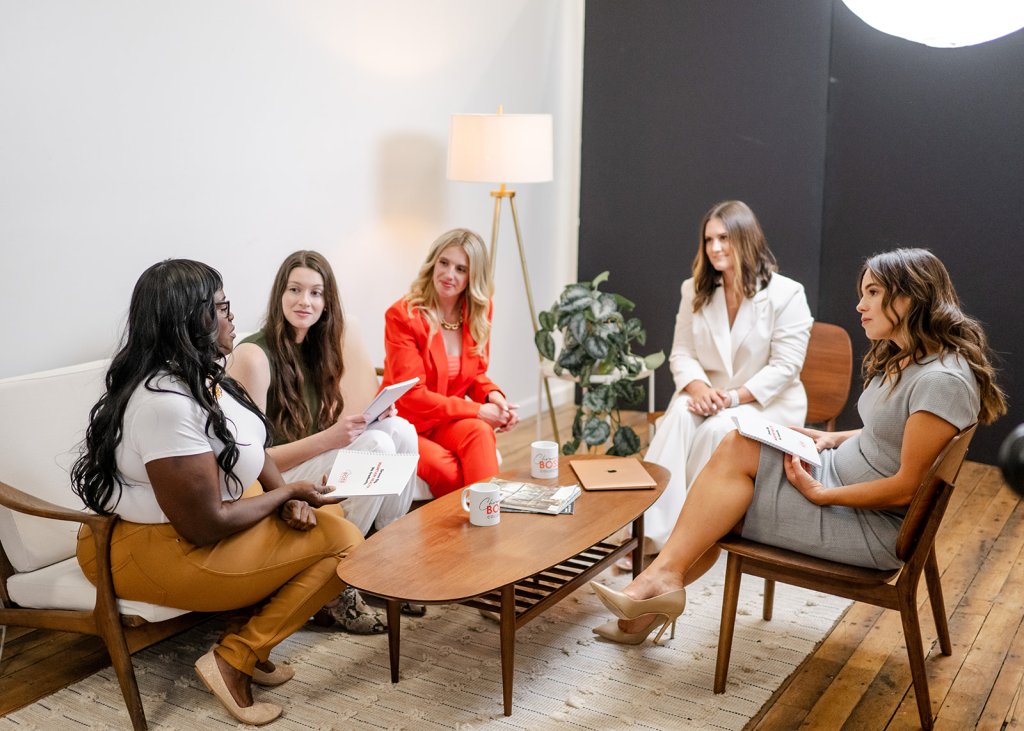
Until recently, there wasn’t a group to celebrate and support us. But now that’s changed thanks to the Chronic Boss Collective. It’s the first and only professional membership designed for ambitious businesswomen living with chronic health conditions to help women dream big in their careers while prioritizing their health without tradeoffs. The international networking membership includes monthly in-person and virtual programming rooted in three pillars: professional development, connection, and wellness.
This incredible group is the brainchild of Lilly Stairs, a well-respected patient advocate and entrepreneur. At the age of 19, Lilly was diagnosed with psoriatic arthritis and Crohn’s disease.
Making the concept become reality
The concept for Chronic Boss Collective had been on Lilly’s heart long before everything came into fruition. As an ambitious businesswoman who prioritizes her health and self-care, she had yet to find a space that holds these two statements to be simultaneously true. So, she created it.
“Throughout my career, I’ve met remarkable women whose lives have been turned upside down by a chronic condition, but they choose to keep going. They choose to give back. They choose ambition in the face of adversity. Every time I encountered a new woman who fit this profile, I couldn’t help but wonder how powerful it would be to get them in a network together,” said Lilly.
Because of her unique lens as a driven businesswoman living with chronic conditions and working in healthcare, she identified a gap that most people didn’t realize existed.
“For the past decade, I’ve had the privilege of watching extraordinary women transform their struggle into their strength. There’s an undeniable magic to these women living with chronic conditions who choose ambition. By harnessing that collective power, the Chronic Boss Collective is taking off like a rocketship.”
Currently there are 100 Founding Members. There’s an open enrollment period going on right now and new members are being accepted. Lilly tells me she expects to triple the membership over the course of this year. You can learn more and apply on the CBC website.”
Let’s talk Member Benefits
The Collective Membership is jam packed with benefits designed to help you level up in your health and wealth. Rooted in professional development, connection, and wellness, the Chronic Boss Collective offers the following benefits:
✔ Chronic Boss Mastermind
✔ Boss Boosts: Professional Development
✔ Boss Breaks: Wellness Events
✔ Monthly in Person Meetings (Boston Only)
✔ Private Online Community
✔ Member Directory
✔ Member Feature
✔ Affiliate Program
✔ Exclusive CBC Curated Resources
Detailed Benefits
Private Community
A custom online platform is complete with a private member directory, resource library, and buzzing chat rooms for you to network away with fellow ambitious members.
Chronic Boss Mastermind
Virtual mastermind with the entire membership! This jam-packed event includes:
Kickoff: Led by our Founder designed to amp you up and set intentions to get after your health and career goals this month.
Networking: Expand your reach and visibility and deepen your connections with the Chronic Boss Collective membership
Mastermind: Opportunity to submit a challenge you’re facing ahead of the meeting and then break into small groups to harness the power of the collective and mastermind it.
“Boss Round”: Lightning round of your top “ask” to get support where you need it most!
Boss Boosts: Professional Development
Monthly Boss Boost webinars lead by members and industry leaders presenting in their “Zone of Genius” designed to help you level up in your career. Think building your brand, negotiating your salary, starting a business while living with a chronic condition…and so much more.
Connection
Monthly in-person meet-up for chapter-based members – a mix of networking and fun!
Boss Breaks: Wellness
Quarterly wellness event centered on taking care of you. From mindful movement to gluten-free bake-alongs!
Member Spotlight
Get featured on the CBC social media and have the exclusive opportunity to contribute to media stories.
Resources
Proven methods, tools, and guides to help you level up in your career while maintaining your health.
Affiliate Program
Earn 10% commission when you refer new members to join!”
The priceless power of community
The Collective launched this past January (2023), and it is remarkable the impact it is already making on the lives of members.
“Every day, members are buzzing about the magic happening in Chronic Boss Collective. Women are connecting online and IRL to give each other valuable health support and share their best career and business advice. Our conversations skip the small talk and get straight to a point of vulnerability. The coolest part is that now our members are collaborating on projects that will make a real difference in people’s lives, like mental health resources and patient platforms.”
While CBC is seeking women who are ambitious, high achievers, and making an impact, fitting that description does not mean you have to be working as a full-time professional or running a large-scale business.
“For example, stay at home moms and chronic illness advocates who have monetized their advocacy work or built a side hustle (think Etsy shop, Amazon storefront, social media influencer, etc.) could be fabulous members,” said Lilly.
Requirements and cost to participate
The Collective is an exclusive membership for high achieving career women and all members go through an application and screening process before being accepted.
“Our virtual international membership is $397/year. Our chapter-based membership, which includes a once per month in person meeting, is $497/year. This is currently only available in the Boston area, but we have ambitious plans to scale to new cities in the coming years.”
Hopes and dreams for the future
Lilly says plans are in the works to massively scale the Chronic Boss Collective.
“Not only do we plan to scale the membership, but we plan to scale our offerings. In addition to the membership, we’ve already launched the Chronic Boss Scholarship which has awarded $31,000 to 31 students living with chronic conditions who have persevered and succeeded. We have big plans to usher in impactful programming that will serve the millions of women who choose ambition in the face of living with a chronic condition. Stay tuned…we’re just getting started!”
Feedback from CBC members
“The Chronic Boss Collective has changed my life in many ways. Since becoming a founding member and acknowledging my worth, my life has changed in ways I never could have imagined. The connections, opportunities, and immediate camaraderie amongst intelligent, inspirational, and courageous women has been my biggest blessing in 2024! The degree to which we draw strength from each other is something I have never witnessed in my life and I’m profoundly grateful to share my Chronic Boss journey with so many astonishing women.” – Lisa Z.
“This group is amazing. Thank you for launching this. I feel like this is the sisterhood that I didn’t know I needed whether for my health, business, or career and I’m just so thankful for it especially at this time in my life.” – Erika P.
“I can tell in just a month that I made the right decision to join. The connections I’ve made and leads already generated through the community will help me grow my design business and allow me to work with my people — authentic and adaptable chronically ill women who are changing healthcare.” – Sarah S.
Everybody copes and has their own unique tips and tricks for undergoing an MRE. I received more than 100 messages with recommendations, there was some overlap and similar advice—but I know our community could benefit from this information and find comfort in it. One of the most challenging aspects of undergoing medical scans and procedures is the mental health aspect—the wait, the wondering. Oftentimes these results do not go in our way and may indicate we are in a serious flare or need surgery. So, while the actual process of drinking contrast and dealing with claustrophobia can be intense, the challenges are often amplified by the dread of finding out the story behind our symptoms. Understand you are not alone in that. I try and just prepare myself for the worst, while hoping for the best. Nobody wants “bad” news, but once you go through the scan and have a better idea of what is going on and then you can go after the flare and get to feeling better.
Here’s the link to Part 1 of “Everything You Need to Know Before an MRE with IBD” in case you missed it.
Advice from the community to ease the MRE experience
“Whether it’s laying there saying prayers (like the Rosary) or focusing on doing something (like walking through Sun salutations or walking through doing something you love to do) that has helped me.”
“As a pediatric patient, my mom was allowed into the MRE room, and she held my foot (the only thing she could reach). Just feeling she was physically there helps my anxiety a lot. Ask for goggles that let you watch a movie are gamechangers because you can’t see anything but the movie, even if you tried!”
“I close my eyes and pretend that I’m lying on a beach and listening to country music. I feel comfortable knowing I can see my feet at the other end, and they can communicate with me. Honestly, I close my eyes and sing my heart out!”
“I listen to the loud banging noises and try to find melodies or patterns. Then, I repeat them back in my head and by the time I’ve done it a few times I’m in a meditative state or the test is over.”
“I try to look up/behind me if I start to feel claustrophobic and you can see outside! I also find it almost relaxing to count the loud clips and beeps. It gets your mind distracted.”
“Picture yourself someone you like; use deep breathing to help soothe your vagus nerve.”
“I know it’s not ideal, but if you are extremely overwhelmed you can always get the test under general anesthesia.”
“I focus on my breathing and imagine I’m in my favorite place.”
“Eye mask with no metal clasps and ear plugs (or music) helps to reduce the sensory overload for me.”
“Before you get in the tube, ask for a towel. Put it over your eyes and do not take it off until they let you out.”
“Deep breaths. Visualize you’re in your favorite place and ask for music. Ask your GI if moving forward Intestinal Ultrasound can replace getting an MRE.”
“I’m normally able to tilt my head up to see out the end of the tube. It helps me so much!”
“Breathing exercises can help.”
“Ask if there is a bariatric imaging machine so you have more room.”
“Slow deep breathing helps me prepare for it and calm down.”
“I close my eyes and envision being on a bench or somewhere hard but with open space for me.”
“Gadolinium has a high allergic reaction. Even if you have not had it before. Communicate with your care team and ask about taking Benadryl.”
“Meditation and Guided Imagery.”
“I take deep breaths and remind myself I am going to be ok. It was quicker than I had expected.”
“Take extra Xanax! I take it for flying and always need more than I think.”
“If they let you pick the music, pick it! Having my music really helps me.”
“See if an Open MRI is available. Otherwise, a big dose of benzos.”
“I’ve been Twilight sedated before, it’s the only way to go!”
“I took Zofran. I also wear MRI safe clothes, so I don’t have to change. I make sure there’s no metal in my bra.”
“Focus on breathing. Close your eyes before being rolled in. Think of something like planning a party or a holiday.”
“I hate it. Hate it. Hate it. Someone told me just don’t open your eyes and it worked.”
“I take Ativan and do breathing exercises.”
“Always ask for a towel or wash cloth to cover your eyes.”
“Keep your eyes closed the whole time. Do not peek. And ask for your favorite music to play.”
“I keep my mind focused on other topics and talk to God.”
“Take anxiety meds! If I have to do this again, I will take something.”
“Let your care team know before you enter the room that you’re claustrophobic.”
“Say Affirmations or imagine being on a vacation on a sunny beach. Anything to divert your mind.”
“Last time my nurse gave me an orange smelling strip that helped so much.”
“I close my eyes and pray or sing songs I like the most in my mind.”
“Slow breathing and counting (in for 4 seconds and out for 4 seconds) or listening to music while in the tube.”
“I always have a Life Saver candy between the contrast drinks.”
“I asked them to bring me back far enough so I could tip my head back and see the ceiling.”
“My sister needs to take 3 anxiety pills for the MRE.”
“Try to find your happy place and go to that in the tube.”
“Have all the good and happy plans run through your mind and ponder them. Daydreams! Mantras!”
“I write stories in my head—like manifestations.”
“Think of a beach on a sunny day.”
“Make lists in your head.”
“Definitely have anxiety meds on hand.”
“Bring a personal blanket. This always helps me.”
“Bring ear plugs in case they don’t have some for you.”
“Use a wedge pillow for your legs (ask for it).”
“Visualize the best vacation, start to finish. Try to remember every detail. Distract your mind!”
“Ask for a heated blanket, it can be chilly in there.”
“When your mind wanders, count. Count breaths in (5) and out (5) and focus on the numbers.”
“Some MRI machines offer a mirror, almost like a periscope. It shows you the outside!”
“Fast paced work out music helps me.”
“I ask before we start that they give me a time update every 15 minutes.”
“It makes me less anxious when I hear the weird and terrible sounds the machine makes if I have NSYNC playing. Have them play music you like that’s also light and funny. (As in 90’s boy bands!)
“My office gives lavender stickers to help calm you to place on the robe. It helped me!”
“I’m SO claustrophobic but I always self-talk “I’m a mother and set the example for my kids.”
“Tell the tech you are nervous. Ask them to check in with you more than they usually would.”
“Remember you can squirm out of the bottom if you need to. Knowing that makes me feel less trapped.”
“Lavender essential oil.”
“I took half a Xanax and enjoyed every second…haha.”
“Take the meds and extra, if possible. I’ve taken up to 4-5 mg of Ativan!”
“They let you choose your radio station or podcast, which can help.”
“I’ve listened to the Hamilton soundtrack. I struggle more with getting the contrast down.”
“Meditation! I always do it before, during, and after.”
“Prepare a playlist or an audiobook and ask if the tech can play it over the speaker.”
“I pray the entire time, so I don’t panic.”
“Try not to investigate too much about the details, it may worry you too much.”
“It’s easier to go in feet first, I don’t know why…but it is.”
“Use the help/panic button and take a break midway through if needed.”
“Be prepared to hold your breath a lot—the tech will guide you.”
“Request a helmet with a mirror. It’ll help you see out of the tube.”
“Try and see how many song lyrics you can remember.”
“Tell them you are nervous. They are more understanding and will talk you through it more.”
“Make sure you give the anxiety meds at least 30 minutes to work their magic.”
“The pills help tremendously, but I also bring an eye mask.”
“Thank you for doing this article, I’ve canceled my MRE twice now out of fear.”
Nearly 19 years of living with Crohn’s disease and this past week I experienced an MRE (Magnetic Resonance Enterography) scan for the second time. I felt nervous, overwhelmed, and scared leading up to the test. The only other time I had an MRE was in July 2015 while hospitalized with a bowel obstruction. The scan was used to determine whether I needed surgery. I was out of it and have little to no recollection of the experience. The results from my MRE in 2015 informed my GI team back then that I needed 18 inches of my intestine removed. Fast forward to the present day, and after being in deep remission since that surgery, I started to experience a worrisome uptick in symptoms beginning in early March 2024.
It took a month to get in for the MRE, but I knew in my heart-of-hearts I needed to get answers. Leading up to the scan, I crowdsourced questions on Instagram and received an outpouring of support that helped make the experience nearly seamless for me. This week on Lights, Camera, Crohn’s I provide a behind-the scenes look at what it’s like to get an MRE and share firsthand advice from a patient advocate who is truly an “MRE pro”. Due to the amount of information, we’re breaking this bad boy up into two parts.
Walking you through the process
I had to arrive at the medical center at 10:15 am and was advised not to eat or drink four hours prior. I set my alarm for 6 a.m. and drank some water. When it was time to get in the car with my husband to head to my MRE, I took a Zofran to help prevent nausea from drinking all the contrast. After arriving at the imaging center, I was brought back to a room where I answered health questions and changed into a hospital gown and pants. I wore a sports bra without metal but was told I couldn’t wear it due to some synthetic fabrics. Then, I received my IV. The nurse took one look at my arms and grabbed a vein finder machine. For those who don’t know, this looks like a wand and puts a light over your arm to highlight veins so the nurse can pick the best option. My husband held the wand for her as she did my IV and she got it on the first try. That was a big win for me.
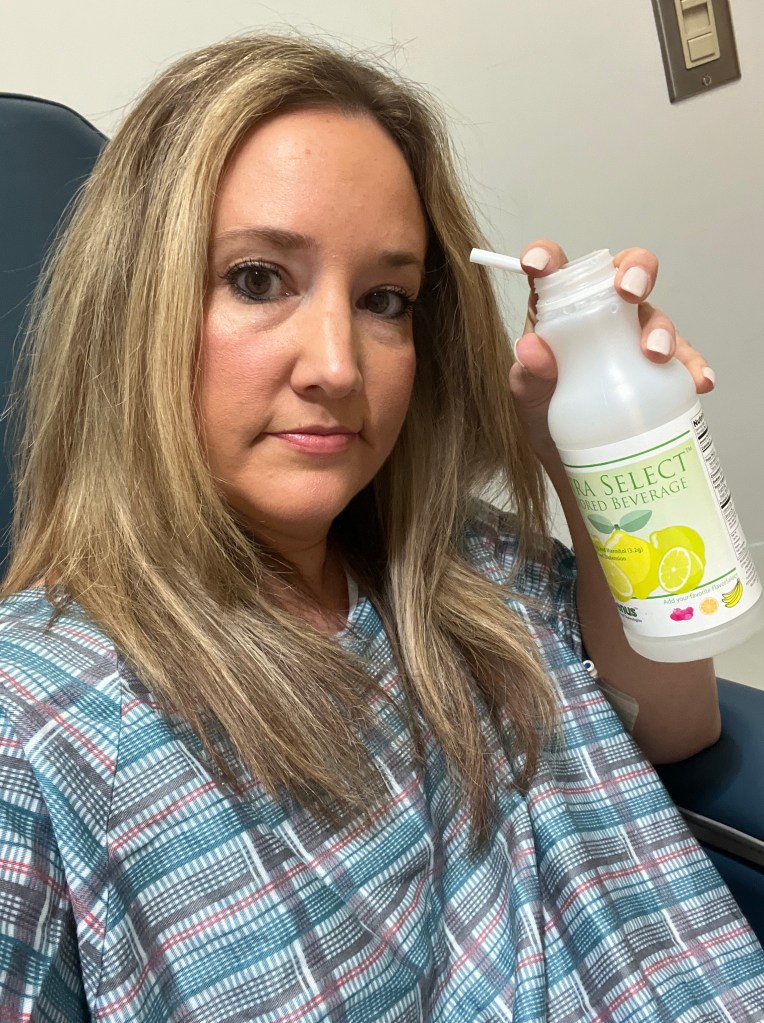
Once the IV was in, an MRI tech brought me three bottles of contrast (450 ml) to drink, about 46 ounces of fluids. I was told I had 20 minutes for each bottle and hopefully that I would have all three bottles down in an hour. Worst case the tech said I needed two. She told me not to chug too fast as that might make me nauseous. I took it with a straw and scrolled on my phone to distract myself. The contrast tasted like a super flat Sprite with a dull citrus taste. I’ve heard many people must do this in a public waiting room, I was grateful to be in a private room with my husband.
Due to my claustrophobia and anxiety about the test, my GI prescribed pre-meds for me that I picked up from Walgreens prior to the day of my test. He prescribed me four, 0.25 mg Xanax. I had never taken Xanax and did not know how it would make me feel. I called the Radiology center the day before the scan to ask whether I’d be able to get anything in my IV if I was too anxious, and they said if you’re outpatient you can only take anxiety meds orally.
Fellow IBD patients advised I take one Xanax the night before to have an idea of how it made me feel. I followed that advice and I’m so glad I did! Knowing how I responded took a bit of the stress off my shoulders. I took my first Xanax the moment I started the contrast (1 hour prior to the MRE) and then 30 minutes later I took .50 mg (2 pills) because I didn’t feel calm enough. For me, that was the perfect dosage. I felt completely coherent but chill and relaxed.
When I walked into the MRI room I asked if I could have headphones and listen to music. The techs asked me what kind of music I wanted; I said something upbeat like Taylor Swift. Then, I asked for a washcloth to put over my eyes. The scan took 45 minutes, I didn’t have one moment of fear or anxiety. There are lots of loud banging sounds and you hear the tech’s voice instruct you when to hold your breath and when to breathe. I felt very at ease and at the end started to doze off!
Since I had been NPO all day and it was 1 p.m. I was given a bag of pretzels and a bottled water after I changed back into my clothes. My husband had to leave during the scan to pick up our younger two from preschool, but the timing was perfect, and he swung back and grabbed me, so I did not have to drive after the scan. I felt tired afterwards.
After about 3 hours I started to get excruciating abdominal pain that I was not expecting. I’ve since been told by fellow patients that this is a result of the contrast and that it’s not unusual. I was very uncomfortable for about four hours. I spent a long time in the bathroom and on the couch with the heating pad. By about 9 p.m. I felt back to normal.
Guidance from a Veteran IBD Warrior and MRE Pro
Rocio Castrillon has lived with Crohn’s disease for more than 20 years and underwent countless MRIs specific to her IBD, but also for a multitude of other reasons including—Brain, Face/Sinus, Shoulder, Cervical Spine, Lumbar Spine, Legs, and Knee. She’s a true patient advocate in every sense of the word and someone I admire greatly. Through my recent experience, Rocio helped me immensely and even texted me the morning of my scan on her own accord, throughout my test as I drank the contrast, and after when I was stuck in the bathroom in pain. This is a true example of someone who goes out of their way behind the scenes to be a source of comfort and support for others. We have never met in person (yet!) and there’s this level of friendship between us.
“While MREs are specifically used for IBD patients, due to the contrast ingested, as well as injected, they are more complex than the traditional MRI and tend to be lengthier in time. Due to my anxiety and claustrophobia, I’ve had to utilize coping techniques to undergo MRIs and although they are still challenging, it’s yet another aspect of my IBD I’ve overcome. While these recommendations are primarily for IBD patients, many can be considered for a traditional MRI,” explained Rocio.
Check out Rocio’s step-by-step advice as your gear up for your next MRE:
PLANNING
At the time that an MRE is ordered by your gastroenterologist, there are a few considerations to keep in mind. MREs will require prior authorization which may take weeks. Fortunately, this time will allow you to explore options for locations.
In most cases, the MRE is ordered to be performed at the imaging facility that is affiliated with your provider, but you do not have to do your MRE there.
Oftentimes, there are private imaging centers, not affiliated with an academic institution, which can be more cost-effective.
MRI machines are now available in a wider bore design to help reduce anxiety and are recommended for claustrophobic patients. The feeling of a more “open” machine is beneficial. But to locate one, you must call around to determine if your recommended imaging facility has them and/or if you need to seek out an external facility.
At the time of your gastroenterologist appt., and if you have anxiety and/or claustrophobia, Rocio strongly suggests requesting a prescription for a sedative used for panic disorders, such as: Ativan, Klonopin or Xanax, which are short-to-intermediate in duration. While you will only need a prescription for one pill, keep in mind that there are many states that now require identification to pick up controlled substances.
Please note that if you do take a sedative, you will be required to have a driver to accompany you, as you will not be allowed to drive yourself.
Also, at the time of your gastroenterologist appt., and if you have nausea, Rocio strongly suggests requesting a prescription for Zofran to be utilized prophylactically.
Once the prior authorization for your MRE is approved, you will be able to schedule. Request an appt. time that works with your personal eating schedule. Because MREs require fasting, as well as contrast ingestion, patients may find it challenging to drink contrast early in the morning. Rocio tends to have more nausea in the mornings, so she prefers to schedule mid-day scans. While this does mean a longer fasting time, it also allows her to drink more contrast.
DAY BEFORE
Rocio eats a light diet the day before the MRE to prevent nausea as much as possible. While this is not necessary, she’s found it helps with nausea and vomiting.
HYDRATE…before AND after your MRE. While the technicians will explain the need to hydrate following an MRE, hydrating beforehand will allow for easy access to veins for the IV needed to inject the contrast. Hydrating after is crucial to eliminate the contrast from your body.
DAY OF MRE
Before leaving home, be sure to remove all jewelry and/or metal from your body. Because an MRI machine uses a magnetic field, you cannot have any metal on you. Women will be asked to remove their undergarments which have metal.
Additionally, if you continue masking in medical facilities, your mask will be switched out for a mask without metal that the technician will provide you.
An hour prior to the scheduled arrival time, take the prescription Zofran so it has time to kick in before needing to begin the contrast. It will help prevent/reduce the level of nausea and/or vomiting from the contrast.
Upon arrival at the imaging facility, you can take the sedative, as this will allow it time to kick in before you begin the imaging. Because there will be a window of time when you need to consume the contrast and when the imaging begins, this typically works well.
Contrast! While many academic institutions have shifted to a new contrast, Breeza, which is lemon-lime flavored, it is not always available to patients. In the past, Rocio has consumed other contrasts. She wholeheartedly agrees that Breeza is certainly better “tasting” than those in the past. But in full transparency, it still is contrast…haha.
For all her MREs, Rocio has been provided with three bottles of Breeza. Unfortunately, she cannot consume all of them, and at best, she’s drank a maximum of one bottle. While this is certainly not ideal from an imaging perspective, and is NOT medical advice, she’s been fortunate to have been “allowed” to perform the test with just one contrast bottle. The imaging that has resulted has sufficed for the radiologist to review and for her gastroenterologist to see results.
Insider Tip: While this may not be available to all patients at all facilities, Rocio always requests to sit near a bathroom and/or near a trash can if she is in the main waiting area. She says she already has enough anxiety about the MRE, and having people watch her drink contrast tends to make her more anxious. Note this is NOT always readily available, and you will have to adapt to what is available at your facility.
MRE START
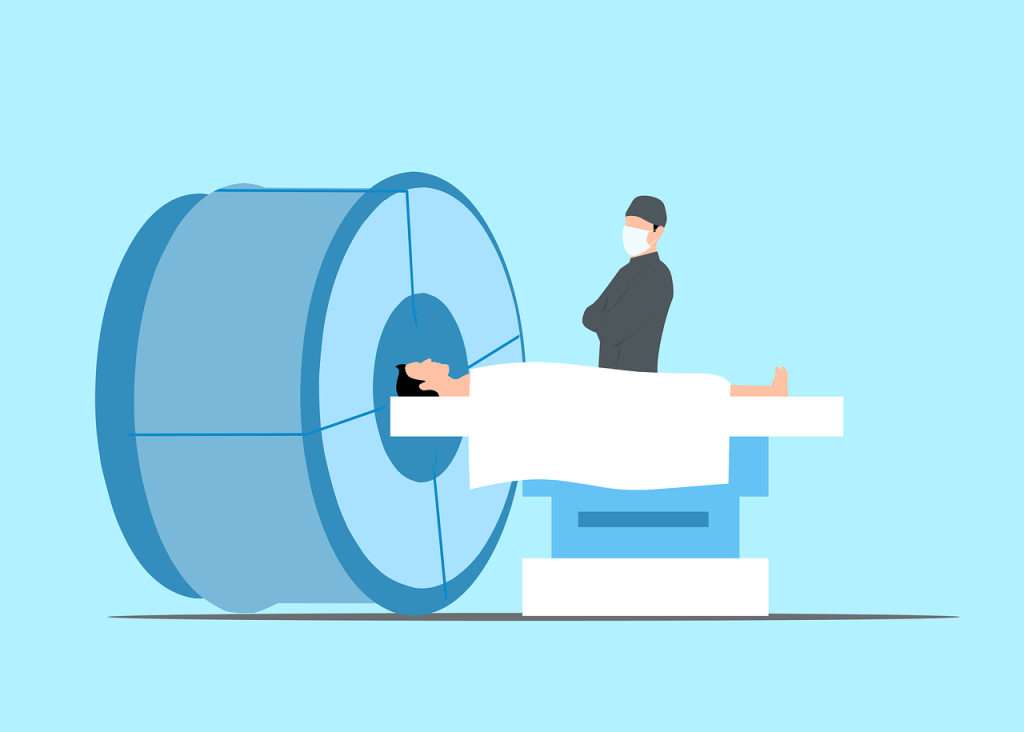
Upon finishing the contrast, the technician will take you back to the MRI machine where you will be laid flat. If you have anxiety and/or claustrophobia, be sure to alert the technician as they can make you more comfortable in a few ways.
Typically, a technician will ask for your music preference as they’re able to control the music that you hear via headphones (provided to you)
Rocio prefers relaxation/spa music as it helps to keep her calm.
Depending on your facility, there are mirrors that can be placed to allow you to “see” the surroundings and not actually have a view of the MRI tube. It enables patients to have the “illusion” that they can see the outside – either images displayed on the ceiling, or the room where the technician is sitting. This has been a lifesaver for her!
During the MRE, the technician will explain everything to the patient through a speaker that you can hear in the machine. You will also be able to respond to the technician and they can always hear you. You will also be provided with an emergency panic button to press, should you need to come out of the machine for any reason.
During the MRE, the technician will advise when they are starting the contrast through your IV. You should not feel anything except a quick sensation of nausea that passes immediately. This doesn’t happen to everyone, but it’s common.
Rocio says for some patients, like herself, who have been unable to consume all the contrast or who have slow motility, sometimes an injection called Glucagon will be utilized. This improves the quality of the images, but it does cause side effects. You will be instructed to ease into resuming eating and avoid any high protein foods due to slow digestion.
At the conclusion of the exam, you will be instructed to hydrate and begin eating slowly. Much like post-colonoscopy, Rocio recommends light meals for a few hours.
Due to Rocio’s extreme nausea and vomiting, she typically does not tolerate the contrast after the exam and tends to get sick shortly after. This is NOT the norm, but she recommends having an emesis bag in your car. As a reminder, if you have taken a sedative, you will not be allowed to drive yourself.
Considerations regarding contrast
While the actual scan experience was more pleasant than I had anticipated, about 3 hours after getting home I started getting terrible stabbing pains in my abdomen and had to run to the bathroom multiple times. At one point my husband came upstairs to check on me because I had been in the bathroom for so long. I was not aware or told that the contrast could cause this type of response. When sharing this on Instagram and after talking with Rocio, I learned how common this is within our community, especially for those who are symptomatic.
An IBD mom whose daughter has Crohn’s shared helpful insight for those who are on special diets or have difficulty tolerating contrast drinks.
Kristen tells me for MRE’s her daughter mixes Miralax in a specific amount of water that the MRI tech recommends, if she had to guess 40-60 oz over an hour. She says this helps prevent stomach cramping and uptick in symptoms. Kristen says some patients on the Specific Carbohydrate Diet (SCD) also drink pineapple juice (Lakewood brand or another organic fresh pressed brand) with Miralax.
“I found through this experience with my daughter that there was not much knowledge about how what you put in your body in the way of contrast, may affect inflamed intestines. Large amounts of sugar alcohol in contrast causes my daughter terrible pains for hours afterwards. Everyone is obviously different, and this disease is unique to each person, but I did a lot of research and we have found that the combo of a biologic plus SCD diet has really helped my daughter maintain remission, for now anyway.”
Kristen’s daughter had bowel resection surgery to remove strictures in her terminal ileum 7 years ago when she was 13 years old. She’s added some food back, but she’s strict with eating only whole foods and great about taking her medication.
Tomorrow on Lights, Camera, Crohn’s hear input and helpful MRE advice from 80 IBD warriors along with how to cope with the mental health aspect of going into a test and not knowing how the results are going to impact your life. As I was working on this article, I found out from my IBD nurse that my MRE results were within normal limits and that there is no evidence of active inflammatory bowel disease. While I’m thrilled and grateful to receive this news, it’s always perplexing when you’re more symptomatic than normal and your labs and scans don’t reflect a reason why.
This post is sponsored by Corra. All thoughts and opinions shared are my own.
For as long as Elya Lane can remember she had signs and symptoms of a health condition. It wasn’t until college that she received her official diagnosis of Ehlers Danlos Syndrome and POTS. She says her poor health started to spiral with other comorbidities popping up, the worst of which was chronic UTIs that left her whole body in crippling, burning pain and weak from the antibiotics. Elya’s personal journey with chronic illness inspired her to create the Corra App. This week on Lights, Camera, Crohn’s we learn about how she made her dream a reality and how she hopes to improve peoples’ lives.
The breaking point
“I was constantly plagued with fears of antibiotic resistance, infection complications, or complications from long term antibiotic use. I got to the point where I was so sick that I wrote letters to my kids and my family in case something happened to me. I started tracking all our passwords and making videos for my husband on where our important files were, how different things were stored, all the kids’ data, etc. While I tried to face this potential outcome bravely, I was devastated imagining my kids growing up without a mom,” said Elya.
As she navigated these dark and daunting days, the despair caused her to think about how she could fight back and regain control of her health.
“I started to religiously track my health in journals before transferring to Excel spreadsheets. I was so frustrated by how exhausting and impossible it felt to crunch that much data, so I turned to searching for a symptom track and correlative software to help me. I downloaded and tried every single one I could find – but none met my needs. Some even gave me back faulty data which made me angry. That’s when I decided to create a solution myself,” she explained.
In 2020, after losing access to all her healthcare management tools, and with her health declining rapidly, she decided to create Corra.
The meaning of Corra
There are quite a few chronic illness apps on the market, some that even attempt to offer correlative insights. Corra is short for correlations. Elya wanted to identify correlations in her health so that she could find her triggers and optimize her lifestyle.
Here’s what sets Corra apart from other chronic illness apps on the market:
The algorithm was custom built by Corra’s chief data scientist, Simeon Wilson, who has a master’s in quantitative economics from UCLA. “We are not aware of any software that exists that compares to what Corra is currently offering with our correlative algorithm.”
Corra was designed by individuals with chronic illness. “Not just me! While the idea and original designs are all mine, we brought on more than 200 beta testers with various chronic illnesses to provide their feedback and help us tailor the app to the needs of the chronic illness community. Even now, we continue to rely on the insights and feedback from the community to enhance and adjust the app. I want Corra to always be designed by and created for our community.”
We correlate with nutrition in an accurate and helpful way. “I believe nutrition plays a massive role in our health so one of our key focuses with our algorithm was to be able to correlate seamlessly with nutrition inputs.”
Corra does not sell user’s data. “We don’t scrape your data from your device or browsing history, we don’t use your data to sell you anything, we don’t share your data with third parties. Your data is yours alone. As an individual with a chronic illness who often feels more like a commodity than a person, making sure people can receive personalized insights into their health without signing away their privacy is incredibly important to me.”
Corra’s bells and whistles to check out
The ability to track health data in one place without having to use five different apps to log information. “My favorite part of Corra is of course the correlations, because getting detailed insights like that about my health is equivalent to having a team of data scientists run extensive tests on my health and provide me reports. It’s life changing to be able to learn about my health overtime and create a custom-built lifestyle that caters to my future.”
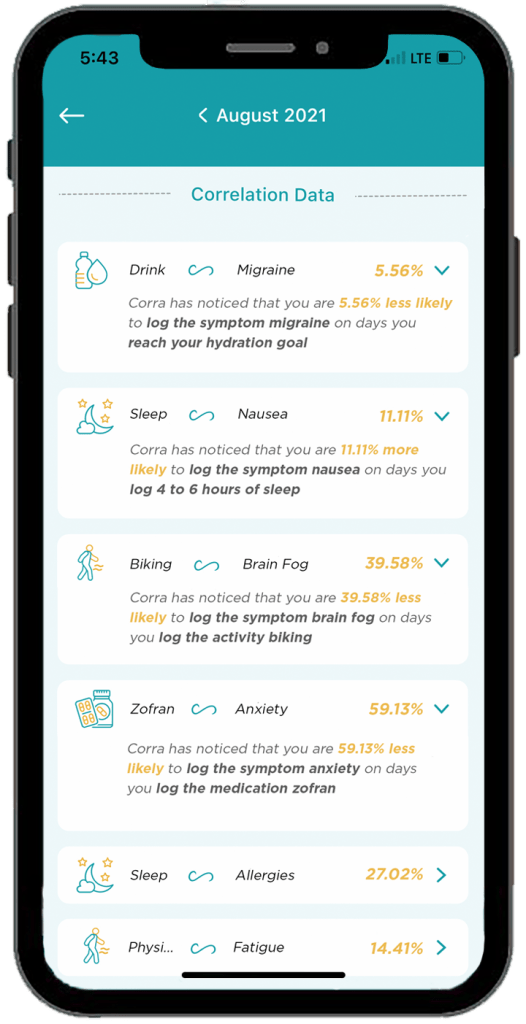
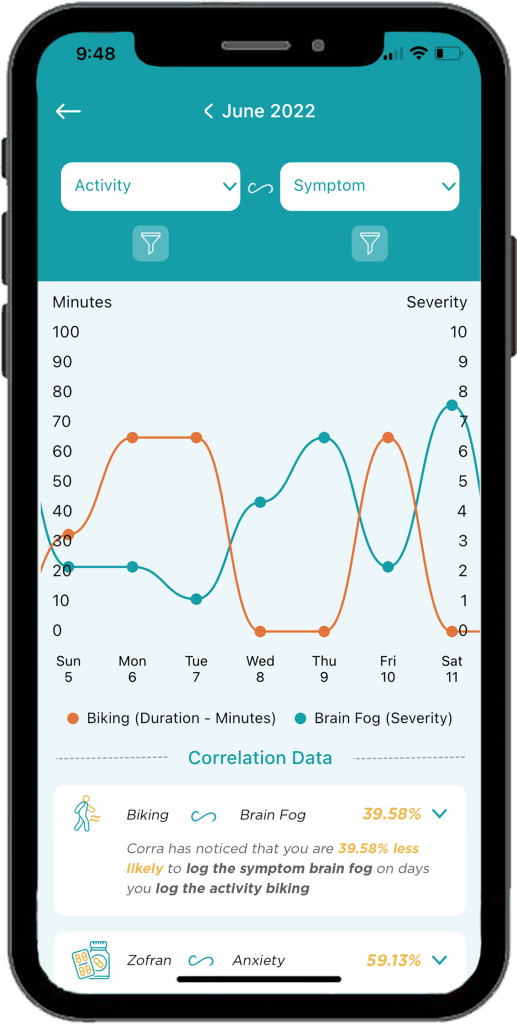
Discovering positive and negative correlations. “You may receive insight that something has x% chance of increasing or decreasing a symptom. I think being able to get data on the things that are helping is just as important as being able to identify triggers.”
The ability to log appointments, download PDFs of your data to share with my doctor, track medications and supplements, track mood and stress levels, etc. “I’m also extremely excited about all the upcoming integrations we have in the works! Soon we will be connected to Fitbit and Apple Health with Garmin, Cronometer, Weather data, and hopefully Oura coming shortly after! Over time we will continue to integrate with as many devices and apps as possible so users can have all their data in one location!”
A promising future
Elya says being able to learn what foods, activities, supplements, and medications help or cause symptoms has enabled her to have a much better understanding of how best to manage her health conditions.
“I’ve been told to go vegan, cut out red meat, don’t eat dairy, sugar, gluten, eat paleo, try a carnivore diet, go vegetarian, and try cutting out leafy greens… what I found with Corra is that I didn’t need to make these drastic nutrition changes, I only needed to cut out some foods in each of those categories. For example, I discovered that I have a high trigger correlation with ground beef. I can eat steak and other red meat, but not ground beef. Similarly, chicken thighs are a trigger for me, but chicken breast is not. Same with gluten, there are some gluten products that are triggering for me, but not all gluten triggers me. Being able to identify exactly which foods to cut out, rather than willy nilly cutting out entire food groups or going on drastic diet changes, has been an absolute game changer.”
Elya has also discovered that cold and flu medications like Mucinex are major triggers for her. This helped her realize why she would get a horrible flare a few days after coming down with a cold or flu.
“Now, I try to manage my colds and flus with other medicine to try to prevent the flare on top of the cold. It’s also important to note that I’m not cured! I have to manage my diet and my activities and my supplements every day. The difference is, I’m no longer throwing shots in the dark, I now have the information I need to manage my condition to the best of my ability.”
Information really is power, and it has given Elya control over her life and reduced her anxiety. Because of Corra, she is now coming up on two years without the need for daily antibiotics. It’s been over 2 years since she visited the emergency room.
“I’ve found that medical providers are far more willing to accept unbiased data from an algorithm than trust my verbal expression of my experience, so in that way Corra becomes my advocate and backs up my statements,” said Elya.
She says her health conditions have caused her to go through depression, isolation, and hopelessness. But her hope for Corra is two-fold.
“First, I believe it can help others identify their triggers and optimize their life so that their conditions can become more manageable, but I also hope that Corra can be a beacon of light for those struggling to see they are not alone. There are so many steps between the start of symptoms and any kind of treatment let alone cure (depending on if your condition is even curable)… and I want to be the one that goes into the trenches and helps people who are suffering the most. So many people in the chronic illness community get forgotten or left with “your test results are normal” when they know there is something wrong with them. I want to create a company that comes alongside them and lifts them up and allows them to have their voices heard.”
Downloading Corra
You can download Corra directly from the App store or the Android playstore. There is a free version as well as premium access. The premium version is $7.99/month or $24.99 if you enroll for a 6-month subscription. Elya is looking for Corra Insiders who are interested in getting free access to the app. By joining the Insiders group, you get a first look at upcoming features. This provides you the opportunity to share feedback on what you do/don’t like or would like to see improved or added in the future. Sign up for the Corra Insiders program here.
Kids are more intuitive than we tend to give them credit for. They are always watching us and even before they’re able to speak in sentences they have an innate sense of empathy and understanding. As an IBD mom of three, whose kids are almost 7, 5, and 2.5, I’ve started to think more lately about how to explain my Crohn’s disease to them in a way that will educate them, without scaring them. It can be a difficult balance.
I know my older two know mama gives herself shots, often needs to run to the bathroom, and gets “tummy aches” but I haven’t yet dropped the term “Crohn’s” or “disease” to them quite yet. It can be hard to explain and sometimes when I start trying to share more, I feel like it’s still going over their heads. Their concerned eyes when I’m in pain and how they watch me do my Humira injections is a reminder to me that they are aware something is going on. As we potty train my youngest, he commends himself for going on the potty by saying he’s “just like mama” …ah, what a great analogy!
This week on Lights, Camera, Crohn’s hear from several IBD parents about how they transparently communicate their experiences with Crohn’s disease and ulcerative colitis. It can be a fine line educating and being open, while also trying not to overwhelm and scare kids. I’ve found it extremely helpful tapping into the community and gaining input from others and I hope you do, too!
Helpful Guidelines for Navigating the conversation with your kids
Choose the right time. Pick a time when you won’t be interrupted and can focus on the conversation. Ensure it’s a moment when you and your children are feeling calm, at ease, and open to discussion. My recommendation as an IBD mom would be to have this conversation on a “feel good” day—rather than when you’re flaring or in the hospital.
Prepare yourself. Decide in advance how much detail you want to share based on your child’s age and maturity level. IBD is complicated, be ready for a range of emotions including sadness, fear, and even anger.
Use age-appropriate language. Explain your IBD in a way that is understandable to your child. Avoid using confusing or technical terms. For younger kids, it might be helpful to compare your illness to something they already understand.
Be honest but reassuring. You can be transparent and truthful, but also reassure them about all you do to manage and control your IBD. Empathize with the aspects of your daily life that won’t change, to provide them with a sense of stability and comfort.
Focus on practical impacts. Explain how your IBD might affect your daily routine or activities with them in a straightforward way. Use examples such as—“Mommy’s Crohn’s can be unpredictable, I may say we’re going to the park, but then I don’t feel well so we have a movie date and snuggle instead and plan to go to the park another day.”
Encourage questions. Allow your children to ask questions and express their feelings and know this will be an ongoing conversation throughout life. Go into the conversation without expectations. It’s ok to admit if you don’t have all the answers. You can explore some of the questions together.
Provide continuous support. Let your kids know that it’s okay to have and express their feelings about your IBD. Offer them ongoing support and reassurance. Let them know they can always come to you with questions or concerns at any time.
Seek support when needed. Consider enlisting the help of a therapist or a counselor, especially if you or your children are struggling to cope. Joining support groups and tapping into the online patient community and connecting with fellow IBD families in similar situations can be beneficial.
Keep the conversation going. Check in with your children regularly about your IBD and how you’re feeling. Be casual about it. Share when you see an opportunity to teach or calm fears that your kids may be internalizing.
Highlight the positives. While acknowledging the challenges, also focus on the positive aspects, such as the strength of your family unit or the support you have from friends and community. I always tell my kids when I’m doing my injection that mommy is strong, and we can all do hard things.
By approaching the conversation with honesty, sensitivity, and openness, you can help your children understand and cope with your chronic illness in a healthy way.
My 2-year-old trying to make me smile during a rough day in the bathroom.
IBD as a family disease
There’s a common saying in our community that IBD is a family disease, in that whether you have Crohn’s or ulcerative colitis or not, if someone in your nuclear family has it, the disease impacts your living experience in some way.
Emily and her husband have IBD and so do their three daughters, so discussions about IBD are frequent in their home since it’s a living reality for all five of them. She tells me the conversations tend to fall in one of the following categories:
1) Explanations of IBD details, procedures, surgeries, or diet needs for a member (or members) of the family.
2) Discussions to calm anxieties in one child about the presentation of IBD in themselves or in another family member.
She says the second category tends to be the more challenging conversations, by far.
“In the first category, we tend to stick to factual, age-appropriate explanations. For example, when our five-year-old needed to know about scopes and surgeries, we explained that a specific family member has “belly problems” and the doctor is helping by taking pictures of their belly and fixing the parts that were causing trouble,” explained Emily.
As the girls have gotten older, Emily says they add details about how the doctors do different procedures – always led by their child’s level of interest and desire for the knowledge.
“We are always honest about pain or discomfort related to medical procedures. Many things are NOT painful, and we want them to trust us that something does not hurt if we tell them. This has served us well. When surgery was needed for one daughter, we discussed how she would be sore afterwards, but we had ways to help the pain until it would subside. This was undoubtedly a challenging time for us, but our daughter did amazing,” Emily said.
As Emily’s girls have gotten older, as a preteen and teen, they understand more about their parents,’ and their own, IBD. They have lived through surgeries and many medical procedures in their family. Emily says now the more challenging conversations have started, related to knowing the possibilities around IBD.
“For example, I had a colon perforation following a routine monitoring scope for my IBD. It was a rare event that we are all warned about prior to a colonoscopy. It resulted in a more significant repair surgery and several days in the hospital. My daughters are old enough to realize that they also have scopes regularly and we had to have some discussions about the chance that the same thing could happen to them. It was challenging for our family for a few rounds of scopes!”
Emily says they addressed this topic mostly by focusing on the “helpers” as the iconic Mr. Rogers would! Yes, bad things can happen, but she reminded her daughters that they are so lucky to have doctors and medical professionals to “fix” these problems. She reminds them that they are lucky to have family and friends to help when they are not feeling well. She also talks about how they are lucky to have each other – who understand the ups and downs of this disease.
“This narrative has gotten our family through many challenges! I talk with my oldest daughter much more now about the details of her IBD. She is a teen and has had more than her fair share of IBD troubles. She has watched me deal with my challenges too. We are open with each other about the negative parts, and our frustrations having to deal with IBD. It is a double-edged sword to have her growing up! On the one hand – I hate that she is old enough to really understand the negatives. But she is also turning into an amazing young woman who is one of my closest confidants with this disease. We understand each other’s highs and lows like most cannot. We supported each other in challenging times and celebrate together for each win!”
Sari says she bought a couple of children’s books that feature a caregiver with chronic illness.
“One of them is titled ‘Some days’…it’s about a mom with multiple sclerosis, but it works for IBD, too. It goes over how some days are more exciting and others are simpler more restful days. If there are other kids’ books people have found, I’d love to hear about them!”
Kate also has a book by someone with Crohn’s, but says they’ve also always been very honest and open about it with her son.
“I always worried he would tell people too much, but I’ve found he’s incredibly respectful and it has made me feel less shame in my body because I talk to him so positively about it. Especially the perianal disease, which has been really hard to talk about with people. My son is six and understands my immune system attacks my digestive tract. We also have a puzzle of the body we have played with for years and he knows the colon, intestines, rectum, etc. because of that.”
Becca says one of her favorite memories as an IBD mom is when her daughter was learning body parts and said, “Mommy and I have vulvas, Daddy has a penis, Daddy and I have butts, and mommy has a bag!” She also often asks to see her “cut” on my belly (c-section scar), but I constantly remind her that she shares her “cut” with a lot of intestine.”
Becca also says for the longest time her daughter thought that EVERY mom gets an ostomy bag when they’ve had a baby.
“She didn’t realize I had mine for four years before she was born!”
As an IBD Dad, Brandon said he stumbled upon a video series when his son was around age five that provided a solid explanation. At the time his son had a broken arm.
“The video explained people have booboos you can’t see. I explained that I had what the girl in the video has. Nowadays, I show both my boys’ photos from my colonoscopies.”
You can watch the video Brandon showed his son here.
Here are additional books about chronic illness that others have recommended:
When you’re diagnosed with Crohn’s disease or ulcerative colitis it’s a lot to process. When I started this blog in 2016 and after living with Crohn’s for nearly 19 years, my focus has always been to be the voice I needed to hear upon diagnosis and what it was like to experience young adulthood with a chronic illness. As a 21-year-old, fresh out of college, I had to navigate my career, finding love, and becoming a mom with IBD on my own. The first decade I wasn’t publicly sharing my story and didn’t know there was a patient community to tap into online for support.
The first week I started experiencing Crohn’s symptoms-March 2005, Senior Spring Break in the Bahamas
Often as the years go by and we get beyond the initial shock of hearing the news and what this means for our lives, we tend to forget the challenges we faced to gain our footing. This week on Lights, Camera, Crohn’s I share some tokens of knowledge I’ve gained along the way that I hope will help you on your own journey, no matter where you find yourself at this moment.
Healing—physically, mentally, and emotionally is not linear. We all experience IBD uniquely—some people’s disease course is milder, others have it severe. We all cope differently with knowing and living with a chronic illness. Give yourself grace in the difficult moments. It’s ok to feel resentment or anger. It’s understandable to wonder at times “why me.” It’s “normal” to feel scared and anxious whether you’re a few weeks or a few decades in. Sometimes it’s taking things one hour at a time, other times it’s taking them one day at a time. Because of how quickly a flare up can strike, I try to live in the now and not worry about tomorrow.
You didn’t have control of getting your chronic illness, but you can control how you react and choose to heal from it. It’s easy to feel like you may be to blame if your health takes a turn for the worse. But understand this is not your fault. The unpredictability of IBD makes it feel like we’re often in the passenger seat and spiraling in circles, but this disease cannot control how you react, respond, and choose to heal from it. No matter what, you’re in control of the healing process. Whether it’s finding support through fellow patients and caregivers or through professional therapy, you won’t look back and you’ll be setting yourself up to take this on to the best of your ability.
There is no comparison game. Since the majority of people are diagnosed with IBD in their teens and into their 30s, it can be easy to try and measure your timeline and accomplishments to that of your peers who do not have chronic illness. It can also be tempting to look at people in the patient community who seem to have the world by the tail, when you’re struggling to get out of bed each day. This isn’t a competition of the sickest or a ploy to see who can smile through the pain and get more done. The only person you need to answer to, is who you see looking back in the mirror. You determine what you’re capable of and what you want in life. Your roadmap is yours and you’re right where you’re meant to be.
You set the benchmark for what’s possible. Your IBD is part of you, but it’s not your entire identity. Remember that even patient advocates are posting somewhat of a highlight reel. Even those who are working, in love, and parenting are dealing with their own struggles, too. My best advice would be to think about what you hope for in life (don’t even think of your IBD as part of the equation) and go after it. Yes, your health may cause some detours and roadblocks, but you won’t find your way unless you try.
No one knows your body better than you. I don’t care how many letters someone has after their name, they aren’t living in your body and experiencing what you feel each moment of every day. Be vocal when you need to be. Communicate as much as you can with your care team and paint the clearest picture of your reality. If you keep parts of your struggles to yourself or dumb down the severity of your day-to-day life, the only person you’re hurting is yourself. Learn about nutritional bloodwork and advocate for yourself to be tested for a full iron panel with Ferritin and Vitamin D. Get labs every 3-4 months so you can keep a finger on the pulse of what’s going on with your body. If you feel like your provider is being lackadaisical, don’t hesitate to get a second opinion. Take ownership of your health and find a provider who in your darkest moments you would feel most comfortable by your bedside in the hospital.
Make sure your GI specializes in IBD. There are gastroenterologists and there are gastroenterologists who specialize in Crohn’s and ulcerative colitis. Once you’re diagnosed with IBD, it’s imperative you try to find a GI who is an IBDologist. This can be tricky if you live in a rural area, it may mean you need to travel several hours to find a provider who fits the bill. If you move or are unsure of a good GI to check out, it’s helpful to reach out to your local Crohn’s and Colitis Foundation chapter and often they can help point you in the right direction.
Diet and stress levels matter. Read that again. Any doctor who tells you diet, and stress doesn’t impact your disease process is wrong. There are incredible registered dietitians throughout the US who specialize in IBD, and many of them have IBD themselves! Before you start restricting yourself or your child, make an appointment—most provide virtual options and this will help you get educated on what works best for you. What is a trigger for one person, isn’t necessarily a trigger for another. There isn’t a one-size-fits-all diet or else we would all do it.
Emotions will strike when you least expect them. Even almost 19 years in, I’ll sometimes break down and cry when I think about my Crohn’s or how it makes me feel. Just because you become a veteran patient doesn’t necessarily mean you fully ever heal from the hurt life with a chronic illness causes. It’s ok to have these moments where you may feel like you’re allowing your disease to control your emotions, you’re not. You’re human. It’s healthy to feel frustrated and to get emotional about what your life is like because you have IBD.
You’ve endured more than you give yourself credit for. As chronic illness patients we go through so much that often we don’t even bat an eye over experiences that would be extremely painful or stressful to the average person. Think about what a bad ass you are and how that carries over into each and everything you do in life. If you’re newly diagnosed you will get there—but even those initial weeks and months, you’re enduring more than the people who have their IBD under control and have a good handle on their body. No matter how many surgeries, scopes, scans, and IVs I’ve had, I always get a little teary eyed because it brings me back to 21-year-old me and then all the trauma that comes along with living with Crohn’s for 19 years. While those tears are sad, they also come from the strength of reflecting on what I’ve gone through to bring me to now.
Stay in tune with how your body is speaking to you through symptoms, do not ignore them. It can be challenging to communicate what you’re feeling to someone who does not have IBD. I get that. But by protecting loved ones, friends, and doctors from what you’re experiencing you’re preventing them from stepping in before it’s too late and before you know it your flare has gotten out of control and requires hospitalization. I used to be that person all the time. I would always internalize the pain, silently fighting through each day, doing anything possible to stay out of the hospital until the symptoms were simply unavoidable and required medical intervention. One hospitalization always sticks out in my mind. It was May 2009. I was a 25-year-old morning news anchor in Wisconsin. I was solo producing a 2-hour morning show dealing with horrible abdominal pain that kept making me throw up in the garbage can next to my desk in the newsroom as I struggled to put together the show. Finally, I couldn’t take it anymore and I had to call my co-anchor, who rushed me to the hospital. I was released from the ER hours later after my parents had driven from Chicago in the middle of the night only to return to the hospital that afternoon and have my dad carry me in his arms through the automatic doors. I was finally admitted and given the medical intervention I needed. Take it from me, you’re creating even more of an uphill climb for yourself if you don’t start speaking up when you initially notice something is awry.
The worst moments are just that, moments. When you hit your breaking point, when the pain seems overwhelming, and you can’t see the forest through the trees try to breathe. Go to your happy place. Recognize this is one day, one moment, I always tell myself “This too shall pass.” Go to your happy place mentally. Do mindfulness exercises. Shut out the outside world and focus on your breath. Detach from your body as best you can. Think of people who inspire you and bring you joy. Everything is fleeting. Each flare, each recovery, each prep, procedure, and surgery…it has a start and a finish. One day it will be a memory you talk about.
Pay attention to who is there when you when are quiet and when you’re going through the thick of it. IBD is too big to deal with alone. Lean on people you can trust, who you genuinely feel safe sharing your health woes with. This will be fewer people than you’d ever imagine. Be prepared to realize that many of the people you thought would be front and center to support you will be non-existent. It’s fine to mourn those friendships or relationships, but don’t waste your time or energy on them. Your disease will give you the ability to see who loves you and who wants to be present in not only the good times, but the bad. You can’t change people. Hold on tightly to the people who show up consistently, expecting nothing in return. Those are your people.
Emmanuel Acho shared a reel on Instagram recently that really hit home for me and caused me to reflect a bit on the people in my life and their roles. In the video he explains that friendship is like a house. You have your window, door, and floor friends. Window friends are outside looking in, they don’t know what’s going on in your house. They don’t have intimate access to what’s going on in your life. You can only let so many people into your house. Door friends come in and out of your life depending on the season. When life gets too hard or when your world turns cold, they might exit. Your friends might not be equipped for that season. Floor friends—aren’t going anywhere. You might track mud, but they will last regardless of the season. They are there to catch your tears and hear your fears. Remember—a house has more windows than it has doors and more doors than it does floors…if it has one good floor, you’re set.
Just because you need medication does not mean you’re taking the easy way out. I’ve been where you are. I remember lying helpless in a hospital bed and what it felt like to be told I needed to “break out the big guns” and start a biologic medication back in 2008 when there were only two options on the market for those with IBD. In that moment, we all naturally want to learn about side effects and what this could possibly mean for the long term. But please try and focus on the actual risk versus the benefit. As someone who has been on Humira since July 2008, I’m so grateful for my medication for allowing me to live a full life, bring babies into this world, and be a present, able-bodied, and active mom. It’s not all medicine, or all diet and lifestyle, often for many of us who have moderate to severe IBD we need a mix of both, and that’s ok. You can still thrive and be healthy, despite being on a medication with a black box label.
You are not a burden, and you deserve love. Any romantic partner who makes you feel less than, isn’t present when you need them most, or doesn’t show any empathy or interest in your daily reality isn’t going to stand the test of time. Use your IBD to your advantage to see your partner’s true colors. Be honest and upfront when you start dating and if you ever feel like you need to defend their actions or make excuses consider that a major red flag. Dating and marrying a person with a chronic illness isn’t for everyone, and that’s fine—but when it comes to people like you and me, we need a partner who is willing to take the challenge on beside us every step of the way. Find someone who you feel comfortable communicating openly with, who sees you for more than your disease.
IBD is not a battle to be “won” or “lost.” One of my pet peeves with any health condition or disease is when people say “so and so lost their battle”…they didn’t lose shit. Diseases are not a game. Oftentimes reaching remission is due to luck, disease severity, or surgery. I spent a decade of my life with active disease and have been in remission (thanks to surgery) for almost nine years. I don’t give myself credit for that, I’m not “winning.” It’s because of my efforts to stay diligent with my biologic, vitamins, safety labs, daily decisions, and check-ins with multiple specialists, but I also don’t think I’m at this point because of something special I’m doing compared to someone else. We’re all dealt a different hand of cards in life. Your IBD isn’t a win or lose situation—you’ll celebrate big victories and small ones, too, your disease can rob you at times, it’s a never-ending exchange and game of back and forth. You are not less than because you are flaring. You are not lazy for taking medication or failing because you struggle to follow a strict, regimented diet that may or may not help you. Once you stop thinking of everything as a “fight” it takes a bit of the stress, anger, and onus off your shoulders. IBD is a chronic illness, until there’s a cure, we’re in this situation until the day we die…that’s simply too long to be “fighting” anything.
Get ready to be extra proactive with your health. Due to the nature of our IBD and the medications many of us take, we are at greater risk for additional health problems. It’s important to get annual skin checks at the dermatologist. Make sure whether you have good vision or not that you’re seeing an eye doctor. Get cleanings at the dentist at least every six months. If you’re a female, make sure you get your well woman visits. We are greater risk for cervical cancer because many biologics don’t allow our bodies to fight off HPV, this may mean annual Pap smears. We’re also at an increased risk for breast cancer, so don’t delay your mammogram. Get a bone scan every 3-4 years, get one as close to diagnosis as you can so you have a baseline. Your GI may say it’s not necessary, it is. Steroids put us at risk for osteopenia and osteoporosis from an early age, this may mean you need to see a bone health doctor (yes, those exist). Those of us with IBD are at greater risk for pelvic pain, it can be helpful to see a Pelvic Floor Therapist who addresses those unique needs.
Faith can give you added strength and comfort. I understand faith is very individualized and looks different for each of us, but I can tell you as someone who is Greek Orthodox who has always been a faithful and prayerful person that I rely on my faith to guide me through my IBD each and every day. There’s a sense of comfort and hope that comes with believing God is watching over you through the good, the bad, and everywhere in between. When you’re diagnosed or flaring, it can test your faith. Hold on tightly to what you believe and lean on that (however it looks for you). I truly believe God gives his toughest lessons to his greatest teachers. One of my biggest fears as an IBD mom of 3 is that one of my children will get my disease one day. Each night before bed, I always pray with them and say, “keep my babies healthy, safe, and strong.”
My why. My motivation to push through each and every day.
Family planning takes time and effort. Just because you have IBD does not mean you can’t be a biological mom or dad one day. The journey will look a bit different, but this disease does not necessarily need to rob you of the experience if that’s what you want in your life. Communicate these desires with your GI so they can help prep your body for a baby. This can mean starting a prenatal vitamin and folic acid several months before trying. I had a colonoscopy before every pregnancy so that I could be given the ‘green light’ by my GI that we were cleared to try for a baby. When I was pregnant, my care was overseen by my OB, a maternal fetal medicine OB (high risk), and my GI. Unless you have perianal disease, you can have a vaginal birth, but oftentimes this is a discussion left to you and your care team. I personally chose to have 3 scheduled c-sections, because while I don’t have perianal Crohn’s, I didn’t want to risk tearing or causing a fistula to form. I would make the same choice if I had to do it all over again. I also stayed on my biologic through conception, pregnancy, and breastfeeding. These are all personal choices but there are many, many research studies available that show the safety and efficacy of doing so. If you feel you could have internal scarring due to past surgeries that could hinder your fertility, check in with a fertility specialist and have them help you investigate if there could be issues.
Educate yourself on insurance, prior authorizations, specialty pharmacies, and Pharmacy Benefit Managers (PBMS). Unfortunately, with IBD we are forced to do so much behind-the-scenes work to simply receive treatment and medication. You will waste countless hours and endless energy on the phone as these people give you the run around. Nobody ever seems to want to take ownership. Work with your gastroenterologist if you are denied a medication so they can write an appeal letter to insurance and go to bat for you. Stay on top of everything, don’t worry about annoying anybody. You gotta hustle. You gotta be frank and assertive. It’s not about hurting feelings; it’s about making sure people are doing their jobs and ensuring your course of treatment doesn’t get delayed because someone fumbles some paperwork. Our medications are time sensitive. Light a fire under people’s ass if you’re not getting responses you deserve. One of my friends on social media posted this over the weekend, “Managing specialty medications in January is an annual slap in the face to chronically ill people.” It sure is. This week will mark the first time I’ve ever received my injections late in the mail, due to a misstep in my GI office that I had to follow up on for over a week. Be extra proactive at the start of each year. Make sure your GI informs you about all the patient savings programs available, these can help you not only emotionally, but also financially.
You get the final say. No one but you gets to say what you do with your body. If a doctor wants you to do an enema before a scope and you don’t want to, don’t. If you don’t feel comfortable with taking a certain medication and your care provider keeps pushing it, they can’t physically make you pop a pill, take an injection, or receive an infusion. You must do your research, educate yourself every day, feel empowered by all you know and be ready to deal with the ramifications if you go against the grain or determine you want to try something differently. There’s not one “right” way to live with IBD. Be honest with your provider. Don’t say you’re taking a medication and then not take it, that’s not helping anyone or anything. Be a compliant patient, but an educated and empowered one at the same time. Measure all the risks and benefits and what your hopes and dreams are for your present life and for your future. Don’t ever feel like someone else can or should dictate what path your journey takes. Just because one biologic is a magic bullet for one person doesn’t mean it will be for you. You never fail treatments, they fail you. If a provider says “oh, you failed Remicade” … please correct them. “No, Remicade failed me.”
I write this as a 40-year-old mom of three—ages 6, 5, and 2.5 years old, married for almost 8 years, who has been on a biologic since 2008, who was diagnosed at age 21 in 2005. So much has changed for the better regarding the patient experience since that time. My perspective has come a long way. I used to be right where you are, so many are living your current reality. Instagram is the bread and butter for the patient community, that’s where you’ll find the most patients and caregivers transparently sharing. Follow the accounts, send a DM, comment on reels and posts, get engaged. Never hestitate to connect and reach out to me–natalieannhayden. Educate yourself through lived experiences and people who have paved the way for you, rather than Google. You don’t need to recreate the wheel, but this is your experience and your story. You get the final word on how you want each chapter to play out. Know each time you fall you will bounce back and that there’s a massive community of support here to catch you and cheer you on every step of the way as you rise once again.
It’s no surprise Inflammatory Bowel Disease can wreak havoc on more than just our guts. And dental health is no exception since it’s technically part of the digestive tract. I’ve had Crohn’s disease for nearly 19 years, and luckily, I feel my teeth and mouth have been mostly unaffected up until recently. That’s not the case for many in our community though. I ran an Instagram poll and asked, “Do you feel your IBD impacts your dental health?” Of the 372 people who responded, 51% said “yes”, 23% said “no”, and 26% were unsure.
To provide a little backstory on my personal situation, when I was pregnant with Reid (my oldest) in 2017, I developed an abscess on my molar that went away once he was born, so luckily no medical intervention was needed. And then, when I had COVID for the first time in January 2021 I started experiencing pain in that same upper molar. It’s been two years now, and after several visits to the dentist to investigate it further, we were never able to get to the root of the problem. The pain would come and go, so we just kept a close eye on it. A root canal felt like a last resort, and I didn’t want to do anything that drastic until absolutely necessary, so I kept choosing the conservative route.
Fast forward to December 30th, 2023. The pain came back with a vengeance. I randomly was directly exposed to COVID the day before but didn’t get the virus. I found it interesting that the pain began almost immediately after the exposure though. After the New Year, I went to the dentist and found out there was a lesion on one of the roots of my upper molars and a root canal and crown were needed. The pain was unbearable, but antibiotics (a Z-pack) helped get the pain under control after about five days. While I dreaded getting all this dental work, I’m ready to be able to eat on the left side of my mouth again after two years of avoiding it and not having any pain in my mouth.
This week on Lights, Camera, Crohn’s a deep dive into dental health and how it relates to our IBD. Some people with Crohn’s and ulcerative colitis deal with ulcers and inflammation in their gums, and then the medications we take and the malabsorption we deal with can cause our tooth health to be subpar.
Waiting to get my first root canal
Oral health and IBD
According to a study entitled, Oral Manifestations of Crohn’s Disease: A Systematic Review – PMC (nih.gov), ulcers, gingivitis, and angular cheilitis are the most frequent dental issues those with Crohn’s disease experience. This systemic review concluded that, “Some lesions develop silently and go unnoticed by the patient. Others become established, causing pain, and incapacitating the patient in their normal life, sometimes accompanied by gastrointestinal symptoms.”
A study, entitled, “Dental and periodontal disease in patients with inflammatory bowel disease” also investigated how IBD can manifest orally in patients. This looked at DMFT (Decayed, Missing, Filled Teeth) scores and looked at the electronic health records of 229 IBD patients in comparison to non-IBD patients. The results showed “Crohn’s disease patients have significantly more dental health problems compared to the control group.”
With my root canal this past week, the inflammation was so out of control it required three shots to the roof of my mouth, two in the side gum area, and a burst of prednisone after. As a veteran IBD patient, I feel anytime something with my health goes awry, I immediately wonder if there’s a correlation to my Crohn’s. It’s hard not to.
Grateful for headphones, Netflix, a stress ball and a blanket to help get me through the procedure.
This study found that people with IBD are at an increased risk of developing cavities and oral infections and that people with IBD have more dental treatments than those without IBD.
Lifestyle and dental health
How healthy our mouths are can also directly help or hurt how our IBD manifests. Recent research in the journal Cell showed that periodontitis, or gum disease, aggravates gut inflammation because the bad bacteria in the oral cavity migrates to the gut.
Steroids like prednisone can cause loss of calcium from our bones and lead to osteoporosis, this can also reduce the calcium in our teeth, causing them to weaken and decay. Talk with your GI and make sure you are getting enough calcium in your diet to keep not only your bones, but your teeth strong. Just this week, my GI advised I chew two Tums a day for added calcium, so I’ve added that to my Crohn’s management regiment.
People with IBD sometimes struggle to find foods they can tolerate—which can result in a high sugar diet or a low amount of essential nutrients. Teeth are affected by both. Some of us also deal with stomach acid and bile coming up through our mouths. An extra acidic mouth can be caused by poor gut health. Fruit juices, fizzy drinks, and pop/soda can increase the amount of acid in our mouths. Too much acid can cause tooth enamel to erode and makes our mouths the perfect breeding place for plaque (bacteria which can cause gum disease) and gingivitis (inflammation of the gums).
What patients have to say
“I’ve had so many root canals and crowns. Last spring, I had a molar pulled for an implant. The pain with a root canal is EXCRUCIATING!”
“A little bit of clove oil essential oil placed on a Q-Tip on the area helps. Typically, IBD patients are not supposed to take ibuprofen. But I have found three ibuprofen helps a bit, too temporarily.”
“Try swishing coconut oil.”
“I had two cavities in the last week. I never had dental issues before my ulcerative colitis.”
“I’ve had three molars fixed now, either via extraction or root canal and crown. I have one more molar that needs attention because it broke (thankfully didn’t expose a nerve or anything, so it’s hasn’t been painful). The pain before surgery with the others was unbearable! I did warm saltwater rinses and ate as many cold things as I could.”
“I’m a dental hygienist and a Crohn’s patient. You should be on antibiotics and should have pain meds. Find a new dentist if they don’t offer these options.”
“Tylenol and Ibuprofen cocktail! Works like Vicodin without the woo woo effect. 800 mg ibuprofen and 600 mg Tylenol, every 6 hours. The actual procedure itself is a drop in the bucket compared to what we go through.”
“INSIST on oral antibiotics after. Even if your dentist swears you don’t need them. Speaking from experience with a dentist who wouldn’t prescribe after a root canal while on Humira. Ended up in the emergency room with a massive abscess, and many further dental issues that resulted from that infection including a re-treatment of the tooth, cellulitis, and eventually oral surgery and an extraction.”
“There is nothing worse! This is such an overlooked topic in both the IBD and dental worlds! I have serious traumas about dental procedures due to the lack of knowledge in the dental industry. I’ve been told there’s no gluten in cleaning abrasives (there was), I’ve been told that I have poor hygiene, that I’m a bad example to my kids, that I’m lying to the dentist about my teeth care. I’ve been left in pain repeatedly from neglect, and I’ve switched dentist offices about 2 dozen times. It’s been a battle!”
“It’s the worst pain. They wanted me to wait for a root canal until after my wedding and honeymoon and I cracked, and had it done a few hours before my rehearsal dinner because I would not have enjoyed my wedding. I felt like a MILLION bucks after even though it still hurt. It’s not the type of pain you can ignore.”
“My gums always bleed, and I constantly used to get told at the dentist that I must not floss or brush daily. Not true. It drove me nuts. I would brush my gums so hard thinking that eventually they would stop bleeding for the next appointment at the dentist. This only caused receding gums. I told this to my new dentist and his staff, and they don’t say anything about my gums bleeding.”
“I have ulcerative colitis and had a root canal and crown 10 years ago; it was a great success. I never had any more issues. I had such a tough time finding antibiotics that helped. So, they gave me penicillin and that exacerbated my symptoms of UC.”
“Our teeth are a hot mess due to IBD and more specifically long periods of prednisone.”
“I had to get an emergency root canal while pregnant, so we had to limit anesthesia during the process. I would not recommend this. The process wasn’t great but wasn’t the worst considering Crohn’s and birth pain. One takeaway would be to know your gums might flare back up for a few months afterwards. As a mom with Crohn’s and gum disease, I would love to see a piece on IBD an dental health.”
“I would just have the tooth pulled personally. It can end up having an infection and you won’t know because the nerves are gone, and your teeth are connected to your whole body. There’s even a movie about it. Hypericum homeopathy would be great for nerve pain. You could rotate that with arnica every two hours. I would also place a clove in a little cotton and set it back there or clove essential oils in coconut oil and rub it around the gums in that area a couple times a day. Also, warm saltwater rinses.”
“I’ve never had a cavity and my dentist is amazed by this because I’ve had multiple root canals and crowns but that not because of decay…it’s from the tooth enamel breaking down from lack of nutrients and use of steroids over long periods of time.”
“Ice like crazy after a root canal. I’ve had three root canals with two failing and losing the teeth thanks to my Crohn’s. Putting a soft ice pack on my face post procedure was my lifesaver!”
“I’ve always been labeled “incredibly difficult to numb”—to the point where the dentist didn’t believe me, and I was about to hit the ceiling in pain when they started drilling. I never put two and two together that it could be related to IBD and none of my dentists have either.”
“I saw your post about your tooth. I would suggest following Dr. Michelle Jorgensen. She’s a functional dentist and talks a lot about gut health and dental health. She’s been on a few different podcasts talking about it as well. She also has a tooth powder that I use and love! For tooth pain, clove oil works great. Along with CBD oil—Met Naturals is my favorite. Turmeric oil is my go-to for pain. Arnica is also a natural pain reliever.”
“I have UC and have been incredibly nervous about my dental health since my diagnosis. I asked my dentist office about more frequent cleanings and found my insurance will cover four cleanings a year. So, now I go every three months. I know it can’t prevent everything, but I’m thankful for this bit of help.”
Some points to consider:
Shared Risk Factors: Some studies have found shared risk factors between periodontal (gum) disease and IBD. Smoking, genetic predisposition, and immune system dysregulation may contribute to both conditions.

Oral Health and Inflammation: Poor oral health, especially chronic gum disease, can lead to inflammation in the body. Inflammation is a common feature of both dental issues and IBD. The body’s response to oral bacteria in the gums may contribute to a systemic inflammatory response.
Microbiome Connection: Both the oral cavity and the gastrointestinal tract harbor complex microbial communities. Imbalances in the oral or gut microbiome may play a role in the development or exacerbation of inflammatory conditions.
Immune System Interactions: The immune system plays a crucial role in both maintaining oral health and regulating inflammation in the gut. Dysfunction in the immune system could contribute to the development or progression of both dental issues and IBD.
What you can do
Maintaining good oral hygiene practices, such as regular dental check-ups, proper brushing, and flossing, and addressing any dental issues promptly, is recommended for overall health, regardless of any potential association with specific medical conditions like IBD. If you have concerns about the relationship between your dental health and IBD, consult both your dentist and gastroenterologist for personalized advice based on your specific health situation. Some people in the IBD community reached out to me and said they get dental cleanings every three months and feel that’s a huge help in maintaining their dental health.
If you have IBD and need a dental procedure:
Communicate openly with both your dentist and gastroenterologist about your medical history, including medications and symptoms.
Follow a consistent oral hygiene routine to minimize the risk of dental issues.
Discuss any concerns or questions you have with your healthcare providers.
Because we often have chronic inflammation in our bodies due to IBD, this could potentially affect the body’s ability to heal after dental procedures, including root canals. For those with IBD, there may be an increased sensitivity to infections or challenges in managing inflammation, especially as we try and limit NSAIDS. Prior to a procedure, make sure your dentist or endodontist is aware of all medications you take to make sure there will not be any oral health implications or interactions with your dental treatments.
Final Thoughts
Keeping up with all our medical care, including dental, can feel like a part-time and sometimes even a full-time job. Getting teeth cleaned twice a year and taking care of oral problems may get pushed down the list of priorities, but oral health is not something to be ignored. Poor oral health is often a reflection of a person’s overall health and can even be the cause of systemic disease.
It’s important to note that correlation does not imply causation, and several factors may contribute to the relationship between dental health and IBD. Additionally, individual experiences vary, and not everyone with IBD will necessarily have poor dental health or vice versa. While there is some research suggesting a potential association, the evidence is not conclusive, and more studies are needed to establish a clear link between dental health and IBD.