Kids are more intuitive than we tend to give them credit for. They are always watching us and even before they’re able to speak in sentences they have an innate sense of empathy and understanding. As an IBD mom of three, whose kids are almost 7, 5, and 2.5, I’ve started to think more lately about how to explain my Crohn’s disease to them in a way that will educate them, without scaring them. It can be a difficult balance.
I know my older two know mama gives herself shots, often needs to run to the bathroom, and gets “tummy aches” but I haven’t yet dropped the term “Crohn’s” or “disease” to them quite yet. It can be hard to explain and sometimes when I start trying to share more, I feel like it’s still going over their heads. Their concerned eyes when I’m in pain and how they watch me do my Humira injections is a reminder to me that they are aware something is going on. As we potty train my youngest, he commends himself for going on the potty by saying he’s “just like mama” …ah, what a great analogy!
This week on Lights, Camera, Crohn’s hear from several IBD parents about how they transparently communicate their experiences with Crohn’s disease and ulcerative colitis. It can be a fine line educating and being open, while also trying not to overwhelm and scare kids. I’ve found it extremely helpful tapping into the community and gaining input from others and I hope you do, too!
Helpful Guidelines for Navigating the conversation with your kids
Choose the right time. Pick a time when you won’t be interrupted and can focus on the conversation. Ensure it’s a moment when you and your children are feeling calm, at ease, and open to discussion. My recommendation as an IBD mom would be to have this conversation on a “feel good” day—rather than when you’re flaring or in the hospital.
Prepare yourself. Decide in advance how much detail you want to share based on your child’s age and maturity level. IBD is complicated, be ready for a range of emotions including sadness, fear, and even anger.
Use age-appropriate language. Explain your IBD in a way that is understandable to your child. Avoid using confusing or technical terms. For younger kids, it might be helpful to compare your illness to something they already understand.
Be honest but reassuring. You can be transparent and truthful, but also reassure them about all you do to manage and control your IBD. Empathize with the aspects of your daily life that won’t change, to provide them with a sense of stability and comfort.
Focus on practical impacts. Explain how your IBD might affect your daily routine or activities with them in a straightforward way. Use examples such as—“Mommy’s Crohn’s can be unpredictable, I may say we’re going to the park, but then I don’t feel well so we have a movie date and snuggle instead and plan to go to the park another day.”
Encourage questions. Allow your children to ask questions and express their feelings and know this will be an ongoing conversation throughout life. Go into the conversation without expectations. It’s ok to admit if you don’t have all the answers. You can explore some of the questions together.
Provide continuous support. Let your kids know that it’s okay to have and express their feelings about your IBD. Offer them ongoing support and reassurance. Let them know they can always come to you with questions or concerns at any time.
Seek support when needed. Consider enlisting the help of a therapist or a counselor, especially if you or your children are struggling to cope. Joining support groups and tapping into the online patient community and connecting with fellow IBD families in similar situations can be beneficial.
Keep the conversation going. Check in with your children regularly about your IBD and how you’re feeling. Be casual about it. Share when you see an opportunity to teach or calm fears that your kids may be internalizing.
Highlight the positives. While acknowledging the challenges, also focus on the positive aspects, such as the strength of your family unit or the support you have from friends and community. I always tell my kids when I’m doing my injection that mommy is strong, and we can all do hard things.
By approaching the conversation with honesty, sensitivity, and openness, you can help your children understand and cope with your chronic illness in a healthy way.
My 2-year-old trying to make me smile during a rough day in the bathroom.
IBD as a family disease
There’s a common saying in our community that IBD is a family disease, in that whether you have Crohn’s or ulcerative colitis or not, if someone in your nuclear family has it, the disease impacts your living experience in some way.
Emily and her husband have IBD and so do their three daughters, so discussions about IBD are frequent in their home since it’s a living reality for all five of them. She tells me the conversations tend to fall in one of the following categories:
1) Explanations of IBD details, procedures, surgeries, or diet needs for a member (or members) of the family.
2) Discussions to calm anxieties in one child about the presentation of IBD in themselves or in another family member.
She says the second category tends to be the more challenging conversations, by far.
“In the first category, we tend to stick to factual, age-appropriate explanations. For example, when our five-year-old needed to know about scopes and surgeries, we explained that a specific family member has “belly problems” and the doctor is helping by taking pictures of their belly and fixing the parts that were causing trouble,” explained Emily.
As the girls have gotten older, Emily says they add details about how the doctors do different procedures – always led by their child’s level of interest and desire for the knowledge.
“We are always honest about pain or discomfort related to medical procedures. Many things are NOT painful, and we want them to trust us that something does not hurt if we tell them. This has served us well. When surgery was needed for one daughter, we discussed how she would be sore afterwards, but we had ways to help the pain until it would subside. This was undoubtedly a challenging time for us, but our daughter did amazing,” Emily said.
As Emily’s girls have gotten older, as a preteen and teen, they understand more about their parents,’ and their own, IBD. They have lived through surgeries and many medical procedures in their family. Emily says now the more challenging conversations have started, related to knowing the possibilities around IBD.
“For example, I had a colon perforation following a routine monitoring scope for my IBD. It was a rare event that we are all warned about prior to a colonoscopy. It resulted in a more significant repair surgery and several days in the hospital. My daughters are old enough to realize that they also have scopes regularly and we had to have some discussions about the chance that the same thing could happen to them. It was challenging for our family for a few rounds of scopes!”
Emily says they addressed this topic mostly by focusing on the “helpers” as the iconic Mr. Rogers would! Yes, bad things can happen, but she reminded her daughters that they are so lucky to have doctors and medical professionals to “fix” these problems. She reminds them that they are lucky to have family and friends to help when they are not feeling well. She also talks about how they are lucky to have each other – who understand the ups and downs of this disease.
“This narrative has gotten our family through many challenges! I talk with my oldest daughter much more now about the details of her IBD. She is a teen and has had more than her fair share of IBD troubles. She has watched me deal with my challenges too. We are open with each other about the negative parts, and our frustrations having to deal with IBD. It is a double-edged sword to have her growing up! On the one hand – I hate that she is old enough to really understand the negatives. But she is also turning into an amazing young woman who is one of my closest confidants with this disease. We understand each other’s highs and lows like most cannot. We supported each other in challenging times and celebrate together for each win!”
Sari says she bought a couple of children’s books that feature a caregiver with chronic illness.
“One of them is titled ‘Some days’…it’s about a mom with multiple sclerosis, but it works for IBD, too. It goes over how some days are more exciting and others are simpler more restful days. If there are other kids’ books people have found, I’d love to hear about them!”
Kate also has a book by someone with Crohn’s, but says they’ve also always been very honest and open about it with her son.
“I always worried he would tell people too much, but I’ve found he’s incredibly respectful and it has made me feel less shame in my body because I talk to him so positively about it. Especially the perianal disease, which has been really hard to talk about with people. My son is six and understands my immune system attacks my digestive tract. We also have a puzzle of the body we have played with for years and he knows the colon, intestines, rectum, etc. because of that.”
Becca says one of her favorite memories as an IBD mom is when her daughter was learning body parts and said, “Mommy and I have vulvas, Daddy has a penis, Daddy and I have butts, and mommy has a bag!” She also often asks to see her “cut” on my belly (c-section scar), but I constantly remind her that she shares her “cut” with a lot of intestine.”
Becca also says for the longest time her daughter thought that EVERY mom gets an ostomy bag when they’ve had a baby.
“She didn’t realize I had mine for four years before she was born!”
As an IBD Dad, Brandon said he stumbled upon a video series when his son was around age five that provided a solid explanation. At the time his son had a broken arm.
“The video explained people have booboos you can’t see. I explained that I had what the girl in the video has. Nowadays, I show both my boys’ photos from my colonoscopies.”
You can watch the video Brandon showed his son here.
Here are additional books about chronic illness that others have recommended:
When you’re diagnosed with Crohn’s disease or ulcerative colitis it’s a lot to process. When I started this blog in 2016 and after living with Crohn’s for nearly 19 years, my focus has always been to be the voice I needed to hear upon diagnosis and what it was like to experience young adulthood with a chronic illness. As a 21-year-old, fresh out of college, I had to navigate my career, finding love, and becoming a mom with IBD on my own. The first decade I wasn’t publicly sharing my story and didn’t know there was a patient community to tap into online for support.
The first week I started experiencing Crohn’s symptoms-March 2005, Senior Spring Break in the Bahamas
Often as the years go by and we get beyond the initial shock of hearing the news and what this means for our lives, we tend to forget the challenges we faced to gain our footing. This week on Lights, Camera, Crohn’s I share some tokens of knowledge I’ve gained along the way that I hope will help you on your own journey, no matter where you find yourself at this moment.
Healing—physically, mentally, and emotionally is not linear. We all experience IBD uniquely—some people’s disease course is milder, others have it severe. We all cope differently with knowing and living with a chronic illness. Give yourself grace in the difficult moments. It’s ok to feel resentment or anger. It’s understandable to wonder at times “why me.” It’s “normal” to feel scared and anxious whether you’re a few weeks or a few decades in. Sometimes it’s taking things one hour at a time, other times it’s taking them one day at a time. Because of how quickly a flare up can strike, I try to live in the now and not worry about tomorrow.
You didn’t have control of getting your chronic illness, but you can control how you react and choose to heal from it. It’s easy to feel like you may be to blame if your health takes a turn for the worse. But understand this is not your fault. The unpredictability of IBD makes it feel like we’re often in the passenger seat and spiraling in circles, but this disease cannot control how you react, respond, and choose to heal from it. No matter what, you’re in control of the healing process. Whether it’s finding support through fellow patients and caregivers or through professional therapy, you won’t look back and you’ll be setting yourself up to take this on to the best of your ability.
There is no comparison game. Since the majority of people are diagnosed with IBD in their teens and into their 30s, it can be easy to try and measure your timeline and accomplishments to that of your peers who do not have chronic illness. It can also be tempting to look at people in the patient community who seem to have the world by the tail, when you’re struggling to get out of bed each day. This isn’t a competition of the sickest or a ploy to see who can smile through the pain and get more done. The only person you need to answer to, is who you see looking back in the mirror. You determine what you’re capable of and what you want in life. Your roadmap is yours and you’re right where you’re meant to be.
You set the benchmark for what’s possible. Your IBD is part of you, but it’s not your entire identity. Remember that even patient advocates are posting somewhat of a highlight reel. Even those who are working, in love, and parenting are dealing with their own struggles, too. My best advice would be to think about what you hope for in life (don’t even think of your IBD as part of the equation) and go after it. Yes, your health may cause some detours and roadblocks, but you won’t find your way unless you try.
No one knows your body better than you. I don’t care how many letters someone has after their name, they aren’t living in your body and experiencing what you feel each moment of every day. Be vocal when you need to be. Communicate as much as you can with your care team and paint the clearest picture of your reality. If you keep parts of your struggles to yourself or dumb down the severity of your day-to-day life, the only person you’re hurting is yourself. Learn about nutritional bloodwork and advocate for yourself to be tested for a full iron panel with Ferritin and Vitamin D. Get labs every 3-4 months so you can keep a finger on the pulse of what’s going on with your body. If you feel like your provider is being lackadaisical, don’t hesitate to get a second opinion. Take ownership of your health and find a provider who in your darkest moments you would feel most comfortable by your bedside in the hospital.
Make sure your GI specializes in IBD. There are gastroenterologists and there are gastroenterologists who specialize in Crohn’s and ulcerative colitis. Once you’re diagnosed with IBD, it’s imperative you try to find a GI who is an IBDologist. This can be tricky if you live in a rural area, it may mean you need to travel several hours to find a provider who fits the bill. If you move or are unsure of a good GI to check out, it’s helpful to reach out to your local Crohn’s and Colitis Foundation chapter and often they can help point you in the right direction.
Diet and stress levels matter. Read that again. Any doctor who tells you diet, and stress doesn’t impact your disease process is wrong. There are incredible registered dietitians throughout the US who specialize in IBD, and many of them have IBD themselves! Before you start restricting yourself or your child, make an appointment—most provide virtual options and this will help you get educated on what works best for you. What is a trigger for one person, isn’t necessarily a trigger for another. There isn’t a one-size-fits-all diet or else we would all do it.
Emotions will strike when you least expect them. Even almost 19 years in, I’ll sometimes break down and cry when I think about my Crohn’s or how it makes me feel. Just because you become a veteran patient doesn’t necessarily mean you fully ever heal from the hurt life with a chronic illness causes. It’s ok to have these moments where you may feel like you’re allowing your disease to control your emotions, you’re not. You’re human. It’s healthy to feel frustrated and to get emotional about what your life is like because you have IBD.
You’ve endured more than you give yourself credit for. As chronic illness patients we go through so much that often we don’t even bat an eye over experiences that would be extremely painful or stressful to the average person. Think about what a bad ass you are and how that carries over into each and everything you do in life. If you’re newly diagnosed you will get there—but even those initial weeks and months, you’re enduring more than the people who have their IBD under control and have a good handle on their body. No matter how many surgeries, scopes, scans, and IVs I’ve had, I always get a little teary eyed because it brings me back to 21-year-old me and then all the trauma that comes along with living with Crohn’s for 19 years. While those tears are sad, they also come from the strength of reflecting on what I’ve gone through to bring me to now.
Stay in tune with how your body is speaking to you through symptoms, do not ignore them. It can be challenging to communicate what you’re feeling to someone who does not have IBD. I get that. But by protecting loved ones, friends, and doctors from what you’re experiencing you’re preventing them from stepping in before it’s too late and before you know it your flare has gotten out of control and requires hospitalization. I used to be that person all the time. I would always internalize the pain, silently fighting through each day, doing anything possible to stay out of the hospital until the symptoms were simply unavoidable and required medical intervention. One hospitalization always sticks out in my mind. It was May 2009. I was a 25-year-old morning news anchor in Wisconsin. I was solo producing a 2-hour morning show dealing with horrible abdominal pain that kept making me throw up in the garbage can next to my desk in the newsroom as I struggled to put together the show. Finally, I couldn’t take it anymore and I had to call my co-anchor, who rushed me to the hospital. I was released from the ER hours later after my parents had driven from Chicago in the middle of the night only to return to the hospital that afternoon and have my dad carry me in his arms through the automatic doors. I was finally admitted and given the medical intervention I needed. Take it from me, you’re creating even more of an uphill climb for yourself if you don’t start speaking up when you initially notice something is awry.
The worst moments are just that, moments. When you hit your breaking point, when the pain seems overwhelming, and you can’t see the forest through the trees try to breathe. Go to your happy place. Recognize this is one day, one moment, I always tell myself “This too shall pass.” Go to your happy place mentally. Do mindfulness exercises. Shut out the outside world and focus on your breath. Detach from your body as best you can. Think of people who inspire you and bring you joy. Everything is fleeting. Each flare, each recovery, each prep, procedure, and surgery…it has a start and a finish. One day it will be a memory you talk about.
Pay attention to who is there when you when are quiet and when you’re going through the thick of it. IBD is too big to deal with alone. Lean on people you can trust, who you genuinely feel safe sharing your health woes with. This will be fewer people than you’d ever imagine. Be prepared to realize that many of the people you thought would be front and center to support you will be non-existent. It’s fine to mourn those friendships or relationships, but don’t waste your time or energy on them. Your disease will give you the ability to see who loves you and who wants to be present in not only the good times, but the bad. You can’t change people. Hold on tightly to the people who show up consistently, expecting nothing in return. Those are your people.
Emmanuel Acho shared a reel on Instagram recently that really hit home for me and caused me to reflect a bit on the people in my life and their roles. In the video he explains that friendship is like a house. You have your window, door, and floor friends. Window friends are outside looking in, they don’t know what’s going on in your house. They don’t have intimate access to what’s going on in your life. You can only let so many people into your house. Door friends come in and out of your life depending on the season. When life gets too hard or when your world turns cold, they might exit. Your friends might not be equipped for that season. Floor friends—aren’t going anywhere. You might track mud, but they will last regardless of the season. They are there to catch your tears and hear your fears. Remember—a house has more windows than it has doors and more doors than it does floors…if it has one good floor, you’re set.
Just because you need medication does not mean you’re taking the easy way out. I’ve been where you are. I remember lying helpless in a hospital bed and what it felt like to be told I needed to “break out the big guns” and start a biologic medication back in 2008 when there were only two options on the market for those with IBD. In that moment, we all naturally want to learn about side effects and what this could possibly mean for the long term. But please try and focus on the actual risk versus the benefit. As someone who has been on Humira since July 2008, I’m so grateful for my medication for allowing me to live a full life, bring babies into this world, and be a present, able-bodied, and active mom. It’s not all medicine, or all diet and lifestyle, often for many of us who have moderate to severe IBD we need a mix of both, and that’s ok. You can still thrive and be healthy, despite being on a medication with a black box label.
You are not a burden, and you deserve love. Any romantic partner who makes you feel less than, isn’t present when you need them most, or doesn’t show any empathy or interest in your daily reality isn’t going to stand the test of time. Use your IBD to your advantage to see your partner’s true colors. Be honest and upfront when you start dating and if you ever feel like you need to defend their actions or make excuses consider that a major red flag. Dating and marrying a person with a chronic illness isn’t for everyone, and that’s fine—but when it comes to people like you and me, we need a partner who is willing to take the challenge on beside us every step of the way. Find someone who you feel comfortable communicating openly with, who sees you for more than your disease.
IBD is not a battle to be “won” or “lost.” One of my pet peeves with any health condition or disease is when people say “so and so lost their battle”…they didn’t lose shit. Diseases are not a game. Oftentimes reaching remission is due to luck, disease severity, or surgery. I spent a decade of my life with active disease and have been in remission (thanks to surgery) for almost nine years. I don’t give myself credit for that, I’m not “winning.” It’s because of my efforts to stay diligent with my biologic, vitamins, safety labs, daily decisions, and check-ins with multiple specialists, but I also don’t think I’m at this point because of something special I’m doing compared to someone else. We’re all dealt a different hand of cards in life. Your IBD isn’t a win or lose situation—you’ll celebrate big victories and small ones, too, your disease can rob you at times, it’s a never-ending exchange and game of back and forth. You are not less than because you are flaring. You are not lazy for taking medication or failing because you struggle to follow a strict, regimented diet that may or may not help you. Once you stop thinking of everything as a “fight” it takes a bit of the stress, anger, and onus off your shoulders. IBD is a chronic illness, until there’s a cure, we’re in this situation until the day we die…that’s simply too long to be “fighting” anything.
Get ready to be extra proactive with your health. Due to the nature of our IBD and the medications many of us take, we are at greater risk for additional health problems. It’s important to get annual skin checks at the dermatologist. Make sure whether you have good vision or not that you’re seeing an eye doctor. Get cleanings at the dentist at least every six months. If you’re a female, make sure you get your well woman visits. We are greater risk for cervical cancer because many biologics don’t allow our bodies to fight off HPV, this may mean annual Pap smears. We’re also at an increased risk for breast cancer, so don’t delay your mammogram. Get a bone scan every 3-4 years, get one as close to diagnosis as you can so you have a baseline. Your GI may say it’s not necessary, it is. Steroids put us at risk for osteopenia and osteoporosis from an early age, this may mean you need to see a bone health doctor (yes, those exist). Those of us with IBD are at greater risk for pelvic pain, it can be helpful to see a Pelvic Floor Therapist who addresses those unique needs.
Faith can give you added strength and comfort. I understand faith is very individualized and looks different for each of us, but I can tell you as someone who is Greek Orthodox who has always been a faithful and prayerful person that I rely on my faith to guide me through my IBD each and every day. There’s a sense of comfort and hope that comes with believing God is watching over you through the good, the bad, and everywhere in between. When you’re diagnosed or flaring, it can test your faith. Hold on tightly to what you believe and lean on that (however it looks for you). I truly believe God gives his toughest lessons to his greatest teachers. One of my biggest fears as an IBD mom of 3 is that one of my children will get my disease one day. Each night before bed, I always pray with them and say, “keep my babies healthy, safe, and strong.”
My why. My motivation to push through each and every day.
Family planning takes time and effort. Just because you have IBD does not mean you can’t be a biological mom or dad one day. The journey will look a bit different, but this disease does not necessarily need to rob you of the experience if that’s what you want in your life. Communicate these desires with your GI so they can help prep your body for a baby. This can mean starting a prenatal vitamin and folic acid several months before trying. I had a colonoscopy before every pregnancy so that I could be given the ‘green light’ by my GI that we were cleared to try for a baby. When I was pregnant, my care was overseen by my OB, a maternal fetal medicine OB (high risk), and my GI. Unless you have perianal disease, you can have a vaginal birth, but oftentimes this is a discussion left to you and your care team. I personally chose to have 3 scheduled c-sections, because while I don’t have perianal Crohn’s, I didn’t want to risk tearing or causing a fistula to form. I would make the same choice if I had to do it all over again. I also stayed on my biologic through conception, pregnancy, and breastfeeding. These are all personal choices but there are many, many research studies available that show the safety and efficacy of doing so. If you feel you could have internal scarring due to past surgeries that could hinder your fertility, check in with a fertility specialist and have them help you investigate if there could be issues.
Educate yourself on insurance, prior authorizations, specialty pharmacies, and Pharmacy Benefit Managers (PBMS). Unfortunately, with IBD we are forced to do so much behind-the-scenes work to simply receive treatment and medication. You will waste countless hours and endless energy on the phone as these people give you the run around. Nobody ever seems to want to take ownership. Work with your gastroenterologist if you are denied a medication so they can write an appeal letter to insurance and go to bat for you. Stay on top of everything, don’t worry about annoying anybody. You gotta hustle. You gotta be frank and assertive. It’s not about hurting feelings; it’s about making sure people are doing their jobs and ensuring your course of treatment doesn’t get delayed because someone fumbles some paperwork. Our medications are time sensitive. Light a fire under people’s ass if you’re not getting responses you deserve. One of my friends on social media posted this over the weekend, “Managing specialty medications in January is an annual slap in the face to chronically ill people.” It sure is. This week will mark the first time I’ve ever received my injections late in the mail, due to a misstep in my GI office that I had to follow up on for over a week. Be extra proactive at the start of each year. Make sure your GI informs you about all the patient savings programs available, these can help you not only emotionally, but also financially.
You get the final say. No one but you gets to say what you do with your body. If a doctor wants you to do an enema before a scope and you don’t want to, don’t. If you don’t feel comfortable with taking a certain medication and your care provider keeps pushing it, they can’t physically make you pop a pill, take an injection, or receive an infusion. You must do your research, educate yourself every day, feel empowered by all you know and be ready to deal with the ramifications if you go against the grain or determine you want to try something differently. There’s not one “right” way to live with IBD. Be honest with your provider. Don’t say you’re taking a medication and then not take it, that’s not helping anyone or anything. Be a compliant patient, but an educated and empowered one at the same time. Measure all the risks and benefits and what your hopes and dreams are for your present life and for your future. Don’t ever feel like someone else can or should dictate what path your journey takes. Just because one biologic is a magic bullet for one person doesn’t mean it will be for you. You never fail treatments, they fail you. If a provider says “oh, you failed Remicade” … please correct them. “No, Remicade failed me.”
I write this as a 40-year-old mom of three—ages 6, 5, and 2.5 years old, married for almost 8 years, who has been on a biologic since 2008, who was diagnosed at age 21 in 2005. So much has changed for the better regarding the patient experience since that time. My perspective has come a long way. I used to be right where you are, so many are living your current reality. Instagram is the bread and butter for the patient community, that’s where you’ll find the most patients and caregivers transparently sharing. Follow the accounts, send a DM, comment on reels and posts, get engaged. Never hestitate to connect and reach out to me–natalieannhayden. Educate yourself through lived experiences and people who have paved the way for you, rather than Google. You don’t need to recreate the wheel, but this is your experience and your story. You get the final word on how you want each chapter to play out. Know each time you fall you will bounce back and that there’s a massive community of support here to catch you and cheer you on every step of the way as you rise once again.
It’s no surprise Inflammatory Bowel Disease can wreak havoc on more than just our guts. And dental health is no exception since it’s technically part of the digestive tract. I’ve had Crohn’s disease for nearly 19 years, and luckily, I feel my teeth and mouth have been mostly unaffected up until recently. That’s not the case for many in our community though. I ran an Instagram poll and asked, “Do you feel your IBD impacts your dental health?” Of the 372 people who responded, 51% said “yes”, 23% said “no”, and 26% were unsure.
To provide a little backstory on my personal situation, when I was pregnant with Reid (my oldest) in 2017, I developed an abscess on my molar that went away once he was born, so luckily no medical intervention was needed. And then, when I had COVID for the first time in January 2021 I started experiencing pain in that same upper molar. It’s been two years now, and after several visits to the dentist to investigate it further, we were never able to get to the root of the problem. The pain would come and go, so we just kept a close eye on it. A root canal felt like a last resort, and I didn’t want to do anything that drastic until absolutely necessary, so I kept choosing the conservative route.
Fast forward to December 30th, 2023. The pain came back with a vengeance. I randomly was directly exposed to COVID the day before but didn’t get the virus. I found it interesting that the pain began almost immediately after the exposure though. After the New Year, I went to the dentist and found out there was a lesion on one of the roots of my upper molars and a root canal and crown were needed. The pain was unbearable, but antibiotics (a Z-pack) helped get the pain under control after about five days. While I dreaded getting all this dental work, I’m ready to be able to eat on the left side of my mouth again after two years of avoiding it and not having any pain in my mouth.
This week on Lights, Camera, Crohn’s a deep dive into dental health and how it relates to our IBD. Some people with Crohn’s and ulcerative colitis deal with ulcers and inflammation in their gums, and then the medications we take and the malabsorption we deal with can cause our tooth health to be subpar.
Waiting to get my first root canal
Oral health and IBD
According to a study entitled, Oral Manifestations of Crohn’s Disease: A Systematic Review – PMC (nih.gov), ulcers, gingivitis, and angular cheilitis are the most frequent dental issues those with Crohn’s disease experience. This systemic review concluded that, “Some lesions develop silently and go unnoticed by the patient. Others become established, causing pain, and incapacitating the patient in their normal life, sometimes accompanied by gastrointestinal symptoms.”
A study, entitled, “Dental and periodontal disease in patients with inflammatory bowel disease” also investigated how IBD can manifest orally in patients. This looked at DMFT (Decayed, Missing, Filled Teeth) scores and looked at the electronic health records of 229 IBD patients in comparison to non-IBD patients. The results showed “Crohn’s disease patients have significantly more dental health problems compared to the control group.”
With my root canal this past week, the inflammation was so out of control it required three shots to the roof of my mouth, two in the side gum area, and a burst of prednisone after. As a veteran IBD patient, I feel anytime something with my health goes awry, I immediately wonder if there’s a correlation to my Crohn’s. It’s hard not to.
Grateful for headphones, Netflix, a stress ball and a blanket to help get me through the procedure.
This study found that people with IBD are at an increased risk of developing cavities and oral infections and that people with IBD have more dental treatments than those without IBD.
Lifestyle and dental health
How healthy our mouths are can also directly help or hurt how our IBD manifests. Recent research in the journal Cell showed that periodontitis, or gum disease, aggravates gut inflammation because the bad bacteria in the oral cavity migrates to the gut.
Steroids like prednisone can cause loss of calcium from our bones and lead to osteoporosis, this can also reduce the calcium in our teeth, causing them to weaken and decay. Talk with your GI and make sure you are getting enough calcium in your diet to keep not only your bones, but your teeth strong. Just this week, my GI advised I chew two Tums a day for added calcium, so I’ve added that to my Crohn’s management regiment.
People with IBD sometimes struggle to find foods they can tolerate—which can result in a high sugar diet or a low amount of essential nutrients. Teeth are affected by both. Some of us also deal with stomach acid and bile coming up through our mouths. An extra acidic mouth can be caused by poor gut health. Fruit juices, fizzy drinks, and pop/soda can increase the amount of acid in our mouths. Too much acid can cause tooth enamel to erode and makes our mouths the perfect breeding place for plaque (bacteria which can cause gum disease) and gingivitis (inflammation of the gums).
What patients have to say
“I’ve had so many root canals and crowns. Last spring, I had a molar pulled for an implant. The pain with a root canal is EXCRUCIATING!”
“A little bit of clove oil essential oil placed on a Q-Tip on the area helps. Typically, IBD patients are not supposed to take ibuprofen. But I have found three ibuprofen helps a bit, too temporarily.”
“Try swishing coconut oil.”
“I had two cavities in the last week. I never had dental issues before my ulcerative colitis.”
“I’ve had three molars fixed now, either via extraction or root canal and crown. I have one more molar that needs attention because it broke (thankfully didn’t expose a nerve or anything, so it’s hasn’t been painful). The pain before surgery with the others was unbearable! I did warm saltwater rinses and ate as many cold things as I could.”
“I’m a dental hygienist and a Crohn’s patient. You should be on antibiotics and should have pain meds. Find a new dentist if they don’t offer these options.”
“Tylenol and Ibuprofen cocktail! Works like Vicodin without the woo woo effect. 800 mg ibuprofen and 600 mg Tylenol, every 6 hours. The actual procedure itself is a drop in the bucket compared to what we go through.”
“INSIST on oral antibiotics after. Even if your dentist swears you don’t need them. Speaking from experience with a dentist who wouldn’t prescribe after a root canal while on Humira. Ended up in the emergency room with a massive abscess, and many further dental issues that resulted from that infection including a re-treatment of the tooth, cellulitis, and eventually oral surgery and an extraction.”
“There is nothing worse! This is such an overlooked topic in both the IBD and dental worlds! I have serious traumas about dental procedures due to the lack of knowledge in the dental industry. I’ve been told there’s no gluten in cleaning abrasives (there was), I’ve been told that I have poor hygiene, that I’m a bad example to my kids, that I’m lying to the dentist about my teeth care. I’ve been left in pain repeatedly from neglect, and I’ve switched dentist offices about 2 dozen times. It’s been a battle!”
“It’s the worst pain. They wanted me to wait for a root canal until after my wedding and honeymoon and I cracked, and had it done a few hours before my rehearsal dinner because I would not have enjoyed my wedding. I felt like a MILLION bucks after even though it still hurt. It’s not the type of pain you can ignore.”
“My gums always bleed, and I constantly used to get told at the dentist that I must not floss or brush daily. Not true. It drove me nuts. I would brush my gums so hard thinking that eventually they would stop bleeding for the next appointment at the dentist. This only caused receding gums. I told this to my new dentist and his staff, and they don’t say anything about my gums bleeding.”
“I have ulcerative colitis and had a root canal and crown 10 years ago; it was a great success. I never had any more issues. I had such a tough time finding antibiotics that helped. So, they gave me penicillin and that exacerbated my symptoms of UC.”
“Our teeth are a hot mess due to IBD and more specifically long periods of prednisone.”
“I had to get an emergency root canal while pregnant, so we had to limit anesthesia during the process. I would not recommend this. The process wasn’t great but wasn’t the worst considering Crohn’s and birth pain. One takeaway would be to know your gums might flare back up for a few months afterwards. As a mom with Crohn’s and gum disease, I would love to see a piece on IBD an dental health.”
“I would just have the tooth pulled personally. It can end up having an infection and you won’t know because the nerves are gone, and your teeth are connected to your whole body. There’s even a movie about it. Hypericum homeopathy would be great for nerve pain. You could rotate that with arnica every two hours. I would also place a clove in a little cotton and set it back there or clove essential oils in coconut oil and rub it around the gums in that area a couple times a day. Also, warm saltwater rinses.”
“I’ve never had a cavity and my dentist is amazed by this because I’ve had multiple root canals and crowns but that not because of decay…it’s from the tooth enamel breaking down from lack of nutrients and use of steroids over long periods of time.”
“Ice like crazy after a root canal. I’ve had three root canals with two failing and losing the teeth thanks to my Crohn’s. Putting a soft ice pack on my face post procedure was my lifesaver!”
“I’ve always been labeled “incredibly difficult to numb”—to the point where the dentist didn’t believe me, and I was about to hit the ceiling in pain when they started drilling. I never put two and two together that it could be related to IBD and none of my dentists have either.”
“I saw your post about your tooth. I would suggest following Dr. Michelle Jorgensen. She’s a functional dentist and talks a lot about gut health and dental health. She’s been on a few different podcasts talking about it as well. She also has a tooth powder that I use and love! For tooth pain, clove oil works great. Along with CBD oil—Met Naturals is my favorite. Turmeric oil is my go-to for pain. Arnica is also a natural pain reliever.”
“I have UC and have been incredibly nervous about my dental health since my diagnosis. I asked my dentist office about more frequent cleanings and found my insurance will cover four cleanings a year. So, now I go every three months. I know it can’t prevent everything, but I’m thankful for this bit of help.”
Some points to consider:
Shared Risk Factors: Some studies have found shared risk factors between periodontal (gum) disease and IBD. Smoking, genetic predisposition, and immune system dysregulation may contribute to both conditions.
Oral Health and Inflammation: Poor oral health, especially chronic gum disease, can lead to inflammation in the body. Inflammation is a common feature of both dental issues and IBD. The body’s response to oral bacteria in the gums may contribute to a systemic inflammatory response.
Microbiome Connection: Both the oral cavity and the gastrointestinal tract harbor complex microbial communities. Imbalances in the oral or gut microbiome may play a role in the development or exacerbation of inflammatory conditions.
Immune System Interactions: The immune system plays a crucial role in both maintaining oral health and regulating inflammation in the gut. Dysfunction in the immune system could contribute to the development or progression of both dental issues and IBD.
What you can do
Maintaining good oral hygiene practices, such as regular dental check-ups, proper brushing, and flossing, and addressing any dental issues promptly, is recommended for overall health, regardless of any potential association with specific medical conditions like IBD. If you have concerns about the relationship between your dental health and IBD, consult both your dentist and gastroenterologist for personalized advice based on your specific health situation. Some people in the IBD community reached out to me and said they get dental cleanings every three months and feel that’s a huge help in maintaining their dental health.
If you have IBD and need a dental procedure:
Communicate openly with both your dentist and gastroenterologist about your medical history, including medications and symptoms.
Follow a consistent oral hygiene routine to minimize the risk of dental issues.
Discuss any concerns or questions you have with your healthcare providers.
Because we often have chronic inflammation in our bodies due to IBD, this could potentially affect the body’s ability to heal after dental procedures, including root canals. For those with IBD, there may be an increased sensitivity to infections or challenges in managing inflammation, especially as we try and limit NSAIDS. Prior to a procedure, make sure your dentist or endodontist is aware of all medications you take to make sure there will not be any oral health implications or interactions with your dental treatments.
Final Thoughts
Keeping up with all our medical care, including dental, can feel like a part-time and sometimes even a full-time job. Getting teeth cleaned twice a year and taking care of oral problems may get pushed down the list of priorities, but oral health is not something to be ignored. Poor oral health is often a reflection of a person’s overall health and can even be the cause of systemic disease.
It’s important to note that correlation does not imply causation, and several factors may contribute to the relationship between dental health and IBD. Additionally, individual experiences vary, and not everyone with IBD will necessarily have poor dental health or vice versa. While there is some research suggesting a potential association, the evidence is not conclusive, and more studies are needed to establish a clear link between dental health and IBD.
During my annual skin check at the dermatologist in September my doctor biopsied two small marks on my back. In the moment, my doctor expressed that she wasn’t concerned, and neither was I. Fast forward two weeks, and I was about to speak at a health conference for patient advocates in New Jersey when I received a phone call from an unknown number. I answered and was caught off guard when the voice on the other end was a nurse from my dermatologist’s office telling me both spots came back with pre-cancerous spots and that I needed to get excision surgery on both as soon as possible.
Hearing that news was unexpected. I felt unsure and scared. That anxiety built up until I finally was able to schedule the procedure for November 30th. Life as an IBD mom makes these types of health hiccups tricky. I had to keep pushing off the surgery because of different family activities and obligations during this extra busy time of year.
This week on Lights, Camera, Crohn’s I take you on a behind-the-scenes look at my patient experience and discuss skin cancer and IBD and what you need to be aware of.
How I felt going in
Going into the surgery I felt uneasy. I wasn’t sure what the recovery would entail. I’ve only had abdominal surgeries, a bowel resection and three c-sections. One of the spots was on my upper back and the other was right above my bra strap. I was worried about how it was going to feel to lay down, sit back, move my arms, pick up and hug my kids…the list goes on.
As always, I turned to our IBD community for input, intel, and perspective. The experiences and advice shared not only educated me but left me feeling comforted before I went under the knife. Here is some of the feedback I received:
“You only live once and it’s on your back. In my opinion, the only way to wear a scar bad is to wear it with insecurity. Cover it up with confidence, or reveal it with confidence, but if you do either with insecurity, that makes it much more obvious.”
“After surgery when you’re up and about, focus on excellent posture almost to the point of bending backwards. You’ve had a resection and with any abdominal surgery, you hunch over a little bit to keep the incision from pulling. Do the same with the back ones, but you have to kind of have a bend to your back. Move slowly and if it pulls, you’ve pushed too far. With abdominal surgeries, I stay very on top of pain meds, with this, I would make sure you’re in a little bit of discomfort, just so you know when you’ve pushed too far. Not enough to be in actual pain, but enough to be uncomfortable and feel it when it pulls.”
“Be extra careful with what activities you do with it being on your back. I popped stitches on my back once because it’s such a high-tension area. The worst part is having a scar left behind.”
“My doctor gave me an option: stitches vs no stitches. Choose closure with stitches, otherwise healing is long.”
“The local anesthetic stings a little, but nothing worse than a biologic that you’re used to. They’ll tell you to keep the sutures moist with ointment (NOT Neosporin) and covered during the day. Wash gently with your regular soap and water. The sutures on the back are usually in for about two weeks. Make sure the pathology checks margins (so you know all atypical cells were excised). Compared to everything IBD moms endure, this is a piece of cake!”
“Surgery is an easy recovery. I had stitches for two weeks. Make sure you keep the area moist with Aquaphor or Bacitracin. Be careful not to lift anything with the stitches so you don’t pop a stitch or cause further scarring by stretching the open area. It might hurt the first couple of days, but Tylenol will do the trick.”
“My best friend had a pretty good size excision surgery on her back, and everything went smoothly, and it was painless for her. She healed up nicely and the scar is minimal.”
“Recovery was straightforward! Just keep up on any pain meds prescribed and try to take it easy. I had a wide excision on my toe that sucked because walking was hard for a few days. Little movement until your incisions are healed a bit is helpful.”
“Sitting back and laying down might hurt for a couple of days, but you should be fine after that. You don’t want to pop the stitches. You can’t take a bath or submerge the incisions for at least two weeks. Showering is fine after 24 hours, but just be gentle with them. I did derm nursing for many years.”
“I’ve had this (Crohn’s med complication), and it was far less bad than I thought. Briefly painful, but recovery is quick. I found vitamin E cream super useful while it was healing or (La Roche- Posay Cicaplast) also once healed. Make sure you rub the scar, so it doesn’t ‘tether’.”
“Find out your surgeon’s preferred ointment. Mine okayed Aquaphor. Set pillows so you can sleep comfortably once you find a position that works. The pain is worst at night. Sending you big hugs and wishing you speedy healing with clean margins!”
What excision surgery entailed
Leading up to the excision surgery—especially the week of—my mind started to race a bit when I went to bed at night and started thinking of the procedure and recovery. It was my first time needing something more than a biopsy at the dermatologist, so I wasn’t sure what to expect. The excision surgery process involved so many lidocaine and epinephrine shots that I was in tears by the end. The areas of my back were so sensitive and by the time I had 10-15 shots I could feel, I hit a bit of a breaking point.
One of the nurses brought me an ice pack to grip onto and it really helped stop my anxiety and shaking on the table. The actual surgery on the two spots took an hour. It’s always an odd feeling while you lie awake and know your body is being cut into. I have dissolvable stitches underneath my skin and on top on the incisions.
Here’s a photo of the two incisions. They are larger than I had anticipated, and I’m not thrilled about them, but I know once they’re healed, they won’t look so angry.
Recovery is not linear
The first night of recovery I was able to keep the pain under control for the first 10 hours or so, but I woke up at 4 in the morning in excruciating pain. I felt like my back was on fire and I couldn’t move. It was a horrible feeling. My husband helped me out of bed, and we went downstairs. He propped me up on a ton of pillows and set an alarm for my next pain pill. The first two days were a rougher recovery than I had anticipated, but I’m so grateful my dermatologist caught this when she did.
By day 3 I was doing laundry, cleaning, organizing my son’s room, packing up toys to donate, and making dinner. As I write this, I’m 4 days post-op and I just have slight twinges of pain here and there and itching sensations. The hardest part for me has been not being able to lift or hold my 2-year-old or being able to help my 4-year-old daughter who’s had a club cast on her dominant hand and arm and has needed my help to do everything from getting on the toilet to climbing into her car seat. That being said, my kids have all been incredibly patient and empathetic and my husband has been a rockstar at making sure I don’t overdo and feel supported every step of the way.
My toddler walked up to me when I was in pain and said, “your tummy hurt, mama?” Not this time, buddy. It amazed me that his mind went there when he saw me hurting. With that, he snuggled me on the couch and gently grabbed both my hands and kissed them.
Is there a link to IBD meds and skin cancer?
There is some evidence to suggest a potential association between IBD and an increased risk of skin cancer, particularly non-melanoma skin cancers such as squamous cell carcinoma and basal cell carcinoma. When I asked my surgeon prior to my procedure if being on Humira put me at greater risk for this, she told me there’s not enough conclusive evidence and she did not relate my situation to my medication, but I’m still not convinced. I was told that the pre-cancerous cells would have turned to melanoma if this was not caught.
The relationship between IBD and skin cancer risk is complex and may involve various factors:
Immunosuppressive Medications: Prolonged use of medications, such as corticosteroids or certain biologics, can weaken the immune system, increasing susceptibility to infections and possibly contributing to a higher risk of skin cancer.
Chronic Inflammation: IBD itself is characterized by chronic inflammation in the gastrointestinal tract. Chronic inflammation has been linked to an increased risk of certain cancers, including skin cancer. The inflammatory process may contribute to the development of cancerous cells.
Sun Exposure: Some studies suggest that those with IBD may be at an increased risk of skin cancer due to excessive sun exposure. It’s important to note that certain medications used to treat IBD, like thiopurines (Imuran and Purinethol), make the skin more sensitive to sunlight.
Genetic Factors: There may be genetic factors that contribute to both IBD and an increased risk of skin cancer. Some people have a genetic predisposition that makes them more susceptible to both conditions.
Final thoughts—Get those annual skin checks!
When it comes to skin cancer, we can control our sun exposure and how we protect our skin when outdoors and that should not supersede the importance of taking medication to treat and manage IBD.
Talk with your care team about the frequency you should be screened. Once you have skin cancer or a biopsy, it’s not unusual for bi-annual visits or even every three months. If I can share anything—it’s to get your annual skin check. Skin cancer is nothing to mess around with. Ignorance is not bliss. Give yourself peace of mind and schedule a dermatologist appointment, whether you have IBD or not. My husband and I have both had scares now when it comes to our skin. Be proactive and in the new year I hope you take the appropriate steps to make sure you’re in the clear.
Ever look in the toilet and much to your surprise you see a full pill in your stool? I’ve been there—and so many of us in the IBD community can unfortunately relate. Our unique digestive systems put us at much greater risk for malabsorption problems. For those of us with Crohn’s disease or ulcerative colitis, it can be a challenge to retain nutrients in the small intestine—such as proteins, fats, sugars, vitamins, and minerals and this can also pose issues when it comes to receiving the benefits of medications.
This week on Lights, Camera, Crohn’s we explore the various issues those of us in the IBD community may encounter when trying to absorb medications and the strategies employed to overcome these challenges. I ran an Instagram poll and asked our community: “If you have IBD, have you dealt with issues absorbing nutrients and certain medications?” Of the 175 people who responded, 47% said “yes” they have a problem with malabsorption and 50% had “no idea” if they do.
The reason why
You may be wondering why or if you are at risk of having issues absorbing new or current medications. Let’s look at the reasons why many of us deal with this issue:
Altered Gastrointestinal Transit Time: In IBD, chronic inflammation can lead to changes in the motility of the gastrointestinal tract. Fluctuations in transit time through the digestive system can impact the absorption of medications, as they may not spend sufficient time in the intestines for proper uptake.
Intestinal Mucosal Damage: The inflammation associated with IBD often results in damage to the mucosal lining of the intestines. This compromised barrier can affect the absorption of medications, making it difficult for drugs to pass through the intestinal wall and enter the bloodstream effectively.
Drug Formulation and Coating Issues: Some medications are formulated to release their active ingredients at specific points along the digestive tract. In individuals with IBD, variations in pH levels, inflammation, and mucosal damage may interfere with the intended drug release, reducing the medication’s efficacy.
Nutrient Interference: Medications are sometimes absorbed through the same pathways as essential nutrients. Malabsorption issues in IBD can lead to competition between medications and nutrients for absorption sites, potentially reducing the effectiveness of both.
Impact of Surgical Interventions: For those of us who have undergone surgical procedures, such as bowel resection, ostomy, or Jpouch, the anatomy of our digestive tract is altered. Surgical changes can significantly impact the absorption of medications, requiring adjustments in dosage or alternative administration routes. The small bowel, with its large surface area and high blood flow, is the most important site of drug absorption. Personally, I’ve had 18 inches of my small intestine removed along with my terminal ileum and ileocecal valve. The larger amount of small bowel removed, the greater likelihood you will deal with drug absorption issues.
What IBD patients have to say about malabsorption and medications
One of the many struggles patients face is knowing whether the medications they are on for everything from mental health to fertility are being absorbed into their bodies. Here’s what the patient community had to share about their experiences. All quotes are anonymous to protect patient privacy.
“I found that my Wellbutrin was landing in my bag whole, so my doctor broke the dose up into 4 smaller amounts instead of once daily—I’m not seeing the pill in my bag anymore and I am getting the intended benefits. I also was prescribed an opium tincture to take ahead of those pills to help give them their best chance at dissolving.”
“I had to start taking anti-depressants that were dissolvable. Unfortunately, there’s not a ton of options. When I switched to dissolvable from tablet/capsule oral, it made a huge difference.”
“In the past I was on Wellbutrin which came in an Extended-Release pill, and I would often see the pill come out whole. I mentioned this to my doctor, and she was able to get an Immediate Release version prescribed. If someone is on an Extended-Release med this may be an option for easier absorption. A compound pharmacy may be able to make it if it’s not already available in immediate release form.”
“The only difference was I had to take the immediate release version 3x a day vs. once a day for extended release.”
“I’ve really been struggling, and my psychiatrist suggested an absorption problem and recommended a patch, but my insurance denied it.”
“I’m a med student in the UK with Crohn’s. If you look up your selected antidepressant (amitriptyline, sertraline, etc.) on the British National Formulary, there’s usually a bunch of different formulations of the drug, either in pill form, patch, depot injection, liquid suspension, etc. If the desired delivery method is not available for that specific drug (like not for fluoxetine, but you still want an SSRI), you can scroll down to other drugs in class, check for interactions with current meds, guidance also for hepatic or renal impairment, pregnancy, the works. It’s entirely free and very user friendly.”
“I had trouble with absorption this summer when I was waiting to get my hiatal hernia fixed and acid was eroding my esophagus and medication before it could make it into my digestive tract, but I have surgery in July and continue to fail antidepressants and have other health issues that are unexplainable (exhausted and starving all the time for example) so hearing this input is so helpful to me.”
“I switched from Effexor capsules to tablets and I wasn’t digesting them at all. I frequently saw them in the toilet bowl and had to switch back to capsules and just take two.”
“I’m on an antidepressant and it just rips me up. I have absorption issues with everything.”
“I’ve always been on liquid anti-depressants just to make sure I am absorbing all of it with my ostomy.”
“I haven’t had any issues with my Zoloft!”
“I am currently on Celexa and occasional Xanax, no issues.”
“I’ve always had a slight suspicion about whether my Crohn’s is the reason my antidepressants don’t work.”
“I take an antidepressant that is dissolved on the tongue. Lamictal. It’s a mood stabilizer also used to treat anxiety and depression. Just started it, so far so good. Everything else went right through me. It’s been a struggle finding the right fit. SSRIs are awful and with an ostomy (at least in my experience).”
“On occasion during more severe flares I’ve noticed undissolved pills that I’ve mentioned to my GI. The advice was to keep an eye on it and if I continued seeing them, we’d need to reassess but thankfully those episodes were intermittent. I am, however, going to bring this up to my shrink because my response to meds is usually very suboptimal. Don’t think there are other forms available other than pills, but something to keep in mind.”
“Sublinguals are another good option for IBD patients for better absorption. I take a few of my supplements sublingually and my levels have been maintained well!”
“Not sure about anti-depressants. But I take the liquid form of many nutritional supplements for better absorption like Vitamin D and Vit B-12. I find I absorb it better that way. Of course, injecting is even better in terms of absorption, and I have occasionally had B-12 injections.”
“A good time for a reminder to always look at your poo. If you see what you think is a pill, make a note and if you see it more than once, contact your doctor. Some pills I may split for more surface area or open capsule (maracas) into spoon of applesauce, if it doesn’t compromise the med.”
“When I was in the hospital, docs would give everything they could IV because of the concern about absorption. It’s never come up outpatient for me though.”
Added concerns and considerations for Ostomates, JPouches, and Short Gut
According to The Ostomy Files: The Issue of Oral Medication and a Fecal Ostomy, “Because portions of the intestinal tract have been removed or bypassed, people with an ileostomy or colostomy may experience difficulty in absorbing and, therefore, gaining maximum benefit from oral medications. The shorter the length of the remaining bowel, the greater the problem of absorption, particularly in the ileum.”
Generally, people with descending or sigmoid colostomies absorb medications as well as people who do not have an ostomy. However, “enteric-coated tablets, time-release products, or large tablets” are designed for gradual absorption along the entire intestine (the ileum AND the colon).
The article goes on to share a helpful trick to do at home, “Place the tablet in a glass of water and record the amount of time it takes for the tablet to begin to dissolve. If the tablet begins to dissolve in 30 minutes, most likely it can be adequately absorbed in the body. Patients should be instructed not to crush tablets without first checking with the pharmacist because the practice may expose the medication to gastric fluids, which could cause gastric upset or inactivate the drug.”
Amalia Karlin, MS, RDN, Owner of the Ostomy Dietitian, says, “When a portion of the bowel is removed, psychiatric medications have less time in the gastrointestinal tract to be fully absorbed. This may lead to medications coming out in the ostomy bag still intact. Fast transit time amongst the ostomy population in combination with having an ileostomy, specifically, are additional risks for pill remnants ending up in the bag. Troubleshooting this issue may require changing the timing of the medication and the foods with which the medication is taken to slow down and thicken ostomy output and give the medication the best chance of being fully absorbed. Ostomates should share these concerns with the physician managing their psychiatric medication.”
Amalia urges patients to ask the following questions:
What is the release action of the medication?
Is the pill a tablet, capsule, etc.?
Are you seeing pill remnants in your bag?
What foods are you eating them with (we want to slow output when taking these drugs)
Ostomates I spoke with say liquid iron helps them more than capsules for boosting hemoglobin levels.
“I have trouble with absorption due to my ileostomy. My anti-depressants had to be changed because I could not absorb Long Acting or Extended-Release meds. They are too hard and did not break down. I also need to get B12 injections every three weeks because of deficiencies.”
Medications that don’t dissolve quickly may be absorbed inadequately, making some medications ineffective. According to an article entitled, “Medication Considerations for People with an Ostomy,” Medications that may not be absorbed adequately include certain antimicrobial agents, digoxin, mesalamine, levothyroxine, and oral contraceptives.Enteric-coated or extended-release medications should be avoided by those with an ileostomy because the medication is absorbed or partially absorbed in the colon.”
It’s advised that prior to ostomy or extensive bowel resection surgery, patients and caregivers discuss how surgery will impact the way medication is absorbed moving forward. Ostomates and those with short gut syndrome should monitor output and look for undissolved pills or capsules. If you see your medication intact after it’s been ingested, make sure to alert your care team. Having care providers (especially those outside of the GI space), who are knowledgeable and understand how those with IBD often have unique bowel integrity, makes all the difference.
To assure proper absorption medications can be prescribed in the following ways:
Liquid
Soluble tablet
Transdermal patch (an adhesive patch that delivers medication into the blood stream)
Sublingual (under the tongue)
Buccal (placing medication between gum and cheek)
Parenteral (means “beyond the intestine”—an injection)
If you are receiving medications in one of these formats and still not reaching the therapeutic range, it’s not unusual to be prescribed above the recommended dose. It’s important as patients we understand that our prior surgeries can effect not only prescriptions, but over-the-counter medications, too.
According to this study, “the effectiveness of oral contraceptives might potentially be reduced in women with Crohn’s disease who have small-bowel involvement and malabsorption. Due to the nature of how family planning goes with IBD, it’s imperative women with IBD communicate openly with their OB and GI to avoid unintended pregnancy, as timing and trying to get pregnant while in a remission state is optimal for both mom and baby.
Strategies to Overcome Medication Absorption Challenges
Individualized Treatment Plans: Tailoring medication regimens to the specific needs of each patient is crucial. Healthcare providers must consider the severity and location of inflammation, as well as any surgical history, to optimize drug absorption.
Alternative Administration Routes: For individuals with severe absorption challenges, alternative routes of administration, such as intravenous or subcutaneous injections, may be considered. These routes bypass the gastrointestinal tract, ensuring direct delivery of medications into the bloodstream.
Monitoring and Adjusting Dosages: Regular monitoring of medication levels in the blood allows healthcare providers to adjust dosages as needed. This personalized approach ensures that therapeutic levels are maintained despite potential absorption difficulties.
Final Thoughts
Medication absorption issues for those of us with IBD poses a significant hurdle. By recognizing the unique challenges, we face, healthcare providers can develop personalized treatment plans that address absorption issues and optimize therapeutic outcomes. Ongoing research and advancements in drug delivery technology continue to contribute to the development of innovative solutions, offering hope for improved medication management for the IBD community.
Saturday, October 7th, 2023, the largest mass murder of the Jewish people since the Holocaust unfolded before our eyes in Israel. As of Tuesday night (October 17th) at least 1,400 people have died and 3,400 others have been injured in Israel. The rape, barbaric torture, kidnapping, and killing of Israeli civilians—including, children, the elderly, and infants is an atrocity, opening a wound that has never fully closed. This terrorist attack is unfathomable and unjustifiable. Sadly, this tragedy has been met with denials and rationalizations. People all over the world have paraded in the streets, many celebrating the darkest day in history for the Jewish people.
This week on Lights, Camera, Crohn’s a somber look at what it’s like to be Jewish right now and living with inflammatory bowel disease (IBD). You’ll hear firsthand accounts and perspectives from more than 30 Jews with Crohn’s and ulcerative colitis from around the world, along with Dr. Nathaniel A. Cohen, a gastroenterologist who specializes in IBD and works at a hospital in Tel Aviv, Israel.
Nicholas Kristoff, a New York Times reporter, shared a quote that I want to reiterate:
“If we owe a moral responsibility to Israeli children, then we owe the same moral responsibility to Palestinian children. Their lives have equal weight. If you care about human life only in Israel or only in Gaza, then you don’t actually care about human life.”
As I write this, the Health Ministry in Gaza says that since October 7th at least 3,000 Palestinians have died and more than 12,500 have been injured. As these numbers continue to rise at an alarming rate and as we sit in the comfort of our homes in the United States and watch on in disbelief at the devastation and destruction from afar, it’s important to hold space and prayer for all the innocent lives being impacted right now.
Prevalence of IBD in the Jewish community
Before we get into the heartfelt and painful accounts from the Jewish IBD community, it’s important to look at the history of prevalence of IBD in this group of people. Through my advocacy, I’ve been blessed to get to know and work alongside countless incredible Jewish IBD advocates—both patients and caregivers. Most of the people I know with IBD are Jewish. The only people I knew with IBD prior to my Crohn’s disease diagnosis in 2005 were family friends and neighbors, who are Jewish. This tragedy hits the IBD community right at the heart.
Those of Ashkenazi Jewish decent develop IBD, at higher-than-average rates. Genetics are just one suspected cause of IBD. It’s estimated more than 10 million people in the world have Crohn’s disease or ulcerative colitis.
An article by the Jewish Digest reports, “It now seems that Ashkenazi Jews are approximately four times more likely to develop Crohn’s disease or ulcerative colitis than non-Jews living in the same country. This means of course that the vast majority of individuals with IBD in the world are not Jewish but that the Jewish population is disproportionately affected.”
An article from the Jerusalem Post states, “The prevalence of such problems among Jews perhaps lies behind the well-known Yiddish expression, “Gezunt dir in pupik” (good health to your belly button), which was a common way for European Ashkenazi Jews to wish one another robust health.”
Professor Gilaad Kaplan of the Division of Gastroenterology at the University of Calgary’s department of medicine explains, “Research has found more than 200 genetic variants that make an individual more likely to develop IBD, and many of these genes are common in Ashkenazi Jews.”
In April 2023, a study shared by scientists from Cedars-Sinai and 5 other medical centers investigated the genetics of 18,745 individuals, including 5,685 Ashkenazi Jewish people. Researchers created a catalog of genetic variants to help clinicians screen and identify patients with increased risk of Crohn’s disease.
According to a Cedars- Sinai article, “They found 10 variations of the NOD2 and LRRK2 exomes that are associated with increased risk for Crohn’s and are more likely to occur among Ashkenazi Jews. The study suggests that this difference in genetics may predispose the Ashkenazi population to a higher risk of Crohn’s disease compared to non-Jewish people.”
Variations in the genetic material of an individual can be passed down and cause genetic diseases in future generations.
In the Cedars-Sinai article, Dr. Dermot McGovern, MD, PhD goes on to say, “These increased genetic risk factors seen in Ashkenazi populations appear to be rooted in a history of migrations, catastrophic reductions in population, and then re-population from a small number of surviving founder families over many centuries.”
Professor Kaplan highlighted that over the past 20 years, IBD has become more of a “global disease with rapidly increasing incidence in regions like Asia and Latin America where it was rarely diagnosed a generation ago.”
He went on to say, “IBD is a modern disease of modern times that is associated with industrialization and Westernization of society. The globalization of IBD suggests that genetics lay down the foundation of developing the disease, but environment builds the disease.” IBD occurs in all races and ethnicities.
Dr. Nathaniel A. Cohen, MD, is a gastroenterologist in Israel who specializes in IBD at Tel Aviv Medical Center. He says this is an exceptionally difficult time for patients with IBD throughout Israel.
“Obviously those in the southern areas have been severely impacted, some were in the communities so viciously attacked by Hamas terrorists and lost family members and witnessed the horrors. Those patients face challenges of access to care as they had to leave their community and move further north,” explained Dr. Cohen. “However, other patients across the country have also been affected. Israel is a small country with very close-knit communities and there is not one person who doesn’t know someone murdered, missing, or held hostage. Israel is so small that when I talk about southern cities and villages (where the terrorist attacks occurred) they are only around 30 miles away from where I am currently sitting in Tel Aviv.”
Dr Cohen says that in addition to the terrorist attacks on October 7th, Israel has been faced with “incessant rocket fire from Gaza and the need to go in bomb shelters through the day” ever since, even in central Israel. In addition, many have been called up for reserve duty or have loved ones called up.
“This severe stress has resulted in a significant uptick in IBD symptoms. I am a medical advisor on an IBD patient support application and many more patients than usual have been sending questions regarding increased symptoms. Also, at our IBD clinic in Tel Aviv Medical Center all our physicians have received countless emails from patients experiencing flares or at least worsening bowel symptoms,” said Dr. Cohen.
He went on to say this is a very trying time for people with IBD.
“Patients with IBD as always need to be assessed by a medical professional if they have a flare of symptoms to rule out infection and perform fecal calprotectin to distinguish symptoms resulting directly from stress and those related to their inflammation. Most GI specialists are still working and available for consultations, so it’s important for patients to reach out and get the help they need,” he said.
Dr. Cohen tells me multiple mental health support services have been set up throughout Israel – mainly virtually – to provide mental health support to those affected.
“I also recommend online mindfulness videos or apps and trying (as hard as it may be) to maintain some sort of routine, exercise if possible and yoga (which can be done online and at home) to my patients. Diet is also a vital component. Many patients will stress eat as well as eat food that may worsen disease activity – fried food, snacks, etc. – so I try to advise them on eating as healthy of a diet as possible, despite the times. Volunteering right now is also important, as it gives a sense of purpose and takes the mind off the difficult situation, we are all facing. Unfortunately, there is no easy solution during this most difficult of periods.”
Dr. Cohen says that in Israel they are fortunate to have a very strong public health system—despite the strains due to the war.
“Most GIs are still working normally and are readily available for consultations. There are concerns for patients directly affected by the terrorist attacks in the southern cities and villages, however the country’s health maintenance organizations are nationally distributed, so if a patient needs to move to a different area all their health records are readily available, and most shouldn’t find it difficult to access their medications. Our hospitals, at least in central Israel, are still performing all routine surgeries and as far as I know we are not delaying elective surgeries yet, so this hasn’t been as much of an issue, and we have the capacity to accept all patients from the south who may need care.”
I asked Dr. Cohen to paint a picture for those of us who are not in Israel about what it’s like to be there right now.
“During the Hamas terrorist attack, Israel and the Jewish people suffered the most significant loss of life in a single day since the Holocaust. I want to emphasize that this attack was against civilians – entire families including children, mothers, fathers, and grandparents were tortured, raped, and massacred. Young people at a music festival, celebrating peace, were massacred. We have close to 200 civilians (children, women, men, and elderly) currently held hostage in Gaza. Every single Israeli was affected. Almost every Jew around the world was affected. The Jewish population around the world is only around 16 million people – so for most of us this is exceptionally personal. At the beginning shock and horror took hold of the country, we felt helpless but very quickly the Israeli resilience has shone through, and the entire country has come together as one to defend our right to live in our homeland. The political divide that was present before 10/7 has largely disappeared and we’re united in the face of this evil.”
Dr. Cohen says he would like non-Jews to remember that Israel is the beacon of freedom in the Middle East.
“We are the only liberal democracy in the region and the only country in the region who truly shares the ideals so cherished by Americans and the western world. Israel is a diverse country where ALL citizens regardless of religion, race, ethnicity, sexual orientation, or political inclination live free and with equal opportunity. The largest group of Arabs who are part of the LGBTQ+ community live in the cities of Haifa and Tel Aviv. Israel places the value of human life above all others and, despite what the news will show, does everything in its power to protect the lives of innocent civilians.”
He says the best way to show support is to continue to stand up to terrorism.
“Share the horrors of what Israeli’s suffered on Saturday October 7th and defend and voice support for Israel’s obligation to defend her people and rid the world of Hamas just like the world did with the Nazis, Al-Qaeda, ISIS, and countless other groups whose aim was genocide and enforcing radical ideology upon others. It’s also important to remember that Jewish communities in the US and around the globe will be suffering emotionally and will also be threatened by radical groups abroad who support the violent hatred Hamas embodies. Please think about your Jewish friends, check in on them and make sure they are OK.”
Dr. Cohen would like to thank the global IBD community for the endless messages and support that he and his colleagues have received.
The Jewish community is reeling: What IBD patients and caregivers want you to know
The Hamas terror attack has highlighted the growing global threat to all Jewish communities. Antisemitism is extremely real and prevalent. This isn’t something to be taken casually or something to ignore or tune out because you don’t feel as though it impacts you.
Here’s anonymous input shared with me by members of our IBD community:
This American Israeli Jew with ulcerative colitis lives in Israel and is studying medicine to become a physician. She says her symptoms worsened after she got home from sheltering in a basement.
“I had a difficult time in the bathroom. My thoughts were: I could die being on the toilet, how would I run to shelter if I’m having another episode in the restroom, I need to bring all the toilet paper I just brought down to our apartment building basement. Because of the architectural layout of the basement, the bathroom is connected and shared by two “apartments” (essentially rooms), so anyone who has to enter the secure room, needs to go through the restroom. It’s just a mess. I’m hoping there won’t be a need to bunker down for awhile. I’m still going to the hospital as a med student to learn and help even though school is technically canceled. I don’t think I will go into a flare. After the shock of the events, I’ve decided I’m staying mentally strong. I’m not letting the enemy win.”
“My Crohn’s symptoms have flared more in the last five days than the last five years combined. It’s totally barbaric and no exaggeration to say it makes me feel physically sick. Four of our family friends were taken hostage, including 13- and 15-year-old girls and their parents, after terrorists broke into their home. My cousin was at the music festival in the desert where they shot 250 Israelis. He miraculously managed to survive, but witnessed so many of his friends being killed, abducted, and other atrocities too barbaric for words.”
“The horrific attacks on Israeli civilians by Hamas has left me heartbroken. My husband is a veteran of the IDF (Israel Defense Forces), and we have many friends living in Israel. The fear of their safety, the hesitance of non-Jewish friends to immediately condemn the heinous acts, and the uncertainty of the repercussions for Jews around the world, has put an enormous amount of stress on me. I feel a weight on my heart like never before and this most certainly is affecting my IBD. I’ve had more symptoms, which I attribute to lack of sleep and increased stress.”
“Although I don’t have anyone personally close living in Israel, I do know people from my prior Birthright trip, as well as some Israelis that are in St. Louis currently, but have lost close friends or family in the recent events and that is heartbreaking. It’s hard to be bombarded by the news constantly with images and videos of the attacks, and yet seeing so few non-Jewish friends posting about it.”
“I just saw my colorectal surgeon and I asked how he’s been affected. His sister-in-law’s cousin was killed. Age 21. So sad.”
“My 13-year-old daughter was diagnosed with Crohn’s a little over two years ago. She has been well managed with Remicade (now she takes the biosimilar Avsola). She woke up in the middle of the night with pain (rare) on Sunday (Oct. 8) night. We shield our kids from the worst of this nightmare, but we have open conversations, and the news is on occasionally. She is worried about my family in Israel. I wouldn’t know for sure if the IBD symptoms and her worry are related…but she rarely has pain…and before this her pain didn’t wake her up.”
“I am Jewish. My mom’s side is Israeli, I have relatives who live in Israel. This is an unfathomable crisis and it’s hard to describe the pain I am feeling for my community. I am feeling the physical manifestations of the grief I am feeling. I’m nauseous and have little appetite. I’m trying my best to limit my news and social media intake, but it’s hard to forget everything that is going on. There’s a fear for being Jewish and Israeli even here in the United States. But also, I feel deeply for those living in Israel dealing with this firsthand who have IBD and other chronic illnesses. My heart goes out to them.”
“It’s a real struggle. Many of us have family who live in Israel and are in the army, and some are on the front lines. I live in Pittsburgh, and we are coming up on the 5th anniversary of the Tree of Life shooting. That synagogue is within walking distance of our house. I had personal connections with many who lost their lives. I haven’t been able to concentrate on my own advocacy work. It’s been super hard.”
“My family is Jewish, and my husband is an IDF veteran. This week has been terrible. I’m angry and disheartened that even many of my close non-Jewish friends have been silent.”
“Non-stop crying over here. I’m a little grateful that I had a scope today so that I could have a long break from my phone.”
“I’m a mess. I was supposed to travel to Israel in two weeks, which is now cancelled for obvious reasons. My 22-year-old nephew just moved there for school 2 months ago. Many friends there are in bunkers…it’s just a horrible situation.”
“I’ve had no energy, I’m sad, sickened, nervous, and not doing very good at hydrating and eating.”
“I was feeling so amazing and symptom free from my Rinvoq, and then after the attack on October 7th, I saw a big increase in symptoms. I feel sad and scared. I’m so worried. And honestly, now I’m starting to feel angry at the alarming lack of response from most people and organizations. My colleague’s brother’s unit was called up and they don’t have enough supplies. The antisemitism is the most hurtful and scary.”
“As someone with IBD and Jewish roots, it’s been especially heartbreaking to read about the destruction of human life—innocent babies and children at that. Huge WTF. I’ve been on autopilot and subconsciously worried about my own child. Can’t say I noticed an uptick in gastro symptoms since the news. Prayers help to ease my mind.”
Omer Wenkert is 22 years old and was also at the music festival and hostage video was released of him. Omer has ulcerative colitis, and his family is concerned he’s not receiving his medication. Hamas denied an appeal to hand over medications for chronic illness patients.
The struggle of coping with the deeply emotional and physical pain
“My family was supposed to travel to Israel for two weeks on Sunday, October 8th. I feel lucky to be safe, but also deeply saddened by the acts of violence against Jews/Israelis and guilty for being safe when my family and friends are not. I work in healthcare, and I know Israel needs medical volunteers, but with my ulcerative colitis, I feel like I couldn’t go. I just started a new medication and am coming out of a flare, so how do I know that the stress of practicing medicine in a foreign country where there is war wouldn’t make my symptoms even worse? I can’t take care of others if I am sick. In a perfect world, I would go to Israel and volunteer to help the injured, but my IBD holds me back from that.”
“While my UC remains in remission, I’ve noticed my anxiety heightened. I avoided a public event for Israel because it was advertised on social media, and I was concerned about anti-Semitic violence that could occur with people knowing when and where a large group of Jews were gathering. It’s a scary and difficult time to be a Jewish person, even more with IBD. Thinking about what could happen for the people being held captive going without essential medications or medical care. Being scared to wear a Star of David necklace for fear of anti-Semitic threats…the list goes on.”
“Generational trauma is ingrained in our DNAs as Jews; we instinctively feel the defense to protect ourselves and our community due to the Holocaust and other occurrences in history. If we don’t defend ourselves, who will? That is what is scary. It’s also frightening that in 2023, there are videos of individuals waving flags that appear to be in advocacy for Palestine, but they chant “GAS THE JEWS” and other profanities. For those who did not grow up knowing what we went through, they disregard the truth. The ironic thing is Jewish people have the backs of other humans; we care for our community of fellow humans, regardless of whether people are Jewish. Even in tragedy as family and loved ones have suffered the most tragic things, they still help others in need. They don’t stay in hiding grieving; they help the community. It’s in our values and in our religion to do good for others while giving space for grief.”
“It’s affected me so much seeing people I know with missing family members and friends, uncertain if they’ve been murdered. I’ve been checking in with my Israeli friends every day. My stomach is acting up and is not feeling good these days. I’m coping with it by sharing how I feel. It’s true when they say, “your Jewish friends are not ok.” There’s a lot of fear and uncertainty going on. I had to cancel a flight that I had on Friday 10/13 because there was word going around that something was going to happen in our country to those who are Jewish.”
“I feel numb. I’ve seen an uptick in symptoms. The grief is heavy, and it hurts my stomach. It’s so hard. I don’t know what to say except this is our worst nightmare. I lived in Israel in 2007 for study abroad. Part of that country is my home. We have friends stuck there in bomb shelters unable to get flights back to America. I’ve been nauseous for days and having to take anti-diarrheal medication multiple times a day from the stress. Knowing people are stuck there amplifies the stress immensely.”
“I am Jewish, and I have Crohn’s. I’m so concerned about my possible physical reaction to my emotional reaction that I’ve been concerned about fully engaging in the news of what’s happening.”
“I am coping as best as I can. I make sure to work out and eat healthy to help with anxiety. Thankfully, I haven’t had any symptoms, this month marks 25 years since my ulcerative colitis diagnosis. I would like my non-Jewish friends to check in. Thankfully, I’ve seen some positive posts on social media. I am proud to be Jewish, but scared of what is going on.”
“I’m Jewish and have Crohn’s and my stomach has been a mess this last week and I didn’t put two and two together!!”
“I find it extremely sad that condemning Hamas and supporting Israel/Jews has become a political and taboo subject. I see a lot of “Free Palestine” and “Israel caused this by occupying Gaza” which breaks my heart. This is about a terrorist organization that is hungry for Jewish blood. The fact that this isn’t unanimously condemned doesn’t make sense to me. Of course, no one wants civilians on either side to be hurt. But Hamas did this. They use all their money to make rockets and bombs and tunnels. They could have made Gaza better for their people, but they don’t. They never will. I also don’t understand how organizations like Black Lives Matter can come out and say they stand with Palestine. It seems to me that whenever Israel has to defend itself, more people turn on Israel and Jews.”
“I am not coping. I find myself completely distracted when I’m with my son or when working with patients (I work in healthcare). My mind wanders, wondering about all the civilians impacted…about the state of our world and how it impacts our humanity here in the United States. My heart aches for the babies, older adults, and parents lost. My symptoms are absolutely worse! I can’t sleep, and I tend to flare worse with less sleep. I crave foods that are triggering. The overall anxiety and stress makes my gut hurt and sends me to the bathroom more often. It’s disruptive to my life routines for sure.”
“I’m choosing to surround myself with Jews and like-minded people. If I was at work, and hearing other people talk, maybe I would have worse symptoms.”
“I am a long time Crohnie and lifetime Jew. I appreciate this article and know it comes from a good place. Right now, we are not doing good at all. I’d be happy to circle back to this convo, but right now, we are terrified. There is no coping with these horrors. I feel too overwhelmed to have a coherent conversation and I’m sure others do, too.”
What does the Jewish community want the rest of the world to know?
There are reoccurring sentiments and heartache from the Jewish community about the silence around the terrorist attack from non-Jews. Take yourself back to the major social justice issues in recent years and think about what your online community posted and how they were there in solidarity with others—compared to the last 10 days.
“Check in with us, we’re not doing OK. It would be awesome to just see how we’re doing truly…and just letting us speak our truth without judgement, defense, or justification of something other than our truth. Acknowledge us. See us and fight against anything that brutally harms humans in general. Be a helper. See how you can help anyone whose been impacted by terrorism.”
“The most important thing our non-Jewish friends and family can do is to reach out to express solidarity with the victims and to unequivocally condemn antisemitic attacks. As a Jew and a mother, I’m deeply affected by the murders of innocent Israelis and Palestinians, especially the children. Regardless of anyone’s view of the broader conflict, I think we can all agree that the actions of Hamas cannot be condoned or ignored.”
“I’ve shared a couple of Instagram Stories saying, “Check in on your Jewish friends”, we are struggling in the wake of this massacre and have received responses attempting to justify the brutal murders, rape of teenage girls at the festival, and beheading of people in their homes…making it about ‘complex politics’. Standing up for human rights and against terrorism needs no ifs, ands, or buts.”
“It’s been extremely eye-opening watching who posts and how they post and the deafening silence from those who should know better and don’t hesitate to post on other issues.”
“I have zero family on my dad’s side because they all died in the Holocaust. I constantly wonder how that happened. How everyone just stood by and let it happen. And now, it just feels like that all over again. Silence.”
Dumisani Washington, Founder, CEO of Institute for Black Solidarity with Israel, and author of “Zionism & the Black Church, tweeted: “Imagine being a Jewish man or woman living outside of Israel, especially in the Western world (US, UK, Canada), and seeing hundreds of thousands of people—of various ethnicities and around the world—cheering the slaughter of your people in the Jewish homeland. Imagine trying to figure out where the safest place would be for you and your family. Now, multiply that by 1,000 and you may get a small glimpse of what our Jewish brothers and sisters are experiencing right now.”
“I can’t begin to thank you enough for bringing awareness to the brutal massacre in Israel. The silence of celebrities and organizations is deafening and feels so isolating. It is not about politics. It’s about right and wrong. There were barbarian Hamas terrorists who in ONE day brutally killed at least 1,400 Israeli civilians (children, elderly, moms, and dads) and hundreds are missing or being held hostage by these Hamas monsters. Jewish people were beheaded, raped, their bodies were paraded by Hamas, kids saw their parents get shot at point blank in their homes, people were gassed, and burned alive. This is the deadliest day since the Holocaust. We need everyone to speak out right now.”
“Can you imagine if after 9/11 people were silent? Or worse, people were in the streets rallying behind Hamas? This is what’s happening right now. It’s sickening. We are grieving so hard. My heart is in a million pieces and I’m crying every hour. Everything else feels so trivial right now. Thankfully my Crohn’s is in remission, and I haven’t had any new symptoms from the stress, at least not yet.”
“I’m destroyed. It’s a nightmare that I want to wake up from. My son goes to a Jewish high school, and I want to keep him home. All we have done is help and stand up for people and now this.”
“Done being silent. Done hiding. DONE. It’s been a hard few days for my family, so it doesn’t take much to make me cry. I have been terrified to share about Judaism and Crohn’s. I’m not scared to share the content; I’m just scared to be Jewish right now. I’m just in disbelief because I was ready to quit on the IBD/ostomy community. I thought if anyone would get it, it would be this community.”
“I have five cousins serving in the IDF right now. I have one fighting on the border of Gaza. I have one extended family member being held captive in Gaza. I’ve only recently begun serving the ostomy/IBD community and felt so passionately about it and my heart is now in such a different place. I’ve had several (I can count on one hand) people say nice things to me, but they won’t speak up publicly themselves.”
“A simple text message means more than you can imagine. Something along the lines of “I’m so sorry to hear about the horrific terrorist attacks in Israel. Is your family safe? How are you coping?” Using social media to speak out against the atrocities committed by the Hamas terrorists and assuring us you stand with Israel means a lot, too!”
“Posting support publicly and checking in with Jewish friends and coworkers goes a long way.”
“There are only 16 million Jews in the whole world. There are billions of Muslims and many Muslim countries. Jews only have Israel. Land all over the world has been conquered. Why is it that Israel is the only land people cannot accept? Also, I’m surprised the Crohn’s and Colitis Foundation took five days to say anything publicly. Jews and IBD overlap. Everyone I know personally who has IBD is also Jewish. They should be supporting us; the silence is loud. As a Jewish woman with IBD I feel alone. Sometimes alone with my IBD, but right now, alone as a Jew who is scared for her people and her country.”
The Crohn’s and Colitis Foundation shared an email with subscribers on the evening of October 16th.
To quote part of the email, FoundationPresident Michael Osso shared, “I want to be clear that we unequivocally condemn the terrorist attacks carried out by Hamas. There can be no justification for such heinous acts, which have launched violence that is now consuming the region and continues to destroy increasing numbers of innocent lives in Israel and Gaza. We grieve for the families that are devastated by loss and hope for peace and the safe return of all hostages.”
The email goes on to say—“for all those committed to the mission of the Crohn’s and Colitis Foundation, this is a moment for us to hold firm the Foundation’s core values, and specifically for me, I am thinking of compassion and inclusion. This Foundation will always stand for respect of human life, and against hate of any kind, including anti-Semitism, Islamophobia, and any form of xenophobia or racism.”
If you are experiencing stress-related flares, or other mental health challenges the Foundation encourages you to contact the IBD Help Center by emailing info@crohnscolitisfoundation.org or calling 1-888-MYGUTPAIN.
Final Thoughts and Resources of Support for Innocent Israeli and Palestine citizens
I want to make it clear that my wish and hope is for freedom and peace for ALL. My heart goes out to all the innocent and oppressed people in both Israel and in Gaza, and all over the world. There are countless victims here. Innocent lives that pay the ultimate price for crimes that have nothing to do with them. To quote a friend, “Supporting the Jewish people that I know, and love is not synonymous with supporting all of Israel’s policies. And it’s not synonymous with not caring about Palestinian civilian casualties as Israel attempts to stop terrorists.” My thoughts and hopes are for the safety and protection of all innocent civilians and for stability in the region as quickly as possible. I hope and I pray all IBD patients and caregivers—in Israel and Gaza—can stay well and stay safe in these soul-crushing times.
As a good friend of mine who is Jewish and has Crohn’s shared with me, “Hamas’ sole mission is to eradicate Jews, brutally and mercilessly while the whole world watches. By supporting Israel and Jews it does not mean that anyone is anti-Palestine or that we support the killing and mistreatment of any innocent human life. It just means we are anti-terrorist. We’re all anti-Hamas and anti-barbaric terrorism.”
Additional resources of support
Credit: Jay Shetty for compiling this list of resources
American Friends of Magen David Adom (Read Start of David): Supports Israel’s primary ambulance, blood services, and disaster-relief organization. Magen David Adom (MDA) provides medical care during crises and trains first responders. They play a crucial role in responding to emergencies in Israel and the region, including Gaza.
Alliance for Middle East Peace (ALMEP): The largest network of Palestinian and Israeli peace builders. ALMEP focuses on promoting peace and understanding between the two communities in the region.
CARE (Cooperative for Assistance and Relief Everywhere): A global humanitarian organization that provides emergency relief and works to fight global poverty. CARE’s work extends to providing assistance and support to vulnerable populations, including those affected in the Israel and Gaza region.
Doctors Without Borders:An international organization providing lifesaving medical humanitarian care worldwide. They respond to medical needs in conflict zones, offer mental health care, and address health crises.
Palestine Children’s Relief Fund (PCRF):A U.S.-based nonprofit sponsoring volunteer medical teams to treat sick and injured Palestinian children in the West Bank and Gaza. PCRF provides essential medical care and builds pediatric cancer departments to address the healthcare needs of children in the region.
United Hatzalah: The largest independent, non-profit, volunteer Emergency Medical Service (EMS) in Israel. Volunteers provide fast and free medical care 24/7, responding to emergencies across the country, including in Gaza.
UNRWRA: Provides assistance and protection for refugees, including those in the West Bank, Gaza, and surrounding areas. UNRWRA’s work is essential in supporting vulnerable refugee populations.
Please hold room and space in your heart for each innocent soul impacted by this.
When you have IBD and need a biologic, it used to be all infusions or self-injections. But starting in March 2022 (for ulcerative colitis) and May 2023 (for Crohn’s) a daily pill known as Rinvoq (Upadacitinib), entered the game. Rinvoq is the first approved oral product to treat Crohn’s. This once-daily pill is prescribed for those with moderately to severely active IBD who have had a lackluster response or an intolerance to one more TNF blockers (such as Humira and/or Remicade). Rinvoq is also prescribed for rheumatology and dermatology conditions, such as rheumatoid arthritis, psoriatic arthritis, ankylosing spondylitis, non-radiographic axial spondylarthritis.
Doses range from 15 mg, 30 mg, or 45 mg. According to AbbVie’s website, “Rinvoq is a selective JAK inhibitor based on enzymatic and cellular assays. Rinvoq works with your body to fight the inflammation that can lead to IBD symptoms. Rinvoq stops the activity of some inflammatory proteins known as Janus kinase (JAK) to help reduce inflammation.
This week on Lights, Camera, Crohn’s we talk with 29 IBD patients about their personal experience on Rinvoq, along with Dr. Uma Mahadevan about key information for those in the family planning stages of their lives.
What patients have to say about the induction dose and the quick improvement in symptoms
Rinvoq is the first JAK inhibitor medication that Brooke tried and she didn’t know what to expect. She started Rinvoq in July and says her body has done a complete 180.
“All of my immediate issues have healed, and my long-standing symptoms have begun to fade. In the beginning during the loading dose, I felt a bit more tired. But after two weeks, I had more energy and have experienced less symptoms. Most of my extraintestinal manifestations have cleared up.”
Brooke says she has caught two colds since being on it, so she’s still masking and being diligent around crowded spaces, especially during flu season. She advises fellow patients to talk to their physicians about the dosage they need.
“Because of how much I’ve been flaring, I’m on a higher dose longer than I may have been if I started in a healthier place. Make sure you and your care team agree on a dosage that is not only good for you, but also that you agree with.”
Brooke sets alarms to take her meds because she is used to an infusion or subcutaneous injection, and it’s important not to miss a dose of Rinvoq.
Tonya: I’m only two weeks in, so still on the induction dose, but this is the first time my symptoms have been somewhat controlled in four years.”
Sarah: “I just started Rinvoq and it’s helping me come out of a flare up.”
Melissa: “My 17-year-old son has been on Rinvoq for about six months after Xeljanz failed him. He’s doing great on it and it’s super easy since it’s a pill once a day. He has also been on Humira and Entyvio in the past. Rinvoq has been the easiest transition so far.
Jennifer L.: “I went on Rinvoq after Remicade failed me and then went on Cyclosporine to bridge the gap before I could switch to Rinvoq. I started it in December of last year and this has been the one drug that has subsided a lot of the symptoms. No nocturnal bowel movements, the only major side effects I’ve had is some acne, but I would say it’s hardly noticeable. I did have to come off hormonal birth control as a side effect can also be blood clots, so you can’t have two drugs that increase your risk of that together. I’m single and wasn’t really thinking about dating coming out of a huge flare, so it was a no brainer for me there. If you’re looking to get pregnant, I’ve heard you can’t be on it because studies have shown birth defects, so that’s a concern potentially for some women or for contraceptive options given that you’re only limited to non-hormonal options while on this.”
Krista: “My fiancé just started Rinvoq and after one day he was feeling better. His energy is up, he has an appetite again, and is showing significantly less signs of inflammation. We still have a journey, but it’s been a miracle drug for him.”
Lizzie: “I have been on this now for 3 months after Humira and Stelara stopped working. So far, my Crohn’s symptoms have subsided. I’m no longer flaring. I would say since taking Rinvoq, I feel more fatigued, but apart from that, I feel really good.”
Marla: “I started Rinvoq 24 days ago, so I don’t have a lot to tell you. I don’t think it’s anything bad. It’s hard to tell if the medication is working yet. I do blood work in November.”
Lauren: “I’ve been on Rinvoq for about one year now. Didn’t work at first, but found out I simultaneously had C-diff. I was on vancomycin and Rinvoq for about 4 months and was scoped for the first time in 4 years because I was in remission. I ended vancomycin and flared again. I will be transitioning to Skyrizi soon, but even though I’m not in remission, Rinvoq has been the only thing that has gotten me in the best place I’ve been in 4 years. I love the ease of one pill a day, no infusions, no shots, etc.”
The main reason Lauren can’t stay on Rinvoq is that it’s not safe for pregnancy and she hopes to have another child. She’s bummed this medication is the only thing that’s shown her improvements and that she needs to switch.
Amber: “I just started Rinvoq last week, so perhaps it’s too early. I am adding Rinvoq to Entyvio for fistulizing Crohn’s. The one thing we are trying to figure out is how it works with an ileostomy. I tend to have a fast track and has passed pills in the past and Rinvoq is an extended release.”
Dana: “I’m currently on Rinvoq! Although I’ve only been on it for 3 weeks, I don’t have any real side effects so far.”
Lindsay: “I’ve only been on Rinvoq for about 3 weeks. I was hoping for a more dramatic change based on things I have read. My fevers have gone away, and I feel like I have more energy, but I still go to the bathroom just as much and the urgency has not changed. I also had to give up breastfeeding to start Rinvoq, so that was hard!”
Sarah: “I started Rinvoq after Humira was not putting me in remission after 1.5 years on it (even with methotrexate added to help). I saw an immediate improvement in my stools. I might have a few pimples as a side effect. It’s only been 3 weeks, but so far, so good!”
Erica: “I’ve been on Rinvoq since May. I haven’t had any improvement. I was hoping when I started that it would work for me. I heard so many people call it their miracle drug. I was scared to try it at first because of all the warnings, but once I started it, I was hopeful. Unfortunately, it was not my miracle drug and I had to add Skyrizi to it…I’m still not better.”
Denise: “I’ve been on Rinvoq for about 7 years. I’ve been part of a clinical trial. I don’t think I have anything bad to say about it. I was so sick with few options, so I took a risk, and it fixed me. I don’t think I’ve had any side effects. I still get scoped annually as part of the study and my intestines have looked great. Sure, I still have tummy troubles, but not the main Crohn’s ones! I get blood work done every 3 months and everything has been normal there as well.”
Abigail was prescribed Rinvoq in late August 2022. At the time, she was hospitalized with the worst flare she’s ever had and was admitted 3 separate times for a 37 day stay. She was facing steroid and Remicade failure and running out of time before requiring emergency surgery. Abigail was given the option of trying Rinvoq for 2 weeks. If it didn’t work, surgery would be required to remove her colon. Her care team got insurance to approve it and she started it right away. Abigail took a double loading dose. Usually, you do 45 mg for 8 weeks, but she did it for 16 weeks instead.
“This medication not only saved my colon, but arguably my life, as I had faced death twice during that hospitalization. I was able to get off steroids. I now take 30 mg of Rinvoq daily and I’m in clinical remission. My next colonoscopy is at the end of this month, so it may show even further remission. I was nervous to start Rinvoq, since it is so new, but given the circumstances, I agreed to it. I am honestly so glad I did. The only side effect I have experienced is high cholesterol. My care team will be addressing this after my colonoscopy. I am forever grateful to Rinvoq for giving me my life back. I choose to do medication and therapeutic diet (SCD). For me, this combination has really helped.”
The visible side effects
Jessie started on Rinvoq to treat her Crohn’s before it was FDA approved because of a flare she couldn’t get under control. She was put on the 45 mg dose for 2 months and saw quick improvements in how she was feeling. After years and years of being poked and prodded for infusions and labs she says she’s so grateful to give her body a rest and just take a daily pill.
“Rinvoq has been like a miracle drug for me. Despite the side effects of weight gain, constipation, and acne on my face and body, I don’t even care because it’s the best I’ve felt in more than 5 years. I’ll take the acne and backne any day.”
Jessie spent hundreds of dollars on skin products and through patient support groups she was recommended CeraVe Moisturizing Cream with Salicylic Acid and CeraVe Body Wash with Salicylic Acid and has noticed a huge improvement. Both products are available over the counter.
Madison: “I am on Rinvoq and I hate it. Let’s say first, it works fast. Within 48 hours, my symptoms were gone, and it’s done a great job at keeping my UC in check. However, the side effects are awful. Acne is the most common side effect and I have it everywhere. My face used to be dry, but now it’s VERY oily. My cholesterol has gone up, which is a known side effect and doctors are keeping close tabs on it. Lastly, weight gain. Weight gain was recently acknowledged as a side effect and I’ve had that, too. The first-generation JAK inhibitors were notorious for weight gain, so I’m not sure why it wasn’t acknowledged in this second generation.”
Madison adds that it’s hard to acknowledge that Rinvoq is working well, but it comes with its fair share of side effects. While the side effects are annoying, she says they are not as bad as a flare.
Alexandra: “I took Rinvoq for 5 months. It did absolutely nothing for my UC, but it gave me horrible acne.”
Lisa: “I was on 45 mg for 3 months. I hated it. I had some sort of infection the entire time and had bruises everywhere. I started Skyrizi three days ago.”
Elizabeth: “I’ve had great results on Rinvoq, I take 30 mg along with Entyvio. My only complaint with Rinvoq is the acne.”
Jenna: “I just stopped Rinvoq. I had a horrible face rash as a side effect. It seemed like an acne flare when it started back in early August and no matter what I tried, it got worse and worse. My dermatologist and doctors both believed it was some sort of rash caused by being on immunosuppressant drugs and stopped my Rinvoq. I took an anti-parasitic and the acne is mostly cleared up.”
Kelly: “I started Rinvoq and only completed 6 weeks (the loading dose and start of the treatment). Insurance issues were part of the reason why I stopped taking it. I also knew that I wanted another child. If I was able to…and there were minimal to no studies for a safe pregnancy. The only symptoms I had were small rashes on my hands and feet, kind of pimple like, not painful or concerning…just something I noticed.”
Jennifer V.: “On Rinvoq and love it!! It’s a pill so it’s easy and it has put me mostly into a therapeutic remission. The cons: weight gain, fatigue, elevated liver enzymes, and anemia. All in all, if you are not having any more children, I would highly recommend this medication. I would need to see more time and research if I were to recommend it prior to pregnancy.”
Jennifer V. had to go off Rinvoq last week while she was taking Paxlovid to clear up Covid and she lost weight for the first time in ages. Now she says she’s back on Rinvoq and the weight is coming right back.
Emily: “I have had Crohn’s and lupus since 2020 and I took the highest dosage of Rinvoq, and it didn’t do much to help me. While I was on it, I thought I saw some improvements, but as soon as I went off it, I realized it wasn’t doing much good. It made my skin break out really bad. I often would pass the pill whole when going to the bathroom. It’s a big pill, easy to see. I’m on Skyrizi now and hoping to reach remission.”
Kendall: “I’ve been on Rinvoq about 3 months. My symptoms have improved, but I’m surprised at how many of the side effects I have experienced: styes, mouth sores, cold sores, and acne. I’m planning to stay on it. My IBD is not stable yet, but I’m hopeful Rinvoq will get me there. Afterwards, I’ll see if diet and lifestyle can maintain remission. It’s nice that you can start and stop Rinvoq!”
Implications for pregnancy and breastfeeding to consider
Sarah: “I just started Rinvoq and it’s helping me come out of a flare up. I am wrapping up my third month. I started to feel improvement after two weeks. It’s such a relief to take a pill after self-injecting for the past 15 years. So far, I don’t have any bad side effects. The only thing that stresses me out is that you can’t be pregnant while taking it, so as a 34-year-old, ready to have a second child, it’s in the back of my mind—how am I going to get off (and back on this), how will I keep my Crohn’s under control when I’m pregnant next? But, in the meantime, I’m grateful that it’s helped me get control over a bad flare that caused me to take a medical leave from my job.”
Allie: “I feel like I had a good experience on Rinvoq. I would say the good is that it works very fast. I was starting to feel better from my flare within 3 days. I was able to get off prednisone because it worked so quickly. The bad is that Rinvoq made me gain weight that I haven’t been able to lose, but my doctors won’t confirm it’s related to the medication. I also felt very bloated all the time. I did not like having to take a pill every day (going from being on Entyvio), so I would sometimes forget to take it. The last thing for me is that I’m still hoping to have another child and it’s not safe for pregnancy, so it was not a long-term option for me, even though it helped me achieve healing from a flare.”
Carmen started taking Rinvoq in February after multiple biologics and non-biologics failed to treat and manage her ulcerative colitis. So far, she says her experience has been very positive. She went into clinical remission within the first month of being prescribed 45 mg.
“I’ve since been tapered down to 15 mg and it’s still looking very positive. Bloods, calprotectin, and how I generally feel has massively improved, along with my quality of life. The negatives I’ve experienced so far have been some mild skin issues, mainly rashes on my face, chest, and upper back, this is currently controlled by over-the-counter salicylic acid face and body wash. I’ve also picked up a few fungal infections and have lost my big toenail because of one of the infections that required antibiotics. For me, these are minor issues and outweigh the overall treatment plan. My GI believes as we’ve decreased the dose to 15 mg, that these minor side effects will disperse over time.”
Carmen says taking a once daily pill is much simpler than some of the other biologic drugs that require visiting an infusion center and taking multiple other medications either intravenously or orally. The cost for me is relatively high for Rinvoq at $150 a month, but this will depend on what medical insurance and copay you have. All in all, Carmen says Rinvoq has been a positive experience and has done what other medications have failed to do.
Important Considerations Regarding Family Planning While on Rinvoq
Dr. Uma Mahadevan, MD, Director of Colitis and Crohn’s Disease Center at University of California San Francisco and lead investigator of the Pregnancy in IBD and Neonatal Outcomes study (PIANO) says when it comes to Rinvoq, the medication has been associated with birth defects in animals at the same dose as given to humans (30 mg), so she avoids prescribing this in pregnancy.
“I do not prescribe Rinvoq to someone who is about to get pregnant. However, Rinvoq is generally given to people who have not responded to anti-TNF, so if Rinvoq is the best medicine for them, I do not hold the fact that they are a woman of child-bearing age against them and give them the therapy to best put them in remission.”
Dr. Mahadevan says if a woman is on Rinvoq and becomes pregnant she has successfully transitioned patients to Skyrizi. This can be more challenging with UC as there are fewer options. The PIANO study is currently researching the safety and efficacy of these drugs. There are several Skyrizi patients being monitored right now and 2 Rinvoq patients so far. You can learn more about being a part of PIANO here. I participated in PIANO with my youngest child as an IBD mom who is on Humira. Being a part of this research is invaluable for our community and helps current and future families.
It’s believed that Rinvoq crosses into breastmilk, so you should avoid feeding your baby that way if you are taking this medication.
Rinvoq Complete Patient Support
Much like other biologics, there are patient support services in place that you want to be aware of. RINVOQ Complete provides personalized patient support when you need it. With RINVOQ Complete, you get 1-to-1 assistance with finding potential ways to save on the cost of your prescription and more. I use Humira Complete for my prescription needs.
You can also get help making sense of your insurance and finding ways to fit Rinvoq into your everyday routine.
If you have commercial insurance, you may be eligible to pay as little as $5 a month for your prescription with the RINVOQ Complete Savings Card. Click here to sign up for your RINVOQ Complete savings card.
Final thoughts
It’s important to remember that just because someone has a miraculous experience or a terrible one with a specific drug, does not mean that you will. I will say, with all the biologics that I’ve covered on Lights, Camera, Crohn’s the visible side effects (weight gain and acne specifically) were the most widespread and common among the patient population. So many of you said you felt guilty feeling “vain” about not wanting to be on a drug because of that, and I want you to know those feelings are valid and matter. At the end of the day, we all must measure risk vs. benefit and what matters most when it comes to keeping our IBD in check.
You can check out other Patient Experience articles that I’ve covered here:
It’s no surprise IBD impacts so much more than just our guts. Not only is there the gut and brain connection, but also the complex nature of our chronic illness(es) that can cause serious anxiety, depression, and mental health issues. The isolating nature of Crohn’s disease and ulcerative colitis, the unknowingness of what the next day holds, and the never-ending laundry list of procedures, labs, scans, and surgeries, year after year is a lot for any person to go through.
Even though I’ve lived with Crohn’s disease for more than 18 years, and have seen three different gastroenterologists in that time, not once has my mental health been brought up during a clinic appointment. When treating a person for IBD, the health of the whole person needs to be considered. I ran a poll on Instagram asking the IBD community if they’ve ever been to therapy. Out of 185 respondents, 70% seek therapy, 18% have not, and 12% are considering it.
I did an article in September 2020 about why a specific public bathroom at a grocery store I used to shop at triggers me and shared tactics for coping. You can read the article that featured Dr. Tiffany Taft here.
This week on Lights, Camera, Crohn’s we hear from those in our community about the advice that’s resonated with them the most since receiving their IBD diagnosis.
The words that have made a lasting impact
Olivia: “3% effort is still effort. You’re not going to be able to give 100% every day and that’s OK. Your best can look different from day to day.”
Julie: “It’s not your fault, you didn’t do anything wrong.”
Kristen: “You can’t drive forward if you’re always looking in the rearview mirror.”
Sarah: “Medical trauma is trauma and to give myself credit for all I have overcome.”
Cindy: “Remove all IBD related stressors from the bedroom to avoid impacting sleep. In our case, this meant no Humira injections for my daughter while sitting on the bed or nearby it.”
Tina: “Imitation is the best form of flattery.”
Lauren: “Don’t Google things you’re worried about, like symptoms.”
Jennifer: “Stay in the present.”
Heather: “Sometimes you just need to take a nap!”
Myisha: “If it’s not going to matter in five years, don’t give it five minutes of your energy.”
Kate: “It’s not your fault.”
Susan: “I’ve never seen a therapist, but I always tell myself it could always be worse.”
Stacey said: “You can’t control how seriously people take Covid. You can only control how you protect your physical and mental health. You have to put your health first. And, if people don’t agree with your choices, then that’s their problem. You can’t risk your health just to make it easy for others or to placate them. You come first in your life.”
Robin: “The “things” I do—my work advocating for others, supporting others, helping others face challenges with their diseases—I deserve that, too. Not from other people, but from myself. The beauty in therapy is that you’re receiving a non-biased/outsider opinion. This person that has no side and will sometimes say something you’ve heard 1,000 times in a way you’ve never heard before or even in a better way that allows you to really listen to what’s being said. To absorb it. Even to say it multiple times with no judgement if that’s what’s needed. Also, EMDR, which is a whole other thing and only part of the therapy experience.”
What is EMDR therapy?
Several people said EMDR therapy was their favorite and has been lifechanging. So, what exactly is it? Eye movement desensitization and reprocessing (EMDR) is a fairly new, non-traditional type of psychotherapy that’s popular for treating post-traumatic stress disorder. EMDR focuses on the natural tendencies our brains have for healing from traumatic memories. There are mental blocks (such as feelings of self-esteem issues and powerlessness) that can prevent us from healing. During EMDR, you are allowed to process the bad memories and experiences to start healing yourself. This helps our brains process challenging thoughts and feelings in a healthier way. Chances are through your patient journey you’ve endured several vivid and significantly painful moments that you haven’t been able to process and heal from.
Supportive Resources about managing mental health and IBD
One of the worst aspects of life with IBD (in my opinion) are the side effects of the devil’s tic tacs aka steroids and what they do to your outward appearance. It’s a shock to the system to go from looking malnourished and thin to having a moon face and an insatiable appetite coupled with irritability, the shakes, acne, and insomnia. The weight fluctuations patients endure throughout their journey is a rollercoaster of unexpected twists and turns. Our bodies transform from being thin and sickly to healthy and in remission with weight we’re not used to. While IBD is called an “invisible” illness, our outward appearances take a hit more often than most might think. Those around us often compliment us when we’re “skinny” and stay silent when we’re a normal weight—this is detrimental because there is SO much more than meets the eye.
These photos are three months apart. Pre-diagnosis and on 22 pills a day (60 mg of prednisone).
This week on Lights, Camera, Crohn’s we peel back the layers of complexity regarding body image and self-esteem with IBD. Hear the candid commentary and often heartbreaking reality from 27 patients and caregivers.
The steroid struggle
I always know that after 3 weeks of prednisone my face and looks change dramatically. I went from someone with aspirations to work in TV news, on camera every day, to not letting my mom take pictures of me. I started in the TV business as a producer and once I was off prednisone and well managed, I got promoted to an on-air role, talk about messing with your head. I used to dread being a morning show anchor and returning to the news desk after being out for weeks. Nobody knew I had IBD or what my health struggles were, but they could see something was up. The calls to the newsroom and the comments were mortifying. I used to chew gum all day long while on prednisone to try and curb my appetite. My former GI told me to be careful doing that because the ingredient Sorbitol can cause stomach upset and diarrhea.
Katie: “The moon face with prednisone really did a number on my body image. I was in seventh grade and the kids and teachers would ask me what happened and why my face was like that. My school nurse, after I was out for two weeks because of a flare, came up to me and said, “Glad to see you, but honey, you look like crap.” I was in middle school when this happened, so I always just associated having Crohn’s with being ugly and that has been a long and hard battle. When you’re relapsing and you lose a lot of weight, people tell you that you look great, but when you’re healthy and in remission and you’ve gained weight back, people stop commenting about how good you look.”
Katie’s awful experience as a middle schooler inspired her to go into education. She is now a high school teacher. She says half the reason she went into teaching was to make sure students who have chronic illnesses, or who were absent, had someone who could empathize with them and just try to make sure that the experience never happens to anyone.
Danielle: “Prednisone destroyed my body image. When you look in the mirror and don’t recognize yourself, it’s really an emotional experience. In so many ways, prednisone is amazing, it got me out of my flare, but it turns my face into a swollen balloon. I can’t look at pictures of myself during that time. I am always so self-conscious when I’m on prednisone and feel like everyone can see it. IBD does many things, one of which is controls how you look which is a difficult part of the disease. I just got married and am in a minor flare and I delayed starting budesonide because I didn’t want to risk any moon face.”
Ross: “For me, what’s had the biggest negative impact is the side effects of steroid use, specifically back acne. This developed the first time I took steroids for my Crohn’s six years ago and it still has never gone away. It has had such a negative impact on my body image even though it’s not something anyone would really see. It has stopped me from taking my shirt off during summer months in public, or I’m self-conscious of having my top off at the gym changing room or even around friends or anyone I was dating. It’s something that I would almost always be conscious of these last six years. Even now, when it’s not too active, the scars and pigmentation and redness would stop me from taking my shirt off or make me very self-conscious around other people. I don’t think it will ever go away. It used to get me so down when I was already struggling with flare ups, etc.”
Laura: “Long-term steroid use was the most damaging for me. I was unrecognizable to myself and to others. I never found much support for those body changes and the mental health impact from ‘roids.”
Chanel: “I have struggled much more with weight gain from steroids and other medications than I ever have with the weight loss that is oftentimes common in IBD. Many informational graphics and articles out there about IBD always mention weight loss, but never the issue with weight gain. I’ve always had an unhealthy relationship with my body image because of the constant weight fluctuations due to medication.”
The fluctuations from being thin to gaining weight
I’ll never forget back in 2012 noticing that I was getting thinner and thinner by not eating any differently or increasing my physical activity. I was a morning news anchor at the time in Springfield, IL and I remember weighing myself each morning and seeing 1-2 pounds drop off each day…for weeks. At the time I wasn’t very well informed about IBD and didn’t realize that was a sign I was flaring. I was in my late twenties and gearing up for a trip to the Dominican for a childhood friend’s wedding. To be honest, I was happy, and I liked how my sickly body looked.
Fast forward to 2015, I was engaged and had bowel resection surgery. I had never weighed more than 127 pounds in my life and had dropped to the teens when I was unwell. My first post-op appointment with a new GI I gained seven pounds, and I wasn’t happy about it. My GI said, “this is what happens when you’re healthy and finally absorbing nutrients.” When you’re planning a wedding, healthy weight gain hits a bit differently.
Ever since then, I’ve been in remission and I’m so grateful for that, but my weight has been something I think about now—not only because of my IBD being in check, but after having three kids. My self-confidence and how I feel about my reflection in the mirror has taken a blow as the years have gone on.
Madison: “ When I was in a severe flare in 2020 after being diagnosed, I dropped 20 pounds unintentionally. I was normally around 127 pounds and during my worst flare I was down to 107 pounds. It was absolutely horrifying. I was devastated. I remember going to American Eagle to buy shorts in a 00 size because none of my clothes fit me. I felt sick and looked sick, which made everything 10 times worse. Not being able to eat food and constantly running to the bathroom in pain led me to be malnourished. I remember being at my GI appointment when we were trying to figure out a treatment plan and my nurse said after taking my blood pressure, “Madison are you eating?” I started to cry to her and said “everything hurts me. I can’t eat.”
While Madison was growing up, she always thought being thin was attractive. After being so severely sick, she now personally affiliates being thin with being sick.
“Being on prednisone to help was both a blessing and a curse as it helped get my flare under control, but also led to unwanted weight gain in my face, which makes me super self-conscious, especially in pictures. I know that side effects are temporary, but it can really hurt someone’s self-esteem.”
Fast forward to now—three years later, Madison is on a treatment plan that works for her and she’s proud of her body. She says she looks forward to being weighed at the doctor and at infusions appointments just to see a healthy weight.
“Weight and IBD is very fluid, and I constantly remind myself to give my body grace. When you’re losing weight on top of being sick, it can be detrimental to your mental health. You look in the mirror and see someone you don’t recognize.”
Ashley: “I’ve kept three different sized sets of clothes with my ulcerative colitis. My normal size, a smaller size for when I’m extremely sick, and a larger size for when I’m on prednisone. I’ve always been super self-conscious about my body size because a lot of time it’s out of my control. I also feel self-conscious when I’m so sick and lose weight and people comment about how good I look. I’ve felt guilty because I didn’t work out to “earn” that body. Then, I’ve felt frustrated because it made me mad that to look a certain way that got me compliments, I had to be extremely sick and unhealthy. Now, I have a permanent ileostomy. I am more confident in my body than I have ever been. I think that’s mainly because I’m so healthy now and I have more control over my body and life.”
Danielle: “So many things come to mind. I was 14 when I was diagnosed, and while I was sick prior to being diagnosed, I was judged for being too thin and accused of being anorexic or bulimic. Then upon diagnosis, I gained 30 pounds in 2 weeks from prednisone. At 14 years old, I was swollen and chubby and self-conscious. Since being diagnosed, I haven’t struggled with being “too thin” again, but with weight gain from prednisone and other medications. I’ve been told far too many times that “anyone can lose weight by eating right and exercising” but it’s not that easy with a chronic condition. Some mornings, I’m so fatigued and achy, I can’t get out of bed, and it takes my energy to get ready for work. My diet is extremely limited as I had a bowel resection and I’m allergic to dairy products. So, I live off protein and carbs which are not ideal for weight loss or even maintenance.”
Amber: “I have been on Stelara and have reached remission, but the thing people don’t talk about is after being in constant flares, you have no idea how much weight you might gain because of not flaring. It is a great thing and I’m so happy to be in remission, but now I must learn how to work on the nutrition aspect of it all. To be honest, all these years of being sick, I never had to worry about weight gain. I had to worry how much weight loss affected me and most people do more posting about that. Not the up sides of remission, but also what we do now to get onto a new lifestyle change. We have to learn a whole new way of nourishing our bodies.”
Stephanie: “I have found that when I’m flaring at my worst, I lose weight from not being able to eat and my body not retaining anything that I eat. I get so many compliments about the weight loss, but it breaks my heart because I might look good to others, but I’m at my sickest.”
Jennifer: “It’s crazy to know how jarring it can be to see your weight fluctuate so much so fast. Diagnosed with UC about a year ago and went through a huge flare, lost like 35 pounds. I hated looking at my body because I was under 100 pounds as an adult woman. Fast forward to now and I’m back to my “normal” weight, but still have issues with how my body looks as weight came back. It’s softer and less toned than before. I’m sure it’ll get back to the place where I was, but what if it doesn’t? Our bodies can go through so much and I’m thankful for its resilience, but the mental toll the fluctuations can be a lot to try and manage and reflect on as we navigate this journey.”
Louise: “I’m newly diagnosed and dealing with my second flare. I worry about the impact it has on me mentally because I am happier with my body when I’m very ill, and unhappy with it when I’m on steroids and feeling better. It can’t be good for us. Negative comments (from my mother!) when my face gets chubby on steroids and compliments from people when I’m not eating and very unwell are difficult to process. I get angry when they compliment me on how well I look just because I’m skinny, because I feel like it minimizes how bad things are and how unwell I am. I also like it because I like being slimmer. It is so messed up! When I get my appetite back, I try to fight the cravings and then binge and then feel awful for it. I have never been this way pre-IBD. I was always fit and healthy and in control of my relationship with food. There’s also a weird part of me that wants to look thinner because it’s an invisible illness, I want people to see how unwell I’ve been, so they don’t think I’m lying.”
Louise said it felt good to let it all out and that she’s never said any of this. Coping with big health issues comes first, but this annoys her during quiet moments. Her sentiments ring true for so many of us.
Myisha: “I struggle with body image a lot. I’m naturally 127 pounds, but with prednisone I got to 210 pounds and no longer recognized the person I was staring at in the mirror. I cried for weeks unable to recognize myself. I still cry now and I’m down to 139. My clothes still don’t fit, and I still have clothes that are a size 12-14 because I know that prednisone is an ongoing possibility and that I might get back to that size if I have a bad flare.”
Jessie: “The constant weight fluctuations have always made me self-conscious. It messes with your head too because when you lose weight from a flare, people say “oh my gosh you’re so skinny you look great, what did you do?”…but then when you gain weight (from medications not from becoming healthier) no one comments and you’re just self-conscious about it.”
Celia: “Before I was diagnosed, I was happy with losing weight. I was 13 and hated my body. I remember I had my diagnostic colonoscopy and the day after I took a picture of my stomach, it was as flat as it’s ever been. I felt good about how I looked, but keep in mind I was barely 100 pounds and 5’5’. I felt awful and I was tired all the time. As I started Humira and was gaining weight, I missed my old (very unhealthy) body. I constantly am reminded by loved ones that this weight gain is good. I just returned to the weight I was pre-symptoms almost 4 years later and I feel good overall! I still struggle with how I look and have developed a connection between food, weight gain and loss, and pain from Crohn’s that I still need to work on, but I’m doing my best. As a 17-year-old, we all tend to struggle with how we look, and I need to remember all my body has been through and done for me.”
Kindra: “Along with IBD, I also have Primary sclerosing cholangitis (PSC), so when I flare or I’m unwell, I lose weight and I can’t do anything to keep it on. I will eat all day long and you can count my ribs and see all my chest bones sticking out. I get compliments from people who don’t know me well about how thin I am/how they wished they could eat like me, and I never quite know what to say. When I am healthy and can gain weight and I have to shop for bigger clothes, I get a complex thanks to years of the American media diet culture.”
Leah: “I feel like weight gain after a flare has been challenging. All the body yo-yo and knowing the weight coming back on is so healthy and just what your body needs, but I believe it can be tough at times.”
Kelly: “I’m scared to go below a certain weight in fears of having a flare, but on the backside, I feel unattractive for my partner and fight with self-image.”
Bloating is a bitch
Even in remission, bloating is one of my main IBD symptoms. I often tell my husband, friends, and family, “you can physically see my pain right now. Feel how hard my stomach is. I look like I’m 5 months pregnant.” The reaction is always one of shock, raised eyebrows, and a bit of sympathy. Because of this I usually wear elastic waistbands or dresses. You’ll rarely ever see me wearing pants or shorts with a button. When I used to work in corporate America, my Crohn’s was out of control, and I would repeatedly have to unbutton my pants in the board room and lean back in my chair during meetings with co-workers. It was humiliating, but I always tried to make light of it. It’s amazing how we can wake up with a flat stomach and have a distended belly that truly looks like there’s a pregnancy going on by dinner.
Courtney: “Being emaciated from poor nutrient absorption, but bloated from gas and inflammation at the same time can lead to a confusing relationship with food. I don’t think it’s quite the same psychology as an eating disorder, but when eating causes you pain, or makes you literally change your pant size pre and post meal, it can be easy to want to postpone meals if you have plans, eat little in social situations, and can create an unhealthy relationship with food. Food is not the enemy, it’s a necessity—it’s all about finding the proper treatment and lifestyle to manage your IBD.”
Courtney adds that living with an ostomy is a huge adjustment with major impacts on how you perceive your body and appearance.
“My first ostomy was such a shock to the system. It feels almost surreal to see a piece of your intestine outside your body. If you have no control over output timing, which can leave you feeling broken and helpless during bag changes. It wasn’t until my second ostomy that I was able to recognize and be grateful for the benefits it affords me. I now live a healthy, active, pain-free life and couldn’t be more grateful.”
Patti: “My everyday bloated belly is like a giant dark cloud that blankets my self-image. I really try to embrace the rest of my healthy body and be grateful that I’m able to leave the house and do some functional activities and can sometimes hide my ugly belly if I’m completely emptied out, but my typical mantra is that I look disgusting because of my belly. I know this is negative thinking and messes with my mental health, but after dealing with Crohn’s for the past 51 years, I’m not sure I can ever stop that thinking.”
Alyson: “Bloat makes a girl feel AWFUL. Add in intestinal dysmotility with Crohn’s and I literally start the week at a size 8 and end in a size 10. Then we just switch to those wide leg pants with the elastic. Prior to my diagnosis, I never had to unbutton pants before or after eating. Now, it’s the first move the second we get in the car to leave because, ouch. It really makes you feel cute.”
Alannah: “For me weight fluctuation is my biggest struggle. One week I’m slim with minimal bloating then the next I’m bigger and bloating more. My partner has always struggled with confidence with his stoma due to weight gain even though he’s perfect as he is. He will never go without a top off ever.”
Naima: “Bloating is the worst. I am getting married in three weeks and I’m so worried about being bloated or gassy or having a minor flare. It’s hard to feel pretty when you can’t control how your body is feeling. Some days I feel strong and look lean—other times I hate how I look.”
Post surgery swelling, scars, and ostomies
Sabrina: “I’ve struggled with my body image after being diagnosed and going through three surgeries in a matter of two years. Seeing myself with a bag was hard and the changes that came with post-surgery swelling, scars, and fluid buildup. Body image and my new body will always be something I struggle being comfortable with.”
Mark: “I’ve had Crohn’s for more than 37 years and in that time multiple operations. I have many scars, but they are a part of my life and badges of honor in my constant battle with this disease. My IBD has thrown everything at me including short bowel syndrome, liver failure, osteoporosis, broken vertebrae, septicemia, lymphoma, coma, hepatic encephalopathy, and the list keeps growing. When I see my scars, it reminds me to keep fighting. Crohn’s will not win or stop me from living a full life. If someone asks me about them, I don’t hide. I tell them it’s battle scars. Body image is important to me, and it reflects how strong I am, and no one can take that away. I’ve worked all my life and traveled the world. This year (one year after coming out of a coma) I’ve been on a Pole-to-Pole journey.”
Martin says body image is both how you feel and how you look to others, as well as yourself in the mirror. In his early days post-diagnosis, as a young adult starting a career, he felt anxious and angry, but looked normal.
“Post surgery and with time came the additional stress of looking and behaving differently and additional comorbidities that accompany IBD. This included dental and bone issues. I was hugely lucky to have found my lifetime soul mate before my Crohn’s became active, illness and surgery haven’t changed anything for us. I have been various shades of ill with Crohn’s all my adult life and it hasn’t helped self-love, including self-image on any level. I survived and thrived because of my family’s support and very little real-world commentary on my body from others, although I sometimes preempt this by joking about looking like Homer Simpson these days. I now face further life changing surgery and I worry about the impact of my quality of life on my family. I no longer care about how others see me.”
From a caregiver perspective
Cindy: “My daughter is so deeply at war with her body, and I know thanks to chronic illness it’s so much more complex than simple teenage-girl-in-the-age-of-Insta feelings of “I don’t like my shoulders” or “I should watch my calories” (both of which are things she thinks). It is rooted in a real fear of and discomfort with her body and what it puts her through. She has so many years to live in her body and I wish more than anything I could give her peace with it…the same relative peace and confidence I have always had with my body. I just can’t relate.”
Keyla and her teenage son have IBD: “The struggle is real. Not only do we have a condition that there is stigma about, then we have constant weight issues, scars, bruising, and so much more that leaves us with body image issues. Our bodies have been through enough and done so much for us. Let’s care for it, nourish it, nurture it, and be kind to it.”
Taking on body image one day at a time
Focus on strength and resilience. Recognize your ability to navigate through challenges and adapt to changing circumstances. Once you’ve been through the flare and recovery process once, you know what to expect. Find comfort in knowing you’ve done this before and know most of the unpleasant side effects are temporary.
Seek support. Surround yourself with a strong support system of family, friends, or support groups who understand and empathize with your experiences. Sharing your thoughts, concerns, and emotions with others who have similar experiences (hello online IBD fam!) can help you feel heard and supported. Surround yourself with people and media that promote positive body image and self-acceptance. Be selective in the content you consume, ensuring it supports a healthy perspective and challenges unrealistic beauty standards.
Educate yourself. Learn more about IBD and its impact on the body. Understanding the reasons behind changes in your body and recognizing that they are a result of the disease, not a reflection of your worth, can assist in developing a more positive body image.
Practice self-care. Engage in activities that promote self-care and boost your self-confidence. This can include hobbies, exercise, meditation, or anything that brings you joy and helps you connect with your body in a positive way. Oftentimes our fatigue can hinder what type of daily activity we feel capable of, take everything in stride and don’t overdo. Start with a 10-minute walk and build up from there. The fresh air and simple movement will do wonders.
Focus on what your body can do. Shift the focus from how your body looks to what it can do. Appreciate the functionality of your body, such as its ability to heal, fight illness, and carry you through daily activities.
Reece was diagnosed with Crohn’s disease in 2014. Since then, he’s endured countless surgeries, flares, and setbacks, but chooses to focus on the beauty his life still bestows despite the challenges.
“I’m a shell of my former self, but I am okay with it. I’m grateful for my life. I have people who love me and care for me. When I look in the mirror, I see a fighter. All of the marks and scars are just evidence of my battles. It was not easy to get here, but here I am. I will never be the person I was before Crohn’s, but my disease has taught me so much about myself and life.”
Communicate with your healthcare team. Discuss any concerns or insecurities related to body image with your healthcare team. They can provide guidance and offer resources to support you in addressing these concerns. Therapy may help you cope with these struggles and provide helpful tools for living with the uncertainties and challenges.
Remember, your worth is not defined by the physical changes caused by IBD. Surround yourself with positivity, celebrate your strengths, and prioritize self-care to foster a positive body image and improve overall well-being. Most importantly, after reading this I hope you feel seen and realize that your struggles and insecurities are not unique to you.
There’s not a magic bullet for helping us cope with these insecurities, I know it can be a daily challenge. I truly believe we are our own toughest critics. If family members or friends compliment you when you’re unintentionally thin, respond by saying it’s because your IBD is out of whack. Speak up and inform those who have no idea what’s going on in your mind, with your body, when you look in the mirror, get on a scale, or have to think about how your outfit choice could impact your physical symptoms every day…it’s a lot. You are beautiful. You are strong. You are capable. There’s no one like you in the world. Your body, no matter the size, is working overtime with IBD, please take a moment to show yourself and it, some love.
Raise your hand if you’ve ever been blindsided by an IBD flare. My Crohn’s has landed me in the hospital with zero warning on several occasions. The unpredictability of IBD is a huge challenge we all face. But what if a wearable device could signal when our disease course is going off the tracks? What if we had warnings long before we were face to face with our next flare?
An ongoing “Stress in Crohn’s” study out of Mt. Sinai’s IBD Center in New York and The John Radcliffe Infirmary/Oxford University in the United Kingdom has been investigating this since February 2021, with the help of 200 participants. The study wrapped up in June 2022 and was conducted in partnership with 4YouandMe and funded by a grant from The Leona M. and Harry B. Helmsley Charitable Trust to 4YouandMe.
The goal? To empower those with Crohn’s to monitor stress responses and early signs of impending illness worsening in between clinic visits, while providing a means to navigate life and mitigate the consequences stress has on our disease journey. While stress has long been known to somehow affect our IBD, the details of the relationship are poorly understood.
This week on Lights, Camera, Crohn’s we hear from an IBD mom and educator who recently participated in the Stress in Crohn’s study in hopes of taking action to help advance our knowledge of diseases like Crohn’s and ulcerative colitis.
The mission of the Stress in Crohn’s study
Wearables such as smart rings, smart watches, and smart scales, along with our phones, can collect information emanating from us. They can record our physiology and our routines that we are learning to weave together into “clinical symptoms”- such as fatigue, sleep, and stress.
“The main mission of 4YouandMe (nonprofit) is to empower individuals to navigate their own health by using wearables and apps while sharing their own health related data and insights for the benefit of all. This desire was birthed after working at Apple on their Special Projects team and grew out of asking “why can’t the data that emanates from each of us come back and help each person improve their health on a daily basis”,” said Stephen Friend, President 4YouandMe(nonprofit) , Visiting Professor of Connected Medicine, Oxford University.
Tina Aswani-Omprakash, MPH, Wearables Research Coordinator at Mount Sinai’s Susan & Leonard Feinstein IBD Center & Patient Advocate/Founder of the blog ‘Own Your Crohn’s’ says the promise of wearable devices in the prediction of IBD flares and drug response is real and something she’s excited about.
“As we know, IBD can be a progressive disease and it is important to shut down inflammation quickly to prevent complications. The wearable studies at Mount Sinai’s Susan & Leonard Feinstein IBD Center are looking to develop algorithms using measures such as heart rate variability, sleep duration & quality, essentially autonomic/ parasympathetic nervous system fluctuations via data collected through wearable devices. The hope is to help predict IBD flares and showcase drug response utilizing wearable device signatures,” said Tina.
Meet Nicole, Stress in Crohn’s study participant
Nicole Pavlin became a patient at the Mount Sinai IBD Center in New York and received an official diagnosis of Crohn’s disease of the ileum and jejunum in 2021, but her symptoms began more than 16 years prior. At the time Nicole was just beginning her teaching career and she was focused on raising her family. Once Nicole received her IBD diagnosis, she would often search GI research publications to better understand Crohn’s, along with the treatments and procedures available to patients.
“By educating myself about the disease, I’ve been able to communicate more efficiently with my healthcare team and advocate for my needs. The opportunity to participate in IBD research is always exciting to me, especially since the results could potentially help patients in the future,” said Nicole.
Nicole chose to participate in the “Stress in Crohn’s Study” from July 2021 to May 2022, which captured a period of time when her IBD symptoms took a turn for the worse. Nicole had bowel resection surgery that involved the removal of 6 inches of her ileum, including her Meckel’s diverticulum.
Getting recruited for the Stress in Crohn’s study
You may be wondering how Nicole got involved with this study. A Clinical Research Coordinator from the Mt. Sinai IBD Center reached out to Nicole to see if she’d be interested in participating. The researcher told her digital devices were being used to learn the relationship between Crohn’s disease symptoms and stress to try and predict the onset of flares.
“I was given detailed information about the study and instructions on downloading the app. The researchers provided me with an Oura ring, an Empatica EMBRACE wristband, and a Bodyport scale. I completed various surveys and tasks within the Stress Study app each day. Whenever I had a bowel movement, I would note the characteristics of the stool on the Pooply app based on the Bristol stool scale. The Rescue Time app was optional, and I chose not to use that one,” Nicole explained.
Daily points were awarded for wearing the Oura ring and Empatica wristband, using the Bodyport scale, answering survey questions, and completing tasks on the study app. Nicole received extra “boost points” for using the devices multiple days in a row.
“Every two weeks I gained points for completing a video diary and a cognition task. About five times during the study, I completed a Calprotectin stool sample at home through the IBDoc app. I had a support team and check-in calls each month to answer questions about my mental health and medications. There was also a study visit every three months to complete additional surveys about my health and Crohn’s disease.”
By the end of the study, Nicole earned more than 20,000 points for completing these tasks and eventually received 5 stars for being a “Groundbreaking Contributor” to science. She says the point system was a big motivator and a fun challenge. The study lasted 9 months. Nicole was compensated $400, and she got to keep the Oura ring.
Wearables provide a “new voice of objective data”
Up till now, those with chronic diseases have had to use their memory and feelings to convey their diseases. The wearables offer a new voice of objective data for themselves and for their physicians about what precisely occurred.
“In this study of Crohn’s disease, we were more interested in unlocking the link between stress and flares in Crohn’s. This is part of a larger set of feasibility studies to build for individuals a “Stress Load Navigator” for we note a tight connection between not just inflammatory bowel disease, but also diseases as diverse as diabetes, heart attacks, arthritis and even Alzheimer’s,” said Dr. Friend.
Marco Altini, Founder of HRV4Training, advisor at Oura, and Guest Lecturer at VU Amsterdam, says recent advancements in wearable technology are making it possible to move away from the lab and monitor our physiology continuously, in real life, when and where it really matters.
“In the context of many chronic conditions, the ability to monitor our own, individual changes in resting physiology over long periods of time, and in relation to symptoms or other makers, could finally help us better manage our health,” said Marco.Devices such as the Oura ring can monitor accurately resting heart rate and heart rate variability over time. These signals are tightly coupled to our stress response, which is often an important part of the picture when managing our health.
Participating in research as an IBD mom
Since there is a genetic component to IBD, Nicole says she worries that her children could show signs of the disease in the future. She’s been very open with her children about the challenges she’s faced with the disease.
“I want to model resilience for them so they can see how to navigate difficult situations. By participating in research, I want to show them that we have a chance to use these challenges to help others and make a difference in the future.”
Nicole says it’s encouraging that wearable devices could potentially predict the onset of flares, which might offer faster treatment to prevent the escalation of inflammation and disease progression.
The importance of contributing to IBD research
Nicole’s hope is that by sharing her experience, it will inspire others to participate in IBD research and encourage more funding for these types of initiatives.
“Our research contributions as chronic illness patients have so much potential to benefit others in the future. This study was fascinating, and it was truly a pleasure to participate in the research.”
She says by taking the daily surveys and performing the tasks, it made her feel like someone was paying attention to her struggles.
“It gave me an incentive to be strong, thinking that my challenges could be helpful to IBD research!”
Nicole’s final thoughts on wearable devices
Wearable devices present a great opportunity for patients to monitor their health and provide feedback to healthcare professionals. “Since the study, I’ve continued to wear the Oura ring, and it’s been especially helpful to follow my progress as I rebuild and strengthen my body. Each morning I can check my readiness level to see how my heart has recovered from various activity levels. My sleep analysis has also been helpful for establishing a healthy sleep routine.”
The Oura ring has captured periods of strain on my body, and I can often tell when I’m getting sick with slight elevations in body temperature and resting heart rate. “During my Covid infection, the ring app even showed a fever spike along with elevated heart rate. I’ve also been able to monitor episodes of tachycardia with the help of the Oura ring and a KardiaMobile device, which is a single-lead portable EKG connected to a phone app. In addition, we have a pulse oximeter at home to monitor heart rate and oxygen saturation.”
With so much information to collect on our health, these devices can be overwhelming and anxiety provoking. “During the study, I was constantly monitoring my symptoms which led to a hyperfocus on my disease. Weighing myself each day also contributed to anxiety. Each time my weight dropped a little bit, I got worried and discouraged. The constant focus on weight can also contribute to issues with body image, and I’ve since decided to just weigh myself at medical appointments. For anyone considering wearable devices, it’s very important to keep moderation in mind.”
When we step out into the world, we need navigation tools. The same goes with wearable technologies. Soon, we’ll be able to use the data taken directly from our own bodies, during our day-to-day lives, to follow what is happening and help us to better navigate our own health paths. According to Dr. Friend, last year almost half of American adults were wearing some form of smart watch, and as of Spring 2022 more than 90% of smart watch users state they use health related apps to follow their health.
Interested in becoming a citizen scientist like Nicole? Learn about additional research opportunities:
In the future, Nicole plans to contribute to the Mount Sinai Million Health Discoveries Program which aims to understand how to treat different diseases in patients of all races, ages, and genders. She has also been invited to collaborate with Nutritional Therapy for IBD whose mission is to improve the lives and outcomes of patients with Crohn’s disease and ulcerative colitis through evidence-based nutrition.
Closing thoughts
The information collected from wearables can be a gamechanger for us as patients. Many of us call our doctors or go to the ER based on symptoms, but if we have remote monitoring via such devices, we could perhaps prevent this disease from spiraling. Kudos to Nicole and the many other research participants who are helping to push the needle and change the future of what it means to live with IBD.
“To me, that’s not just hope. That’s the future of managing this disease better and truly owning our Crohn’s or ulcerative colitis,” said Tina.


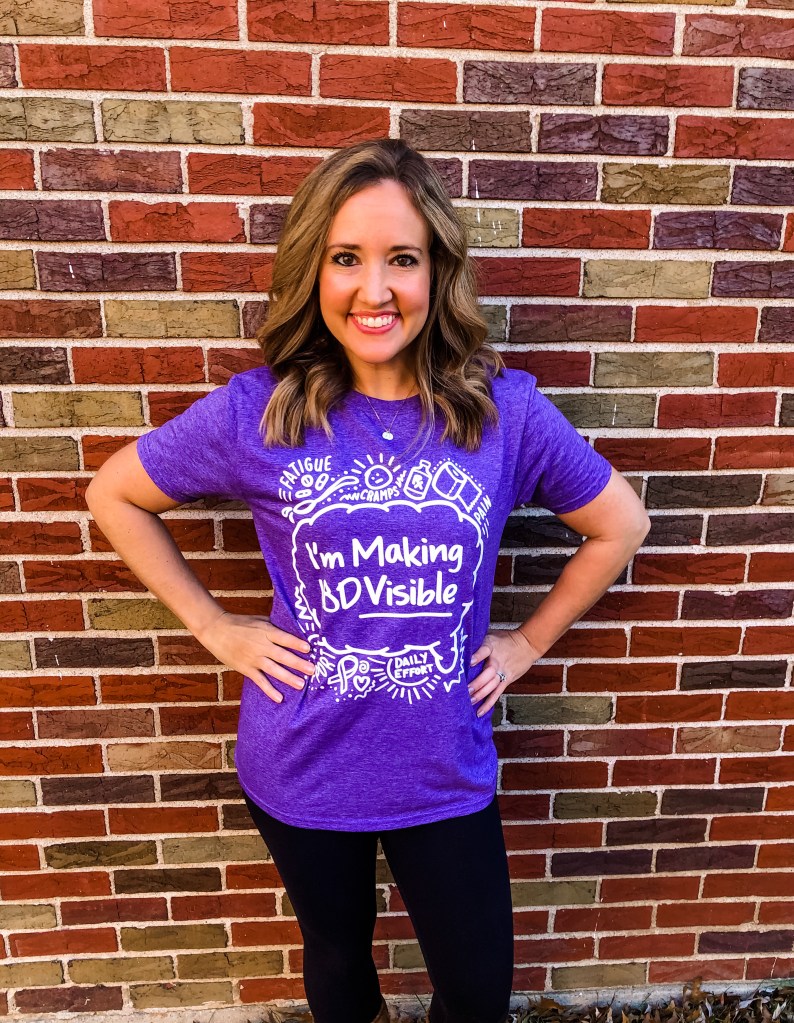

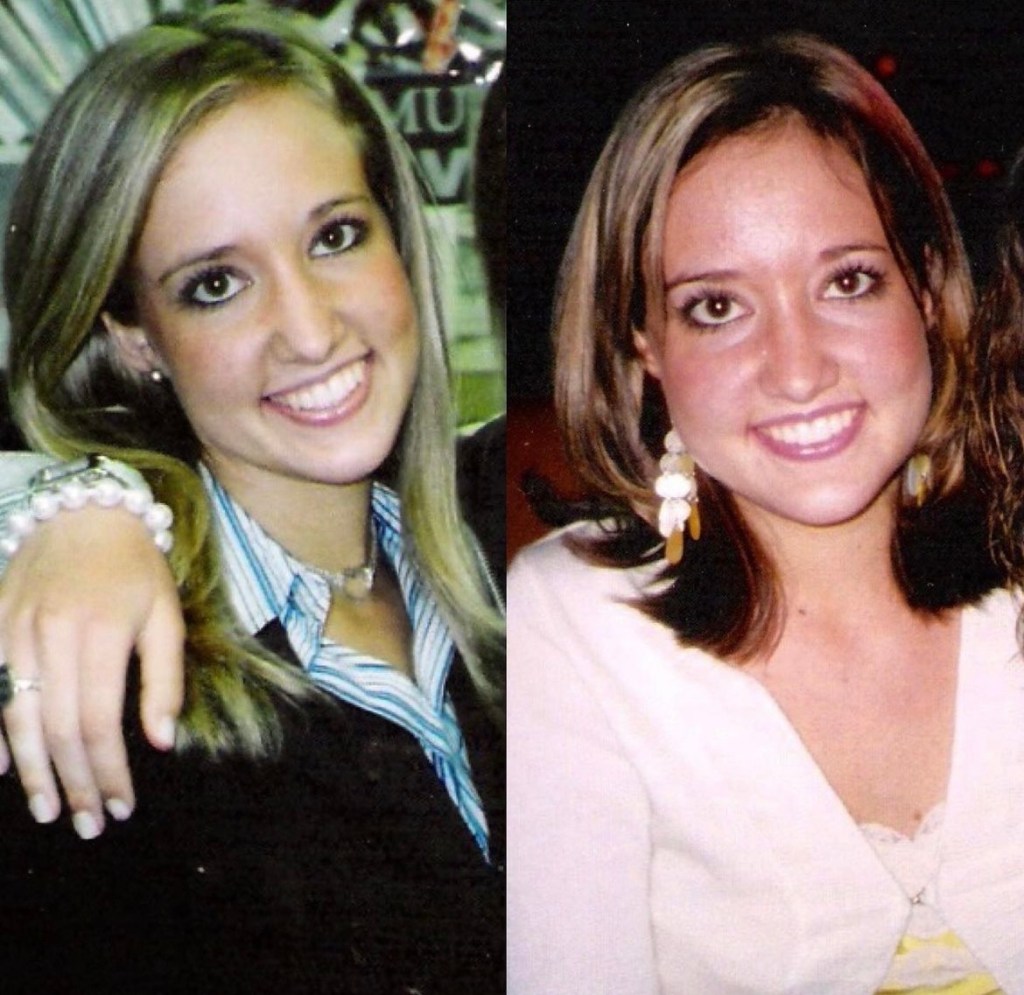





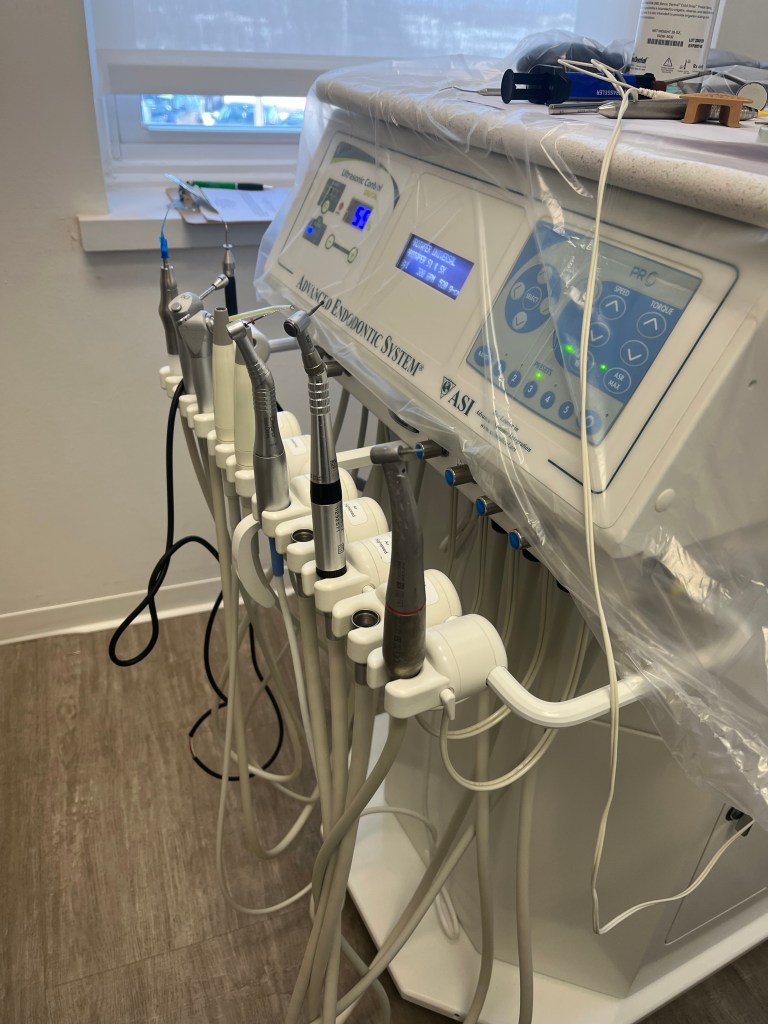




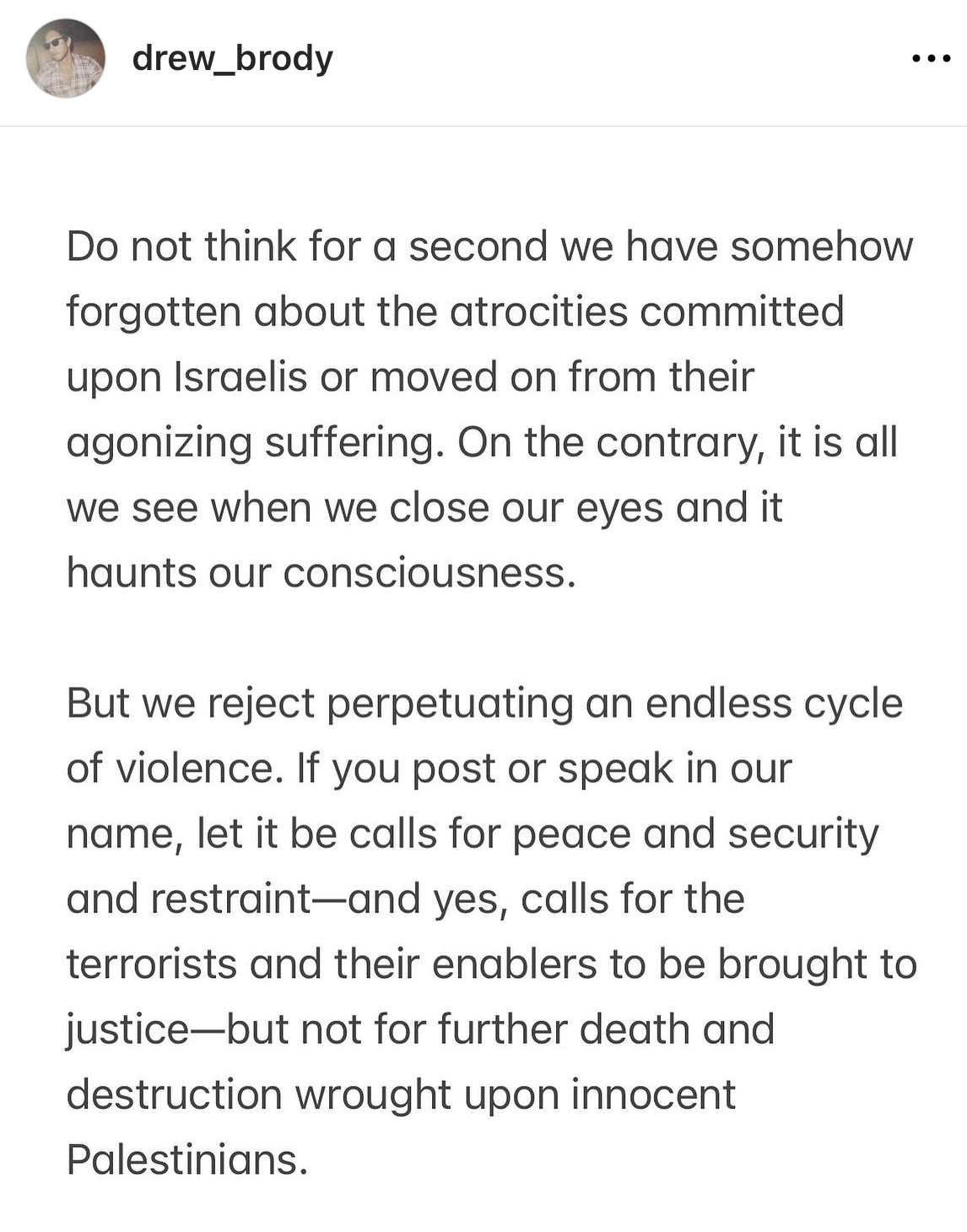















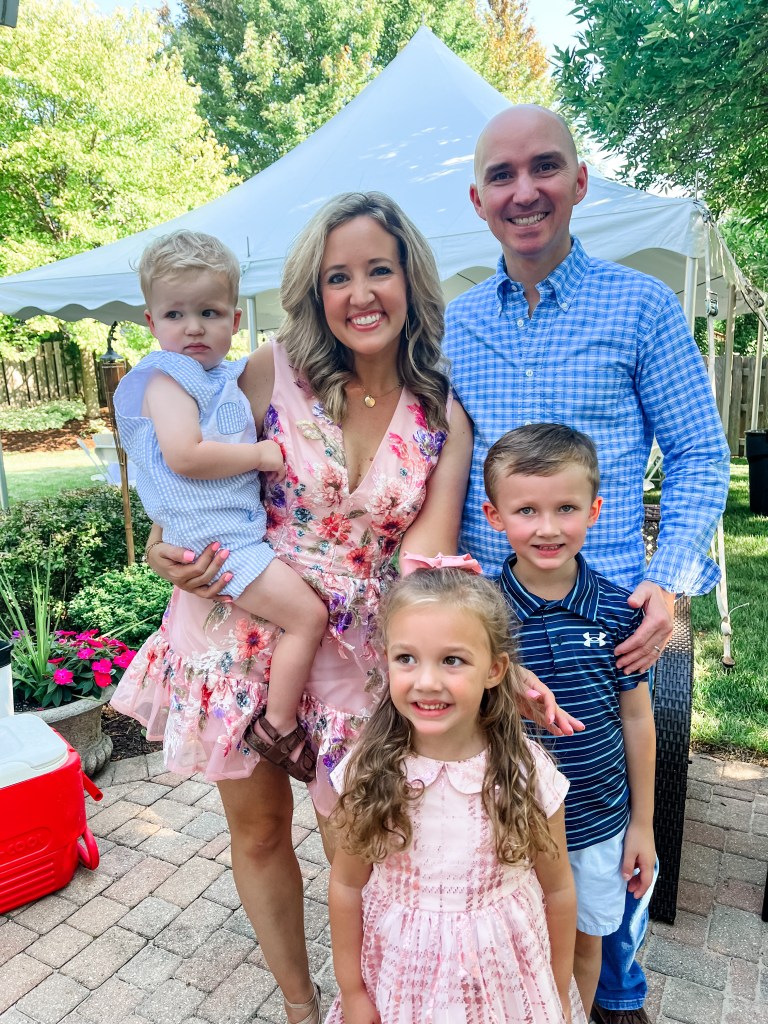



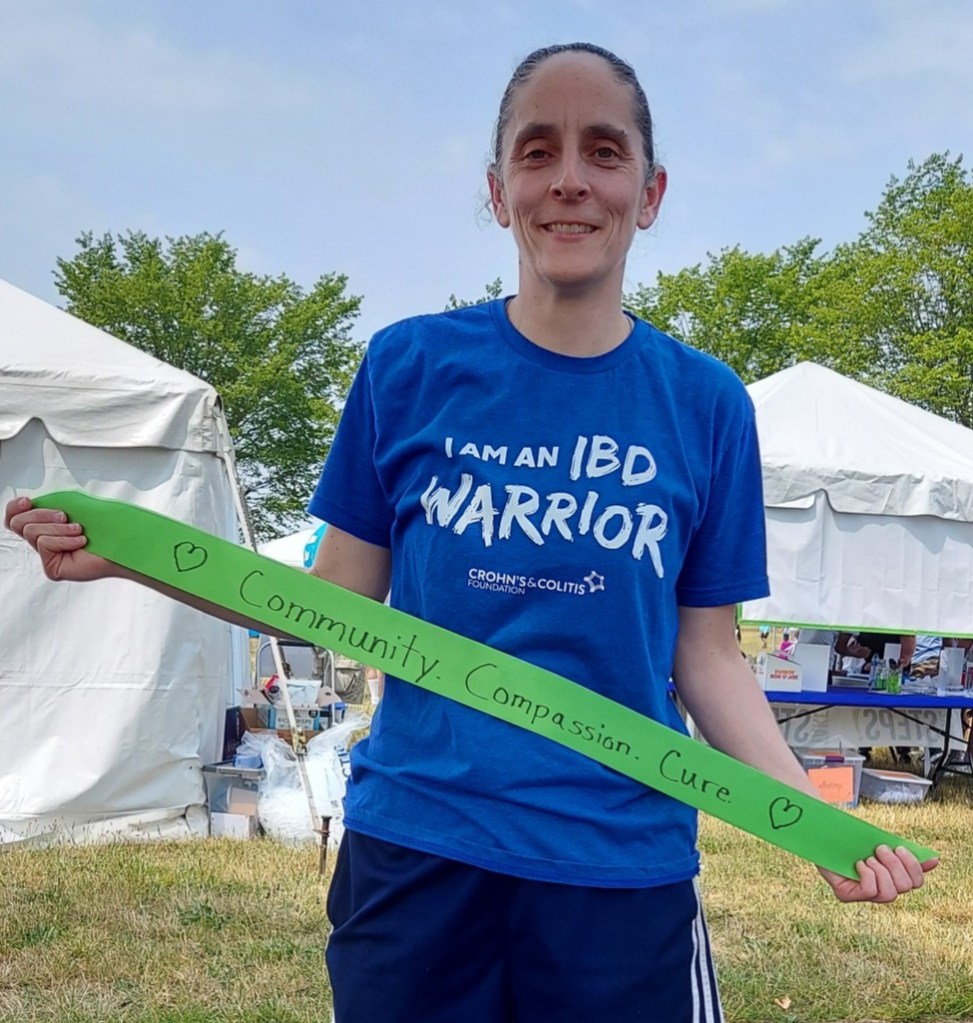

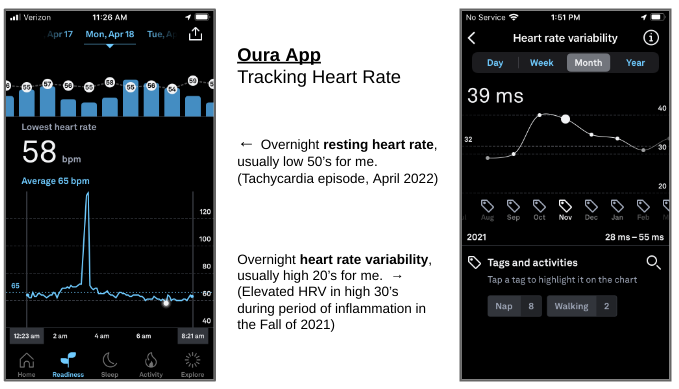

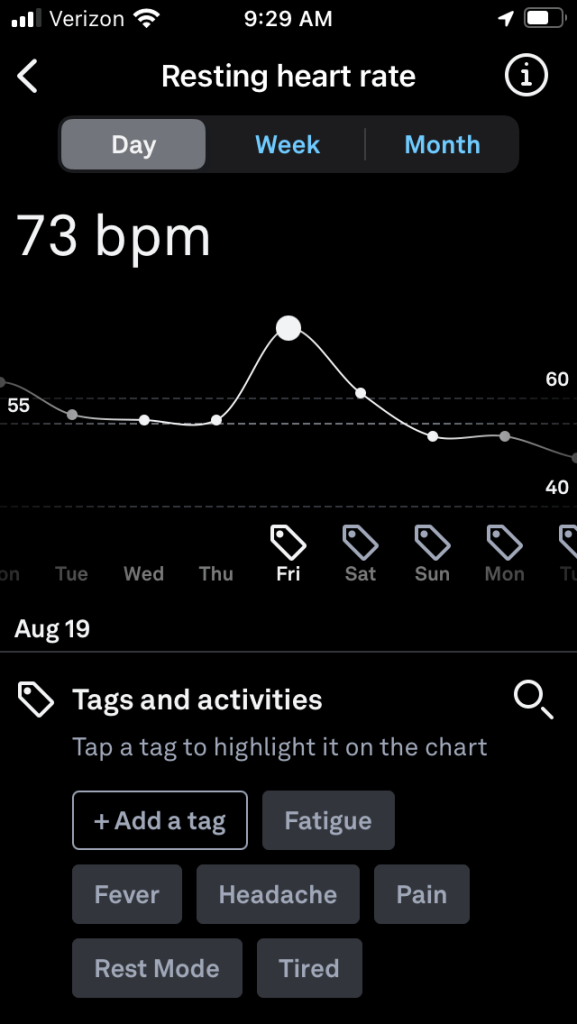


 lights camera crohn's