From Puberty to Menopause: How IBD Care Evolves for Women Across a Lifespan

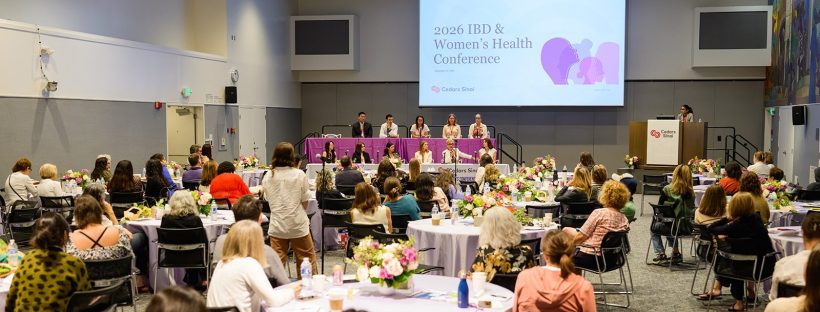
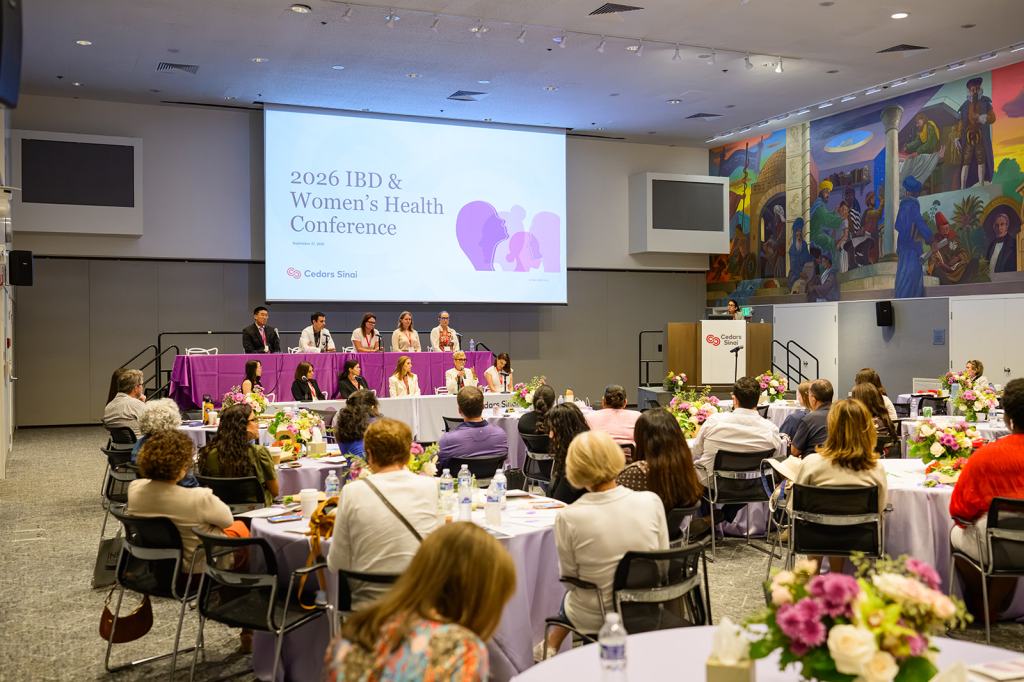
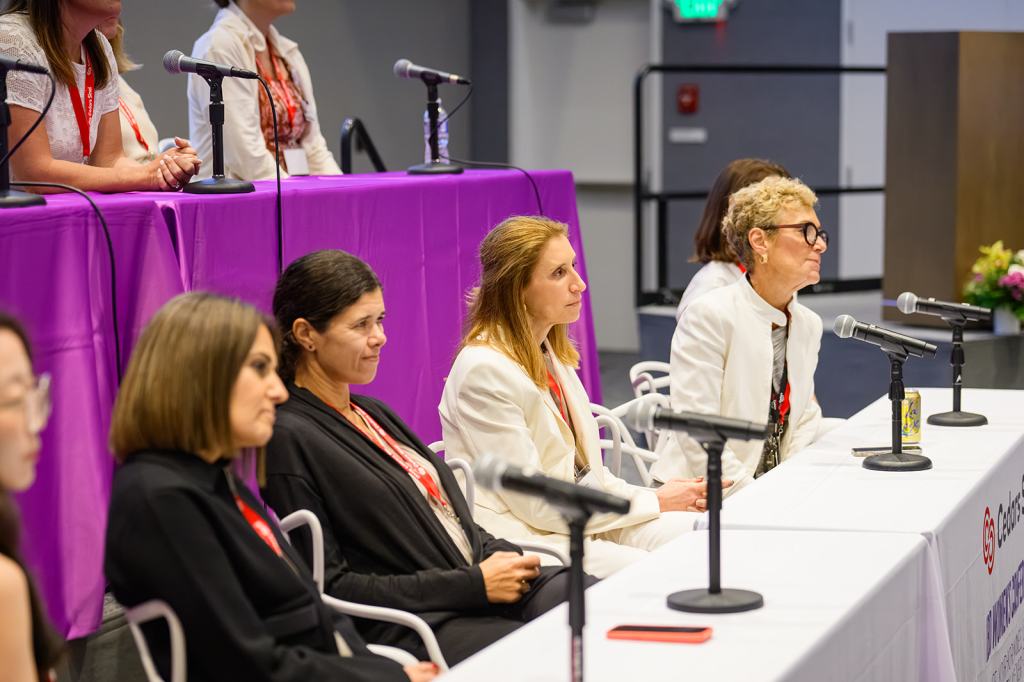
As the years go by living with IBD, our health needs change and our IBD care should evolve with us. Women’s health in IBD is about so much more than pregnancy. Symptoms around menstruation, questions about contraception, puberty, sexual health, fertility, menopause, bone health, and cardiovascular health are all legitimate parts of your IBD care. Cedars-Sinai Hospital in Los Angeles, California recently held their second annual Women’s Health in IBD Conference.

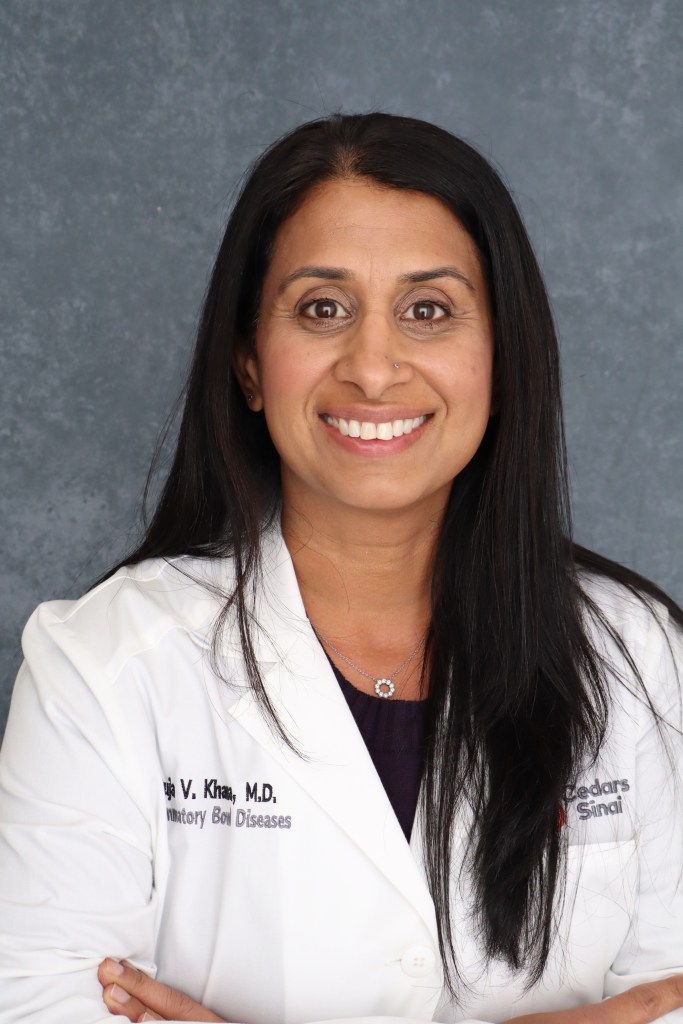
Dr. Puja Khanna, MD, spearheads the conference and wanted to share more about the key takeaways and where she sees personalized medicine moving in regard to women’s health now and into the future. This week on Lights, Camera, Crohn’s, Dr. Khanna shares incredible guidance that will leave you feeling empowered as you navigate all the joys of being a female living with IBD.
Personalized IBD care for women

We have become very sophisticated at phenotyping IBD—Crohn’s versus ulcerative colitis, disease location, behavior, biomarkers, and prior medication exposure. But we have been much less sophisticated about incorporating a woman’s life stage into that same personalized approach.

“A 14-year-old navigating puberty, a 28-year-old choosing contraception, a 35-year-old planning pregnancy and a 52-year-old entering menopause may have exactly the same Crohn’s phenotype on paper, but they do not necessarily have the same health priorities or the same risks.”

Dr. Khanna thinks the future of precision medicine in IBD needs to include not only what kind of IBD a patient has, but also where a woman is in her life, and what she needs at that specific life stage.

Navigating hormonal shifts

Hormones can intersect with IBD throughout a woman’s entire life—from puberty and menstruation, through contraception and pregnancy, and into perimenopause and menopause.

“I want women to understand that changes in symptoms do not always mean their IBD is becoming more active. Hormonal shifts can affect bowel habits, fatigue, pain, sleep, and mood, and sometimes those symptoms can look like an IBD flare,” Dr. Khanna explains. “The good news is that we increasingly have tools such as fecal calprotectin, blood markers and intestinal ultrasound that can help us distinguish symptoms from true intestinal inflammation rather than simply guessing.”

Recognizing that your GI team is a safe space

As a woman who has lived with Crohn’s disease for over 21 years, I know from my own personal experience how important it is to feel comfortable bringing these issues up to your GI team. Women’s health and IBD are all part of the comprehensive care you should be receiving. Questions about periods, contraception, sexual health, fertility, menopause, bone health, and even cardiovascular health are all part of comprehensive IBD care.
“I want women to feel empowered. Their health needs are going to change throughout their lives, and their IBD care should change with them. The goal is not simply to control inflammation—it is to help women with IBD stay healthy and thrive through every stage of life,” says Dr. Khanna.

The intersection of each chapter in a woman’s life with IBD

While pregnancy remains incredibly important, it’s important to remember that the child-bearing years are just one chapter in a woman’s life with IBD. It’s becoming increasingly understood that each touchpoint in a woman’s development and aging intersects with IBD in different ways.

Dr. Khanna says, “Research is beginning to reflect that broader view. Recent reviews are specifically looking at IBD from puberty through menopause rather than treating women’s health as synonymous with pregnancy. The next step is translating that into routine clinical care, where we proactively ask women about these issues rather than waiting for them to bring them up.”

Gaining a better understanding of hormones and their impact on IBD

Hormones used to be thought of as almost an on-off switch—more estrogen or less estrogen and perhaps more or less inflammation. We now appreciate that it is far more complicated.

“Estrogen and progesterone interact with receptors on intestinal epithelial and immune cells and may influence intestinal permeability, immune signaling, gastrointestinal motility and even the gut microbiome,” says Dr. Khanna. “At the same time, the microbiome can influence estrogen metabolism through what is sometimes called the “estrobolome.” Genetics, medications, diet, and underlying inflammation are interacting with all these pathways.”

The important caveat is that much of the mechanistic science is ahead of the clinical evidence.
“We understand the biologic plausibility much better than we did a decade ago, but we cannot yet predict an individual woman’s IBD course based on hormone levels.”

Puberty and IBD

Dr. Khanna recommends parents watch out for the overall trajectory rather than any single symptom. Ask yourself:

Is she growing appropriately?

Is she gaining weight?

Is puberty progressing normally?

Are menstrual periods developing normally?

Is she unusually fatigued or becoming iron deficient?

Has her appetite changed?

“Growth failure or delayed puberty can be a manifestation of inadequately controlled IBD, particularly Crohn’s disease. Chronic inflammation, inadequate nutrition, and corticosteroid exposure can all interfere with growth, pubertal development, and the accumulation of bone mass during a period when young women should be building the foundation for their future bone health,” says. Dr. Khanna.

We should not automatically dismiss significant weight loss, delayed puberty, persistent fatigue, or major menstrual abnormalities as simply being part of adolescence.

Dr. Khanna says, “We do not have compelling evidence that puberty itself simply “switches on” IBD activity. In fact, one of the clearest relationships goes in the other direction: uncontrolled inflammation and poor nutrition can delay growth and puberty.”

It’s important to note—sex hormones interact with the immune system, intestinal barrier, and microbiome, so puberty is occurring during a period of tremendous biologic change. What ultimately happens to an individual patient is probably determined by the interaction of hormones with genetics, immune regulation, nutrition, microbiome composition, medications, and the underlying behavior of her IBD.

Symptoms peaking during your period?

This is such an important distinction because more symptoms do not necessarily mean more inflammation. Read that again.

“More than half of women in a large IBD cohort reported worsening symptoms during menstruation, and other studies have shown increases in diarrhea, abdominal discomfort and bowel frequency around the menstrual cycle,” says Dr. Khanna. “Hormonal fluctuations and prostaglandins can change intestinal motility and visceral sensitivity even when the IBD itself remains controlled.”

Dr. Khanna asks her patients about the pattern. If the symptoms predictably occur around every menstrual cycle, resolve as the period ends, and the patient otherwise feels well, that makes a hormonal contribution more likely. If symptoms are progressively worsening, persisting beyond the menstrual window or accompanied by features such as rectal bleeding, nocturnal diarrhea, weight loss, or persistent systemic symptoms, she becomes more concerned about inflammatory activity.

“A predictable, short-lived pattern that happens at approximately the same point in every cycle and then returns to baseline is reassuring, particularly in someone whose IBD has otherwise been objectively well controlled,” she explains.

Dr. Khanna says she would want a patient to contact her when something is different from the usual pattern:

  • Symptoms are becoming progressively more severe
  • Symptoms continue well beyond the menstrual period
  • Development of new rectal bleeding
  • Persistent nighttime symptoms,
  • Fever
  • Weight loss
  • Dehydration
  • Significant anemia or fatigue
  •  Not returning to baseline

“One of the messages I want women to hear is: you do not have to decide on your own whether this is hormones or IBD. That is exactly where objective monitoring can help,” says Dr. Khanna.

Diagnostic tools that help make the distinction between hormonal symptoms and inflammation

Fecal calprotectin is particularly useful because it gives a relatively noninvasive measure of intestinal inflammation. Your GI can also look at blood markers such as CRP, although CRP is not equally sensitive in every patient.

“Intestinal ultrasound is another exciting tool because it allows us to look directly for features of bowel inflammation—such as increased bowel-wall thickness and vascularity—without radiation and often right in the clinic. Depending on the situation, cross-sectional imaging or endoscopy may also be appropriate,” says. Dr. Khanna.

The larger point is that modern IBD care increasingly allows doctors to separate symptom burden from inflammatory burden. That distinction is extremely important for women whose symptoms fluctuate with hormonal transitions.

Hormonal contraception and IBD activity

Overall, Dr. Khanna says there is not convincing evidence that hormonal contraception consistently causes established IBD to flare. Older cohort data and European guidelines have generally been reassuring, although a 2025 systematic review emphasized that the available studies are heterogeneous and the certainty of the evidence remains low.

“For me, the bigger issue with estrogen-containing contraception is often not disease activity but blood-clot risk. IBD itself increases the risk of venous thromboembolism, particularly during active disease, hospitalization, surgery, or corticosteroid exposure. The CDC therefore recommends individualized assessment before using combined estrogen-containing contraception in women with IBD who have additional thrombotic risk factors,” explains Dr. Khanna.

Long-acting options such as an IUD or implant can be excellent choices for many women.

“We also must think about bone health when considering depot medroxyprogesterone and about absorption of oral contraception in women with significant small-bowel disease or extensive resections. The contraceptive conversation should really be individualized.”

Emerging data on perimenopause and IBD

During perimenopause, estrogen and progesterone do not simply decline in a straight line—they can fluctuate considerably.

Dr Khanna says, “Those hormonal changes may affect intestinal motility, visceral sensitivity, immune regulation, intestinal barrier function, and the microbiome. That creates the potential for changes in GI symptoms even when inflammatory disease activity has not changed.”

But we need to be very clear about the limitations of the evidence. A recent systematic review found only 15 studies addressing menopause and IBD, and most women did not report a major change in their IBD after menopause, although a subset did worsen. We need much more prospective research during the actual perimenopausal transition.

The overlap between perimenopause and IBD symptoms

There is tremendous overlap, which is exactly why this can be challenging.

“Fatigue can come from active inflammation, anemia, poor sleep, or menopause. Joint pain can be an extraintestinal manifestation of IBD, but musculoskeletal symptoms also become common during the menopausal transition. Bowel habits can change because of IBD, but hormones can also influence motility and visceral sensitivity.”

Dr. Khanna says instead of attributing everything to either IBD or menopause, she prefers to ask two questions simultaneously: Could her IBD be active, and could menopause be contributing to how she feels?

“We can then use her clinical pattern together with CBC, iron studies when appropriate, CRP, fecal calprotectin and sometimes intestinal ultrasound or endoscopy to determine whether inflammation is actually present.”
Just like disease journey, menopause is experienced uniquely, too

Biologically, two women are not experiencing the same transition. They may have different IBD phenotypes, different levels of baseline inflammation, different prior surgeries, different medications, different microbiomes, different genetic susceptibility and different responses to estrogen and progesterone signaling. One woman may also have overlapping IBS, pelvic-floor dysfunction, or musculoskeletal symptoms that another woman does not.

Even the hormonal transition itself varies enormously between women.

“That heterogeneity is one of the reasons I do not think we will ever have a simple statement that “menopause makes IBD better” or “menopause makes IBD worse.” The 2025 systematic review reflects that variability: most women had no major change, while subsets reported worsening or improvement,” Dr. Khanna says.

Hormone Replacement Therapy and IBD—Yay or nay?

The available evidence is reassuring, but it remains limited.

“An older study suggested less IBD activity among postmenopausal women using hormone therapy, and a more recent multicenter retrospective study also found improvement in physician-assessed disease activity after HRT. The newest systematic review concluded that hormone therapy may reduce flare severity but emphasized how limited the evidence remains.”

Dr. Khanna says she would not prescribe hormone therapy as a treatment for IBD, because we do not have evidence to support that. But having IBD by itself should not automatically exclude a woman from receiving appropriate treatment for bothersome menopausal symptoms.

This is a shared decision involving the patient, her women’s health provider and, when appropriate, her gastroenterologist. Remember it’s a team approach—keep your providers in the loop and don’t silo your “women’s health issues” to one provider, make sure your gastroenterologist knows what you’re experiencing, too.

Considerations for Estrogen-containing therapy, progesterone, or menopausal treatments

Women with IBD already have an elevated risk of venous thromboembolism (blood clots), particularly when their disease is active. Oral estrogen can also increase thrombotic risk. For women with increased VTE risk, data from the broader menopause literature suggest that transdermal estradiol has a more favorable thrombotic profile than oral estrogen.

“We also consider whether the woman has a uterus, because systemic estrogen generally requires an appropriate progestogen to protect the endometrium, as well as her age, time since menopause, cardiovascular history, smoking, prior thrombosis, breast-cancer risk, migraine history, bone health and current IBD activity,” explains Dr. Khanna.

So, it should not be “IBD equals no hormones.” It should be a thoughtful, individualized risk-benefit assessment.

Being Proactive with Bone Health

IBD can affect bone health through chronic inflammation, malnutrition, low body weight, and corticosteroid exposure, and then menopause adds the accelerated bone loss associated with declining estrogen.

Current AGA guidance recommends considering bone-density testing in people with IBD who have risk factors including low BMI, more than three cumulative months of corticosteroid exposure, smoking, hypogonadism, or postmenopausal status. Even in the absence of additional risk factors, bone densitometry should be considered in postmenopausal women with IBD.

I personally have had a “bone health doctor” for the past four years. It blows my mind how many people with IBD I speak to who never had a baseline bone scan. My first bone scan was at age 26. Bring this up to your GI, it’s important to be proactive rather than reactive. Now, at 43, given my history of Crohn’s, anemia, past steroid exposure,  and my age, I get a bone scan every two years.
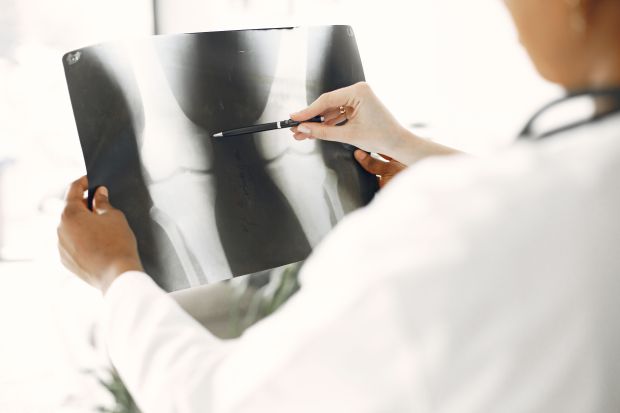
“I also think about vitamin D status, adequate calcium intake—preferably through diet when possible—regular weight-bearing and resistance exercise, adequate protein, minimizing unnecessary steroid exposure, avoiding smoking, fall prevention and treating osteopenia or osteoporosis when indicated,” says Dr. Khanna.

For women with IBD, bone health should become part of the menopause conversation before the first fracture occurs.

Working together across specialties

One of the biggest gaps in medicine has been that women with IBD have often had to navigate their gastroenterological health and their women’s health in parallel rather than together.

That is beginning to change.

“We are learning that hormonal transitions can influence symptoms, immunity, the intestinal barrier, the microbiome, bone health, cardiovascular risk and quality of life—but we also have to be careful not to attribute every change a woman experiences to hormones.”

Dr. Khanna says the opportunity now is to build a model of care where gastroenterology and women’s health truly intersect across the lifespan.

“That means asking better questions, using objective measures of inflammation when symptoms are ambiguous, collaborating across specialties and making sure women have the information they need to advocate for themselves. For me, that is really the future of women’s health in IBD.”

One final piece of advice

I asked Dr. Khanna if she could give women with IBD one piece of advice about navigating their disease through puberty, menstruation, pregnancy, perimenopause, and menopause, what she would want them to know.

“I would tell them: Do not assume that every symptom is your IBD but also do not assume that everything is “just hormones.” Ask the question and let us help you figure it out.”
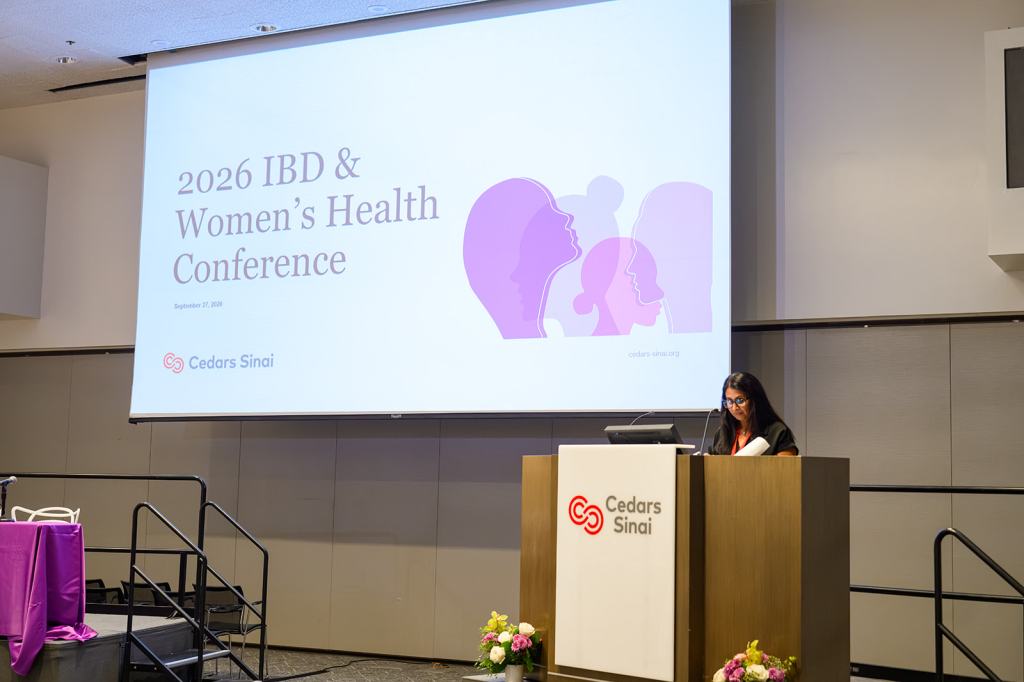
When it comes to future IBD and Women’s Health Conferences through Cedars-Sinai, Dr. Khanna would love to expand the reach of the program well beyond the women who can physically attend a conference in Los Angeles.

“We are exploring virtual collaborations and opportunities to connect with colleagues and patients in other communities so that education around women’s health and IBD can become more accessible. I would like to see women’s health become an integrated part of excellent IBD care everywhere—not a niche topic or something we discuss only when a woman becomes pregnant.”

IBD Motherhood Unplugged: I have IBD and underwent IVF

IBD and motherhood can be beautiful, but it can also be extremely complex and complicated. Especially for those who deal with infertility on top of their Crohn’s disease or ulcerative colitis. As someone who did not have any struggles getting pregnant, I feel it’s extremely important to shed light on the fact that my story, my experience is just that—there are SO many other journeys that need to be shared and heard when it comes to infertility as it relates to IBD.

This week on Lights, Camera, Crohn’s we hear from several women with IBD who juggled their chronic illness while enduring In vitro fertilization (IVF).

Ashley Miller was diagnosed with Crohn’s disease in 2013 when she was 26 years old. As part of her family planning, she discussed her desire to be a mother with her OBGYN. Her doctor told her to give it a go for 6 months and if she didn’t get pregnant, they would start additional testing. Six months passed without a positive pregnancy test. Ashley followed up with her doctor and was diagnosed with bilateral hydrosalpinx (blocked fallopian tubes), because of her Crohn’s.

“Although this diagnosis was upsetting, I was happy to hear that the doctor found a cause for my infertility and that IVF would be a good option for me. I was so lucky to have success with my egg retrieval and subsequent embryo transfers.”

Ashley says IBD prepared her for infertility.

“I’m the type of person who does not like to dwell on issues, I like to take action right away. I am grateful that my IBD was in remission during this time, otherwise, I would not have been able to pursue IVF immediately. I needed clearance from my GI, maternal fetal medicine (MFM) physician, and the reproductive endocrinologist (RE) before starting IVF.” 

Ashley is on Stelara and had bowel resection surgery in August 2021. She has a 3-year-old son and a 15-month-old daughter. She intentionally had her children close together thanks to IVF to capitalize on her IBD being in remission.

Jenn Carmichael was diagnosed with Crohn’s disease in 2006 when she was 21 years old. She got married in 2016 but was forced to wait to have kids because she was flaring. She manages her IBD with Stelara and azathioprine. Since her diagnosis she’s underwent an ileocolic resection, a revision, and several incision and drainage procedures (I&D) with setons for perirectal abscesses. Fast forward a few years and she was finally in remission.

Jenn and her husband started trying to conceive. After 6 months she followed up with her GI and consulted with a MFM doctor who specialized in IBD pregnancies.

“My MFM doctor was well versed on all the medications and complications of Crohn’s. He told me that due to my past surgeries if I were to get pregnant, I would need to have it confirmed via ultrasound right away. He explained that due to all the surgeries I’ve had in the abdominal region, that I was at a higher risk of having my fallopian tubes blocked and having an ectopic pregnancy. He also recommended I have a consultation with an RE since we had been trying with no success.”

Jenn underwent a full workup to investigate her hormone levels and had an ultrasound to look at her fallopian tubes. At this point, she was 36 years old. And while her tubes weren’t blocked, she had diminished ovarian reserve. She was told by her care team this was most likely a direct result of all the Crohn’s-related inflammation she had endured.

“Our infertility doctor recommended we start IVF right away. It was a difficult ovary stimulation that lasted much longer than normal (I was on stims for about 28 days vs. the normal 12 days). I wasn’t responding to the stim medications, but I was finally able to make it to the egg retrieval. Unfortunately, when I went in for my egg retrieval, I woke up to devastating news. They were not able to retrieve any eggs. I was heartbroken to say the least. We regrouped with our IVF doctor a week or so later and came up with a new plan.”

Jenn was put on a different medication protocol for the egg stimulation and was even told she should consider donor eggs. She started her second IVF cycle shortly after.

“Just as we started the stimulation phase of the cycle, I got sick with pneumonia and had to cancel the cycle. Then COVID hit about a month later, so all IVF cycles were canceled in my state for the time being. Around July 2020, we were able to try that IVF cycle again, but had to cancel once again due to no response to the stimulation medications.” 

At this point Jenn told her RE that she would start to explore the egg donor option, but she wasn’t ready to give up with her own eggs just yet. She tried one last IVF cycle with yet another protocol. One egg was retrieved. The next morning her phone rang, and her heart dropped. Her doctor called to let them know the egg did not fertilize overnight and was abnormal.

Jenn once again re-grouped with her care team. Donor eggs were discussed. A specialized ultrasound showed her fallopian tubes were blocked. She left that appointment with information about an egg donor program, but she wanted to try another cycle with yet another protocol.

“Around the same time, I started to experience pain in my lower right abdominal area. I was admitted to the hospital and was diagnosed with bilateral tubo-ovarian abscesses. The one on the right started to tunnel (create a fistula) towards my sigmoid colon. I was brought to the OR shortly after not knowing if I was going to wake up with one or both fallopian tubes, either ovary or my sigmoid colon. Luckily, I have an amazing colorectal surgeon who’s been part of my team since I was diagnosed with Crohn’s. They did have to remove both fallopian tubes and my right ovary, but my left ovary and sigmoid colon were spared.”

The surgery took a toll on Jenn. Losing both her fallopian tubes, she knew without IVF, she would never be able to get pregnant on her own. During that time, she did a lot of thinking and research about IVF, Crohn’s, and what their future looked like. She also met with a social worker who specialized in infertility to help work through everything she was feeling. 

“Once I was healed from surgery and mentally ready, my husband and I decided to pursue IVF using donor eggs. We worked with an egg donor agency to find an egg donor that we liked. After going through the process with all the administrative/legal paperwork and having our donor medically worked up, our donor was able to start the IVF cycle for egg retrieval. The egg retrieval was successful, and we had our first embryo transfer in August 2021. Our first transfer was successful, and I am currently 25 weeks pregnant expecting our first child, our sweet baby boy in May 2022.”

Christina LaDue was diagnosed with Crohn’s disease in 2010 when she was 20. She had a bowel resection at age 23 to remove a fistula and her mom had the foresight to ask that an OB/GYN surgeon be present to ensure there was no damage to her reproductive organs.

“The OB/GYN noted that the inflammation in my pelvis was so great that he could not make a determination about my fertility at that time. When I shared the post-op reports with my PCP, he indicated that because of the noted inflammation I should only wait 6 months (as opposed to the one year that you’re supposed to wait) before pursuing assistance. After getting married and trying for six months I sought a referral to a RE who ran tests and concluded that my tubes were blocked due to scarring from my abdominal surgeries. She had us go right to IVF (as opposed to IUI first).”

Christina started her first round of IVF in November 2018. None of the fertilized embryos made it. She did another round in February 2019 and did a fresh transfer on Day 3, which was also unsuccessful. She did her first frozen embryo transfer (FET) in April 2019 and her son was born in December 2019. When he was 18 months old, she returned to the RE and did another FET in November 2020, which was unsuccessful. With one embryo left, they did an FET in February 2021 and recently welcomed a son to the world in October.

“The most triggering for me is during the initial routine testing via ultrasound my RE found fluid in my abdomen. This was extremely upsetting to me having undergone multiple treatments for recurrent abscesses because of a fistula. I freaked out and paged my GI who ordered a stat MRI. The MRI showed I have endometriosis and hydrosphix (fluid in my tubes) but nothing was wrong with my Crohn’s disease. That said, I was a huge emotional mess waiting for the MRI results and I thought for sure I was rocking another fistula.”

Christina recently started Inflectra (a biosimilar), she was previously on Remicade from September 2013-October 2021.

Megan Picucci was diagnosed with Crohn’s disease in April 2017 when she was 30 years old. After being cleared by her GI and MFM she started trying and got pregnant. Unfortunately, shortly after finding out the news she started bleeding and had an ectopic pregnancy.

“Once I finally got my period in February 2020, I had an hysterosalpingogram (HSG) to check if my tubes were being blocked. It was inconclusive. Luckily, because of my prior abdominal surgery with my IBD and the ectopic pregnancy, I could switch right to IVF. All the bloodwork, shots, etc. was rough but I felt like my Crohn’s journey helped prepare me. I was used to bloodwork, I was used to injections, I had a PICC line at one point, so I was used to mixing meds.”

The first round was promising for Megan and her husband. There were several embryos and her first FET stuck.

“I waited with bated breath. I was sure it was another ectopic for no reason other than I’m not lucky when it comes to health issues. Well, she (though we didn’t know that until delivery) stuck and though I had moments of panic of something bad happening, it didn’t.”

The emotional toll of IBD weighed heavily on her as she prepared to bring a life into this world. She is on Remicade and had emergency bowel resection surgery in April 2017 and the reconnection surgery in July 2017.

“I had a lot of… ‘should I being doing this?’ thoughts. Even though my IBD was under control prior to trying I also knew that could change at any moment. How could I raise a kid with a flare or surgeries and what if I pass my IBD on? But having a great support system made me confident I’d have help if those things occurre. Happy to say my daughter is now 11 months old.”

Jade Fiedler was diagnosed with Crohn’s disease in 2012 at age 22. Jade is on Humira and had an ileocolic resection in July 2015. Her and her husband tried for a baby for one year, but around 7-8 months in she felt something wasn’t right.

“We saw an OB who specialized in RE. We took an aggressive route for treatment. I had an HSG (right tube was blocked and could not flush), Hysteroscopy (which found polyps) and an ultrasound which found a heart shaped uterus. We immediately jumped into 3 back-to-back IUI cycles due to those findings and my husband’s sperm sample being mostly normal with a tiny morphology issue. After those failed, we did a laparoscopy which found more polyps in my uterus (endometriosis), and they found the tube was blocked and covered in scar tissue due to Crohn’s surgery in 2015.”

Jade then had two more failed IUIs but didn’t stop there.

“I advocated for insurance coverage at work, and they covered our first cycle of IVF three months later. We got two genetically normal embryos and one was transferred on October 4th. I am currently 19 weeks pregnant!!!” 

She is happy to share what she sent to her employer for a reference if you need it.

Jade says living with IBD and going through IVF is “terrifying” since you must be in remission with your Crohn’s to even try IVF.

“I was going through an emotional toll of finding out that not only are we not able to get pregnant right now, but there’s a very good chance we never will, and most signs point to me as the problem. It’s all encompassing and overwhelming.”

Much like IBD, Infertility is a full-time job.

“Balancing appointments and results and medications and insurance coverage and time off work — all while trying to stay NOT stressed to cause a flare. It’s an added issue when you have scar tissue and scars, which creates more of a puzzle for doctors. It’s really hard to have two diagnoses that are totally out of your control and leave you hating your own body.”

Even though Jade is due with a baby boy in June she still experiences a gamut of emotions. Everything from joy and anxiety to guilt, happiness, and fear. Her and her husband are leaning into their faith and praying their son will continue to grow at a healthy rate and arrive safely.

Katie Ferriss was diagnosed with Crohn’s disease in 2012 when she was 26 years old. After six months with no luck and a series of tests, she learned her right fallopian tube was a hydrosalpinx (Dilated fallopian tube). Unfortunately, the tube needed to be removed, which put her at another disadvantage for getting pregnant.

“We moved forward with 3 medicated IUIs back-to-back-to-back since I had a dominant follicle on the left side each time. Unfortunately, all the IUIs failed. Our next step was IVF. I was so hopeful; I just knew this would work for us. My first retrieval only yielded 4 eggs, 3 of which were mature, 2 fertilized, and 1 made it to the blastocyst stage. We tried a fresh transfer, but ultimately did not end with a pregnancy.”

Katie and her husband were devastated. They had gone through IVF and had nothing to show for it—not even additional embryos to try again. Through the process, Katie learned she was a ‘poor responder’ to medication and had poor egg quality, which is common with autoimmune disease.

“After a couple of months, we moved forward with another retrieval. This time our RE changed to a much more aggressive protocol with higher doses of stims right out of the gate. I responded much better overall and produced several more mature follicles.

During our second retrieval, the RE was able to retrieve 10 eggs with 9 being mature, and at the end we were able to freeze 2 high grade embryos. We thought we would be able to move right into a frozen transfer cycle, but Crohn’s had other plans for us.”

Because of the massive amounts of infertility medication and the unbelievable stress levels, her body almost forced her to rest—she had a Crohn’s flare. 

“My GI was adamant I stop fertility treatments until my Crohn’s was in remission. I would do a colonoscopy in 6 months to learn where I was at. Again, completely devastated that our plans for a baby were put on hold due to my body not cooperating. My GI doctor started me on a different medication, Cimzia, that was very pregnancy friendly as it does not cross through the placenta to the baby if I was finally able to get pregnant. Thankfully 6 months later during my follow-up colonoscopy, my Crohn’s had been put in remission, and I was able to be put back in fertility treatments.”

Katie and her husband were hopeful that the stars were finally aligning for their family. But shortly thereafter they had a failed transfer. They only had one frozen embryo left.

“My RE then tried another test called an Endometrial Receptivity Analysis (ERA) to make sure we were transferring at the optimal time. That test led to another discovery that we were transferring too soon, and I needed 24 more hours of progesterone. We started another transfer cycle using a different medication protocol and transfer timing and found out 10 days later it worked. I went on to have a very uneventful pregnancy, and our miracle baby was born 9 months later in March 2019.”

Katie now manages her Crohn’s with Stelara. She developed a stricture and had bowel resection surgery in August 2020. She credits the surgery as giving her life-changing relief. Her and her husband now have two children—their biological son is two. They are in the process of adopting their 3-year-old daughter from foster care.

COVID and IVF

On top of these challenges, going through infertility and oftentimes being immunocompromised from IBD medications through the pandemic has added extra challenges for everyone involved.

“Every procedure, appointment, surgery, getting sad news, even “getting knocked up” was alone. Alone in a cold room, where you are undressed in front of strangers and probed and in pain. I did it all alone. I found a strength in myself that I never knew existed and for that, I have changed. In some ways I am stronger; in others I am damaged. Trauma and infertility go hand in hand. This is something I will have to work through, which I will, but this chapter of my life will never be just a dull memory,” said Jade.

Advice for IBD mamas in waiting from those who have lived it

  • Allow yourself time to grieve your infertility diagnosis and find support with friends and family. Try to stay positive and keep your “end goal” of having a baby in mind.
  • Be patient, sometimes your expectations of procedures and embryo transfers may change due to situations out of your control.
  • Stay hopeful. It may seem like there is no end in sight at times, but always have hope.
  • You are strong and will get through this.
  • This is true for any woman struggling to get pregnant: it sucks. Just acknowledging how painful it is to want something so badly and feel like it is unobtainable. It’s OK to feel those big feelings.
  • Use your knowledge, expertise, and experience as an IBD patient to your advantage. You know how to navigate medical coverage and insurance, don’t hesitate to advocate for yourself. You’re in a much better place to deal with all this medical stuff than someone who does not have a chronic illness.
  • The IVF process is long. The first appointment for the first positive pregnancy test took 10 months. And the second time, from the time we resumed working with our RE to the positive pregnancy test took 5 months.
  • Trust your medical team. And if you don’t trust your medical team, it’s OK to find a different doctor or a different clinic. There are no guarantees in IVF and it’s hard for folks, especially after going through all the treatment to have a failed cycle or failed transfer.
  • Give yourself grace you did nothing to cause your IBD and you also did nothing to cause your infertility. However, it is also ok to be mad, have low moments, and be sad. All those emotions are valid, allow to yourself to have them. 
  • Get the colonoscopy and upper endoscopy done before you start actively trying. Make sure you have records shared for BOTH clinics. Don’t let people pressure you into taking medication for fertility that may offset or flare up your IBD. Don’t forget to remind your providers every time – they may forget.
  • Find support groups. There are more women than you think going through this. My Facebook community that is an IVF/IUI due date group for women who were due winter/spring of 2021 was the best community I could ask for. 
  • Talk about it. if you feel comfortable. Share your story, share your pain, more people go through this than we realize. 
  • You are more capable than you think. You are stronger than you will ever know. This is going to suck and it’s going to challenge your mental health, friendships, relationship with your husband, your connection to family, you work life, etc. it’s going to change you in ways you could ever imagine and it’s going to rip your heart out of your chest because you can’t know this pain unless you’ve lived it. But I promise you will come out stronger and you will be changed in the most incredible ways. Hang in there.
  • I can see your fear and it’s big. But I can see your courage and it’s bigger.
  • Don’t give up hope. You are so much stronger than you give yourself credit for; IVF is incredibly difficult, but you CAN DO IT!!
  • Do your own research. Find your tribe – IBD and IVF warriors are incredible and there are plenty of us out there in both camps. Get a therapist. Get a support group. Read books. Bake. Find your coping skills and don’t give up. You’re a badass. Having IBD is hard. Going through infertility is hard. But you can do hard things. 

Navigating IBD and IVF During a Pandemic WITH A Toddler

When I asked 34-year-old Amanda Osowski how she’s juggling Crohn’s disease, motherhood, and IVF during the pandemic, she said “with caution.” And rightfully so! These times are complicated and overwhelming for everyone. Add some chronic illnesses and trying to maintain your health, sanity, and emotions while doing all that and trying to get pregnant with a second child through IVF, and I’m amazed she found the time and energy to write this guest post! I’ll let her take it away.

Here we are, more than 7 months into a global pandemic, still wondering if and when life may “resume as normal”. To be honest, in my house, life has in some ways paused and in other ways accelerated since the March quarantines began. As an IBD patient on Remicade (an immunosuppressant medication to manage my Crohn’s disease), I have chosen from the beginning to adhere strictly to social distancing, mask wearing, unnecessary exposure and other risk reducing options. 

This also meant that my job, my income, and my ability to support others has transitioned from mainly in-person to entirely virtual. The silver lining of this is that I’m able to work with clients all over the world. Balancing that alongside parenthood, and IBD during a pandemic requires a good bit of patience, strategic thinking, and deliberate planning.  

Gearing up for Baby #2 Through IVF 

My husband and I were diagnosed with Unexplained Infertility in 2017 while trying to conceive our first child. After several failed treatments, we had one successful round of IVF in which I became pregnant with our daughter in the fall of 2018. As soon as she was born, we knew we wanted to have another baby close in age – both for our family planning goals and in hopes that I would be able to maintain my Crohn’s remission status long enough to complete another pregnancy. 

While we began trying naturally as soon as we were ready, we knew that the recommendation for fertility treatment was to wait until 12 months passed after delivering our daughter. I desperately hoped that we’d get lucky before then, and that we’d end up with natural conception, rather than going through the physical, emotional, and financial journey of another cycle of IVF. I also knew that I wanted another baby, and that would happen however it was meant to. 

How the pandemic has impacted fertility treatments

We were scheduled to begin fertility testing in March 2020, with treatment starting in April. As I’m sure you guessed, that was immediately halted with the closing of most fertility offices and the pausing of all new treatment cycles with the influx of COVID-19 cases and concerns. Having my treatment (and my timeline) be paused indefinitely with the continuing anxiety and stress of the pandemic caused my IBD symptoms to increase – something that then caused me more anxiety and stress about its impact on my IVF plan if and when I was able to reschedule treatment. 

After an exceptionally long few months, my doctor’s office re-connected with me about getting my appointments scheduled. My IBD while not flaring, was not perfectly calm either, and that’s such an important part to me about preparing for pregnancy, so we gave it a little more time. FINALLY, this month (September), I began the treatment protocol I should’ve started five months earlier. Our daughter Brooklyn just turned 16 months old.

Today you’ll find me managing IVF medication injections around business calls, my Remicade infusion schedule, chasing a toddler and being stuck inside my home around the clock. It’s HARD, and exhausting, but it’s the only way I know how to make my hopes come true. 

Tips for handling IBD + IVF

  1. Communication with your partner is critical. From parenting responsibilities to COVID-19 precautions to childcare to work stressors to fertility treatment planning and execution – there is an entire machine full of decisions and emotions that are part of every single day, and not being on the same page as your partner can have devastating effects. My recommendation: schedule time once a week on your calendar after bedtime to talk. Keep a list running during the week of things to add to the conversation. Ask all your questions to each other then, when you can focus and talk and connect. You’re a team, and it’s important in this season to work together. 
  1. Mental health is just as important as physical health. When managing IBD + ANYTHING, let alone motherhood, and a pandemic, and fertility treatment, taking time to check in with your mental health and care for yourself is imperative. Each of these things come with so many feelings, and burying them all will only make it harder to deal (& keep your IBD in check!) I personally recommend working with a counselor, taking time to journal or meditate or center yourself, and ensure you’re checking in with your own needs regularly. 
  1. Social Media Strategy – During the pandemic, I think we’ve all admitted to more screen time than usual. I know firsthand that the amount of pregnancy announcements, gender reveals, new baby births & seeing families with multiple kiddos can cause feelings of guilt, frustration, jealousy, anger, etc. Social media can make things feel extra difficult for those struggling to get pregnant, undergoing fertility treatments AND managing something like IBD. Here’s what I recommend. The beauty of social media is that we can choose what we do and don’t see while we scroll. This is a perfect time to click “hide” or “unfollow” on any hashtags or accounts that make you feel sad or icky. That’s not to say you don’t love your neighbor/friend/co-worker, but in my opinion you also don’t have to constantly watch their highlight reel. On the flipside, utilize social media to connect with your TRIBE. Whether that’s other IBD and IVF warriors, others struggling with infertility, etc – there’s so much more space for online communities now than there ever has been before. If you’re having difficulty finding and connecting with others, please DM me and I’m happy to make some suggestions! Also, please know that whatever you’re feeling during this experience and this season is so valid, and you’re not alone!  
  1. Give yourself grace. There will be days when you feel inadequate – as a parent, as a spouse, as a patient – these moments don’t define you. You’re juggling so much, it’s so important to know that you’re doing the best you can, even if that looks different than it used to or different than you’d like it to. 

If my story resonated with you, or you’d like to connect, please reach out! You can find me on Instagram personally as @amanda.osowski and professionally as @heartfeltbeginnings.