5 Ways to Make Money At Home In The COVID-19 Era

The way we work looks a lot differently these days than months prior. Chances are the COVID-19 pandemic has forced you to work from home, put your job on hold, or be out on the frontlines. Whatever the case may be, there are ways to adapt to these challenging times to help make ends meet. This week—a guest post from Annelise Bretthauer, a certified Financial Planner who also has Crohn’s disease. IMG_0834She offers up some invaluable advice about freelancing and educating yourself about opportunities that are right at your fingertips.
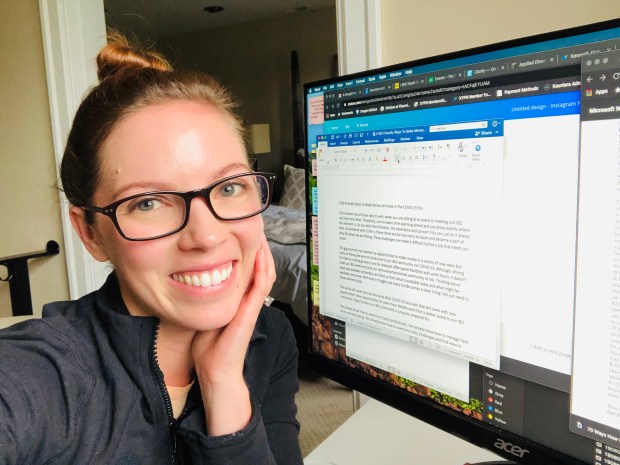
The gig economy has opened up opportunities to make money in a variety of new ways but many of these jobs are not conducive to our IBD community nor COVID-19. Although, driving for Uber or making grocery runs for Instacart offers great flexibility with work hours, it doesn’t meet our IBD needs and puts our immunocompromised community at risk. Thinking about what was available yesterday can blind us from what is available today and what might be available tomorrow. With every struggle and every hurdle comes a silver lining. We just need to know where to look.

The world will never truly be the same after COVID-19 and with that will come new opportunities. New opportunities for even more flexible work that is better suited to our IBD community. Opportunities our IBD community is uniquely prepared for.

We already know how to work from home productively. We already know how to manage hard times and keep going. We already know how to overcome daily challenges and find ways to keep our mental state healthy. We’ve been strengthening our creativity and time management muscles for years. We are strong and have developed a comfort with being vulnerable that allows us to show up in non-traditional ways that our peers cannot. To quote Brené Brown, we are masters at “being in the arena.” IMG_2273

We are wildly adaptable and we’ve already learned to find a community online and make deep connections without ever sitting face to face.

All of these things put our IBD community at the top of the talent pool when it comes to the new jobs that will be created (or established jobs that will evolve) through this crisis. Keep your eye out and your ears open. This list of 5 creative and flexible IBD friendly ways to make money at home is just the beginning!

#1: For The Typing Expert:

Write Transcripts for Audio Files

This job is ideal for those who already spends much of their day on the computer and can type quickly without error. You can make $0.25 – $2.50 per audio/video minute, which translates to ~$15-$25 per hour.

Here are a couple places to go to get started:

#2: For The Person Who Is Happy To Invest In More Education To Make A Bit More Money:

Become A Remote Tax Preparer

This job is ideal for someone who is detail oriented and thinks they could get behind making tax preparation fun and engaging. Once you complete the education (there are some costs associated with doing this) and become certified for tax preparation, you could make up to $100 per hour.

Here are a couple places to go to get started:

#3: For The Computer Wiz:

Get paid to test others websites for usability and content.

This job is ideal for those who can’t stand when a website is hard to navigate and has lots of ideas for how they could make it better. There is quite a range in pay per test (~$5-$90) but it iron’s out to an average pay of around ~$20 per hour.

Here are a couple places to go to get started:

#4: For The Person Who Loves Crossing All The T’s & Dotting All The I’s:

Become an Online Remote Notary (available in in 23 states)

This job is ideal for someone who is detail oriented and enjoys the process of making sure everything is done correctly. Although each state differs in what you are legally allowed to charge for notary services, in most states the maximum is $25 per notarization.

Here is where to go to get started:

#5: For The Early Riser or Night Owl Who Prefers Working Odd Hours:

Teach English Online

This job is ideal for someone who likes to be up early or stays up late. That is because many of the jobs are teaching English to foreigners in different time zones. Please note, many sites require a bachelor’s degree and a TEFL teaching certificate. The pay does vary significantly but most sites pay between $10-$26 per hour.

Here are a couple places to go to get started:

  • Magic Ears (need TEFL teaching certification + bachelor’s degree)
  • VIPKid (Platform offers TEFL certification but you will need a bachelor’s degree)
  • ET Teach Online (need TEFL teaching certification + bachelor’s degree)
  • Cambly (no experience needed)

If none of the options above speak to you or you aren’t sure where to start, check out Chronically Capable. Chronically Capable is a job site designed only for those with chronic illness. You can browse for jobs that have already been pre-screened by their team – pretty awesome huh!? IMG_7756
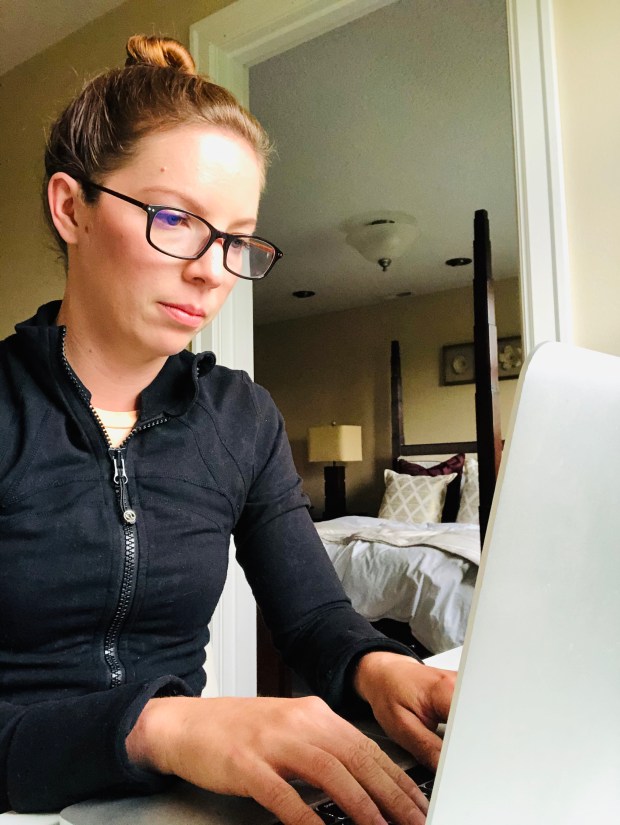
From one IBD warrior to another, don’t ever lose sight of your worth. Your skills and your adaptability will rise to the top of the talent pool. We can’t pour from an empty cup, so remind yourself that self-care is other’s care.

If you’ve ever been curious about how others make, save and spend their money, feel free to check out Annelise’s podcast, This American Wallet. She interviews different people from different walks of life about money. Available for a listen on Apple podcasts, Spotify, Stitcher or Google Podcasts.  

Disclaimer: This article is for informational purposes only and is not to be taken as advice of any kind. All pay estimates were made in best efforts given the informational available via each company website.


My family calls me “Sergeant COVID”: Navigating life while being high-risk, as the world reopens

I’m preparing to feel like the bad guy in the months ahead. My family has already jokingly called me “Sergeant COVID”.  As an IBD mom who is immunocompromised, the decisions I make as the world starts to reopen may step on some toes. I’ve always been one to struggle with confrontation and take it upon myself to be a people-pleaser, which isn’t always a good thing. But this. This is different. I know there will be times I need to speak up and say no.

While out on a walk with my family in our neighborhood this week, we approached a house with two moms sitting side by side, a play date was going down.

sophiawalk15months

Daily walks and getting fresh air help to keep us sane!

Several kids ran around the yard. An SUV parked next to the two moms with their thermoses. I turned to my husband when I spotted them and said, “well there’s a playdate.” He laughed and said, “Are you not going to allow Reid and Sophia to see anyone for a year?”

Well, that’s a good question my friends. Who knows what these next few months will bring, and as someone who is immunocompromised from my biologic medication, that may need to be the reality if things don’t make a drastic turnaround for the better as far as number of cases and deaths.

I want to be together with my friends and family as much as the next person

I also understand the risk associated with getting together with people who have not taken social distancing and quarantine as strictly as my family has. I haven’t stayed in my house and neighborhood since March 12th and only ventured to the grocery store and for bloodwork once, to throw those efforts out the window. I haven’t cooked every meal for my family and refrained from ordering take out for nothing.

baking

Trying lots of new recipes has been a great distraction.

The moment I let my guard down before I feel comfortable, the moment I put myself or my family at risk.

As someone who’s worried about sickness from germs and flare-ups for years, I see this pandemic through a different lens than many. Anyone in the IBD community who is on immunosuppressive medication has a different perspective. I’m already anxious about having to justify my decisions to stay home as life slowly starts getting back to a new normal for everyone. But until I feel safe, we’ll be taking all the precautions.

I wonder just as much as the next person in the chronic illness community how to navigate these difficult conversations with well-meaning and otherwise “healthy” friends and family. When I hear about people getting together indoors, going for walks with people outside their nuclear family, having people over for BBQs, even being essential workers (which I know can’t be helped)—I know the date I’ll see those friends and family just gets pushed further away.

When things calm down, the first people my kids and I will see indoors, will be my parents, who have practiced strict social distancing and haven’t ventured out for anything but groceries. If they were out and about and seeing others, that wouldn’t be the case.

We all need to do what we feel comfortable with and worry less about hurting someone’s feelings or getting a little backlash for our decisions. Luckily, my husband Bobby has been extremely understanding and supportive and backs me up on how I feel. IMG-1529

The best thing we can do is over-communicate. Talk openly about life as someone who is immunocompromised and what recommendations and parameters around social distancing your care team has shared with you. By talking about what your doctor has told you, it validates your worries and fears.

It’s ok to feel disappointed and frustrated. Not everyone has been or will take social distancing and quarantining as seriously as you do. Focus on what you can control—and that is your actions and that of your families. You are doing all that you can to stay safe, and that’s what matters. I’ve had moments where I was physically shaking and so overwhelmed by emotions throughout these past few weeks—because of the actions of others. You see it on social media—the families getting together with several people for Easter, and birthdays, and Mother’s Day. People taking trips on airplanes. Social distancing block parties where people are all standing super close to one another. It’s truly mind-boggling and hard not be judgmental from my vantage point. If you need to cut down on social media or cut ties temporarily with those who you believe are acting irresponsibility, do what you need to do for your mental health and well-being.

We had originally planned to drop off my mother-in-law’s Mother’s Day gifts on the front porch and stay in our car, but my in-laws set up patio furniture on opposite sides of their large patio and we were able to hang out outside 20+ feet apart to exchange presents. It was nice to finally see one another from afar vs. through a window.

Constantly keep your finger on the pulse of research. There are so many physicians in the IBD community truthfully working around the clock to bring patients like us the latest and newest information about COVID-19 as it relates to Crohn’s and ulcerative colitis. Educate yourself on factual, research-based information. Follow top GI doctors on Twitter. Stay in touch with your care team and don’t hesitate to ask questions. Tune in for Facebook Lives and Twitter Chats from IBD Social Circle, IBD Moms, and many other great groups.

Lean on the patient community. Prior to the pandemic, life with a chronic illness already made us feel a bit like outsiders. IMG-1409Now more than ever, we’re being labeled as the “sickly”, the “disposable”, the “weak”, the list goes on. COVID-19 is not JUST about the elderly and immunocompromised, this is about everyone. As patients we have a unique perspective and understanding about the struggles we face daily and what it’s like to go through this challenging time. Connect with fellow patients online who get your reality, your emotion, and the whirlwind of going up against this invisible bogeyman. To refrain from social media, you can download awesome free apps like Gali Health and IBD Healthline, with helpful articles, community conversations, and chats by patients, for patients.


Your FOMO is nothing new. Chances are throughout your patient journey you’ve had to miss out on plans or cancel last minute. Will it be hard when the whole family or your group of friends are getting together, and you tell them you won’t be joining for the big “post-quarantine” reunion? YES. Of course. At the same time, you’ll probably feel comforted not having to worry if so and so is asymptomatic and waiting on pins and needles for two weeks to see if you’re in the clear.

I look so forward to the day when my family and I can reunite with those we love and miss dearly. I just ask that people have understanding, patience, and empathy for those like myself, who will be very fearful to return to life as we used to know it…if that will ever be. Maybe put on the kid gloves and imagine walking in our shoes before you say something that you can never take back.

Revolutionizing the patient experience through crowdsourcing: Use your journey to make a difference

This blog post is sponsored. All thoughts and opinions are my own.

Coping with chronic illness is complicated. When it comes to IBD, no two people have the same experience, but there are often many parallels and overlaps. Crowdsourcing is now being used to understand how to best treat chronic conditions, such as Crohn’s disease and ulcerative colitis. By empowering patients from all around the world to share information on a large scale and leveraging the power of advanced artificial intelligence to analyze and organize that data, StuffThatWorks is revolutionizing how medical research is done.

Chances are you’ve heard of the popular app, Waze, which allows people to build maps and share data with other drivers to bypass traffic. It’s an app my husband and I use all the time! One of the members of the Waze founding team, Yael Elish, started thinking about how crowdsourcing could be used to understand how to best treat chronic conditions. Yael’s daughter started to struggle with a chronic health condition and wasn’t responding well to treatment. Her illness was taking a heavy toll on the entire family. Yael Elish and daughters_1

“It seems like almost everyone dealing with an ongoing medical condition dedicates endless hours researching, speaking with others, and scanning groups in search of something that can help us feel, and live better. We want to know if there are treatments that will work better, if our side effects are unusual, or if diet or lifestyle changes could make a difference. We look for people like ourselves and seek to learn what works (and doesn’t) for them,” said Elish, Founder, CEO, StuffThatWorks.

When it comes to managing chronic illness, it’s much like trying to find the needle in the haystack—the one treatment that will work best for us. The power lies with patients. We are the people who have tried various treatments and know what’s worked best. Crowdsourcing puts patients in the driver seat. Large amounts of information can be gathered from millions of people worldwide.

“I want people to feel empowered – and validated. To realize that their point of view and experience is not only legitimate but is extremely valuable to helping the world understand illness and treatment effectiveness,” said Elish. “I want StuffThatWorks to be a place where patients can share their collective voice and be heard by the medical community.  Where patients themselves are able to impact and drive the research that is being done about their condition and play an active role in finding solutions that will help everyone with their condition feel better.”

StuffThatWorks Currently Serves 85 Condition Communities

As of now, more than 125,000 people are contributing members within 85 condition communities. Over 6.5 million points of data have been shared! One of the biggest communities (fibromyalgia) has over 15,000 members. PCOS has 12,000.

StuffThatWorks is looking to grow the IBD community.

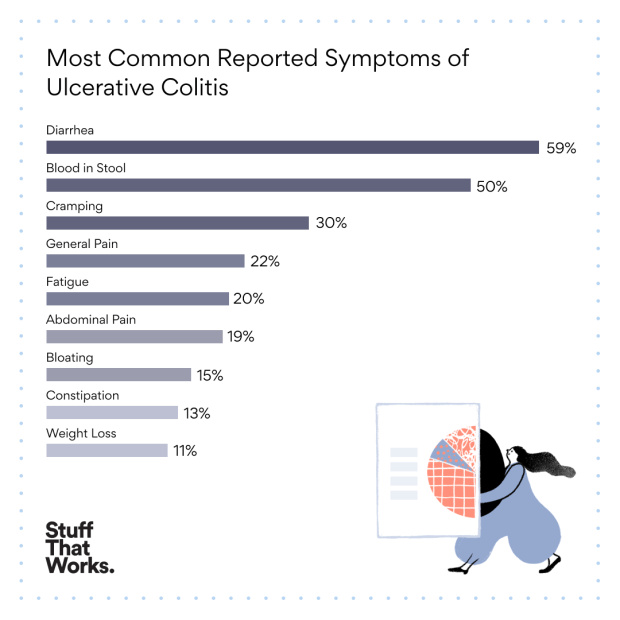
Right now, there are three communities, IBD in general, ulcerative colitis, and Crohn’s. Of these three, Crohn’s is the biggest with 729 members who have reported their experience with 270 treatments. The ulcerative colitis community has 409 members and 155 treatments in the database.

SymptomsUlcerativeColitis

Take the UC survey: https://stuff.co/s/5sSltbnK

On average, Crohn’s community members report they have tried 6.2 different treatments, and 37% describe their Crohn’s as “severe.” By sharing treatment experiences, our community members can use data to help one another figure out which treatments are best for different subgroups of people.

“The power of this database is that it can reduce the years of searching for the right treatment or combination of treatments. Our platform lets people explore how different treatments work effectively together, and we’re able to analyze everything from surgery and medications to alternative treatments, changes in diet, stress reduction and more,” said Elish.

COVID-19 response

StuffThatWorks is in a unique and powerful place to help advance the research on COVID and understand how it impacts people with different chronic conditions. Who is more at risk? Does the virus present differently in people with certain conditions? Do certain treatments work better/worse for them?

“We are currently prioritizing COVID-19 research by inviting everyone with a chronic condition to contribute to the research by answering questions about their experiences related to the coronavirus pandemic, even if they do not have the virus. We are also inviting all current StuffThatWorks members to fill out the coronavirus questionnaire and contribute to this new research,” said Elish. “We’ve also set up a dedicated coronavirus discussion forum, where doctors are answering questions and providing important information about the latest research.”

In a time when many people are feeling anxious and alone—discussion boards are helping to bridge the communication gap and allow for people to connect with one another. StuffThatWorks community members are seeking support about decisions: Should I cancel my doctor’s appointment? How much am I at risk if I am taking immunosuppressants? How can I help my partner understand my anxiety about coronavirus?

The world is suddenly realizing that crowdsourcing is the holy grail of how to gather health care data on a large scale. The real-time nature of it is particularly important, and the ability to get data from such a vast number of diverse sources.

Crowdsourcing research is limitless: The hope for the IBD community

You’ve heard the adage “strength in numbers”. Once large numbers of people with IBD sign up and become members on this free platform, everyone from the newly diagnosed to veteran patients can find something new and continue to evolve and learn about their patient journey.

TreatmentCategoriesCrohns

Take the Crohn’s survey: https://stuff.co/s/bzqQR5xP

“I want people with IBD to feel empowered – that this community is THEIRS, not OURS – and that they can determine what it’s used for and how it can be most helpful. They can add new research questions, post personal discussions or experiences and ask others specifically what works and doesn’t for them,” said Elish.

As members of the IBD family, by joining this platform we immediately become part of a supportive community where we can talk with others just like us, either collectively, or one on one, about how we manage and handle the day-to-day with our IBD.

Driving Research through Patient Reported Outcomes

Patients like you and me have power to influence the research direction of the medical world. We are all a piece of the puzzle and play a critical role in helping with the future development of medications and treatments, and hopefully one day a cure.

So much medical research is done using small groups and funding for large-scale research is extremely hard to come by. The opportunities are endless with crowdsourcing, in terms of the research that can be collected and the solutions we as patients can only provide. LightsCameraCrohns-Blogpost_image

Whether it’s shortening the amount of time it takes to get an IBD diagnosis or helping people find optimal treatments quicker, by sharing our experiences we gain invaluable insight into improving our quality of life and managing our chronic illness. It’s truly a win-win for everyone involved.

Check out StuffThatWorks and sign up for free as a member. Take part in building a knowledge base aimed at figuring out which treatments work best. Your story. Your experience. It’s powerful and it all matters.

Telehealth: Where Have you Been All My Life? Making the Most Out of Your Next Appointment

They say there’s a first for everything and that was the case for me with telehealth visits. Nearly 15 years into my patient journey with Crohn’s disease, and I had never had a video chat with a physician. Going into the experience felt a bit daunting, a little uncomfortable. As patients, we get so used to our routine for managing our illness, that changing the course of care can make us feel anxious. I know I’m in the majority when it comes to being new to this whole telemedicine thing. Let me tell you, I really loved it. I walked away from my computer smiling and feeling happy. Here’s why.

Connecting over video saved me time and a whole lotta energy

My commute to and from my GI office is about 35 minutes and usually involves bringing at least one of my kids with me or coordinating childcare. It was awesome to just walk into my kitchen and instantly connect with my physician. We’ve talked on the phone many times in the past when I have a question or an issue but conversing over video made a big difference. You feel much more connected and like you’re sitting in the same room.

I didn’t feel rushed

Oftentimes while in the examining room, I feel like I’m racing the clock to get all my questions asked. It can feel like I’m just one of many appointments in a row and that my physician is bouncing from room to room. There was a sense of calm and a laid-back aspect of the call that sat well with me. It felt like a 35-minute heart-to-heart that was genuine, educational, and comforting. I felt listened to and heard. We talked about everything from my Crohn’s symptoms to my next colonoscopy, and how to handle everything with the COVID-19 pandemic.

We set a game plan in place

Something I love about my GI is that she’s extremely proactive and aggressive. You ask her a question and she immediately has a confident response. I’ve been more symptomatic the past few weeks than I have been for awhile, so she ordered a fecal calprotectin test to see if there was any inflammation going on. My husband, Bobby, picked up the test from the lab and I will bring the completed test in when I get my bloodwork this week. As far as my annual colonoscopy for later this summer, she told me that we should be ok to get the scope in, as that’s an ideal window for when things are expected to calm down COVID-wise. If we waited or delayed the scope, she fears it could be a YEAR until we’re able to do one again. Telehealth-interpreters-tel-1140x500

She determined that part of the reason I may be experiencing more abdominal pain is unintentionally changing up my diet. Something so many of us are doing right now. Our family hasn’t had take-out food since March 12th. While it’s great to have a healthier diet, having less processed foods can make things more challenging on our digestive systems. She recommended I incorporate more carbs into my daily diet, drink more water from a cup vs. a straw or a bottle (as that can cause gas to build up), and even try drinking peppermint tea or having peppermint oil in the air.

Guidance for navigating the pandemic and IBD

I asked my GI about her recommendations for what to do once Stay at Home orders are lifted and how long social distancing should be in place as someone who is immunocompromised from my medication. She said I am free to go to public parks and trails (while wearing a mask) but should stay out of everything from supermarkets to shopping malls through the summer. She advised it would be best to have my husband continue to run our necessary errands while wearing a mask. She’s anticipating a second peak of the virus will happen when the colder weather approaches.

Luckily, Bobby has been able to work from home since March 18th, a benefit of corporate America. When I asked about what to do when he has to go back in the office, she said he would need to wear a mask and at the sign of any symptoms, would need to stay away from our family.

As far as flaring and needing to go to the hospital, my GI recommended keeping her in the loop and openly communicating about symptoms so we can handle as much as we can outpatient. If there is an acute issue (fever, vomiting, etc.—things that happen with an obstruction), then I should go to the hospital as I normally would.

When it comes to IBD patients being tested with an antibody test, she doesn’t foresee that happening unless we are about to go into surgery or have a procedure. Even then, she says our immune response is different than that of the rest of the population.

Recommendations to keep in mind ahead of your telehealth appointments

Come prepared. Have questions. Be open about your symptoms and don’t downplay anything. Your physician can only help you if they know what’s going on.

Familiarize yourself with the technology. I choose to do my call on the computer, much like a Zoom meeting, but through the patient program provided by my office. There was also an option to click a link in a text message and chat like you’re on FaceTime. telemed

Try to have a quiet space for your call where you can focus. Unfortunately, my husband had a work call during my appointment, but I was able to put the baby down for a nap and bribe my 3-year-old with some snacks and TV. He only interrupted a couple of times, but my physician understood and we had a good laugh about how fruit snacks work wonders to calm or distract toddlers.

Ask about billing. Telehealth appointments at my doctor’s office are billed the same as a routine appointment. Make sure your office has your insurance information ahead of time.

Listen to this About IBD podcast from one of my favorite patient advocates, Amber Tresca, and one of the top IBD docs, Dr. Nandi, about how to best prepare for telehealth appointments during the pandemic.


Seeing the beauty through the struggle: IBD mom welcomes third child amidst COVID-19 pandemic

Welcoming a baby into the world brings so many emotions to the surface. For IBD mom, Suzy Burnett, of Madison, Wisconsin, it’s been a rollercoaster. She had her third baby, Guy Richard, February 29th. IMG_0146Right before COVID-19 started wreaking havoc in the States. Before Guy was born, Suzy’s biggest fear was a postpartum flare. After the birth of her second oldest daughter, Alice, she had the worst Crohn’s flare of her life and was hospitalized.
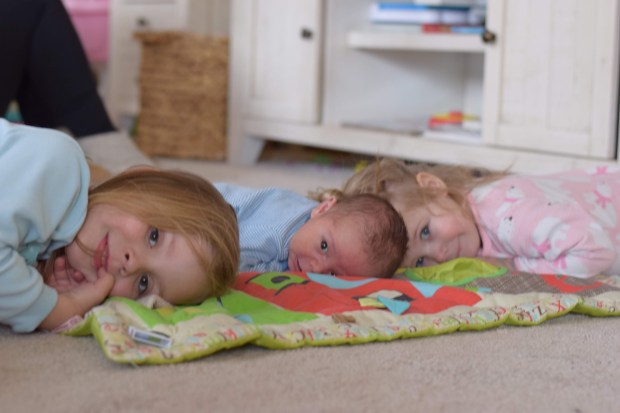
Now, as her and her family face the COVID-19 pandemic, she has a new set of concerns. Will Guy be able to stay healthy until his immune system matures a bit? How will her daughters adjust to the new addition? Will she be able to stay well despite being immunocompromised? COVID-19 added a whole new slew of uphill battles that she or anyone else for that matter hasn’t been prepared to deal with. This week Suzy shares her perspective as an IBD mom, doing all she can to protect herself and her family in the face of this viral war.

As anyone who has ever had a baby, you know those first two weeks, involve several doctor appointments. Guy still had high bilirubin levels when we brought him home, so this meant we needed to make extra trips to his pediatrician. Sounds easy, right? There was so much involved this time around. Babies don’t have that immunity built up yet, so we had to use a special entrance, and go straight to our room to avoid any contact with the public. I couldn’t help but glance at the waiting room and see all the long faces adorned with facial masks. It was swimming with sick kiddos. I felt incredibly lucky at that moment as we escaped the chesty coughs, and furniture that had been saturated in illness.IMG_0147

One week went by, and things quickly changed to Zoom and FaceTime appointments. Not only did the baby’s appointments change…but mine did as well. Those of us with Crohn’s disease can’t always get by with a virtual chat about our symptoms. But here we are.

Navigating health issues brought on by my IBD

Many people with IBD develop extra-intestinal manifestations. IMG_0144Unfortunately, when I was put on prednisone last summer, I developed extremely high eye pressures. I was diagnosed as “Glaucoma suspect” at 40 years old, meaning I have some risk of the disease, but no proven damage (yet), so my eyes are monitored often.

I’m also dealing with an external hemorrhoid, thanks to excessive diarrhea, along with an anal fissure, all while caring for three children—one being a newborn.

For those of you who don’t know, an anal fissure is a small tear in the thin, moist tissue (mucosa) that lines the anus. I’m treating the fissure with topical lidocaine and a suppository three times per day. I’ve had my fair share of pain, but this ranks right up there with my non-sedated sigmoidoscopy and childbirth. It feels like broken glass, or razor blades back there. There’s a chance this has progressed to a fistula, and I may require surgery in the weeks to come.

Normally, I would be seen right away, but due to the current COVID-19 crisis, it’s been several phone calls back and forth with the nurses triaging my symptoms. I’m confident the hemorrhoid will go away, but if the fissure doesn’t, I might be facing surgery, and right now a trip to the hospital could be life threatening.

Seeing the beauty through the struggle

Amidst this horrific event that is crippling our world, there is an unexpected beauty that has surfaced. Our wonderful party of five has become closer than close. Yes, there are times when we all go a bit loony, but we’re embracing this time together. My kids are my world, my everything. I need to be the best version of myself, and a huge part of that now and forever is not letting my IBD win. Even when my disease has a strong hold on me, I never let my kids see the struggle.

If you’re reading this and you’re unsure about whether you’ll be able to handle your IBD and motherhood, I’m here to tell you it’s possible. IMG_0148As a woman and a mom of three who has battled Crohn’s since 2008, I believe if it’s your dream to have children, or a family, you should most definitely pursue that. Consult with your GI and OB doctors prior to getting pregnant, and make sure you’re in remission. Pregnancy can be challenging, but if you’re also flaring, it’s that much harder.

As we all experience the change in our day-to-day lives during the COVID-19 pandemic, whether you have IBD or not, there has been a return to simplicity. A back to basics mentality that is exponentially refreshing. Take a walk outside and breathe in and out. Right now, we’re forced to take our time, dig deep, and focus on our inner beings. Much like the experience of dealing with the diagnosis of IBD, it’s a time to peel back those layers and re-discover YOU.

Follow Suzy’s journey by checking out her blog: Crohnie Mommy 


The race for a cure: How clinical trials are taking on COVID-19

Clinical trials are the guiding light when it comes to discovering life-saving medical breakthroughs. Now, more than ever, they are critical for ensuring treatments and vaccines to combat COVID-19 are safe and effective. IMG-9966 Citruslabs is currently offering research organizations their patient recruitment service and software free of charge for COVID-19 trials. Their goal is to make an impact by accelerating the research needed to find a vaccine and treatment for this condition sooner rather than later.

“Without clinical trials, there is no innovation in medicine. Since there is currently no cure or vaccination for COVID-19, it is essential to test potential treatment methods as soon as possible and to speed up the process so that we can slow this virus down and all move on with our lives. We know that patient recruitment is a big issue in the clinical trial industry. We want researchers to do what they do best: conduct research, see patients, and let others, like Citruslabs, worry about patient recruitment,” said Susanne Mitschke, CEO and Co-founder, Citruslabs.

Susanne

Susanne Mitschke, CEO & Co-fonder, Citruslabs

Right now, clinical trials are looking for people infected with coronavirus, as well as healthy individuals. Healthy people are the key group needed for vaccination trials. Currently, there are around 12 different potential treatment methods being tested—finding a cure for people who are already infected with COVID-19 and finding a vaccination that prevents people from getting the virus in the first place.

As you can imagine, aside from COVID-19 trials, the clinical trial world has come to a screeching halt. Patients are scared to come to screenings or continue with their study visits because of COVID-19.

The trials to treat infected COVID-19 patients are targeting the most severe cases and mostly treat ICU patients. Citruslabs isn’t working on those trials, as it’s hard for them to identify patients who are in the ICU. Their expertise lies more so with clinical trials for vaccines.

The race to discover a safe COVID-19 vaccine

Even though clinical trials for COVID-19 are accelerated right now, to ensure a vaccine works and is safe, still takes time. This is why it’s expected a vaccine for COVID-19 won’t be approved until at least March 2021. stay-home-save-lives-4983843_1280

To give you an idea of just how accelerated the race to get a COVID-19 vaccine is, on average clinical trials for vaccines take 10 years! First, research must be done “in vitro”, then, usually the vaccine is tested on animals and the last step is human clinical trials (three phases for FDA approval). Most companies then continue with a Phase 4 trial to collect “real-world evidence” and test the drug with tens of thousands of patients.

“The good news when it comes to COVID-19 is that researchers have investigated other Coronaviruses: SARS (from 2002) and MERS (from 2012). The current Coronavirus has 80-90% similarity to the SARS virus from 2002, which is also why doctors call the virus SARS-COV-2. When it comes to COVID-19, some trials focus on live but weakened virus forms. These have drawbacks because they can still make the host (the human being) sick! Newer approaches are looking at the genetic code of the virus, which seems in light of COVID-19, a safer approach,” explained Susanne.       corona-4983590_1920

COVID-19 Symptom Tracker

Citruslabs is collaborating with other research organizations to find the right patients for clinical trials. One of those companies is Lazarus, which created a symptom tracker to identify those who are likely to have COVID-19. Their software advises patients if they should stay at home (self-monitoring), visit their primary care physician, or even go straight to the hospital. You can find a link to their tracker here.

How to get involved and help

So, what can we do as the general population right now—other than STAY HOME to minimize the spread? Taking part in clinical trials can really save lives, now more than ever. If you are interested in taking part in a clinical trial to find a vaccine for COVID-19, head over to https://bit.ly/2wMS3Ja and fill in your information. A research team will be in touch with you about suitable trials in your area.

The backstory on Citruslabs

Founded in 2015—Citruslabs is the link between patients and research organizations. Their sole focus is to find the right candidates for the right clinical trials. Currently, 86% of clinical trials don’t meet their patient targets. Citruslabs is working tirelessly to change that. When clinical trials can’t be completed it puts researchers in limbo because they are not able to collect enough data to the safety and efficacy of new treatments. As a result, many drugs never make it to market.

As of today, Citruslabs has worked with more than 200 clinical studies and reached more than 3 million patients. But their work is just getting started. Over 50% of Americans are not aware of clinical trials. CitrusLabs

“We want to change this by providing transparent information about the importance of clinical trials, their benefits, but also their risks so that individuals can make an informed decision if they want to join a clinical trial or not,” said Susanne.

In the months to come, stay tuned to Lights, Camera, Crohn’s for more information about how Citruslabs is working to drive research related to Inflammatory Bowel Disease. For now, though—the focus remains on COVID-19 and doing all they can to rise to the challenge and make a difference.

Click here to learn more about how Citruslabs is fighting the fight against COVID-19.

This article was sponsored by Citruslabs. All thoughts and opinions shared are my own.

My five year old has Crohn’s and was tested for COVID-19: A Mother’s story

UPDATE: Since this story was shared on March 30th, Jadyn’s COVID-19 test came back. After two weeks of waiting, the test came back positive.

Imagine your 14-month-old baby being diagnosed with Crohn’s disease. That was the reality for Anna and Jon Richt of Georgia. Fast forward a few years and their daughter, Jadyn, is now five years old and thriving with IBD. This past week though, the Richt family had quite a scare. E06A1215Jadyn woke up with a fever and a slight cough. Given the craziness of the times we live in right now, they immediately called the COVID-19 hotline. Once the person on the other line heard about Jadyn’s health history and the fact she is immunocompromised, they agreed, Jadyn needed to be seen. In urgent care, Jadyn was tested for the flu, strep throat, and COVID-19. The Richt’s were told they would have a test result in five days, it’s been more than a week now, and still no result.

Prior to all the discussion on social distancing and sheltering in place, Anna and Joe had traveled domestically. Family members who had been staying in their home had recently traveled internationally. Anna says, “The strep test came back positive, which gave us a sense of relief. But it didn’t cancel the possibility of COVID-19. We have been watching her closely, ready to sound the alarm at any sign of health deterioration. Thankfully, she is feeling much better and I believe she is bouncing back to her normal self.”

What’s it like to raise a daughter with IBD from such a young age? Jadyn has a G-tube, and Anna is passionate about spreading awareness about feeding tubes to educate others. E06A1193I’ll allow Anna to take you back to the beginning, so you can have a better grasp of their ongoing journey and how it’s brought them to where they are today.

Seeing blood when my baby was six months old

I started seeing blood in Jadyn’s stool when she was around six weeks old and immediately called her pediatrician. He chalked it up to a couple of things, mostly related to breastfeeding issues and didn’t seem too concerned. When she was eight months old, my husband’s job moved us far away from family and her symptoms worsened. Her new pediatrician was concerned about her weight loss and sent us to the hospital for further testing.

A colonoscopy showed lesions all throughout her GI tract. Crohn’s disease was mentioned but the gastroenterologist was hesitant to diagnose it because of Jadyn’s young age. I did exactly what they say not to do and Googled Crohn’s Disease. The symptoms were spot on: “Bloody stools, persistent diarrhea, vomiting, loss of appetite, weight loss.” I’m not sure I’ve ever told anyone this, but deep down, I knew.

Dealing with the diagnosis

The diagnosis eventually came when Jadyn was 14 months old. fullsizeoutput_38f9The first couple years were nothing short of a dog fight. I remember sitting in my sister’s living room after an appointment when all of the sudden the doctor’s number popped up on my phone. She was calling to say that Jadyn’s lab results didn’t look good and we needed to head to the hospital right away.


My sister and I sat there in disbelief and cried. I remember her saying through her tears, “I feel like you are under attack.” We were. But we fought back. There have been countless doctors’ appointments, feeding tubes, eating therapies, procedures, you name it. She has been a trooper through it all and I am so happy to report that her current medication is working. Thankfully, she is a normal 5-year-old for the most part, which I don’t take for granted.

What has the journey been like for me as her mother?

It’s by far the hardest thing I’ve ever faced in my life. At the beginning I assumed it was something we could easily get under control and move on. I now know it is a marathon race, not a sprint. Watching my child suffer, and not being able to fix the problem despite my best effort made me feel like I was failing her. IMG_6044

It’s been lonely at times. Don’t get me wrong, we have the most amazing family and friends. They have supported us unconditionally every step of the way. But because she was diagnosed so young, we’ve never met another child her age with Crohn’s. I couldn’t call one of my mom friends and ask, “What anti-TNF drug worked for your child?” or “How are you potty training your two-year-old who is flaring?” Instead, we’ve pioneered this head-on, and I’ve completely relied on my faith to get me through. People often say how strong I am, but honestly, I believe it’s God’s strength in me that they see. When I look back on these past five years, I know without a doubt He has carried us. I can honestly say I am proud of the mother I have become due to this disease. I am brave and empathetic. I’ve developed grit and survive on grace.

What I want to say to parents of children with IBD

Take care of yourself. I always think of the airplane safety guide. Secure your oxygen mask before helping others. You cannot fully care for your child if you don’t take care of yourself first. Some days that may mean a 30-minute workout and drinking plenty of water. Other days it’s meeting with a counselor to address the emotional toll the disease has taken.

Let others help. They really want to. Use that time to step away and catch your breath.

See your child for who they are. Your child is more than their disease. They are uniquely designed for a specific purpose.

You can do this. I firmly believe that you were handpicked by God to be your child’s mother.  Continue to advocate and cheer them on. Take it one day at a time.

E06A0940

Jadyn and her little sister

“And I am certain that God, who began the good work within you, will continue his work until it is finally finished on the day when Christ Jesus returns.” Philippians 1:6

You can follow Anna by checking out her blog: Grit to Grace

Anna’s Instagram: @grit.to.grace

The “vulnerable” population: Here’s what special shopping hours mean to me

Chances are by now your grocery store has instituted a designated hour each morning for the “vulnerable” population to shop. Vulnerable meaning the immunocompromised, the elderly, and the those who are pregnant. Target and Wal-Mart are on board with this too, one day a week. While in theory this is greatly appreciated, many people who are taking advantage of this option have been met with huge crowds and empty shelves.

As a 36-year-old with an invisible illness, Crohn’s disease, I was curious if I would be questioned or given dirty looks if I shopped during these hours. To the average person, I look healthy. I called two local grocery stores and my local Target to see if I would need a doctor’s note or a prescription bottle with my name upon entering the store. Everyone was extremely kind and said no questions would be asked and that it’s just an honor system. Still, as a young person I can’t help but assume I would be met with some eye rolls and attitude. I too was hopeful and a bit skeptical that the rest of the population would be honest and not try and to take advantage of the system. IMG_9020

So, after one week of isolation in my home, I strapped on one of two N95 masks my husband had lying around the house from some construction projects and a pair of surgical gloves we had on hand from when my son had Hand, Foot, and Mouth as a baby and ventured out to see just how it would be to utilize the shopping hours for the high risk. We were down to about five slices of bread and no meat, I figured shopping during this special time when the store opened would be our best chance at getting what our family needed.

Here is what surprised me

I was one of five people in the store wearing a mask. I was the only person wearing gloves. It felt like the day before Christmas when you are like a sardine walking in a slow line, aisle by aisle. The situation made me feel anxious and unsafe. I was the youngest person by far…and I’m not all that young, but it was mostly the 60+ crowd. I wasn’t questioned by employees or shoppers but feel as though my mask and gloves did the talking for me. While I was shopping, I wondered if it was more crowded than a random time of day…or if this is just how busy grocery stores are now around the clock? shopping-cart-1275480_1920

The safety of shopping around other high-risk patients

I asked Dr. Neilanjan Nandi, MD, FACP, Penn Presbyterian Medical Center about whether there was any danger in putting all the high risk people together to shop, or if he felt it was safer to go first thing in the morning before all the crowds throughout the day. He said, “It may be safer to go early in the store when there are simply less absolute number of people around to contract the illness from. It is the shear number of people that ultimately contributes to the virus’ spread. Therefore, limiting the number of individuals that we come in contact with is among our best options in both preventing our own infection and slowing its spread to others.”

Dr. Nandi went on to say regarding IBD, it is patients who are on a high dose of steroids (particularly over a daily dose of 20 mg) that are of the greatest concern right now. “While good data is unavailable, the biologic class of IBD therapeutics were specifically developed to avoid the high risk of infection that steroids confer on magnitudes far greater. I encourage all IBD patients to maintain their current therapies. If on steroids, have a discussion with your primary IBD specialist about other options and of course maintain vigilant social distancing practices.”

If you are single or don’t have a choice but to do your grocery shopping, I would recommend utilizing the special hour that’s been set aside, but if you have the option to stay home and have another family member or friend do the shopping, do that. My husband has been doing all our grocery shopping and Target runs, I simply went to gain perspective and see firsthand how it would be for a young person, with a disease that isn’t visible, during these wild times. If I had been shopping without a mask and gloves on, maybe I would have been asked what I was doing there. It’s hard to say. Overall, I’m grateful businesses are recognizing the need to do all they can to try and protect those who are at greatest risk of catching COVID-19, your efforts are appreciated.

Click here for a list of major retailers offering specific accommodations for shopping.


Vitamin D deficiency and IBD: Why it’s important to address the issue

When you think of vitamin D, soaking up some sunlight may come to mind. But for 30-40% of people with IBD, there’s a deficiency. I’m one of those people. Despite taking a daily dose of vitamin D in pill form, I’m still well below the “normal” range. My GI recently had me go from taking 2,000 IU a day, to 50,000 IU two times month.

The role of vitamin D with disease activity and inflammation

According to Dr. David Rubin, Chief of Gastroenterology, Hepatology and Nutrition at the University of Chicago, “We know that the lower the vitamin D, the more inflammation people have. There is even a “sunlight gradient” in parts of the world where Crohn’s disease is more or less prevalent based on exposure to sunlight- suggesting that more sunlight (and more of that kind of vitamin D) may be preventive or conversely, that less sunlight may be a risk factor.” Photo by J Elizabeth Photography www.jelizabethphotos.com

While it’s unclear why vitamin D deficiency is so common in the IBD population, Dr. Rubin says, “We definitely know it’s lower in IBD folks than others who live in the same geographic areas and who are the same age. We suspect there may be an activated inflammatory pathway that is a result of the IBD OR that the deficiency is due to a mutation in the Vitamin D receptor that prevents adequate uptake.”

He went on to say it’s not so much a malabsorption issue, as some assume. Therefore, it’s important those with IBD know what their vitamin D level is, even if they feel well and are in remission.

The importance of measuring vitamin D levels 

Severe vitamin D deficiency over time can result in bone loss, delayed or impaired wound healing (and this includes the “wounds” in your bowel), depression, and fatigue. All symptoms and conditions that can occur in IBD! So, knowing your vitamin D and addressing deficiencies is very important. Vitamin D aids in calcium and phosphorus absorption, which is necessary for healthy bone turnover and growth.

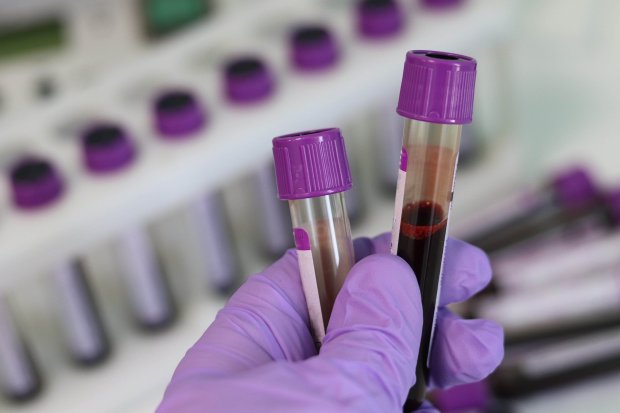
“An interesting study at Digestive Disease Week a couple years ago looked at treating low vitamin D in active ulcerative colitis. Of the patients who had a response and normalized their vitamin D levels, they also had improvement in their ulcerative colitis. It was a well-done proof-of-principle study but very important and suggests that this may be a novel treatment in the future, or even be an adjuvant therapy. The key was that patients had to get their Vit D >40 ng/mL,” said Dr. Rubin. laboratory-3827736_1920

When I had my vitamin D measured this past month, I was at 22 ng/mL, despite taking daily vitamin D and being in clinical remission. As an IBD patient of nearly 15 years, I’m interested to see if shifting to the 50,000 IU capsule of Vitamin D twice a month will help put me in the “normal” range. Time will tell!

It’s recommended that IBD patients get vitamin D levels measured in their blood work at least once a year. If the number is low, then Dr. Rubin recommends repeating labs more often after supplementation has started. While sunlight can certainly increase Vitamin D, it doesn’t seem to be sufficient enough to address the deficiency in patients with IBD-related low levels.

From remission to flaring in one week: What 2015 taught me about life with Crohn’s

I woke up from my colonoscopy five years ago and was told “You’re in remission”. Tears of happiness streamed down my cheeks. I was in disbelief. Was I dreaming?! It took a decade for me to hear those words, and one week to be robbed of the title.

One week later, I was hospitalized with a small bowel obstruction. The first of three that would happen that next year. So many of us in the chronic illness and IBD community specifically, are constantly chasing after “remission”. But what does remission really mean?

Remission is different for every person, much like IBD manifests differently in everybody. When I heard the word remission five years ago, it felt magical and exciting.

Remission2015

Celebratory post-colonoscopy cheesecake after finding out I was in remission Feb. 2015.

Hell, my mom and boyfriend (now husband) and I went out and celebrated with a big meal at The Cheesecake Factory. When I flared days later, I started feeling skeptical of the term and came to realize how fleeting and elusive remission can be. I laid in the hospital bed, devastated and dumbfounded by what had just transpired.

It took three bowel obstruction and 18 inches of my small intestine to ultimately be removed in August 2015, for me to reach surgical remission. While surgery is not a cure, my bowel resection provided me with a new beginning. As I approach my five year “remission” anniversary this August,

IMG_7445

Hospitalized a week later with a bowel obstruction.

I remain on edge. I’ve been blessed to be on cruise control with my illness these past few years. My GI has me well-managed on my biologic and vitamins, I know how to read my body when it speaks to me through symptoms, and when I suspect something is going awry, my care team and I nip the disease activity in the bud.

To me, remission is waking up each morning with the expectation that I’m going to feel well and be able to take on the day as planned. Remission is having more ‘feel good’ days than painful ones. Remission is being confident to attend social outings, travel, and do all the things I set my heart out to do, without feeling suffocated by the fear of the ‘what ifs” of a flare. Remission is being able to focus on the part of me that is so much more than my disease. remission blog

Remission tends to the be the “goal” when it comes to IBD, but it’s not always feasible. It’s easy to see posts on social media and feel like you’re failing because your body is failing you, repeatedly. It took me a decade of living with Crohn’s and surgery to be in remission.

While I’m a compliant patient, I don’t take much credit for my remission. I know how at the drop of a hat I could be rushing to the ER, unable to breathe from my abdominal pain. I remember all the flares that blindsided me and I know my body can decide to flip the switch at any given moment. I feel lucky most the time—while my Crohn’s could be worse, it could be better, too. Remission doesn’t mean that symptoms are non-existent, moreso that the majority of the time I feel well with some not so great days sprinkled in the mix. While in this state of remission, I remind myself not to take this time for granted, not to become complacent, and to stay vigilant on managing my symptoms and overall well-being.

Rather than focusing on the big “R” word that’s loaded beyond belief and placing so much emphasis on it, let’s focus on feeling the best we can each day, communicating openly with our physicians, friends, and family, and taking this uphill battle one step and one day at a time.