
If you battle inflammatory bowel disease, chances are, along that journey you’ve been blindsided by a flare that sends you to the hospital. One of the hardest things to do is try and pack a bag for the hospital while you’re doubled over in pain and can’t think straight. This week, a guest post from my friend, and fellow IBD advocate, Amanda Osowski.  Amanda shares the hospital bag “must haves,” so you can be prepared the next time around. Amanda, take it away…
As a Crohn’s patient, my often urgent, sometimes frequent trips to the hospital used to leave me wondering how I could better prepare for these moments, when they arrive.
For several years, I have been keeping a mostly packed hospital bag. Today, I operate off a combination of a mostly pre-packed duffle bag, along with a note on my phone of a few items to add to the bag before I head to the hospital. This has allowed me to feel slightly more in control of the times my body does not cooperate.
Steps for filling a pre-packed hospital bag:
- Start by finding a good duffle bag. I have found that ones with internal/external/side pockets are best for me to keep things organized. (This is mine!) Often bags used for working out/the gym are good candidates for this purpose based on size. Amazon has many options, and stores like Marshalls/T.J. Maxx often have name brand bags for inexpensive prices.
- Records:
- Keep a printed list of current medications, supplements, allergies, doctors and their contact information. This is much easier to reference in the ER or in-patient with multiple doctors rounding.
- Have a printed copy of any medical documentation from your providers – especially if you have a port, picc or central line, an ostomy, feeding tube, or other medical devices/necessities. I also store these on my cell phone, so I have a mobile copy.
- Share with your parents/spouse/friends where this bag is kept, in case you are unable to grab it before becoming admitted.
Essentials
- 3-5 pairs of underwear
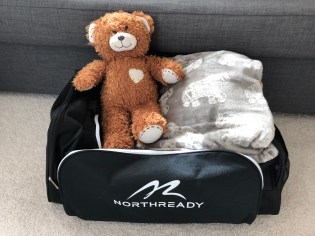
- 4-6 pairs of socks with grippers on the bottom. I really like yoga socks like these or these or these!
- Flip flops or slide shoes or slippers with grippers on the bottom (for leaving the room).
- Glasses/Case or Contacts/Case, including cleaner wipes/solution
- Hand Sanitizer / Wipes
- Lysol Spray
- Pen/pad of paper or notebook
- Phone charger
- I would recommend either purchasing an extra 6ft. or 10ft. cord on Amazon to keep in your bag, or purchasing an extension cord to help with outlets that are in inconvenient places
- Also – wall plugs like this that have the ability to charge more than one item at a time are great.
- Ear plugs (in case of roommates or beeping IVs!) – I like these or these
- Eye masks (to sleep w/lights) – This one is my favorite.
- Hard candies to suck on/throat lozenges for dry throat
Clothes:
Note: I don’t have a ton of clothes that I like/find comfy, and because I often want my favorite items when I’m in the hospital, I usually keep these on my “To Add” list (see below)
- 2-3 Comfortable bottoms (PJ pants, shorts, leggings, sweatpants) – loose fitting is best
- 1-2 Zip up sweater/sweatshirt/fleece in case it’s chilly
- (Men) 3-5 tank tops or tee shirts with loose neck/arms
- (Women) 3-5 Tank tops with built in bra or tee shirts and sports bra with no metal
Toiletries
- Toothbrush/Toothpaste
- Mouth wash
- Deodorant
- Hairbrush/Comb
- Hair ties/bobby pins/elastic headbands
- Dry Shampoo (My favorite listed here, and Target often sells travel size bottles for $5.99)
- Shower items: shampoo/conditioner/body wash/razor
- Lotion
- Chapstick
- Face wipes – these are my favorites
- Wet wipes
- Calmoseptine!
- Nail file/nail clippers
- If you’re female, tampons/pads just in case!
- Body spray like this!
Comfort
- Toilet Paper (As a Crohnie – my bottom often cannot handle the hospital 1 ply)
- Stuffed animal
- Soft blanket (I’ve found my favorites at Marshalls or Home Goods)
- Pillow (or your own pillow case)
- Hair dryer (if that’s important to you after hospital showers)
- Bathrobe (if that’s your thing – I don’t keep one in my bag)
- Laundry bag/bag to keep dirty clothes separate from clean ones (I just keep a few plastic target bags in my duffle)
- Kleenex/Tissues if you prefer soft ones
- Heating pad
- Durable/tall refillable water bottle
- 1-2 sealed bottles of water (yourself + caregiver)
- Photos – friends, spouses, pets. While most of us have these digitally, sometimes it’s nice to put a small frame on your hospital windowsill or nightstand
Entertainment
- Magazines / Books – physical or downloaded to your phone/tablet

- Deck of cards or small game
- Headphones
- Coloring book/colored pencils or crayons or markers
I use small makeup size pouches or bags to organize things together (ie: electronic related items, toiletries, etc.), and keep this all in my duffle bag, which lives in our guest room closet. This is important for me to remember, in case my husband is out of town and a friend offers to swing by our place and pick it up from me!
I mentioned my “To Add” list that I keep on my phone. Here’s what’s on it!
To Add:
- iPad + charger
- Laptop + charger
- Clothes (See above!)
- Snacks: Including this obviously depends on your current intake abilities, or your caregivers, as well as your regular hospital’s offerings.
 That’s it! If there are things on here that aren’t your jam, just leave them out or substitute with something more your style!
Connect with Amanda on social media! While she shares posts about her health adventures and patient advocacy efforts, she also share lots of other great content too!

 est to paint a picture for you. My legs feel like complete jelly. My brain feels in a fog. I feel so lethargic; the thought of showering seems overwhelming. I’m not in pain. My stomach feels fine. But, there’s something “off” and you feel it with every part of your being.
 Living in the Midwest, I didn’t want two winter days with temps in the 80s to pass without enjoying them. I knew the fresh air and exercise would be a welcome excursion for my little man and me. Did those two walks with the stroller push me to my limits? What is too much? What is not enough? At 34, you feel lazy when you can’t keep up or have to admit you’re just too tired. You look perfectly fine on the outside, you feel like those around you wonder if you try and take advantage of your disease.
 that stated, “Fatigue in IBD is experienced by up to 86 percent of patients with active disease and 41 percent in remission.” It’s crazy how common this is! For people with IBD, fatigue can be physical, mental or a combination of both.
 As Valentine’s Day approaches and love is in the air, I’m choosing to look at my disease with my whole heart and to share my feelings with you.
 I may have ended up marrying a person who really wasn’t about being with someone in sickness and in health.
 There’s no sense in wondering and wishing for something that is not possible. Once you take a deep breath and stop living in your healthy past you come to realize that you were given this hand of cards for a reason.
 You take those steps to heal. You focus on getting better. You do all you can to make it through. Crohn’s and any chronic illness for that matter gives you this opportunity over and over. So, while we all tend to have negative feelings about our health and worry about what the next hour will bring, try and pause and stop for a moment. Think about all the beauty and insight it’s provided—and love yourself and your disease for a second.

 Three days later, at 10 pm the night before we were going to hang out, Amanda was admitted back into the hospital.

 Everyone knows the prep is far from desirable and it doesn’t help when you’re famished. For some reason, this go around was especially difficult on me. I was incredibly nauseated and weak. I vomited multiple times. I could barely get it down.
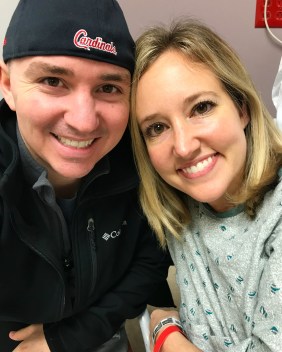 As I sat alone in my hospital gown, waiting for the IV and the procedure I had a few moments to think, pray and reflect about my patient journey. My husband Bobby came back to see me, held my hand, kissed me a few times and I was whisked away. I woke up to the best news! There were no signs of inflammation or active disease and my streak of “remission” continues. I put that word in quotes because I am always hesitant, as my symptoms always come out of left field and blindside me. For now, I am going to bask in this celebratory moment, enjoy every feel good day and take in the relief of knowing I’ve gone through another colonoscopy and passed with flying colors!
 I was immediately at a loss for words. But in a good way. I’ve been those people in that commercial. I’ve witnessed family members look at me sympathetically as I excuse myself from the room. I’ve held my stomach and grimaced in pain, doing all I can not to miss a moment of a social gathering. I was recently at the movie theater with my husband, gazing with jealousy at people who could eat popcorn…willing myself not to buy any.
 I’ve been on Humira almost 10 years. I don’t need to be sold on the drug. But this campaign means the world to me. It represents what my parents, husband and son endure by my side. This disease impacts more than just the patient. It’s a family affair. When my son is old enough I want him to be empowered by my strength, but able to empathize with my struggles. Thank you, AbbVie for recognizing this and giving the world an inside look at the IBD patient and family experience. The commercial ends with “To be continued”… I can’t wait to see what’s next.

 We tried new medications, but after eight months of no change in my small bowel, my gastroenterologist thought it was time to say goodbye to the diseased portion of my intestines. I remember the phone call from her just saying “I’m going to give this to you bluntly, you need to get them out.” At first, I was shocked, then angry that my body was failing me. I brought my husband to my surgery consultation, and I’ll never forget the look on his face as the surgeon was asking me very detailed symptom questions and I was answering them honestly. It was a look as if I had by lying to him for years. Even my husband, the person I spend every waking hour with, have been with for almost six years and since I was diagnosed, didn’t fully understand how bad my disease had gotten in the last three years.
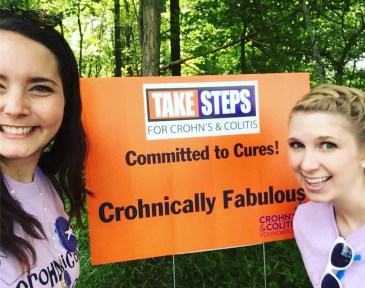 As a mom and a wife, I questioned how my family would make do without me… But as surgery drew closer and I was in so much pain that I could only eat liquids and was basically confined to the fetal position, I knew it was time.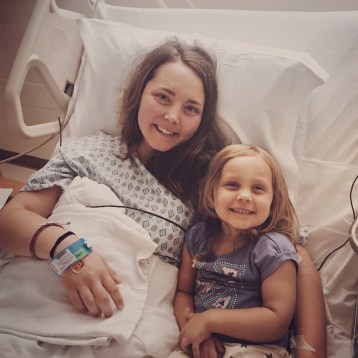
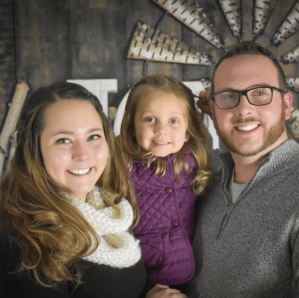 Getting surgery has changed my life in just 12 weeks. I can’t even imagine how much it’s going to change my life in the next year or two. I know the statistics aren’t in my favor, but until then I will totally be living my best life with a foot less of intestine and a bigger smile on my face!
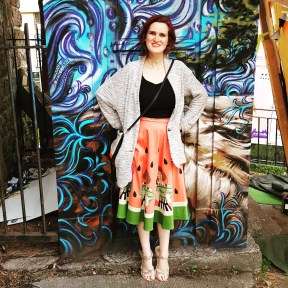 She’s not your typical patient advocate. She’s an author who uses her sense of humor to not only inspire, but also make you laugh. She says things many of us think, but won’t say. Her most recent piece of work, “
 That gives you an idea of what an incredible resource this book is for women in the chronic illness community. Kathleen’s ability to share her experiences and speak to others to make a difference, inspires me to be strong in my patient journey. Though we’ve never met in person, we’ve been “friends” on Twitter, Facebook and Instagram for years. I had the chance to interview her about her latest book. Here’s what she had to say:
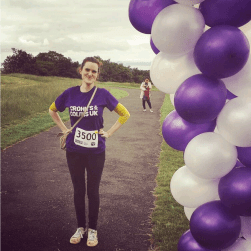 People seem to enjoy the humour spattered throughout and find it to be informative and inclusive which is what I’d hoped for! This time round has been nerve wracking again so i try to only dip in and out of reading reviews for the sake of my own sanity/ego!”
 Kathleen is dedicated to helping others feel less alone and afraid in their fight with chronic illness. As someone who’s battled Crohn’s more than 12 years, I can tell you firsthand her words empower me to be strong. I constantly find myself nodding along while I’m reading and even laughing out loud. You can follow Kathleen on Twitter and Instagram @kathfantastic.
 lights camera crohn's