
Being diagnosed with IBD as a pediatric patient looked different in the 1970’s. For 54-year-old Brett L., the start of his patient journey began when he was only nine. The year was 1976. He started experiencing fevers, bloody diarrhea, vomiting, and abdominal pain. As he puts it—the symptoms started a year-long quest to find an answer. A quest that involved frustratingly long waits at doctor offices, endless tests, and medical trials. He was ultimately diagnosed with acute ulcerative colitis at the age of 10. Now, in 2021, Brett has unique insight and perspective to share with our community.
Patient “Number 1”
As you can imagine, Brett spent many years on high dose steroid and sulfur pills. The side effects of the steroids (moon face, weight gain, bloating, mood swings, and ravenous hunger, etc.) added insult to injury. From 7th through 9th grade, Brett missed nearly 60 days of school each year due to severe flare ups and hospitalizations. By the time he was 13, Brett’s parents were desperate for a cure as his condition worsened. With no relief from traditional medicine, they sought out additional care from holistic doctors, nutritionists, even an angel healer at one point! Nothing helped to manage Brett’s IBD.

“In 1981, I was 14. I’d been battling debilitating and severe flare ups that made me so weak I had to crawl to the bathroom or walk doubled over in pain. Each hospitalization was taking its toll. Over the years, though I was growing, I had lost 30 pounds. It was at this point that my doctor proposed something that had never been performed on a pediatric IBD patient—a total colectomy and “pull through” operation that would leave me fully reconnected and waiting for the ileostomy closure…allowing me to eventually go the bathroom normally again after a recovery period of a year or so. It was risky surgery back then. But not having it was a risk too. I agreed, and we went ahead with the surgery.” said Brett.
Brett was deemed “patient number 1” for this pediatric procedure and his case study was published in medical journals. To this day he remembers waking up from surgery in the pediatric ICU at Westchester County Medical Center in Valhalla, NY. He recalls counting 18 tubes and lines connected to his body and thinking that he couldn’t believe he chose to do this to himself. The surgery lasted 14.5 hours and the incision ran from his pubic bone to his sternum—the entire length of his abdomen.
Living with an ileostomy as a teen
“I learned to manage the ileostomy with some upsetting and messy mishaps at the very beginning. And in class sometimes the stoma would make embarrassing sounds. I learned to feel it coming and cover it with my hand to quiet it. But without a colon, I was now a healthy 14-year-old. The doctors said that upon examining what was left of my colon, they estimated I had about two weeks left before a fatal perforation,” said Brett.
A year later his ileostomy was reversed, and he was able to go to the bathroom “normally”, again. While he’s grateful for this—it hasn’t been all sunshine and rainbows. Brett says he initially had an abscess at the closure of the stoma. Ever since, he has gone to the bathroom more than normal people. In recent years Brett developed a challenging case of chronic pouchitis that at its worst caused pain and had him going 20-30 times a night.
The good news is that “after about 4 years of this, I finally seem to have treated and solved it myself, with psyllium husk powder at breakfast and lunch times, and 3 Lomotil pills with dinner. I’ve also reduced fluid intake during meals and become more careful about not overeating. I learned some of this in my online research about immediate post-op colectomy patients. The doctors had a hard time helping me with this, but I seem to have resolved it myself.”
From past to present
Today, Brett is a healthy 54-year-old man and his pouchitis has never been more under control. Through all the ups and downs with IBD, he’s lived a fulfilling life as a professional singer, and as an executive of multiple companies.

“In my career I’ve been an investigator, a head of marketing and sales, I’ve grown startup companies, and have traveled the world for business and pleasure. I’ve earned an advanced degree from an ivy league school, and I have an amazing 16-year-old daughter who is a gifted, performing singer-songwriter in her own right.”
Brett believes his ulcerative colitis has made him more appreciative of life and the little things.
“I have always been that person who lingers over sunsets, gazes at the moon, and stops and notices the teeny flowers poking through the cracks in the sidewalk, or street art, and the coincidental things one comes across as noteworthy or remarkable. I notice and really drink in the happy, good moments because I know what it’s like to not be able to be out and experience these things. I know I am fortunate to be here to tell my story.”

Here are some helpful nuggets of knowledge Brett would like both those with IBD and their caregivers to know:
- Don’t let fear of IBD stop you from living your life and having fun, or asking that person out, or going out with friends, when you are feeling well. As soon as I was feeling well enough to get back out there after a flare up, I lived life to the fullest and played like every other kid. You deserve to be there just as much as every other kid, teen, or adult does. When you are feeling well, try to make the most of that wellness, and not let the fear of what might happen stop you from living.
- You are not “less than”, because you have an illness. In fact, you may even have an added level of maturity because of your illness that others do not, because of your need to contend with it, and interact more with adults and medical professionals and present your situation to them in a coherent and meaningful way. Look for the silver linings in everything. Notice the small pleasures, they help you get through the down times.
- To parents—your child is a survivor. It takes a lot to keep them down. They will have ups and downs with their IBD. But 2021 is the best time ever to have to live with this diagnosis. Current treatments and even surgeries have changed the game and the patient experience, for the better and the future is even more promising. IBD can be traumatic. Children and adults can benefit from seeing a therapist to help cope with the lifelong nature and complications of the disease.

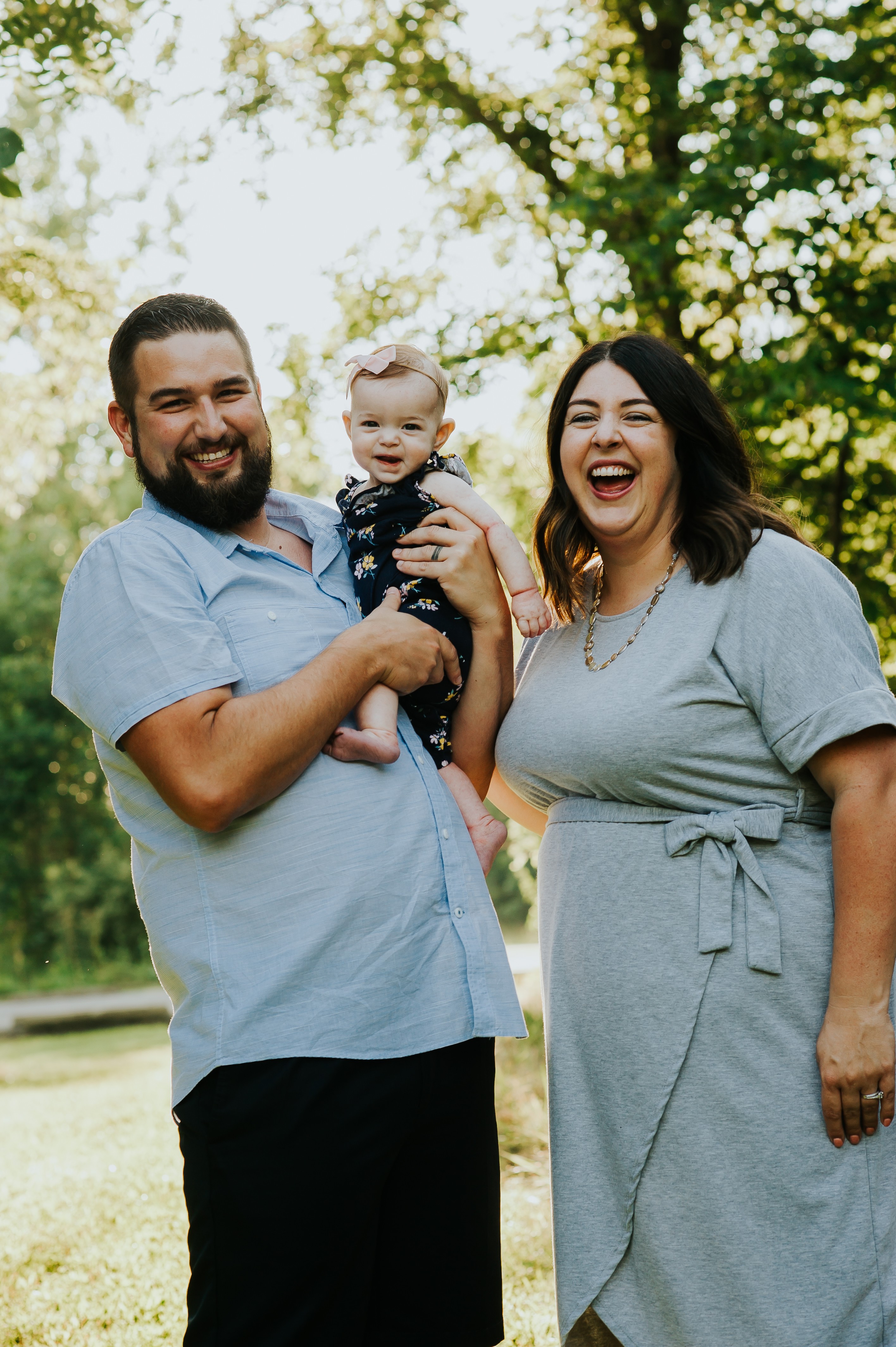 She’s a 30-year-old mom and wife from Utah, who works full-time outside the home. She’s battled Crohn’s disease since December 2011.
  My mom did an amazing job making sure our lives did not revolve around her disease. She did her best to stay healthy and support us. I want my daughter to have the same experience as I had growing up. I don’t want her to ever feel the burden of my disease. I want her to know that no matter how difficult life gets, there is always hope. My mom is the one person I can call who fully understands my struggles. To have another family member that has and is dealing with the same chronic health issues is a huge support. I am very grateful for her.
 I remember explaining to him at one point that this disease would be something I will deal with my whole life and it was okay for him to leave me. It’s really hard to put my relationship with my husband into words. When it comes to Crohn’s, the thought of all he does to support me, makes me tear up. He knew that after our wedding day he would take my mom’s place at all my appointments and be my sole caregiver. Nate never shied away from the challenge and it makes me love him more and more everyday. He is my number one and having support from him means the world to me.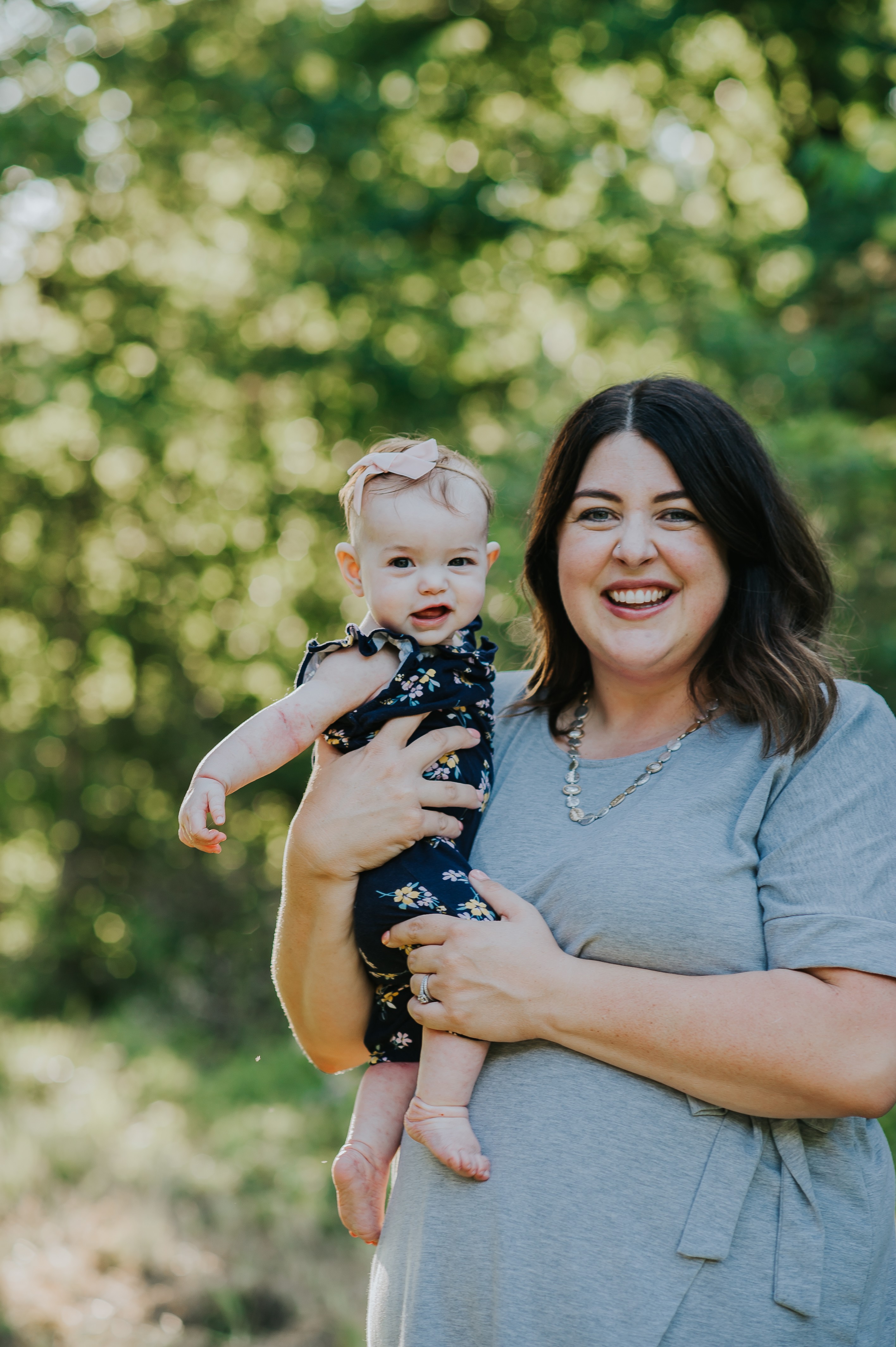
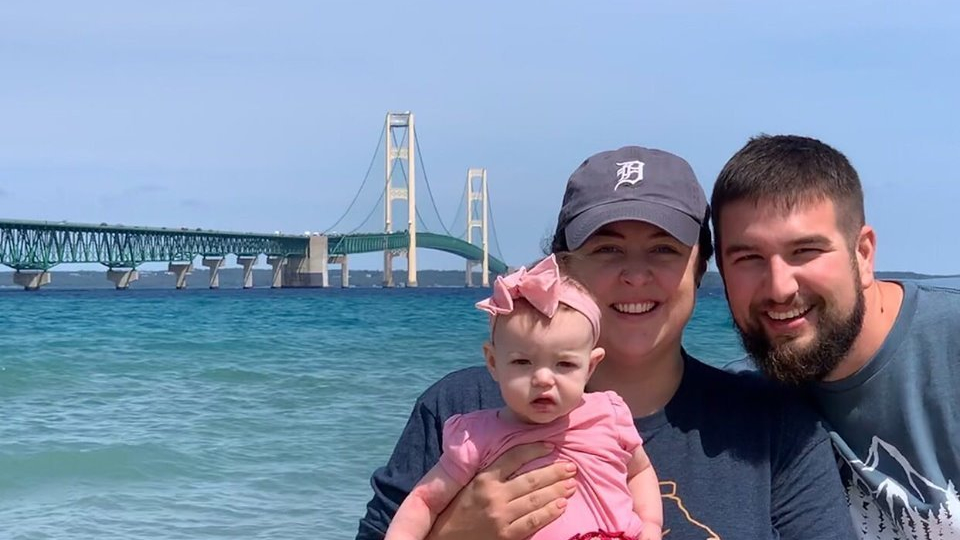

 For me—the past nine months I’ve been incredibly grateful to have another healthy pregnancy, that silenced my Crohn’s symptoms. I’m also celebrating 3.5 years of no IBD-related hospitalizations or ER visits! The cherry on top was the release of Citrate-free (pain-free) Humira this year! After more than a decade of giving myself the painful injection, the new formula has greatly improved my patient experience.
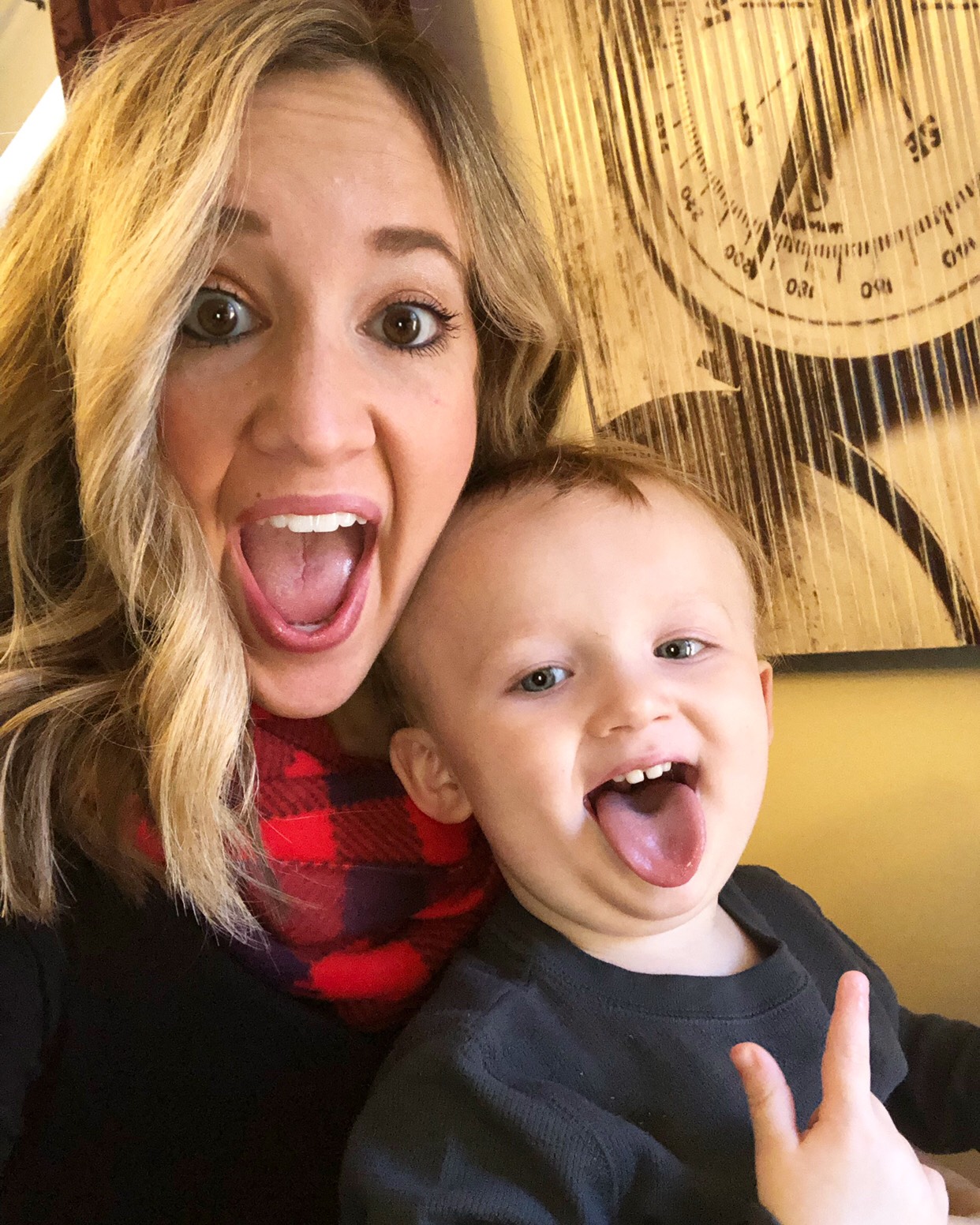 Celebrate the feel-good days and soak up the moments where your IBD isn’t top of mind. You have an innate sense of when your body is giving you warning signs that rough waters are ahead. Be mindful of the inner conversation going on in your head and listen to your gut. Although it tends to be our nemesis, it has a way of alerting us when things are about to get out of our control.
 Trust that those close to you love you and appreciate you for everything that makes you, you—including your disease. Show appreciation for your caretakers—those who live with you and are in the trenches by your side, day in and day out. Find comfort in those who allow you to be vulnerable when you need to be. Stop putting effort into relationships and friendships that don’t add joy to your life—eliminate the negativity, cut the fat, there’s no need for people who bring you down or belittle what it’s like to live with Crohn’s or ulcerative colitis.

 Anthony has seen me fight for so long. It makes me feel like I’m not going through this alone,” said Alexandra.
 lights camera crohn's