IBD Motherhood Unplugged: Why My Son Will Flip the Script on July

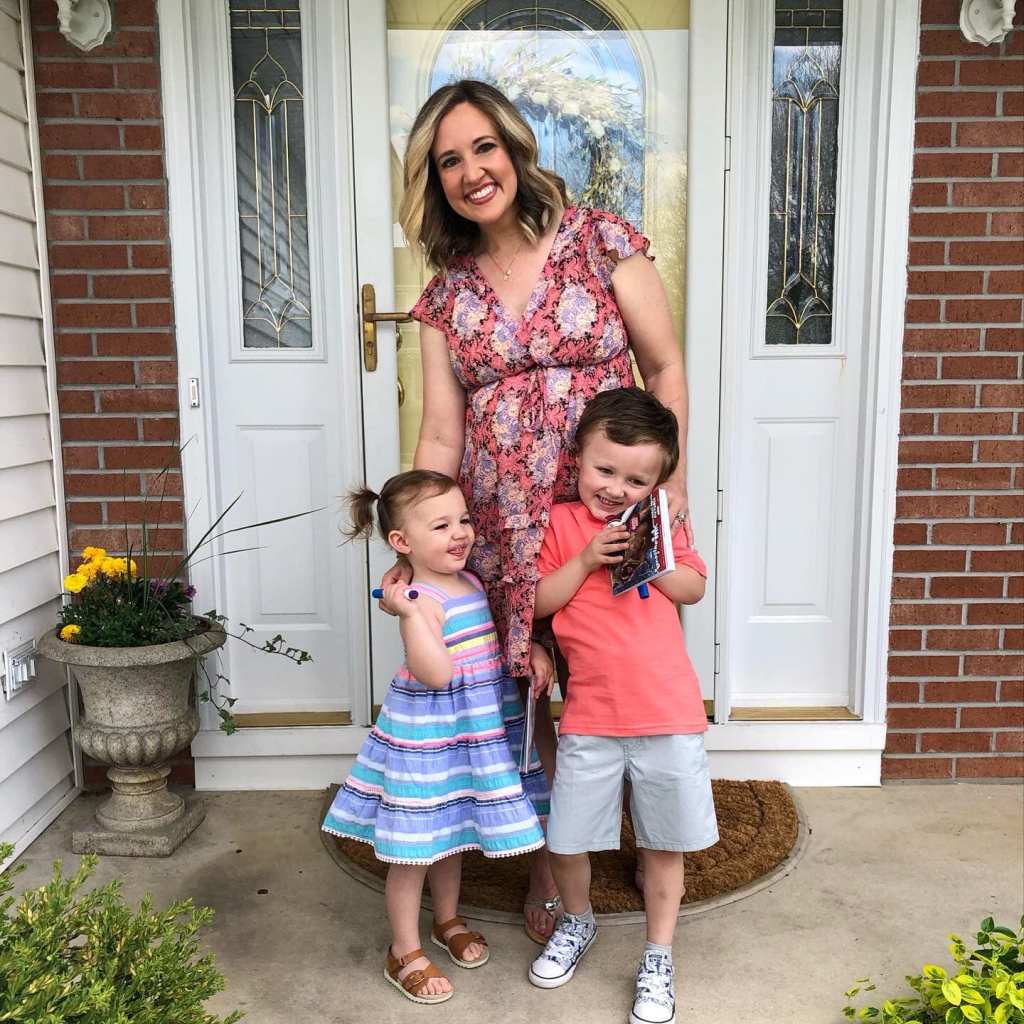
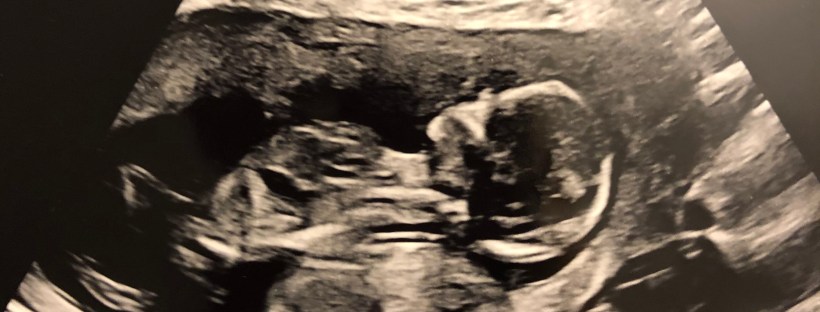
July has been my least favorite month for the last 16 years of my life. It’s the month I was diagnosed with Crohn’s disease. The month I had an abscess the size of a tennis ball in my small intestine. The month I was put on a biologic medication. The month I had a bowel obstruction that led to bowel resection surgery. You get the picture. But now, it’s about to be the month I give birth to my third child. Baby boy is about to flip the script on a month that previously brought dread. Instead, I can focus on celebrating his new life and all his birthdays and milestones for years to come.

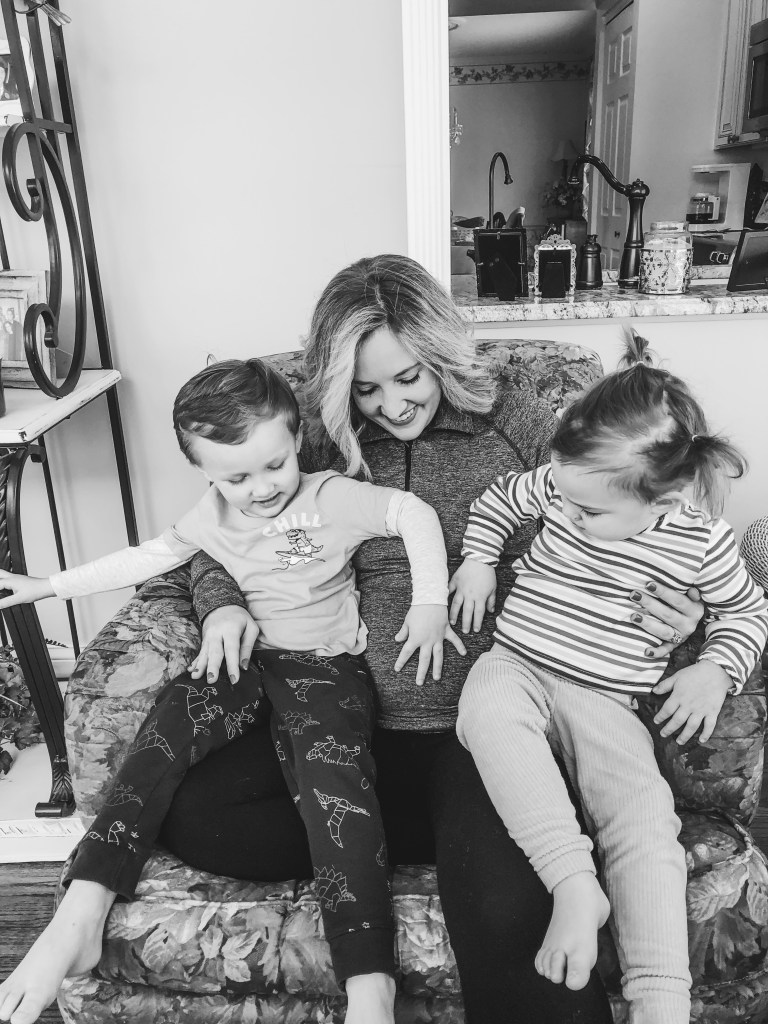
Photo credit: Heather Roth Photography

As a woman with IBD, motherhood has continually provided me with reminders of all my body is capable of despite my chronic illness. It’s shown me what once may have seemed unattainable, is possible. Motherhood is a constant reminder that my body hasn’t always been at odds with me. That despite the challenges and the pain all these years, it still afforded me the opportunity to carry healthy babies to term. Rather than feeling like my body is the enemy, motherhood has made me think of my body as my ally. We’ll have our ups and downs forever, but for 27-plus months it’s been a safe haven for my children. I’ve enjoyed flawless pregnancies and deep remission. It’s given me a chance to feel like a “typical healthy” woman, if only for a moment. Pregnancy has felt like a security blanket wrapped around me, and is soon to be no more. With that, comes an immense amount of gratitude, as well as anxiety, as from this point forward it’s just me and my Crohn’s…no buffer.

It feels weird going into this month of July not worrying about what could be, but rather being excited about what’s to come. When I was younger and prior to getting married, I avoided making plans in the month of July—especially life changing ones! My wedding, vacations, etc. were all coordinated around this month because I didn’t trust the way my body could blindside me.

Preparing for the shift in health

While I am ready for my son to be here and over the discomforts of pregnancy, a part of me is sad that I’ll never feel this well again. Within days of delivering Reid and Sophia, the gnawing abdominal pain associated with IBD crept back into my life before I even had a chance to bring my babies home. I expect the same will happen this time. While it was discouraging then and will make me feel the same now, I’m hopeful the shift in hormones won’t throw me into a postpartum flare and that I’ll find comfort in knowing from this point forward, every medication, every procedure, and every hospitalization will be done without a life growing inside of me.

Over these last nine months I’ve enjoyed eating popcorn with my kids for the first time, drinking a cup of coffee without a need to use the bathroom right after, and nearly 40 weeks of baby flutters and kicks instead of pain. It’s been a great run. I hope my experiences through family planning, conception, pregnancy, and motherhood provide you with an understanding that IBD doesn’t mean you can’t have a family. While many sadly struggle with infertility, complications, or not physically being well enough to carry a baby, it’s very possible that you can. Whether it’s stories like mine or the opposite, remember each of our journeys is unique. Don’t base your experience and capabilities on someone else, but when something or someone inspires or empowers you to go after what you dream of, hold on to that.

Baby boy will not only complete our family but serve as a constant reminder of all that is possible. While my Crohn’s has brought a great deal of heartache it’s also allowed me to gain a unique perspective and to never take life’s miracles and triumphs for granted.

IBD Motherhood Unplugged: “I have IBD and so does my Mom”

In the spirit of Mother’s Day—today’s article celebrates mother and daughter duos with IBD. Rather than focusing on the hereditary factor of Crohn’s and ulcerative colitis, this story celebrates the camaraderie, bond, and connection created when a parent and child both share the same disease. While the chance of passing on IBD when one parent has Crohn’s and ulcerative is relatively low according to the Crohn’s and Colitis Foundation (between 5% and 20% of people with IBD have a first-degree relative, such as a parent, child, or sibling who has one of the disease), it happens. My hope is that if you dream of being a mom or a dad, you don’t rob yourself of going after that dream because of the fear of passing on your disease to offspring.

As a mom of two (soon to be three!), I am the only one with IBD in my entire extended family. But, I often worry and wonder if my Crohn’s will be passed on to my children. I know this is a common fear many in the community grapple with. Check out these thought-provoking and comforting firsthand accounts from 8 mother-daughter duos that show how families unite in their diagnosis and lift one another up.

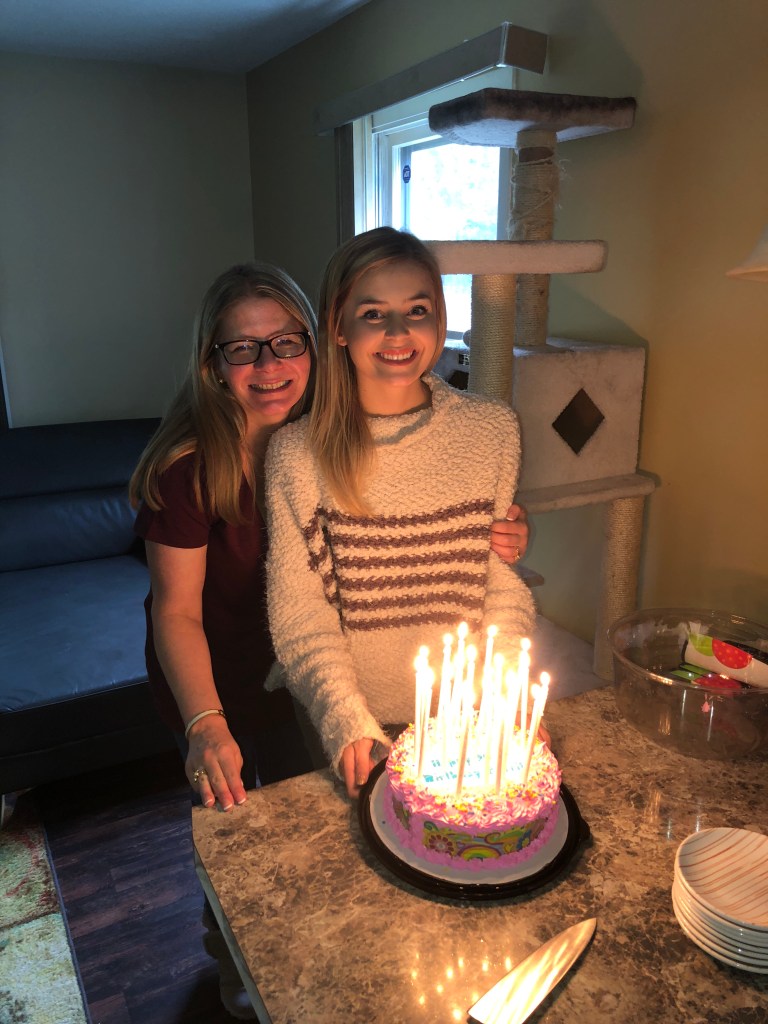
Corri Gardner and her mom both have ulcerative colitis. Her mother’s father also had UC. Corri’s mom was diagnosed with IBD while she was pregnant with her. All she knows since being diagnosed herself is having her mom and grandpa to confide in through the ups and downs of the disease.

“My mom has always been there to validate my fears and feelings on such a deep level since she knows exactly what I’m going through. When I was diagnosed, she expressed how guilty she felt over and over again. I always assure her that I would much rather be on this earth, living with UC, than to not be here at all. If someone is hesitant about having children due to their IBD, I would urge them to not make life decisions based on fear.”

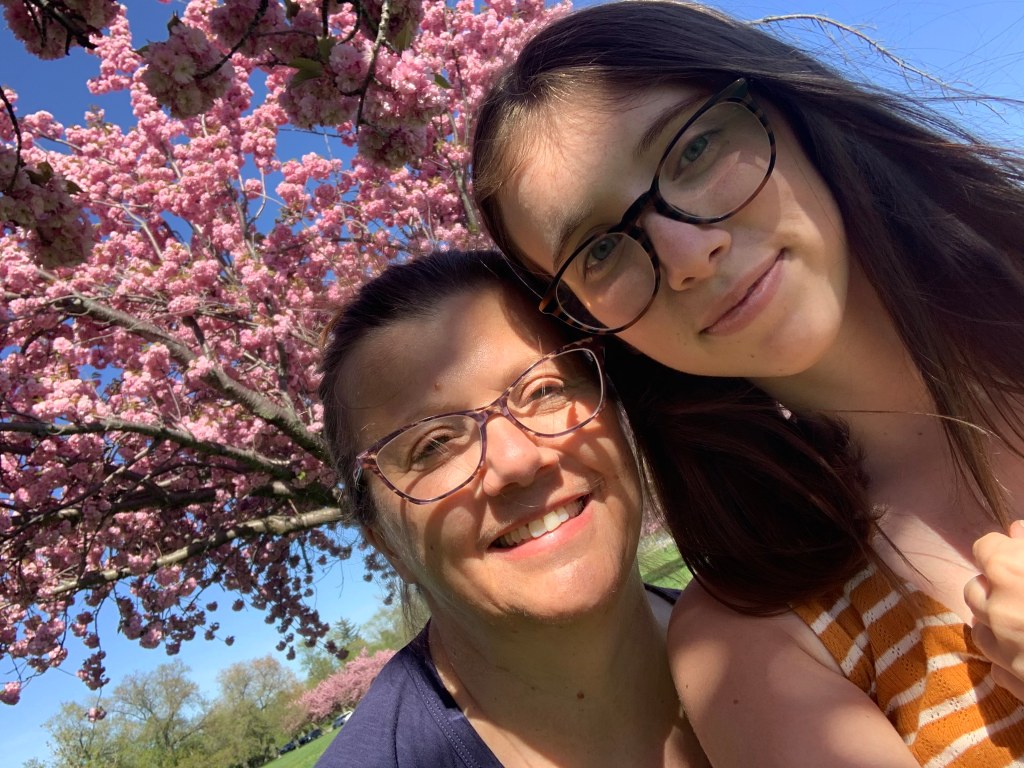
Camryn Asham and her mom both have Crohn’s. She says having a parent with IBD helped her feel less lonely and more understood when she was diagnosed. Like anyone with a chronic illness she’s gone through a range of emotions on her patient journey—everything from anger to grief.

“I’ve had the “why me” feeling, but deep down I know it’s not my mom’s fault and there is no one to blame. I know my mom has felt guilty watching me go through traumatic moments and all the ups and downs. I’ve been able to witness my mom get through the highs and lows of IBD, and that reassures me I can get through any flare up or procedure, too. I know I can always count on my mom for help and support when I don’t feel heard or understood.”

Rachel Martin and her mom both have Crohn’s disease. Her mom was diagnosed at age 14, she found out she had the same disease when she was 22. While the diagnosis was devastating for both, Rachel says she finds comfort in knowing that she has someone close to her who can relate.

“I do feel as though my mom feels guilty for passing Crohn’s. I have a twin sister who does not have Crohn’s and it has been hard seeing her live her life without going through everything that I have gone through. Never in my life would I wish this upon anyone, especially my sister, however I wish that I never had to go through this. I never exactly blamed my mom, but I have spent a lot of time wishing I “lucked out” like my sister did. I know that my mom feels bad that I have had a really hard time coping and accepting that I also have a chronic disease.”

Diagnosed prior to a parent

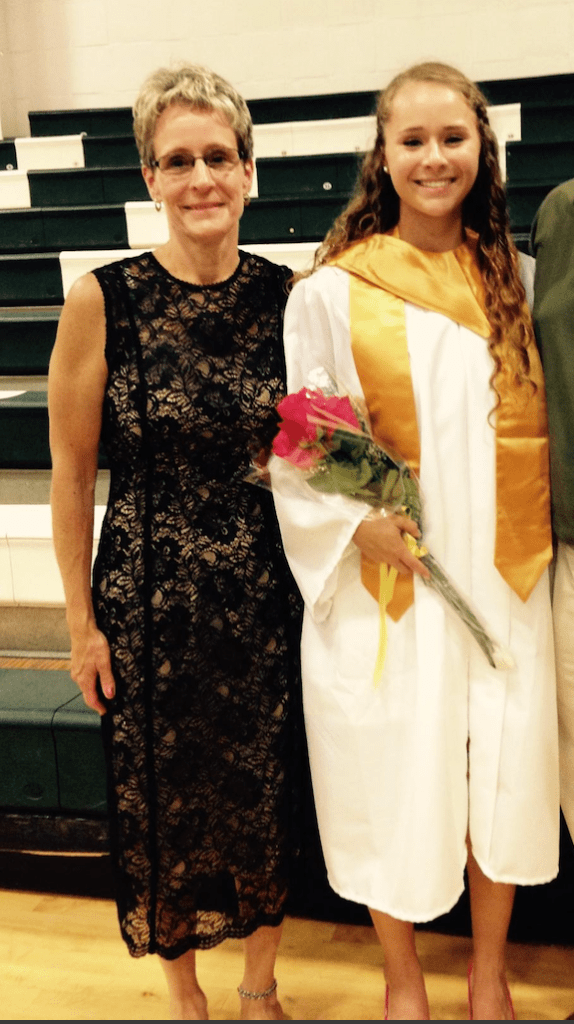
Mary Catherine Kirchgraber was diagnosed with Crohn’s when she was 10 in 2000. Her mom was diagnosed during a routine colonoscopy when she was 50-year-old in 2013. Since her mom served as her caregiver and advocate since she was a pediatric patient, it’s made for a unique journey and perspective. They both seek medical care through the same GI practice and have been on the same medications. Mary says it’s nice to have someone to commiserate with about frustrations with insurance, feeling poorly, side effects, and more.

“My mom is the toughest person I know and never complains, so she inspires me in a million different ways. I wish she didn’t have to struggle the way I have, but it’s nice to have someone to lean on and ask questions to. My mom has always been my advocate and greatest support. She fought for accommodations at school, taken me to Mayo Clinic, dealt with insurance, and taken me to every doctor appointment and specialist I’ve ever needed. She created binders of medical records for me and often reminds me of my own health history when I don’t remember things from when I was a kid. I am so lucky to have her on my team.”

Sharan Kaur was diagnosed with Crohn’s in 2002, her mom found out she had ulcerative colitis in 2017. She says prior to her mom’s diagnosis she felt alone dealing with the day to day struggles of IBD. Sharan says because of her knowledge and experience living with IBD, when her mom began to experience symptoms, she was able to push for their general practitioner to take action immediately and reach a diagnosis. She is grateful to have another family member who can grasp the severity of the disease and who understands how easy it is to go from feeling perfectly fine one day, to barely managing to get out of bed the next.

“I think we find strength in one another. For years, my mom supported me through my worst days and although she didn’t completely understand how things were before her diagnosis, the support was always there. Finding out she had UC broke my heart because she’s always been so active, truly a supermom. I realized then that this would have to change for her as she would probably go onto face the same daily struggles that I do with fatigue. As an adult I’m sure this change in lifestyle is much harder to accept than it was for me.”

Mary McCarthy was also diagnosed with Crohn’s at age 12 in 1995, her mom didn’t discover she had Crohn’s until 2015 when she was 62 (and her dad has UC!). IBD was foreign to the McCarthy family when Mary was diagnosed though. She says her mom had a difficult time coping with having a child with a chronic illness. Even though her mom was well-versed on IBD by the time of her own diagnosis, hearing the news was still difficult for her.

“We deal with it mostly through empathy and humor. Being able to talk openly about the emotional and physical aspects of the disease helps. My parents and I joke about how we are colonoscopy experts and have seen every gastroenterologist in the city of Chicago. My mom knows exactly what I need before colonoscopies, which is often to get some alone time and get in the zone. We laugh about it now. “Mom, I love you, but I gotta get in zone. You can wait in the waiting room now.” My mom has been there for ALL important moments in my IBD journey. We sometimes reminisce about the complete chaos we went through when I was 12. We may have IBD, but we know life must go on.”

Michelle Schienle and her mom were both diagnosed with Crohn’s in 2015, she was 23 her mom was 52. Michelle’s diagnosis was the catalyst for her mom to seek additional treatment from a new gastroenterologist. As we all know it can be challenging to articulate IBD symptoms to those who haven’t experienced them. Michelle knows she can always count on her mom no matter what she’s going through. Even though she doesn’t blame her mom for passing on IBD to her, she did get frustrated that she didn’t recognize the suffering earlier as a child because that was her mom’s “normal”, too.

“Since she was living her life that way, she thought my problems were “normal”, so I had to wait until I was old enough to advocate for myself to get the answers I needed. I wish she wouldn’t feel guilty for passing it on to me, because it’s not her fault. Seeing my mom push through gives me strength. I’ve seen firsthand how she’s successfully raised a family, had a great career, and traveled the world (all things I aspire to do!) and done it with IBD. It’s a relief not to have to explain the pain and worry in detail because we just know what the other is going through. As unfortunate as it is that we both are going through this, having my mom understand what I am feeling both physically and emotionally helps to validate it. If my children are to ever get IBD, I am now confident that I am in the best position to take care of them because I know what to watch out for and how to be proactive about treatment.”

History repeating itself

Both Ellen Jenkins and her mom were diagnosed with Crohn’s when they were 18 and freshman in college at the same school! Ellen says her mom still feels responsible for her being sick, even though she has never blamed her for IBD.

“Growing up and watching my mom live a normal life despite her IBD comforted me when I was diagnosed. I am so thankful to have someone who understands firsthand what I go through. Although no parent would choose to pass Crohn’s on to their child, IBD has made us closer. I have never been upset that I got it from my mom. Instead, I’m thankful to always have her as an advocate in my corner who truly understands the struggles.”

A heartfelt thank you

As an IBD mom, hearing these experiences and perspectives really puts my mind and heart at ease. As you can see, there’s a common thread throughout. Rather than blame their parent for passing on IBD, these young adults look to their parents as a pillar of strength, a source of understanding, and as partners in taking on their illness. Through the pain and suffering there is also gratitude, clarity, and unbelievable resilience. Just how you have grown and evolved as a person after your diagnosis and throughout your patient journey, your child will do the same.

Special thanks to everyone who made this story possible. Your words, your raw emotions, and your candidness are sure to help many and shed light on the incredible dynamic that is created when a parent and a child both battle IBD…no matter what age their diagnosis comes about.

Participating in PIANO: Why I choose to be a part of research while pregnant and beyond

As an IBD mom I see it as a responsibility and an opportunity to participate in research studies while I am pregnant and as my children grow. I’m currently 20 weeks pregnant (tomorrow!) with my third baby and this time around I’m enrolled in the Pregnancy in Inflammatory Bowel Disease and Neonatal Outcomes (PIANO) study. The project was conceived, lead, and executed by Dr. Uma Mahadevan, Professor of Medicine at the University of California San Francisco in 2007.

Since the project launched, more than 1,800 women have participated in the registry. Of that number, over 900 stayed on biologics throughout their pregnancies. I’m thrilled to be a part of this initiative. If my pregnancies and children can provide clarity for a future generation of IBD moms, the extra effort on my part is more than worth it. Thanks to women before me who have been on a biologic and been a part of research while pregnant, I have peace of mind knowing that staying on my Humira is best for me and for baby.

Without studies that indicate how babies in utero respond to medication exposures we would be in the dark about what is best for mom and baby not only during pregnancy, but with breastfeeding.

“There is so much misinformation about pregnancy and IBD including being told not to conceive at all or to stop medication. This is incorrect and dangerous. PIANO was started to provide reliable data for women with IBD considering pregnancy so they and their providers can make an informed choice for themselves and their babies,” said Dr. Mahadevan. “Every pregnant woman with IBD has benefited from the generosity of PIANO moms who contributed their outcomes, good or bad, to the pool of knowledge we have. Every PIANO mom who contributes benefits not herself, but future mothers with IBD. It is an invaluable and precious gift.”

What PIANO measures

There are four main areas the PIANO study looks at:

  1. Whether the level of biologic drug transferred across the placenta to the infant by the time of birth predicts the risk of infection or other adverse outcomes
  2. Whether the achievement of developmental milestones is affected by medication exposure
  3. Whether the rates of birth defects, adverse pregnancy outcomes and complications of labor and delivery are affected by IBD medications
  4. Whether second trimester drug levels can be used to adjust drug and minimize transfer across the placenta to the baby

Since I am just now reaching the halfway point of my pregnancy, I have only had to fill out questionnaires. You are required to do so during each trimester, at the end of your pregnancy, and then at 4, 9, and 12 months post-delivery. Along with that, you can provide follow up until your child is 18, once a year. During this trimester I will also provide blood work and a fecal calprotectin. On delivery day, bloodwork will be taken from me, my baby, and my umbilical cord. Depending on my son’s blood work at delivery, I may be asked for more when he’s 3 and 6 months. If at any time I am not comfortable with him getting his blood drawn, I can always opt out. The cord blood is similar to the baby blood at birth so that is adequate. I can also choose to stop the annual questionnaire at any time.

If a woman receives the COVID-19 vaccine during pregnancy, the PIANO study is also measuring the antibody levels found in the cord blood (on the day of birth) to confirm that the benefit transfers to the baby. Breastmilk will also be measured for the transfer of protective antibody against COVID.

The Findings Thus Far

In a presentation this past fall, Dr. Mahadevan shared findings from PIANO.

“We looked at pregnancy, birth and developmental outcomes in the infants at one year, based on exposure to drug, and found no increase in negative outcomes and no reduction in developmental milestones. Biologic‑exposed infants did have some statistically increased improvement in developmental milestones compared to the unexposed group. Overall, what this study suggests is that women with inflammatory bowel disease should continue their biologics and thiopurines throughout pregnancy to maintain remission, given no evidence of harm, and evidence that  disease activity can increase miscarriage.”

The study also found that disease activity can increase preterm labor and birth, all the more reason for women to stay on their medication and not try and go med-free while pregnant.

Looking to the Future

Currently, there is no end date for the study. As long as there is funding, the project will continue. Dr. Mahadevan says with all the new medications coming down the pipeline there is a need for safety data. She says, “The infrastructure of PIANO allows us to study new medications as they come to market, even before they are approved for IBD.”

To participate in the study women must have IBD and live in the United States. Interested in learning more or getting enrolled? Email PIANO@ucsf.edu or call 415-885-3734.

Pregnant with #3 and excited to share more news with you!

Well, the cat’s out of the bag. I’m 14 weeks pregnant (tomorrow) with a baby BOY! We will be family of five in mid-July. Since as long as I’ve remembered, I’ve envisioned my life with three children, I just never thought it would happen in the middle of a pandemic! Bobby and I feel extremely fortunate with all the outpouring of love, support, and congratulations during this exciting time for our family. As an IBD mom, I feel constant gratitude that my remission has held strong these 5-plus years and enabled me to have healthy, uneventful pregnancies. So far, out of all four of my pregnancies (miscarried between Reid and Sophia), this one has been my “easiest”. Aside from too many migraines to count, the nausea and fatigue in the first trimester were minimal and I feel great most days.

While I plan to be transparent and share content over the next six months about my experience being a high-risk pregnancy during these crazy pandemic times, I also want you to know I’m cognizant of the fact that pregnancy announcements, and pictures of baby bumps can be a trigger for our community. I am empathetic to the fact that family planning can look differently for those of us with Crohn’s and ulcerative colitis. Because of this—I’m excited to announce I’ll be launching a special series on Lights, Camera, Crohn’s entitled “IBD Motherhood Unplugged”.

IBD Motherhood Unplugged topics will include (but are not limited to):

  • The decision not to have children due to IBD
  • Being told you can’t carry a child and coping with that loss
  • Adoption
  • Surrogacy
  • Infertility
  • IBD pregnancy after loss
  • Single parenting with IBD
  • Biologics and pregnancy/breastfeeding
  • The list goes on…

If you want to share your experience of navigating family planning or motherhood with IBD, please reach out. I already have several women lined up, ready and willing to share their personal journeys. I’m anxious to share their brave and resilient words with you.

My advocacy focus has always been to be the voice I so desperately needed to hear upon diagnosis and through all of life’s milestones. I want you to feel seen. I want you to feel heard. I also want you to remain hopeful that pregnancy and motherhood is possible for most women with IBD, we all just get there in different ways.

Breastfeeding with Crohn’s: What I wish I would have known

Breastfeeding. Before I became a mom, I had no idea what a loaded word it was. So many emotions, so much controversy, so much judgement. As an IBD mom of two little ones, my journeys with my kids differed greatly. Ironically, World Breastfeeding Week wrapped up (August 1-7) and so did my breastfeeding journey with my daughter. IMG-5717 Whether you’re a chronic illness mom or not, one of the first questions you often get asked is “are you breastfeeding?” It’s such a personal choice and decision, that really isn’t anybody’s business. Yet, men and women alike act as though it’s just casual conversation.

For many of us in the IBD community, breastfeeding is complicated. We have a lot more to consider than our milk supply coming in and a proper latch. We have to weigh the pros and cons of how our biologic drug passes through the milk, whether or not to pop a pain pill or struggle through the day so we’re able to feed our babies, along with the stress and exhaustion that comes along with the postpartum period, while navigating motherhood with chronic illness. We have to worry about what’s going to happen if we’re hospitalized and unable to feed our baby, our minds race with the what-ifs, even when we’re in “remission”.

My son, Reid, will be 2.5 in September. IMG-5411Before I ever became pregnant with him and up until the moment he was born, I was adamant on feeding him formula. I personally felt there were too many gray areas with the medication I am on and didn’t want to find out down the road that I put him at risk for dangerous long-term side effects. I ended up nursing the first three days in the hospital so that he could get the colostrum. Even though I was confident in my decision at that time, I sobbed when he got his first formula bottle in the hospital, because once again my Crohn’s prevented me from feeling like a “normal” person. Each time someone questioned my decision to formula feed or assumed I was breastfeeding, it pulled at my heartstrings and made me feel a bit embarrassed and less than.

My daughter, Sophia, will be seven months this week. During her pregnancy, it was like a light switch went off. I did my research and I was determined to give breastfeeding a go. IMG-7340I learned about how breast milk would benefit her microbiome, lower her chance of one day developing IBD, improve her immune system, and that Humira was considered safe for nursing, among other remarkable benefits. Many friends and family members offered invaluable advice and support to prepare me for what was to come once she entered the world. No matter how much I thought I was ready, it was still overwhelming and emotional.
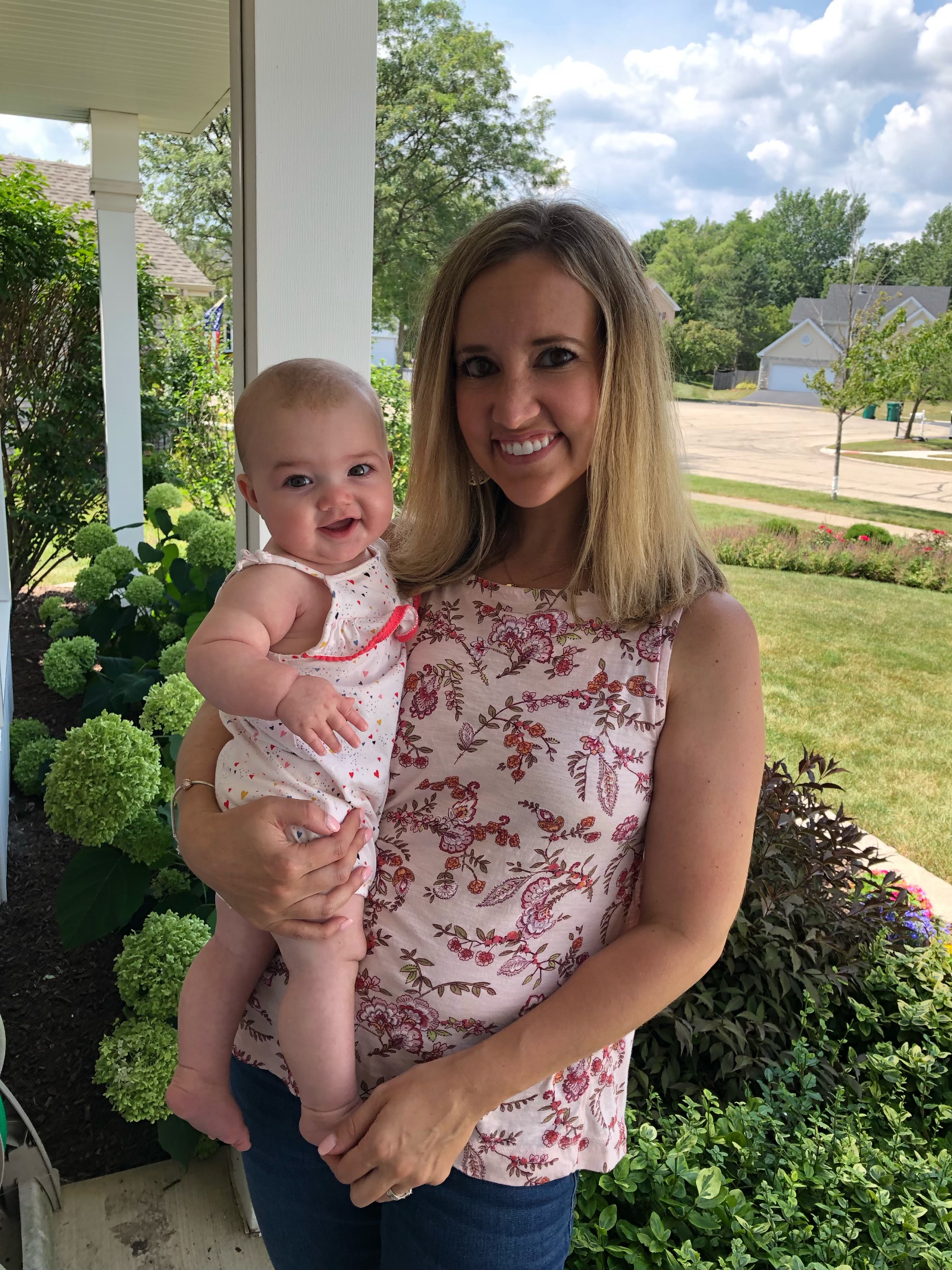
Looking back—here’s what I wish I knew as a breastfeeding mama who has Crohn’s.

Just because it’s natural, doesn’t mean it’s easy

To go from making a formula bottle with my son to pumping and syringe feeding a newborn was a bit of a shock to our family. As you can imagine—it was all new and foreign to us. The first night home was an absolute nightmare. Sophia was cluster feeding the entire night. Didn’t sleep a wink. Her latch was off. I was bleeding. She’d only nurse on the right side. Tears were falling and I didn’t know how I was ever going to breastfeed. I felt like I was letting myself and my daughter down. The IBD piece of it all made me feel the pressure to push through. IMG-0998I wanted to do all I could to protect her and felt guilt for not doing the same for my son. I remember lying in bed with her on my chest that first night, my husband sleeping, and texting a bunch of fellow breastfeeding moms for advice in the middle of the night. They all responded in minutes and comforted me. Initially, I had been told not to use my breast pump the first few weeks. I ended up using my pump the first week and it was the best decision I made. If I hadn’t done that, chances are I would have never made it through that initial week without changing my mind and formula feeding. If nursing is painful or difficult, don’t hesitate to break out the pump and relieve your engorged chest. Whether a baby is nursing or receiving breast milk in a bottle, it’s all the same at the end of the day.

Introduce the bottle early on

When you live with IBD, you rely heavily on others being able to help you when you’re stuck in the bathroom or fatigued beyond belief. Some days other people are going to need to feed your baby, whether it’s a spouse or your mom. If you wait too long to introduce a bottle, you increase the likelihood of your baby refusing a bottle, which puts added pressure on you. IMG-3793 We gave Sophia a bottle the first week home, since I needed to pump. For the past seven months she’s gone back and forth from breast to bottle beautifully. It eased up the pressure on me and helped make it easier on both of us! We still got to bond and be close, but others are able to feed her as well.

Before you take a pain pill, talk with your GI

Like many IBD moms, the fear of a postpartum flare and flaring in general weighs heavily on my heart and on my mind. I noticed symptoms start to creep up when Sophia was about two months old. I took a pain pill and reached out to my GI, only to find out I couldn’t breastfeed for the next 14 hours. At another point, I had to be put on Entocort for a week to help combat a small flare. Rather than try and be a superhero, I reached out to my GI immediately. While on the Entocort I had to pump and dump in the morning. It pained me to pour the “liquid gold” down the drain, but it’s what I needed to do to prevent a hospital visit. My kids needed mama present more than my baby needed a bottle of breast milk.

Supplementing is not failing

Whether you’re pregnant now, aspire to one day breastfeed, or if you’re in the thick of your journey, don’t make yourself feel like it’s all or nothing. For the first three months, Sophia was exclusively breastfed. Once I started introducing formula here and there, it took some of the stress off my shoulders. Was my diet providing her with the proper nutrients? Was she getting enough milk? I have my hands full with a toddler, so sitting next to a breast pump by myself with him running around isn’t all that conducive to my lifestyle. By making Sophia a flexible eater, it made breastfeeding seem like less of a struggle for me and a lot more doable for our family life.

Put your mental and emotional health first
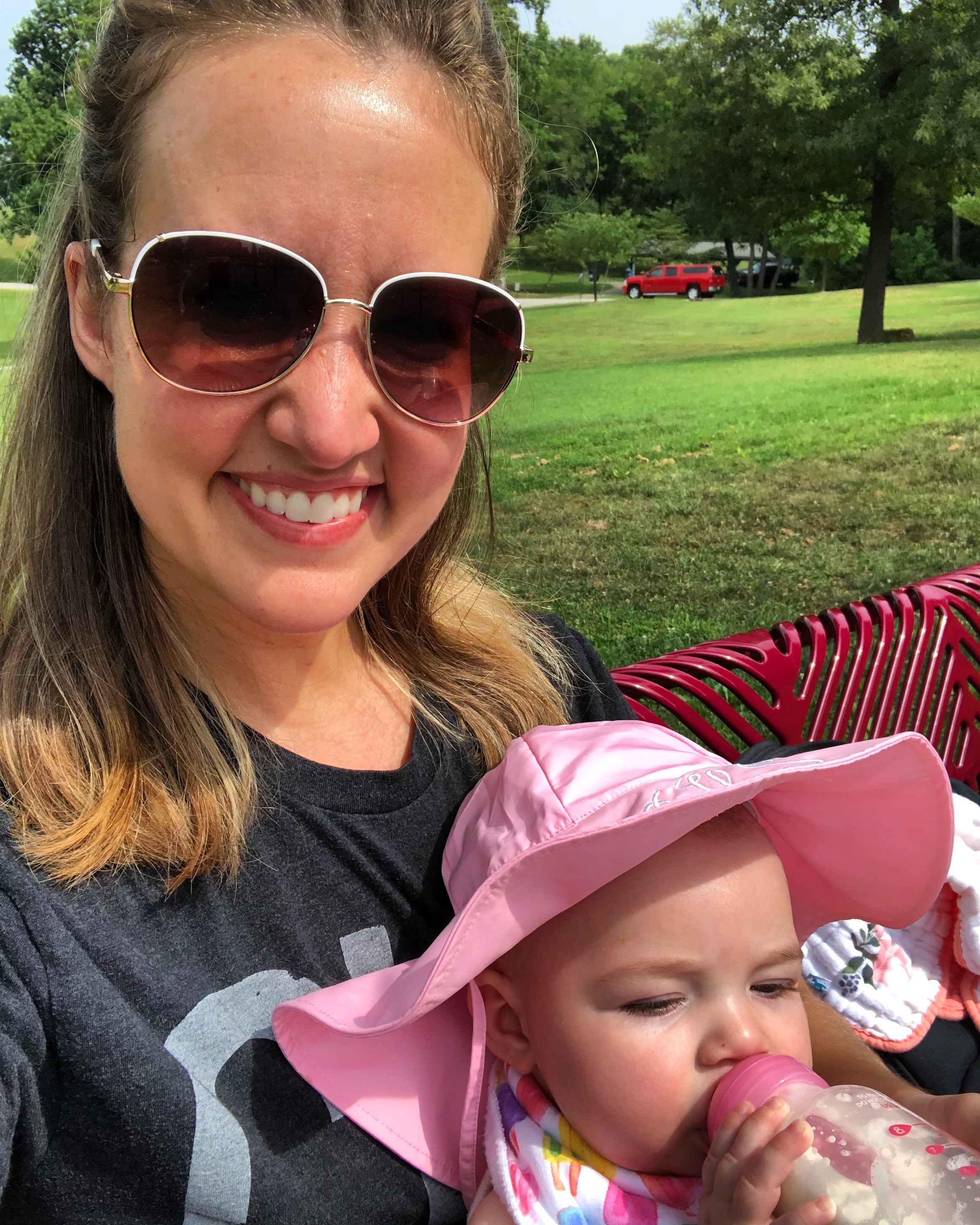
59421BB3-A402-4678-819F-2A1751174DF6As a mom, it’s easy to beat ourselves up about how we choose to feed our babies. There is SO much background noise. Everyone has an opinion. As a mom who has formula fed and breastfed, I’ve had the opportunity to witness both sides. I’ve witnessed a shift within myself. Saying I breastfed felt and still feels like a bit of a badge of honor. Now that I’ve done it, I’m proud, because it was such a labor of love for me. Breastfeeding was blood, sweat and tears and so much effort. While traveling to San Diego I had no choice but to pump in a public bathroom at the airport, right at the sink, while a line of women stood staring at me. I had no choice. I think back to how drained and emotional I was on Sophia’s first night home and can’t believe we made it this far on our journey.

When we took our kids to the zoo last week and I mixed a formula bottle in the food court, I felt a sense of worry—that other parents would look at me and judge my decision to feed my baby this way. Even though in my heart, I know fed is best. There are so many mind games associated with it all!

In the end, if you’re struggling mentally and emotionally, it’s going to take away from the type of mom you are. Don’t allow yourself to get so caught up in the pressure that it’s detrimental to you or your family life.

Lean on fellow IBD moms

While I was pregnant and breastfeeding I found it incredibly helpful to touch base with fellow moms, specifically IBD moms who related to my journey. Do your “homework” and don’t be shy about sending private message or sending an email to ask questions to fellow parents who are patients that you see online. We are all a resource for one another. IMG-7814

In my case, breastfeeding ended up being something I’m so grateful I was able to do for nearly seven months. Unfortunately, once my period started after Sophia was six months, my supply plummeted greatly. I went from making 30-35 ounces a day, to five. Prior to that happening, we had gotten into such a comfortable, easy groove, I was planning on breastfeeding her until her first birthday. My body had different plans, and I’m fine with that. Flexible feeding brought me to this mindset. Pregnancy gave me a renewed love for my body, despite my illness, and now I can say breastfeeding did the very same.

BONUS TIP! Be proactive and set yourself up for success prior to your baby’s arrival. Order your breast pump ahead of time. Have nursing tanks and bras, hands-free bras for pumping and to sleep in, pads for your bra, nipple cream, a Haakaa for catching let down milk, and storage bags. If you’re dealing with extreme nipple pain or discomfort, alert your OB and see about getting a prescription for All-Purpose Nipple Ointment (APNO). This is mixed by a pharmacist and contains an antibiotic, an anti-inflammatory, and an anti-fungal. I used this and it worked wonders!

The IBD Parenthood Project: Creating a brighter tomorrow for IBD women

This post is sponsored by the American Gastroenterological Association (AGA). I am a paid program Brand Influencer; this post is sponsored and includes my own personal experiences.

IMG_6040Family planning is exciting, nerve-wracking, and daunting. Couple those emotions with battling inflammatory bowel disease (IBD) and the experience can be downright overwhelming. The tide is changing though when it comes to pregnancy and IBD, thanks to the IBD Parenthood Project. For current IBD moms, until now, there was never a one-stop-shop for factual information. The IBD Parenthood Project website is a resource dedicated to ensuring we have all the knowledge we need to feel comfortable and at ease, as we bring a life into this world.

As a mom of two under two, who’s lived with Crohn’s for nearly 14 years, I often felt as if it was a “learn as you go” and “trust what you’re told” type of experience during my pregnancies. As much as I worked hard to educate myself and advocate for my needs with my care team, there was always a part of me that wondered if my decisions were the best for both me and for my babies.

The same can be said for IBD Parenthood Project spokeswoman, Crohn’s warrior and mom of two, Jessica Caron. Mom and boysWith two sons, ages six and three, she felt even more in the dark during her preconception discussions and pregnancies.

“If I had the IBD Parenthood Project as a resource when I was having my children, it would have provided me with answers to questions that kept me up at night. I felt so alone and didn’t have much support,” said Jessica. “I never felt like those around me understood the decisions I was making regarding staying on my biologic medication throughout the pregnancies and breastfeeding while on it. I truly believe the concerns came from a kind place, but if I had this resource to educate my support system, I would have felt more at ease going through that experience.”

Jessica attributes her passion for patient advocacy to living life in the trenches with IBD and realizing how difficult it was to make plans for her future – plans that impacted not only herself, but also her spouse and family.

“When I was diagnosed at age 21, there wasn’t much information available that was easily understandable and digestible. It would have been great prior to having my sons if I had the information right at my fingertips. The accessibility of the IBD Parenthood Project makes the information available to patients, their partners and their family members,” said Jessica.

Launched in January 2019, the IBD Parenthood Project was created with the patient in mind. Jessica, along with other IBD advocates, had a seat at the table alongside physicians and helped inform the Clinical Care Pathway.

31959676668_65b104d1b7_o“The IBD Parenthood Project is a huge win for the IBD community. This resource is paving the way for how we work together with our clinical team. This is a proud moment for the IBD family. We’re showing the health community how to work collaboratively with patients,” explained Jessica. “I never want women to feel alone in the process. This initiative empowers IBD women and their support systems, and makes the experience of bringing a life into this world a whole lot more enjoyable and a lot less worrisome.”

Jessica had a flawless first pregnancy, but unfortunately, dealt with a difficult flare-up nine months after delivering her son. Before she got pregnant again, she made sure she was in remission. If she were to get pregnant today, she says she would start talking with her IBD specialist months ahead of time, while coordinating care with her ObGyn. Jessica would also add a Maternal-Fetal Medicine (MFM) specialist into the mix.

For those who don’t know, an MFM specialist is an ObGyn physician who has completed an additional two to three years of education in training. You can think of them as high-risk pregnancy experts. For pregnant women with chronic health conditions, such as IBD, an MFM specialist works to keep us as healthy as possible as our body changes and as the baby grows.

On a personal level, I went into both of my pregnancies in remission and my Crohn’s disease activity was silenced. IMG_6032Upon delivering both of my babies, I felt symptoms start to creep back into my life less than a week after they were born. I too would include an MFM specialist in the future, if I were to have another child.
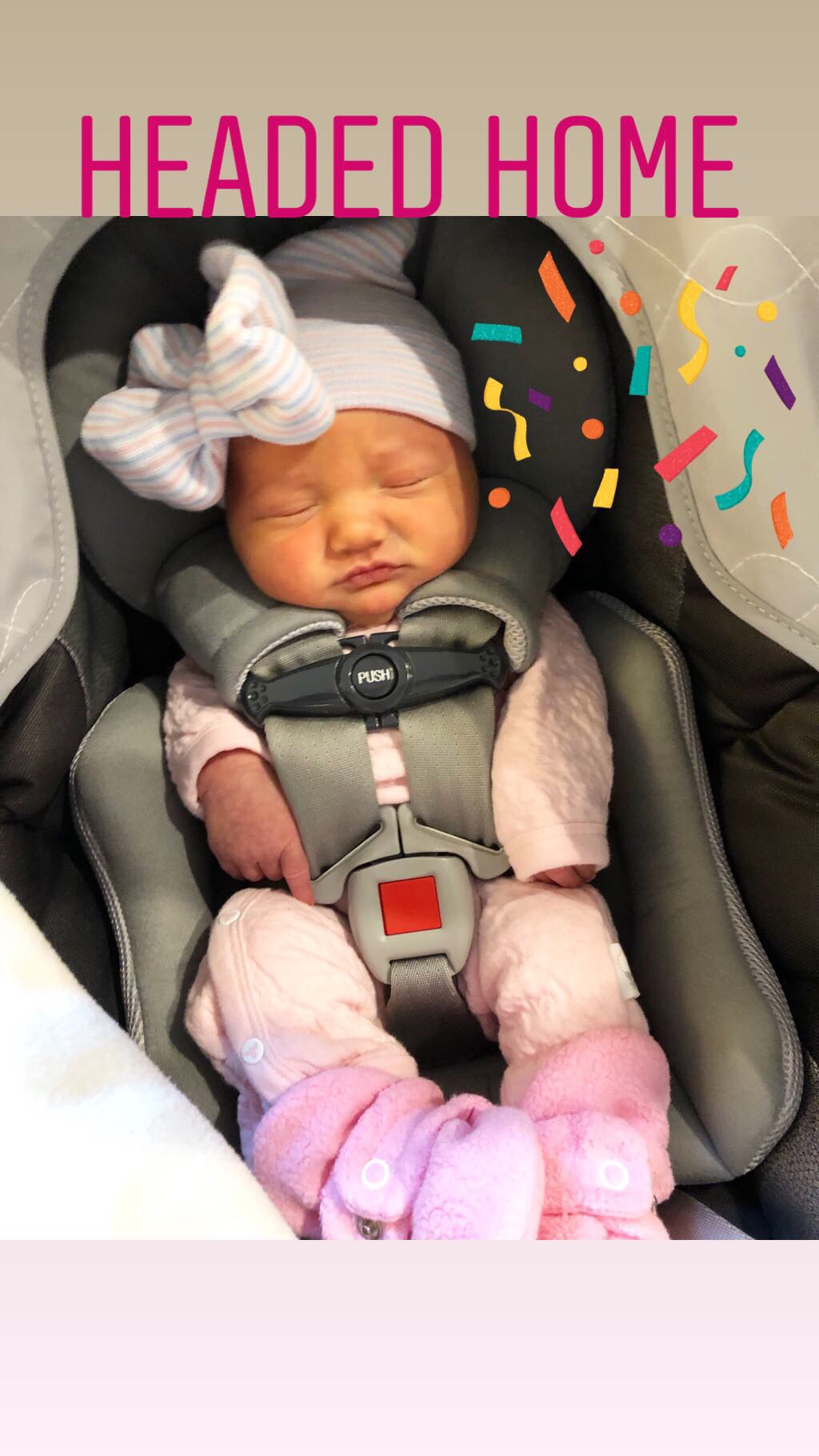
“I’m so glad to know the IBD women of today who get pregnant will have the IBD Parenthood Project resources and have better access to our community,” said Jessica. “As IBD women, it’s key to be proactive by discussing preconception planning and waiting to get pregnant until you’re in a remission state. Work closely with your care team, make a plan that is specifically for you, and stick with it.”


How motherhood has helped me discover I’m so much more than my IBD

We walked out of the automatic rotating doors of the hospital and the cold air hit my face. I looked up to the sky in thanks, to show my gratitude and to take in the moment. We had our baby girl in tow, our Sophia Shea. img_5915It was a brisk January morning. Tears filled my eyes as I was overcome with emotion. Our rainbow baby is here, safe and sound. Another pregnancy behind me, a pregnancy that silenced my Crohn’s disease and provided sweet reprieve from my chronic illness. It was time to take Sophia home and start our life as a family of four.
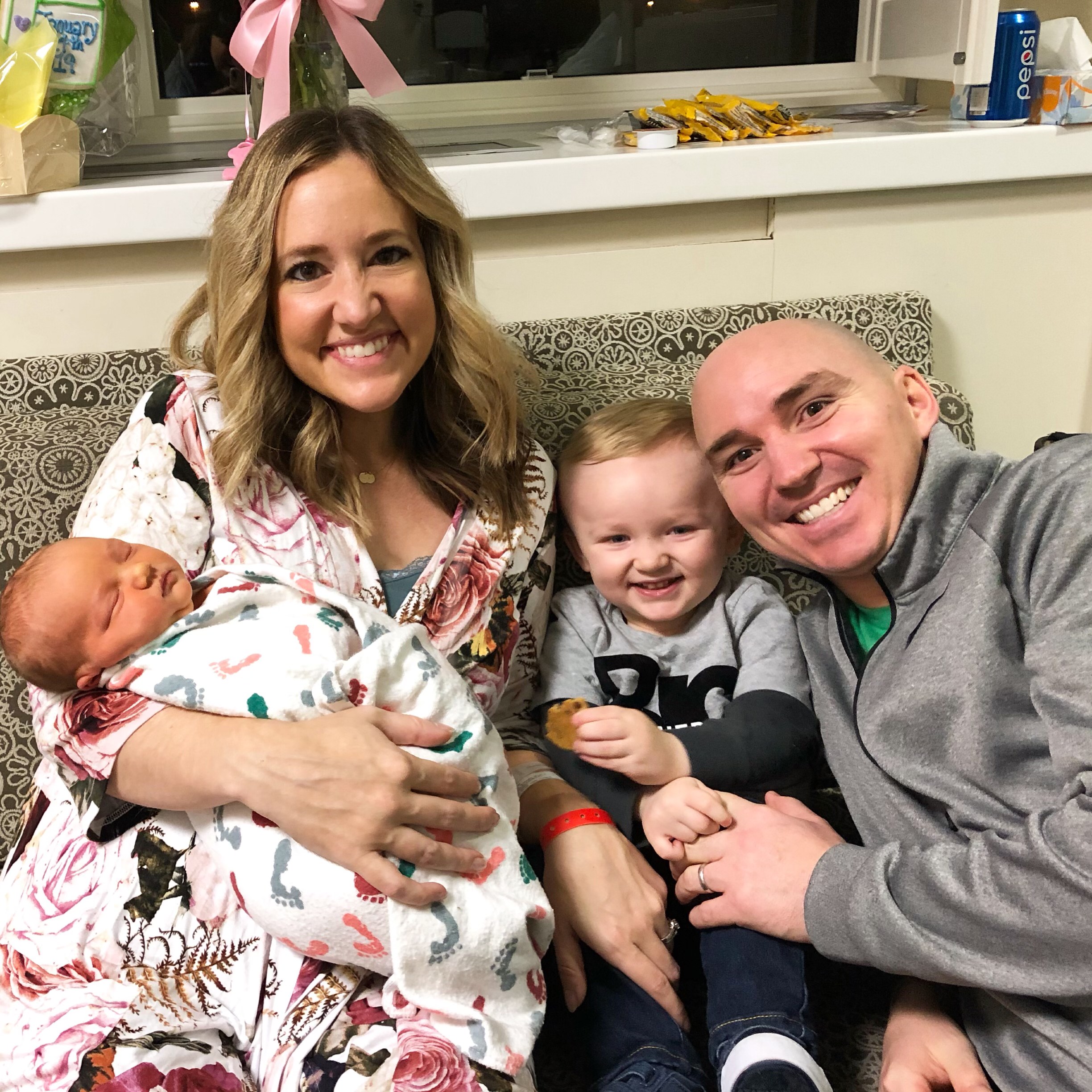
When your health is taken from you and when you receive a diagnosis of inflammatory bowel disease, life prior to illness often feels like a distant memory. There’s something so sacred and so special about bringing a healthy life into this world, despite your own shortcomings.

My Sophia, much like my sweet son Reid, are my inspiration and motivation to push through the difficult days and find strength and perspective within myself. The creation of their lives has renewed my faith in my own body. img_5886Each time I have a procedure or deal with painful symptoms, I see their faces, I say their names in my head, and it brings me a sense of calm. My goal when Reid was born, was to stay out of the hospital until he could walk, luckily that’s been the case. He’ll be two in March. Now, I have that same goal following the arrival of my daughter.
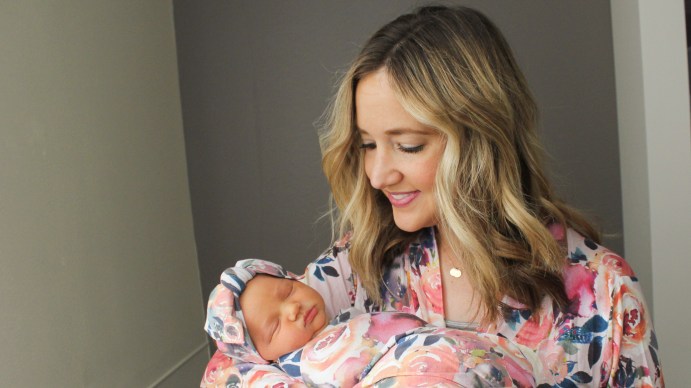
Pregnancy and child birth bring about such an amazing, miraculous transformation. You see life created right before your eyes. You experience a shift in your own identity. There’s nothing like it. There are no words to capture the emotions and the overwhelming love you feel for your children.

Finding the balance: Motherhood and IBD

17-untitled-9166Motherhood and IBD can be a difficult and challenging balance. Some days the fatigue and symptoms are so debilitating you feel like you’re falling short. At the same time, the days where you’re feeling well, remind you that you are so much more than your disease. Just because you have a chronic illness, doesn’t mean you are robbed of experiencing the beauty of life and what it feels like to have your very own family.

Women often reach out to me with questions regarding fertility, conceiving, pregnancy and what it’s like to take on parenting while battling IBD. There are so many unknowns. I know it can be daunting. img_5751It all starts with recognizing where you are in your patient journey and then determining when your symptoms and body are in the best shape to get pregnant. While everyone’s disease experience is different—the worries, concerns and fears associated with parenting and chronic illness are often the same. Always know you are never alone. Communicating these feelings with those around you, makes all the difference. Lean on our patient community and all those who’ve lived your reality.

I treated my pregnancies the same. I had colonoscopies prior to trying, to ensure I did not have active disease. Once I received that green light, I discussed my game plan with my OB, high risk OB and my GI and had monthly and sometimes weekly appointments. Each time—I stayed on my medication and vitamins from start to finish, which includes the biologic drug, Humira. I had scheduled c-sections for both. It’s all about finding what works for you, what brings you comfort as you embark on this journey and being confident in your decisions. It’s your body. It’s your baby.

29-untitled-9292When Sophia Shea entered the world January 14, 2019, our family received a wonderful gift. Between our son Reid and our baby girl, we could not be more blessed. My chronic illness has given me such an appreciation for health and for life in general. With the pregnancies behind me, I often reflect on where I started back at age 21 in 2005. At that time, in my eyes, I was Natalie and I had Crohn’s disease. There was no telling what my future would hold. Now, nearly 14 years later, at age 35, I’m so much more. I’m a mom to two under two. I’m a wife. I’m a daughter. I’m a sister. I’m an aunt. I’m a friend. And I also have Crohn’s.
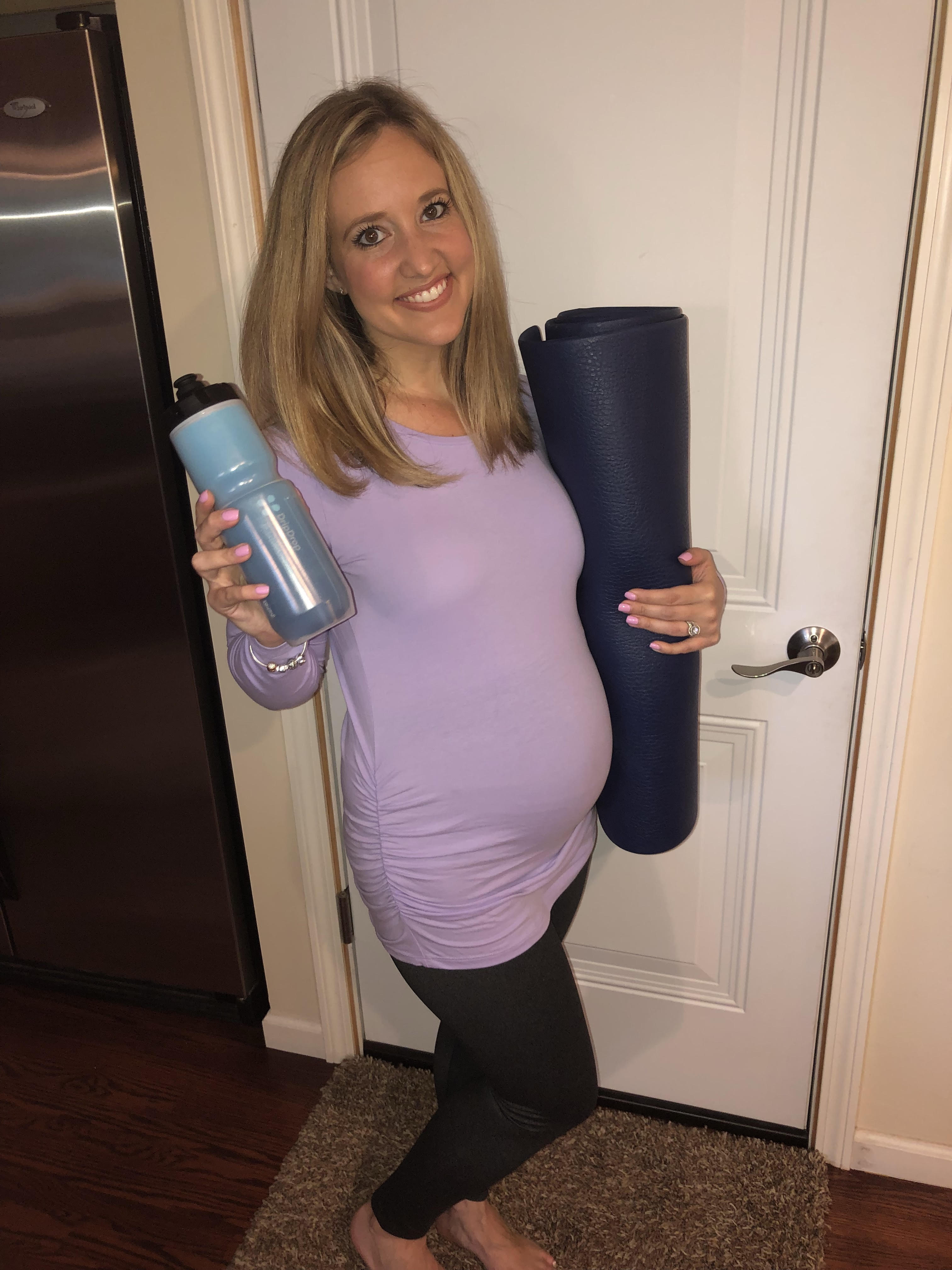
 

Prenatal Yoga and DripDrop: Why both nourish this IBD mom

Feeling comfortable and well during pregnancy is paramount, but not always easy to come by. This time around, I’ve made two changes that have benefited me greatly. One is prenatal yoga. The other—hydrating with DripDrop. Whether pregnant or not, self-care is of the upmost importance when living with a chronic illness like inflammatory bowel disease and creating a life.

natalie yogaWhile yoga and DripDrop are different, I think of them much in the same way. They go hand in hand. While I’m driving to yoga class and sitting on my mat before we start, DripDrop was formulated so water and salt can be absorbed quickly, making recovery as effective as an IV. I can hydrate my body in a matter of minutes.
Both nourish my body. For as long as I can remember, I always shied away from doing yoga because I felt self-conscious and like I would make a fool out of myself as a beginner. I’ve always been the type to enjoy team sports, whether it’s playing soccer or basketball or going for a run. Up until this past summer, I never gave yoga much thought. After my first prenatal yoga class, I was hooked. I felt so much stress lift. As I cleared my mind of the day’s stress, I felt closer to my baby girl, connected on a different level. With each pose and each breathe, I’ve become better aware of what’s going on within my body. When you’re pregnant and doing yoga, it’s important to stay hydrated. It takes me a matter of seconds before I head out the door to class to mix my DripDrop ORS in my water bottle, so I have the peace of mind that I’m getting plenty of fluids for my body during and after class.

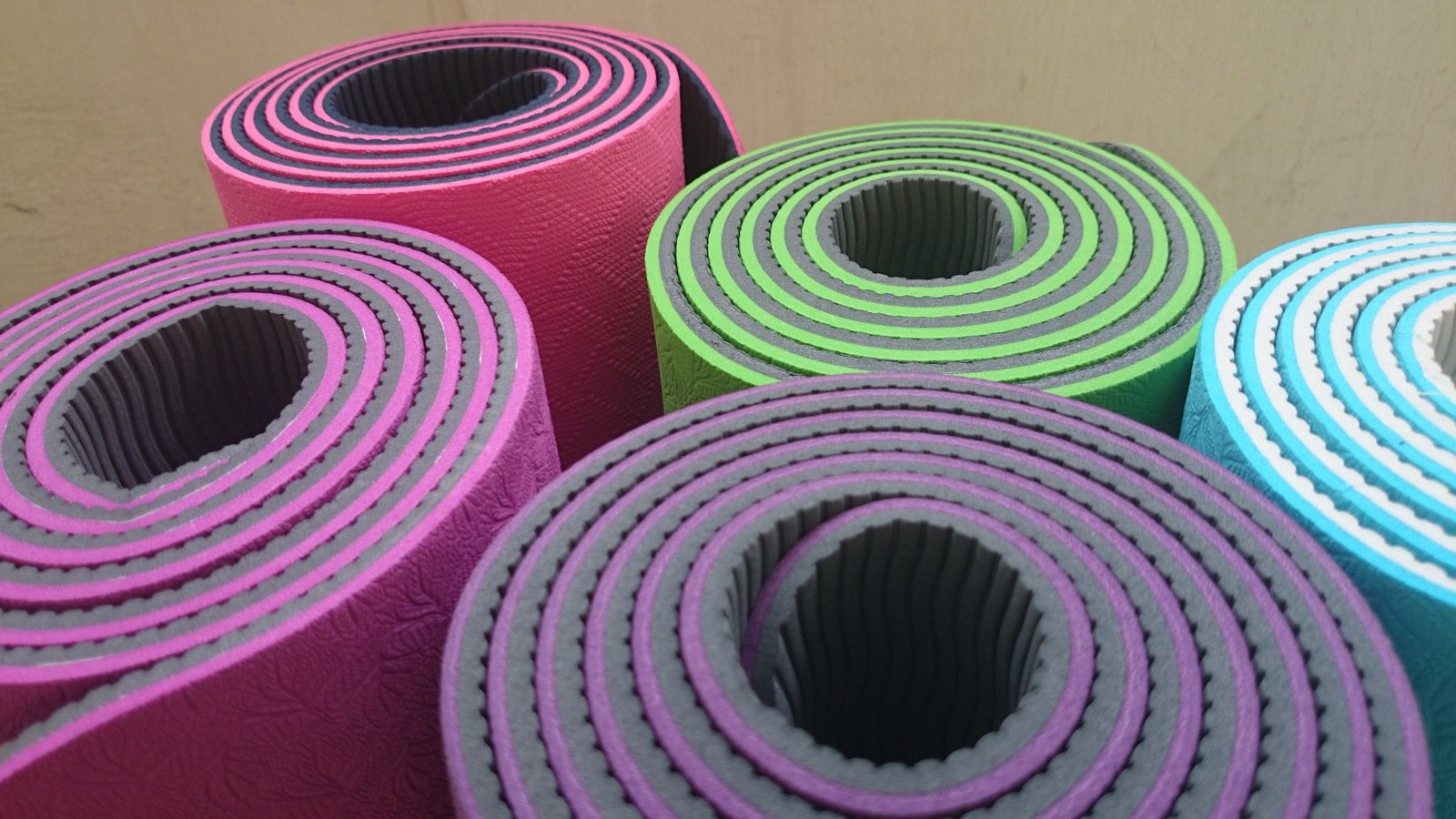
Both leave me feeling rejuvenated. Like many moms, I depend on a cup of coffee in the morning to jump start my day. Prenatal yoga and DripDrop make me feel energized in the best way, even with class late into the evening. The exercise and hydration boost my spirits and make me feel refreshed. yoga-mats-1620086Chasing around a toddler all day, while nearly 30 weeks pregnant, while battling Crohn’s disease is taxing. By taking time for myself and slowing down for a couple of hours of week, I’m setting myself up for success and optimal health.

Both make me feel like I am doing what’s best for me and for my baby. Living with chronic illness often comes with guilt for parents and spouses. Even when we’re feeling well and not flaring, we still can feel less than because our health is not up to par. We want to be everything to everyone. It can feel like a constant uphill climb with a ticking time-bomb on your back. Prenatal yoga and DripDrop help me to take a step back and focus on what’s important. It’s a time each week when I can focus solely on the miracle growing inside me. The class brings me comradery among other woman going through similar experiences and allows me to decompress and share my journey with pregnancy and Crohn’s. You quickly come to find out—each woman—no matter what their background has similar fears, concerns and thoughts.

Interested in learning more about DripDrop? Click here. Namaste, friends.