Imagine having a dad who’s a gastroenterologist and a husband who is a GI fellow… and having Crohn’s disease. For 32-year-old, Lauren Gregory, that’s her reality. She was diagnosed with Crohn’s in 2008. Lauren is also a doctor herself and an IBD mom! When she’s not taking care of pediatric patients in the hospital, she’s enjoying time at home with her husband, Martin, and 6-month-old son, Connor. In light of Father’s Day, this week on Lights, Camera, Crohn’s, we share about how the most important men in Lauren’s life have helped her cope and overcome challenges IBD has presented along the way.
Through the eyes of Lauren’s dad
Late one night during Lauren’s college sophomore Christmas vacation from college, her mom called her dad with words he will never forget. She said, “Lauren is having terrible abdominal pain and is on the floor.” After a quick exam and seeing how tender and distended her abdomen were, he knew it was time to head to the closest emergency room. A CT scan showed massive gastric dilation and small bowel thickening. The surgeon was called, and he agreed it was likely Crohn’s.
Lauren was discharged home on a liquid diet with outpatient GI follow up after New Year’s. Unfortunately, her concerning symptoms persisted and her dad called a friend who was a gastroenterologist. He directly admitted her.
“When Lauren was admitted to Barnes Jewish Hospital in St. Louis while in college at Wash U, her then boyfriend (now husband) sat by her bedside for days as she underwent scopes and a small bowel series. We knew he was a keeper then. As parents we always worry about our children. As a gastroenterologist, we may worry more when our children have GI issues. We are fortunate to have connections in GI which allowed Lauren to have prompt evaluation and ultimately a great outcome,” said Dr. Bruce Waldholtz.
Navigating love and IBD
Lauren met Martin in college. At the time, he knew he wanted to be a doctor, but he did not know what he wanted to specialize in. During internal medicine residency, Martin was torn between cardiology and gastroenterology. He ended up choosing GI and is about to start a one-year fellowship to get extra training in IBD and nutrition. (Small World Fun Fact: He is part of the same GI practice I go to in St. Louis!)
Martin says Lauren inspired him to choose gastroenterology and specifically focus on inflammatory bowel disease.
“Watching her go through what she did at such an important time in her life was inspiring. I was so grateful to her doctors taking such good care of her. I wanted to be like them. I wanted to help people like her succeed in living a rich, enjoyable, and rewarding life. “
Lauren feels incredibly lucky to have found someone as supportive as her husband. A month after they started dating, she was hospitalized with a partial small bowel obstruction. The fact he didn’t leave her side throughout that vulnerable and scary experience meant a lot to her.
When Lauren was hospitalized for one week during her fourth year of medical school, Martin was going through his second year of internal medicine residency. They were married, but in a long-distance relationship at the time.
“During residency you can’t just take days off, and it is challenging to find coverage. Because of this I did not expect him to be able to visit, but he somehow did. This flare occurred as I was transitioning from Humira to Stelara. I have been extremely fortunate to have stayed in remission since then (2017).
How personal life impacts professional life
“Without question Lauren makes me a better doctor, especially with taking care of IBD patients. I can understand the anxiety behind the questions they have about medications and what to expect because we went through the same thing as a family,” said Martin.
Lauren says her IBD has given her a unique outlook in how she cares for patients as well.
“My experiences with Crohn’s have made me more empathetic towards my patients, and now that I am a mom, I have much for empathy for my patients’ parents. Spending extra time with patients is not always easy given that I work mostly in the emergency room, but I make a point to take the time to listen to my patients and their parents’ concerns and provide reassurance when appropriate. In my marriage, my husband answers my medical questions and has a realistic perspective of what patients go through.”
Gratitude for her dad and husband
“I realize how fortunate I am to have a father (and now a husband too) who is a gastroenterologist who can answer my questions and to help me navigate our healthcare system, especially insurance! When my gastroenterologist decided I needed to start a biologic, and recommended Remicade, my dad pushed for Humira so that I wouldn’t have to worry about scheduling infusions around my college class schedule or worrying about transportation when I didn’t have a car. At the time I had no understanding of how having a chronic disease would affect my life.”
She’s an IBD mom who plays touch football and touch rugby in Australia (think rugby—for those in the United States, in touch rugby she kicks the ball). Diagnosed with Crohn’s disease five years ago, she’s thrilled to have reached remission. Bec Simson is a 33-year-old IBD warrior adamant about not letting anything stop her from pursuing what she hopes to achieve. Even though her disease has sidelined her through the years, motherhood and staying active through sports is a reminder of all she’s capable of.
“Some weeks it can be hard to find the time and energy to exercise. I play touch football competitively and socially– it’s like rugby but without the tackling. I play three times a week and then on the weekends I like to do my own fitness to keep up my strength, speed, and agility. I enjoy playing touch football because I use it to catch up with my friends – seeing my mates gives me the motivation to get up off the couch and exercise.”
Getting up off the couch and having not only the motivation to move, but also the energy, can be especially challenging when you live with IBD. Bec’s biggest challenge is trying to juggle work as a teacher, her athletic commitments, and life with her son Jackson, while also trying to find time to rest in between.
“Being on immune suppressants and having a toddler who is almost 2.5 has been hard because he brings home many illnesses from daycare which I usually end up getting as well. Some days I am so rundown I just don’t have the energy to keep up with him, but I wouldn’t have it any other way. Jackson always knows how to make me smile.”
Reflecting on pregnancy with Crohn’s
Bec had a rough go of it with her pregnancy. Her Crohn’s flared multiple times throughout, resulting in three visits to the hospital due to severe vomiting and diarrhea. She was put on a course of steroids for each flare, which led to her son growing much faster and bigger than expected.
“Ultimately, I had to be induced two weeks early due to Jackson’s size. After 16 hours of labor, I had an emergency c-section. My incision from my c-section ended up bursting open while I was recovering in the hospital after delivery. An ultrasound showed my bowel was so inflamed, it had pushed through my internal stiches and formed a hernia that was sticking out of my stomach. I was rushed to emergency surgery that same day.”
Fast forward to present day and Bec is in remission. Her colonoscopy last month showed no signs of inflammation or ulcers. She credits this to Stelara (Ustekinumab), which she started this past October. So far, the biologic has helped control her disease and improve her quality of life.
Down the road, if she’s still in remission, Bec is hopeful she’ll be able to have another child.
The benefit of a supportive partner
Bec is grateful for her supportive partner, Nick, who happens to play in the AFL (Australian Football). Not only is he empathetic about her battle with Crohn’s, but serves as someone who keeps her accountable with her workouts and is also passionate about staying in shape.
“We motivate one another to complete work outs and then reward ourselves with food and drink later! When I was younger, I used to overdo my training and push my body to its limit. I became burnt out, rundown, sick, and injured. My main piece of advice for the IBD community is to listen to your body and don’t be afraid to stop and take a break. Rest is just as important as training.”
Managing IBD and competitive sports
Bec says her Crohn’s disease often makes her anxious while she’s on the field.
“I had our State of Origin for ‘Touch Rugby League’ which attracted quite an audience and it was also being live streamed for everyone to see. I was extremely anxious leading into that tournament because I was worried about pooping my pants in the middle of the game and it leaking through my bike pants! I took some Imodium before my game, so thankfully that didn’t happen! However, I felt like I couldn’t play to my potential because I wasn’t feeling my best.”
While she feels fortunate to be in remission, she’s also realistic. She knows the symptoms and flares could return at any moment—and that it’s not a matter of if, but when.
“Sometimes I can be hard on myself when it comes to sport, but I just try and remind myself that I’m a 33-year-old mum with a chronic illness and I am grateful I’m still able to run around the touch field at my age. I can’t change things out of my control, all I can do is just go out there and give it my best shot.”
Follow Bec’s journey on Instagram: becs_IBD_journey
It was the first biologic created to treat Crohn’s disease (and later ulcerative colitis). Remicade (Infliximab) was approved by the FDA in 1998 for Crohn’s and 2005 for UC. The medication set the stage for a new way of treating and targeting IBD. A lot has changed in the last 23 years when it comes to treating IBD with biologics (Crohn’s and Colitis Foundation Biologic Fact Sheet). As patients we’re “lucky” that more options are available, and several medications are on the horizon. But Remicade remains a tried-and-true treatment option for IBD patients.
A few weeks back, I shared an article on my blog entitled, “The Patient Experience: What The IBD Community Says About Entyvio.” The article featured viewpoints, experiences, and tips/tricks from several people with IBD who are currently taking Entyvio or have in the past. That article and this one have NO affiliation or guidance from pharma. This is strictly created from the IBD patient experience.
The discussion on Entyvio was well-received and from there, I decided to do an exposé if you will, about other biologics, too. When I was told I needed to start a biologic while lying in a hospital bed in 2008, my mind was racing. I felt like I had nowhere to turn. There were only two options at the time. I didn’t know what resource to trust or where to go for information. My hope is that these articles help comfort you as you make these important, lifechanging health decisions, and alleviate a bit of the fear associated with being on a biologic drug long-term. Use these candid quotes to serve as your roadmap to navigate the unknown.
Before we dig deep into Remicade from the patient and caregiver perspective—a reminder that much like the way IBD presents and manifests in each of us, each person’s experience with biologics is unique to them. Remember that your experience could be better and could be worse.
What does anti-TNF mean?
Each biologic is associated as a class of drug. Remicade is an anti-TNF, meaning that the medication blocks a protein in your immune system called TNF-alpha. That protein can cause inflammation in your body. People with IBD produce too much TNF-alpha, which can cause our immune systems to mistakenly attack cells in the GI tract. Anti-TNF biologics work to regulate this protein in our bodies.
The Patient Voice
In this article you’ll hear from those who just started Remicade in the last week to someone who has been receiving infusions for 21 years! Thanks to each and every person who offered input, I wasn’t able to feature everyone’s perspective, but your narrative helped guide this piece.
Amanda Rowe started Remicade nine months ago. She was hesitant to start a biologic, but ever since taking the plunge, she hasn’t looked back.
“I haven’t had any issues. I get pre-meds of Benadryl and Solumedrol because I got slightly itchy during one infusion. It’s a nice quiet time to sleep or I bring my phone and earbuds and watch a show. It’s 2 hours where I get a break from hearing, “Mom, I need…” I currently have no active disease after being in a bad flare for two years. I flared that long because I was afraid of starting a biologic. My GI explained everything to me and calmed my fears about possible side effects and I finally agreed. I just wish I would have started Remicade sooner, so I could have felt the way I do now.”
Phylicia Petit has Crohn’s and has been receiving Remicade infusions since she was a teenager 11 years ago, she’s grateful the biologic has worked well for her.
“I’ve had a dosage increase and have added mesalamine for better inflammation control. Other than those changes, I’ve been relatively symptom-free, which is a major blessing! I would highly recommend having home health do your infusions. I haven’t had to take off work for my infusions and it’s so nice to be in the comfort of my home…especially with COVID! It’s also cheaper for insurance. I use Janssen Care Path for financial help. It helps to cover your infusion costs. I fortunately have never had any side effects.”
IBD is a family affair for Kara Cady. She has ulcerative colitis; her dad was diagnosed with Crohn’s as a teen and her little sister was recently diagnosed with UC. She just started Remicade last week.
“I’m still on the loading doses. The infusion process is long! It’s about 3 hours for me. I am able to get mine at my GI’s office. I can bring my laptop and work from there. I was super nervous for my initial dose, but my main “issues” are feeling tired, and having a headache and sore throat after. I’m looking forward to getting on my regular Remicade schedule, as I’ve been in flare for about 6 months.”
Laura Steiner is a nurse practitioner with ulcerative colitis who has depended on Remicade for over seven years.
“I have had to increase my dosage and shorten the interval but continue to stay in remission while on it. I’m usually wiped out the day of and the day after. I get my infusions on Fridays, so I have the weekend to recover. The only downside is many major insurance companies are forcing patients to switch to biosimilars, so after 62 doses of Remicade, my next infusion in June will be Inflectra. I’m hoping it will work equally as well.”
Laura is not alone in this fear and dealing with barriers to care and insurance coverage is a reality for many. While working on this article, a social worker from an insurance company reached out to me and said in the last week alone she’s dealt with several cases of people who have had their Remicade denied. She’s helping them through appeals. Until you’re a person who is dependent on a medication for improved quality of life, where timing is of the essence for receiving it, it’s difficult to grasp the magnitude and the pressure of not being able to receive your medication when you need it and risking a flare spiraling out of control or losing your remission.
Meg Bender-Stephanski was on Remicade to treat her Crohn’s for about a year and half. It worked well for her, but she says the infusions were not only inconvenient but costly, so she ended up switching biologics.
“I was going to college in Oregon while my main insurance was based in California, and the out of pocket costs the first few infusions in Oregon were around $18,000. It ended up being cheaper for me to fly home every 8 weeks for an infusion than it was to receive it in Oregon! I also really wanted to study abroad, and it was incredibly difficult to figure out the logistics. Remicade did work well for me and sometimes I have regrets for switching off it for personal reasons.”
Advice for Infusion Days
Kelly Dwyer was diagnosed with Crohn’s in 2018, but experienced symptoms for several years prior. She has great advice for gearing up for infusion day and beyond.
Take along a caregiver for your first infusion, if you can, just in case you have a reaction.
Make sure you make a plan for pre-meds or no pre-meds with your GI before you go to the infusion center, so you don’t get surprised by their policies. Kelly takes Zyrtec the night before, so she doesn’t get drowsy and Tylenol right before the infusion to alleviate the headaches she gets towards the end of an infusion.
The first few infusions should be slow infusions, to make sure you don’t have a reaction. Kelly has continued to receive hers at a slow rate (2-2.5 hours) because her blood pressure tends to bottom out when the Remicade is pushed to a higher rate. But for many, a higher rate works and helps the infusion go quicker.
Switch arms and spots for your IV. Kelly says she saves her “big veins” for times when the nurses need to do a blood draw before the infusion and have to use a larger gauge needle.
Hydrate well the morning of the infusion and bring along a heating pad, as it may help to wrap it around your arm if you’re dehydrated before the IV is started.
Openly communicate with your infusion nurses. Let them know if you feel weird or off in any way. Nurses have seen it all and can be very reassuring and helpful, but you need to give them feedback so they can help you and act right away if you’re starting to feel poorly.
Your reaction one day may be different the next. Kelly says she doesn’t have consistent reactions each time, so it’s important to be vigilant and always be prepared to expect the unexpected.
For Kelly, she doesn’t start to feel the effects of Remicade for a few hours after the infusion. She gradually starts to feel more and more grumpy and tired. She gets a very particular kind of fatigue the day of her infusion. She says it’s a very numbing, all-encompassing, tiring feeling.
Be aware of what dosage you’ve been prescribed. Understand there are several variables that your GI can change if the Remicade isn’t working immediately or enough. The interval time between infusions can be shortened, and/or the concentration of the medication can be increased.
Remicade is often given with other immunomodulators, like Methotrexate. Talk with your GI about scheduling and timing for the infusions with your other medications.
If you’re just getting started on a biologic, your GI will likely tell you to get vaccinated for Shingles and Pneumonia before starting. You’ll also need to do an annual TB test.
Kelly also advises patients to be aware of insurance companies in the United States. Like we touched on at the start of this article, she says many are requiring people to switch from the brand name Remicade to a biosimilar of Infliximab.
“I’m making the switch over at my next infusion in July and my GI and I agreed that we felt confident on the data out of Europe about the efficacy of biosimilars. I recommend everyone with IBD to do their own research and have this conversation with your GI. Be proactive and prepared to discuss options when the time comes with your insurance company.”
Balancing the Logistics of Infusions and Work/Life
Megan Alloway has counted on Remicade to keep her Crohn’s under control for 21 years. She prefers to get her infusions on Friday so she can use the weekends to recoup because it makes her so exhausted.
“While Remicade has been a blessing to me for over two decades, it feels like every time I turn around, it’s time for another infusion.”
An OBGYN with Crohn’s who wished to remain anonymous, has been on Remicade since she was 18. She’s now 35 and still receives her infusions every six weeks. She credits Remicade for giving her a full quality of life and enabling her to stay out of the hospital.
“Since starting Remicade, I have been able to finish college, med school, and residency with my symptoms under control. I’ve stayed out the hospital ever since I started Remicade. My main complaint is how long the infusions take. Different infusion centers have different protocols and requirements, but usually mine take over two hours. It’s annoying to find that kind of time on a weekday and be able to take care of my own patients, but I have to do it for my health.”
Heather Richter agrees the time an infusion takes can be inconvenient, but she’s learned to make the most of the “me” time as an IBD mom with Crohn’s disease.
“I’ve learned to embrace the “alone” time. Be persistent at your infusions and if something seems off to you, speak up and make sure you feel like you’re being listened to. My infusion nurse gives me Benadryl and Tylenol beforehand, so if I have the kids taken care of, I find it helpful to nap and rest afterwards.”
Kristi Reppel has been taking on Crohn’s for 18 years. She received Remicade from December 2005 until August 2011. She switched biologics for a lifestyle change and started Cimzia in September 2016. She ended up back on Remicade in December 2016. She currently received 7.5 mg/k every 4 weeks instead of the typical 6-8 weeks.
“This biologic works for me. It gets me in remission and keeps me there. I am a lot less symptomatic, thanks to my medicine. The bad part of all this is my veins are scarring over because I only have a few good ones and those are almost gone. The post infusion exhaustion and headache can also be a lot. As an attorney, finding the time to sit through an infusion and schedule it around court room hearings can be rough. I cannot recommend enough about the importance of hydrating with water that has electrolytes like Smart Water around infusion day. It’s made a big difference for me!”
Linde Joy Parcels says Remicade allowed her to reach remission in high school. She had swollen and painful joints, and after starting the biologic, she experienced a complete transformation.
“Unfortunately, I metabolized Remicade too quickly and had to transition to Humira after one year. I loved getting to take a day off school while on Remicade and spent my infusions relaxing with my mom watching soap operas. That was the silver lining for me!”
The Caregiver Perspective—from a wife to moms of pediatric patients
Remicade has been a lifesaver for Rebecca Kaplan’s husband. Before starting a biologic, she says his Crohn’s was not well-controlled. He was on one medication, going to the bathroom 25-30 times a day. By the time her husband started Remicade, the damage had already been done and was irreversible, so they didn’t see the true impact of the biologic until after he had bowel resection surgery.
He’s been on Remicade for 11 years this summer and in that time, he’s been able to graduate with a master’s degree, work full time, work out, play softball, and attend family functions. He’s also put on close to 45 pounds and gone from malnourished and underweight to thriving.
“Remicade isn’t picture perfect – the few days after his infusion I like to say he becomes a toddler who can’t control their emotions. He’s extremely irritable and says it feels like his brain is on fire. He gets sinus infections more often than before (and apparently that’s not uncommon when you are on a biologic), and he still has some symptoms from time to time. But his last colonoscopy showed that he is in deep remission, and I know that he wouldn’t have achieved that without being on Remicade.”
Rebecca waiting in the car (thanks to COVID) while her husband receives his Remicade infusion.
Alexia Anastasia’s 11-year-old daughter started Remicade in February. The list of side effects and hearing a horror story from a friend who “had a friend who had a stroke” made her a nervous wreck. Ultimately, she looked at the research and the long history of pediatric use of Remicade and felt she was making the right decision alongside her daughter’s GI.
“It’s been a game changer. We learned quickly my daughter needs it every 4 weeks after trying to go for 6 weeks. I’m so grateful it seems to be working. Her fecal calprotectin is almost normal from originally being 3,460. Her inflammatory markers are back to normal. I just hope it keeps working and the side effects remain minimal. It’s been a challenging 5 months with this new diagnosis. Now that I can reflect, I’m grateful my daughter’s GI pushed for us to start a biologic immediately. My daughter was withering away before my eyes and now she is back on track.”
Beth Otto-Stapleton’s daughter Penny started on Remicade when she was diagnosed with Crohn’s disease in January 2017 at age four. She was given two infusions a few days apart while hospitalized during her first flare. Unfortunately, that is when Penny suffered heart damage and was diagnosed with heart failure because of the Remicade.
“She now does Vedolizumab infusions instead because it is a different class of biologic. We are thankful as a pediatric patient, Penny can go to a Children’s Hospital for treatments…it keeps the hard parts of the disease there and keeps our home a safe/comfy space. The great part about the infusions is that we also get blood work done and get instant feedback. I always ask the infusion nurse to give her an extra bag of fluids so she’s well hydrated.”
Dermatological Side Effects
While talking with patients about their Remicade experience, skin issues came up in a few conversations.
Remicade was the first biologic Dana Drengler tried. She says it worked the best and the longest for her. She was in full remission and lived a normal life while on it. Unfortunately, after about 3 years in, she started to develop red spots on her lower legs. They looked like broken blood vessels at first, but then started to spread and get larger, eventually turning into deep and painful ulcers.
“The ulcers covered my lower legs and became super painful, to the point where I couldn’t walk some days. It stumped my doctors, and they only thing they could think of was that it was a reaction to Remicade. They had me stop taking it and within a few months, my legs started to heal. I still have scars 5 years later!”
Mia Frakes has been using Remicade to control her Crohn’s inflammation since 2017, overall, she feels the medication does the trick, but she has what she calls the “oddest side effect”.
“I’ve been dealing with extremely red, dry, and flaky skin in strange areas like behind my ears and my belly button. My GI says she has seen this dry skin in other patients, too. I have to go to the dermatologist, and they give me topical medication to put on the dry areas, which seems to help.”
Madelynn Jessberger was diagnosed with Crohn’s in 2008, she’s been on Remicade the last three years. She was receiving infusions prior to getting her colon removed and was put back on the biologic after. Aside from some aches and tiredness after infusions, she also developed a rash.
“I developed psoriasis all over my body and my GI is unsure if it’s a side effect, a separate autoimmune disease, or an extra intestinal manifestation of Crohn’s. I manage the rash with thick creams and topical medicine from my dermatologist. Everyone is different, this is just my experience.”
Pregnancy + Motherhood and Remicade
Alyssa Leggett started Remicade in August 2018. At first, she was getting infusions every 8 weeks. Then, in 2019, two weeks before an infusion she started feeling fatigued and was dealing with urgency, pain, and diarrhea. Because of those symptoms, her infusions were moved to every 6 weeks.
“After I gave birth, my doctor wanted to switch me to the rapid rate infusion. I’ve been doing those since November 2020. They’re about an hour shorter and I don’t have any side effects from them. I feel like I can have a more stable life. I still get symptoms from time to time, but I attribute that to the food I eat. Thanks to Remicade, I reached remission and had a healthy, full-term pregnancy.”
Allie Heiman is grateful for how Remicade has helped prepare her body for motherhood.
“I haven’t had any side effects from Remicade and have found the infusion to be easiest in my hand with only minor bruising the next day or two. I started in March 2020 and was cleared to start trying for pregnancy in December 2020. After 13 years of negative scope results and being told I was not healthy enough for pregnancy, I could not be more thrilled with the outcome. I am hopeful to be a mom in the future, and grateful that Remicade made that a possibility with Crohn’s.”
Tayler Jansen is an IBD mom of two. “Remicade has been amazing! Remicade and Imuran have kept me in remission for the past 9 years and enabled me to have two healthy pregnancies.”
Shakila Almirantearena has identical 5-year-old twin girls. She was diagnosed with Crohn’s shortly after they were born and is currently in remission. Along with Remicade, she takes Methotrexate.
“I take Tylenol and Claritin at the infusion center to prevent any rash, etc. I usually take the whole day off work and really allow my body to rest. I haven’t had any major side effects. I’m usually tired the next few days and sometimes get a headache the day after my infusion, but Tylenol helps alleviate any pain.”
Christine Renee has had Crohn’s for 20 years, she’s a mom of two teens and a teacher.
“Remicade was a game changer for me compared to the previous meds I was on. I eventually developed antibodies to it, and it wasn’t as effective. My tips for those getting started are to not be afraid. I was so nervous about starting a biologic, but after the way I was feeling and the tests that my doctor performed, I knew it was the right thing to do. I started Stelara a few days ago and I’m hoping for similar results.”
Hydrate well the day before, day of, and day after.
Remember your headphones or AirPods so you can drown out the noise and watch a movie or show. Noise canceling headphones for the win!
Pack games and books to pass the time or your laptop so you can work.
Have someone else drive you when possible, in case you are drowsy from the Benadryl.
Pack snacks and drinks. Many infusion centers will also have this available for you.
Have a sweater or blanket!
Lauren Hopkins has been on Remicade well over a decade and receives what’s considered a “double dose” every 5 weeks. She’s found her sweet spot and has been able to maintain remission. She says, “Refrigerated Remicade mixed with room temperature saline feels COLD pumping into your veins. It shouldn’t hurt, so if it does, say something to your nurse so they can fix your IV.”
Have the Infusion Nurse run saline before and after your infusion to help with headaches.
Be your own best advocate. Speak up to your care team if something feels off, if your symptoms are persisting, or if you’re dealing with side effects that make your life challenging.
Remember if a biologic fails—it’s not on you, you didn’t fail anything, the drug failed you.
When Campbell Dwyer was three years old, her health took a turn for the worse. She was diagnosed with Hirschsprung disease, a rare congenital disease that affects the colon and intestinal motility. She underwent three surgeries by the time she was four.
Her life began with two colostomies before she transitioned to a permanent ileostomy in her thirties. After her 10th surgery, she joined several online support groups geared for those with ostomies. To her surprise, she discovered there were many children who had ostomies.
After doing research, Campbell was shocked about the lack of literary support for children coping and coming to terms with ostomy life. She decided to change that by creating a book series called “My Silly Illy”.
“I want children to understand having an ostomy does not define them. It is simply a piece of them that contributes to their individuality. My hope is that this book will help teach inclusion and acceptance.”
Her thought-provoking, heartwarming, and humorous story aims to help children understand what is happening with their bodies and how to thrive with their new appendage.
The only constant in life is change
Throughout her lifetime of coping with Hirschsprung disease, overcoming numerous surgeries, and transitioning from a state of merely existing to living. Campbell says she welcomed each high and low as part of her transformation.
“Making the decision to write this book series has been my greatest personal success yet. I have confidence that my personal battles with an invisible disease and life with an ostomy will encourage and motivate those younger than me and promote strength to their families. I can finally see that nearly forty years ago, my future was being purposefully designed to make a difference in the world.”
Bringing My Silly Illy to life
Talented illustrator, Ana-Maria Cosma, took Campbell’s vision, thoughts, and scribbles, and brought them to life with the hope of creating a life-changing and eye-opening literary experience for many.
“My vision for this book is that the ostomy will be portrayed to each child as their personal superhero. The last page of the book has a faceless child, this is by design. The child can draw their face, or the loved one can cut out a picture and place it on the spot. There are also fun hairstyles that can be cut out. I want children to see themselves in each page of this book; to see themselves enjoying their favorite foods, traveling, and playing.”
Gearing up for a hospital tours
In the months ahead, Campbell plans to visit children’s hospitals around the United States, as well as bookstores. She’ll be hosting book readings, signings, and round table discussions with families and children coming to terms with ostomy life. Her goal is to champion pediatric ostomy patients and help their loved ones and parents understand what the child may not be able to communicate.
You can order “My Silly Illy” in the following places:
…and several independent book shops (you can do a Google search to get your hands on a copy at a specific location).
Campbell is extremely grateful to her publisher, Gen Z. Publishing for believing in the story concept, supporting her dreams, and making them a reality.
You can connect with Campbell Dwyer on Instagram: @mysillyilly
Being diagnosed with IBD as a pediatric patient looked different in the 1970’s. For 54-year-old Brett L., the start of his patient journey began when he was only nine. The year was 1976. He started experiencing fevers, bloody diarrhea, vomiting, and abdominal pain. As he puts it—the symptoms started a year-long quest to find an answer. A quest that involved frustratingly long waits at doctor offices, endless tests, and medical trials. He was ultimately diagnosed with acute ulcerative colitis at the age of 10. Now, in 2021, Brett has unique insight and perspective to share with our community.
Patient “Number 1”
As you can imagine, Brett spent many years on high dose steroid and sulfur pills. The side effects of the steroids (moon face, weight gain, bloating, mood swings, and ravenous hunger, etc.) added insult to injury. From 7th through 9th grade, Brett missed nearly 60 days of school each year due to severe flare ups and hospitalizations. By the time he was 13, Brett’s parents were desperate for a cure as his condition worsened. With no relief from traditional medicine, they sought out additional care from holistic doctors, nutritionists, even an angel healer at one point! Nothing helped to manage Brett’s IBD.
“In 1981, I was 14. I’d been battling debilitating and severe flare ups that made me so weak I had to crawl to the bathroom or walk doubled over in pain. Each hospitalization was taking its toll. Over the years, though I was growing, I had lost 30 pounds. It was at this point that my doctor proposed something that had never been performed on a pediatric IBD patient—a total colectomy and “pull through” operation that would leave me fully reconnected and waiting for the ileostomy closure…allowing me to eventually go the bathroom normally again after a recovery period of a year or so. It was risky surgery back then. But not having it was a risk too. I agreed, and we went ahead with the surgery.” said Brett.
Brett was deemed “patient number 1” for this pediatric procedure and his case study was published in medical journals. To this day he remembers waking up from surgery in the pediatric ICU at Westchester County Medical Center in Valhalla, NY. He recalls counting 18 tubes and lines connected to his body and thinking that he couldn’t believe he chose to do this to himself. The surgery lasted 14.5 hours and the incision ran from his pubic bone to his sternum—the entire length of his abdomen.
Living with an ileostomy as a teen
“I learned to manage the ileostomy with some upsetting and messy mishaps at the very beginning. And in class sometimes the stoma would make embarrassing sounds. I learned to feel it coming and cover it with my hand to quiet it. But without a colon, I was now a healthy 14-year-old. The doctors said that upon examining what was left of my colon, they estimated I had about two weeks left before a fatal perforation,” said Brett.
A year later his ileostomy was reversed, and he was able to go to the bathroom “normally”, again. While he’s grateful for this—it hasn’t been all sunshine and rainbows. Brett says he initially had an abscess at the closure of the stoma. Ever since, he has gone to the bathroom more than normal people. In recent years Brett developed a challenging case of chronic pouchitis that at its worst caused pain and had him going 20-30 times a night.
The good news is that “after about 4 years of this, I finally seem to have treated and solved it myself, with psyllium husk powder at breakfast and lunch times, and 3 Lomotil pills with dinner. I’ve also reduced fluid intake during meals and become more careful about not overeating. I learned some of this in my online research about immediate post-op colectomy patients. The doctors had a hard time helping me with this, but I seem to have resolved it myself.”
From past to present
Today, Brett is a healthy 54-year-old man and his pouchitis has never been more under control. Through all the ups and downs with IBD, he’s lived a fulfilling life as a professional singer, and as an executive of multiple companies.
“In my career I’ve been an investigator, a head of marketing and sales, I’ve grown startup companies, and have traveled the world for business and pleasure. I’ve earned an advanced degree from an ivy league school, and I have an amazing 16-year-old daughter who is a gifted, performing singer-songwriter in her own right.”
Brett believes his ulcerative colitis has made him more appreciative of life and the little things.
“I have always been that person who lingers over sunsets, gazes at the moon, and stops and notices the teeny flowers poking through the cracks in the sidewalk, or street art, and the coincidental things one comes across as noteworthy or remarkable. I notice and really drink in the happy, good moments because I know what it’s like to not be able to be out and experience these things. I know I am fortunate to be here to tell my story.”
Here are some helpful nuggets of knowledge Brett would like both those with IBD and their caregivers to know:
Don’t let fear of IBD stop you from living your life and having fun, or asking that person out, or going out with friends, when you are feeling well. As soon as I was feeling well enough to get back out there after a flare up, I lived life to the fullest and played like every other kid. You deserve to be there just as much as every other kid, teen, or adult does. When you are feeling well, try to make the most of that wellness, and not let the fear of what might happen stop you from living.
You are not “less than”, because you have an illness. In fact, you may even have an added level of maturity because of your illness that others do not, because of your need to contend with it, and interact more with adults and medical professionals and present your situation to them in a coherent and meaningful way. Look for the silver linings in everything. Notice the small pleasures, they help you get through the down times.
To parents—your child is a survivor. It takes a lot to keep them down. They will have ups and downs with their IBD. But 2021 is the best time ever to have to live with this diagnosis. Current treatments and even surgeries have changed the game and the patient experience, for the better and the future is even more promising. IBD can be traumatic. Children and adults can benefit from seeing a therapist to help cope with the lifelong nature and complications of the disease.
The COVID-19 pandemic has normalized talking about chronic illness in the workplace and shed light on not only what it means to be immunocompromised and how it impacts one’s quality of life, but also the benefits and possibilities that working from home provides for everyone involved.
Prior to the pandemic, asking to work from home or setting up accommodations with your boss looked different. It could feel a bit taboo. Maybe you worried how the rest of your team would perceive you as possibly getting special treatment. Maybe you didn’t want to appear as if you couldn’t keep up or do what was expected of everyone else. But one of the positives to come out of this crazy time is that the way we work and how we work has shifted.
I’ve been a freelancer/blogger and stay at home mom since I became a mom in March 2017. That being said I worked full-time in the TV news industry, at a PR agency, and in corporate America at a natural gas utility the first 12 years I had Crohn’s disease. I am well-versed in how to navigate those difficult conversations with your boss, how to balance your health and well-being with your career, and what it means to thrive professionally while making sure your health doesn’t take a hit.
An opportunity for change
If the past 13-plus months have shown us anything, it’s how adaptable and flexible work can be. Businesses and organizations have real-life intel now that can help guide what the future of working looks like, and how employees can best be supported, engaged, and accommodated.
The chronic illness community can use this time as a springboard into the future and communicate their needs and hopes moving forward. According to the CDC, nearly 60% of adults in the U.S. live with at least one chronic illness. Even though that’s a huge percentage, many leaders still don’t know how to properly support employees who fall into this category and those of us who live with a disease such as IBD often question our own abilities and what we’re able to bring to the table compared to our healthy co-workers and counterparts. Working from home through the pandemic has evened out that playing field.
Having the flexibility to work from your couch or run to your bathroom in the comfort of your home versus in the middle of a big work meeting with your peers makes a huge difference. Knowing that you can schedule meetings and availability around blood draws, appointments with specialists, scopes, infusions, etc. offers great flexibility in managing your illness and getting the job done without feeling guilty for taking care of yourself.
How to better understand and support employees
From a chronic illness perspective, we push ourselves in all aspects of life, even when we’re running on empty because we constantly fear being viewed as less than. There are many ways business leaders can better support employees who are taking on a disease like Crohn’s or ulcerative colitis.
As people with IBD we worry about how we’re perceived by others because of the stigma that surrounds chronic illness. There’s guilt. There’s fear of being considered lazy. There’s the worry about coworkers judging you and thinking you’re a complainer or weak, when in fact they may not be aware of your whole back story.
So how can we improve the support of our managers?
–Initiate communication: Ask your boss about setting up a 15-minute monthly one-on-one touch base to discuss how you are feeling and if you need additional support. Talk about what the next month looks like as far as doctor’s appointments, labs, tests, etc. I personally always felt better supported and understood by sharing my health struggles with my coworkers—whether it was my co-anchor and meteorologist or the communications team at the company I worked at. When I was hospitalized (which happened on multiple occasions) or needed surgery, I would email the entire team and give them a heads up about what was going on, so they heard it from the “horse’s mouth” and not through office hearsay or gossip. By articulating your patient experience you give others a chance to be empathetic.
–Make the invisible—visible: It can be easy for us to downplay our pain or put on a smile when we’re flaring to protect ourselves, even on Zoom calls! The unpredictability of IBD makes work-life a challenge because you can start the workday feeling energized and ready to take on the world and after lunch feel like you can’t even stand up straight and need to lie down. The constant uncertainty of when symptoms are going to strike can be debilitating in and of itself. By being open and transparent in these moments of struggle you help paint a clearer picture of what you’re experiencing for those who don’t live our reality. In corporate America, I used to sit in the boardroom and start a meeting by casually saying “I just want to let you know my Crohn’s is acting up. I’m in a lot of pain. It’s hard for me to sit up straight so I’m going to slouch a bit and I even had to undo my pants!” I approached those moments with humor, but moreso to take off my “mask of wellness” and be transparent that there was much more going on in my mind and body than just the presentation I was giving or listening to. I feel being honest like this made my co-workers helped us build a stronger relationship and rapport.
-Come up with a hybrid schedule: As the world starts to open and companies discuss what the future will look like as far as working from home or in the office, consider what it may look like to work a couple days a week doing each and finding balance. Working from home hasn’t been a detriment to productivity, if anything this time has proved how flexible we can all be in the face of adversity. By creating a space of support and understanding, everyone can be successful. Talk about the options available, your comfort level with returning to work in the office (especially if you’re immunocompromised or haven’t had a chance to be vaccinated), and what the expectations are moving forward.
–Improve inclusiveness: When a business or organization makes employees feel embraced, regardless of their health struggles, it speaks volumes. Even those who are completely healthy should see this as a valued characteristic of their working environment—whether in person or virtual. Nobody knows when their life could take a turn for the worse or when an unforeseen health issue could pop up. For many in the chronic illness community, we went from being healthy to waking up with a disease that will be a part of us, always. It’s on leadership and Human Resources to ensure those with chronic illness are provided with the support they need.
–Stop celebrating overwork: Touting the employee who works around the clock and answers emails at 2 a.m. sends the wrong message. Instead, find ways to commend employees for different reasons. There isn’t one set of parameters that makes someone a great employee. Having work-life balance and recognizing the importance of having time to decompress, put health first, and spend quality time with family, matters and says a great deal about leadership style. The number of hours worked doesn’t equate to the quality of work or one’s competence. The onus is often on the boss or leader to speak up and set these expectations. Being able to manage your team’s energy will keep morale in check and make employees feel appreciated and more invested in doing their best, because they have the energy to do so and aren’t ready to tap out at any given moment.
Remote work is more than a job perk
COVID has forced the conversation and illuminated the challenges those of us with chronic illness are up against when trying to balance our health, providing for ourselves and our families, and being an invaluable employee. Thanks to the pandemic, employers are now looking to re-evaluate what sick leave and disability policies look like, especially as they relate to working from home. Those of us with a chronic illness may finally feel like we’re on an equal playing field when it comes to job opportunities and not having to worry as much about our bodies cooperating so that we’re able to do it all.
She’s a physician in Ethiopia looking to pave the way for those with IBD. She understands the need because she was diagnosed with Crohn’s in August 2017 at age 22 while she was a fourth-year medical student. After suffering from debilitating symptoms for eight months, she finally received a diagnosis. Dr. Fasika Shimeles Teferra says in her home country and in developing countries, she had always been taught that inflammatory bowel disease was non-existent. She felt isolated and alone as she embarked on her journey with chronic illness. There were no resources. No support. She had no clue where to turn when it came to being understood and knowing how to navigate nutrition.
In her school of medicine, an IBD diagnosis was morbid. She was told if she continued to learn about her illness, she’d die from the stress.
“Despite my medical background, I expected death to be imminent. The breaking point which later turned out to be a turning point for me, was when I was suffering from ovarian cyst torsion, explained Dr. Teferra. “Even though I was in remission at the time, every OBGYN who saw me in the ER refused to operate on me. One doctor refused to operate on me because I’m a “complicated patient with IBD”. He wanted to wait to see if pain meds will help solve it.”
Luckily, one doctor decided to operate on her, but unfortunately, she lost her left fallopian tube and ovary in the process. At age 23, she lost half her chance of being able to conceive a child. Her Crohn’s relapsed a few weeks later and depression set in. (Note: Luckily, she is due with her first child in June!)
“I went to my doctor and told him I was quitting med school (I was 5th year at the time and just starting my medical internship). But what he said changed me forever and made me feel less alone. He told me he was treating multiple IBD cases and that my disease was much more common in Ethiopia than most thought. He also told me Crohn’s was manageable with medication.”
Holding onto new hope
With a renewed sense of hope, Dr. Teferra started advocating for herself and looking for local support groups to connect with others who lived with IBD. The problem—she couldn’t find any! She joined a Facebook group based in the United States and recognized the need for support in Ethiopia.
“I reached out to a couple of gastroenterologists here in Addis and told them I wanted to start a support group in Amharic focusing on sharing experiences, supporting one another. My hope was to help others who were struggling with coping with their diagnosis. I thought sharing my story would make a difference in someone’s life.”
Launching Crohn’s and Colitis Ethiopia to make a difference
After speaking with multiple doctors, Dr. Teferra decided to start an organization that would not only focus on support groups, but also advocacy work for policy makers. The last published data on IBD in Ethiopia dates back to 1990s! She recognized this lapse in research led to major gaps in treatment for IBD patients. This inspired her to launch Crohn’s and Colitis Organization Ethiopia in January 2020. When the COVID-19 pandemic hit in March 2020, it put everything on hold as the world stood at a standstill.
Even though the organization exists, Dr. Teferra is struggling to garner participation in support groups, because sadly the stigma of IBD leaves many in Ethiopia to suffer in silence and shame. She says fellow IBD patients prefer to communicate directly with her, so she has taken it upon herself to meet them and their families to better explain their condition and how to live a full life with it.
“I try and explain to the patient and their family how they can best take care of themselves and how family members can offer compassionate and empathetic support along the way,” said Dr. Teferra. “Many people discontinue their medication the moment they experience a side effect. I’m also passionate about discussing family planning and breastfeeding. Because of my medical background, I am able to give reliable information about IBD and I am able to use my story to guide the narrative.”
Dr. Teferra also has a registered dietitian who serves as a board member for Crohn’s and Colitis Organization Ethiopia. The nutritionist can provide guidance about how to enjoy Ethiopian cuisine and manage diet in the context of cultural foods.
But Dr. Teferra is only one person and can’t address the growing need for support and care. Even though local gastroenterologists have her contact information, and she tries to meet with as many people as possible, as you can imagine, it gets to be a lot.
Bringing IBD to Prime Time in Ethiopia
During an interview about COVID-19 on national television in Ethiopia, Dr. Teferra took it upon herself to also speak about IBD.
“Since it was Primetime, I was able to reach multiple people at once and I was able to send out the message that those with IBD are not alone. I plan to use such platforms to continue to share facts about IBD and that it does exist in Addis. In the meantime, I am working hard to find a researcher who can work on this with us. We cannot challenge policy makers without evidence, and we cannot change the minds of the medical community without research.”
Dr. Teferra says gastroenterologists in Ethiopia can testify that IBD cases are increasing daily. There is lack of medicine, lack of education, and lack of understanding. Many patients struggle to afford medication and choose to discontinue it because of lack of availability.
Overall, Dr. Teferra main mission with Crohn’s and Colitis Organization Ethiopia is to improve the quality of life and health literacy of people living with IBD in Ethiopia and provide the patient community with a better understanding of their condition by empowering them to take charge of their own health.
Connect with Dr. Fasika Shimeles Teferra on Twitter: @DrFasika.
Prior to receiving a chronic illness diagnosis, it’s incredibly challenging and nearly impossible to fathom ‘forever sickness’. In Tessa Miller’s book, “What Doesn’t Kill You: A Life with Chronic Illness–Lessons from a Body in Revolt”, she masterfully articulates the highs and lows of life with Inflammatory Bowel Disease (IBD). From navigating the diagnosis, flare ups, the healthcare system, relationships, and the mental health component, she’s created an invaluable resource that I wish every single person with chronic illness could be handed the moment they find out their life story has taken an unforeseen turn.
As someone who was diagnosed with Crohn’s in 2005, two months after college graduation, I wish my former self had these powerful words at my fingertips. The overwhelming nature of IBD can be nearly suffocating at times. As I read this page-turner of a book, I felt seen and understood. I found myself nodding my head, because I could relate to so much of her story and so much of her sage advice. I felt like a college student highlighting what felt like the whole page, because it was ALL so important.
Tessa and I are both journalists. We both have Crohn’s. We both randomly grew up in Illinois. I connected with her over social media after reading her New York Times article, “Five Things I Wish I had Known Before My Chronic Illness.” The article had an impact on me, so when I heard she landed a deal with a publisher, I anxiously awaited for this book to drop.
In the beginning of “What Doesn’t Kill You,” Tessa writes, “I became a professional patient, and a good one. I learned that bodies can be inexplicably resilient and curiously fragile. I would never get better, and that would change everything: the way I think about my body, my health, my relationships, my work, and my life. When things get rough, people like to say, “this too shall pass.” But what happens when “this” never goes away?”
Finding the Right Care Team
When you live with a disease like Crohn’s, it’s imperative you trust your gastroenterologist and care team and are confident in how they help you manage your illness. I always tell fellow patients to take a moment and think about who they will feel comfortable with at their bedside in a hospital room when they’re flaring or facing surgery. If it’s not your current doctor, it’s time to look elsewhere. Tessa breaks down the “qualifications” for getting a care team in place. From finding a doctor who explains why they’re doing what they’re doing and why to a doctor who looks at you as a human, not an opportunity.
“Good doctors see their loved ones in their patients; they make choices for their patients that they would make for their own family. Asking a doctor, “Why did you choose this line of medicine?” will reveal a lot about what drives them and how they view their patients.”
The Grieving Process of Chronic Illness
Receiving a chronic illness diagnosis forces us each to go through the grieving process. For many of us, we were naïve and felt invincible before our health wasn’t a given. We’re so used to feeling as though we’re in control of our destiny, that when we lose that control, we spiral, understandably. Tessa interviewed Paul Chafetz, PhD, a clinical psychologist based in Dallas. Dr. Chafetz is quoted in the book saying, “We go through life with an illusion of safety, guaranteed health, even immortality. Acquiring a chronic illness pierces that illusion, and this is a loss. Grieving this loss is an integral part of adjusting to the illness.”
Take a moment to stop and think how you coped those first few weeks and months after finding out you had a chronic illness. While acceptance takes time and comes in different stages, Tessa explains how flexibility and willingness to adapt to your new “normal” is even more important.
“Rather than searching for big, sweeping acceptance, then feeling like a failure when it doesn’t come, chronically ill folks can enact small, empowering steps, such as taking required medications, learning everything we can about how our diseases work, seeing doctors regularly and being prepared for appointments with a list of questions, advocating for our needs and wants, figuring out which foods makes us feel good, and going to therapy and/or connecting with a support group.”
In my own patient advocacy and experience living with Crohn’s I can attest to the fact that we all spend a lot of time wishing for our past and worry about what our futures will hold, rather than focusing on the right now. The majority of IBD patients are diagnosed prior to age 35. This leads most of us to experience the big milestones of adulthood (career, finding love, living on our own, family planning, etc.) with a disease in tow and wondering how that disease is going to complicate life or hold us back from accomplishing all we aspire to.
Bringing on the Biologics
Tessa calls herself an “infliximab veteran,” she spends a great deal of time talking with new patients and caretakers, mostly moms of young IBDers, about their fears. Most questions I receive through my blog and social media also revolve around biologics and the worries people have about side effects and whether the drug will fail them or be a success. I feel confident deeming myself an “adalimumab veteran”, as I’ve been giving myself Humira injections since 2008.
As patients we are faced with difficult decisions all the time and must look at the risk versus the benefit. Having health literacy and understanding your actual risk from a biologic is something that should be communicated with you from your physician. Tessa’s doctor explained to her that six in 10,000 people who take anti-TNF agents (Humira and Remicade) get lymphoma. But as patients, all we see on the internet and in the side effect notes are “lymphoma.” Force yourself to dig digger and remind yourself of your alternative—to not feel better.
The Truth Serum of Chronic Illness
One of the superpowers of chronic illness is that we get to see which family members and friends come to the forefront and which fade to the background. Not everyone is cut out to be a caregiver, but you’ll quickly see who has empathy and who genuinely cares. In my own personal experience, it’s helped me get out of relationships with guys who were no where to be seen while I lied in a hospital bed and allowed me to distance myself from friends who couldn’t find the time in their day to check in when they knew I was flaring.
Tessa says that chronic illness forced her to peel back the layers and the isolation wall she put up, too. Chronic illness has shown her that people do more than just hurt each other— “they nurture, they listen, they enrich one another’s lives.” Her IBD also empowered her to be brave enough to put an end to unhealthy relationships that weren’t benefiting her well-being, both with friends and love interests. Her Crohn’s has showed her that not every friendship is meant to support you in the same way.
This is a great piece of advice. As you live with a chronic illness, you’ll come to know which friends you can share your deep dark secrets and worries with, and which you give the high-level cliff notes version of your experience to. Your chronic illness will help you set those boundaries in a graceful way.
Her love story with her husband embodies what those of us with chronic illness deserve, a partner who sees us as more than our disease, but understands the severity and complexity at the same time.
Juggling a Career and Crohn’s
One of the biggest challenges of life with IBD is knowing how and when to disclose your health situation with your employer. You may wonder how the news will be received, if it will jeopardize your chance for promotion, if your coworkers will resent you…the list goes on and on. As someone who worked in the TV industry as a producer, news anchor and reporter for nearly a decade, and as a PR professional and corporate communications specialist, I’ve been lucky that all my bosses have been incredibly understanding of my struggles with Crohn’s, but never used them against me in any way. I’ve always waited until after I have received the job offer and then told my boss in a meeting the first week of work. This alleviated some of the stress on my shoulders and ensured my coworkers wouldn’t be blindsided when I had a flare that landed me in the hospital. By communicating openly, it also to set an expectation that I may not always feel up to par and that I may need more bathroom breaks or to work from home or come in late after doctor appointments.
Tessa so eloquently writes, “You want your boss to understand that while your disease affects your life, you’re still capable of doing your job. Deliver the necessary facts about your illness without bombarding your boss with information—keep it direct and simple. Be clear about how you manage the illness and that although you do your best to keep it under control, it can flare up. Tell your boss what you’ll do if and when that happens.”
Realizing the Power of Pain
One of my favorite analogies that Tessa shares in the book is that each of us carries an invisible bucket, some are heavier than others, and the weight of that said bucket is constantly in fluctuation. She says that as she started connecting with those in our community, she came to realize that her personal pain was no better or worse than anyone else’s. So often we weigh our struggles against those of others, and that’s not helpful to beneficial for anyone.
“Think about it: If a friend came to you in pain, would you tell them that other people have it worse and that their pain isn’t valid? If you did, you’d be a lousy friend—so why do you speak to yourself in such a way?”
Rather than thinking that ‘someone always has it worse’ ask for support when you need it. Don’t downplay your struggles out of guilt thinking you aren’t deserving of help. Give support when you can but don’t forget about the person you see looking back in the mirror, be loving, kind, and patient to them, too.
Leaving the Rest to Imagination
Some of my other favorite excerpts from the book are Tessa’s “Seven Secrets”. The secrets (both big and small) she keeps from loved ones and friends about her experience with IBD. The secrets are relatable. We don’t want to come off as a burden. We don’t want to scare those who mean something to us. We want to hold on tightly to the notion that our illness doesn’t define us, so we often don’t disclose the true reality of what encompasses our illness.
Another section I know you’ll love is “Thirty-Eight Experiences of Joy” where Tessa shares quotes from 38 different people with chronic illness and how they’ve discovered joy despite their illness. I’m honored to be featured in that section of the book.
She understands the power of community and how finding your tribe within your disease space and outside of it is an important aspect of disease management and life fulfillment.
“Connecting with other chronically ill people teaches you how to carry each other’s weight—when to lift when you have strength, and when to share the burden when you have no energy left,” writes Tessa. “I’ve found the chronic illness and disability community to be one of endless empathy and generosity.”
The Gratitude That Comes with Chronic Illness
I’ll leave you with one of my favorite quotes from the book and a perspective that I wholeheartedly share:
“At the beginning of my illness, I was so inwardly focused on what I’d lost that I couldn’t see the gifts illness had given me. Mom, a determined optimist, taught me to always look for the silver lining. Mine is this: Yeah, my body won’t allow for any bullshit—no jobs I hate, no relationships I’m not fulfilled by, no hours crying over wrinkles. Illness made me braver, kinder, and more empathetic, and that gives me way more radical power than the faux control I was clutching to for so long. In the most unexpected way, illness freed me. It compelled me to begin therapy, which kick-started the process of tending my wounds old and new. It made me focus on the present more than the anxiety of the future. And it made me be in my body in a way I never experienced before. Suddenly, I had to mindfully care for my body and brain as best I could and understand that beyond that, it’s out of my hands.”
Stay tuned to my Instagram (@natalieannhayden) for a special book giveaway kicking off today (February 8)! Five lucky followers in the United States will receive a FREE hardcover copy of Tessa’s book.
Since the start of the pandemic, healthcare workers have carried the heaviest burden. Especially those who are immunocompromised while working in harm’s way. This week on Lights, Camera, Crohn’s you’ll hear from three healthcare workers with IBD who are immunocompromised and have received their first vaccine. It’s my hope that by hearing from these warriors firsthand that you’ll gain a sense of comfort, understanding, and perspective while also understanding the importance of debunking medical misinformation. Our IBD community is delicate and requires more expertise than simply listening to a family member or friend who “read something on the internet” or someone who has a cousin with Crohn’s (or now COVID).
Wearing several hats—IBD Mom and Relief Charge RN in COVID Unit
When Shermel Edwards-Maddox of Houston was diagnosed with Crohn’s disease in 2007 at age 24, little did she know that she’d one day lead the charge in a medical unit in the thick of a pandemic, while having two kids and a husband at home, while being on a biologic.
“It has been both physically, mentally, and emotionally draining. I imagine that every healthcare worker has been afraid however being immunocompromised has added an extra layer of fear. The emotional and mental exhaustion comes from the constant worry of “what if today is the day I catch COVID”? Every time I step onto the nursing unit, I’m aware that I could contract the virus. It’s very reminiscent of IBD and the worry of whether a flare is starting.”
Like many other healthcare workers (and the general population for that matter!), she says the roll out of the vaccine provided her with a sense of relief, but also an understanding about the importance of educating the public about the importance of getting vaccinated. As a nurse, she has a solid understanding of how clinical trials work and knows that more than 70,000 people received the vaccine between the Pfizer and Moderna trials. She was especially excited to receive the vaccine after it was found to be 95% effective. Shermel feels blessed to receive “0.3ml of hope” in a syringe and says many in her shoes feel like they just received their “second wind” after months of being beyond exhausted.
“It was quite emotional. I shed several tears in the days leading up to the vaccine. Those tears were in amazement of how grateful I am to be getting a vaccine that could spare me from this horrible virus that takes the lives of so many. When it came time for getting the vaccine, I felt pure excitement!”
Shermel’s only side effect she experienced was a sore arm, which is expected with any type of vaccine.
The COVID vaccine allows Shermel to not only protect herself but her husband, children, patients, and the community. It makes her feel hopeful to know her daughter will get to see her kindergarten teacher’s face without a mask and that her son will be able to attend his school graduation, free of social distancing.
From an Ostomy Reversal in March to working as a clinical researcher
Caroline Perry also happens to live in Houston and after battling Crohn’s since the age of eight in 2000, she had an elective ostomy reversal surgery March 4th just as the pandemic was unfolding in the States. She takes Entyvio AND Stelara and says that even though she’s on two biologics, her physician had explained to her that both drugs have a relatively good safety profile. While she wasn’t overly nervous about contracting the virus more than the next person, she has been nervous about how her body would react to it.
As a clinical researcher, her boss, happens to be her gastroenterologist. Having her care team readily available and working alongside people she knows and trusts on both a personal and professional level has helped her cope through the pandemic immensely.
Prior to receiving the vaccine in December (2020), Caroline admits she had some initial concerns and brought them up to her doctor, which is what she recommends everyone does.
“Many people are getting all their information from the internet or by word of mouth and are neglecting to listen to our experts—some even mistrusting them. My doctor gave me lots of evidence on why she believes the vaccine is safe and debunked a lot of my fears, which I found out were fairly common questions or misconceptions regarding the vaccine. I got the information I needed to make an informed decision, and once I had all the information, I was no longer worried about getting the vaccine! I am much more concerned about getting COVID than any potential side effect of its vaccine.”
Caroline says she was so excited to receive the vaccine, not only for herself, but for all the healthcare workers that were in the room with her.
“Sitting in that chair, it hit me. I was really experiencing a significant piece of history and I will never forget the feeling of palpable relief in that room. As healthcare workers, we have heard nothing but bad news for so long, and the vaccine is a beacon and glimmer of hope, at the end of a very long tunnel.”
Due to the pandemic, Caroline and her fiancé canceled their wedding for the time being, but finally feel like they can breathe a sigh of relief. Her fiancé won’t be eligible to receive the vaccine until the last round is available, so until then, she says they will continue to practice COVID precautions and keep up to date with the latest data surrounding the vaccine.
After receiving the vaccine, Caroline still received her Entyvio that afternoon! Her only side effect, like Shermel, a sore arm. As of now, she’s working on COVID research in addition to her usual IBD research. Caroline says this past week was her first time working in the COVID ICU for a new clinical trial, and she felt a lot safer thanks to having the first vaccine.
Juggling Women’s Health while being a mom of 3
Janice Eisleben, a Women’s Health Nurse Practitioner in St. Louis, was diagnosed with Crohn’s in October 2017 while pregnant with her third child. She was initially on Humira, but started Stelara a year ago. Janice happens to work at the OB office I go to, so I know her personally and have experienced her amazing care through my own pregnancies. We connected immediately once we both discovered years ago that we were IBD moms on biologics.
She recalls how scary the onset of the pandemic was, between the limited information and the looming unknown. As a patient with IBD, on a biologic, she wasn’t sure what that ultimately meant for her well-being. When she found out the vaccine was going to start being available to healthcare workers, Janice says she was elated.
“I feel like the vaccine finally offers some level of comfort to healthcare workers who have literally been giving everything they have to take care of patients. And this is not limited to nurses and doctors! The hospital cannot run without the respiratory therapists, housekeepers, and maintenance staff—these people are truly the unsung heroes of this pandemic.”
Janice said she did not have concerns or worries about the vaccine because she had been following the clinical trials from the early stages. She says the energy she felt just standing in line to receive her vaccine was something she’ll always remember and that everyone there was beyond ready to take this next step.
“It was incredibly emotional. I honestly teared up when I received the email inviting me to schedule my appointment. I was so excited that the night before I had trouble sleeping—kind of like a kiddo who can’t sleep the night before Santa comes. This vaccine means so much for us. It means that maybe sooner than later I will feel more comfortable with my kids going back to school and participating in activities. It means that we have less worry about me bringing this virus home from work to our household, and less worry about me getting a severe case of this virus.”
She says she can completely understand why someone would be skeptical of the vaccine, but she encourages everyone to avoid the “Google trap” and to please contact your physicians/care providers to discuss it further. For anyone with IBD, Janice advises you to specifically contact your gastroenterologist. If there is anyone those of us with Crohn’s and ulcerative colitis should trust, it should be our GI!
Janice’s only side effect was also a sore arm, though she does anticipate more symptoms (low grade fever, aches, fatigue) after the second dose, because this was well documented in the trials.
Helpful Resources to Educate Yourself About IBD + COVID Vaccine
She’s an ICU nurse who’s been braving COVID since the start of the pandemic and she has quite the story to tell. Abigail Norville, of St. Louis, is not only on the frontlines as a healthcare worker, but she also has Crohn’s disease and is immunocompromised from her medication. In mid-November, Abigail tested positive for COVID. This week on Lights, Camera, Crohn’s, she shares her unique journey through the pandemic and what she wants others to know.
Abigail’s IBD diagnosis story
Diagnosed with Crohn’s at age 16 in 2013, she remembers falling asleep in class everyday and experiencing abdominal pain that would keep her up at night. Teachers started giving her detentions for sleeping in class. After a few detentions, she started excusing herself from class so she could go into the bathroom, set a 10-minute alarm on her phone, and lay her head against the stall wall so she could rest and not get in trouble. Along with that, she dropped 32 pounds in one month.
At the start of her patient journey, Abigail was treated with steroids such as prednisone and budesonide, without a maintenance therapy in place. Before starting biologics, she was also put on Apriso, Lialda, Asacol, and Pentasa. When these medications didn’t cut it, she started Remicade treatments.
“The infliximab infusions greatly improved the disease presence in my intestines, but I was unfortunately experiencing new chronic joint pain, extreme fatigue, and skin rashes. At the time I assumed these were side effects from treatments. I told myself to “pick my poison” and I could keep my intestines or experience these unpleasant symptoms, so I of course continued with the infliximab infusions,” said Abigail.
Unfortunately, after a few years, a rheumatologist diagnosed her with drug induced lupus (infliximab induced lupus), and she was immediately taken off Remicade.
She started Entyvio in early 2020 while working in a COVID ICU and had to hold off the infusions due to the nature of the loading doses. Fast forward to today (Dec. 2020), and she has now finished her loading doses, in conjunction with prednisone and sulfasalazine daily.
Since diagnosis, Abigail has endured three surgeries and countless scopes.
Working in the ICU during COVID while taking on Crohn’s
Abigail currently works in a medical/pulmonary ICU and treats patients with multiple life-threatening comorbidities. Unfortunately for her, this is her first job. She’s a brand-new ICU nurse. While she could have thrown all her years of education and desire to be a nurse out the window to avoid the pandemic, she feels being a nurse is more than a job, it’s an obligation. Her GI told her she was his first patient to request a note to “continue to work” rather than asking for a note to stay home.
“When the pandemic started, many of us thought this would last a few months and we could return to the previous way of life by the end of the year. I remember having a conference call on a Sunday night with my manager stating we were the official COVID unit. I didn’t realize the depth of this pandemic until every nurse and physician stood in a circle one day and agreed that there was no emergency in a pandemic, and we were to always protect ourselves with PPE. Everybody around me was scared but… what were we to do? This was our job. We have bills to pay,” said Abigail.
Abigail recalls how her anxiety regarding her own immunocompromised conditions worsened as she witnessed her patients struggle with COVID and learned of nurses moving into hotels and dorm rooms to protect their families.
“My physician advised me to find a new job, but this was my first nursing job, and I did not want to burn a bridge early in my career. When we intubated my first COVID patient for her to be placed on a ventilator, she made me agree to call her daughter and repeatedly told me she was scared. When this patient did not make it and we continued to see death from COVID, I was worrying myself sick over my own health. The nurses around me were also scared, were quarantining from their families, and I felt out of place saying I needed to work elsewhere when they were also risking their lives.”
Ultimately, Abigail’s GI said she could hold off on receiving her loading doses of Entyvio, but that she would need to start steroids, again. She worked in the COVID unit, taking high dose steroids. Despite this, she was losing weight from the physical labor of working the COVID floor and the worry she felt about how her Crohn’s would act up if she ate while at work.
“I was working and not eating to ensure I did not have to leave a COVID room abruptly to be sick in the bathroom, when most patients were extremely unstable. Time did not permit you to think of your own health when your patient was dying. There were times I found myself in a COVID room for hours and would come out of the room sweating through my scrubs, wanting to pass out, and reminding myself I really needed to eat some food. My Crohn’s symptoms were worsening and my inability to care for myself was impacting the severity of these symptoms. I told myself I had to find a new job that allowed me to start my Entyvio treatments, even if I did not want to. If I do not care for myself, I cannot care for my patients.”
Abigail ended up switching jobs in June and started working at a different St. Louis hospital. Unfortunately, dodging the bullet of treating COVID patients was short-lived in the ICU and she inevitably was back to square one. At this point, she made the decision to start her Entyvio loading doses. She personally felt that no matter what unit she was working on, she was at risk working as a nurse.
Testing positive for COVID
Abigail tested positive for COVID in November. She wasn’t too surprised. Her symptoms pointed right to it. She was scared her chronic conditions would impact how severe her case would be and says she was anxious throughout her quarantine. She landed in the ER once, but luckily was ok and made a full recovery.
“The pain and suffering are real, whether you experience it or not. Watching people die with no loved ones present is happening every day. It’s on us to realize our lives are not the center of the universe. Just because you are not experiencing the effects of the virus, doesn’t mean it is not serious. I don’t know how to explain for people they should care for other people.”
How IBD shaped her career path
Abigail says she’s unsure if she would have ever become a nurse if she did not have IBD.
“My time as a patient has allowed me to understand what it is like to be the patient in a hospital bed, giving me a deep sense of empathy. While I have never found myself in the condition most of my critically ill patients are in, I remind myself that it could be me or a loved one in this hospital bed every day.”
Abigail told herself after her Crohn’s diagnosis that she may have Crohn’s disease, but it does not have her.
“There have been moments where I felt the disease definitely owned me, but ultimately reminding myself that this disease does not define who I am creates a sense of motivation to become who I want despite my health obstacles.”
As of now, Abigail has not received the COVID vaccine as a frontline ICU nurse in St. Louis. She’s anxious to get her first dose as the pandemic battle rages on.


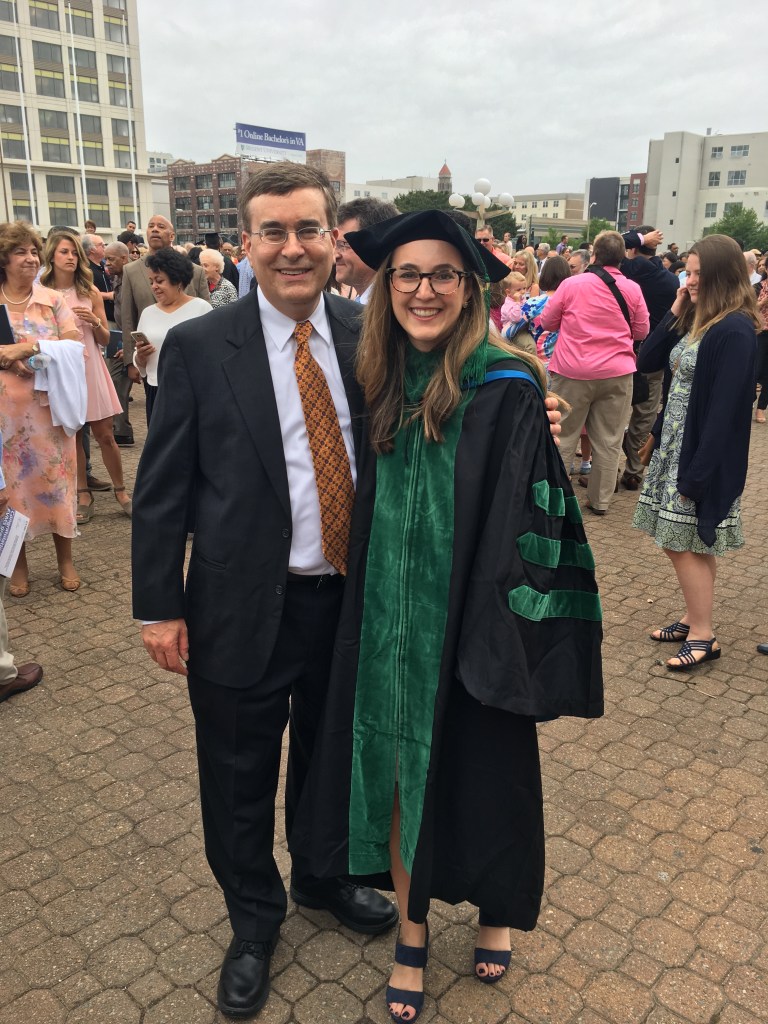
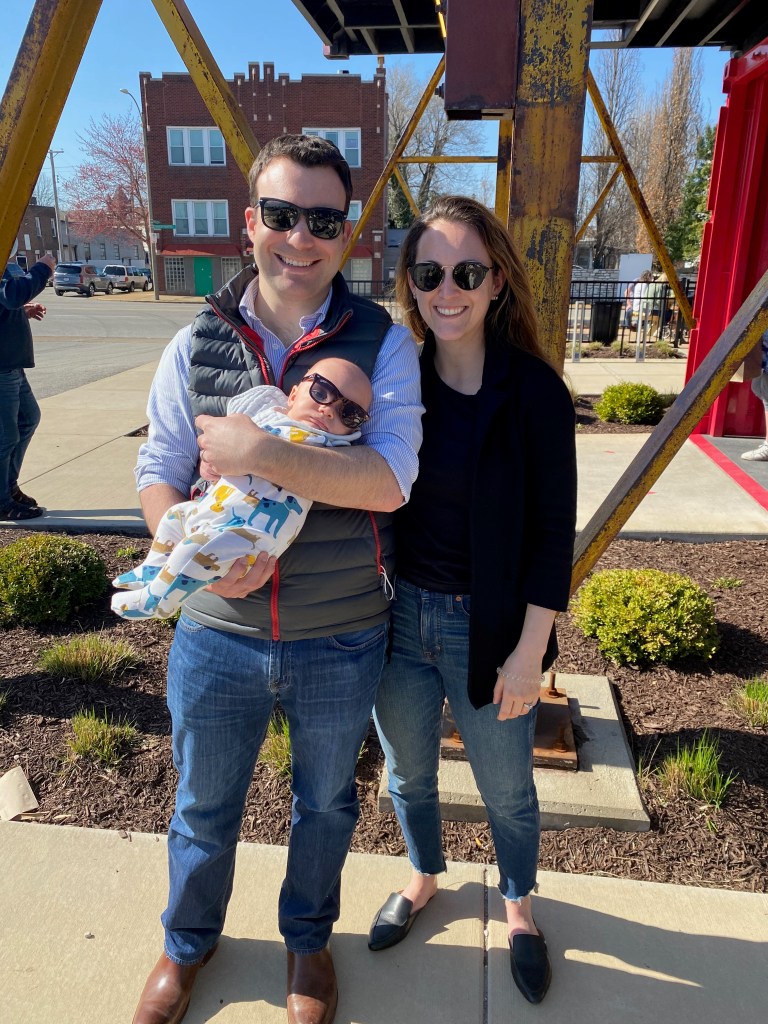




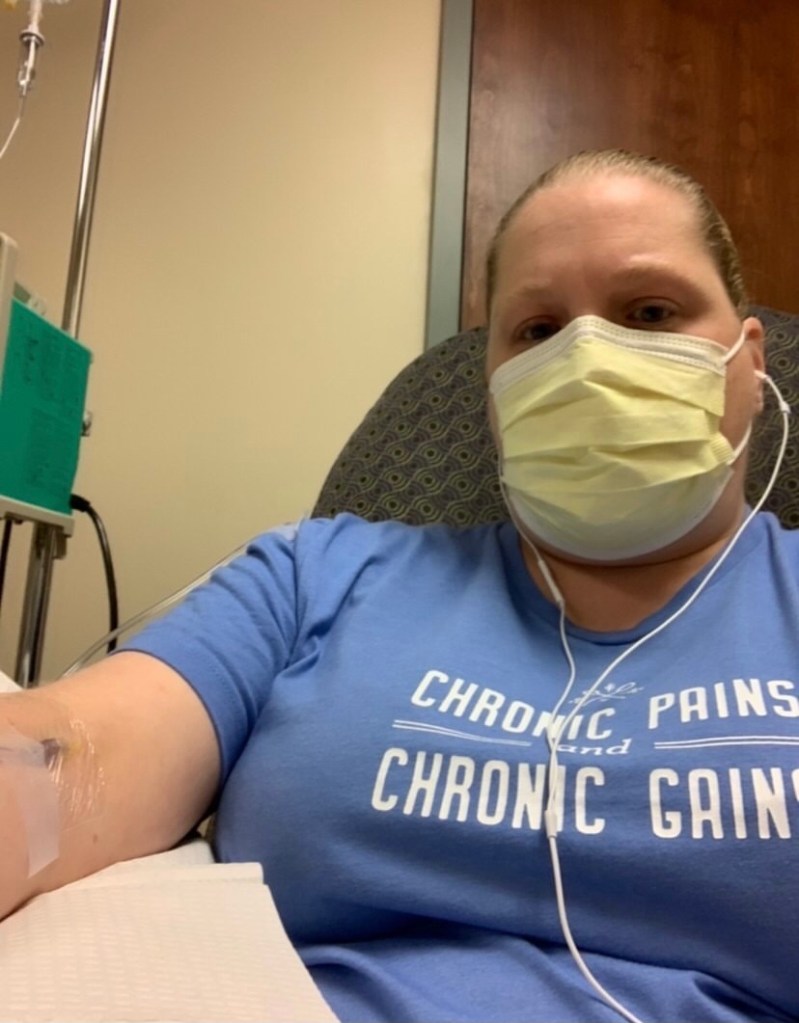

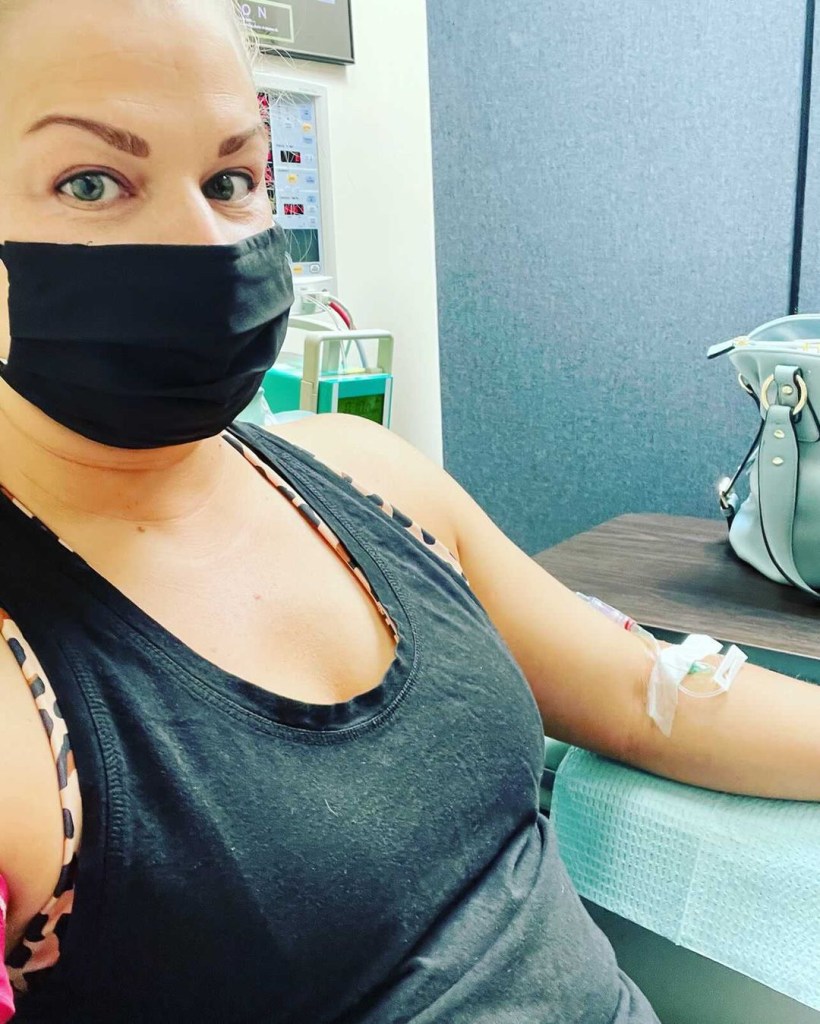
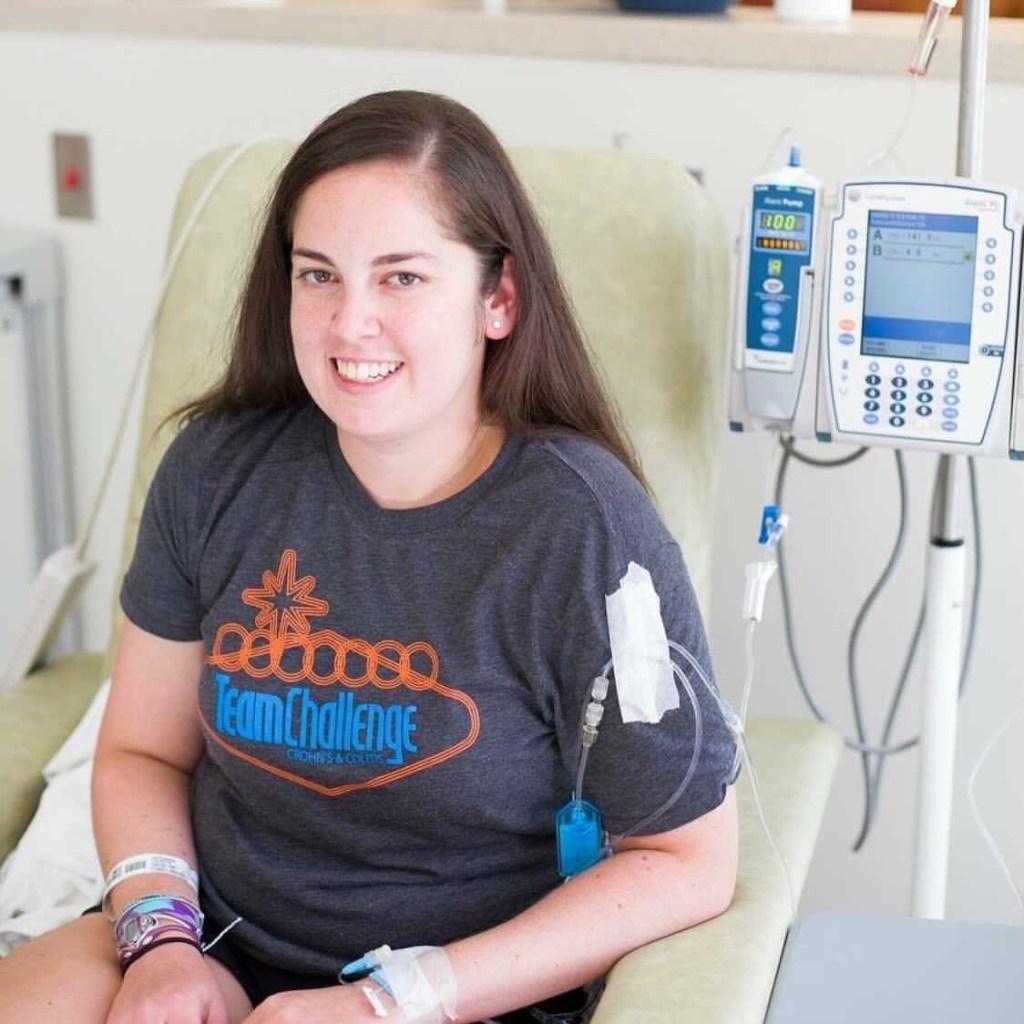

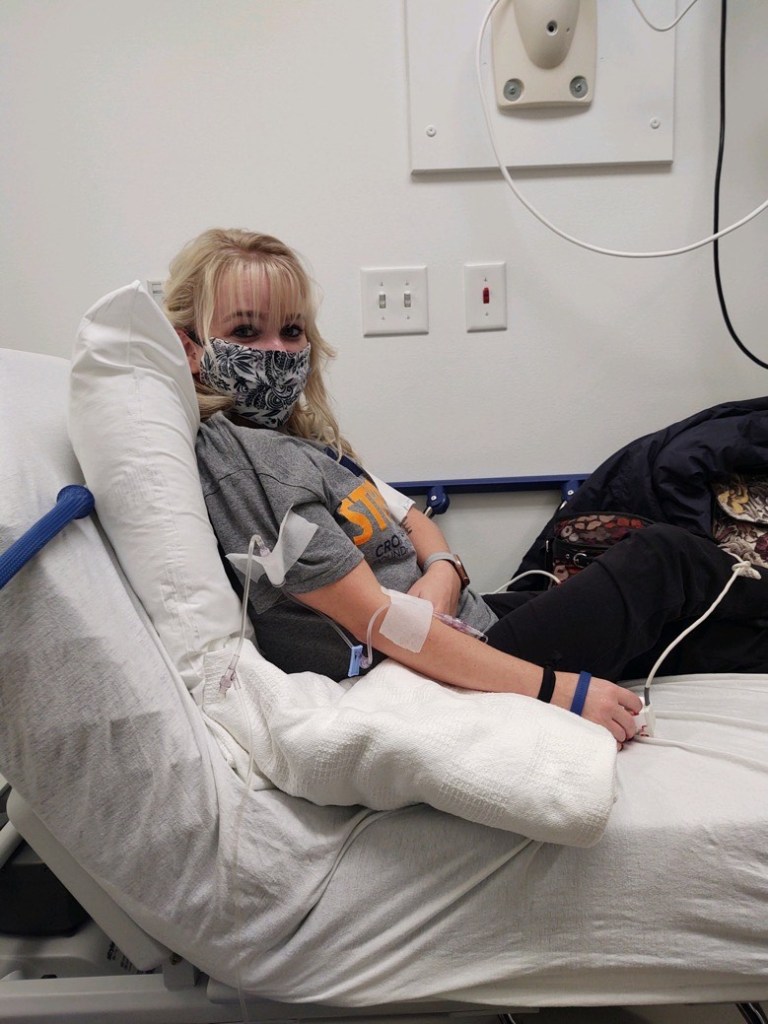




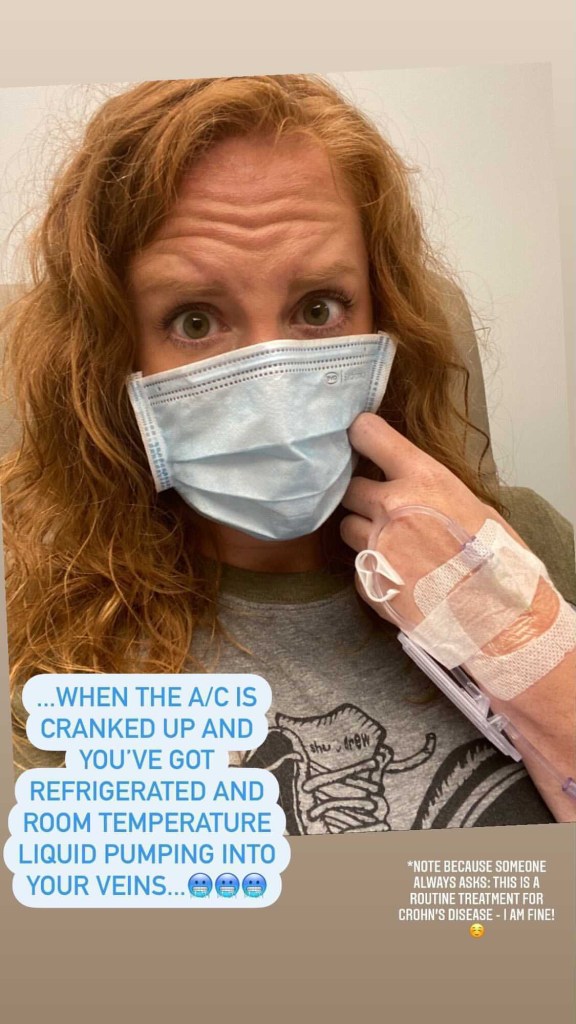














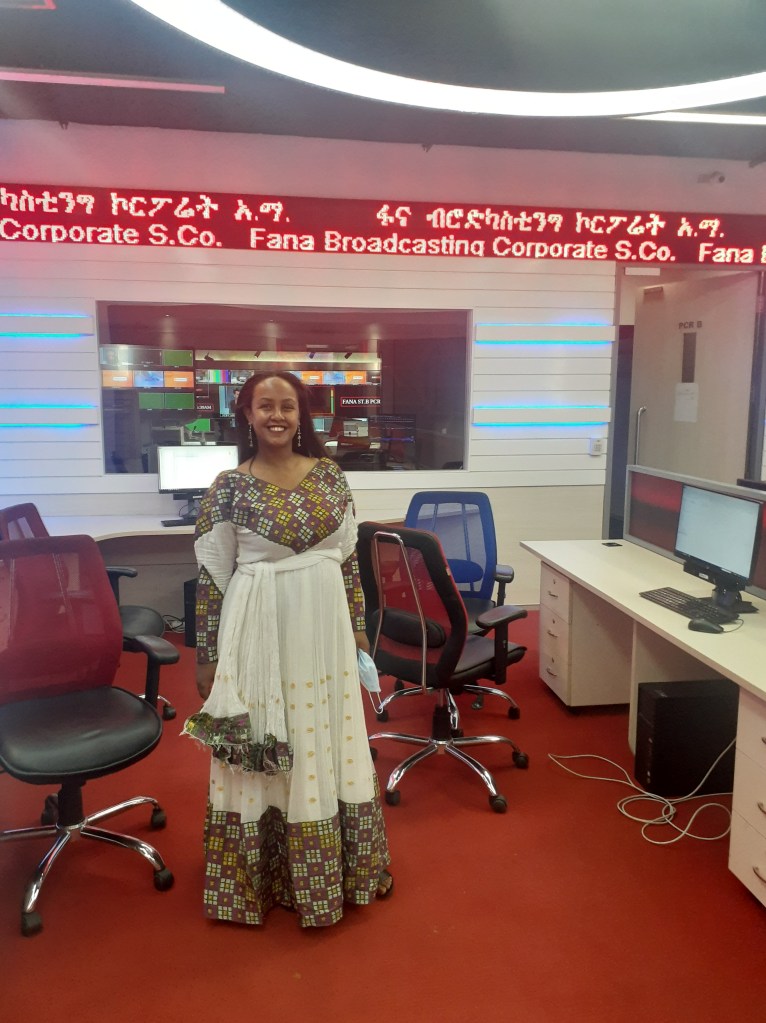


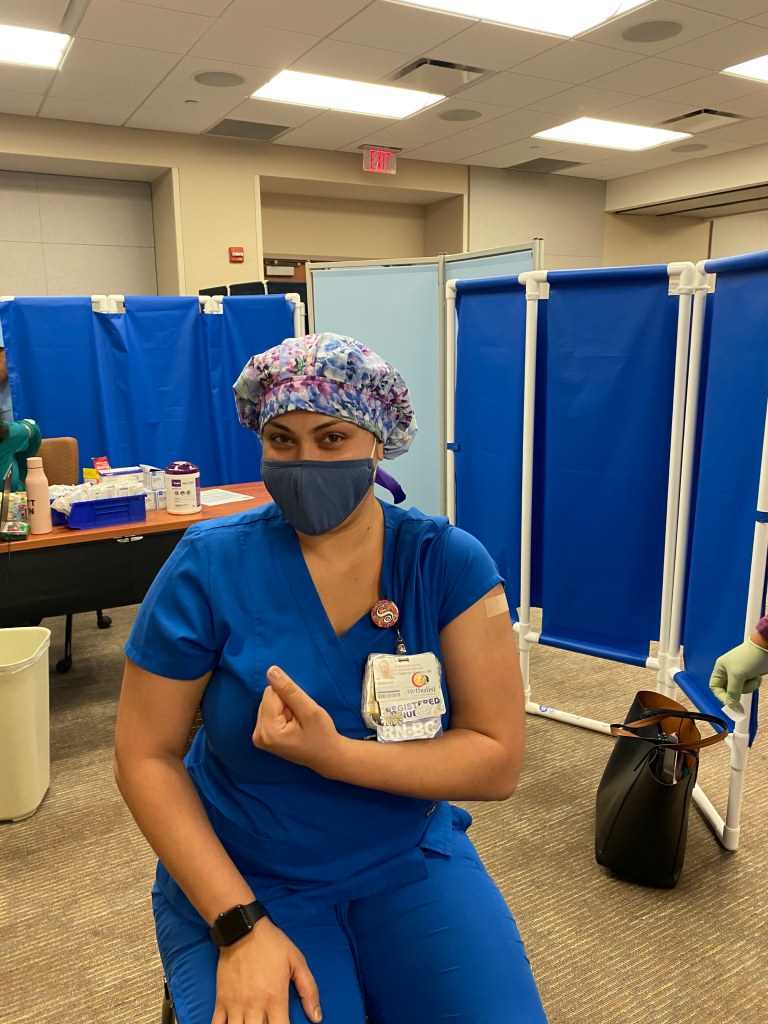


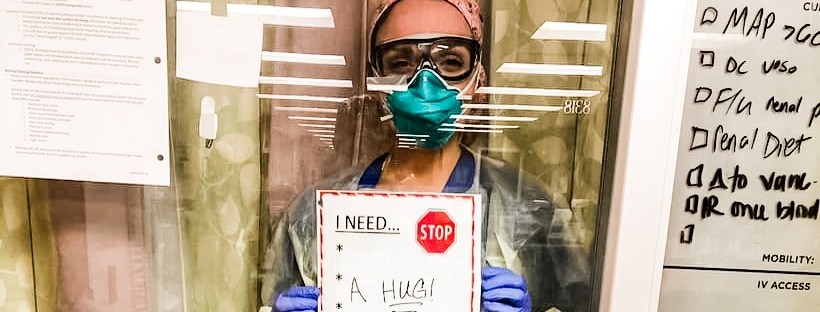





 lights camera crohn's