My Key Takeaways from the FDA Workshop: “Evaluating Immunosuppressive Effects of In Utero Exposure to Drugs and Biologic Products”

More than 4 million babies are born in the United States each year, many to mothers who live with chronic illness. Historically, pregnant women are excluded from research, consequently there is limited to no safety data at the time of drug approval. Enormous gaps remain regarding the clinical impact of exposure to biologics and medications when so much is at stake for both mom and baby. July 11-12th the Food and Drug Administration (FDA) hosted a public workshop entitled, “Evaluating Immunosuppressive Effects of In Utero Exposure to Drug and Biologic Products.”

As a patient leader in the IBD community and mom of three children who were all exposed to anti-TNF medication in pregnancy, I was invited to provide the patient voice during this two-day discussion. I spoke on three different panels to share my perspective. This week on Lights, Camera, Crohn’s I’ll share what I learned and what I heard from top researchers and doctors at the workshop. The key overall message—healthy moms lead to healthy babies and a healthy society. Healthy meaning—having disease well-controlled in pregnancy so flares don’t lead to adverse outcomes for both mom and baby.

Pregnant women and lack of research

Often due to ethics, pregnant women have been omitted from research and clinical trials. The absence of human involvement in pharmacology studies can lead to uncertainty about what is deemed “low risk” and “safe” to the fetus, and the impact medications have on the placenta. Women who become pregnant must drop out of clinical studies, even if the drug class has known safety or is deemed low risk (anti-TNF, IL-23s).

According to study entitled, “Medication use during pregnancy with a particular focus on prescription drugs”, Pregnant women report taking an average of 2.6 medications at any time during pregnancy. Medication use may expose the fetus and infant to the medication through placental transfer.

It’s clear that reducing or stopping medications can put mothers at risk for flares, which in turn can lead to adverse effects in pregnancy. With my own children, I stayed on Humira until 39 weeks with my oldest (who is now 7), and 37 weeks with my other two children (who are now 5 and 3). All three of my children were a part of pregnancy studies (MotherToBaby and PIANO). My youngest will be followed until age 18! My oldest was followed through kindergarten. The current recommendation, globally (which has changed since I had my children) is to keep women on biologics throughout the entire pregnancy.

One of the key areas of discussion is whether animal data from research ever tells us the whole story about the safety and efficacy of medications—the answer is no. There is no substitute for a human placenta, but the challenge and dilemma are what can be done to get this human data. Approaching clinical trials in pregnant women is challenging and takes time to develop. Currently, animals are the best tool we have for educated guesses.

The benefit vs. risk discussion for Mom and Baby

Oftentimes decision making with chronic illness is a risk versus benefit thought process, whether you are pregnant or plan to carry a baby in the future or not. During the FDA workshop, there was an incredible presentation that really resonated with me about the multiple decisions women have to make for both themselves and their unborn children. The discussion highlighted the complexity and why it’s not a black and white decision. These series of decisions are nested in each other and revolve around the decision maker (Mom/Dad) and medical providers.

Key considerations we deal with as IBD moms:

Continue or discontinue medication?

Should we breastfeed on medication?

Should we give an attenuated live vaccine as scheduled or delay?

When making these decisions it’s imperative that patients feel heard and that communication take place between the parents and medical providers (gastroenterologist, maternal fetal medicine, and OBGYN). Knowledge is power and educating yourself going into these conversations and before and during pregnancy can make you feel more empowered in your decisions.

The power of the placenta

There were placentalogists at the workshop—yes, those exist!! And it was amazing to learn how dynamic the placenta is and how it changes throughout pregnancy. The placenta is not just a conduit, its function changes across gestation and with fetal sex and medical condition. It serves as the endocrine function, lungs, pituitary, drug processing center, neuro connections, and growth factors for the baby…to name a few.

For instance, according to this study, there are differing levels of placental chemokines and cytokines and even reduction of placental antibody transfer in male placentas.

Once the placenta is impacted it effects the fetus. There was also discussion about how Inflammatory Bowel Disease impacts placenta—and the possibility of looking at the placenta of an IBD women at delivery to compare them to women without the disease. Even when a woman has well-controlled disease or is in remission, it’s believed our placentas may appear differently at delivery due to the inflammatory nature of our disease. I joked during on one of the speaking panels that I would have gladly given all my placentas to research upon delivery! It’s  win-win for researchers and patients alike to do so.

Medication safety in pregnancy

There was also discussion about the importance of developing medications that are safer in pregnancy, much like children’s medications are created with a different formulation.

Prednisone causes minimal fetal exposure. Solumedrol at infusions is fine, and it’s ok to breastfeed on steroids, but high dose daily oral steroid can cause cleft palate and cleft lip.

Azathioprine has also been found to have no impact on breastfeeding, babies born to moms on Azathioprine have normal development and they do not have increased susceptibility to infection.

A graph outlined a study that looked at 107 pregnant women with IBD on Infliximab/Adalimumab:

Detectable anti-TNF levels after birth:

3 months of age—94%

6 months of age—23%

9 months of age—7%

12 months of age—3%

This illustrates why babies exposed to anti-TNF after believed to be immunocompromised until 6 months of age.

Vaccine response and impact of immunosuppressive medications

It is believed that women on immunomodulating medication who get the TDAP vaccination in pregnancy have the same immune response as healthy controls and that the baby receives the same benefits.

The recommendation for Rotavirus (which is the only live vaccine given the first 6 months of a baby’s life), is now to give this vaccine to babies. This updated guidance also applies even when babies are exposed to anti-TNF or immunosuppressive medications in pregnancy.

There’s no difference in vaccine response for babies across different biologics.

Limiting the burden on mom and baby in pregnancy and postpartum studies

Once babies are born and they are part of research studies to measure how their exposure in utero impacts or does not impact their future health, there’s often a burden on the mother about following up. As an IBD mom myself, I wasn’t big on having my babies get blood draws for medical studies—but that data is paramount in helping further that research. And knowing what I know now, I wish I would have been more willing to do so.

So how can studies ease this burden and stress on families?

This can be done by having well-trained phlebotomists who have experience working with children and using techniques to optimize venipuncture success to limit discomfort and pain. By timing blood draws for research at the same time of doctor’s appointments, it reduces the number of needle sticks and blood draws.

Dr. Mahadevan’s Presentation at the workshop

One of my favorite presentations was given by Dr. Uma Mahadevan. She is the key investigator of the PIANO (Pregnancy Inflammatory bowel disease and Neonatal Outcomes), and a well-respected gastroenterologist at UCSF. PIANO started in 2007 and looks at the safety of IBD medications on the pregnancy and short-and-long term outcomes of children. My youngest son is part of PIANO. We participated throughout pregnancy, provided cord blood from delivery, as well as blood draws. I just submitted his 3-year forms online.

I recorded Dr. Mahadevan’s presentation and have transcribed everything she said below so you could hear her expertise firsthand:

“Women of childbearing age—women of reproductive potential are not given JAK inhibitors—even though it may be the most effective medication for them. This is a result of fear—that maybe they’ll get pregnant and maybe there will be some harm. Medications with well-established safety records like anti-TNFs are discontinued in pregnancy now—68% of women who go off their anti-TNF did so from the advice for their rheumatologist, so these are the doctors telling them to do this.

What’s the importance of treating immune mediated disease in pregnancy?

Disease activity is the biggest driver of adverse outcomes in pregnancy. Women with IBD compared to general population have an increased risk of spontaneous abortion, pre-term birth, small for gestational age, hypertensive disorders of pregnancy including preeclampsia , post-partum hemorrhage, and 44% rate of C-section, most of them elective out of fear of disease.

Stopping the biologic which again is out of fear—you’re on a biologic, it’s stopped in pregnancy, still is in many rheumatology and psoriasis cases, less so with IBD, but when you stop it…reducing or stopping leads to an increase of disease flare.

Many of my colleagues who are rheumatologists say “oh many with rheumatoid arthritis get better in pregnancy…there is not a single study that shows that. In fact, this study from The National Inpatient Samples shows women with rheumatoid arthritis were more likely to develop complications of pregnancy both during pregnancy, but also in post-partum and in their neonates.

The American College of Rheumatology conditionally recommended continuing anti-TNF during pregnancy despite the available safety data and the voting panel agreed that if the patient’s disease is under control these medicines can be discontinued. This is happening now.

In this article from a prospective registry from Sweden and Denmark that looked at 1700 patients with RA, there was increase in pre-term birth and small for gestational age in RA compared to the general population and that odds ratio increased to three-fold with active disease.

So, there is data that it increases harm in not just IBD but RA as well. We know there’s a strong role for inflammation in pregnancy and in pregnancy outcomes. So, the significant increase in pregnancy and neonatal complications is closely linked to disease activity and inflammation and stopping these low-risk meds and steroid sparing therapies lead to increased suffering for the mother, and post-partum flares and worst outcomes for the infant.

Healthy mother=Healthy Baby

So, what are some of the study designs and limitations-these have been brought up before. Pregnant women are not included in clinical trials. There’s unmeasured confounding in uncontrolled studies. Disease activity impacts the decision to continue or discontinue therapy. It’s not random. The choice of therapy is not random it is linked to their disease severity and what they have.

If you have a series of 100 patients or 1000 patients or 10,000 patients, you may not pick up the signal. The types of studies that are used for the most part are large data sets, so birds eye view and the highest quality study are large population studies from countries in Scandinavia usually where they have longitudinal assessment, parent-child linkage, and a good assessment of diagnosis in pregnancy outcomes. However, these are limited by a fair assessment of medication because they can only measure prescription and not whether the patient is actually taking the medicine. At a very poor assessment of disease activity and very granular data.

People are more likely to report a complication than a healthy pregnancy—incomplete info.

Let me tell you about PIANO—this is a prospective national registry of pregnant women with IBD started in 2007. PIANO divides people into four groups:

  • The unexposed—which could include people on steroids, 5 ASAS, antibiotics.
  • Thiopurines: Azathioprine, 6-mercaptop, urine
  • Biologics: Infliximab, Adalimumab, Certolizumab, Natalizumab
  • Combination Therapy: Azathioprine + Biologic

We define exposure as anytime within 3 months of conception through pregnancy. We compare the offspring of women exposed to a medication to offspring of women with IBD who have not been exposed. We looked at multiple different outcomes including pregnancy and neonatal outcomes , we administered questionnaires each trimester of pregnancy, three times in the first year of birth and then annually and we continue to follow these patients out to age 18.

So, here’s some of the data that has been published:

Corticosteroids –I often hear from providers, “oh I’ll just stop their medication and if they flare, we’ll give them steroids.” This actually leads to increase rates of pre-term birth, low birth weight, and NICU admission. Of course, the use of steroids is mostly tied to disease activity. It’s hard to separate the two. But the whole point is that you don’t want disease activity, you don’t want steroid use, you want them to be on a steroid sparring effective therapy.

The primary results of PIANO were published in 2021 in Gastro. We looked at 1,400 IBD pregnancies, 379 were not on drugs, 242 were on thiopurine, 642 were on biologics (Primarily anti-TNF), and 227 were on both biologic and thiopurines so about 1,000 biologic exposed pregnancies. We found no increase in birth defects, spontaneous abortion, preterm birth, low birth weight, or infections in the first year of life. We saw an increase in spontaneous abortion with disease activity and we used the Ages and Stages questionnaires to look at developmental milestones and saw no reduction.

We measured placental transfer and we measured maternal and cord blood for inflammation on day of birth. The highest transfer was with infliximab—the lowest was certolizumab, which doesn’t have the FC portion. Vedolizumab had a lower level in the infant than the mother. When this data first came out the first reaction was – “oh we should stop the biologic early”…so in Europe they have more of a glass is half empty look at medications in pregnancy…US tends to be glass is half full. So, they decided to stop at 22 weeks and that was in their official guidance. And it was not until 2 years ago that that was changed to match US recommendations because their own data showed an increase in disease activity and worse outcomes with doing that.

The concern was if you have this placental transfer, if you have therapeutic drug levels in the infant for several months after birth, do they have higher rates of infection? And we showed in PIANO there is no increase in infection at 4 months of age and at 1 year and we looked at if infection rates were relative to the level of drug in the infant at the time of birth, and there was no association to drug level at birth and recent infection.

So based on that now, we don’t stop the biologic at all during pregnancy, we continue it throughout. A systematic review and meta-analysis looking at 8,000 women with IBD who were exposed to biologics showed no increase in infant infections, antibiotic—- showing that biologics do not cause harm.

This data from Antoine Meyer who uses a French patient sample looked at women on anti-TNF and thiopurines and showed no increase in the risk of early life malignancy in children.

We ask about infection—we ask about immune suppression—we ask about malignancy and so far in these 3700 thiopurines and 3400 anti-TNFs from 3 years of age going out to 11 years of age, no increase. Very reassuring data.

PIANO looks at developmental milestones—out to 12 months and up to 4 years—shows no decline, we actually showed patients on TNF had statistically superior developmental milestones in every category compared to the national average and even within PIANO—not to say that TNF’s make your kid smarter…but the whole idea of controlling inflammation is what allows these kids to lay down their neural pathways.

What about the newer biologics?

Ustekinumab and Vedolizumab—again showing no increase in harm for both pregnancy and infant outcomes.

Antoine Meyer again from the French database looked at 398 vedolizumab pregnancies, 464 Ustekinumab pregnancies…again, no increase in harm for all these important outcomes.

It’s not just congenital malformations, what else can happen with these medications?

We’re working with Susan Fisher who is a placental scientist at UCSF, a question was raised about Vedolizumab inhibits alpha 4 beta 7, which can inhibit MAdCAM, which is involved in the process of plasmatation—so if you inhibit MAdCAM are you going to have issues in plasmatation. This was just a pilot study. The first one here the patient also had pulmonary hypertension—this is a normal placental at birth…you can see how this looks distinctly abnormal. The second patient was born 39 weeks, mother was completely healthy with her UC had no other issues during pregnancy. Compared to normal placenta…so are there other things we are missing here?

We are conducting a larger study now with multiple biologics the question is it’s not the Vedolizumab is my hypothesis, it’s more a result of inflammation, having IBD…but it will be interesting to see what these placentas look like when we finish. But maybe this is why these patients have higher rates of preeclampsia, higher rates of hypertensive disorders in pregnancy, and preterm birth. It may be related to the impact of inflammation on the placenta.

Small molecules—I feel very comfortable when a new biologic comes out to continue in pregnancy, I feel reassured by the minimal to lack of transfer in the first 14-16 weeks of gestation, with small molecules—they will transfer and Tofacitinib showed teratogenicity at super therapeutic doses, Upadacitinib showed teratogenicity at the doses we use in humans at 30 mg daily—so that does raise concern. There is now some data, again from clinical programs—no increase in birth defects, in pregnancy loss.

Same for –in press—looking at Upadacitinib …128 maternal exposed pregnancies, 80 of which were in clinical trials…similar rates of live births, spontaneous abortion, compared to what is expected.

What about breastmilk? In PIANO, we do collect samples and found the amount of transfer was really miniscule. But all biologics had transfer—we found no increase rates of infection or impact on developmental milestones with patients who were breastfed while the mother was on an immunomodulator.

We talked about vaccines—if these patients had detectable level of biologics—the first 6 months of life will they have normal response to vaccines? We looked at Tetanus — and found the rates of response were similar to infants of mothers who were not exposed to biologics…that was reassuring. We had 40 inadvertent Rotavirus exposures in our TNF babies, they did just fine. This has also been shown in European data as well. And I want to make sure you are all aware of the study from Lancet looking at Rotavirus vaccine—this was a prospective study looking at infants exposed to biologics, they gave 168 biologic exposed infants Rotavirus vaccine—can only be given the first 3-4 months of life, after 6 months it’s not given—so if you say no in the first 6 months, baby never gets it. They found no harm—at this point, we are letting patients on TNF get Rotavirus vaccine, you can argue the US and most areas because of herd immunity, Rotavirus may not be that important, but in other parts of the world it is—and it’s fine to give to patients exposed.

BCG vaccine is different—especially in an anti-TNF exposed baby, it does have a higher rate of TB, having to do with mechanism. There was one death in a European study given vaccine at 1 month of age. BCG can be given after 6 months of age. So Rotavirus is fine within 6 months, but BCG is still recommended after 6 months.

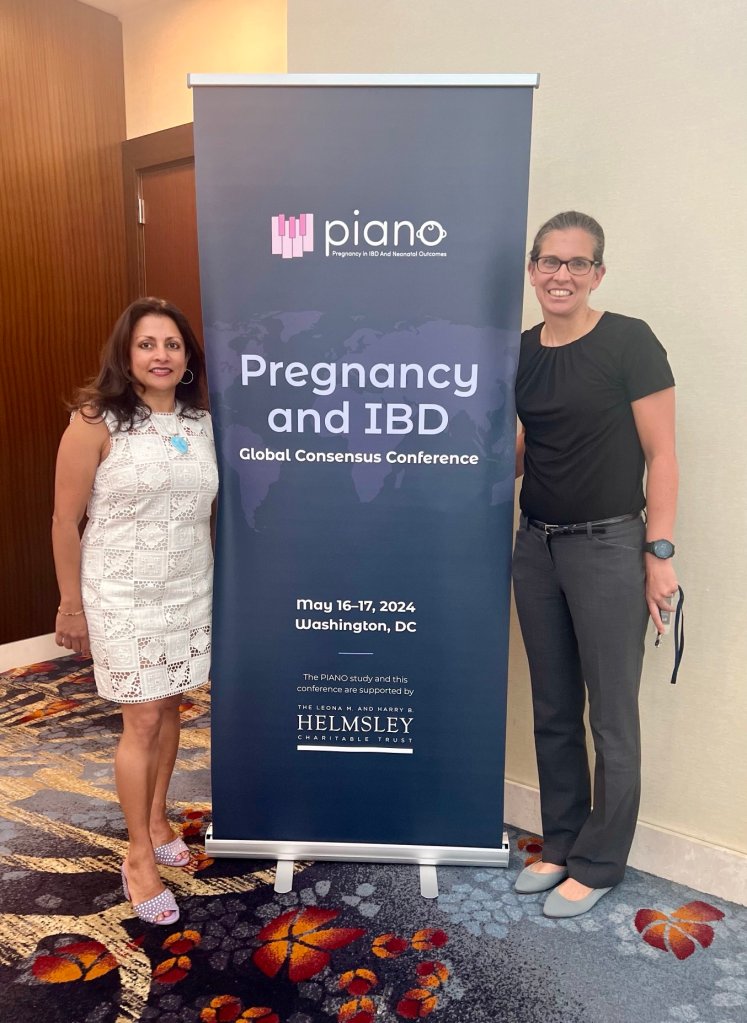
MMR in high-risk populations can be given at 6 months—why did the Europeans, Asians, and Americans have such different guidelines? This May (2024) we all got together for the Global Consensus Conference to create one standard for pregnant women globally and to help spread the word.

Our recommendations are to continue 5ASA, continue sulfasalazine, continue steroids when necessary, stop methotrexate, and continue thiopurine, continue anti-TNF therapy. The US and Europe agree we will not be stopping TNF early, we will continue it on schedule. We’ll continue vedolizumab and ustekinumabon on schedule, and it’s ok to start these medications in the middle of pregnancy.

Biosimilars have equal safety as originator. The Europeans didn’t understand why we wanted to include this, but this is a common question that comes up in the US. We consider biosimilars safety to be equal to the originator drug.

IL-23 therapies… even though not well studied, we feel based on mechanism they can be continued.

Small molecules should be discontinued—but particularly for the JAKS though, unless there is no effective alternative, they can stay on them. I have had patients where they have to stay on Tofacitinib and Upadacitinib because there was nothing else that worked for them.

Inactive vaccines should be given on schedule. we suggest live rotavirus can be given to children exposed to anti-TNF and recommend BCG be avoided in the first six months.

Final thoughts

A recording of this two-day FDA workshop will be available online in the next two weeks. I will share the link as soon as it becomes available. on my Instagram (natalieannhayden). There were fantastic discussions and as an IBD mom who has gone through pregnancies while on a biologic I am grateful for the consideration and the research that’s going on to help couples feel more confident and at ease about bringing life into this world while juggling complicated health conditions. The conversations and presentations at the workshop were extremely complex, I did my best to translate the information, so the patient community has a better grasp of where we stand about IBD pregnancy research.


If you have IBD and are planning to be a mom or if you are currently pregnant, please consider joining the PIANO study and being a part of this life-changing research for our community.

Navigating Medications for IBD During Pregnancy and Breastfeeding: A Comprehensive Global Guide

One of the main challenges and worries women face when it comes to pregnancy and IBD is feeling comfortable and confident staying on their medication. The first-ever Global Consensus Conference on Pregnancy and IBD was held during Digestive Disease Week (May 2024) and part of the discussion focused on the latest recommendations for medication during pregnancy and lactation. Last week on Lights, Camera, Crohn’s we covered the global guidance regarding pre-conception counseling and family planning.

Hear from the co-chairs of the Global Consensus Conference and esteemed gastroenterologists, Dr. Uma Mahadevan and Dr. Millie Long about what they want the IBD community to know about medication during pregnancy and postpartum.

The latest recommendations for IBD women

  • All biologics can be continued through pregnancy and lactation
  • 5ASA can be continued
  • Thiopurines can be continued, but monitor liver enzymes for intrahepatic cholestasis of pregnancy
  • S1P agents and JAK inhibitors should be avoided in pregnancy unless there is no other viable alternative
  • Biosimilars are equally safe to originator drugs (biologics) in pregnancy
  • Wound healing after C-section/episiotomy: Thiopurines
    delayed wound healing with episiotomy, but there’s no impact of biologics on
    wound healing with C-section, tear, episiotomy

These recommendations were voted on and determined by more than 50 medical providers and IBD patient advocates from around the world. The hope is that this guidance will leave couples feeling empowered and more comfortable in their decision to stay on medications that are deemed low risk.

“We have learned that there are many different practice patterns in various locations globally regarding treating women with IBD during pregnancy. The goal of this Global Consensus was to have a consistent, evidence-based framework for management of pregnant women with IBD that will improve the quality of care globally. Most importantly, treating inflammation and continuing appropriate medications (such as biologics) improves outcomes for both mom and baby,” said Dr. Millie Long.

When I was pregnant with my children, I trusted what my care team (GI, OB, and Maternal Fetal Medicine doctors) told me regarding Humira and the risk versus benefit of staying on my medication through pregnancy and after. I credit my medication for keeping my Crohn’s under control while I carried my babies and after I brought them into this world. But I’m going to be honest—when you are 36 weeks pregnant and you feel the baby kicking and moving as you’re about to do your injection, it can feel emotional. At the same time, I always told myself I was doing what was best for me and for them. Now that my kids are 7, 5, and almost 3 (all perfectly healthy), I am reminded every day that I made the right choice for our family.

Handling the hesitations

Dr. Mahadevan says when patients come to her worried about staying on their medication while they are pregnant, she discusses the “very clear data” that shows disease activity is the strongest predictor of pregnancy complications.

“This includes having difficulty conceiving, higher miscarriage rates, higher complications of pregnancy, including pre-term birth. Pre-term birth has a strong correlation with reduced socioeconomic status and other issues later in life. Plus, if women are so sick and worn out by their IBD, they aren’t able to enjoy their new baby and struggle to take care of their child as well as they would like to. For medications like monoclonal antibody, where there is good safety data, it really makes sense to continue.”

“Women should stay on biologics during pregnancy without any alteration when they are pregnant. This reduces the risk of flare during and post pregnancy for the mom and improves outcomes for the baby. The strongest predictor of pre-term delivery (and the complications arising from this), is active inflammation,” said Dr. Long.

Clinical trials in pregnancy and drug safety rely on observational data. There are no randomized trials where one person is chosen to get therapy, and another is not.

“This is where the PIANO study and other such prospective (where we follow patients before we know the outcome) registries are so important. We can collect data quickly… as soon as a medication is approved for use. We also get data from large population datasets from countries such as France, where all patients are registered, and their outcomes can be collected. This takes longer but will have much larger numbers,” explained Dr. Mahadevan.

All three of my kids were part of research studies while in utero and after. My youngest who turns three in July was part of the PIANO study. I can’t say enough about the importance of contributing to research and helping to pave the way for future IBD families. We have the guidance we have today because of all the moms who took it upon themselves to be a part of studies like PIANO.

Biosimilars in pregnancy

As more and more patients are switched from a biologic to a biosimilar, there’s a great deal of interest in how this impacts family planning and pregnancy.

A total of 89 pregnant women with IBD enrolled in PIANO on Infliximab were included as part of a study presented at Digestive Disease Week entitled, “Use of Biosimilars to Infliximab During Pregnancy in Women with Inflammatory Bowel Disease: Data from the PIANO study” that Dr. Long and Dr. Mahadevan were a part of.

In the study, 76 women were on the originator drug (Infliximab/Remicade), while 13 women were on an Infliximab biosimilar.

“Though this study is small, Europeans noted that they did not differentiate between biosimilar and originator in their studies. There were no difference in clinical characteristics or significant differences in any pregnancy complications between the two groups. Developmental milestones were assessed at 12 months, with no differences in communication, fine motor, gross motor, personal/social interaction, or problem solving between groups,” said Dr. Mahadevan.

This data and ongoing research can reassure mothers with IBD on biosimilar IFX who wish to pursue pregnancy.

Avoiding S1P agents and JAK inhibitors in pregnancy

For those who don’t know—S1P agents and JAK inhibitors include: Ozanimod (Zeposia), Tofacitinib (Xeljanz) and Upadacitinib (Rinvoq).

If you’re currently taking one of these medications and finally have your IBD under control, it can be daunting to know what to do next for family planning.

“It is a case-by-case situation .In general, we would like to avoid these agents as, unlike with biologics which are antibodies, these agents are pills and cross the placenta during the first trimester during a key time in the baby’s development,” said Dr. Mahadevan. “Animal studies have shown harm with supratherapeutic (higher than human doses) levels of drug. Upadacitinib (Rinvoq) had birth defects in animals even at human doses. For S1Ps, usually there is another effective medicine patients can try. An exception may be if they also have multiple sclerosis as S1Ps are used to treat both conditions. For jak inhibitors, they are often the only effective therapy for a patient. We will discuss the risks, the benefits, and the options – using a surrogate, etc.”

Lactation considerations

The benefits of breastfeeding are similar in IBD and non-IBD moms.

“We do not have robust data that breastfeeding will specifically reduce the risk of IBD in offspring, but there are many studies in the general population that demonstrate that breastfeeding is beneficial to infants. The choice to breastfeed is an individual one, and it is important to support each family’s decision,” said Dr. Long.

Breastfeeding research is more challenging than pregnancy studies, as this is not collected in medical records or large databases.

“Breastfeeding research is data from registries like PIANO and individual studies from different IBD centers,  which measure transfer in breastmilk and outcomes,” said Dr. Mahadevan.

She went on to say that breastfeeding is allowed on thiopurines, and there should be low to no risk to the infant.

“Ideally, if the mother can wait four hours, there is no drug transferred, but even earlier the amount that is transferred is very low,” explained Dr. Mahadevan.

As an IBD mom who fed each of my babies differently, I want to reiterate that whether you choose to breastfeed or not is a personal decision and you are not less than or a failure if you need to supplement or formula feed. Juggling chronic illness, postpartum, and motherhood is a lot. Give yourself grace and trust your child will thrive no matter how they are fed.

My oldest was only breastfed for three days because I wasn’t well-versed about the data regarding biologics and breastfeeding and because I was nervous about flaring and not being able to feed my baby. I breastfed my middle child for 6 months while supplementing, and my youngest was exclusively breastfed 14 months—all while on Humira. Your journey and your experience are personal to you. Try not to allow outside or societal pressure to contribute to your guilt as an IBD mom.

Gaps and strides in IBD research
Dr. Long says we need more data on the safety and efficacy of novel small molecules during pregnancy.

“This includes medications like tofacitinib, Upadacitinib, Etrasimod and ozanimod. This is why registries like PIANO are so important, to capture this information and inform patients and providers alike. Some of the strides being made in IBD pregnancy research include the effectiveness of pre-conception counseling, novel assessments of disease activity during pregnancy (such as intestinal ultrasound), data on novel biologics during pregnancy and lactation (including newly approved therapies such as Risankizumab or Mirikizumab) and data specifically on biosimilars. Through this data and the Consensus recommendations, we can improve pregnancy outcomes for many women with IBD,” said Dr. Long.

The overall hope is that the Global Consensus Conference recommendations will provide women with IBD all over the world with consistent and evidence-based care prior to, during, and post pregnancy.

Supplements to support your immune system with IBD—Yay or Nay?

It’s that time of year when sickness lurks around every corner. For those of us who are immunocompromised, run of the mill “regular people” sickness can hit us extra hard. Since the end of September, I’ve dealt with bronchitis for 5 weeks, followed by pink eye in both eyes, and I currently am dealing with a bacterial infection in my right eye. Being an IBD mom with young kids in preschool and elementary school brings extra germs into our house. While I’ve been under the weather, I keep second guessing what supplements are deemed “safe” and beneficial for me to take since I’m on a biologic. Even 18-plus years into the game, I still get confused about the gray area around supplements to help us improve or boost our immune systems and which we need to be careful of.

This week on Lights, Camera, Crohn’s we hear from three gastroenterologists who take a deep dive into this topic, along with a registered pediatric GI dietitian, and several people from the patient community. Before we get started, I want to preface this by saying this is a complex issue that is not black and white. Even after digging deep researching this topic—I’m still not completely clear on what’s best for myself.

There’s been conflicting beliefs on whether Elderberry is “smart” to take when you’re immunocompromised. I ran a poll on Instagram asking our community what they’ve been told. Of the 260 people who responded 72% said “This is a thing?!”, 21% of those polled said they were told to “Steer clear when on immunosuppressants”, and 7% of people were told by their provider that it’s “Safe and advised” to take Elderberry.

Let’s hear what patients have to say

Samantha: “I was advised not to boost my immune system. So, I focus on nourishing my body well when sick. I drink a lot of smoothies and fresh juice. I’d avoid Elderberry for sure. I take daily vitamins and get my levels checked regularly to make sure I’m getting enough of what I need. However, I have a kid in school who brings all those lovely germs home. I had a GI once explain it to me like this…my immune system is overactive; I have to take medication to weaken it, which brings it down to a “normal” range. If I try to “boost” it, I’m working against my medication.”

Cindy: “My mother-in-law purchased some Elderberry for my daughter with Crohn’s shortly after her diagnosis. “A woman at Whole Foods told me this could be good for her.” She meant well. Anyway, I understood that my daughter shouldn’t take Elderberry, after consulting with Dr. Google. I believe it was a reputable website that contraindicated Elderberry for patients on immune suppressing medications.”

Emily: “I have been told both—that Elderberry is safe and that it is not. My family doctor told me to avoid it and my GI nurse says that it’s ok sometimes when sick?! So confusing!”

Alyssa: “My husband has Crohn’s and is on Entyvio. He takes Elderberry if he has flu or cold symptoms, whereas I take it daily during the winter. Funny enough, I’m sick A LOT more than him!”

Jessie: “I’ve been told by some doctors not to take immune boosting supplements with biologics and others that it doesn’t matter, but I can’t find the concrete research/facts I need to be sure.”

Lindsey: “I find my symptoms flare when I have Elderberry!”

Rachel: “I’m always confused if I should be taking anything to “boost” my immune system when I’m on suppressive meds. I asked my provider years ago, but I didn’t really get a real answer. I’ve always thought it was good to take supplements to help my immune system, but then I get concerned about them counteracting my medication.”

Hermione: “I have been told it is a placebo effect by my immunologist.”

Kristen: “I read that you don’t want to boost your immune system since that’s the system you want suppressed and caused your disease in the first place.”

Bee: “I was told not to take things that will “boost” the immune system. In South Africa, it’s Echinacea. I was told not to take it. So, my approach has been to “indirectly boost” my immune system by taking vitamins and fresh fruit and vegetables as much as I can tolerate.”

Rocio: “I’ve had this conversation with providers, particularly when I had COVID. I was told NOT to take Elderberry because it has been shown to increase cytokine storm which is present in both COVID and IBD. From an IBD specific point of view, the anti-TNFs seem to calm that storm which is why some were used as COVID therapeutics. So, I wouldn’t say it’s because of being on immunosuppressants, but rather the disease itself.”

Julie: “I live on Elderberry but never asked my doctor, so I’m hoping it’s ok!”

Laura: “I’ve taken Elderberry for years on Remicade (also working as a nurse practitioner in pediatric primary care) and it has helped keep me well and my GI docs have never been opposed to me taking it. I do usually skip it the night before and after an infusion though.”

Jana: “I was told it could cause increased risk of cytokine storm for those with IBD in general, whether on immunosuppression or not.”

Heather: “My son’s GI said NO to Elderberry. We used to take it every winter, but once he was diagnosed with Crohn’s they said to stop using it. I always worry about this time of year and all the yucky stuff going around. My son takes the Liquid IV Vitamin C packets and puts those in his water. I don’t know if they help, but I feel better knowing he is taking something to maybe help give him a boost!”

Beth: “I’m so glad you’re covering this because there is so much confusion—should we try to boost our immunity or not? My personal experience is that I was taking it trying to boost my immunity before a busy event season when I needed to stay healthy. About three weeks later, I was wracking my brain trying to figure out what was flaring my Crohn’s because I’d been eating right, sleeping more, hydrating…and I think it was the Elderberry. In general, I have tried to shift my logic to “these are things that help keep me healthy” versus “how do I boost my immunity?”

Madison: “My first GI told me “No” if you’re on biologics. Not sure if that’s true, but I just trusted that guidance and still avoid it!”

Jess: “I was told to steer clear of Elderberry because of having IBD.”

Jaclyn: “I have asked so many times what I can take, and I’m always told there is basically nothing extra I can do. I have a 4-year-old and 5-month-old in daycare, so they are always bringing home sicknesses.”

Elderberry: To take or not to take?

After reading those firsthand experiences it’s clear—the patient population is unclear and hesitant about what is best when it comes to boosting immunity. While Elderberry has gained popularity for its potential immune-boosting properties, its safety for those of us with IBD is not well-established. Elderberry supplements are often promoted for their antiviral and immune-enhancing effects, primarily attributed to compounds like flavonoids and anthocyanins.

Before I became a patient advocate, I would take elderberry anytime I felt a sniffle or had a sore throat. I really felt like it made a positive difference. Fast forward a few years and I started hearing that Elderberry could interact with Humira and cause my immune system to become over-active, so I stopped taking it all together. To this day, I wonder about taking it—and I know many of you do, too!

There are a few considerations for those with IBD when it comes to Elderberry:

Sorbitol Content: Elderberry products, particularly some syrups and extracts, may contain sorbitol, a sugar alcohol. Sorbitol can have a laxative effect and may exacerbate symptoms for those with IBD, especially if you are sensitive to sugar alcohols.

Potential Interaction with Medications: Elderberry may interact with certain medications or treatments for IBD. Elderberry is believed to have immune-modulating properties. When taken with immunosuppressive medications like Humira or Remicade, there is a potential risk of enhancing the immunosuppressive effects, which might increase the susceptibility to infections. It’s important to discuss this with your healthcare provider to understand the potential implications.

Limited Research: There is limited research specifically addressing the safety and efficacy of Elderberry in individuals with IBD. The specific interactions can vary, and it’s essential you ensure there are no adverse effects or diminished efficacy of your prescribed medications.

The GI’s weigh in on the debate

Dr. Miguel Regueiro, M.D., Chief, Digestive Disease Institute, Cleveland Clinic, says that while he does not want to sound dismissive of supplements, that we lack good data to make claims for or against. Personally, he does not feel Elderberry is harmful, and does not have a problem with his patients taking it.

“I am not aware of good, randomized data to indicate true harm from Elderberry in immunosuppressive or immunomodulatory medications, even though there are warnings listed,” he said. “Theoretically, Elderberry will “stimulate” or “activate” the immune system and has been a popular supplement that some recommend for “cold/flu” or to prevent cold and flu.  If that theory is true, then potentially elderberry as an immune stimulant would offset or counteract an immunosuppressive.”

Without good, randomized safety data, it is difficult to make this strong claim one way or another. Given that Elderberry may or may not help with cold/flu, in an abundance of caution it would be reasonable to avoid in patients on immunosuppression. 

“My sense is that the dose of Elderberry is low enough that even with immunosuppression, there should not be a problem, but, again, without confirmatory evidence to say that Elderberry effectively “fights off” or “prevents” cold/flu, one could simply avoid it in patients who are immunosuppressed.”

Dr. Regueiro says the ideal health-related approach is to ensure that IBD patients are eating a whole food diet, avoiding processed/ultra processed foods, drinking plenty of water each day (1-2 liters), exercising regularly, and having good sleep hygiene.   

“Regarding additional supplements, based on a patient’s history and certain IBD meds, we recommend different supplements. For example, for patients who have been on steroids in the past, we recommend a bone densitometer for osteopenia (and osteoporosis). If bone mineralization is low, we recommend supplemental calcium and Vitamin D.  If a patient has had ileal (small bowel) surgery, we will check a vitamin B12 level and if it’s low, we recommend parenteral (subcutaneous) shots, as they will not be able to absorb oral B12.”

He went on to say that iron levels should be checked, as iron deficiency is common. If iron levels are low and a patient is anemic, parenteral (IV) form of iron is recommended, as oral iron can upset the stomach and even lead to more IBD symptoms.

“For patients with short bowel syndrome from extensive bowel surgery, they should be managed by a nutrition team who specializes in short gut as the evaluation of nutrients and  vitamins is more comprehensive and detailed. Finally, for most of our IBD pts who do not have any of the above vitamin deficiencies, as long as they’re eating a well-rounded, healthy diet, they need no other vitamins. However, I tell my patients that taking a once per day over the counter vitamin is generally safe and ensures all nutrients are covered.”

Dr. Yezaz Ghouri, M.D., Director of Inflammatory Bowel Disease Services, University of Missouri School of Medicine at Columbia, says elderberries seem to have high amounts of antioxidants.

“The main antioxidant seems to be a bioflavonoid called Anthocyanin. These give purple pigment in the berries and have powerful antioxidant properties. Antioxidants have an anti-inflammatory and anti-carcinogenic effect in the body. Patients with IBD have chronic ongoing inflammation and are at increased risk of developing colon cancer. Carcinogenesis refers to the conversion of normal tissues to cancer. In general, we recommend the use of berries in IBD patients, and these are a good source of minerals, vitamins, and healthy carbs. The Crohn’s and Colitis Foundation cautions the use of Elderberry in IBD patients due to concerns that this fruit increases production of certain types of chemicals in the body that can cause IBD type inflammation. One of these chemicals is called tumor necrosis factor (TNF), the same which is blocked by medications used to treat IBD.”

Immunosuppressive medications and antioxidants work hand in hand in preventing inflammation.

“But there have been some studies that showed the effect of Anthocyanins on a group of immunosuppressive medications used in IBD called anti-TNF alpha inhibitors (examples: infliximab, adalimumab, certolizumab, golimumab). There is inconclusive evidence in this matter and there are no large clinical human studies showing that use of Elderberry is linked with an effect on TNF alpha inhibitors ,” explained Dr. Ghouri. “Please consult with your GI specialist prior to their use. Taking Elderberry in moderation should be ok, but if one develops any signs of disease flare, then stop the use,” he said.

Dr. Ghouri agrees that it is “ok” for IBD patients to take Elderberry.

“Elderberry has very strong anti-inflammatory properties that may contribute towards preventing damage from chronic ongoing inflammation and free radical based tissue injury.” 

Dr. Ghouri recommends the following protocol for labs to indicate whether you need specific supplements/vitamins added to your regiment:

  • Checking Vitamin D levels at least once a year
  • Checking Vitamin B12, Folic acid and Iron (Ferritin) levels, if anemic
  • Specifically checking Vitamin B12 level once every 6 to 12 months in patients with Crohn’s disease involving the small bowel

Checking other mineral or vitamin levels may be patient dependent, please check with your GI specialist or PCP. There is a need for checking vitamin and mineral levels more frequently in patients who have lost most of their small bowel, due to Crohn’s disease. These individuals have a diagnosis of short-gut syndrome and sometimes require IV nutrition. These patients are at higher risk for developing all sorts of vitamin and rare mineral deficiencies. They need to be seen by a specialist with a background in managing such patients and require frequent blood testing for several minerals and vitamins.

The Pediatric Perspective

With young people often being the carriers of so many germs and being susceptible as school age kids—I wanted to hear from Dr. Michael Dolinger, M.D., MBA, Assistant Professor of Pediatrics, Associate Pediatric Gastroenterology Fellowship Program Director, Icahn School of Medicine at Mount Sinai.

“For any patient on immunosuppressive medications, it is important to have an open discussion with your treating gastroenterologist about Elderberry, specifically Sambucus nigra, which is used in most herbal supplements. This could stimulate the production of components of the immune system that cause inflammation, mainly cytokines and tumor necrosis factor,” explained Dr. Dolinger. “Many effective therapies target these cytokines or tumor necrosis factor to treat inflammatory bowel disease, as they are often elevated. There is no clear evidence to support this either way, but if you are on a therapy that targets tumor necrosis factor or cytokines for your inflammatory bowel disease, I would certainly have a discussion with your gastroenterologists to review the potential risks and benefits first.”

He went on to say that one of the largest issues with using supplements, particularly in children, is that they are not regulated by the Federal Drug Administration, and you have no way of knowing if what is on the label is in the supplement you would be giving your child.

“I always encourage parents who are thinking about giving supplements to children to assess if there have been any studies of this particular supplement in children or ongoing studies and if not, I urge them to use the same caution they have surrounding any therapy and that is to place safety at the forefront and not give unregulated supplements to children,” said Dr. Dolinger.

For children with IBD, a well-balanced diet with adequate calories for growth and development is the most important recommendation. Supporting supplementation with iron, vitamin D, vitamin B12, and calcium is needed when these levels are low.

Routine monitoring of vitamins and micronutrients is essential in the care of inflammatory bowel disease patients. For example, vitamin C deficiency often goes unrecognized. We see zinc or selenium deficiencies not uncommonly too. It is most important to have routine monitoring for vitamins and micronutrients at diagnosis and when doing well, at least yearly,” he said.

Erin Feldman, R.D., CSP is a pediatric dietitian. She looked up Elderberry on a database called NatMed. Here’s what she found:

“On the natural medicine database, under “interactions with drugs” immunosuppressants are listed and it states—theoretically, Elderberry might interfere with immunosuppressant therapy, due to its immunostimulant activity. Elderberry has immunostimulant activity, increasing the production of cytokines, including interleukin and tumor necrosis factor. On the patient handout it states that Elderberry might cause the immune system to become more active. This could increase symptoms of autoimmune diseases. If you have one of these conditions, it is best to avoid Elderberry.”

Supplements and Lifestyle Choices that may offer general immune support

If you plan to incorporate any supplements into your routine, please consult with your care team, preferably a gastroenterologist or a registered dietitian, who is familiar with IBD and how it manifests in our bodies. Here are some different supplements you may want to check out:

Probiotics: Probiotics are beneficial bacteria that can help maintain a healthy balance in the gut microbiome. Some studies suggest that certain probiotics may be helpful for individuals with IBD, but their effectiveness can vary. Different strains may have different effects, so it’s crucial to consult with a healthcare professional before using probiotics.

Vitamin D: Adequate levels of vitamin D are important for overall health and immune function. Many people with IBD may have lower levels of vitamin D. This can be determined by a simple blood test. I personally have been vitamin D deficient for years, so I’m prescribed 50,000 IU a week right now.

Omega-3 Fatty Acids: Omega-3 fatty acids, found in fish oil, flaxseed oil, and certain nuts and seeds, have anti-inflammatory properties. They may help support the immune system and reduce inflammation. Again, consult with your healthcare provider for appropriate dosages.

Zinc: Zinc is essential for immune function. Some people with IBD may have lower levels of zinc, so supplementation may be considered under the guidance of a healthcare professional.

Turmeric/Curcumin: Turmeric, and its active compound curcumin, have anti-inflammatory properties. Some studies suggest that curcumin may have potential benefits for those with IBD, but more research is needed. It’s essential to consult with a healthcare provider before using curcumin supplements.

Quercetin: Quercetin is a flavonoid with antioxidant and anti-inflammatory properties. It is found in various fruits and vegetables. Some studies suggest it may have potential benefits for individuals with IBD, but more research is needed.

Lifestyle Factors: Adequate sleep, stress management, and regular exercise are crucial for overall health and immune function. Ensure you are getting enough rest and engaging in stress-reducing activities.

Final Thoughts

Given the potential for interactions and the need to manage the delicate balance of the immune system in individuals with IBD, it is highly advisable to consult with your healthcare provider before adding Elderberry or any new supplement to your routine. A lot more research is needed in this field to better understand supplements and their effects on medications.

There is no clear evidence that immune boosting supplements such as elderberry produce cytokines and tumor necrosis factor to counteract medications, but there is also no strong evidence that they do not either. We don’t know the way in which supplements support or do not support individual immune systems in patients with inflammatory bowel disease on therapies that target the immune system.

Your healthcare provider may guide you on whether elderberry or other immune-supportive supplements are appropriate for you, and if so, what dosage is safe. Always follow their recommendations to ensure the best possible outcomes and to minimize the risk of complications.

Tips and Tricks for Finding a New Provider

It can feel like a bad break up. You build trust and rapport with a medical specialist who feels like family after overseeing your complex chronic health condition for years and then boom out of nowhere you find out they are moving away. Or maybe you’re relocating and trying to rebuild your dream team of health care providers. Whether this change is brought on by you or your care team it can feel a bit overwhelming to start anew.

My gastroenterologist of 8 years announced she was leaving on the Patient Portal in August. I was out running errands with my kids when a fellow IBD patient and friend texted me and shared the news. My heart sank and my stomach dropped, it never crossed my mind that she would ever leave. What do you mean SHE’S leaving? The doctor who finally got me into remission and has kept me there for nearly a decade. The doctor who oversaw all my family planning, pregnancies, and postpartum. The doctor whose rooted me on after each scope and always had an aggressive and thoughtful game plan no matter what twists and turns we face.

Unfortunately, this is the nature of the beast. I wrote a heartfelt “thank you” explaining my genuine gratitude for her efforts to always go above and beyond and all that she did to be extremely responsive and attentive to my needs. For the past 8 years when I send a Portal message, I always received a phone call from her—whether she was in clinic or on her cell. This time was different. This time there was radio silence and a one line canned thank you message from a nurse in the office. Just like that our worlds were not interconnected. I made a point to get my routine safety labs the Monday of her last week so that she could provide insight one last time. This time she didn’t comment on any of them and left September 15th without saying goodbye. It felt a bit like a slap in the face and stung.

As a chronic illness patient, we tend to feel a sense of comfort by care providers who help manage so much of our lives. This was a reminder to me that at the end of the day it’s a job for many and that even though we may feel that closeness, that bond may just be a façade. At the same time, I’ve also learned that some medical settings don’t allow doctors to communicate with patients, so who knows.

This week on Lights, Camera, Crohn’s I share tips for how I’m navigating finding a new GI that I think may help you along the way. I’m still feeling a bit lost and don’t know what the future is going to hold or what IBD Center I am going to land at, but I want to take you along for the ride.

The first steps to take

If a care provider is leaving the office or moving out of state, you will generally be placed with another doctor from the same team. This is not always a seamless transition though. Each doctor has a reputation. Some people want to be seen by a female care provider; others want a male. Years of experience and the college they graduated from and where they did residency may be of utmost importance to you. Just because the office says you can see “so and so” now, doesn’t mean you can’t speak up and advocate for what you’re looking for. In the realm of the healthcare world, you’re back to being “single” now and you can find who is the right match for you. Don’t feel pressured into anything. The long-term goal here is for a long-lasting relationship with a care provider who makes you feel like more than a number.

I have seen three different GIs in my 18+ years since my Crohn’s disease diagnosis. The first was incredible. I just so happened to meet him during my initial hospital stay, the day after I was diagnosed in the emergency room. He practices in my hometown (a Chicago suburb) and oversaw my care for a decade—even when I lived in Minnesota and Wisconsin while I was a news reporter and anchor.

When I moved to St. Louis in 2014 and my Crohn’s was flaring, I knew I needed to find a local provider. So once again, during a hospitalization for a bowel obstruction, I connected with the GI who was doing rounds at the hospital and loved his bedside manner. I felt safe and like I had found another great doctor. Unfortunately, while under his care I was very sick. We couldn’t figure out why my Crohn’s was so out of control. By the third hospitalization in 15 months, even while ramping up Humira injections to every week, and after several ER visits, his partner called me while I was in the hospital and said I needed an MRE to get to the bottom of what was happening. I did the MRE and was called back by that same doctor (not my GI) and he coldly told me over the phone that I needed a bowel resection—either the next day or in 10 days. He said I could go home and build up my strength. I chose to wait the 10 days. My actual GI never visited me in the hospital, never followed up…I knew it was time to drop him like a bad habit.

Enter in my most recent GI. Everyone raved about her. My colorectal surgeon and friends from the local Crohn’s and Colitis Foundation chapter all said she was the one to go to. So, I did…and now 8 years later I feel a bit stressed about starting the hunt for a great doctor all over again.

Amazing doctors can fall right into your lap, but sometimes you need to do some digging and research.

The behind-the-scenes work

At the end of the day, I find the most helpful advice comes from fellow IBD patients. There are several ways you can approach this.

  • Look up GIs in your area who specialize in IBD. This is key. You don’t want a run of the mill GI, if you have Crohn’s or ulcerative colitis you need a GI who specializes in IBD.
  • Check out online reviews and what people have to say about them.
  • Do a call out on your social media and see if anyone locally has any recommendations or personal experience. You want to hear the good, the bad, and the ugly. I have gained incredible insight this way. I had one fellow IBD friend message me about her experience with the provider I made an appointment with—and it made me a bit concerned. This week during my well woman visit, another IBD mom, who happens to work as a nurse practitioner in my OB’s office, told me about her awesome GI who is in the same group—so I plan to switch my appointment per her recommendation. This insight is GOLD.
  • Interview several GIs. Don’t feel pigeon-holed by only meeting with one possible new provider. Make a few appointments and see who jives the best with you. I have two appointments in January with two new GIs. My last clinic appointment was March 2023. I was supposed to be seen in October…that’s the soonest I can be seen.
  • Come up with a list of questions and see whose responses give you peace of mind and make you feel empowered to take on your IBD.
  • Be mindful of the office staff and how they treat you on the phone.
  • Make a pros and cons list of staying with your current GI team or starting fresh.
  • Decide if the doctor’s gender matters to you. I’ve had two male GIs and one female. I personally enjoyed having a female during my family planning and pregnancies, but now that my family complete it’s not *as* important to me, but still preferred.
  • To switch offices all your records and a referral will be needed by your current office, so make sure all your ducks are in a row and that the two offices have communicated. I made it clear with my current office that I am being seen by both IBD Centers, to see who is the best fit for me.

What questions to ask possible new providers

You may be wondering what to ask a new doctor or where to even start with your saga-long health history. We all know how rushed clinic appointments can feel. Here are some of the questions I plan to ask in January once we get the basic health questions out of the way.

  • How often will you be seeing me in clinic?
  • How often do you like patients to get labs? What kind of labs will you draw?
  • Will I keep my current medication regiment (ex. Biologic)? Will I stay with the originator/reference product biologic or are you planning to switch me to a biosimilar. Note: For you to be switched, your GI has to write a script for that to happen.
  • What days of the week are you in the clinic to see patients? If you have childcare or work conflicts, this can help so you know if their schedule/availability matches with your needs.
  • What hospital(s) do you treat at?
  • Are you apart of any research studies going on?
  • How often do you like patients to get a colonoscopy?
  • If I need pain medication to manage my symptoms, will you prescribe it? My last GI refused to—and I found that to be ridiculous.
  • Do you perform intestinal ultrasound here and if you don’t yet, when do you plan to?
  • If I run into insurance issues, will you go to bat for me and write an appeal letter or do what it takes to make sure I receive my medications on time?

Final thoughts

It’s jarring and takes a lot of time and energy to find a new provider but stay positive and know there are so many incredible gastroenterologists out there who genuinely care about patients and about helping our community out in any way they can. You are not civilly bound or married to your doctor—it’s not about hurting feelings or trying not to be a bother, be bold and do what’s best for you. I’m grateful to be in remission right now. My heart hurts knowing so many patients going through this same ordeal, while flaring, don’t have the luxury of taking their time or the privilege of living near an IBD Center with options. I always try and tell myself and I think this perspective will help bring you clarity, too—think of yourself at your sickest, lying in a hospital bed. Would you want that person leading your care? If there is any doubt or hesitation, keep looking for the right doctor for you.

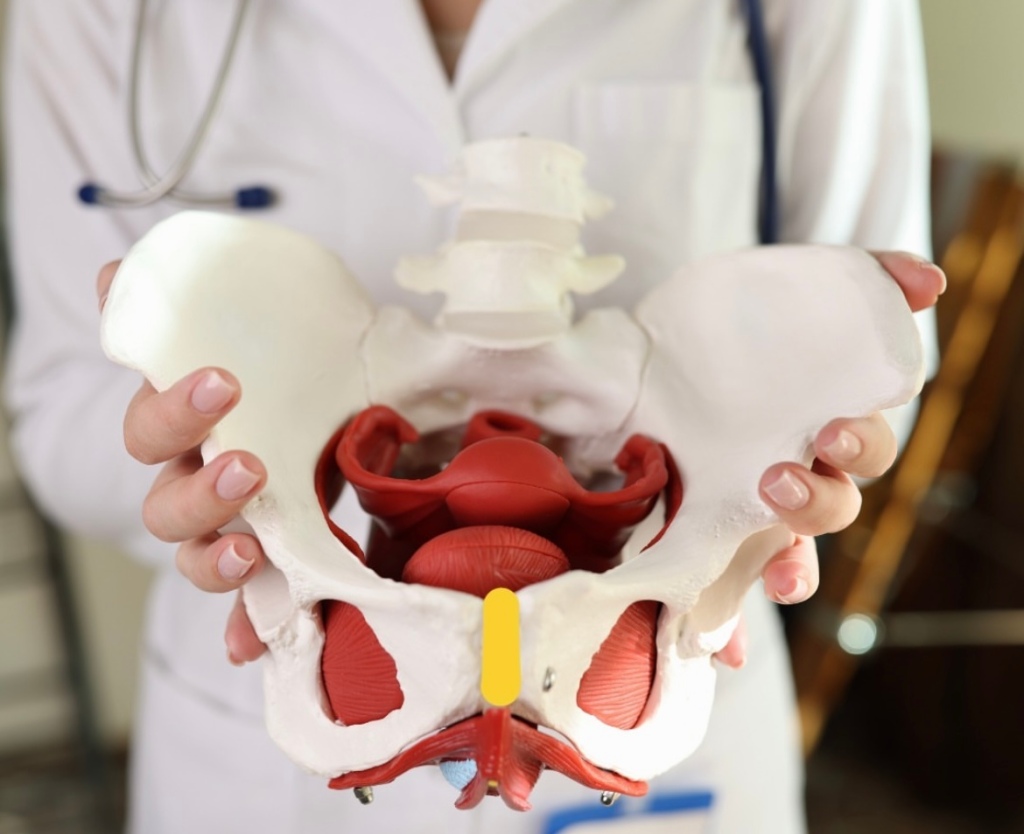
Everything You Need to Know about Pelvic Floor Therapy and IBD

Chances are you’ve heard of Pelvic Floor Therapy but may not know what this entails or why so many people in the IBD community are talking about it. Individuals with IBD can have persistent symptoms of fecal incontinence, constipation, rectal discomfort, and diarrhea, despite having their IBD in remission with medical therapy. These persistent and often debilitating symptoms can have a major impact on your wellbeing and quality of life.

This week on Lights, Camera, Crohn’s we hear from two gastroenterologists from Mayo Clinic along with several IBD warriors who provide insight, helpful guidance, and information about pelvic floor therapy.

What exactly is Pelvic Floor Therapy?

Pelvic floor therapy is a treatment program performed by pelvic floor therapists to retrain the pelvic floor muscles to address underlying issues such as constipation, fecal incontinence, or urgency. Many patients with IBD in remission may develop pelvic floor dysfunction which is usually diagnosed from a digital rectal examination in combination with an anorectal manometry test.

“During an anorectal manometry, a small catheter with sensor probes and a balloon is placed into the rectum and is connected by a wire to the computer. During the test you are lying on your side and asked to perform maneuvers to determine how your pelvic floor muscles work. At the end of the test, they inflate a balloon in the rectum to help evaluate for sensation and then ask you to simulate having a bowel movement by pushing the balloon out,” explained Dr. Katie Dunleavy, MB BCh BAO, Gastroenterology Fellow, Mayo Clinic.

Based on normal values for your age and gender, you may be diagnosed with a pelvic floor dysfunction. Dr. Dunleavy went on to say that in IBD, there is less research on the benefits of pelvic floor therapy.

“But we have seen benefit in up to 80% for patients in remission who continue to have symptoms of constipation, urgency, or incontinence once active inflammation is fully ruled out. Similarly, some patients with IBD undergo total proctocolectomy with ileal pouch anal anastomosis (IPAA) may also benefit from pelvic floor therapy if they have issues emptying their pouch,” said Dr. Dunleavy.

Additionally, those with IBD who’ve had pelvic floor surgeries might experience sexual dysfunction and this type of therapy directed towards relaxation of the pelvic floor can lead to a better sexual experience.

Pelvic Floor Dysfunction does not discriminate across genders

Any person can develop pelvic floor dysfunction and may benefit from treatment with pelvic floor therapy in the right setting.

“While most studies describe pelvic floor in females, I believe individuals from all genders deserve evaluation of their pelvic floor the recommendation for pelvic floor therapy. Furthermore, individuals of a transgender experience, might undergo gender affirming surgery that impacts their pelvic floor muscles, and would benefit from pelvic floor therapy,” said Dr. Victor Chedid, M.D., M.S., Gastroenterologist at Mayo Clinic.

Dr. Dunleavy says, “As many as 50% of people with chronic constipation have pelvic floor dysfunction, which means there is impaired relaxation and coordination of the pelvic floor and abdominal muscles during evacuation. Some common symptoms include straining with hard bowel movements, a feeling of incomplete evacuation, pain with intercourse, or urinary symptoms.”

Certain risk factors make it more likely for men or women to develop pelvic floor dysfunction, this includes instrumented vaginal deliveries, chronic constipation with straining, prior surgery, prolapse, and age. It is important for men and women to discuss symptoms with their doctor to ensure they get the appropriate testing and treatment.

Apprehensive about getting looked at?

It is important for people diagnosed with pelvic floor dysfunction to seek out a qualified pelvic floor therapist who is specialized in GI and evacuation disorders. These are generally physical therapists or occupational therapists who complete extra training in pelvic floor therapy.

“You should find a therapist you trust and will feel comfortable with during your therapy sessions. The therapists who work in this area are fantastic and work diligently to explain what they will be doing. My patients tell me that the relief they feel from therapy well exceeds the apprehension they had prior to starting sessions,” said Dr. Dunleavy.

It’s important for patients to feel comfortable talking with health care providers and addressing concerns they may have on this topic. Dr. Chedid typically discusses the benefits of pelvic floor therapy with patients during clinic visits as a beneficial treatment option that does not require surgery. He provides patients with exercises and techniques to do at home that will have a major impact on general wellbeing and health.

“Individuals with IBD experience significant “negative” experience with the bathroom and with defecation that can be quite traumatizing, and therefore when they get in remission, they still have a negative association with the bathroom and might have “fear of defecation” despite being in remission. I equate that to “PTSD of the pelvic floor”, which is not a medical term, but an analogy I use. Therefore, pelvic floor therapy is essential to reverse this negative experience with the bathroom and make their bathroom experience a healthier and satisfying experience. Almost all patients who I describe this to get it right away and understand the importance of pelvic floor therapy,” said Dr. Chedid.

He adds that it’s imperative health care providers communicate with patients and ensure that the therapy session will be a safe space with at rained physical therapist who is trained in empathetic and trauma informed care. This is essential in putting a person’s mind at ease, as many patients might have experienced sexual trauma in their lifetime that makes pelvic floor therapy triggering for them.

The impact of Pelvic Floor Therapy post operatively and after IBD pregnancy

If you’ve had a total proctocolectomy and an ileal pouch anal anastomosis (IPAA), you might experience non-relaxing pelvic floor dysfunction or pouch evacuation disorder. This is similar to the rectal evacuation disorder in individuals with pouches.

“Typically, this is identified by history, physical exam, pouchoscopy, anorectal manometry and dynamic imaging of pouch evacuation. Additionally, someone who has had any form of trauma to the pelvic floor, including Perianal Crohn’s disease or surgeries for Perianal abscesses or fistulas or lacerations due to vaginal deliveries after pregnancy, these patient might experience rectal evacuation disorders after recovering and healing. In the proper patient, if identified by history, physical exam and the right testing, these patients will benefit from pelvic floor therapy,” said Dr. Chedid.

At the same time, there isn’t a lot of research on pelvic floor therapy in the post-operative state or following pregnancy in patients with IBD.

“There have been several attempts to find normal values for patients with IPAA who have undergone colectomy to help diagnose pouch related pelvic floor dysfunction. We generally recommend patients wait until the anastomosis following surgery is completely healed prior to having an evaluation with a balloon to ensure no complications. Similarly, patients who have recently undergone delivery from pregnancy will likely require time to heal. I would discuss this with your doctor to have more personalized information,” advised Dr. Dunleavy.

If your GI recommends pelvic floor therapy for your personal symptoms and struggles the overall response is tremendous.

“Recommending pelvic floor therapy to everybody, without identifying the right patient who would benefit from it is not typically beneficial. Therefore, in the right patient, pelvic floor therapy is extremely effective,” said Dr. Chedid.

What IBD patients have to say

Stacey has ulcerative colitis and went from having an ostomy to becoming a j-poucher. She’s a big proponent of Pelvic Floor Therapy. After her 3-step surgery to j-pouch in 2021, she knew she needed at least an evaluation from a pelvic floor physical therapist (PFPT) after urination became a challenge and inserting tampons became impossible during her takedown recovery.

“My surgeon wouldn’t write me a referral, citing that the anorectal manometry tests prior to surgery were all normal. My GI doctor didn’t want to go against the clinical judgement of my surgeon, so I couldn’t get one from her either, and finally I received a referral from my OB/GYN after explaining that penetrative sex was impossible (and felt unsafe to me) to even attempt,” Stacey explained.

These delays resulted in 5 months of significant pelvic pain that she felt ill-equipped and under-supported to handle, and this time could’ve been saved if she had gone into surgery with a referral to see PFPT from the get-go, even if she didn’t need to use the referral; it would’ve been nice to have.

“It’s so wild to me that orthopedic surgery has extensive PT rehabilitation protocols, and yet I was met with such resistance to gain access to the professionals who could help support my muscular recovery, even after such extensive GI surgeries,” she said.

During Stacey’s initial encounter with the PFPT, she spent the majority of the visit trying to gain a strong understanding of her entire pelvic and holistic health history, everything from sexual health to physicality to surgery, and all the in-between.

“She asked for consent prior to any invasive exams and explained them in thorough detail, reminding me that I was in control and could always choose to stop an exam if I felt unsafe. She continued to breathe with me during the exams and communicated her findings in real-time, which made me feel at ease. At the conclusion of our visit, I was told that I was experiencing hypertonic pelvic floor dysfunction from a decade of clenching for dear life trying to make it to the bathroom with mod-severe UC, even before my surgeries. The tightness of the muscles, coupled with three extensive pelvic surgeries, contributed to the pain and issues I was experiencing,” said Stacey.

During the visits with the PFPT, Stacey discovered she had no awareness of her pelvic floor muscles whatsoever. She could not distinguish the relaxation of the muscles from the contraction, and the entire area felt numb to her, like it was a holy, empty space. She says this made the exercises challenging to understand initially. She was prescribed specific exercises, not Kegels, including strategies to gain awareness of supportive muscle groups so she could begin to engage with this part of her body and start to heal.

“What I did not expect, however, was for this experience to be as enlightening and empowering as it was. Slowly but surely, the little life things showed me that they’re the big life things: being able to fully urinate in under 20 minutes, FINALLY being able to use tampons again- these were MASSIVELY important to my quality of life, and they became possible through the help and support of a PFPT and my adherence to their prescribed exercise regimen. I even realized one day while holding one of my exercise poses that I could feel the muscles DEEP in my abdomen! They felt heavy, full of pressure, as if they fired on to greet me, and then suddenly… I could feel them gently, slowly, RELEASE. I cried tears of relief realizing that I had been fearful of reconnecting with these muscle groups, and it really was safe and okay to be in my body.”

Stacey says she had NO idea these muscles existed, yet here they were. Had they been here all along?! She says she numbed them out from years of associating the deepest parts of her with pain from UC; and that her brain was protecting her. I truly wonder. All she knows is the day that she could FEEL her body experience relaxation and safety with FULL awareness of these pelvic muscles is the day that she knew that healing from these surgeries was going to be possible.

After one year of PFPT, Stacey “graduated,” not free of pain, but with the tools to know how to live within the ebbs and flows of pain. She tells me she still relies on the tools and bodily awareness that she gained through the experience.

Jessie was diagnosed with Crohn’s disease when she was 15 years old and after more than 22 surgeries later, at the age of 38, she says she completely underestimated how much her pelvic floor was affected over the years by the inflammation, surgeries, and her pregnancy.

“I was “guarding” badly (a response to pain) and so weak. I was having bladder issues, pelvic pain, rectal pain and so much more. After 2 years of being consistent going to pelvic floor therapy and doing the exercises I can say I’m about 85% better. I can’t say enough how much of a HUGE difference pelvic floor therapy made in my life and my IBD journey. My therapist explained it to me like this “you don’t have orthopedic surgery on your knee, wrist, ankle, spine, etc. and not get prescribed physical therapy. Same with an injury. It’s just standard procedure. But, for some reason, even though your pelvic floor consists of tons of muscles, ligaments, tendons, bone, etc. the same process is not considered – but IT SHOULD BE!” Your pelvic floor needs to be rehabbed after any injury, strain, surgery, etc. just like any other muscle/tendon/ligament/bone in your body,” explained Jessie.

Claire started PFPT because all imaging and tests showed that while her inflammation is under control, she still experiences extreme pain.

“I was tested, and they found I have dyssynergic defecation. This was caused by my chronic pain due to long-lasting fissures as well as chronic constipation. I’m grateful my GI thought to have me tested for this, as many don’t make that connection since the symptoms are so similar to Crohn’s. During PT, I have learned that my muscles do not relax and are constantly tense, so we work on trying to get them relaxed in order to successfully pass bowel movements. Like all other PT, one downside is that it is a lengthy process and takes up a lot of time. I have a one-hour appointment every week for 12 weeks and an hour or two of exercises and stretches on my own every day.”

She says she’s started to notice improvements and found ways to make her pain more bearable, though it’s something she will have to continue working on for a long time.

Tiffany has accessed pelvic floor therapy for herself and having previously been a physio and a fellow Crohnie, she recommends people speak with their doctors because it can make a world of difference, especially after surgery, hospitalization, or a flare.

“The neural connection we have to our trunk and pelvic muscles can be re-trained and strengthened, allowing less pain, and for me an improved sense of control over urgent bowel movements.”

Preslie was diagnosed with Crohn’s in June 2016, and after two years of battling severe symptoms, she had a colonoscopy that showed she was in remission. It may sound like lovely news, except Preslie was still living with a ton of pain, so her and her care team started digging for answers.

“This led to an Endometriosis diagnosis in August 2018. That was great news, except I STILL was not getting relief, and started having severe burning anytime I urinated, but always tested negative for UTIs. I went to a male urologist who told me I was just constipated, which was not the case. After well over a year of extremely painful sex, constant pain, and burning when I peed, I went to a urogynecologist who talked with me for less than 10 minutes and had the diagnosis: Interstitial Cystitis and Levator Ani Syndrome. I finally felt heard. I started pelvic floor therapy shortly after and immediately felt relief.”

Rocio says pelvic floor therapy was recommended to her by a home health physical therapist who was treating her for neuromuscular issues after bowel resection surgery for her Crohn’s in 2020.

“During my resection recovery, I was struggling tremendously with constipation, which was unfortunately always my issue with my IBD. Although uncommon, it’s been my reality for the last 20-plus years. The reason I share this is because I wish someone would have recommended pelvic floor therapy to me over all those years.”

She began seeing a pelvic floor therapist in January 2021 and completed two years of treatment. During that time, Rocio says she learned a lot about the intricacies of all the muscles, the nerves, the internal blood flow, and so much more. Because of two fistulotomies and a stricturplastly, she has numerous anatomical issues which prevent her from having normal bowel movements.

“Pelvic PT changed that completely and I have normal/formed BM’s every single day, without any signs of constipation and without any straining. I’ve learned ways in which I can help relax and release the pelvic floor should I face issues in the future.”

Separately, Rocio has learned how beneficial pelvic floor therapy is for many IBD patients post-operatively, including the ileal resection she had. Her therapist worked on her abdomen significantly during appointments to prevent adhesions and scar tissue. She says there are so many benefits to pelvic floor therapy that it does make her wonder why more IBD health care providers aren’t encouraging patients to pursue care.

Annie started pelvic floor therapy two weeks ago. She was referred based on suspected interstitial cystitis, not her IBD. She was shocked to learn during her first appointment that treatment was for all conditions that involve urgency of any kind.

“The game changer was the pelvic exam itself, I never realized what my PT noticed right away, which is that my first layer of pelvic muscles are unnaturally sensitive. This is massively helpful for IBD and IC, but the most validating part was having a lifetime of excruciating intercourse and painful pap smears and knowing the reason. My PT told me this is not how my life has to be. After just two weeks of exercising my pelvic muscles with a vaginal wand and daily targeted yoga, my urgency, both with my Crohn’s and IC, has gotten so much more manageable. I started this journey running to the restroom every 30 minutes (even at night), now I feel like I’m starting to get my life back.”

Jasmine says pelvic floor therapy helped her a ton following j-pouch surgery.

“I truly believe it should be integrated into post-op care plans, I had to seek it out and ask for it.”

Amy says that while she doesn’t have experience yet with PFPT, she has a complicated Crohn’s history for the past 25-plus years. Now that she’s over 40 and has had three vaginal births, she recently asked her doctor about pelvic floor therapy.

“Because of all the IBD women sharing their journey with this on the Internet, it inspired me to look into therapy for myself. In my first request, the response was that it might be a fantastic idea, but to wait and see. My next visit is in a couple of weeks and I’m looking forward to utilizing this article to share and take with me to help me advocate for myself.”

A look at the insurance piece

Yes, pelvic floor therapy can be covered by insurance, but it can vary based on the type of insurance. It is also important to ask about coverage for biofeedback therapy which is an essential part of the therapy based on prior research studies. Many insurance companies will need proof of diagnosis using an anorectal manometry with balloon expulsion test or defecating proctogram.

“If the proper indication based on testing is identified with the referral to pelvic floor therapy with a script written by someone’s GI provider, then typically insurance should cover it,” said Dr. Chedid.

Closing thoughts on Pelvic Floor Therapy and IBD

It is important to discuss with your doctor if pelvic floor therapy is right for you. Once patients with pelvic floor dysfunction have these basic tools, they can begin retraining the pelvic floor muscles with biofeedback. Biofeedback provides auditory and visual feedback to help retrain the pelvic floor and relax the anal sphincter. Biofeedback training is the treatment of choice for medically refractory pelvic floor constipation, with some studies showing improvement in more than 70 percent of patients. Patients also learn to identify internal sensations associated with relaxation and long-term skills and exercises for use at home.

At Mayo Clinic patients have had more than 70% response at 3 months following initiation of pelvic floor therapy. The response usually takes weeks to months to see a clinical difference and requires patients to practice their exercises and biofeedback at home.

“Although many centers are familiar with retraining techniques to improve pelvic floor dysfunction, few have the multidisciplinary expertise to teach patients with constipation how to appropriately coordinate abdominal and pelvic floor muscles during defecation, and how to use bowel management techniques, along with behavior modification, to relieve symptoms. Because pelvic floor dysfunction can be associated with psychological, sexual, or physical abuse and other life stressors, psychological counseling is often included in the evaluation process,” said Dr. Dunleavy.

If you have chronic pain, you may also need to see a physician to have these issues addressed prior to starting pelvic floor therapy.

Key takeaways from fellow IBD patients

  • PTs are an excellent resource, but just like getting an IBD-ologist is superior to a general GI doctor, PFPTs are an even stronger resource, ESPECIALLY in the context of chronic GI disease where so many of our deepest muscles are constantly working on our behalf.
  • You can always say “no thanks!” You don’t need to agree to any sort of exams or exercises that you’re not ready for, and a compassionate PFPT will empower you to make decisions and communicate in alignment with your body’s needs. 
  • ANYONE can benefit from PFPT: any age, any gender. 
  • Normalizing pain and discomfort is a survival instinct, but it’s not necessarily serving you for the GOOD life- it’s okay to get evaluated if you’re concerned about sexual pain or dysfunction, pain with periods, or if you also have IBD and simply want to be sure that you’re supporting your pelvic and spinal muscles the best you can so that you can, especially in the bathroom!
  • YOU get to decide! Having an evaluation may be all you have the capacity for, and that’s okay! You can return for a plan of attack later, or you can wait until you have the capacity to dive in head-first! There’s no one right way.
  • If you decide while talking to a PFPT before they do ANY manual evaluations that something doesn’t feel right- YOU GET TO CHOOSE, and you can always, always say, “nevermind”. Advocating for your body is always progression in your healing journey, every single time.
  • SPEAK UP! It’s RIDICULOUS that patients have to ask and ask and ask for the bare minimum, but if it helps your quality of life and it’s within your capacity- it’s certainly worth it. 
  • A big deterrent for patients can be cost, but the investment is worth it, if you can swing it. You would be surprised how much every system of your body is so connected and feeds off one another!

Helpful resources to check out

  • Find a Pelvic Floor Therapist Close to Home
    • Utilize the “Section on Women’s Health” or the “Herman & Wallace” websites. Both these groups train therapists who specialize in pelvic floor disorders. 
    • The Section on Women’s Health (SOWH) website has a “PT Locator” tab. You can enter search criteria including your geographic location (e.g., zip code) and specialty (e.g., constipation) to identify a therapist closer to home.
    • The Herman & Wallace website has a “Resources” tab under which you will find a “Practitioner Directory.”  Use the map features to locate a therapist near you.
    • The therapists who work with pelvic floor disorders may be in Gastroenterology, Urology, Gynecology, Physical Medicine, and/or Women’s Health, etc. You may be able to find someone through your local physicians or contacts.

For those in Canada, check out the Canadian Physiotherapy Association. It has a “Find a Physiotherapist” tab which allows you to connect with the sites of participating provinces/territories. By specifying a “Women’s Health” therapist or equivalent, you may find someone who specializes in the field of incontinence, pelvic pain, constipation, etc. 

The benefit of pelvic floor therapy also involved patient education, relaxation exercises, diaphragmatic breathing, and correction of maladaptive toileting behaviors. Some studies have shown improvement in quality of life relating to symptoms, and mental health.

Biofeedback in patients with ileoanal pouch dysfunction: A specialist centre experience

AGA Clinical Practice Update on Functional Gastrointestinal Symptoms in Patients with Inflammatory Bowel Disease: Expert Review

Nonrelaxing Pelvic Floor Dysfunction Is an Underestimated Complication of Ileal Pouch-Anal Anastomosis

Gut-Directed Pelvic Floor Behavioral Treatment for Fecal Incontinence and Constipation in Patients with Inflammatory Bowel Disease

Pelvic floor behavioral treatment for fecal incontinence and constipation in quiescent inflammatory bowel disease

Pelvic floor dysfunction in inflammatory bowel disease

Opening doors and breaking down barriers for the LGBTQIA+ IBD Community

Healthcare for those with IBD in the LGBTQIA+ community looks a bit different. IBD often affects young adults, many of whom are just beginning to become comfortable in their sexuality and gender identity. This can be especially hard for LGBTQIA+ folks, who have already had to work through stigma and discrimination, and then have the additional burden of a new diagnosis of IBD. The LGBTQIA+ community is a big, diverse group of people and each person is unique.

This Pride Month on Lights, Camera, Crohn’s a close look at the most common concerns and patient experiences, helpful guidance to support the LGBTQIA+ community, tips for finding and communicating with your care team about your sexual orientation, and exciting news about how the University of California-San Francisco Medical Center is working to provide a safe space for patients.

You may not be aware that IBD symptoms can affect sexual function, colectomy and J-pouch surgeries can impact receptive anal sex, transgender people with active pelvic inflammation may have issues undergoing bottom surgery as part of gender affirming, and much more. The mere act of communicating with your care team can be an overwhelming and daunting experience.

Coming soon: An IBD Clinic specifically serving the LGBTQIA+community

Dr. Justin Field, MD, University of California, San Francisco, is passionate about supporting IBD patients who are part of the LGBTQIA+ community, as a gay man himself, he’s on the forefront of making the UCSF Medical Center one of the first in the country to have an IBD clinic geared towards treating IBD in the LGBTQIA+ community.

Currently there are two other clinics in the U.S. that specialize in treating LGBTQIA+ IBD patients, the Mayo Clinic in Rochester, Minnesota, run by Dr. Victor Chedid and Capital Digestive Care in Washington D.C. Dr. Jessica Korman, MD, specializes in LGBTQIA+ patients with all GI issues, including IBD. She also does anal cancer screenings.

“The clinic at UCSF is set to open this Fall and will offer comprehensive IBD care to anyone who is interested and will be a safe and inclusive environment where everyone involved in patient care will have special training in the unique needs and concerns of LGBTQIA+ patients. The clinic will offer screening for anal cancer, which is increased in patients with IBD, in men who have sex with men (MSM), patients living with HIV, those who have receptive anal sex, patients with prior cervical or vaginal cancers, and in those on long term immunosuppression,” said Dr. Field.

The clinic will also offer coordination between Gastroenterology and other specialties such as Colorectal Surgery and Transgender Care. For people who are interested, UCSF will offer the ability to participate in research that adds to the knowledge base about the unique needs of LGBTQIA+ people who have IBD.

“This clinic came from the realization that LGBTQIA+ folks often have unique needs that aren’t always addressed in other traditional settings. Also, patients often feel hesitant to fully discuss their sexual orientation and gender identity with healthcare providers due to fear of stigmatization or being treated differently. I wanted to create a safe space where patients can feel comfortable and empowered to be open with their healthcare team, and where they can receive the relevant expertise to meet their needs,” says Dr. Field.

Because LGBTQIA+ people have so often been left out of research (by not including sexual and gender diverse identities in research studies), having a dedicated LGBTQIA+ IBD clinic helps improve medical knowledge about how IBD affects LGBTQIA+ individuals, by allowing more patients to choose to participate in research.

“I have received incredible support from the University of California – San Francisco to start the clinic. The clinic continues to be a work in progress, and I’m continuing to seek out a wide variety of patient and provider input to ensure the clinic effectively serves the community,” explained Dr. Field.

Living with the stigma of IBD and being LGBTQIA+

CC Springhetti was diagnosed with ulcerative colitis when she was 12. She’s has an ileostomy and says sometimes she jokes that the universe keeps punishing her with stigmatized labels.

“I’m a woman, gay, AND I have a disability now?! In all seriousness, I try to view all my labels as gifts. They each make me who I am, and though it’s taken me some time to get to this point, I’ve learned to be proud of who I am and what I have. I know that sharing my life helps normalize and de-stigmatize IBD and queerness. Representation is so important, and being able to show up exactly as I am to show that you can be queer with IBD and still live a full life is a precious gift I have been given.”

CC and her wife share their life online and have been the target of extreme hate and prejudice. They’re received hundreds of threats.

“It can be draining to keep up with the amount of comment/message removal needed to keep our internet pages safe for young viewers and it’s incredibly disheartening on a regular basis. I sometimes give myself several days away from social media just to clear my mind – the hate and threats cause so much stress, and it can be difficult to separate internet life from real life. Those of us with IBD know how stress can affect our bodies, so this is a constant issue I am still working through every day.”

CC says when she’s admitted to the hospital, she’s dealt with the stress of her partner not being taken seriously of being allowed to make big decisions during emergency situations.

“We live in the south in the United States – it sometimes can be difficult for us to know who is able to separate their work life from their personal beliefs. When you’re in a hospital setting there really is no knowing, and this is something we always try to stay vigilant about and are very communicative with our care teams about what our needs and wishes are.”

The impact of IBD on sexual function

Brad Levy started to experience IBD symptoms in January 2022. He was diagnosed with Crohn’s the following month. His dad has ulcerative colitis, which sped up the diagnosis process significantly. Along with having Crohn’s Brad is a married gay man and a dad. Shortly after his diagnosis, Brad started to worry about how his disease would impact not only his life in general, but his intimacy with his husband.

Dr. Field explains why IBD can have such a big impact on the sex lives of LGBTQIA+ people.

“Receptive anal sex is an important part of sexuality for both LGBTQIA+ and non-LGBTQIA+ people but is especially important in this community. IBD often involves inflammation around the anus or in the rectum and this can make sex difficult or painful. For transgender folks, active inflammation in the pelvic area can affect their ability to undergo gender affirming surgery, so it’s especially important to address any pelvic inflammation.”

Brad says, “There is some shared stigma around IBD and being a gay receptive partner. Specifically, within the gay community there can often be some unrealistic expectations about how “cleaned” out you should be before engaging in receptive sex. The reality is though that shit happens, quite literally. The shame and judgment around a critical and natural bodily function such as elimination needs to end.”

Overcoming the fear of judgement and finding a care team you can openly communicate with

Talking about sex, sexual orientation, and gender identity can be scary as a patient, because often those in the LGBTQIA+ community have prior experiences telling people about their sexual orientation or gender identity which may have been met with rejection or judgement.

“Historically, the medical community has treated the LGBTQIA+ community poorly and considered LGBTQIA+ identities as pathologic. This historical context is important because there are very logical reasons patients aren’t comfortable talking about this with their doctors. In some areas, it truly isn’t safe for LGBTQIA+ individuals, especially the trans and non-binary community,” said Dr. Field.

Now more than ever, there are lots of affirming healthcare providers. Individual providers and practices can take measures to ensure a LGBTQIA+-friendly healthcare setting (For example, by following these recommendations put forward by the American Medical Association.

Demonstrating to patients that they are in a safe space to talk about their sexuality or gender identity can go a long way in facilitating sensitive conversations. Providers can seek additional education on sexual health in gender and sexual minority patients, so that they feel more capable of addressing the needs of the IBD community.

Dr. Fields says, “Providers should know it’s ok to make mistakes when it comes to addressing diverse sexual orientations and gender identities. What’s most important is that we acknowledge the mistake, apologize, and move on.”

CC is a firm believer that your doctor should be someone you never lie to. Honesty will help you navigate problems and solutions in a sensitive manner.

“I remember I was nervous to share with my gastroenterologist that I was gay. Whenever I referred to my partner and he responded back to me with questions or comments, he would always say “boyfriend” or refer to my partner as “he”. It felt scary to correct him (especially after all of these years) so I just didn’t. I was nervous it would embarrass him or make him feel silly, and I always want to protect people from that when I don’t feel they deserve it,” she said.

Then one day, CC was at a different doctor and she made sure to share to share that she was married to a woman and had been in a same-sex relationship exclusively for a number of years.

“I had this doctor add this information to the top of my medical chart. Now when I go to any doctor and they pull up my chart, they can see that I’m gay and can provide sensitivity to me in that way when speaking to me.”

Seeking out LGBTQIA+ affirming healthcare providers

Patients can feel empowered to seek out LGBTQIA+ affirming healthcare providers like Dr. Field.

  • Find providers with a special interest in LGBTQIA+ health. Patients can also look at lists such as the LGBTQIA+ Healthcare Directory.
  • Patients should feel empowered to be their own advocate. It’s a patient’s right to have their sexual health needs met and to receive care that is affirming of all genders.
  • Patients can bring a list of items that they want to discuss to a visit, and it’s best to mention those at the beginning of a visit to help set the agenda. It’s also always ok to seek a second opinion if you feel like your provider hasn’t gotten a satisfactory answer to your questions or if you feel another provider perspective would be helpful.

“Having a GI doctor you trust and feel comfortable enough to discuss your sexuality with is so important. When having receptive anal sex, things happen sometimes, such as tears, and you want to be able to talk with your GI doc openly so you can triage whether something is related to your IBD or not,” said Brad.

Additional IBD screenings for the LGBTQIA+ community

According to Dr. Field, men who have sex with men that are living with HIV should be screened for anal cancer.

“Other at-risk groups for anal cancer are men who have sex with men over age 40, people with prior cervical or vulvovaginal squamous cell cancer, patients that have receptive anal intercourse, and those with multiple sexual partners,” he said.

The risk of anal cancer is increased in patients with IBD, and doctors are continuing to learn more about this risk through ongoing research studies. Screening for anal cancer is with a rectal exam and a swab of the anal canal, called an anal pap smear. If these are abnormal, they must be followed by a procedure called a High Resolution Anoscopy, which is the best test for detecting anal cancer and its precursor.

“Anal cancer is caused by HPV, and there is a vaccine against HPV. Anybody who has not received the HPV vaccine, regardless of age or gender, can talk to their doctor about HPV vaccination. Currently, the CDC recommends HPV vaccination regardless of gender up to age 26 to prevent HPV related cancers, and the vaccine can be given up to age 45 on a case-by-case basis, if it’s felt it would benefit,” said Dr. Field.

Brad lives in the Chicago suburbs. As a result, he says the attitudes towards the LGBTQIA+ community are generally that of acceptance and love.

“I have always had a gay primary care physician because I want to make sure I am comfortable discussing any health issues with them. My GI is also aware of my sexuality, and we’ve had candid conversations about what intimacy looks like during a flare and what vaccines I should consider. For example, my GI recommended I receive the Gardasil HPV vaccine based on my sexuality and increased risk.”

Other cancer screenings to keep in mind are Colon cancer screening for all patients, Cervical cancer screening for patients who have a cervix, and skin cancer screening for all patients who have received immunomodulators, small molecules, and biologics.

“Much of the existing research on things like sexual health and surgery in IBD didn’t ask participants about their gender identity, sexual orientation, or typical sexual practices. This can leave both patients and providers at a loss for answers to sexual concerns,” said Dr. Field.

More and more, sexuality and gender identity are being included in research studies, and this will paint a clearer picture about how many LGBTQIA+ people are impacted by IBD, and how the course or experience of IBD is similar or different between LGBTQIA+ and non-LGBTQIA+ individuals.

Juggling a love life and fatherhood with IBD

Brad and his husband have been together for 13 years, so luckily communicating about his IBD has come easy.

“But I can recognize for others, in shorter relationships or dating, this isn’t always the case. All I can recommend is transparency and having a partner you feel you can be honest with. There will be times (such as a flare) where intimacy will look different. You want your partner to know that it’s because of your IBD activity and not because of them or some issue with your relationship,” said Brad.

As the years go by, Brad says the more authentically he lives, the happier he is. For him, that means living as an out gay man who has an amazing family. It also means living with Crohn’s disease, Anxiety, and Depression. Brad is open about his health struggles with family, friends, and close colleagues/bosses. He says transparency has served him and his relationships well.

As an IBD Dad to a five-year-old girl who is on the spectrum, Brad says focusing on self-care to help manage stress makes all the difference.

“Focusing on self-care enables me to show up as an active and healthy dad. My self-care includes hopping on my Peloton (#ThatDadBrad for the Peloton readers), bi-weekly therapy, monthly massages, and getting my nails professionally done. While not all these activities are for everyone, I strongly encourage folks to pour into their own cup or put on their own mask first. You can’t fully show up for you me kids and your family if you’re not grounded and the healthiest version of yourself, whatever that looks like for you.”

Brad wants to reiterate that his experience as a cis gay white man is “only one voice (and a privileged one at that) out of the vast and vibrant LGBTQIA+ community.” You can connect with Brad on Instagram at: @bssl.

CC says there are a number of ways our IBD community can show support. You can follow CC on Instagram at: @ccspringhetti.

“We’re all human, and I would encourage the IBD community just like I would encourage any community to show your support during Pride month and all year long through any means appropriate for your situation. Support LGBTQIA+ owned businesses, hang a Pride/Progress flag, post your support on social media, or even attend your local Pride events! If you’re ever looking to support a good LGBTQIA+ charity, I always suggest The Trevor Project.”

Certain roadblocks and issues that are a concern to one person, may not bother another. Just like every IBD patient, regardless of sexuality, the experience is unique. We all need to feel seen, understood, and respected, as one united IBD family.

Dr. Field’s views are his own and do not represent the University of California San Francisco.

Safety Labs and IBD: How often are blood tests necessary?

July marks 15 years since I started my journey taking a biologic injection to manage and treat my Crohn’s disease. Since that time, I’ve had routine “safety labs” every 3-6 months, depending on my gastroenterologist. You may be familiar with safety labs, or you may wonder what I’m talking about. I’ve been seeing my current GI for almost 8 years, and she’s adamant that I get labs every 3 months to make sure my disease is closely monitored. If I fail to get labs every 3 months, per her orders, my prescription for Humira is unable to be filled by my specialty pharmacy.

I ran a poll on Instagram and asked, “If you are on a biologic, do you get safety labs every 3 months?” Of the 175 people who responded, 41% said “yes”, 36% said “no”, and 23% had no idea what safety labs are. This week on Lights, Camera, Crohn’s we take a closer look at the reasoning and purpose behind safety labs, and we hear from esteemed and world-renowned gastroenterologists Dr. David Rubin, MD, Section Chief of Gastroenterology, Hepatology, and Nutrition at the University of Chicago Medicine and Dr. Miguel Regueiro, MD, Chair, Digestive Disease and Surgery Institute, Professor in the Department of Medicine, Cleveland Clinic.

What is a safety lab?

Safety labs are to ensure that patients are not developing a complication from a medication that they may not feel. 

“For example, kidney or liver function tests that may show an abnormality before a patient has damage to those organs, or problems. Or a white blood count that lowers in a patient on certain immunosuppressive therapy – something they may not “feel” until the immune system gets low enough to develop an infection,” explained Dr. Regueiro. 

The periodicity of labs for “safety” are often taken from the clinical trial designs, rather than the likelihood that something is going to change within that period of time.

“Routine labs while on therapies for IBD is important and patients can and should keep track and ask for them at least twice a year for most of our therapies. For many of these, there are gaps in our understanding whether the interval (every 3 months for example) is the right one or makes a difference. We certainly know it takes time for patients to do this and costs money too. Some of my colleagues withhold refills as a safeguard to make sure patients get their labs. This may be more punitive than necessary, but it is one way to make sure this is getting done,” said Dr. Rubin.

When I get my labs done every 3 months the following blood tests are ordered by my GI:

  • CBC w/Auto Differential
  • Hepatic Function Panel (Liver Panel)
  • Vitamin D 25 Hydroxy (I am deficient, so we keep a close eye on this)

If there is concern about inflammation or anemia, then my GI also adds:

  • Sedimentation Rate, automated
  • High Sensitivity CRP
  • Iron Profile with IBC + Ferritin
  • In the past, if there’s concern about my response to Humira we do a “trough level” to see if I’ve built up antibodies to my therapy and to measure how much medication remains in my body right before I am scheduled to do another injection.

It’s important to know, since I started seeing my GI two months after my bowel resection surgery in 2015, I have been in remission. So, the concern about inflammation and needing to take fecal calprotectin tests has been few and far between. When we were in the middle of the pandemic, rather than an annual colonoscopy, my doctor had me do a fecal calprotectin test at home to limit my risk of being exposed to germs in a hospital setting while my disease was well-managed.

“We recommend certain labs on patients taking IBD medications. Each medication will require a different safety lab monitoring strategy. Some brief examples, for mesalamine, checking kidney function tests within a couple of months of starting a medication and then once or twice a year. For thiopurines (6MP and Imuran) and methotrexate more frequent blood work initially, e.g., complete blood count and liver function tests weekly to every other week in the first two months after starting and then every few months thereafter,” said Dr. Regueiro.

Safety labs as a disease monitoring strategy

Generally, safety labs are done for medical health reasons to make sure that everything is ok while taking the medication. 

“Safety labs are “driven” by the physician or provider caring for the patient. The insurance company may require certain labs before starting or continuing a medication. For example, a tuberculosis (blood) test before starting an anti-TNF medication and then yearly while a patient is on the medication. Otherwise, the insurance company usually does not require safety labs for medication approval or continuation. Each case is different, and each insurance company is different,” said Dr. Regueiro.

“More important than pharma-drive lab recommendations—is that every patient should have a customized strategy to monitor their disease stability to detect relapses before there are clinical consequences. This is my new take home message for most of my lectures- in addition to “treating to a target” we must have “disease monitoring” as something that every patient has as part of their care,” said Dr. Rubin.

Chronic diseases like IBD tend to “drift away from control”, so it is good to keep an eye on things and this enables proactive preventive care.

Getting my safety labs in the thick of the pandemic

“For low-risk patients, that might be once a year, but for those who are on advanced therapies (biologics and the novel targeted small molecules), they likely need this approach more frequently. It is true that “knowledge is power,” and knowing that the disease has activated enables much better care,” explained Dr Rubin.  

Disease monitoring may involve blood or stool markers (calprotectin) or depending on where you live, intestinal ultrasound. Colonoscopy or CT scan/MRI is also recommended. Dr. Rubin tells me the key is identifying what is appropriately benchmarked and reliable and which approach is feasible and makes the most sense for the patient.

Why the onus is often on us

As you can imagine, 3 months comes quickly. If you’re like me, I see my GI in clinic two times a year (every 6 months). When I was pregnant, she would see me in the office every 3 months. Given that I see her twice a year, that checks off two of my four lab visits. As an IBD mom juggling life with three young kids, time can often slip away. I’ve found I must alert my nurse and GI about when and where they need to submit lab orders so I can take care of them the other two times a year at a Quest or LabCorp nearby. In the past there have been a few times where I’ve dropped the ball.

Coordinating life with chronic illness can truly feel like a full-time job. Just this week I spent an hour on the phone with my specialty pharmacy trying to organize my next shipment because there was an issue with my patient savings card. At the time, all three of my kids were running around like little banshees, yelling, and making it hard for me to hear the phone representatives. At one point, I had to lock myself in my laundry room. These aren’t calls that can wait. Patients need their medication; we can’t just hang up and re-visit the snafu at another time because it can mean we receive our biologic shipment late. This is one small example—of a behind-the-scenes look at life with IBD as a mom.

While getting labs four times a year may not seem like a lot, it does involve planning, time, and coordination for patients. My kids have joined me countless times in the stroller as I get labs done. Then, reading the results on the Patient Portal and seeing certain results too low or too high can cause anxiety and added stress. It’s a never-ending cycle.

Talking with your care team

If you’re only getting labs done once or twice a year, it may be worth having a conversation with your GI about the reasoning why and what you feel most comfortable with. Your care is not a one-way street. If you feel like you need a more hands-on approach, talk about this with your doctor. In talking with fellow IBD patients, many who are on infusions every 8 weeks, tell me they get labs every 16 weeks.

If you’re only getting labs done once a year, Dr. Regueiro says you don’t necessarily need to be alarmed.

“For a patient who has been on a medication like mesalamine or a TNF inhibitor for a long time, in remission, and doing well without prior lab test abnormality, once per year lab testing may be ok. However, a patient on Imuran or 6MP may need lab testing more frequently.”

As a veteran patient, who was diagnosed with Crohn’s nearly 18 years ago, safety labs have become part of how I manage my IBD. While annoying at times, these labs also give me a sense of relief. One final recommendation I have—don’t try and get labs done before or after your colonoscopy—I’ve tried this twice to try and kill two birds with one stone, and with being so dehydrated, it was not a pleasant experience. Being closely monitored through safety labs takes away much of the stress and worry that can come because of being on a biologic, and the possible side effects that can happen now and into the future.

A special thank you to Dr. David Rubin and Dr. Miguel Regueiro who took the time to offer their expertise for this article on the heels of Digestive Disease Week (a HUGE conference they both actively participate and present at). Having their insight on topics like this that matter to patients means so much.

Anemia and IBD: Underdiagnosed and Undertreated

One in three people with inflammatory bowel disease (IBD) has iron deficient anemia. This common, but often underrecognized and undertreated extra-intestinal manifestation impacts so many of us. You may wonder why. The reason is three-fold.

First being that long-term irritation and inflammation in our intestines can interfere with our body’s ability to use and absorb vitamins and minerals properly. When our intestines don’t absorb enough iron, folate, B12 and other nutrients, our bodies are unable to create more red blood cells. Those with IBD are also at risk for blood loss—both visible and microscopic and we often don’t eat as much iron-rich foods. So, what can we do to boost our reserves and increase our energy? How as patients can we better advocate for ourselves to stay on top of screenings? This week on Lights, Camera, Crohn’s an in-depth look at anemia in both adult and pediatric patients and input from Dr. Alka Goyal, who recently co-authored a major study on pediatric anemia.

Symptoms to watch out for

As someone who was diagnosed with Crohn’s disease in July 2005, I experienced anemia long before my diagnosis. I often wonder if my anemia was a warning sign of the larger issue, my IBD. In fourth grade, I fainted on the teacher’s desk while waiting for her to look at an assignment. Throughout my life I’ve experienced light-headedness, weakness, black outs, and extreme fatigue. My symptoms were never addressed prior to finding out I had Crohn’s. A simple lab test would have shown all along. When I was diagnosed with IBD and hospitalized my hemoglobin was a 7. To give you an idea, people are given blood transfusions once they drop to 7 (or below). Throughout my 18 years with IBD, my hemoglobin was rarely ever in “double digits”—and I took over the counter iron supplements for years.

Once I had my bowel resection surgery in 2015, my iron panel slowly started to improve. It  takes time. Last month, I had my “highest” hemoglobin since diagnosis, ever—12.9 (which really isn’t that high, but I’ll take it!). It’s difficult to put the fatigue caused by anemia into words, but you can physically tell such a difference when your iron panel is where it needs to be.

When you have anemia, you have less blood carrying oxygen throughout your body. The most common symptom is feeling tired or lethargic. Other symptoms include dizziness, headaches, feeling cold, pale skin, being irritable, and shortness of breath. Not everyone experiences symptoms, so it’s important as a patient to speak with your GI about making sure that when you get labs, an iron panel is part of the workup.

Screening for Anemia

Anemia screening is driven by patient symptoms and/or a care provider’s recognition of lab abnormalities. It’s important to note that anemia is not *just* a low hemoglobin, all the lab figures matter. With iron deficiency anemia (IDA), red blood cells are smaller and paler in color. Your hematocrit, hemoglobin, and ferritin go hand in hand. Ferritin helps store iron in your body. Iron deficiency anemia is the most common type of anemia and is caused by a lack of iron-rich foods, malabsorption, and blood loss.

Other types of anemia include vitamin deficiency anemia and anemia of chronic disease. Vitamin deficiency anemia is a result of poor absorption of folic acid and vitamin B12. My GI has me on daily folic acid. Luckily my B12 has never been an issue, but it’s worth a discussion with your care team. If you’re deficient, you can receive B12 injections. Diseases such as IBD and other inflammatory diseases can interfere with the production of red blood cells. When this happens anemia can often only be resolved once remission is reached or inflammation calms down.

In order to address the need for improved patient management, the Crohn’s and Colitis Foundation created the Anemia Care Pathway (ACP) to standardize clinical management of anemia in IBD. This pathway helps to identify high-risk patients so that timely intervention and care can be provided. The hope is that this pathway will improve patient outcomes and our quality of life. Patients are assessed based on the severity of their anemia and iron stores to determine the type of iron therapy (intra-venous or oral) that is best suited.

The importance of accurately diagnosing the type of anemia you have

According to the PubMed study, Management of Anemia in Patient with Inflammatory Bowel Disease, despite iron deficiency anemia impacting one third of IBD patients, “more than a third of anemic ulcerative colitis patients are not tested for IDA, and a quarter are not treated with iron replacement therapy.” While oral iron tablets are effective for treating mild IDA, it’s not for everybody. The study also notes, “it is important to recognize that ferritin is elevated in chronic inflammatory states and among patients with active IBD, ferritin levels less than 100 are considered to be diagnostic of iron deficiency.” Iron infusions have a solid safety profile and can be used to help boost your iron stores and prevent future iron deficiency.

While treatment goals are well-defined, selecting a treatment is often not as straightforward. The PubMed study previously mentioned recommends that all IBD patients with IDA should be considered for oral supplement therapy, whereas someone with clinically active IBD, or someone who is not tolerant of oral iron, with hemoglobin levels below 10 g/dl be given IV infusions therapy. While oral iron is safe and affordable, some people experience GI issues from oral iron, it can also increase inflammation and contribute to flares in patients who are not in remission.

A study published in August 2022, entitled, “Ironing It All Out: A Comprehensive Review of Iron Deficiency Anemia in Inflammatory Bowel Disease” claims approximately 45% of patients with IBD are anemic—which is a more than what’s been reported (33%) for years.

“Though intravenous (IV) iron is substantially underused, it’s considered first-line treatment for patients with active disease, severe anemia, oral iron intolerance, and erythropoietin (a hormone secreted by the kidneys that increases the rate of production of red blood cells in response to falling levels of oxygen in the tissues.)

Anemia in pediatric IBD patients

The most common cause of anemia in children with IBD is iron deficiency. It results from chronic blood loss, poor absorption, and less intake of foods that are rich in iron due to poor appetite, food selection or intolerance. According to the World Health Organization’s definition of anemia, prevalence in the pediatric IBD population ranges from 44% to 74% at diagnosis and 25% to 58% at 1 year follow-up.

Anemia can be both a biomarker of disease activity and a subtle or debilitating extraintestinal manifestation. According to, Anemia in Children With Inflammatory Bowel Disease: A Positi… : Journal of Pediatric Gastroenterology and Nutrition (lww.com), “newly diagnosed children with IBD are more likely to have IDA in contrast to anemia of chronic disease. No significant improvement in the hemoglobin was observed when patients were assessed after 13 weeks of induction therapy with conventional drugs that included nutritional therapy, azathioprine, steroids, and 5-ASAs. Despite the recognition of anemia, fewer than half of anemic patients received indicated iron therapy.”

Dr. Alka Goyal, MD, Clinical Professor of Pediatrics, and Interim Associate Chief of Clinical Affairs at Stanford University of Medicine, co-authored this study on pediatrics and tells me the key message is that anemia is the most common extraintestinal manifestation in patients with IBD.

“More than 2/3rd of children with IBD are anemic at the time of diagnosis. The treatment of IBD alone does not resolve anemia, which can be associated with a variety of symptoms. Persistent anemia indicates a more aggressive disease course,” said Dr. Goyal.

Hemoglobin levels across genders and race

According to the study, hemoglobin levels are similar in preteen boys and girls; however, after menstruation, the cutoff hemoglobin in girls is lower than in boys and is even lower in pregnant versus nonpregnant women. The African American population tends to have lower hemoglobin concentration compared with Caucasians.

“Although the normal range of hemoglobin varies with age, gender, and race, a hemoglobin level below 10 g/dL is considered to be consistent with moderate anemia and below 8 g/dL as severe anemia, whereas in young children below the age of 5 years and pregnant women, a hemoglobin level below 7 g/dL is deemed as severe anemia.”

Dr. Goyal says it’s important to monitor anemia regularly in all patients with IBD.

“Anemia can be an early indicator of active disease or an impending flare of IBD. When the body has inflammation, the iron stored in the body cannot be metabolized to help manufacture more hemoglobin and additionally there is suppression of normal blood production, resulting in anemia of chronic disease.”

Other causes include vitamin deficiency, medication side effects, or breakdown of red blood cells due to other inherited or disease-related complications.

“Patients should be monitored not just by symptoms, but also by blood tests like complete blood count, Ferritin, and markers of inflammation like CRP every 3 months when they have active inflammation and every 6 months when patients are in remission,” Dr. Goyal explains.

Bringing a dietitian on board to help

Registered dieticians who specialize in IBD can advise patients and families about foods that contain iron naturally. The iron in meats is more readily absorbed than that present in a plant-based diet.

Dr. Goyal says another important concept is food pairing.

“With food pairing, iron-rich foods like spinach, kale, and Swiss chard are ingested with citrus fruits, melons, or vegetables like bell pepper, broccoli, beans, carrots, tomato, etc. Avoid simultaneous ingestion of foods rich in dietary fiber, soy, cereals, coffee, tea, and animal protein like milk, and eggs. Children should consume at least three servings of iron-rich foods like fortified cereals, red meat, tofu, etc. The recommended daily intake of iron in healthy children is 7-11 mg daily,” says Dr. Goyal.

Treating anemia in the younger IBD population

When it comes to treating anemia, Dr. Goyal has helpful tips. She says it’s important to recognize and treat anemia along with the treatment of IBD and vice versa.

  • Oral iron can be tried in mild anemia when the hemoglobin is above 10 gm/dl, preferably given with juice or citrus fruits.
  • Avoid taking oral iron multiple times a day or in high doses.
  • Brush your child’s teeth after taking liquid iron.
  • If your child experiences side effects including abdominal pain, nausea, or constipation, and/or has no significant improvement with oral iron, it is safe to give intravenous iron.
  • Timely treatment may save a blood transfusion. excessive unabsorbed iron is not healthy for our digestive system, so avoid overdosing on oral iron. 

Patients with persistent anemia lasting for three or more years were noted to have a higher prevalence of more severe and complicated disease (stricturing and penetrating phenotype) with a greater need for surgical intervention.

Whether you’re an adult patient or a caregiver to a child or young adult with IBD, be mindful of the importance of keeping tabs on whether anemia is creeping in and hindering you or someone you loves quality of life. Have the conversation with your GI and make sure you are being vigilant and proactive about doing all you can to prevent, manage, and treat anemia.

No Bones About It: What the IBD community needs to know about bone health

Life with IBD is constantly waiting for the other shoe to drop. Expecting more trauma. Knowing in your heart of hearts the results won’t be in your favor. Preparing yourself mentally and emotionally for the worst. Gearing up for the next unexpected roadblock or hurdle. I felt all these things walking into my first-ever bone health specialist appointment Friday (4/7/2023). My bone scan in December 2022, days before Christmas, showed some remarkable deterioration in my lumbar spine since my previous scan in 2019. My GI called me a bit alarmed the same day I did my scan, and let me know it was imperative I follow up with a bone health doctor.

I felt nervous about what this meant for my future and let’s just say Google was not my friend. When you’re 39 and a busy stay at home mom of three young children, osteoporosis doesn’t really go with my flow. When I went to make an appointment, the bone health specialist was booked until December 2023…a whole YEAR from my previous bone scan. I felt helpless and didn’t know what I should do proactively to maintain my bone health and try and improve it. Reading up, it sounded like a simple abdominal crunch could cause vertebrae to compress and fracture. I felt scared to exercise or put any additional strain from my day-to-day on my back.

The week of Christmas I wrote to the bone health specialist directly by email about my health history and my concern for waiting a whole year. I received a phone call from her office shortly after the New Year and they got me in April 7, 2023…instead of December 2023. I was over the moon, but also a bit anxious about what this appointment would mean for my future.

What the experience at the bone health doctor entailed

It was a crisp, sunny, spring day in St. Louis as I parked my car, took a deep breath, and said a little prayer before walking into the medical building. The office required me to do another bone scan as their machine and readings are different from the hospital where my previous scans were taken from (even though they are the same medical system). When I laid on the table for the bone scan my mind raced a bit, I felt a little anxiety creeping in. I figured the results were going to be the same as before and that I was going to be approached about starting an additional biologic (which I was planning to push back on).

When the doctor walked in, she said I have “low bone mass” for my age. At this point, unless I’ve had a fracture, she said they wouldn’t use the term “osteopenia” or “osteoporosis”. According to the Crohn’s and Colitis Foundation, as many as 30 to 60 percent of people with Crohn’s disease or ulcerative colitis have lower-than-average bone density. Being that I am almost 40 and pre-menopausal, there’s what’s called the Z and the T-score. I wasn’t aware of this and needed to do research to understand this better.
According to the Bone Health and Osteoporosis Foundation, T-Scores compare bone density with that of a healthy person, whereas Z-scores use the average bone density of people of the same age, sex, and size as a comparator. Although both scores are beneficial, most experts prefer to focus on Z-scores for children, teenagers, premenopausal females, and young males. These scores are helpful for diagnosing secondary osteoporosis, which stems from underlying medical conditions (such as IBD), rather than primary osteoporosis which results from a person aging.

So my Z-score was -1.8…while zero would be optimal, given my nearly 18-year history living with Crohn’s, past steroid use, and the fact I’m Vitamin D deficient, the doctor was not overly concerned by that number.

We went through my patient journey with Crohn’s disease—each hospitalization, timing of steroids, family history, timing of pregnancies and breastfeeding, whether I have ever used birth control, if I had ever had a kidney stone…this doctor genuinely listened and wanted to get details about my full health history. I felt validated, seen, and heard, but also comforted that the main “concern” is moreso my Vitamin D deficiency than anything else.

What this means moving forward

To strengthen bones and slow down the rate of deterioration, lifestyle is key. Vitamin D and Calcium are vital. My GI currently prescribes me 50,000 IU of Vitamin D once a week, along with 2,000 IU of Vitamin D3 daily. The bone health specialist told me after I get my routine labs done in June, if my Vitamin D doesn’t improve that she would suggest going on 50,000 IU two times a week. Like many of us in the IBD community, we tend to have malabsorption problems due to past surgery.

Along with my typical labs from my GI, this doctor also added additional labs—Vitamin D, Renal Function panel, and parathyroid hormone (PHT) test.

As far as Calcium, she recommended trying to get it through diet versus a supplement. She suggested eating yogurt daily, cheese, fortified cereals/oatmeal, and drinking milk/almond milk, OJ with calcium, and eating leafy greens. With my age, the goal is to consume1,000 mg of Calcium a day. It’s important to note she said Calcium can cause constipation and bloating. Calcium is absorbed best when taken in amounts of 600 mg or less per dose.

In a helpful folder provided by my doctor, I learned that our bodies need Vitamin D to absorb Calcium. When you’re Vitamin D deficient like me, our bodies cannot absorb enough calcium from diet and take it from our skeletons, where Calcium is stored. This weakens existing bone and prevents the formation of new bone. You can get Vitamin D from different sources: through the skin, with diet, and by taking supplements.

When it comes to exercise, I have no limitations. My doctor recommended I avoid high risk activities like extreme snowboarding or powerlifting, which isn’t an issue for me!

Given that I do have lower bone mass, I have another bone scan scheduled for April 2024 along with another bone health appointment immediately following the scan. It does my heart good to know that we’re being proactive with annual scans, but conservative in our approach. Everyone who has IBD should be given a bone scan in order to get a baseline read and follow up with repeat scans every 2-3 years, unless there’s concerning findings. If you’re reading this and your GI has not communicated with you about bone health, it’s time to start the discussion.

Simply saying and hearing “low bone mass” from a patient perspective has a much better connotation than “osteoporosis”. The entire experience and appointment with my new specialist felt like a big win. The news was unexpected, and I felt like I could breathe a sigh of relief. One less health issue to worry about, but something that I’ll continue to keep tabs on.

Reliable Sources of Bone Health Information to Check Out

The National Osteoporosis Foundation

American Bone Health

Crohn’s and Colitis Foundation

Washington University Division of Bone and Mineral Diseases

NSAIDS and IBD: Are they really a no-go?

When was the last time you popped an aspirin or an Aleve for body aches, abdominal pain, or a headache? Chances are, if you have IBD, you’ve been told to refrain from doing so. People with Crohn’s disease and ulcerative colitis are told to stick to acetaminophen, or Tylenol, as it’s gentler on the stomach and not known to cause ulcers or aggravate IBD. While we’re still not supposed to take NSAIDs all the time, research is going on about whether it’s ok to take on an “as needed” or “short term” basis and if they truly put IBD patients at risk for a flare.

I ran a poll on Instagram asking those with IBD if they take NSAIDs. Of the 350 responses, 68% said no, 14% said yes, and 18% said only short term.

After my bowel resection surgery and three c-sections I was told short term NSAIDs were “safe” to help manage pain postoperatively. In full transparency, over the last year or so I’ve dealt with back pain that comes and goes and have felt the need to take NSAIDs on several occasions, but in the back of mind I know I probably shouldn’t be. I try and limit how often, and only took Tylenol for nearly 17 years. But, when the pain gets to be a bit much and I have to manage life with three little ones, sometimes I feel like I have no other choice. There’s been more and more talk lately about NSAIDs and IBD, so I wanted to take a deep dive and share what I’ve learned.

Dr. Shirley Cohen-Mekelburg, M.D., M.S., gastroenterologist and research scientist at University of Michigan and Director of the Inflammatory Bowel Disease Program at Ann Arbor VA Healthcare System, recently conducted a study that looked into how NSAIDs impact the IBD population. She says the best research questions come from clinical experience and this is a topic that comes up quite a bit from patients.

“We have been discussing the question of whether NSAIDs cause IBD flares for years, and there is no strong evidence directing us to conclude that NSAIDs definitely cause flares, nor that they are safe for use in IBD. As opioid use and abuse continues to rise, it is becoming more and more important to consider our non-opioid analgesic options. Ultimately, the idea for this study came about from discussions between the co-investigators on this study as to the clinical implications of this work, and the methods we have available to further investigate this important research question,” she said.

What the study found about NSAIDs and IBD

The study findings were not necessarily surprising.

“It is very difficult to study the impact of NSAIDs on IBD flares because prospective comparative studies are difficult to conduct for an over-the-counter medication such as NSAIDs, which is widely available to patients in various forms. Therefore, to demonstrate equipoise and justify the need for further safety and effectiveness work, we leveraged a large national database of patients with IBD.”

Dr. Cohen-Mekelburg and her team used a multimethod approach to understand the associations between NSAIDs and IBD flares.

“First, we looked at a traditional statistical method for examining associations between an exposure (i.e., NSAIDs) and an outcome (i.e., IBD flare). We then used more advanced techniques to demonstrate that this observed association may potentially be due to bias rather than a true association. These biases are well-established and important to consider when conducting observational research.”

It’s important to note that just because there’s conversation, interest, and research going on about NSAIDs and IBD, doesn’t necessarily mean there’s a change in clinical practice or current recommendations.

“This moreso inspires us to question our current knowledge in order to justify that further work is necessary to establish the safety of NSAIDs in IBD, and specifically, for what patients and in which contexts,” she said.

Why not taking NSAIDs as a patient isn’t necessarily clear-cut

Dr. Cohen-Mekelburg wants patients to know there is “no universal recommendation” for the “best way” to take NSAIDs if you have IBD, which is why many patients get mixed messages from clinicians and their peers. 

“In practice, we see that some patients take NSAIDs routinely without any adverse effects, and others may take NSAIDs for a short period of time with serious adverse effects. Ultimately, more research is necessary to better understand the safety and effectiveness of NSAIDs for IBD-related pain control.”

Just as IBD presents uniquely in each of us, our response to NSAIDs and what is safe or harmful needs to be further studied.

Dr. Cohen-Mekelburg says, “COX-2 inhibitors are NSAIDs that are more selective in their mechanism of action and are thought to carry a lower risk of gastrointestinal bleeding. However, they may carry a higher risk of other adverse effects, such as cardiac problems. Some clinicians have questioned whether these selective COX-2 inhibitors may be “safer” in IBD, but this is not known based on current evidence.”

Ultimately, the goal of Dr. Cohen-Mekelburg’s study was to bring attention to the topic of NSAIDS in IBD and to inform future work to better answer these important questions that both patients and clinicians need to improve IBD care and pain management.

Aspirin and IBD pregnancies

As an IBD mom of 3—ages 6, 4, and 20 months I recently learned that it’s recommended for women with Crohn’s or ulcerative colitis to take a baby aspirin during pregnancy. I was pretty shocked by this. Dr. Uma Mahadevan, M.D., Director, Colitis and Crohn’s Disease Center at UCSF, and Chair of IBDParenthoodProject.org, recommends all pregnant women with IBD start around week 12 of gestation. For those who don’t know, Dr. Mahadevan is at the forefront of the latest research and guidance when it comes to IBD and pregnancy research with the PIANO study (Pregnancy Inflammatory Bowel Disease and Neonatal Outcomes).

“Women with immune mediated disease, like IBD, are at higher risk of pre-eclampsia and related disorders (gestational hypertension). Going on baby aspirin has been shown to reduce that risk. The original trial was done in Europe with 162 mg, but in the U.S., we use 81 mg,” said Dr. Mahadevan.

She says this conversation is started with women during pre-conception counseling.

“Prior to these discussions, many of my patients were surprised and always checked with us. I tell them to take the baby aspirin with food and let us know if disease flares. Anecdotally they have all done well with respect to IBD.  As an FYI, aspirin can increase calprotectin, so that’s something to keep in mind if you are monitoring that,” said Dr. Mahadevan.

The idea NSAIDS trigger IBD flares is controversial. Are patients taking NSAIDS because they have a flare or did the medication trigger a flare? Dr. Mahadevan says it does seem that short term (a few times a month for headaches, menstrual cramps) is low risk for triggering a flare.

In summary, if you ask most GI’s, they will tell you that a “short course” (5 times a month or less) of NSAIDS when you have IBD is “ok”. If your symptoms worsen or do not resolve, then it’s time to communicate with your care team and possibly get some lab work to get to the bottom of what’s going on. When I was in pelvic floor therapy last year, my therapist recommended T-Relief Arnica +12 Cream. It’s a game-changer for me and alleviates pain in minutes. I rub a little on sore joints and my lower back and lay on the heating pad and don’t feel the need to take any medication. Tylenol Arthritis also helps with joint pain.

The jury is still out about whether NSAIDs exacerbate Crohn’s and ulcerative colitis, and further studies are needed. For general aches and pains, most GI’s recommend taking acetaminophen instead of NSAIDs if you have IBD. Have the conversation with your care team and be open and honest about how you are managing your pain whether it’s related to IBD, extraintestinal manifestations, or a completely different ailment.