Many women with Crohn’s disease or ulcerative colitis are diagnosed during peak childbearing years. Despite ongoing advances and strides in research, many questions remain about female fertility as it relates to IBD. This inspired Dr. Marla Dubinsky, MD and Dr. Zoë Gottlieb, MD at Mount Sinai Hospital in New York and Dr.Eugenia Shmidt, MD at the University of Minnesota to create The Women with Inflammatory Bowel Disease and Motherhood (WIsDoM) study. Since launching at Mount Sinai and the University of Minnesota in 2023 about 170 women with IBD have participated, and thanks to a generous grant from the Helmsley Charitable Trust, WIsDoM will continue to enroll participants until the end of August 2025. The goal—to enroll about 500 women across the United States and Canada by the end of next summer.
This week on Lights, Camera, Crohn’s we hear from these leading trailblazers in the IBD field to learn more about their aspirations for this monumental research study and how you can get involved.
The inspiration behind WIsDoM
Dr. Dubinsky and Dr. Gottlieb tell me they care for hundreds of women with IBD who are considering pregnancy, including those with a history of IBD-related surgeries.
“These women, along with their partners and families, often ask how their IBD or surgical history might affect fertility. Unfortunately, the available research on this topic is limited. Much of it comes from retrospective surveys or large database studies, which fail to give us a complete picture,” says Dr. Dubinsky. “Additionally, most of the existing data focuses on women who’ve had open J-pouch surgery for ulcerative colitis; given that many IBD surgeries, including J-pouches, are now done laparoscopically, this information is often not relevant to our current patients.”
They recognized the need for more comprehensive, up-to-date data to help answer these important questions to allow them to provide the best possible guidance for family planning to their IBD patients.
“Unlike previous research, WIsDoM gathers detailed, long-term data, allowing us to better understand the impact of IBD on reproductive health and identify potential risk factors impacting fertility in this population,” Dr. Dubinsky explains.
Main questions about female fertility and IBD that remain
We currently have limited information on how most IBD surgeries, other than open J-pouch surgery, may affect female fertility.
“Many of our patients with IBD have undergone other types of surgery, such as subtotal colectomy or small bowel resection, but we don’t yet know how these procedures might impact fertility. In addition, there is very little data on how other factors—such as the type of IBD, medications, the length of time someone has had the disease, other health conditions, family history, or sexual health—could influence fertility. Our goal is to give women a thorough understanding of how their IBD, along with their overall medical, social, and reproductive histories, might affect their ability to become pregnant,” Dr. Gottlieb says.
Who can participate in the WIsDoM study?
You must be:
A woman with IBD
Aged 18 to 45 years old
Planning to become pregnant in the next 15 months
Able to consent to participation
Live in the United States or Canada
Click here to hear from Dr. Dubinsky and Dr. Gottlieb firsthand.
What does participation involve?
When women join the study, they will be asked to complete an initial questionnaire that covers their IBD, surgical, medical, reproductive, sexual, and social histories. This will be the longest form you need to fill out and may take about 15 to 30 minutes, depending on your individual experiences. After completing the form, participants will receive a $50 gift card. You will also be asked to help obtain some of their medical records so additional information can be gathered about your health history.
“Once they are enrolled, participants will receive a survey each month. In this survey, they’ll be asked whether they’ve tried to conceive, whether they became pregnant, and if there have been any changes in their IBD, surgical, or reproductive health since the last survey,” says Dr. Gottlieb. “They’ll also be asked to describe their IBD symptoms, including whether they’re experiencing a flare-up or if their condition is well controlled. Participants will continue to receive these surveys monthly until they reach 12 weeks of pregnancy or until the study ends in July 2027, unless they choose to opt out.”
When the study ends (either at 12 weeks of pregnancy or the study’s conclusion), participants will receive an additional $50 gift card. If you become pregnant and experience a pregnancy loss, or if you become pregnant, have a baby, and wish to try for another pregnancy during the study period, you can re-enroll and continue participating.
Being proactive with family planning
When women and their families have a clear understanding of how their IBD, surgical, and medical histories may affect fertility—based on comprehensive, real-world data—they can make informed decisions about seeking fertility help sooner.
“This early guidance can help them get the support they need during the family planning process and avoid unnecessary delays in trying to conceive naturally if it seems unlikely to be successful. At the same time, it will also allow us to reassure some women that their fertility is likely to be similar to that of women in the general population, helping them avoid the financial burden of fertility treatments until they truly need them,” says Dr. Dubinsky.
Final thoughts
Through WIsDoM, we have a unique opportunity to make a meaningful difference in how women with IBD receive guidance about pregnancy and family planning. By gathering important data over time and using this to predict a patient’s risk of reduced- or infertility, medical providers can offer early support, including information on how surgery might affect fertility before a patient undergoes an operation.
“We hope that our findings will help change how healthcare providers support women with IBD when it comes to fertility, especially in terms of knowing when to refer patients to a fertility specialist. Currently, there are few clear guidelines on when to make these referrals, and we believe that, too often, we wait too long to offer women the support they need to conceive,” says Dr. Gottlieb. “This delay can impact their family planning and create unnecessary emotional and financial stress. Our goal is to use the data we gather to develop a risk calculator that will help us assess each patient’s individual risk for fertility issues, allowing us to refer them to the right resources earlier and give them the best chance to become pregnant successfully.”
Every patient deserves the most accurate and evidence-based information to make informed decisions about their family planning, and the hope is that WIsDoM will provide this valuable insight for women with IBD. As an IBD mom of three following bowel resection surgery, knowing that research like this is underway for current and future families does my heart good. By participating in IBD studies like WIsDoM, you help paint a clearer picture for how patients and families can be most supported during family planning and beyond.
Interested in learning more about WIsDoM and getting involved:
**This article has also been published on Tina’s blog: Own Your Crohn’s**
As two bloggers and patient thought leaders in the IBD community, we were thrilled and honored to attend and speak at the Advances in IBD conference in December 2024 in Orlando, Florida. In the article below, we come together to summarize key learnings for our IBD patient and caregiver community.
Management of Crohn’s Disease
Crohn’s can be a very progressive disease, meaning it can worsen over time and cause complications, often leading to fistulae, strictures, and therefore surgery and bowel loss. In a debate between two of the co-chairs, Dr. Miguel Regueiro and Dr. Corey Siegel, as well as throughout AIBD, a key theme was to understand if all Crohn’s patients need advanced therapies (biologics or small molecules) to prevent complications. A good suggestion was to identify those few patients who could be closely monitored but not necessarily put on an advanced therapy. The doctors agreed that almost all patients do need an advanced therapy to prevent progression of the disease. Dr. Siegel brought up an interesting point about risk-stratifying patients via a new blood test called CD-PATH, which allows physicians to better understand if a patient might be low-, medium-, or high-risk for progression of Crohn’s disease.
The conclusion at the conference was that early intervention has made a big difference in terms of improving long-term outcomes for patients. It was shown that there is an optimal time for treatment and missing that window can lead to progression of disease and potentially complications.
From stem cells for perianal Crohn’s to more options for fibrostenotic Crohn’s, many patients are waiting for more therapeutics to gain better quality of life. Patients, however, are also clamoring for more therapies for mild Crohn’s disease. There is a real void in treatment options for mild Crohn’s outside of dietary therapies and occasional use of steroids (< 1-2x a year). As patients ourselves, we advocate for more options whether that’s looking at S1Ps or new therapeutics that can help patients feel safe & comfortable that their disease is being treated.
Management of Ulcerative Colitis
In Dr. Millie Long’s talk on Defining Disease Severity in UC, she shared many pearls. Primary indicators of severity include appearance severity of disease on endoscopy and frequency of use of steroids (more often means another long-term therapy may be needed to quell inflammation). She said to also consider biomarkers (fecal calprotectin, C-reactive protein, etc.) and to keep in mind what prior therapies have been used. Dr. Long emphasized that UC can also progress like Crohn’s, and it is important to use treat to target strategies, including initiating therapy early, monitoring for disease activity using biomarkers and intestinal ultrasound, and aim for mucosal healing.
In Dr. Maia Kayal’s talk on what meds to consider if Mesalamine doesn’t cut it in UC, her key take-home message was, “Your first shot is your best shot.” She said it was important to plan wisely if you have mild to moderate UC and work carefully with your gastroenterologist to identify medication options. Dr. Kayal emphasized that certain biologics may be more effective as a first-line therapy rather than being used after one or two biologics haven’t worked, so to choose carefully. Even if mesalamine doesn’t work, there are multiple biologic options from anti-TNF agents to anti-IL-23 medications, and S1P receptors.
CurQD & IBD
Throughout the conference, CurQD received many notable mentions, which in randomized clinical trials showed efficacy in mild to moderate UC when mesalamine hasn’t cut it. CurQD is a naturally sourced formula. Cura is gut-directed form of curcumin that has been found to reduce inflammatory cytokines, restore barrier function, and positively alter the composition of the gut microbiome. QD (Qing Dai) is an extract of Indigo plants found in clinical trials to relieve bleeding, inhibit inflammation, and promote mucosal regeneration (Naganuma et al, Gastroenterology 2018, Ben-Horin et al, CCFA 2023). Dr. Kayal shared this placebo-controlled trial, that found CurQD was effective for inducing response and remission in active UC patients and has the ability to significantly decrease urgency.
Dr. David Rubin also touted CurQD as an adjunctive IBD therapy option, rather than a singular therapy, much like diet. He said while it may be beneficial, patients need to be cautious about sudden pain or obstructive-like symptoms and communicate how they’re feeling with their doctor.
Insurance barriers
Patients and providers have an uphill climb when dealing with insurance barriers, which makes managing IBD exceptionally challenging and at times frustrating for everyone involved. These proverbial hula hoops we’re all constantly forced to jump through often lead to delays in treatment and unnecessary stress. One key challenge discussed during this session was how to deal with insurance companies denying patients who have not tried 5-ASAs or steroids. Solutions shared included the GI office providing detailed documentation on the following:
listing previously tried and failed medications including steroids,
recent objective findings on endoscopy, imaging, blood tests,
sharing symptoms experienced by the patient,
referencing guideline recommendations, and
outlining the risks to the patient and the costs to the insurance company if treatment is not initiated soon.
Patients can also proactively reach out to their insurance company to determine their preferred advanced therapies and pass that intel along to their IBD team.
Another common roadblock discussed was finding out a medication is not covered or no longer covered by insurance—whether it be biologic vs. biosimilar of off-label dosing.
Patients can discuss appealing the decision with their IBD team during clinic appointments, over the Patient Portal, or over the phone. If your first appeal is denied, keep close tabs on your quality of life moving forward. If you are forced to switch, keep a detailed journal of all your symptoms to paint a clear picture of your reality.
Ask about having your GI submit a letter written by you about your patient experience, along with theirs, and make sure a doctor with knowledge of immune-mediated conditions is reviewing the appeal at the insurance company.
Providers can be supportive by showing empathy, following the latest research and including studies within insurance appeal letters. If a person is symptomatic, it would be important to rule out whether it’s active disease or an adverse reaction to medication.
Biosimilars now and in the future
The landscape for IBD therapies has changed immensely in recent years and will continue to do so in the years ahead. Stelara will join Remicade and Humira in 2025 with six biosimilar options for patients (and insurance companies). One of the main areas of improvement lies in patient education. Oftentimes we hear about the switch through a letter from our insurance company or we’re blindsided at an infusion appointment and told by our nurse that we’ll be receiving the biosimilar moving forward. As should be expected, this results in a great deal of uncertainty, skepticism, and pushback from the patient and caregiver population.
Biosimilars are biologic medical products that are highly similar to an already approved reference biologic, with no clinically meaningful differences in terms of safety, potency, or efficacy. Unlike generic drugs, which are chemically synthesized and identical to their branded counterparts, biosimilars are produced using living organisms and exhibit minor natural variability.
Dr. David Choi presented about how important proactive discussions with the patient community area to instill confidence and help educate about how safety and effective biosimilars are. Currently, four adalimumab and two Ustekinumab drugs have interchangeability, which is a designation from the FDA that allows for patients to be automatically switched (originator drug substituted) at the pharmacy level. Dr. Choi shared that providers can avoid this automatic substitution by selecting “dispense as written” on the original prescription. He went on to share that while improving access, there is also a major cost savings. Biosimilars across all disease spaces are expected to save $38-$124 billion from 2021 to 2025. The future of biosimilars is happening right now with exclusivity for golimumab and certolizumab over in 2024 and with more biosimilars in development.
Final thoughts from AIBD 2024
Overall, the main theme throughout all the educational sessions was that IBD needs to be more than just managed, it needs to be overcome with shared patient decision making. More work needs to be done to determine which patient is right for which therapy. There tends to be too much focus on the risk of therapies, rather than the risk of uncontrolled disease. The overarching goal is for providers to identify high-risk patients before we have severe disease and not be hesitant to use surgery as a treatment option when necessary. Emphasis on the importance of re-thinking the role of diet and nutrition and mental health care in conjunction with advanced therapy, looking at biomarkers 10+ years before diagnosis to see if we can prevent or diminish disease severity, utilizing intestinal ultrasound to measure drug response and disease activity in a non-invasive way, and continuing biologics in pregnancy (Healthy mom= healthy baby) were common themes throughout this fantastic conference.
As patients, we remain hopeful for the future of IBD and committed to improving patient outcomes. Lots of work still to be done, but it is impressive to see how far the science has come in the last 19-20 years since our diagnoses!
If it’s happened to you, you know the feeling all too well. When I received a letter in the mail informing me that the biologic injection, I had been on for 16 years was no longer going to be covered, my stomach flipped, and my heart sank. When you live with a complicated disease like Crohn’s or ulcerative colitis and find a therapy that keeps your health in check and your IBD well-controlled, it’s extremely stressful and daunting to face the worry of being forced to switch your medication to a biosimilar or a different biologic all together.
Like many patients, I asked my gastroenterologist to appeal the forced medication switch. Even though I was almost positive we would be denied, I did not want to go down without a fight. As expected, within days of my GI’s appeal, we were told by insurance that Humira would no longer be covered and that I would need to choose a biosimilar or a different drug class all together moving forward.
I chose to go on the biosimilar Hyrimoz for many reasons—the first being that anti-TNF drugs have worked well for me for YEARS, by choosing to go off it and switch to a different drug class, I ran the risk of building up antibodies and possibly not responding as well to treatment. I also have a comfort level with self-injections and know how I have typically responded to anti-TNF medication in the past.
The emotions and heartache of having to say goodbye to a medication that carried me through for 16 years, allowed me to bring three healthy babies into this world, and stay out of the emergency room and hospital since becoming a mom 7.5 years ago tore me apart. I sobbed. I stressed. I was anxious.
Switching to a biosimilar—the emotional and physical toll
Much to my dismay, I started Hyrimoz in July 2024. The first eight days I felt the same and then my health began to crumble. I lasted four injections—and during that time I went from being in deep remission for years to needing pain medication to make it through elementary school PTO meetings and while coaching my kindergarten soccer team. I went from feeling well most of the time to running to the bathroom 15+ times a day and almost having accidents in public. I went from being able to eat whatever I wanted to worrying about how consuming anything was going to make me feel. I spent nights curled up in pain and days feeling bloated and on edge about whether every decision I made was going to make me unwell.
I knew something had to change. I refused to have my quality of life ripped from me without speaking up. I kept a detailed journal every single day since I started the biosimilar. I articulated my concerns to my care team repeatedly over the Patient Portal. We ran extra labs, I did a telehealth appointment, I spoke with GIs around the United States I have come to know and trust through my patient advocacy work. My care team told me that meeting in person for a clinic appointment or over telehealth would help build our case, as that carries more weight than just communicating over the Portal. Keep that in mind.
This week on Lights, Camera, Crohn’s I offer tips for building your case, writing your appeal letter, and making sure your voice is heard. Patients are constantly made to feel less than. It’s all about the profits and not about the patients. This needs to stop. Insurance companies and specialty pharmacies need to stop making our lives so damn difficult and start to recognize the havoc they cause by delaying treatment, blocking treatment options, and forcing us to change a medication that finally controls our disease. Living and managing chronic illness is a full-time job in this country. The hours and days wasted and spent on the phone dealing with all the red tape is an absolute nightmare, and unless you’ve experienced it, you have no clue the headaches it causes, the time suck it is, and how it puts the quality of our lives in jeopardy.
Keeping track of it all
When living with IBD, the bad days come and go and oftentimes we forget just how often or how horribly we feel because our “normal” is not normal. By journaling or writing in the Notes app on your phone anytime anything with your health is awry, this helps paint a clear picture for not only you, but your providers. If you can say, “On Tuesday, September 24th I went to the bathroom 10 times, I couldn’t eat, I had joint pain in my hands, and abdominal pain that required a heating pad”—this illustrates the complexity of your symptoms. Imagine having that type of intel for two months. These details help your appeal in a big way. My IBD Nurse told me that she believes my typed-out symptom journal made all the difference in winning our second appeal.
So, take notes and be as descriptive as possible. If you have a random headache and you’re not sure why, write it down. If you get new pain, you haven’t experienced before keep track of it. If you eat and must run right to the bathroom or start feeling pain jot it down.
Many of my symptoms I’ve dealt with since switching to the biosimilar feel exactly like a Crohn’s flare. After weeks of this, I started to freak out that I was losing my remission all because of a forced medication switch. A world-renowned GI took the time to call me as I was making dinner for my family one night to hear more about my situation. He did this out of the goodness of his heart to provide additional guidance and support. After hearing more about my situation, he believed it was my body having adverse side effects to the biosimilar rather than a Crohn’s flare, since my labs were checking out fine. Everything started to make sense. While he wasn’t sure our appeal would be granted, he listened and empathized with what I was going through.
Writing your own appeal letter
My IBD team recommended I also write a patient letter that they would include with their second appeal. I was happy to take the time to offer my voice and share what the experience of being on a biosimilar was like for me. At the same time, I had never written an appeal letter. Before I started I did my research on how to approach and craft the wording.
I made sure not to come off angry or accusatory. I kept the letter as professional as possible, while also explaining very clearly how horribly I was responding to the medication. I backed up my letter with science and attributed research that’s been done regarding biosimilars. I learned from research published in the Journal of Crohn’s and Colitis (2020) that while around 80% of patients have a seamless transition, 10-20% have a negative response. It’s important to note that just because you are switched to a biosimilar, does not mean your health will deteriorate. Many people thrive and don’t notice a difference, but the issue is—you don’t know how you are going to respond. I went into the transition with an open mind and as positive as possible, but the unknown looms over and it’s emotionally draining to constantly wonder if you are going to feel unwell because of the forced switch.
Tips for expressing yourself in the appeal letter
I will use Humira as an example since that was my experience, but this goes for any biologic/medication.
Start with basic information—your name, date of birth, insurance ID number, and the policy number.
Provide the name of the medication you’ve been switched from (in my case Humira) and the one you’ve been switched to (Hyrimoz).
Mention the date when the change was made.
Clearly state the purpose of the letter. For example, “”I am writing to formally appeal the decision to switch my Crohn’s treatment from Humira to Hyrimoz.”
Briefly provide an overview of your health history with IBD, diagnosis date, and the treatments you’ve tried, hospitalizations/surgeries. If you’ve been on the same treatment for years and it’s helped you, highlight how effective the therapy has been. Mention the stability you’ve achieved with Humira—humanize your story. For instance, “While on Humira I was able to work full-time, have three healthy pregnancies and babies, and be a mom without my health holding me back.”
Reference any previous experiences with other medications that may have failed you or caused side effects.
Emphasize the risk of switching medications after long-term success. For IBD patients, changing medications can result in loss of response, worsening of symptoms or disease progression, potential adverse reactions.
Have your gastroenterologist provide their own letter that emphasizes the risks of switching, the stability you’ve achieved, and their professional recommendation. They will reference any studies that are available and be able to provide medical records showing your history on the medication.
If applicable, reference and cite insurance company policies that include provisions for medical necessity, or any pre-authorization that was previously approved.
Emphasize the impact on your health and finances and highlight the potential cost to both your health and your insurance provider if switching leads to disease flare ups, complications, hospitalizations, or the need for additional screenings, scopes, or treatments.
Close with a strong, respectful request. End the letter with a clear statement, such as:
“For the reasons stated above, I respectfully request that you reconsider your decision and allow me to remain on Humira as prescribed by my doctor.”
I signed my letter:
My family deserves more and so do I.
Sincerely,
Natalie Hayden
Ironically, when I wrote my appeal letter I was dealing with horrible abdominal pain, lying in bed with a heating pad.
Finding out we won the appeal
Once my appeal letter and journal of symptoms were finalized, I sent them to my GI and IBD nurse over the Patient Portal. I was on pins and needles wondering what was going to come next. I sent over the materials on a Friday morning and the following Monday, I received word from my nurse over the Portal that the insurance denied the 2nd appeal because back in June when my GI submitted the first appeal, he deemed it “urgent”—in doing so, the insurance company considers those appeals “2nd level appeals”—if those are denied, they consider the case closed. Imagine that— “closing a case” before a patient has even started a different medication. Makes sense…right?! Can’t make this stuff up. When I heard this, I felt incredibly defeated.
My care team was unaware of that and asked for a clinician to review our materials—the insurance company agreed and said there would be a decision in 72 hours. That same night, while I was making dinner for my family, I received an email from CVS Specialty pharmacy saying my prior authorization for Humira had been approved. I couldn’t believe my eyes. I’ll never forget how it felt to see those words and read that email.
My kids all smiled and laughed and danced with me, no idea what was really going on. But the celebratory moment was so incredibly jubilant they were smiling ear to ear. These last two months they’ve witnessed me unwell way too many times. It’s a side of my Crohn’s I’m not sure they even knew existed prior to now.
This past Friday night the same abdominal pain I’ve been dealing with began as the kids got off the bus. I had to take a pain pill before an advocacy call that was ironically about How to Deal with Insurance—for an upcoming panel discussion at a medical conference I’m speaking at in December. After my call and rushing through a makeshift meal, I took all three of my kids to my son’s soccer practice and told my friends on the sidelines how sick I felt. I came home and had to take another pain pill, had difficulty with the bedtime routine, and laid on the couch with a heating pad. But it helped to know these shitty days will hopefully be ending.
Looking to the future
This blog article is coming out the same day as I go back on Humira after winning my insurance appeal. While it’s a big win for me, it’s a small win for our community because at the end of the day an incomprehensible number of people are forced off their medications or denied off-label dosing, all so insurance companies see a better bottom line. As patients we can’t stand for this. Medical providers should and need to have the FINAL say in what medications their patients are on and they should always be willing to go to bat for their patients and appeal even if they “know they’ll get denied.” I hear all too often from fellow patients that their GI won’t even appeal in the first place and does not empathize with the fear of being forced on a biosimilar.
For those providers, I ask…can you guarantee, 100%, no doubts whatsoever that your patient will thrive and do just as well on a biosimilar as they did their originator biologic? Does the benefit really outweigh the risk? Should IBD patients who already live with an unpredictable and complicated chronic illness have to endure the stress, medical trauma, and anxiety that result from forced medication switches or denials related to off-label dosing?
As patients, caregivers, and medical providers we are a team. We know what’s right. Doctors and nurses should not have to waste so much energy on fighting for off-label dosing, necessary treatments, and keeping their patients on medications that are working. A HUGE thank you to all the providers and nurses who go above and beyond and out of their way to fight for us and do everything in their power to make sure we receive the medical treatments we need to keep our IBD in check. Your efforts, whether successful or not, are not going unnoticed.
At the end of the day, the big argument is all about “accessibility” and “cost savings” in the United States, but are patients really reaping this benefit here? I paid at most 0-$5 for Humira injections, I paid $0 for Hyrimoz. Do you know how I paid? I paid with living more than two months with health issues that would bring the average person to their knees. I went from being in deep remission to re-living the trauma of how unpredictable life with IBD can be. I paid by being on a biosimilar for 71 days and spending more than half of them with debilitating pain and symptoms.
Big pharma can step up to the plate and lower their absurd pricing on biologics (originator drugs) so that biosimilars are of no monetary benefit to pharmacy benefit managers. Let’s make it an equal playing field and see what happens. Would Big Pharma rather lose all their patients because their biologic is being removed from the insurance formulary or keep patients, lower their costs of the drugs, and keep insurance companies from choosing biosimilars because it saves them money?
As a vocal IBD patient advocate and leader, I understand and feel for those who haven’t been able to go back on therapies or receive different dosage recommendations they depend on for their well-being. While I’m thrilled to be back on my biologic, now I have the worry about whether my body will respond the same as it did previously.
The medication I’ve depended on for 16 years to bring me comfort is finally back in my fridge and going to be back in my body today. The prior authorization lasts one year, so I’m not sure what the future will bring, but I’m focused on getting my health back on track right now and worrying about that later. I’m grateful my energy in dealing with my own appeal is over and now I can pour my efforts into trying to drive change for our community. We all deserve so much more. Let’s go after what is right and make forced medication switching and off-label dosing delays and denials by insurance companies illegal in the United States.
Imagine in a quick twist of events you go from having a wonderful day to dealing with IBD symptoms. Suddenly you go from feeling “fine” to having pain that’s gotten your attention quickly. You’re bloated and could pass for being 5 months pregnant, nothing sounds appetizing, you’re scared eating or drinking will further exacerbate your symptoms. The mere thought of ingesting anything makes you a bit nauseous. All your attention and focus is on tolerating the pain. Now pause.
It’s no surprise these symptoms significantly impact food choices and nutrient intake, as we’re forced to navigate the delicate balance between managing discomfort and maintaining proper nutrition. Understanding how GI symptoms influence dietary decisions and implementing strategies for managing these symptoms is crucial for IBD patients to ensure overall well-being.
Even as a veteran Crohn’s patient of nearly 20 years, I’ve been struggling to manage my diet while living with unpredictable painful symptoms that started to arise when I was put on a biosimilar medication in July 2024. I’ll be honest, lately when I’ve been dealing with abdominal pain and bloating, I’ve been refraining from eating. Turns out—surprise, surprise… that’s the last thing any of us should be doing. This week on Lights, Camera, Crohn’s hear from trusted registered IBD dietitian and ulcerative colitis patient extraordinaire, Stacey Collins, about how we can better navigate these challenges.
How have GI symptoms influenced your food choices?
If you’re in an active disease flare and dealing with an inflammatory response, you need protein and calories to overcome any risks for malnutrition. So how can we go about getting enough calories?
“Liquid calories aren’t always the tastiest—but smoothies and even nutrition shakes can be beneficial for those dealing with IBD symptoms and teetering on the line of a full-on flare. When you’re feeling well, try to designate part of one day a week where you make soups and smoothies ahead of time that you can freeze as a rainy-day investment to help you out on days when you aren’t able to expend the energy to prepare food,” says Stacey.
She also suggests “taking a holiday” from gut-health supplements you take—it’s not all or nothing. Take a break from your probiotic, prebiotic, anything that “helps with inflammation,” and enzymes (unless prescribed by your physician explicitly), and let your body relax from the burden of taking too many supplements.
Rather than avoiding eating altogether, which feels like the right thing to do when you’re in discomfort, try to maintain a consistent routine of eating to nourish your body to heal from a flare and avoid excess discomfort.
Our hypersensitive guts
When you live with IBD and you have a history of inflammation, visceral hypersensitivity, or an increased pain perception in the bowel, is a key factor to take into consideration.
“Acknowledge that a smoke alarm is going off, and then try deep belly breathing if that’s an accessible movement for you. I often tell people to lay down on the floor. If you have children, invite them to join! They can lay down beside you and do this exercise with you. Together, you can select a favorite toy or teddy bear: one for you and one for themselves. Put the bear on your belly and BREATHE! You should see the teddy bear move with your inhale as you breathe deep into your belly–see who can make the teddy bear go the highest. This can help you to return to your breath and welcome a sense of calm into your body. If this isn’t a great option for you, pausing to notice the exhale portion of your breath, intentionally making it a bit longer than the inhale, can be impactful in helping to calm the nervous system,” explains Stacey. “Clinically everything may be checking out okay with lab work, scans, and scopes, but it’s important to recognize if you’re dealing with pain, not everything is right. It can feel disorienting to not have that pain validated by labs and tests, which is why cultivating tools like these can be helpful to ride the waves of the pain while feeling just a little bit better in your body.”
When I decided to have soup last week after not eating all day, I was really taken aback by my abnormally loud bowel sounds while I was digesting. Stacey reminded me that when you go a long time without eating and then choose to eat something, that your gut will be working extra hard. This can lead to loud bowel sounds or Borborygmi. Anyone, including people with IBD, can experience hyperactive bowel sounds. When I heard my abnormally loud bowel noises the other day, it brought me back to past bowel obstructions where I would eat and people could hear my stomach making sounds in the other room.
What’s the deal with bloating?
Bloating in Crohn’s disease or ulcerative colitis is often caused by a combination of factors related to the underlying inflammation and the altered digestive processes associated with the disease. Some key factors include:
Inflammation of the Gut: The intestinal lining disrupts normal digestion and absorption of food. When the gut is inflamed, depending on location and severity, it can lead to malabsorption, causing undigested food particles to remain in the intestines longer, which can increase gas production and bloating.
Altered Gut Motility: Inflammation can impair the muscles in the intestinal walls that are responsible for moving food through the digestive tract. Slowed or irregular gut motility leads to delayed digestion and fermentation of food by gut bacteria, which can result in gas buildup and bloating.
Imbalance of Gut Bacteria (Dysbiosis): People with IBD often have an imbalance in their gut microbiome (dysbiosis), meaning there are fewer beneficial bacteria and more harmful bacteria. This imbalance can lead to increased fermentation of carbohydrates in the colon, producing excess gas, which contributes to bloating. Not getting enough nutrition can make dysbiosis worse.
Intestinal Gas Accumulation and Stool Burden: Inflammation in IBD can slow down the passage of gas through the intestines. This causes gas to accumulate in the gut, leading to bloating and discomfort.
Small Intestinal Bacterial Overgrowth (SIBO): SIBO, a condition where excessive bacteria grow in the small intestine, is more common in IBD patients who are not in clinical remission. This bacterial overgrowth can cause excessive fermentation of food, leading to bloating, gas, and diarrhea.
Dietary Factors: Certain foods, such as those high types of carbohydrates called Fermentable Oligo-Di-Monosaccharides and Polyols (FODMAPs), can sometimes be uncomfortable to digest and may temporarily need to be eliminated from the diet to help with bloating. Most often, this occurs in active Irritable Bowel Syndrome (IBS) flares.
If IBD is in clinical remission but you’re experiencing IBS-symptom overlap, you may benefit from identifying FODMAP triggers with a dietitian. Re-introduction is an important phase of FODMAP-trigger identification, because these foods are often rich in pre-biotics, which are beneficial for the gut microbiome.
Note: A low-FODMAP diet will not impact IBD-related inflammation. However, it may help with alleviation of symptoms. This diet is meant to be short-term and with the support of a registered dietitian.
Other dietary factors: sugar alcohols, chewing gum, carbonated beverages, sugar-sweetened beverages may also contribute to gas and bloating.
Food Intolerances: Food intolerances in IBD have not been studied adequately, but the most common food intolerance in IBD is lactose, where there’s a lack of enzyme available to help break down the lactose sugar, resulting in gas production and bloating. IBD patients can develop intolerances to certain foods, such as lactose, gluten, or high-fiber foods, which can trigger bloating. The gut’s reduced capacity to break down these components can result in gas production and bloating.
Abdomino-phrenic dyssynergia (APD): this occurs when the diaphragm and abdominal muscles do not coordinate appropriately, which can lead to bloating, distention, constipation, and pain. Bloating may worsen throughout the day, even without food. Pelvic floor physical therapists (PFPT) can help evaluate and treat a person with APD.
Medications: Some medications used to manage IBD may contribute to bloating by altering the gut microbiome or affecting digestive motility.
Bloating can also be a result of constipation, but this certainly doesn’t feel like it makes sense when we’re going to the bathroom multiple times a day.
“This [urgency] can happen as a result of overflow diarrhea, when stool actually moves around more solid stool within our intestines, agitating the nerves and muscles, until there is a complete evacuation of all stool,” Stacey explains. (source)
Addressing symptom alleviation related to bloating typically requires a combination of anti-inflammatory treatments, dietary modifications (including hydration), gentle movement, behavioral modification techniques, and, in some cases, probiotics and/or antibiotics to rebalance the gut microbiome. I’ve found not wearing a tight waistband or anything that buttons at the waist can help reduce bloating. Whenever I wear Spanx, I usually end up feeling bloated.
A day in the life
I asked Stacey to walk us through a practice menu for making dietary choices to stay nourished when your IBD symptoms are getting in the way:
Practice menu Note: this is not prescriptive; these are just some ideas. The key takeaway is to aim for consistent nourishment throughout the day in active disease flares, choosing nutrient-rich foods that will support you through a hard day. Work with a dietitian for personalization! No 2 diets necessarily look the same; no 2 days look the same.
Breakfast
Low-fat Greek yogurt that’s low in lactose, which is usually gentle on the gut and rich in protein, probiotics and bone health minerals. Add in some mashed raspberries and bananas with a nut or seed butter
Oatmeal—keep it simple, instant is fine. You can add a drizzle of olive oil to make it savory with additional omega-9 fatty acids for powerful anti-inflammatory support, soft boiled eggs, avocado, with a dash of thyme.
If you simply can’t get over the idea of a savory oatmeal, just add some nut or seed butter and swirl it altogether with banana or applesauce and cinnamon
Smoothie: a liquid base, some frozen fruits (1 Cup or less at a time), and handful of greens, and a 3rd party-tested protein supplement may be a comfortable way to start the day, sipping slowly and gently
Lunch
cooked down starches, like squash, zucchini, cooked-down until fork-tender
you can recycle these starches by adding them into a sandwich on sourdough, using tahini as a savory spread that will provide you with even more nutrition
Salmon is easy to digest while providing a rich source of omega 3’s
a nice pesto sauce to drizzle over the salmon would be delicious and rich in calories, perfect when you need additional nutrition and are feeling low on energy
Or, for something much simpler:
never, ever underestimate the power of a pb + j
a side of salty, simple-ingredient potato chips can replace any lost by diarrhea if you’re having an especially symptomatic day that causes you to make more bathroom trips
Dinner
Rotisserie chicken (you can buy this directly from the grocer- no cooking required!)
you can recycle leftovers into chicken salad to be used as a protein-rich spread for lunches or snacks
Roasted potatoes, or potato soup (made in a slow-cooker for easy prep and clean-up!)
Cooked green beans or carrots. (If lacking energy, throw some veggies in the slow cooker with broth for extra nutrition)
Snack ideas:
peeled, salty edamame
Hummus, cucumber and pita for dipping (can opt to peel cucumber if that feels better for you)
Hummus, tahini, or guac on a tortilla, roll up some rotisserie chicken
Avocado toast (cheers, Millennials!)
Maybe pour yourself a cup of peppermint tea (unless you also deal with acid reflux)- this could give you some bloat relief, too!
Many IBD patients identify certain foods that trigger symptoms like bloating, cramping, or diarrhea. For example:
High-fiber foods: If too many are added at once, this can exacerbate bloating or diarrhea, leading many patients to avoid whole grains, raw vegetables, and legumes.
Dairy products: Due to lactose intolerance, some individuals avoid milk and all dairy foods.
Fried and fatty foods: These foods may slow digestion, causing discomfort or worsening symptoms.
The tendency to avoid certain food groups can result in nutrient deficiencies, especially if entire categories like fiber, fats, carbs, or dairy are removed from the diet. The unpredictability of IBD flare-ups can make patients apprehensive about eating. They may opt for bland or easily digestible foods, limiting their variety and nutritional intake. While this might offer temporary relief, it may not provide all the necessary nutrients, leading to long-term health complications such as malnutrition, weight loss, or vitamin deficiencies (e.g., vitamin D, B12, iron), or a poor food-related quality of life.
Tips for Managing Pain and Bloating While Ensuring Proper Nutrition
Work with a Dietitian: IBD patients should work with a registered dietitian, preferably one who specializes in gastrointestinal disorders. A personalized diet plan and support can help patients identify trigger foods, balance nutrient intake, and minimize symptom flare-ups.
Small, Frequent Meals: Eating smaller, more frequent meals can help reduce bloating and cramping. By spreading out food intake throughout the day, the digestive system may be less overwhelmed, potentially alleviating pain and bloating while allowing for better nutrient absorption. Reach for simple ingredients.
Eat mindfully in a relaxed environment: chew thoroughly, allowing more time for enzymes in the mouth to aid in digestion, so food is more comfortable to digest as it travels down the GI tract. Mindful eating is also associated with
Cooked and Pureed Vegetables: For patients struggling with fiber tolerance, switching from raw to cooked or pureed vegetables can provide some of the essential nutrients from vegetables without causing additional bloating or pain. Cooking helps break down the fiber, making it easier to digest. When in doubt, aim for “fork-tender” fruits and vegetables if you’re in a flare, rather than keeping them out of your diet altogether if you can.
Incorporate Nutrient-Dense Foods: Nutrient-dense, easily digestible foods like bananas, white rice, eggs, and lean meats (like chicken and turkey) can provide essential vitamins, minerals, and protein without aggravating symptoms. Incorporating bone broths, smoothies, and pureed soups can also help patients maintain a balanced diet while being gentle on the GI tract.
Stay Hydrated: Hydration is crucial, especially for IBD patients who experience diarrhea. Drinking water, broth, and electrolyte-rich fluids can help maintain fluid balance, prevent dehydration, and support digestion. Add salt to your food for hydration. If you’re struggling to maintain hydration, you may benefit from an oral rehydration solution (ORS).
Pain Management Techniques: Alongside diet adjustments, pain management techniques such as relaxation exercises, yoga, or gentle physical activity may help ease abdominal pain and bloating. Walking will help with bloating and gas. Don’t overdo it, even a walk to the mailbox after eating is beneficial. Additionally, medications like antispasmodics or anti-inflammatory drugs, as prescribed by a healthcare provider, can reduce inflammation and pain, allowing patients to eat more comfortably.
Final thoughts
IBD patients face daily challenges in managing symptoms like pain and bloating while trying to maintain adequate nutrition. During a Crohn’s flare, it’s essential to focus on easy-to-digest foods while maintaining hydration and nutrient intake. Consider how to alter the texture of colorful, nutritious fruits and vegetables for comfort, rather than taking them away altogether- your body needs the nutrition for healing! Working closely with healthcare professionals, including a dietitian and gastroenterologist, ensures that patients can minimize symptoms while meeting their nutritional needs, leading to better long-term health outcomes. The goal during a flare is to reduce irritation, manage symptoms like diarrhea, pain, and bloating, and to keep eating while welcoming more anti-inflammation through nutrition!
Ever have a feeling in your gut that says you can trust someone or to make a certain decision? Get diarrhea or constipation when you’re under a lot of stress or anxiety? Your gut is so sensitive and smart scientists call it your “second brain! The human body is a complex ecosystem, with various systems interconnecting in intricate ways. One of the most fascinating of these connections is between the gut and the brain, often referred to as the “gut-brain axis.” This communication network plays a crucial role in maintaining our overall health, influencing everything from mood and cognition to immune function and digestive health. Emerging research indicates that the gut-brain axis may significantly influence the development and progression of IBD. The big question being—how?
This week on Lights, Camera, Crohn’s a look into how the Gut-Brain Axis works and what this means for the future of IBD treatment and care. Whether it’s stress, people pleasing, avoiding emotions, or anxiety—there are many triggers aside from food.
The Gut-Brain Axis: A Two-Way Street
Before we get started, it’s helpful to understand what the gut-brain axis involves and the multiple pathways it impacts, including the nervous system, the endocrine system, and the immune system. The primary components of this axis are:
The Enteric Nervous System (ENS): Think of this as how it feels when you get “butterflies in your stomach”. The ENS is a vast network of neurons (nerve cells that send messages all over your body to allow you to do everything from breathing to talking, eating, walking, and thinking) embedded in the walls of the gastrointestinal tract. It operates independently of the central nervous system but communicates with it via the vagus nerve, which runs from the brainstem to the abdomen.
Neurotransmitters and Hormones: The gut produces and responds to various neurotransmitters and hormones, including serotonin, dopamine, and cortisol. These chemicals are crucial for regulating mood, stress responses, and digestive functions.
The Microbiome: Trillions of microorganisms reside in the gut, forming a complex and dynamic community known as the microbiome. These microbes play a critical role in digestion, immune modulation, and even the production of neurotransmitters.
The Gut-Brain Connection and IBD
Chronic inflammation in IBD can affect the enteric nervous system, leading to alterations in gut motility and sensitivity. Those of us with IBD often experience abdominal pain, cramping, and changes in bowel habits, which are partly mediated by the nervous system. Conversely, stress and psychological factors can exacerbate IBD symptoms. Stress activates the hypothalamic-pituitary-adrenal (HPA) axis, leading to the release of cortisol and other stress hormones, which can, in turn, promote inflammation in the gut.
The Role of the Microbiome
The gut microbiome is crucial in maintaining intestinal health and regulating immune responses. For those with IBD, the composition and diversity of our gut microbiomes are often disrupted, a condition known as dysbiosis. Dysbiosis can contribute to the chronic inflammation seen in IBD by impairing the gut barrier function and promoting an overactive immune response. Interestingly, the microbiome also communicates with the brain through the production of metabolites and neurotransmitters, which influences mood and cognitive function.
You can optimize your gut microbiome with diet by eating:
Low sugar fruits (avocado, bell peppers, cucumber, tomato, zucchini, limes, and lemons)
*Before altering your diet or incorporating foods that could trigger disease activity, please talk with your care team and discuss this further with a registered dietitian who specializes in IBD.
Psychological Factors and IBD
IBD is often associated with psychological conditions such as anxiety and depression. According to the Crohn’s and Colitis Foundation, we’re two to three times more likely to deal with anxiety and depression than the general population. These mental health issues can both contribute to and result from the physical symptoms of IBD. For instance, chronic pain and discomfort can lead to increased stress and anxiety, while anxiety and depression can exacerbate gut inflammation and symptom severity. It’s a vicious cycle that can often feel out of our control.
Therapeutic Implications
Understanding the gut-brain connection opens new avenues for the way we treat IBD. Traditional treatments focus on reducing inflammation and managing symptoms through medications and lifestyle changes. However, addressing the gut-brain axis could provide additional therapeutic benefits. Some potential approaches include:
Probiotics and Prebiotics: These can help restore a healthy balance in the gut microbiome, potentially reducing inflammation and improving gut health. Talk with GI about their thoughts on this, as each provider has their own opinion.
Psychological Interventions: Cognitive-behavioral therapy (CBT), mindfulness-based stress reduction (MBSR), and other stress-management techniques can help manage the psychological aspects of IBD, potentially reducing symptom severity. Tools such as breath work and gut-directed hypnotherapy can help to improve GI systems, while improving your mood and decreasing stress. This works by softening the body’s stress response, inhibiting the secretion of cortisol, decreasing inflammation, and supporting the immune system.
Dietary Modifications: Certain diets, such as the low-FODMAP diet, can help manage symptoms by reducing gut irritation and inflammation. Personalized nutrition plans based on an individual’s microbiome composition are also being explored. Connecting with a registered IBD dietitian can provide you with a personalized plan geared to where you’re at on your patient journey—this will differ if you’re recovering from surgery, pregnant, flaring, the list goes on. Diet is not a one size fits approach, it’s unique to you. Before you start eliminating entire food groups and putting difficult limitations on yourself, talk with a professional.
Pharmacological Treatments: Medications that target the gut-brain axis, such as those that modulate neurotransmitter levels, are being investigated for their potential to treat both the psychological and physiological aspects of IBD.
Final thoughts
Our gut and brain are in constant contact through nerves and chemical signals, and taking care of our mental health and our gut health goes hand in hand. The relationship between our gut and brain is a fascinating and complex one that significantly influences our overall health, playing a pivotal role in everything from mood and cognition to immune response and digestive health. For those of us living with IBD, understanding and addressing this connection can provide new insights into the management and treatment of our disease.
As research continues to uncover the complexities of the gut-brain axis, we move closer to a holistic approach to IBD care that considers the intricate interplay between mind and body. Know that there are psychologists who specialize in gastrointestinal illnesses as well as dietitians who do as well. By adding specialists like this to your care team, you’ll be better equipped to manage the unpredictability of life with Crohn’s and ulcerative colitis.
Imagine a medication that not only helps shed unwanted pounds but also holds the promise of alleviating the painful and debilitating symptoms of inflammatory bowel disease (IBD). For millions battling the dual challenges of IBD and weight management, this could be a game-changer. Some reported data suggest approximately 15 to 40% of IBD patients experience obesity. As obesity has been linked to more severe disease activity, anti-obesity medications, such as GLP-1 (glucagon-like peptide-1) receptor agonists (RA), could be a novel treatment strategy for IBD.
Recent research into GLP-1RA medications, primarily known for their role in weight loss and diabetes management, suggests they might have unexpected benefits for those with Crohn’s disease and ulcerative colitis. Could these medications pave the way for a new era in IBD treatment? This week on Lights, Camera, Crohn’s let’s dive into the intriguing possibilities that lie at the intersection of weight loss and inflammatory bowel disease management. You’ll hear from gastroenterologist and researcher Dr. Aakash Desai, along with 25 people who have IBD and have tried or are currently taking GLP-1RA medications.
What is a GLP-1RA medication?
GLP-1 (glucagon-like peptide-1) medications are primarily known for their role in managing type 2 diabetes and obesity. GLP-1 agonists, such as liraglutide (Victoza), semaglutide (Ozempic), and dulaglutide (Trulicity), mimic the action of the endogenous hormone GLP-1. These drugs enhance insulin secretion, inhibit glucagon release, slow gastric emptying, and promote satiety, thereby aiding in blood glucose control and weight loss.
The majority of these drugs are subcutaneous injections, with only one currently available orally. The frequency of taking the medication varies with each GLP-1RA and can be weekly, daily, or twice daily. But, the typical dose is a weekly self-injection, which can be done in your stomach, upper arm, buttocks, or thigh.
The Mechanistic Link to IBD
Anti-inflammatory Properties: GLP-1 receptors are present in the gastrointestinal tract and on immune cells. Activation of these receptors has shown anti-inflammatory effects in preclinical studies. This suggests that GLP-1 medications could theoretically modulate immune responses and reduce inflammation in the gut.
Mucosal Healing: Animal models have demonstrated that GLP-1 agonists can promote mucosal healing in the intestines, a critical aspect of managing IBD. This potential for enhancing intestinal barrier function and reducing inflammation holds promise for IBD therapy. Scroll to the bottom of the article to check out the latest research.
Considerations between providers and patients
Dr. Aakash Desai, MD, Allegheny Health Network in Pittsburgh, Pennsylvania says that before discussing if GLP-1RA is appropriate for his patients, he tries to understand their weight loss journey on a case-by-case basis.
“This is unique for every patient, so it’s important for the physician to understand where they’re at and the efforts that have been made. I like to ask what type of dietary and lifestyle modifications they have attempted, exercise (finding out actual numbers, number of days/minutes per week of exercise, moderate/strenuous intensity), prior consultations with nutrition and/or weight loss specialist, and prior exposure to weight loss medications. It’s also important to consider comorbidities, especially history of pancreatitis, gallbladder disease, type 2 diabetes mellitus, and psychiatric diseases including eating disorders.”
He tells me a “good” candidate is a patient who is obese or overweight with weight-related complications who is willing to undergo lifestyle interventions in close collaboration with nutrition and a weight loss specialist. From an IBD standpoint, before starting on this type of medication, Dr. Desai likes to see his patients in remission.
“GLP-1RA medications have several GI side effects, so it can be challenging to differentiate if a patient’s symptoms are related to GLP-1RA, active IBD or both. Patients should have their IBD in remission, clinical and endoscopic, and radiographic, if applicable,” explained Dr. Desai.
There is preclinical data suggesting that GLP-1RA can modulate inflammatory responses.
Dr. Desai explained, “Mechanisms include its impact on oxidative stress, immune cell recruitment, cytokine production, and gut microbiota modulation. There is also some clinical data from retrospective studies showing improved IBD outcomes, however we need data from prospective studies to see if these medications can be used as adjuncts with existing IBD therapies.”
He would not recommend starting GLP-1RA for obesity management during a flare/active disease given the risk of drug related GI side effects. This could worsen symptoms which could inadvertently lead to increased dose of steroids, prolonged steroid use or a change in IBD therapy. Additionally, providers prescribing GLP-1RA have a low threshold to discontinue the medication if patients with IBD develop even mild GI symptoms out of potential concern for worsening IBD.
Ongoing research underway
Dr. Desai is working on a study that involves 150 people with IBD who are obese and taking semaglutide.
“We found similar weight loss compared to patients without IBD. We also found higher weight loss with semaglutide compared to other anti-obesity medications except tirzepatide. We did not observe worsened IBD specific outcomes in patients on semaglutide. In another study from a large database, we found that GLP-1RA use for type 2 diabetes in patients with IBD was associated with a lower risk of surgery for ulcerative colitis and Crohn’s disease, but we did not observe a lower risk of steroid use.”
He tells me it’s important to note that this is retrospective observational data. However, Dr. Desai hopes this sets the stage for prospective studies and future randomized controlled trials.
From a safety standpoint, there is limited data, however it appears to be reassuring for serious side effects. Dr. Desai believes until we have more robust data, the key will be disease remission at the time of initiation of GLP1-RA. Keep this in mind if you are dealing with active disease and hope to start this type of medication.
There is no data to suggest that patients on biologics or small molecules cannot be on a GLP-1RA if their disease is in remission. The approach needs to be individualized factoring in clinical characteristics and disease profile.
Scope and Scans and GLP-1s
There seems to be confusion in the patient community about how these weight loss mediations can impact how we prep and undergo scopes and scans. Dr. Desai says there is currently no data supporting stopping GLP-1RA before elective endoscopy – which is a multi-society statement.
“I follow the clinical practice update published by American Gastroenterological Association (AGA) which suggests an individualized approach to each patient. If patients are on GLP-1RA only for weight loss, I think there is little harm in holding the medicine a week before elective endoscopy. An alternative would be to continue the GLP-1RA and place patients on a liquid diet the day before the procedure.”
Dr. Desai says he likes to discuss extended bowel prep (2 days) with his IBD patients.
“Alternatively, I recommend a low fiber low residue diet for 5 days plus 2 days of a clear liquid diet with 1 day of prep. I would encourage patients to discuss management of GLP-1RA and bowel prep with their IBD providers prior to elective endoscopy as institutional protocols especially for anesthesia may vary.”
Hear what an IBD mom has to say about her experience
Emily says she’s been overweight most of her life. She tried everything to lose weight, and nothing seemed to work—or she’d lose weight and gain it right back. She talked with her primary doctor about the weight loss medications and her provider is a big fan of them for the right person and thought they’d be a great fit for her. As an IBD mom of two boys, Emily was worried about what her gastroenterologist would have to say.
“At first, I was nervous about it because I didn’t want him to tell me I couldn’t do it. But he was okay with it. He said if I didn’t have any IBD complications, that I would be fine to be on it. He didn’t have any hesitation since I have been in remission and my colonoscopy and upper endoscopy looked good. I explained that I was followed closely with my primary and that I would let him know if I had any issues that came up. Thankfully, my Crohn’s has stayed in remission!”
Emily started semaglutide in November 2022 and was on that for 7 months and then switched to tirzepatide. She’s now been on that for one year.
“I am starting the process of going into maintenance and will decrease my dose until I find what works for me and plan to stay on this long term.”
Emily’s remarkable transformation from 2022 to now.
She’s currently taking Stelara to manage her Crohn’s. Emily is down 93 pounds, and she feels amazing. She says she has dealt with minimal side effects—some nausea and constipation, but nothing that lasts long. As most of us are, she’s very conscious of her bathroom habits and says if she starts to feel constipated, she takes stool softeners.
Firsthand experience from an ostomate
Elizabeth has perianal Crohn’s and has participated in two clinical trials (stem cells). She has had two gracilis flap surgeries, among others. She says while many IBD patients struggle with keeping weight on, this has not been the case for her.
“I have always been in a larger body (even before my Crohn’s diagnosis 20+ years ago). I workout daily and eat a balanced diet but have, like many, found a natural weight plateau. Since my bloodwork always looks great, I really hadn’t thought about it as it would be seemingly for vanity’s sake.”
With more than a dozen IBD surgeries so far and at least one or two more in the future, she was discussing with her GI wanting to optimize future success post-operatively, when her doctor brought it up.
“Since I carry more weight in my mid-section and currently have a loop ileostomy, which also is poorly placed and with a hernia that causes further projection, addressing those issues was certainly on my mind. I was open to learning more and she was bullish, referring me to a fellow GI doctor who specialized in the area.”
As an ostomate, Elizabeth was concerned about blockages, in addition to insurance not covering the cost.
“My consulting doctor felt confident I was a good candidate, and we both thought it may actually improve my fast GI tract and high-output ostomy (which had been causing daily leaks recently). While insurance denied two different options based on plan carve outs, even after appeals, I decided to try paying out of pocket.”
She started on Zepbound four months ago, in conjunction with her biologic and small molecule medication to manage her IBD. Elizabeth says she was less concerned about adding a medicine but, like many of us, would like to be on fewer longer term.
So far, she has lost 30 pounds or about 12% of her starting weight!
“I wasn’t at my highest all-time weight, but I had gained. The effect was almost immediate for me — with the biggest short-term (and continued) win being the delayed gastric emptying, meaning less liquid output, less rapid output, and less visits to the bathroom to empty. I also stopped having leak issues almost completely and, in conjunction with my IBD meds, my symptoms and inflammation are the best they’ve been in years.”
In terms of the non-IBD effects, the impact on what they call “food noise” was huge and, because food stayed in her stomach for more than an hour or two, her hunger changed dramatically.
“I can’t explain how odd it feels to have to remind yourself to eat and to simply feel full. Fortunately, I have had few side effects as, thanks to my ileostomy, I was already focused on staying hydrated.”
Elizabeth encourages those with IBD to research and consult with a doctor who specializes in obesity medicine (and versed in IBD and/or willing to work with your IBD team). Unlike many of the medications we use to control our disease, antibodies aren’t a concern, and it could be worth a try. Also, she says not to be discouraged if it doesn’t work for you as, just like IBD meds, what works for one person may not work for someone else.
“While the weight loss is great, the impact on my IBD-related quality of life has been just as important. I hope there is more research in this area and potential a path for these medications to be considered as part of a covered treatment plan for patients with IBD and other chronic conditions.”
What other IBD patients have to say
Thank you to those who submitted input for this article—there’s nothing like hearing firsthand perspectives from those living our reality. I have purposefully left all the quotes anonymous.
“I have been on Wegovy for over a year, and I have ulcerative colitis. I’ve had a positive experience and from what my GI told me, there are clinical trials going on for its effect on IBD patients specifically.”
“I started Ozempic last week. My GI approved it. There is lots of research about reducing inflammation, along with other benefits. I am way overweight, and I needed help.”
“I’m on semaglutide, which is the generic compound of Wegovy. My GI approved it and it’s been great. It’s the only way I’ve been able to lose weight in years! It has helped me with cravings, with blood sugar stability, and with my emotional connection to food. The first six weeks, I lost my interest in food and had a weird metal taste in my mouth. But slowly that went away and now I am back to myself but feeling more in control and with a healthier view of food. I have not lost weight as fast as some, more like 1-2 pounds a week with a plateau where we found the dosage needed to be increased. Slow and steady has been fine for me.”
“I have ulcerative colitis and got a jpouch back in 2010. I was on Ozempic last year but got off to get pregnant. Once I’m six months postpartum I was told I could go back on it.”
“My CRP is back to normal, even though my SED rate is still elevated, my IBD is non-existent. My constipation did get worse though. But it’s nothing that daily Miralax can’t help. I had to come off it because it made my anxiety worse. Being on that medicine made me as close to feeling like a normal human being as ever.”
“I have been on Ozempic for the past month. No lie, best I’ve felt in years! It’s taken my 20 bowel movements a day down to 3-4. I have nausea, but it’s tolerable. I don’t have diabetes, so I’m paying out of pocket for it. Those with diabetes get a greater benefit from it. You have to be serious about eating protein and about eating better. Since the food you eat sits in your stomach longer, you’ll feel sicker if you’re just eating junk.”
“I would love to hear more about this as IBD is one of the contra indications for this medication and is not usually prescribed in the UK for people with Crohn’s/ulcerative colitis, as it can cause GI upset. So, I would love to hear more about people’s experiences with this as this is something I have looked into for my weight, and I have Crohn’s.”
“My PCP said in her experience they have helped GI outcomes, but I haven’t talked with my GI to see his response. I will say, as an OR nurse, we have been seeing a lot of exploratory laparoscopic surgeries with patients on these medications.”
“I have UC and they put me on Ozempic last year! One shot and I couldn’t stop vomiting. I lost 35 pounds, but I had to take Zofran daily and used a Scopalamine patch so I would not vomit. I started in April, and I didn’t get better until July or August. I went into the ER and urgent care several times for dehydration. It was mild pancreatis, but my labs were not bad enough for them to admit me.”
“I was on Victoza! My GI symptoms were exacerbated by the medicine, but my A1C went down significantly. Unfortunately, I was throwing up for the first month I was on it and because of that my appetite was not suppressed.”
“I was on Ozempic. It made me nauseous and sick. I had terrible stomach pains and TMI, but super gross mucus-y stools. As soon as I stopped, everything went back to normal. I lost 20 pounds and then gained it all back immediately.”
“I have Crohn’s and I’ve been on Saxenda for 8 months and I’m down 20 pounds. Other than a little nausea in the beginning, it’s been great for me!”
“Started semiglutide injections 2 weeks ago and I’ve been able to stop taking my Loperamide completely (I have ulcerative colitis and a jpouch). Semiglutide wasn’t covered by insurance even with appeals for weight loss and motility, but I got it pretty affordable online through Henry Meds. I’m still on the loading doses but haven’t had side effects so far. It takes about 2-3 months of weekly injections to build up to a full dose.”
“I experience nausea day two after taking the shot. Other than that, I haven’t dealt with anything negative. I lost weight that wasn’t coming off due to hormones being completely screwed from pregnancy and 60 mg of prednisone for almost 9 months. GLP-1s also constipate you, due to your gut not emptying as quickly as it normally would. This is one of the reasons it’s being explored as an IBD option. Taking magnesium, bulking up on fiber or taking fiber helps with this.”
“I am on semeglutide week 6 tomorrow—this is my second time—I did it last summer for about 3 weeks. I went up on my dose last week, I haven’t noticed a difference with anything yet, but I haven’t changed my diet much and that’s on me. There’s no difference in my ulcerative colitis symptoms, I’ve had mild active uc for awhile now. I’m trying to get it under control, but also need to lose a bit of weight.”
“Back in 2022, I was on Mounjaro for about 8 months. I was finally able to lose weight. I am a Crohnie who gains weight because my body has a hard time digesting nutrients. Because of this, my body is in starvation mode a lot. When I was on Mounjaro, I lost about 80 pounds, and my inflammation was well managed. It was the first time I was able to feel energetic and wasn’t tired all the time. It helped with my diarrhea because it made me constipated for the first time in 5 years. It then became regulated. I still had stomach pains and indigestion issues, but overall, the medication improved my quality of life quite a bit. I am pre-diabetic and now my insurance will not cover it. My doctor tried appealing it many times, explaining that Mounjaro was helping to manage my inflammation caused by Crohn’s disease, and they still denied it. I have gained 30 pounds back and have a hard time with energy and my diarrhea has returned on and off.”
“I’m on Mounjaro and taking it specifically to help with my high output ostomy. I have Type 2 diabetes, so I’m able to get it through insurance luckily, since we’re using it “off label”. A friend of mine who has a jpouch was on Saxenda, then Ozempic, for the same reasons. She recently had to go off it because of new insurance and she developed pouchitis within weeks of having to stop it. I have two other friends with ostomies taking it, both with a history of Crohn’s. One is a CEO of a biotech company and has been chatting with the different GLP-1 manufacturers trying to convince them to do trials in patients with short gut or high output ostomies.”
“The first thing I asked my GI doctor is HOW can someone have IBD and be overweight or obese? And he said it’s quite common! When I started to flare, he wanted to blame the diarrhea on GLP-1 (Wegovy). But I asked him for a colonoscopy which showed active ulcerative colitis, unrelated to the medication. I am now on Zepbound. For some reason, these medications don’t help me lose weight. I can’t help but wonder if the inflammation from IBD is preventing successful weight loss. I can have many bowel movements a day and not lose a single pound!”
“I have had a good experience with it. I have a really tough time eating vegetables and some fruits, nuts, etc. because of my Crohn’s. The fact that the medication decreases that hunger helps me maintain a healthy weight. I tell people that all the “food noises” I used to experience are gone.”
“I am researching this for Crohn’s myself. I am interested to see your article and opinion. I’m in the UK and recently heard about the benefits of microdosing and I wanted to see if IBD people had experienced positives.”
“I was originally on Ozempic, and it wrecked my stomach. I had to take a break from it, but I lost weight. I switched to Mounjaro due to insurance and have had way better luck with no GI issues. Altogether, I have lost almost 50 pounds. I should mention that I am pre-diabetic. I have a really hard time losing weight. When I was pregnant, I lost 35 pounds after I gave birth and didn’t gain a pound during. I felt amazing, not sure why I wasn’t hungry when I was pregnant. Mounjaro has allowed me to not think about food 24/7. It’s been a game changer.”
“I’ve Googled it before (because who that’s overweight hasn’t been at least curious) and I remember reading that because it slows digestion it can help IBD patients. I’m still worried about the unknown long-term effects to try to it.”
Final thoughts
It’s important to understand that these are chronic medications for obesity management. GLP-1RAs are not a substitute but should be used in conjunction with lifestyle interventions including diet and exercise. This is necessary for sustained long-term weight loss. This requires a multi-disciplinary team-based approach with nutrition, weight loss specialist, primary care and your IBD provider.
As you heard from the patient community, access and cost for these medications remains a key issue for many. The high cost and complex insurance landscape pose significant barriers for many patients seeking these treatments. The monthly cost of these drugs in the United States can range from several hundred dollars to over one thousand dollars, presenting a substantial financial burden for patients. Many insurance companies require prior authorization for GLP-1RA medications, necessitating extensive documentation and justification from healthcare providers. This process can be time-consuming, and as we’re all too familiar with, may delay treatment.
I’ll leave you with an impactful quote from Emily, “I think for the right person these meds are life changing. I know for me they have been. There is a lot of chatter on both sides, and I have learned to block it out. I work closely with my primary doctor and know that she would never steer me wrong. I also know that my GI is on board and that has helped, too. Don’t let the opinions of others deter you. If this is something you want to do and you have the support from your doctors that is all that matters!”
More than 4 million babies are born in the United States each year, many to mothers who live with chronic illness. Historically, pregnant women are excluded from research, consequently there is limited to no safety data at the time of drug approval. Enormous gaps remain regarding the clinical impact of exposure to biologics and medications when so much is at stake for both mom and baby. July 11-12th the Food and Drug Administration (FDA) hosted a public workshop entitled, “Evaluating Immunosuppressive Effects of In Utero Exposure to Drug and Biologic Products.”
As a patient leader in the IBD community and mom of three children who were all exposed to anti-TNF medication in pregnancy, I was invited to provide the patient voice during this two-day discussion. I spoke on three different panels to share my perspective. This week on Lights, Camera, Crohn’s I’ll share what I learned and what I heard from top researchers and doctors at the workshop. The key overall message—healthy moms lead to healthy babies and a healthy society. Healthy meaning—having disease well-controlled in pregnancy so flares don’t lead to adverse outcomes for both mom and baby.
Pregnant women and lack of research
Often due to ethics, pregnant women have been omitted from research and clinical trials. The absence of human involvement in pharmacology studies can lead to uncertainty about what is deemed “low risk” and “safe” to the fetus, and the impact medications have on the placenta. Women who become pregnant must drop out of clinical studies, even if the drug class has known safety or is deemed low risk (anti-TNF, IL-23s).
It’s clear that reducing or stopping medications can put mothers at risk for flares, which in turn can lead to adverse effects in pregnancy. With my own children, I stayed on Humira until 39 weeks with my oldest (who is now 7), and 37 weeks with my other two children (who are now 5 and 3). All three of my children were a part of pregnancy studies (MotherToBaby and PIANO). My youngest will be followed until age 18! My oldest was followed through kindergarten. The current recommendation, globally (which has changed since I had my children) is to keep women on biologics throughout the entire pregnancy.
One of the key areas of discussion is whether animal data from research ever tells us the whole story about the safety and efficacy of medications—the answer is no. There is no substitute for a human placenta, but the challenge and dilemma are what can be done to get this human data. Approaching clinical trials in pregnant women is challenging and takes time to develop. Currently, animals are the best tool we have for educated guesses.
The benefit vs. risk discussion for Mom and Baby
Oftentimes decision making with chronic illness is a risk versus benefit thought process, whether you are pregnant or plan to carry a baby in the future or not. During the FDA workshop, there was an incredible presentation that really resonated with me about the multiple decisions women have to make for both themselves and their unborn children. The discussion highlighted the complexity and why it’s not a black and white decision. These series of decisions are nested in each other and revolve around the decision maker (Mom/Dad) and medical providers.
Key considerations we deal with as IBD moms:
Continue or discontinue medication?
Should we breastfeed on medication?
Should we give an attenuated live vaccine as scheduled or delay?
When making these decisions it’s imperative that patients feel heard and that communication take place between the parents and medical providers (gastroenterologist, maternal fetal medicine, and OBGYN). Knowledge is power and educating yourself going into these conversations and before and during pregnancy can make you feel more empowered in your decisions.
The power of the placenta
There were placentalogists at the workshop—yes, those exist!! And it was amazing to learn how dynamic the placenta is and how it changes throughout pregnancy. The placenta is not just a conduit, its function changes across gestation and with fetal sex and medical condition. It serves as the endocrine function, lungs, pituitary, drug processing center, neuro connections, and growth factors for the baby…to name a few.
For instance, according to this study, there are differing levels of placental chemokines and cytokines and even reduction of placental antibody transfer in male placentas.
Once the placenta is impacted it effects the fetus. There was also discussion about how Inflammatory Bowel Disease impacts placenta—and the possibility of looking at the placenta of an IBD women at delivery to compare them to women without the disease. Even when a woman has well-controlled disease or is in remission, it’s believed our placentas may appear differently at delivery due to the inflammatory nature of our disease. I joked during on one of the speaking panels that I would have gladly given all my placentas to research upon delivery! It’s win-win for researchers and patients alike to do so.
Medication safety in pregnancy
There was also discussion about the importance of developing medications that are safer in pregnancy, much like children’s medications are created with a different formulation.
Prednisone causes minimal fetal exposure. Solumedrol at infusions is fine, and it’s ok to breastfeed on steroids, but high dose daily oral steroid can cause cleft palate and cleft lip.
Azathioprine has also been found to have no impact on breastfeeding, babies born to moms on Azathioprine have normal development and they do not have increased susceptibility to infection.
A graph outlined a study that looked at 107 pregnant women with IBD on Infliximab/Adalimumab:
Detectable anti-TNF levels after birth:
3 months of age—94%
6 months of age—23%
9 months of age—7%
12 months of age—3%
This illustrates why babies exposed to anti-TNF after believed to be immunocompromised until 6 months of age.
Vaccine response and impact of immunosuppressive medications
It is believed that women on immunomodulating medication who get the TDAP vaccination in pregnancy have the same immune response as healthy controls and that the baby receives the same benefits.
The recommendation for Rotavirus (which is the only live vaccine given the first 6 months of a baby’s life), is now to give this vaccine to babies. This updated guidance also applies even when babies are exposed to anti-TNF or immunosuppressive medications in pregnancy.
There’s no difference in vaccine response for babies across different biologics.
Limiting the burden on mom and baby in pregnancy and postpartum studies
Once babies are born and they are part of research studies to measure how their exposure in utero impacts or does not impact their future health, there’s often a burden on the mother about following up. As an IBD mom myself, I wasn’t big on having my babies get blood draws for medical studies—but that data is paramount in helping further that research. And knowing what I know now, I wish I would have been more willing to do so.
So how can studies ease this burden and stress on families?
This can be done by having well-trained phlebotomists who have experience working with children and using techniques to optimize venipuncture success to limit discomfort and pain. By timing blood draws for research at the same time of doctor’s appointments, it reduces the number of needle sticks and blood draws.
Dr. Mahadevan’s Presentation at the workshop
One of my favorite presentations was given by Dr. Uma Mahadevan. She is the key investigator of the PIANO (Pregnancy Inflammatory bowel disease and Neonatal Outcomes), and a well-respected gastroenterologist at UCSF. PIANO started in 2007 and looks at the safety of IBD medications on the pregnancy and short-and-long term outcomes of children. My youngest son is part of PIANO. We participated throughout pregnancy, provided cord blood from delivery, as well as blood draws. I just submitted his 3-year forms online.
I recorded Dr. Mahadevan’s presentation and have transcribed everything she said below so you could hear her expertise firsthand:
“Women of childbearing age—women of reproductive potential are not given JAK inhibitors—even though it may be the most effective medication for them. This is a result of fear—that maybe they’ll get pregnant and maybe there will be some harm. Medications with well-established safety records like anti-TNFs are discontinued in pregnancy now—68% of women who go off their anti-TNF did so from the advice for their rheumatologist, so these are the doctors telling them to do this.
What’s the importance of treating immune mediated disease in pregnancy?
Disease activity is the biggest driver of adverse outcomes in pregnancy. Women with IBD compared to general population have an increased risk of spontaneous abortion, pre-term birth, small for gestational age, hypertensive disorders of pregnancy including preeclampsia , post-partum hemorrhage, and 44% rate of C-section, most of them elective out of fear of disease.
Stopping the biologic which again is out of fear—you’re on a biologic, it’s stopped in pregnancy, still is in many rheumatology and psoriasis cases, less so with IBD, but when you stop it…reducing or stopping leads to an increase of disease flare.
Many of my colleagues who are rheumatologists say “oh many with rheumatoid arthritis get better in pregnancy…there is not a single study that shows that. In fact, this study from The National Inpatient Samples shows women with rheumatoid arthritis were more likely to develop complications of pregnancy both during pregnancy, but also in post-partum and in their neonates.
The American College of Rheumatology conditionally recommended continuing anti-TNF during pregnancy despite the available safety data and the voting panel agreed that if the patient’s disease is under control these medicines can be discontinued. This is happening now.
In this article from a prospective registry from Sweden and Denmark that looked at 1700 patients with RA, there was increase in pre-term birth and small for gestational age in RA compared to the general population and that odds ratio increased to three-fold with active disease.
So, there is data that it increases harm in not just IBD but RA as well. We know there’s a strong role for inflammation in pregnancy and in pregnancy outcomes. So, the significant increase in pregnancy and neonatal complications is closely linked to disease activity and inflammation and stopping these low-risk meds and steroid sparing therapies lead to increased suffering for the mother, and post-partum flares and worst outcomes for the infant.
Healthy mother=Healthy Baby
So, what are some of the study designs and limitations-these have been brought up before. Pregnant women are not included in clinical trials. There’s unmeasured confounding in uncontrolled studies. Disease activity impacts the decision to continue or discontinue therapy. It’s not random. The choice of therapy is not random it is linked to their disease severity and what they have.
If you have a series of 100 patients or 1000 patients or 10,000 patients, you may not pick up the signal. The types of studies that are used for the most part are large data sets, so birds eye view and the highest quality study are large population studies from countries in Scandinavia usually where they have longitudinal assessment, parent-child linkage, and a good assessment of diagnosis in pregnancy outcomes. However, these are limited by a fair assessment of medication because they can only measure prescription and not whether the patient is actually taking the medicine. At a very poor assessment of disease activity and very granular data.
People are more likely to report a complication than a healthy pregnancy—incomplete info.
Let me tell you about PIANO—this is a prospective national registry of pregnant women with IBD started in 2007. PIANO divides people into four groups:
The unexposed—which could include people on steroids, 5 ASAS, antibiotics.
We define exposure as anytime within 3 months of conception through pregnancy. We compare the offspring of women exposed to a medication to offspring of women with IBD who have not been exposed. We looked at multiple different outcomes including pregnancy and neonatal outcomes , we administered questionnaires each trimester of pregnancy, three times in the first year of birth and then annually and we continue to follow these patients out to age 18.
So, here’s some of the data that has been published:
Corticosteroids –I often hear from providers, “oh I’ll just stop their medication and if they flare, we’ll give them steroids.” This actually leads to increase rates of pre-term birth, low birth weight, and NICU admission. Of course, the use of steroids is mostly tied to disease activity. It’s hard to separate the two. But the whole point is that you don’t want disease activity, you don’t want steroid use, you want them to be on a steroid sparring effective therapy.
The primary results of PIANO were published in 2021 in Gastro. We looked at 1,400 IBD pregnancies, 379 were not on drugs, 242 were on thiopurine, 642 were on biologics (Primarily anti-TNF), and 227 were on both biologic and thiopurines so about 1,000 biologic exposed pregnancies. We found no increase in birth defects, spontaneous abortion, preterm birth, low birth weight, or infections in the first year of life. We saw an increase in spontaneous abortion with disease activity and we used the Ages and Stages questionnaires to look at developmental milestones and saw no reduction.
We measured placental transfer and we measured maternal and cord blood for inflammation on day of birth. The highest transfer was with infliximab—the lowest was certolizumab, which doesn’t have the FC portion. Vedolizumab had a lower level in the infant than the mother. When this data first came out the first reaction was – “oh we should stop the biologic early”…so in Europe they have more of a glass is half empty look at medications in pregnancy…US tends to be glass is half full. So, they decided to stop at 22 weeks and that was in their official guidance. And it was not until 2 years ago that that was changed to match US recommendations because their own data showed an increase in disease activity and worse outcomes with doing that.
The concern was if you have this placental transfer, if you have therapeutic drug levels in the infant for several months after birth, do they have higher rates of infection? And we showed in PIANO there is no increase in infection at 4 months of age and at 1 year and we looked at if infection rates were relative to the level of drug in the infant at the time of birth, and there was no association to drug level at birth and recent infection.
So based on that now, we don’t stop the biologic at all during pregnancy, we continue it throughout. A systematic review and meta-analysis looking at 8,000 women with IBD who were exposed to biologics showed no increase in infant infections, antibiotic—- showing that biologics do not cause harm.
This data from Antoine Meyer who uses a French patient sample looked at women on anti-TNF and thiopurines and showed no increase in the risk of early life malignancy in children.
We ask about infection—we ask about immune suppression—we ask about malignancy and so far in these 3700 thiopurines and 3400 anti-TNFs from 3 years of age going out to 11 years of age, no increase. Very reassuring data.
PIANO looks at developmental milestones—out to 12 months and up to 4 years—shows no decline, we actually showed patients on TNF had statistically superior developmental milestones in every category compared to the national average and even within PIANO—not to say that TNF’s make your kid smarter…but the whole idea of controlling inflammation is what allows these kids to lay down their neural pathways.
What about the newer biologics?
Ustekinumab and Vedolizumab—again showing no increase in harm for both pregnancy and infant outcomes.
Antoine Meyer again from the French database looked at 398 vedolizumab pregnancies, 464 Ustekinumab pregnancies…again, no increase in harm for all these important outcomes.
It’s not just congenital malformations, what else can happen with these medications?
We’re working with Susan Fisher who is a placental scientist at UCSF, a question was raised about Vedolizumab inhibits alpha 4 beta 7, which can inhibit MAdCAM, which is involved in the process of plasmatation—so if you inhibit MAdCAM are you going to have issues in plasmatation. This was just a pilot study. The first one here the patient also had pulmonary hypertension—this is a normal placental at birth…you can see how this looks distinctly abnormal. The second patient was born 39 weeks, mother was completely healthy with her UC had no other issues during pregnancy. Compared to normal placenta…so are there other things we are missing here?
We are conducting a larger study now with multiple biologics the question is it’s not the Vedolizumab is my hypothesis, it’s more a result of inflammation, having IBD…but it will be interesting to see what these placentas look like when we finish. But maybe this is why these patients have higher rates of preeclampsia, higher rates of hypertensive disorders in pregnancy, and preterm birth. It may be related to the impact of inflammation on the placenta.
Small molecules—I feel very comfortable when a new biologic comes out to continue in pregnancy, I feel reassured by the minimal to lack of transfer in the first 14-16 weeks of gestation, with small molecules—they will transfer and Tofacitinib showed teratogenicity at super therapeutic doses, Upadacitinib showed teratogenicity at the doses we use in humans at 30 mg daily—so that does raise concern. There is now some data, again from clinical programs—no increase in birth defects, in pregnancy loss.
Same for –in press—looking at Upadacitinib …128 maternal exposed pregnancies, 80 of which were in clinical trials…similar rates of live births, spontaneous abortion, compared to what is expected.
What about breastmilk? In PIANO, we do collect samples and found the amount of transfer was really miniscule. But all biologics had transfer—we found no increase rates of infection or impact on developmental milestones with patients who were breastfed while the mother was on an immunomodulator.
We talked about vaccines—if these patients had detectable level of biologics—the first 6 months of life will they have normal response to vaccines? We looked at Tetanus — and found the rates of response were similar to infants of mothers who were not exposed to biologics…that was reassuring. We had 40 inadvertent Rotavirus exposures in our TNF babies, they did just fine. This has also been shown in European data as well. And I want to make sure you are all aware of the study from Lancet looking at Rotavirus vaccine—this was a prospective study looking at infants exposed to biologics, they gave 168 biologic exposed infants Rotavirus vaccine—can only be given the first 3-4 months of life, after 6 months it’s not given—so if you say no in the first 6 months, baby never gets it. They found no harm—at this point, we are letting patients on TNF get Rotavirus vaccine, you can argue the US and most areas because of herd immunity, Rotavirus may not be that important, but in other parts of the world it is—and it’s fine to give to patients exposed.
BCG vaccine is different—especially in an anti-TNF exposed baby, it does have a higher rate of TB, having to do with mechanism. There was one death in a European study given vaccine at 1 month of age. BCG can be given after 6 months of age. So Rotavirus is fine within 6 months, but BCG is still recommended after 6 months.
MMR in high-risk populations can be given at 6 months—why did the Europeans, Asians, and Americans have such different guidelines? This May (2024) we all got together for the Global Consensus Conference to create one standard for pregnant women globally and to help spread the word.
Our recommendations are to continue 5ASA, continue sulfasalazine, continue steroids when necessary, stop methotrexate, and continue thiopurine, continue anti-TNF therapy. The US and Europe agree we will not be stopping TNF early, we will continue it on schedule. We’ll continue vedolizumab and ustekinumabon on schedule, and it’s ok to start these medications in the middle of pregnancy.
Biosimilars have equal safety as originator. The Europeans didn’t understand why we wanted to include this, but this is a common question that comes up in the US. We consider biosimilars safety to be equal to the originator drug.
IL-23 therapies… even though not well studied, we feel based on mechanism they can be continued.
Small molecules should be discontinued—but particularly for the JAKS though, unless there is no effective alternative, they can stay on them. I have had patients where they have to stay on Tofacitinib and Upadacitinib because there was nothing else that worked for them.
Inactive vaccines should be given on schedule. we suggest live rotavirus can be given to children exposed to anti-TNF and recommend BCG be avoided in the first six months.
Final thoughts
A recording of this two-day FDA workshop will be available online in the next two weeks. I will share the link as soon as it becomes available. on my Instagram (natalieannhayden). There were fantastic discussions and as an IBD mom who has gone through pregnancies while on a biologic I am grateful for the consideration and the research that’s going on to help couples feel more confident and at ease about bringing life into this world while juggling complicated health conditions. The conversations and presentations at the workshop were extremely complex, I did my best to translate the information, so the patient community has a better grasp of where we stand about IBD pregnancy research.
If you have IBD and are planning to be a mom or if you are currently pregnant, please consider joining the PIANO study and being a part of this life-changing research for our community.
When you live with a disease like Crohn’s or ulcerative colitis, family planning takes thought and special consideration. The first-ever Global Consensus Conference on Pregnancy and IBD was held during Digestive Disease Week (May 2024) and part of the discussion focused on the latest recommendations for pre-conception counseling and family planning. This week on Lights, Camera, Crohn’s hear from Dr. Uma Mahadevan who co-chaired the conference, along with Dr. Christopher Robinson, a maternal fetal medicine specialist. As an IBD mom of three kids and the patient lead for the United States on this initiative, I’m excited to start sharing the latest guidance for our community.
The latest recommendations for IBD women
Couples should get pre-conception counseling.
Remission prior to conception for at least 3-6 months with objective evidence of remission.
All women with IBD should be followed as high-risk pregnancies (however that monitoring works in each country)
Pregnant women should take low dose aspirin daily by 12-16 weeks gestation to avoid preterm pre-eclampsia.
These recommendations were voted on and determined by more than 50 medical providers and IBD patient advocates from around the world. They are the gold standard, and the hope is that the recommendations help clear up the gray area and bring clarity to couples who are planning to grow their family and wanting to conceive.
“Our goal was to have a universal guideline that was the same worldwide. This would reduce confusion and avoid the default of just not giving women appropriate therapy. The Consensus really tried to advise what we, as pregnancy in IBD experts, do with our patients, so that women everywhere can have the same high level of care,” said Dr. Mahadevan.
Considerations for women prior to conception
Dr. Mahadevan says when a woman starts medication, she generally tells her whether it is a compatible with pregnancy or not.
“I also tell them when they are ready to consider conception to meet with me first. So generally – the education and family planning discussions should start before you are even ready to consider pregnancy. For couples, they should give their GI a 6-month window ideally to make sure there is remission, a chance to optimize medication, and get any testing done that is needed.”
Personally, I had bowel resection surgery in August 2015 while I was engaged. We knew our wedding was in June 2016, and following the surgery I reached remission for the first time in a decade, so timing was of the essence. I told my GI at a post-op appointment in November 2015 that we were planning to start trying for a baby right after our wedding. Knowing that, she put me on a prescription prenatal and folic acid to start prepping my body for pregnancy, I also had a colonoscopy the month prior to my wedding to confirm I was in remission.
Recovering in the hospital after my bowel resection surgery, with hopes of one day being a mom.
Dr. Mahadevan recommends patients start 1 mg of folic acid daily when she learns they are considering conception.
“The prenatal with iron can be bothersome to some patients so I wait for the OB to start that. I check Vitamin D, B12, and iron labs to make sure those are all good.”
Dr. Christopher Robinson, MD, MSCR, Charleston Maternal Fetal Medicine says preconception care is an excellent way to plan out a pregnancy path.
He went on to say, “We recognize that the best outcomes are achieved when preconception care is employed prior to conception for optimization of disease management. This is especially true of IBD where there can be a number of misconceptions about safety of medications and goals for nutrition and surveillance of the pregnancy. Thus, I would recommend preconception counseling and establishing a care plan with Maternal Fetal Medicine early in pregnancy (first trimester).”
What does pre-conception counseling entail
Preconception counseling can be extensive. You should expect to go through an entire healthcare maintenance checklist of the following:
Checking labs—vitamin levels, sometimes drug levels
Updating vaccines
Cancer screenings—pap smear, colonoscopy if appropriate
Ensuring the patient is in remission which may require a colonoscopy, intestinal ultrasound or other imaging
Making sure medications are compatible with pregnancy
Reviewing prior pregnancy and if there were complications
Discussing mode of delivery, referring to a Maternal Fetal Medicine doctor prior to pregnancy if prior complications or if a woman is extremely high risk (for example, prior blood clots), has an ostomy, or if there is evidence of malnutrition or difficulty with weight gain.
Discuss starting aspirin at week 12 and set up a visit schedule with your GI, as you’ll generally see them once per trimester.
I had four pregnancies—three healthy, full-term babies and one miscarriage. As soon as I found out I was pregnant I alerted my GI. From there I set up an appointment with my “regular” OB for the initial ultrasound at 8-10 weeks, and then moving forward I had monthly ultrasounds with a maternal fetal medicine doctor, appointments with my GI each trimester, and the regularly scheduled in-office visits with my OB. Even though I had flawless pregnancies each time (aside from the baby I lost around 7 weeks), I was considered “high risk” because of my history of Crohn’s disease and prior surgery.
I had three scheduled c-sections, not because I had perianal Crohn’s, but because my care team allowed me to decide what I felt most comfortable given my health history. If I could do it all over again, I’d do it all the same. I appreciated the extra surveillance for my children and for me, healed beautifully after each abdominal surgery, and was grateful that by staying on Humira until 39 weeks with my first child and 37 weeks with my younger children, I maintained my remission throughout pregnancy and after.
Dr. Robinson said while each pregnancy has specific needs, in general he also follows pregnancy with serial growth checks every 4 weeks across pregnancy (following the targeted anatomic scan).
“It is possible, if a patient has longstanding, well controlled disease, and an optimum prior pregnancy outcome history, to check a 32- and 36-week ultrasound for growth. However, in the first pregnancy, I agree with serial growth scans.”
What remission before pregnancy really looks like
Remission is often a difficult word to define when it comes to living with IBD. As Dr. Mahadevan tells me, “Not everyone can achieve complete remission.” So, what are doctors looking for and what should your target be?
“We are looking to give moms-to-be the best chance at conceiving, keeping the pregnancy, and having a health pregnancy. I like to see normal labs, normal calprotectin, normal colonoscopy, and imaging without visible inflammation. Not everyone can achieve this, but that is the ideal three to six months prior to conception,” explained Dr. Mahadevan.
“IBD has both genetic and autoimmune underlying components that can interfere with development of the placenta and affect maternal nutrition across pregnancy. In these cases, optimization of disease management can improve care and reduce risk for both mother and fetus. The goal of interventions is to reduce the risk for mother and infant through coordinated care with GI, MFM and OB/Gyn in pregnancy,” said Dr. Robinson.
Stay tuned to Lights, Camera, Crohn’s next week when the latest recommendations for IBD medication in pregnancy and lactation is disclosed. A full manuscript with all the recommendations and guidance is in the works, with hopes of the information being publicly available by the end of this year. I’ll be working on the companion piece for the manuscript dedicated specifically to the patient community.
Everybody copes and has their own unique tips and tricks for undergoing an MRE. I received more than 100 messages with recommendations, there was some overlap and similar advice—but I know our community could benefit from this information and find comfort in it. One of the most challenging aspects of undergoing medical scans and procedures is the mental health aspect—the wait, the wondering. Oftentimes these results do not go in our way and may indicate we are in a serious flare or need surgery. So, while the actual process of drinking contrast and dealing with claustrophobia can be intense, the challenges are often amplified by the dread of finding out the story behind our symptoms. Understand you are not alone in that. I try and just prepare myself for the worst, while hoping for the best. Nobody wants “bad” news, but once you go through the scan and have a better idea of what is going on and then you can go after the flare and get to feeling better.
Here’s the link to Part 1 of “Everything You Need to Know Before an MRE with IBD” in case you missed it.
Advice from the community to ease the MRE experience
“Whether it’s laying there saying prayers (like the Rosary) or focusing on doing something (like walking through Sun salutations or walking through doing something you love to do) that has helped me.”
“As a pediatric patient, my mom was allowed into the MRE room, and she held my foot (the only thing she could reach). Just feeling she was physically there helps my anxiety a lot. Ask for goggles that let you watch a movie are gamechangers because you can’t see anything but the movie, even if you tried!”
“I close my eyes and pretend that I’m lying on a beach and listening to country music. I feel comfortable knowing I can see my feet at the other end, and they can communicate with me. Honestly, I close my eyes and sing my heart out!”
“I listen to the loud banging noises and try to find melodies or patterns. Then, I repeat them back in my head and by the time I’ve done it a few times I’m in a meditative state or the test is over.”
“I try to look up/behind me if I start to feel claustrophobic and you can see outside! I also find it almost relaxing to count the loud clips and beeps. It gets your mind distracted.”
“Picture yourself someone you like; use deep breathing to help soothe your vagus nerve.”
“I know it’s not ideal, but if you are extremely overwhelmed you can always get the test under general anesthesia.”
“I focus on my breathing and imagine I’m in my favorite place.”
“Eye mask with no metal clasps and ear plugs (or music) helps to reduce the sensory overload for me.”
“Before you get in the tube, ask for a towel. Put it over your eyes and do not take it off until they let you out.”
“Deep breaths. Visualize you’re in your favorite place and ask for music. Ask your GI if moving forward Intestinal Ultrasound can replace getting an MRE.”
“I’m normally able to tilt my head up to see out the end of the tube. It helps me so much!”
“Breathing exercises can help.”
“Ask if there is a bariatric imaging machine so you have more room.”
“Slow deep breathing helps me prepare for it and calm down.”
“I close my eyes and envision being on a bench or somewhere hard but with open space for me.”
“Gadolinium has a high allergic reaction. Even if you have not had it before. Communicate with your care team and ask about taking Benadryl.”
“Meditation and Guided Imagery.”
“I take deep breaths and remind myself I am going to be ok. It was quicker than I had expected.”
“Take extra Xanax! I take it for flying and always need more than I think.”
“If they let you pick the music, pick it! Having my music really helps me.”
“See if an Open MRI is available. Otherwise, a big dose of benzos.”
“I’ve been Twilight sedated before, it’s the only way to go!”
“I took Zofran. I also wear MRI safe clothes, so I don’t have to change. I make sure there’s no metal in my bra.”
“Focus on breathing. Close your eyes before being rolled in. Think of something like planning a party or a holiday.”
“I hate it. Hate it. Hate it. Someone told me just don’t open your eyes and it worked.”
“I take Ativan and do breathing exercises.”
“Always ask for a towel or wash cloth to cover your eyes.”
“Keep your eyes closed the whole time. Do not peek. And ask for your favorite music to play.”
“I keep my mind focused on other topics and talk to God.”
“Take anxiety meds! If I have to do this again, I will take something.”
“Let your care team know before you enter the room that you’re claustrophobic.”
“Say Affirmations or imagine being on a vacation on a sunny beach. Anything to divert your mind.”
“Last time my nurse gave me an orange smelling strip that helped so much.”
“I close my eyes and pray or sing songs I like the most in my mind.”
“Slow breathing and counting (in for 4 seconds and out for 4 seconds) or listening to music while in the tube.”
“I always have a Life Saver candy between the contrast drinks.”
“I asked them to bring me back far enough so I could tip my head back and see the ceiling.”
“My sister needs to take 3 anxiety pills for the MRE.”
“Try to find your happy place and go to that in the tube.”
“Have all the good and happy plans run through your mind and ponder them. Daydreams! Mantras!”
“I write stories in my head—like manifestations.”
“Think of a beach on a sunny day.”
“Make lists in your head.”
“Definitely have anxiety meds on hand.”
“Bring a personal blanket. This always helps me.”
“Bring ear plugs in case they don’t have some for you.”
“Use a wedge pillow for your legs (ask for it).”
“Visualize the best vacation, start to finish. Try to remember every detail. Distract your mind!”
“Ask for a heated blanket, it can be chilly in there.”
“When your mind wanders, count. Count breaths in (5) and out (5) and focus on the numbers.”
“Some MRI machines offer a mirror, almost like a periscope. It shows you the outside!”
“Fast paced work out music helps me.”
“I ask before we start that they give me a time update every 15 minutes.”
“It makes me less anxious when I hear the weird and terrible sounds the machine makes if I have NSYNC playing. Have them play music you like that’s also light and funny. (As in 90’s boy bands!)
“My office gives lavender stickers to help calm you to place on the robe. It helped me!”
“I’m SO claustrophobic but I always self-talk “I’m a mother and set the example for my kids.”
“Tell the tech you are nervous. Ask them to check in with you more than they usually would.”
“Remember you can squirm out of the bottom if you need to. Knowing that makes me feel less trapped.”
“Lavender essential oil.”
“I took half a Xanax and enjoyed every second…haha.”
“Take the meds and extra, if possible. I’ve taken up to 4-5 mg of Ativan!”
“They let you choose your radio station or podcast, which can help.”
“I’ve listened to the Hamilton soundtrack. I struggle more with getting the contrast down.”
“Meditation! I always do it before, during, and after.”
“Prepare a playlist or an audiobook and ask if the tech can play it over the speaker.”
“I pray the entire time, so I don’t panic.”
“Try not to investigate too much about the details, it may worry you too much.”
“It’s easier to go in feet first, I don’t know why…but it is.”
“Use the help/panic button and take a break midway through if needed.”
“Be prepared to hold your breath a lot—the tech will guide you.”
“Request a helmet with a mirror. It’ll help you see out of the tube.”
“Try and see how many song lyrics you can remember.”
“Tell them you are nervous. They are more understanding and will talk you through it more.”
“Make sure you give the anxiety meds at least 30 minutes to work their magic.”
“The pills help tremendously, but I also bring an eye mask.”
“Thank you for doing this article, I’ve canceled my MRE twice now out of fear.”
Nearly 19 years of living with Crohn’s disease and this past week I experienced an MRE (Magnetic Resonance Enterography) scan for the second time. I felt nervous, overwhelmed, and scared leading up to the test. The only other time I had an MRE was in July 2015 while hospitalized with a bowel obstruction. The scan was used to determine whether I needed surgery. I was out of it and have little to no recollection of the experience. The results from my MRE in 2015 informed my GI team back then that I needed 18 inches of my intestine removed. Fast forward to the present day, and after being in deep remission since that surgery, I started to experience a worrisome uptick in symptoms beginning in early March 2024.
It took a month to get in for the MRE, but I knew in my heart-of-hearts I needed to get answers. Leading up to the scan, I crowdsourced questions on Instagram and received an outpouring of support that helped make the experience nearly seamless for me. This week on Lights, Camera, Crohn’s I provide a behind-the scenes look at what it’s like to get an MRE and share firsthand advice from a patient advocate who is truly an “MRE pro”. Due to the amount of information, we’re breaking this bad boy up into two parts.
Walking you through the process
I had to arrive at the medical center at 10:15 am and was advised not to eat or drink four hours prior. I set my alarm for 6 a.m. and drank some water. When it was time to get in the car with my husband to head to my MRE, I took a Zofran to help prevent nausea from drinking all the contrast. After arriving at the imaging center, I was brought back to a room where I answered health questions and changed into a hospital gown and pants. I wore a sports bra without metal but was told I couldn’t wear it due to some synthetic fabrics. Then, I received my IV. The nurse took one look at my arms and grabbed a vein finder machine. For those who don’t know, this looks like a wand and puts a light over your arm to highlight veins so the nurse can pick the best option. My husband held the wand for her as she did my IV and she got it on the first try. That was a big win for me.
Once the IV was in, an MRI tech brought me three bottles of contrast (450 ml) to drink, about 46 ounces of fluids. I was told I had 20 minutes for each bottle and hopefully that I would have all three bottles down in an hour. Worst case the tech said I needed two. She told me not to chug too fast as that might make me nauseous. I took it with a straw and scrolled on my phone to distract myself. The contrast tasted like a super flat Sprite with a dull citrus taste. I’ve heard many people must do this in a public waiting room, I was grateful to be in a private room with my husband.
Due to my claustrophobia and anxiety about the test, my GI prescribed pre-meds for me that I picked up from Walgreens prior to the day of my test. He prescribed me four, 0.25 mg Xanax. I had never taken Xanax and did not know how it would make me feel. I called the Radiology center the day before the scan to ask whether I’d be able to get anything in my IV if I was too anxious, and they said if you’re outpatient you can only take anxiety meds orally.
Fellow IBD patients advised I take one Xanax the night before to have an idea of how it made me feel. I followed that advice and I’m so glad I did! Knowing how I responded took a bit of the stress off my shoulders. I took my first Xanax the moment I started the contrast (1 hour prior to the MRE) and then 30 minutes later I took .50 mg (2 pills) because I didn’t feel calm enough. For me, that was the perfect dosage. I felt completely coherent but chill and relaxed.
When I walked into the MRI room I asked if I could have headphones and listen to music. The techs asked me what kind of music I wanted; I said something upbeat like Taylor Swift. Then, I asked for a washcloth to put over my eyes. The scan took 45 minutes, I didn’t have one moment of fear or anxiety. There are lots of loud banging sounds and you hear the tech’s voice instruct you when to hold your breath and when to breathe. I felt very at ease and at the end started to doze off!
Since I had been NPO all day and it was 1 p.m. I was given a bag of pretzels and a bottled water after I changed back into my clothes. My husband had to leave during the scan to pick up our younger two from preschool, but the timing was perfect, and he swung back and grabbed me, so I did not have to drive after the scan. I felt tired afterwards.
After about 3 hours I started to get excruciating abdominal pain that I was not expecting. I’ve since been told by fellow patients that this is a result of the contrast and that it’s not unusual. I was very uncomfortable for about four hours. I spent a long time in the bathroom and on the couch with the heating pad. By about 9 p.m. I felt back to normal.
Guidance from a Veteran IBD Warrior and MRE Pro
Rocio Castrillon has lived with Crohn’s disease for more than 20 years and underwent countless MRIs specific to her IBD, but also for a multitude of other reasons including—Brain, Face/Sinus, Shoulder, Cervical Spine, Lumbar Spine, Legs, and Knee. She’s a true patient advocate in every sense of the word and someone I admire greatly. Through my recent experience, Rocio helped me immensely and even texted me the morning of my scan on her own accord, throughout my test as I drank the contrast, and after when I was stuck in the bathroom in pain. This is a true example of someone who goes out of their way behind the scenes to be a source of comfort and support for others. We have never met in person (yet!) and there’s this level of friendship between us.
“While MREs are specifically used for IBD patients, due to the contrast ingested, as well as injected, they are more complex than the traditional MRI and tend to be lengthier in time. Due to my anxiety and claustrophobia, I’ve had to utilize coping techniques to undergo MRIs and although they are still challenging, it’s yet another aspect of my IBD I’ve overcome. While these recommendations are primarily for IBD patients, many can be considered for a traditional MRI,” explained Rocio.
Check out Rocio’s step-by-step advice as your gear up for your next MRE:
PLANNING
At the time that an MRE is ordered by your gastroenterologist, there are a few considerations to keep in mind. MREs will require prior authorization which may take weeks. Fortunately, this time will allow you to explore options for locations.
In most cases, the MRE is ordered to be performed at the imaging facility that is affiliated with your provider, but you do not have to do your MRE there.
Oftentimes, there are private imaging centers, not affiliated with an academic institution, which can be more cost-effective.
MRI machines are now available in a wider bore design to help reduce anxiety and are recommended for claustrophobic patients. The feeling of a more “open” machine is beneficial. But to locate one, you must call around to determine if your recommended imaging facility has them and/or if you need to seek out an external facility.
At the time of your gastroenterologist appt., and if you have anxiety and/or claustrophobia, Rocio strongly suggests requesting a prescription for a sedative used for panic disorders, such as: Ativan, Klonopin or Xanax, which are short-to-intermediate in duration. While you will only need a prescription for one pill, keep in mind that there are many states that now require identification to pick up controlled substances.
Please note that if you do take a sedative, you will be required to have a driver to accompany you, as you will not be allowed to drive yourself.
Also, at the time of your gastroenterologist appt., and if you have nausea, Rocio strongly suggests requesting a prescription for Zofran to be utilized prophylactically.
Once the prior authorization for your MRE is approved, you will be able to schedule. Request an appt. time that works with your personal eating schedule. Because MREs require fasting, as well as contrast ingestion, patients may find it challenging to drink contrast early in the morning. Rocio tends to have more nausea in the mornings, so she prefers to schedule mid-day scans. While this does mean a longer fasting time, it also allows her to drink more contrast.
DAY BEFORE
Rocio eats a light diet the day before the MRE to prevent nausea as much as possible. While this is not necessary, she’s found it helps with nausea and vomiting.
HYDRATE…before AND after your MRE. While the technicians will explain the need to hydrate following an MRE, hydrating beforehand will allow for easy access to veins for the IV needed to inject the contrast. Hydrating after is crucial to eliminate the contrast from your body.
DAY OF MRE
Before leaving home, be sure to remove all jewelry and/or metal from your body. Because an MRI machine uses a magnetic field, you cannot have any metal on you. Women will be asked to remove their undergarments which have metal.
Additionally, if you continue masking in medical facilities, your mask will be switched out for a mask without metal that the technician will provide you.
An hour prior to the scheduled arrival time, take the prescription Zofran so it has time to kick in before needing to begin the contrast. It will help prevent/reduce the level of nausea and/or vomiting from the contrast.
Upon arrival at the imaging facility, you can take the sedative, as this will allow it time to kick in before you begin the imaging. Because there will be a window of time when you need to consume the contrast and when the imaging begins, this typically works well.
Contrast! While many academic institutions have shifted to a new contrast, Breeza, which is lemon-lime flavored, it is not always available to patients. In the past, Rocio has consumed other contrasts. She wholeheartedly agrees that Breeza is certainly better “tasting” than those in the past. But in full transparency, it still is contrast…haha.
For all her MREs, Rocio has been provided with three bottles of Breeza. Unfortunately, she cannot consume all of them, and at best, she’s drank a maximum of one bottle. While this is certainly not ideal from an imaging perspective, and is NOT medical advice, she’s been fortunate to have been “allowed” to perform the test with just one contrast bottle. The imaging that has resulted has sufficed for the radiologist to review and for her gastroenterologist to see results.
Insider Tip: While this may not be available to all patients at all facilities, Rocio always requests to sit near a bathroom and/or near a trash can if she is in the main waiting area. She says she already has enough anxiety about the MRE, and having people watch her drink contrast tends to make her more anxious. Note this is NOT always readily available, and you will have to adapt to what is available at your facility.
MRE START
Upon finishing the contrast, the technician will take you back to the MRI machine where you will be laid flat. If you have anxiety and/or claustrophobia, be sure to alert the technician as they can make you more comfortable in a few ways.
Typically, a technician will ask for your music preference as they’re able to control the music that you hear via headphones (provided to you)
Rocio prefers relaxation/spa music as it helps to keep her calm.
Depending on your facility, there are mirrors that can be placed to allow you to “see” the surroundings and not actually have a view of the MRI tube. It enables patients to have the “illusion” that they can see the outside – either images displayed on the ceiling, or the room where the technician is sitting. This has been a lifesaver for her!
During the MRE, the technician will explain everything to the patient through a speaker that you can hear in the machine. You will also be able to respond to the technician and they can always hear you. You will also be provided with an emergency panic button to press, should you need to come out of the machine for any reason.
During the MRE, the technician will advise when they are starting the contrast through your IV. You should not feel anything except a quick sensation of nausea that passes immediately. This doesn’t happen to everyone, but it’s common.
Rocio says for some patients, like herself, who have been unable to consume all the contrast or who have slow motility, sometimes an injection called Glucagon will be utilized. This improves the quality of the images, but it does cause side effects. You will be instructed to ease into resuming eating and avoid any high protein foods due to slow digestion.
At the conclusion of the exam, you will be instructed to hydrate and begin eating slowly. Much like post-colonoscopy, Rocio recommends light meals for a few hours.
Due to Rocio’s extreme nausea and vomiting, she typically does not tolerate the contrast after the exam and tends to get sick shortly after. This is NOT the norm, but she recommends having an emesis bag in your car. As a reminder, if you have taken a sedative, you will not be allowed to drive yourself.
Considerations regarding contrast
While the actual scan experience was more pleasant than I had anticipated, about 3 hours after getting home I started getting terrible stabbing pains in my abdomen and had to run to the bathroom multiple times. At one point my husband came upstairs to check on me because I had been in the bathroom for so long. I was not aware or told that the contrast could cause this type of response. When sharing this on Instagram and after talking with Rocio, I learned how common this is within our community, especially for those who are symptomatic.
An IBD mom whose daughter has Crohn’s shared helpful insight for those who are on special diets or have difficulty tolerating contrast drinks.
Kristen tells me for MRE’s her daughter mixes Miralax in a specific amount of water that the MRI tech recommends, if she had to guess 40-60 oz over an hour. She says this helps prevent stomach cramping and uptick in symptoms. Kristen says some patients on the Specific Carbohydrate Diet (SCD) also drink pineapple juice (Lakewood brand or another organic fresh pressed brand) with Miralax.
“I found through this experience with my daughter that there was not much knowledge about how what you put in your body in the way of contrast, may affect inflamed intestines. Large amounts of sugar alcohol in contrast causes my daughter terrible pains for hours afterwards. Everyone is obviously different, and this disease is unique to each person, but I did a lot of research and we have found that the combo of a biologic plus SCD diet has really helped my daughter maintain remission, for now anyway.”
Kristen’s daughter had bowel resection surgery to remove strictures in her terminal ileum 7 years ago when she was 13 years old. She’s added some food back, but she’s strict with eating only whole foods and great about taking her medication.
Tomorrow on Lights, Camera, Crohn’s hear input and helpful MRE advice from 80 IBD warriors along with how to cope with the mental health aspect of going into a test and not knowing how the results are going to impact your life. As I was working on this article, I found out from my IBD nurse that my MRE results were within normal limits and that there is no evidence of active inflammatory bowel disease. While I’m thrilled and grateful to receive this news, it’s always perplexing when you’re more symptomatic than normal and your labs and scans don’t reflect a reason why.





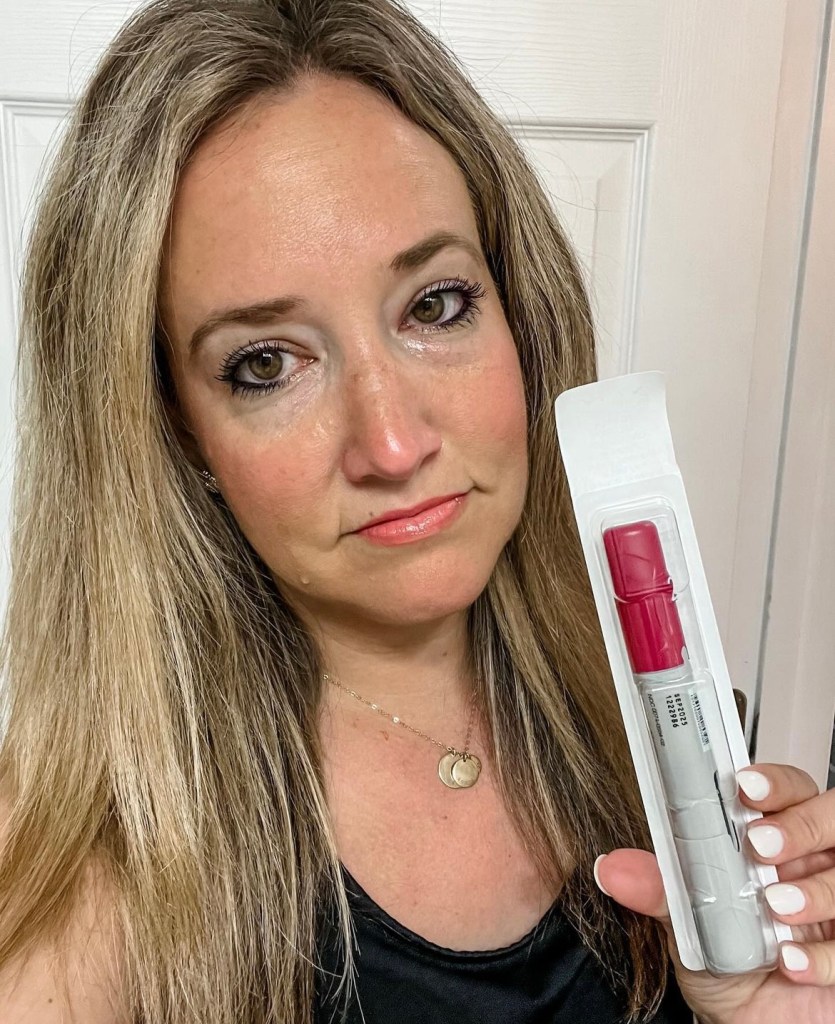
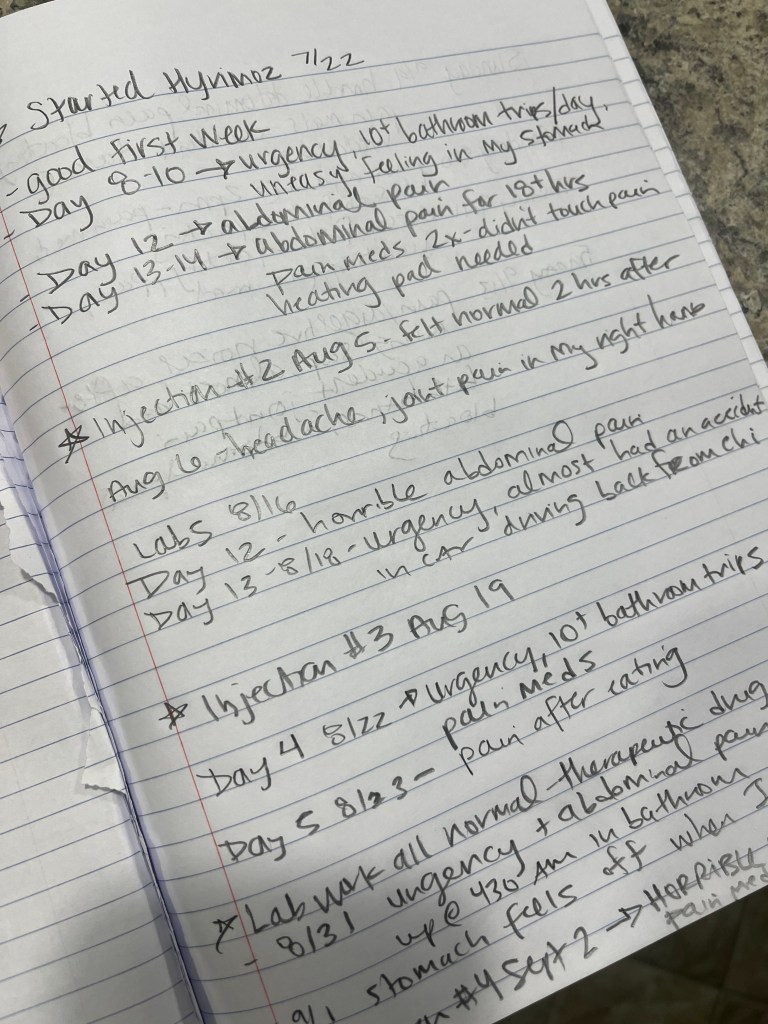












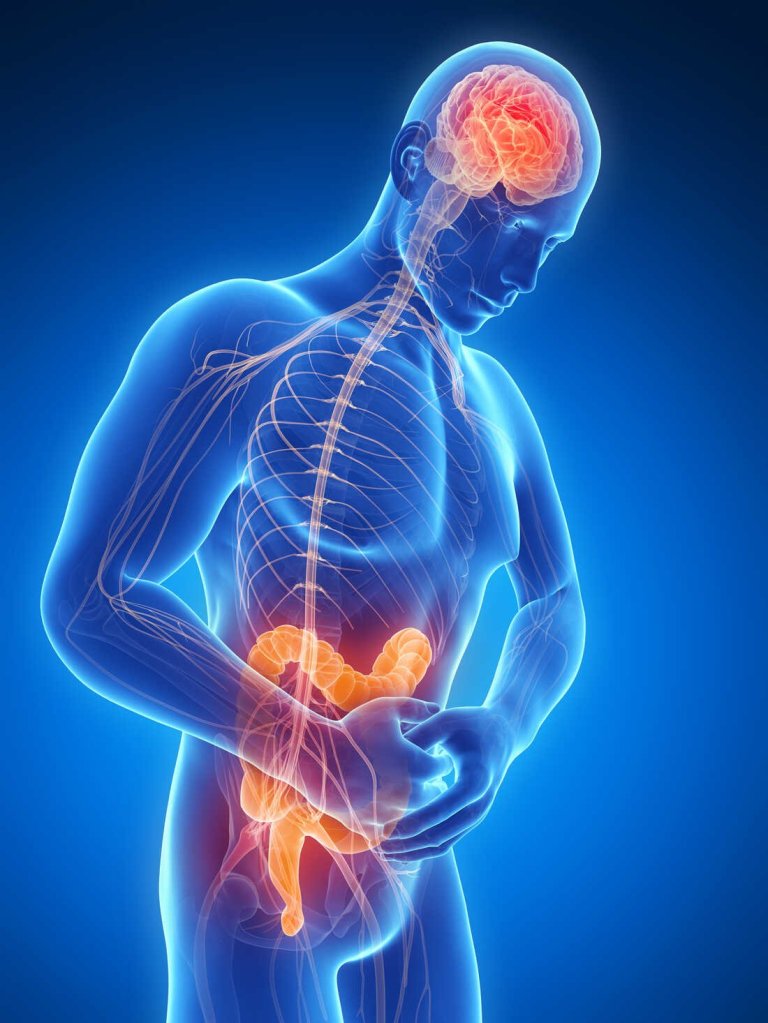

















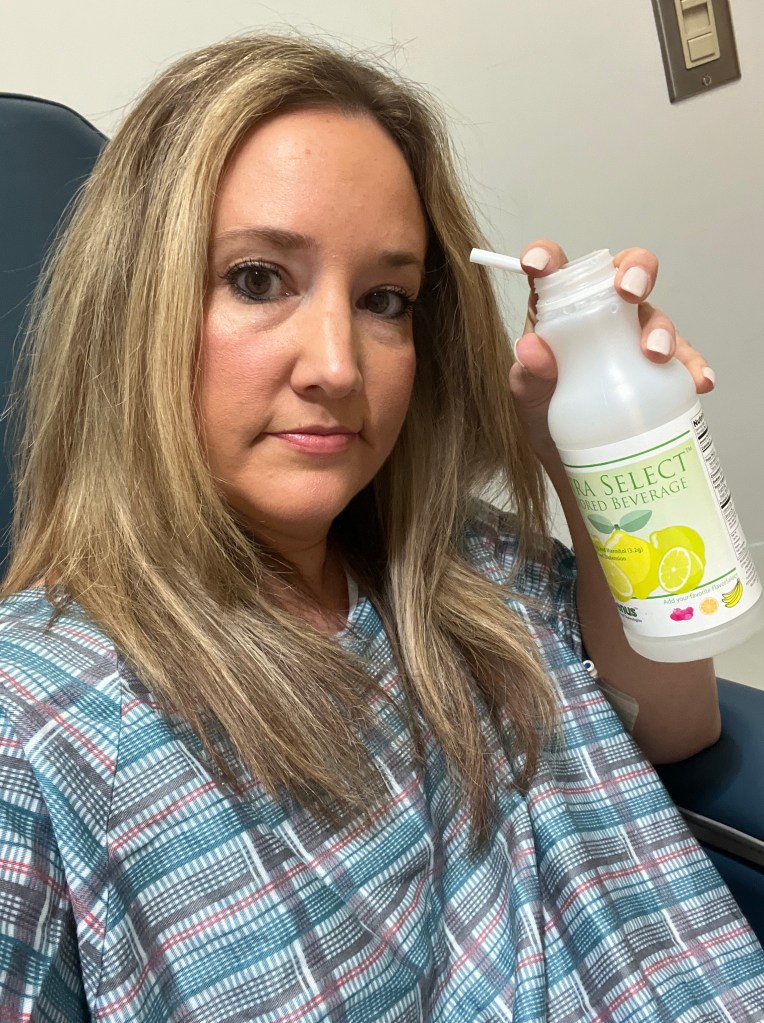



 lights camera crohn's