Key Takeaways from Advances in IBD 2024

By Natalie Hayden and Tina Aswani-Omprakash

**This article has also been published on Tina’s blog: Own Your Crohn’s**

As two bloggers and patient thought leaders in the IBD community, we were thrilled and honored to attend and speak at the Advances in IBD conference in December 2024 in Orlando, Florida. In the article below, we come together to summarize key learnings for our IBD patient and caregiver community.

Management of Crohn’s Disease

Crohn’s can be a very progressive disease, meaning it can worsen over time and cause complications, often leading to fistulae, strictures, and therefore surgery and bowel loss. In a debate between two of the co-chairs, Dr. Miguel Regueiro and Dr. Corey Siegel, as well as throughout AIBD, a key theme was to understand if all Crohn’s patients need advanced therapies (biologics or small molecules) to prevent complications. A good suggestion was to identify those few patients who could be closely monitored but not necessarily put on an advanced therapy. The doctors agreed that almost all patients do need an advanced therapy to prevent progression of the disease. Dr. Siegel brought up an interesting point about risk-stratifying patients via a new blood test called CD-PATH, which allows physicians to better understand if a patient might be low-, medium-, or high-risk for progression of Crohn’s disease.

The conclusion at the conference was that early intervention has made a big difference in terms of improving long-term outcomes for patients. It was shown that there is an optimal time for treatment and missing that window can lead to progression of disease and potentially complications.

From stem cells for perianal Crohn’s to more options for fibrostenotic Crohn’s, many patients are waiting for more therapeutics to gain better quality of life. Patients, however, are also clamoring for more therapies for mild Crohn’s disease. There is a real void in treatment options for mild Crohn’s outside of dietary therapies and occasional use of steroids (< 1-2x a year). As patients ourselves, we advocate for more options whether that’s looking at S1Ps or new therapeutics that can help patients feel safe & comfortable that their disease is being treated. 

Management of Ulcerative Colitis

In Dr. Millie Long’s talk on Defining Disease Severity in UC, she shared many pearls. Primary indicators of severity include appearance severity of disease on endoscopy and frequency of use of steroids (more often means another long-term therapy may be needed to quell inflammation). She said to also consider biomarkers (fecal calprotectin, C-reactive protein, etc.) and to keep in mind what prior therapies have been used. Dr. Long emphasized that UC can also progress like Crohn’s, and it is important to use treat to target strategies, including initiating therapy early, monitoring for disease activity using biomarkers and intestinal ultrasound, and aim for mucosal healing.

In Dr. Maia Kayal’s talk on what meds to consider if Mesalamine doesn’t cut it in UC, her key take-home message was, “Your first shot is your best shot.” She said it was important to plan wisely if you have mild to moderate UC and work carefully with your gastroenterologist to identify medication options. Dr. Kayal emphasized that certain biologics may be more effective as a first-line therapy rather than being used after one or two biologics haven’t worked, so to choose carefully. Even if mesalamine doesn’t work, there are multiple biologic options from anti-TNF agents to anti-IL-23 medications, and S1P receptors.

CurQD & IBD

Throughout the conference, CurQD received many notable mentions, which in randomized clinical trials showed efficacy in mild to moderate UC when mesalamine hasn’t cut it. CurQD is a naturally sourced formula. Cura is gut-directed form of curcumin that has been found to reduce inflammatory cytokines, restore barrier function, and positively alter the composition of the gut microbiome. QD (Qing Dai) is an extract of Indigo plants found in clinical trials to relieve bleeding, inhibit inflammation, and promote mucosal regeneration (Naganuma et al, Gastroenterology 2018, Ben-Horin et al, CCFA 2023). Dr. Kayal shared this placebo-controlled trial, that found CurQD was effective for inducing response and remission in active UC patients and has the ability to significantly decrease urgency.

Dr. David Rubin also touted CurQD as an adjunctive IBD therapy option, rather than a singular therapy, much like diet. He said while it may be beneficial, patients need to be cautious about sudden pain or obstructive-like symptoms and communicate how they’re feeling with their doctor.

Insurance barriers

Patients and providers have an uphill climb when dealing with insurance barriers, which makes managing IBD exceptionally challenging and at times frustrating for everyone involved. These proverbial hula hoops we’re all constantly forced to jump through often lead to delays in treatment and unnecessary stress. One key challenge discussed during this session was how to deal with insurance companies denying patients who have not tried 5-ASAs or steroids. Solutions shared included the GI office providing detailed documentation on the following:

  • listing previously tried and failed medications including steroids,
  • recent objective findings on endoscopy, imaging, blood tests,
  • sharing symptoms experienced by the patient,
  • referencing guideline recommendations, and
  • outlining the risks to the patient and the costs to the insurance company if treatment is not initiated soon.

Patients can also proactively reach out to their insurance company to determine their preferred advanced therapies and pass that intel along to their IBD team.

Another common roadblock discussed was finding out a medication is not covered or no longer covered by insurance—whether it be biologic vs. biosimilar of off-label dosing.

Patients can discuss appealing the decision with their IBD team during clinic appointments, over the Patient Portal, or over the phone. If your first appeal is denied, keep close tabs on your quality of life moving forward. If you are forced to switch, keep a detailed journal of all your symptoms to paint a clear picture of your reality.

Ask about having your GI submit a letter written by you about your patient experience, along with theirs, and make sure a doctor with knowledge of immune-mediated conditions is reviewing the appeal at the insurance company.

Providers can be supportive by showing empathy, following the latest research and including studies within insurance appeal letters. If a person is symptomatic, it would be important to rule out whether it’s active disease or an adverse reaction to medication.

Biosimilars now and in the future

The landscape for IBD therapies has changed immensely in recent years and will continue to do so in the years ahead. Stelara will join Remicade and Humira in 2025 with six biosimilar options for patients (and insurance companies). One of the main areas of improvement lies in patient education. Oftentimes we hear about the switch through a letter from our insurance company or we’re blindsided at an infusion appointment and told by our nurse that we’ll be receiving the biosimilar moving forward. As should be expected, this results in a great deal of uncertainty, skepticism, and pushback from the patient and caregiver population.

Biosimilars are biologic medical products that are highly similar to an already approved reference biologic, with no clinically meaningful differences in terms of safety, potency, or efficacy. Unlike generic drugs, which are chemically synthesized and identical to their branded counterparts, biosimilars are produced using living organisms and exhibit minor natural variability.

Dr. David Choi presented about how important proactive discussions with the patient community area to instill confidence and help educate about how safety and effective biosimilars are. Currently, four adalimumab and two Ustekinumab drugs have interchangeability, which is a designation from the FDA that allows for patients to be automatically switched (originator drug substituted) at the pharmacy level. Dr. Choi shared that providers can avoid this automatic substitution by selecting “dispense as written” on the original prescription. He went on to share that while improving access, there is also a major cost savings. Biosimilars across all disease spaces are expected to save $38-$124 billion from 2021 to 2025. The future of biosimilars is happening right now with exclusivity for golimumab and certolizumab over in 2024 and with more biosimilars in development.

Final thoughts from AIBD 2024

Overall, the main theme throughout all the educational sessions was that IBD needs to be more than just managed, it needs to be overcome with shared patient decision making. More work needs to be done to determine which patient is right for which therapy. There tends to be too much focus on the risk of therapies, rather than the risk of uncontrolled disease. The overarching goal is for providers to identify high-risk patients before we have severe disease and not be hesitant to use surgery as a treatment option when necessary. Emphasis on the importance of re-thinking the role of diet and nutrition and mental health care in conjunction with advanced therapy, looking at biomarkers 10+ years before diagnosis to see if we can prevent or diminish disease severity, utilizing intestinal ultrasound to measure drug response and disease activity in a non-invasive way, and continuing biologics in pregnancy (Healthy mom= healthy baby) were common themes throughout this fantastic conference.

As patients, we remain hopeful for the future of IBD and committed to improving patient outcomes. Lots of work still to be done, but it is impressive to see how far the science has come in the last 19-20 years since our diagnoses!

They Not Like Us—Why Colonoscopies Are Especially Challenging for People with IBD: Understanding the Struggles and Offering Support

Getting a colonoscopy when you have Inflammatory Bowel Disease (IBD) carries a distinct set of challenges and trauma compared to the average person receiving a colon cancer screening scope. I underwent my 10th colonoscopy this past week as part of my Crohn’s disease surveillance and heard the word “trauma” on multiple occasions.

I received the following public comment on an Instagram post following my colonoscopy, “You seem to have trauma around colonoscopy prep. I get it, but I don’t. Childbirth is traumatic but colonoscopy prep is not. It sucks, but really not traumatic. The flu sucks, strep throat sucks, why is this so hard for people?”

…to which I responded, “Do you have IBD?”…radio silence.

*Side note—none of my 3 child births were even close to traumatic, they were all joyous, uneventful, and happy occasions. But I digress.*

I had a wonderful nurse get me ready for my scope and give my IV, I let her know I have terrible veins and that I’m a tough stick. Once the IV was started she said that it appeared I have trauma around IVs…which I said was correct. While I appreciated her recognizing this it also felt a little bit judgy. During a prior hospitalization it took EIGHT tries to get an IV started. These difficult medical experiences cause trauma. It should not come as a surprise to anyone dealing with an IBD patient that what may seem run of the mill to an average person is not the same for us. I have to tell myself not to roll my eyes when a 70-year-old tells me how “easy” and uncomplicated their colonoscopy was. Happy for them…but their experience is much different than mine.

My most recent colonoscopy experience inspired me to dig a bit deeper and help to articulate why it’s hurtful and not helpful when you try and compare a “healthy” person’s experience getting a scope compared to someone diagnosed with IBD.

Oftentimes we receive confirmation of our IBD diagnosis after a colonoscopy. The results of a colonoscopy can significantly impact treatment plans, which may heighten stress. The fear of bad news—such as disease progression or the discovery of dysplasia—can weigh heavily. We not only have to rule out colon cancer (due to our elevated risk), we also have the weighted worry about hearing we could have active disease and inflammation going on. If that’s the case we may need to stop our current treatment, start a new treatment, need surgery, etc.

Unlike the average person who may not need a scope until age 45 and then not for another 7-10 years after, we know we may need to go through the ordeal multiple times a year, annually, or every other year starting whenever we’re diagnosed (as a child/in our 20s). The frequency of needing to go through prep and the procedure is astronomical compared to the typical person and when you’re way younger than 45 and have to go through a scope it builds resentment against your body, something our healthy peers and caregivers can’t truly grasp unless they’ve lived it. The cumulative stress of repeated procedures can lead to heightened anxiety and emotional exhaustion.

Our digestion is different from yours. Prep can induce abdominal pain, nausea, vomiting, and bloating that mirrors flare symptoms to us and this in and of itself can feel traumatic. People with IBD frequently experience inflamed, ulcerated, or narrowed sections of the gastrointestinal tract. During a colonoscopy, these areas may be more sensitive, leading to increased pain and discomfort compared to individuals without the condition. The bowel preparation process—which involves consuming large amounts of laxatives to clear the colon—can be especially grueling for those with IBD. It may exacerbate symptoms like diarrhea, cramping, and dehydration, making the days leading up to the procedure particularly difficult.

Many of us take the prep a step further and start a liquid diet days before the actual prep to try and “ease” the process. I personally put myself on a full liquid diet 4-5 days prior to my scopes and then a clear liquid the day before. This takes a great deal of willpower, especially as an IBD mom making school lunches and meals for my kids, while not being able to eat any of it. Caring for a family while running on fumes is not for the faint of heart. It’s a challenge to have the energy to function while feeling hangry. Understand that we might feel irritable, fatigued, or anxious during the preparation and recovery process. Provide a judgment-free space for us to express our feelings. I’m not one of those people who feels comfortable eating a light breakfast the day before a scope, because I fear not being cleaned out enough and having to go through the experience again sooner than I need or want to.

How to Be Supportive

  1. Acknowledge Their Experience: Validate their feelings and recognize that colonoscopies are more than a simple procedure for someone with IBD. Avoid dismissive comments like “It’s just routine.”
  2. Offer Practical Help:
    • Assist with transportation to and from the procedure. Offer to babysit if the person has kids or needs help at home with childcare.
    • Help prepare supplies for the bowel prep process, such as clear liquids, electrolyte solutions, and soft toilet paper.
    • Offer to stay with them during recovery if needed.
    • My husband always makes a point to take our kids out to dinner or try and not eat in front of me while I’m prepping, this makes a world of difference. We also always go out for a big breakfast or lunch date immediately following the procedure.
  3. Provide Distractions. During the prep period, suggest activities to keep their mind off the discomfort, such as watching movies, playing games, or listening to calming music.
  4. Encourage Communication with Healthcare Providers. If they’re particularly anxious or in pain, encourage them to discuss these concerns with their doctor. Sedation options or anti-anxiety medications might help make the procedure more tolerable. I always make sure I have Zofran on hand to take prior to my prep to help with nausea. I still always vomit at least once, but it does help.
  5. Respect Their Privacy: Everyone copes differently. Some people may want to talk about their experience and post about it on social media, while others may prefer to keep it private. Follow their lead and respect their boundaries.

Final thoughts

Colonoscopies are a critical tool in managing IBD and being proactive about colon cancer screening, but they can be uniquely challenging for those living with Crohn’s or ulcerative colitis. By understanding the physical and emotional toll of these procedures, friends and family can provide better support and help ease the burden.

My ask for friends, family members, and medical professionals with patients or loved ones who have IBD and are undergoing or gone through a colonoscopy is to refrain from comparing your own experience with us. Show compassion. Be kind. Remember that colonoscopies carry a sense of trauma for many of us, and for good reason. We are not weak. We are not complainers. If you lived our reality and been through what we have, I guarantee it wouldn’t feel like a walk in the park. Not many 41-year-olds I know have had 10 colonoscopies. With patience, empathy, and practical assistance, you can make a difficult experience a little more manageable for someone with IBD.

Cardiac Complications in the IBD Population

Inflammatory bowel disease is increasingly recognized as a condition associated with systemic complications beyond the gastrointestinal tract. Among these, cardiovascular (CV) complications stand out due to their potential impact on morbidity and mortality. One of the presentations I attended at the Advances in IBD conference that took place in Orlando this month explored the relationship between IBD and cardiovascular disease, focusing on the effects of disease activity and commonly used therapies. This week on Lights, Camera, Crohn’s a look at what we need to watch out for as a patient community and how we can be proactive with our providers.

Cardiovascular Risks in IBD

Meta-analyses indicate that IBD is associated with a 24% increased risk of ischemic heart disease. Moreover, there are higher rates of premature (under age 55) and extremely premature (under age 40) atherosclerotic cardiovascular diseases in our population. The underlying mechanisms are multifactorial, but persistent inflammation and disease activity are key drivers of arterial events.

Heart failure (HF) risk is also elevated among individuals with IBD. Notably:

  • The risk appears greater in patients with ulcerative colitis compared to Crohn’s disease.
  • Female patients with IBD demonstrate a higher predisposition to HF than their male counterparts.
  • Corticosteroid use further exacerbates the risk of HF in this population.

Cardiovascular Considerations for IBD Therapies

Anti-TNF Therapy

Anti-TNF agents (infliximab, adalimumab, certolizumab pegol, and golimumab) have been linked to worsening congestive heart failure (CHF). In patients with pre-existing heart conditions or known cardiomyopathy, baseline cardiac assessment is critical. Recommendations include performing a transthoracic echocardiogram (TTE) before initiating anti-TNF therapy and monitoring for new or worsening cardiac symptoms during treatment.

JAK Inhibitors

The use of Janus kinase (JAK) inhibitors ( Tofacitinib, filgotinib and Upadacitinib) raises concerns regarding cardiovascular risks, including:

  • Increases in low-density lipoprotein (LDL) and triglycerides.
  • Development or exacerbation of hypertension.
  • Major adverse cardiovascular events (MACE).

For patients starting on JAK inhibitors, clinicians should:

  • Discuss the patient’s cardiovascular history and risk factors.
  • Perform a baseline lipid profile, with a repeat evaluation at 8-12 weeks after initiating therapy.

S1P Receptor Modulators

Sphingosine-1-phosphate (S1P) receptor modulators, a newer class of therapies for IBD (ozanimod, etrasimod, fingolimod and laquinimod), can impact cardiac conduction. To mitigate risks:

  • Screen for symptoms suggestive of conduction abnormalities.
  • Review the patient’s drug history for concurrent use of anti-arrhythmic agents or drugs that prolong the QT interval.
  • Perform an electrocardiogram (ECG) prior to initiating therapy.

Clinical Implications

Cardiovascular complications are common in patients with IBD, often presenting at a younger age than in the general population. The association between active disease and increased CV risk highlights the importance of maintaining disease control. Non-steroidal options for long-term management should be prioritized, as corticosteroids exacerbate both IBD and CV risks.

Therapeutic decisions should also account for the cardiovascular safety profile of IBD medications. High clinical suspicion and proactive monitoring are essential for detecting underlying or developing cardiovascular disease in IBD patients. Understanding the risks associated with specific therapies, such as anti-TNF agents, JAK inhibitors, and S1P receptor modulators, can guide personalized treatment plans and improve long-term outcomes. When meeting with your gastroenterologist communicate any concerns you may have about chest pain or your blood pressure.

Closing Summary

Cardiovascular complications in IBD patients necessitate a high level of vigilance from healthcare providers. Early detection and management of cardiovascular risks are paramount, particularly in young IBD patients who may already be vulnerable to inflammation-driven atherosclerotic changes. A tailored approach—balancing effective disease control with an awareness of therapy-specific cardiovascular risks—is critical to optimizing care in this complex patient population.

Additional resources:

Cardiovascular implications of inflammatory bowel disease: An updated review – PMC

The risk of cardiovascular complications in inflammatory bowel disease – PMC

Inflammatory Bowel Disease and Cardiovascular Diseases – The American Journal of Medicine

Heart Disease and IBD: Understanding the Connection | MyCrohnsAndColitisTeam

RISK OF CARDIOVASCULAR DISEASE IN PATIENTS WITH INFLAMMATORY BOWEL DISEASE: A SYSTEMATIC REVIEW AND META-ANALYSIS | Journal of the American College of Cardiology

How to get involved with the IBD Kids Club: A Safe Haven for Families Battling IBD

Nothing prepares you to hear that your child has Inflammatory Bowel Disease. For many, it’s the first time ever learning about what the weight of those words even means. Not only is a chronic illness at a young age an incredibly heavy burden to bear, it can feel isolating to not only the patient but the caregiver. This inspired The University of Chicago to launch the IBD Kids Club in February 2024. This week on Lights, Camera, Crohn’s learn more about how you can connect with others living your reality and find community, regardless of where you live.

Recognizing the need

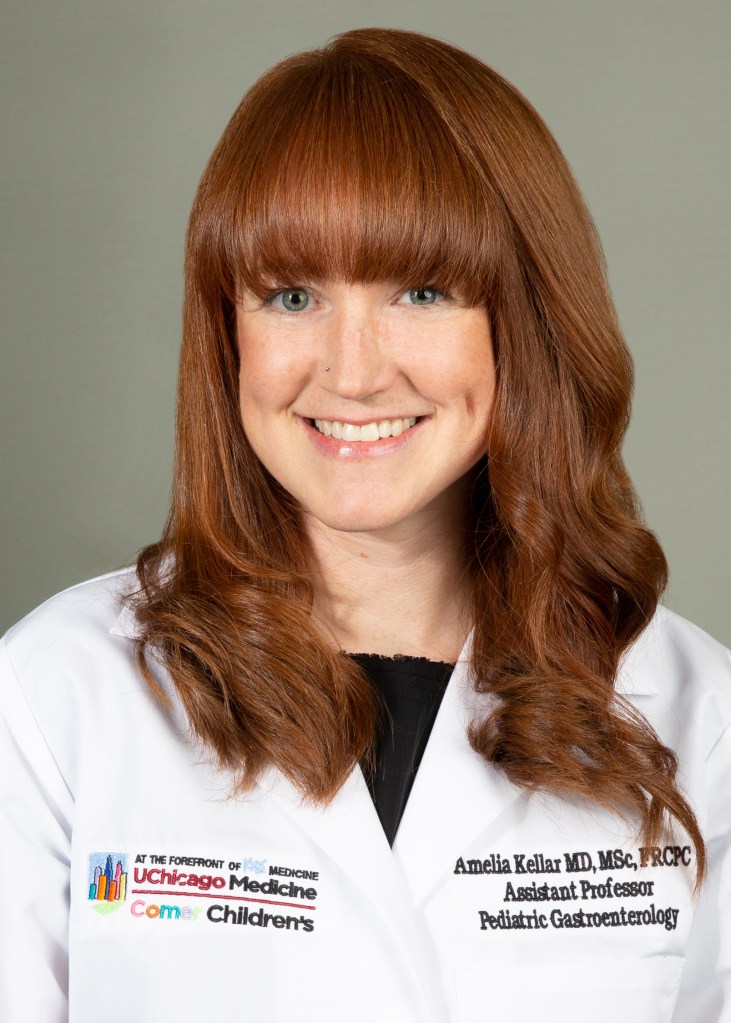
Dr. Amelia Kellar, MD, MSc, FRCPC, Assistant Professor of Pediatrics, Director, Pediatric Intestinal Ultrasound University of Chicago Medicine/Comer Children’s Hospital says one of the most common concerns she hears from patients and their families is that they don’t know anyone else with IBD or where to go for support.

“I always refer my patients to Crohn’s and Colitis Foundation, but this also inspired me to create a community for these kiddos more locally…a place where they could authentically meet one another both virtually and in person, and know they are not alone.”

Dr. Kellar wants her patients to see kids who are older than them doing all the things they aspire to do and have examples of adults who are living and thriving with IBD. So far, the feedback has been extremely positive—families are grateful to meet one another where there’s no need to explain and there’s comfort in shared experiences.

Get connected to the IBD Kids Club

The group meets virtually every 2nd Tuesday of the month on Zoom at 6 pm CT. Dr. Kellar says it is tough to find a time that works for everyone, but she’s found the dinner hour allows for kids and parents to join together and chat. The next meeting is Tuesday, December 10th.

 “I feel very fortunate as I have a great team of GI docs, nurses, dieticians and psychologists that join for different sessions and I co-lead with one of our adult IBD nurses who is also a counselor at Camp Oasis and openly talks to the group about her diagnosis of UC and journey through J-pouch surgery,” says Dr. Kellar.

When she started the group, Dr. Kellar polled participants for what they would like the group to be, whether they wanted to simply chat with one another and offer support, whether they wanted some guest speakers on topics or in person events… and they indicated they wanted a mix, so they have had some support/chat sessions, some guest speakers, and a live cooking class with their IBD dietician. There has not been an in-person event yet. I let Dr. Kellar know in the months ahead I would love to join one of the calls, meet the families, and share experiences.

Everyone is welcome

Dr. Kellar is looking to get the word out—and wants all pediatric IBD warriors and their caregivers to know they are welcome to join.

“I want this group to be open to everyone—regardless of where you live or where you receive care. I want the IBD community to know they are not alone. We talk a lot about how every single person in the world has something that is challenging and that they may or may not choose to share with others and you would never know when you see someone at school, work, on the street, what challenges they might be facing. At the same time, finding people who have faced or are facing similar challenges can offer a unique support system. Our hope is that this group unites children and families with IBD and fosters connections, friendships, and support so no one ever feels alone with their challenges,” says Dr. Kellar.

Interested in learning more? Contact ibdkidsclub@bsd.uchicago.edu.

Navigating Health Trends with IBD: Why Caution is Key

For those living with Inflammatory Bowel Disease (IBD), the pursuit of better health often extends beyond medications and doctor visits. As someone who has lived with Crohn’s for more than 19 years, I’m aware that lifestyle plays a significant role in how we manage our disease. That being said—many people are drawn to popular health trends that promise improved digestion, immune support, and overall wellness. Everywhere we look we see posts on social media promising the next best thing for us. However, some of these trends, though appealing, may pose risks for those with sensitive digestive systems and compromised immune systems. This week on Lights, Camera, Crohn’s, we look at why it’s important to be wary of popular remedies and hear advice from Dr. Neilanjan Nandi, MD, FACG, AGAF, FACP, a well-respected gastroenterologist from Penn Medicine who specializes in Crohn’s disease and ulcerative colitis.

Holistic practices in the IBD community and beyond

There’s a lot of talk about holistic practices in the IBD community (Raw Milk, Amra/Bovine Colostrum, Digestive Enzymes, Athletic Greens, Homemade Kombucha)–the list goes on… while people may have “success” stories or swear by the benefits, it’s important to talk with your healthcare provider first.

“For patients on immunosuppressants, I would caution against consuming raw milk due to the concern for lack of pasteurization. There are often significant heavy bacterial loads and infectious organisms that may behave poorly in a patient’s digestive system and cause infections and subsequent flares too. Fermented products are certainly not contraindicated but I would caution patients in overdoing ‘too much’ and taking many different types of fermented products as it may cause excess gas,” says Dr. Nandi.

DeBalko Photo

He recommends people with IBD stick with one option and it if provides benefit then you can consider continuing.

“However, if a person sees no benefit after 6 weeks, then stop or change. Supplements like Athletic Greens may help patients get in more nutrients and fiber than they otherwise would, but this might also reflect that a patient is not getting enough nutritional balance, so they are favoring this product to achieve that need. Instead, I would rather encourage patients to work with a dietitian who can provide them with more insight and a balanced nutrition plan where they can get their vitamins and minerals in a whole food package rather than a processed formula. Also, there is no data to support that the product provides benefit in IBD and may be a costly option too,” he says.

Why the IBD community needs to be a bit more skeptical

Many supplements lack benefit and/or evidence to provide healing or relief. Many may be minimal risk and possible benefit but this risk to benefit ratio is quite low for the majority of such supplements.

“The greatest risk to the IBD patient is more financial as they are often costly and IBD patients generally have more than enough bills to manage. The other reason for concern is that some supplements may have a small risk for hepatotoxicity or other rare adverse events that may not be predictable. While herbal teas and plant-based products may appear safe, I always recommend informing your personal physician if starting a supplement and they can decide if a conservative approach to monitoring may be more appropriate,” explains Dr. Nandi.

A closer look at the “trends”

  • Raw Milk—While this is nutrient rich it doesn’t come without its risks. Unpasteurized milk has natural nutrients, probiotics, and enzymes that are believed to aid digestion and immunity. However, the lack of pasteurization also means that harmful bacteria like E. coli, Salmonella, and Listeria can be present, posing significant risks. For those with IBD, it’s common for us to have an immune system that is already compromised or a gut lining that is inflamed or damaged. This puts us at greater risk for bacterial infections. An infection from contaminated raw milk can lead to severe gastrointestinal symptoms, including diarrhea, cramping, and even serious complications that can exacerbate IBD flare-ups. While raw milk may seem appealing for its benefits, its risks far outweigh potential gains for those with IBD. Pasteurized milk or dairy alternatives are much safer options.
  • Bovine Colostrum—This is the first milk produced by cows after giving birth, it’s rich in antibodies, growth factors, and immune-boosting nutrients. It’s marketed as a supplement that can heal the gut, reduce inflammation, and improve immunity. Some studies suggest that colostrum may benefit those with gastrointestinal issues by promoting gut repair and reducing intestinal permeability. However, research on its effectiveness for IBD is limited, and not all individuals with Crohn’s or ulcerative colitis may respond well. There’s also the potential for allergic reactions, especially for those who are sensitive to dairy. Additionally, its effects on a highly inflamed or damaged gut are not well understood. While bovine colostrum shows potential for gut health, more research is needed to confirm its safety and efficacy in people with IBD. Always consult with a healthcare provider before adding it to your routine.
  • Digestive Enzymes—These are often recommended to support digestion, especially for those with conditions that impair enzyme production. They can help break down food, alleviate bloating, and promote nutrient absorption. For some people with IBD, especially those with enzyme deficiencies or malabsorption issues, these supplements may provide relief. However, not all enzyme formulations are created equal, and taking the wrong type or dose can lead to side effects like diarrhea, cramping, or worsen digestive symptoms. In addition, over-reliance on these supplements can mask underlying issues that need medical treatment. Digestive enzymes may offer benefits for those with IBD, but they should be used under the guidance of a healthcare professional to ensure they are appropriate for your specific needs.
  • Athletic Greens—This is a popular green superfood supplement packed with vitamins, minerals, probiotics, and other nutrients. It’s marketed to boost energy, support digestion, and fill nutrient gaps. While this may seem like a convenient way to enhance your diet, those with IBD should be cautious. First, the high fiber content and presence of various herbal extracts may not agree with everyone. Some ingredients could irritate the gut or trigger symptoms in sensitive individuals. Additionally, people with IBD often have individualized nutrient needs, and a one-size-fits-all supplement may not address these properly. For example, certain vitamins and minerals may be needed in specific dosages, which Athletic Greens may not provide. While Athletic Greens can seem like an easy nutritional boost, people with IBD should be cautious due to its fiber and herbal content, and instead, focus on personalized nutrition guided by a healthcare provider.
  • Homemade Kombucha—This is a fermented tea that’s often praised for its probiotic components, which are beneficial to support gut health. Many people with digestive issues turn to kombucha for its potential to improve digestion and balance gut bacteria. However, homemade kombucha can be unpredictable, with variable levels of fermentation and alcohol content. For those with IBD, who often have a more sensitive gut environment, kombucha’s acidity and potential for bacterial overgrowth or contamination can worsen symptoms like bloating, diarrhea, and cramping. There is also a risk of introducing harmful pathogens during the fermentation process if not done carefully. Store-bought kombucha from a reliable source is a safer option, but even then, it should be consumed in moderation by those with IBD.

Not all health influencers are created alike

When you feel desperate to try something that could improve your quality of life, you may be willing to do whatever it takes to feel better. But please remember that not all health influencers and people on social media are created alike and many have an agenda or profit motive.

“I have often found that the most ‘popular’ products are being promoted by influencers who participate in affiliate marketing and receive a financial incentive if their followers purchase with their referral code. One should always be weary of this and question the intent behind this approach. When in doubt, ask your doctor about the product and always do your own research, if possible,” Dr. Nandi advises.

What to know before you try

Gastroenterologists are trained to look for medication interactions and understand how to conduct literature searches in publication databases that are not always accessible to the public.

“Physicians are more up to date than most online influencers and can at least provide clinical support should a complication occur because of the supplement. The widespread use of electronic medical records for patients to converse with their medical team through secure messaging also provides patients an opportunity to ‘cut and paste’ weblinks to potential therapies and/or supplements to their physicians. This way the clinician can review the same page and provide a prompt medical opinion,” he says.

A look at the future

Dr. Nandi says some exciting supplements are on the market now. One in particular is called Qing Dai, which may be helpful in ulcerative colitis shown in small placebo-controlled studies. The pharmaceutical industry is elucidating this pathway, too.

“More data is required to study the effect in large scale trials. Even this exciting supplement may benefit from laboratory and clinical supervision to ensure patient safety,” says Dr. Nandi.

With the growing popularity of wellness trends, it’s easy to be tempted by promises of better health and healing. However, for those with IBD, not all health trends are created equal, and some may pose significant risks to gut health. It’s always crucial to approach new supplements or diets with caution, especially when you’re managing a complex condition like IBD.

I personally get approached all the time to try a new or different supplement and I’m always hesitant to rock the boat or put something into my body that I don’t know much about. Just as we are forced to advocate for ourselves in the healthcare system, we also need to be cognizant that unfortunately not everyone has our best interest in mind when it comes to making a profit from our pain. Just like diet and medication—there is not a one size fits all approach to wrangle IBD. Just because your healthy friend who added raw milk into her diet swears by the benefits, doesn’t mean it’s right for you. People may genuinely be trying to help you but stay informed and be cautious. This especially goes for newly diagnosed patients and caregivers who may be grabbing at straws trying to improve the reality of life with IBD.

Before trying any new health trend, it’s important to consult with your healthcare team, including your gastroenterologist and IBD nutritionist, to ensure the approach is safe and appropriate for your specific health needs. What works for the general population may not necessarily be beneficial—or even safe—for those living with IBD.

How to Appeal Insurance Decisions and Fight for the Care You Deserve

If it’s happened to you, you know the feeling all too well. When I received a letter in the mail informing me that the biologic injection, I had been on for 16 years was no longer going to be covered, my stomach flipped, and my heart sank. When you live with a complicated disease like Crohn’s or ulcerative colitis and find a therapy that keeps your health in check and your IBD well-controlled, it’s extremely stressful and daunting to face the worry of being forced to switch your medication to a biosimilar or a different biologic all together.

Like many patients, I asked my gastroenterologist to appeal the forced medication switch. Even though I was almost positive we would be denied, I did not want to go down without a fight. As expected, within days of my GI’s appeal, we were told by insurance that Humira would no longer be covered and that I would need to choose a biosimilar or a different drug class all together moving forward.

I chose to go on the biosimilar Hyrimoz for many reasons—the first being that anti-TNF drugs have worked well for me for YEARS, by choosing to go off it and switch to a different drug class, I ran the risk of building up antibodies and possibly not responding as well to treatment. I also have a comfort level with self-injections and know how I have typically responded to anti-TNF medication in the past.

The emotions and heartache of having to say goodbye to a medication that carried me through for 16 years, allowed me to bring three healthy babies into this world, and stay out of the emergency room and hospital since becoming a mom 7.5 years ago tore me apart. I sobbed. I stressed. I was anxious.

Switching to a biosimilar—the emotional and physical toll

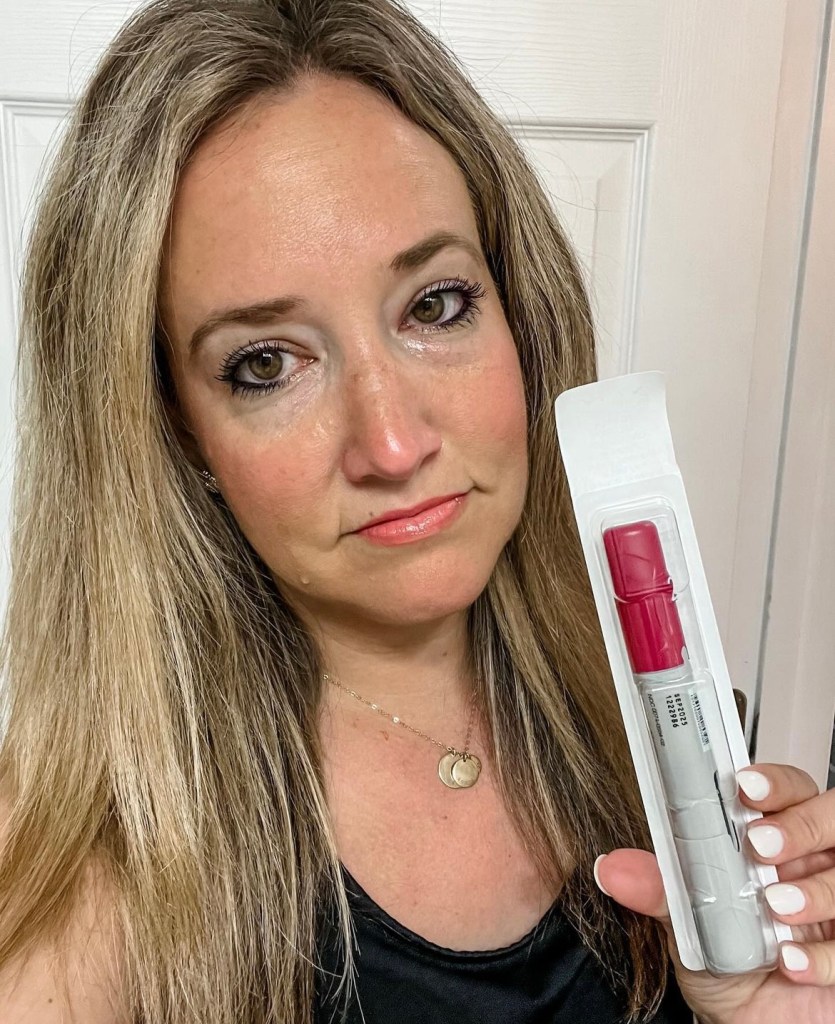
Much to my dismay, I started Hyrimoz in July 2024. The first eight days I felt the same and then my health began to crumble. I lasted four injections—and during that time I went from being in deep remission for years to needing pain medication to make it through elementary school PTO meetings and while coaching my kindergarten soccer team. I went from feeling well most of the time to running to the bathroom 15+ times a day and almost having accidents in public. I went from being able to eat whatever I wanted to worrying about how consuming anything was going to make me feel. I spent nights curled up in pain and days feeling bloated and on edge about whether every decision I made was going to make me unwell.

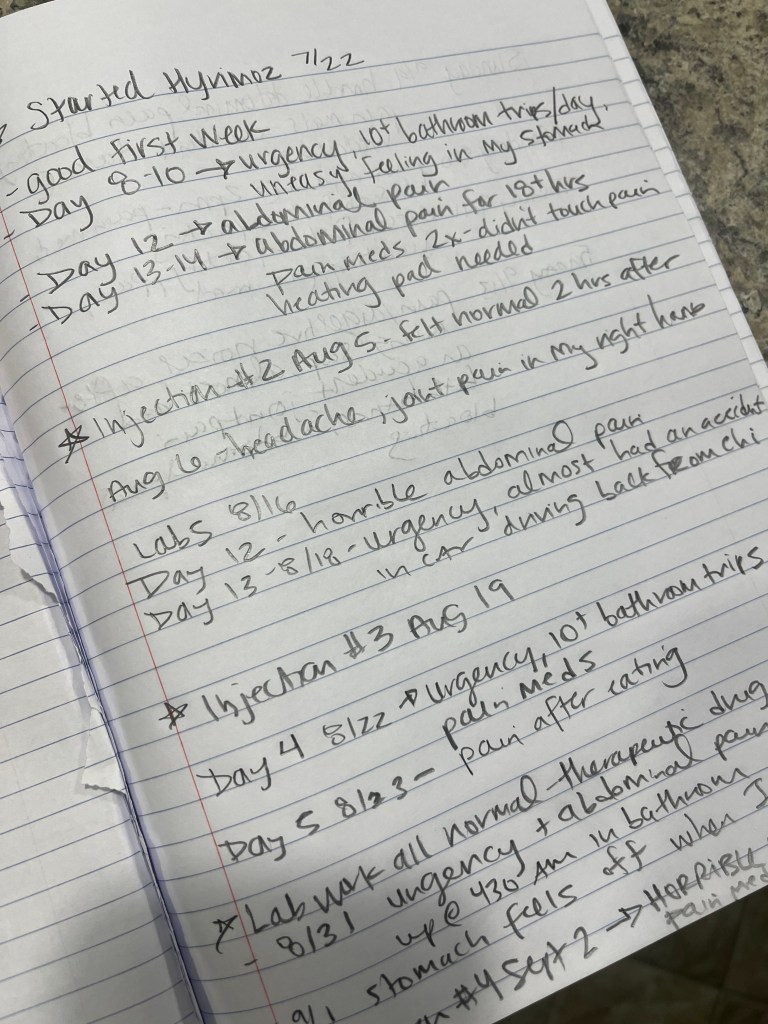
I knew something had to change. I refused to have my quality of life ripped from me without speaking up. I kept a detailed journal every single day since I started the biosimilar. I articulated my concerns to my care team repeatedly over the Patient Portal. We ran extra labs, I did a telehealth appointment, I spoke with GIs around the United States I have come to know and trust through my patient advocacy work. My care team told me that meeting in person for a clinic appointment or over telehealth would help build our case, as that carries more weight than just communicating over the Portal. Keep that in mind.

This week on Lights, Camera, Crohn’s I offer tips for building your case, writing your appeal letter, and making sure your voice is heard. Patients are constantly made to feel less than. It’s all about the profits and not about the patients. This needs to stop. Insurance companies and specialty pharmacies need to stop making our lives so damn difficult and start to recognize the havoc they cause by delaying treatment, blocking treatment options, and forcing us to change a medication that finally controls our disease. Living and managing chronic illness is a full-time job in this country. The hours and days wasted and spent on the phone dealing with all the red tape is an absolute nightmare, and unless you’ve experienced it, you have no clue the headaches it causes, the time suck it is, and how it puts the quality of our lives in jeopardy.

Keeping track of it all

When living with IBD, the bad days come and go and oftentimes we forget just how often or how horribly we feel because our “normal” is not normal. By journaling or writing in the Notes app on your phone anytime anything with your health is awry, this helps paint a clear picture for not only you, but your providers. If you can say, “On Tuesday, September 24th I went to the bathroom 10 times, I couldn’t eat, I had joint pain in my hands, and abdominal pain that required a heating pad”—this illustrates the complexity of your symptoms. Imagine having that type of intel for two months. These details help your appeal in a big way. My IBD Nurse told me that she believes my typed-out symptom journal made all the difference in winning our second appeal.

So, take notes and be as descriptive as possible. If you have a random headache and you’re not sure why, write it down. If you get new pain, you haven’t experienced before keep track of it. If you eat and must run right to the bathroom or start feeling pain jot it down.

Many of my symptoms I’ve dealt with since switching to the biosimilar feel exactly like a Crohn’s flare. After weeks of this, I started to freak out that I was losing my remission all because of a forced medication switch. A world-renowned GI took the time to call me as I was making dinner for my family one night to hear more about my situation. He did this out of the goodness of his heart to provide additional guidance and support. After hearing more about my situation, he believed it was my body having adverse side effects to the biosimilar rather than a Crohn’s flare, since my labs were checking out fine. Everything started to make sense. While he wasn’t sure our appeal would be granted, he listened and empathized with what I was going through.

Writing your own appeal letter

My IBD team recommended I also write a patient letter that they would include with their second appeal. I was happy to take the time to offer my voice and share what the experience of being on a biosimilar was like for me. At the same time, I had never written an appeal letter. Before I started I did my research on how to approach and craft the wording.

I made sure not to come off angry or accusatory. I kept the letter as professional as possible, while also explaining very clearly how horribly I was responding to the medication. I backed up my letter with science and attributed research that’s been done regarding biosimilars. I learned from research published in the Journal of Crohn’s and Colitis (2020) that while around 80% of patients have a seamless transition, 10-20% have a negative response. It’s important to note that just because you are switched to a biosimilar, does not mean your health will deteriorate. Many people thrive and don’t notice a difference, but the issue is—you don’t know how you are going to respond. I went into the transition with an open mind and as positive as possible, but the unknown looms over and it’s emotionally draining to constantly wonder if you are going to feel unwell because of the forced switch.

Tips for expressing yourself in the appeal letter

I will use Humira as an example since that was my experience, but this goes for any biologic/medication.

  • Start with basic information—your name, date of birth, insurance ID number, and the policy number.
  • Provide the name of the medication you’ve been switched from (in my case Humira) and the one you’ve been switched to (Hyrimoz).
  • Mention the date when the change was made.
  • Clearly state the purpose of the letter. For example, “”I am writing to formally appeal the decision to switch my Crohn’s treatment from Humira to Hyrimoz.”
  • Briefly provide an overview of your health history with IBD, diagnosis date, and the treatments you’ve tried, hospitalizations/surgeries. If you’ve been on the same treatment for years and it’s helped you, highlight how effective the therapy has been. Mention the stability you’ve achieved with Humira—humanize your story. For instance, “While on Humira I was able to work full-time, have three healthy pregnancies and babies, and be a mom without my health holding me back.”
  • Reference any previous experiences with other medications that may have failed you or caused side effects.
  • Emphasize the risk of switching medications after long-term success. For IBD patients, changing medications can result in loss of response, worsening of symptoms or disease progression, potential adverse reactions.
  • Have your gastroenterologist provide their own letter that emphasizes the risks of switching, the stability you’ve achieved, and their professional recommendation. They will reference any studies that are available and be able to provide medical records showing your history on the medication.
  • If applicable, reference and cite insurance company policies that include provisions for medical necessity, or any pre-authorization that was previously approved.
  • Emphasize the impact on your health and finances and highlight the potential cost to both your health and your insurance provider if switching leads to disease flare ups, complications, hospitalizations, or the need for additional screenings, scopes, or treatments.

Close with a strong, respectful request. End the letter with a clear statement, such as:

“For the reasons stated above, I respectfully request that you reconsider your decision and allow me to remain on Humira as prescribed by my doctor.”

I signed my letter:

My family deserves more and so do I.

Sincerely,

Natalie Hayden

Ironically, when I wrote my appeal letter I was dealing with horrible abdominal pain, lying in bed with a heating pad.

Finding out we won the appeal

Once my appeal letter and journal of symptoms were finalized, I sent them to my GI and IBD nurse over the Patient Portal. I was on pins and needles wondering what was going to come next. I sent over the materials on a Friday morning and the following Monday, I received word from my nurse over the Portal that the insurance denied the 2nd appeal because back in June when my GI submitted the first appeal, he deemed it “urgent”—in doing so, the insurance company considers those appeals “2nd level appeals”—if those are denied, they consider the case closed. Imagine that— “closing a case” before a patient has even started a different medication. Makes sense…right?! Can’t make this stuff up. When I heard this, I felt incredibly defeated.

My care team was unaware of that and asked for a clinician to review our materials—the insurance company agreed and said there would be a decision in 72 hours. That same night, while I was making dinner for my family, I received an email from CVS Specialty pharmacy saying my prior authorization for Humira had been approved. I couldn’t believe my eyes. I’ll never forget how it felt to see those words and read that email.

My kids happened to be standing around me and I couldn’t help but scream and jump and dance with tears running down my cheeks—I yelled, “MAMA’s GOING BACK ON HER MEDICINE!!!!!” I grew up in Chicago…and for any Chicago Bulls fans from the Michael Jordan days, my celebratory jump was reminiscent of what Jordan did when we beat the Cleveland Cavaliers in 1989 and he pumped his arm over Craig Ehlo.

My kids all smiled and laughed and danced with me, no idea what was really going on. But the celebratory moment was so incredibly jubilant they were smiling ear to ear. These last two months they’ve witnessed me unwell way too many times. It’s a side of my Crohn’s I’m not sure they even knew existed prior to now.

This past Friday night the same abdominal pain I’ve been dealing with began as the kids got off the bus. I had to take a pain pill before an advocacy call that was ironically about How to Deal with Insurance—for an upcoming panel discussion at a medical conference I’m speaking at in December. After my call and rushing through a makeshift meal, I took all three of my kids to my son’s soccer practice and told my friends on the sidelines how sick I felt. I came home and had to take another pain pill, had difficulty with the bedtime routine, and laid on the couch with a heating pad. But it helped to know these shitty days will hopefully be ending.

Looking to the future

This blog article is coming out the same day as I go back on Humira after winning my insurance appeal. While it’s a big win for me, it’s a small win for our community because at the end of the day an incomprehensible number of people are forced off their medications or denied off-label dosing, all so insurance companies see a better bottom line. As patients we can’t stand for this. Medical providers should and need to have the FINAL say in what medications their patients are on and they should always be willing to go to bat for their patients and appeal even if they “know they’ll get denied.” I hear all too often from fellow patients that their GI won’t even appeal in the first place and does not empathize with the fear of being forced on a biosimilar.

For those providers, I ask…can you guarantee, 100%, no doubts whatsoever that your patient will thrive and do just as well on a biosimilar as they did their originator biologic? Does the benefit really outweigh the risk? Should IBD patients who already live with an unpredictable and complicated chronic illness have to endure the stress, medical trauma, and anxiety that result from forced medication switches or denials related to off-label dosing?

As patients, caregivers, and medical providers we are a team. We know what’s right. Doctors and nurses should not have to waste so much energy on fighting for off-label dosing, necessary treatments, and keeping their patients on medications that are working. A HUGE thank you to all the providers and nurses who go above and beyond and out of their way to fight for us and do everything in their power to make sure we receive the medical treatments we need to keep our IBD in check. Your efforts, whether successful or not, are not going unnoticed.

At the end of the day, the big argument is all about “accessibility” and “cost savings” in the United States, but are patients really reaping this benefit here? I paid at most 0-$5 for Humira injections, I paid $0 for Hyrimoz. Do you know how I paid? I paid with living more than two months with health issues that would bring the average person to their knees. I went from being in deep remission to re-living the trauma of how unpredictable life with IBD can be. I paid by being on a biosimilar for 71 days and spending more than half of them with debilitating pain and symptoms.

Big pharma can step up to the plate and lower their absurd pricing on biologics (originator drugs) so that biosimilars are of no monetary benefit to pharmacy benefit managers. Let’s make it an equal playing field and see what happens. Would Big Pharma rather lose all their patients because their biologic is being removed from the insurance formulary or keep patients, lower their costs of the drugs, and keep insurance companies from choosing biosimilars because it saves them money?

As a vocal IBD patient advocate and leader, I understand and feel for those who haven’t been able to go back on therapies or receive different dosage recommendations they depend on for their well-being. While I’m thrilled to be back on my biologic, now I have the worry about whether my body will respond the same as it did previously.

The medication I’ve depended on for 16 years to bring me comfort is finally back in my fridge and going to be back in my body today. The prior authorization lasts one year, so I’m not sure what the future will bring, but I’m focused on getting my health back on track right now and worrying about that later. I’m grateful my energy in dealing with my own appeal is over and now I can pour my efforts into trying to drive change for our community. We all deserve so much more. Let’s go after what is right and make forced medication switching and off-label dosing delays and denials by insurance companies illegal in the United States.

How GI Symptoms Influence Food Choices in IBD Patients & Strategies for Managing Pain, Bloating, and Nutrient Intake

Imagine in a quick twist of events you go from having a wonderful day to dealing with IBD symptoms. Suddenly you go from feeling “fine” to having pain that’s gotten your attention quickly. You’re bloated and could pass for being 5 months pregnant, nothing sounds appetizing, you’re scared eating or drinking will further exacerbate your symptoms. The mere thought of ingesting anything makes you a bit nauseous. All your attention and focus is on tolerating the pain. Now pause. 

It’s no surprise these symptoms significantly impact food choices and nutrient intake, as we’re forced to navigate the delicate balance between managing discomfort and maintaining proper nutrition. Understanding how GI symptoms influence dietary decisions and implementing strategies for managing these symptoms is crucial for IBD patients to ensure overall well-being.

Even as a veteran Crohn’s patient of nearly 20 years, I’ve been struggling to manage my diet while living with unpredictable painful symptoms that started to arise when I was put on a biosimilar medication in July 2024. I’ll be honest, lately when I’ve been dealing with abdominal pain and bloating, I’ve been refraining from eating. Turns out—surprise, surprise… that’s the last thing any of us should be doing. This week on Lights, Camera, Crohn’s hear from trusted registered IBD dietitian and ulcerative colitis patient extraordinaire, Stacey Collins, about how we can better navigate these challenges. 

How have GI symptoms influenced your food choices?

If you’re in an active disease flare and dealing with an inflammatory response, you need protein and calories to overcome any risks for malnutrition. So how can we go about getting enough calories?

“Liquid calories aren’t always the tastiest—but smoothies and even nutrition shakes can be beneficial for those dealing with IBD symptoms and teetering on the line of a full-on flare. When you’re feeling well, try to designate part of one day a week where you make soups and smoothies ahead of time that you can freeze as a rainy-day investment to help you out on days when you aren’t able to expend the energy to prepare food,” says Stacey.

She also suggests “taking a holiday” from gut-health supplements you take—it’s not all or nothing. Take a break from your probiotic, prebiotic, anything that “helps with inflammation,” and enzymes (unless prescribed by your physician explicitly), and let your body relax from the burden of taking too many supplements.

Rather than avoiding eating altogether, which feels like the right thing to do when you’re in discomfort, try to maintain a consistent routine of eating to nourish your body to heal from a flare and avoid excess discomfort.

Our hypersensitive guts

When you live with IBD and you have a history of inflammation, visceral hypersensitivity, or an increased pain perception in the bowel, is a key factor to take into consideration. 

“Acknowledge that a smoke alarm is going off, and then try deep belly breathing if that’s an accessible movement for you. I often tell people to lay down on the floor. If you have children, invite them to join! They can lay down beside you and do this exercise with you. Together, you can select a favorite toy or teddy bear: one for you and one for themselves. Put the bear on your belly and BREATHE! You should see the teddy bear move with your inhale as you breathe deep into your belly–see who can make the teddy bear go the highest. This can help you to return to your breath and welcome a sense of calm into your body. If this isn’t a great option for you, pausing to notice the exhale portion of your breath, intentionally making it a bit longer than the inhale, can be impactful in helping to calm the nervous system,” explains Stacey. “Clinically everything may be checking out okay with lab work, scans, and scopes, but it’s important to recognize if you’re dealing with pain, not everything is right. It can feel disorienting to not have that pain validated by labs and tests, which is why cultivating tools like these can be helpful to ride the waves of the pain while feeling just a little bit better in your body.”

When I decided to have soup last week after not eating all day, I was really taken aback by my abnormally loud bowel sounds while I was digesting. Stacey reminded me that when you go a long time without eating and then choose to eat something, that your gut will be working extra hard. This can lead to loud bowel sounds or Borborygmi. Anyone, including people with IBD, can experience hyperactive bowel sounds. When I heard my abnormally loud bowel noises the other day, it brought me back to past bowel obstructions where I would eat and people could hear my stomach making sounds in the other room.

What’s the deal with bloating?

Bloating in Crohn’s disease or ulcerative colitis is often caused by a combination of factors related to the underlying inflammation and the altered digestive processes associated with the disease. Some key factors include:

  • Inflammation of the Gut: The intestinal lining disrupts normal digestion and absorption of food. When the gut is inflamed, depending on location and severity, it can lead to malabsorption, causing undigested food particles to remain in the intestines longer, which can increase gas production and bloating.
  • Altered Gut Motility: Inflammation can impair the muscles in the intestinal walls that are responsible for moving food through the digestive tract. Slowed or irregular gut motility leads to delayed digestion and fermentation of food by gut bacteria, which can result in gas buildup and bloating.
  • Imbalance of Gut Bacteria (Dysbiosis): People with IBD often have an imbalance in their gut microbiome (dysbiosis), meaning there are fewer beneficial bacteria and more harmful bacteria. This imbalance can lead to increased fermentation of carbohydrates in the colon, producing excess gas, which contributes to bloating. Not getting enough nutrition can make dysbiosis worse. 
  • Intestinal Gas Accumulation and Stool Burden: Inflammation in IBD can slow down the passage of gas through the intestines. This causes gas to accumulate in the gut, leading to bloating and discomfort.
  • Small Intestinal Bacterial Overgrowth (SIBO): SIBO, a condition where excessive bacteria grow in the small intestine, is more common in IBD patients who are not in clinical remission. This bacterial overgrowth can cause excessive fermentation of food, leading to bloating, gas, and diarrhea.
  • Dietary Factors: Certain foods, such as those high types of carbohydrates called Fermentable Oligo-Di-Monosaccharides and Polyols (FODMAPs), can sometimes be uncomfortable to digest and may temporarily need to be eliminated from the diet to help with bloating. Most often, this occurs in active Irritable Bowel Syndrome (IBS) flares.
    • If IBD is in clinical remission but you’re experiencing IBS-symptom overlap, you may benefit from identifying FODMAP triggers with a dietitian. Re-introduction is an important phase of FODMAP-trigger identification, because these foods are often rich in pre-biotics, which are beneficial for the gut microbiome.
      • Note: A low-FODMAP diet will not impact IBD-related inflammation. However, it may help with alleviation of symptoms. This diet is meant to be short-term and with the support of a registered dietitian.
    • Other dietary factors: sugar alcohols, chewing gum, carbonated beverages, sugar-sweetened beverages may also contribute to gas and bloating.
  • Food Intolerances: Food intolerances in IBD have not been studied adequately, but the most common food intolerance in IBD is lactose, where there’s a lack of enzyme available to help break down the lactose sugar, resulting in gas production and bloating. IBD patients can develop intolerances to certain foods, such as lactose, gluten, or high-fiber foods, which can trigger bloating. The gut’s reduced capacity to break down these components can result in gas production and bloating.
  • Inflammatory Strictures and Obstructions: Chronic inflammation can lead to scar tissue formation (strictures) that narrows parts of the intestines. This can cause a buildup of food and gas behind the narrow areas, resulting in bloating and abdominal discomfort. Discuss a monitoring strategy with your GI care team to ensure that you are not at risk for these complications.
  • Abdomino-phrenic dyssynergia (APD): this occurs when the diaphragm and abdominal muscles do not coordinate appropriately, which can lead to bloating, distention, constipation, and pain. Bloating may worsen throughout the day, even without food. Pelvic floor physical therapists (PFPT) can help evaluate and treat a person with APD.
  • Medications: Some medications used to manage IBD may contribute to bloating by altering the gut microbiome or affecting digestive motility.

Bloating can also be a result of constipation, but this certainly doesn’t feel like it makes sense when we’re going to the bathroom multiple times a day. 

“This [urgency] can happen as a result of overflow diarrhea, when stool actually moves around more solid stool within our intestines, agitating the nerves and muscles, until there is a complete evacuation of all stool,” Stacey explains. (source)

Addressing symptom alleviation related to bloating typically requires a combination of anti-inflammatory treatments, dietary modifications (including hydration), gentle movement, behavioral modification techniques, and, in some cases, probiotics and/or antibiotics to rebalance the gut microbiome. I’ve found not wearing a tight waistband or anything that buttons at the waist can help reduce bloating. Whenever I wear Spanx, I usually end up feeling bloated. 

A day in the life

I asked Stacey to walk us through a practice menu for making dietary choices to stay nourished when your IBD symptoms are getting in the way:

Practice menu
Note: this is not prescriptive; these are just some ideas. The key takeaway is to aim for consistent nourishment throughout the day in active disease flares, choosing nutrient-rich foods that will support you through a hard day. Work with a dietitian for personalization! No 2 diets necessarily look the same; no 2 days look the same.

Breakfast

  • Low-fat Greek yogurt that’s low in lactose, which is usually gentle on the gut and rich in protein, probiotics and bone health minerals. Add in some mashed raspberries and bananas with a nut or seed butter
  • Oatmeal—keep it simple, instant is fine. You can add a drizzle of olive oil to make it savory with additional omega-9 fatty acids for powerful anti-inflammatory support, soft boiled eggs, avocado, with a dash of thyme. 
    • If you simply can’t get over the idea of a savory oatmeal, just add some nut or seed butter and swirl it altogether with banana or applesauce and cinnamon
  • Smoothie: a liquid base, some frozen fruits (1 Cup or less at a time), and handful of greens, and a 3rd party-tested protein supplement may be a comfortable way to start the day, sipping slowly and gently

Lunch

  • cooked down starches, like squash, zucchini, cooked-down until fork-tender
    • you can recycle these starches by adding them into a sandwich on sourdough, using tahini as a savory spread that will provide you with even more nutrition
  • Salmon is easy to digest while providing a rich source of omega 3’s
  • a nice pesto sauce to drizzle over the salmon would be delicious and rich in calories, perfect when you need additional nutrition and are feeling low on energy

Or, for something much simpler:

  • never, ever underestimate the power of a pb + j 
  • a side of salty, simple-ingredient potato chips can replace any lost by diarrhea if you’re having an especially symptomatic day that causes you to make more bathroom trips

Dinner

  • Rotisserie chicken (you can buy this directly from the grocer- no cooking required!)
    • you can recycle leftovers into chicken salad to be used as a protein-rich spread for lunches or snacks
  • Roasted potatoes, or potato soup (made in a slow-cooker for easy prep and clean-up!)
  • Cooked green beans or carrots. (If lacking energy, throw some veggies in the slow cooker with broth for extra nutrition)

Snack ideas:

  • peeled, salty edamame
  • Hummus, cucumber and pita for dipping (can opt to peel cucumber if that feels better for you)
  • Hummus, tahini, or guac on a tortilla, roll up some rotisserie chicken 
  • Avocado toast (cheers, Millennials!) 
  • Maybe pour yourself a cup of peppermint tea (unless you also deal with acid reflux)- this could give you some bloat relief, too!

Here’s more food ideas!

Identifying the triggers

Many IBD patients identify certain foods that trigger symptoms like bloating, cramping, or diarrhea. For example:

  • High-fiber foods: If too many are added at once, this can exacerbate bloating or diarrhea, leading many patients to avoid whole grains, raw vegetables, and legumes.
  • Dairy products: Due to lactose intolerance, some individuals avoid milk and all dairy foods. 
  • Fried and fatty foods: These foods may slow digestion, causing discomfort or worsening symptoms.

The tendency to avoid certain food groups can result in nutrient deficiencies, especially if entire categories like fiber, fats, carbs, or dairy are removed from the diet. The unpredictability of IBD flare-ups can make patients apprehensive about eating. They may opt for bland or easily digestible foods, limiting their variety and nutritional intake. While this might offer temporary relief, it may not provide all the necessary nutrients, leading to long-term health complications such as malnutrition, weight loss, or vitamin deficiencies (e.g., vitamin D, B12, iron), or a poor food-related quality of life. 

Tips for Managing Pain and Bloating While Ensuring Proper Nutrition

  • Work with a Dietitian: IBD patients should work with a registered dietitian, preferably one who specializes in gastrointestinal disorders. A personalized diet plan and support can help patients identify trigger foods, balance nutrient intake, and minimize symptom flare-ups.
  • Small, Frequent Meals: Eating smaller, more frequent meals can help reduce bloating and cramping. By spreading out food intake throughout the day, the digestive system may be less overwhelmed, potentially alleviating pain and bloating while allowing for better nutrient absorption. Reach for simple ingredients.
  • Eat mindfully in a relaxed environment: chew thoroughly, allowing more time for enzymes in the mouth to aid in digestion, so food is more comfortable to digest as it travels down the GI tract. Mindful eating is also associated with 
  • Cooked and Pureed Vegetables: For patients struggling with fiber tolerance, switching from raw to cooked or pureed vegetables can provide some of the essential nutrients from vegetables without causing additional bloating or pain. Cooking helps break down the fiber, making it easier to digest. When in doubt, aim for “fork-tender” fruits and vegetables if you’re in a flare, rather than keeping them out of your diet altogether if you can.
  • Incorporate Nutrient-Dense Foods: Nutrient-dense, easily digestible foods like bananas, white rice, eggs, and lean meats (like chicken and turkey) can provide essential vitamins, minerals, and protein without aggravating symptoms. Incorporating bone broths, smoothies, and pureed soups can also help patients maintain a balanced diet while being gentle on the GI tract.
  • Stay Hydrated: Hydration is crucial, especially for IBD patients who experience diarrhea. Drinking water, broth, and electrolyte-rich fluids can help maintain fluid balance, prevent dehydration, and support digestion. Add salt to your food for hydration. If you’re struggling to maintain hydration, you may benefit from an oral rehydration solution (ORS).
  • Pain Management Techniques: Alongside diet adjustments, pain management techniques such as relaxation exercises, yoga, or gentle physical activity may help ease abdominal pain and bloating. Walking will help with bloating and gas. Don’t overdo it, even a walk to the mailbox after eating is beneficial. Additionally, medications like antispasmodics or anti-inflammatory drugs, as prescribed by a healthcare provider, can reduce inflammation and pain, allowing patients to eat more comfortably.

Final thoughts

IBD patients face daily challenges in managing symptoms like pain and bloating while trying to maintain adequate nutrition. During a Crohn’s flare, it’s essential to focus on easy-to-digest foods while maintaining hydration and nutrient intake. Consider how to alter the texture of colorful, nutritious fruits and vegetables for comfort, rather than taking them away altogether- your body needs the nutrition for healing! Working closely with healthcare professionals, including a dietitian and gastroenterologist, ensures that patients can minimize symptoms while meeting their nutritional needs, leading to better long-term health outcomes. The goal during a flare is to reduce irritation, manage symptoms like diarrhea, pain, and bloating, and to keep eating while welcoming more anti-inflammation through nutrition!

Helpful resources

Abdominal Pain in Inflammatory Bowel Diseases: A Clinical Challenge – PMC (nih.gov)

Chronic abdominal pain in inflammatory bowel disease: a practical guide | Frontline Gastroenterology (bmj.com)

What you need to know about diet and nutritional therapies for IBD patients – American Gastroenterological Association

Diet and Nutrition in Inflammatory Bowel Disease: A Review of the Literature – PMC (nih.gov)

Managing Pain & Fatigue in IBD (youtube.com)

IBD Diet Guide: Nutrition for Active Inflammatory Bowel Disease (uchealth.com)

Abdominal Pain in Inflammatory Bowel Disease: An Evidence-Based, Multidisciplinary Review – PMC (nih.gov)

Special IBD Diets | Crohn’s & Colitis Foundation (crohnscolitisfoundation.org)

What Should I Eat? | Crohn’s & Colitis Foundation (crohnscolitisfoundation.org)

Talking to Your Boss and Coworkers About Inflammatory Bowel Disease

Living with IBD can be especially challenging in a professional setting. Prior to becoming a stay-at-home mom and freelance/blogger, I worked full-time for 12 years. For 10 of those years, my Crohn’s was not in remission. This week on Lights, Camera, Crohn’s, guidance on how to approach conversations with your boss and co-workers effectively so you can feel supported.

The more they know

Before I became self-employed, I worked at three television stations, a public affairs PR agency, and in Corporate America as a communications specialist for a natural gas utility. With each interview and onboarding process, I waited until I was hired to disclose that I had Crohn’s disease to my boss. The first week of work, in a one-on-one meeting I openly shared about my disease and tried my best to educate my boss and my team about my health. Since I did not start blogging or any patient advocacy work until 2016, there was nothing online about my journey with Crohn’s. If I were trying to get a job nowadays, I wouldn’t have that luxury since my story is publicly shared. Every single boss, all my co-workers, and each employer were extremely understanding and empathetic about my struggles. I was incredibly lucky in that regard.

While working full-time I had several hospitalizations and bowel resection surgery that kept me out of work for 2.5 months. I was grateful for bosses who were generous with sick time and that my corporate job had a solid short-term disability plan I was able to utilize.

Everyone has a different opinion about when and how to best disclose your health or disability status. While some people consider their IBD a “disability,” others do not. I’m often asked how to navigate answering that question on a job application. I personally do not consider my IBD to be a disability, but it’s understandable if you do. Answer as you see best fit and most comfortable.

Why It’s Important to Share

  • Accommodation Needs: Explaining your condition can help you receive necessary accommodations, such as flexible work hours or the ability to work from home during flare-ups. One of the major benefits of the pandemic is how it altered how we work. Back when I was in the workforce, working from home wasn’t utilized as much as an option. I had high symptom days where I worked from home once or twice every few months, but it wasn’t a weekly occurrence. Hybrid working environments or remote jobs are ideal for those with chronic illness.

The flexibility work from home jobs provide is huge—whether it’s being able to work from your couch if you’re dealing with abdominal pain and it hurts to sit at a desk, being able to work in comfortable clothes or pajamas if the fatigue makes showering a challenge, or worrying about the commute and being able to travel without a bathroom mishap or having to go multiple times in a public employee bathroom…the list can go on and on.

  • Understanding: Colleagues aware of your condition are more likely to be supportive and understanding during challenging times. One of the most important aspects of IBD to share with others who do not have our disease is the unpredictability of our health. Since we’re able to look perfectly normal on the outside, it can be difficult for an average person to fully grasp or believe the pain we’re dealing with. I remember countless days in Corporate America having to unbutton my work pants and having to tell my co-workers I was on the struggle bus. I can still envision myself on the news desk when the camera shifted to a weather segment and slumping over in pain. Everyone I worked with was aware of when I was having an “off” day. I’ve had co-workers drive me to the emergency room during the workday. I always felt supported and was never made to feel like I was less than because of my Crohn’s and for that I am still grateful.
  • Reduced Stigma: Talking openly about Crohn’s and ulcerative colitis can help reduce the stigma associated with chronic illnesses and foster a more inclusive workplace. People may question or wonder why you may have unique work accommodations, while it’s none of their business, being transparent, and really stepping up to the plate and going above and beyond when you’re able will show others that you never use your disease as an ”excuse”. If you have an infusion or a doctor’s appointment that makes you arrive late, it’s helpful to inform your boss and co-workers so they know why you may be strolling in during the middle of the day.

Preparing for the Conversation

  • Know Your Rights: Familiarize yourself with your workplace’s policies on medical conditions and accommodations. Understanding your rights under laws such as the Americans with Disabilities Act (ADA) can provide a framework for your discussion. Check out these tips from the Crohn’s and Colitis Foundation.
  • Plan Ahead and Explain Your Needs: Choose an appropriate time and setting for the conversation. Ensure privacy and sufficient time to discuss your needs without interruptions. I always had a face-to-face conversation with my bosses, and they were appreciative of knowing. Clearly state what accommodations you need to manage your condition effectively. This could include flexible hours, a work-from-home arrangement, or having a desk closer to the restroom. Emphasize your dedication to your job and how these accommodations will help you remain productive. For example, “Having the ability to adjust my work schedule during flare-ups will help me stay on top of my responsibilities.” If I was prepping for a colonoscopy or having a scan, I let my team know.
  • Gather Information: Be ready to explain what IBD is, how it affects you, and what accommodations or support you might need. A high-level explanation is often sufficient.Your boss doesn’t need to know your entire patient journey. For example, “I have a chronic condition called Crohn’s disease/ulcerative colitis that affects my digestive system. This can sometimes cause severe abdominal pain and fatigue.”
  • Offer Solutions: Suggest practical ways to implement accommodations. For example, “During flare-ups, I could work from home and communicate via video calls and emails to stay connected with the team.” Your boss may have questions or concerns. Be prepared to address them calmly and provide any necessary documentation from your healthcare provider.

Communicating with Coworkers

You don’t need to share all the details. A brief explanation like, “I have a medical condition called Crohn’s disease/ulcerative colitis, which sometimes causes me to feel unwell,” can suffice. Explain how your condition might impact your work or interactions. For example, “There may be times when I need to step away from my desk more frequently.”

Reassure coworkers that while you have a chronic condition, you are still capable of performing your job. For example, “Most days, it doesn’t affect my work, but there might be times when I need a bit of flexibility.”

Encourage an open dialogue. Let them know they can ask questions if they want to understand better, but also respect your privacy. While I was hospitalized, I would often send an email to my team at work to provide them with a high-level update, so they heard the information from me versus someone else. For example, “Hi team! I appreciate all your well wishes. It’s been a difficult few days, but I’m hanging in there. I hope to be discharged from the hospital by the weekend and look forward to seeing you soon.”

Final Thoughts

Talking about IBD with your boss and coworkers can seem daunting, but it is a crucial step toward ensuring you have the support you need in the workplace. By being honest, clear, and proactive, you can foster a more understanding and accommodating work environment. Remember, your health and well-being are paramount, and having open discussions can help you maintain your health, while staying on top of your professional responsibilities. When interviewing for jobs, pay close attention to how an employer manages insurance benefits, short-term/long-term disability, and whether you feel like your boss and co-workers would be people you feel comfortable sharing your health struggles with. You aren’t married to your job, if you ever feel unsupported, seek employment elsewhere. Along with your boss, it’s helpful to talk with Human Resources, so you’re aware of all the medical benefits and support that is available for employees.

While IBD complicates life, I hope you continue to go after your dreams. Sure, there are going to be setbacks and roadblocks along the way, but you are worthy of whatever job or career you want to set out and do. Less than 3 months after my diagnosis, while on 22 pills a day, I landed a job 8 hours away from all friends and family and went after my dream of working in TV news. I’m proud of that and it’s a reminder that this disease doesn’t need to rob you of all you hope to be and all you hope to do. You are not a burden on employers and the sky is the limit for you.

Helpful Resources:

Employee and Employer Resources | Crohn’s & Colitis Foundation (crohnscolitisfoundation.org)

Inflammatory Bowel Disease Coverage Under the ADA (verywellhealth.com)

Navigating the workplace – My IBD Life (gastro.org)

How To Cope With Ulcerative Colitis at Work (clevelandclinic.org)

10 patient-backed tips for dealing with IBD at work – Oshi HealthCrohn’s and Work: Your Rights, The ADA, Statistics & More (healthline.com)

The Patient Experience: Childfree with IBD

The moniker “IBD Mom” is commonly used in the patient community. As a mom with Crohn’s disease who has three children, I focus a great deal of my advocacy efforts on family planning, pregnancy, and motherhood. But I recognize the decision and choice to have children isn’t for everyone. Studies on voluntary childlessness among people with IBD suggest a higher prevalence compared to the general population. Research has indicated that concerns about health, the impact of the disease on parenting ability, and the potential genetic transmission of IBD are significant factors influencing this decision.

So, what about the women who make the personal and often emotional decision not to have children or who didn’t have the option to choose, due to health complications? This week on Lights, Camera, Crohn’s a look at being childfree and the many factors that may deter people from becoming parents. You’ll hear from several women in the IBD community about their decision.

Key factors that influence being childfree

  • Disease Activity: Active IBD puts a halt on family planning, as women are told to be in remission 3-6 months prior to conception. The unpredictability of the disease can make finding the right timing to have a baby tricky. If a woman conceives while flaring, there is a much greater likelihood of flaring during pregnancy.
  • Medications: Some of the medications used to manage IBD can pose risks to a developing fetus. If a woman finally finds a treatment protocol that gets her IBD under control it can feel daunting to stop and risk losing remission.
  • Surgical History: Surgeries for IBD, especially those involving the intestines and rectum, can affect fertility and pregnancy outcomes.
  • Genetic Considerations: IBD has a genetic component, meaning there is a risk of passing the disease on to offspring. While this is a major deterrent for many, it’s important to understand what that risk is. For Crohn’s, there’s a 7% of passing on your disease and even less for ulcerative colitis. When both parents have IBD that number goes up astronomically.
  • Physical and Emotional Well-Being: Managing IBD is physically and emotionally demanding, trying to imagine what it is like to care for yourself and take care of a child can be overwhelming for many.

Firsthand accounts from the patient community

Kat: “This doesn’t mean I won’t change my mind in the future, but my health has had a huge impact on why I have decided not to have kids. I think a big part of not wanting to carry a baby anymore is because of the trauma my body went through when I was sick in my 20s.”

Rachel: “I was diagnosed with Crohn’s disease almost three years ago, and I’m on my second biologic. I’m 25 and have decided that I don’t want to carry my own children. Due to the currently unknown effects of biologic drugs on development, but also the risks for myself coming off a biologic and flaring. I have also considered the complications of having a c-section before or after other potential abdominal surgeries and the complications from that. The main one for me though is also the genetic chance of passing IBD on to my kids. I have always been open to adoption anyway and have decided this is the route I would pursue if I do decide to have children.”

Kate: “We are going through fertility treatments after five years of secondary infertility and I chose to stop to start Rinvoq and save my rectum. I am not having my eggs retrieved  and frozen in the hopes that we find a gestational carrier for our embryos.”

Kendall: “I am 30 and single and haven’t made the firm decision to be childfree, but as I get older and my Crohn’s disease gets more challenging, it’s definitely something that I’ve been questioning. Wondering if I will have the health and energy to be able to take care of myself and my kids. I worry about the impact of pregnancy on my body and of course finances are also a consideration.”

Alesha: “I’ve questioned being a mother. I’m 33 and I was diagnosed with Crohn’s in 2022. After having a perforated small intestine in 2015, an ostomy for 6 months, and the reversal in 2016…only to suffer with so much pain from the scar tissue being so narrow. I’d visit the hospital a few times a year and try to work through the pain. Now, I’ve been on Stelara for a little over a year. It’s been helping, it’s just hard to be told that the medication will be lifelong. While I desire to be a mom, I just don’t know how my body will respond.”

Liz: “I have chosen not to have kids for many Crohn’s reasons: Having to come off meds to protect pregnancy, the risk of flares and them causing infertility anyway (my periods always stop in a flare), the massive risk from common childhood illnesses, adhesions due to surgery and just the added stress and time needed to devote to a kid to raise them is something I just can’t do on top of a career as a doctor.”

Meredith: “I’m currently in this situation now. My husband and I held off having kids until we were ready (different components here—moving, reaching career milestones, enjoying our lives as they were, but in the past few years we felt we were ready except my body wasn’t. I had a terrible flare that knocked me on my ass for about a year and then I was put on my methotrexate and was told I could not become pregnant,  or I would need a medical abortion. I’ve since gotten off that medicine but was told to hold off trying until after my colonoscopy. I had another small flare, and my GI wants me to wait until I’m healthier. He says, “healthy mom, healthy baby” and I don’t think he’s wrong, but it isn’t what I want to hear. So now, I’m just waiting to see what happens.”

Sarah: “Not sure what I’m looking for because I have two kids, but I had them prior to my Crohn’s diagnosis at age 30. The diagnosis prevented us from having more children. We always planned on four kids, but because of my diagnosis, we didn’t continue to try and only have our two that I had before developing Crohn’s.”

Belinda: “We’ve decided not to have any kids. I know my history with my Crohn’s hasn’t been as bad as some other ladies who would struggle to conceive and carry a child. I might have been fine to. I had two resection surgeries, at age 24 and 39. The first one was very traumatic, and I was very sick for many, many years. I just didn’t ever feel I wanted to take a risk to “rock the boat” as I’m always trying to keep my health stable. I didn’t feel I had it in me to manage a potentially difficult or risky pregnancy or bad flare after the baby. I do think there might be other reasons why we’ve decided not to have kids, so it might not be fair to blame it all on my Crohn’s. I’ve never had the urge or yearning to be a mom. It’s very prevalent in my family, too. Three out of four cousins on my dad’s side have Crohn’s and my mom’s cousin does, too. The nature of the world, healthcare issues, and so many other issues make me wonder if it influences would-be mothers. Our health is already such a scary unpredictable element of our being…who has the capacity to navigate it all?”

Kelsey: “I’m childfree by choice! I’m a professional auntie. I was diagnosed with ulcerative colitis after I had already made that decision, but it has 100% solidified it. I’ve watched my other childfree friends waiver with their decisions and some choose to have children later in life.”

Deanna: “I got married in October and my husband and I talk about this a lot. I never expected I’d be childless, but I don’t have a strong drive to have children either. The fact that the decision was made for me is something I am trying to navigate emotionally.”

Jessica: “I was always on the fence about children, even when meeting my partner six years ago when we were 25. I decided a few years ago that I did not want to have children. While there were a few factors in my decision, my ulcerative colitis was a big decision to choose not to. Stress and lack of sleep (I need at least 8 hour a night) are a prime duo for flare ups for me. I knew that if I was going to be lacking sleep in the many stages of childhood, and stressed many times, I wouldn’t be able to care for myself, and therefore wouldn’t be able to truly take care of children. I know there are so many moms out there with IBD or another autoimmune disease that are rocking it, but this was the right choice for me.”

Courtney: “To be honest, having children was just never something that was on my mind in my twenties and thirties. I was diagnosed with ulcerative colitis in college and had a colectomy in graduate school. During most of that time, I was in a 10-year relationship. Towards the end, it became clear we had different ideas about where our futures were headed. He wanted a traditional family life in a small town, and I wanted to focus on my career and stay close to my medical team in an urban area.”

Ashley: “I’ve been really scared due to medical trauma and not feeling ready to trust my body. It’s hard because I have a strong desire to have a child, but it would also mean putting myself back into situations that genuinely scare me.”

Kaycie: “My IBD is one of the several reasons I decided to be childfree. I was so sick throughout my early to mid-20s when I finally went into remission in my late 20s, the last thing I wanted was to risk falling out of it to have a child. I’m in my mid-30s now, living abroad for work, traveling all the time, and able to have the freedom I craved in my 20s when I was chained to a toilet with my ulcerative colitis. A child just doesn’t fit the life I’ve built, and my husband and I are happy with that choice.”

Lauren: “I miscarried many years ago and was told I was high risk at the time and that it would be a battle to get pregnant and carry full term. After being diagnosed with Crohn’s, I didn’t think it would be healthy to try further with my body. With so many flares and surgeries, we decided if we had children we’d adopt. It was like grieving a major loss of something I’d always wanted. I love my life and my marriage. I had a few great years of remission and have been flaring for about one year now. I’m not comfortable adopting when my health is so on and off. I don’t think it’s fair to a child or my husband to not always be present.”

J: “For me, every time we were going to try for a second child, something my with health would come up. I’ve had a collapsed lung, broken rib, inflamed pleural pace, and IBD flares. Between all those health setbacks, coupled with chronic fatigue, it felt like I couldn’t get to a place healthy enough to support a second pregnancy and even if I could, I wouldn’t have the energy to survive the first three months postpartum with such little sleep going on. So, we opted to no go for more and be as present as we could for our existing child.”

Casey: “My husband and I have had a to delay trying to conceive due to a flare and were going to delay trying even further as I just had to switch from Humira to the biosimilar, Hyrimoz. I don’t want to be pregnant while navigating  a chance in medication in case it doesn’t work the same.”

Hannah: “There is still quite a lot of taboo around being childfree and it isn’t something I feel I can share with everyone. I don’t have a strong desire to be a mother. It’s difficult to know how much of that is due to my challenging childhood and adolescence due to my Crohn’s. I have a vivid memory from when I was 11 years old watching my siblings playing outside from the bedroom window and of being very upset that I didn’t have the energy to join them. That memory is very poignant and painful for me. It’s one that has been at the forefront of my mind as a 34-year-old woman as I decide whether to remain childfree. I fear repeating that feeling of being at the periphery but this time as a mother, rather than as an 11-year-old girl. Another fear is that I might pass on Crohn’s to my child. While the risk is small, I would find that difficult to bear.”

Lizzy: “I’ve had IBD for almost two years. I am on Remicade and methotrexate. Since methotrexate can’t be taken during pregnancy, it would be concerning number one of having to switch to a pregnancy-safe alternative and hope it works as well as my current regimen. Additionally, periods make my Crohn’s symptoms worse, so I haven’t had a period in over a year due to birth control. Having to get off birth control and deal with horrible symptoms sounds miserable. I get sick when I don’t sleep, and it wouldn’t be fair to always make my partner get up in the middle of the night. I am also gay so going through the stress of IVF or artificial insemination when trying to maintain Crohn’s remission would be stressful.”

Sexual and reproductive considerations

Amy Bugwadia is an MD student with scholarly concentration in medical education/health equity and social justice at Stanford. She collaborated with some IBD patients and clinicians and authored a paper about sexual and reproductive health considerations. She says, “while we were writing and listening to patient feedback there were a few salient themes:”

  • Mis and dis-information
  • Stigma: patients being too shy or not knowing if this is a topic that they can or should talk to their GI about
  • Confusion about language: Doctors saying “you can’t get pregnant while on this med”—do they mean “difficulty getting pregnant” due to potential infertility or “should not get pregnant” due to potential medication impacts on the fetus.
  • Outdated information: Many patients (especially when young) have been on the certain medication for a long time, but as time has gone on, we have new/updated data on safety profiles that not all patients are up to date on, especially relevant for pediatric patients as they transition to young adulthood.

Read the full study that Amy co-authored here: Sexual and reproductive health considerations in the care of young adults with inflammatory bowel disease: A multidisciplinary conversation – ScienceDirect

Concluding thoughts and additional resources 

Voluntary childlessness or being childfree among individuals with IBD is a multifaceted issue influenced by health concerns, genetic considerations, quality of life, and psychosocial factors. As you heard from several IBD women, the decision to remain childfree is often a carefully considered and personal choice determined after talking with healthcare providers, significant others, family, and support networks. I hope after reading this you feel less alone if this is your reality—whether it’s something you’ve always wanted or if it’s a decision you struggle with.

What Factors Might Drive Voluntary Childlessness (VC) in Women with IBD? Does IBD-specific Pregnancy-related Knowledge Matter? | Journal of Crohn’s and Colitis | Oxford Academic (oup.com)

Family planning in inflammatory bowel disease: childlessness and disease-related concerns among female patients – PubMed (nih.gov)

Voluntary childlessness is increased in women with inflammatory bowel disease – PubMed (nih.gov)

Sexual health and fertility for individuals with inflammatory bowel disease – PMC (nih.gov)

Risk Factors for Voluntary Childlessness in Men and Women With Inflammatory Bowel Disease – PubMed (nih.gov)

Get Creative, Give Hope: DIY Fundraising for the Crohn’s & Colitis Foundation

It’s no surprise as a non-profit The Crohn’s & Colitis Foundation relies on donations to fund research to find cures for Inflammatory Bowel Disease (IBD) and sustain support programs for people living with Crohn’s and ulcerative colitis. But did you know there is a Do It Yourself (DIY) fundraising opportunity for anyone interested in raising money for the cause beyond their major campaigns like Take Steps and Team Challenge? This week on Lights, Camera, Crohn’s, here’s a look at how our community has risen to the challenge in the past and how you can get involved now.

How does DIY Fundraising Work?

If you’re interested in taking the reins and fundraising, you can create and manage your own fundraising activities based on your interests and motivation. The money you raise helps support research for finding a cure for) IBD. The Foundation staff offers one-on-one support, fundraising tools, and resources to help you along the way.

Michael Osso, President and CEO of the Crohn’s & Colitis Foundation says it is incredibly inspiring to see the Crohn’s and colitis community come together with such creativity and passion to raise awareness and funds for the mission to find cures and improve the lives of the 1 in 100 Americans with IBD.

“From walking 100 miles to hosting charity hikes in Alaska and livestreaming gaming events, our supporters have come up with innovative and impactful ways to turn their ideas into personalized fundraisers through our DIY program. I am deeply grateful for every person who gets involved because together we are unstoppable in our fight against IBD,” said Michael.

Melissa Scott serves as the National Marketing Manager for the Crohn’s & Colitis Foundation. She says  volunteers have been hosting their own fundraisers since the Foundation’s inception. About four years ago, during the pandemic, the program was formalized, with a dedicated team, toolkits, and fundraising platform specifically for DIY fundraising. 

“Every contribution, regardless of its size, plays a crucial role. The cumulative impact of our DIY fundraisers, big or small, is vital in our ongoing efforts to fund research and move closer to finding cures for Crohn’s disease and ulcerative colitis. Each fundraiser, by raising awareness and funds, helps us advance  our goal of improving the lives of those affected by IBD,” said Melissa.

Inspiring DIY fundraising efforts

The sky is the limit and the options to raise money are, too. Oftentimes as IBD patients and caregivers, we may feel our well-being and health is out of our control. DIY Fundraising is a tangible way to make a difference and recognize how supported the IBD community is within your inner circle and among your peers. Not only are you raising money. but you’re raising awareness about your reality and educating others about IBD, which is priceless.

Stasia, an IBD warrior, hosted the “Alaska Hike for IBD Cures.” She made this happen by asking her network of friends, family members, and local businesses to donate in support of her mission and to join her on the hike. Stasia wants the IBD community to know that “Even if you don’t raise a lot of money that single dollar can pay for a test tube that might holds the cure.”

Robby founded “Gaming for Guts” 10 years ago. This is a team of online gamers who raise money for IBD and provide funds to support the Foundation’s mission. Robby says, “the first year we had two people participate, now we have a whole team and we’ve raised more than $20,000 for the cause.”

As a high school student with IBD, Hala used her love for baking to drive donations. She hosted a bake sale as part of her senior project. “I knew I wanted to do a bake sale and DIY is so customizable, it was perfect for me to raise funds in a meaningful way,” she said.

Ilie, Mack, Charlie, Lawson, and Thompson created “Dilworth Kids for Crohn’s and colitis Cures” and hosted a lemonade stand during the Dilworth Historic Home Tour. With the help of the Foundation, the kids had marketing materials to help get the word out.

How to learn more and get involved

As a trustworthy source in the IBD community, The Foundation is the driving force in the development of next-generation treatments and personalized medicine for IBD. The Foundation has played a role in every major research and treatment breakthrough in IBD. DIY Fundraising is a vital tool in helping the Foundation continue its quest for better treatments and cures, while also allowing for our voices to be heard. By getting creative, taking the plunge, and seeing where it takes you, you may feel more empowered and supported on your patient journey.

You can learn more about the Foundation’s DIY program (including livestream and gaming opportunities) here. Interested in getting started? Email the DIY team directly: diy@crohnscolitisfoundation.org