
This past week I turned 35. Birthdays for me are always a time of reflection on what was and excitement for what the future holds. Each year is so transformative, especially when it comes to how you handle and deal with chronic illness.  When I was diagnosed with Crohn’s disease at age 21, a month before my 22nd birthday—life had so many unknowns. I bottled up a lot of fears about how my life story would unfold and if I would be able to accomplish the hopes and dreams I had thought were a given.
This week, a letter to my 21-year-old, newly diagnosed self—from my current 35-year-old self. With time and experience, comes perspective. Perspective that I wish I had back when my world came crashing down upon me after learning I would forever have a disease for which there is no cure.
For those embarking on this journey—whether you’re the patient or the parent—you may feel like you are drowning in worry of what is to come with your lives. I hope my words will bring you comfort and the knowingness that you have a lot of life to live, and you will do just that.
Dear Natalie (age 21),
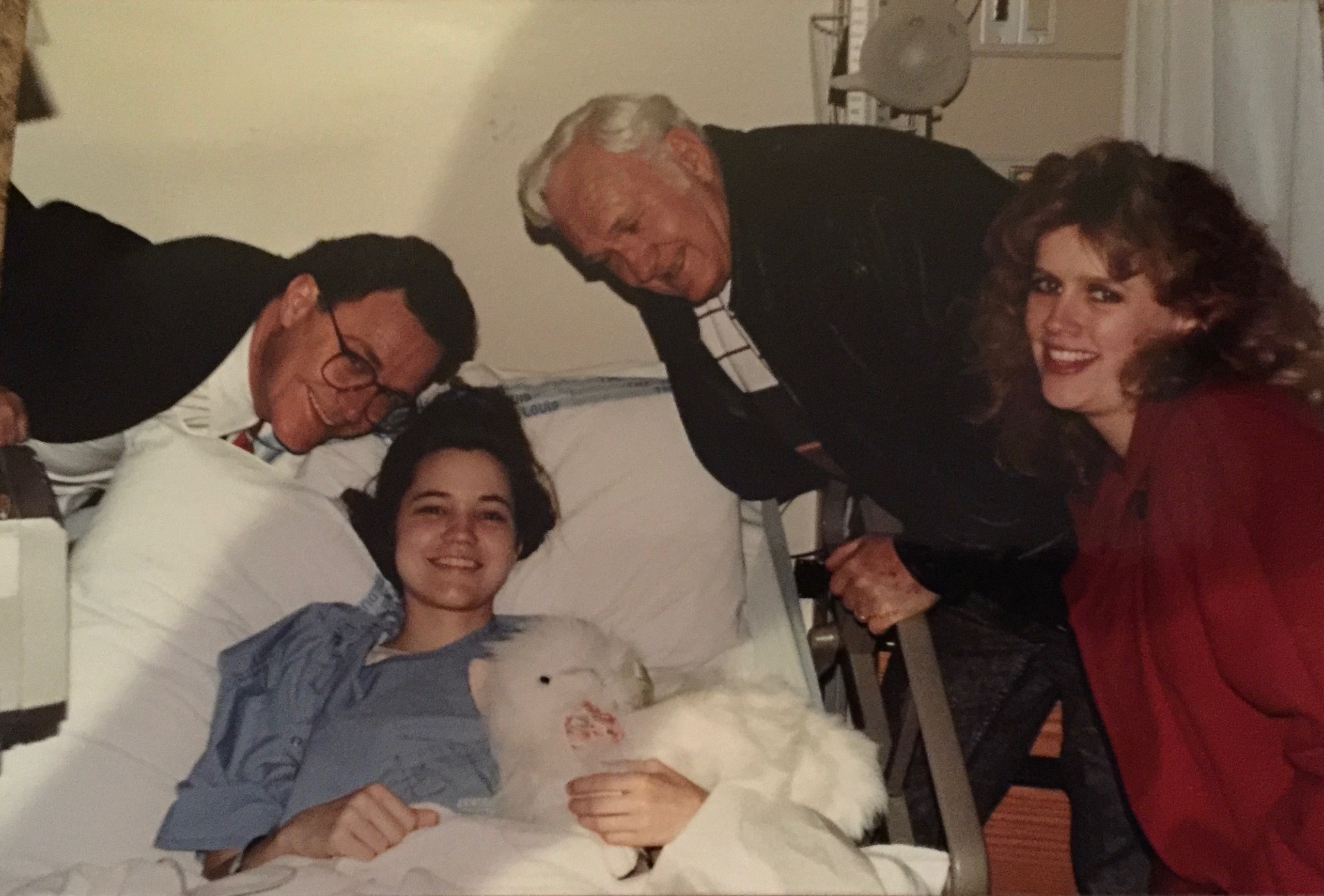
I can still see you looking at yourself in the mirror—feeling like a skeleton of who you used to be. Cheeks sunken in, eyes tired, arms covered with bright purple bruises from all the IV sticks, pokes and prods. You’re sitting up in bed, popping big bubbles with your chewing gum, trying to deal with the insomnia and ravenous appetite that comes along with taking 60 mg of prednisone. You’re thinking about how easy and simplistic life was a matter of weeks ago, graduating from college—hoping to land your first television gig as a news reporter.
Everything feels like it’s in shambles. You are perplexed about why you were dealt this hand of cards and why the rug was completely pulled out from under you, when just a matter of months ago you had the world by the tail.
Here’s what I want you to know. Nothing comes before your health. No job, no relationship, no friendship. There are going to be difficult times ahead as you figure out which people in your life genuinely want to be by your side, and which are only around for the fun, healthy times.  It’s a path that will bring you heartache. Significant others will let you down—you’ll be disheartened when they fail to show up when you need them most…but, then it will happen. You will meet the person who was meant to fight this fight beside you. You’ll know. You’ll see how that person loves you unconditionally and even more so, because of your illness. They will see you as so much more—see yourself the way they see you. Not some sick person. A person who has a sickness that is part of them, but far from all of them.
Professionally—you may need to take a different path that better suits your needs.  Don’t allow this illness to make you think you aren’t capable—because you are. You will surprise yourself, if you continue to be positive and find alternative ways to make your dreams become your reality. I know you’re sitting there with your huge spreadsheet of 200 U.S. cities, wondering which TV station you’ll be able to work at…and if your journalism career will ever happen. Looking back—I’m so proud of you for continuing that job search amidst your very first flare. Looking for jobs across the country, as you swallowed 22 pills a day, grappled with a chronic illness diagnosis and dealt with all the side effects and pain that is Crohn’s. Work ethic and attitude will take you far with this disease.
 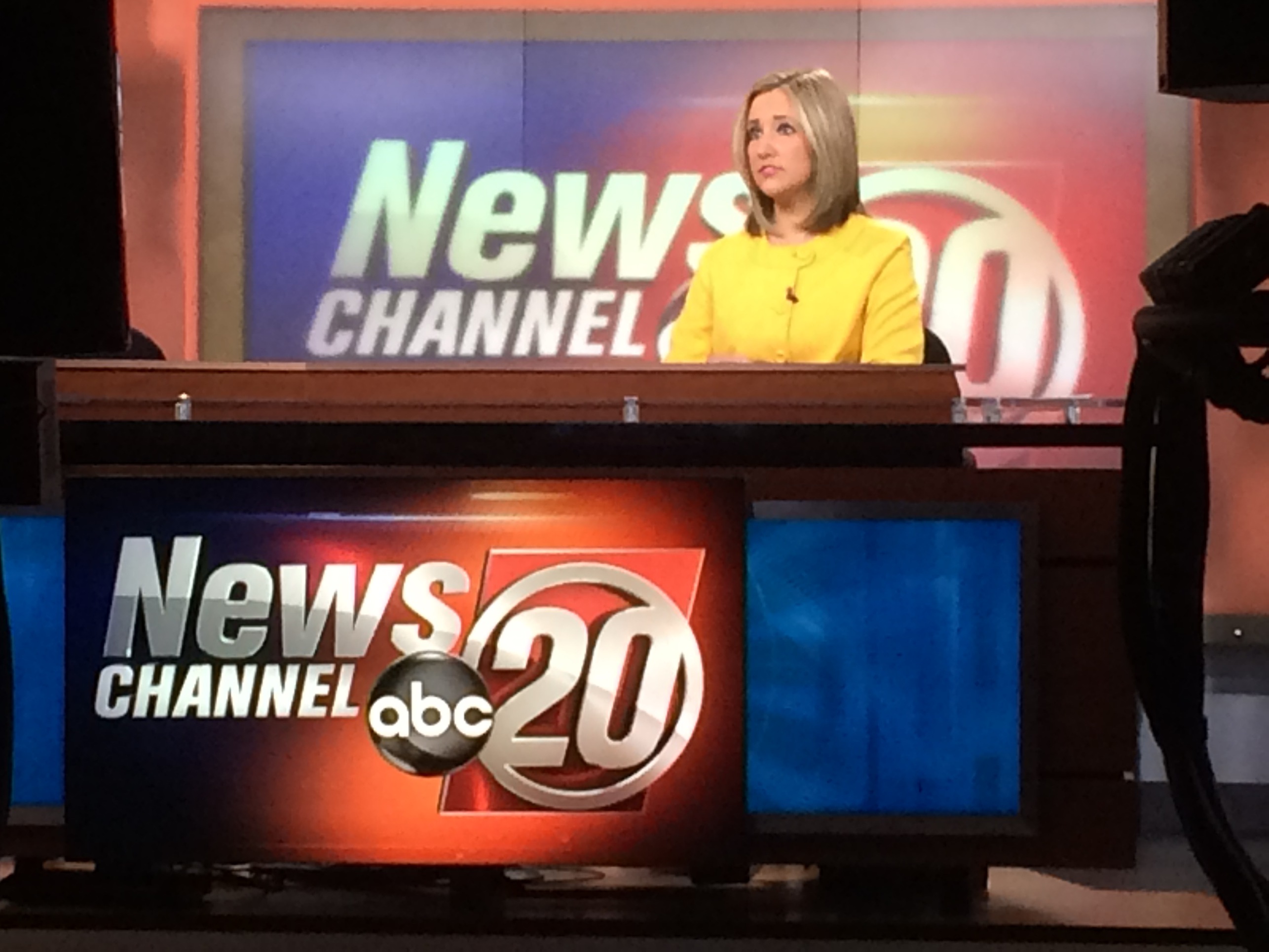 You will shine under those bright studio lights.
Stop with the timelines and deadlines in your mind. You don’t need to be married and have kids by age 30. I know you think you want that, but trust in God’s plan for you and know that your future will fall into place the way it is meant to. Don’t rush yourself. Don’t feel less than just because all your friends seem to be checking off those boxes. Your time will come.
When you attend doctor appointments and when you are hospitalized be vocal. Be your own best advocate. Don’t be intimidated by the people in white coats. You know your body better than anybody else. It’s ok to cry. It’s ok to be angry. It’s ok to lash out. Have patience with yourself as you navigate your new normal and trust that the temporary hardships and hurt are just that, scary. The first of anything can be scary. 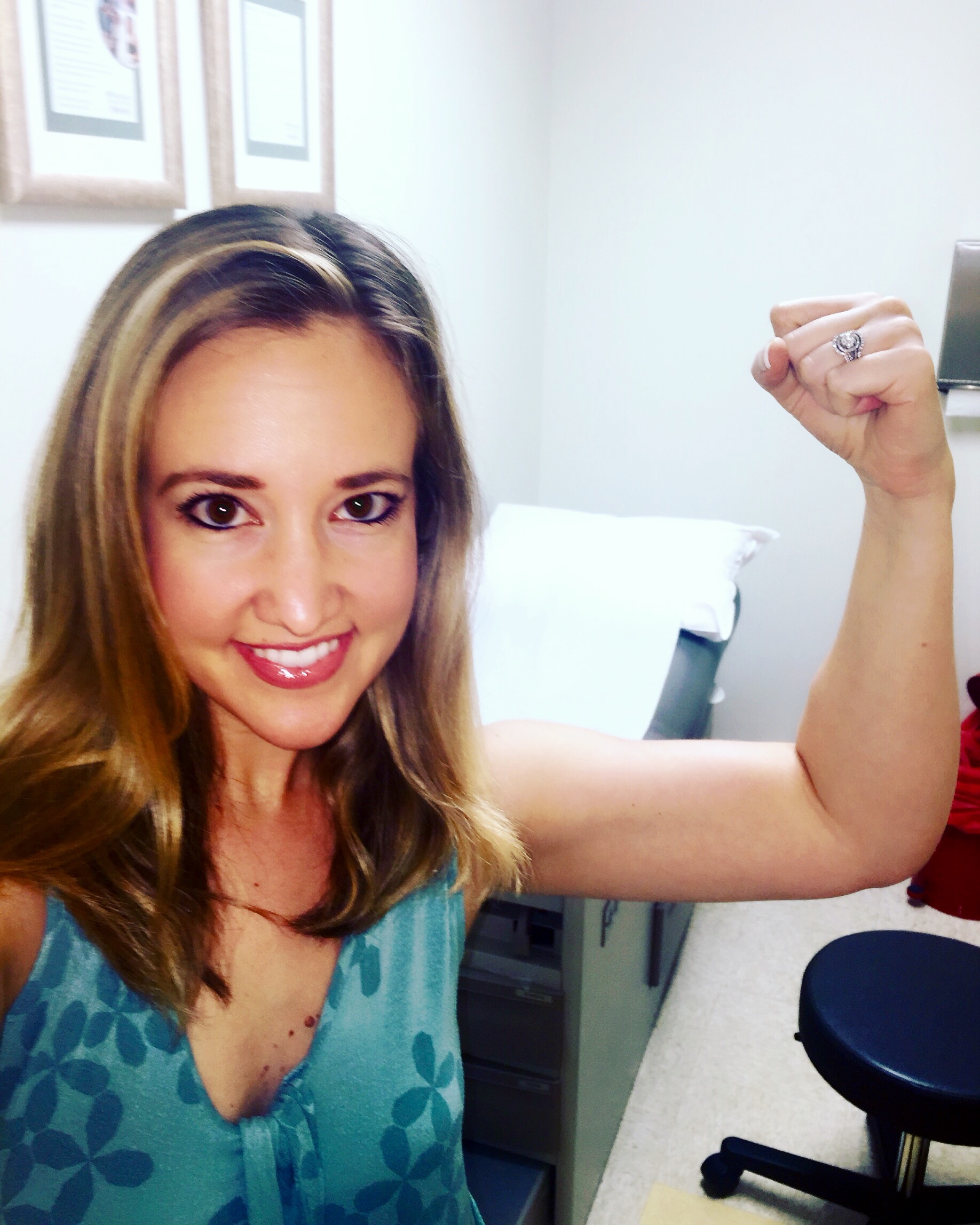 That first CT scan, that first colonoscopy, that first surgery, that first injection…it’s a lot to deal with. You’ll shake like a leaf and then as time goes on—you won’t bat an eye. You will find a strength within yourself that you never knew was there. You’ll be a seasoned warrior in no time.
What seems so foreign to you now, will soon be something you understand and can decipher immediately. Those symptoms—the pain, it’s all new now. In the future, you’ll have a good idea of what’s happening. What triggered it. How to help yourself. You won’t be as alarmed. You’ll know exactly what you need to do and when a hospital visit is a must.
I want you to know that everything is going to be alright. It’s going to be more than alright. You will thrive. You’ll beat the odds. You’ll land multiple TV gigs. You’ll fall in love. You’ll meet the one. You’ll be a mommy. 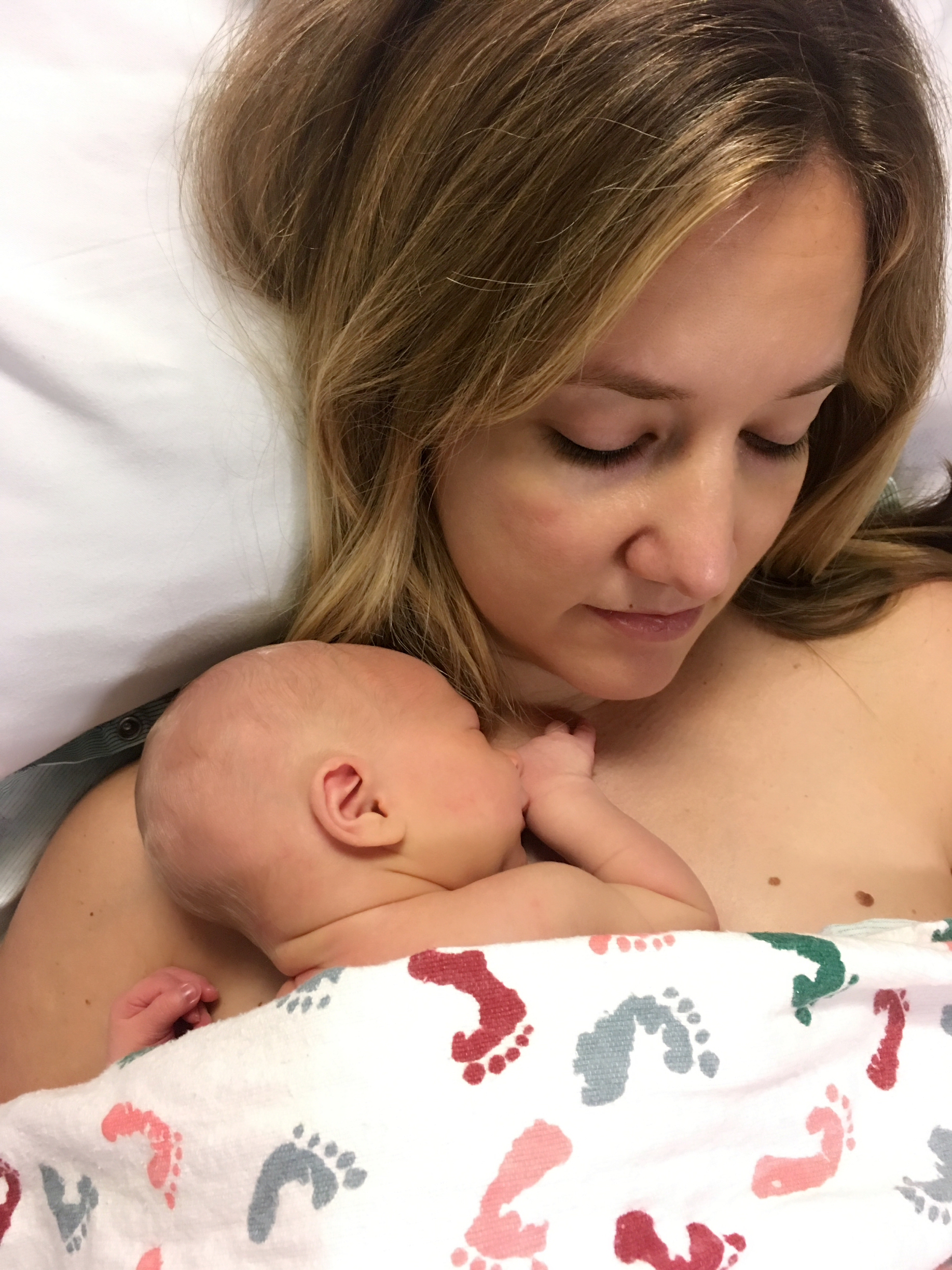 You’ll do all these things. All with your sidekick—your enemy, but also your ally, Crohn’s. The one thing that really sets you apart. In the future you won’t keep your disease a secret, rather it will come up in conversations almost immediately, with a sense of confidence. A badge of honor. Yes, I have Crohn’s. Yes, it’s not ideal. But, yes…it’s made me sort of a bad ass. I’ve been through a lot. I haven’t backed down. And there’s so much life left to live.
You are not broken. You are not less than. This disease will take you on a journey you never imagined. Hold on tight, hang in there through all the scares and celebrate all the wonderful feel good days when your quality of life feels untouchable. And smile. Smile on the good days, smile through the bad days. Trust me. You got this. 
Love yourself—everything that makes you, you—
Natalie, age 35
Feature photo credit: Coffee Geek

 This week, a look into her life and how she took on the disease as a preteen, went to college out of state and landed her dream job in California with Walt Disney, after growing up in Wisconsin. My hope is that Emily’s story of perseverance, brings comfort to parents and fellow children and teens experiencing IBD as their life story unfolds.
 While I know that my parents were scared, confused and upset that I was going through this, they never let that show to me. They were and always have been the ones that lift me up when I am down, and never fail to stay by my side through all I have endured.
 And there were times when I wished I would have decided to go to school closer to home, because that would have been easier. The biggest roadblock was the physical distance, because it meant a lot of back and forth travel. Especially, during flare ups. I found myself needing to make the 4-hour drive home more often than I wanted to, which resulted in the need to miss more classes. Additionally, learning to manage my symptoms completely on my own and having to adequately communicate with my medical team from so far away, was challenging at first.
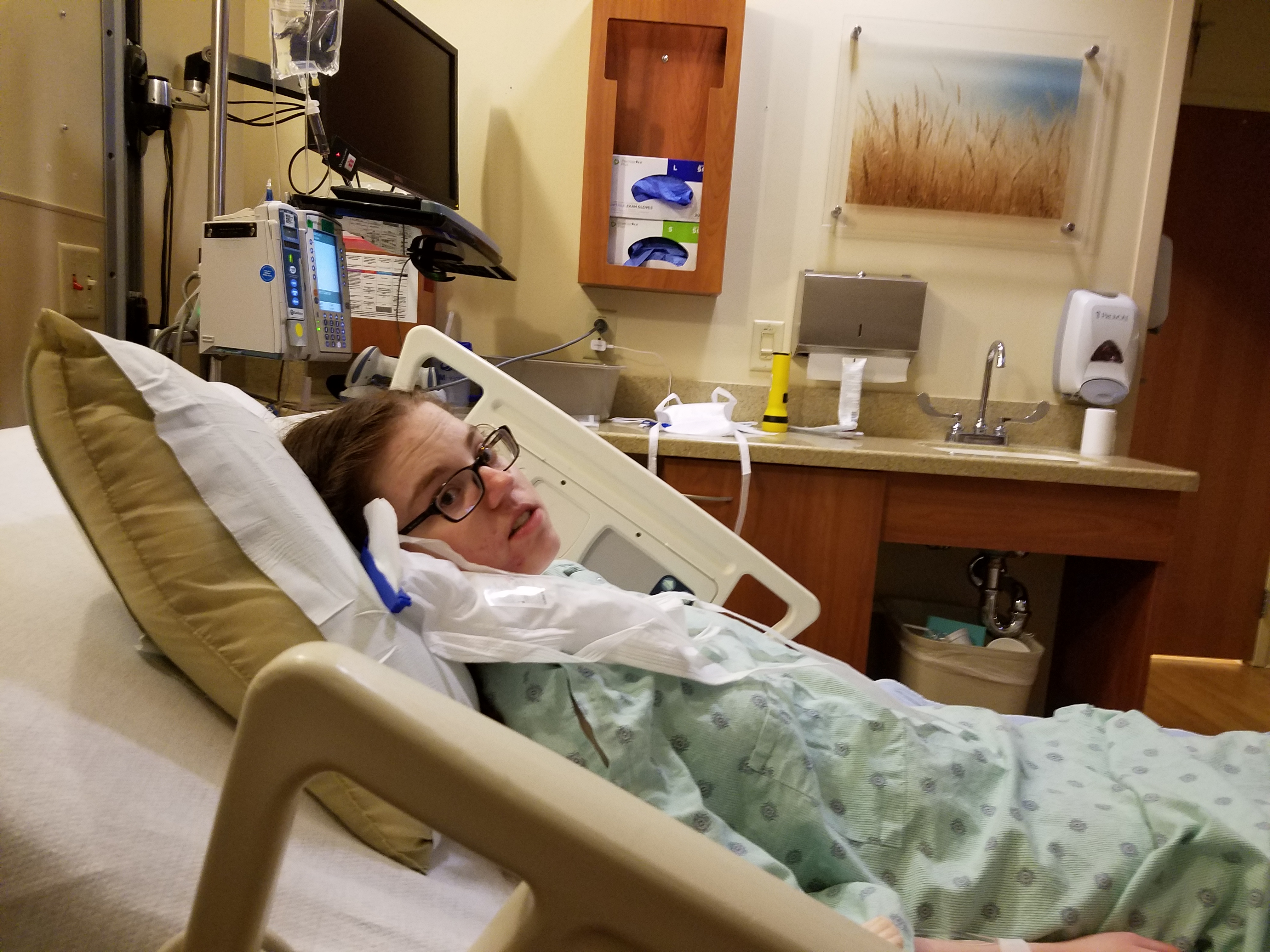 My health took a drastic turn and it became clear that I would need an ostomy sooner rather than later. I initially was very scared and upset that this was happening. I didn’t know what an ostomy was or anyone that had one, so I had little idea of what to expect going into it. By the time I was a couple weeks away from surgery, I was honestly ready to have it done. I had been experiencing more symptoms and was ready to have the surgery behind me and be feeling better. I was doing my best to go into things with a positive outlook and think about it as a fresh start, but this was no easy task for me. It was an overwhelming and emotional couple of weeks following the surgery getting used to having and caring for an ostomy. I am not afraid to admit that I was scared to look at it and care for it myself after my surgery. But then I realized, this isn’t going to go away anytime soon, so I had to start doing things myself. The more familiar I became with everything, the more comfortable I was and began to realize that I was actually feeling better than before the surgery. This was hard for me to admit to myself, because I didn’t want to be put in the situation of having an ostomy or needing one for the rest of my life. While I am now on the road to needing a permanent ostomy, it still has not sunk in that it will actually happen yet. And I don’t think it is going to fully sink in until that surgery happens.
 This is something that I never thought I would get to experience, and I think having Crohn’s has made me appreciate this opportunity more than I could ever imagine. The last year has been a wild roller coaster ride. I am just thankful to be here, because there were many times where I didn’t think I would even be able to graduate last year. My family and friends have been very supportive because they know how much this opportunity means for me personally and professionally. It is hard to be this far away from my main support system, but they are always just a text or phone call away. Additionally, my providers were very encouraging to me, pushing me to continue to live my life to the fullest and not let my disease slow me down. Hearing them say that to me, was really the last push that I needed to make this a reality. Knowing that my medical team wanted what was best for me, and was willing to work with me to get me where I am today, helped give me the confidence that I could do this.
 It is important to trust their advice and recommendations, as scary as they can be sometimes. Additionally, try your best to not dwell on the negative things that are currently happening and think about what your future can hold. Always do your best to roll with the punches and keep moving forward, your best is all you can do.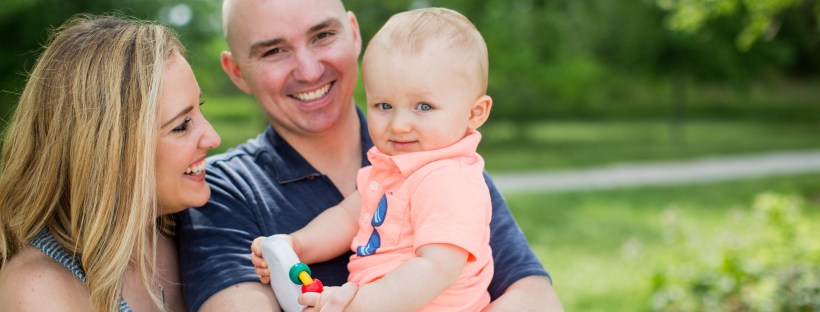
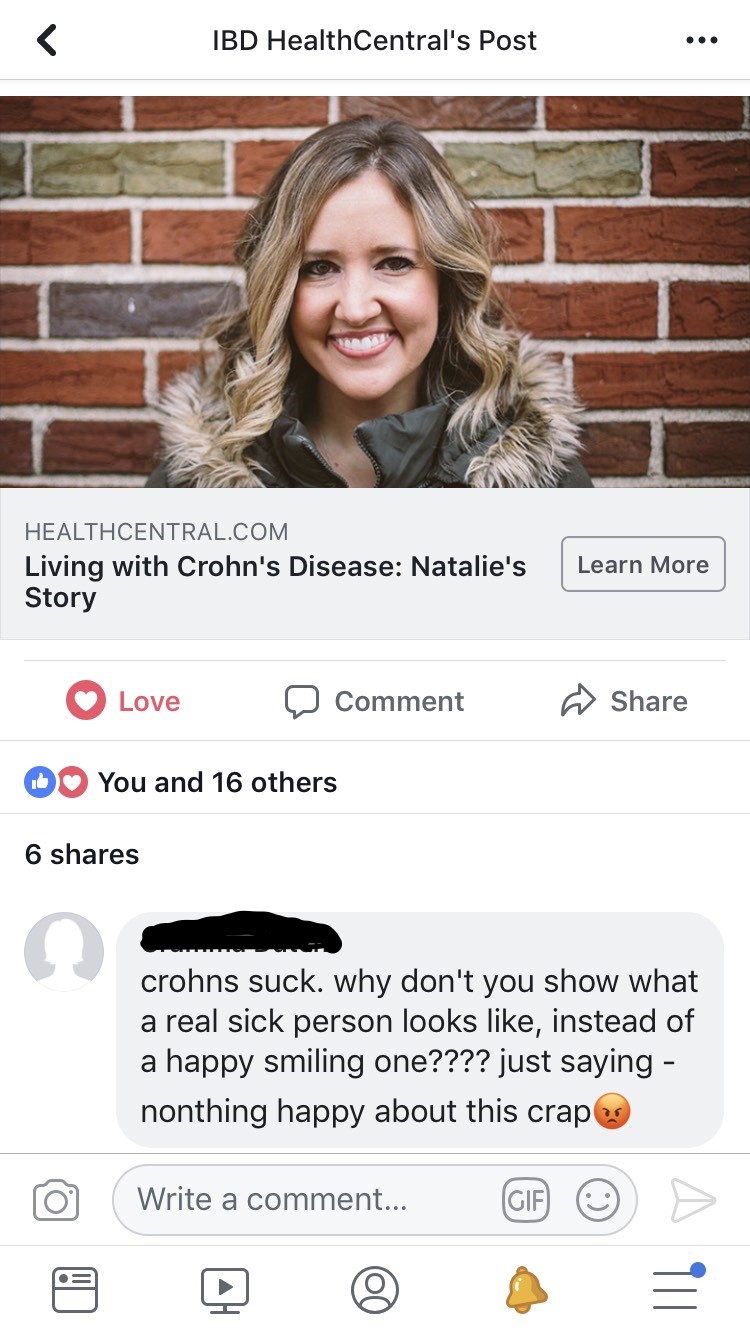 The featured image from the story is one of me smiling outside my home. The comment on the article: “Crohn’s sucks. Why don’t you show what a real sick person looks like, instead of a happy smiling one???? Just saying—nothing happy about this crap.”
 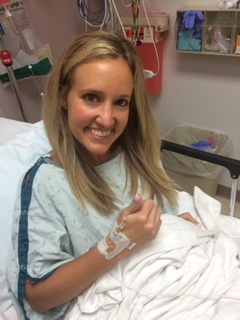 If you choose to smile and show Crohn’s who’s boss, than no matter what obstacles and setbacks come your way you’ll tackle them and fight through flares with a knowingness that better days are ahead.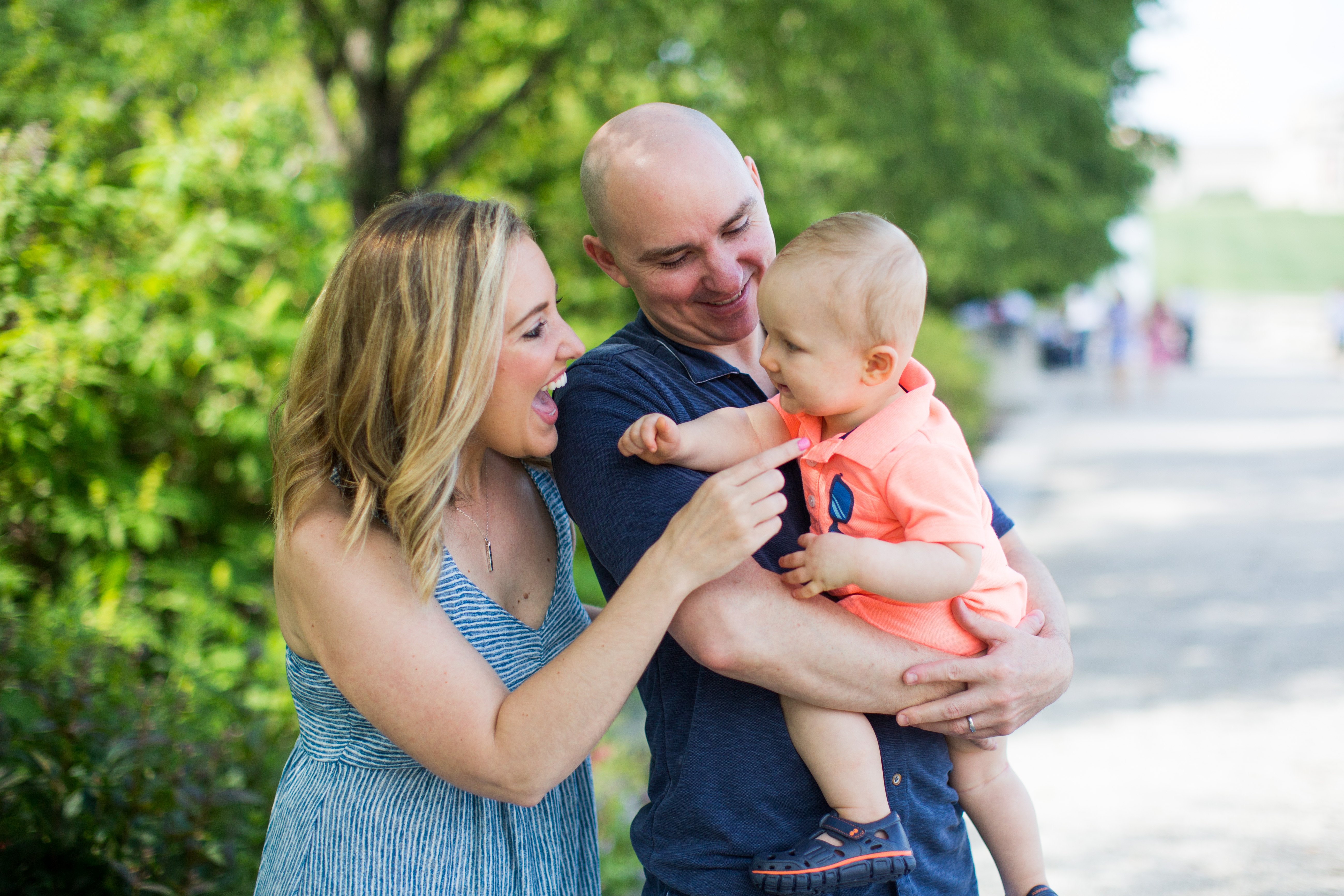

 The excitement of knowing “I’m not a hypochondriac” was overshadowed by the fear of having a “poop disease”. You see, my first year of college, I became best friends with my Suite mate. Ironically, she too battles Crohn’s. I was 20 years old, diagnosed with a disease that had no cause and therefore no cure…how can that be? Why me? What am I going to do? I didn’t even know how to swallow a pill. I was never the sick kid! Now, I had to take 24 pills a day, which sometimes would take me an entire hour to swallow one dose, throw up, re-swallow again. Three times a day. It was as if I had entered “hell”.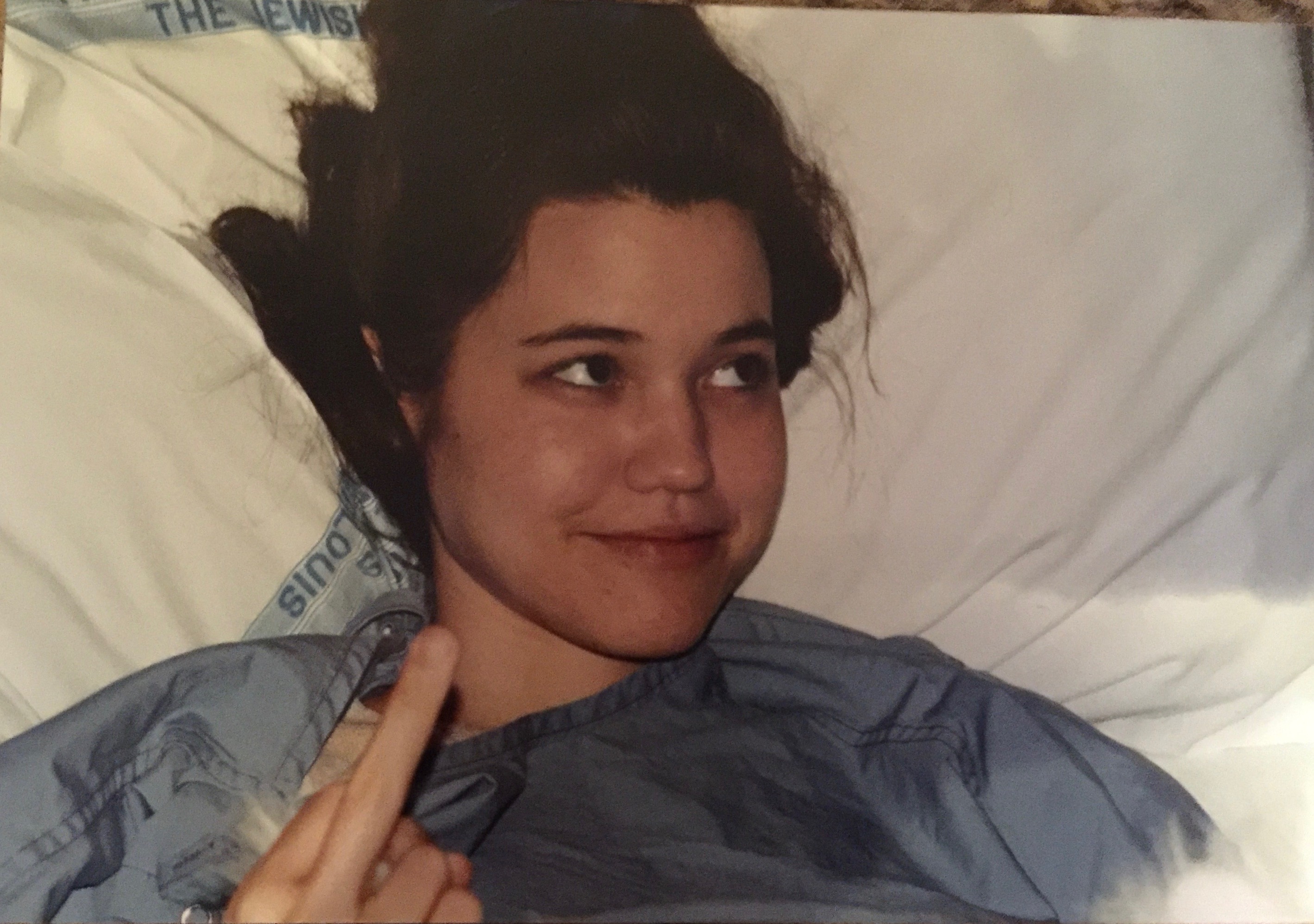
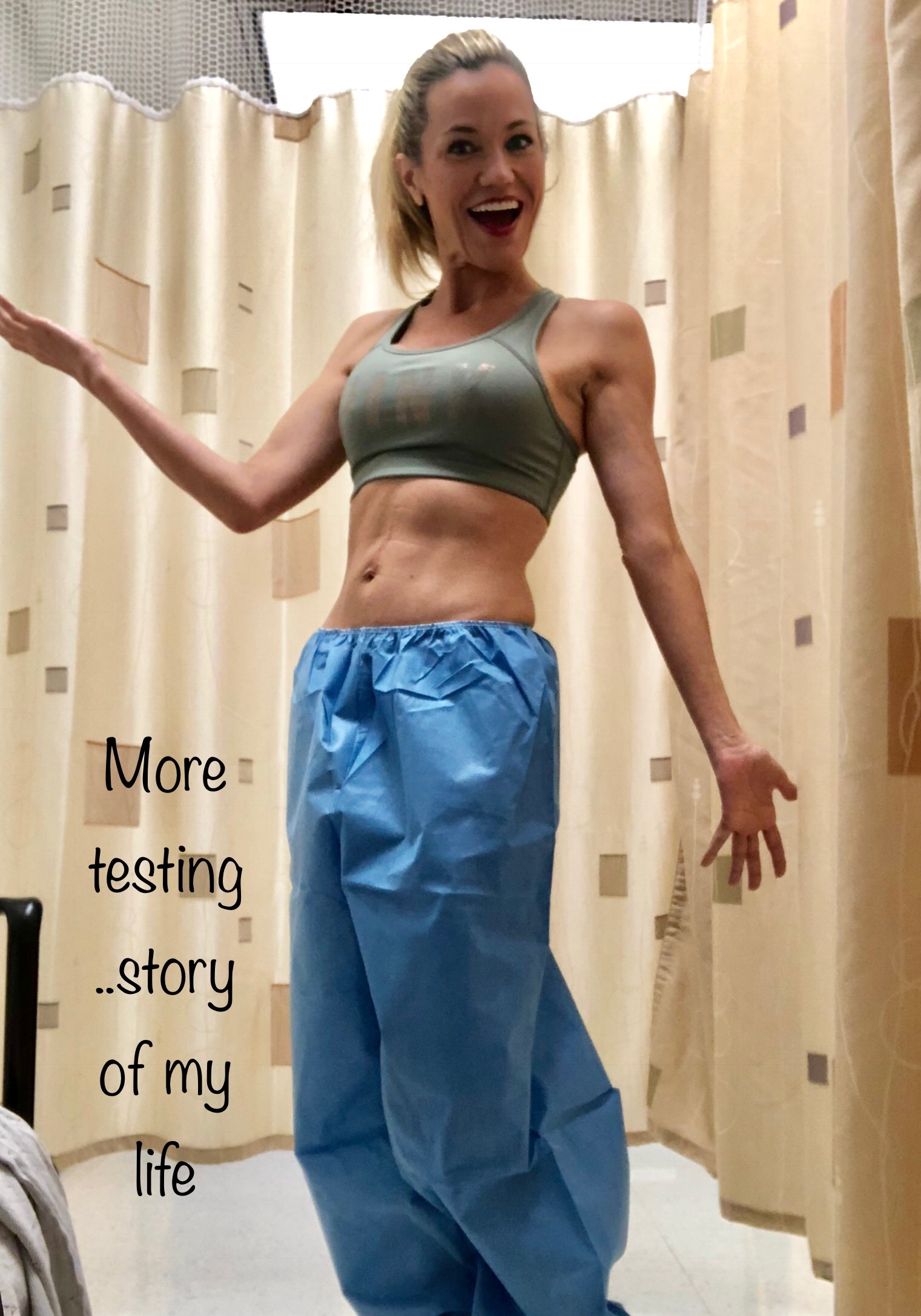 Which made my journey with the disease a little different than today. I was raised to think “only the weak complain!” “Someone always has it worse!” “Suck it up butter cup”. “If you want the job done right, do it yourself”. This made me look at the situation as this was “my” disease, “my” problem and I don’t want to make anyone worry about me or feel sorry for me! I became a master at hiding the disease and a master at hiding the byproducts of the disease.
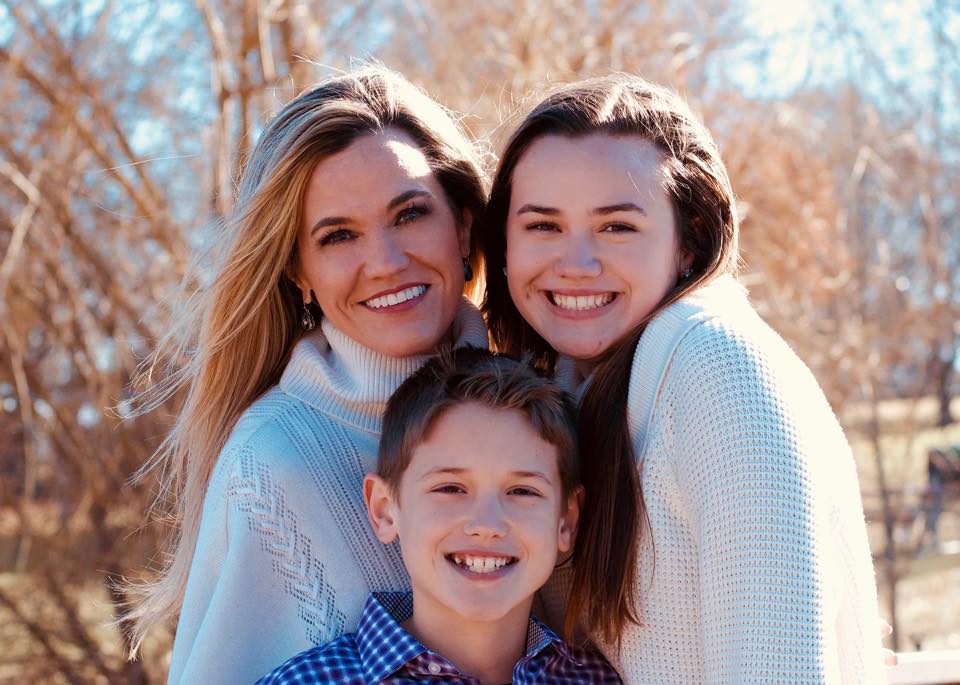 I’m a proud mother to two amazing children. I carried and gave birth to both of them with zero complications. I’m a business owner of a successful insurance agency, which I established 4 years after diagnosis. I didn’t allow my disease to derail my professional aspirations. I’m an active mother and manage to find time to be a room mother and Girl Scout cookie manager.


 “You’re an incredible partner—you’re my rock when I’m sick and you know how to lift my spirits when I’m down. You have a way of easing my worries and bringing me clarity when I’m uncertain. Each day spent with you—is an extraordinary blessing. I feel so incredibly lucky that God brought us together and chose you to be the one person among millions who lights up my soul.”
 At times, living with a chronic illness and being the one who doesn’t feel well, can bring about guilt. It also brings out the best in us. When I’m vulnerable and need a boost, I see my husband rise up to the challenge, time and time again. I’m constantly reminded I chose to live my life alongside someone who has more compassion in their heart than I knew imaginable.


 As a patient advocate, you also become somewhat of a confidante and voice of reason for your peers in the community.
 What I do want—is for people to recognize what compassion fatigue is…and how as chronic illness advocates and caretakers we need to be mindful of how we’re feeling and internalizing the struggles of those around us.
 I offer support from the bottom of my heart, but as a mom and a wife, I do need to recognize when it’s time to unplug and take time for myself. When my baby naps each morning—I spend that “break” on my computer writing articles about IBD, participating in Twitter Chats, and talking on the phone with those who want to hear about my patient experience.
 As part of my self-care and disease management I need to de-stress, so I don’t put my own health at risk. This article is painful for me to write—I can’t stand admitting that I am struggling to do it all. But, compassion fatigue has been something I’ve been feeling for a few months. I want to be the best advocate for others and do all I can to make a difference and show there’s so much life to be lived outside of your disease. I want you to see how much you can thrive with this disease and all that you can accomplish. I want to be the person I needed the day my world turned upside down when I was diagnosed. I want to be all the things. But it’s not possible. It’s not fair to me, it’s not fair to you.
 lights camera crohn's