
Just when you start to trust your body again, inflammatory bowel disease (IBD) has a way of reminding you who’s in charge. Last week, my bloodwork was perfect. My inflammatory markers were normal. By every measurable standard, I was doing well. Remission was validated.
Then Thursday evening hit.
What followed was nearly three days of constant, debilitating abdominal pain that left me glued to the couch with a heating pad, exhausted, frustrated, and questioning everything I thought I knew about my disease. Each night I went to bed and woke up with the same pain. By Sunday morning, out of nowhere, the pain suddenly lifted. As I write this (Monday), I’m back to feeling like myself. Luckily, I had a Humira injection today!

If you’ve lived with Crohn’s disease or ulcerative colitis for any length of time, chances are you’ve experienced this type of whiplash. One day you’re making plans, feeling strong, and celebrating remission. The next, you’re wondering if a flare is brewing, if your medication has stopped working, or if you’re headed back down a road you’ve traveled before. And the hardest part? Sometimes there are no clear answers. This week on Lights, Camera, Crohn’s a look at the behind-the-scenes reality of life with IBD, even when you’re in remission.
When the Tests Say One Thing and Your Body Says Another
One of the most mentally exhausting aspects of IBD is that symptoms and objective disease activity don’t always line up and they often show up unannounced.
You can have:
- Normal bloodwork
- Normal fecal calprotectin
- A recent clear colonoscopy
- Therapeutic levels of your biologic
- No evidence of active inflammation
And still experience significant symptoms. That’s not to say the pain isn’t real. It absolutely is. For some people, symptoms can stem from scar tissue, adhesions, visceral hypersensitivity, altered gut motility, stress, infections, dietary triggers, or other gastrointestinal conditions that coexist alongside IBD. Sometimes it’s a temporary viral illness. Sometimes it’s something that remains unexplained.
When I saw my GI today, he wasn’t overly concerned given my recent normal labs and the fact that the symptoms had resolved. The only change he made was moving my surveillance colonoscopy up a few months, from December to August/September, to provide some additional reassurance and make sure nothing is missed.
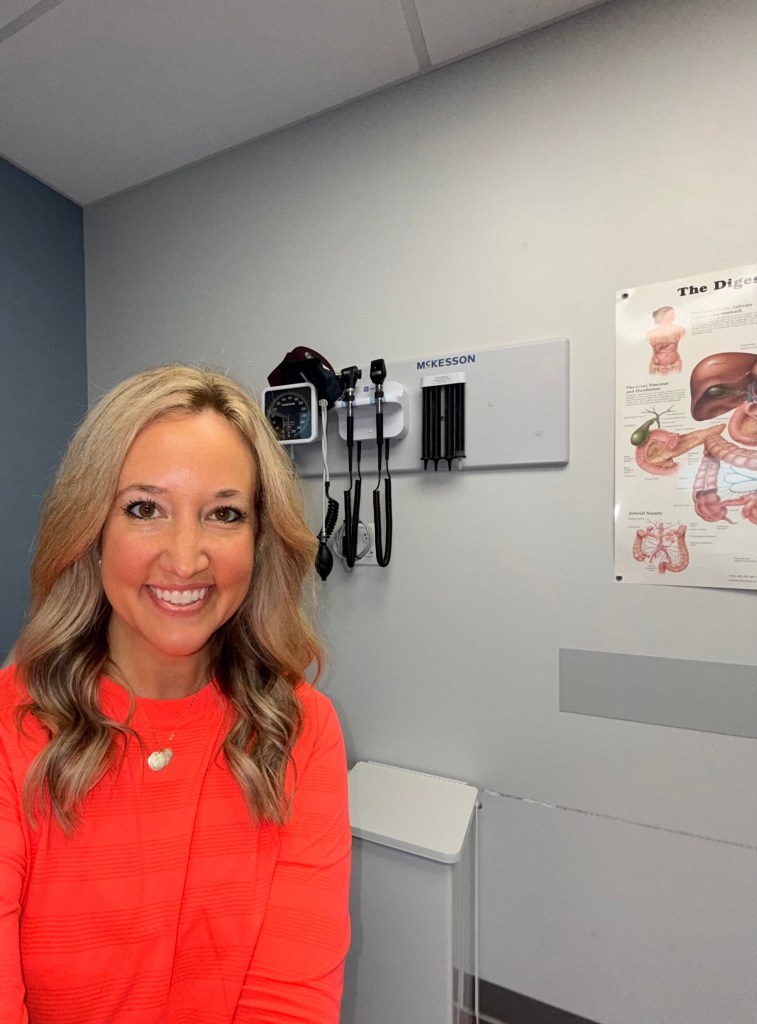
While I appreciated the precaution, I’ll admit part of me still wonders what caused all of this to happen. I’m left with something many IBD patients know all too well: uncertainty.
The Mental Toll Nobody Talks About
The physical pain was difficult. The mental spiral was challenging. When symptoms appear out of nowhere, it’s easy to immediately jump to worst-case scenarios:
“Is my medication failing?”
“Am I flaring?”
“Did I do something wrong?”
“What if I’m hospitalized this summer with all three kids out of school?”
“Is this the beginning of something bigger?”
Living with a chronic illness means carrying years, sometimes decades, of medical trauma and memories. Next month marks 21 years since my Crohn’s diagnosis, as a veteran patient, I consider myself to be well-versed on not only IBD, but how my symptoms speak to me and when I truly need to listen. Ironically, the month of July has historically been my “worst” month. I’ve had several hospitalizations during that month, so this time of year, I’m always a bit weary.
A bad pain day doesn’t just exist in the present moment. It can instantly transport you back to previous flares, hospitalizations, surgeries, or periods when your disease wasn’t controlled. For many of us, the fear isn’t about today’s symptoms. It’s about what those symptoms might mean tomorrow.
You’re Not Alone
If this experience sounds familiar, you’re in good company.
Many people living with IBD report episodes of abdominal pain or GI symptoms despite being in clinical or even endoscopic remission. In fact, symptom burden remains one of the biggest quality-of-life challenges in the IBD community. We often hear the word “remission” and imagine a finish line.
Since I reached surgical remission in August 2015 following bowel resection surgery (18 inches of my small intestine + appendix), I’ve come to realize the reality is much messier.
Remission doesn’t always mean symptom-free. It doesn’t mean every stomachache disappears or that you may not urgently have to run to the bathroom 5+ times a day. It doesn’t mean you’ll never have a bad day or week. And it certainly doesn’t mean your concerns aren’t valid. I think one of the most challenging parts of remission is that friends and family just think you’re 100% well all the time because the average person thinks remission is perfect, normal health, when in fact it’s not.
How to Navigate the Whiplash
When symptoms strike unexpectedly, here are a few strategies that can help:
Don’t Panic on Day One. Easier said than done, I know.But not every symptom equals flare. Give yourself permission to gather information before jumping to conclusions. I typically allow 2-3 days of symptoms before I reach out to my GI team over the patient Portal.
Reach Out to Your Care Team. Even if symptoms resolve, it’s worth documenting what happened and notifying your GI. Patterns matter. Taking notes whether handwritten or on your phone/computer will help you keep track of the good days vs. the rough days. Oftentimes when we’re in clinic, we tend to gloss over the hard times not because we’re being evasive purposefully, but because our normal isn’t normal, but it becomes our normal. You get what I’m dropping.
Focus on Trends, Not Moments. A few rough days may be less concerning than symptoms that steadily worsen over weeks.
Ask yourself:
- Is this getting better, worse, or staying the same?
- Are symptoms recurring?
- Am I seeing new symptoms?
Trust Your Experience. Normal labs are reassuring, but they don’t invalidate your symptoms.You know your body.You don’t need abnormal test results to justify seeking support.
Keep a Symptom Journal. Documenting pain levels, diet, stress, sleep, and bowel habits can sometimes reveal patterns that aren’t obvious in the moment.
Consider Seeking Help from a GI Psychologist. My GI brought this option up to me in clinic today. Even though we may feel like we have a good handle on it all, living with IBD can be heavier than we realize and managing our anxiety and coping mechanisms with a professional can help us take life on more effortlessly. There are many amazing psychologists who specialize in IBD, many with virtual visits available right at our fingertips.
Remember That Remission Isn’t Fragile. One bad weekend doesn’t erase months or years of progress.This is something I’m reminding myself of right now.
Moving Forward
IBD has taught me many lessons over the past two decades, but one of the hardest is learning to live in the gray area. Not every symptom has an immediate explanation. Not every setback becomes a flare.
And sometimes the most difficult part of this disease isn’t the inflammation itself, it’s the uncertainty. This past weekend was a reminder that even in remission, Crohn’s disease can still mess with your head. But it was also a reminder that symptoms can pass. That normal labs still matter. That one difficult chapter doesn’t automatically predict the rest of the story.
If you’ve ever experienced the whiplash of feeling healthy one day and terrified the next, know this: You’re not overreacting. You’re not imagining it. And you’re certainly not alone.


 lights camera crohn's