Plastic is everywhere. It is in food packaging, water bottles, clothing, household products, and even the air we breathe. While most of us rarely think about the microscopic particles that may enter our bodies through everyday activities, researchers are increasingly asking an important question: Could these environmental exposures affect our gut health?
For the inflammatory bowel disease (IBD) community, the question is particularly relevant. Crohn’s disease and ulcerative colitis are complex conditions influenced by a combination of genetic, immune, microbial, and environmental factors. Although researchers have made significant progress in understanding IBD, what ultimately triggers the disease in some people remains an ongoing area of investigation.
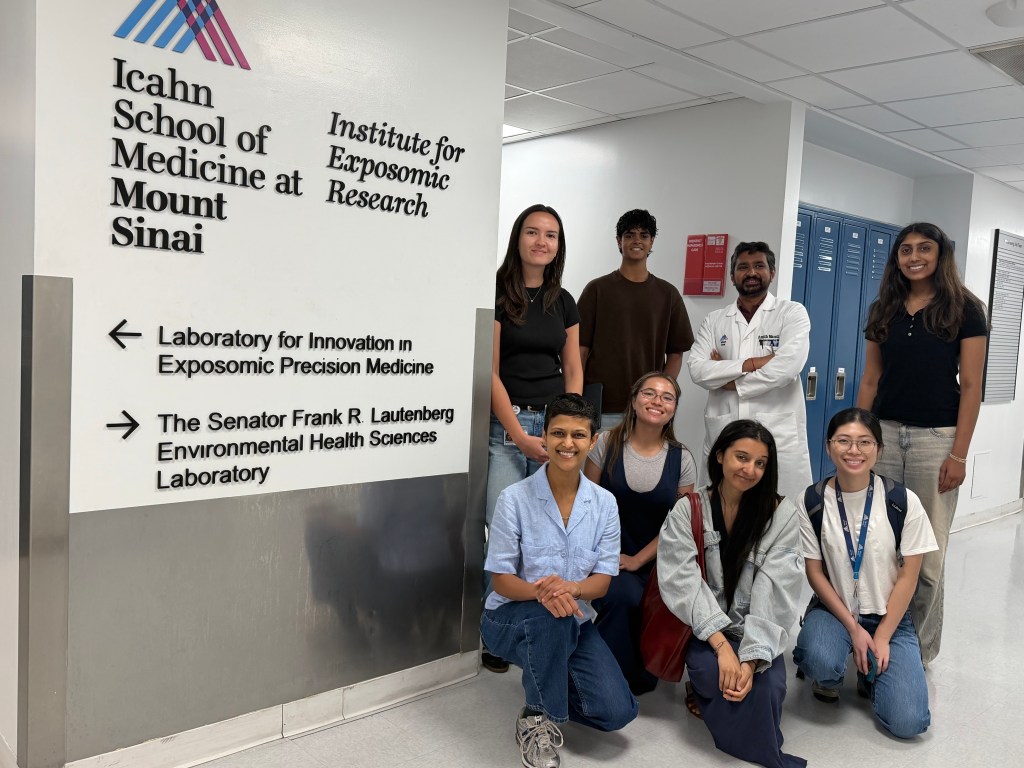
Dr. Manasi Agrawal, MD, MS, an associate professor of medicine and environmental medicine at the Icahn School of Medicine at Mount Sinai and director of Environmental Gastroenterology, is working to better understand that connection through the PLANET Study.

The study, which stands for Exploring the Role of Plastics and Toxins in Intestinal Inflammation, examines microplastics and other environmental exposures to determine whether they are associated with intestinal inflammation and could help explain some of the factors contributing to IBD risk. This week on Lights, Camera, Crohn’s a look at the research and the important insights into how environmental exposures shape gut health across a person’s lifetime.
What Are Microplastics, and Why Are Researchers Concerned?
Microplastics are tiny plastic particles, generally defined as smaller than five millimeters. Even smaller particles, known as nanoplastics, are also receiving increasing scientific attention.
These particles can enter the body through ingestion and inhalation. Food and beverage packaging, drinking water, household dust, and other everyday environmental sources may contribute to exposure.
Researchers are interested in what happens after these particles enter the gastrointestinal tract. Could they affect the intestinal barrier, influence the gut microbiome, or activate immune responses involved in inflammation?
“Microplastics are rising in our environment at an exponential pace and are being linked with adverse health outcomes including systemic inflammation,” Dr. Agrawal explains. “The gut is one of the primary sites of microplastic exposure. Therefore, we wanted to understand their impact on intestinal inflammation and IBD.”

A 2024 review co-authored by Dr. Agrawal and colleagues examined the emerging evidence connecting microplastics and nanoplastics with intestinal inflammation and IBD. The review identified potential biological pathways of concern, including changes in the gut microbiome and intestinal barrier function.
However, much of the existing evidence comes from laboratories and animal studies. Human research remains limited, and scientists have not established that microplastic exposure causes IBD.
Inside the PLANET Study: What Researchers Have Found So Far
The PLANET Study is designed to investigate microplastic exposure, other environmental toxicants, intestinal inflammation, and gut microbiome changes in pregnant women with and without Crohn’s disease, along with their children.
The pilot project enrolled 40 pregnant participants: 20 with IBD and 20 without. Researchers are collecting biological samples and information about participants’ health histories, lifestyles, and environmental exposures. Samples include maternal stool and, following delivery, placenta, umbilical cord blood, and breast milk. The team also plans to follow the children over time to investigate early-life exposures and subsequent health outcomes.
In an initial analysis of 20 stool samples, researchers detected microplastics in every sample.
For Dr. Agrawal, that finding highlights just how widespread exposure may be.
“These findings indicate that microplastic exposure is ubiquitous and that these chemicals pass into our GI tracts,” she says.
The team also observed a possible association between higher microplastic levels and elevated fecal calprotectin, a marker commonly used to assess intestinal inflammation.
For people living with Crohn’s disease or ulcerative colitis, fecal calprotectin may already be a familiar part of monitoring disease activity. However, the preliminary findings do not establish that microplastics caused the inflammation or that exposure predicts who will develop IBD.
“We need additional data in a larger sample to better understand the relationship between microplastics in stool and fecal calprotectin,” Dr. Agrawal says.
In other words, detecting microplastics in a stool sample is an important starting point, not a conclusion about what those particles mean for an individual’s health.
Why Pregnancy and Early Childhood Matter
One of the most distinctive aspects of the PLANET Study is its focus on the earliest stages of life.
Researchers are investigating whether environmental exposures during pregnancy and childhood may influence the development of the immune system and gut microbiome, potentially shaping health outcomes years later.
This approach is informed by the Developmental Origins of Health and Disease (DOHaD) theory, which examines how exposures during critical periods of development may influence health and disease later in life.
“The early life period, extending from pregnancy to the first few years of life, is of particular vulnerability, and exposures during this period inform later health and disease, including IBD,” Dr. Agrawal explains.
The researchers hope that following children from fetal development into childhood will help clarify whether early life microplastic exposure is associated with changes in gut health, inflammatory markers, and the microbiome.

The study also considers other environmental pollutants, recognizing that people encounter mixtures of exposures rather than just one substance in isolation.
For IBD researchers, this broader perspective is important. Environmental exposures may interact with genetic susceptibility, immune function, and the gut microbiome in ways that are not yet fully understood.
Could Microplastics Trigger an IBD Flare?
For people already living with Crohn’s disease or ulcerative colitis, another question naturally follows: Could microplastics contribute to worsening symptoms or disease flares?
At this point, there is not enough human evidence to establish that relationship.
Dr. Agrawal emphasizes the need for larger, prospective studies, along with rigorous sample collection and laboratory techniques capable of accurately identifying and measuring microplastics and nanoplastics.
That scientific precision matters. Because plastic is so widespread, researchers must take extra precautions to prevent contamination of biological samples during collection and processing.
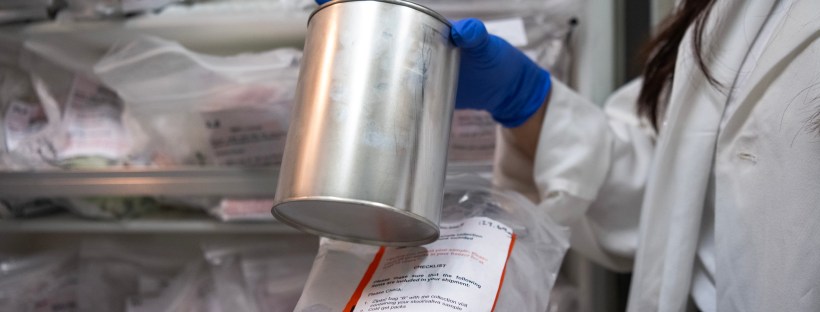
The PLANET team has developed a specialized sampling protocol using glass and metal containers rather than conventional plastic collection materials. The researchers also use control samples to help account for potential contamination from the surrounding environment.
These methodological details may sound technical, but they are essential to producing trustworthy results.
Ultimately, researchers need to determine whether differences in exposure are consistently associated with inflammation or other meaningful health outcomes and whether those associations persist when other factors are considered.

Until then, microplastics should be viewed as an emerging area of environmental health research, not an established explanation for IBD symptoms or flares.
What Can Patients Do to Reduce Exposure?
While scientists work to answer these questions, patients may wonder whether there are practical steps they can take to reduce everyday exposure without feeling overwhelmed by another health concern.
Dr. Agrawal recommends small, manageable changes where feasible, including minimizing single-use plastics, avoiding heating food in plastic containers, and favoring natural fabrics when practical.
Mount Sinai’s research team similarly encourages reasonable efforts to reduce unnecessary plastic exposure without attempting to eliminate plastic from every aspect of daily life.
These steps are precautionary. They have not been proven to prevent IBD, induce remission, or stop flares, and people should not feel responsible for controlling every environmental exposure.
For those living with IBD, the goal is to stay informed without becoming fearful of everyday activities. Patients should continue following their prescribed treatment plans and working with their gastroenterologists to manage their disease rather than making medication or dietary changes based on preliminary microplastics research.
As new evidence emerges, recommendations may evolve.
Could This Research Change How We Prevent IBD?
The long-term goal of the PLANET Study is to help researchers better understand how environmental exposures relate to intestinal inflammation and future disease risk.
If future studies establish meaningful associations between particular exposures and inflammation, that knowledge could eventually inform prevention strategies, identify people who may benefit from closer monitoring, or guide public health recommendations.
For now, the most important contribution may be a better understanding of the many factors that intersect throughout a person’s life.
Dr. Agrawal hopes the research will help clarify whether plastics influence intestinal and systemic inflammation and ultimately guide IBD prevention strategies.

But she offers an important reminder for anyone who worries that their daily habits may have caused their diagnosis.
“IBD is a complex multifactorial disease, likely a consequence of multiple exposures over the lifespan. Therefore, no single exposure or habit can be considered causal. Research in this space is evolving, and we are learning new things every day!”
For the IBD community, that distinction matters. Research into environmental exposures could open new avenues for understanding a disease that affects millions of people, but it should not create another reason for patients to blame themselves.
Final thoughts
The PLANET Study is one piece of a much larger scientific puzzle. By following environmental exposures from pregnancy into childhood, researchers hope to move closer to understanding how IBD develops and, eventually, whether there are opportunities to prevent it.
As someone who has lived with Crohn’s disease for more than two decades and is now raising three children, I find this research especially intriguing. As an IBD mom, I’m always thinking about the factors that shape my children’s health and what we may learn today that could make a difference for the next generation. I also know firsthand that living with IBD can mean navigating uncertainty, even when you’re doing everything you can to take care of yourself. I want answers, but I also recognize that we can’t control every environmental exposure or pinpoint one reason why someone develops this disease.
For now, the message is one of cautious curiosity: science is evolving, important questions remain unanswered, and patients do not need to live in fear of the plastic around them. My hope is that research like PLANET brings us closer to understanding the environmental factors that may contribute to IBD, while reminding patients and parents that we can make informed choices without carrying the burden of blame for a disease we did not choose.
Learn more
Read: Mount Sinai’s overview of the PLANET Study and microplastics research
Watch Dr. Agrawal’s discussion of microplastics, nanoplastics, and IBD

