The Whiplash of Living with IBD: When Remission Doesn’t Feel Like Remission

Just when you start to trust your body again, inflammatory bowel disease (IBD) has a way of reminding you who’s in charge. Last week, my bloodwork was perfect. My inflammatory markers were normal. By every measurable standard, I was doing well. Remission was validated.

Then Thursday evening hit.

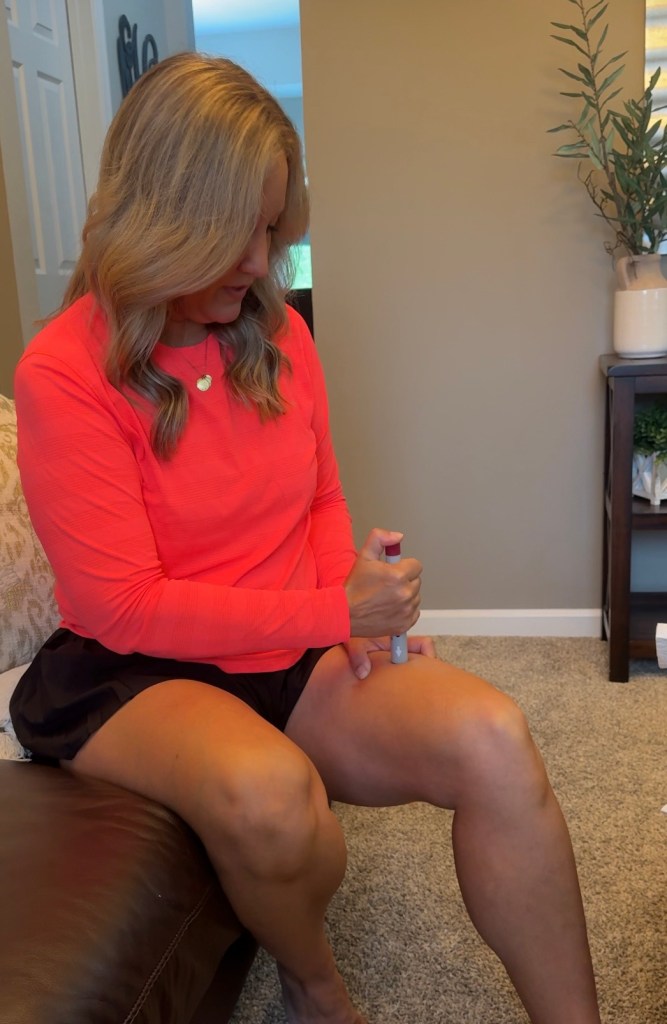
What followed was nearly three days of constant, debilitating abdominal pain that left me glued to the couch with a heating pad, exhausted, frustrated, and questioning everything I thought I knew about my disease. Each night I went to bed and woke up with the same pain. By Sunday morning, out of nowhere, the pain suddenly lifted. As I write this (Monday), I’m back to feeling like myself. Luckily, I had a Humira injection today!
If you’ve lived with Crohn’s disease or ulcerative colitis for any length of time, chances are you’ve experienced this type of whiplash. One day you’re making plans, feeling strong, and celebrating remission. The next, you’re wondering if a flare is brewing, if your medication has stopped working, or if you’re headed back down a road you’ve traveled before. And the hardest part? Sometimes there are no clear answers. This week on Lights, Camera, Crohn’s a look at the behind-the-scenes reality of life with IBD, even when you’re in remission.

When the Tests Say One Thing and Your Body Says Another

One of the most mentally exhausting aspects of IBD is that symptoms and objective disease activity don’t always line up and they often show up unannounced.

You can have:

  • Normal bloodwork
  • Normal fecal calprotectin
  • A recent clear colonoscopy
  • Therapeutic levels of your biologic
  • No evidence of active inflammation

And still experience significant symptoms. That’s not to say the pain isn’t real. It absolutely is. For some people, symptoms can stem from scar tissue, adhesions, visceral hypersensitivity, altered gut motility, stress, infections, dietary triggers, or other gastrointestinal conditions that coexist alongside IBD. Sometimes it’s a temporary viral illness. Sometimes it’s something that remains unexplained.

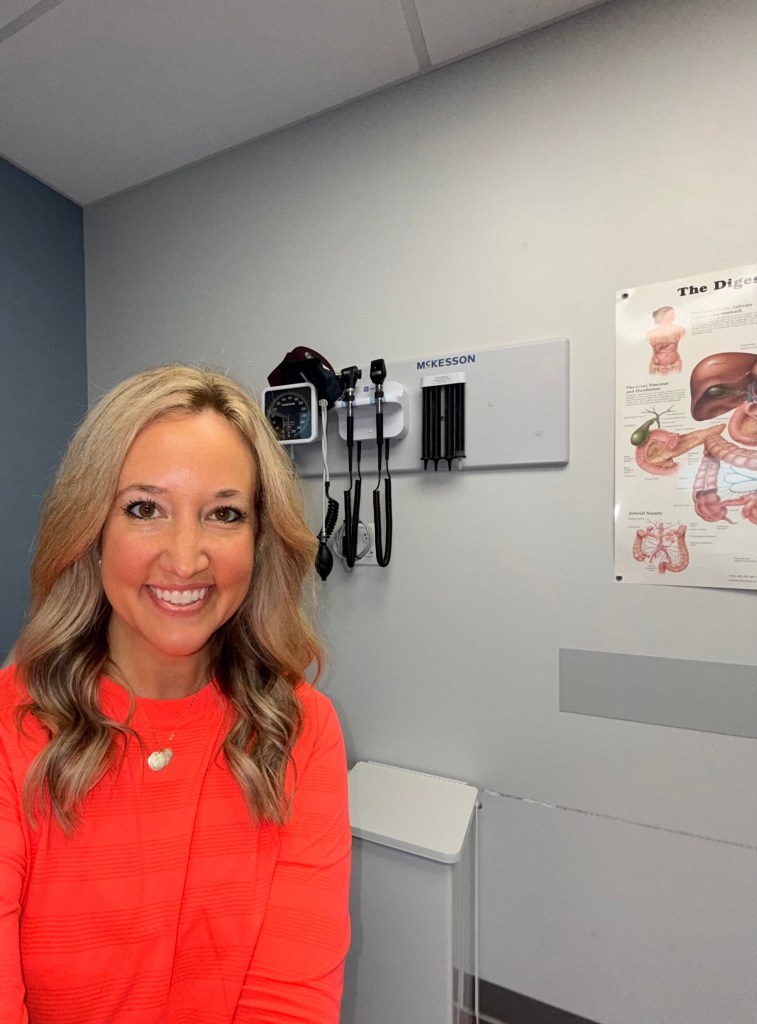
When I saw my GI today, he wasn’t overly concerned given my recent normal labs and the fact that the symptoms had resolved. The only change he made was moving my surveillance colonoscopy up a few months, from December to August/September, to provide some additional reassurance and make sure nothing is missed.
While I appreciated the precaution, I’ll admit part of me still wonders what caused all of this to happen. I’m left with something many IBD patients know all too well: uncertainty.

The Mental Toll Nobody Talks About

The physical pain was difficult. The mental spiral was challenging. When symptoms appear out of nowhere, it’s easy to immediately jump to worst-case scenarios:

“Is my medication failing?”

“Am I flaring?”

“Did I do something wrong?”

“What if I’m hospitalized this summer with all three kids out of school?”

“Is this the beginning of something bigger?”

Living with a chronic illness means carrying years, sometimes decades, of medical trauma and memories. Next month marks 21 years since my Crohn’s diagnosis, as a veteran patient, I consider myself to be well-versed on not only IBD, but how my symptoms speak to me and when I truly need to listen. Ironically, the month of July has historically been my “worst” month. I’ve had several hospitalizations during that month, so this time of year, I’m always a bit weary.

A bad pain day doesn’t just exist in the present moment. It can instantly transport you back to previous flares, hospitalizations, surgeries, or periods when your disease wasn’t controlled. For many of us, the fear isn’t about today’s symptoms. It’s about what those symptoms might mean tomorrow.

You’re Not Alone

If this experience sounds familiar, you’re in good company.

Many people living with IBD report episodes of abdominal pain or GI symptoms despite being in clinical or even endoscopic remission. In fact, symptom burden remains one of the biggest quality-of-life challenges in the IBD community. We often hear the word “remission” and imagine a finish line.

Since I reached surgical remission in August 2015 following bowel resection surgery (18 inches of my small intestine + appendix), I’ve come to realize the reality is much messier.

Remission doesn’t always mean symptom-free. It doesn’t mean every stomachache disappears or that you may not urgently have to run to the bathroom 5+ times a day. It doesn’t mean you’ll never have a bad day or week. And it certainly doesn’t mean your concerns aren’t valid. I think one of the most challenging parts of remission is that friends and family just think you’re 100% well all the time because the average person thinks remission is perfect, normal health, when in fact it’s not.
How to Navigate the Whiplash

When symptoms strike unexpectedly, here are a few strategies that can help:

Don’t Panic on Day One. Easier said than done, I know.But not every symptom equals flare. Give yourself permission to gather information before jumping to conclusions. I typically allow 2-3 days of symptoms before I reach out to my GI team over the patient Portal.

Reach Out to Your Care Team. Even if symptoms resolve, it’s worth documenting what happened and notifying your GI. Patterns matter. Taking notes whether handwritten or on your phone/computer will help you keep track of the good days vs. the rough days. Oftentimes when we’re in clinic, we tend to gloss over the hard times not because we’re being evasive purposefully, but because our normal isn’t normal, but it becomes our normal. You get what I’m dropping.

Focus on Trends, Not Moments. A few rough days may be less concerning than symptoms that steadily worsen over weeks.

Ask yourself:

  • Is this getting better, worse, or staying the same?
  • Are symptoms recurring?
  • Am I seeing new symptoms?

Trust Your Experience. Normal labs are reassuring, but they don’t invalidate your symptoms.You know your body.You don’t need abnormal test results to justify seeking support.

Keep a Symptom Journal. Documenting pain levels, diet, stress, sleep, and bowel habits can sometimes reveal patterns that aren’t obvious in the moment.

Consider Seeking Help from a GI Psychologist. My GI brought this option up to me in clinic today. Even though we may feel like we have a good handle on it all, living with IBD can be heavier than we realize and managing our anxiety and coping mechanisms with a professional can help us take life on more effortlessly. There are many amazing psychologists who specialize in IBD, many with virtual visits available right at our fingertips.

Remember That Remission Isn’t Fragile. One bad weekend doesn’t erase months or years of progress.This is something I’m reminding myself of right now.

Moving Forward

IBD has taught me many lessons over the past two decades, but one of the hardest is learning to live in the gray area. Not every symptom has an immediate explanation. Not every setback becomes a flare.

And sometimes the most difficult part of this disease isn’t the inflammation itself, it’s the uncertainty. This past weekend was a reminder that even in remission, Crohn’s disease can still mess with your head. But it was also a reminder that symptoms can pass. That normal labs still matter. That one difficult chapter doesn’t automatically predict the rest of the story.

If you’ve ever experienced the whiplash of feeling healthy one day and terrified the next, know this: You’re not overreacting. You’re not imagining it. And you’re certainly not alone.

The Gut-Brain Connection: Understanding Its Role in Inflammatory Bowel Disease

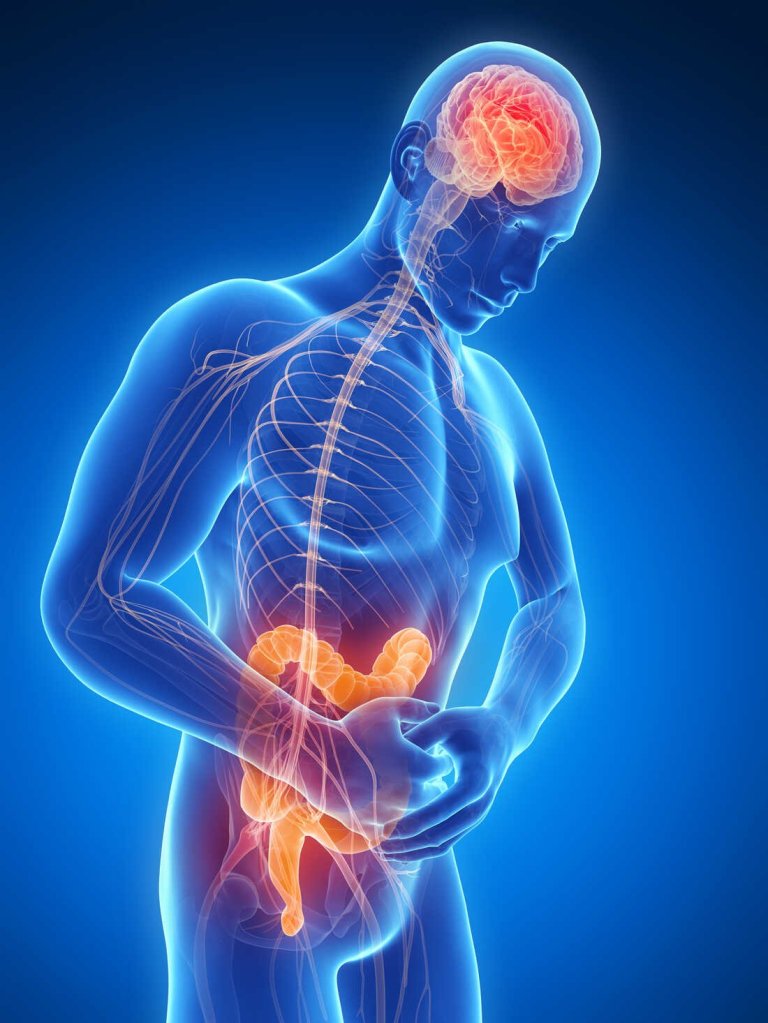
Ever have a feeling in your gut that says you can trust someone or to make a certain decision? Get diarrhea or constipation when you’re under a lot of stress or anxiety? Your gut is so sensitive and smart scientists call it your “second brain! The human body is a complex ecosystem, with various systems interconnecting in intricate ways. One of the most fascinating of these connections is between the gut and the brain, often referred to as the “gut-brain axis.” This communication network plays a crucial role in maintaining our overall health, influencing everything from mood and cognition to immune function and digestive health. Emerging research indicates that the gut-brain axis may significantly influence the development and progression of IBD. The big question being—how?

This week on Lights, Camera, Crohn’s a look into how the Gut-Brain Axis works and what this means for the future of IBD treatment and care. Whether it’s stress, people pleasing, avoiding emotions, or anxiety—there are many triggers aside from food.

The Gut-Brain Axis: A Two-Way Street

Before we get started, it’s helpful to understand what the gut-brain axis involves and the multiple pathways it impacts, including the nervous system, the endocrine system, and the immune system. The primary components of this axis are:

  • The Enteric Nervous System (ENS): Think of this as how it feels when you get “butterflies in your stomach”. The ENS is a vast network of neurons (nerve cells that send messages all over your body to allow you to do everything from breathing to talking, eating, walking, and thinking) embedded in the walls of the gastrointestinal tract. It operates independently of the central nervous system but communicates with it via the vagus nerve, which runs from the brainstem to the abdomen.
  • Neurotransmitters and Hormones: The gut produces and responds to various neurotransmitters and hormones, including serotonin, dopamine, and cortisol. These chemicals are crucial for regulating mood, stress responses, and digestive functions.
  • The Microbiome: Trillions of microorganisms reside in the gut, forming a complex and dynamic community known as the microbiome. These microbes play a critical role in digestion, immune modulation, and even the production of neurotransmitters.

The Gut-Brain Connection and IBD

Chronic inflammation in IBD can affect the enteric nervous system, leading to alterations in gut motility and sensitivity. Those of us with IBD often experience abdominal pain, cramping, and changes in bowel habits, which are partly mediated by the nervous system. Conversely, stress and psychological factors can exacerbate IBD symptoms. Stress activates the hypothalamic-pituitary-adrenal (HPA) axis, leading to the release of cortisol and other stress hormones, which can, in turn, promote inflammation in the gut.

The Role of the Microbiome

The gut microbiome is crucial in maintaining intestinal health and regulating immune responses. For those with IBD, the composition and diversity of our gut microbiomes are often disrupted, a condition known as dysbiosis. Dysbiosis can contribute to the chronic inflammation seen in IBD by impairing the gut barrier function and promoting an overactive immune response. Interestingly, the microbiome also communicates with the brain through the production of metabolites and neurotransmitters, which influences mood and cognitive function.

You can optimize your gut microbiome with diet by eating:

  • Green leafy vegetables (broccoli, kale, Brussel sprouts, asparagus, spinach, garlic, etc.).
  • Healthy fats (extra virgin olive oil, sesame oil, coconut oil, nuts, seeds)
  • Protein (eggs, fish, grass-fed meats)
  • Low sugar fruits (avocado, bell peppers, cucumber, tomato, zucchini, limes, and lemons)

*Before altering your diet or incorporating foods that could trigger disease activity, please talk with your care team and discuss this further with a registered dietitian who specializes in IBD.

Psychological Factors and IBD

IBD is often associated with psychological conditions such as anxiety and depression. According to the Crohn’s and Colitis Foundation,  we’re two to three times more likely to deal with anxiety and depression than the general population. These mental health issues can both contribute to and result from the physical symptoms of IBD. For instance, chronic pain and discomfort can lead to increased stress and anxiety, while anxiety and depression can exacerbate gut inflammation and symptom severity. It’s a vicious cycle that can often feel out of our control.

Therapeutic Implications

Understanding the gut-brain connection opens new avenues for the way we treat IBD. Traditional treatments focus on reducing inflammation and managing symptoms through medications and lifestyle changes. However, addressing the gut-brain axis could provide additional therapeutic benefits. Some potential approaches include:

  • Probiotics and Prebiotics: These can help restore a healthy balance in the gut microbiome, potentially reducing inflammation and improving gut health. Talk with GI about their thoughts on this, as each provider has their own opinion.
  • Psychological Interventions: Cognitive-behavioral therapy (CBT), mindfulness-based stress reduction (MBSR), and other stress-management techniques can help manage the psychological aspects of IBD, potentially reducing symptom severity. Tools such as breath work and gut-directed hypnotherapy can help to improve GI systems, while improving your mood and decreasing stress. This works by softening the body’s stress response, inhibiting the secretion of cortisol, decreasing inflammation, and supporting the immune system.
  • Dietary Modifications: Certain diets, such as the low-FODMAP diet, can help manage symptoms by reducing gut irritation and inflammation. Personalized nutrition plans based on an individual’s microbiome composition are also being explored. Connecting with a registered IBD dietitian can provide you with a personalized plan geared to where you’re at on your patient journey—this will differ if you’re recovering from surgery, pregnant, flaring, the list goes on. Diet is not a one size fits approach, it’s unique to you. Before you start eliminating entire food groups and putting difficult limitations on yourself, talk with a professional.
  • Pharmacological Treatments: Medications that target the gut-brain axis, such as those that modulate neurotransmitter levels, are being investigated for their potential to treat both the psychological and physiological aspects of IBD.

Final thoughts

Our gut and brain are in constant contact through nerves and chemical signals, and taking care of our mental health and our gut health goes hand in hand. The relationship between our gut and brain is a fascinating and complex one that significantly influences our overall health, playing a pivotal role in everything from mood and cognition to immune response and digestive health. For those of us living with IBD, understanding and addressing this connection can provide new insights into the management and treatment of our disease.

As research continues to uncover the complexities of the gut-brain axis, we move closer to a holistic approach to IBD care that considers the intricate interplay between mind and body. Know that there are psychologists who specialize in gastrointestinal illnesses as well as dietitians who do as well. By adding specialists like this to your care team, you’ll be better equipped to manage the unpredictability of life with Crohn’s and ulcerative colitis.

Additional Resources

The Gut-Brain Axis in Inflammatory Bowel Disease—Current and Future Perspectives – PMC (nih.gov)

Researching IBD and mental health through the gut microbiome – UChicago Medicine

The influence of the brain–gut axis in inflammatory bowel disease and possible implications for treatment – The Lancet Gastroenterology & Hepatology

The Gut-Brain Connection — Does It Go Beyond Butterflies? | Live Healthy | MU Health Care

Brain structure and function changes in inflammatory bowel disease – ScienceDirect

Crohn’s disease, gut health, and mental health: What’s the link? (medicalnewstoday.com)

Brain-gut connection explains why integrative treatments can help relieve digestive ailments – Harvard Health

The Patient Experience: Tips and Tricks for your next MRE with IBD

Everybody copes and has their own unique tips and tricks for undergoing an MRE. I received more than 100 messages with recommendations, there was some overlap and similar advice—but I know our community could benefit from this information and find comfort in it. One of the most challenging aspects of undergoing medical scans and procedures is the mental health aspect—the wait, the wondering. Oftentimes these results do not go in our way and may indicate we are in a serious flare or need surgery. So, while the actual process of drinking contrast and dealing with claustrophobia can be intense, the challenges are often amplified by the dread of finding out the story behind our symptoms. Understand you are not alone in that. I try and just prepare myself for the worst, while hoping for the best. Nobody wants “bad” news, but once you go through the scan and have a better idea of what is going on and then you can go after the flare and get to feeling better.

Here’s the link to Part 1 of “Everything You Need to Know Before an MRE with IBD” in case you missed it.

Advice from the community to ease the MRE experience

“Whether it’s laying there saying prayers (like the Rosary) or focusing on doing something (like walking through Sun salutations or walking through doing something you love to do) that has helped me.”

 “As a pediatric patient, my mom was allowed into the MRE room, and she held my foot (the only thing she could reach). Just feeling she was physically there helps my anxiety a lot. Ask for goggles that let you watch a movie are gamechangers because you can’t see anything but the movie, even if you tried!”

 “I close my eyes and pretend that I’m lying on a beach and listening to country music. I feel comfortable knowing I can see my feet at the other end, and they can communicate with me. Honestly, I close my eyes and sing my heart out!”

 “I listen to the loud banging noises and try to find melodies or patterns. Then, I repeat them back in my head and by the time I’ve done it a few times I’m in a meditative state or the test is over.”

 “I try to look up/behind me if I start to feel claustrophobic and you can see outside! I also find it almost relaxing to count the loud clips and beeps. It gets your mind distracted.”

“Picture yourself someone you like; use deep breathing to help soothe your vagus nerve.”

“I know it’s not ideal, but if you are extremely overwhelmed you can always get the test under general anesthesia.”

“I focus on my breathing and imagine I’m in my favorite place.”

“Eye mask with no metal clasps and ear plugs (or music) helps to reduce the sensory overload for me.”

“Before you get in the tube, ask for a towel. Put it over your eyes and do not take it off until they let you out.”

“Deep breaths. Visualize you’re in your favorite place and ask for music. Ask your GI if moving forward Intestinal Ultrasound can replace getting an MRE.”

“I’m normally able to tilt my head up to see out the end of the tube. It helps me so much!”

“Breathing exercises can help.”

“Ask if there is a bariatric imaging machine so you have more room.”

“Slow deep breathing helps me prepare for it and calm down.”

“I close my eyes and envision being on a bench or somewhere hard but with open space for me.”

“Gadolinium has a high allergic reaction. Even if you have not had it before. Communicate with your care team and ask about taking Benadryl.”

“Meditation and Guided Imagery.”

“I take deep breaths and remind myself I am going to be ok. It was quicker than I had expected.”

“Take extra Xanax! I take it for flying and always need more than I think.”

“If they let you pick the music, pick it! Having my music really helps me.”

“See if an Open MRI is available. Otherwise, a big dose of benzos.”

“I’ve been Twilight sedated before, it’s the only way to go!”

“I took Zofran. I also wear MRI safe clothes, so I don’t have to change. I make sure there’s no metal in my bra.”

“Focus on breathing. Close your eyes before being rolled in. Think of something like planning a party or a holiday.”

“I hate it. Hate it. Hate it. Someone told me just don’t open your eyes and it worked.”

“I take Ativan and do breathing exercises.”

“Always ask for a towel or wash cloth to cover your eyes.”

“Keep your eyes closed the whole time. Do not peek. And ask for your favorite music to play.”

“I keep my mind focused on other topics and talk to God.”

“Take anxiety meds! If I have to do this again, I will take something.”

“Let your care team know before you enter the room that you’re claustrophobic.”

“Say Affirmations or imagine being on a vacation on a sunny beach. Anything to divert your mind.”

“Last time my nurse gave me an orange smelling strip that helped so much.”

“I close my eyes and pray or sing songs I like the most in my mind.”

“Slow breathing and counting (in for 4 seconds and out for 4 seconds) or listening to music while in the tube.”

“I always have a Life Saver candy between the contrast drinks.”

“I asked them to bring me back far enough so I could tip my head back and see the ceiling.”

“My sister needs to take 3 anxiety pills for the MRE.”

“Try to find your happy place and go to that in the tube.”

“Have all the good and happy plans run through your mind and ponder them. Daydreams! Mantras!”

“I write stories in my head—like manifestations.”

“Think of a beach on a sunny day.”

“Make lists in your head.”

“Definitely have anxiety meds on hand.”

“Bring a personal blanket. This always helps me.”

“Bring ear plugs in case they don’t have some for you.”

“Use a wedge pillow for your legs (ask for it).”

“Visualize the best vacation, start to finish. Try to remember every detail. Distract your mind!”

“Ask for a heated blanket, it can be chilly in there.”

“When your mind wanders, count. Count breaths in (5) and out (5) and focus on the numbers.”

“Some MRI machines offer a mirror, almost like a periscope. It shows you the outside!”

“Fast paced work out music helps me.”

“I ask before we start that they give me a time update every 15 minutes.”

“It makes me less anxious when I hear the weird and terrible sounds the machine makes if I have NSYNC playing. Have them play music you like that’s also light and funny. (As in 90’s boy bands!)

“My office gives lavender stickers to help calm you to place on the robe. It helped me!”

“I’m SO claustrophobic but I always self-talk “I’m a mother and set the example for my kids.”

“Tell the tech you are nervous. Ask them to check in with you more than they usually would.”

“Remember you can squirm out of the bottom if you need to. Knowing that makes me feel less trapped.”

“Lavender essential oil.”

“I took half a Xanax and enjoyed every second…haha.”

“Take the meds and extra, if possible. I’ve taken up to 4-5 mg of Ativan!”

“They let you choose your radio station or podcast, which can help.”

“I’ve listened to the Hamilton soundtrack. I struggle more with getting the contrast down.”

“Meditation! I always do it before, during, and after.”

“Prepare a playlist or an audiobook and ask if the tech can play it over the speaker.”

“I pray the entire time, so I don’t panic.”

“Try not to investigate too much about the details, it may worry you too much.”

“It’s easier to go in feet first, I don’t know why…but it is.”

“Use the help/panic button and take a break midway through if needed.”

“Be prepared to hold your breath a lot—the tech will guide you.”

“Request a helmet with a mirror. It’ll help you see out of the tube.”

“Try and see how many song lyrics you can remember.”

“Tell them you are nervous. They are more understanding and will talk you through it more.”

“Make sure you give the anxiety meds at least 30 minutes to work their magic.”

“The pills help tremendously, but I also bring an eye mask.”

“Thank you for doing this article, I’ve canceled my MRE twice now out of fear.”

Additional MRE resources

MRE Test for Crohn’s: Purpose, Procedure, and Risks (healthline.com)

The Role of Magnetic Resonance Enterography in Crohn’s Disease: A Review of Recent Literature – PMC (nih.gov)

How is IBD Diagnosed? | Crohn’s & Colitis Foundation (crohnscolitisfoundation.org)

MRE (MR Enterography) Imaging for Crohn’s Disease (healthcentral.com)MR Enterography in Ulcerative Colitis: Beyond Endoscopy | RadioGraphics (rsna.org)

Looking in the rearview mirror as an IBD mom

I can remember the moment vividly. Leaving a gastroenterologist appointment three months post-surgery and crying walking to get sushi with my husband on a chilly November day in the middle of the workday. When I walked into that clinic appointment, I was hopeful I would never need a biologic medicine again. We were planning to start trying for a family after our June wedding, but my doctor knocked me back to earth and told me my Crohn’s was too aggressive and I’d be setting myself up for disaster if I attempted going med-free. 

The tears flowed. I felt like a failure. I worried about bringing babies into this world while on a heavy-duty drug and if my surgery would provide me with the remission I had never achieved the first ten years of having IBD. I was so upset my husband-to-be and I both called into work and took the rest of the day off. Over sushi we talked about our future family and my health. Everything seemed at our fingertips but out of reach at the same time. That was November 2015. Sometimes we don’t realize how far we’ve come unless we look in the rearview mirror.

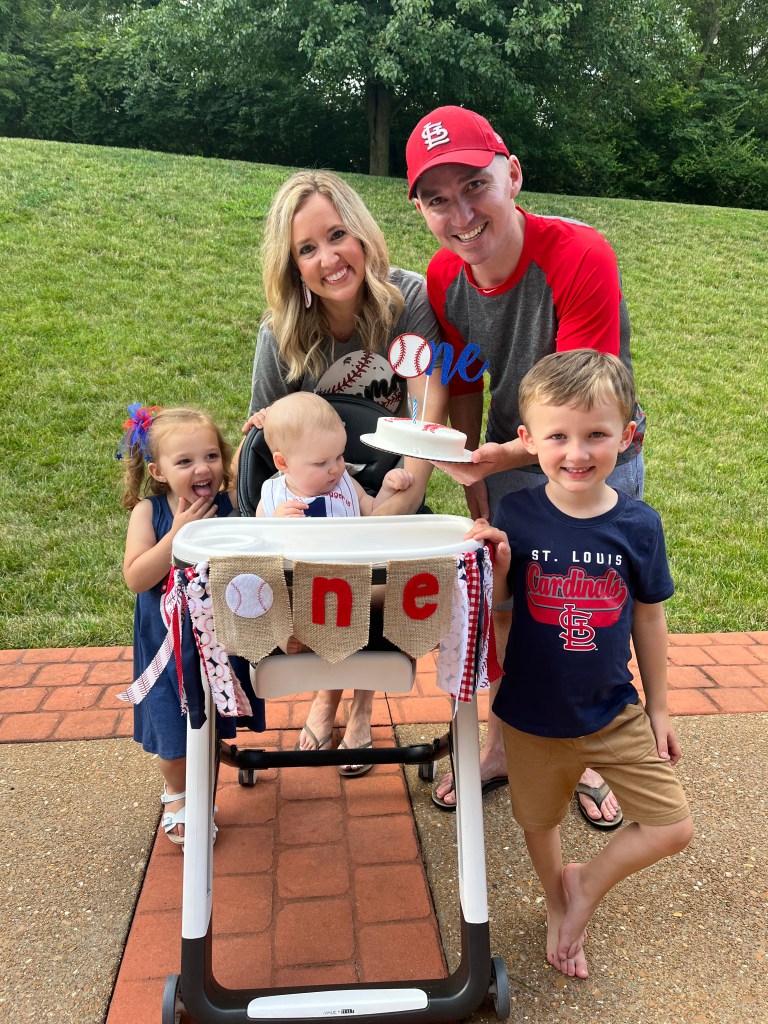
Now July 2022, we’re gearing up to celebrate our third child’s first birthday (July 14). We had his first birthday party over the weekend. It’s been a surreal and incredible ride since that November day. I often find myself looking at my three children and still feeling surprised my body was able to create them and bring them safely into this world.

Knowing this is our last baby and the last “first” of everything is bittersweet and amazing all at once. I feel an immense sense of relief and comfort being at this stage and knowing I don’t need to count on my body to sustain life through pregnancy or breastfeeding anymore. I’ve made it an entire year exclusively breastfeeding and if you would have asked me if that would ever be possible a year ago, I would have said no way. 

One of my fears is when my next flare will be and leaving my children for days on end while I’m in the hospital. While I know it’s a not a matter of if, but when, it puts me at ease that my children are almost out of the baby stage, and I can begin to explain my health struggles and why I may not always be like other moms. When my oldest was born I hoped to stay out of the hospital until he started walking. He starts kindergarten next month. I can only hope I stay flare-free until my other two are that old. 

Learning as I went as a woman with IBD

When I think back to that November day and the tough love my GI professed, I’m so grateful I followed her lead and trusted her approach in managing my Crohn’s. Back then, I wasn’t a patient advocate. The only IBD mom I knew was my cousin’s wife. I navigated the waters of family planning and my first pregnancy all alone without much guidance. Each pregnancy I became more well versed on how to juggle IBD and family planning and everything that comes along with it, but I think back to how isolating and overwhelming it can feel when you dream of having a family, but don’t know how to make it happen when chronic illness is in the mix. 

No one knows how their family will play out or if fertility or loss will be a part of their story. It’s sad how many women with IBD choose to be voluntary childless, not because they don’t want to be a mom, but because of the limitations of their IBD and overall well-being getting in the way. A day doesn’t go by that I don’t recognize how lucky I am that I “get” to be a mom. Not every day is wonderful, but even in the trenches as a stay-at-home IBD mom of three littles with almost no breaks, I do my best to remind myself of that day my husband and I got sushi and dreamed of living the life we are living today.