Managing ADHD Medications with Crohn’s and Colitis: What Patients Want You to Know

Living with Inflammatory Bowel Disease (IBD) often means juggling more than one health condition. For some, that includes managing Attention-Deficit/Hyperactivity Disorder (ADHD). Both conditions can significantly impact daily life, and when it comes to treatment, it’s important to understand how ADHD medications may interact with IBD and its therapies. This week on Lights, Camera, Crohn’s we hear from more than 25 people who are juggling both and share their impactful advice.

The Overlap Between ADHD and IBD

While ADHD and IBD are separate conditions, research shows that people with chronic illnesses, especially those that begin in childhood or young adulthood may experience higher rates of ADHD or ADHD-like symptoms. Brain fog, fatigue, and difficulty concentrating are also common in IBD, which can make it challenging to distinguish what’s driving certain symptoms.

For those diagnosed with both conditions, ADHD medications can be life-changing, improving focus, energy, and daily functioning. But because IBD involves a sensitive gastrointestinal (GI) system, it’s important to weigh the potential effects ADHD medications can have on digestion and disease activity.

Common ADHD Medications and GI Considerations

Stimulant Medications (Adderall, Ritalin, Vyvanse, Concerta)

  • Appetite suppression: Stimulants often decrease appetite, which may be concerning for IBD patients who already struggle to maintain weight or adequate nutrition.
  • GI side effects: Nausea, abdominal pain, and diarrhea can occur, sometimes making it difficult to know whether a flare or medication side effect is to blame.
  • Sleep disruption: Poor sleep can worsen IBD symptoms and overall inflammation. Timing doses earlier in the day can help.

Non-Stimulant Medications (Strattera, Qelbree, Intuniv, Kapvay)

  • Slower onset: These may be less likely to cause GI upset but can take weeks to become effective.
  • Potential side effects: Constipation, abdominal pain, and fatigue are possible, which can overlap with IBD symptoms.

Impact on Gut Motility

Both stimulant and non-stimulant ADHD medications can influence gut motility (how fast or slow food moves through the digestive tract). For those with Crohn’s or ulcerative colitis, this may complicate symptom management, particularly if diarrhea or constipation is already a challenge.

Key Considerations for Patients with IBD

  1. Collaborative Care is Essential
    Make sure your gastroenterologist and psychiatrist (or prescribing physician) are aware of all your medications. This helps prevent drug interactions, especially if you’re on biologics, immunosuppressants, or steroids.
  2. Monitor Nutritional Status
    If stimulants suppress appetite, work with a dietitian to find calorie-dense, IBD-friendly foods and snacks that can help you maintain strength and body weight.
  3. Track Symptoms Carefully
    Keep a journal noting when you take your ADHD medication, what you eat, and how your GI symptoms present. This can help differentiate between medication side effects and IBD flare activity.
  4. Adjusting Doses and Timing
    Sometimes, smaller, or extended-release doses can reduce side effects. Timing medication with meals or adjusting when you take it can also ease GI discomfort.
  5. Mental Health Matters
    ADHD itself can heighten stress and anxiety, which are known triggers for IBD flares. Finding a treatment balance that supports both brain and gut health is critical for overall well-being.

An IBD mom and therapist shares her advice

Sammi is an IBD mom who works as a therapist. In her experience, both personally and professionally, she has valuable input to share about taking ADHD medications when you have Crohn’s or UC. Sammi took a low dose of Adderall (5 mg, sometimes 10 mg) in graduate school for her anxiety and ADHD.

“My appetite was extremely impacted I’m sad to say. I did not feel hungry until my stomach was physically giving me intense hunger cues. I was only a couple of months into Humira at that point so I too, was struggling with maintaining my weight and didn’t want that to be impacted.”

Here are a few things Sammi did to make it manageable:

1. ALWAYS eat before you take ADHD medications. Eat a big breakfast, if possible, protein and carbs (if you can tolerate generally, of course). As a therapist, many of my clients struggle with taking meds early enough at times. And inferring a good meal ahead of time can feel like a barrier so I just want to hold space for that. However, it is so imperative to be really fueled and in a good place stomach wise / eating wise before taking for the day.

2. Plan your meals out as much as possible. Since hunger cues were lessened for me, I was in the mood for nothing. So  it would be hard to decide what I was going to eat, and then I would not have to decide when I was feeling fatigued and overwhelmed.

3. Snacks are clutch. I say snacks because sometimes that’s just the easiest thing to eat, especially when you don’t want to think about food or you’re not actively thinking about food because your appetite is suppressed. I have Crohn’s disease and one of my biggest triggers is my stomach getting too empty whether it’s because I’ve waited too long to eat or I haven’t eaten enough that day. It will give me such a bad stomachache so that was happening to me pretty frequently when I first started taking the Adderall.

4. Take your ADHD medicines early in the day. This is my BIGGEST piece of advice and clinical recommendation for anyone who is considering taking ADHD medication. Take it early in the day so your sleep isn’t impacted. As we know with IBD- sleep can already be difficult this is so important!

More from the patient community

“My advice is to take it early in the morning so that you can eat more in the afternoon and evening. I don’t have a problem with dropping weight; I had the problem of retaining! Transparently, now I’m on GLP-1 (GI approved) medication, and I’ve lost 38 pounds. Best I’ve ever felt! But, when I take my Adderall too late in the day, I don’t eat and that’s not good either. I take my ADHD meds twice a day, as prescribed. Once at 7 am and once around noon.”

“I have IBD, and I currently take Adderall for my ADHD. I have been on it for a few months, and in my experience, my biggest issue is that it suppresses your appetite for quite some time. I’ve been struggling to gain weight for awhile due to my IBD, so taking something that makes it hard for me to eat all day has been a big challenge. I am thinking about asking my doctor to switch me to a new treatment plan to hopefully find something that doesn’t suppress my appetite!”

“I feel like it never affected me very much with eating and I don’t think there was any interactions between anything with ADHD meds and my UC!”

“I’ve heard fellow moms with kids on these medications recommend eating a big breakfast before ADHD meds kick in, having a snacky lunch, and a late dinner after they wane.”

“There are non-stimulant ADHD meds. Stimulants are the ones that suppress appetite. You can ask your doctor about these and ask to start on the very lowest possible effective dose, if stimulants are required.”

“I don’t take ADHD medications now, but in college I did. I did not find it impacted anything with my Crohn’s. Depending on the ADHD med, it could impact appetite but didn’t interfere with how I manage my IBD.”

“I’m on mental health meds for anxiety and depression, along with ADHD meds, and I do think I’ve had a slight decrease in appetite. I also naturally have a lower appetite than most. A family friend of mine has been on Ritalin for longer than me, and I think he has struggled more in that aspect than I have though.”

“I have a j-pouch with a post-pouch diagnosis of Crohn’s, and I take Vyvanse for ADHD. I take 30 mg a day, I don’t feel like it impacts my appetite at all.”

“I take stimulants for my ADHD, and I don’t have any decrease in appetite. It just depends on the person.”

“The best advice is eating a big breakfast, having snacks for lunch, and then eating a big dinner. I have also reached out to my Crohn’s dietitian  to have more creative ideas for small meal ideas! The issue with choosing what medicines is that they all aren’t covered immediately—I’m starting on Adderall, which is one of the suppressants—my doctor doesn’t plan to keep me on that long term, but due to insurance, I have to start there. I have also have to find out what exactly is covered and is not covered (as IBD patients we’ve been there before, right!?)”

“I have Crohn’s and just started to take Vyvanse about two months ago. Even on a low dose, while also being on a high dose of prednisone, I’ve had little appetite. It has helped me to eat something small as soon as I’m able in the morning, before taking the medicine. It helps me have more of an appetite throughout the day, though I have smaller meals now.”

“I have Crohn’s and ADHD. I take an extended release 10 mg Adderall and find that my appetite is fine, a little less, but not dramatically so. I hadn’t really thought about it until my GI went through my meds. I have found that if I take 20 mg (we played around with the dose to find which works best), I do experience a loss of appetite. I think if you can find the therapeutic dose, it should be ok! I’m just a case study of one, but I would also add that ADHD meds have the benefit of supporting healthier time management skills, so I’m more inclined to stop and eat, which my scattered self sometimes didn’t do.”

“I don’t take my ADHD meds every day, but I take Vyvanse and when I do take it, I notice appetite suppression, but it’s nothing severe. I don’t have a j-pouch or struggle with being underweight. When I take them, I usually notice mid-day appetite suppression the most. I tend to eat breakfast before it’s fully kicked in and the effects have waned by dinner time.”

“I have been on Vyvanse, and it has been the best on my stomach and ADHD. I was diagnosed early this year. I tried Adderall, and it made me anxious and over stimulated. Concerta had me nauseated all day, everyday…Vyvanse is the way to go!”

“I have been on Ritalin for the last 2.5 years (finally) and even started an anxiety med that also helps with my chronic pain.”

“I’m on 10 mg of Focalin for ADHD and on Imuran (max dose), Entyvio infusions, and other meds for anxiety and depression. I never had a big appetite regularly, so I haven’t noticed a big difference. The benefit for me has been that I am calmer now and don’t get that ADHD stress. I’m 45 and was just diagnosed with ADHD last November. I’ve had Crohn’s since age 14 with many surgeries between then and 2022.”

“I have IBD and take ADHD meds. I never had the lack of appetite side effect, so I might be an outlier. I usually eat breakfast before taking my pills. Sometimes I need to set timers to eat though if I’m hyperfocusing.”

“I recommend keeping snacks in view. If you don’t feel like eating, drink a protein shake. My Crohn’s symptoms improved a bit with ADHD meds, too.”

“I can’t speak to the loss of appetite, but I was diagnosed with ADHD a few months ago. I tried Adderall for three days, but each day it upset my gut. I had way more bowel movements than normal, even though I was not flaring, and my gut was sore after each one. So, I stopped taking the Adderall and everything went back to normal. I’ve just been self-medicating with caffeine ever since.”

“It helps to eat when you take your ADHD meds and then eat smaller meals throughout the day. It’ll make you not thirsty, so make sure you’re mindful about hydrating. I recommend taking little breaks from it, during weekends and things.”

“I just started my ADHD medications again post-baby and have noticed a huge drop in appetite. I tried a few different meds before settling on extended-release Ritalin. I will say immediate release Adderall severely exacerbated my Crohn’s and gave me horrible stomach cramps. The stomach cramp thing is common with that one, even if you don’t have IBD.”

“I stopped my ADHD medication. It absolutely  destroyed my belly. They are a stimulant and make you go to the bathroom more an also affect blood flow to the colon. It’s been awful.”

“Personally, it’s never been enough to make me lose weight. But I do tend to front load—eat my biggest meal in the morning. Also, the come down from stimulants will have you ravenous by the end of the day.”

Finding the Right Balance

Every person’s IBD and ADHD journey looks different. What works well for one person may not for another. The key is to be proactive, keep your healthcare team in the loop, and advocate for adjustments when needed.

Managing IBD is already a full-time job. Adding ADHD into the mix can feel overwhelming, but with the right treatment plan, many people find that their ADHD medications not only improve focus but also help them feel more in control of their health overall.

Additional Resources

Risk of Anxiety, Depression, and Attention-Deficit/Hyperactivity Disorder in Pediatric Patients With Inflammatory Bowel Disease: A Population-Based Cohort Study – PubMed

Association between attention-deficit/hyperactivity disorders and intestinal disorders: A systematic review and Meta-analysis | Scientific Reports

Gut dysbiosis as a driver of neuroinflammation in attention-deficit/hyperactivity disorder: A review of current evidence – ScienceDirect

Is There a Link Between Adderall and Ulcerative Colitis or Crohn’s Flares? | MyCrohnsAndColitisTeam

ADHD and Bowel Issues: Finding ReliefWhen ADHD Meets IBD: A Complicated Relationship – Girls With Guts


Out of Network, In This Together: Chronic Illness, Humor, and Healthcare Reform Through Cartoons and Community

What do you get when you mix chronic illness, dark humor, artistic storytelling, and a deeply broken healthcare system?

You get The Out-of-Network Network — a sharp, satirical, and heart-achingly relatable newsletter born from the experiences of patients who’ve seen (and survived) the absurdities of the American healthcare system firsthand.

Founded by Ian Goldstein, a Crohn’s disease patient and comedy writer, and Amanda Lehr, a writer navigating ankylosing spondylitis (AS) and mast cell activation syndrome (MCAS), OONN is more than a newsletter. It’s a lifeline. A laugh. A community. And most importantly — it’s a call to action, cloaked in clever cartoons and short, punchy stories that make you feel less alone in the madness of it all.

Meet the Founders

Amanda Lehr may not have Crohn’s, but as she puts it:

“I’m a fellow member of the ‘My Body is an Autoimmune Fight Club’ community.”

She’s lived with ankylosing spondylitis since her teens and recently received a diagnosis for MCAS — a condition that turns everyday encounters into allergic warzones.

“Being in my body is like trying to live in the booby-trapped Home Alone house: if there’s not a real intruder around, I’m the one getting hit by swinging paint cans and having my head set on fire.”

For Ian Goldstein, Crohn’s has been a two-decade battle, from bowel resections and obstructions to navigating biologics like Humira, Skyrizi, and Rinvoq. His life revolves around the proximity to hospitals, navigating insurance loopholes, and, like many chronic illness patients, learning to laugh at the chaos.

“I find so much humor in the world of healthcare. Not in the pain we patients deal with. But in the absurdity of interactions and situations that doctors, insurance companies, and people ignorant to our plights bring.”

How Out-of-Network Network Was Born

It all started with what Amanda and Ian lovingly refer to as “The Luigi Incident.”

A moment of internet virality around a meme, combined with a groundswell of people sharing stories about healthcare trauma… it lit a spark. They saw an opportunity to make something lasting.

“Knowing how fast the news cycle moves, we didn’t want this conversation to get lost in the shuffle,” Amanda shared.

So, they built OONN: A weekly Substack newsletter that pairs short healthcare horror stories with custom illustrations — funny, heart-wrenching, eye-opening, and artfully absurd.

“The situations we face aren’t inherently funny,” Ian says. “But how incompetence plays out — lazy doctors, power-hungry insurers, $70,000 hospital bills for inedible food — that’s darkly hilarious.”

Community Through Cartoons

Some of Ian’s favorite entries include:

Amanda, meanwhile, loves the diversity in voice and style across their contributors.

“As a writer, I enjoy collaborating with such distinct voices and artistic styles. As a human, I’m moved by how we all come together around this common belief: healthcare should not be a luxury product.”

The Common Denominator

So, what’s the throughline in the stories they receive?

“It’s a combination of incoherence, incompetence, and institutional hostility,” Amanda explains. “Sick and disabled people end up spending hours fixing mistakes that could bankrupt them.”

“People are crushed by sky-high bills and red tape,” Ian adds. “And those burdens pile onto lives already made difficult by chronic illness.”

More Than Just a Newsletter

For both Ian and Amanda, OONN is as therapeutic as it is informative.

“The first word that comes to mind is catharsis,” Ian says. “Reading someone else’s story — and laughing through it — tells me I’m not alone, and I’ll get through it.”

Amanda agrees, “It’s not better medicine than my biologics, but it’s still pretty damn good.”

Want to Share Your Story?

The Out-of-Network Network is always looking for contributors — writers and illustrators alike. If you’ve got a healthcare horror story, a cartoon-worthy insurance mishap, or just want to laugh (and cry) with the community, you can email Ian: ianscottgoldstein@gmail.com or Amanda: amanda.lehr@yahoo.com.

Final Advice from the Frontlines

Ian shares one last nugget of wisdom — a survival tip for navigating healthcare:

“Record everything. Record your doctor when they give you results. Record your call with your health insurance. Just make sure you’re legally allowed to. It helps you remember things, and it protects you if you need proof later.”

You’re Not Alone

Whether you’re battling Crohn’s, AS, MCAS, or just trying to make sense of a $3,000 copay for a basic test, Out-of-Network Network reminds us that laughter really is the best medicine (after your biologic infusion, of course). And that in this broken, bureaucratic mess of a system, solidarity and storytelling might just help us all stay sane, one cartoon at a time.

You can also subscribe to their weekly newsletter on Substack and follow them on Instagram: @out_of_network_network, @iangoldsteinyes, and @amandamlehr.

Empowering Teens: A Guide to Scholarships for College-Bound Students with Inflammatory Bowel Disease

Millions of people worldwide live with IBD. For teenagers with Crohn’s disease or ulcerative colitis, the challenges are multi-faceted—not only must they manage their health, but they also face the pressures of academic life, dealing with physical and emotional challenges their peers can’t relate to, and the daunting costs of higher education. Thankfully, several scholarship programs exist to support students dealing with IBD, offering financial assistance, and fostering a sense of community and empowerment.

This week on Lights, Camera, Crohn’s a look at what scholarships are available and tips for applying. This story idea was inspired by a caregiver who sent me a direct message on Instagram asking if her teenage daughter could be awarded a scholarship for going above and beyond scholastically despite having IBD. I wasn’t aware of what is available—and in working on this article I did my research as though I was a teen/caregiver looking up scholarships geared towards those with IBD.

Why IBD Scholarships Matter

Teens with IBD often navigate difficult symptoms, frequent medical appointments, and hospitalizations. Despite these challenges, many young people with IBD excel academically, participate in extracurricular activities, and remain determined to pursue higher education. Scholarships tailored to their needs can ease the financial burden of college tuition and provide a sense of validation for their hard work and resilience.

In addition to financial relief, these scholarships can help build a sense of camaraderie among students with similar experiences. IBD scholarships are a powerful way for these teens to connect, share their stories, and feel supported and empowered in their journey toward college and beyond.

Notable Scholarships for Teens with IBD

Abbvie Immunology Scholarship: The AbbVie Immunology Scholarship aims to reduce the financial burden for students impacted by inflammatory diseases. It is awarded to 45 students. Recipients pursuing an associate degree will receive a $5,000 scholarship. Those pursuing a bachelor’s or master’s degree/PhD will receive a $15,000 scholarship.

The Salix Gastrointestinal Health Scholarship Award: Ten scholarships to 10 outstanding students living with gastrointestinal (GI) diseases and disorders who are pursuing their higher education goals. The 2025-2026 application period opened February 10, 2025, and the end date to apply is May 5, 2025.

Patient Advocate Foundation – Scholarship” In 2000, PAF established the Scholarship for Survivors program to honor these individuals by offering educational scholarships to students who have suffered (or are suffering) from cancer or a chronic illness. The deadline for submissions is March 7, 2025.

180 Medical Scholarship Program: The 180 Medical Scholarship Program is open to full-time college students living with specific medical conditions, including spinal cord injuries, spina bifida, transverse myelitis, neurogenic bladder, or an ostomy (ileostomy, colostomy, and/or urostomy). They offer seven $1,000 college scholarships annually to seven recipients. Accepting applications through June 1, 2025. Recipients are announced in August.

AAHD Frederick J. Krause Scholarship on Health and Disability: Awarded annually to deserving students with a disability who are pursuing undergraduate/graduate studies in an accredited university and who are pursuing studies related to health and disability. Scholarships are generally $1,000.

Buckfire & Buckfire, P.C. Disability Scholarship Program: The Disability Scholarship was established in 2014 as part of the law firm’s commitment to helping students with disabilities or injuries who need financial assistance for educational purposes. The scholarship awards $1,000 to one student. The deadline to apply is October 1, 2025.

Defining the Disability Scholarship: The attorneys at the Berkowitz Hanna Malpractice and Injury Lawyers offer a $1,000 scholarship to help a student overcome a disability. Students define what disability means to them and explain how disability has been part of their life. Applications are not being accepted right now but stay tuned for 2025.

Lawrence Madeiros Scholarship: The Larence Madeiros Scholarship Fund was formed to provide awareness of chronic disorders to the public and to stimulate, foster, and encourage interest, awareness, and activism at the state and national level with reference to the fight against chronic disorders. The scholarship is awarded to high school seniors living with a chronic disorder and continuing their education at a college or university. The deadline for applying is May 1, 2025.

Overcoming Disability Scholarship: The Law Offices of Coats & Todd Overcoming Disability Scholarship awards $2,500 scholarships twice a year to college students who are managing a disability while attending school. To qualify, students must have a physical or psychological disability that affects their ability to work. The deadline for applying is March 26, 2025. Their team can be reached at: scholarships@coatsandtoddlaw.com

IBD Connects Scholarship Program: To support the educational aspirations of students impacted by IBD, IBD Connect awards two annual scholarships, each valued at $1,000, to eligible applicants enrolled in a U.S. college, university, or trade/vocational school for the upcoming academic year. The application program opens March 1, 2025, and ends May 31, 2025. For any questions regarding the Scholarship Program, email Lisa Fournier: lisafournier@ibdconnectinc.org.

It’s important to note there may be other IBD-related scholarships available, this list reflects what I discovered upon researching this article.

Additional Scholarship Resources

Beyond disease-specific scholarships, many general scholarships and grants are available to students with disabilities or health conditions. Websites like Scholarships.com, Niche, and Unigo allow users to search for scholarships based on specific needs, including chronic illness or disabilities.

To search for more scholarships that you may qualify for, visit the U.S. Department of Education’s Federal Student Aid website and the U.S. Department of Labor’s free scholarship search database. You can search for scholarships based on the state you live in, your degree program, and your future goals.

Additionally, some universities even offer their own scholarships for students with disabilities, including those affected by IBD. It’s always a good idea to contact the admissions or financial aid office of the school you’re interested in to inquire about any opportunities.

Tips for Applying for IBD Scholarships

  • Start Early: Many scholarships have early deadlines, so it’s important to start the application process well in advance of the due dates.
  • Tell Your Story: Your personal experience with IBD is what sets you apart. Be honest and heartfelt in your essays, sharing how IBD has shaped you as a person and student.
  • Gather Documents: Be prepared to provide documentation of your diagnosis, along with transcripts and letters of recommendation.
  • Stay Organized: Keep track of all deadlines, required documents, and any special instructions for each scholarship.

Final thoughts

For teens living with IBD, pursuing a college education can be a difficult but achievable goal. Scholarships specifically designed for students with IBD can alleviate financial stress, validate personal resilience, and provide a network of support. I was “lucky” in the respect that I was not diagnosed with Crohn’s disease until two months after college graduation, so I did not have to navigate these challenges while furthering my education and moving away from home. Along with scholarships, it’s important for caregivers and students with IBD to communicate the need for accommodations on the college campus—this can range from having a bathroom in or near your dorm room to having extra time to complete assignments. Click here to read another Lights, Camera, Crohn’s article that digs deeper into this topic.

As more awareness is raised about the challenges of IBD, opportunities for scholarships and grants continue to grow, ensuring that students with IBD can thrive academically without being held back by their condition.

Additional Resources

Taking IBD to School | Crohn’s & Colitis Foundation

Disability Support Services | Crohn’s & Colitis Foundation

10 Tips for Dealing with IBD in College – Managing IBD at School | Michigan Medicine

Starting College with Ulcerative Colitis

College Students with Inflammatory Bowel Disease: A Qualitative Study of Challenges Associated with College Transition and Self-Care – PMC

A Guide for How to Thrive in College With Crohn’s Disease

Navigating College with IBD – IBD Connect

How to Handle College if You have Crohn’s or UC

College and IBD Handbook – ImproveCareNow

Back to school tips

Preparing for College Life with Crohn’s Disease

The Healing Power of Dogs for Those with Inflammatory Bowel Disease

Living with Inflammatory Bowel Disease is a daily challenge. The unpredictable flare-ups, the emotional toll, and the constant management of symptoms can often leave us feeling isolated, fatigued, and overwhelmed. While traditional treatments such as medications and therapy are essential, an often-overlooked but highly effective form of support comes in the form of our furry friends: dogs.

Today marks five years without my Hamilton. Not a day goes by that I don’t miss his gentle presence and the way he always comforted me through my toughest days. He was more than just a dog—he was my rock, my support, my constant companion through the ups and downs of living with a chronic illness and the most regal and well-behaved pup you’ve ever met. Never barked. Never jumped on counters or ate food off the table. Never woke me up once in the middle of the night. He spoiled me and was an absolute angel on all fours.

For those with IBD, the companionship of a dog can offer profound emotional and physical benefits. This week on Lights, Camera, Crohn’s let’s explore some of the key ways in which a dog can positively impact the life of someone living with IBD.

Emotional Support and Stress Reduction

Living with IBD often means dealing with chronic pain, fatigue, and anxiety about when the next flare-up might occur. These stressors can take a significant toll on mental health. One of the most important ways a dog can help is by providing emotional support.

Studies have shown that interacting with dogs can lower levels of cortisol, the stress hormone, while increasing the production of oxytocin, the “feel-good” hormone. The unconditional love and companionship that a dog offers can help reduce feelings of loneliness, anxiety, and depression. A wagging tail or a warm cuddle from a dog can be incredibly therapeutic when dealing with the emotional rollercoaster of a chronic illness like IBD.

Encouraging Physical Activity

Managing IBD requires a careful balance of exercise and rest, as too much physical activity can trigger symptoms, but staying sedentary isn’t ideal for overall health either. Fortunately, dogs provide a perfect solution.

Owning a dog encourages physical activity through regular walks, playtime, and outdoor activities. Research shows that dog owners are more likely to meet the recommended physical activity levels, which can be crucial for maintaining a healthy weight, improving cardiovascular health, and promoting overall well-being. For someone with IBD, staying active helps support digestive health and can even alleviate some of the symptoms of the disease.

Building Routine and Structure

IBD often requires careful planning around diet, rest, and self-care. One of the less-discussed benefits of dog ownership is how it helps create a daily routine. Dogs need consistent feeding times, regular walks, and playtime, which naturally brings structure and discipline to a person’s day. This structure can be particularly valuable for those with chronic illnesses, as it helps maintain a sense of normalcy, even when everything else feels unpredictable.

Additionally, having a dog can act as a gentle reminder to take breaks, step outside, and tend to your own self-care, whether that’s taking a walk or simply sitting with your pet and enjoying a calm moment.

Providing Comfort and Reducing Isolation

IBD can sometimes lead to feelings of isolation, as it’s not always easy to explain to others what you’re going through. Having a dog can significantly reduce these feelings. Dogs are intuitive creatures who can often sense when their owners are feeling unwell or stressed, and they instinctively offer comfort, whether it’s by cuddling up with you on the couch or simply lying by your side.

The companionship a dog provides is unconditional, and they never judge. This can be incredibly comforting when you’re managing the unpredictable nature of IBD. A dog’s presence offers emotional stability and the feeling that you are never truly alone in your journey.

Potential Health Benefits for Gut Health

Emerging research suggests that pets, particularly dogs, may even have a positive impact on gut health. While this connection is still being studied, early findings suggest that exposure to dogs, especially in childhood, might help foster a healthy gut microbiome, which could be beneficial for preventing or managing diseases like Crohn’s.

Having a dog might not directly cure IBD, but their presence may contribute to a healthier environment for overall well-being. Additionally, the companionship of a dog can help reduce stress levels, which, in turn, can have a positive impact on gastrointestinal health since stress is a known trigger for IBD flare-ups.

Offering Purpose and a Sense of Responsibility

One of the often-overlooked benefits of having a dog when living with IBD is the sense of purpose they bring. Chronic illness can make it hard to feel motivated or engaged, especially during flare-ups when fatigue and pain dominate. Caring for a dog, however, gives you a reason to get out of bed in the morning and take care of another living being.

Whether it’s feeding them, taking them for a walk, or simply providing them with love, dogs offer a sense of responsibility that can help boost mood and self-worth. This added sense of purpose can be a powerful antidote to the emotional fatigue that often accompanies chronic illness.

Social Interaction and Connection

Having a dog also creates opportunities for social interactions. Whether it’s chatting with a neighbor while walking your dog or participating in pet-related activities, dogs naturally encourage connection. This can be especially important for those with IBD, who might avoid social situations out of fear of experiencing a flare-up in public.

Dogs can help ease the tension of these social situations by acting as an icebreaker and fostering a sense of community. Socializing with other dog owners can also reduce feelings of isolation and create a network of support.

Final Thoughts

While dogs may not be a cure for Inflammatory Bowel Disease, they certainly offer a range of emotional, physical, and social benefits that can make living with the condition a little easier. From reducing stress and anxiety to promoting physical activity and fostering emotional connection, the positive impact of having a dog cannot be overstated. For many people with IBD, their dog is more than just a pet—they’re a faithful companion, a source of comfort, a reminder that even on the toughest days, there’s always someone there to offer unconditional love, and they are truly a member of the family.

Even though it’s been five years since my sweet boy crossed the rainbow bridge, my kids still talk about him almost daily. My 7-year-old prays for him every night (“Hamilton is in heaven and he’s in our hearts”) and we often talk about the possibility of getting a dog in the not so far future. Up until this point I couldn’t even imagine loving or having a new dog, as Hami set the bar SO high and I can’t fathom ever having a more perfect sidekick. I also can’t imagine enduring the horrible heartbreak that comes along with losing an animal, it’s one of the hardest experiences I’ve ever gone through and has stuck with him to this day. But how luckily are we to share such a special bond and love with an animal. I’m hopeful to adopt another dog again someday so my kids can experience the magic of it all.

If you’re living with IBD and considering adopting a dog, it may be one of the best decisions you make for your mental and physical health. After all, sometimes the most powerful healing comes in the form of a wagging tail and a warm, furry hug.

Additional Resources

The Power of Pets’ Comfort Through IBD Pain

Coping with the fear of loss while living with IBD – lights camera crohn’s

IBD Motherhood Unplugged: My dog had IBD – lights camera crohn’s

The Benefits of Having Pets When You Live With a Chronic Illness

The Power of Pets for Patients with Chronic Illness

How Having a Pet Can Benefit Your Health

The best advice IBD warriors have ever received from therapists

It’s no surprise IBD impacts so much more than just our guts. Not only is there the gut and brain connection, but also the complex nature of our chronic illness(es) that can cause serious anxiety, depression, and mental health issues. The isolating nature of Crohn’s disease and ulcerative colitis, the unknowingness of what the next day holds, and the never-ending laundry list of procedures, labs, scans, and surgeries, year after year is a lot for any person to go through.

Even though I’ve lived with Crohn’s disease for more than 18 years, and have seen three different gastroenterologists in that time, not once has my mental health been brought up during a clinic appointment. When treating a person for IBD, the health of the whole person needs to be considered. I ran a poll on Instagram asking the IBD community if they’ve ever been to therapy. Out of 185 respondents, 70% seek therapy, 18% have not, and 12% are considering it.

I did an article in September 2020 about why a specific public bathroom at a grocery store I used to shop at triggers me and shared tactics for coping. You can read the article that featured Dr. Tiffany Taft here.

This week on Lights, Camera, Crohn’s we hear from those in our community about the advice that’s resonated with them the most since receiving their IBD diagnosis.

The words that have made a lasting impact

Olivia: “3% effort is still effort. You’re not going to be able to give 100% every day and that’s OK. Your best can look different from day to day.”

Julie: “It’s not your fault, you didn’t do anything wrong.”

Kristen: “You can’t drive forward if you’re always looking in the rearview mirror.”

Sarah: “Medical trauma is trauma and to give myself credit for all I have overcome.”

Cindy: “Remove all IBD related stressors from the bedroom to avoid impacting sleep. In our case, this meant no Humira injections for my daughter while sitting on the bed or nearby it.”

Tina: “Imitation is the best form of flattery.”

Lauren: “Don’t Google things you’re worried about, like symptoms.”

Jennifer: “Stay in the present.”

Heather: “Sometimes you just need to take a nap!”

Myisha: “If it’s not going to matter in five years, don’t give it five minutes of your energy.”

Kate: “It’s not your fault.”

Susan: “I’ve never seen a therapist, but I always tell myself it could always be worse.”

Stacey said: “You can’t control how seriously people take Covid. You can only control how you protect your physical and mental health. You have to put your health first. And, if people don’t agree with your choices, then that’s their problem. You can’t risk your health just to make it easy for others or to placate them. You come first in your life.”

Robin: “The “things” I do—my work advocating for others, supporting others, helping others face challenges with their diseases—I deserve that, too. Not from other people, but from myself. The beauty in therapy is that you’re receiving a non-biased/outsider opinion. This person that has no side and will sometimes say something you’ve heard 1,000 times in a way you’ve never heard before or even in a better way that allows you to really listen to what’s being said. To absorb it. Even to say it multiple times with no judgement if that’s what’s needed. Also, EMDR, which is a whole other thing and only part of the therapy experience.”

What is EMDR therapy?

Several people said EMDR therapy was their favorite and has been lifechanging. So, what exactly is it? Eye movement desensitization and reprocessing (EMDR) is a fairly new, non-traditional type of psychotherapy that’s popular for treating post-traumatic stress disorder. EMDR focuses on the natural tendencies our brains have for healing from traumatic memories. There are mental blocks (such as feelings of self-esteem issues and powerlessness) that can prevent us from healing. During EMDR, you are allowed to process the bad memories and experiences to start healing yourself. This helps our brains process challenging thoughts and feelings in a healthier way. Chances are through your patient journey you’ve endured several vivid and significantly painful moments that you haven’t been able to process and heal from.

Supportive Resources about managing mental health and IBD

Crohn’s and Colitis Foundation

Helpful Apps

Searching for links between IBD and mental health, through the gut microbiome

The link between mental health disorders and ulcerative colitis

Psychological Factors Associated with IBD

Crohn’s disease and Your Mental Health

The prevalence of mental health struggles in the IBD community

Mental health often takes a major hit when you’re diagnosed and live with a chronic illness like IBD. I ran a poll on Instagram and Twitter this past week and the results were extremely eye-opening. Not only for the patient community, but for any caregivers, friends, or family who know people with Crohn’s disease or ulcerative colitis.

On Instagram—out of 350 people polled over 24 hours, a resounding 93% responded “yes” to IBD impacting their mental health and causing depression and anxiety. On Twitter, I ran the same poll for 48 hours, of the more than 205 votes, 86% of people responded “yes”.

Dr. Yezaz Ghouri, MD, Director of Inflammatory Bowel Disease Services, University of Missouri School of Medicine at Columbia, offered helpful insight on the topic. I had the pleasure of meeting “Dr. ZaZ” (as he commonly goes by) in person at the Crohn’s and Colitis Foundation’s Mid-America Chapter Gala in November. Dr. ZaZ was awarded the 2022 Catalyst for Mission Advancement award and I was so inspired and intrigued by his work as I was emceeing the event, that I knew we would have to collaborate on Lights, Camera, Crohn’s! We made it happen.

Here’s my interview with Dr. ZaZ about how our IBD can impact our mental health.

NH: “During the first day of the Crohn’s and Colitis Congress 2023 conference it was shared that rates of anxiety and depression are about twice as high in the IBD community compared to the general population–why is that?”

Dr. ZaZ: “The exact cause of IBD is not known. There are some common theories that have been suggested, these include genetic factors, changes in gut microbiome, alteration in immune function of the body, and effect of certain environmental factors. Interestingly, some of these factors have also shown to be associated with mental disorders like anxiety and depression. The gut-brain axis is a nervous system-based pathway that connects the nerve cells from the brain to the gut. This gut-brain axis has been found to play a role in the release of nerve cell chemicals (or neurotransmitters) in the intestines. One such neurotransmitter is Serotonin, which has a well-established role in several psychiatric disorders like anxiety, depression, bipolar disorder, etc. Studies have pointed out an alteration in serotonin activity in the intestines of patients with IBD 1.

The gut microbiome comprises of trillions of species of organisms mainly consisting of bacteria. The healthy gut-microbiome is altered in individuals with several conditions like anxiety, depression, Alzheimer’s, Autism, etc. This alteration is also seen in IBD and has been a subject of active research to better understand the various changes in the bacteria of the gut. Some of these bacteria produce chemicals that can serve as neurotransmitters in the gut. It is unclear if these chemicals could influence the gut-brain axis and contribute towards the occurrence of mental disorders. Last year we published a study that showed this association of increased prevalence of anxiety and depression among IBD patients 2. The added burden and distress was not just limited to IBD patients, the study also showed an overall increased healthcare cost and burden to hospital systems. It is in the best socio-economic interest of the government and the public to address mental health issues in society, especially among those with chronic illnesses like IBD.”

NH:How can patients best articulate their concerns and communicate with their doctor about their mental health?”

Dr. ZaZ: “IBD patient sometimes suffer from anxiety, depression, sleep disturbances, and other mental conditions like eating disorders. Your GI doctor hopefully has established a healthy physician-patient relationship where you are comfortable to bring up any issues that you would like to discuss with your GI specialist. During my clinic visits apart from addressing the medical aspects of IBD, I frequently have a friendly conversation about my patient’s life in general with a focus on their overall well-being, including talking about their mental health. In addition, several individuals have a primary care provider (PCP) with whom they generally have a good relationship and feel comfortable bringing up any health-related concerns.     

Psychiatric conditions can manifest with sleep disturbances, fatigue, loss of appetite, lack of interest in activities that you previously enjoyed, depressed mood, suicidal thoughts, etc. Sometimes IBD flares can contribute to some of these symptoms, especially sleep disturbances due to night-time diarrhea or constant abdominal pain. Use of biological medications can be frequently associated with fatigue that may last a day or two after taking the biologic. In a large-scale UK based study, presence of a diagnosis of IBD was associated with a higher likelihood to cause deliberate self-harm, anxiety, depression, and insomnia. Interestingly, the risk was higher among those with Crohn’s disease than with ulcerative colitis 3.

Remember, mental stress can also contribute to an IBD flare. Frequently I see some of my IBD patients go through an uncontrolled spell of psychological stress, maybe related to personal relationships or their place of employment. This when unchecked can precipitate an IBD flare, and in some cases develop psychiatric illnesses like anxiety or depression. Hence, it is important to have a stress-free life or mitigate stress to minimize its effect on your mind and body.”

NH: “I know you see a lot of college students; how do you navigate these concerns as their care provider? Do you tend to see this more with your younger patients—or is it across the board?”

Dr. ZaZ: “College life of a freshman can be quite stressful. The move away from the comforts of their homes to a new city or town and being surrounded by strangers can be overwhelming. This can cause psychological stress which may precipitate an IBD flare. Moving to college can also disrupt the continuity of care received from their established pediatric or adult GI specialist. Students may skip their medications due to storage issues, changes in insurance, feeling of shame of having IBD or fear of not being able to ‘fit-in’. All these factors can contribute to inadequate management of their underlying IBD. We at the University of Missouri try our best to accommodate college students in our clinics so they are cared for and IBD flares are prevented from occurring. The student health clinics are efficient in recognizing students with chronic illnesses and referring them to GI clinics. I frequently encourage students that they continue to see their primary GI specialist but also establish care in our clinic/hospital system, so in case there is a medical emergency or if they experience a flare, we will be well-informed beforehand about their medical history and have a plan in place to adequately treat them.  

In a large study comprising of more than one million IBD patients, it was shown that being a female, having diagnosed with IBD as a child or a young adult and having a diagnosis of Crohn’s disease have been associated with higher likelihood of suicide attempts and suicide death 4.

Mental disorders in IBD are seen across all age groups but are somewhat more pronounced in those individuals whose disease is not well controlled or have not achieved remission since their initial diagnosis. Majority of IBD cases are generally diagnosed at a young age, several times in college students. Unfortunately, we also see frequent occurrence of mental disorders in younger age groups. Students have additional mental stressors when they have a chronic bowel condition like IBD. Many feel that they the lack of freedom in choosing to eat anything they like when they go out with friends or their need for frequent bathroom breaks, which can sometimes hinder them from participating in activities they choose or in making new friends. Many feel embarrassed to disclose their medical conditions to new friends or acquaintances, this perhaps cannot be stressed enough among those with an ostomy bag.

This leads to a state of inadequate social/family support which may push at risk students into developing mental conditions like depression, anxiety or eating disorders.”

NH: “Any advice for caregivers of young patients–who may have concerns about their child/teen/young adult and are unsure how to make sure their child is not dealing with anxiety/depression, but don’t want to overstep or upset their loved one?”

Dr. ZaZ: “It is very important for not just the physicians but also the caregivers involved in managing IBD in young patients to recognize signs of depression or other mental disorders. Do not always assume that if an individual is constantly tired, has disturbed sleep or looks depressed, that it is due to their IBD. Several times these are early signs of depression, and these young individuals need the support and help that they deserve to address these issues. Perhaps adult patients who have depression may recognize it and seek help, but kids or teens generally do not perceive these signs as an abnormal expression of behavior and may not even disclose them to their loved ones. Caregivers who attend clinic visits with pediatric specialists should bring up any unusual behavior they notice about their child and discuss it with the provider.”

NH: “How can mental health issues exacerbate IBD symptoms? 

Dr. ZaZ: “Studies have shown that individuals with mental disorders who have IBD have a higher chance of developing IBD flares, they require escalation of their therapy and have increased incidence of death 5. (See Reference 5) This is quite alarming and should be brough to the attention of providers who take care of IBD patients. “Providers are not just prescribers”, simply writing prescriptions for medications, some of which are very expensive, is not enough to heal the patient. IBD is a chronic disease which lasts a lifetime, and medications alone cannot be the solution. Providers need to step up and participate in the mental well-being of their patients. If they are not able to address the mental health related issues themselves then referring to experts in the field is perhaps the best alternative approach. Depression may cause patients to skip their infusion visits or physician visits, uncontrolled anxiety or paranoid states may make them apprehensive about any therapy that they have been appropriately prescribed and may even stop the treatment. IBD patients with eating disorders may starve themselves or eat uncontrollably causing worsening of their bowel condition. These eating disorders are commonly present among young and female IBD patients who have body image disturbance 6.”

NH:How is anxiety and depression typically managed in patients with IBD? (Medication, talking to a psychologist, etc.?)”

Dr. ZaZ: “The first step to treating anxiety and depression is to approach a provider with whom you are comfortable to freely express your medical complaints, problems, or any issues that you would like to discuss. Psychotherapy or behavioral therapy is probably the preferred approach in mild cases but in individuals with more profound symptoms, medications may be preferred in addition to psychotherapy. Finding a good therapist and setting up sessions at frequent intervals is important. In severe cases with suicidal ideations or attempts perhaps hospitalization may be required.

Multiple medications are commonly used for treating anxiety and depression. A PCP or psychiatrist may be able to find the right one for you, and please make sure you follow up with these providers since these medications may need to be monitored for their side effects and to adjust the dosage. Sometimes GI physicians may feel comfortable to prescribe these medications, but that may generally not be true for majority of gastroenterologists.”

NH: “As a GI, how do you try and facilitate positive relationships with your patients to help ensure they feel at ease with taking on their disease, managing it, overcoming flares/surgery, etc.?”

Dr. ZaZ: “My first step towards approaching IBD is to make sure that the symptoms that my patients are complaining of are truly from IBD and not from IBS or any other illness. Once IBD is diagnosed, I have a detailed visit with my patient with their new diagnosis. I usually encourage them to read up as much as they can and write down questions about their illness prior to this clinic visit. During the visit I start by giving a broad overview of what IBD is and the mechanism of disease process.I do this little exercise of talking about mechanisms by which IBD develops because I have noticed in my experience that several patients feel guilty about having their illness, and believe that in some way it was ‘their fault’ that they developed IBD. We then focus our attention on what are the available treatments why I think the recommended treatment would be a good fit, so the patients can make an informed decisions about their choice of therapy. I highlight the signs or symptoms they need to look out for that could suggest a complication or flare up of IBD. We provide them access to communicate with our clinic team if they have any questions; if they are concerned about a flare or if they suspect side effects from their therapy. Next, I answer questions they may have come up with during my discussion or from their personal research prior to the visit. Once the questions are answered I provide them with written material about their illness. I frequently encourage our patients to join patient support groups and direct them to online sources for information about IBD like the website for the Crohn’s and Colitis Foundation.”

NH: “Why is it so important to focus on whole person care–and recognize that IBD impacts more than the GI tract?”

Dr. ZaZ: “If we understand the mechanism by which IBD develops in the body, we can say that a dysfunctional immune system perhaps has the central role in the disease process. This immune system is connected to the entire body, it’s in our blood, guts, and other organs. Abnormal functioning of this immune system is likely to affect the entire body, although in IBD this abnormality primarily targets the bowels. But we frequently encounter what are called the “extra-intestinal manifestations of IBD”. These are referred to conditions that cause joint pains, skin rashes, eye redness, oral ulcers, liver disorders and other symptoms or signs that can be encountered in patients with IBD. Beyond these, patients with IBD are shown to be associated with higher incidence of mental disorders, pregnancy-related complications, chronic fatigue, and vitamin/mineral deficiencies. The effect on the bowels by this disease has a major impact on what one can eat, thereby limiting their nutritional intake. It is only fitting to treat these individuals as a whole, and not just their bowels. In terms of methods of treatment, apart from allopathic medical therapies, several other modalities of treatment are now being explored and accepted. Addressing diet and exercise is an important aspect to maintain healthy lifestyle in general, and especially so in patients with IBD. Running or other forms of cardio-based exercises have been shown to have a positive impact on the disease. Consuming healthy dietary supplements, like probiotics have been shown to be beneficial. Relaxation techniques and meditation also help keep oneself stress free, and perhaps prevent development of mental disorders as well.

One last thing we must also remember is that in today’s world social media can contribute to a lot of mental stress and anxiety, especially where disinformation campaigns can lead to confusion and poor choices in life. Hence it is important to have reliable resources to gain knowledge about IBD and its therapies. Sources like the Crohn’s and Colitis Foundation and its members like Natalie have been leading in educating several individuals through various platforms. In summary, eat healthy, exercise regularly, educate yourself about IBD, try to relieve stress and follow up with your doctor for medical care.”

I hope this article sparks a conversation and allows you to feel less alone in your mental health struggles. The findings show it’s anything but “just in your head.” Your feelings, fears, and struggles are valid. You are loved. You are not a burden. You are worth it. You matter. We need you here. Remember that.

If you’re thinking about suicide, are worried about a friend or loved one, or if you would like emotional support, call 988 any day of the week, any time. The 988 Suicide and Crisis Lifeline (formerly known as the National Suicide Prevention Lifeline) provides free and confidential emotional support to people in suicidal crisis or emotional distress 24 hours a day, 7 days a week, across the United States.

Reference Guide List

1: Coates, M. D., Mahoney, C. R., Linden, D. R., Sampson, J. E., Chen, J., Blaszyk, H., Crowell, M. D., Sharkey, K. A., Gershon, M. D., Mawe, G. M., & Moses, P. L. (2004). Molecular defects in mucosal serotonin content and decreased serotonin reuptake transporter in ulcerative colitis and irritable bowel syndrome. Gastroenterology, 126(7), 1657–1664. https://doi.org/10.1053/j.gastro.2004.03.013

2: Tarar, Z. I., Zafar, M. U., Farooq, U., Ghous, G., Aslam, A., Inayat, F., & Ghouri, Y. A. (2022). Burden of depression and anxiety among patients with inflammatory bowel disease: results of a nationwide analysis. International journal of colorectal disease, 37(2), 313–321. https://doi.org/10.1007/s00384-021-04056-9

3: Umar, N., King, D., Chandan, J. S., Bhala, N., Nirantharakumar, K., Adderley, N., Zemedikun, D. T., Harvey, P., & Trudgill, N. (2022). The association between inflammatory bowel disease and mental ill health: a retrospective cohort study using data from UK primary care. Alimentary pharmacology & therapeutics, 56(5), 814–822. https://doi.org/10.1111/apt.17110

4: Xiong, Q., Tang, F., Li, Y., Xie, F., Yuan, L., Yao, C., Wu, R., Wang, J., Wang, Q., & Feng, P. (2022). Association of inflammatory bowel disease with suicidal ideation, suicide attempts, and suicide: A systematic review and meta-analysis. Journal of psychosomatic research, 160, 110983. https://doi.org/10.1016/j.jpsychores.2022.110983

5: Fairbrass, K. M., Gracie, D. J., & Ford, A. C. (2022). Relative Contribution of Disease Activity and Psychological Health to Prognosis of Inflammatory Bowel Disease During 6.5 Years of Longitudinal Follow-Up. Gastroenterology, 163(1), 190–203.e5. https://doi.org/10.1053/j.gastro.2022.03.014

6: Stoleru, G., Leopold, A., Auerbach, A., Nehman, S., & Wong, U. (2022). Female gender, dissatisfaction with weight, and number of IBD related surgeries as independent risk factors for eating disorders among patients with inflammatory bowel diseases. BMC gastroenterology, 22(1), 438. https://doi.org/10.1186/s12876-022-02526-0

Guarding Mental Health & IBD Through Outside Trauma

When something traumatic happens—like the mass shooting in Uvalde that left 19 children and two adults dead last week, the stress, sadness, and overwhelming grief can cause IBD to spiral out of control. You are not alone if the heavy nature of what’s happening in the world causes your mind to race and your GI symptoms to be amplified. As May (Maternal Mental Health month) comes to an end, a look at how we can best navigate these emotions and how our thoughts impact the gut-brain connection.

Looming threat of flares and violence

With the constant news cycle that bombards us, added into our reliance on social media, and seeing everyone’s opinions and posts, it’s the perfect storm for feeling suffocated by sadness. Life with IBD, whether you are in remission or not, is living with the looming thought of when your next flare or hospitalization is going to be. You know in your heart of hearts that it’s not a matter of if, but when your IBD is going to rear its ugly head. These days with violence happening left and right, it’s a challenge not to wonder and worry when you’re out in public if you’re going to be in the wrong place at the wrong time or if your children are in harm’s way.

The anxiety of worrying about the “what if” and the pain of grieving can often correlate to actual physical pain in our bodies that are already fighting an uphill battle. It’s difficult to try and make sense of what’s going on in the world. It’s impossible to try and wrap your brain around how people can be so evil. As a mom, I found myself crying putting each of my kids to sleep last week. Snuggling them a little longer. Worrying about their wellbeing and praying as hard as I could over them.

As a former news anchor and journalist, I vividly recall the moment the news of Sandy Hook broke. I was standing in the newsroom, about to head out to the studio to anchor the Midday show, when the heartbreaking news came over the newsfeed. It was incomprehensible then and it’s even worse now as a mom of three. I have only been able to watch the news in short snippets right now because I felt like the sadness of it all was consuming me in an unhealthy way. There’s a guilt that comes with trying to tune out the coverage and feeling like you’re not giving the reality of other peoples’ heartbreak the attention it deserves, while trying to protect your own mental state and heart.

Dr. Lindsay Hallett (Zimmerman), PsyD, is a clinical psychologist in Indiana. Here is her advice for coping:

  • Give yourself half the grace you give to others. This can make a significant difference in your overall well-being and stress level.
  • Reach out. If connection feels like what you truly need, enlist a friend or relative. The higher the level of personal connection, the better- seeing a friend is preferable to FaceTime, a phone call is preferable to texting, etc. But also, any connection is better than none.
  • Make time to move. Time is a premium to everyone and even 15 minutes will do. Listen to your body and give it what it needs – stretching, a walk, an intense workout, gardening… any kind of movement that respects your body’s own capabilities.
  • Give yourself permission to check out. If everything feels to be “too much,” avoidance can be healthy. Communicate healthy boundaries with others that you can’t talk about topic XYZ right now.
  • Seek therapy. Your emotional house doesn’t have to be “on fire” to benefit. Ask your primary care doctor, contact your insurance company, or research PsychologyToday.com to find a therapist. In-person with occasional virtual supplementation is best, but online therapy platforms can be helpful if you aren’t having luck otherwise.

Give yourself permission to unplug and stop doom scrolling. While there is no “right way” to cope with traumatic events like what happened in Uvalde and so many times before, give yourself permission to feel whatever complex emotions you are experiencing while also giving yourself space and time to take breaks and turns off screens. When you have IBD, being cognizant of what triggers you and recognizing how your symptoms speak to you, can allow you to stay one step ahead of the game in managing your illness. Focus on what’s tangible, what’s right in front of you, and what you are able to control.

Helpful Resources

Coping Strategies to Improve Mental Health

Crohn’s Disease and Your Mental Health

The Link Between Mental Health Disorders and Ulcerative Colitis

IBD May Disrupt Mental Health By Breaking Gut-Brain Link

You May Feel Secondary Trauma from All the Coverage of Mass Shootings. Therapists Discuss Ways to Cope

Hey IBD Mom: Yes, you. Take a breath

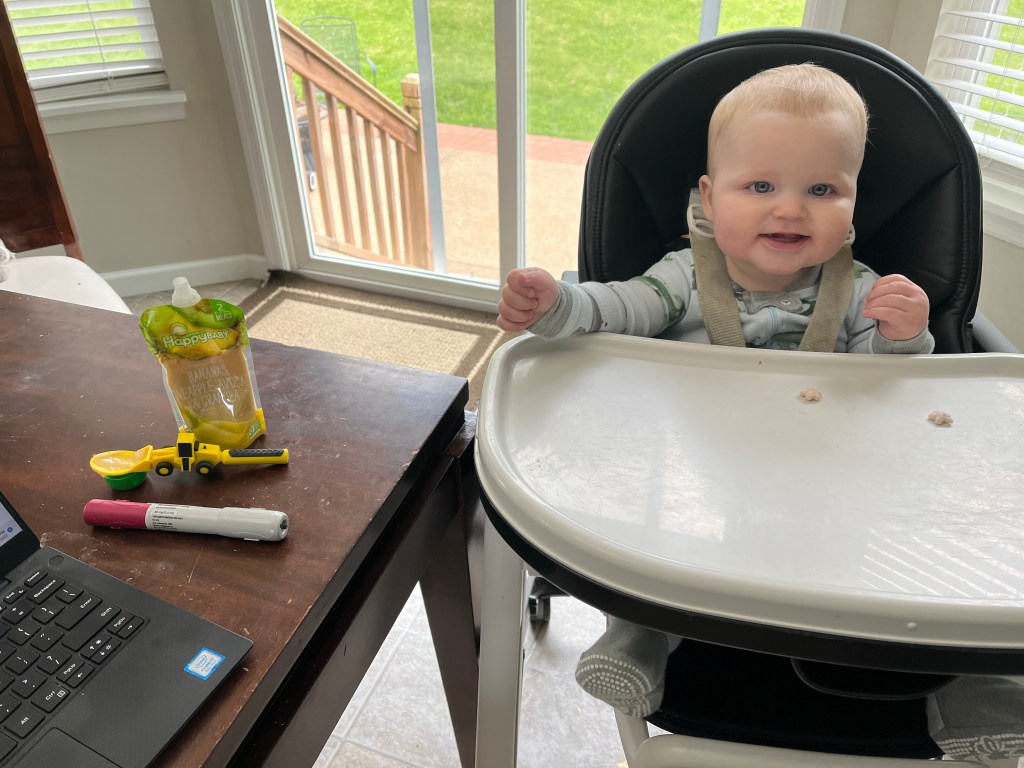
This week I was feeding my 9-month-old a smoothie in his highchair before I had to run to grab my older two from preschool. I realized it was an injection day, so I figured I would do my shot while the baby was in the highchair to get it out of the way. It seemed like no big deal in the moment. But as I sat there and saw the baby food next to my Humira on the kitchen table I started thinking about how life as an IBD mom may feel normal to us, but what we do each day goes above and beyond.

Then my mind started wondering. I thought about how I had taken my oldest to his outdoor fieldtrip last week and refrained from having my morning coffee or eating breakfast so I could curb my Crohn’s from causing me problems. I thought about how my 3-year-old is so intuitive if she thinks I’m in pain, she grabs my belly and pretends to put the pain into her belly, telling me “I love you mama, take a breath.”

Take a breath. Boy oh boy do mothers in general need to stop and take that advice or what? Motherhood whether you have IBD or not is the most beautiful, exhausting, and rewarding challenge. No matter what season you are in it comes with triumphs and challenges it comes with happy tears and sad ones, too. It’s a constant game of trying to manage your emotions and tap into your patience, or whatever is left of it each day. We come to forget that we are also growing up in many ways, just as our kids do.

Motherhood and IBD is a balance of wanting to be all the things but knowing that at any given moment your body can throw your life and plans upside down. There are unspoken limitations.

It’s silently worrying and praying what will happen to your family if you go down and end up in the hospital.

It’s trying to stand tall when all you may want to do is rest on the couch.

It’s seeing your children thrive and feeling so much pride you constantly feel like you can cry tears of joy at any moment.

It’s getting scared when your little one randomly says their tummy hurts.

It’s knowing that your disease robbed you of a great deal—physically, mentally, emotionally, but it didn’t rob you of the greatest gift of all, being a mom.

It’s recognizing all that is still possible, even with this grueling disease.

It’s showing up each day, not only for yourself but for your family.

It’s taking the pain and feel-good days and focusing on one moment in time that feels slow but is going by in a flash.

Take a breath. You deserve it. We weren’t meant to mother alone. Lean on your village. Voice your struggles. Cry if you want to cry. But also, don’t put yourself to unattainable expectations. You have a chronic illness and you’re a mom. Don’t push yourself to the brink. Some days will be adventure-filled, others will be spent on the couch—and that’s OK. Your children are learning from you and gaining innate intuition, and that’s a gift. They’re witnessing that health is not something to be taken for granted. They’re watching you even when you think they are not. What may feel mundane to you, is not. As an IBD mom you are juggling countless extra balls in the air that healthy mothers don’t have to think about. Give yourself credit where credit is due and take a breath.

IBD Motherhood Unplugged: I was diagnosed with ulcerative colitis while pregnant

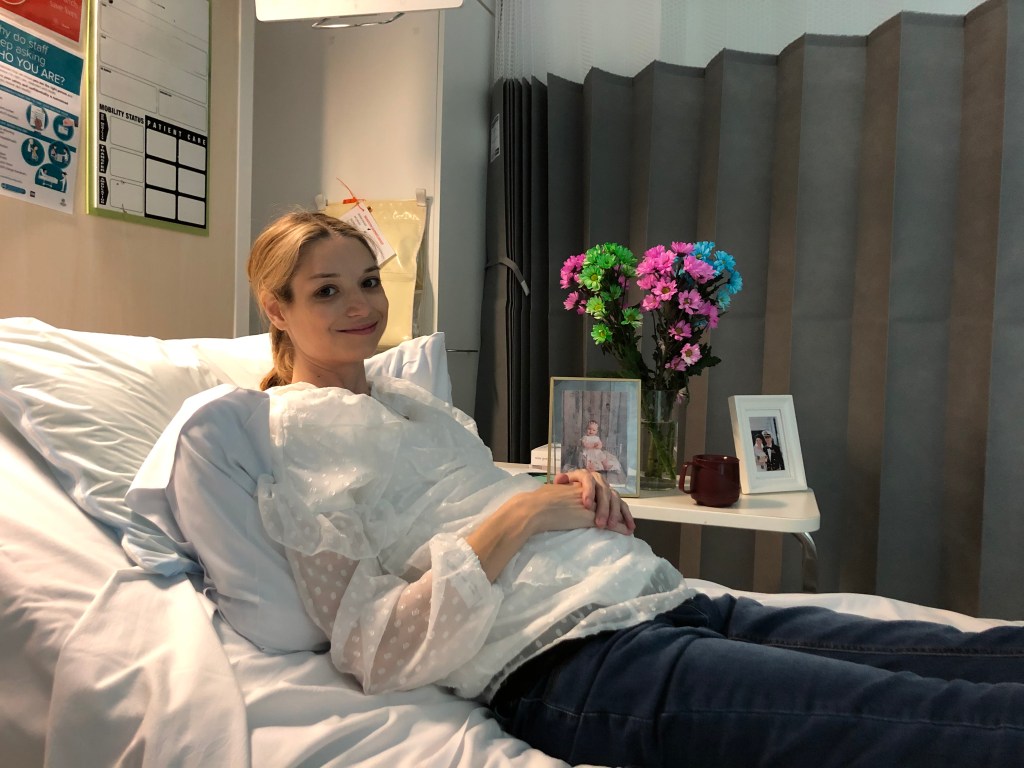
When you think about IBD and motherhood, you may instantly imagine a woman who has dealt with her disease for years before getting pregnant. But that’s not always the case. This week on Light’s, Camera, Crohn’s we hear from IBD mom, Angela Knott. She was diagnosed with ulcerative colitis when she was 17 weeks pregnant with her second child in December 2020. While a circumstance like this is rare, it is possible and complicated.

Between navigating the pandemic and a chronic illness, this diagnosis rocked her world. Angela was living in Australia (away from all family and friends) because her husband is a U.S. Navy pilot. They were on orders for a pilot exchange program in Adelaide, South Australia. Angela and her family now live in Texas.

She reflects on her journey as a woman and mother with ulcerative colitis and how it felt to receive a chronic illness diagnosis while trying to bring a baby safely into this world. Prior to being diagnosed with IBD, Angela was in perfect health. She never had a cavity or even broke a bone. She grew up being extremely active and is in excellent shape. Her first pregnancy in 2018 was flawless and uneventful. She carried her daughter to term and had no issues. But everything started to change when she was 15 weeks pregnant with her son.

During this time, I experienced severe fatigue, anemia, stomach pain, stomach cramps, and weight loss (I lost 15 pounds over two weeks). After a few days of symptoms, I went to my doctor, and I told him all about my symptoms and how I was concerned something might be off with my pregnancy. He told me I was lactose intolerant and that I needed to limit my dairy intake. I did this for three days and then I went back to the doctor because my symptoms were getting worse.”

Angela was then tested for salmonella poisoning and two days later, the test result was negative. By this time, she had already lost 10 pounds and she was becoming scared that something was wrong with her baby. She got a second opinion and was told she likely had irritable bowel syndrome (IBS). That doctor wrote a referral for a gastroenterologist.

“That same evening, I ended up in the hospital due to my symptoms worsening and I was scared my baby’s health was declining since I was so ill. I was told to immediately go to the Women and Children’s Hospital to have the baby monitored (in Australia, this is a hospital for pregnant women, children, teens, and babies). I was more concerned about my baby’s health rather than my own which, is why I went to a hospital that assisted pregnant women.”

While at the hospital, Angela’s baby was monitored and doing well. She was given IV fluids to help with dehydration and she started to feel better. She went home and rested, again being told she likely had IBS.

“Shortly after getting home, I started vomiting and this continued for the next two hours. After speaking with my husband, we decided I needed to go to the ER because something was seriously wrong, and I needed treatment.”

Seeking emergency care during Covid

Due to Covid restrictions in December 2020, Angela’s husband had to drop her off at the emergency room and could not go in, only adding to an already stressful and worrisome situation.

“After reviewing my blood work and hearing about my symptoms, a gastroenterologist at the hospital stated I may have colon cancer, ulcerative colitis, or Crohn’s disease. I knew what IBS was, but I had never heard of UC or Crohn’s before. On top of being told I may have an autoimmune disease or cancer, he told me I needed to have an endoscopy to check for potential inflammation in my colon and that this procedure could result in me miscarrying since I was going to be put under. I had never been so scared in my life.”

Angela underwent the endoscopy in the morning and sure enough, she was diagnosed with ulcerative colitis. She was close to having a toxic mega colon.

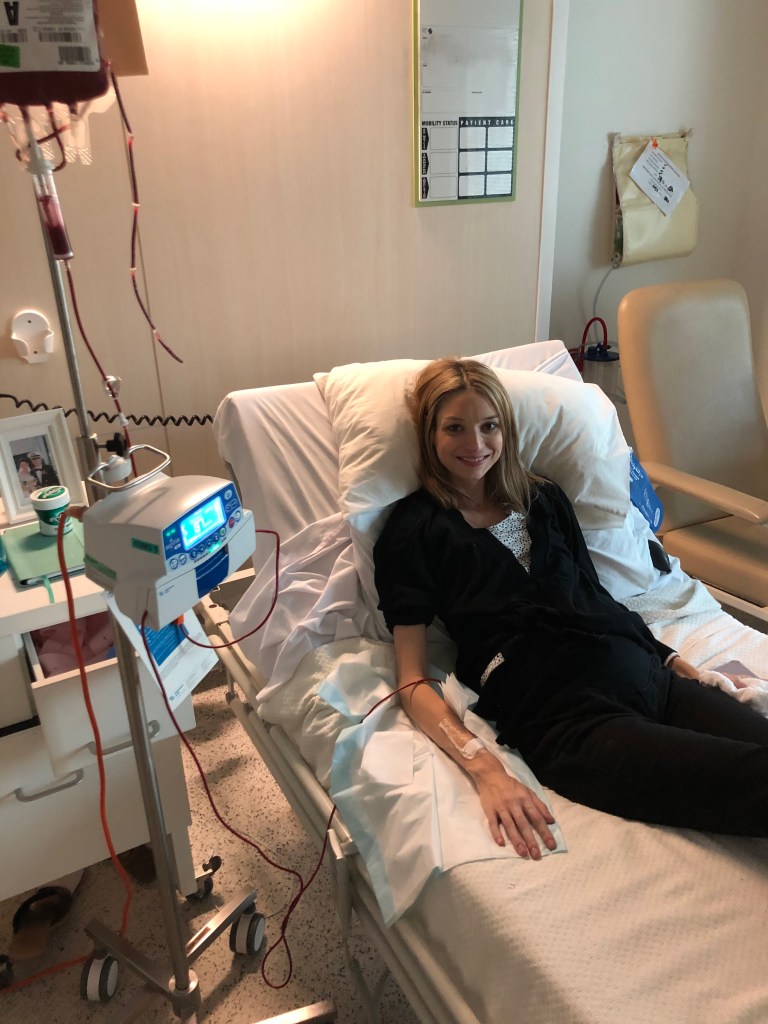
“It was a blessing that I went to the ER when I did because if I had waited a day longer, my colon would have become toxic, and my organs would have potentially shut down thus impacting my baby’s life. Later that afternoon, I met with another gastroenterologist, and he gave a thorough explanation of UC and my treatment options. He explained to me I would need Remicade infusions every 6 weeks throughout my pregnancy until I was 36 weeks pregnant. Within the next hour, I received the Remicade infusion.”

She stayed in the hospital for one week and was released on December 23, 2020. Angela received another infusion on Christmas Eve and stayed on a special diet for the next week. Within two weeks, her symptoms had drastically decreased, and miraculously remission seemed to be on the horizon.

“When I started the biologic, I was extremely nervous about how it would affect my baby’s health as well as mine. I was told it was safe for pregnancy, but it was scary knowing that my baby would be exposed to an immunosuppressant drug. I was very cautious during my first pregnancy as well as the first few months of Henry’s pregnancy, so it went against everything I had prepared for and wanted. On the flip side, I also was concerned about how malnourished I was from being so sick. I didn’t want to cause any more issues to my body or cause something to go wrong with my pregnancy.”

Initiating Remicade while pregnant

When Angela was 28 weeks pregnant remission became a distant thought, as her body was rejecting the infusion and she started flaring, again. She had a flexible sigmoidoscopy which showed she had severe amounts of inflammation in my colon.

“At 30 weeks pregnant, my bloodwork showed that my colon was nearing toxic levels and that I needed to have my baby early to ensure my organs didn’t shut down. A few days later, I was admitted to the hospital and my baby, and I were monitored for a week. I was given fluids and steroids to assist with the inflammation (a steroid shot was also given to me for my baby’s lungs). At this point, I had to switch OBs and delivery hospitals since I was admitted to a hospital that dealt with high-risk patients. This was the best decision possible since I was given an amazing team of doctors and specialists.”

Angela and her son were monitored closely. Four medical teams were on board to do all they could to ensure a healthy delivery—NICU, colorectal team, OB, and gastroenterology.

Her miracle baby, Henry, arrived 8 weeks early via an elective c-section April 1, 2021. Angela had a classical c-section (vertical incision on her abdomen) because after she delivered the colorectal team had to check her colon for inflammation.

Luckily, the inflammation was “only” considered mild to moderate. Angela’s bloodwork the day before had showed her colon was near toxic levels. She had been prepped for a possible ostomy. Fortunately, she still has her colon.

How Henry was after birth

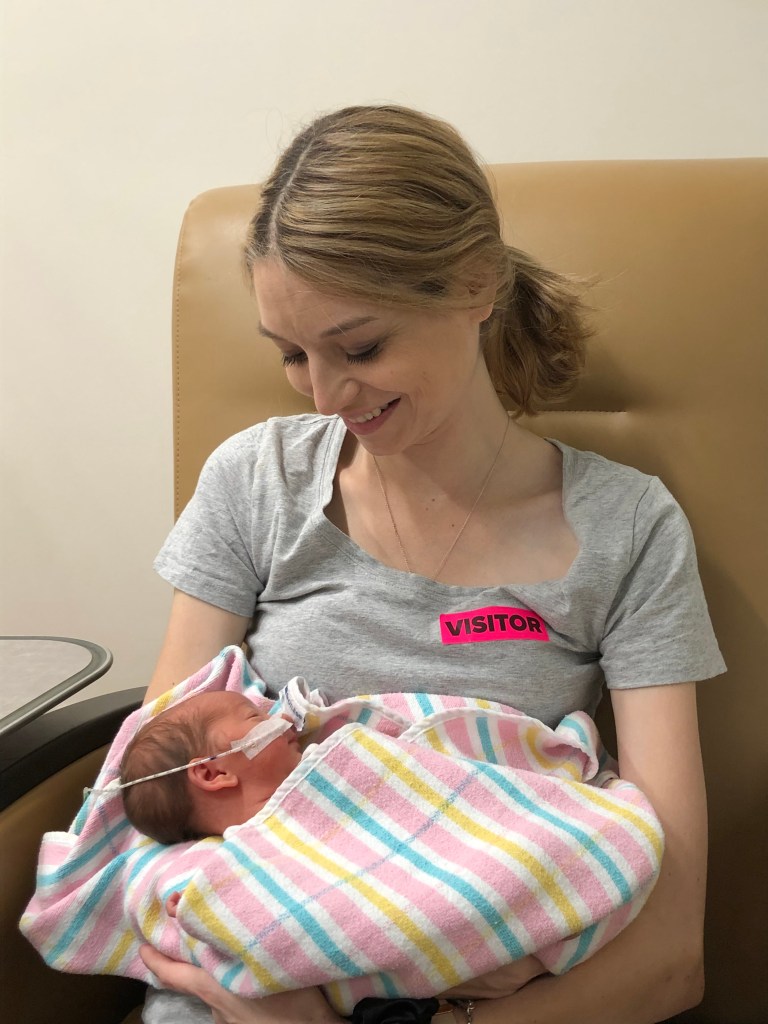
Angela’s son was born extremely healthy and came out breathing on his own. He spent the first six weeks in the NICU to assist with growing and feeding and remained in the hospital for an additional week.

“I received another Remicade infusion a few hours after delivering as well as an additional infusion a few days later. Within 24 hours of delivering Henry, I felt like my old self again (pre-UC diagnosis) and I was almost immediately in remission. It was determined my UC was most likely dormant for years and my pregnancy triggered it. Additionally, my initial pregnancy flare started shortly after my second trimester and the Remicade failed when I started my third trimester. My medical team thinks my pregnancy hormones caused a lot of my issues.”

Postpartum as a newly diagnosed IBD mom

In the months following Henry’s birth, Angela was relieved to be feeling more like herself. The fear of a looming flare worried her as a stay-at-home mom. She ended up losing 30 pounds during her pregnancy and was recovering from a very painful c-section.

“Fortunately, I did receive counselling services throughout my pregnancy (after I was diagnosed) and postpartum which helped.”

Due to being on so many different medications and having a stressful birth, Angela had a low milk supply and therefore breastfed, pumped, and supplemented with formula the first few months.”

“I was grateful my baby and I are alive; every day I rejoice thinking of how far we have come, and I am extremely grateful he is healthy and happy. I now have a deep understanding of how short life is and I no longer stress about life’s minor hiccups. I constantly count my blessings and greatly appreciate my health which I took advantage of before my chronic condition. I am a mentally strong person now and I have amazing coping skills because of my diagnosis.”

Angela still receives Remicade infusions every 6 weeks and is extra mindful of her health. She works out a few times a week, eats healthy, watches her stress levels, and makes sleep and rest a priority.

“I am doing everything I can to stay in remission and have been flare-free for almost a year. Every three months, I see my gastroenterologist and have bloodwork taken to ensure my health is on track. Prior to staying home with my kids, I was a teacher and I plan to return to the classroom soon. I am blessed to know I have biologic options to help me stay in remission so I can be successful in the classroom.”

Despite only being diagnosed with ulcerative for 15 months, some days Angela feels like it has been years.

Here’s Angela’s advice for other women dealing with an IBD diagnosis prior to getting pregnant, while pregnant, or after delivering:

  • Seek out mental health assistance during challenging times and find a support group either locally or through social media to connect with others who live with IBD and understand your reality. Angela’s favorite Facebook group is: Ulcerative Colitis Support Group, which has 36,000 members.
  • Ask all the questions. Don’t hesitate to reach out to your care team whenever you’re unsure about something or want clarity. Do all you can do educate yourself on your condition.
  • Get a second opinion. Don’t feel bad about seeking care from multiple specialists to ensure you are making the best decisions for yourself.
  • If you’re a faithful person, lean heavily on prayer and trust that God will watch over you through the highs and the lows of your illness.
  • Communicate as best you can with family and friends. Angela is grateful for the love and support of her husband.

Connect with Angela on Instagram: @angiemknott

7 Tips for Keeping IBD at Bay on Big Days

Whether it’s a holiday like Halloween or a wedding weekend (both of which I experienced the past few days), it’s important to stay ahead of IBD symptoms and be proactive in how you approach the big moments and the big days in your life so you can enjoy them. The unpredictability of Crohn’s disease and ulcerative colitis can feel suffocating when you are hoping and praying your body doesn’t betray you on the big days.

Here’s how I mentally and physically prepare so I can stay ahead of my Crohn’s and be in the moment with family and friends.

Be extra cautious with what you drink and your diet. Caffeine and alcohol are triggers for me…and for many people with IBD. The day of my brother’s wedding I refrained from drinking coffee and alcohol so I didn’t have to worry about needing to run to the bathroom in my bridesmaid dress or have to think about how bloated I could get from the abdominal pain a few drinks can cause. My Crohn’s felt non-existent the entire day, thank you Jesus!

When I am traveling and away from home, I am extra mindful of what I eat and keep it on the safe side, especially if I’m going on a road trip with my family or flying the friendly skies. You know your triggers, try to steer clear from them as much as you can. If I am celebrating a holiday at home or at my parent’s house, I tend to be a little “riskier” because of the comfort level I have using the bathroom there, resting, etc.

Be choosy about your shapewear. I don’t know about you, but ever since my Crohn’s diagnosis I’ve never liked Spanx, belts, or anything restrictive around my waist. I rarely ever wear jeans with a button. For my brother’s wedding I wore Spanx that were biker shorts that went up to the bottom of my bra and it was a game changer, especially being 3 months postpartum! I didn’t have any stomach or bloating issues. Highly recommend the Spanx High-Waisted Power Short.

Pack pain medication and maintenance meds. Just because you’re away from home celebrating a holiday or a wedding, doesn’t mean it’s time to be flippant about managing your disease. When I’m packing, I always take more than I need when it comes to pain medication, even if I haven’t needed it or used it for months. Bring extra strength Tylenol and any prescription pain medication you may need along with your “typical” medication (if you take it). Be mindful of how long you are traveling and if you could face delays, etc. If you are flying, always keep medication on you, so it’s right where you need it and so you don’t chance anyone taking it out of your luggage.

With my Humira I look ahead when I have a big event and plan accordingly. For my wedding for instance, my injection was due two days after I tied the knot. My GI had me move up my dose to the day of the rehearsal dinner so I could have some extra coverage.

Try and get as much rest as possible. With IBD we all know fatigue is one of our most difficult symptoms to handle. Throw in travel and being out of your normal surroundings and life can really feel like an uphill battle. Allow for downtime and breaks throughout the day if you’re able so you can give your body time to adjust to the hustle and bustle.

Practice deep breathing and mindfulness. If you feel symptoms creeping in try and take deep breaths and ground yourself. Lay down and gently put one hand on your chest and your other hand on your belly. Feel your stomach slowly rise and be present in the moment. Close your eyes—remind yourself that pain is fleeting and go to your happy place. Diaphragmatic Breathing, also known as deep breathing or belly breathing, helps to manage stress.

Don’t suffer in silence. This is the hardest part of all. I always struggle articulating when I’m not feeling well on the “big” days. I never want to damper the mood or make people worry so I internalize my pain and put on a smile. As a mom of three little ones, especially on holidays like Halloween and Christmas I never want to allow my disease to take away from the special, memorable moments. But this can make the struggle even worse. I find quietly telling my husband or my mom that my “Crohn’s is acting up” that it takes some of the weight off my shoulders so they at least know why I may need help, may not be as talkative, or may not seem to be acting myself.

Use these times as a “teachable” moment. Before I started sharing my story publicly, you’d never hear me tell someone I barely knew I had Crohn’s disease. But now, I find it extremely helpful to drop that line whenever I can. You’ll find making others aware can bring about much needed support, understanding, and even intrigue. Telling others I have Crohn’s disease feels like a normal, casual part of conversation now for me. At my brother’s wedding my IBD came up several times in conversation—with the hair and make up people, to my cousins coming up to me and saying, “I have co-workers with Crohn’s, and I tell them all about your blog.”

While IBD is not our identity, it’s a large part of who we are and impacts many of the decisions we make each day that can influence everything from what we eat or drink at a party or social gathering to how we participate in milestones and festivities. Taking the guesswork out for others takes a bit of the pressure off and can make you feel less overwhelmed and more comfortable and at ease.