
As patients, we have power. We have the ability to use our experiences to shed light on the constant uphill battles we face in all facets of life as we take on inflammatory bowel disease.  We have the opportunity to serve as patient advocates and leaders in our respective health communities and be a voice for those who suffer in silence. As advocates, we can share the challenges and the triumphs. We can articulate where the roadblocks are, where we struggle and come up with lifechanging solutions—not only for ourselves, but countless others.
This is where Lyfebulb and United Health Group come in. They recently launched the first-ever Innovation Challenge for Inflammatory Bowel Disease. The Challenge will recognize and award top patient entrepreneurs developing innovative ideas for better management of IBD using healthcare information technology, medical devices, consumer products or services. Get this—the top three winners receive $25,000, $15,000 and $10,000 respectively!
I had a chance to chat with Lyfebulb’s, CEO and Founder, Karin Hehenberger, M.D., Ph.D. about the Innovation Challenge for IBD. Karin says, her main mission is, “to reduce the burden of IBD, by accelerating the pace and adoption of innovation in the disease state, while raising awareness for the conditions.” 
Karin is a chronic illness patient and advocate herself. Quite simply—she gets it. She lived with Type 1 Diabetes for nearly 20 years before she decided to share her story. Complications of her diabetes led her to need a kidney and pancreas transplant. Through these challenging life experiences, she found her passion for making a difference.
“My intense personal experiences enabled me to realize key insights. I started thinking about how many daily issues I had lived with as a person with T1D and came to the realization about how my own patient journey and professional expertise, could help drive research and innovation.”
In years past, Lyfebulb has held these types of challenges for diabetes and cancer. Past winners invented everything from a clever solution to ensure injected insulin was still potent and had not gone bad due to storage issues to creating a natural and better bone replacement device for those battling cancer who have experienced bone deterioration.
Much like those diseases, IBD impacts all areas of life. Karin believes there is still much we can do in the IBD space when it comes to awareness and education. It’s her hope this Innovation Challenge for IBD will help raise the level of attention on the complexities and challenges facing those of us in the patient community.
How to apply
You are eligible if:
- You work on innovative ideas and concepts for better care and management of IBD using healthcare information technology, medical devices, consumer products or services; and
- You, or a family member of loved one, live with IBD; and
- Your idea is something other than a pharmaceutical or diagnostic innovation.
Click here to apply. The deadline to apply is Thursday, June 7 at 11:59 P.M. ET.
Judging criteria
Lyfebulb and UnitedHealth Group will gather all submissions and will review them for eligibility.
The judging panel will look for evidence in the following categories:
- Patient Entrepreneur story
- Degree of innovation
- Impact on patient needs
- Feasibility of development and implementation
 From the submissions, 10 finalists are selected to present at the Innovation Challenge in late July. All finalists are flown to the summit in Minnetonka, Minnesota and treated to two days of interactions with other finalists, the jury and with Lyfebulb and UnitedHealth Group employees during one on one meetings, group meetings, presentations and meal gatherings.
If you are chosen to attend the Innovation Challenge summit, you will pitch your idea in front of the jury and audience composed of Lyfebulb, UnitedHealth Group members and invited guests. Best of luck to all the applicants. As a Crohn’s patient of nearly 13 years—thank you for going above and beyond to make a difference in the lives of others!

 Fast forward three years and her diagnosis changed to Crohn’s Colitis.
 I’m thankful IBD has opened my eyes and given me the gift of true empathy. That empathy has led me to crave a deeper understanding and genuine connection with friends and loved ones. It has also shown me the true strength in others, and I am constantly humbled by the selflessness of my sweet husband and forever soulmate.”
 Your new “normal” is going to look a little or a lot different; it will take some time to adjust to that. Try not to compare your new energy level to your old, your body is fighting a hard battle and you’re doing the best you can. If your energy/activity level is more limited, plan accordingly. Choose wisely who you want to spend your time with and what you want to do – soak in and cherish these times.”
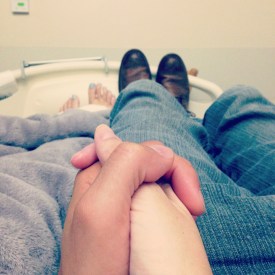 Whenever I am having a really difficult day and see a fellow warrior saying they can relate, offering words of kindness, or that they are having a hard day as well, you can feel that genuine connection and know that they truly mean it.”
 It was an awesome event that brought together writers and patient advocates from a variety of chronic illness communities. I was there as one of the inflammatory bowel disease representatives.
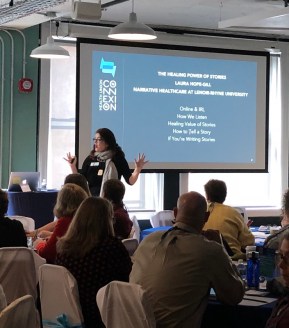 Instead of staying silent, remember that humans connect best at points of vulnerability. Illness gives our lives more meaning, we’ve discovered who really loves us and who our genuine relationships are.”
 This was really eye-opening to me. You may wonder what I’m referring to. As a patient advocate and within any conversation you have—how quickly are you to relate to someone’s story and respond with your own similar experience? I think we’re all guilty of this. We aren’t malicious in our actions and maybe we’re trying to self-disclose to show we empathize. But, instead of responding with our own personal story—it’s imperative we listen, rather than tell. Let the storyteller guide the conversation.
 een blindsided each and every time. I’ve worked a full day, trained for a half marathon, taken a road trip…you name it…and BAM…hello, bowel obstruction or abscess.
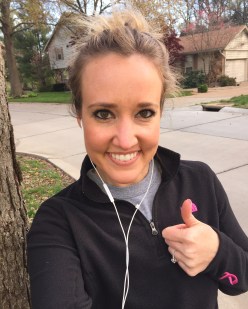 It’s these fleeting moments of invincibility that provide us with a chance to live like the rest of society. It may seem simple, but recognize these moments, verbalize them with loved ones. Celebrate the small joys, that are a big deal.
 Think about the risk vs. the reward. It’s emotionally draining when nothing seems to be working or helping to ease your pain, but, staying positive and open helps us all physically, emotionally and mentally. Keep an open mind with your healthcare providers and have two-way communication. Educate yourself, learn about the clinical trials and treatment options out there—be your own best advocate. Connect with others who are living your same reality. Trust in other peoples’ journeys, but recognize your journey is unique and so is everyone else. Each person’s IBD presents differently.
 By telling someone you are struggling, hurting or worried, you are not showing weakness. You are not complaining. If you are going through a dark time and wonder how you’re ever going to overcome a current setback, lean on your support system without hesitation. Internalizing your pain will only make matters worse. You’re still brave and resilient, no matter what.
 lights camera crohn's